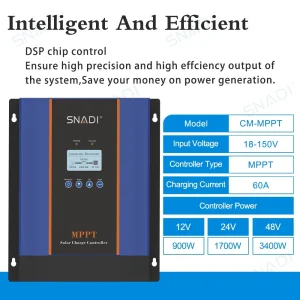
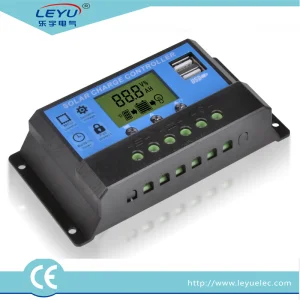
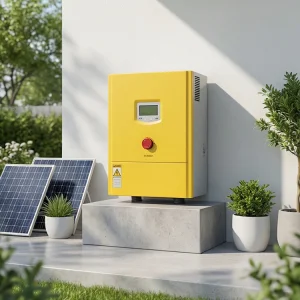
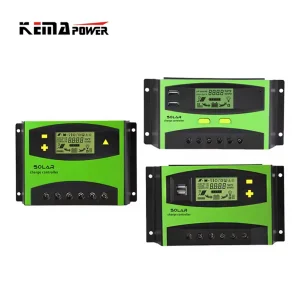
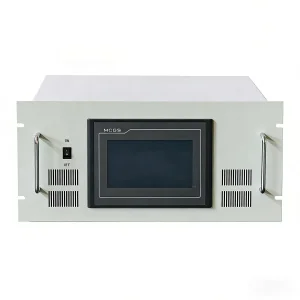
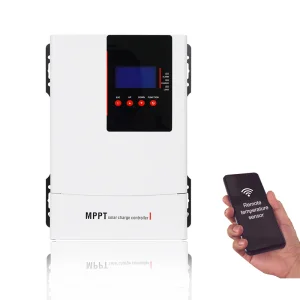
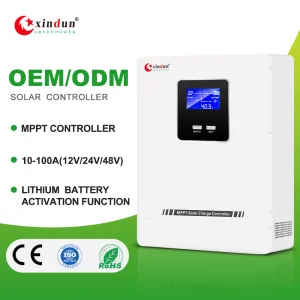
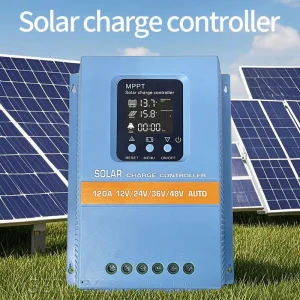
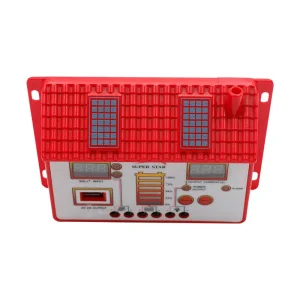
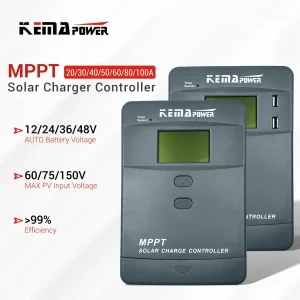
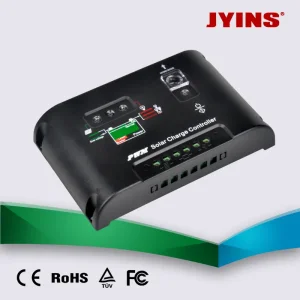
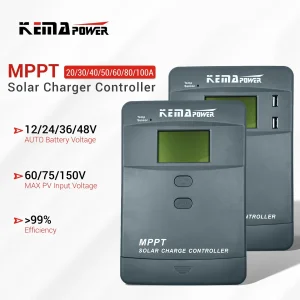
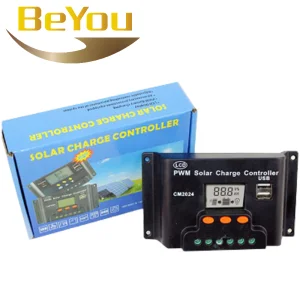
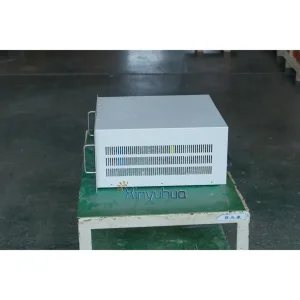
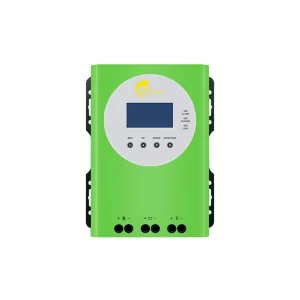
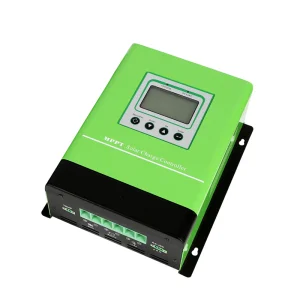
Optimized specifically for the low insolation levels and marine weather profiles of Washington State. These units offer high resistance to ambient moisture and advanced maximum power point tracking systems to extract optimal power from diffuse atmospheric light.
The Pacific Northwest, specifically the Seattle metropolitan area, presents unique and challenging environmental variables for solar power design. Characterized by persistent cloud cover, frequent rain showers, and significant seasonal variation in daylight hours, traditional photovoltaics require superior engineering adaptations to maintain high energy harvesting indices.
Standard pulse width modulation (PWM) controllers are inadequate under Seattle's light footprint. Because they operate at a fixed voltage, they fail to align with the dynamic optimal voltage output of PV modules under low-light or shifting cloud cover. Maximum Power Point Tracking (MPPT) solar charge controllers, on the other hand, dynamically scan and adjust the electrical operating point of the panels. In overcast conditions, this ensures up to 30% greater energy extraction compared to legacy PWM systems.
By shifting to advanced high-frequency MPPT tracking algorithms, commercial installers and industrial infrastructure projects throughout King County can guarantee steady charging power even when solar irradiance drops below 200 W/m².
“For Seattle commercial solar integration, dynamic thermal compensation and rapid MPPT sweep response are key. Standard solar configurations fail to harvest the diffuse irradiance typical of the Puget Sound region, making controller selection the single most critical point of system failure or success.”
— Senior Solar Integration Analyst, PNW Clean Energy Group
The passage of Washington State’s Clean Energy Transformation Act (CETA) commits the state to an electricity supply that is 100% greenhouse-gas-neutral by 2030, and 100% renewable by 2045. This regulatory pressure has accelerated commercial and industrial (C&I) solar investments across logistics warehouses in Kent, manufacturing plants in Renton, and corporate campuses in Redmond.
This massive clean energy deployment relies on stable battery storage infrastructure. In industrial off-grid and backup power systems, the charge controller regulates power flow to commercial energy storage arrays, typically comprising Lithium Iron Phosphate (LiFePO4) or high-capacity flow batteries. Our three-phase MPPT charge controllers, scalable up to 300kW, are engineered to handle these heavy industrial loads. They integrate seamlessly with local energy management systems (EMS) via Modbus RTU/TCP protocols, allowing real-time telemetry tracking and microgrid automation.
Sourcing solar components internationally requires careful evaluation of safety compliance, supply chain traceability, and manufacturing quality controls. Procurement managers and engineering, procurement, and construction (EPC) contractors in Seattle must mandate high compliance standards to mitigate liability and assure project longevity.
When evaluating global exporters for commercial deployments, focus on manufacturers with vertical integration capabilities. A supplier who oversees the process from SMT (Surface Mount Technology) assembly to final thermal stress testing can guarantee part uniformity and low field-failure rates. Furthermore, certificates of origin, material compliance documents (RoHS, CE, FCC), and verified testing reports under simulated high-humidity conditions are vital for port-of-entry verification and local building permits.
For large-scale projects in Washington, ocean freight routes from global ports to the Port of Seattle offer direct transport pathways. Choosing a supplier that guarantees export-grade protective packaging, standard customs clearance documentation, and localized after-sales support reduces delivery delays and mitigates site assembly bottlenecks.
Anhui Aryam Energy Co., Ltd. is a leading provider of advanced renewable energy solutions, dedicated to delivering reliable, efficient, and sustainable power systems for residential, commercial, industrial, and utility-scale applications worldwide. Through continuous innovation and a strong commitment to clean energy development, Aryam Energy has established itself as a trusted partner in the global transition toward a low-carbon future.
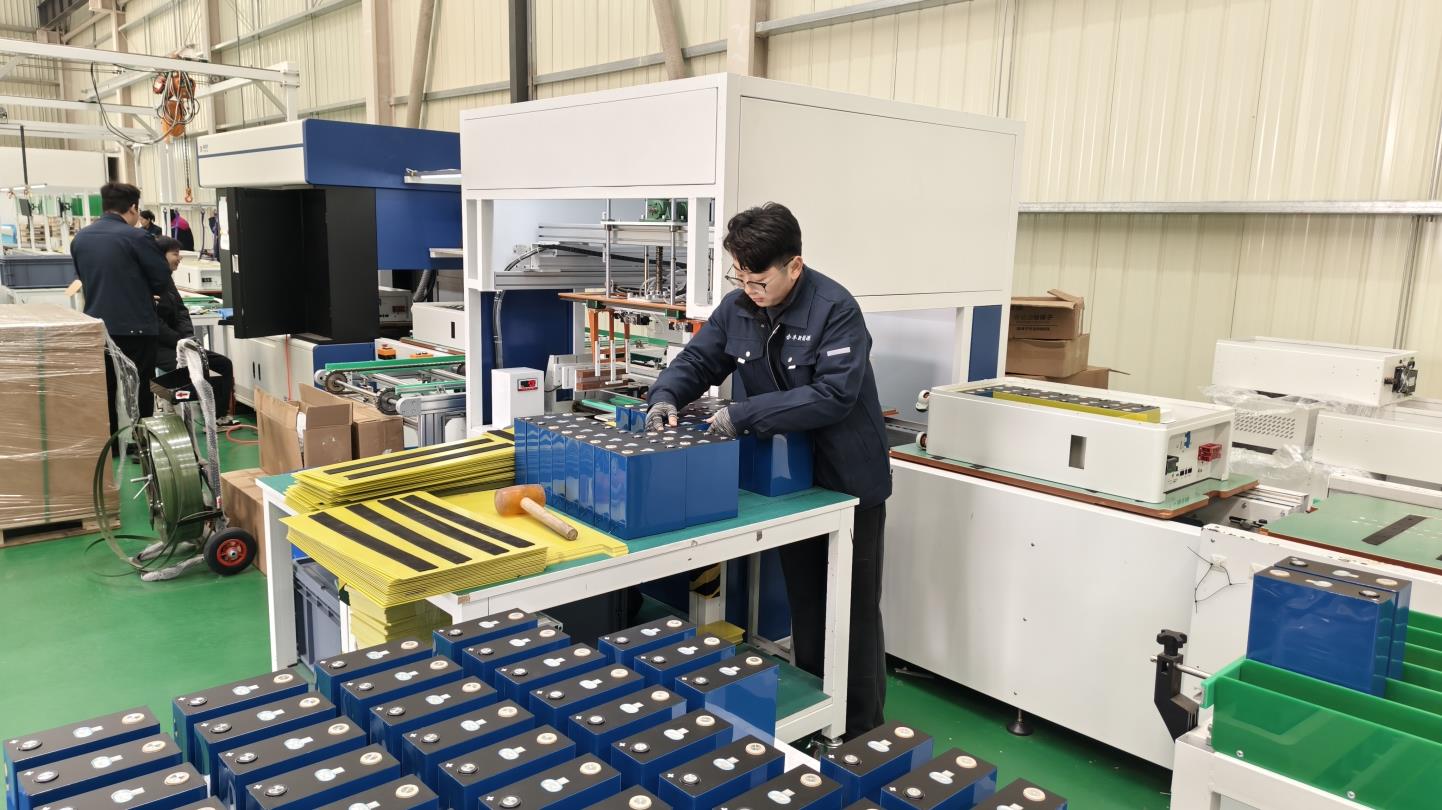
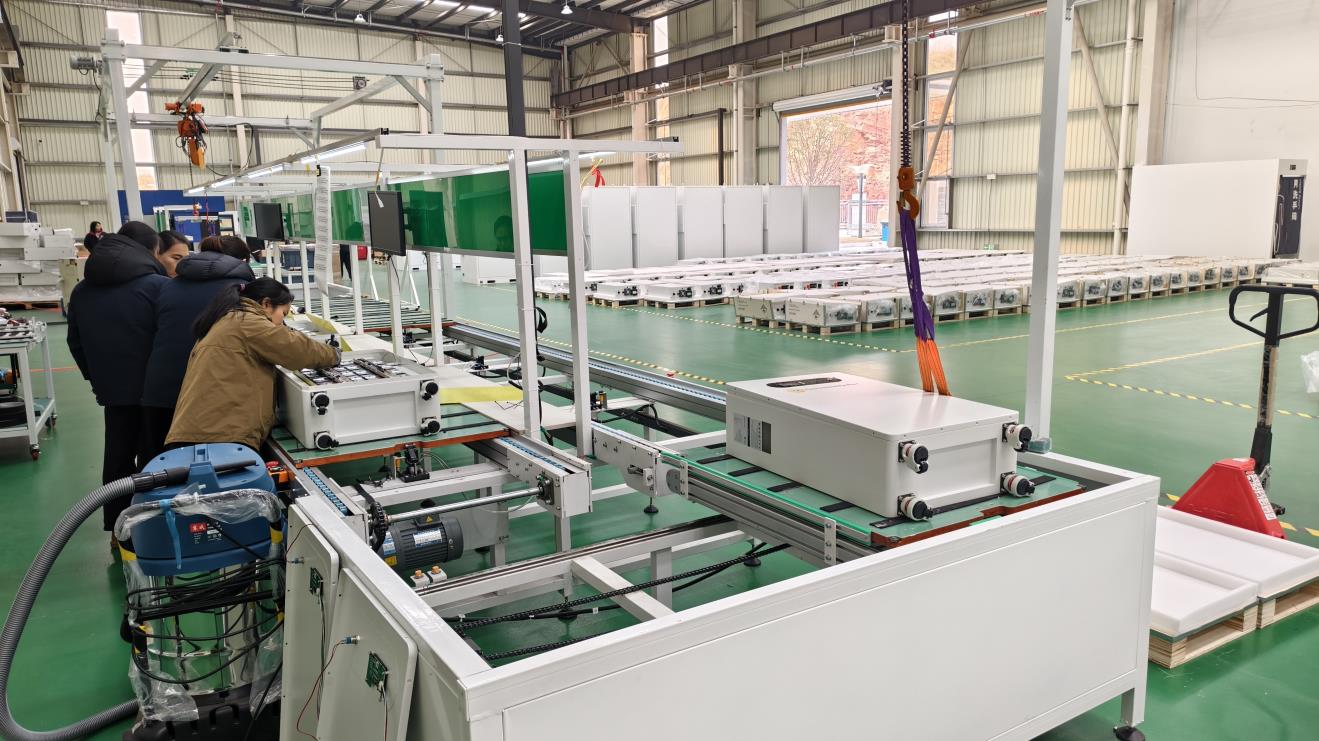
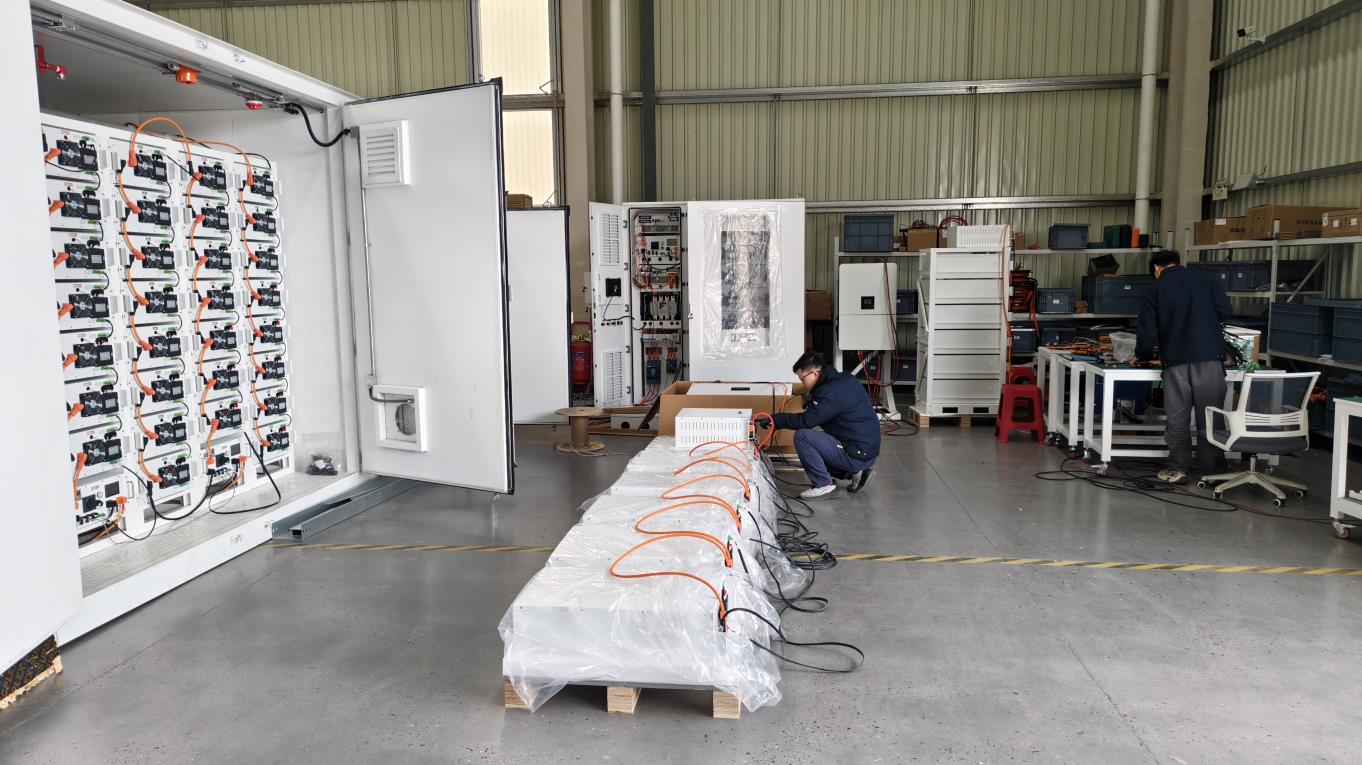
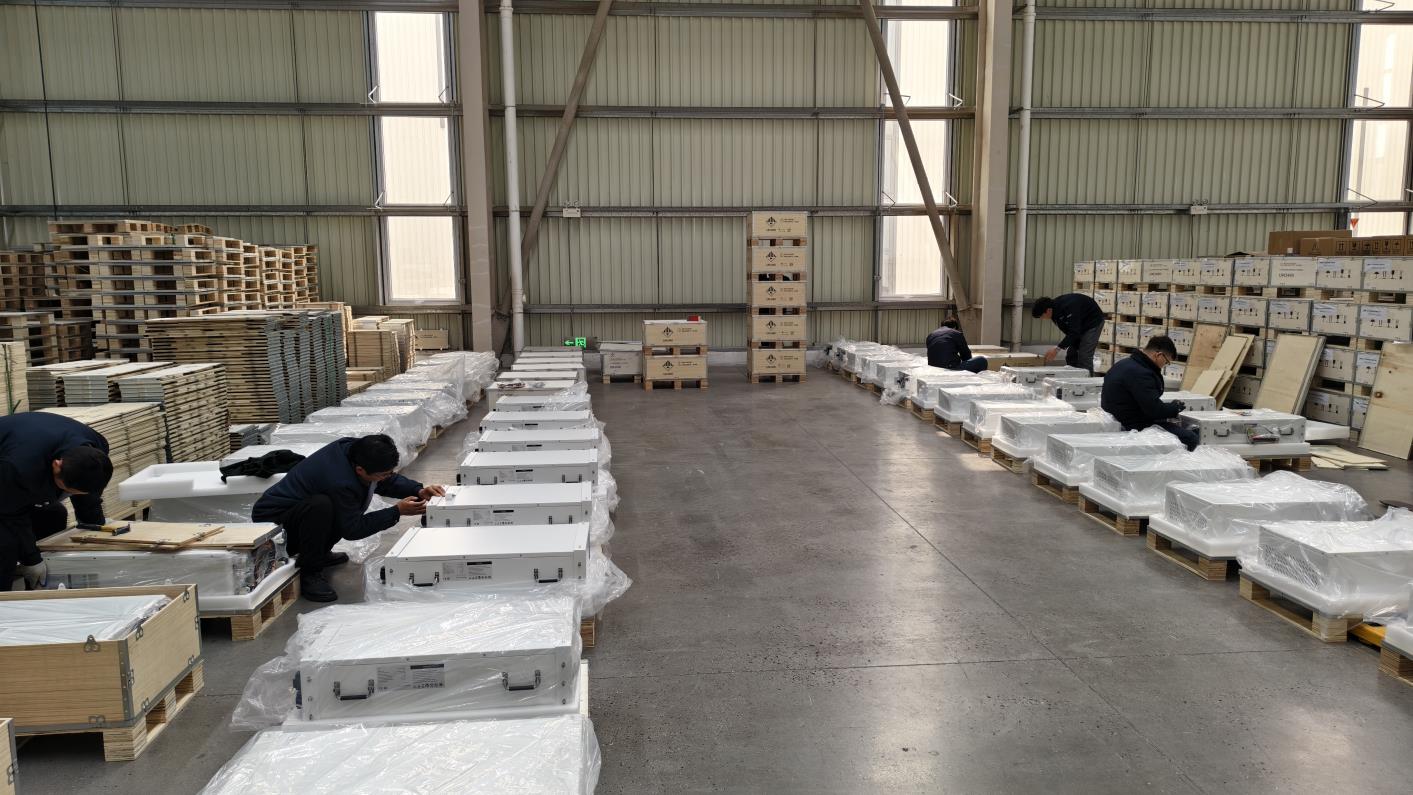
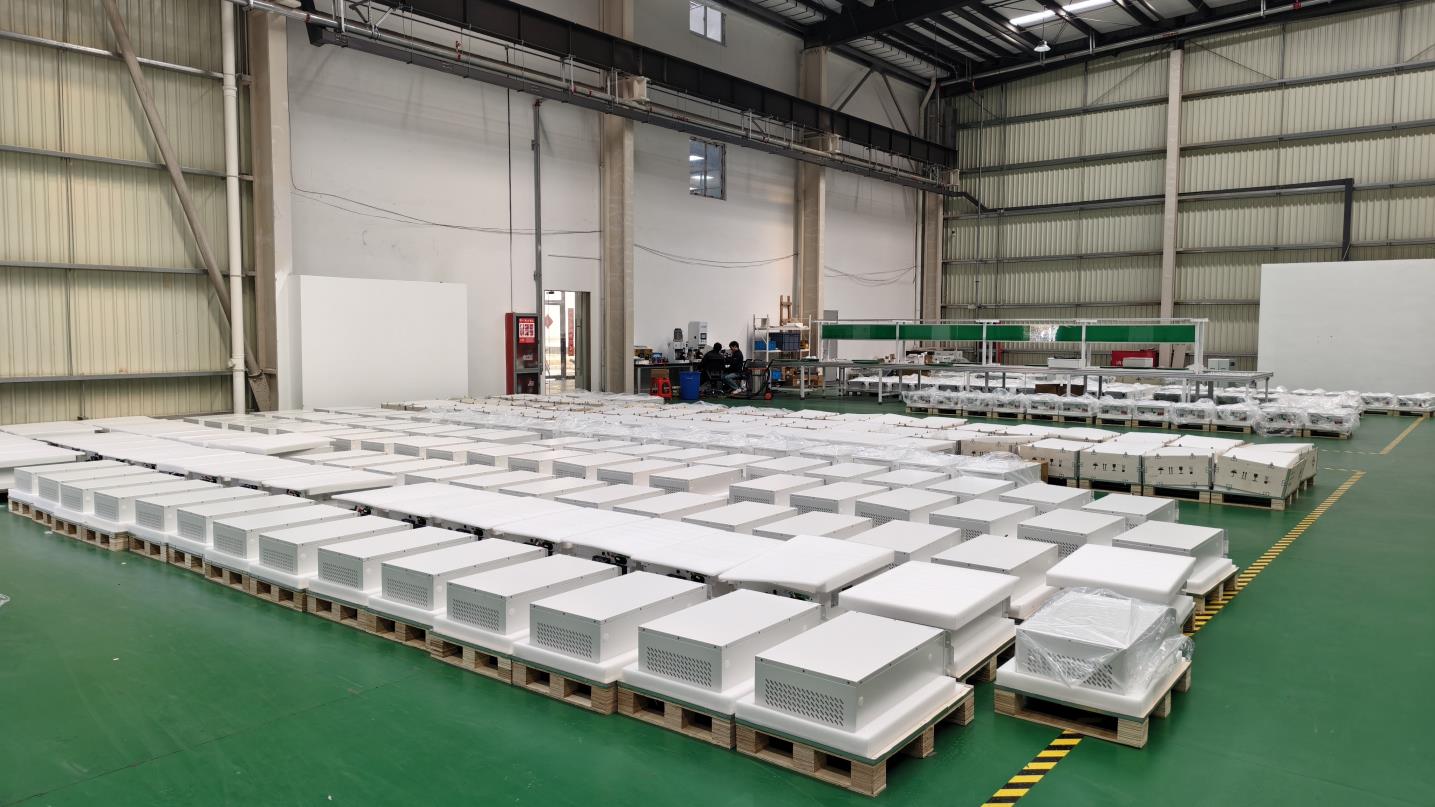
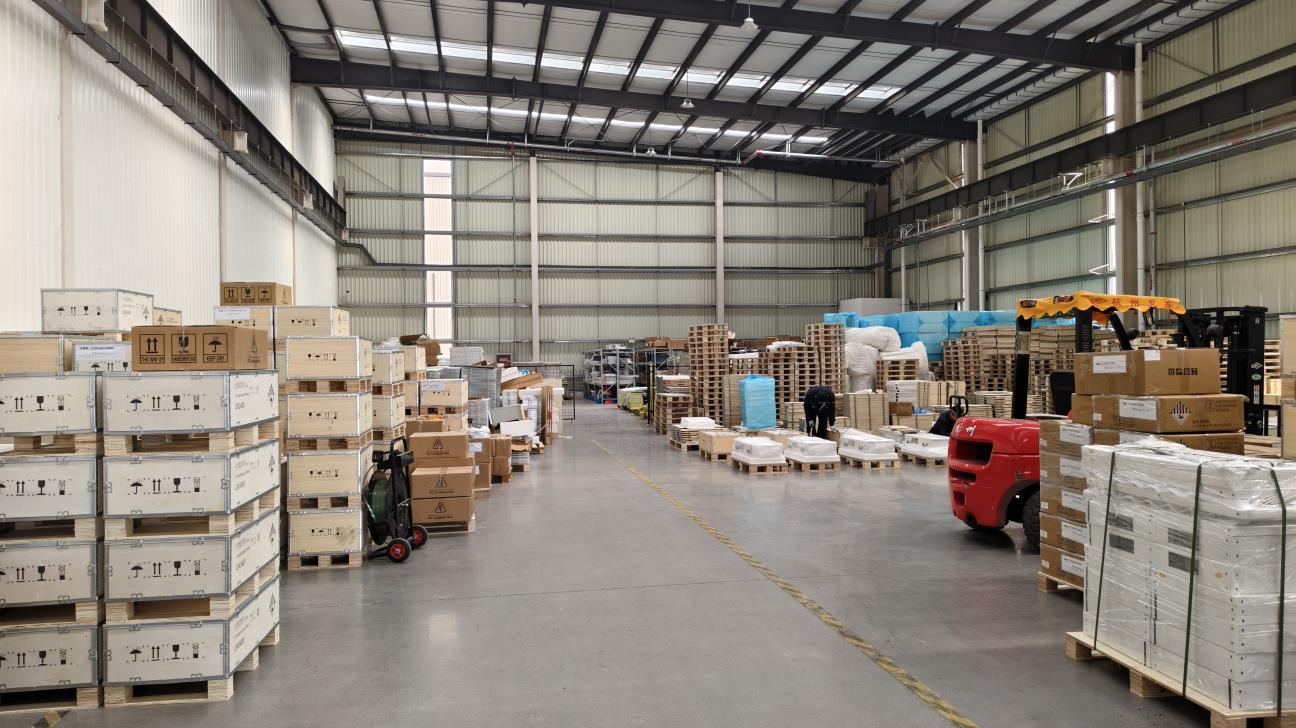
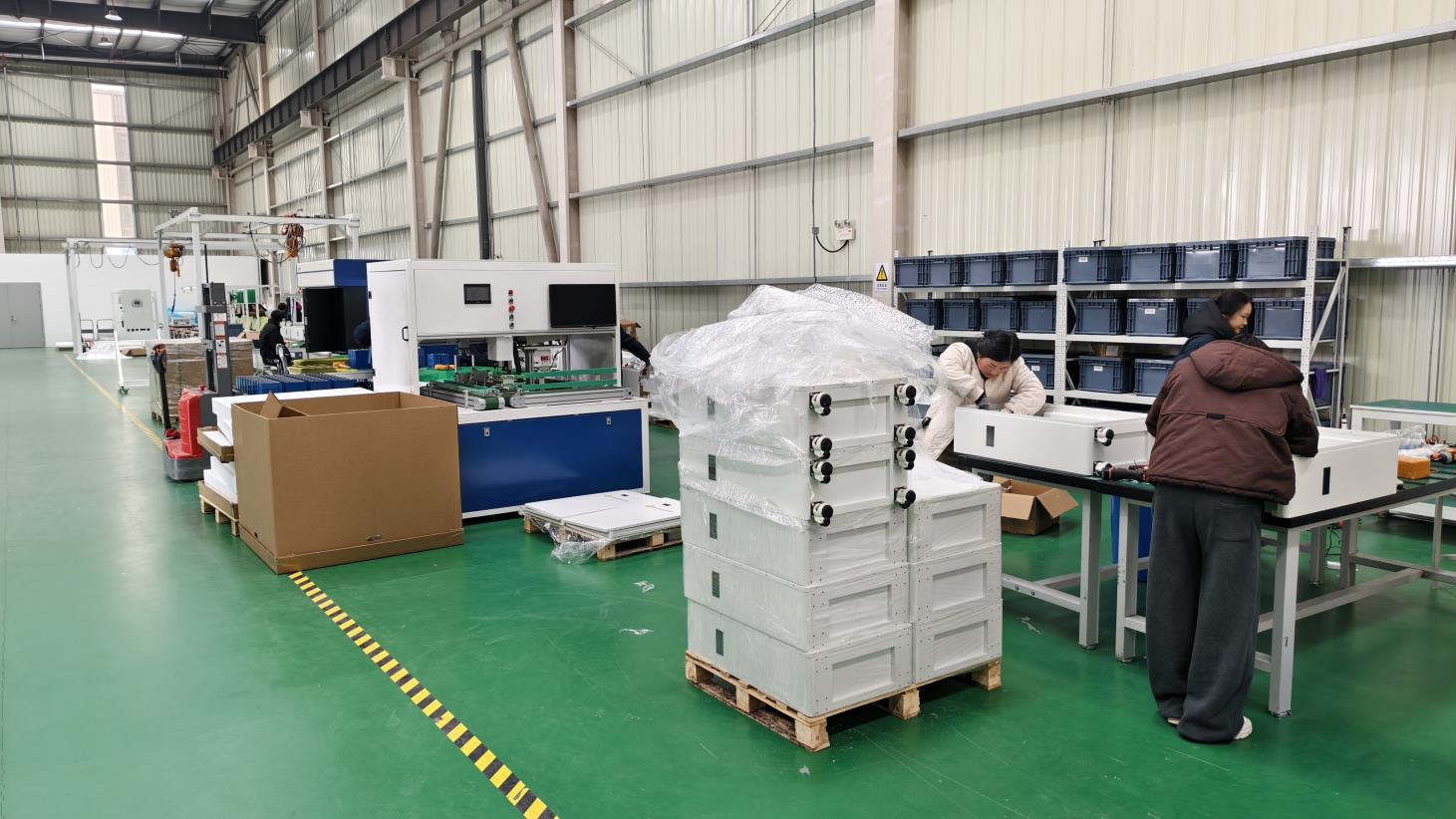
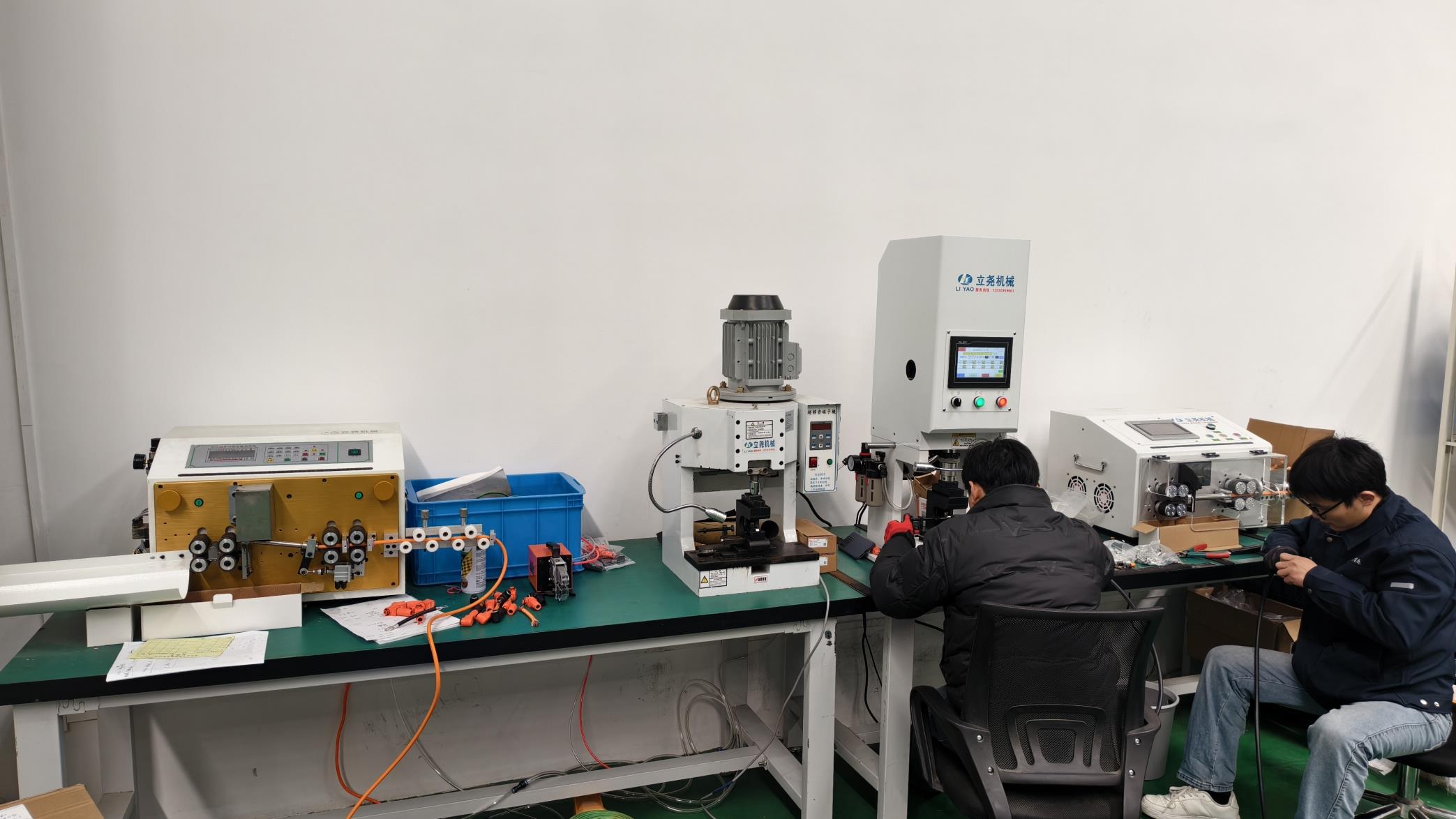
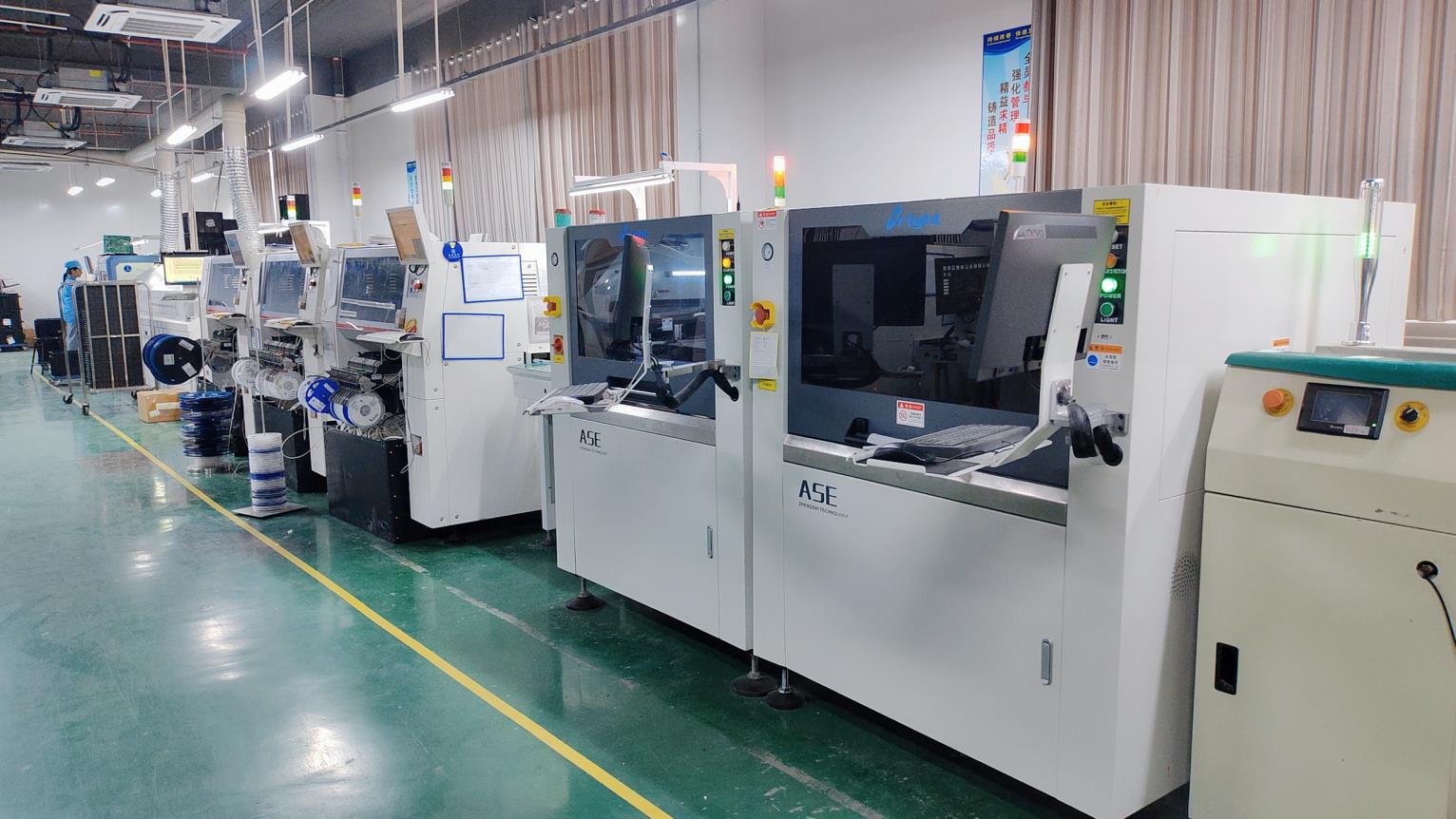
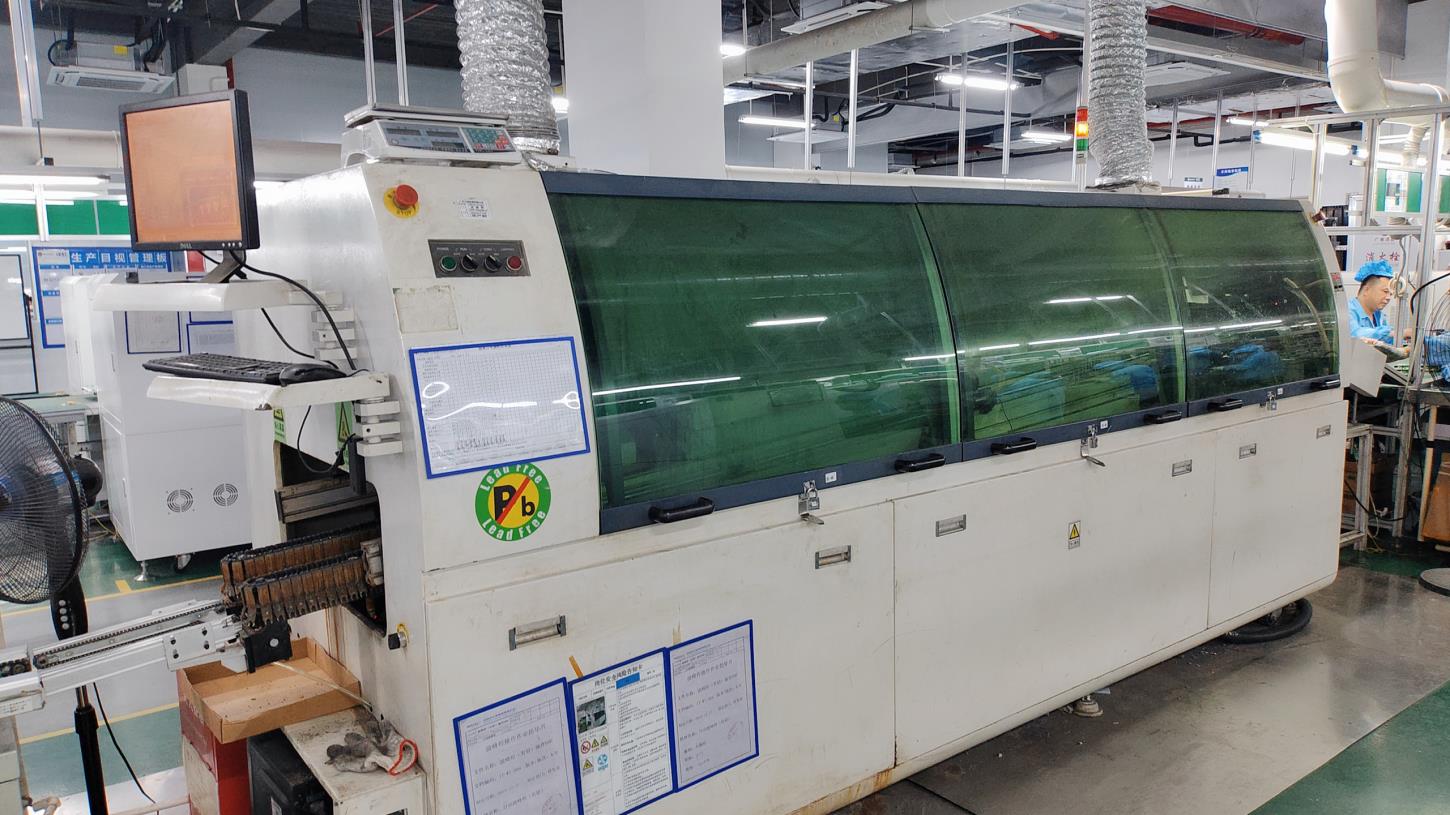
The company specializes in the research, development, manufacturing, and integration of solar energy systems, energy storage solutions, hybrid power systems, and intelligent microgrid technologies. Leveraging cutting-edge engineering expertise and strict quality management standards, Aryam Energy provides comprehensive energy solutions tailored to diverse market needs, particularly in regions facing energy shortages, unstable grid infrastructure, or increasing demand for sustainable power generation.
With a professional R&D team and a growing portfolio of proprietary technologies, Aryam Energy continuously invests in innovation to enhance system performance, energy efficiency, and long-term reliability. Its products and solutions are designed to meet international standards and have been successfully deployed across Asia, Africa, the Middle East, Europe, and Latin America, serving customers in more than 100 countries and regions.
Aryam Energy's product portfolio includes solar inverters, energy storage systems, hybrid inverters, lithium battery solutions, solar water pumping systems, microgrid systems, and customized renewable energy projects. Driven by the vision of becoming a globally recognized clean energy technology leader, Aryam Energy actively collaborates with distributors, EPC contractors, government agencies, international organizations, and development partners to promote renewable energy adoption worldwide.
For regions like coastal Washington, relying solely on solar is not always the most efficient path to year-round grid autonomy. Winter weather patterns often bring high wind currents paired with negligible solar insolation. Incorporating multi-source microgrids—utilizing wind generators alongside solar panels—solves this seasonal generation imbalance.
Our hybrid wind-solar charge controllers are designed to manage power from both resources in a unified circuit. These devices route excess turbine energy to a high-capacity dump load resistance, preventing battery overcharging and voltage surges during storms, while simultaneously maximizing solar extraction during calm, sunny spells. This combined framework provides a stable, 24/7 power curve suitable for off-grid coastal stations, agricultural enterprises in eastern Washington, and remote telecommunications infrastructure.
To safely connect solar and storage systems to the local grid managed by Seattle City Light or Puget Sound Energy (PSE), all hardware must adhere to stringent national and regional safety codes. Chief among these is the National Electrical Code (NEC) Article 690, which covers grounding, overcurrent protection, and rapid shutdown protocols.
All solar charge controllers utilized in industrial and commercial structures must comply with UL 1741 standards. This ensures they can withstand electrical surges, isolate faults, and prevent dangerous feedback loop issues. Additionally, electromagnetic interference compliance (FCC Part 15 Class A/B) is essential to avoid disturbing close-range corporate networks, marine communications, or sensitive instrumentation in neighboring tech offices.
As the energy storage landscape transitions from traditional lead-acid systems to lithium iron phosphate (LiFePO4) and emerging solid-state chemistries, charge controller algorithms must evolve accordingly. The next phase of our development focuses on integrating Edge AI processing within our controller chips. This permits predictive MPPT tracking based on local weather forecasts received via IoT telemetry, ensuring the system pre-charges battery reserves before severe storms or system brownouts.
We are also increasing the input voltage threshold of our commercial systems to support up to 600V string arrays. By using higher voltages, we minimize transmission line power loss and reduce installation cost by reducing the thickness of wire runs. This shift makes commercial installations inside dense urban spaces much more feasible and cost-effective.
Browse our complete international product line. Engineered to support commercial grid systems, off-grid telecom arrays, hybrid marine configurations, and remote emergency centers across the Pacific Northwest.
Seattle is well-known for its high count of overcast days and diffuse solar light. Standard PWM controllers act merely as a switch connecting the PV panel to the battery, dragging the panel voltage down to match the battery voltage. This wastes significant generation capacity. An MPPT controller continuously monitors the panel output to adjust voltage and current dynamically, translating excess voltage into charging current. Under cloud cover, an MPPT system can increase your energy harvest by 20% to 30%, which is critical during low-yield winters in the Pacific Northwest.
Our solar charge controllers are equipped with an integrated thermal sensor (and support for external remote temperature probes). This allows the controller to adjust the charging profile dynamically according to the battery temperature. For lithium-iron-phosphate (LiFePO4) installations, charging below 0°C (32°F) can cause permanent lithium plating and damage cells. Our controllers feature low-temperature charging protection, automatically adjusting or halting charge currents when temperatures drop below freezing, preventing cell damage.
Yes. Our industrial-grade MPPT systems, including the three-phase 11kW-300kW models, feature standard RS485 communication ports utilizing Modbus RTU protocols. This allows integration with industrial PLC networks, commercial SCADA software, or local smart building management configurations. Real-time telemetry—such as PV input voltage, battery state-of-charge (SOC), temperature, and cumulative energy output—can be monitored remotely.
Our export models are manufactured in accordance with strict international testing frameworks and carry CE, FCC Part 15, and RoHS markings. For projects that require specific UL safety listings, such as commercial building permits in King County, we offer dedicated models compliant with UL 1741 standards. Please contact our engineering department during inquiry to specify your project's certification requirements.
In wind and solar hybrid configurations, wind turbines can generate massive voltage spikes during strong storms. Standard controllers can suffer permanent damage if disconnected from the battery during high winds. Our FKJ-GT hybrid controller handles this by routing excess energy to a heavy-duty, ceramic resistive dump load when the battery bank reaches full capacity. This ensures electrical stability, protects system components, and prevents mechanical turbine run-away.
Get custom electrical diagrams, technical whitepapers, and dynamic pricing catalogs customized for the Pacific Northwest solar market. Our technical engineering division is ready to review your project plans.
Send Inquiry Now Aryam Energy