Explore our state-of-the-art solar racking structures designed for maximum durability, structural stability, and seamless installation across diverse wind loads and environmental configurations.
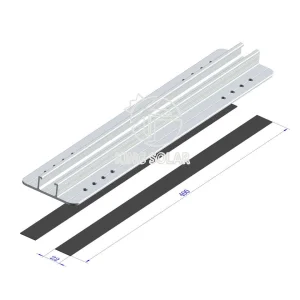
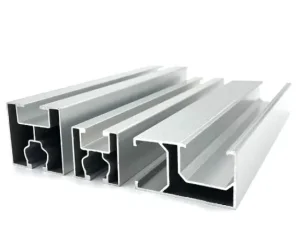
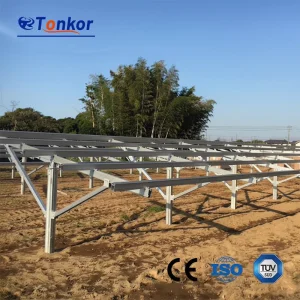
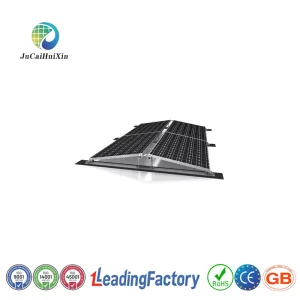
Anhui Aryam Energy Co., Ltd. stands as a premier global manufacturer and systems integrator of solar mounting systems, hybrid power units, and intelligent utility-scale energy storage. With an unyielding commitment to continuous technological innovation and strict quality control protocols, we offer optimized mounting solutions that address the complex demands of the modern energy transition. From residential rooftops to the most challenging industrial terrain, our structural designs deliver exceptional wind-load resistance, prolonged corrosion protection, and optimal spatial efficiency.
Our multidisciplinary research team collaborates closely with structural engineers, metallurgists, and EPC contractors worldwide. This integrated approach ensures that every solar racking system complies with localized building codes and severe weather resilience benchmarks, including AS/NZS 1170, ASCE 7-16, and various ISO standards. In an era where clean energy projects must guarantee structural viability for 25 to 30 years, our engineering expertise ensures minimal risk, swift assembly times, and minimized operations and maintenance (O&M) costs.
Leveraging high-tensile AL6005-T5 aluminum alloys and hot-dip galvanized steel (Q235B/Q355B) to ensure structural integrity across high-humidity, marine (C5-M), and heavy snow environments.
Engineered with patented snap-in, click-on, and sliding mechanisms that reduce on-site installation times by up to 45%, significantly lowering labor costs for EPC contractors.
Validated by rigorous wind tunnel testing and finite element analysis (FEA). Structurally rated to withstand wind speeds up to 60m/s and heavy snow loads up to 1.6 kN/m².
Achieving a 25-Year Lifecycle in Demanding Microclimates
In utility-scale solar project construction, mounting systems are the critical skeleton safeguarding high-cost PV modules. Choosing the incorrect structural configurations or materials can lead to catastrophic module micro-cracks, mechanical strain, and early-stage structural failure. High-quality manufacturers balance metallurgical strength with structural elasticity, preventing deformation during extreme weather occurrences.
The Corrosion Equation: For optimal cost-efficiency and chemical resilience, standard commercial solar mounting systems utilize anodized aluminum profiles or hot-dip galvanized steel structures. In C4/C5 environments (e.g. seaside, agricultural barns with high ammonia, heavy industrial zones), standard steel corrodes at an accelerated rate. Top-tier manufacturers specify minimum hot-dip galvanization layers of 85 microns, conforming to ISO 1461, or deploy specialized Zinc-Aluminum-Magnesium (ZAM) self-healing steel coatings.
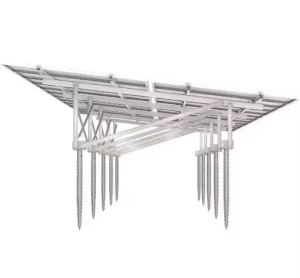
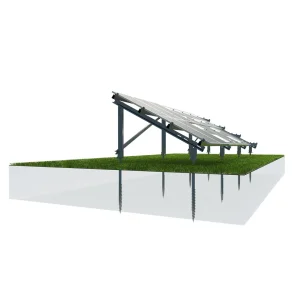
Depending on the terrain, topography, and system layout, designers must choose between structural steel and anodized aluminum. High-strength aluminum alloys (specifically AL6005-T5) are extruded to custom cross-sections, providing high strength-to-weight ratios. The surface is treated with clear or black anodizing (anodic oxide film thickness ≥ 15 microns, Class AA15) to insulate the underlying aluminum from oxygen, water, and acidic particulates. Carbon steel (typically Q235B or high-strength Q355B) remains the structure of choice for large utility projects, offering high load resistance and lower cost for ground screw or pile configurations.
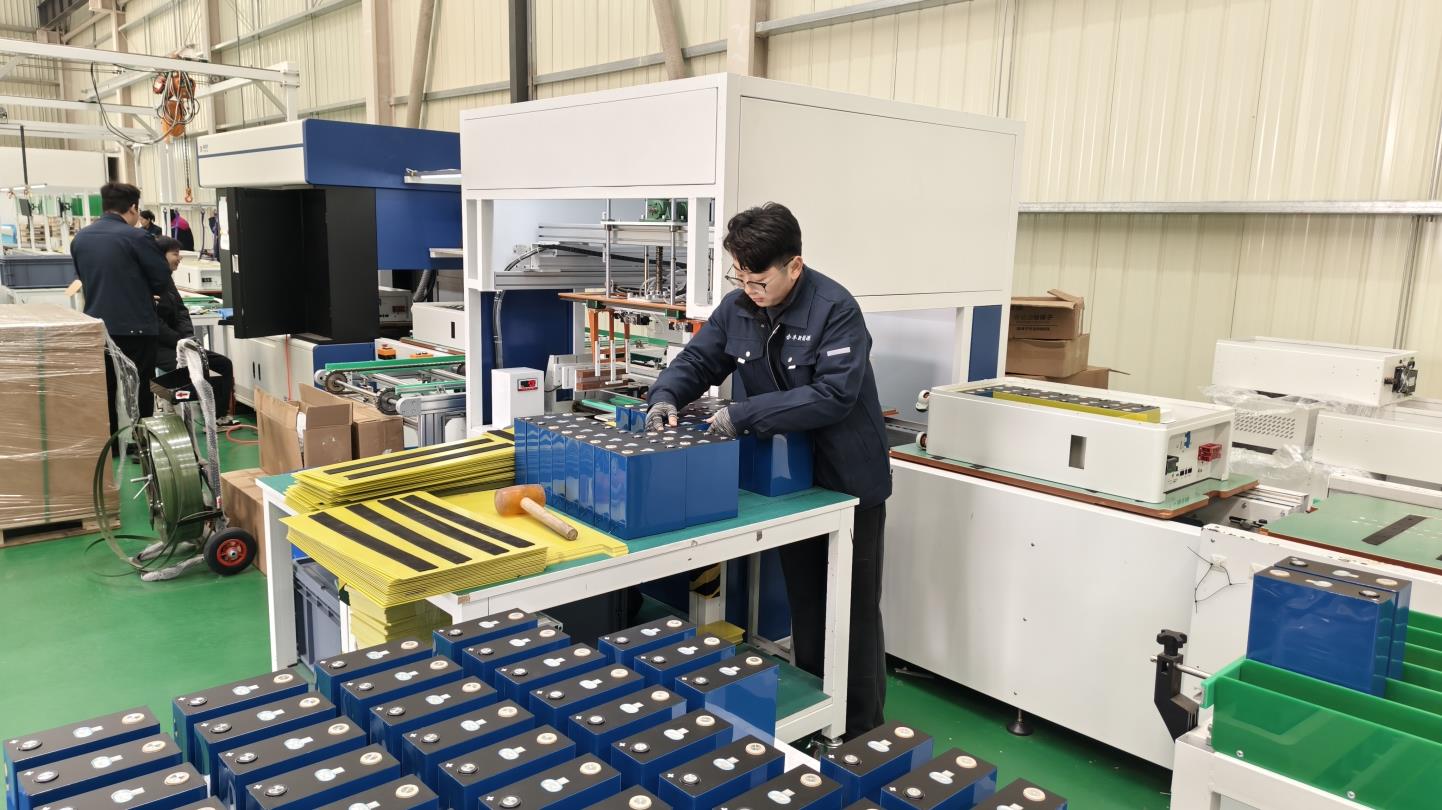
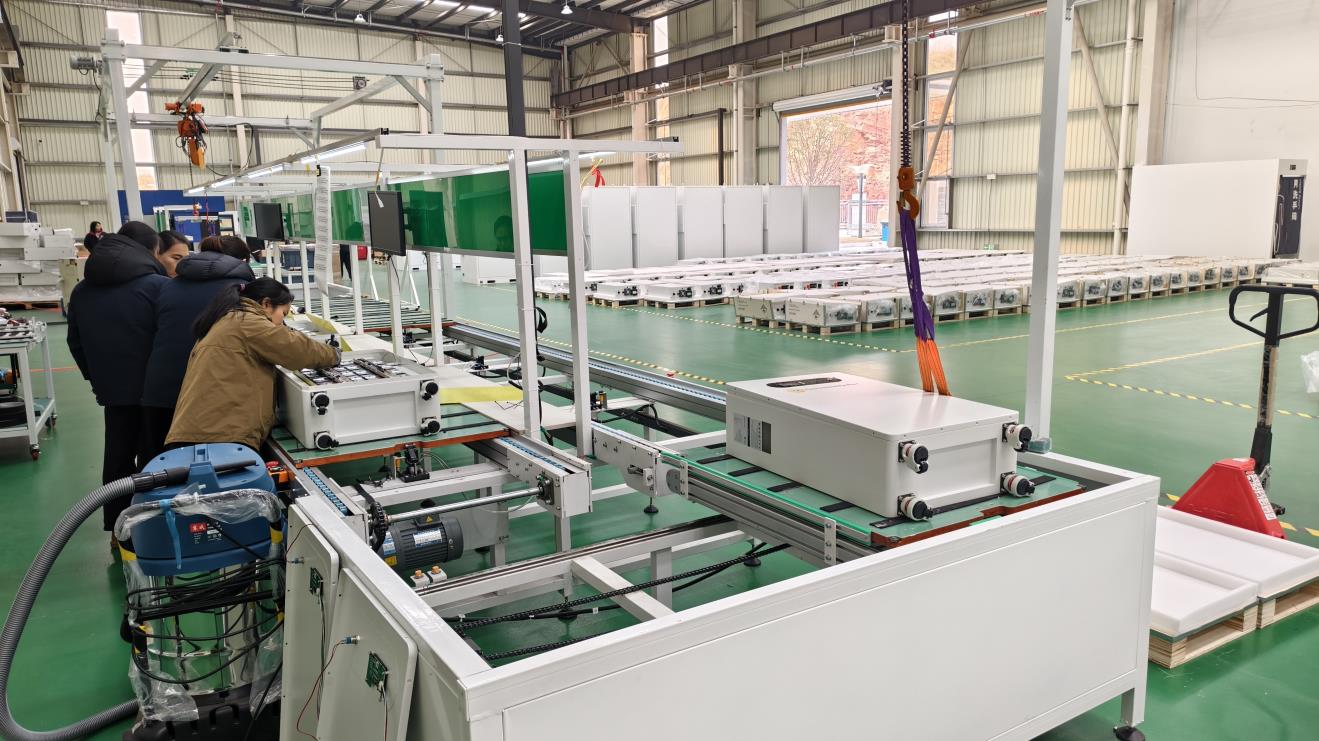
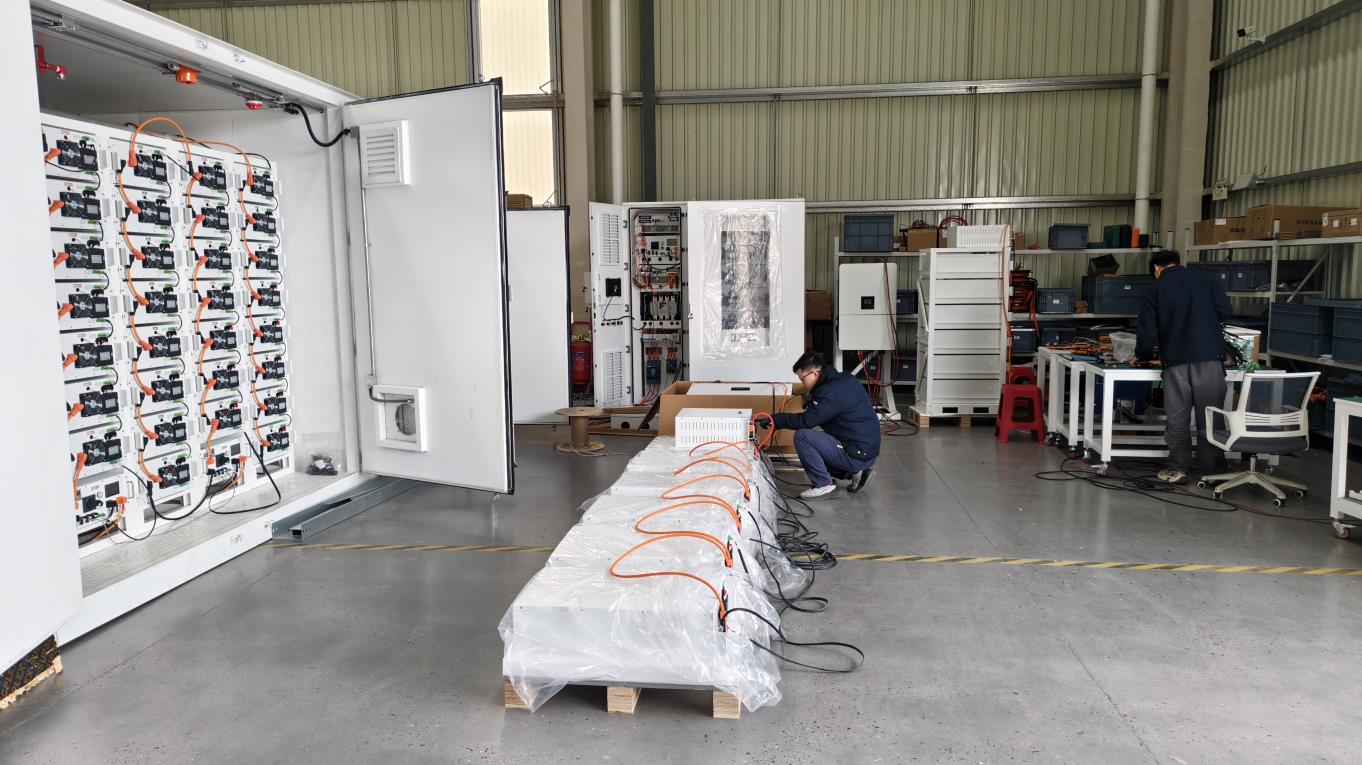
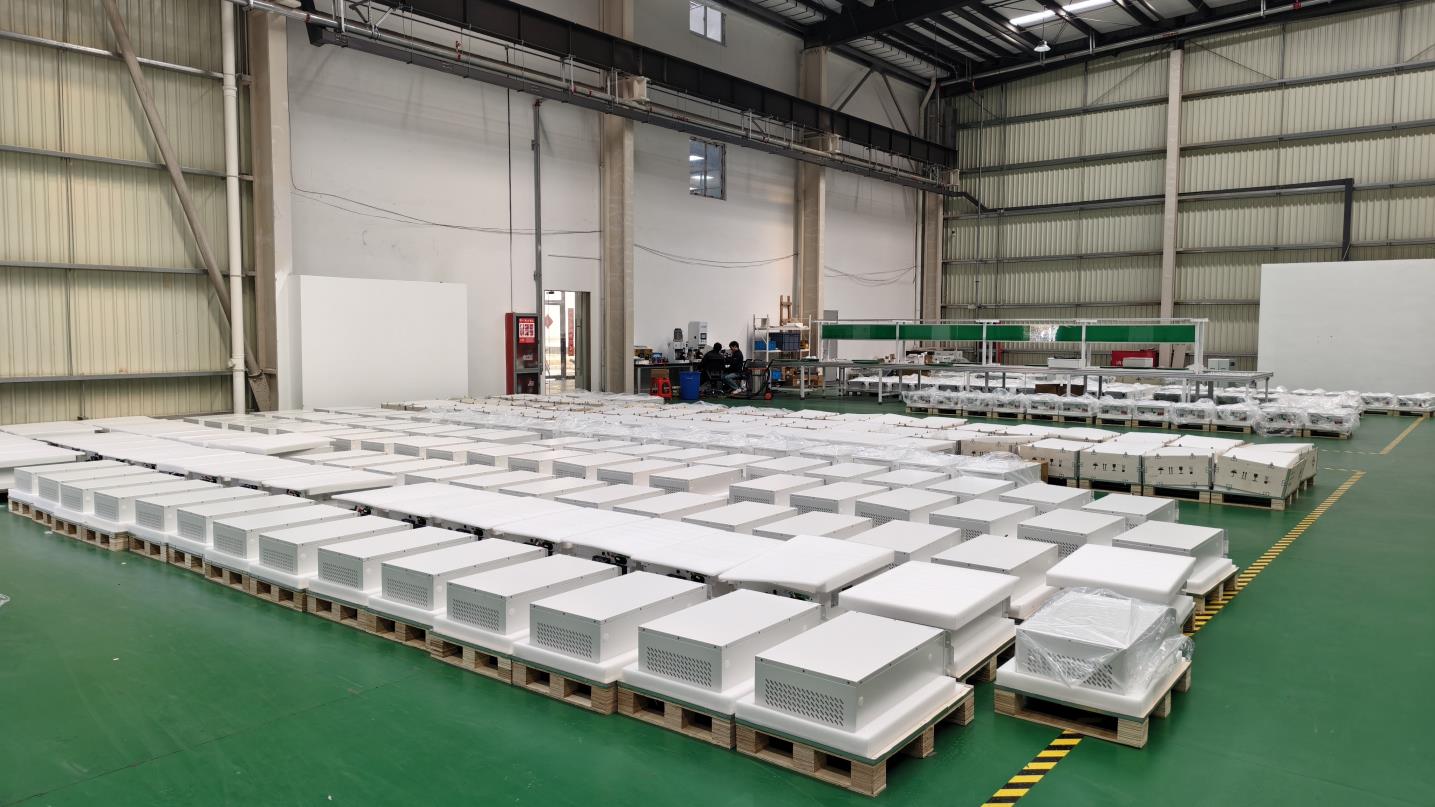
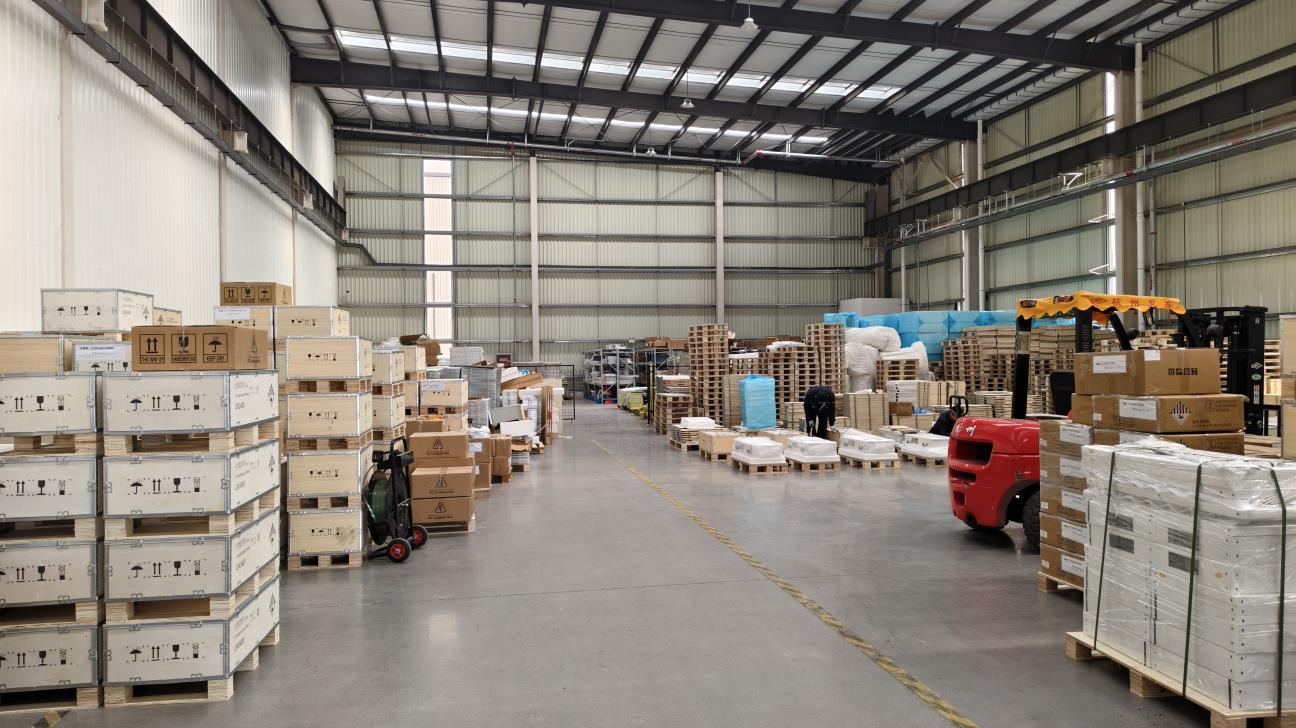
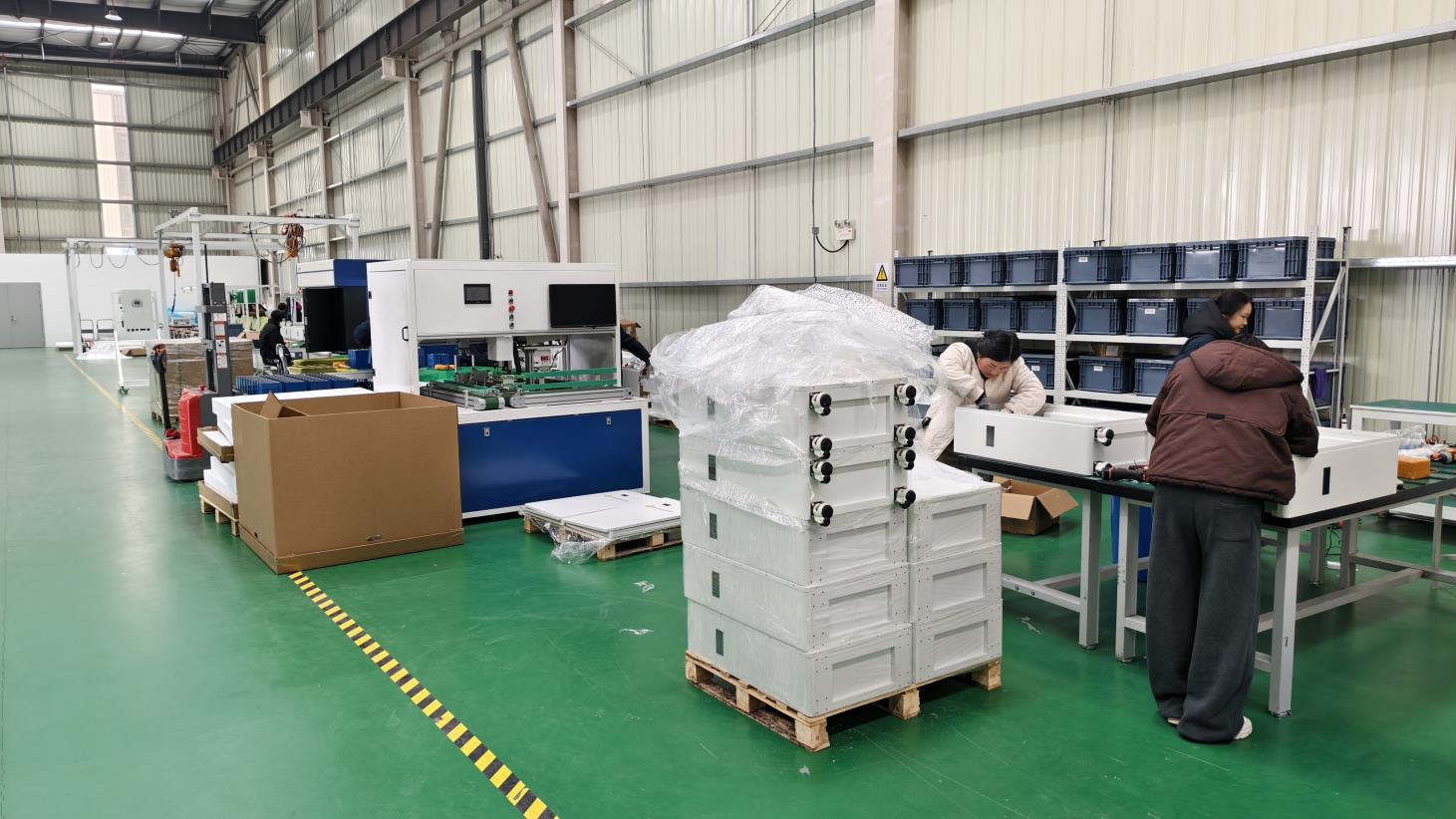
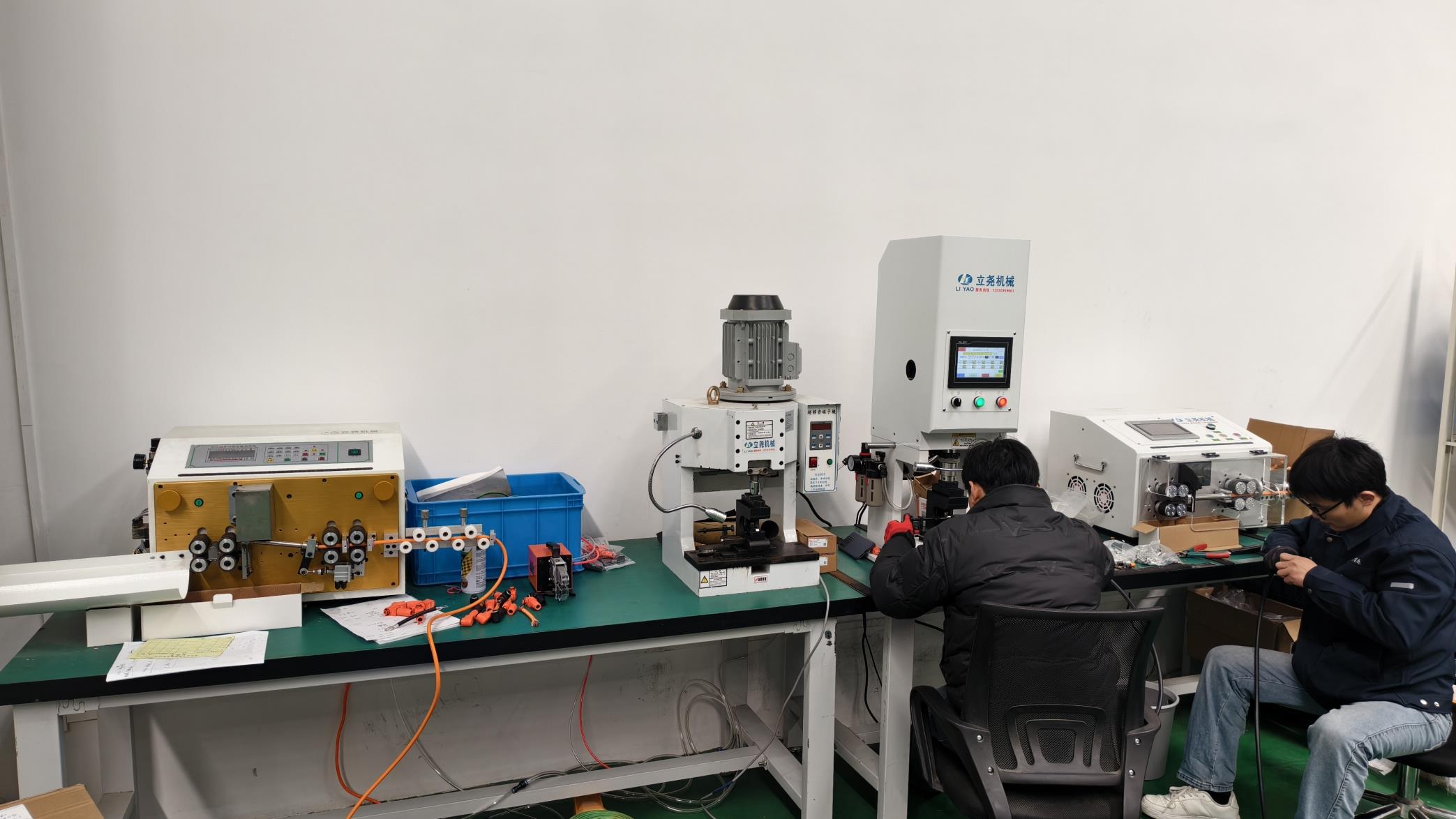
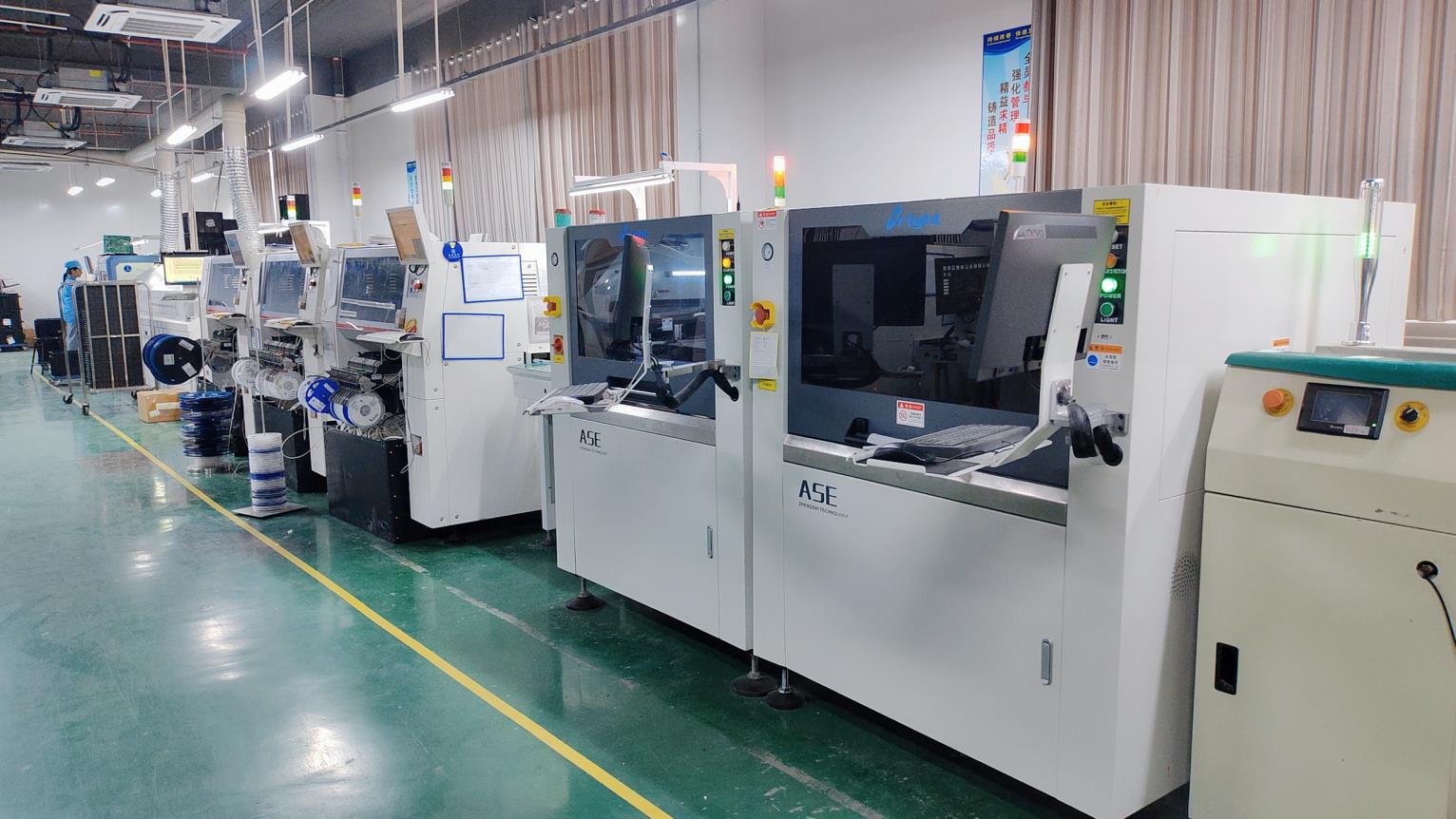
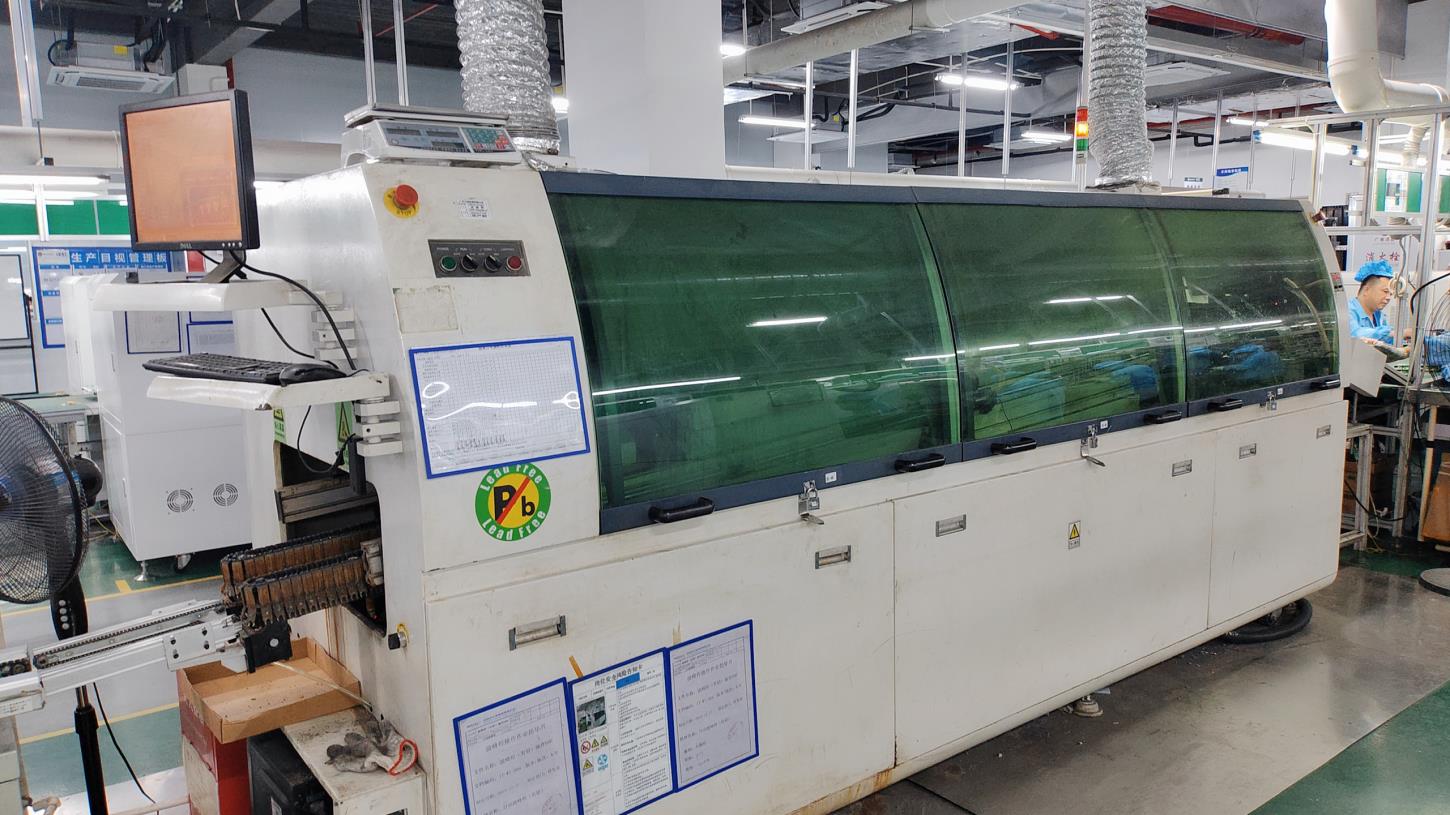
A look into Anhui Aryam Energy's modern production processes, where strict automation, mechanical precision, and rigorous QA ensure consistent engineering tolerances.
Through vertical integration, our state-of-the-art facility conducts raw material preparation, extrusion, stamping, surface coating, micro-welding, and micro-component SMT assemblies in a single, unified workflow. This limits quality variations and decreases production timelines.

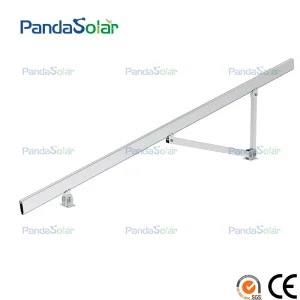
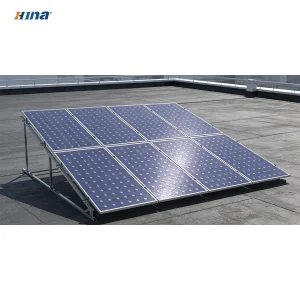
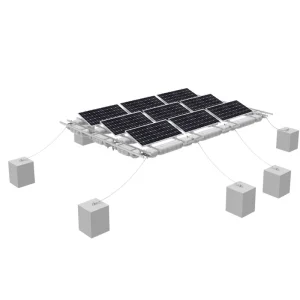
Adaptable structural topologies designed to meet the demands of commercial, industrial, and micro-grid solar projects.
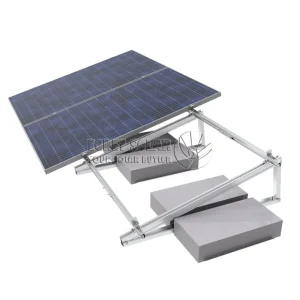
Modern roofs require custom mounting setups to guarantee building safety, water tightness, and maximum solar density. Solutions include:
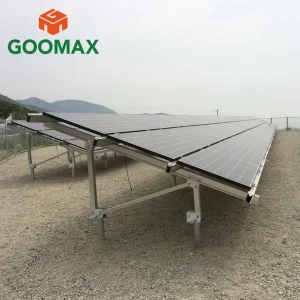
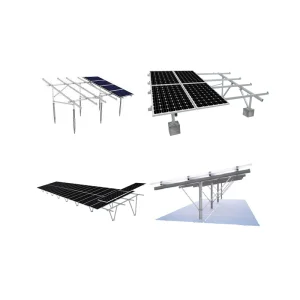
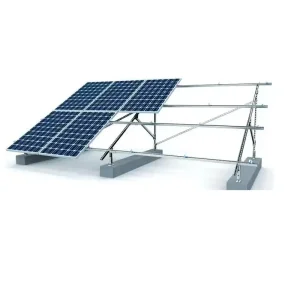
Utility systems demand long spans and optimized ground interfaces to handle wind shear. Options include:
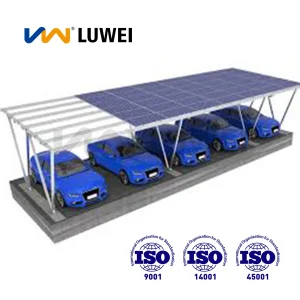
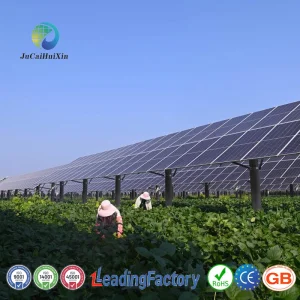
These setups maximize land-use efficiency and generate dual revenue streams. Designs include:
Innovation trends driving down Levelized Cost of Energy (LCOE)
Next-generation trackers integrate smart wind algorithms and bifacial tracking optimization. Using astronomical algorithms, sensors, and machine learning models, modern racks adjust to wind speeds and maximize energy capture, producing up to 25% higher yield than static structures.
Zinc-Aluminum-Magnesium (ZAM) steel alloys represent a major advancement in corrosion resistance. Cut edges are prone to rusting in traditional galvanized sheets; in ZAM alloys, a magnesium-rich layer migrates to form a protective film, ensuring long-term structural integrity.
Incorporating IoT sensors directly into critical wind-bearing points on the rack allows real-time structural health monitoring. This system alerts maintenance operators to micro-movements, heavy snow weight, or structural fatigue, preventing localized failures before they escalate.
Mitigating Risk in International Projects through Structural Compliance
Purchasing agents, project developers, and EPC professionals face challenges when sourcing solar racking from China, including ensuring structural code compliance, confirming loading capacity, and validating wind load metrics. Using inferior materials or uncertified manufacturers can lead to wind damage, insurance claims denial, and project failure.
To mitigate risk, procurement teams must request structural calculation reports verified by a third-party engineer. These reports must account for localized wind load conditions, soil profile parameters, topography, and the specific weight and dimensions of the chosen PV modules. Structural designs should undergo finite element method (FEM) simulations using platforms like ANSYS or STAAD.Pro to evaluate structural responses under static and dynamic wind loads.
Technical answers to help buyers evaluate quality, installation, and materials.
For typical outdoor solar arrays, we require an anodized film layer conforming to Grade AA15 (thickness ≥ 15 microns) or Grade AA20 (thickness ≥ 20 microns) on our extruded AL6005-T5 profiles. This thickness helps prevent atmospheric oxidation, surface pitting, and general corrosion over a 25-year lifespan.
Aluminum profiles expand and contract as temperatures fluctuate. Our engineers specify splice joint connectors with calculated gaps every 15 to 20 meters of continuous rail. These thermal expansion joints prevent structural buckling, rail warping, and excess stress on the module clamps.
Hot-dip galvanizing involves immersing fabricated carbon steel profiles into molten zinc, coating both the inside and outside of hollow tubes and edges with an 85+ micron layer. Pre-galvanized steel sheets are coated before cutting, exposing bare steel at the cut edges which can rust. Hot-dip galvanizing offers superior long-term corrosion resistance for utility ground arrays.
We use finite element analysis (FEA) software to model structural behavior under load conditions matching the project location. By evaluating factors like snow weight, tilt angles, and wind patterns, we can optimize steel member thickness and foundation depth to meet local building codes.
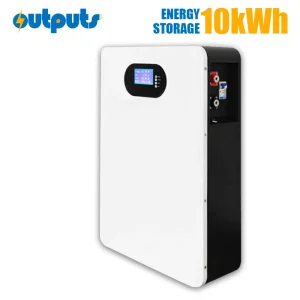
Yes, our catalog features wall-mounted residential LFP battery setups, commercial BESS enclosures, and smart hybrid inverters. This allows developers to source both the structural racking and energy storage components from a single provider.
High-durability structures engineered for major commercial arrays, agricultural farms, and utility installations.
 Aryam Energy