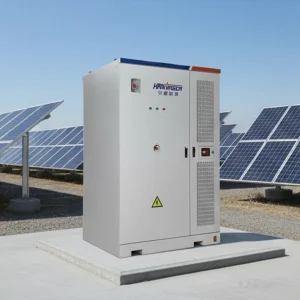
High-efficiency lithium, deep-cycle gel, and resilient nickel-iron cells engineered for utility-grade longevity.
As the global power grid undergo an unprecedented paradigm shift toward complete decarbonization, Battery Energy Storage Systems (BESS) have transformed from ancillary storage components into the core infrastructure of modern energy networks. For grid operators, engineering procurement construction (EPC) contractors, and high-volume industrial distributors, securing a resilient and technologically mature supply chain of solar batteries is not merely a purchasing transaction; it is a critical strategic imperative. The volatility of raw material index pricing (lithium carbonate, cobalt, nickel, and synthetic graphite) combined with the shifting trade policies between East Asia, Europe, and North America requires deep structural intelligence when choosing manufacturing partners.
Currently, the market demands high-performance, long-cycle configurations that minimize Levelized Cost of Storage (LCOS). In utility applications, LCOS is directly linked to cell-level longevity, degradation rates, and thermal management efficiency. Factors like system-level round-trip efficiency (RTE)—which should ideally exceed 88%—and operating temperature window flexibility dictate the financial returns on large-scale photovoltaic (PV) co-generation projects. Partnering with factories that understand these technical dependencies ensures project viability over a standard 20 to 25-year operational lifecycle.
A comparative engineering breakdown of key battery chemistries deployed in modern renewable networks.
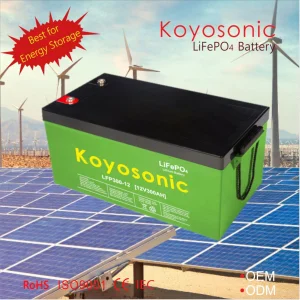
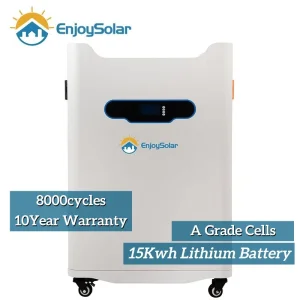
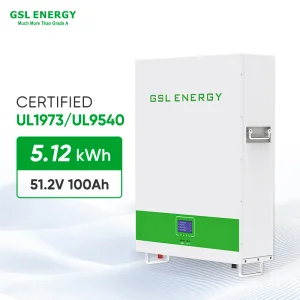
LiFePO4 represents the gold standard for high-density, high-cycling applications. With a nominal cell voltage of 3.2V, LFP cells are inherently safer than ternary lithium-ion chemistries (NMC/NCA), exhibiting high thermal runaway thresholds (~270°C). Our standard lithium packs offer over 6,000 charge cycles at 80% Depth of Discharge (DoD), integrated with advanced Smart Cloud BMS systems for precise cell balancing and real-time state-of-health tracking.
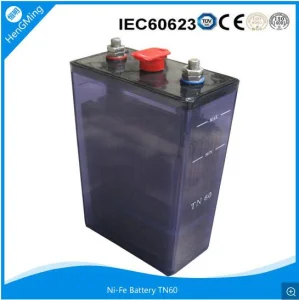
Designed for critical applications demanding an ultra-long operating life, Nickel-Iron batteries can last up to 35 years. Extremely resistant to electrical abuse (overcharge, overdischarge, short-circuits) and operating temperature extremes (-20°C to 60°C), Ni-Fe chemistry operates without risk of thermal runaway. It is the premier choice for remote telecommunications, off-grid infrastructure, and high-reliability industrial backup installations.
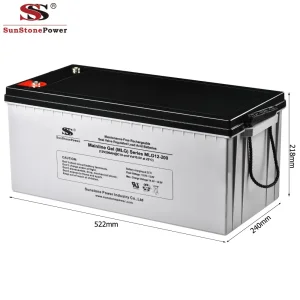
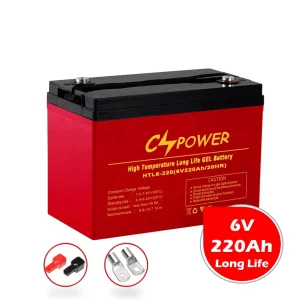
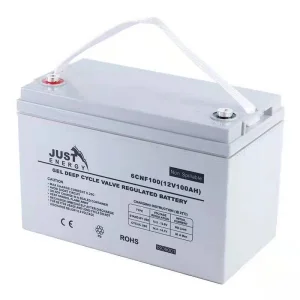
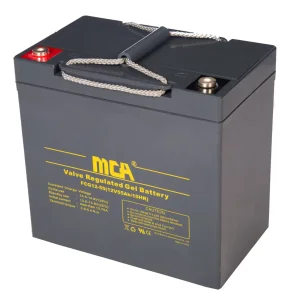
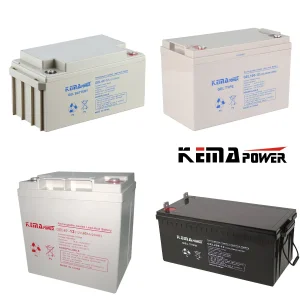
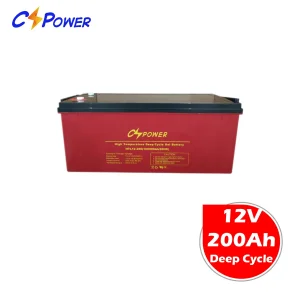
For cost-sensitive configurations requiring minimal maintenance, Advanced Gel VRLA and Tubular Gel (OPzV) batteries provide outstanding resilience. Utilizing thixotropic silica gel to immobilize the sulfuric acid electrolyte, these systems prevent acid stratification, making them ideal for solar projects with low charge current densities and deep discharge cycles. They serve as reliable, proven alternatives in rural electrification and grid-stabilizing backup systems.
Anhui Aryam Energy Co., Ltd. — Pioneering Next-Generation Renewable Systems & Intelligent Microgrids.
Anhui Aryam Energy Co., Ltd. is a leading provider of advanced renewable energy solutions, dedicated to delivering reliable, efficient, and sustainable power systems for residential, commercial, industrial, and utility-scale applications worldwide. Through continuous innovation and a strong commitment to clean energy development, Aryam Energy has established itself as a trusted partner in the global transition toward a low-carbon future.
The company specializes in the research, development, manufacturing, and integration of solar energy systems, energy storage solutions, hybrid power systems, and intelligent microgrid technologies. Leveraging cutting-edge engineering expertise and strict quality management standards, Aryam Energy provides comprehensive energy solutions tailored to diverse market needs, particularly in regions facing energy shortages, unstable grid infrastructure, or increasing demand for sustainable power generation.
With a professional R&D team and a growing portfolio of proprietary technologies, Aryam Energy continuously invests in innovation to enhance system performance, energy efficiency, and long-term reliability. Its products and solutions are designed to meet international standards and have been successfully deployed across Asia, Africa, the Middle East, Europe, and Latin America, serving customers in more than 100 countries and regions.
Aryam Energy's product portfolio includes solar inverters, energy storage systems, hybrid inverters, lithium battery solutions, solar water pumping systems, microgrid systems, and customized renewable energy projects. The company is committed to providing integrated energy solutions that maximize energy independence, reduce operational costs, and support environmental sustainability. Driven by the vision of becoming a globally recognized clean energy technology leader, Aryam Energy actively collaborates with distributors, EPC contractors, government agencies, international organizations, and development partners to promote renewable energy adoption worldwide. Through its mission of "Empowering Sustainable Energy for a Better Future," the company strives to create long-term value for customers while contributing to global carbon reduction goals and sustainable social development.
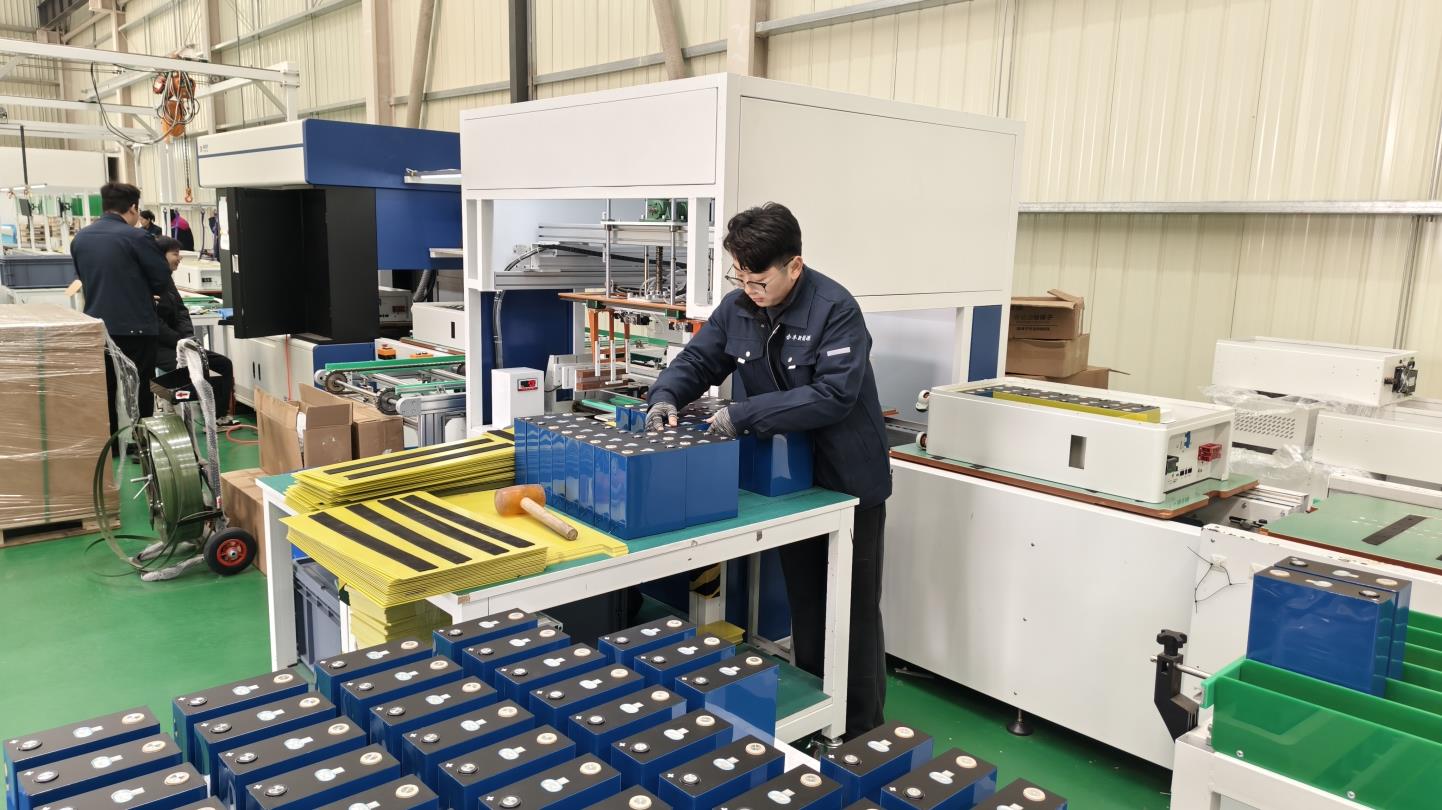
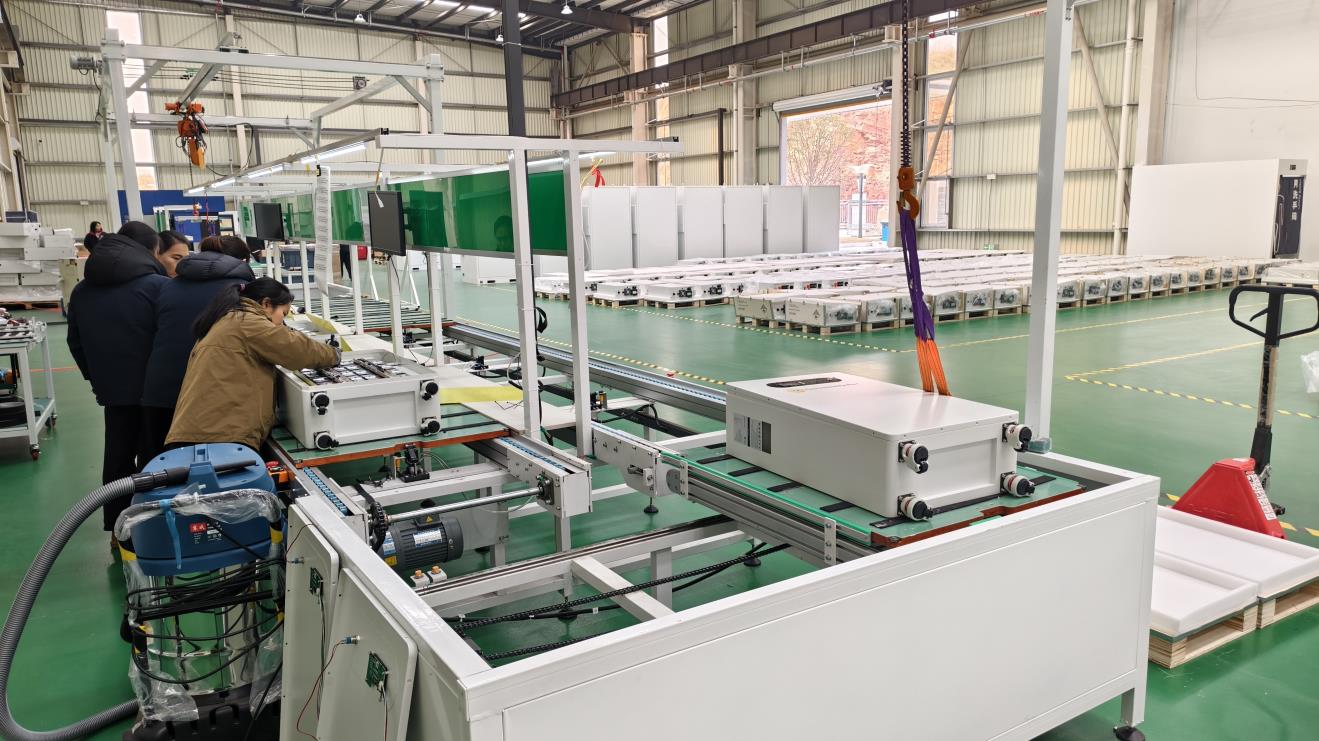
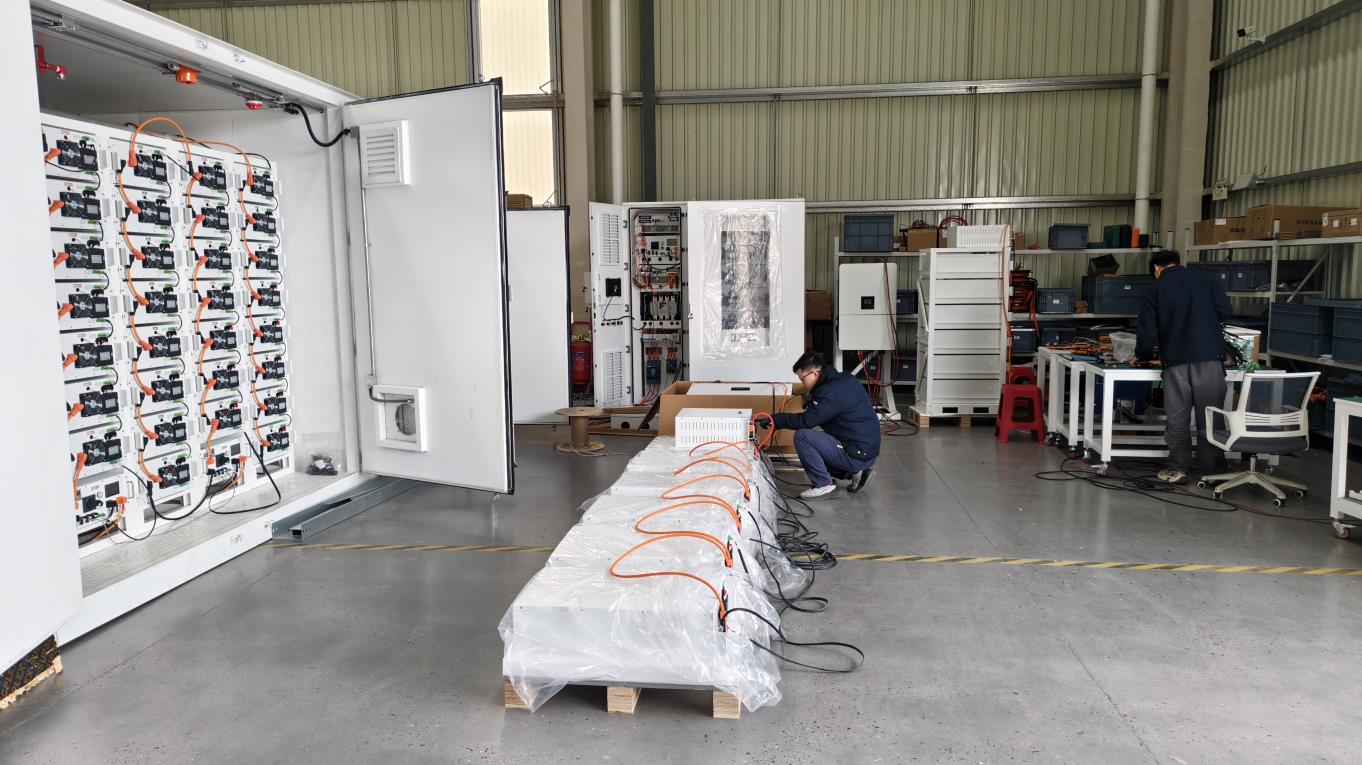
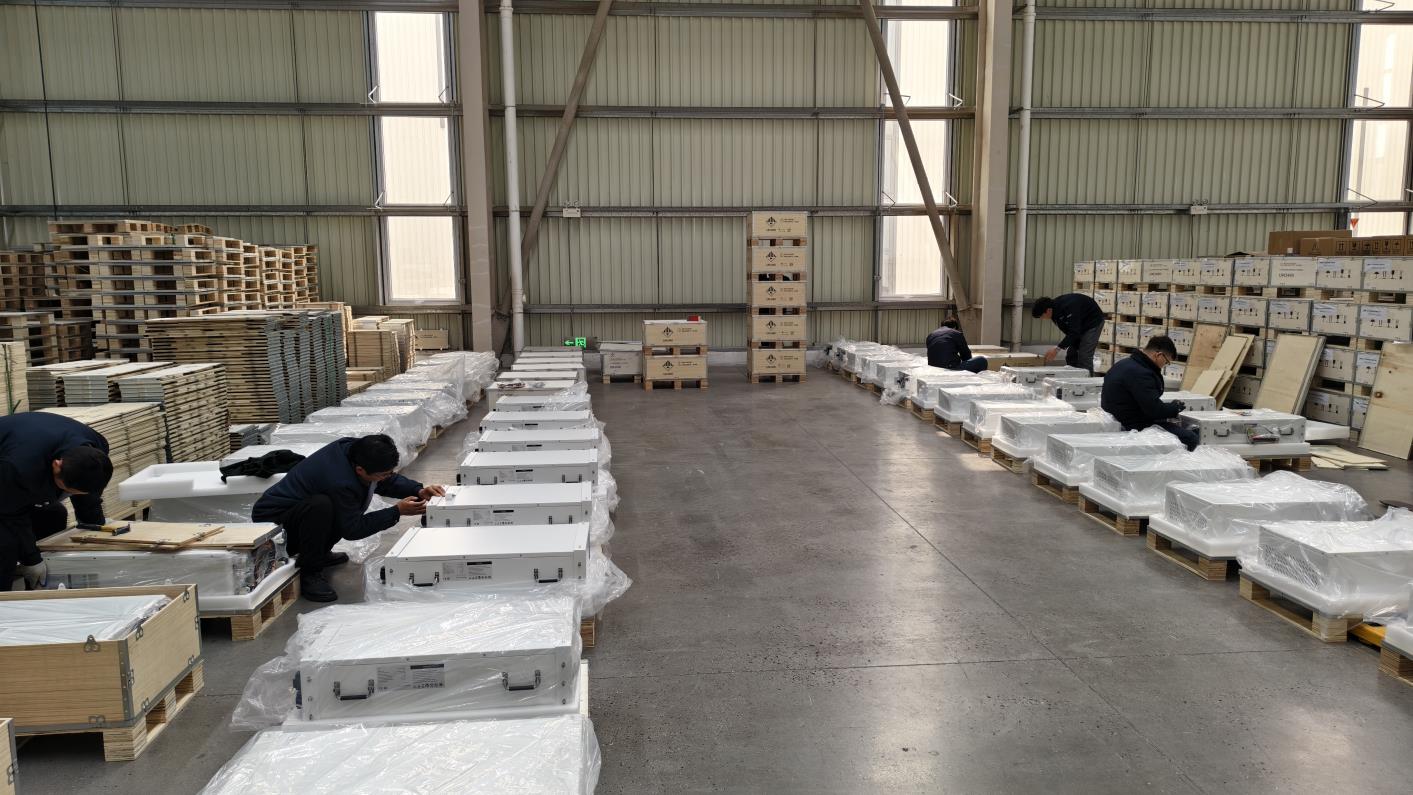
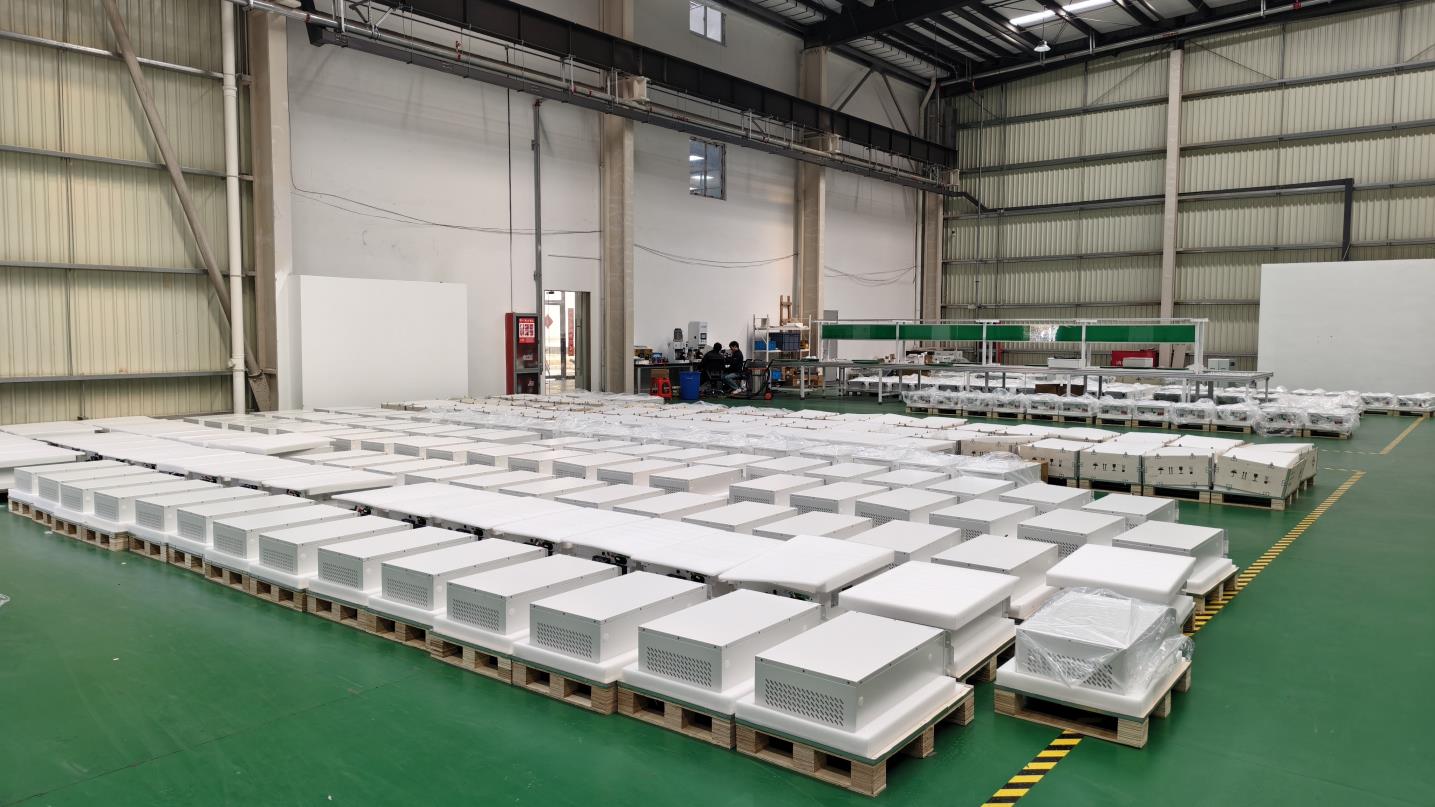
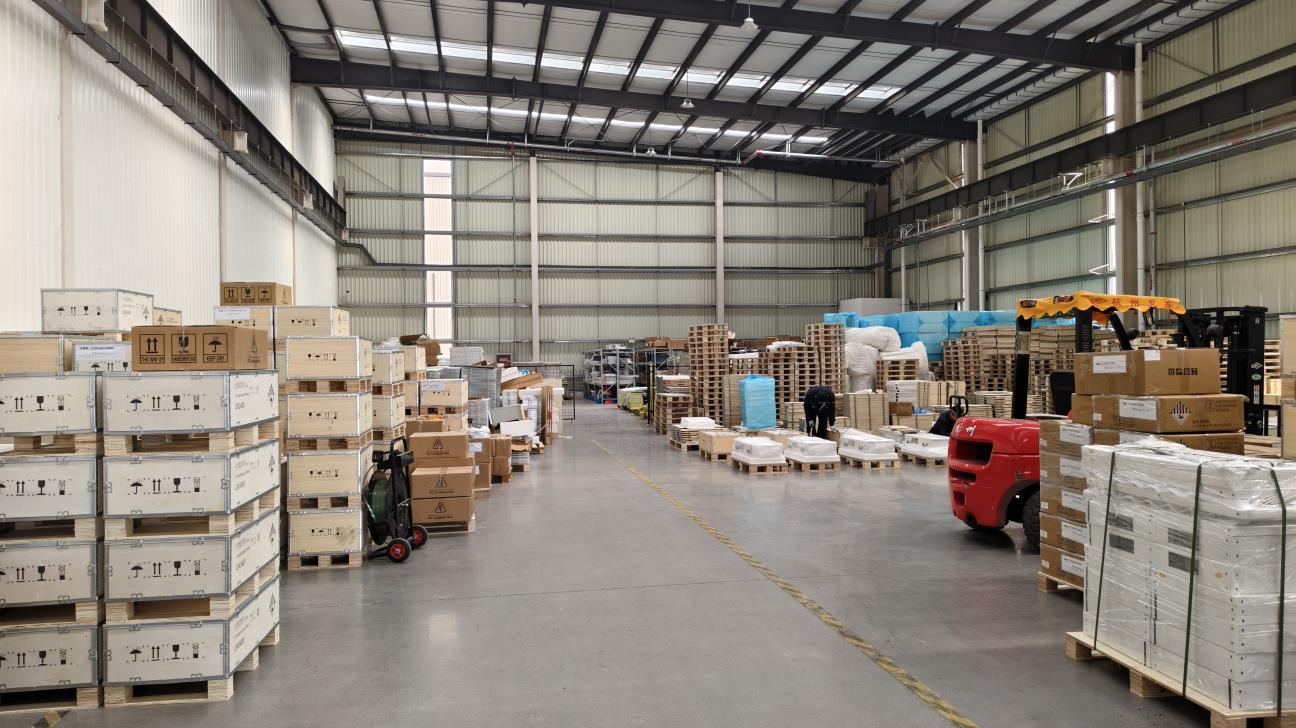
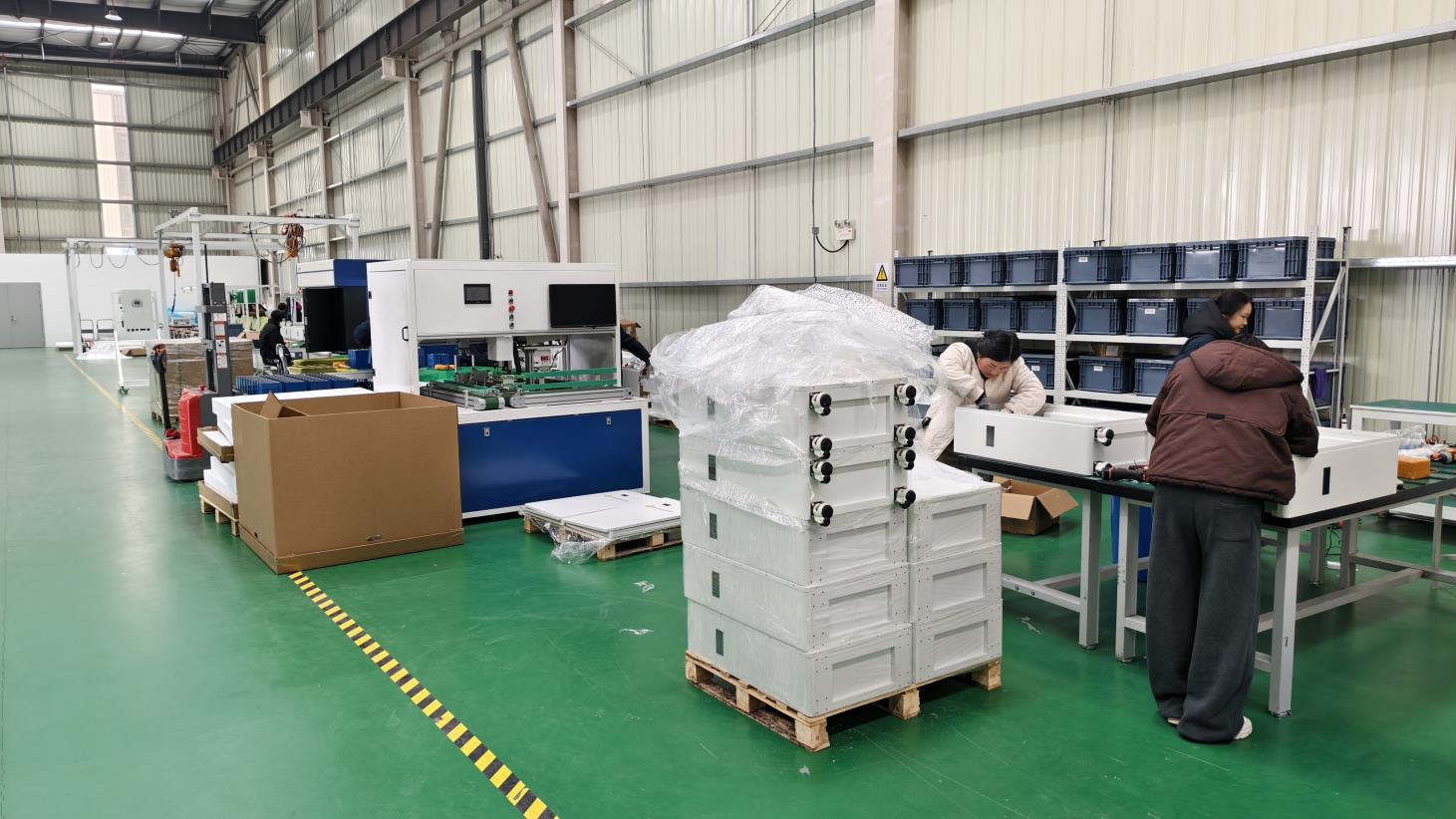
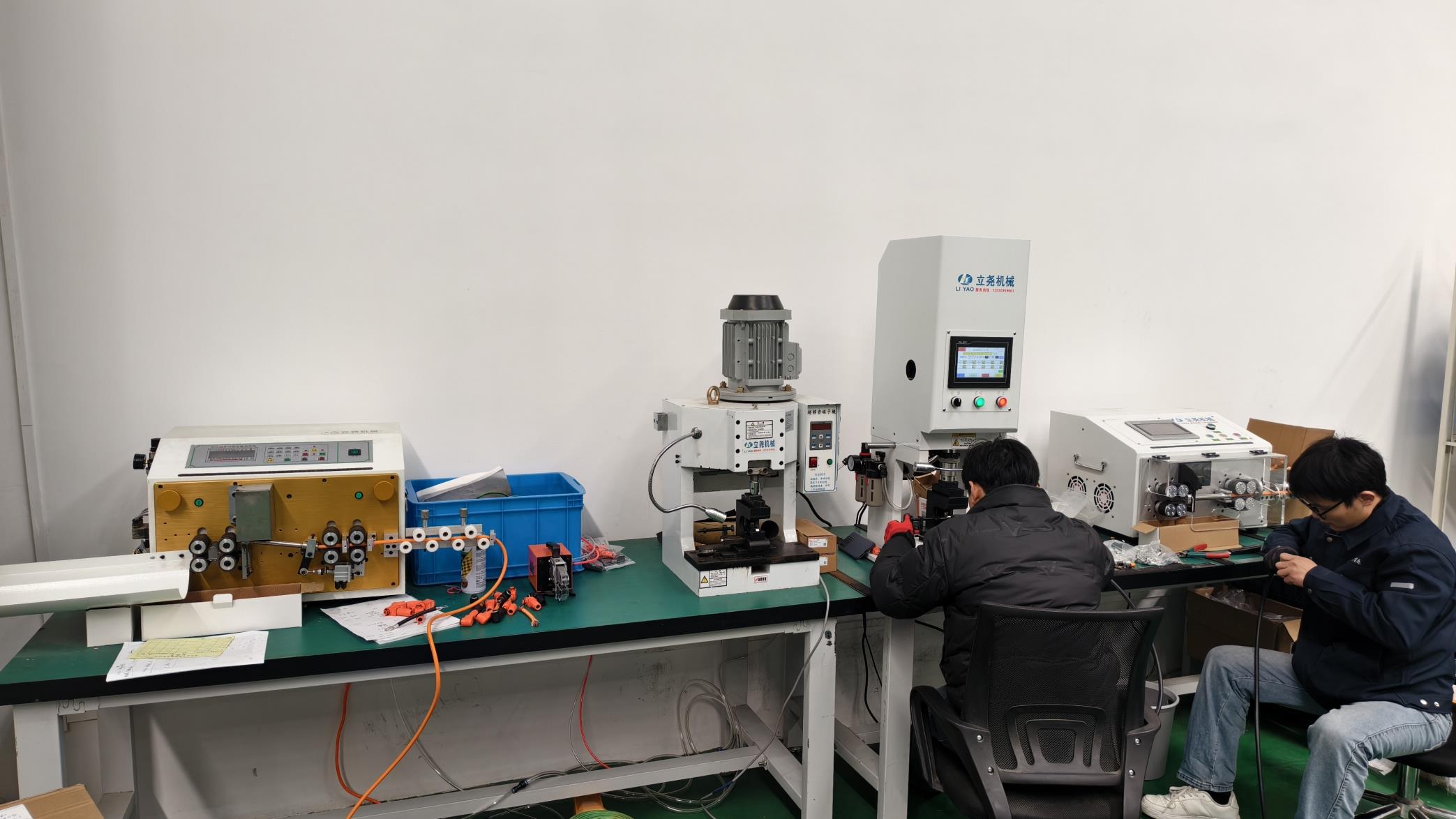
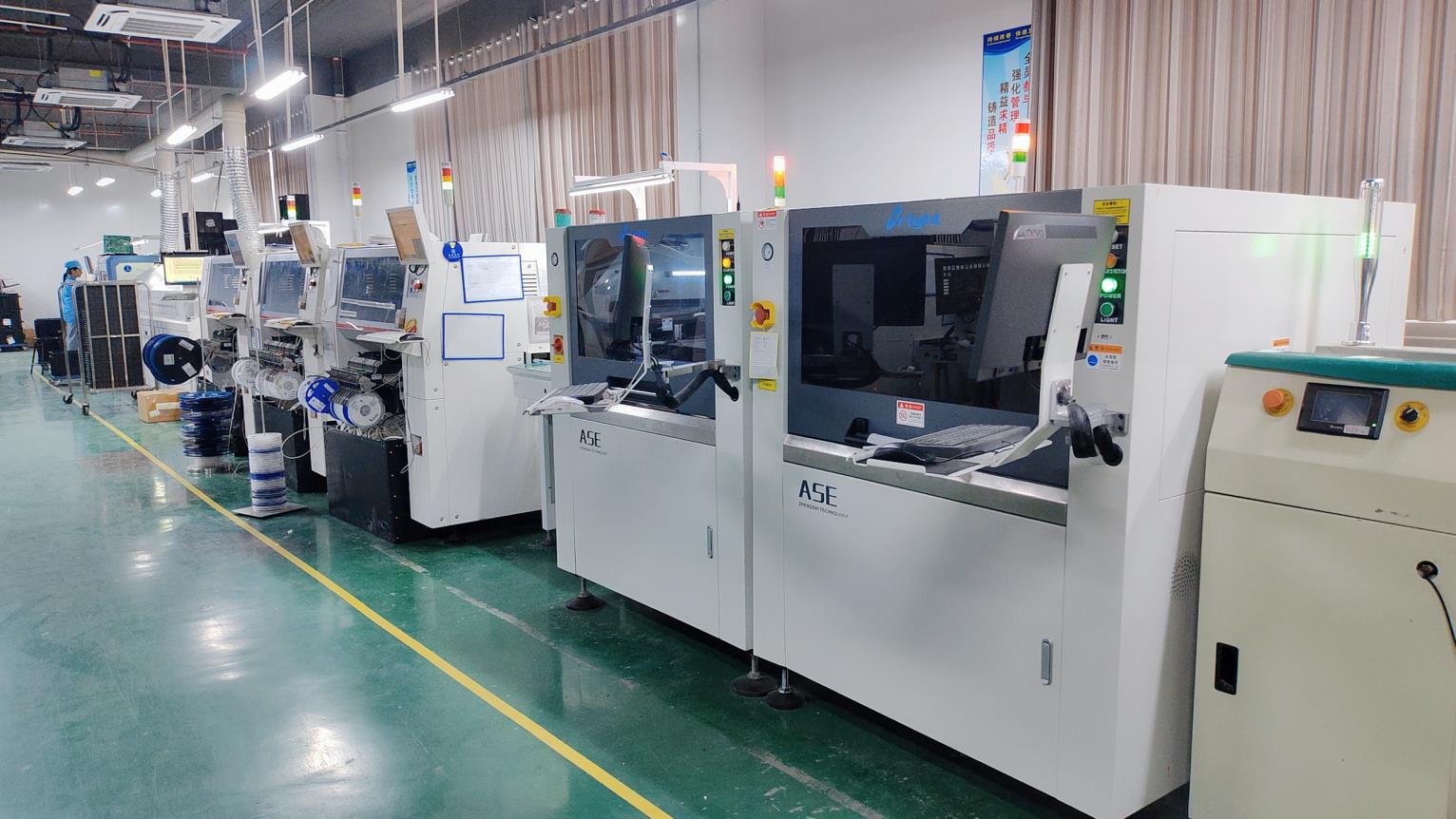
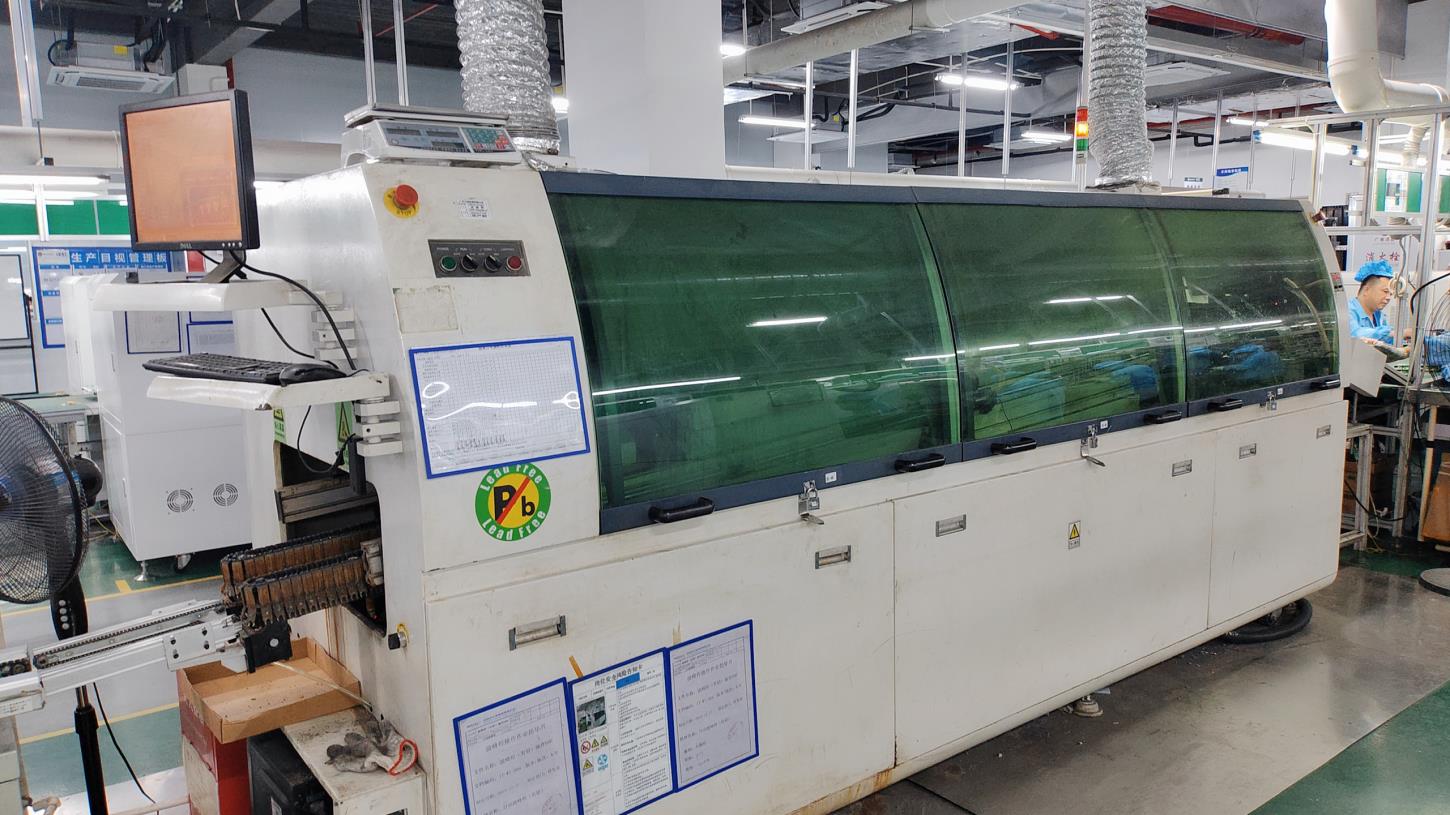
In the global energy storage landscape, China is the undisputed epicenter of supply chain efficiency, vertical integration, and technological scaling. Our manufacturing facility in Anhui operates under the principles of **Industry 4.0**, where automated processes, machine learning-driven quality control, and cyber-physical systems collaborate to yield high-quality battery cells with extreme repeatability. This vertical integration extends from electrode coating down to final cabinet-level configuration. By maintaining full control over the sourcing of key battery precursors, active cathode powders, and copper foils, we insulate our global partners from standard market volatility.
For B2B procurement professionals, this manufacturing model guarantees both cost-efficiency and reliable lead times. Our automated assembly lines minimize human error in critical steps such as laser welding of cell terminals and high-precision module matching. This directly translates into lower cell-to-cell impedance, uniform thermal performance, and a significantly extended cycle life compared to non-automated manufacturing setups.
By consolidating structural assembly, SMT circuit fabrication, and testing processes within a single geographical hub, we eliminate logistical overheads and ensure rigorous QA traceability.
We hold long-term off-take agreements with direct lithium miners and raw material refiners, allowing us to maintain stable, competitive pricing even in volatile markets.
Tailored architectural designs that optimize energy resilience, grid stability, and financial metrics.
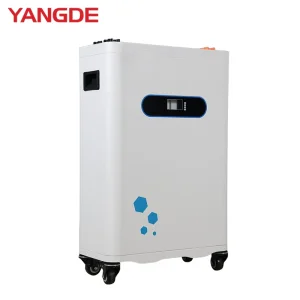
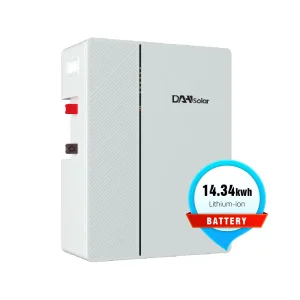
High-voltage wall-mounted configurations (e.g., 51.2V 280Ah, 15kWh arrays) offer sleek, plug-and-play energy independence. These units integrate seamlessly with hybrid inverters to enable peak shaving, net metering arbitrage, and reliable emergency backup.
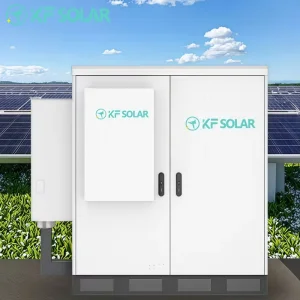
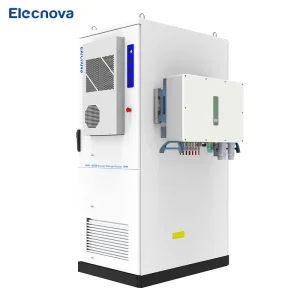
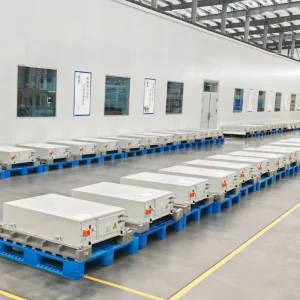
Scalable 80kW, 100kW, and up to 261kwh liquid-cooled or forced-air containerized systems enable factories to avoid expensive utility demand charges. They protect machinery from grid voltage sags and support critical loads without interruption.
For utility scale applications (215kWh containerized modules upwards), lithium generator systems maintain power factor, control frequency, and integrate wind/solar generation smoothly into national transmission grids.
Experienced procurement directors evaluate several key parameters when selecting factory partners. Relying on simple dollar-per-kilowatt-hour ($/kWh) metrics can lead to issues with early degradation, compatibility challenges, and failed compliance audits. Instead, sourcing evaluations must analyze three critical engineering dimensions:
The BMS acts as the main safety and management controller of any high-voltage energy storage cabinet. Modern industrial projects require dual-MCU BMS designs capable of handling high overcurrent ranges while communicating seamlessly with industrial inverters via CAN, RS485, and Modbus TCP. A high-quality BMS must feature precise cell-balancing algorithms (active balancing >1A for high-capacity cells) to ensure uniform state of charge (SoC) and maximize thermal efficiency.
Selecting the correct discharge/charge rate (C-rate) is critical for matching system performance to local load requirements. Residential systems typically utilize 0.5C to 1C rates, balancing thermal loads with capacity. High-torque industrial systems, however, require high surge currents, calling for cells designed to support 2C to 3C peaks without experiencing severe voltage drops or elevated degradation rates.
Large-capacity lithium systems require robust thermal management to prevent thermal runaway. Whether selecting natural convection, forced air, or liquid cooling systems, the maximum temperature difference between cells must be kept below 3°C. In addition, factories must use cells equipped with pressure relief valves, integrated flame arrestors, and physical isolation materials between cell rows.
Navigating global trade, local transport restrictions, and safety certifications.
Deploying storage systems in highly regulated markets like North America and the European Union requires strict compliance with regional standards. High-voltage installations must carry comprehensive certifications, including UL 1973 for battery packs, UL 9540A for thermal runaway fire safety, and IEC 62619 for safety in industrial applications. Sourcing from factories with ISO 9001, 14001, and 45001 certifications guarantees consistent product quality and corporate responsibility.
Furthermore, shipping large lithium batteries requires compliance with hazardous materials transportation regulations. Products must have verified UN 38.3 test reports and receive proper classification as Class 9 Dangerous Goods. Reliable suppliers assist with local port clearance, provide Material Safety Data Sheets (MSDS), and supply the necessary certificates of origin to simplify custom clearance in import hubs worldwide.
The technical milestones shaping the next decade of electrochemical energy storage.
The industry is moving from standard 280Ah cells to 306Ah and 314Ah capacities. This transition increases energy density at the system level by over 10% without increasing the footprint, lowering the overall Cost per Watt-Hour.
Sodium-ion chemistry offers a highly sustainable alternative for environments experiencing extreme temperature swings. With no dependence on lithium resources, Na-ion technology provides stable pricing and high rate capabilities for basic grid backup.
Integrating artificial intelligence into cloud-linked BMS systems allows operators to monitor cell degradation trends in real-time, predict potential field failures before they occur, and optimize round-trip efficiency dynamically.
Crucial engineering and procurement answers for international buyers.
High-capacity modular battery systems designed for commercial operations and utility networks.
 Aryam Energy