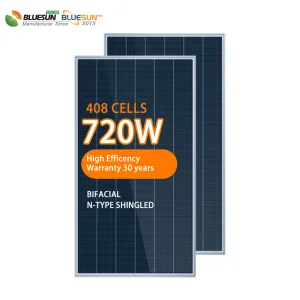
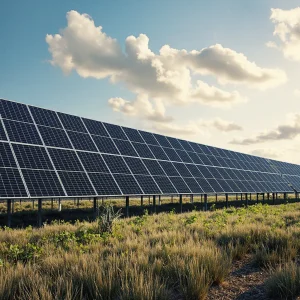
High-efficiency monocrystalline solar panels, N-type dual-glass modules, and integrated residential/C&I components sourced directly from production line.
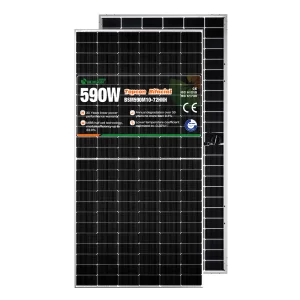

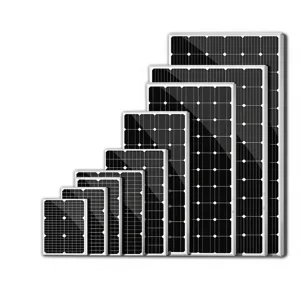
An in-depth look at regulatory incentives, supply chain shifts, and structural developments driving utility-scale photovoltaic infrastructure.
The global commercial and industrial (C&I) solar sectors are currently navigating major supply chain transformations. As national jurisdictions prioritize energy security, manufacturers are forced to optimize supply networks. Key target markets such as the European Union (via the Net-Zero Industry Act) and the United States (via the Inflation Reduction Act) have structured rigorous frameworks emphasizing tracing, carbon intensity indices, and ethical sourcing. Consequently, leading developers look beyond raw module prices, focusing instead on structural compliance, trace elements of raw ingots, and glass durability standards.
Advanced manufacturing integrates vertical control systems to audit quality from wafer slicing to terminal glass lamination. By engineering specialized borosilicate glass backsheets alongside premium encapsulants like POE (Polyolefin Elastomer), modern plants protect solar cells from long-term environmental hazards. This keeps operational degradation rates below 0.4% annually, ensuring sustained output over decades.
Maximizing return on investment for commercial projects requires a strong focus on lowering the Levelized Cost of Energy (LCOE). While early photovoltaic installations focused mainly on low upfront component costs, modern engineering prioritizes lifetime yield density (kWh/kWp). Factors like temperature coefficients, bifacial generation gains, and low-light performance now dictate procurement decisions.
Selecting modules with ultra-low thermal coefficients (e.g., -0.30%/°C to -0.34%/°C) prevents output drops in hot climates. In utility installations, dual-sided bifacial modules leverage surface reflectivity (albedo) to generate up to 25% extra power from the backsheet. This significantly lowers balance-of-system (BOS) and installation costs per megawatt.
Understanding the molecular and chemical differentiations that govern modern silicon wafer cell efficiencies.
The transition from P-type PERC (Passivated Emitter and Rear Cell) to N-type technologies like TOPCon (Tunnel Oxide Passivated Contact) and HJT (Heterojunction Technology) represents a major shift in solar cell performance.
| Performance Metric | P-Type PERC (Legacy Standard) | N-Type TOPCon (Current Market Leader) | N-Type HJT (Premium Ultra-Efficiency) |
|---|---|---|---|
| Average Cell Efficiency | 22.8% – 23.3% | 25.5% – 26.5% | 26.2% – 27.5% |
| Temperature Coefficient | -0.35% / °C | -0.30% / °C | -0.26% / °C |
| Bifaciality Factor | 70% ± 5% | 80% ± 5% | 85% – 90% |
| LID / LeTID Sensitivity | Moderate to High | Virtually Immune (N-type substrate) | Zero LID (No boron-oxygen defects) |
| Manufacturing Complexity | Low (Highly optimized lines) | Medium (2-3 additional steps over PERC) | High (Requires low-temp SMT lines) |
By applying an ultra-thin tunnel oxide layer combined with highly doped polycrystalline silicon, TOPCon reduces surface recombination velocity. This raises open-circuit voltage (Voc) without requiring major changes to existing manufacturing equipment.
HJT combines thin layers of amorphous silicon on crystalline silicon wafers. This design yields excellent low-light response, minimal degradation, and a low temperature coefficient, making it highly effective in hot climates.
Tandem cells stack perovskite materials onto silicon bases to capture different wavelengths of light. This approach pushes efficiency limits beyond 30%, charting a clear path for future solar technology development.
How specialized material engineering delivers consistent performance across varying climates and terrains.
Installing solar panels on water bodies requires high resistance to moisture and salt spray. Dual-glass modules built with POE encapsulant prevent water vapor ingress and Potential Induced Degradation (PID). Anodized aluminum frames protect against salt spray corrosion in coastal projects.
Bifacial solar modules utilize reflected light from sandy or snowy surfaces to increase energy output. Selecting panels with a high bifaciality factor (80-85%) allows system designers to optimize tilt angles, increasing overall energy generation without expanding the project footprint.
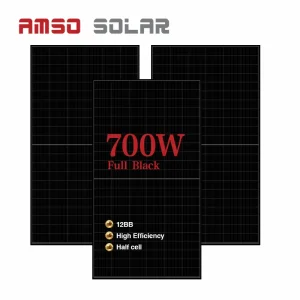
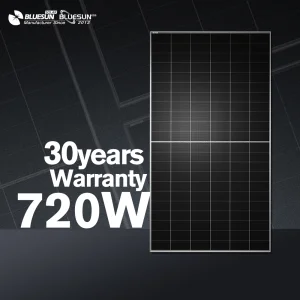
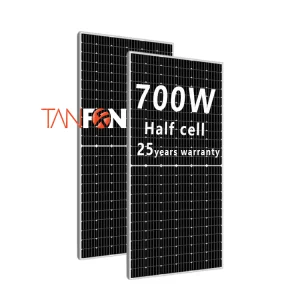
Urban rooftop projects require high power density to maximize generation within a limited area. High-power TOPCon modules (580W-700W) deliver high wattage per square meter, reducing mounting structure costs and easing installation logistics.
Designing complete, optimized energy systems that balance power generation, system safety, and storage integration.
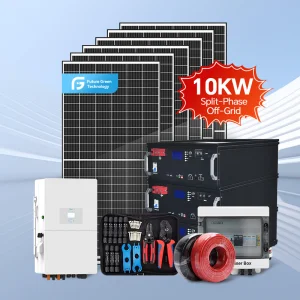
Modern clean energy projects require seamless integration between energy generation and storage. Off-grid and hybrid installations combine high-efficiency solar modules with lithium iron phosphate (LFP) battery systems. Intelligent split inverters act as the system's brain, dynamically balancing grid power, solar output, and battery storage to ensure continuous uptime and lower peak-demand charges.
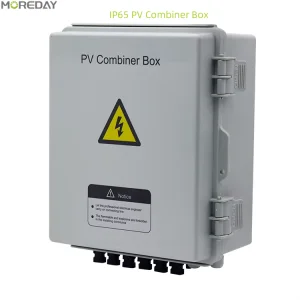
A solar system is only as strong as its weakest component. While solar panels capture sunlight, auxiliary equipment like smart combiner boxes protects the electrical network. Utilizing waterproof, lightning-protected combiner boxes keeps the high-voltage DC system safe from overcurrents, lightning surges, and thermal issues, ensuring stable long-term operation.
A step-by-step tour of the production floor, showing how raw materials are transformed into durable, high-efficiency solar modules.
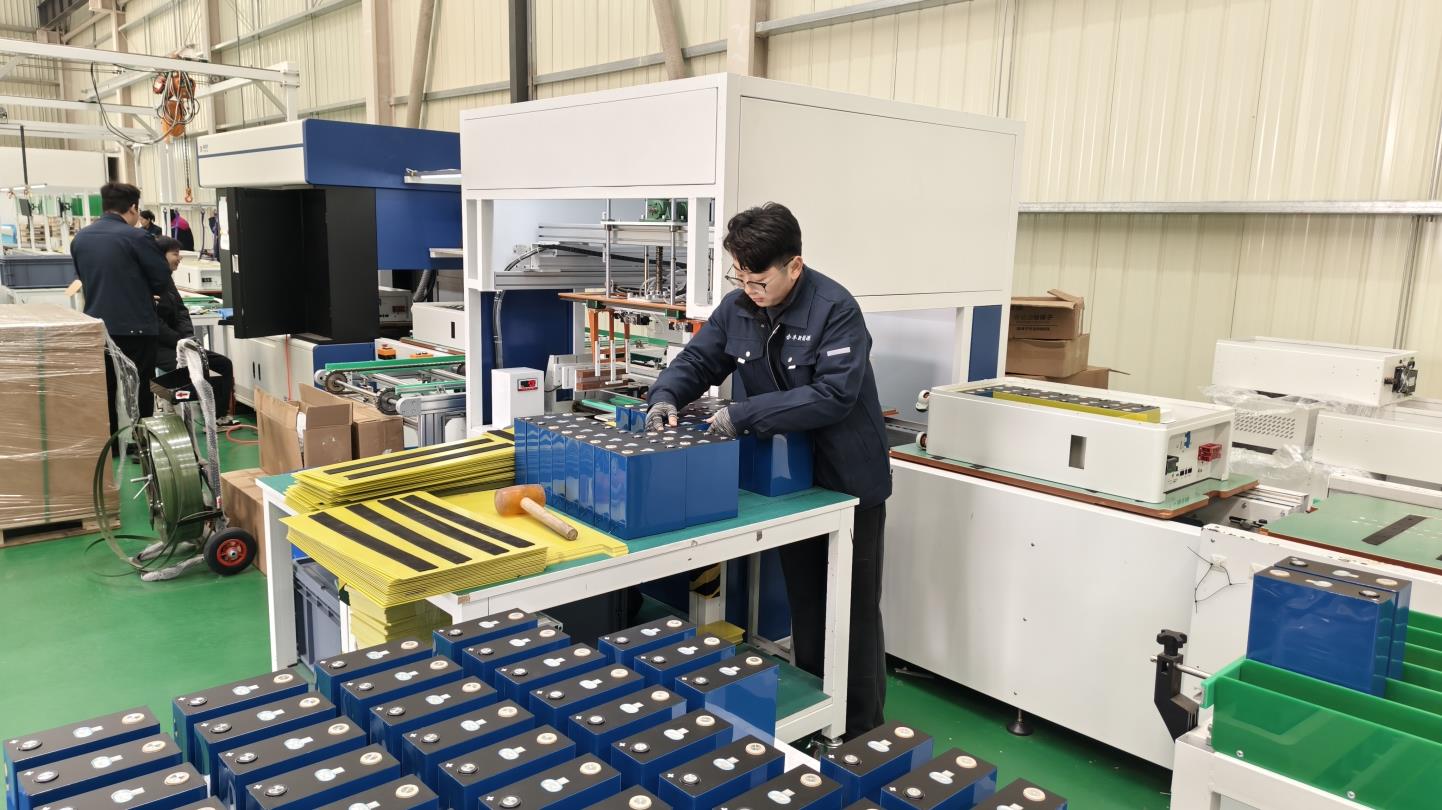
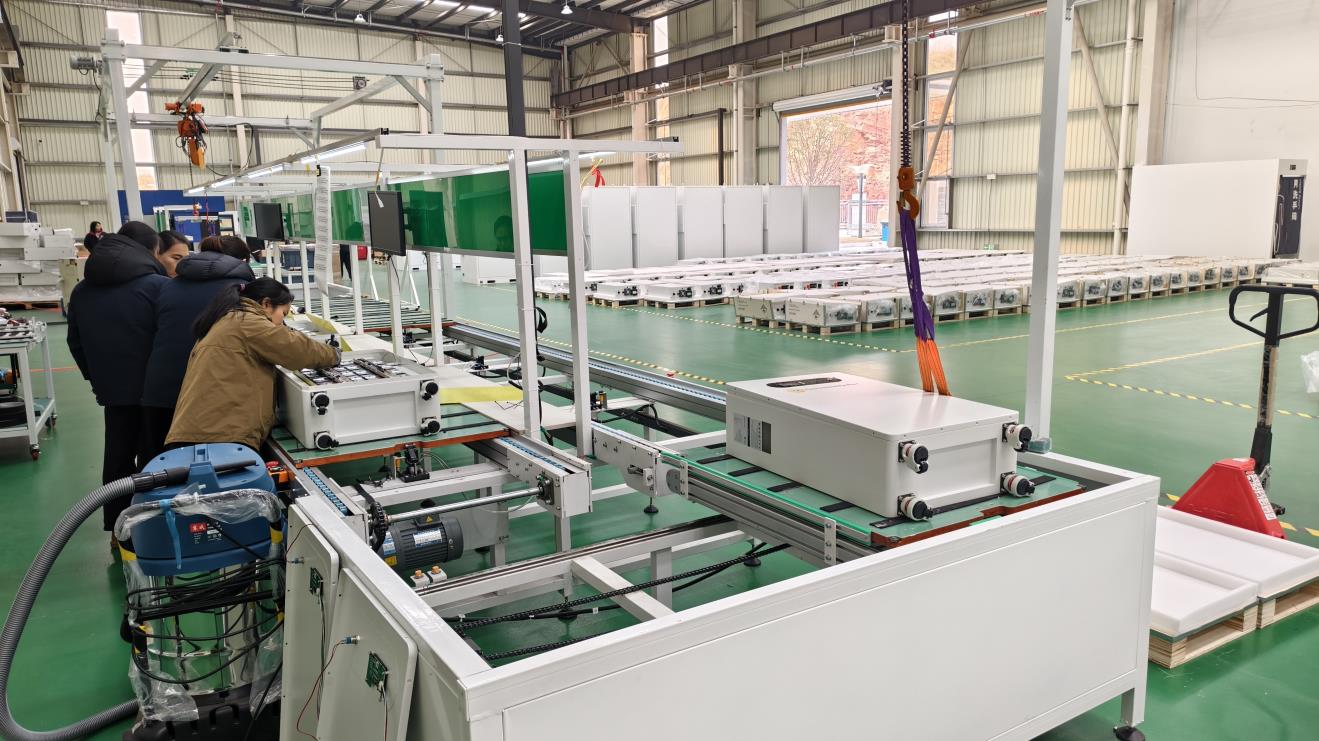
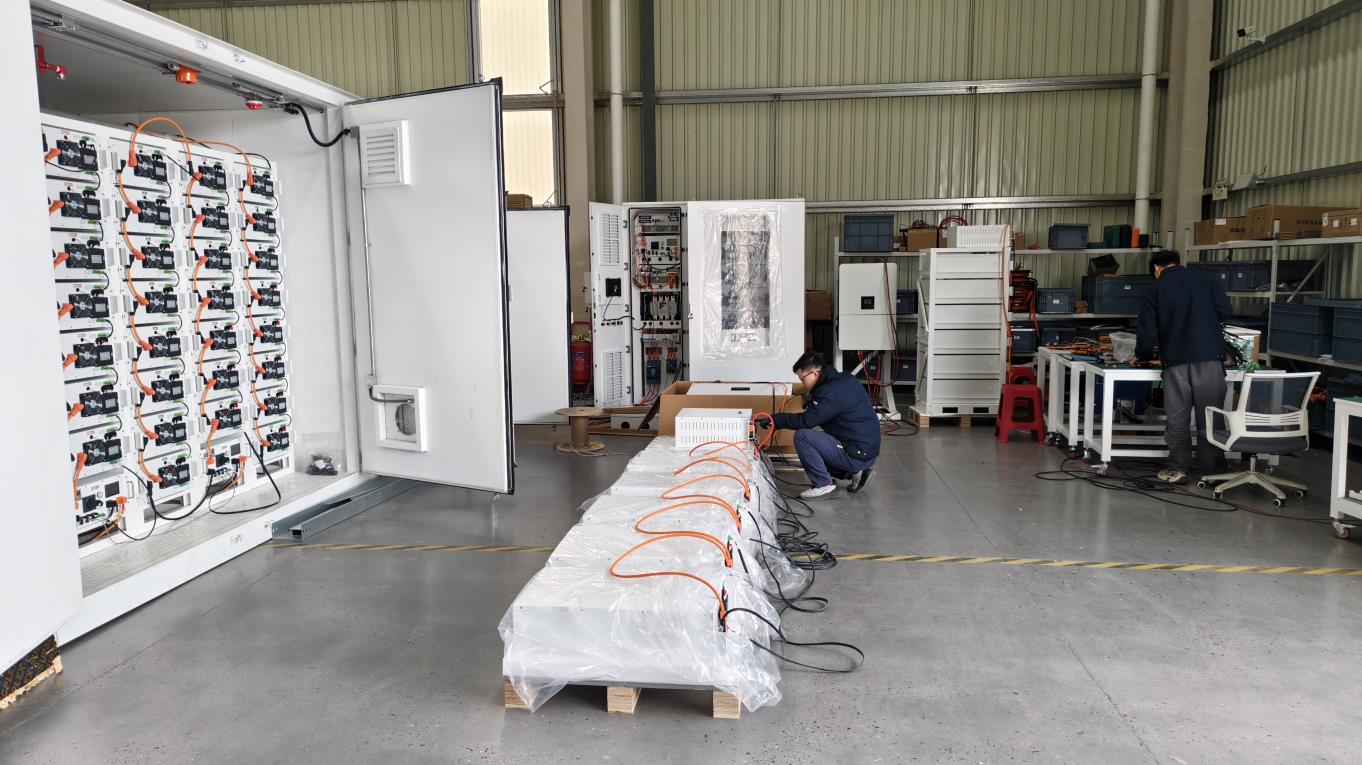
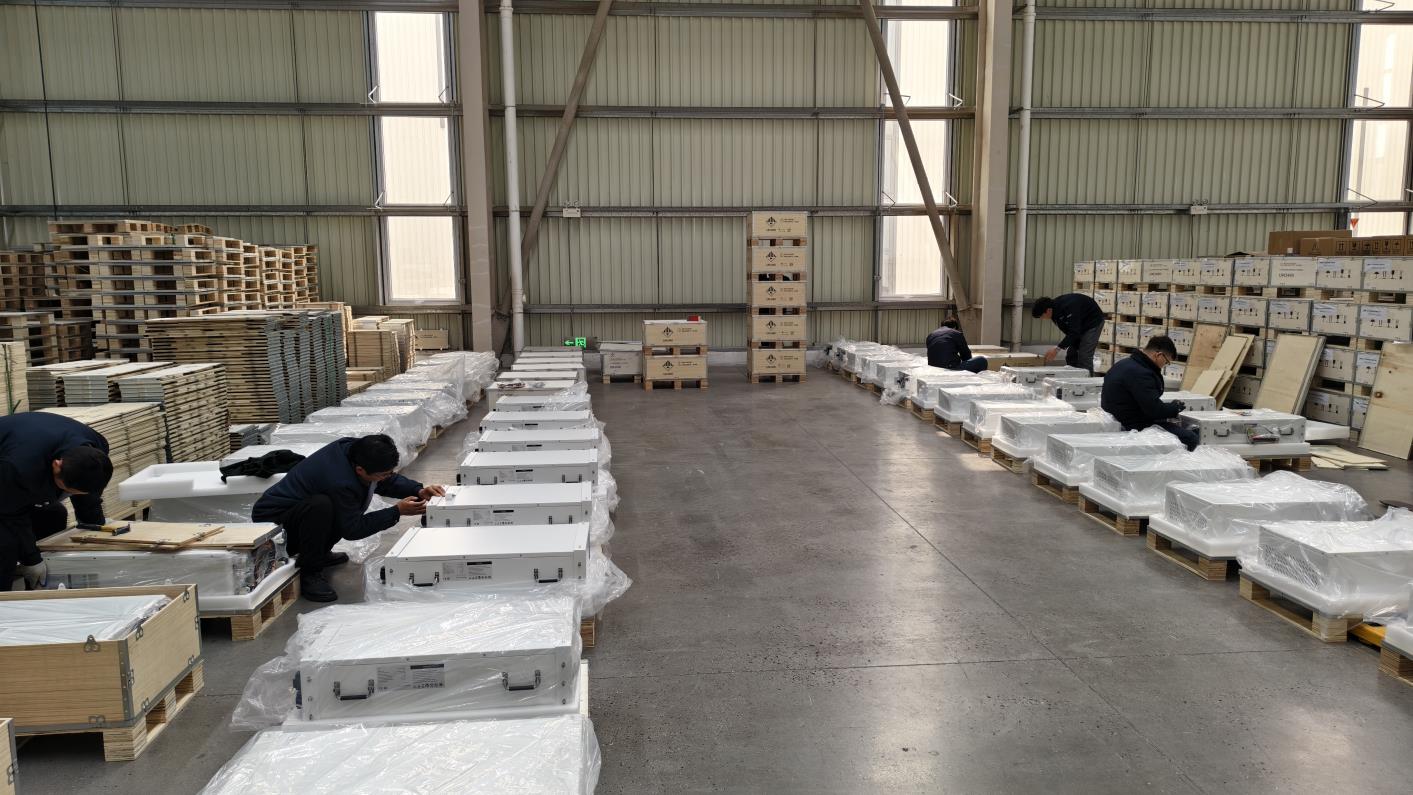
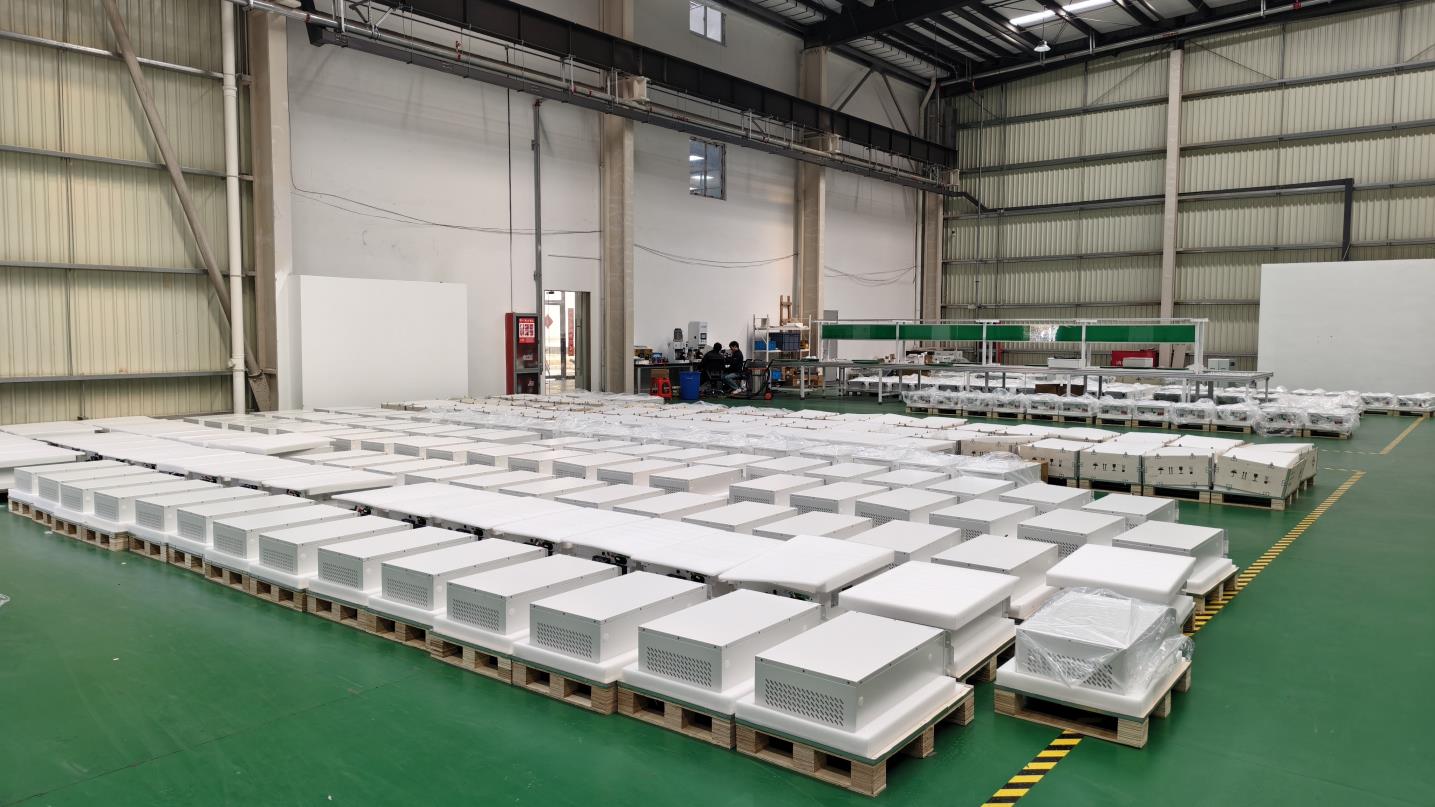
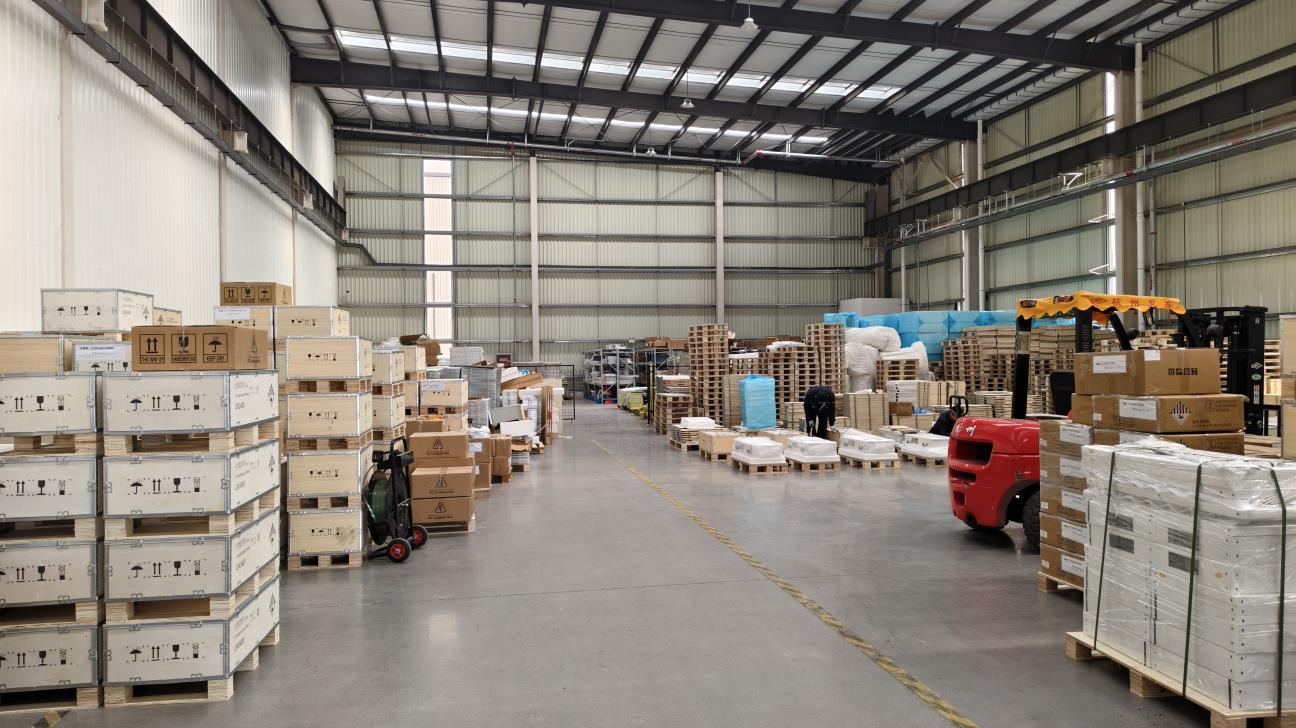
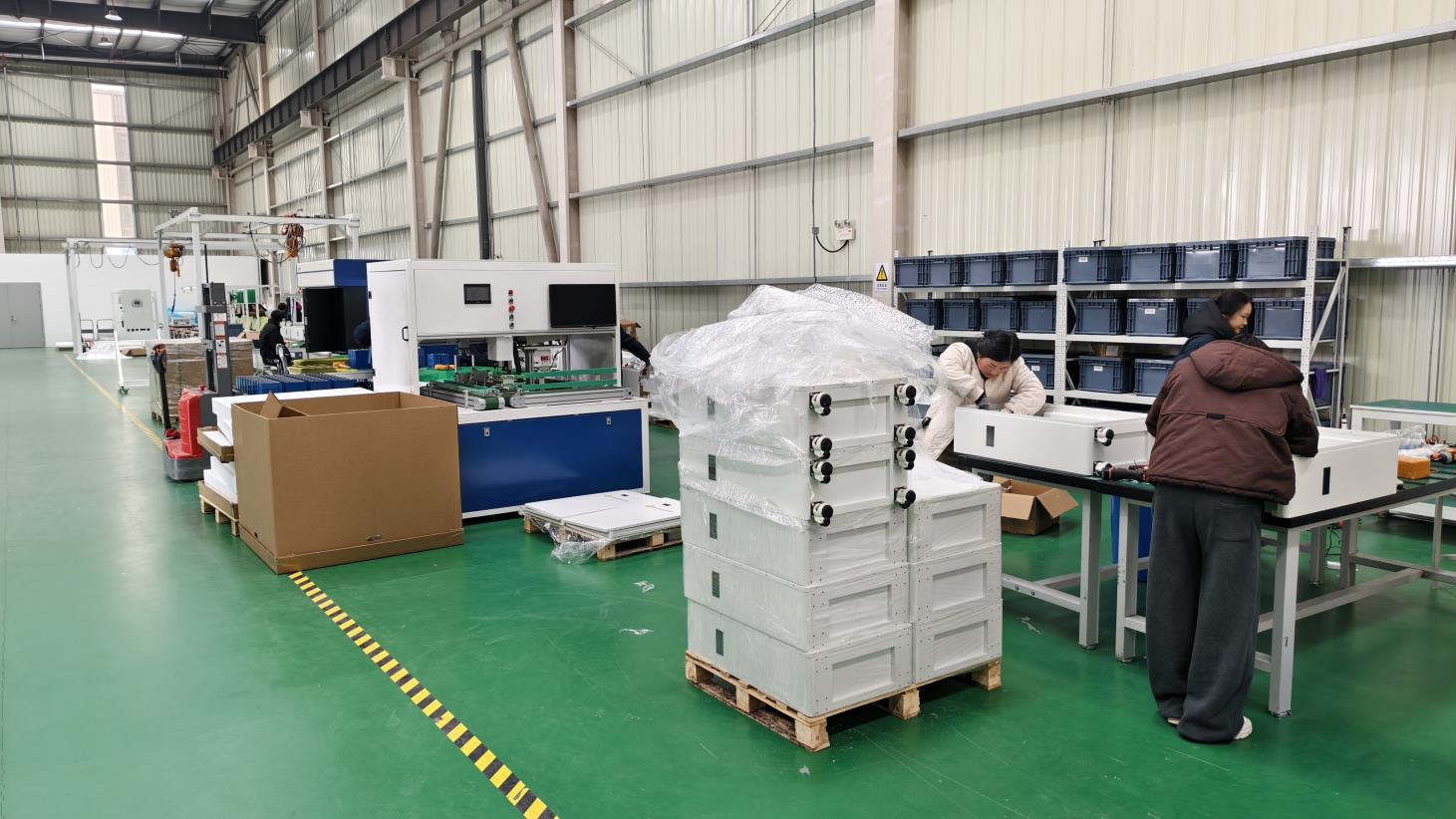
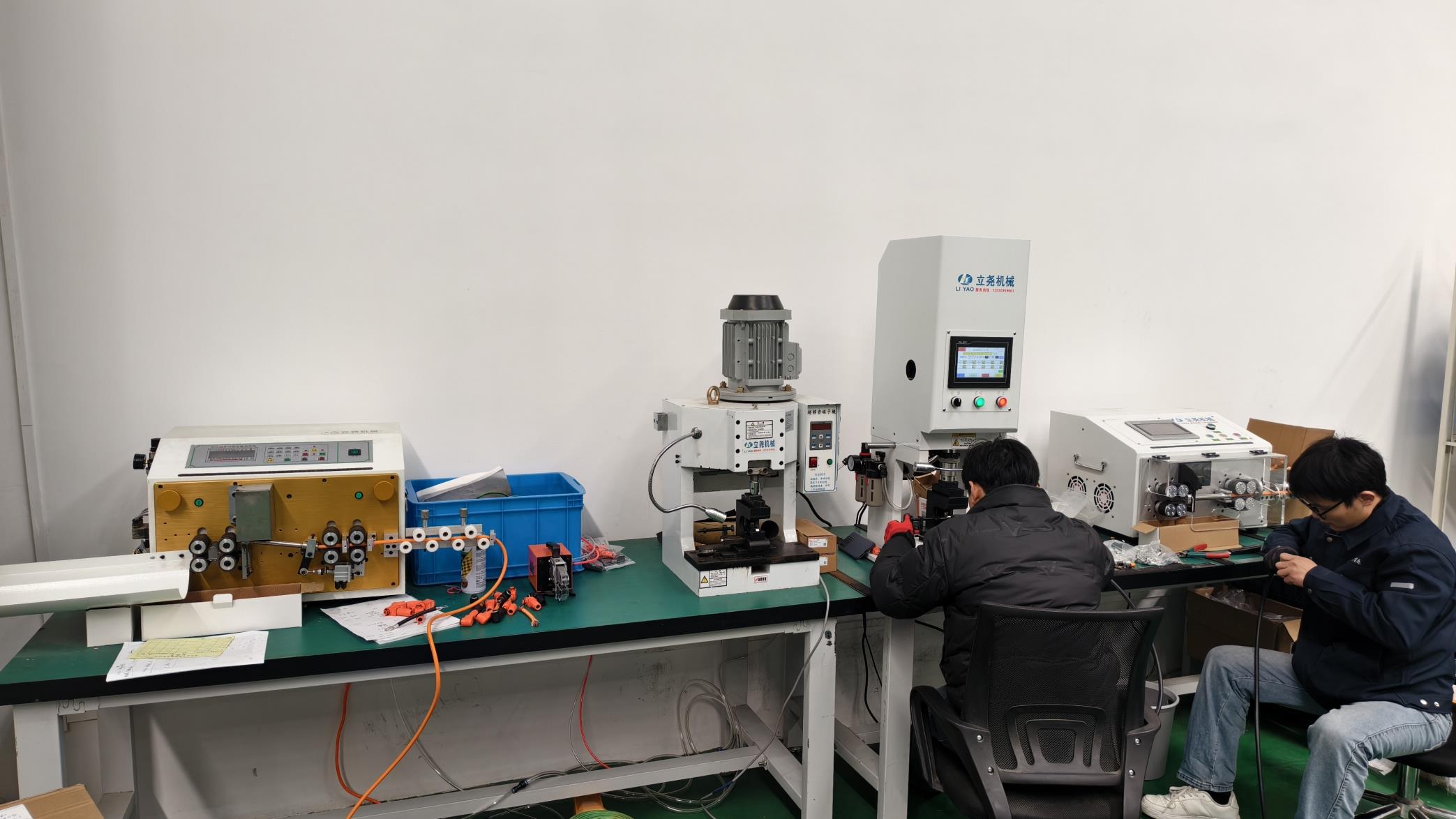
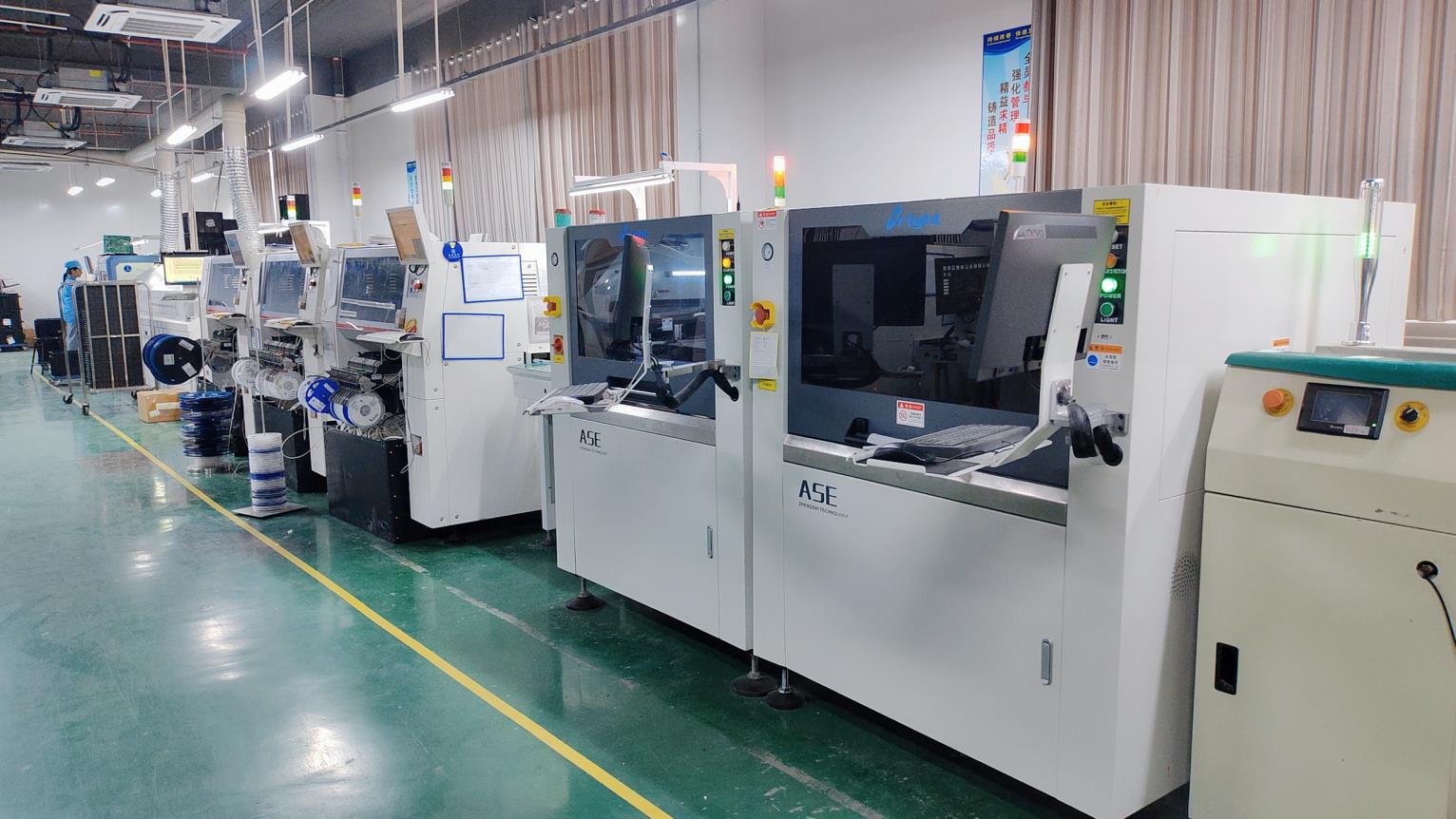
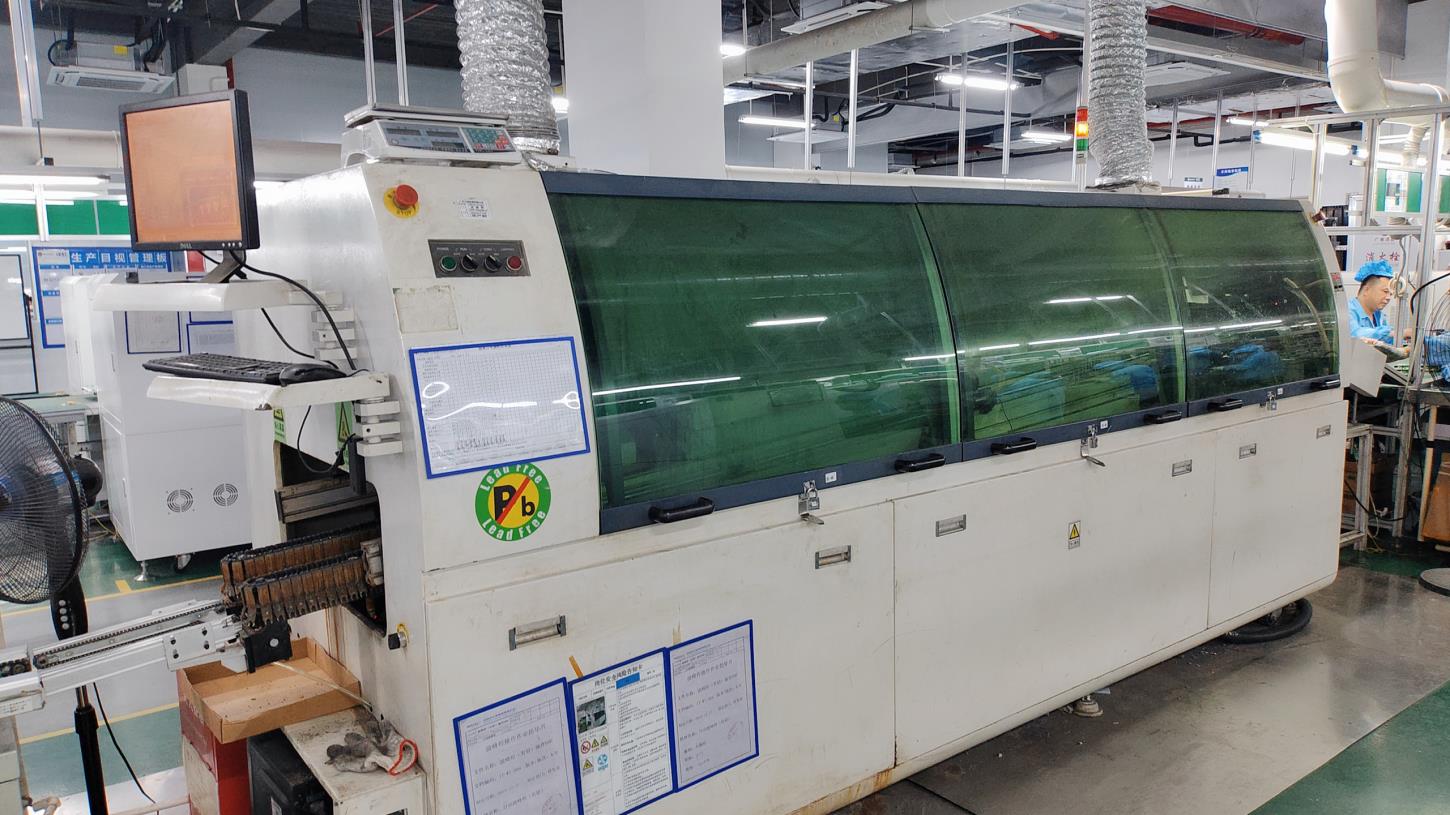
Anhui Aryam Energy Co., Ltd. — A Trusted Innovator in Global Clean Energy Integration.
Anhui Aryam Energy Co., Ltd. is a leading provider of advanced renewable energy solutions, dedicated to delivering reliable, efficient, and sustainable power systems for residential, commercial, industrial, and utility-scale applications worldwide. Through continuous innovation and a strong commitment to clean energy development, Aryam Energy has established itself as a trusted partner in the global transition toward a low-carbon future.
The company specializes in the research, development, manufacturing, and integration of solar energy systems, energy storage solutions, hybrid power systems, and intelligent microgrid technologies. Leveraging cutting-edge engineering expertise and strict quality management standards, Aryam Energy provides comprehensive energy solutions tailored to diverse market needs, particularly in regions facing energy shortages, unstable grid infrastructure, or increasing demand for sustainable power generation.
With a professional R&D team and a growing portfolio of proprietary technologies, Aryam Energy continuously invests in innovation to enhance system performance, energy efficiency, and long-term reliability. Its products and solutions are designed to meet international standards and have been successfully deployed across Asia, Africa, the Middle East, Europe, and Latin America, serving customers in more than 100 countries and regions.
Aryam Energy's product portfolio includes solar inverters, energy storage systems, hybrid inverters, lithium battery solutions, solar water pumping systems, microgrid systems, and customized renewable energy projects. Driven by the vision of becoming a globally recognized clean energy technology leader, Aryam Energy actively collaborates with distributors, EPC contractors, government agencies, international organizations, and development partners to promote renewable energy adoption worldwide.
"Empowering Sustainable Energy for a Better Future" — Through technological innovation, product excellence, and customer-centric service, Anhui Aryam Energy Co., Ltd. continues to deliver smart, reliable, and environmentally responsible energy solutions that help build a greener and more sustainable world.
Expert answers to common engineering, performance, and procurement questions for modern solar project developers.
Complete your project sourcing with specialized solar streetlights, high-capacity mono modules, and robust power systems.
 Aryam Energy