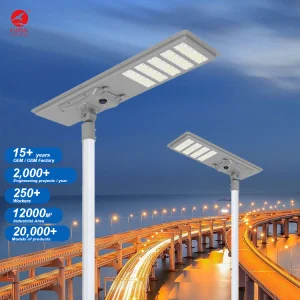
Engineered for architectural projects, municipal roads, and highway installations. Deploying state-of-the-art LiFePO4 energy storage systems and extreme luminous flux modules.
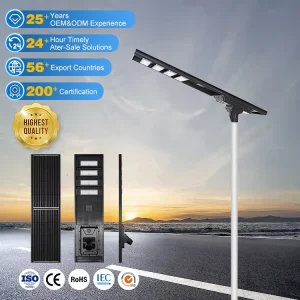
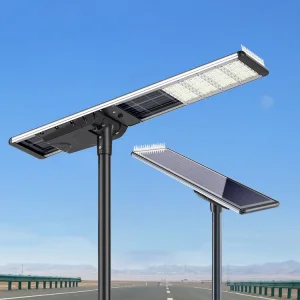
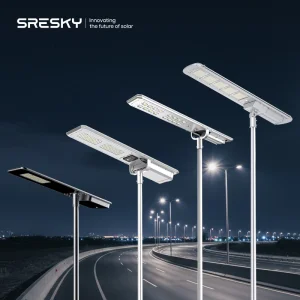
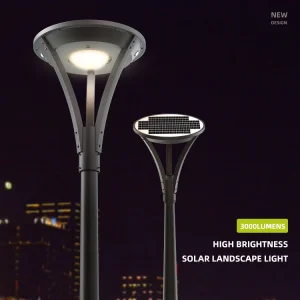
Anhui Aryam Energy Co., Ltd. stands as a premier global developer, manufacturer, and exporter of advanced clean energy solutions. Our core focus centers on the structural, thermal, and electronic architecture of high-efficiency photovoltaic systems, state-of-the-art energy storage systems, and dynamic outdoor illumination technologies. Through systematic R&D investments, we bridge the gap between academic energy science and commercial deployment in extreme settings.
Our solutions cater specifically to public administrations, EPC developers, municipal contractors, and large-scale industrial properties. In an era marked by rising conventional energy prices and aggressive national decarbonization policies, Aryam Energy provides systems designed to reduce lifetime operational costs, maximize operational security, and ensure independent green power generation across regions experiencing grid instability.
Understanding the transition from high-maintenance HID grid-connected streetlights to intelligent, self-sustained photovoltaic units in industrial corridors and smart city environments.
Governments are actively shifting public tender frameworks to favor zero-maintenance, zero-emission infrastructure. Smart solar street lighting satisfies these regulatory demands, completely eliminating trenching and grid connection fees that account for up to 60% of traditional layout budgets.
For logistic hubs, mineral processing zones, and distant border corridors, continuous illumination is a primary security parameter. Decentralized streetlights operate independently of grid blackouts, local natural disasters, or substation failures.
By pairing high-grade lithium chemistry with smart MPPT management systems, our products offer a operational lifecycle exceeding 10 years, drastically lowering total cost of ownership (TCO) relative to traditional lead-acid systems requiring replacements every 18 months.
Solar lighting is not a one-size-fits-all product. Different geographic zones present unique challenges in temperature variations, particulate accumulation, wind-loading, and solar irradiance angles.
Extreme temperatures exceeding 50°C cause thermal runaway in batteries and accelerate degradation in photovoltaic cells. Aryam Energy deploys thermal isolation chambers for batteries, alongside monocrystalline panels configured to operate efficiently in low temperature-coefficient environments.
Coastal and maritime roadways expose structures to continuous salt-spray, causing rapid corrosion of metal poles and electronic decay. Our coastal models utilize custom marine-grade aluminum housing or hot-dip galvanized steel poles with anti-corrosive powder coatings.
Sub-zero conditions limit standard lithium-ion discharge cycles and cause solar panels to be covered with ice and snow. We deploy specialized LiFePO4 chemistry with integrated thermodynamic heating elements, allowing batteries to charge and discharge efficiently down to -30°C.
Sustained cloud cover demands deep reserve autonomy. Our lights feature intelligent power management systems that automatically adjust illumination output depending on battery state-of-charge (SoC), extending lighting autonomy to up to 5-7 continuous rainy days.
Aryam Energy's design philosophy targets the convergence of high-efficiency hardware, long-life energy cells, and IoT connectivity.
Traditional PWM controllers limit solar efficiency to 70-75%. Aryam Energy integrates intelligent Maximum Power Point Tracking (MPPT) units offering conversion rates up to 98.5%, dynamically tracking optimal voltage-current curves even during partial shadowing.
Our smart system roadmap includes cellular NB-IoT, LoRa, and ZigBee modules. Operators can remotely monitor real-time battery SoC, dimming levels, and receive diagnostic fault codes directly on central dashboard software.
To support high-density metropolitan intersections, our engineering designs transition seamlessly between solar battery power and AC grid supply. When battery power drops below 15%, the system automatically switches to the grid.
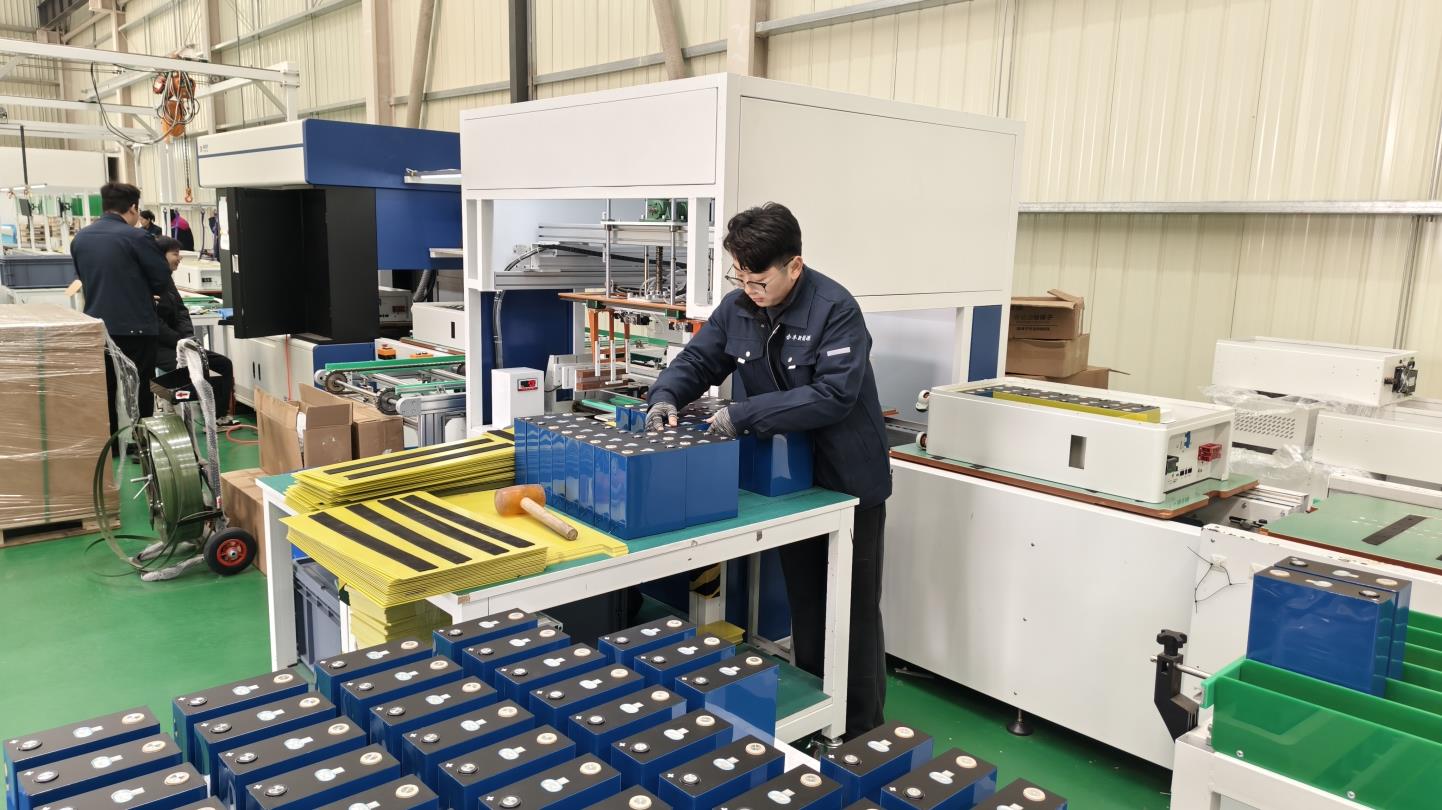
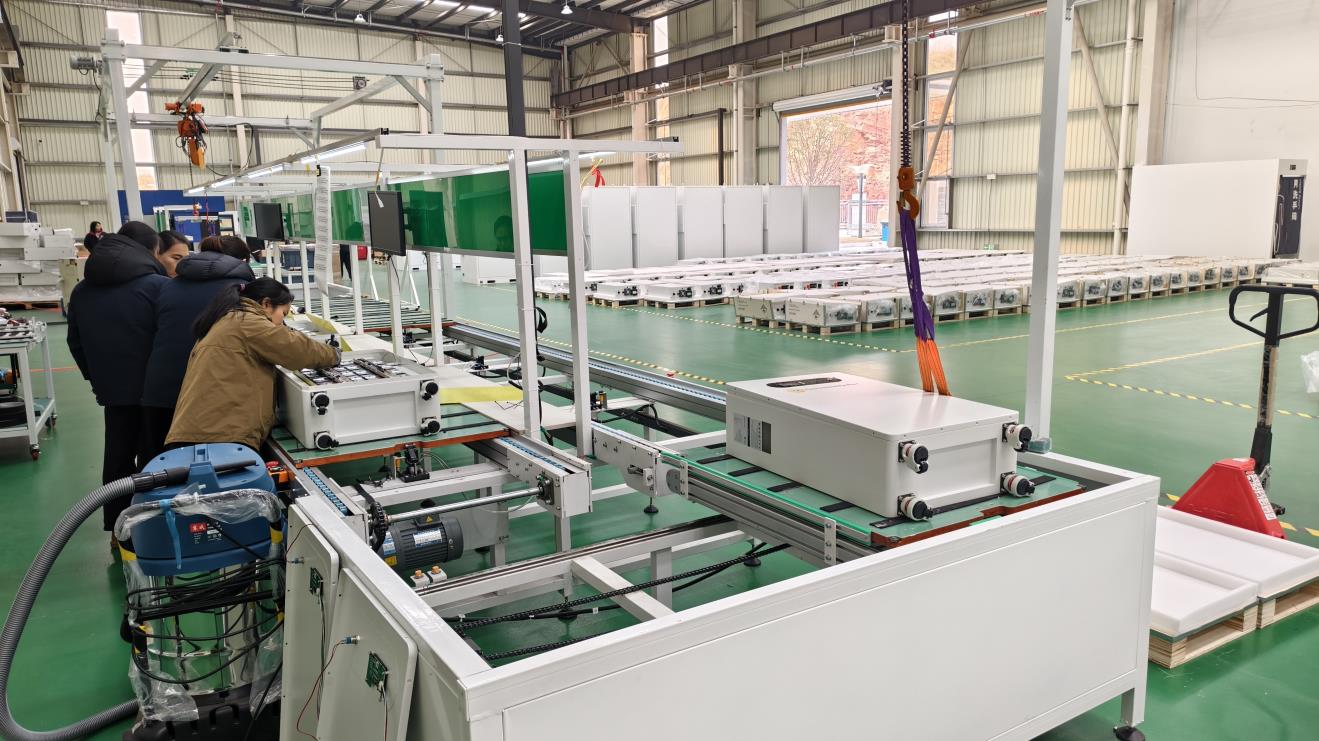
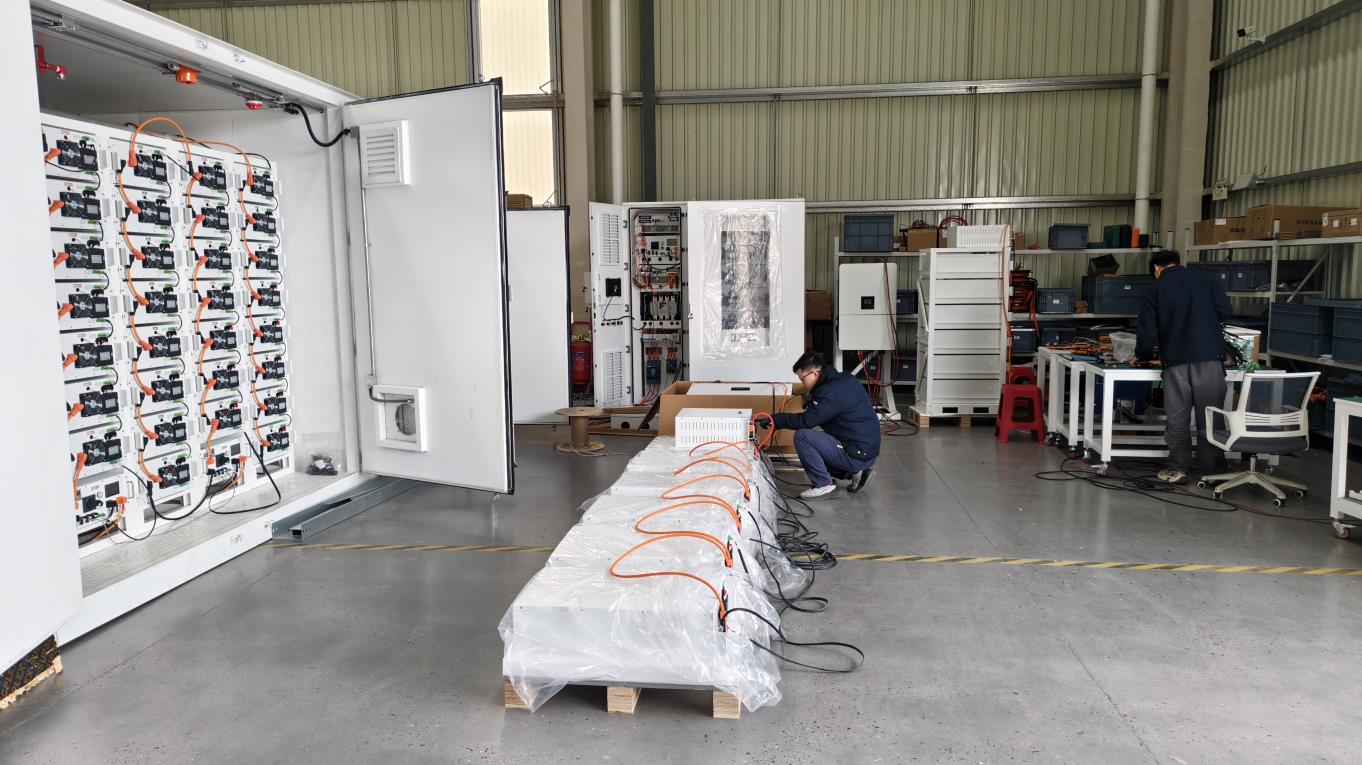
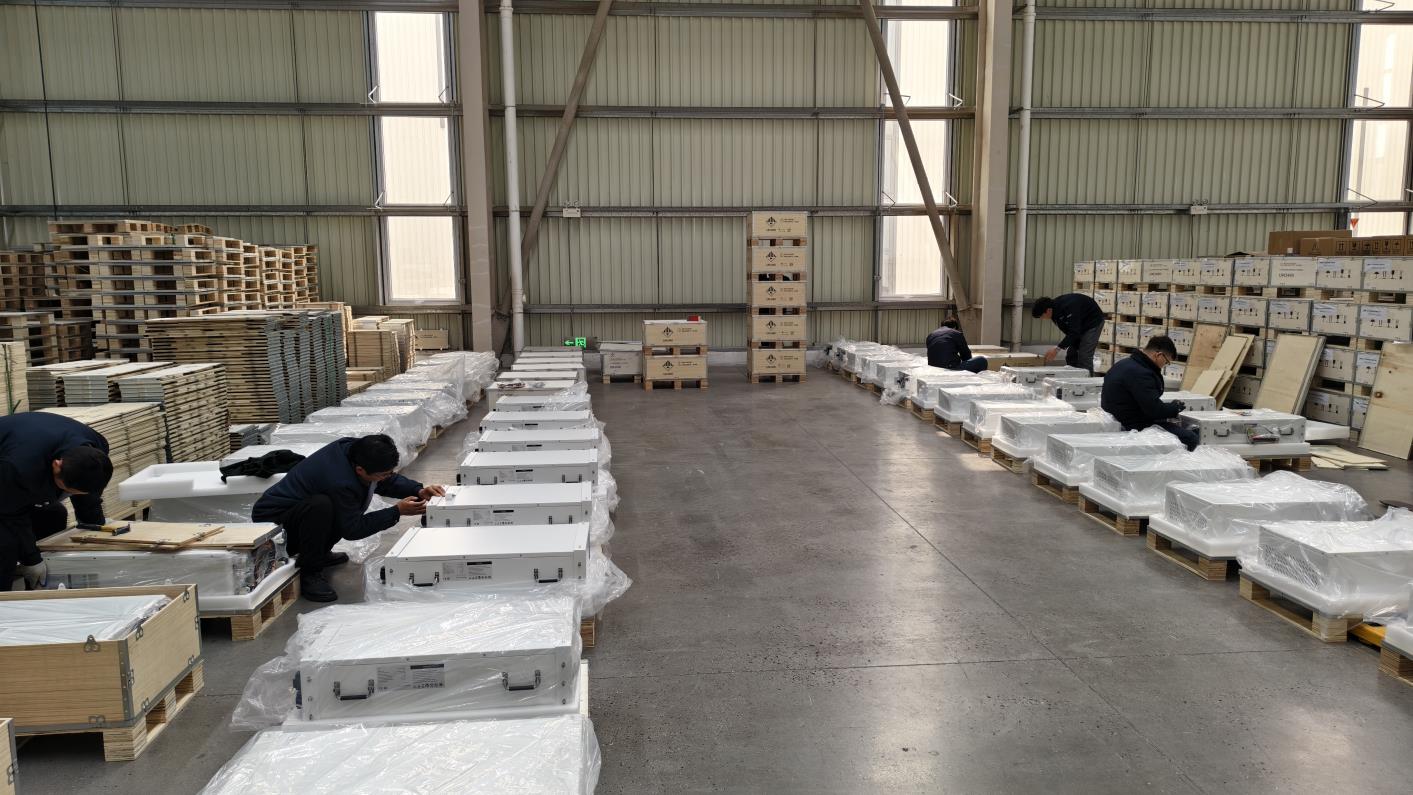
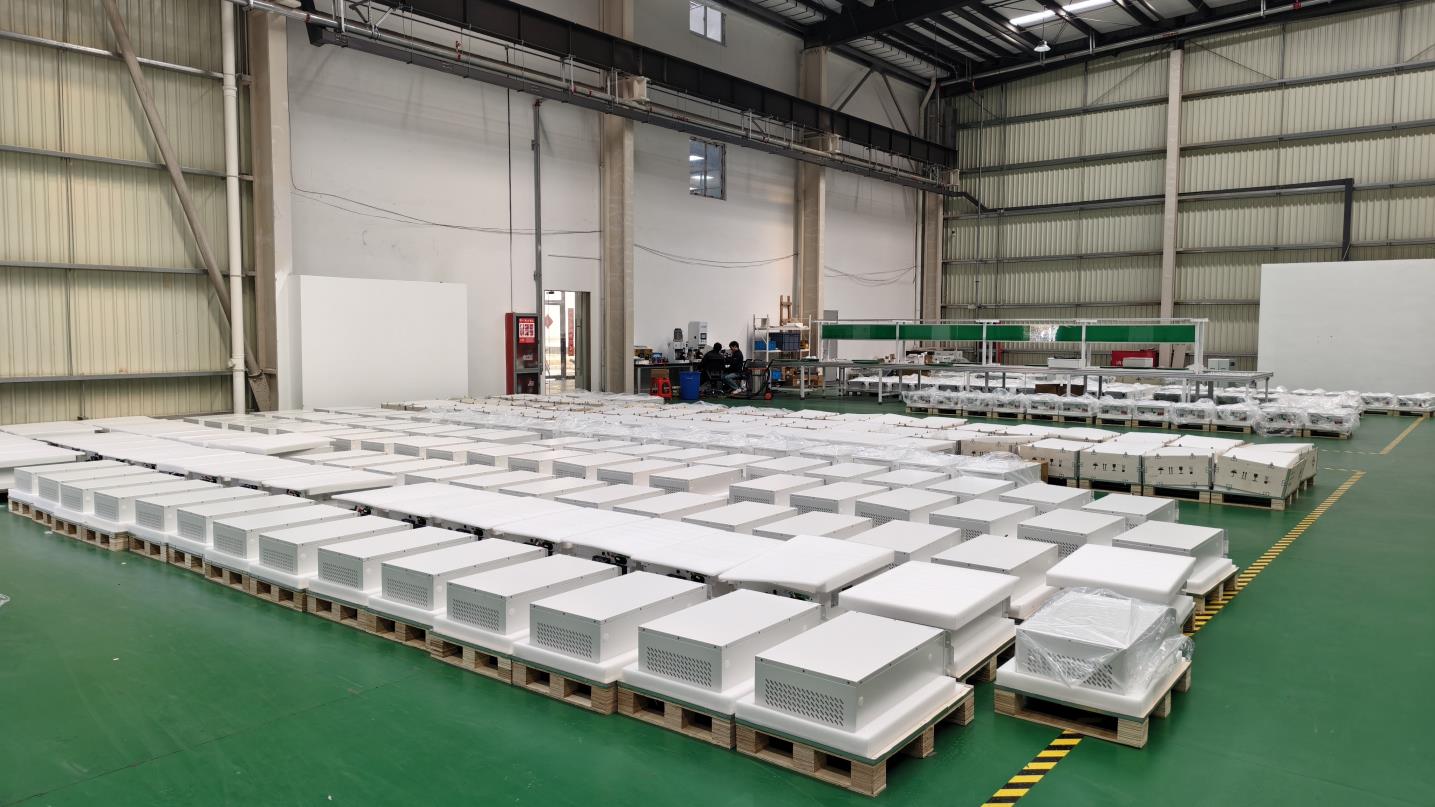
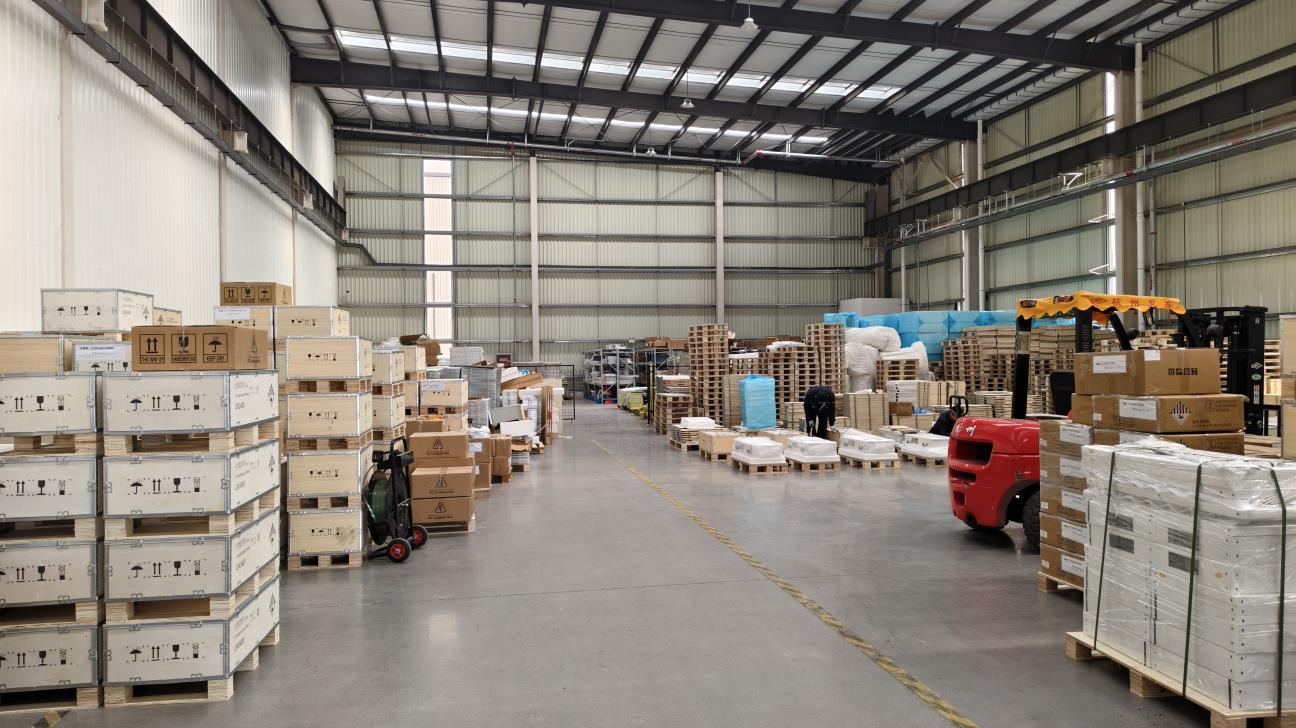
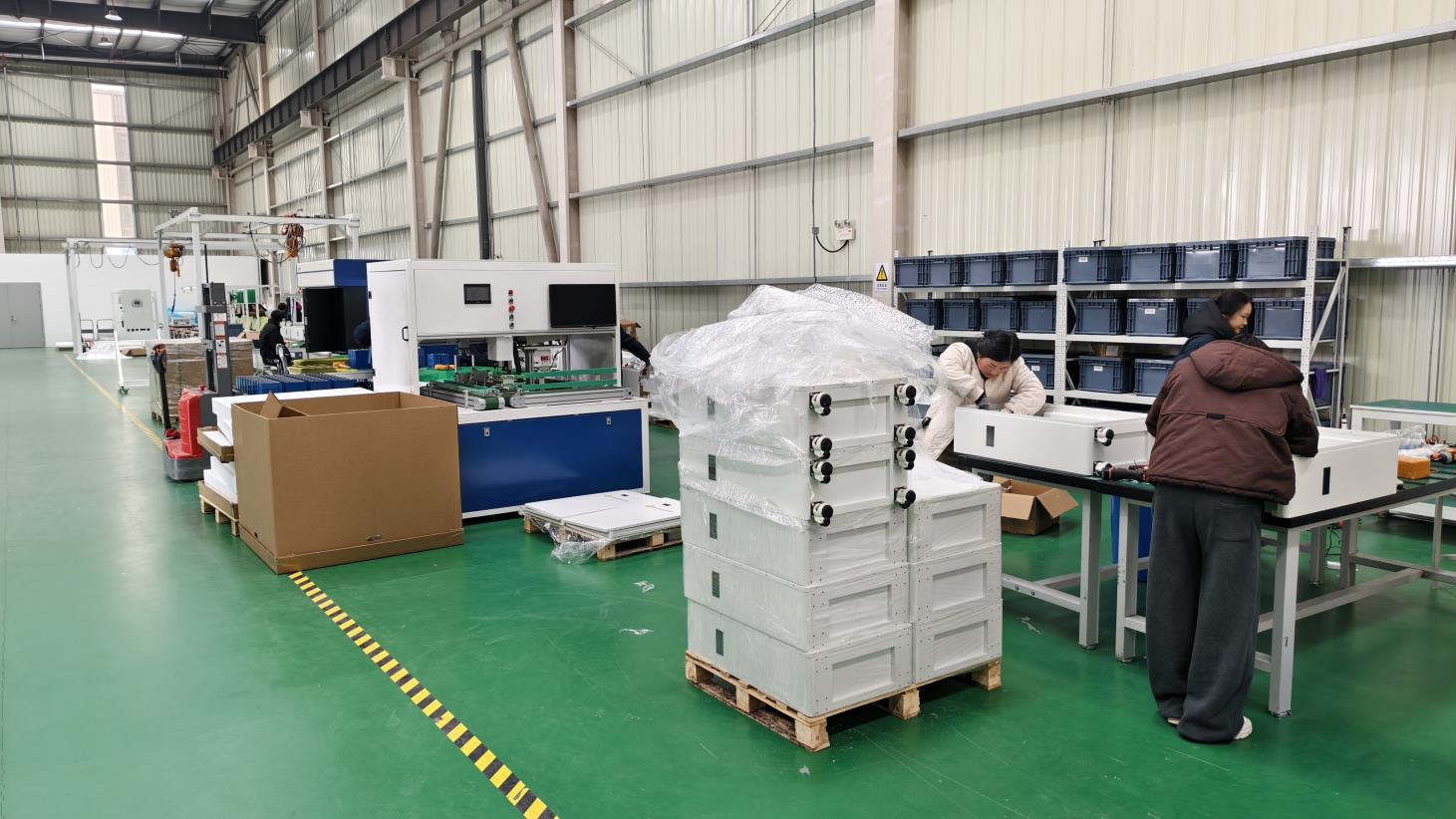
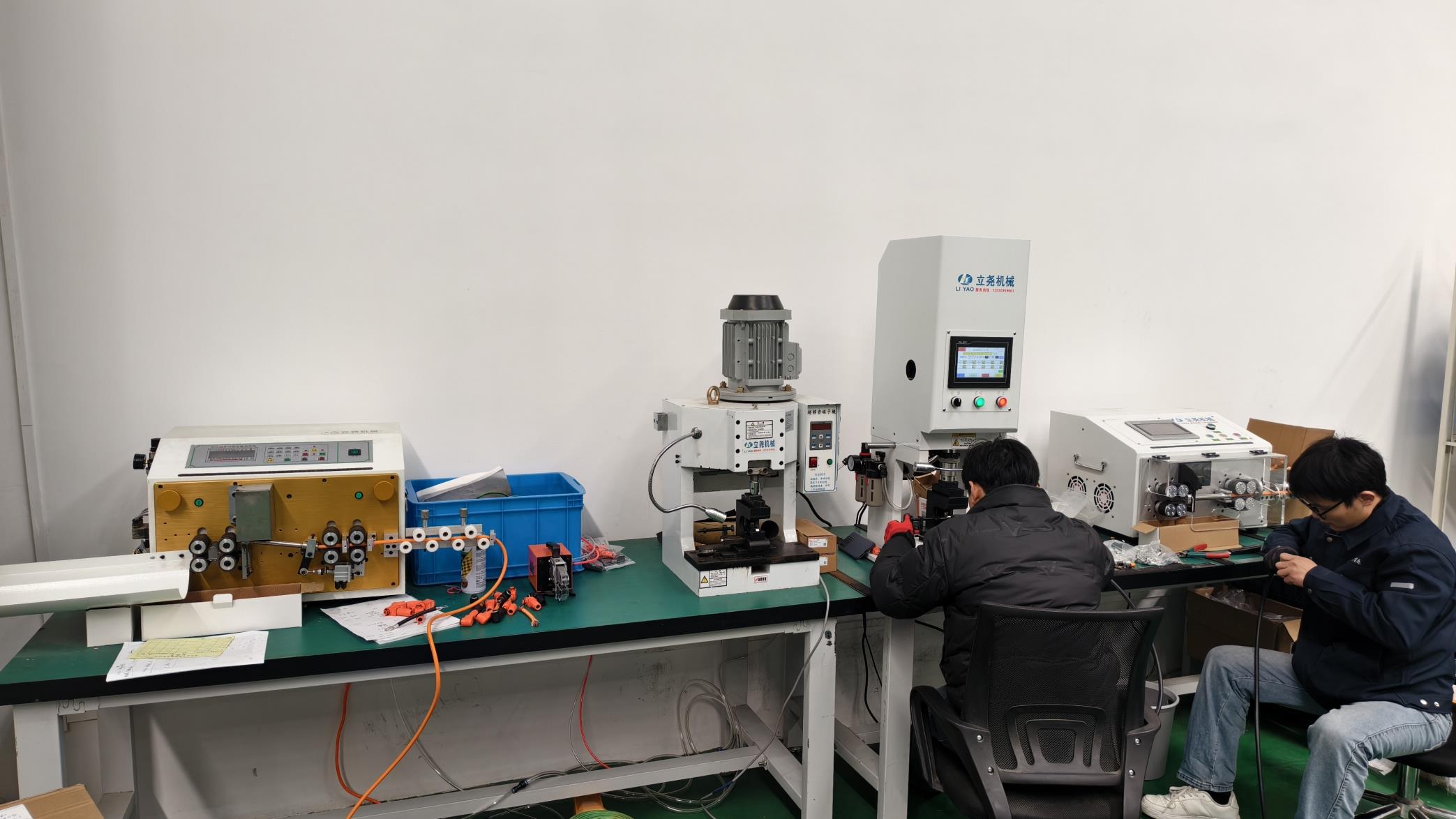
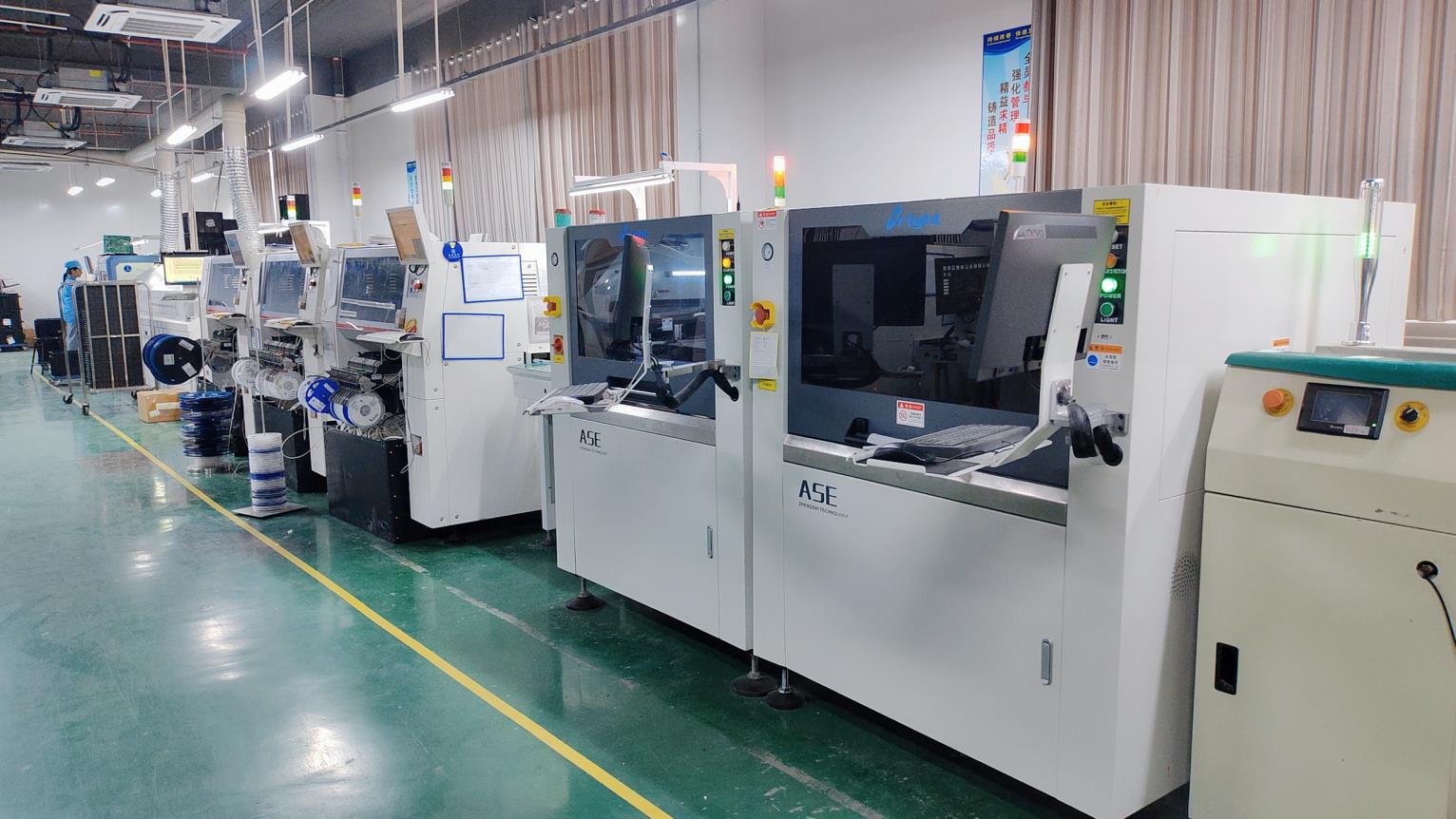
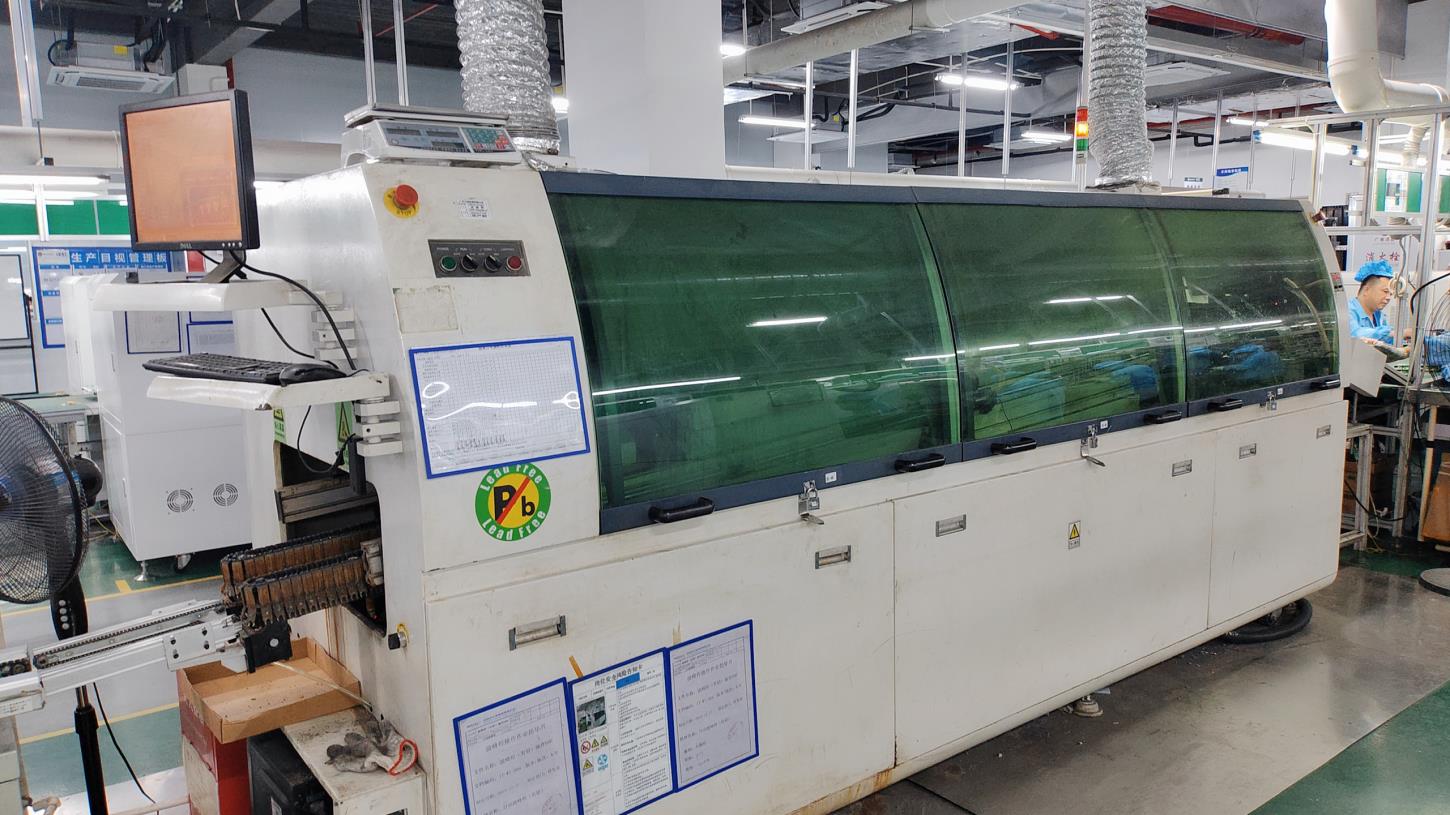
Our production capacity is built upon a highly optimized supply chain ecosystem in Anhui, China. We integrate automatic assembly lines, precision surface-mount technology (SMT), wave-soldering processes, and rigorous environmental stress tests to ensure reliable and scalable delivery.
Ensuring that commercial lighting systems conform to strict local engineering and electrical codes is critical for municipal acceptance.
Our streetlights undergo third-party laboratory verification to guarantee performance parameters under challenging weather and grid conditions:
We work closely with global EPC contractors to provide technical resources that streamline the project integration process:
Direct answers to the critical engineering, financial, and logistical questions raised by municipal boards and infrastructure developers.
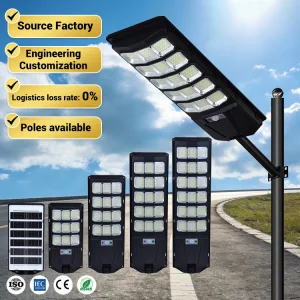
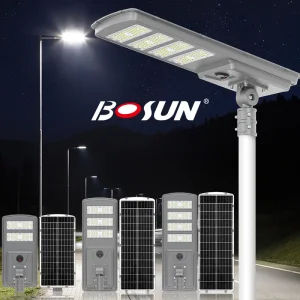
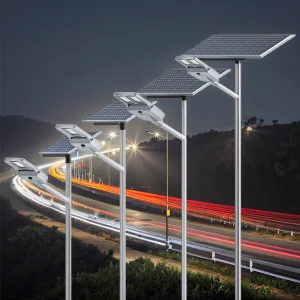
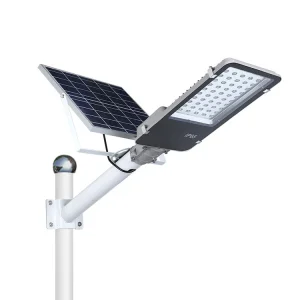
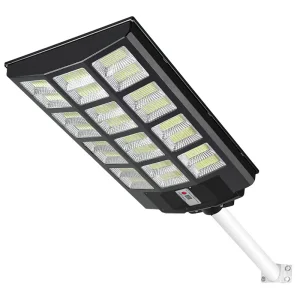
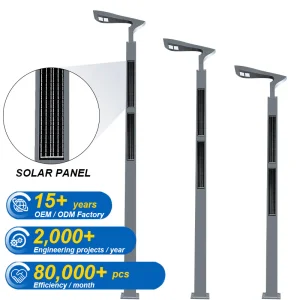
All-in-One (integrated) systems house the photovoltaic panel, LiFePO4 battery, LED array, and MPPT controller in a single casing, reducing installation time to under 15 minutes and eliminating wiring complexity. Split systems separate the solar panel, placing it atop the pole to allow independent tilt angles while housing the battery and controller in an underground box. This is preferred in high-latitude regions requiring large panels or specific orientation offsets.
Standard LiFePO4 cells face reduced charging capacity when temperatures drop below freezing. Our high-latitude models integrate a built-in battery management system (BMS) with self-heating film technology. Before charging starts, the system uses incoming solar power to warm the battery compartment to above 0°C, preserving cell chemistry and extending the operating life up to 6000 cycles.
Due to the solid-state design of LEDs and brushless components, maintenance is minimal. Main activities include cleaning dust off the panels once or twice a year in high-dust regions, and performing visual checks on structural brackets. The electronics and battery modules are designed to run autonomously for 8-10 years before requiring routine maintenance or component replacement.
Yes, our systems can be equipped with communication nodes supporting NB-IoT, LoRa, or ZigBee. This enables remote command, automatic diagnostic alerts, scheduling adjustments, and real-time energy usage tracking via central web management software.
Advanced off-grid lighting solutions designed for high stability, commercial operations, and flexible pole configurations.
 Aryam Energy