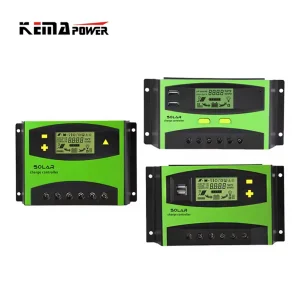
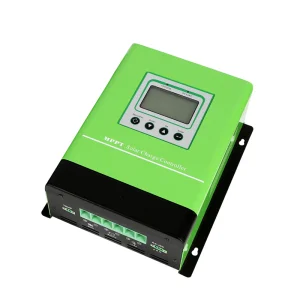
Engineered to maximize photovoltaic conversion rates and manage sophisticated battery storage layouts in high-demand installations.
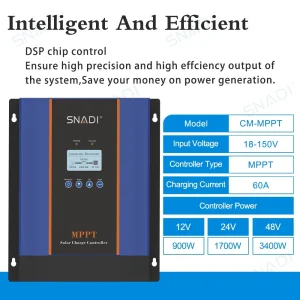
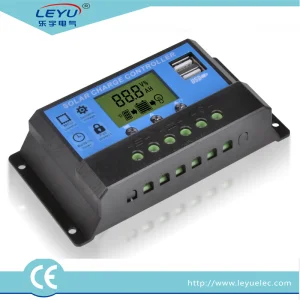
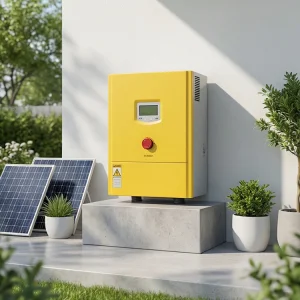
The United States solar industry is undergoing an unprecedented technological transition. Supported by federal incentives like the Inflation Reduction Act (IRA) and aggressive state-level clean energy mandates, solar installations are expanding rapidly across residential, commercial, industrial (C&I), and utility scales. Within this expansion, the demand for high-reliability components is critical. Solar charge controllers play a fundamental role in safeguarding, optimizing, and regulating power flow from photovoltaic arrays to chemical battery storage systems.
Unlike other global markets, the United States presents a highly regulated, geographically diverse environment. Off-grid agricultural water pumping in California, utility-scale remote backup in Texas, and telecom microgrids in the Northeast require hardware capable of withstanding extreme environmental changes while adhering to strict electrical safety protocols. Procurement professionals, EPC contractors, and system integrators must select equipment that meets these demanding applications while ensuring uninterrupted performance and system longevity.
"According to industry statistics, off-grid and hybrid energy storage systems in the US are projected to achieve a CAGR of over 12.5% through 2030, driven heavily by commercial resilience requirements and remote industrial electrification."
Deploying power electronics in the United States requires compliance with severe safety and electromagnetic interference guidelines. Below is the minimum standard framework required for industrial-grade systems:
| Standard | Regulatory Domain | Engineering Purpose |
|---|---|---|
| UL 1741 | Safety & Interconnection | Prevents electrical hazards, guarantees structural safety under continuous thermal load. |
| NEC Article 690 | National Electrical Code | Defines grounding, overcurrent protection, and rapid shutdown requirements for PV systems. |
| FCC Part 15 Class B | Electromagnetic Interference | Limits radio frequency emission to prevent interference with sensitive local telecommunications. |
| NEMA 3R / IP65+ | Ingress Protection | Guarantees enclosure resistance to windblown dust, rain, and ice formation in outdoor settings. |
Selecting the optimal topology dictates the return on investment (ROI) and performance efficiency of commercial off-grid installations.
MPPT controllers dynamically track and adjust the input voltage of the solar array to match the maximum output power point. By decoupling the PV array operating voltage from the battery terminal voltage, MPPT technology allows for high-voltage PV string configurations, reducing line losses and installation wiring costs.
PWM controllers act as an electronic switch between the PV array and the battery. As the battery approaches full charge, the controller pulses the current to maintain a constant voltage, protecting the battery from overcharging.
Anhui Aryam Energy Co., Ltd. is a leading provider of advanced renewable energy solutions, dedicated to delivering reliable, efficient, and sustainable power systems for residential, commercial, industrial, and utility-scale applications worldwide. Through continuous innovation and a strong commitment to clean energy development, Aryam Energy has established itself as a trusted partner in the global transition toward a low-carbon future.
The company specializes in the research, development, manufacturing, and integration of solar energy systems, energy storage solutions, hybrid power systems, and intelligent microgrid technologies. Leveraging cutting-edge engineering expertise and strict quality management standards, Aryam Energy provides comprehensive energy solutions tailored to diverse market needs, particularly in regions facing energy shortages, unstable grid infrastructure, or increasing demand for sustainable power generation.
With a professional R&D team and a growing portfolio of proprietary technologies, Aryam Energy continuously invests in innovation to enhance system performance, energy efficiency, and long-term reliability. Its products and solutions are designed to meet international standards and have been successfully deployed across Asia, Africa, the Middle East, Europe, and Latin America, serving customers in more than 100 countries and regions.
Aryam Energy's product portfolio includes solar inverters, energy storage systems, hybrid inverters, lithium battery solutions, solar water pumping systems, microgrid systems, and customized renewable energy projects. The company is committed to providing integrated energy solutions that maximize energy independence, reduce operational costs, and support environmental sustainability.
Driven by the vision of becoming a globally recognized clean energy technology leader, Aryam Energy actively collaborates with distributors, EPC contractors, government agencies, international organizations, and development partners to promote renewable energy adoption worldwide. Through its mission of "Empowering Sustainable Energy for a Better Future," the company strives to create long-term value for customers while contributing to global carbon reduction goals and sustainable social development.
By combining technological innovation, product excellence, and customer-centric service, Anhui Aryam Energy Co., Ltd. continues to deliver smart, reliable, and environmentally responsible energy solutions that help build a greener and more sustainable world.
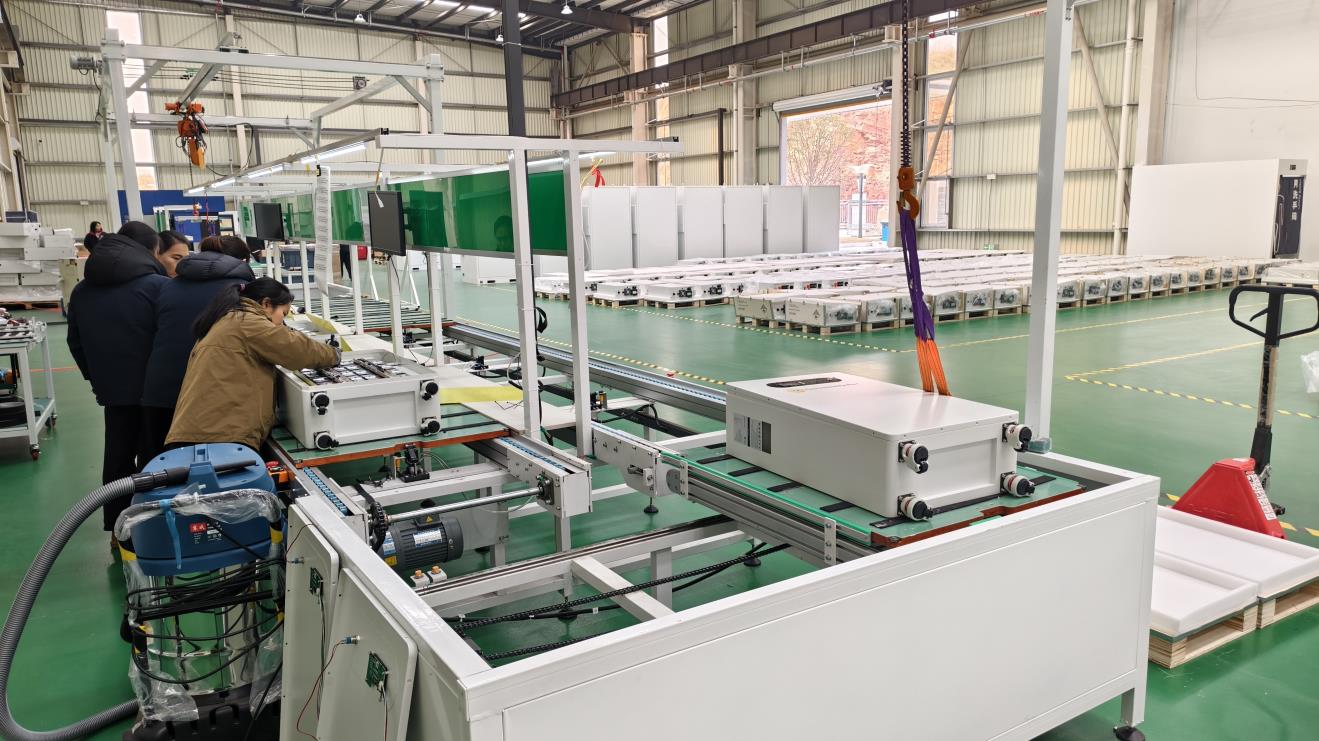
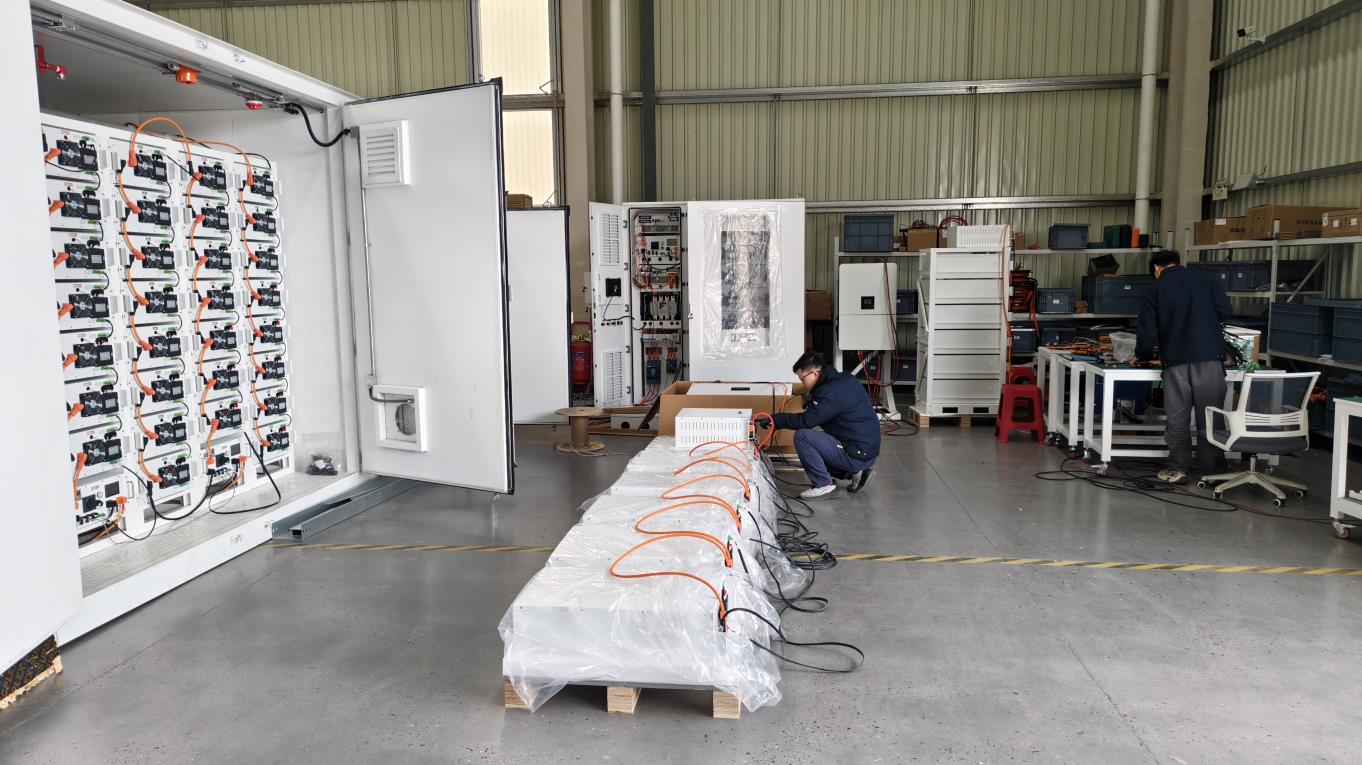
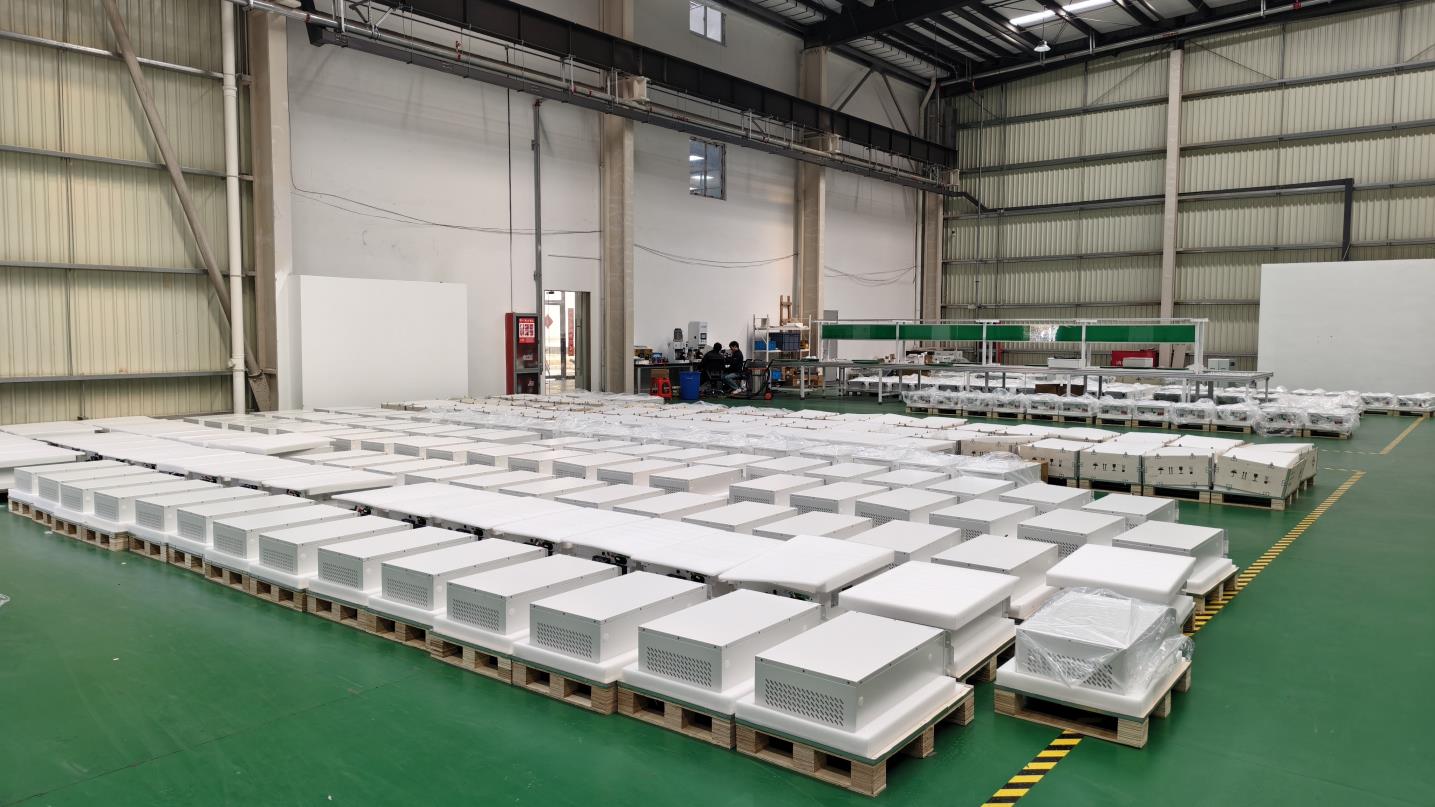
Integrating advanced production processes to supply high-durability power electronics for demanding global markets.



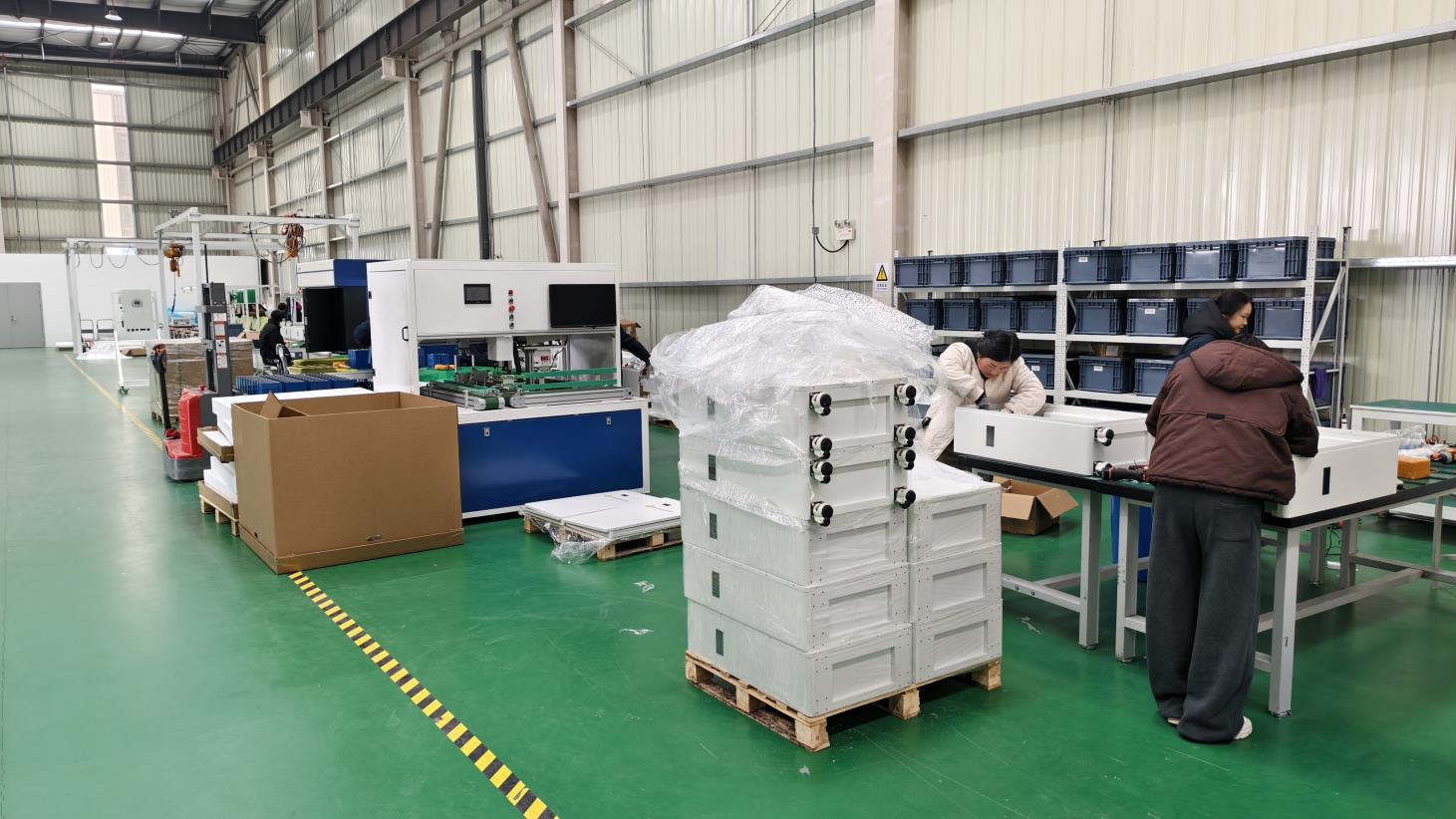
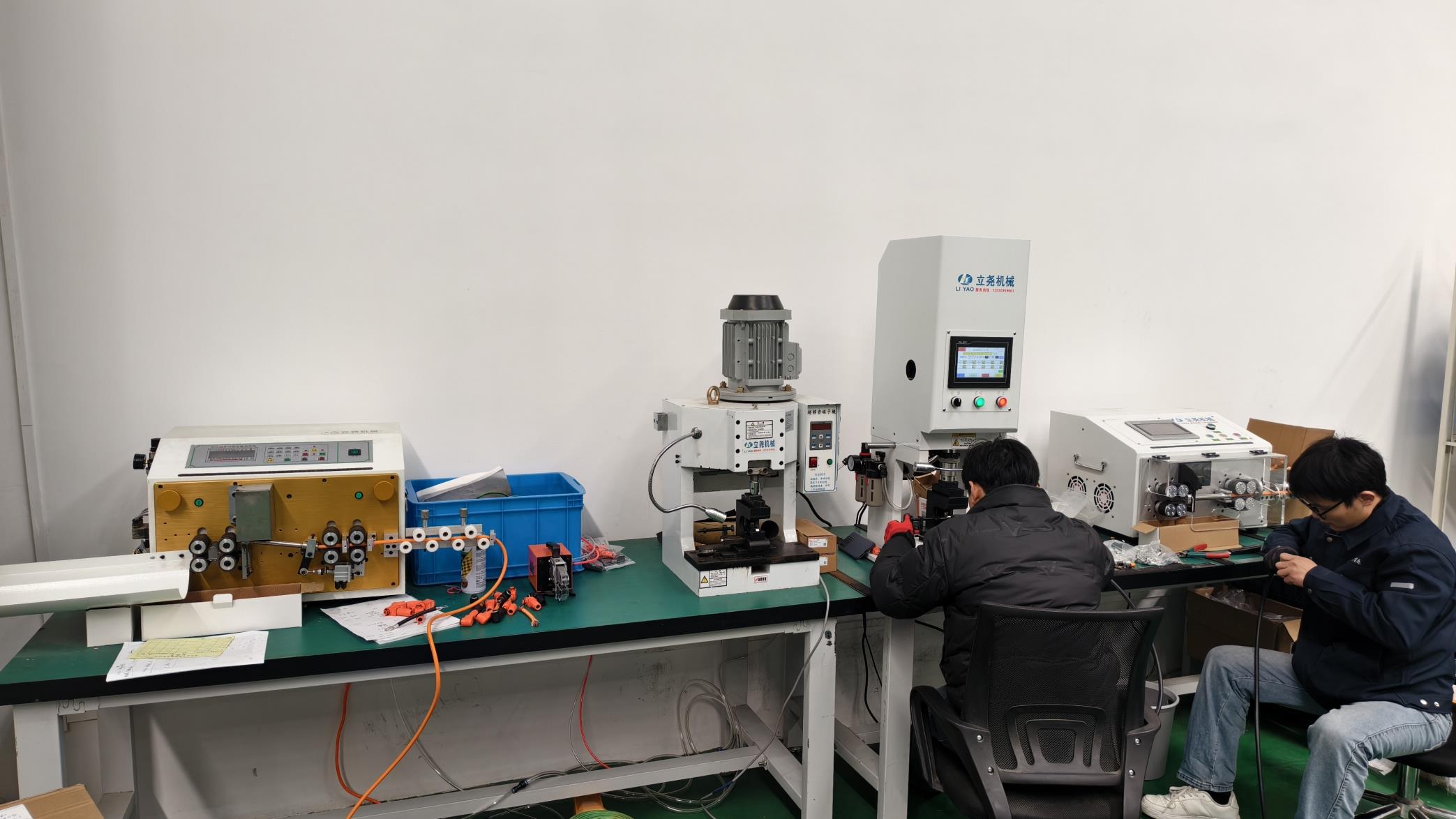
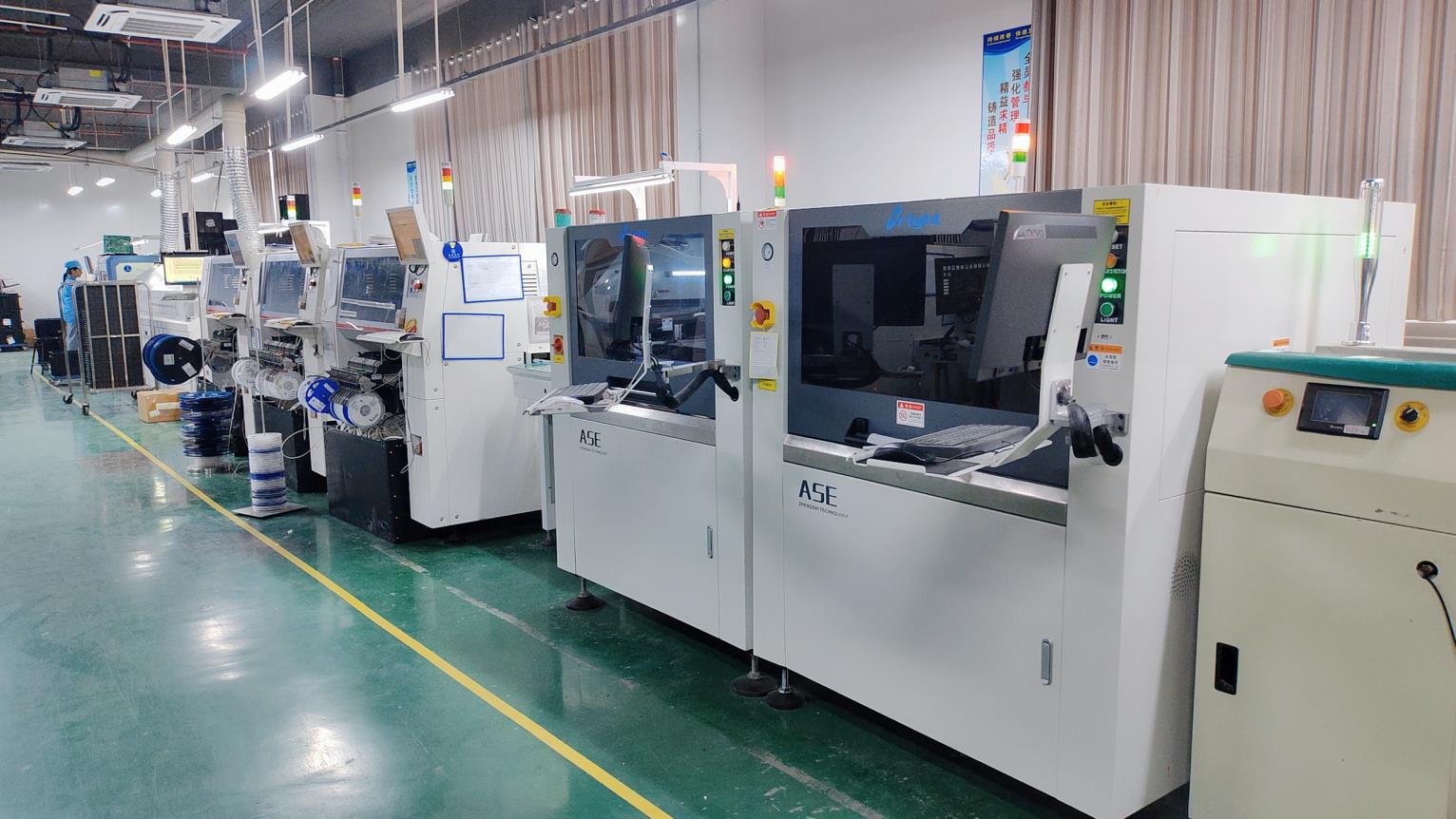
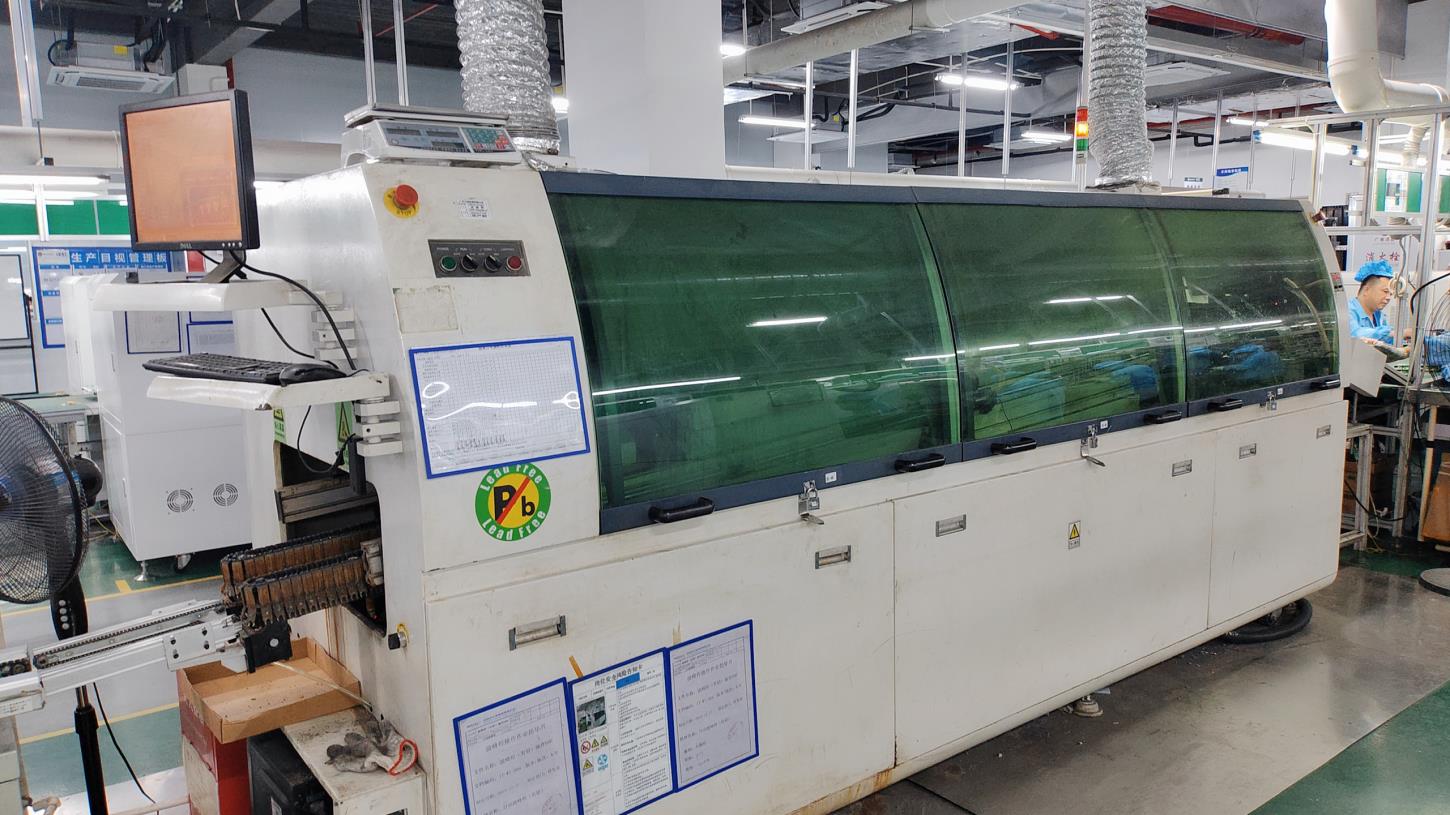
Providing specialized engineering configurations for unique climatic and structural requirements.
Off-grid cellular towers and fiber repeaters operating in regions like Alaska, Nevada, or rural Midwest fields depend on robust backup energy. These installations require industrial MPPT controllers with Modbus or CAN bus monitoring protocols to verify battery health. They are designed to operate across extreme temperatures, preventing thermal runaway in lithium-iron-phosphate (LiFePO4) storage arrays and eliminating communication downtime.
US farming operations in the Central Valley of California and the high plains of Texas depend on solar water pumping systems. By implementing high-amperage MPPT solar charge controllers, growers can match PV output to drive pump motors efficiently throughout the day, without relying on unstable rural grids or costly diesel generators.
The expansion of mobile off-grid living requires durable, compact charge controllers. These controllers must handle sudden changes in PV inputs caused by shifting shade, while complying with US DOT and marine safety standards. Smart PWM and compact MPPT regulators provide dual USB charging and LCD displays, delivering reliable mobile power management.
In areas with seasonal weather patterns, hybrid wind-solar systems provide consistent power generation. Integrated wind-solar hybrid controllers manage dual inputs, diverting excess power to dump loads during high wind conditions. This maintains system stability and protects the battery bank from voltage spikes.
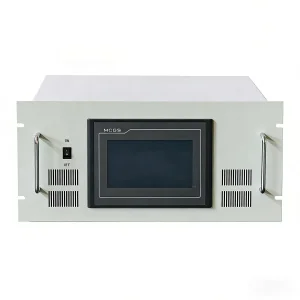
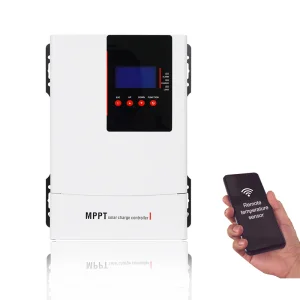
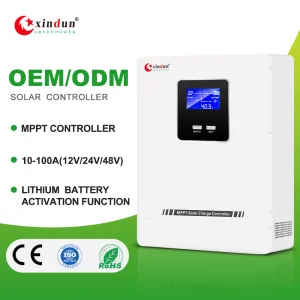
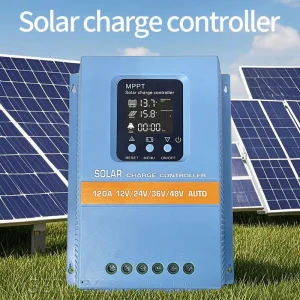
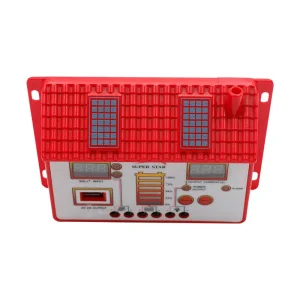
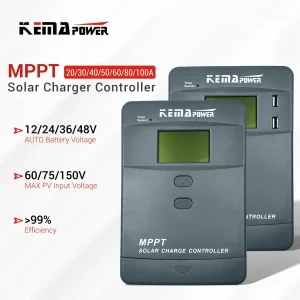
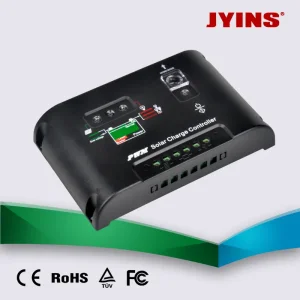
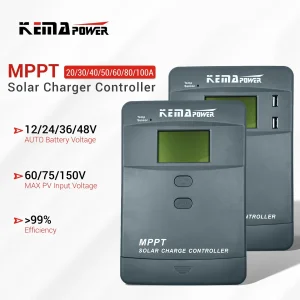
Explore our industrial range of MPPT and PWM regulators designed to support commercial and industrial solar power systems.
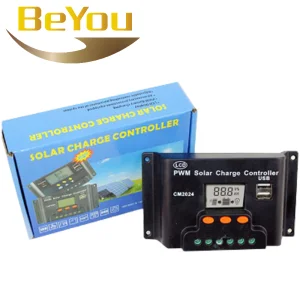
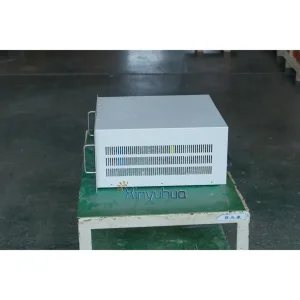
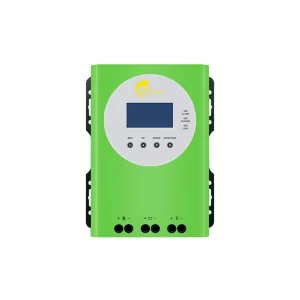
Stay ahead of the curve with insights into the next generation of energy storage and solar charge controller technologies.
Modern commercial systems require remote troubleshooting capability. Next-generation controllers incorporate IoT capabilities, allowing operators to monitor real-time charging status, adjust voltage parameters, and review system logs from offsite control centers. This reduces maintenance overhead and helps prevent battery performance issues before they occur.
By supporting industry-standard protocols such as RS485 Modbus, CAN bus, and integrated Bluetooth/Wi-Fi modules, controllers can easily connect with third-party SCADA systems and mobile applications. This provides remote operations teams with clear data visualization and historical system performance analysis.
The transition from legacy lead-acid batteries to Lithium Iron Phosphate (LiFePO4) and Lithium Titanate Oxide (LTO) chemistry requires highly precise charging profiles. Modern charge controllers must adapt to these chemistry variations, protecting against overvoltage, over-temperature, and low-temperature charging conditions.
Advanced temperature sensors and programmable charging stages (Bulk, Absorption, Float, Equalization) help extend battery service life. This maximizes energy throughput and improves system ROI for off-grid industrial installations.
Expert answers to common technical and regulatory questions regarding solar charge controllers in the US market.
MPPT (Maximum Power Point Tracking) controllers dynamically adjust input voltage to extract maximum power from the PV array, operating at up to 99% efficiency. This makes them ideal for larger commercial and residential projects, especially in colder climates. PWM (Pulse Width Modulation) controllers act as a switch, connecting the PV array to the battery, which drops array voltage closer to battery level. PWM is cost-effective and suitable for smaller, budget-sensitive applications like RVs or gate openers.
Yes, our industrial charge controllers are designed to align with UL 1741 standards and feature the necessary grounding and overcurrent protections outlined in NEC Article 690. We prioritize component safety and electrical compliance to help you meet local utility inspection requirements.
Our MPPT controllers feature dedicated lithium charging profiles, including low-temperature charging cutoff protection. This prevents lithium plating and cell damage when temperatures drop below freezing, which is critical for projects in cold climates.
Yes, our controllers support remote monitoring via RS485 Modbus and CAN bus protocols. Using an optional Wi-Fi or GPRS module, you can connect the system to our cloud telemetry platform to track battery voltages, solar yield, and load status remotely.
Depending on custom configurations and order size, our average manufacturing and dispatch lead time ranges from 15 to 25 days. We work closely with leading freight forwarders to ensure reliable delivery to US major ports and inland distribution hubs.
 Aryam Energy