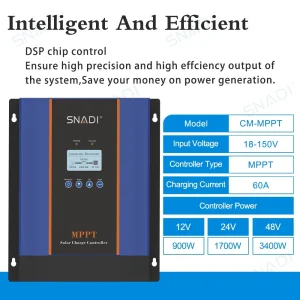
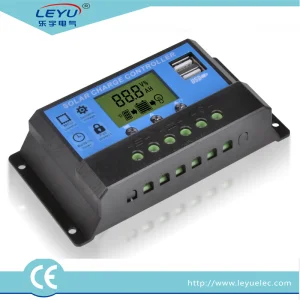
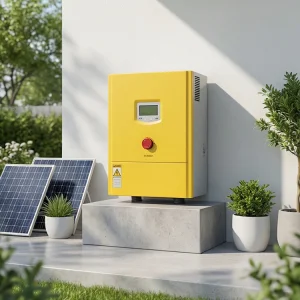
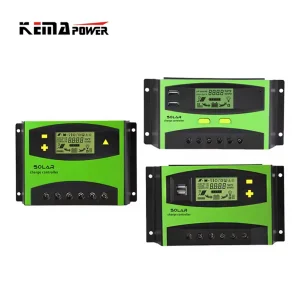
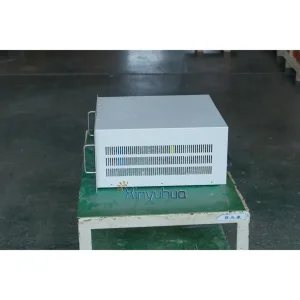
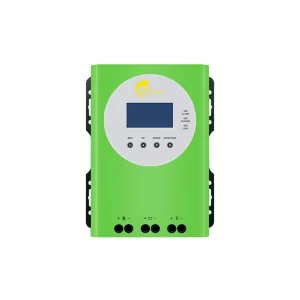
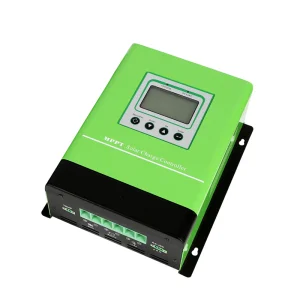
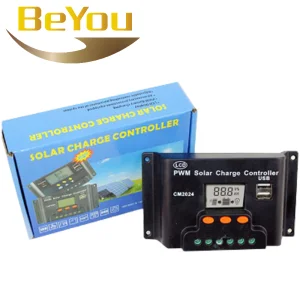
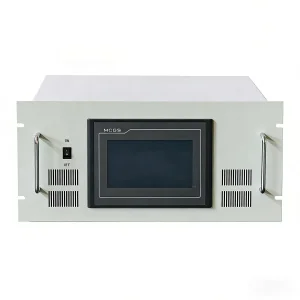
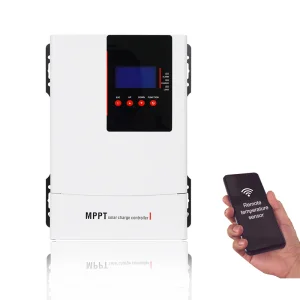
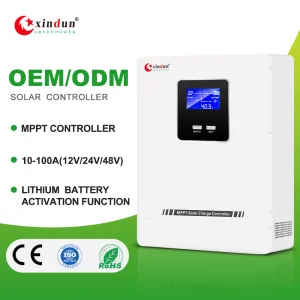
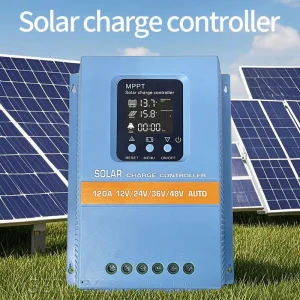
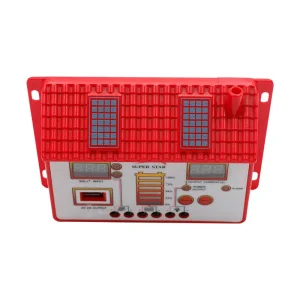
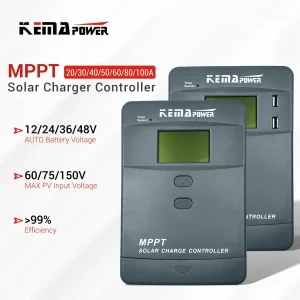
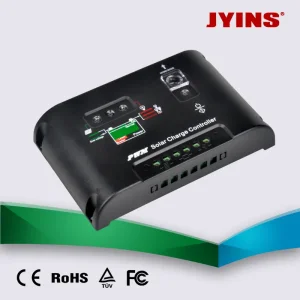
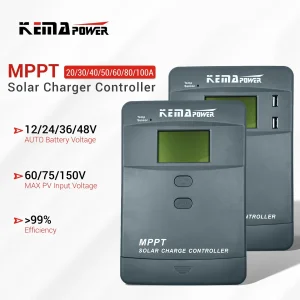
Designed for optimum efficiency, our flagship controllers integrate highly advanced MPPT technology and multi-stage battery algorithm protection to survive temperatures down to -50°C.
The Russian Federation features one of the most geographically diverse and climatically challenging territories on Earth. Stretching from the Baltic Sea to the Pacific Ocean, massive regions of Siberia, the Far East, and the Arctic lack connection to the unified national power grid. In these isolated areas, mining operations, railway signaling networks, pipeline telecommunications, and remote settlements traditionally rely on highly expensive diesel fuel generation. The logistics of trucking diesel over temporary winter roads ("zimnik") dramatically increases operational costs, sometimes exceeding $1.50 per kWh.
To combat this, industrial operators and regional authorities are rapidly transitioning to solar-wind-diesel hybrid microgrids. In this context, the solar charge controller is the critical neural center. It manages the irregular, fluctuating input from solar arrays under highly varied solar irradiance levels and regulates power output to battery banks. Standard consumer-grade solar controllers fail under the extreme conditions typical of Russian winters, where temperatures drop below -40°C.
"In sub-zero temperatures, solar photovoltaic panels generate significantly higher open-circuit voltage (Voc) than at standard test conditions. Without industrial-grade solar charge controllers rated for high input voltage spikes, terminal hardware damage is inevitable."
Furthermore, Russia's southern agricultural zones (such as Krasnodar, Stavropol, and Altai) present a different commercial opportunity. Here, utility-scale off-grid agricultural operations, irrigation pumps, and eco-tourism resorts require massive solar arrays coupled with high-capacity three-phase MPPT controllers to achieve grid-independent food production and hospitality.
Integrating wide voltage ranges and specialized algorithms optimized for lead-acid, gel, and LiFePO4 batteries in industrial projects.
Understanding how environmental thermodynamics impact solar charging topologies is critical for selecting the right architecture.
As the environmental temperature drops below 25°C, the output voltage of standard monocrystalline silicon PV cells rises. In Siberian winters where temperatures drop to -40°C, the open-circuit voltage ($V_{oc}$) can increase by up to 25%. Our MPPT solar charge controllers feature extra-high voltage headroom input limits (up to 150V/200V) to prevent electronic component breakdown.
In northern latitudes, winter daylight is extremely brief, and solar rays hit the panels at shallow angles. Standard PWM (Pulse Width Modulation) controllers pull the solar panel voltage down to match the battery voltage, sacrificing potential energy. Our MPPT (Maximum Power Point Tracking) algorithms dynamically trace the optimal power point, generating up to 30% more energy from the same solar array.
Charging lithium (LiFePO4) batteries below 0°C without a dedicated low-temperature heating control can cause permanent lithium plating, rendering the battery unusable. Our smart controllers communicate directly with battery BMS via RS485/CAN protocols, using built-in relays to redirect solar current to internal heating pads before executing the charging cycle.
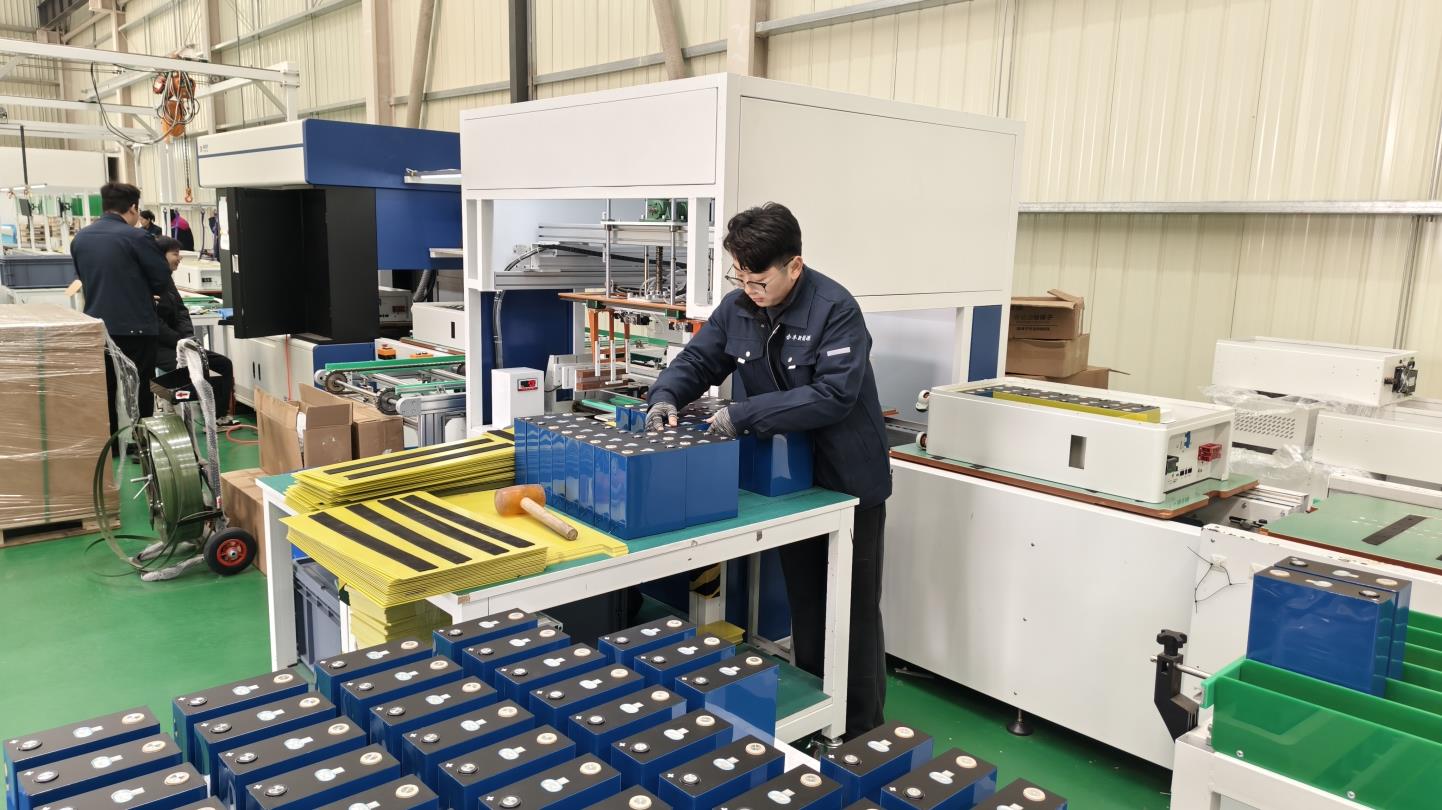
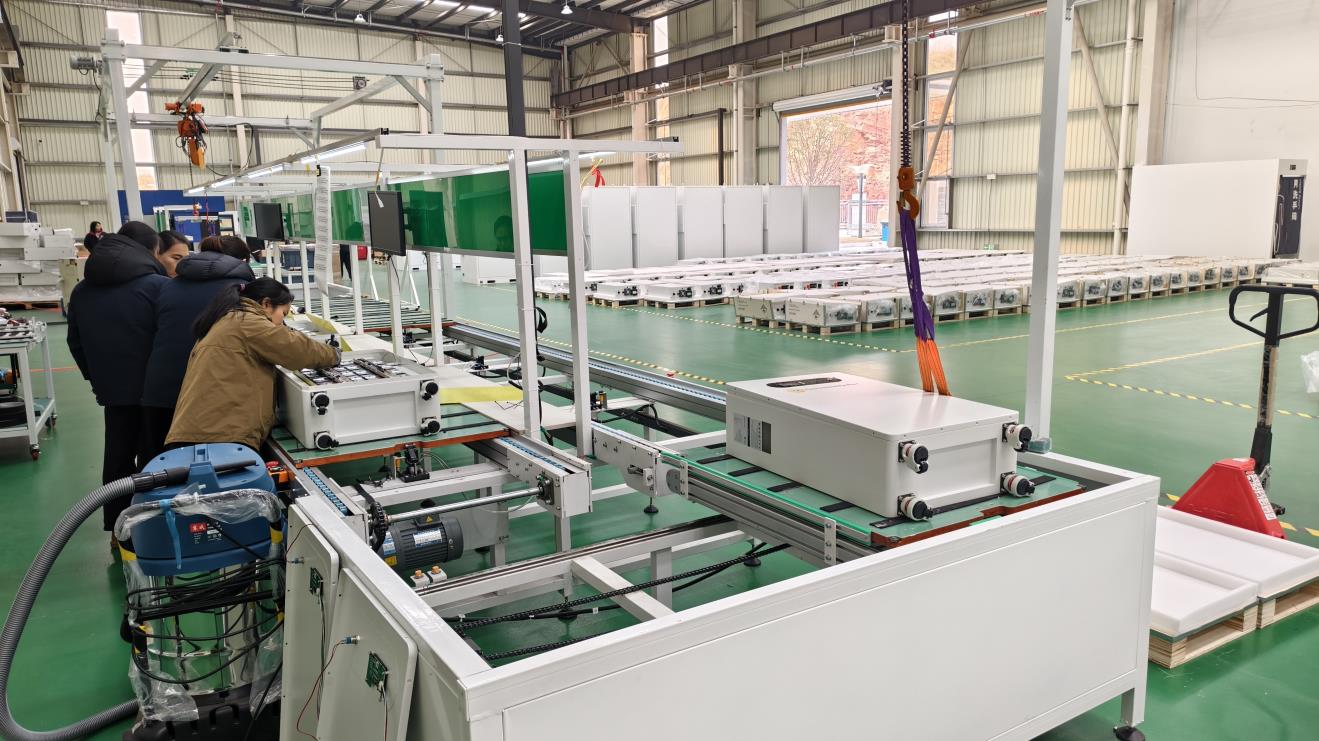
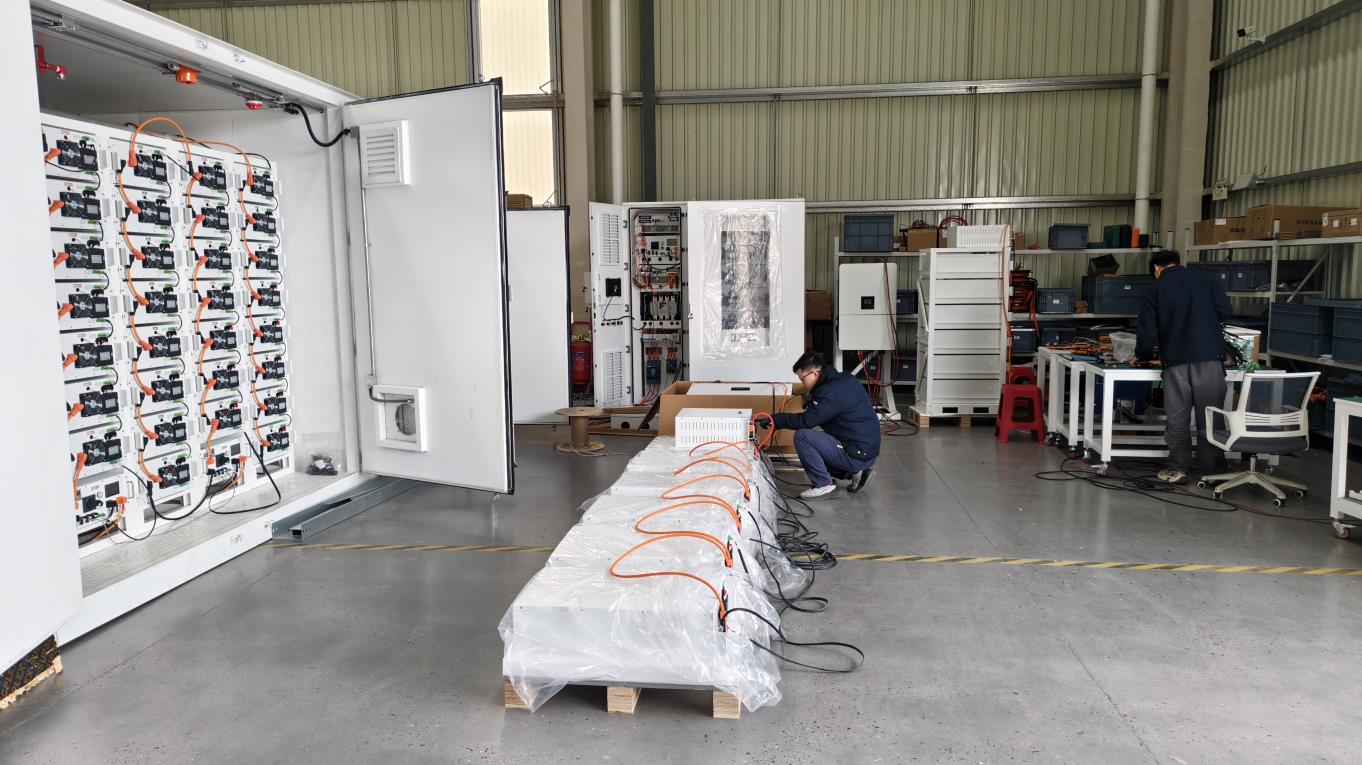
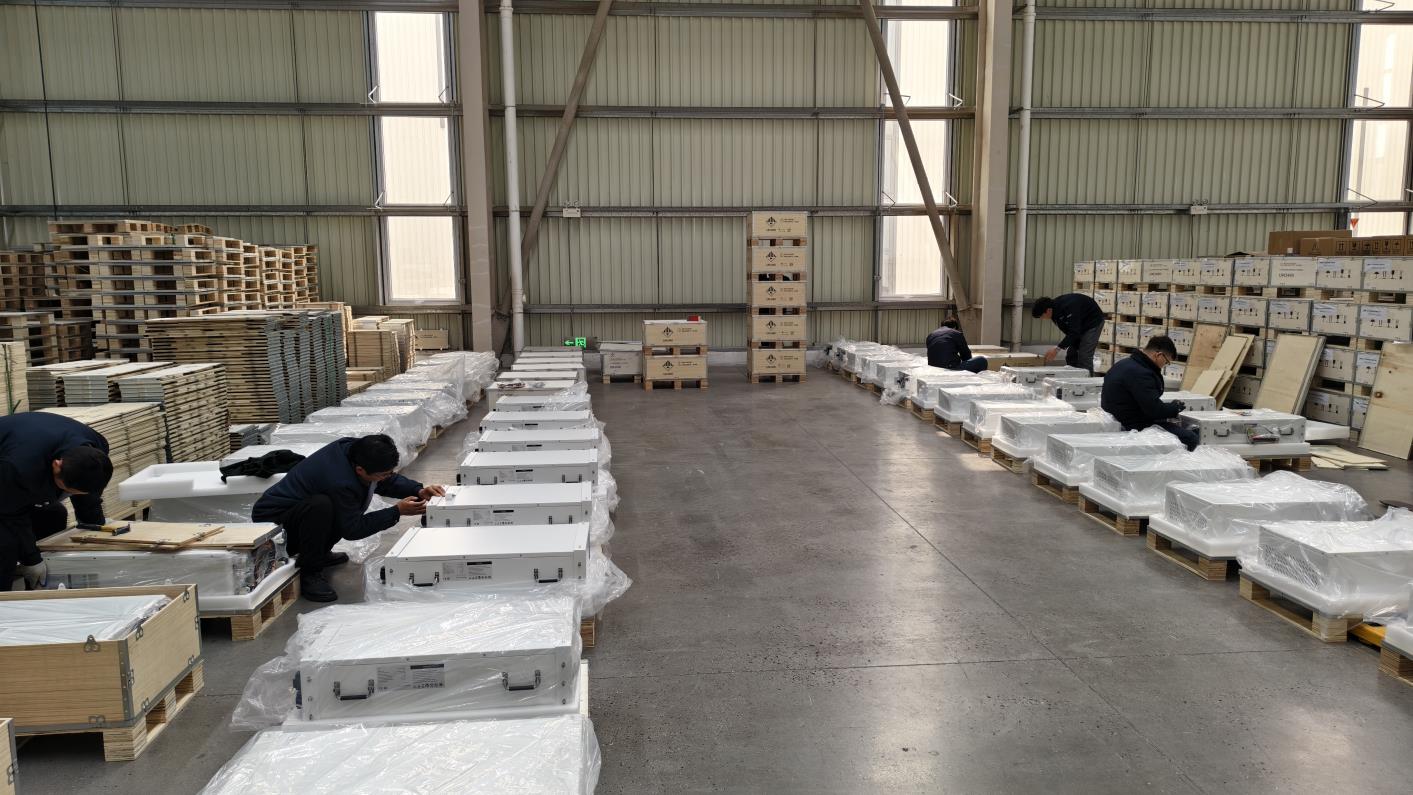
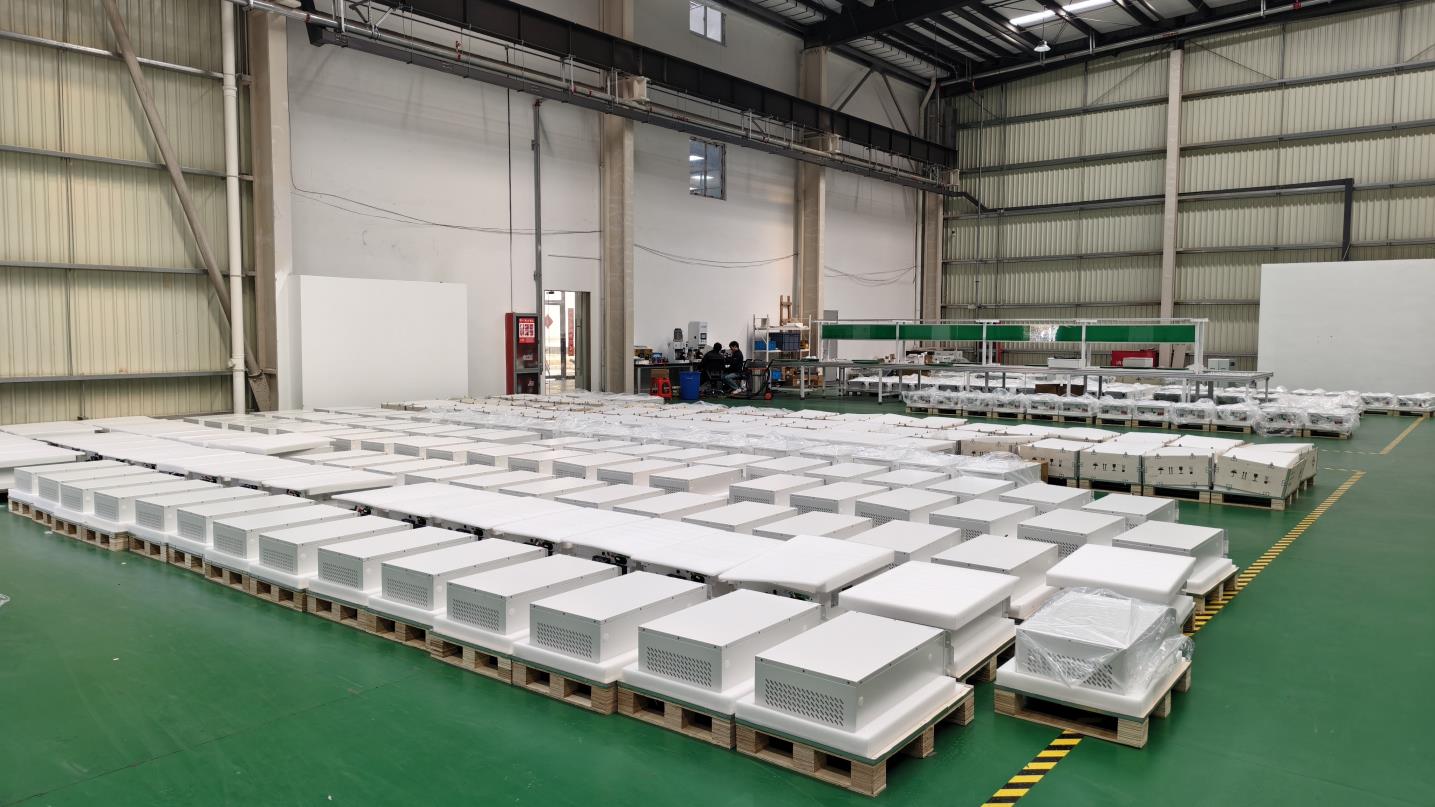
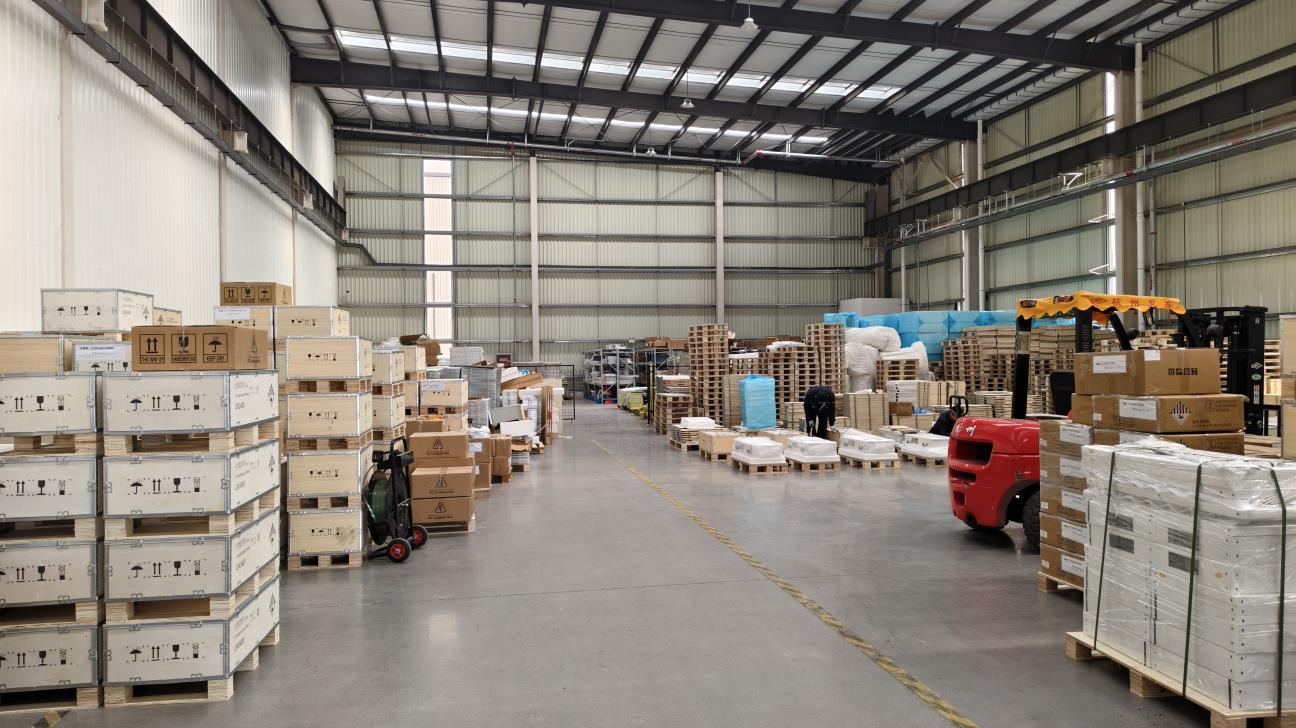
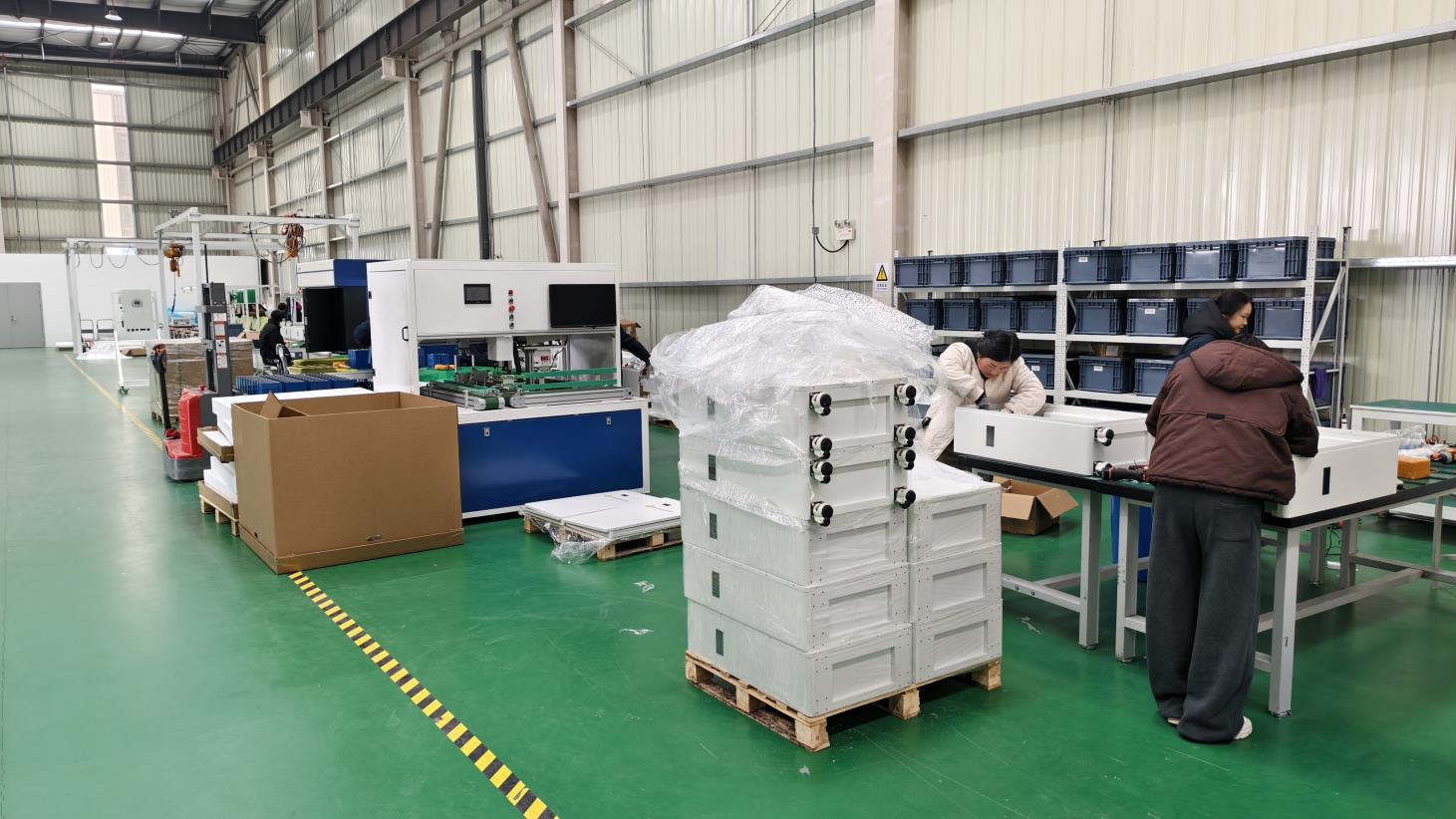
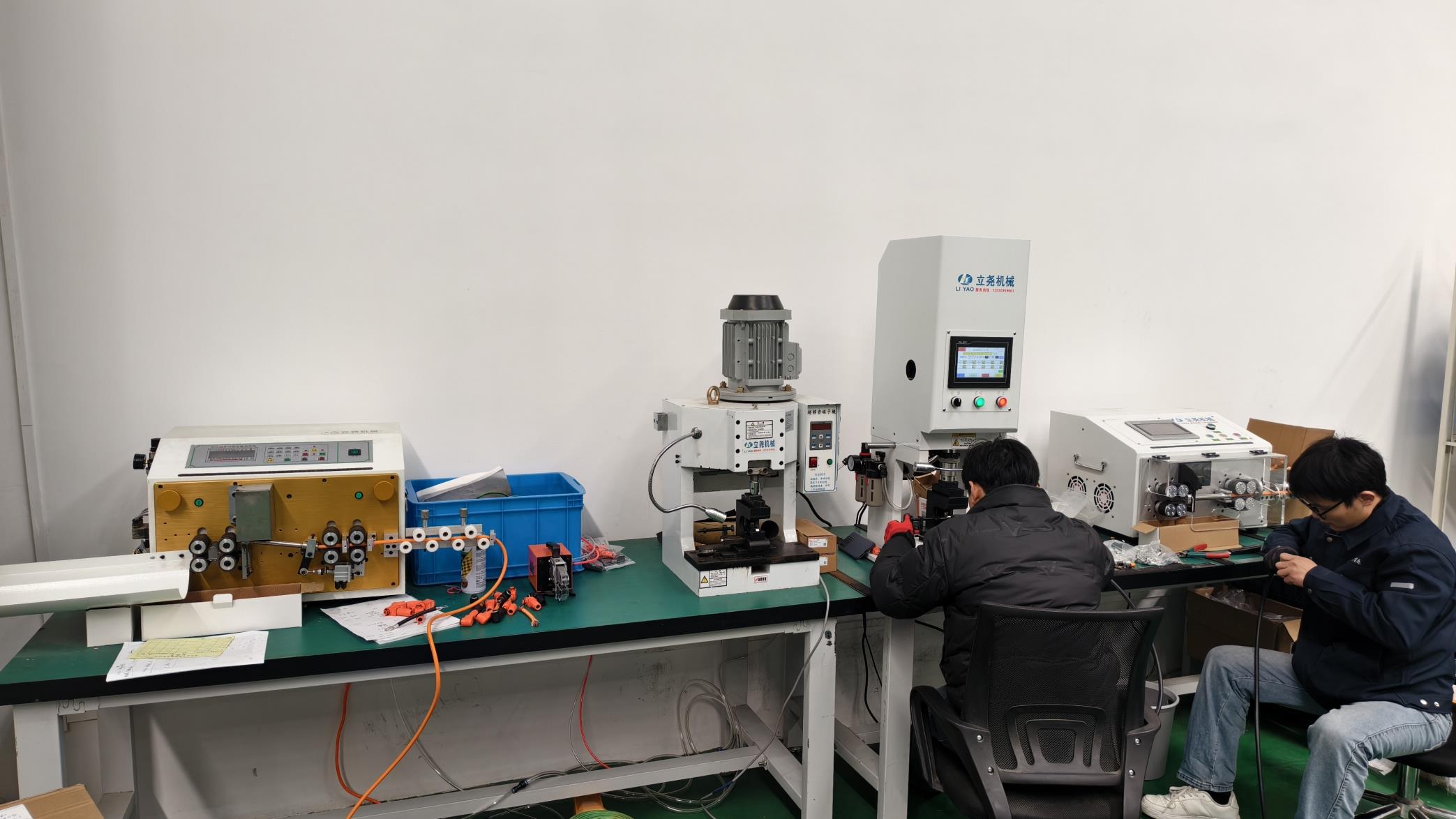
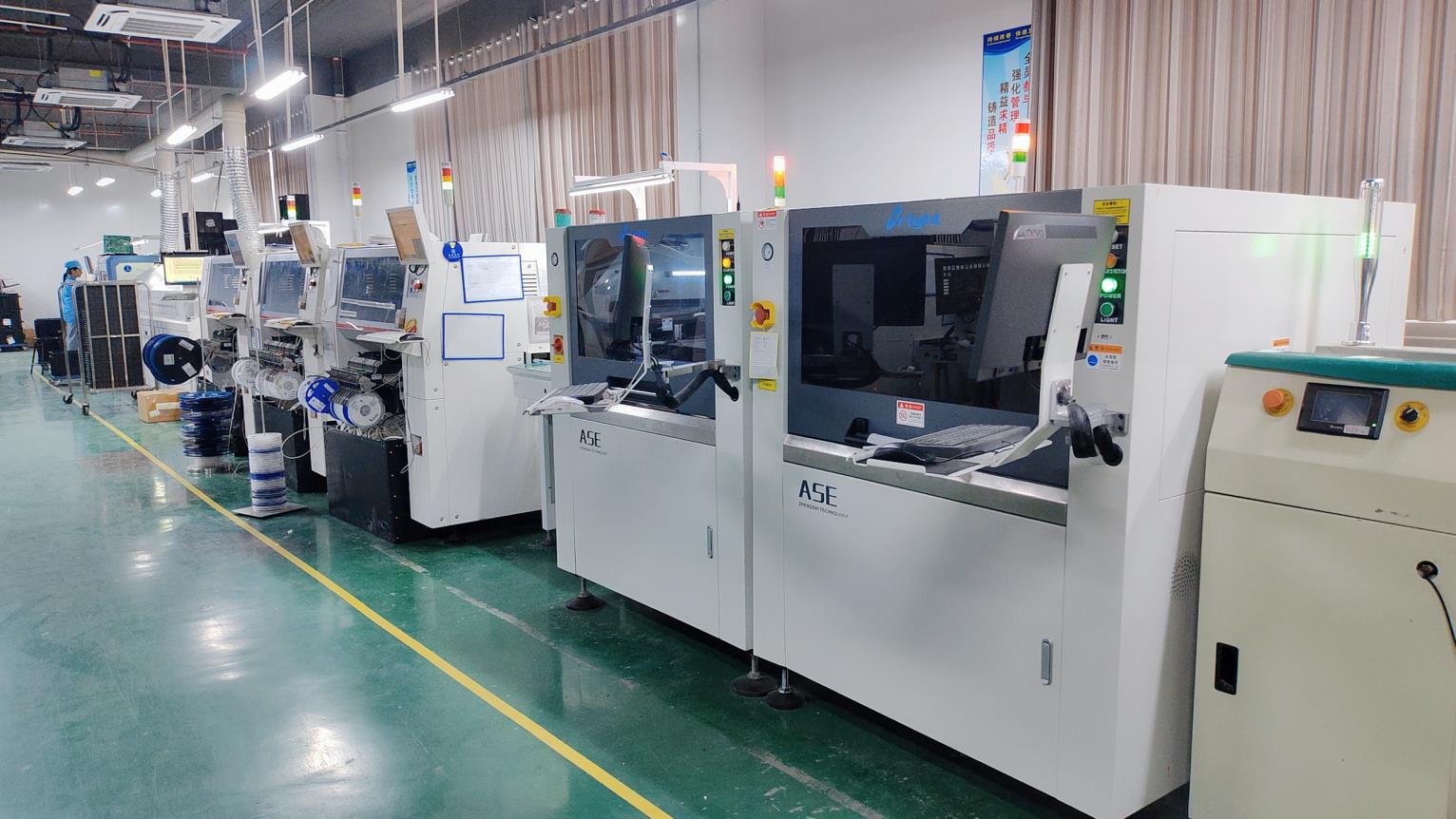
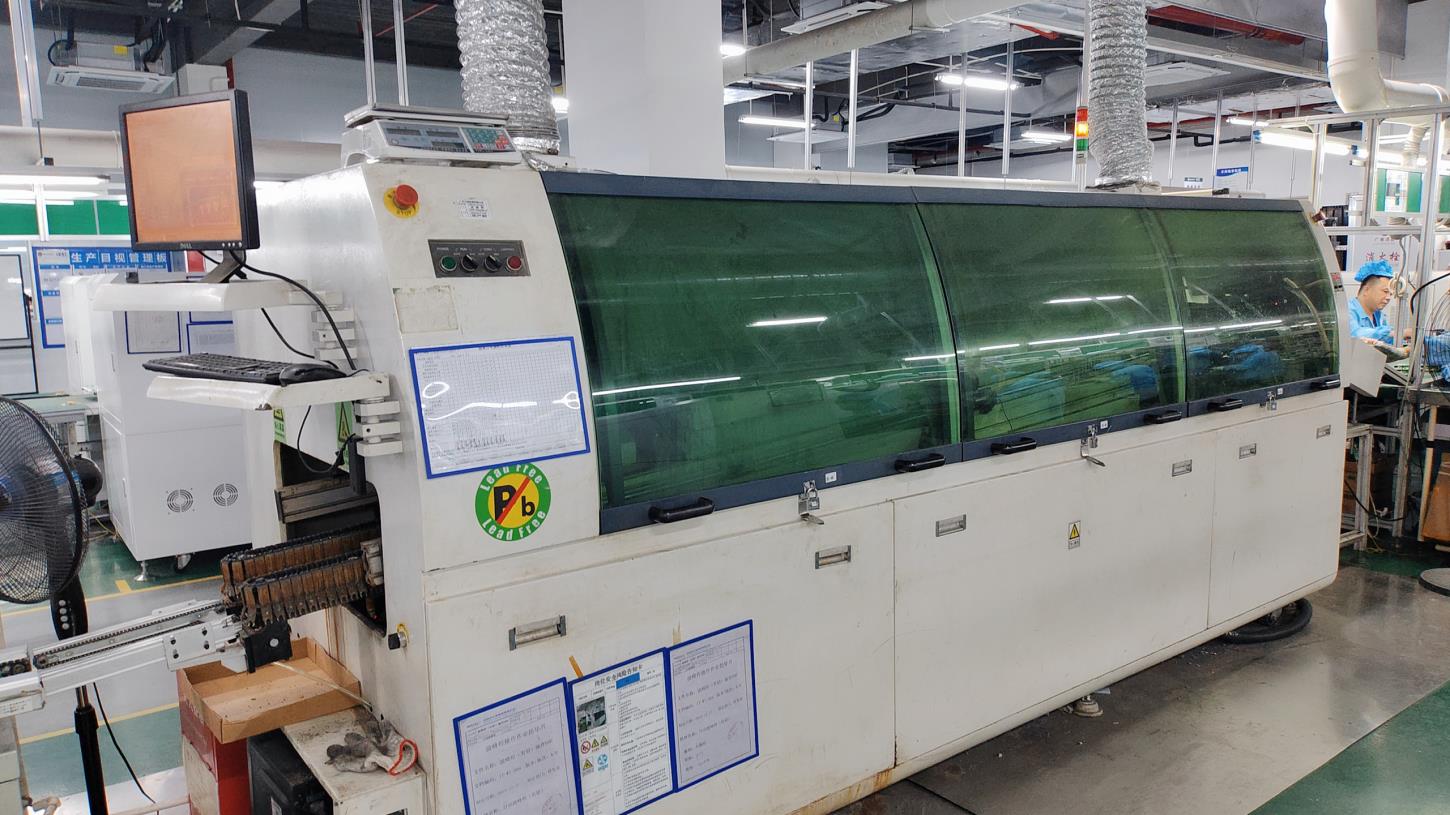
Anhui Aryam Energy Co., Ltd. is a globally recognized manufacturer of clean energy solutions. We design and assemble off-grid solar equipment built to withstand the harshest field conditions. By integrating state-of-the-art SMT lines, advanced wave soldering, and automated electronic test systems, we maintain consistent quality across all our manufacturing processes.
All our manufacturing lines operate under ISO 9001:2015 quality standards. Each controller undergoes severe thermal cycling testing from -40°C to +70°C, high-humidity run times, and full-load burn-in tests to guarantee 100% field reliability.
Developing advanced communication topologies to integrate off-grid power systems into local Russian SCADA networks.
In remote Russian territories, site checkups are extremely difficult and expensive. If an off-grid system stops working, repair teams might have to travel hours by helicopter or snowcat. Remote communication is therefore a critical system requirement.
Our solar charge controllers feature industrial RS485 communication ports and support the Modbus RTU protocol. This allows them to integrate directly with existing SCADA monitoring systems used by major regional utilities and oil & gas companies. Operators in Moscow or Novosibirsk can monitor battery status, solar panel voltage, load current, and system temperatures in real-time.
Our technology roadmap also focuses on developing built-in multi-stage programmable outputs. These can act as dry-contact switches to trigger backup diesel generators when battery voltage drops below a safe threshold during prolonged winter weather.
Browse our complete product range, featuring small residential units as well as large three-phase industrial solar controllers.
Common engineering and design questions about deploying solar charge controllers in the Russian market and cold-climate zones.
Looking to deploy reliable off-grid power systems in high-latitude climates? Work with our technical team to choose and customize solar charge controllers for your local requirements.
 Aryam Energy