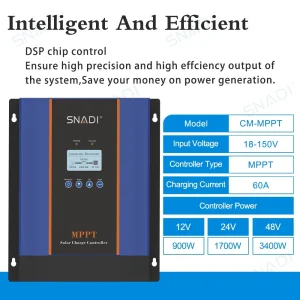
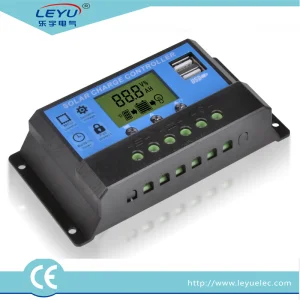
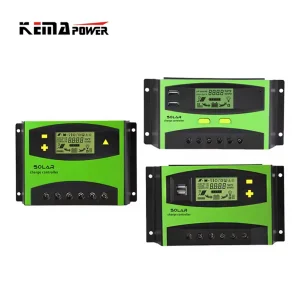
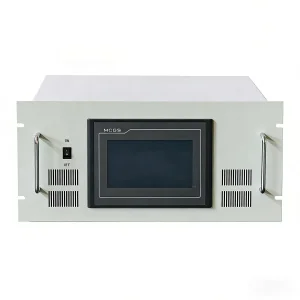
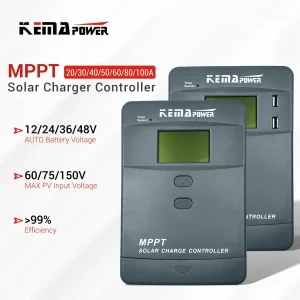
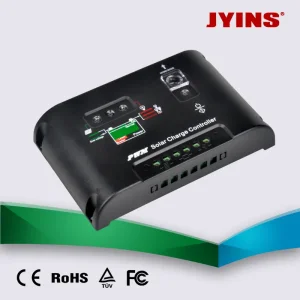
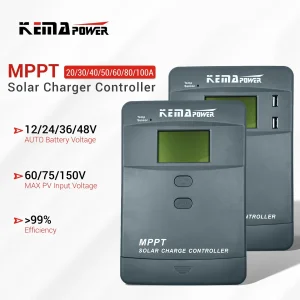
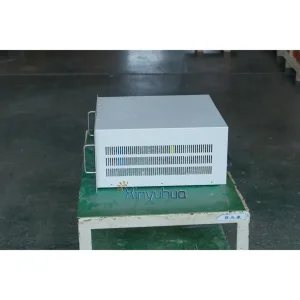
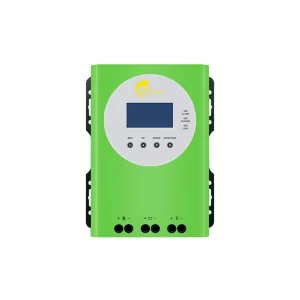
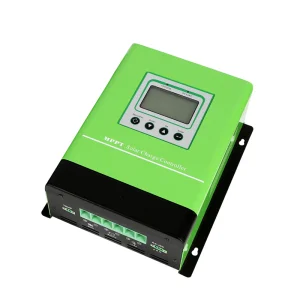
Explore our premium grade charge controllers optimized for Chilean environmental specifications, providing high efficiency under extreme temperature variations.
Chile holds a unique status as a global pioneer in solar energy generation. Supported by the extreme levels of direct normal solar irradiance (DNI) in the Atacama Desert, which averages over 3,000 kWh/m² annually, the nation is transitioning away from fossil fuel dependence at an unprecedented pace. However, harnessing this abundant solar radiation requires high-performance electronic controllers that can withstand the harshest environmental constraints on Earth.
From the arid, high-altitude plateaus of the north to the wind-swept, sub-polar landscapes of Patagonia, Chile presents solar power systems with dynamic stress factors. In the north, solar panels and balance-of-system (BOS) components are subjected to intense UV indices exceeding Level 11, high soil accumulation (soiling) containing corrosive saltpeter compounds, and severe diurnal temperature oscillations—where daytime temperatures can surge past 40°C while plunging below zero at night. High-altitude operations above 3,000 meters also suffer from decreased atmospheric pressure, which compromises normal heat dissipation through natural convection, requiring custom-engineered thermal management profiles for all electronics.
Design Insight for Chile: Standard commercial off-the-shelf controllers quickly experience thermal throttling and electronic degradation in the northern mining regions. Our high-voltage three-phase MPPT charge controllers are designed with industrial-grade heatsinks, automated temperature derating protocols, and sealed enclosures to prevent dust and salt fog entry.
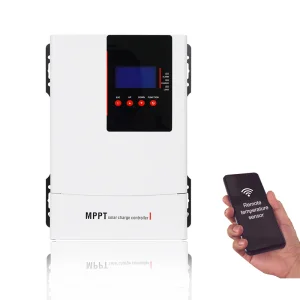
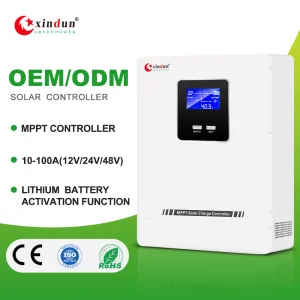
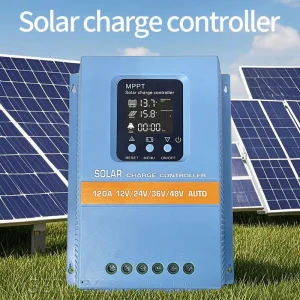
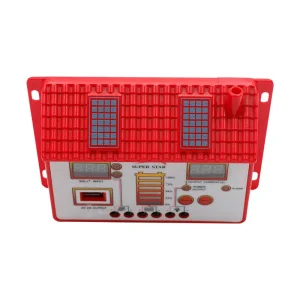
Choosing the correct topology of solar charge control is vital for maximizing system efficiency. In off-grid installations, telecom relays, and agricultural irrigation sites across Chile, MPPT (Maximum Power Point Tracking) technology provides a decisive advantage. Unlike traditional PWM (Pulse Width Modulation) regulators, which pull the PV array voltage down to match the battery voltage, MPPT controllers constantly track and operate the system at the optimal voltage to capture maximum wattage. This yields 20% to 30% more energy compared to PWM controllers in low-temperature alpine regions or under the dynamic partial shading caused by desert sandstorms. For smaller, cost-sensitive telemetry setups in rural areas, PWM controllers remain highly practical due to their simplicity and long operational life under less volatile thermal stress.
Engineered for continuous operation in severe mining fields, remote cellular basestations, and high-voltage grid-connected storage microgrids.
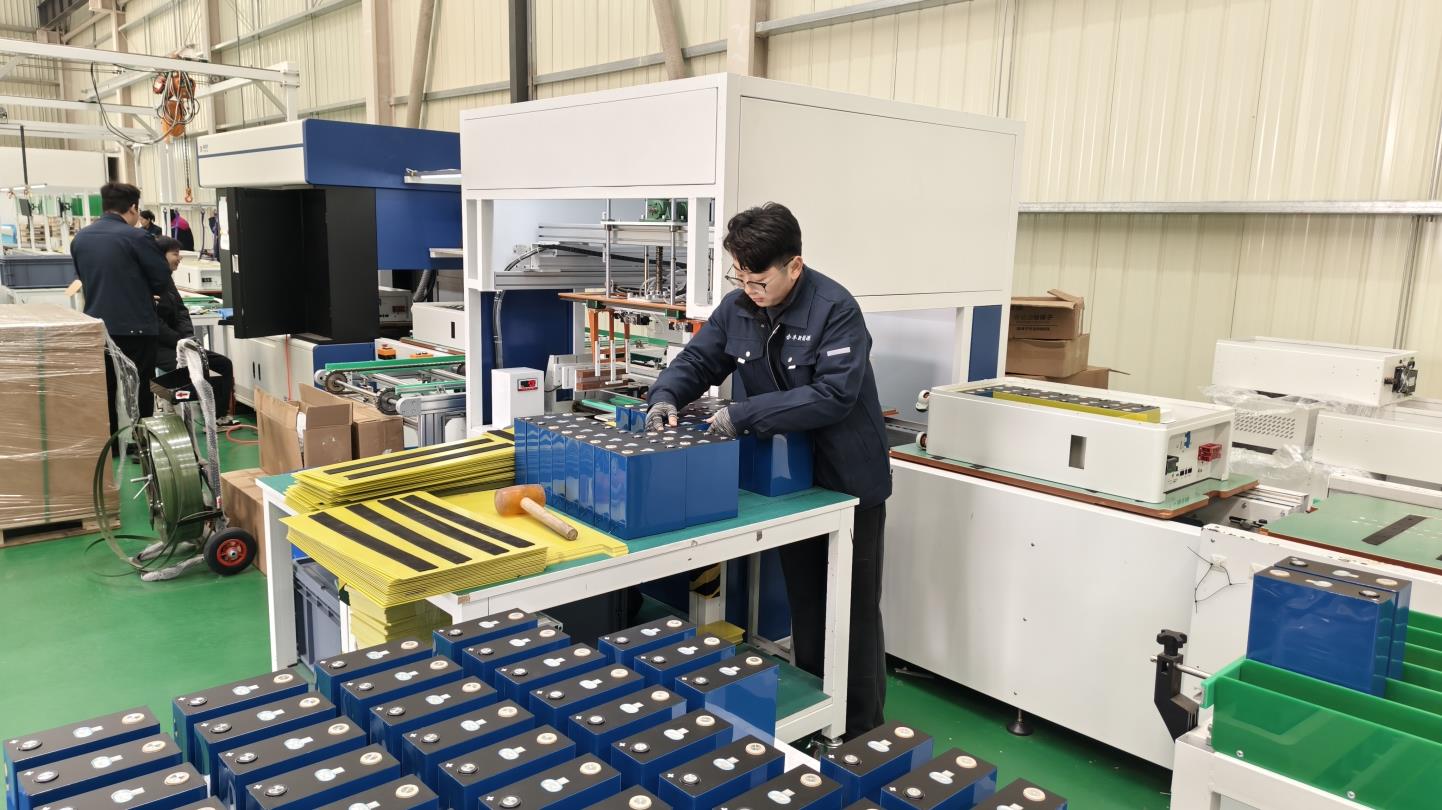
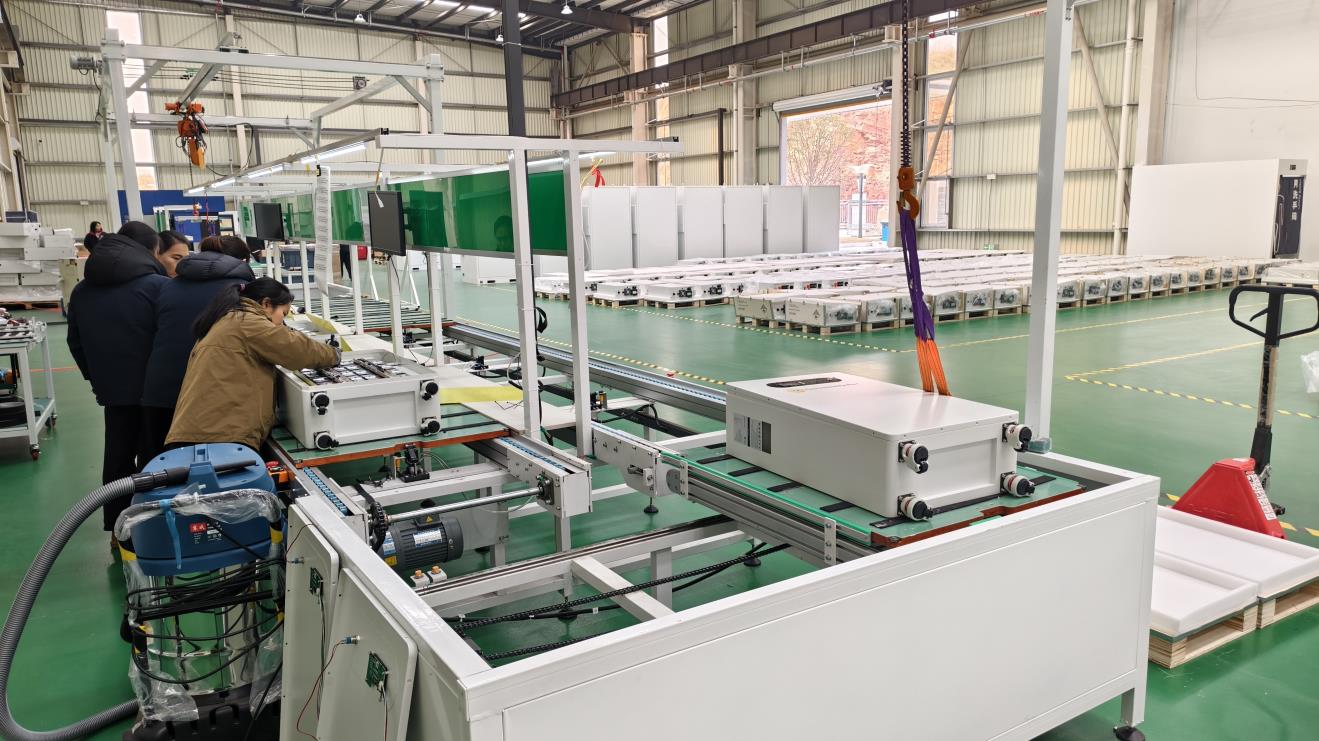
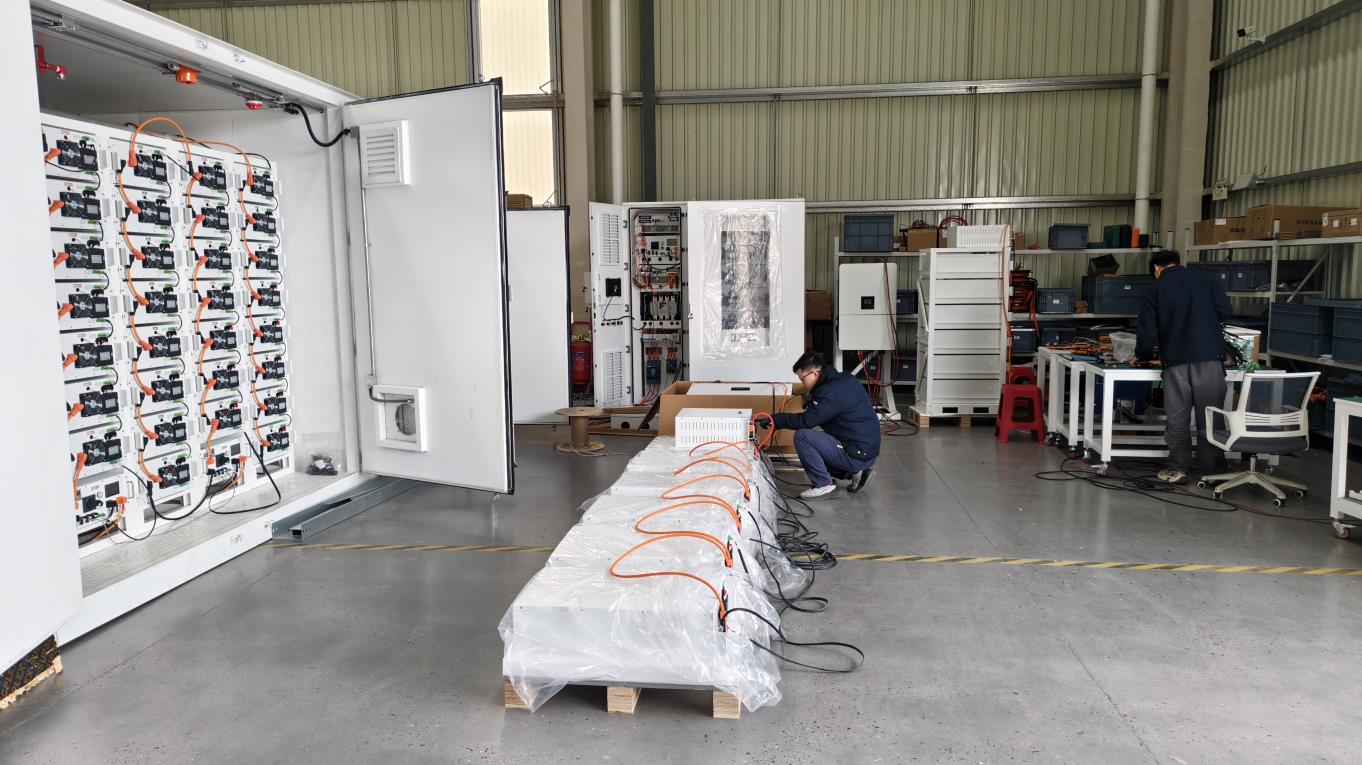
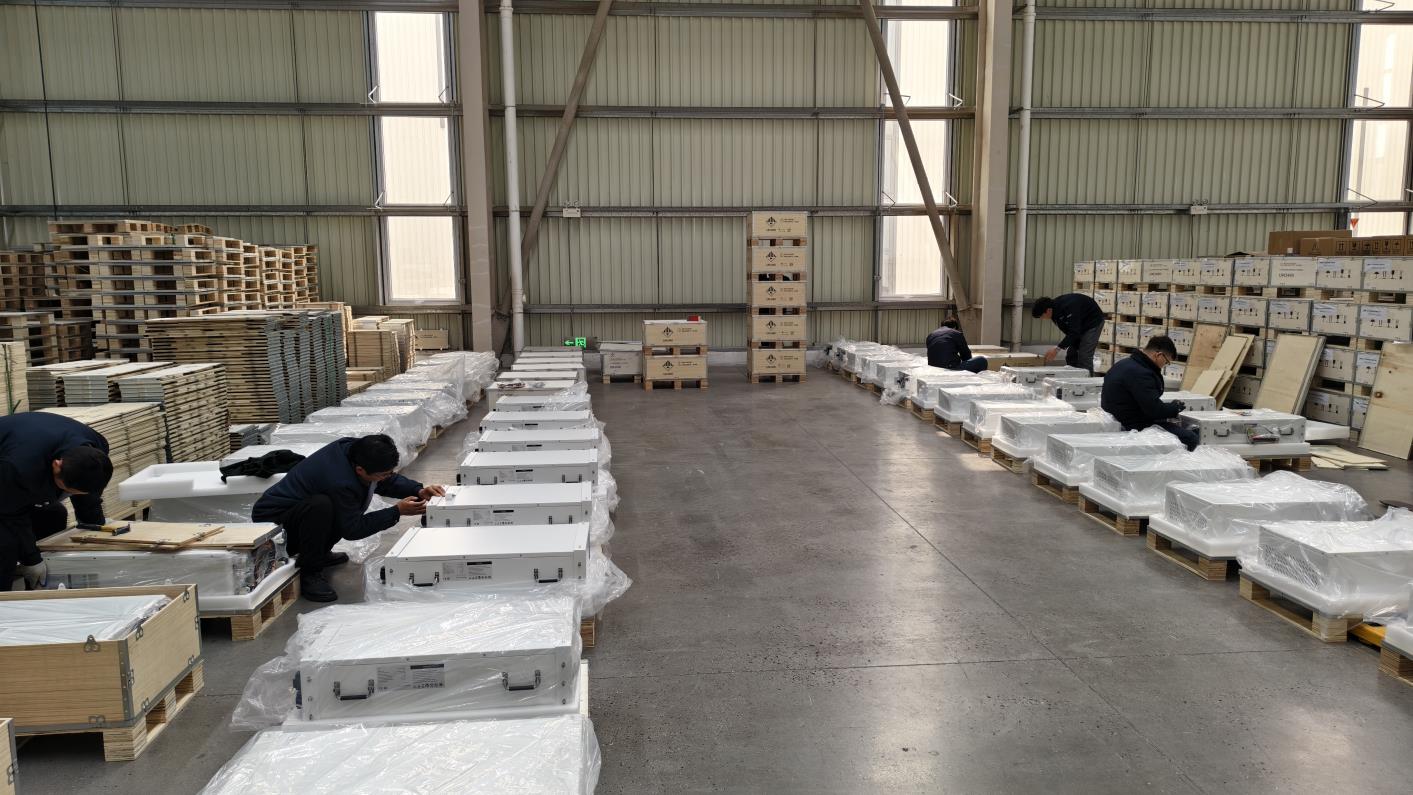
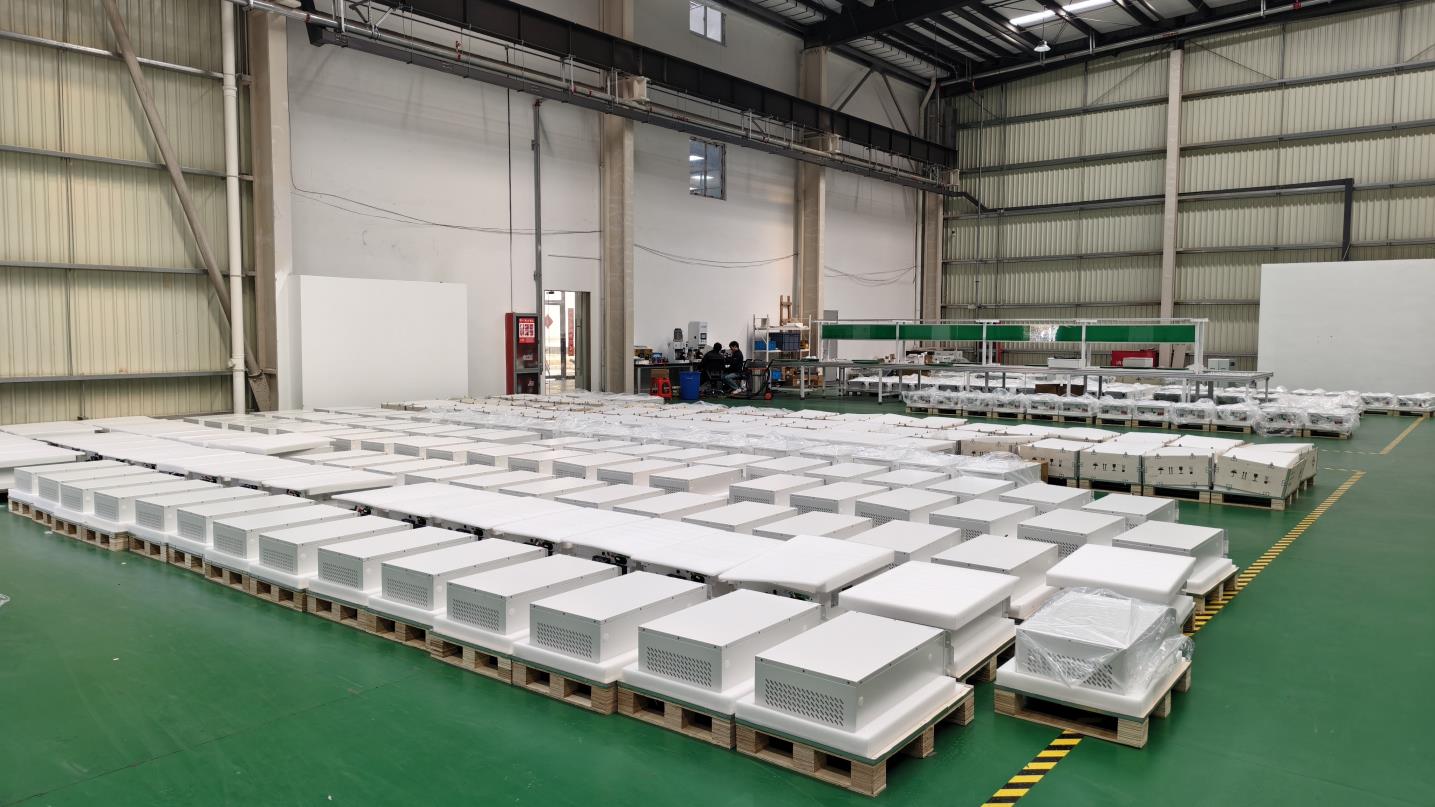
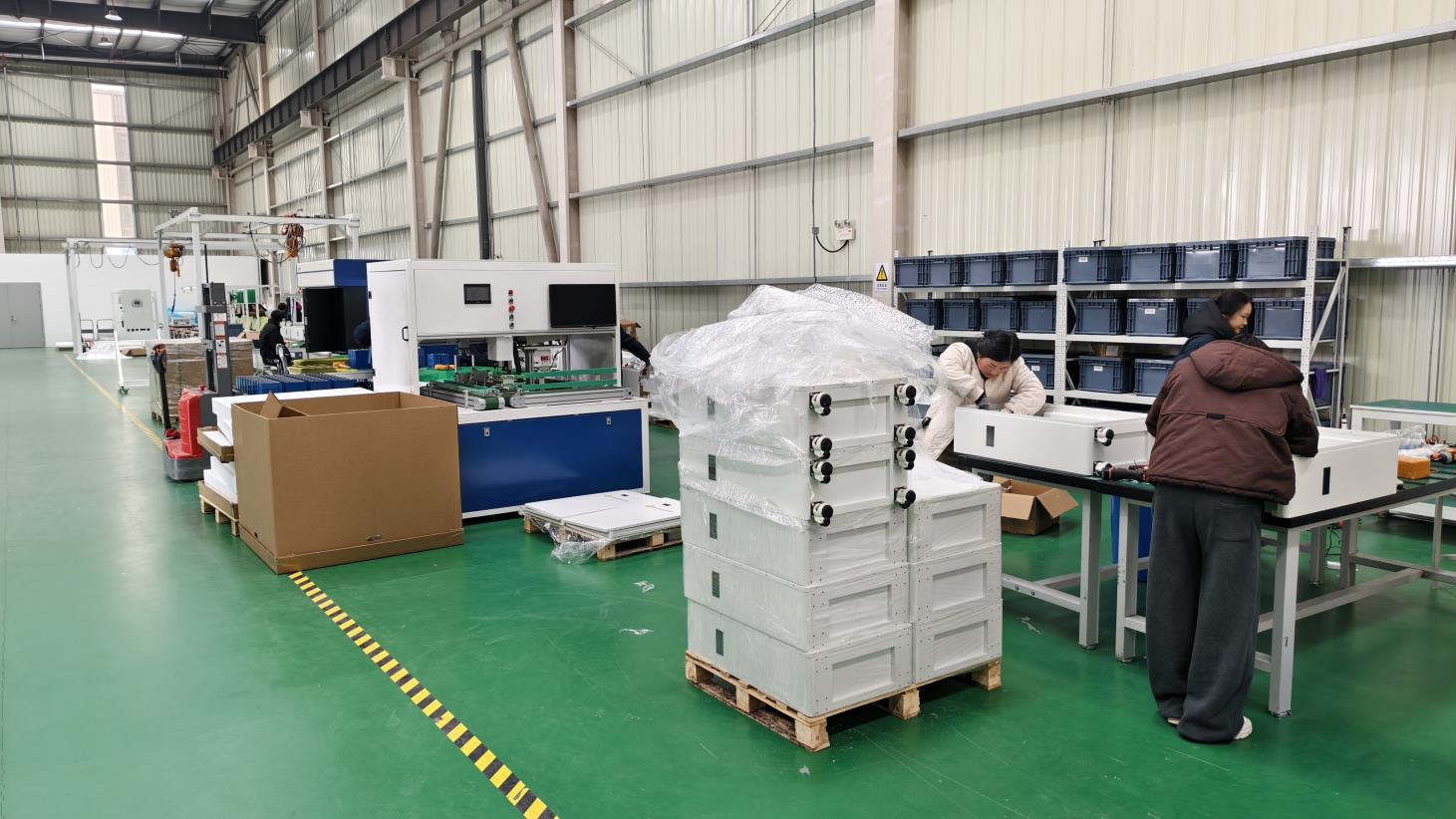
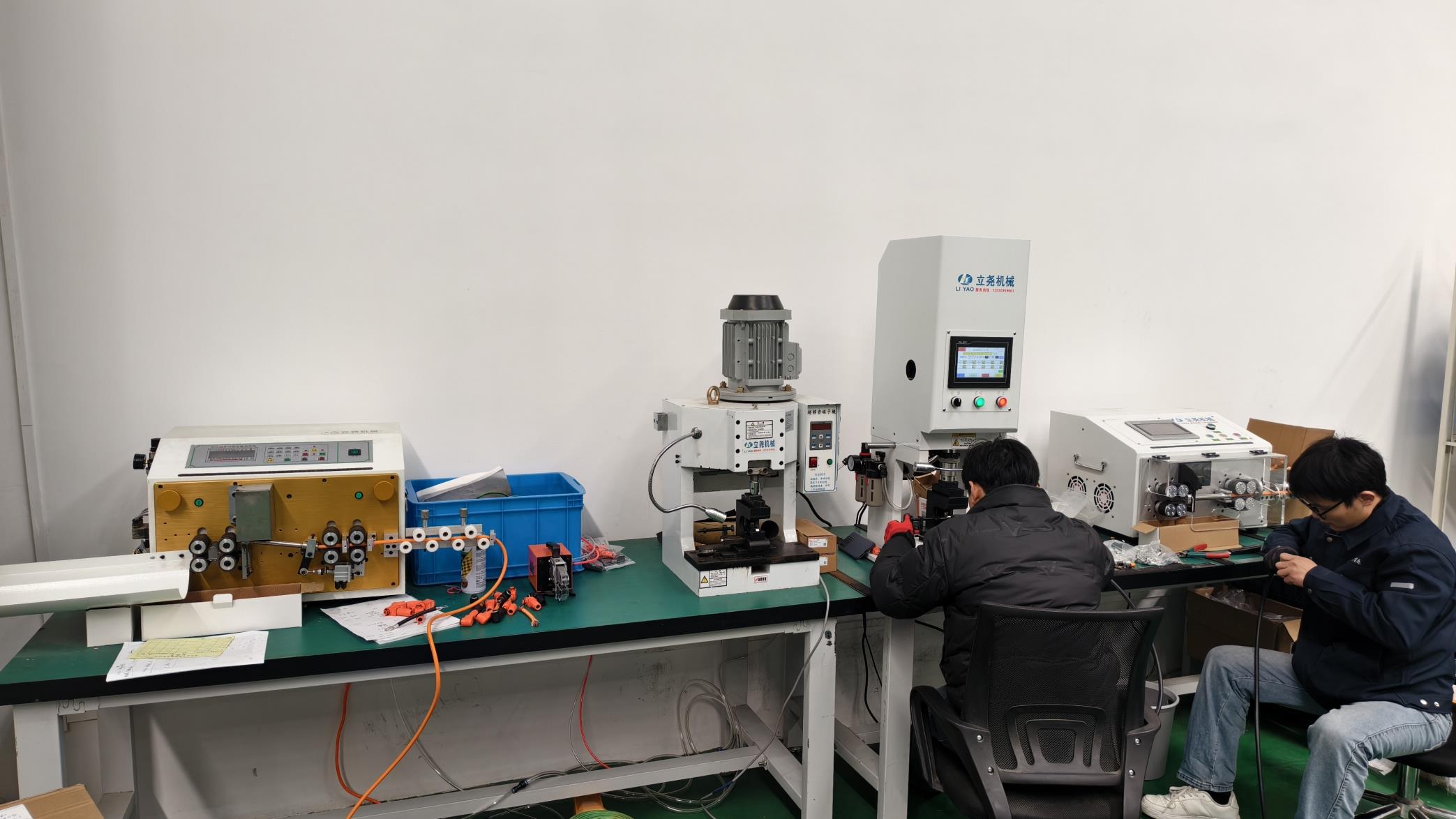
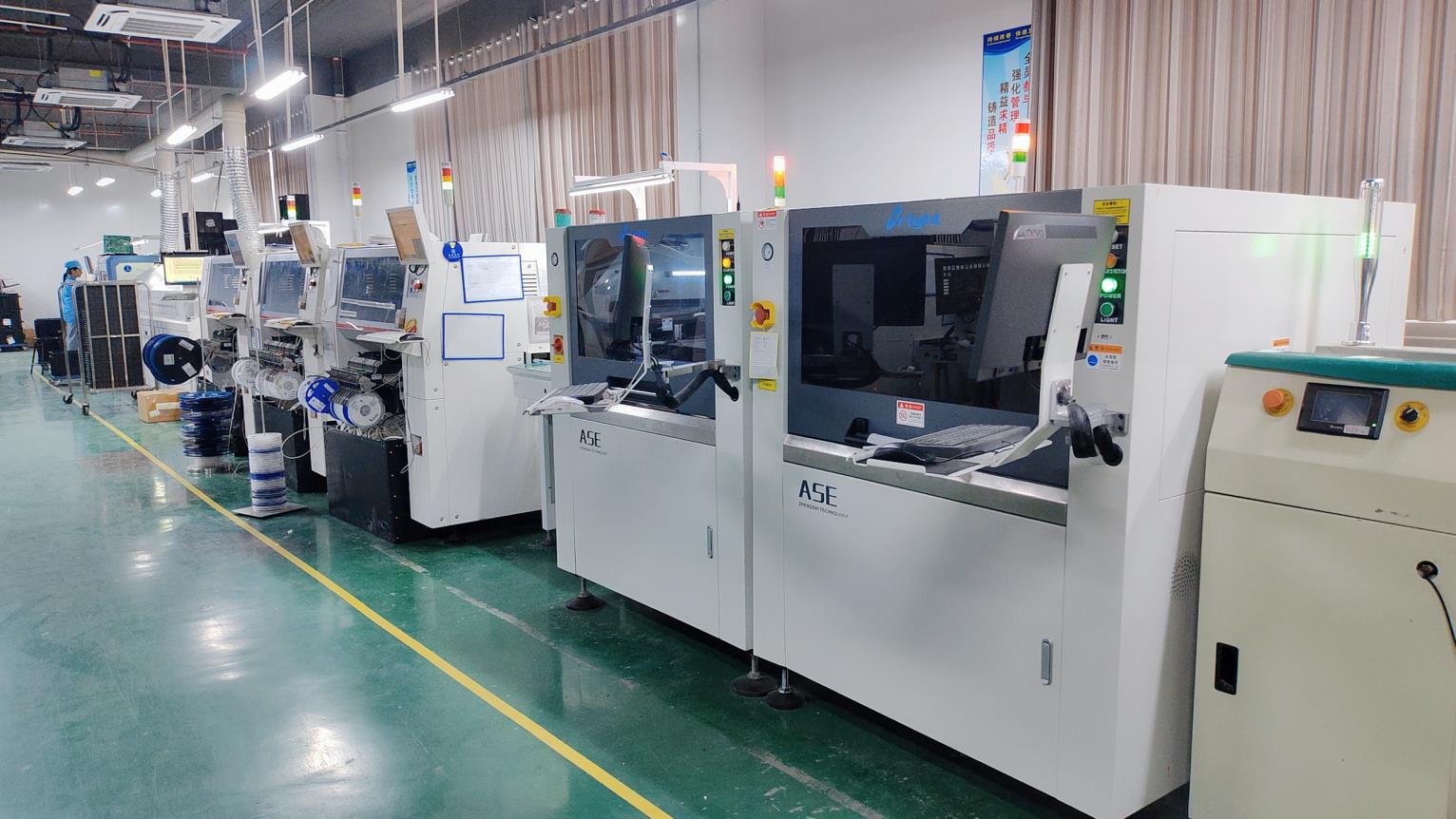
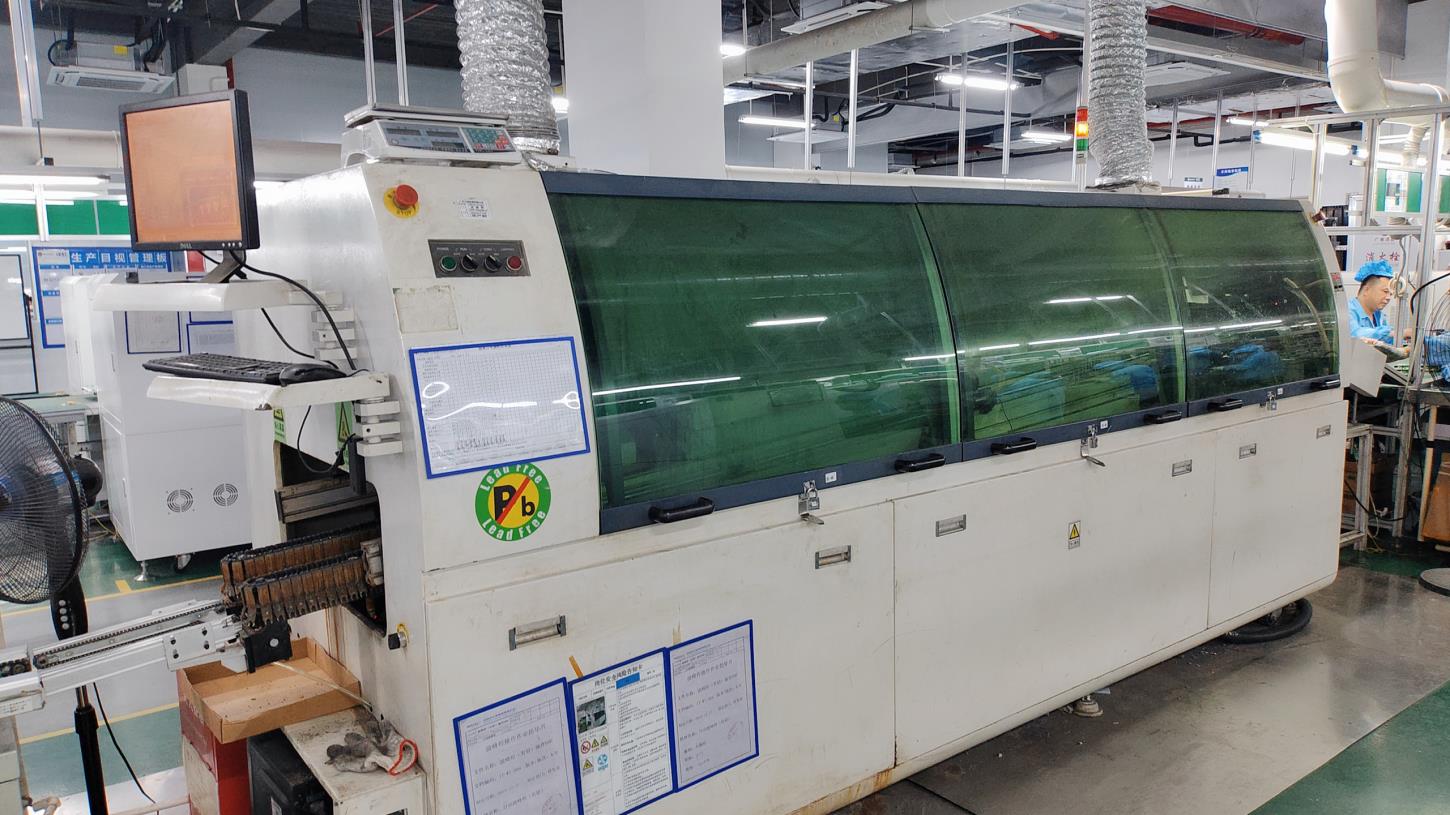
In the renewable energy sector, hardware reliability dictates long-term return on investment (ROI). Anhui Aryam Energy Co., Ltd. represents the pinnacle of modern manufacturing—leveraging Factory 4.0 principles to deliver extremely durable solar power equipment. Our integrated production facilities utilize automated SMT (Surface Mount Technology) component placement, computerized wave soldering, and microcomputer-controlled wire stripping to guarantee physical assembly precision that manual processes cannot replicate.
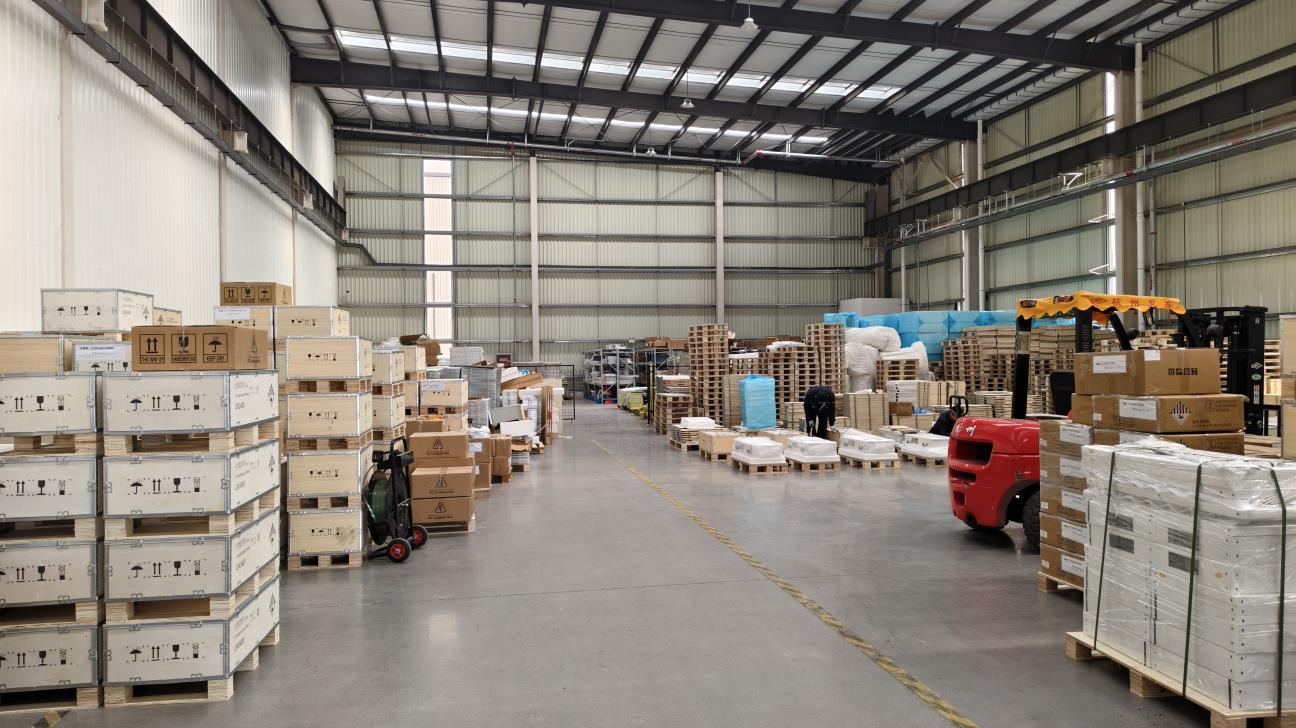
Every single controller undergoes rigorous performance verification. Once assembled, units are subjected to computerized load testing and prolonged burn-in testing under simulated peak environmental stresses. This eliminates early-life component failures, ensuring that when our exporters ship products to Chilean distribution centers or direct mining sites, the hardware operates continuously from day one. Our logistics network maintains steady component supply lines, shielding international buyers from unexpected delivery disruptions.
For engineering, procurement, and construction (EPC) contractors operating within Chile, procuring high-quality components from a qualified Chinese manufacturer is the key to lowering the Levelized Cost of Energy (LCOE). Our product lines are certified to meet international standards (CE, RoHS, IEC, and ISO9001), ensuring quick compliance approvals by the Superintendencia de Electricidad y Combustibles (SEC) in Chile. By choosing direct factory supply, regional distributors eliminate middleman markups while securing reliable factory warranties, custom labeling (OEM/ODM options), and access to direct technical engineering support for project designs.
The operational versatility of Aryam Energy's solar charge controllers allows them to excel in diverse industrial applications across Chile's regions:
Select from our complete range of certified MPPT and PWM solar charge controllers, designed to maximize efficiency and extend battery service life.
Technical answers to support engineers, procurement directors, and system integrators sourcing solar components for operations in Chile.
 Aryam Energy