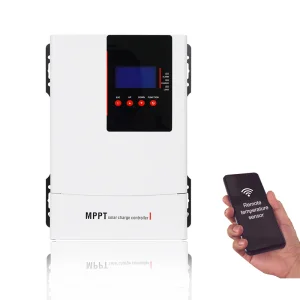
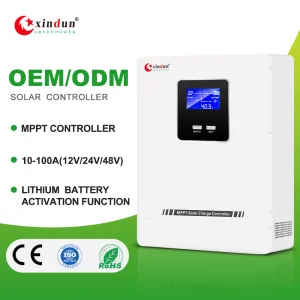
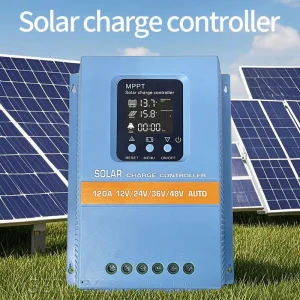
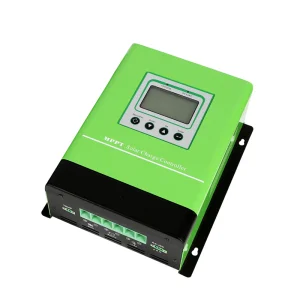
Solar Charge Controllers Manufacturer & Exporter in Philippines

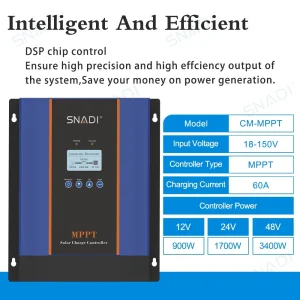
High-efficiency MPPT & PWM Smart Regulators Optimized for Tropical Climates, Microgrids, and High-Performance Commercial Solar Infrastructures.

Send Inquiry Now

The Philippine Solar Dilemma: Unmatched Solar Resource vs. Grid Instability

The Philippines experiences some of the highest solar irradiance rates in Southeast Asia, with average yields reaching between 4.5 to 5.5 kWh per square meter daily. However, the country’s energy market presents unique barriers: exceptionally high retail electricity costs (among the highest in Asia due to un-subsidized generation structures) and frequent grid failures in remote archipelagic zones.

Integrating robust solar systems in the Philippines is not just an environmental choice but an urgent operational imperative for Commercial, Industrial (C&I), and rural off-grid infrastructures. A premium Solar Charge Controller serves as the brain of these operations, regulating power fluctuation, preventing battery overcharge, and preserving system longevity under harsh conditions.

  • Protects sensitive batteries from tropical thermal runaway.
  • Optimizes PV voltage to maximize efficiency in high ambient temperatures (35°C to 45°C).
  • Ensures reliable backup integration for utility systems in typhoon-prone islands.
Philippine Market Specific Specifications

To combat local climate demands, our line of solar regulators features marine-grade PCB conformal coatings and specialized cooling profiles designed for saline and humid Philippine coastal deployments.

Humidity Proofing: Conformal coating defends control circuits against 95% non-condensing humidity.
Thermal Adaptation: Intelligent thermal de-rating curve protects electronic switches under 45°C ambient air.
High Lightning Immunity: Build-in TVSS surge protection shields components against peak voltage impulses.
MPPT vs. PWM in Tropical Environments: A Technical Deep Dive

Understanding the physics of maximum power point tracking under high temperatures is key to maximizing ROI on solar installations in the Philippines.

For Philippine project planners, choosing between Maximum Power Point Tracking (MPPT) and Pulse Width Modulation (PWM) depends heavily on the project scale, budget, and local ambient temperatures. As solar panels heat up under the intense Philippine sun, their output voltage drops. This thermal effect directly degrades the efficiency of standard systems.

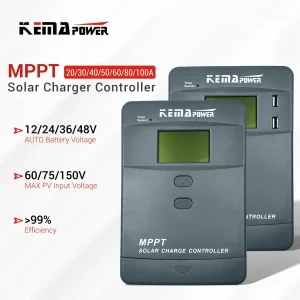
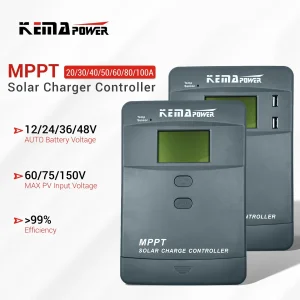
An MPPT controller acts as a dynamic DC-to-DC converter. It actively monitors the voltage and current of the panels, adjusting the input parameters to match the maximum power point (Vmp) of the solar array, even when that Vmp shifts downward due to thermal build-up. This allows MPPT devices to harvest up to 30% more energy than traditional PWM units under hot tropical conditions.

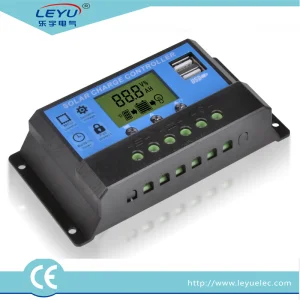
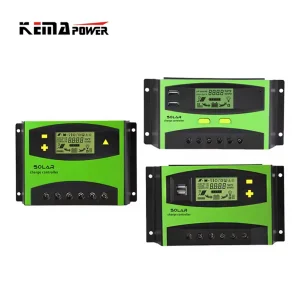
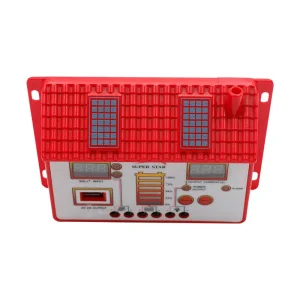
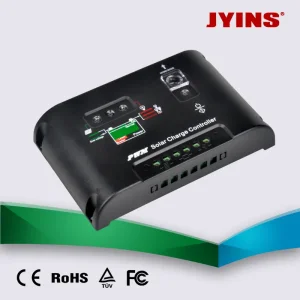
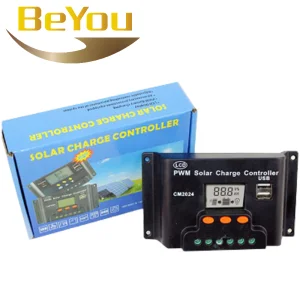
On the other hand, PWM controllers are highly cost-effective, durable solutions for small-scale applications like off-grid solar home systems (SHS) in rural electrification programs or telemetry stations, where panel voltage is closely matched to the battery bank voltage.

Comparative Technical Analysis for Philippine Deployments:

Parameters MPPT technology PWM technology
Tracking Efficiency 98.5% - 99.9% None (Direct connection)
Energy Recovery in Heat High (Compensates for PV voltage drop) Low (Matches battery voltage directly)
Max PV Array Voltage Up to 150V - 250V DC Strictly 2x Battery Voltage
Typical Application C&I Solar, Off-grid telecom, High-load homes Lighting systems, standard rural home systems
Battery Compatibility Lithium-ion, LiFePO4, Gel, AGM, Lead-Acid Lead-Acid, Gel (Limited Lithium support)

Commercial & Industrial (C&I) Solutions: Microgrids & High-Voltage Integration

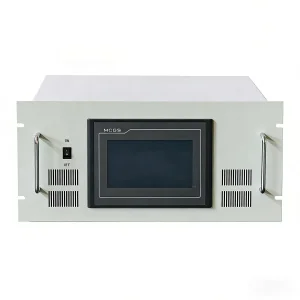
As the Philippine Department of Energy (DOE) promotes distributed clean power generation, large industrial sites, remote hotels in Palawan, and food processing plants in Cebu are adopting local microgrids. These demanding settings necessitate multi-phase, high-capacity, and high-voltage solar controllers.

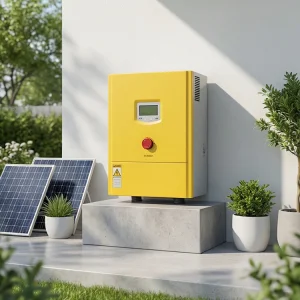
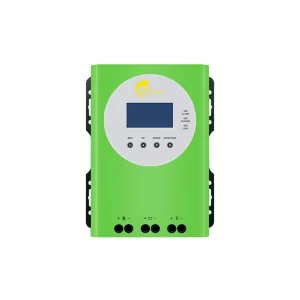
Aryam Energy provides three-phase MPPT controllers capable of managing up to 300kW arrays, streamlining high-voltage configurations to reduce installation labor and balance of system (BOS) costs. These high-voltage systems seamlessly interface with modern LiFePO4 battery modules via CAN or RS485 communication protocols, enabling direct control from automated Energy Management Systems (EMS).

99%
Peak Conversion
300kW
Max Phase System
100+
Export Countries
45°C
Full Load Rating
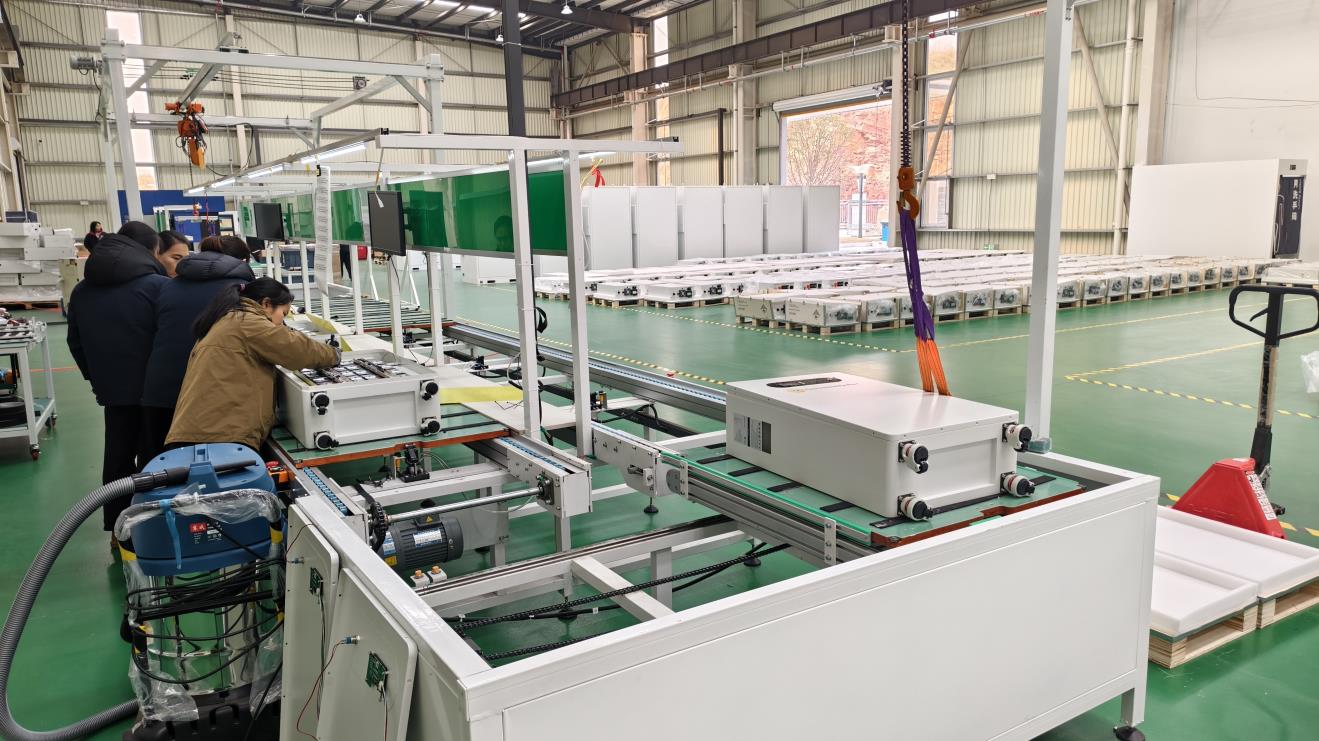
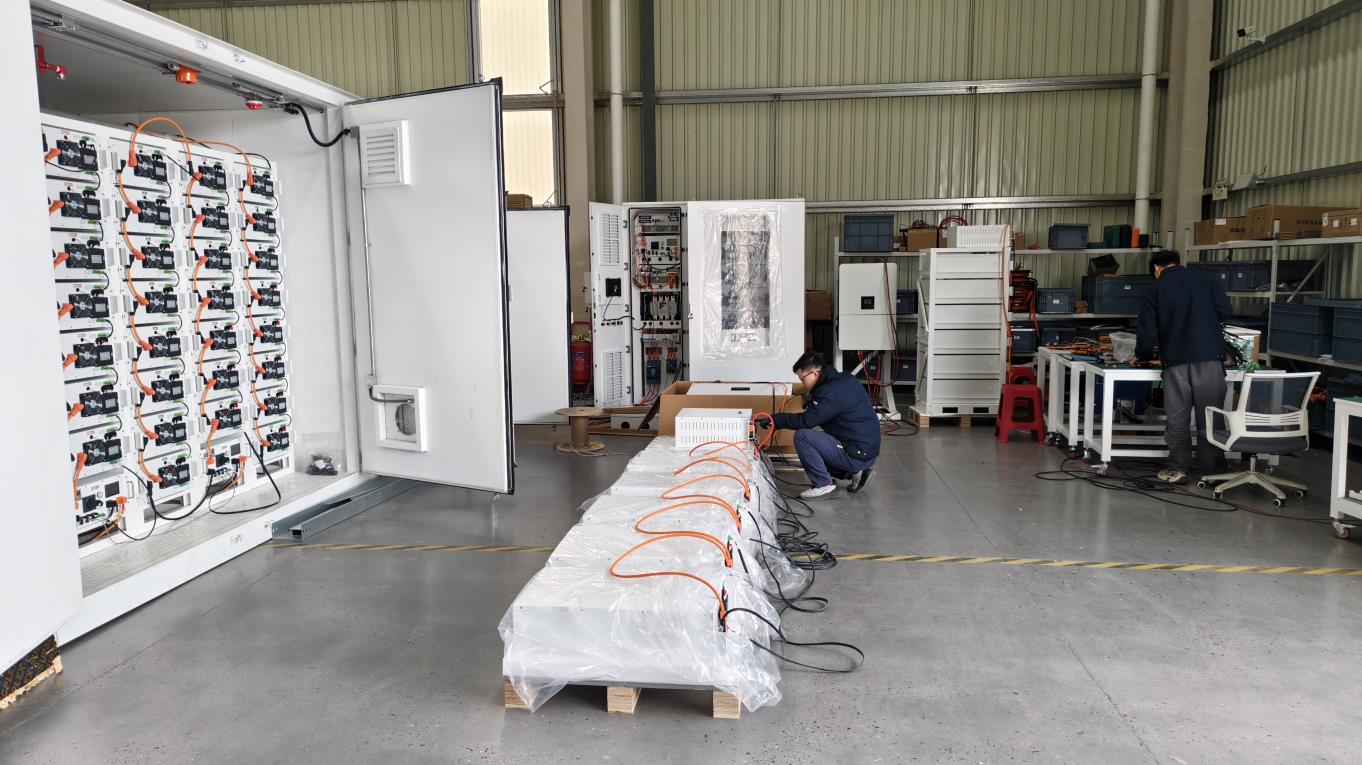
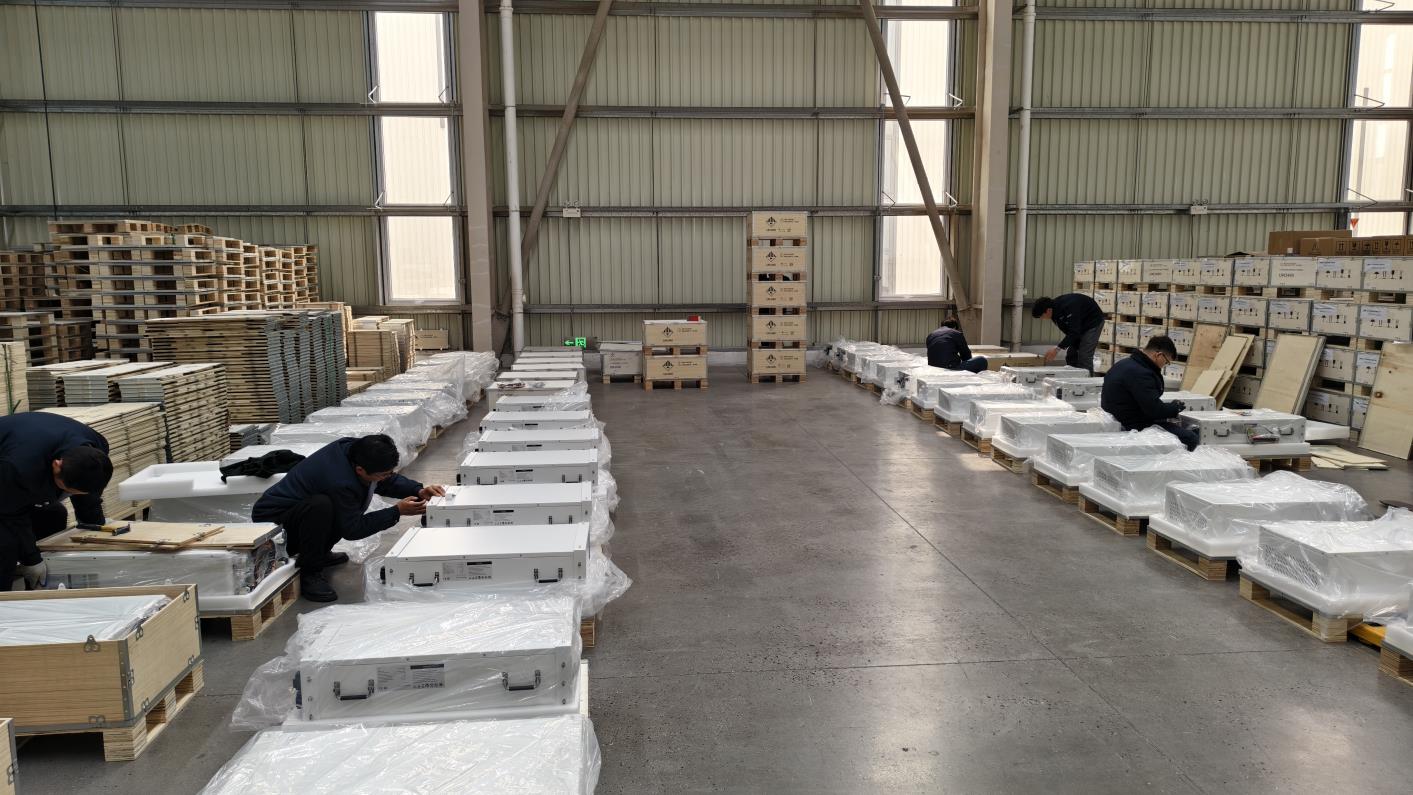
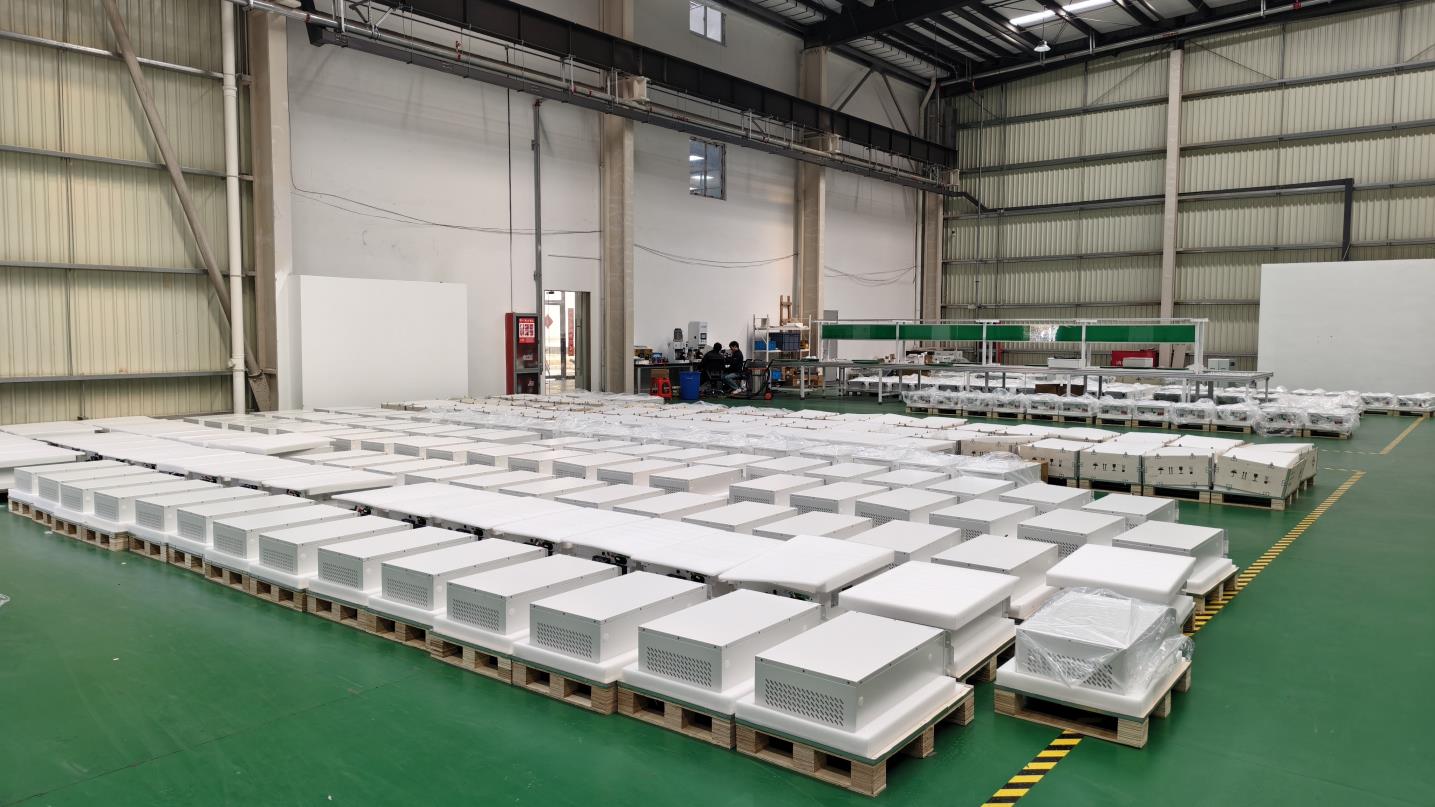
Anhui Aryam Energy: World-Class Solar Controller Factory

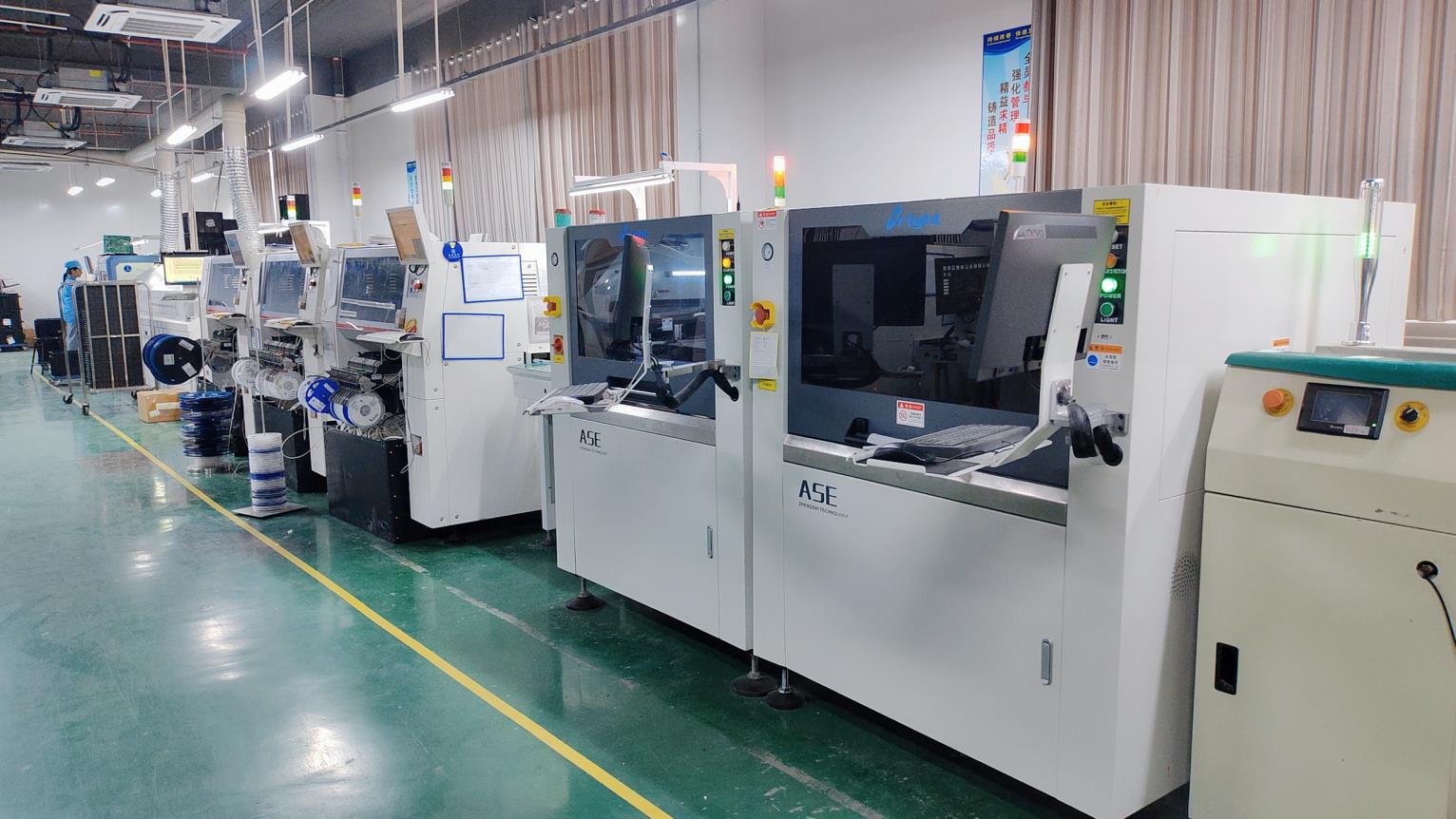
Our ISO-certified manufacturing facility utilizes advanced SMT assembly and thorough testing to ensure long-term stability and reliability.

Anhui Aryam Energy Co., Ltd. is a leading provider of advanced renewable energy solutions, dedicated to delivering reliable, efficient, and sustainable power systems for residential, commercial, industrial, and utility-scale applications worldwide. Through continuous innovation and a strong commitment to clean energy development, Aryam Energy has established itself as a trusted partner in the global transition toward a low-carbon future.

The company specializes in the research, development, manufacturing, and integration of solar energy systems, energy storage solutions, hybrid power systems, and intelligent microgrid technologies. Leveraging cutting-edge engineering expertise and strict quality management standards, Aryam Energy provides comprehensive energy solutions tailored to diverse market needs, particularly in regions facing energy shortages, unstable grid infrastructure, or increasing demand for sustainable power generation.

With a professional R&D team and a growing portfolio of proprietary technologies, Aryam Energy continuously invests in innovation to enhance system performance, energy efficiency, and long-term reliability. Our products and solutions are designed to meet international standards and have been successfully deployed across Asia, Africa, the Middle East, Europe, and Latin America, serving customers in more than 100 countries and regions.

Our In-House Smart Manufacturing & Assembly Operations

SMT line
SMT Line
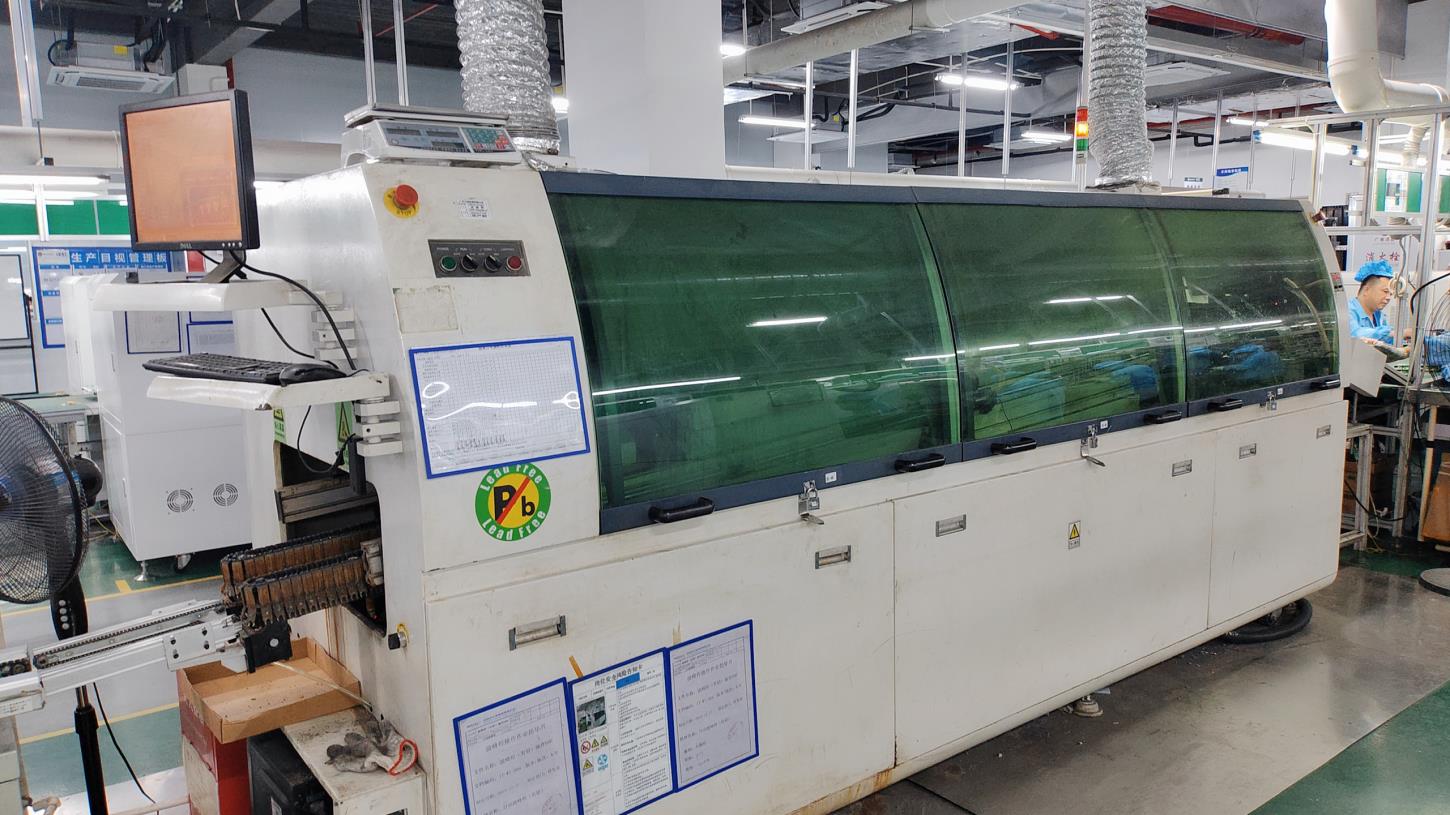
Wave soldering machine
Wave Soldering
Welding
Welding
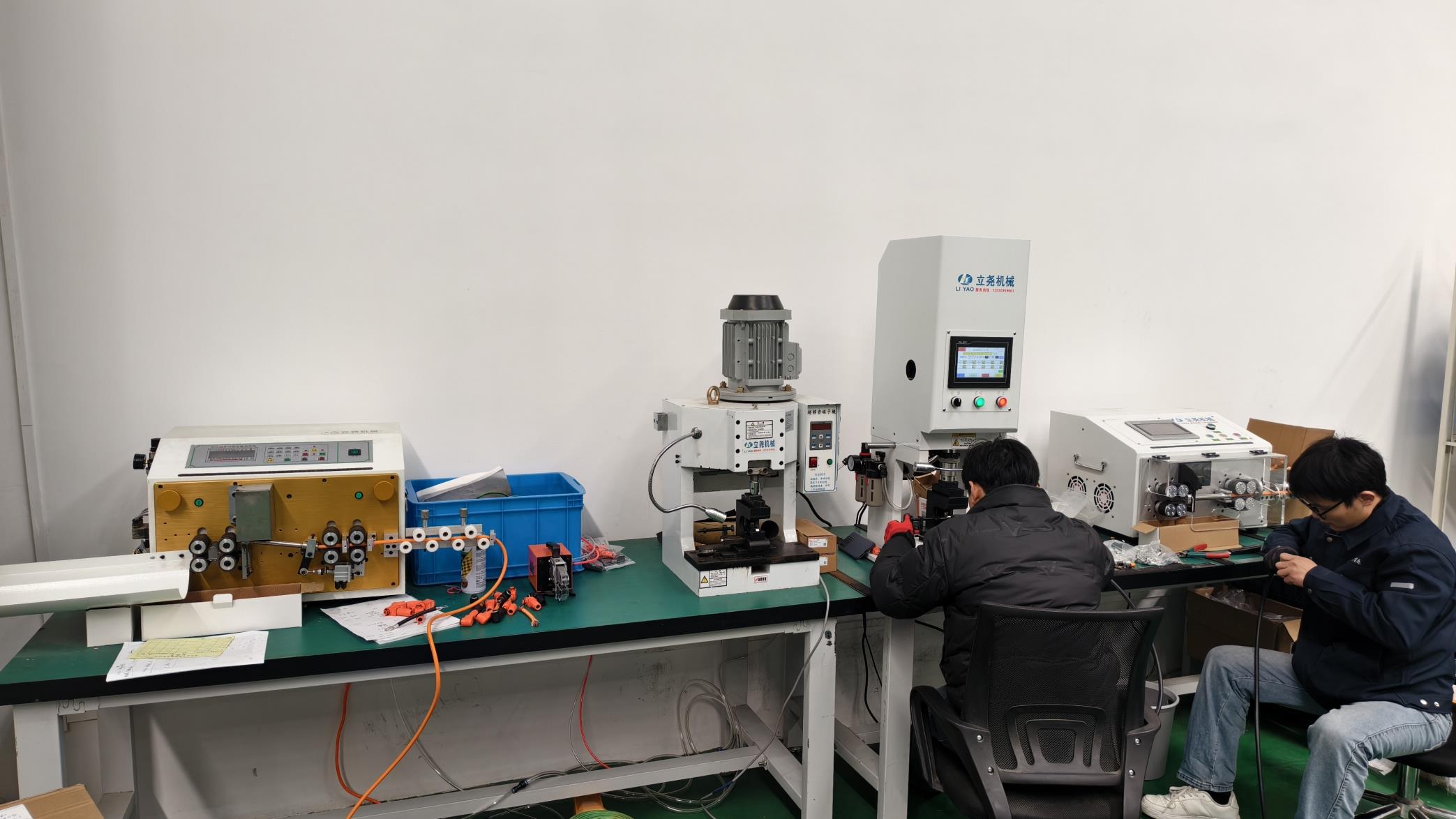
Wire Stripper
Wire Stripping
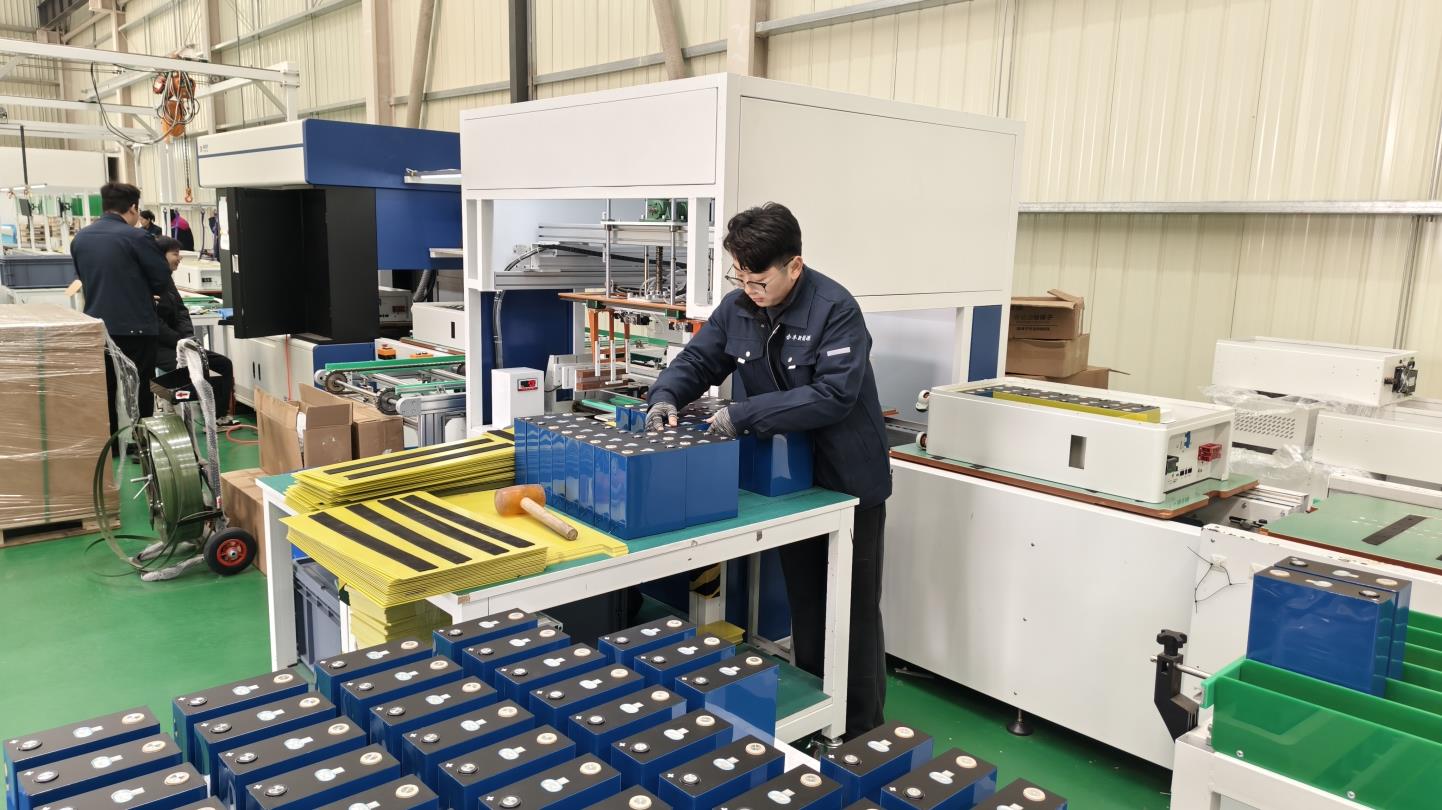
Assembly Line
Assembly Line
Assembling
Assembling
Testing
Testing
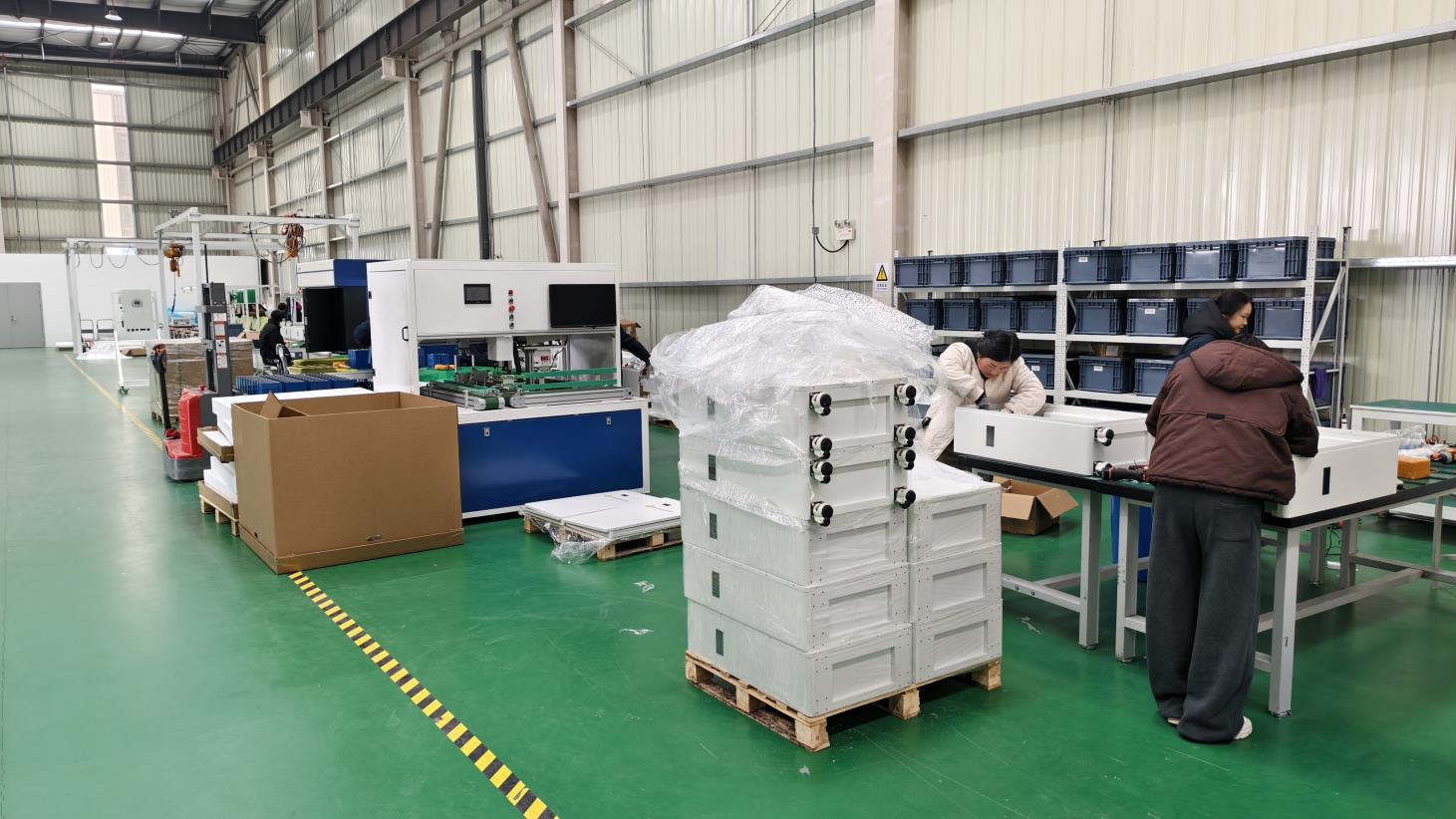
Packing
Packing
Finished Product
Finished Goods
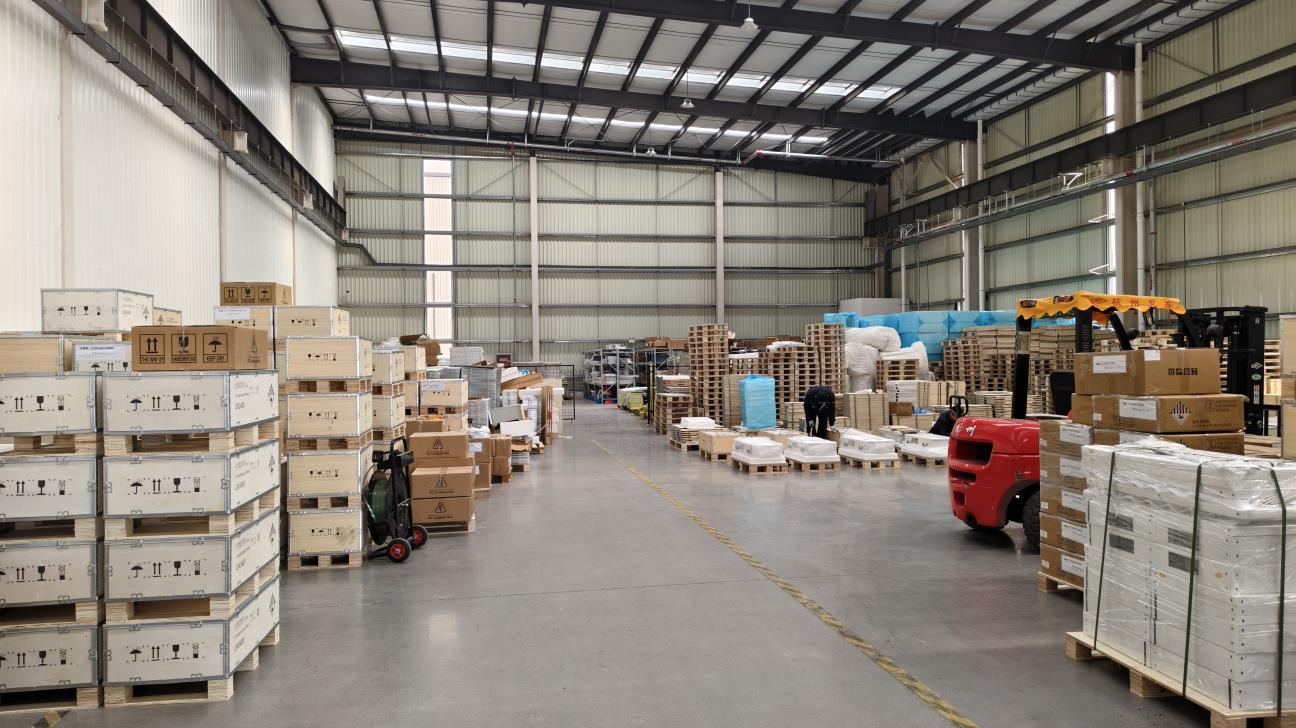
Warehouse
Warehouse

Reliable Export & Dedicated Local Technical Support

Our commitment extends far beyond the production line. As a premier exporter of energy systems, Anhui Aryam Energy provides comprehensive logistics services, direct customs documentation, and seamless port-to-port transportation to major Philippine distribution points like Manila, Cebu, and Davao.

We work closely with local EPC companies, municipal electric cooperatives, and national distributors to ensure compliance with the Philippine Electrical Code (PEC) and specific grid standards defined by the Energy Regulatory Commission (ERC).

  • Full conformity with CE, RoHS, and ISO9001 quality systems.
  • Customized technical training and comprehensive documentation for installation teams.
  • Flexible warranty options and priority access to spare components.

Global Sourcing & Supply Chain Reliability

By sourcing our components from tier-one manufacturers (including industrial-grade MOSFETs and processing chipsets) and utilizing high-efficiency SMT lines, we guarantee stable performance and minimized RMA rates for overseas partners.

Whether you require large wholesale batches of off-grid regulators for government island electrification programs, or high-capacity controllers for metropolitan C&I projects, our supply chain ensures timely shipments and consistent product quality.

Technical Q&A: Frequently Asked Questions

Deep technical answers to assist Philippine system integrators, EPC engineers, and distributors in making informed hardware selections.

1. Why should I use an MPPT controller instead of a PWM controller for solar systems in Manila or Cebu? +
In metropolitan hubs like Manila or Cebu, high temperatures (often exceeding 35°C ambient) cause a drop in solar panel operating voltage (Vmp). A PWM controller directly connects the panels to the battery bank, forcing the panels to run at the battery's voltage level, which is lower than their peak operating voltage. This results in significant power loss. An MPPT controller functions as an intelligent DC-to-DC converter. It continuously tracks the shifting peak voltage and down-converts it to match the battery bank requirements while stepping up the output current, preserving peak efficiency and capturing up to 30% more energy in hot conditions.
2. How does high humidity in coastal regions of the Philippines affect solar controller lifespan, and what is the protection mechanism? +
Coastal locations in the Philippines experience high humidity (often above 90%) and air high in salt content, which accelerates the oxidation of circuit boards and leads to premature failure. To prevent this, our controllers feature high-performance conformal coating on the PCBs. This thin layer of synthetic resin protects components from moisture, salt spray, and condensation. Additionally, our industrial series features IP67-rated enclosures, which block dust and seal out corrosive air.
3. Can I use Aryam Energy solar charge controllers with Lithium Iron Phosphate (LiFePO4) batteries? +
Yes. Our smart solar controllers are fully compatible with LiFePO4 and Lithium-ion battery chemistries. They feature adjustable charging voltage settings, including customizable bulk, absorption, and float voltage setpoints. For commercial configurations, our controllers support RS485 and CAN communication protocols, allowing them to interface directly with the battery's Battery Management System (BMS) for real-time monitoring and safe, coordinated charging.
4. What sizing criteria should be used when matching an MPPT controller with solar arrays in tropical regions? +
When sizing an MPPT controller, two main factors must be considered: the Maximum Open Circuit Voltage (Voc) and the Maximum Charge Current. Because cold temperatures cause solar panel Voc to rise, designers in colder regions must calculate the maximum voltage in winter conditions. However, in the warm Philippine climate, the panel Voc will generally run lower than nominal ratings. Nonetheless, you must ensure that the maximum Voc of your solar array (at the lowest local historical temperature) never exceeds the rated input voltage limit of the controller (e.g., 100V, 150V, or 250V). Additionally, the total power capacity of the solar array (in Watts) divided by your system battery voltage (12V, 24V, or 48V) should align with the rated charge current capacity of the controller (e.g., 60A or 100A).
5. What electrical protections are built into the controllers for typhoon and unstable grid scenarios? +
Our controllers are equipped with an array of electronic safety protections:
  • TVSS Surge Protection: Shields the controller against transient voltages caused by nearby lightning strikes during typhoons.
  • Short-Circuit & Over-Current Protection: Automatically shuts down the output if short circuits or loads exceeding rated limits are detected.
  • Reverse Polarity Protection: Prevents damage if the PV array or battery leads are accidentally connected backward.
  • Over-Temperature Derating: Reduces charging output current if the controller's internal temperature exceeds safety thresholds, preventing thermal damage.
6. How does a hybrid wind-solar charge controller function in Philippines off-grid island projects? +
In many coastal and island communities in the Philippines, solar energy is abundant during the day, while strong coastal winds blow at night. A hybrid wind-solar controller integrates inputs from both solar panels and wind turbine generators. It regulates power from both sources simultaneously. These systems include a dump load box, which diverts excess turbine energy when the battery bank is full, protecting the wind turbine from free-spinning and potential mechanical damage during high winds or typhoons.

Powering Your Business with Advanced Solar Technology

Whether you require wholesale pricing, high-volume manufacturing, or engineering support for your upcoming solar project in the Philippines, our dedicated team is here to assist.

Send Inquiry Now