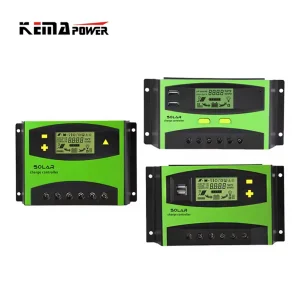
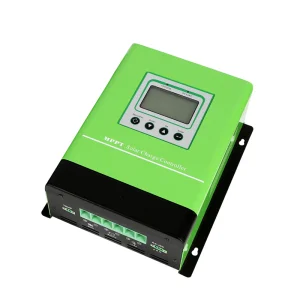
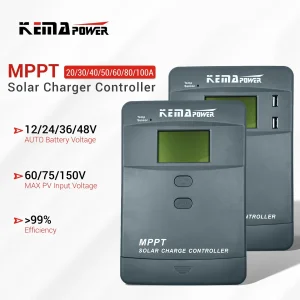
Engineered for high-efficiency energy harvesting under diverse New Zealand solar conditions.
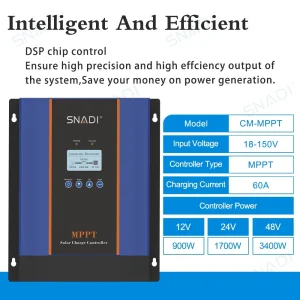
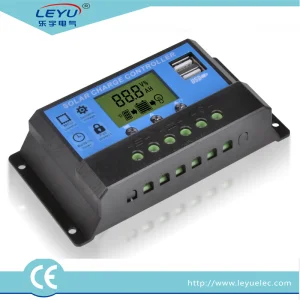
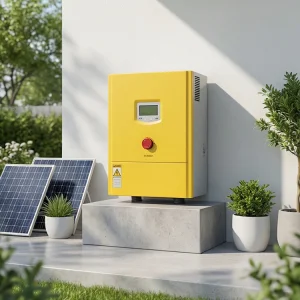
New Zealand (Aotearoa) is experiencing a historic transformation in how rural energy is captured, processed, and utilized. With its unique geographic isolation, diverse terrain, and ambitious national climate targets, building resilient off-grid energy networks has moved from a niche project category to a strategic infrastructure imperative. In this context, solar charge controllers are the structural brain of off-grid solar photovoltaic (PV) arrays, ensuring stable, optimized transfer of electrical energy from PV systems into high-capacity battery storage banks.
Unlike standard continental environments, New Zealand's atmospheric conditions present distinct engineering challenges. High levels of solar UV radiation (accelerated by the low-pollution levels in the Southern Hemisphere), high-salt marine coastlines, and sudden cloud changes create volatile charging cycles. In locations like Northland, Auckland, Canterbury, and Southland, controllers must manage quick shifts in irradiance. An ordinary regulator can suffer from thermal stress or poor tracking speed under these conditions, resulting in energy losses and shortened battery lifespans.
Our company specializes in engineering solar charge regulators that directly address local requirements. Compliance with AS/NZS 5033 (installation and safety requirements for photovoltaic arrays) and AS/NZS 3000 (wiring rules) is critical. To meet these demands, our products feature integrated overcurrent and surge protection, solid ground-fault monitoring, and temperature compensation systems tailored for New Zealand's climate.
Information Gain Insight: Under New Zealand's solar profile, rapid cloud transitions (known as the "edge-of-cloud effect") can cause PV array output to surge by up to 130% of its rated capacity. Our solar charge controllers utilize rapid Maximum Power Point Tracking (MPPT) sampling speeds to capture these power spikes, converting extra energy that slower controllers miss.
Advancing solar energy management with high-efficiency power stages and smart communication protocols.
The global renewable energy sector is moving quickly toward digitization and integration. Modern solar charge controllers are no longer simple voltage-limiting switches. They have evolved into intelligent energy management processors. Key global trends include:
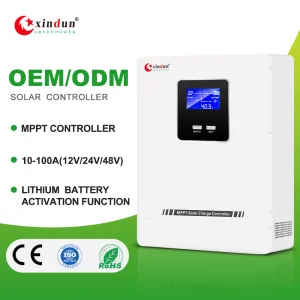
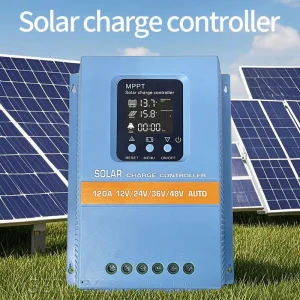
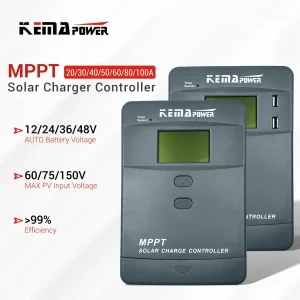
1. Wide-Voltage Array Configurations: Higher voltage inputs allow designers to run longer PV strings, reducing copper wiring costs and line power losses. Modern commercial arrays commonly operate at Voc limits of 150V, 250V, and up to 600V. Our commercial MPPT units support wide voltage thresholds to simplify system topology.
2. Smart Lithium Management & Low-Temp Protection: As Lithium Iron Phosphate (LiFePO4) becomes the industry standard, charge controllers must prevent charging below 0°C. Standard charging in sub-zero alpine conditions (such as the Southern Alps in winter) can lead to lithium plating and cell failure. Our firmware includes configurable temperature protection parameters that automatically halt charging while keeping load distribution active.
3. IoT Integration and RS485 Modbus Protocols: Remote telemetry is vital for isolated infrastructure. Integrating solar controllers with SCADA systems, remote web portals, or cellular gateways via Modbus protocol enables continuous monitoring of panel voltage, charging current, and battery state-of-charge (SoC).
A detailed breakdown for New Zealand electrical engineers, EPC contractors, and solar system designers.
Choosing between Pulse Width Modulation (PWM) and Maximum Power Point Tracking (MPPT) is a critical design decision. While PWM controllers act as a direct switch between the solar array and the battery bank, dragging the array voltage down to match the battery voltage, MPPT controllers dynamically adjust the input voltage to find the peak power point. This process steps down excess voltage and converts it to additional charging current.
| Feature / Parameter | PWM (Pulse Width Modulation) | MPPT (Maximum Power Point Tracking) | New Zealand Application Relevance |
|---|---|---|---|
| Energy Harvesting Efficiency | Typically 70% - 75% | Up to 98% - 99% | MPPT is critical for maximizing winter solar harvest. |
| System Voltage Matching | Array Voc must match battery nominal voltage (e.g., 12V panels for 12V batteries) | Array Voc can be significantly higher than battery voltage (e.g., 150V PV to 12V/24V/48V battery) | Allows long serial PV runs, reducing cable losses across large sites. |
| Performance in Cold Climates | Poor. Misses extra voltage output from cold panels. | Excellent. Converts higher winter panel voltages into charging current. | Highly recommended for the South Island, Canterbury, and Otago regions. |
| Relational Cost | Low budget-friendly | Higher initial capital investment | PWM is suitable for simple systems (DOC huts, remote monitoring, boat trickle charge). |
| BMS Integration | Basic relay on/off based on voltage limits | Advanced communication (CANbus, RS485 Modbus) with battery BMS | Ensures safe operation of modern Lithium batteries (Pylontech, BYD, etc.). |
High-performance regulators designed to withstand high humidity, coastal corrosion, and extreme temperature fluctuations.
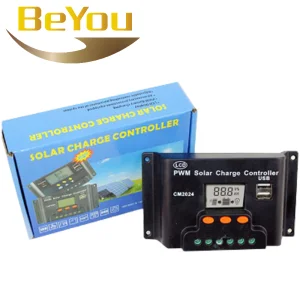
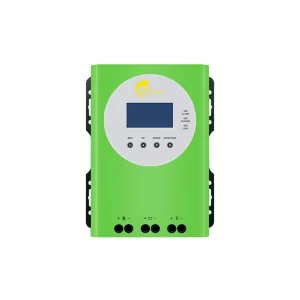
Tailoring charge regulation technology to support agricultural, marine, conservation, and commercial infrastructure.
New Zealand's dairy farms run on tight schedules. Automated milking systems, water pumps, and electric fences require reliable backup power. Our high-amperage MPPT controllers run off-grid battery banks that power deep water pumps and telemetry units, reducing diesel generator runtime and cutting operational costs.
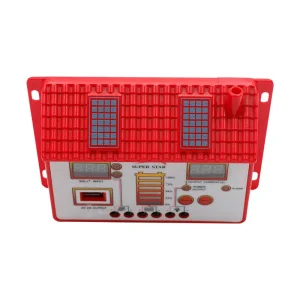
The Department of Conservation (DOC) manages over 950 huts across wilderness tracks. These huts rely on solar power for emergency radios, lighting, and USB charging. Our PWM and light-duty MPPT controllers offer simple operation, low standby power consumption, and robust physical protection, keeping remote safety networks powered year-round.
Mussel and salmon farms in the Marlborough Sounds use off-grid telemetry buoys to monitor water temperature and oxygen levels. These buoys face salt mist, heavy humidity, and limited deck space. Our IP67-rated charge controllers with conformal coatings are built to resist salt-water corrosion and operate in marine environments.
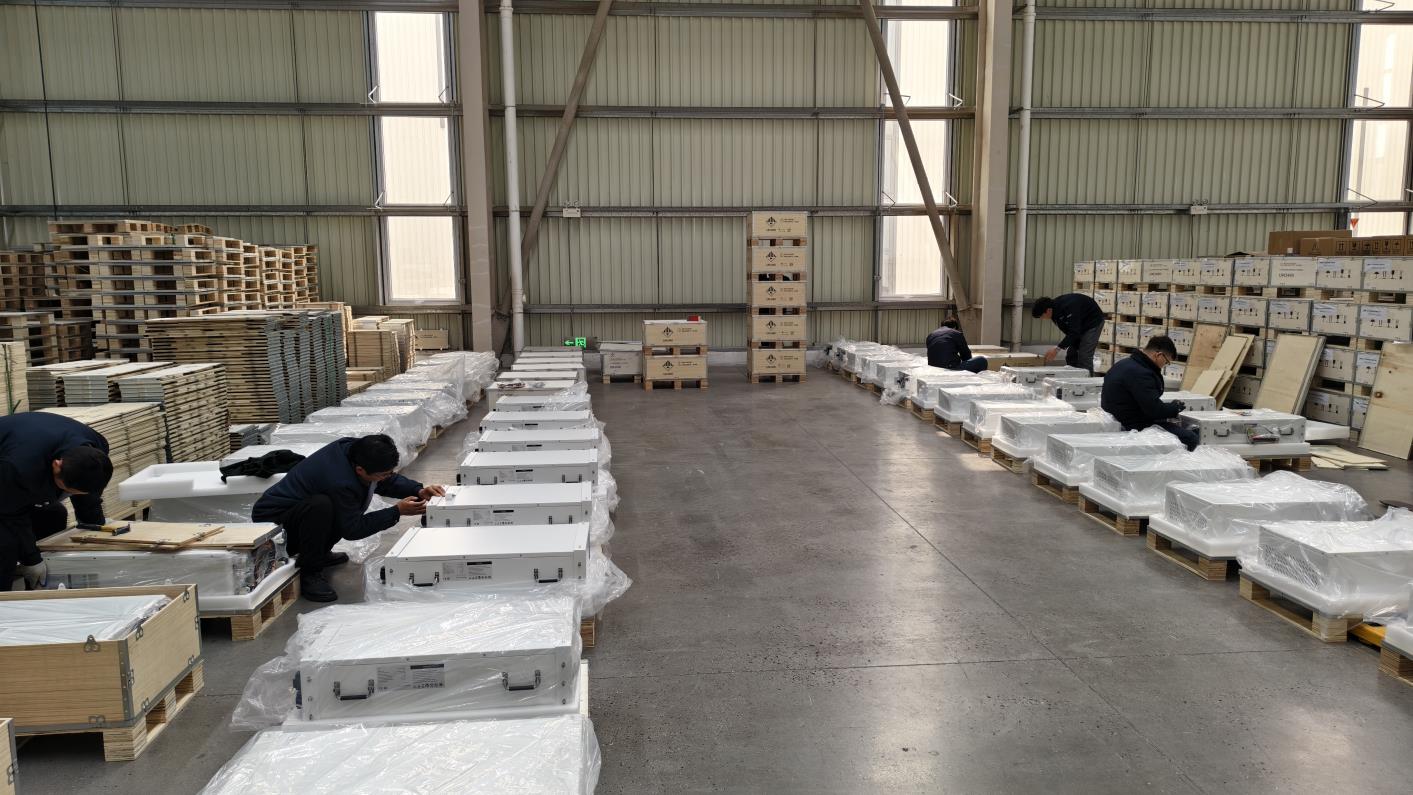
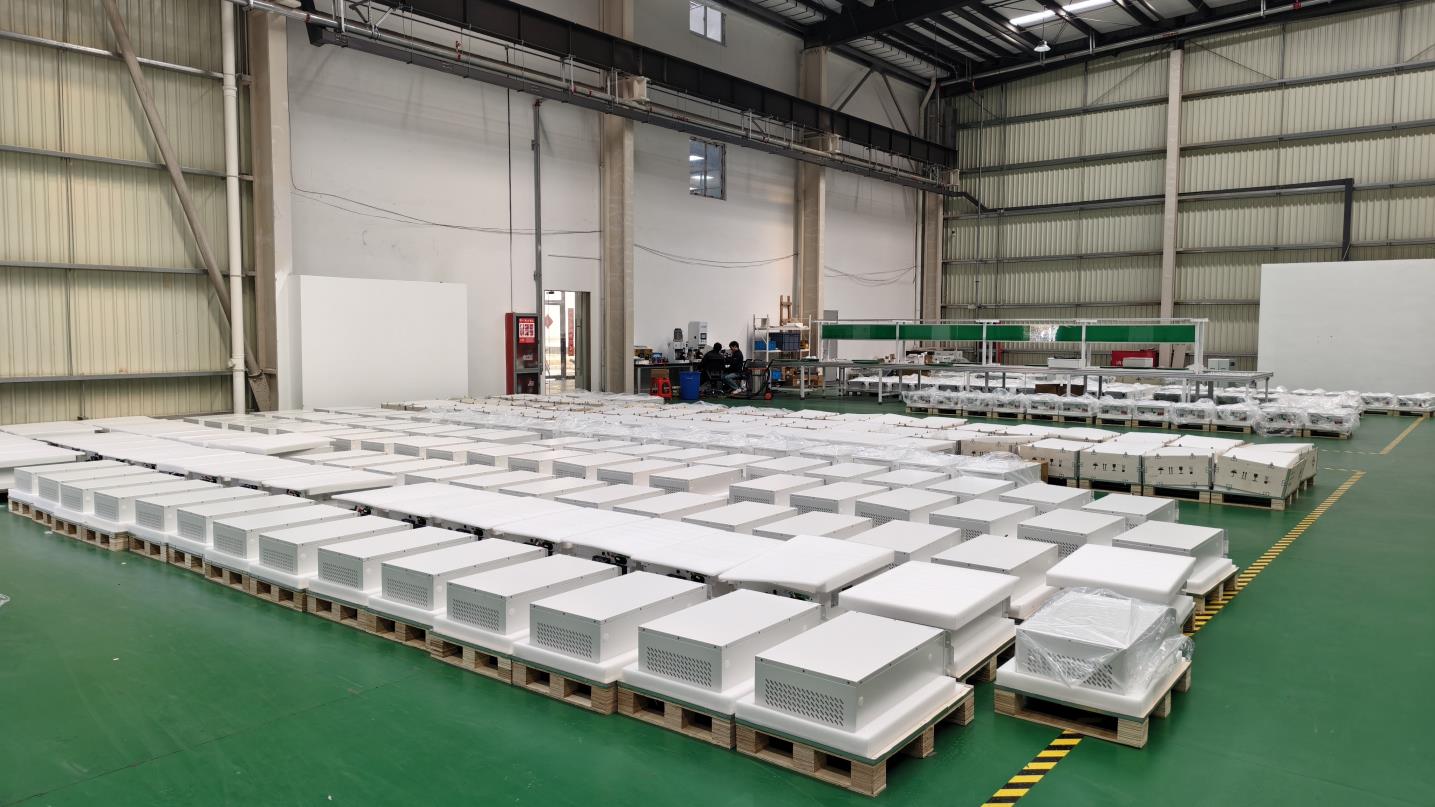
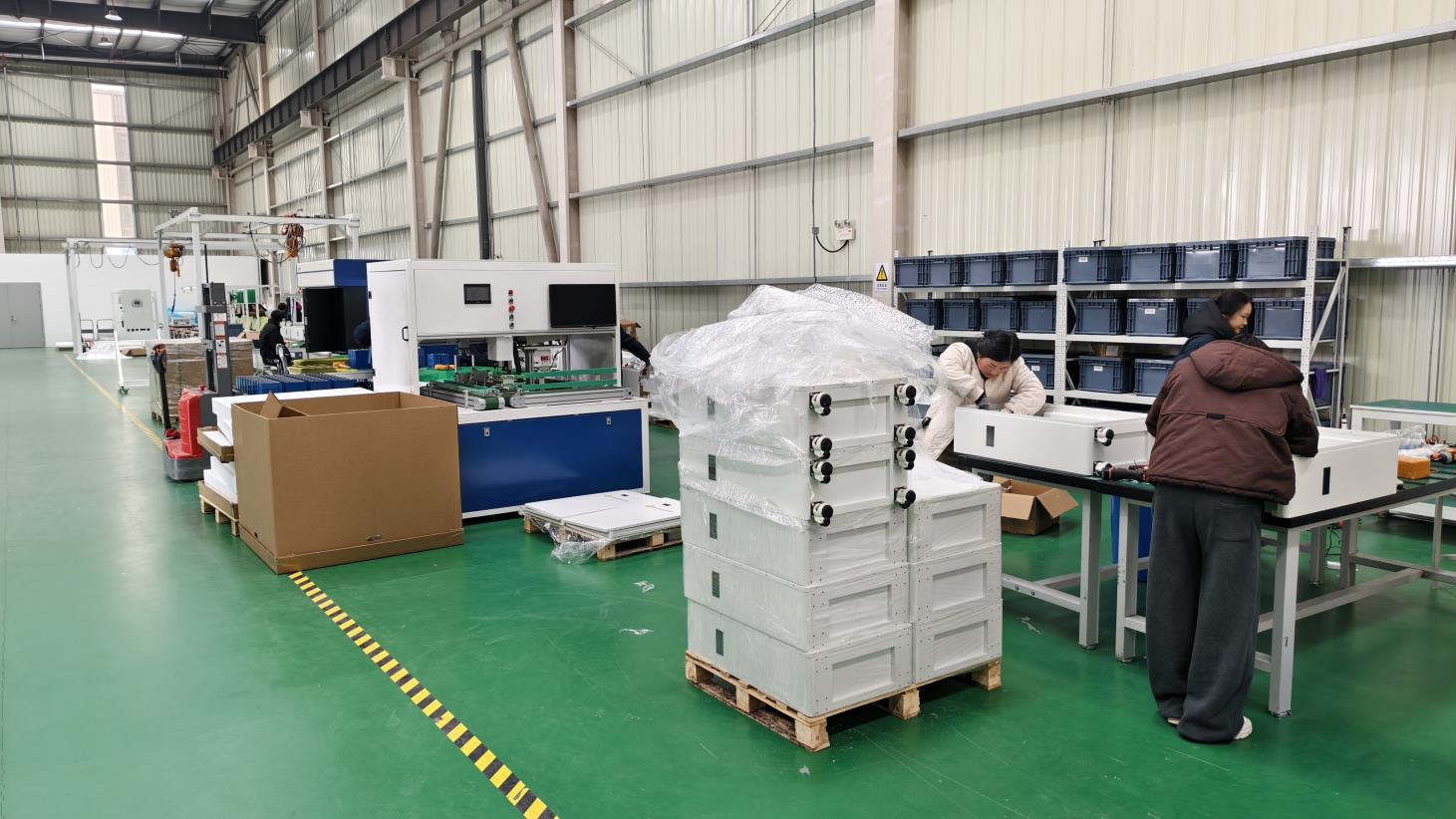
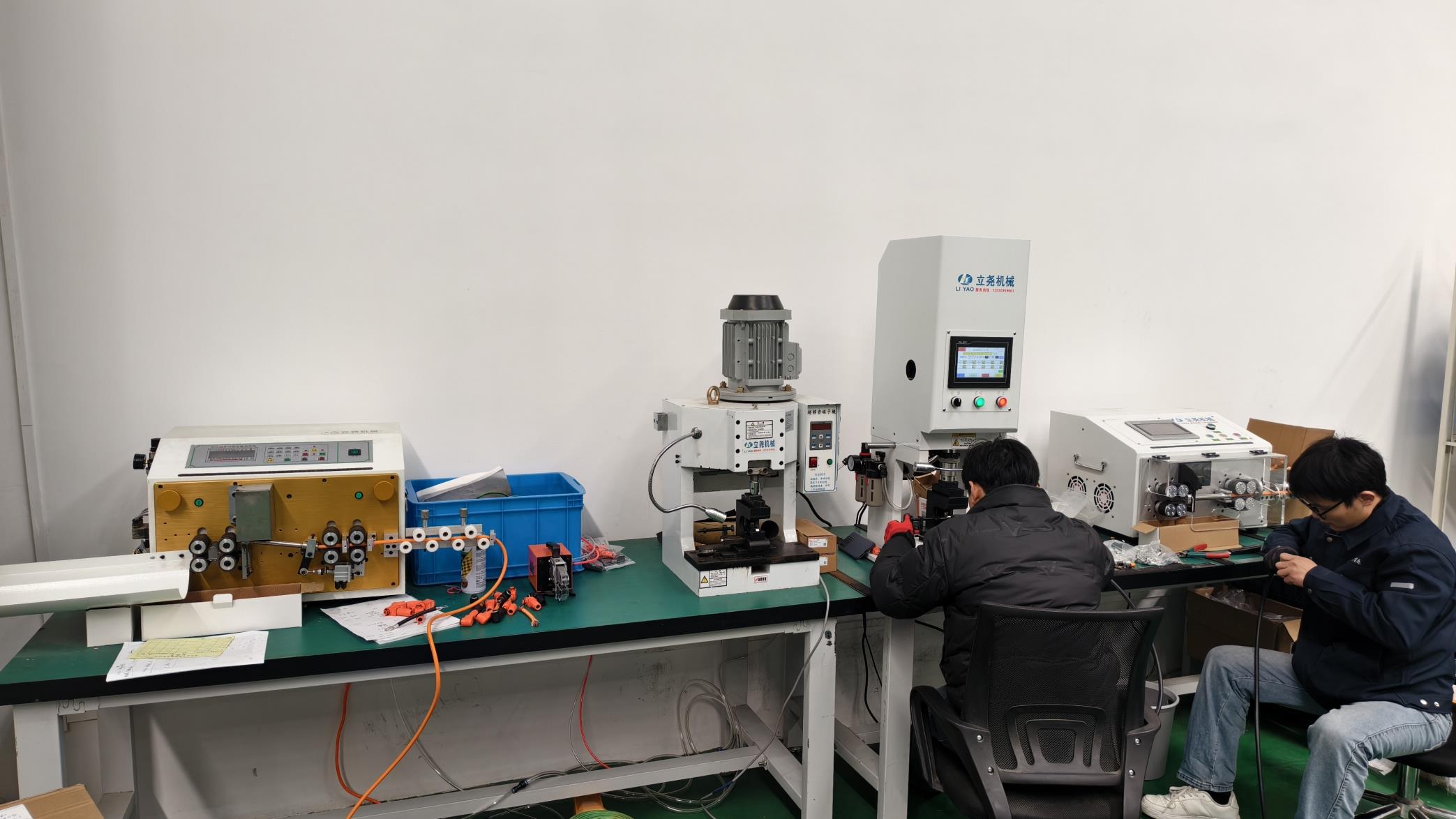
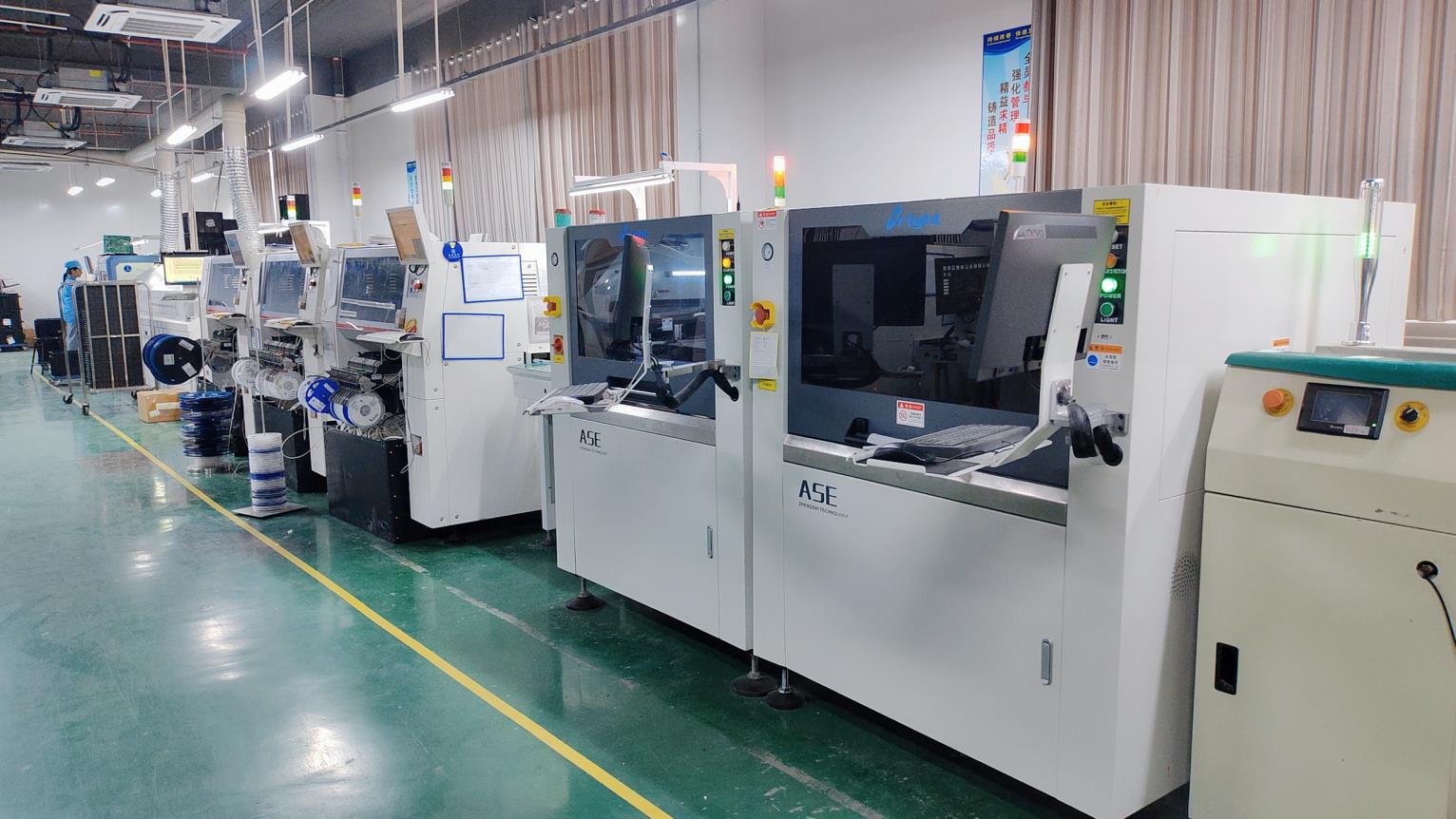
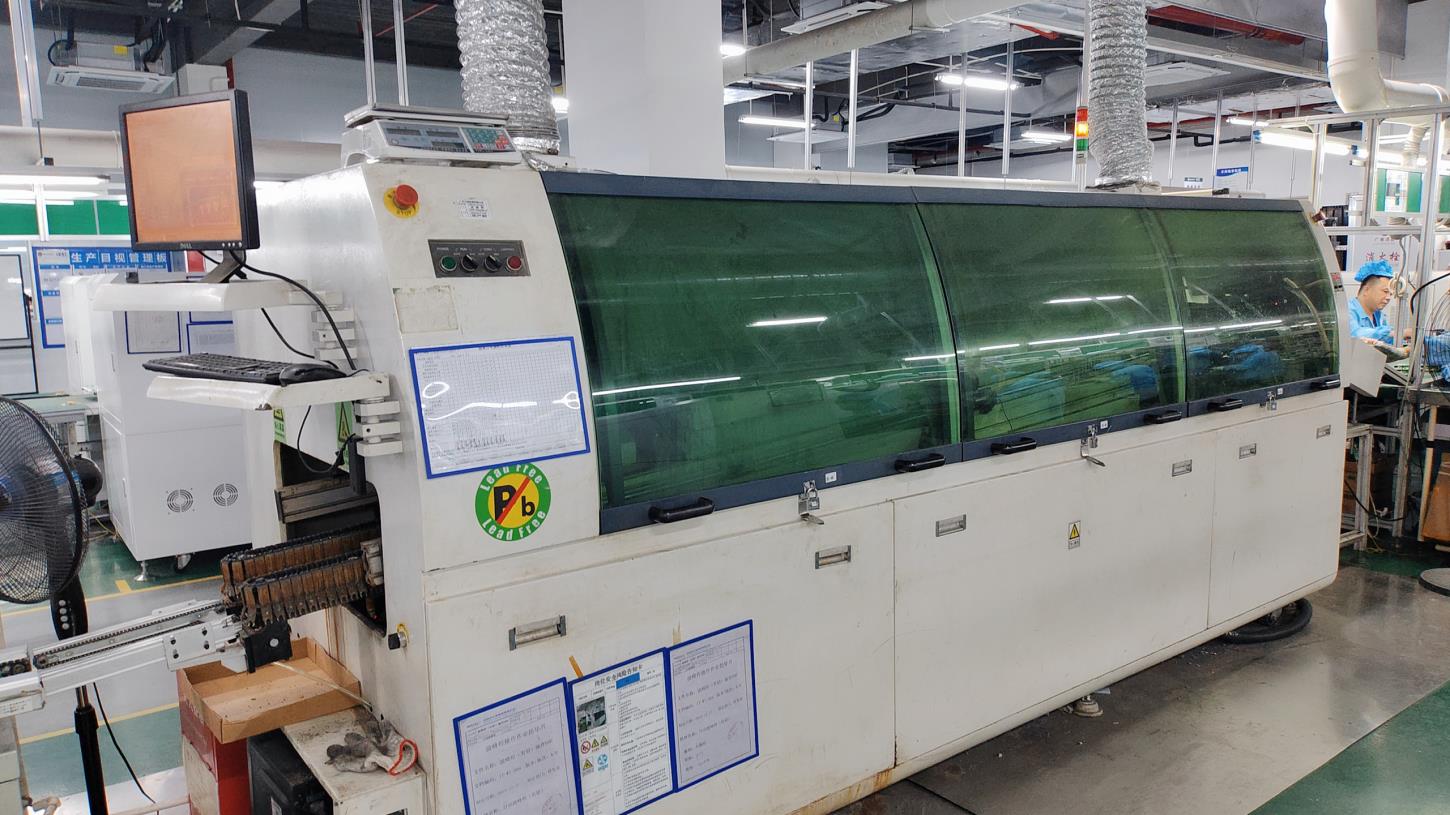
Behind every controller is a production line driven by precision, automation, and quality control.
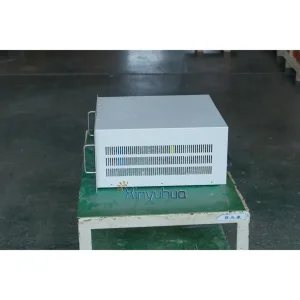
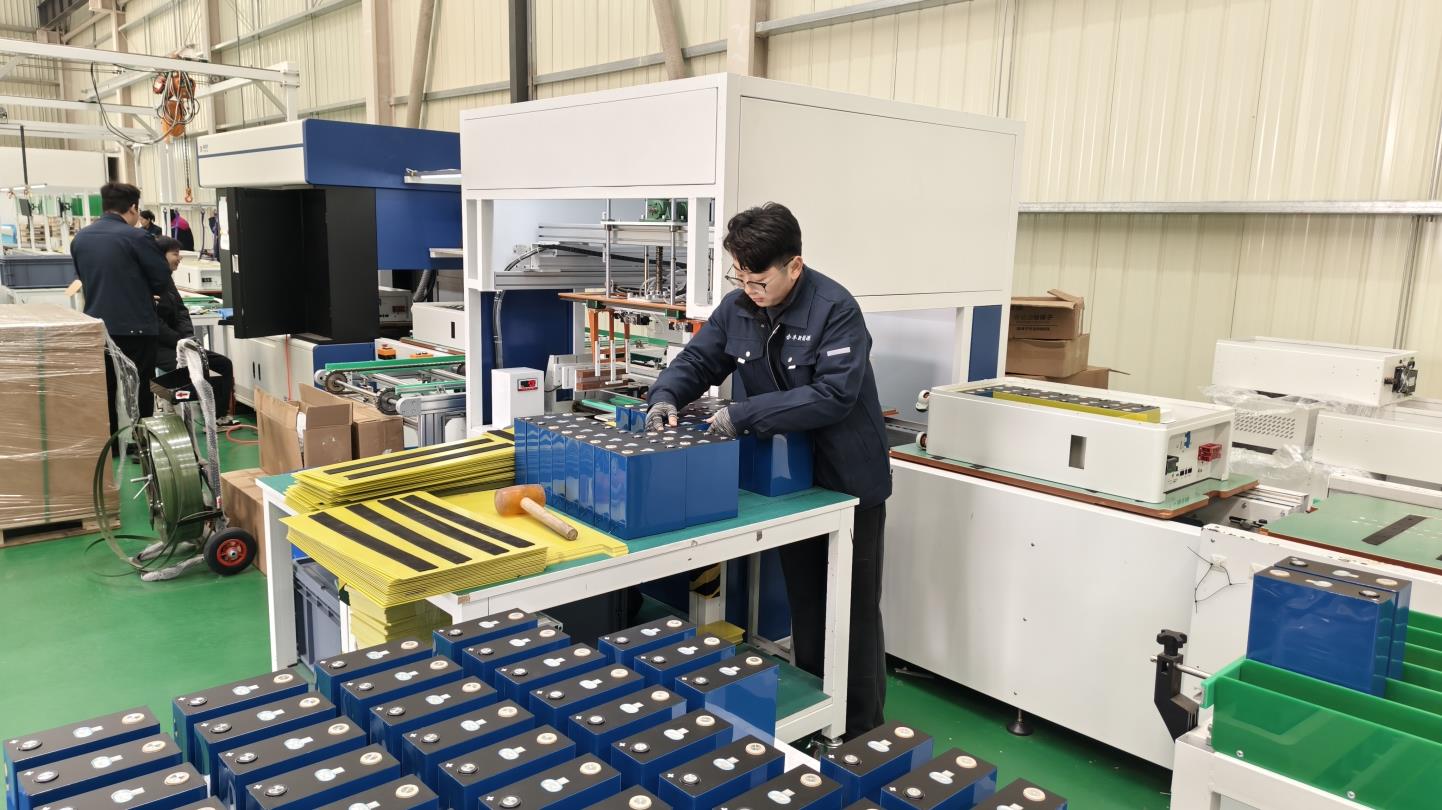
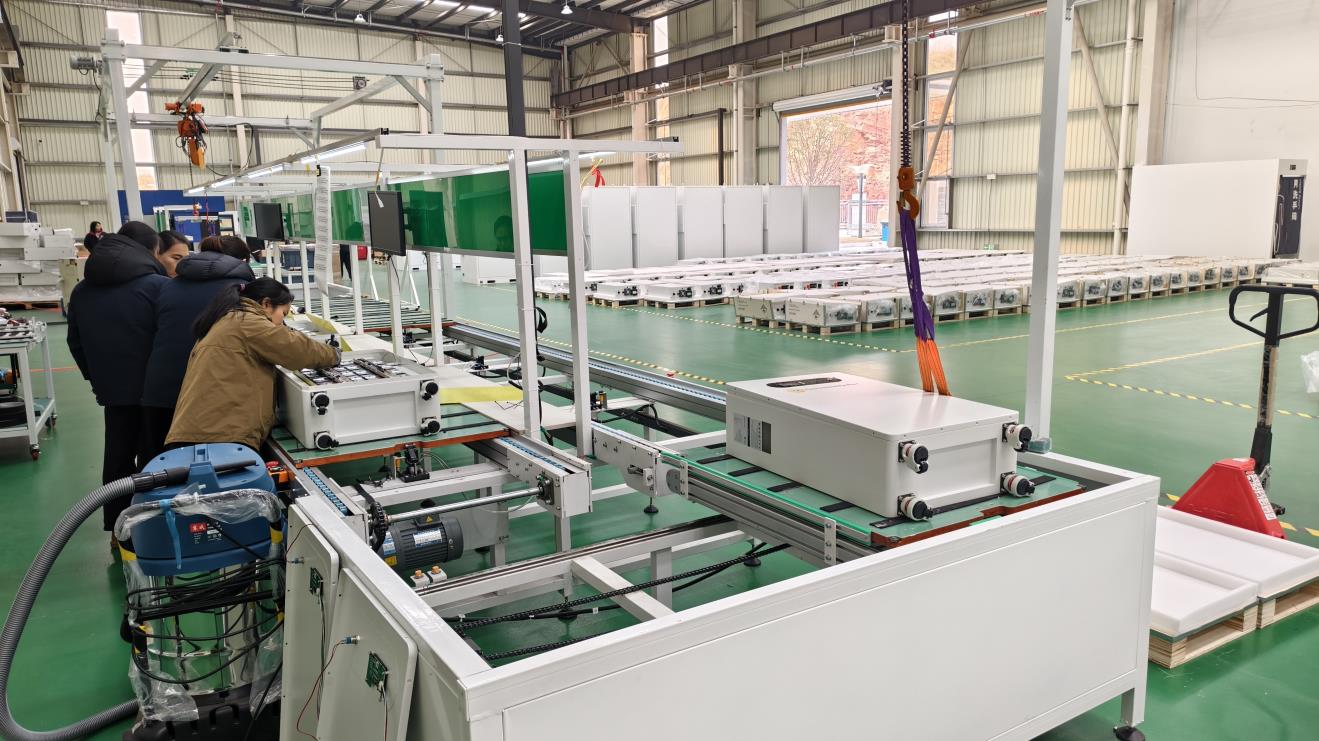
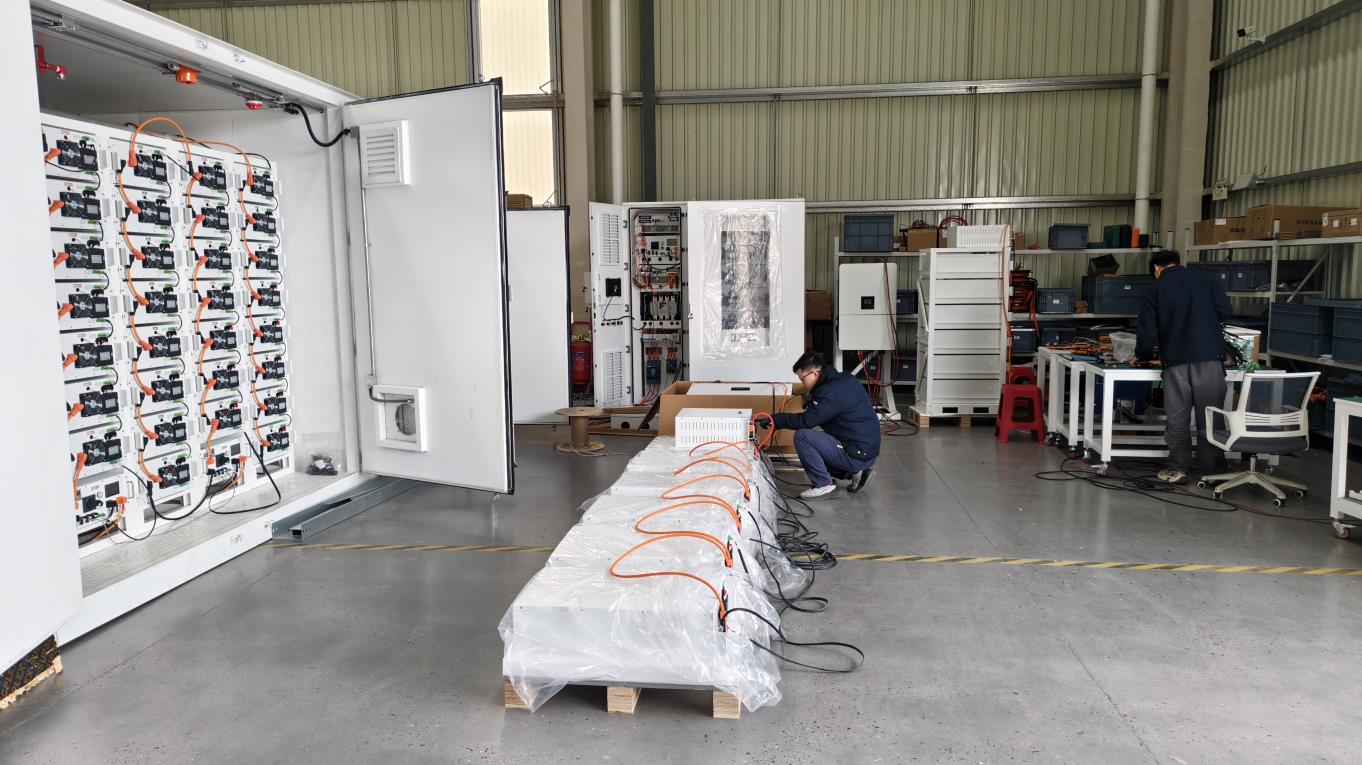
At Anhui Aryam Energy Co., Ltd., we understand that off-grid solar infrastructure must run reliably for years. A charge controller failure can shut down an entire site, lead to costly maintenance trips, and degrade expensive battery storage banks. To prevent this, we maintain strict quality control at every stage of the manufacturing process.
Our production facilities utilize automated surface-mount technology (SMT) lines to assemble PCBs with consistent accuracy. Components are secured using reflow and wave soldering systems to ensure mechanical stability under high-vibration conditions. After assembly, every controller undergoes automated testing, including input-output voltage calibration, short-circuit protection testing, and thermal imaging analysis under full electrical load. Finished products are packaged securely in our warehouse, ready for export to New Zealand and other global markets.

Expert answers to common engineering questions regarding solar charge controllers in New Zealand.
Under AS/NZS 5033, solar charge controllers must be installed in a location protected from direct environmental exposure (such as rain or direct sunlight) unless they carry a suitable outdoor IP rating (IP65 or higher). They must be mounted on a non-combustible surface (like cement board or metal plate) to mitigate thermal risks. Additionally, proper overcurrent protection (fuses or circuit breakers) must be installed between the solar panels and the controller, as well as between the controller and the battery bank, to isolate systems during maintenance and fault conditions.
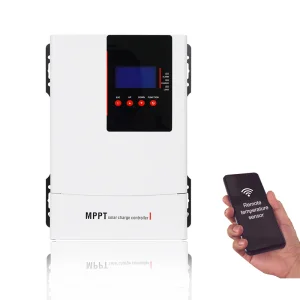
Lithium Iron Phosphate (LiFePO4) battery chemistries cannot be charged below 0°C. Charging at sub-zero temperatures causes lithium plating on the anodes, which permanently reduces capacity and can cause internal short circuits. Our controllers include low-temperature cut-off settings. A remote temperature probe monitors the battery cells and automatically stops the charge current if temperatures drop below freezing, while still allowing the battery to power loads.
Lead-acid batteries require higher charging voltages at lower temperatures to ensure a full charge, and lower charging voltages at higher temperatures to prevent overcharging and gassing. Our controllers feature a configurable temperature compensation coefficient (typically -3mV/°C/cell for Gel batteries). This allows the controller to adjust target absorption and float voltages based on real-time ambient temperature measurements.
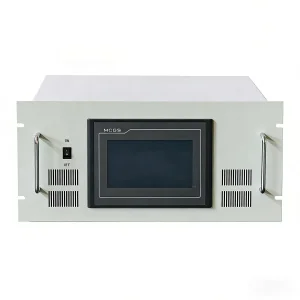
Yes, by using a dedicated hybrid wind-solar controller like our Fkj-Gt 5kW unit. Wind turbines require a dump load resistor to dissipate excess energy and prevent the turbine from over-speeding when battery banks are fully charged. A hybrid controller manages the dual inputs (AC wind power converted to DC and DC solar power) and directs excess energy to the dump load when necessary, ensuring safe and balanced battery charging.
Our controllers support RS485 Modbus, CANbus, and built-in Bluetooth/Wi-Fi options depending on the model. This allows systems to connect to remote monitoring apps, local displays, or cellular RTUs. For industrial installations, integration with programmable logic controllers (PLCs) or SCADA software allows remote monitoring of voltage, current, historical yield, and fault warnings.
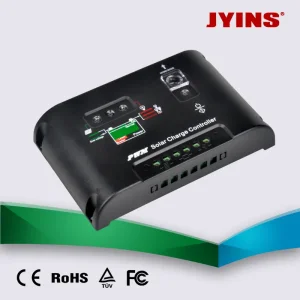
High-efficiency regulators built to optimize energy performance across domestic, agricultural, and commercial solar projects.
 Aryam Energy