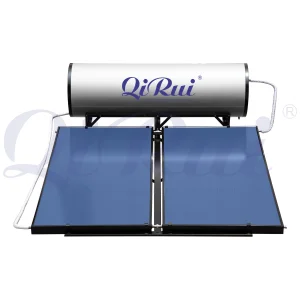
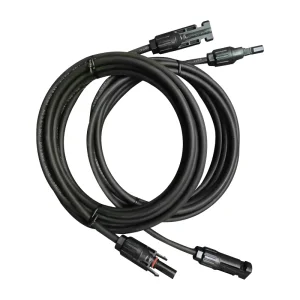
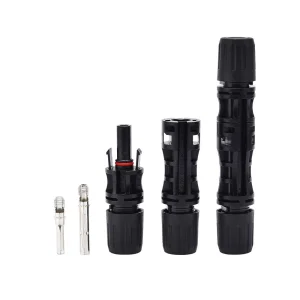
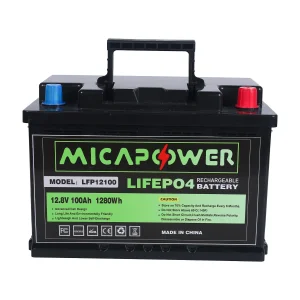
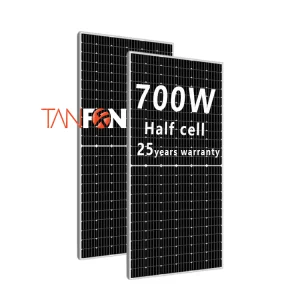
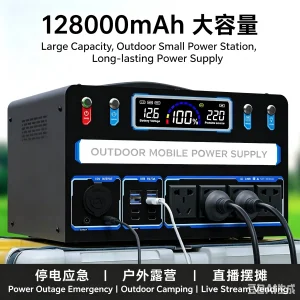
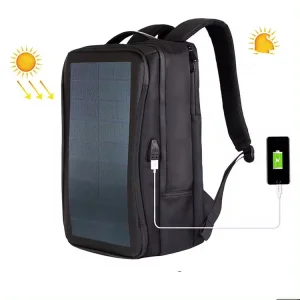
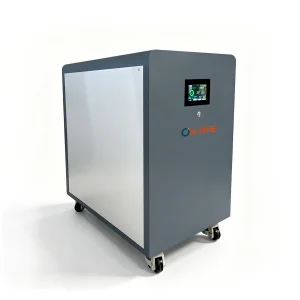
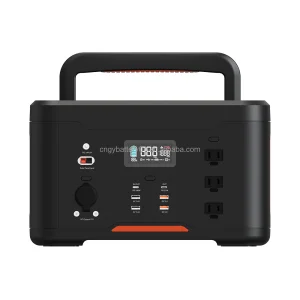
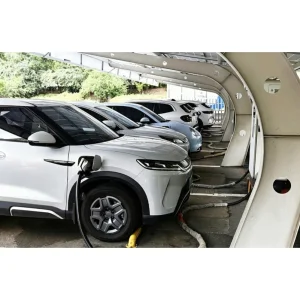
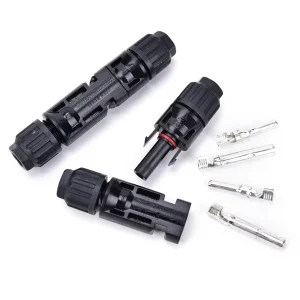
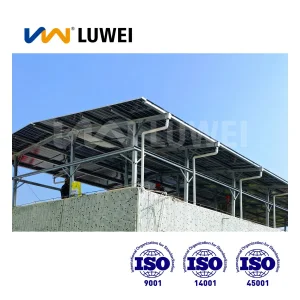
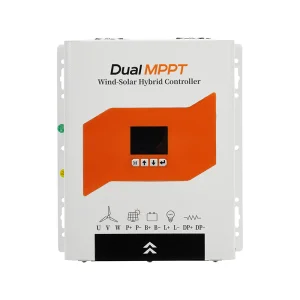
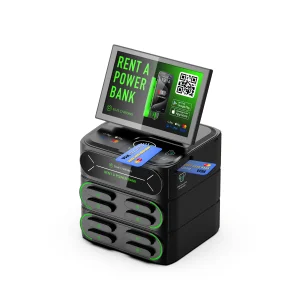
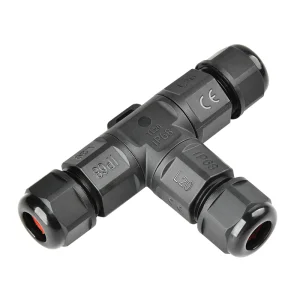
Explore our core infrastructure components engineered to integrate seamlessly with modern solar monitoring and system management architectures.
An authoritative breakdown of telemetry hardware, cloud algorithms, supply chain resilience, and global compliance mechanisms in the PV monitoring industry.
Modern Commercial and Industrial (C&I) solar energy installations are no longer passive power-generating setups. They are complex, dynamic components of a multi-directional grid. To operate them efficiently, maintain structural ROI, and achieve carbon targets, stakeholders must deploy robust solar monitoring systems. A state-of-the-art monitoring framework provides the interface between local assets—such as photovoltaic arrays, hybrid inverters, energy storage units, and grid meters—and remote operators.
Without high-precision telemetry, system inefficiencies, such as micro-cracking in PV modules, inverter clipping losses, and localized thermal shadowing, can go unnoticed. Over time, these anomalies degrade overall asset health and drastically lengthen the payback period. Modern solar monitoring systems mitigate this by collecting real-time operational parameters, applying edge-computing diagnostics, and sending clean telemetry payloads to centralized supervisory control and data acquisition (SCADA) platforms or cloud-based performance dashboards.
A resilient solar monitoring architecture consists of multiple integrated layers, designed to process telemetry efficiently while operating reliably in harsh environmental conditions:
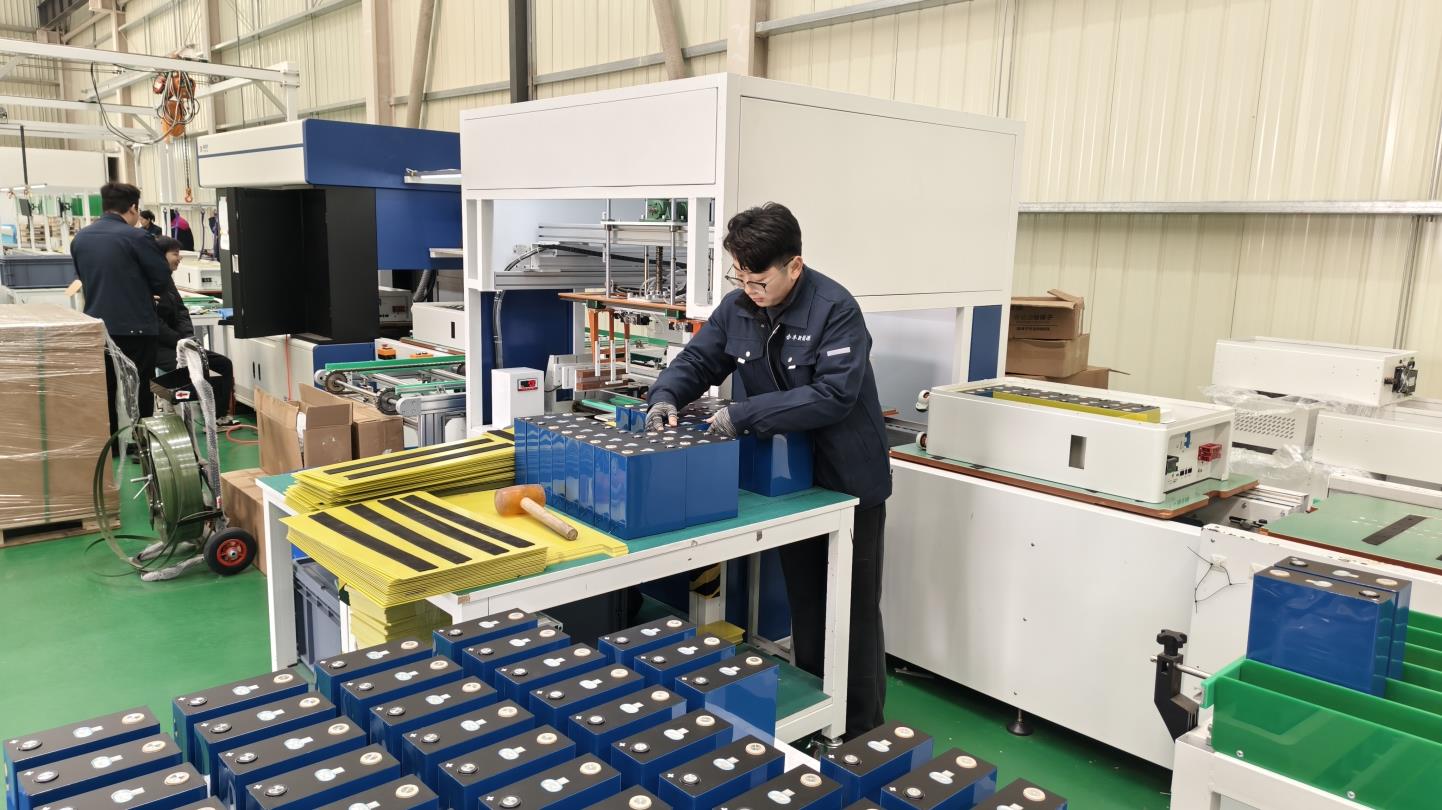
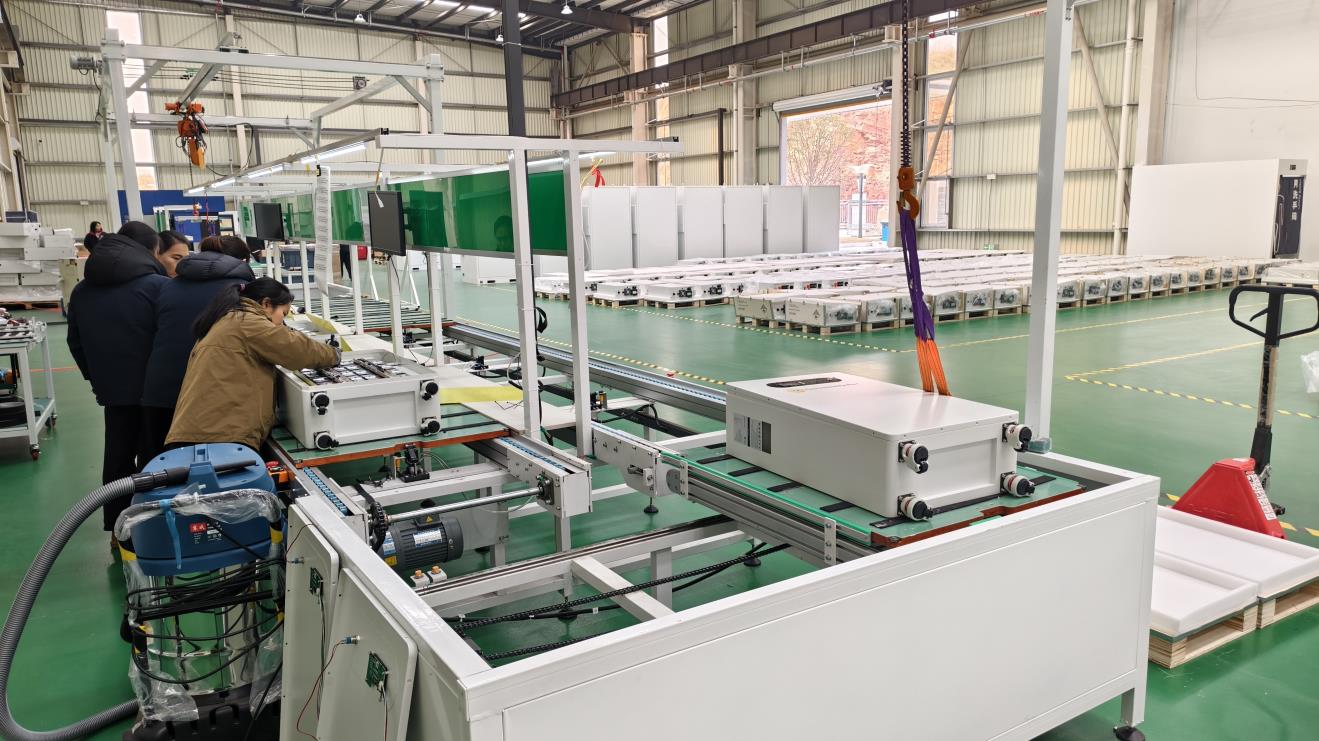
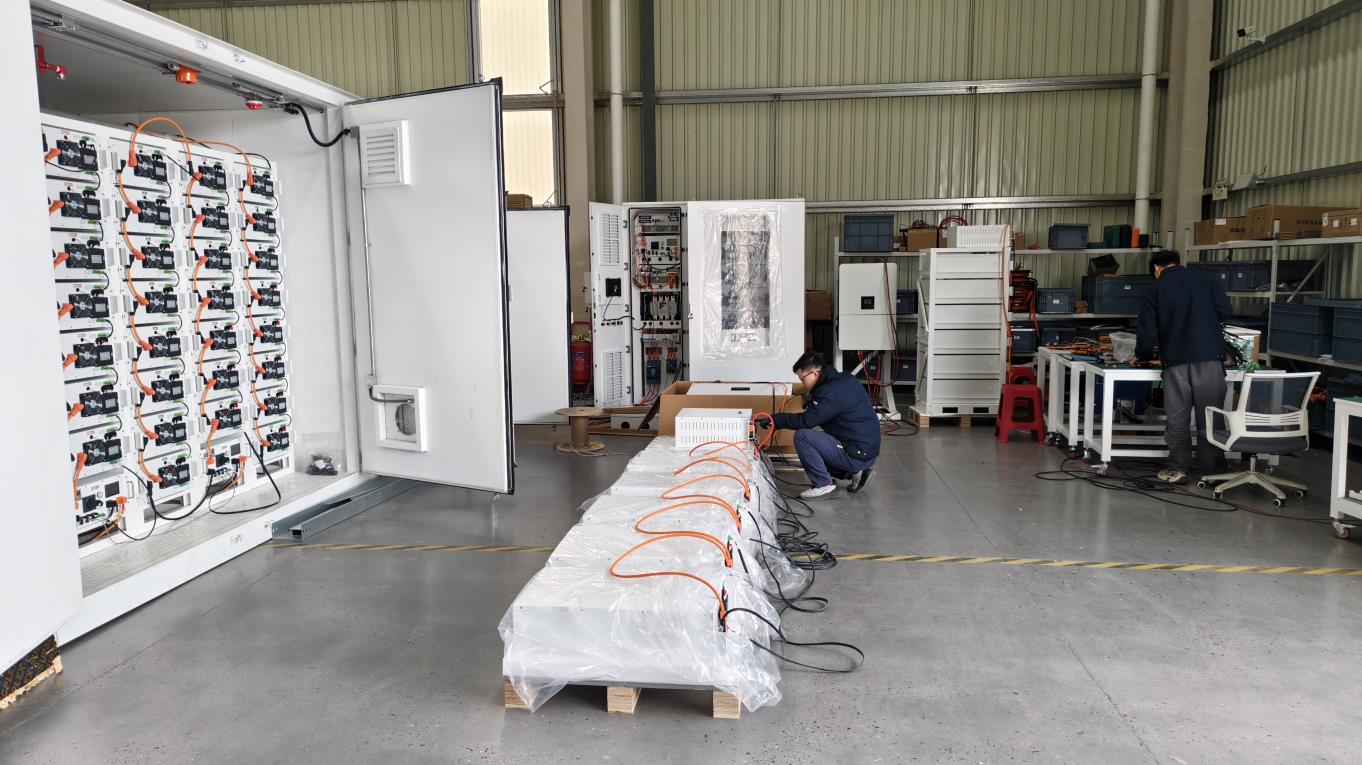
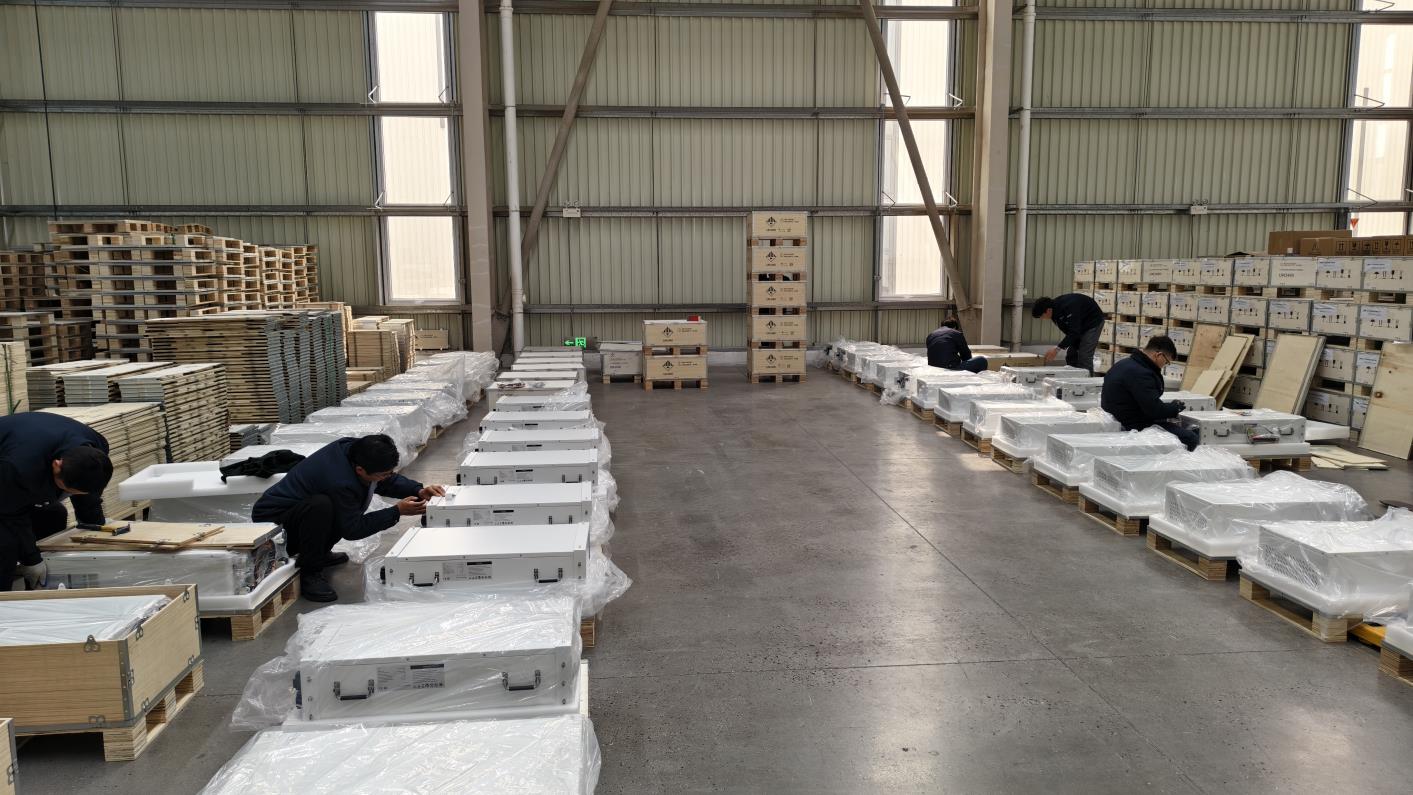
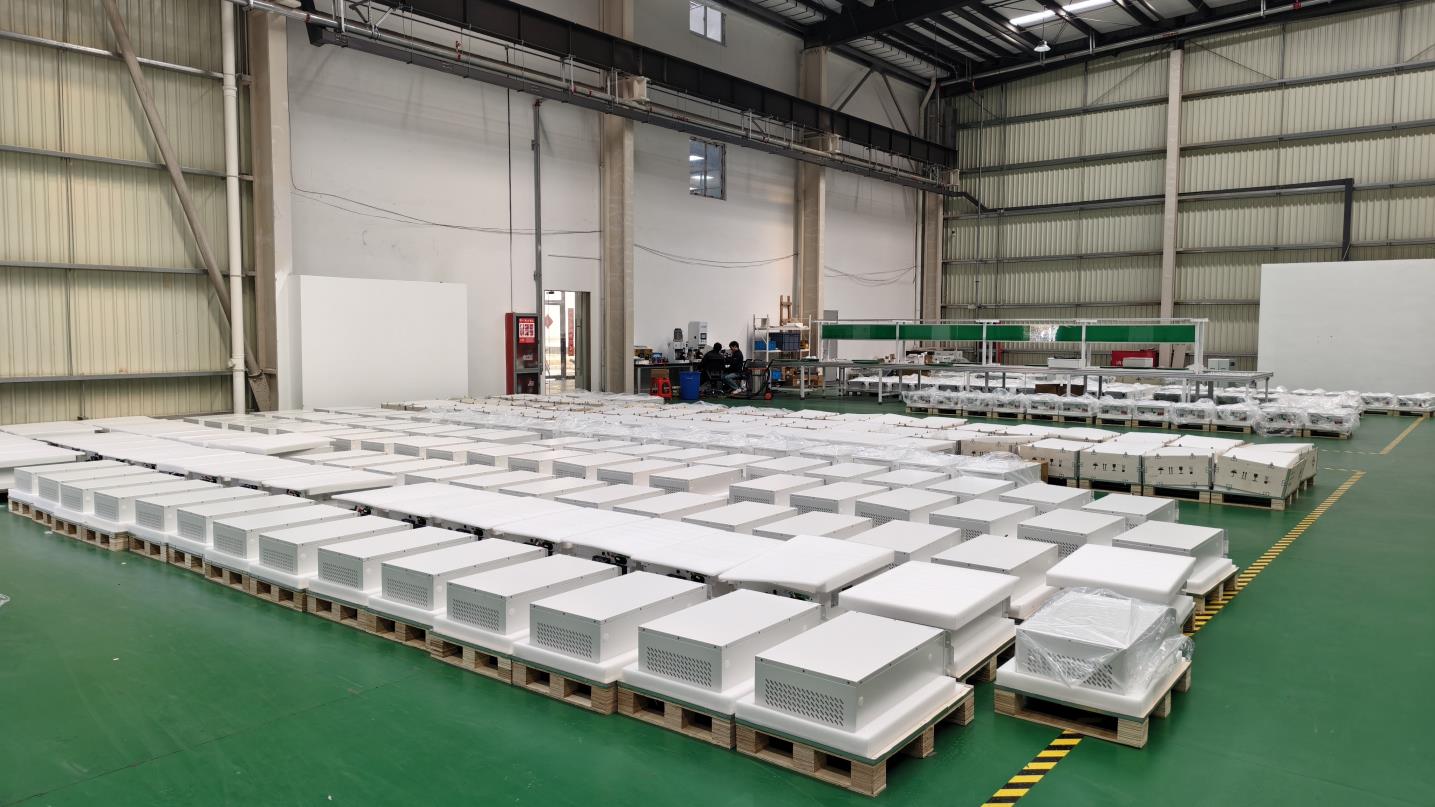
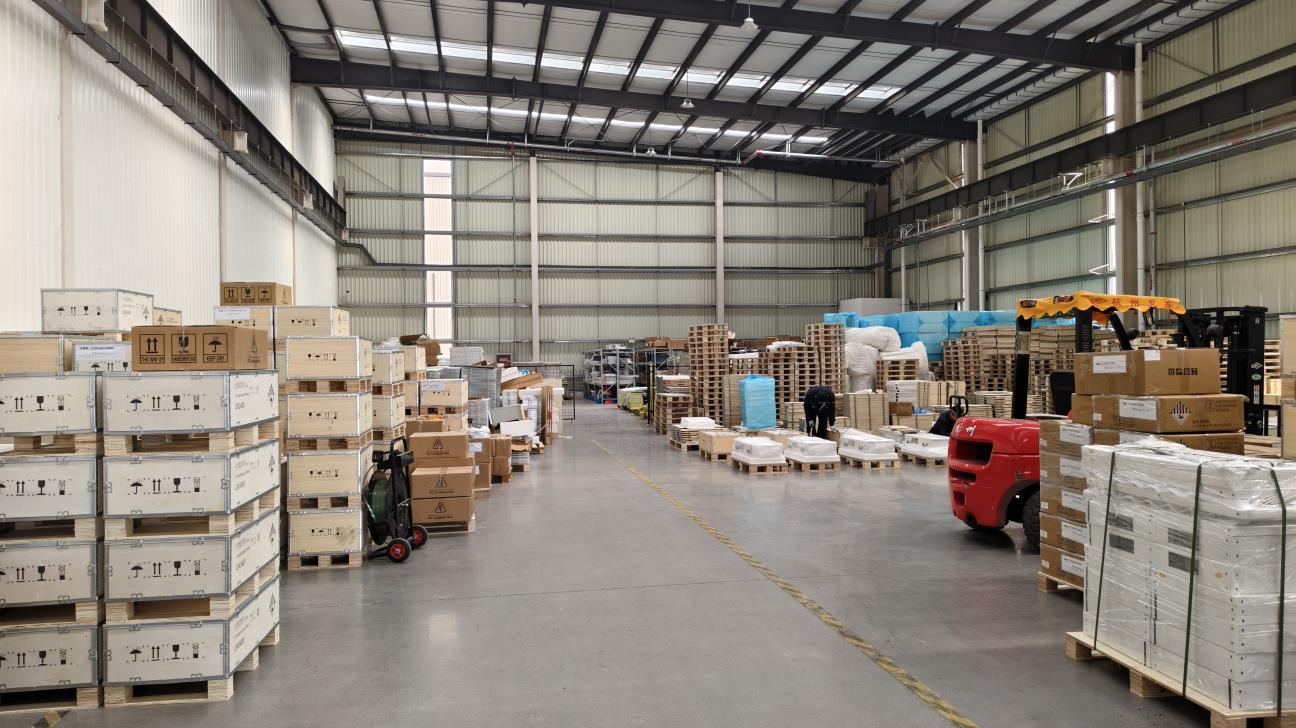
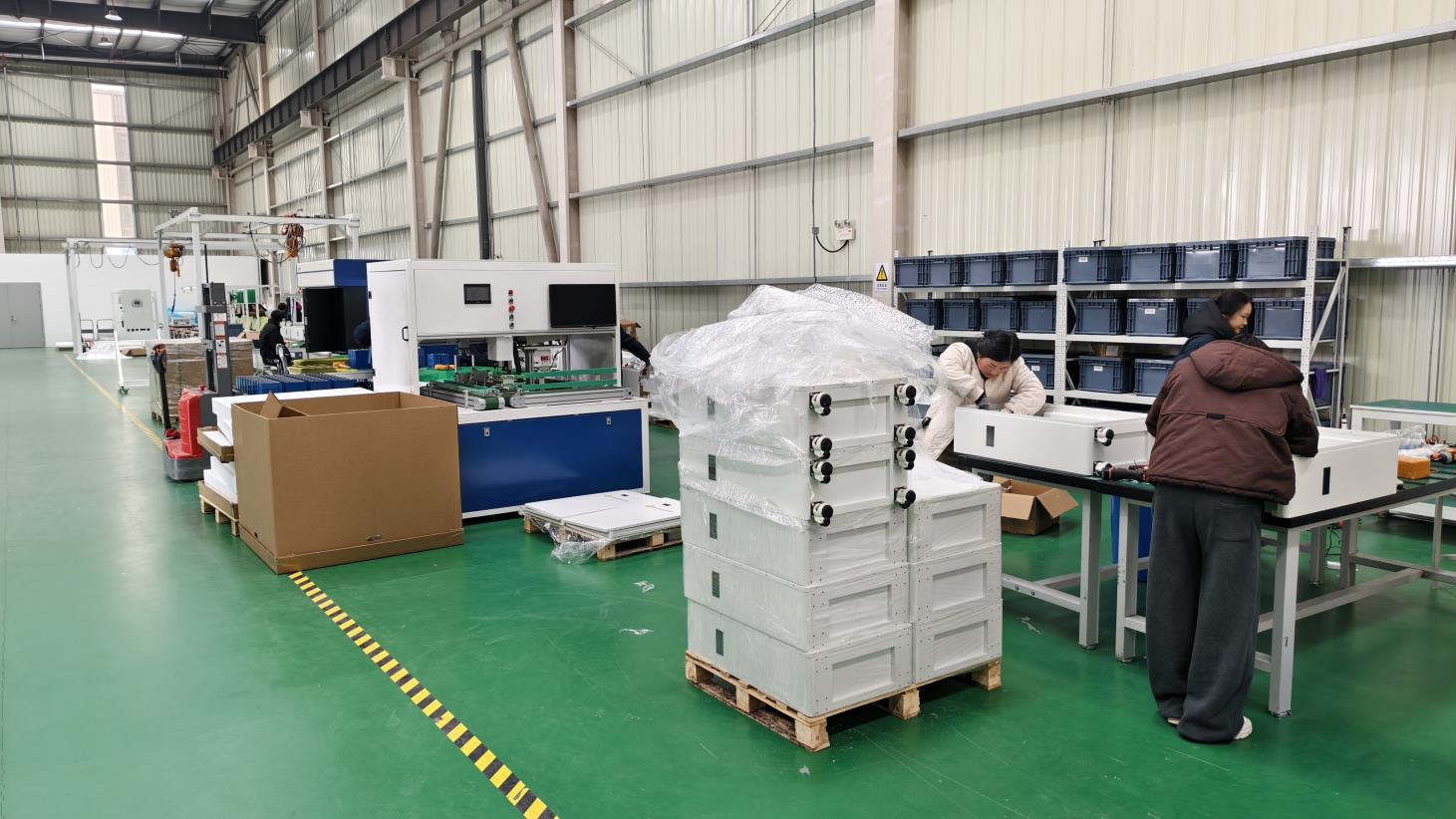
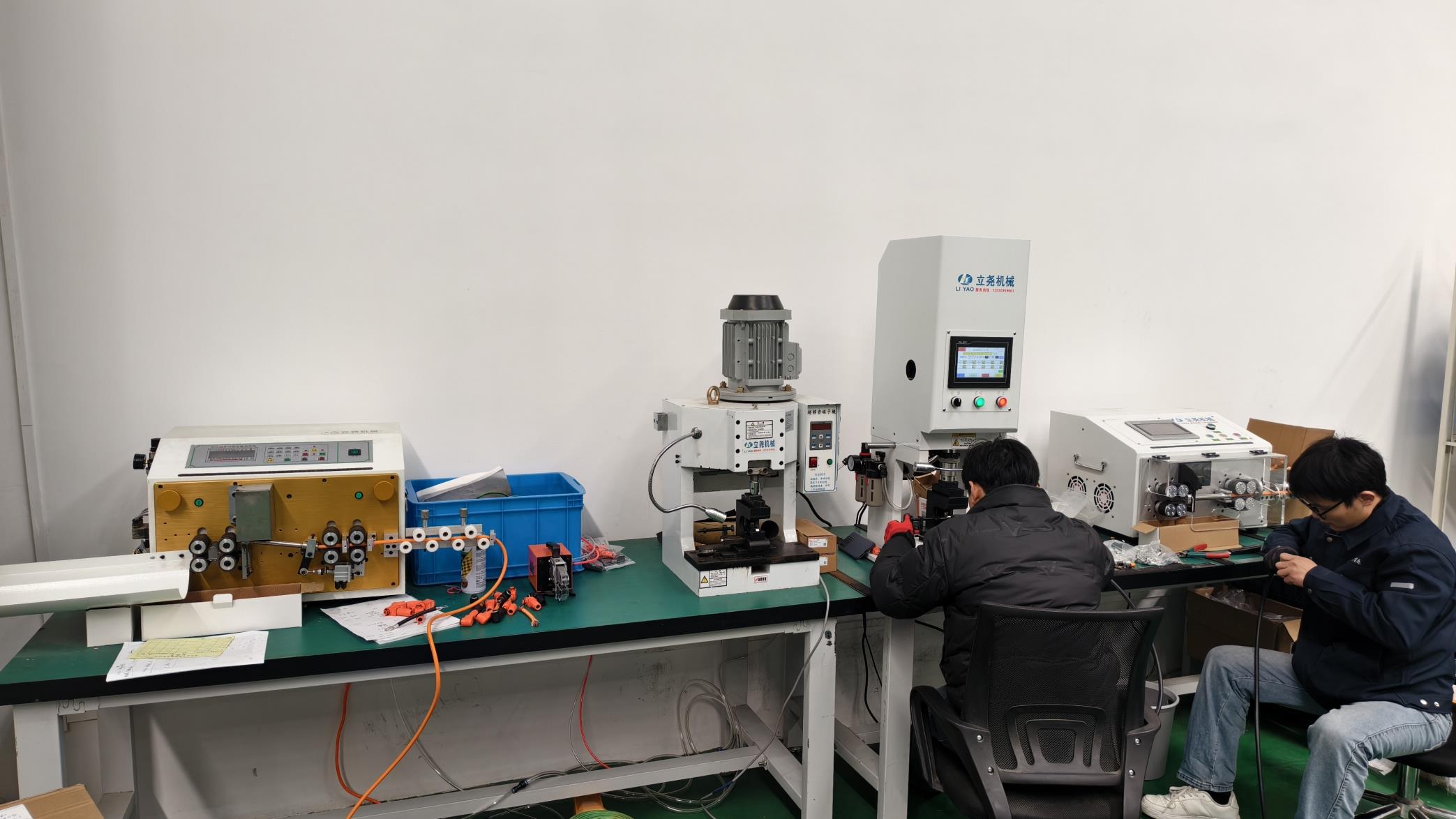
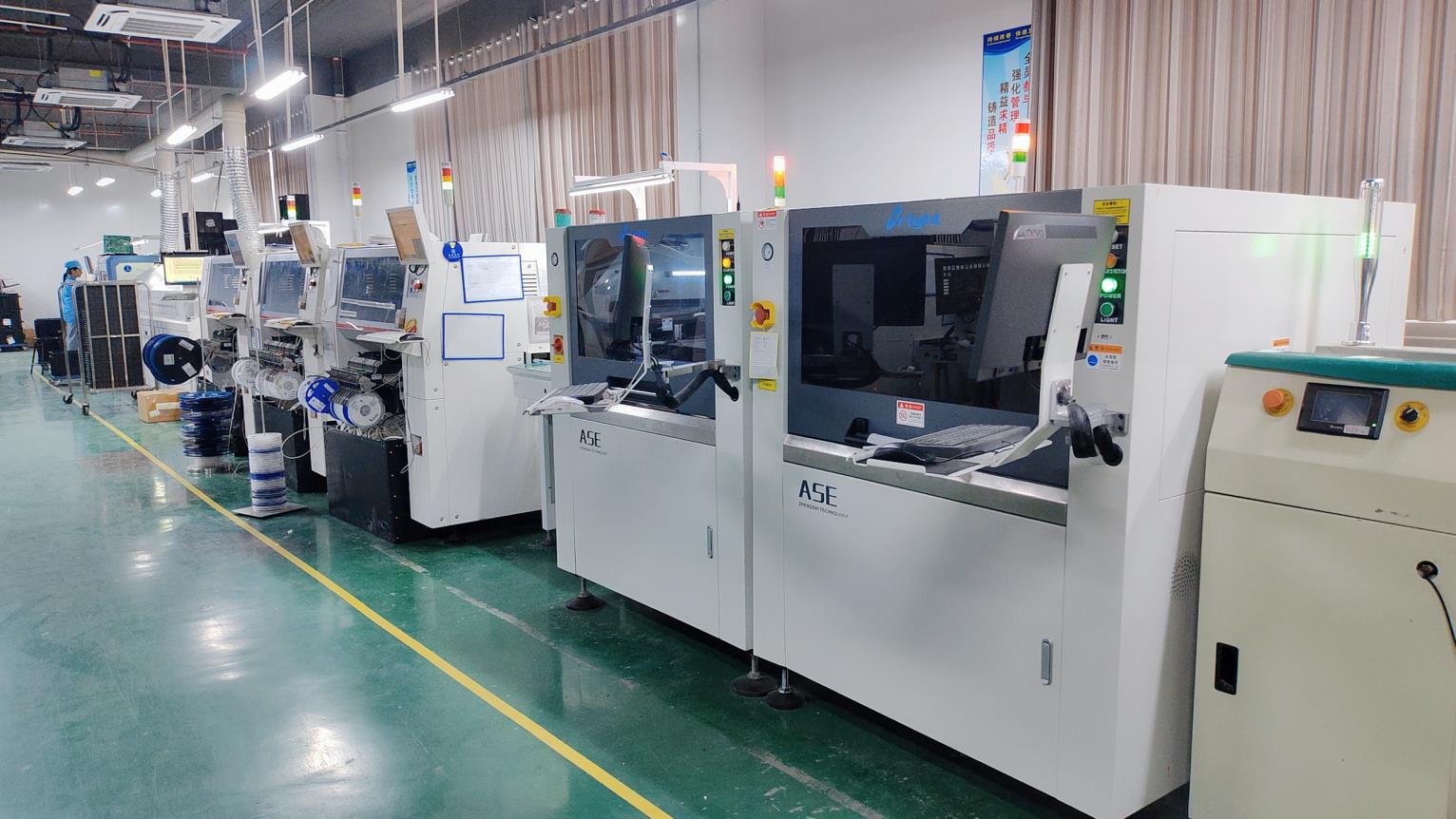
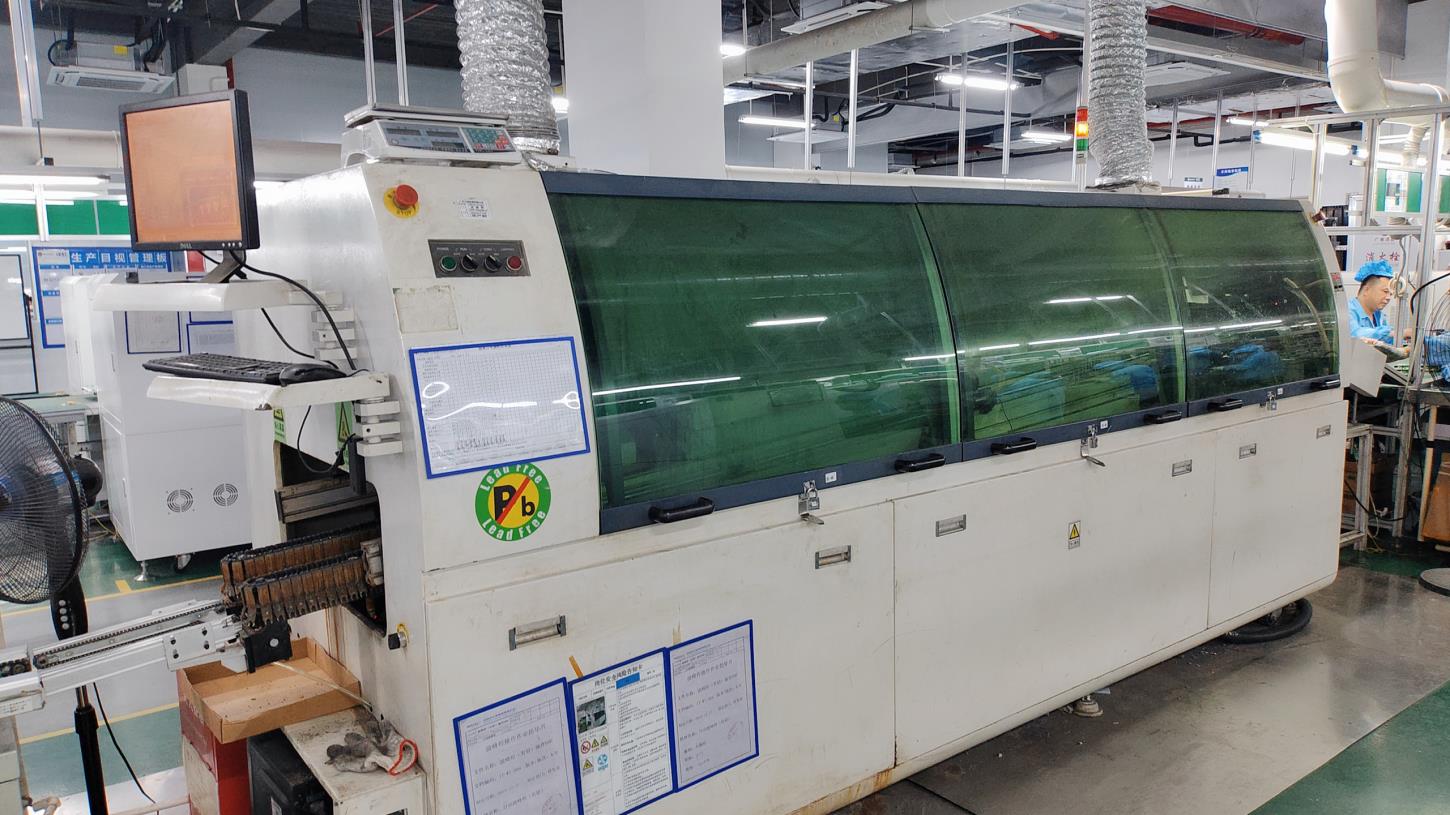
The reliability of a monitoring system is directly tied to the manufacturing standards of the underlying printed circuit boards, sensors, and electronic assemblies. Anhui Aryam Energy Co., Ltd. stands as a benchmark provider of integrated renewable systems and energy storage components. Their production processes showcase clean, high-precision assembly pipelines designed to meet strict international standards.
Operating out of state-of-the-art facilities in China, Aryam Energy controls every phase of production. By integrating SMT (Surface Mount Technology) assembly and automated wave soldering with stringent functional testing, the company ensures that their electronic sub-assemblies—such as energy storage controllers, PV connectors, and battery management systems (BMS)—operate without failure in harsh outdoor environments.
Environmental conditions affect solar system operations and telemetry design. Below are three localized application scenarios for monitoring and energy storage integrations:
At high elevations, solar systems face extremely cold temperatures, strong winds, and heavy snow loads. These conditions can cause structural stress and rapidly drain lithium battery packs. An integrated solar monitoring system at high altitudes tracks thermal distribution across the battery cells and regulates heating elements. Real-time diagnostic data helps prevent deep-discharge events, preserving battery health and preventing system freezing.
Coastal and offshore environments present challenges like corrosion and high humidity, which can lead to ground faults. In these settings, monitoring hardware requires IP67 or IP68 protective enclosures and optical isolation on communication channels. The software monitors insulation resistance continuously, identifying leakage currents along DC conduits before they escalate into short circuits or fires.
In municipal zones with grid constraints, feed-in energy is often limited or banned. Solar installations must operate under strict zero-export controls. In this scenario, the monitoring gateway serves as an active control hub. By analyzing load data from the main grid connection points and matching it against PV output, it adjusts inverter production within milliseconds, preventing backfeeding while maximizing self-consumption.
The C&I solar market is scaling globally, driven by corporate decarbonization targets and volatile energy prices. Modern installations require monitoring systems that satisfy diverse regional grid codes. For example, systems deployed in North America must comply with IEEE 1547 and UL 1741, while European markets require adherence to EN 50549. Monitoring systems must support dynamic active/reactive power control and provide ride-through capabilities during grid voltage fluctuations.
At the same time, grid operators require deeper visibility into distributed energy resource (DER) fleets. Monitoring hardware must support standard utility protocols like DNP3 or IEC 61850. Anhui Aryam Energy Co., Ltd. designs systems that meet these standards, enabling C&I operators to scale their systems globally while maintaining grid compliance.
China's dominance in the global solar value chain extends beyond manufacturing solar panels to include telemetry components, specialized cables, connectors, and smart controllers. Chinese manufacturers benefit from integrated supply chains, with raw materials, silicon processing, injection molding, SMT lines, and assembly facilities located close to each other. This spatial integration minimizes lead times, reduces domestic shipping costs, and allows for rapid prototyping.
Anhui Aryam Energy Co., Ltd. leverages these advantages to maintain a resilient supply chain. Their vertically integrated processes insulate them from global material shortages, ensuring a steady supply of high-grade copper connectors, UV-resistant PV cabling, and robust LFP energy storage systems. This structural agility allows them to fulfill custom orders quickly, making them a reliable supply partner for EPCs and global distributors.
Explore our industrial-grade components designed to maximize power delivery, reliability, and systems telemetry monitoring.
 Aryam Energy