Direct-from-factory intelligent lithium and heavy-duty battery chemistry configurations optimized for local Kanto integration.
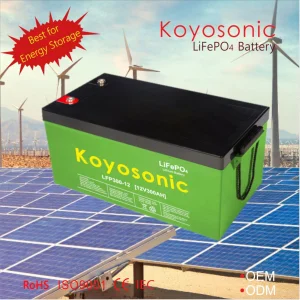
The Tokyo Metropolitan Area is currently undergoing one of the most significant energy transitions in its modern history. Driven by the Tokyo Metropolitan Government's (TMG) mandate to reduce carbon emissions by 50% by 2030 (compared to 2000 levels) and to secure absolute energy resilience, the adoption of localized Battery Energy Storage Systems (BESS) has transformed from a corporate social responsibility objective into a core operational necessity.
High electricity tariffs in the Kanto region, combined with peak-demand surcharge mechanisms, compel commercial facilities, manufacturing plants, and large-scale office buildings to implement sophisticated peak-shaving strategies. By charging solar batteries during off-peak hours or utilizing on-site solar photovoltaic generation, Tokyo enterprises mitigate high capacity charges while establishing a secure, independent backup power supply.
Additionally, Tokyo’s exposure to seismic activity demands robust Business Continuity Planning (BCP). Standard grid systems are vulnerable to interruptions; hence, localized lithium iron phosphate (LiFePO4) systems and heavy-duty gel batteries act as crucial defensive assets for critical infrastructure, data hubs, and logistics facilities throughout Tokyo Bay and the Kanto plain.
Globally, the utility-scale and commercial solar battery market is undergoing a structural transition. While lead-acid chemistries continue to support legacy telecom systems due to cost considerations, they are rapidly being replaced by high-performance lithium-ion structures—specifically Lithium Iron Phosphate (LiFePO4)—and niche, ultra-long-life solutions like Nickel-Iron (Ni-Fe) batteries for specialized microgrids.
The global shift is motivated by the Levelized Cost of Storage (LCOS). Although the initial capital expenditure of lithium-ion systems is higher than that of traditional lead-acid, their high depth of discharge (DoD up to 90% or more), superior round-trip efficiency (92-95%), and extended cycle life (exceeding 6,000 cycles at 80% DoD) yield a significantly lower cost per kilowatt-hour throughput over the system's operational lifetime.
Furthermore, advanced smart grid integration requires real-time analytics, thermal monitoring, and predictive balancing. Modern global systems integrate state-of-the-art CANbus, RS485, and Modbus communication protocols, enabling smooth integration with primary hybrid inverters, energy management systems (EMS), and virtual power plants (VPPs) globally.
| Chemistry Type | Cycle Life (80% DoD) | Round-Trip Efficiency | Safety & Thermal Stability | Best Suited For |
|---|---|---|---|---|
| LiFePO4 (Lithium Iron Phosphate) | 6,000 - 8,000 Cycles | 92% - 95% | Excellent (Non-combustible) | High-density commercial hubs, peak shaving, residential solar wall |
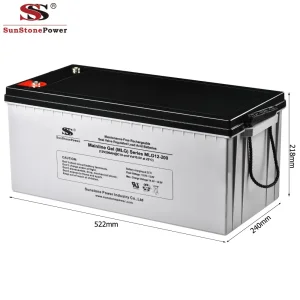
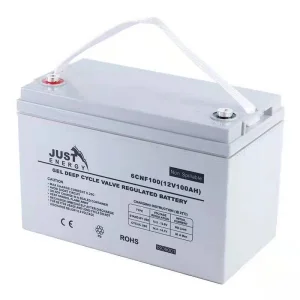
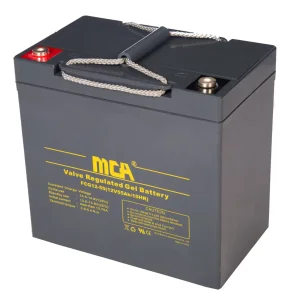
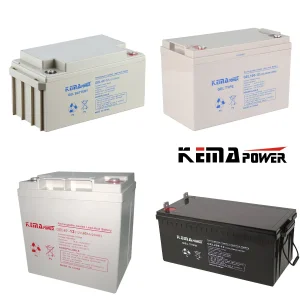
| Deep Cycle Gel (VRLA) | 1,200 - 1,800 Cycles | 80% - 85% | High (Maintenance-free) | Telecom backup, wind-hybrid systems, off-grid outdoor arrays |
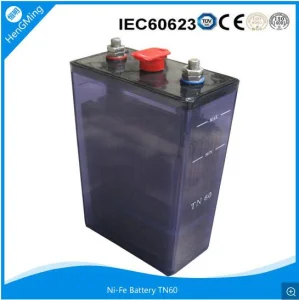
| Nickel Iron (Ni-Fe) | 11,000+ Cycles (35 Years) | 65% - 75% | Extremely High (Indestructible) | Off-grid long-term infrastructure, agricultural microgrids |
| Tubular Gel Opzs | 2,000 - 3,000 Cycles | 82% - 87% | Good (Stable output) | Industrial backup, uninterrupted power supplies (UPS) |
As a global solar energy storage manufacturer and exporter, Anhui Aryam Energy Co., Ltd. capitalizes on China's comprehensive industrial supply chain to provide Tokyo importers and global EPC contractors with optimized cost-to-performance ratios. China's dominance in the global battery industry is not merely a product of scale, but of advanced manufacturing precision, raw material accessibility, and rapid technological integration.
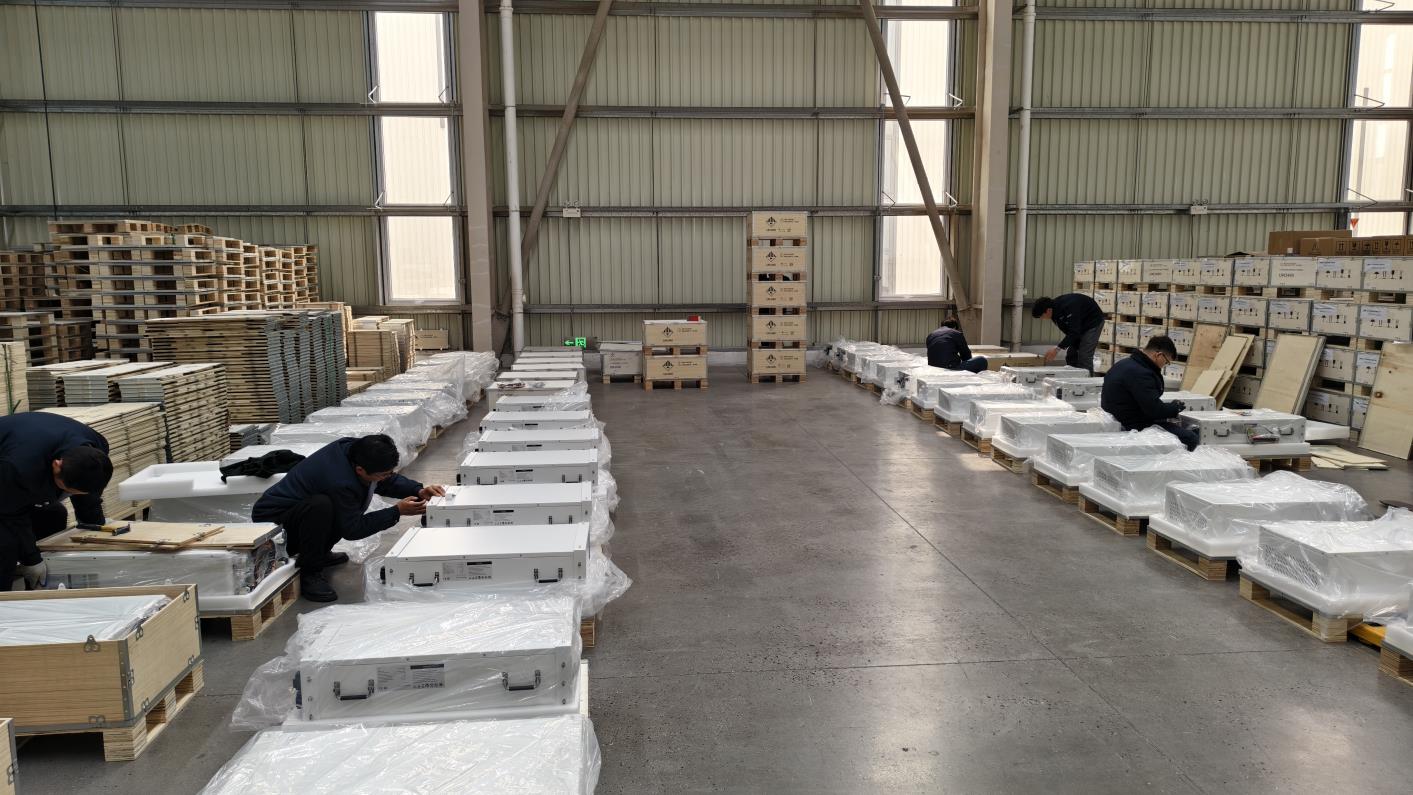
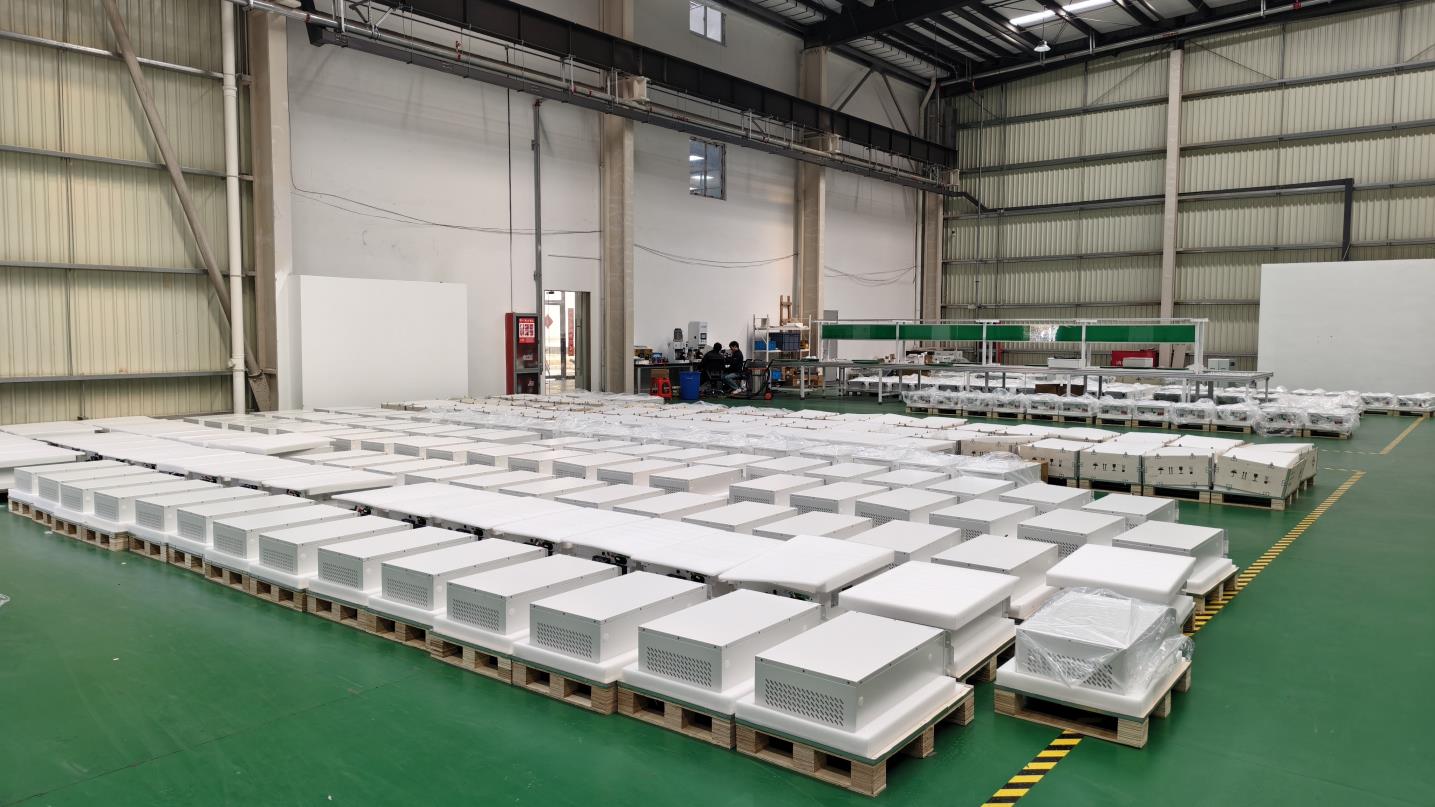
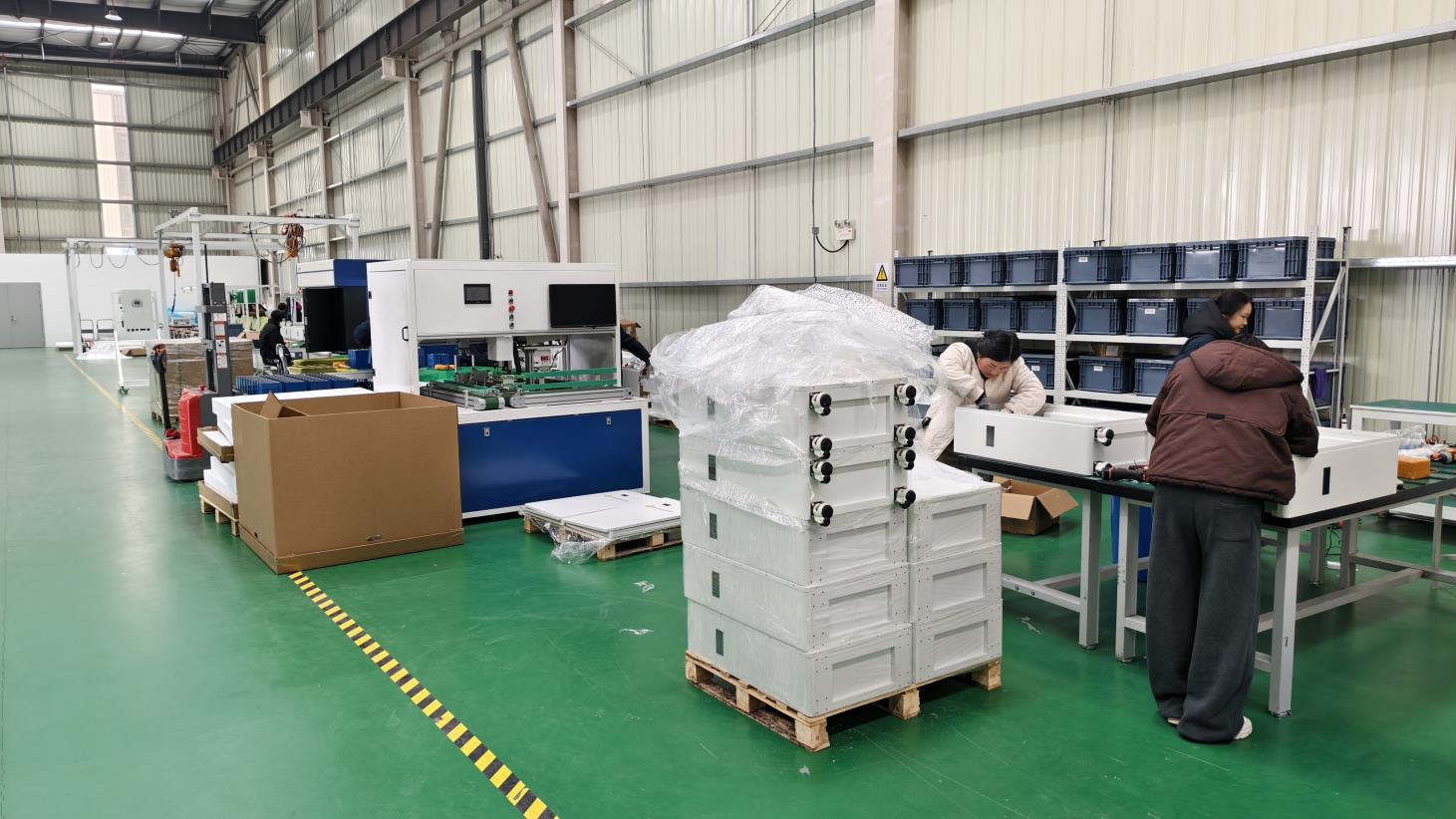
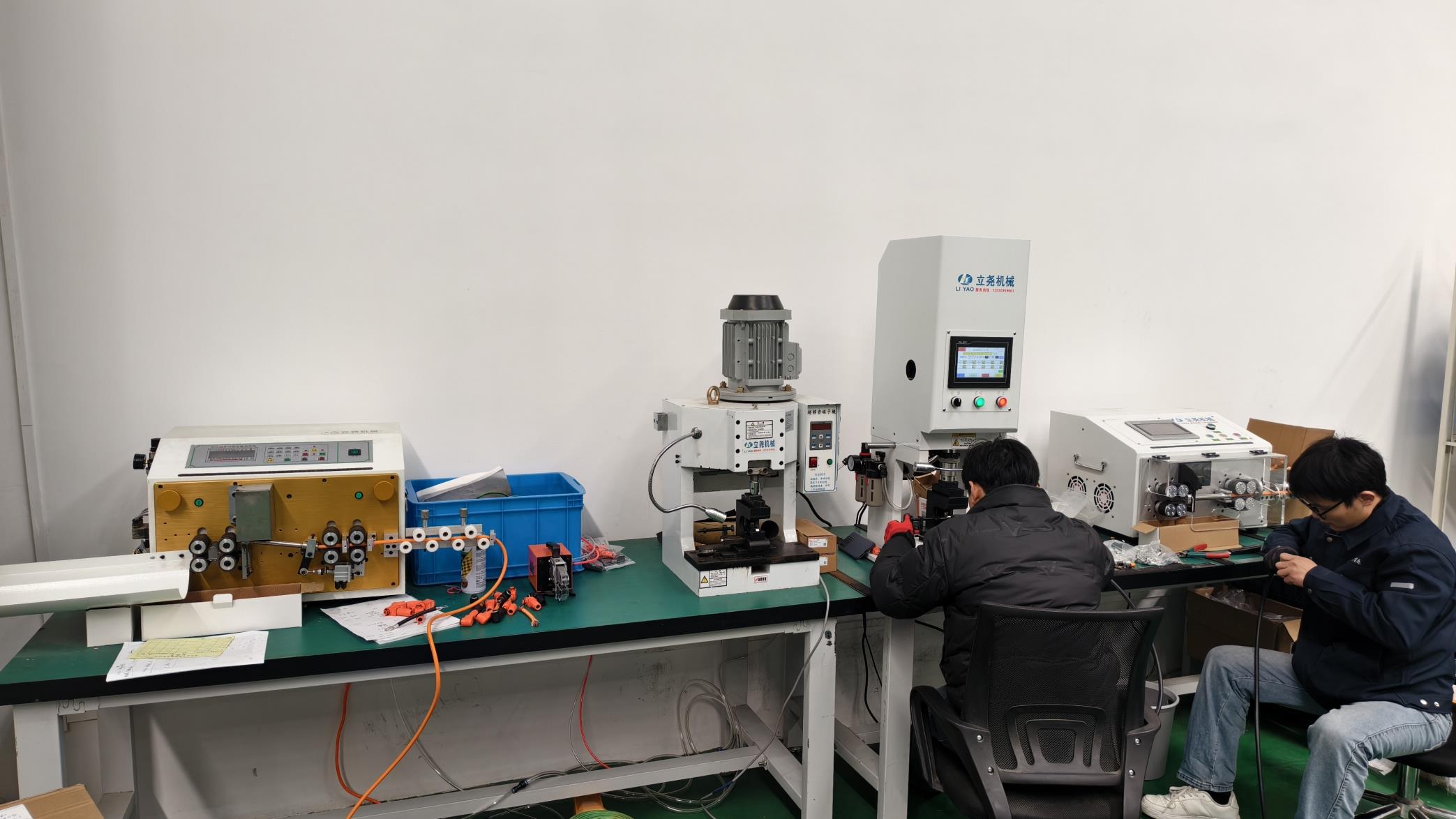
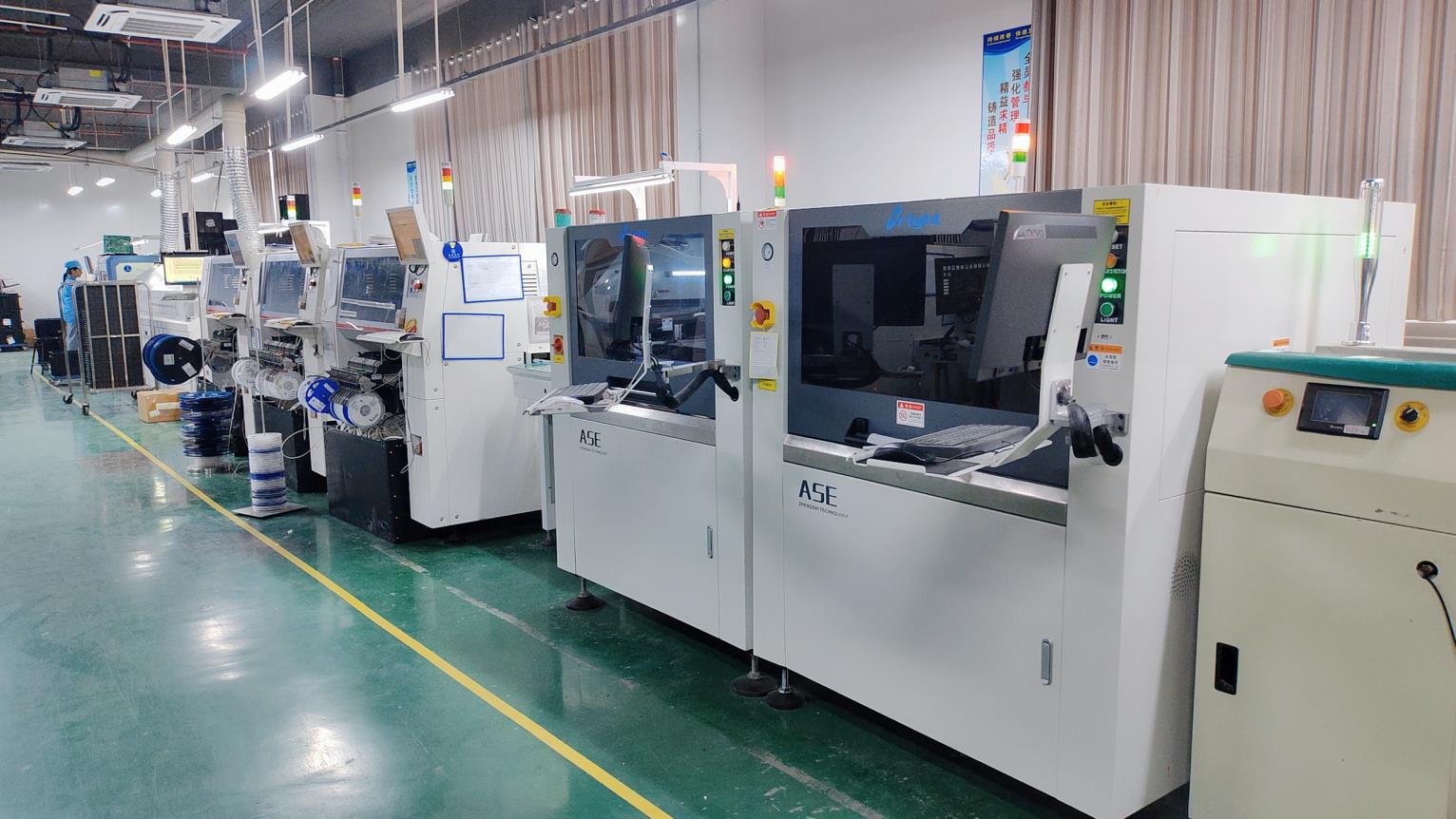
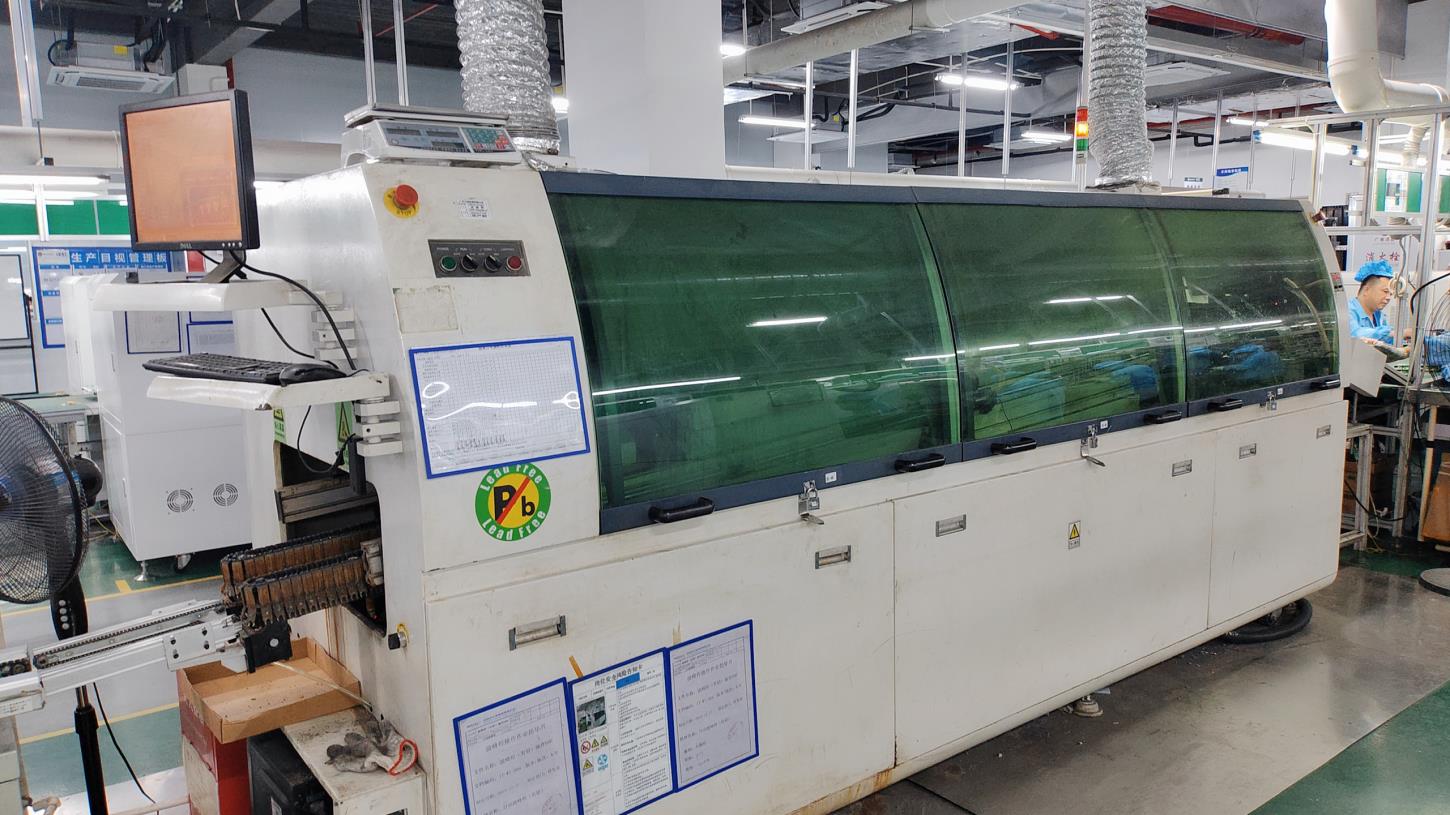
Our production facilities utilize fully automated Surface Mount Technology (SMT) and high-precision wave soldering machines. This ensures that every battery management board (BMS) controls balancing currents, voltage overshoots, and temperature variations with high accuracy. Automated calibration reduces human error and guarantees consistency across thousands of cells.
By sourcing raw materials like lithium carbonate and specialized copper busbars directly within key manufacturing zones, we reduce intermediate logistics costs. This cost efficiency allows us to integrate high-quality components, such as Japanese-engineered BMS microprocessors and premium thermal insulation materials, while maintaining competitive pricing.
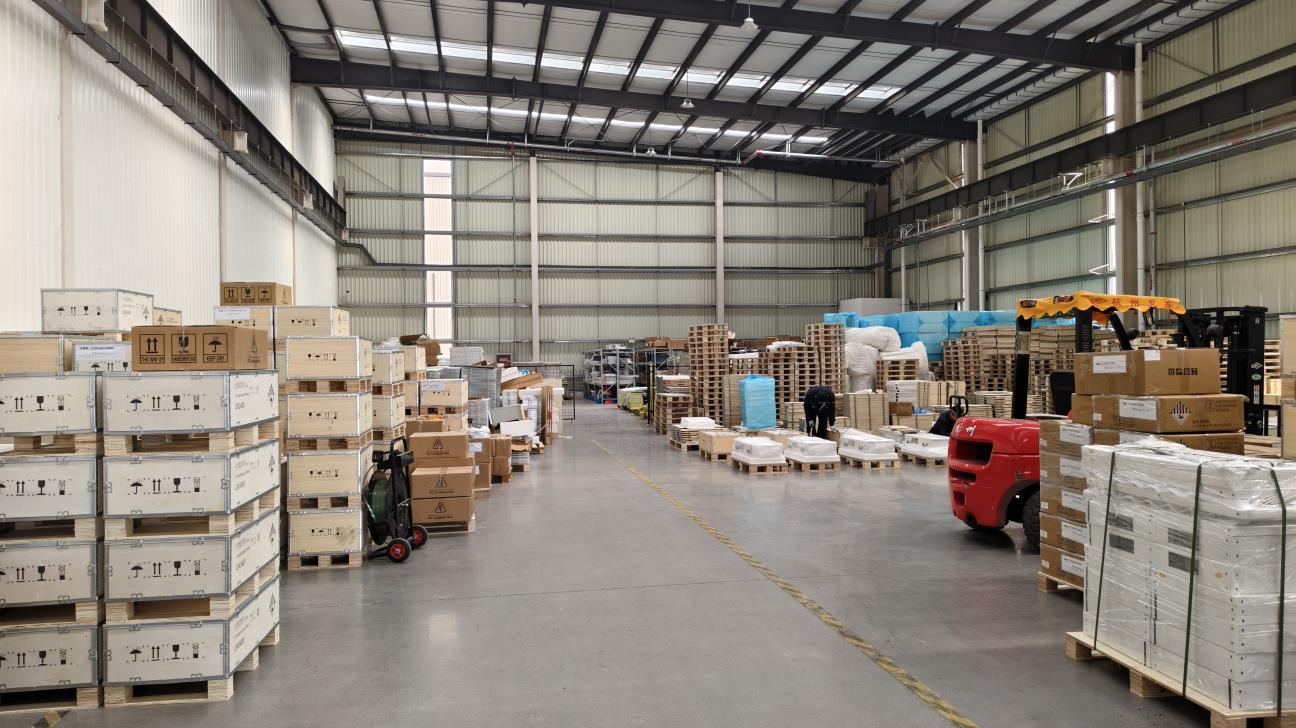
Each battery cell undergoes rigorous testing protocols, including mechanical vibration simulations, high-temperature environmental aging chamber testing, and cycle life decay calculations. The finished modules are safely packed and exported in compliance with strict international maritime regulations and Japanese safety standards.
From the dense commercial quarters of Shinjuku and Marunouchi to the heavy industrial zones of Kawasaki and the Tokyo Bay, our energy storage solutions are tailored to local challenges.
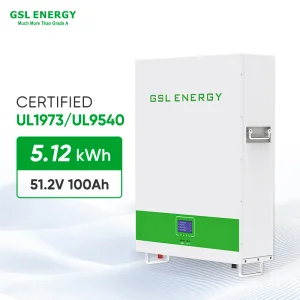
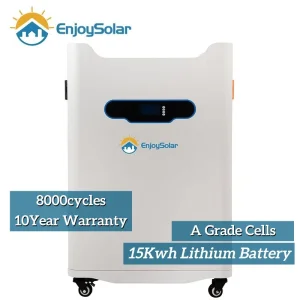
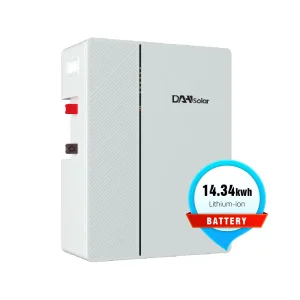
Highly restricted indoor floor layouts in central Tokyo require stackable, modular wall-mounted LiFePO4 batteries. Our 15kWh residential/commercial wall-mounted units offer compact footprints, clean aesthetic integration, and CANbus direct communications to local building management systems.
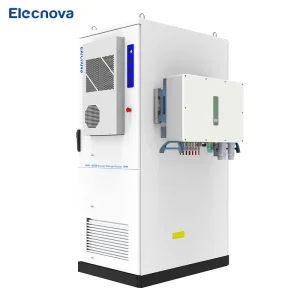
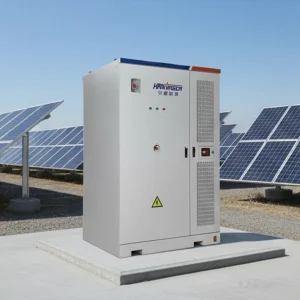
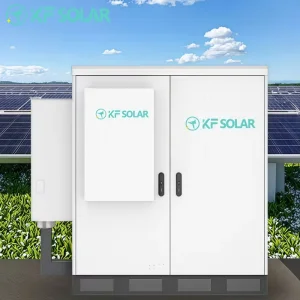
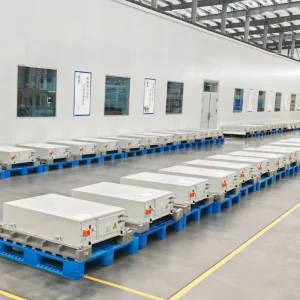
Large-scale logistics warehouses and precision fabrication hubs in the Kanto region deploy our 215kWh air-cooled industrial and commercial BESS. These units interface directly with solar arrays, shaving demand peaks to lower electricity tariffs while acting as a reliable power reserve during grid anomalies.
Tokyo’s municipal evacuation centers require localized backup power during natural disasters. Our expandable modular 50kW configurations with CE and international certifications ensure emergency medical clinics, water pumping stations, and local command centers maintain power supply.
Global procurement offices and EPC engineers prioritize safety, compliance, and warranty support. Importing heavy-duty battery storage systems into highly regulated markets like Japan, the EU, or North America requires compliance with international standards.
Anhui Aryam Energy ensures that all products are manufactured under ISO 9001:2015 conditions. Our products carry international testing certifications, including CE, IEC 61427, and IEC 60896, which verify battery stability under deep cycling and extreme temperatures.
Additionally, we supply comprehensive UN38.3 test reports and MSDS documents for all Lithium shipments, facilitating seamless customs clearance at the Port of Tokyo and major global maritime hubs. Our global shipping partners guarantee reliable delivery and compliance with local logistics regulations.
Anhui Aryam Energy Co., Ltd. is a leading provider of advanced renewable energy solutions, dedicated to delivering reliable, efficient, and sustainable power systems for residential, commercial, industrial, and utility-scale applications worldwide. Through continuous innovation and a strong commitment to clean energy development, Aryam Energy has established itself as a trusted partner in the global transition toward a low-carbon future.
The company specializes in the research, development, manufacturing, and integration of solar energy systems, energy storage solutions, hybrid power systems, and intelligent microgrid technologies. Leveraging cutting-edge engineering expertise and strict quality management standards, Aryam Energy provides comprehensive energy solutions tailored to diverse market needs, particularly in regions facing energy shortages, unstable grid infrastructure, or increasing demand for sustainable power generation.
With a professional R&D team and a growing portfolio of proprietary technologies, Aryam Energy continuously invests in innovation to enhance system performance, energy efficiency, and long-term reliability. Its products and solutions are designed to meet international standards and have been successfully deployed across Asia, Africa, the Middle East, Europe, and Latin America, serving customers in more than 100 countries and regions.
Aryam Energy's product portfolio includes solar inverters, energy storage systems, hybrid inverters, lithium battery solutions, solar water pumping systems, microgrid systems, and customized renewable energy projects. The company is committed to providing integrated energy solutions that maximize energy independence, reduce operational costs, and support environmental sustainability.
Driven by the vision of becoming a globally recognized clean energy technology leader, Aryam Energy actively collaborates with distributors, EPC contractors, government agencies, international organizations, and development partners to promote renewable energy adoption worldwide. Through its mission of "Empowering Sustainable Energy for a Better Future," the company strives to create long-term value for customers while contributing to global carbon reduction goals and sustainable social development.
By combining technological innovation, product excellence, and customer-centric service, Anhui Aryam Energy Co., Ltd. continues to deliver smart, reliable, and environmentally responsible energy solutions that help build a greener and more sustainable world.
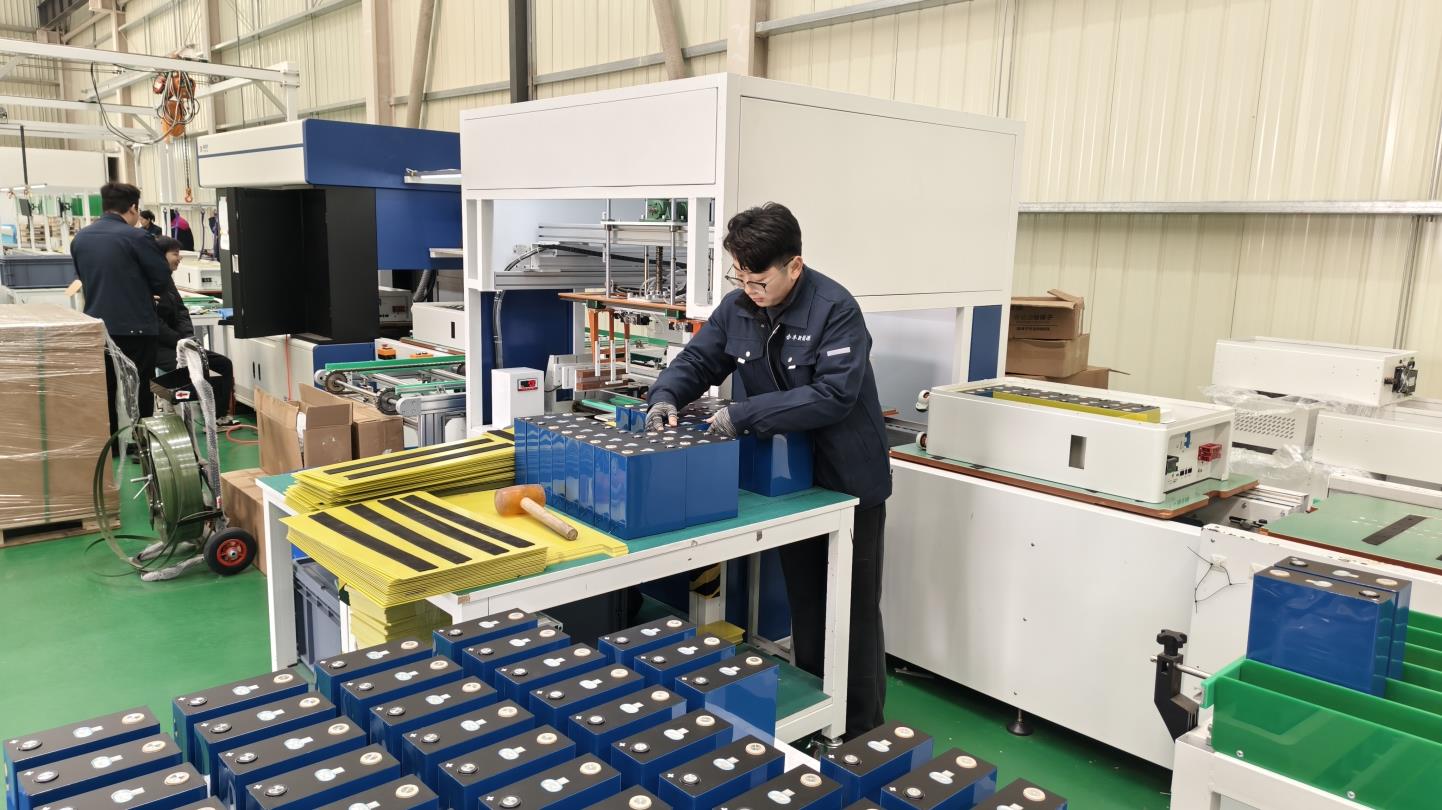
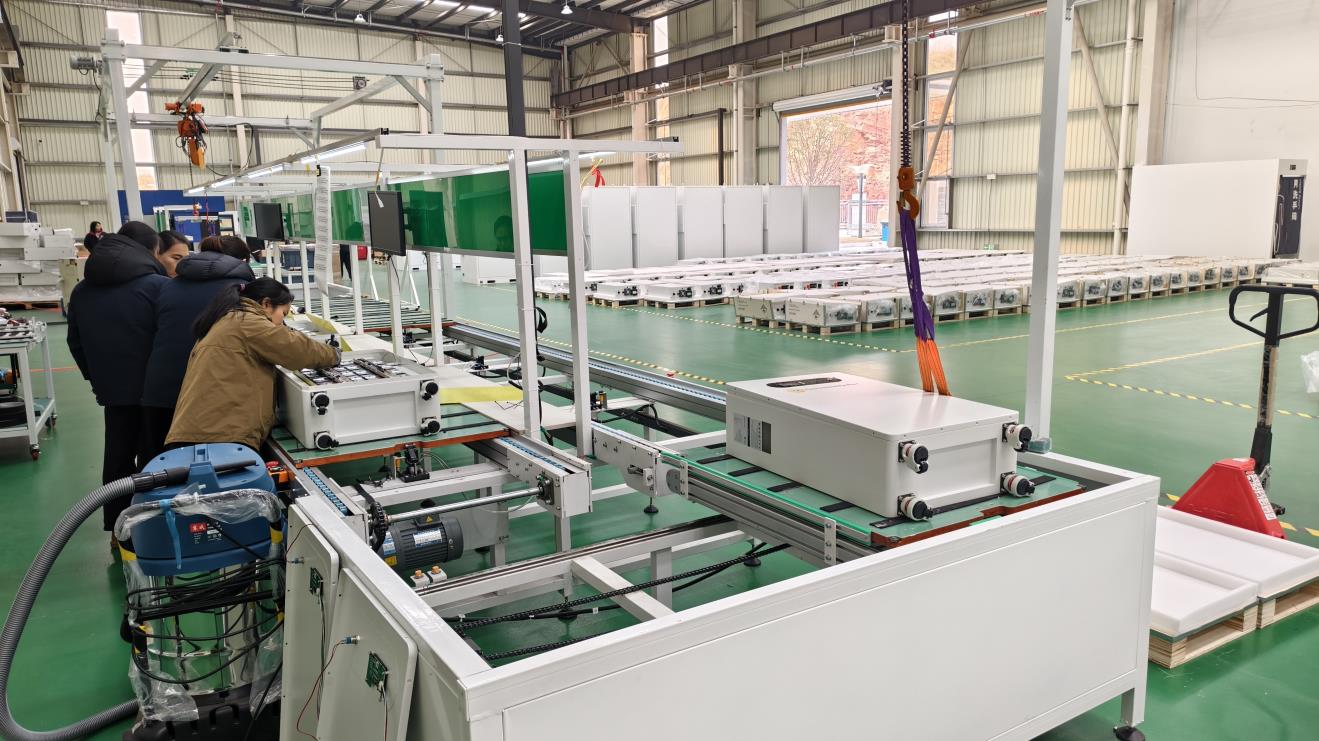
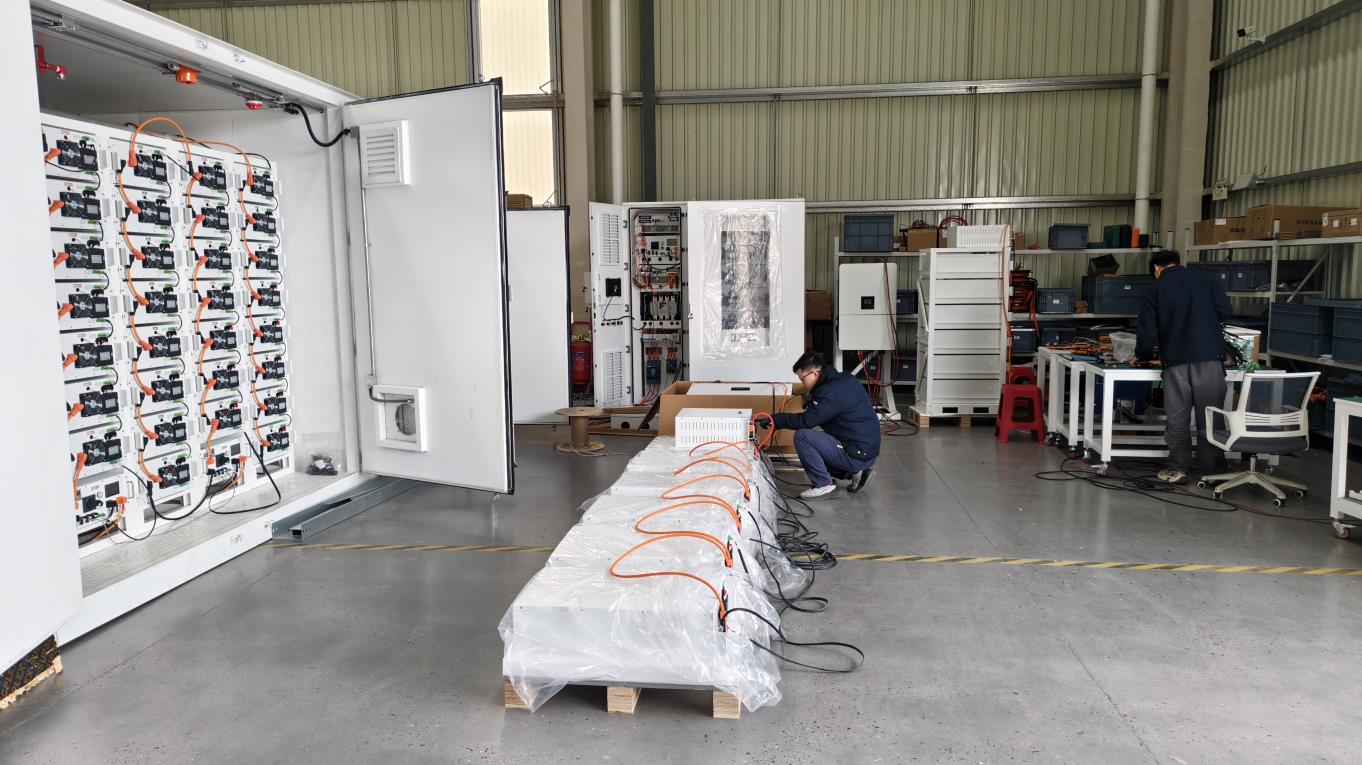
As the international community accelerates its net-zero timelines, the technology within utility and commercial storage is shifting from localized micro-grids to global Virtual Power Plants (VPP). Under the VPP model, hundreds of small-to-medium batteries are aggregated via cloud software to balance grid load fluctuations. This makes high-speed Ethernet and Modbus connectivity essential components in modern battery design.
Furthermore, safety standard frameworks are becoming more stringent. For instance, the transition to UL9540A and Japanese local fire prevention regulations requires cells to prevent thermal runaway propagation. Anhui Aryam Energy addresses this requirement by incorporating structural thermal barriers and safety vent ports into our advanced LiFePO4 cells.
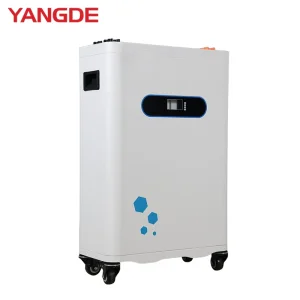
Fully certified solar battery modules supporting global grids and specialized industrial requirements.
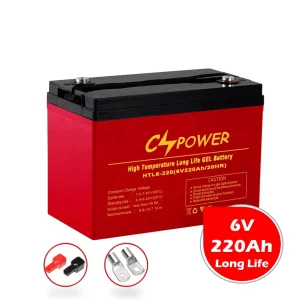
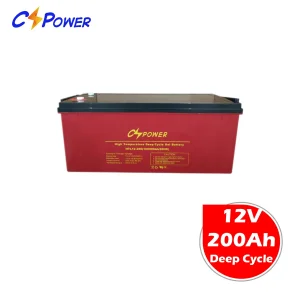
High-voltage, flywheel-integrated, and extreme-temperature battery modules for global applications.
Detailed expert guidance for project designers, corporate procurement officers, and clean-energy developers.
Partner with Anhui Aryam Energy Co., Ltd. for direct factory supply, engineering support, and reliable logistics integration for the Kanto and global energy markets.
 Aryam Energy