Aryam Energy

Bangkok Solar Battery Market: Local Realities & Trends
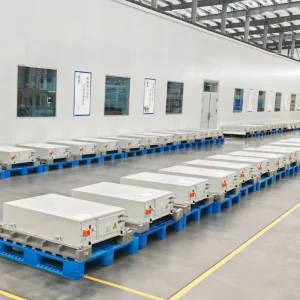
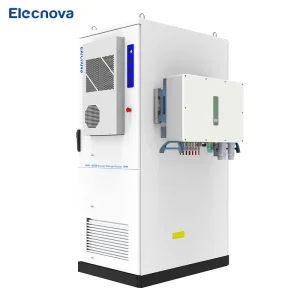
Bangkok, as Thailand's economic heart and a major Southeast Asian hub, is experiencing a structural energy transition. Due to rapid industrial expansion in outlying provinces like Samut Prakan, Chonburi, and Lat Krabang, the Metropolitan Electricity Authority (MEA) faces massive load spikes during peak business hours. Consequently, Bangkok commercial and industrial (C&I) sectors face high Time-of-Use (TOU) electricity tariffs. Local manufacturers, corporate centers, and cold-chain facilities are increasingly relying on distributed solar photovoltaic systems paired with high-performance battery energy storage systems (BESS) to buffer operating costs.
Overcoming Bangkok's Thermal Performance Bottlenecks
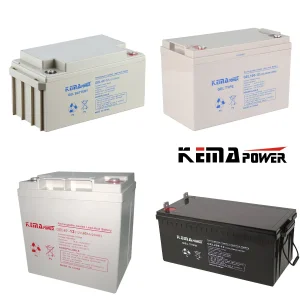
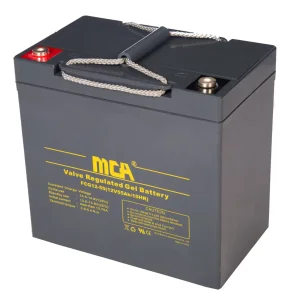
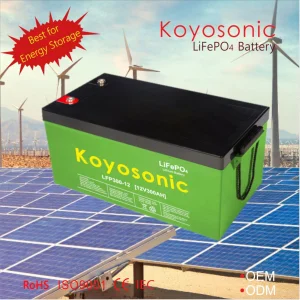
Thailand's tropical savanna climate poses unique challenges for energy storage chemistry. In Bangkok, average daily high temperatures often exceed 35°C (95°F), with microclimate temperatures inside electrical plant rooms easily reaching 45°C. Traditional battery designs suffer accelerated capacity fade and thermal runaway risks under these conditions. To secure long-term capital ROI, Bangkok engineers are prioritizing advanced Lithium Iron Phosphate (LiFePO4) chemistries, which offer safety thresholds up to 60°C, and robust Gel designs featuring highly stable active materials that resist structural decomposition.
Strategic Procurement Focus: Shifting to Zero-Downtime Operations
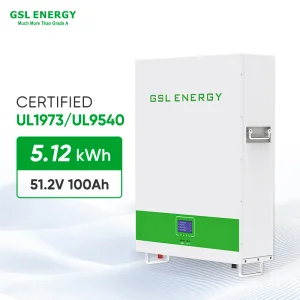
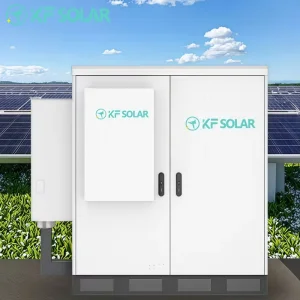
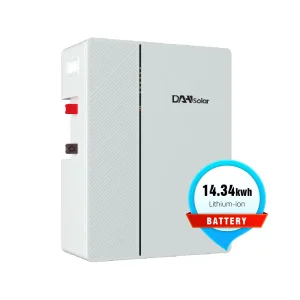
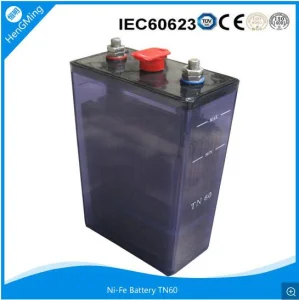
Global procurement teams targeting Bangkok operations are transitioning from mere capacity acquisition to comprehensive reliability integration. Solar energy systems are no longer viewed as optional auxiliary power units; they are key grid stabilizers. Large-scale manufacturing plants in Bangkok's free-trade zones demand redundant, modular power setups. By deploying expandable modular lithium batteries and high-durability Ni-Fe cells, organizations safeguard themselves against intermittent grid drops, voltage sags, and peak demand surcharges.