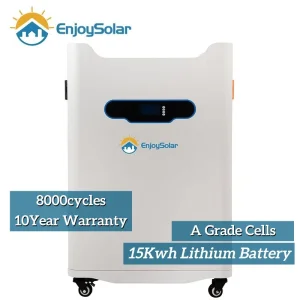
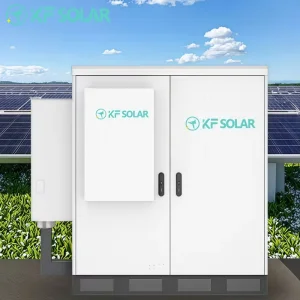
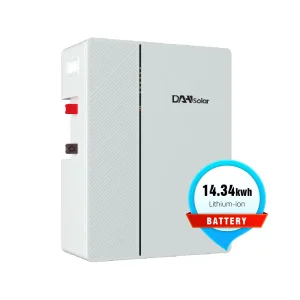
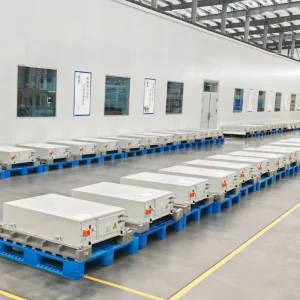
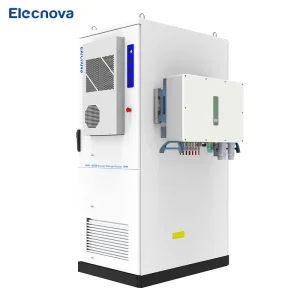
South Korea stands at the forefront of the global energy transition, driven by the government's ambitious "Renewable Energy 2030 Implementation Plan." The Korean market for Energy Storage Systems (ESS) has evolved from simple peak-shaving applications to a sophisticated infrastructure supporting the stability of the national grid. Industrial complexes in Incheon, Busan, and Gyeonggi-do are increasingly adopting high-capacity Solar Batteries to offset rising electricity costs and comply with RE100 initiatives.
As a leading hub for electronics and semiconductor manufacturing, Korea demands battery systems that offer not just storage, but ultra-high reliability and rapid discharge capabilities. The demand for Solar Batteries Manufacturers & Suppliers in Korea has surged as local EPC (Engineering, Procurement, and Construction) firms seek Tier 1 quality that integrates seamlessly with Korean-made inverters and smart grid management software.
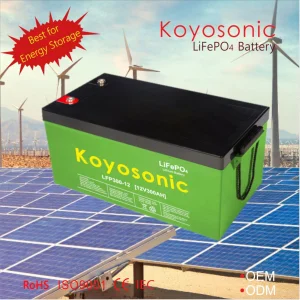
On a global scale, the solar battery market is undergoing a fundamental shift from traditional lead-acid technology to Lithium Iron Phosphate (LiFePO4). This transition is fueled by the need for higher energy density, longer cycle lives (exceeding 6,000 cycles), and enhanced safety profiles. While the US and Europe focus on residential self-consumption, the Asia-Pacific region is dominating the utility-scale and industrial ESS sectors.
The global supply chain is increasingly vertical. Manufacturers who control the production from raw cell assembly to integrated Battery Management Systems (BMS) are gaining the upper hand. This vertical integration ensures that suppliers can offer the 10-year warranties that have now become the industry standard for commercial installations.
While South Korea is home to battery giants, the middle-market and specialized solar storage sectors often look to Chinese manufacturing for a unique blend of efficiency and cost-performance. Here is why global enterprises choose Chinese-manufactured solar batteries for Korean deployments:
Lower Capex compared to localized manufacturing
Years of R&D in LiFePO4 Stability
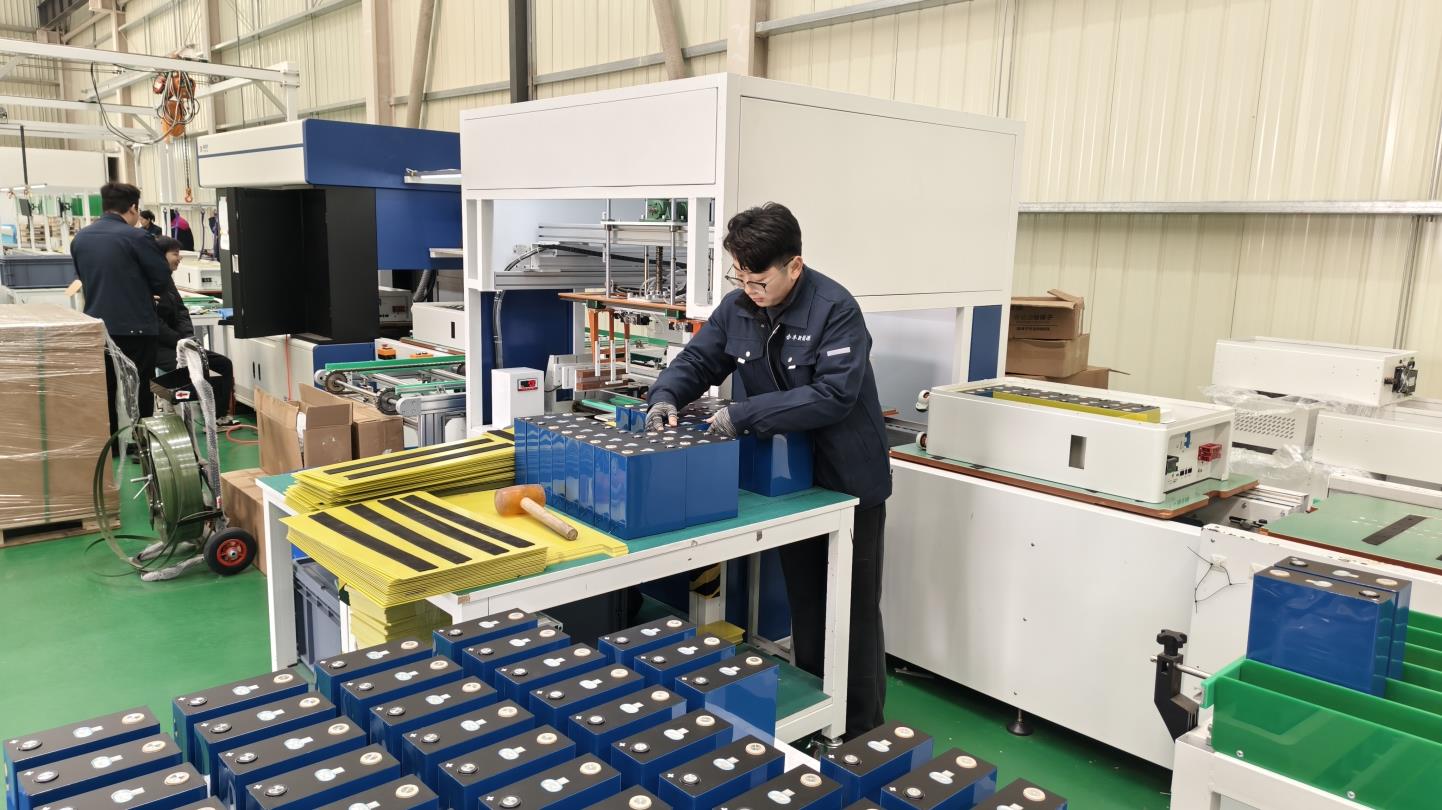
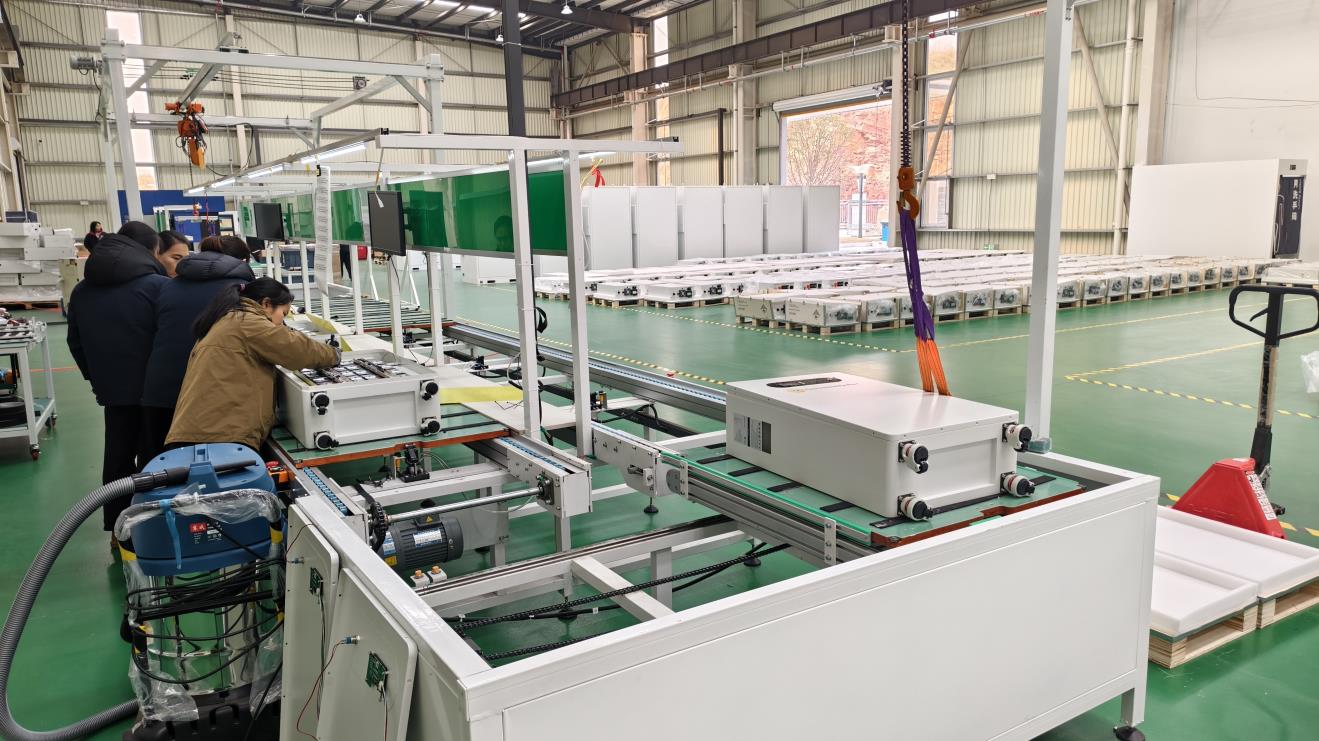
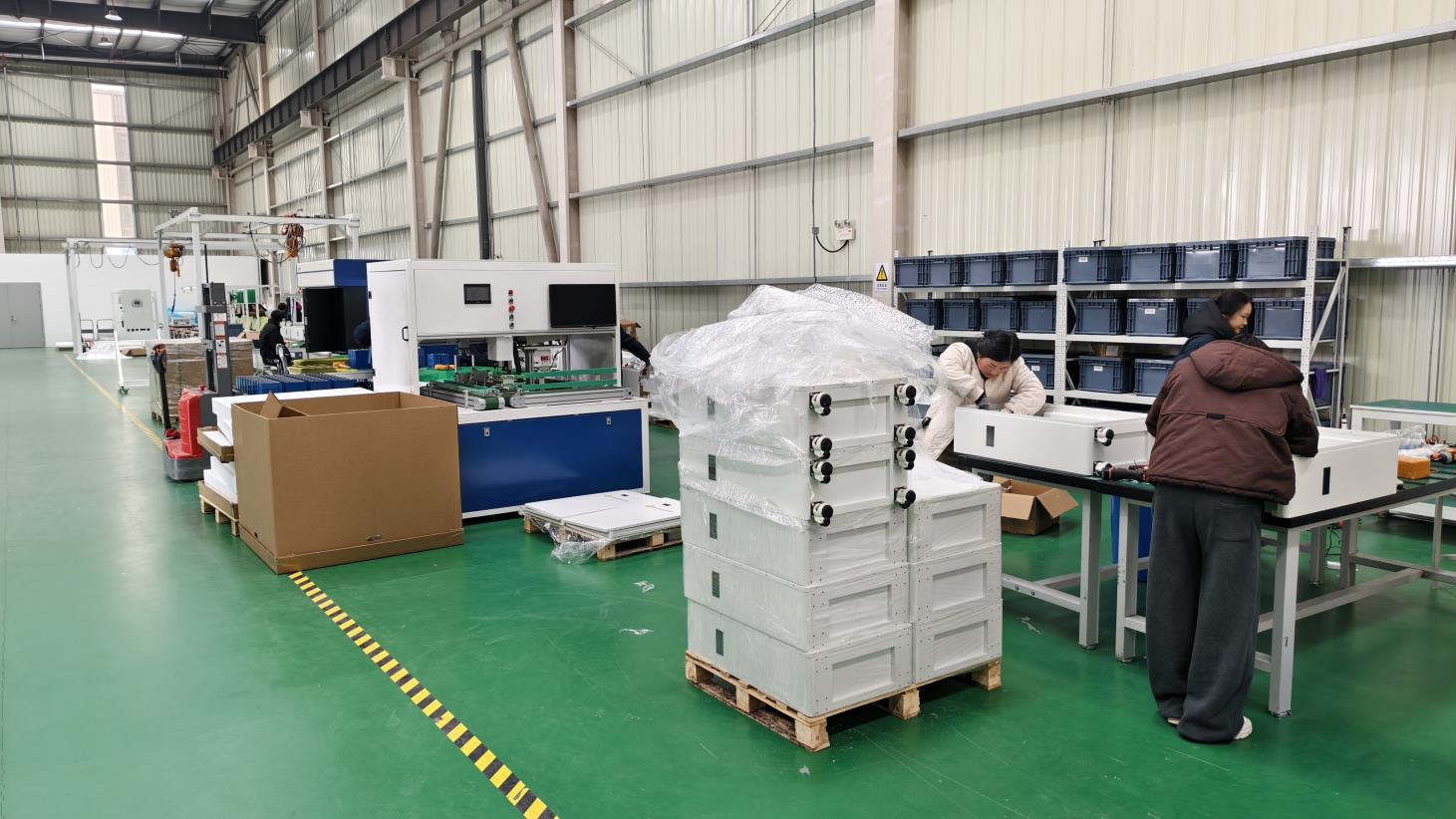
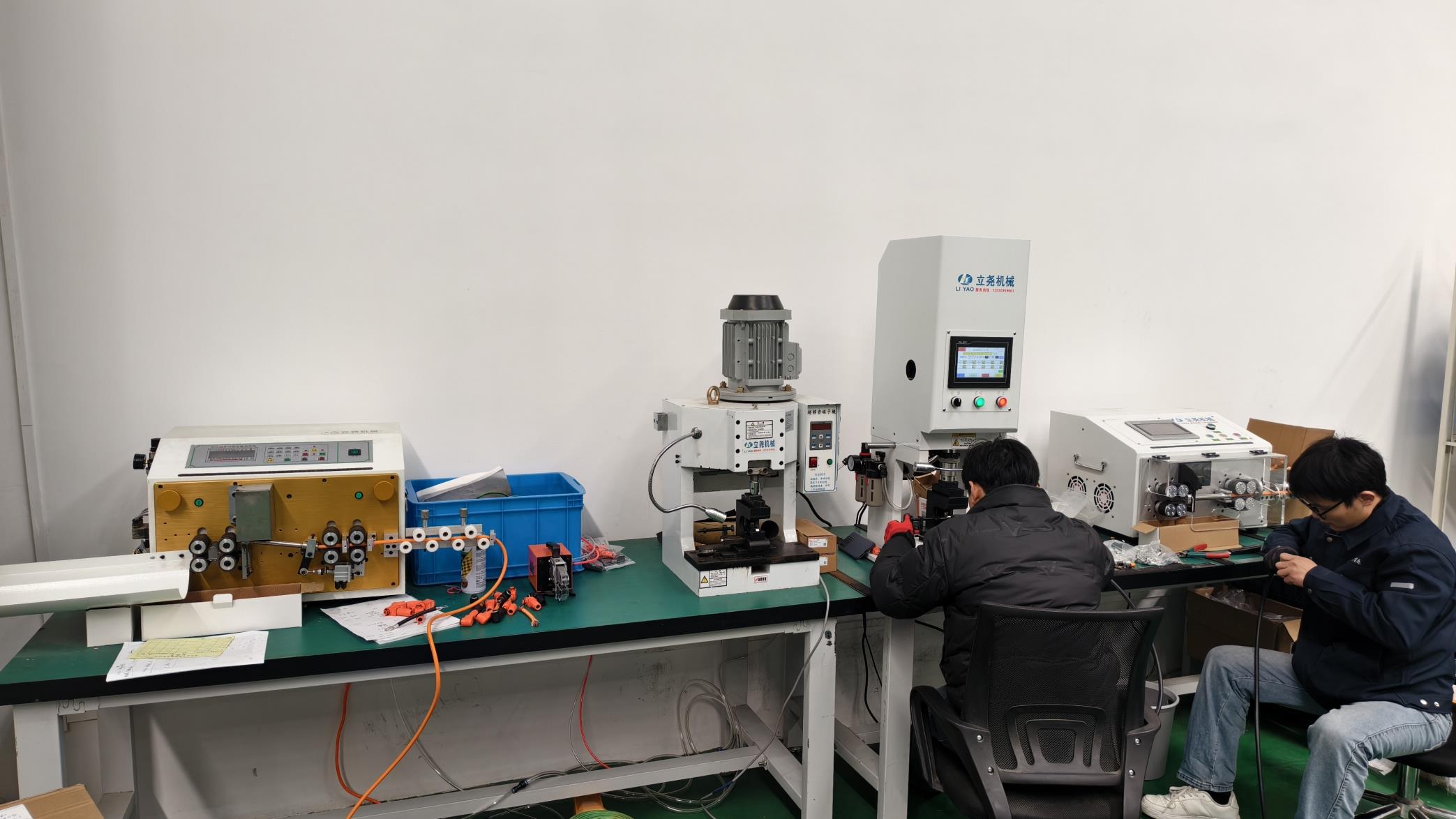
Automated SMT & Assembly Lines
Strict Compliance with International Safety
Our factory efficiency is derived from the world's most mature battery supply chain ecosystem. By utilizing high-grade cells (280Ah/314Ah) and proprietary BMS technology, we provide Korean distributors with products that meet the strict KC (Korea Certification) safety standards while remaining economically viable for large-scale solar farm developments.
Helping factories in Daegu reduce "Maximum Demand" charges by discharging stored solar energy during peak tariff hours.
Supporting the "Carbon Free Island" initiative with stabilized microgrid storage for wind and solar volatility.
High-voltage wall-mounted systems for urban villas in Seoul, maximizing self-consumption of rooftop PV.
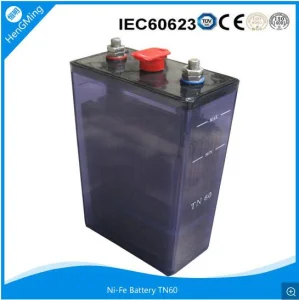
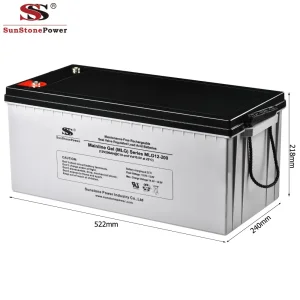
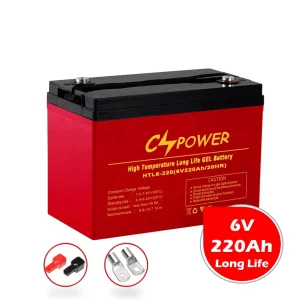
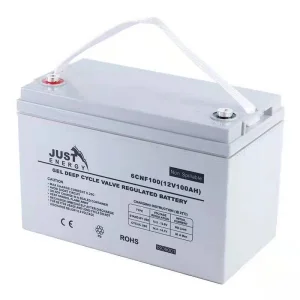
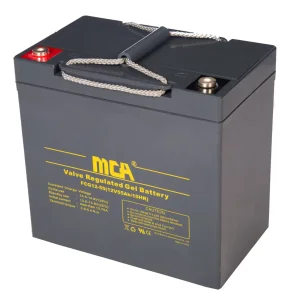
Deploying ruggedized Gel and Ni-Fe batteries for rural greenhouses in Jeolla-namdo where conditions vary.
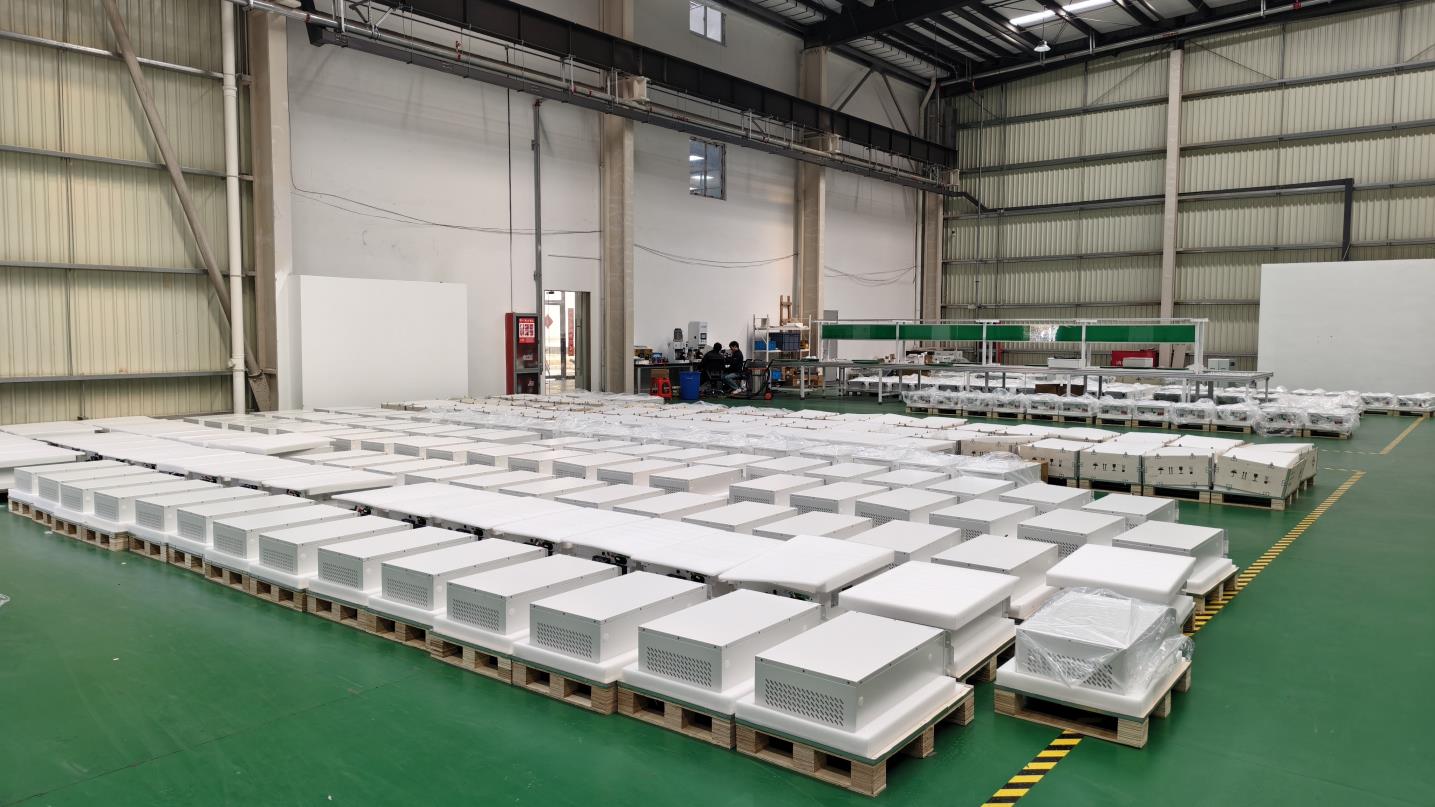
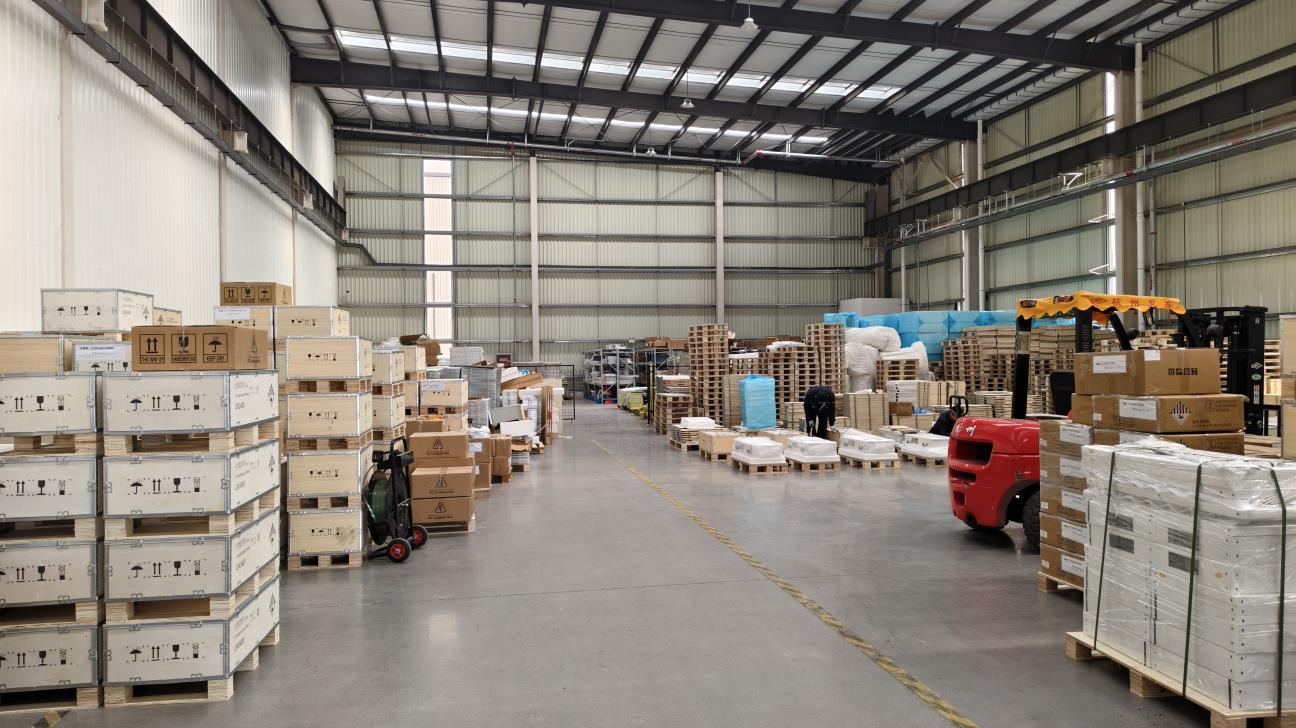
Anhui Aryam Energy Co., Ltd. is a leading provider of advanced renewable energy solutions, dedicated to delivering reliable, efficient, and sustainable power systems for residential, commercial, industrial, and utility-scale applications worldwide. Through continuous innovation and a strong commitment to clean energy development, Aryam Energy has established itself as a trusted partner in the global transition toward a low-carbon future.
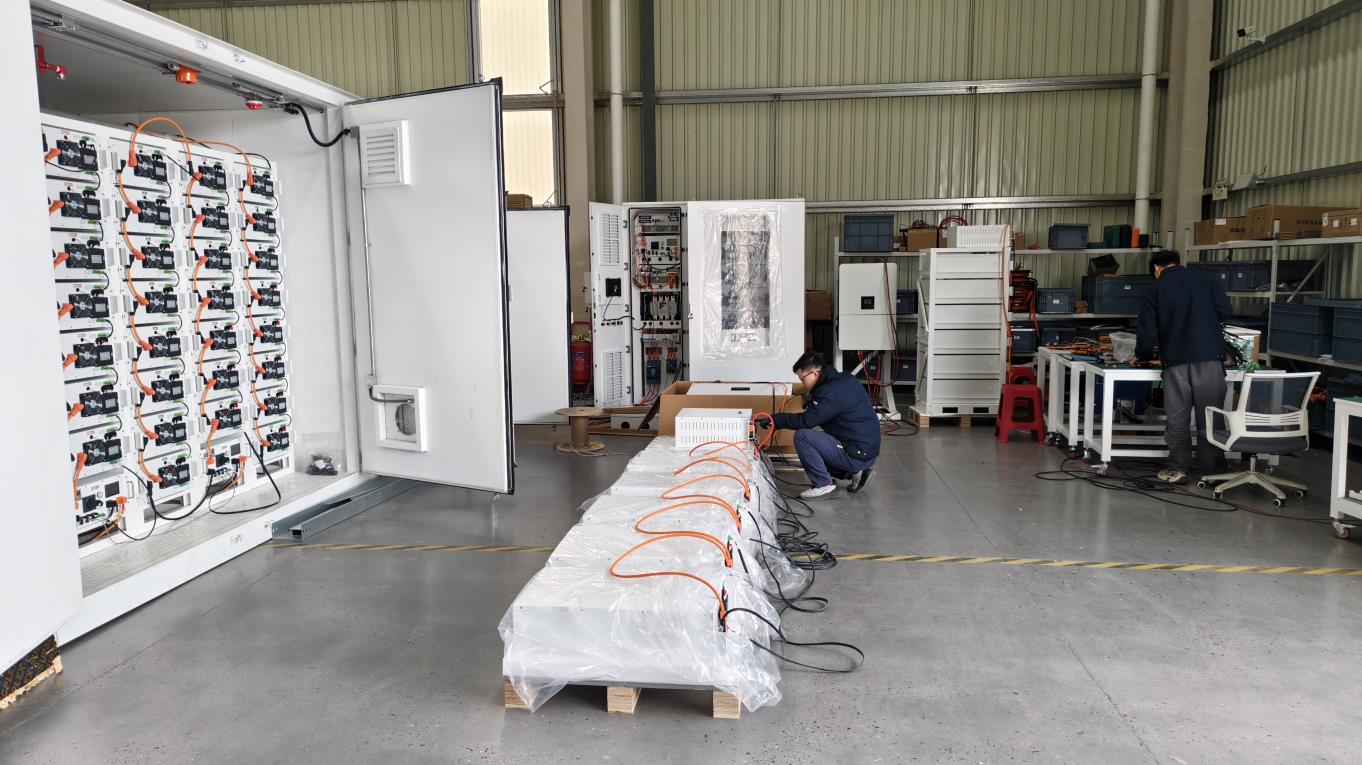
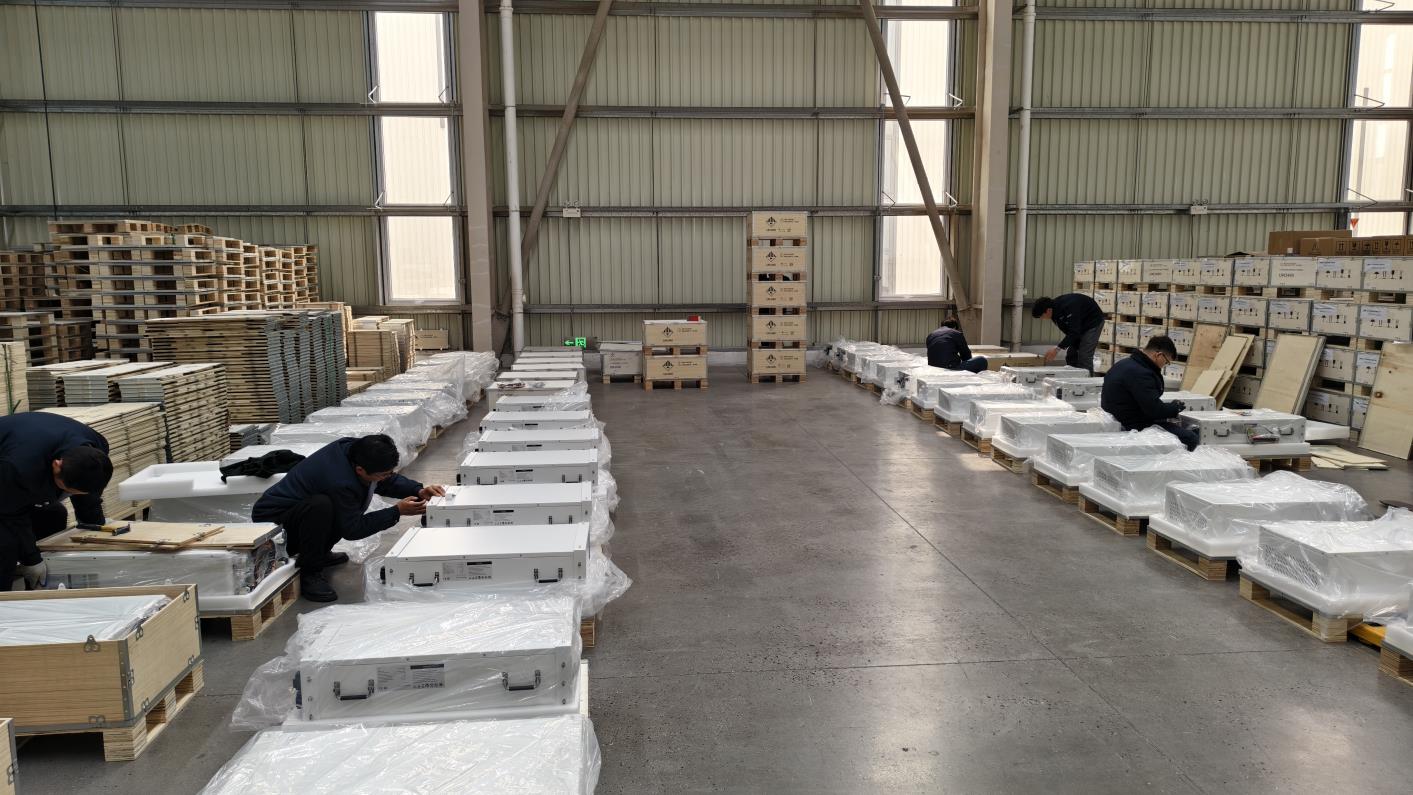
The company specializes in the research, development, manufacturing, and integration of solar energy systems, energy storage solutions, hybrid power systems, and intelligent microgrid technologies. Leveraging cutting-edge engineering expertise and strict quality management standards, Aryam Energy provides comprehensive energy solutions tailored to diverse market needs, particularly in regions facing energy shortages or demand for sustainable power generation.
The industry is moving towards Software-Defined Hardware. Future Solar Batteries will not just be "dumb" storage units but intelligent nodes in a Virtual Power Plant (VPP). Trends we are currently integrating into our manufacturing roadmap include:
Ready to enhance your energy project in Korea or worldwide? Our engineering team is ready to provide you with a customized technical proposal and wholesale pricing.
 Aryam Energy