Engineered for high thermal tolerance and grid stability in the Greater Jakarta Metropolitan Area
An Industrial Analysis of Grid Management, Thermal Performance, and Solar Storage Integration
The Special Capital Region of Jakarta (DKI Jakarta) stands as the financial and industrial heartbeat of Indonesia. With rapid economic expansion, urban density, and massive industrial zones such as Pulogadung, Cikarang, and MM2100, the energy requirements of this metropolis are colossal. As Indonesia aims for net-zero emissions by 2060, the transition to solar energy integrated with advanced battery energy storage systems (BESS) has shifted from a regulatory option to an absolute operational necessity.
Under the Perusahaan Listrik Negara (PLN) grid system, businesses in Greater Jakarta face specific challenges. In industrial hubs, even brief voltage sags or micro-outages can disrupt automated assembly lines, resulting in millions of Rupiah in downtime. Furthermore, Indonesia’s tropical climate—where Jakarta regularly experiences ambient temperatures exceeding 34°C with high relative humidity—presents a hostile environment for electrochemical storage. Proper thermal management and heavy-duty cell construction are critical to preventing rapid thermal degradation and cycle life loss.
On a global scale, the solar battery market is undergoing a rapid technological evolution. The industry has decisively transitioned from traditional lead-acid chemistries to Lithium Iron Phosphate (LiFePO4) and specialized Gel VRLA systems due to their superior levelized cost of storage (LCOS). China remains the powerhouse of this global supply chain, controlling over 75% of the world's battery manufacturing capacity. The operational efficiency of Chinese manufacturing facilities enables the integration of advanced smart Battery Management Systems (BMS) with high-density cells at a cost-per-kilowatt-hour that makes utility-scale solar economically viable without subsidies.
Selecting the correct battery chemistry is critical for project success in Indonesia. The table below provides a engineering-level comparison of the four primary technologies supplied by Aryam Energy for tropical environments:
| Battery Chemistry | Optimal Temp. Range | Cycle Life (80% DoD) | Maintenance Profile | Best Local Application |
|---|---|---|---|---|
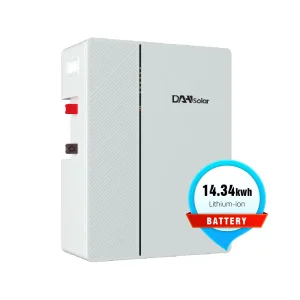
| LiFePO4 (Lithium) | -20°C to +60°C | 5,000 - 8,000 cycles | 100% Maintenance-Free (Active BMS) | Commercial Rooftops, Hybrid Microgrids, Data Centers |
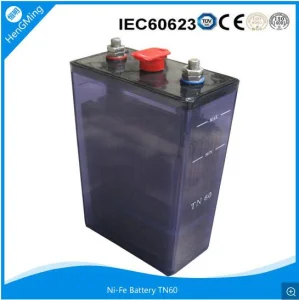
| Nickel-Iron (Ni-Fe) | -40°C to +60°C | 10,000+ cycles (35 Years) | Periodic electrolyte checks (Highly durable) | Off-grid telecom BTS, Marine installations, Remote islands |
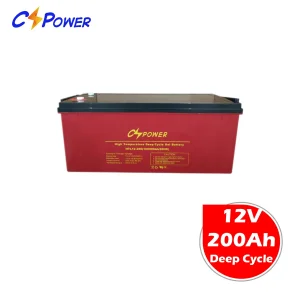
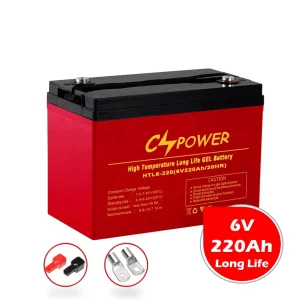
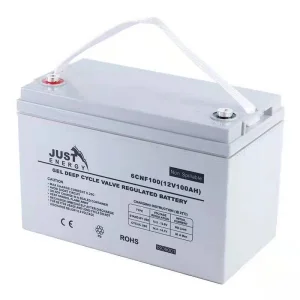
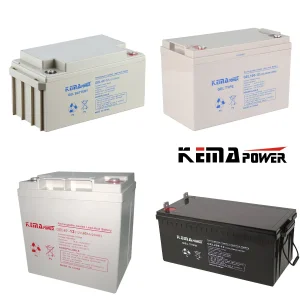
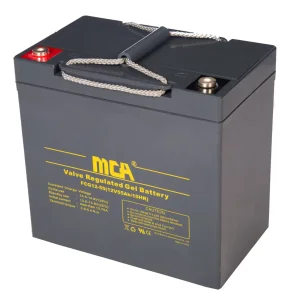
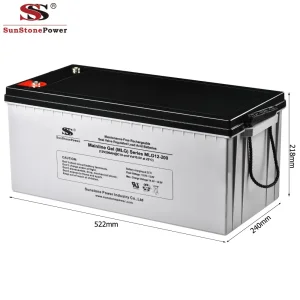
| Deep Cycle Gel | -15°C to +50°C | 1,200 - 1,800 cycles | Maintenance-Free (Sealed VRLA) | Solar street lighting, Backup UPS, Residential solar |
| OpzS (Tubular Gel) | -10°C to +55°C | 3,000+ cycles | Low maintenance (High reliability) | Heavy industrial backup, substations, public utilities |
Behind the scenes at Anhui Aryam Energy Co., Ltd. – Where advanced technology meets precision engineering
Anhui Aryam Energy Co., Ltd. is a leading provider of advanced renewable energy solutions, dedicated to delivering reliable, efficient, and sustainable power systems for residential, commercial, industrial, and utility-scale applications worldwide. Through continuous innovation and a strong commitment to clean energy development, Aryam Energy has established itself as a trusted partner in the global transition toward a low-carbon future.
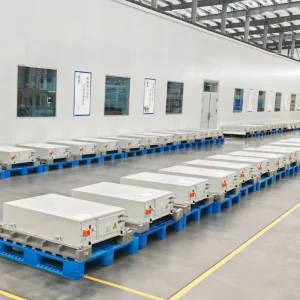
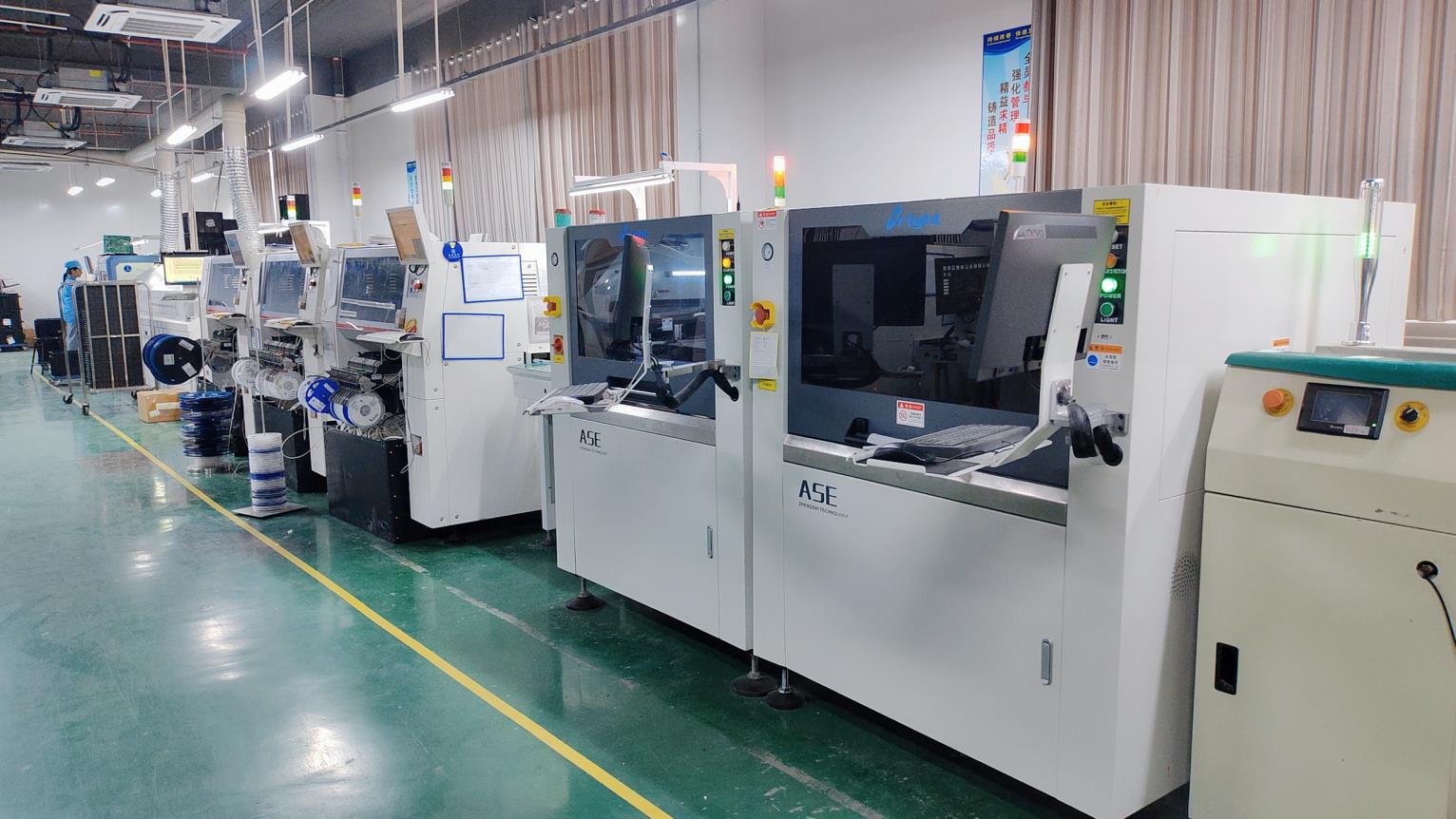
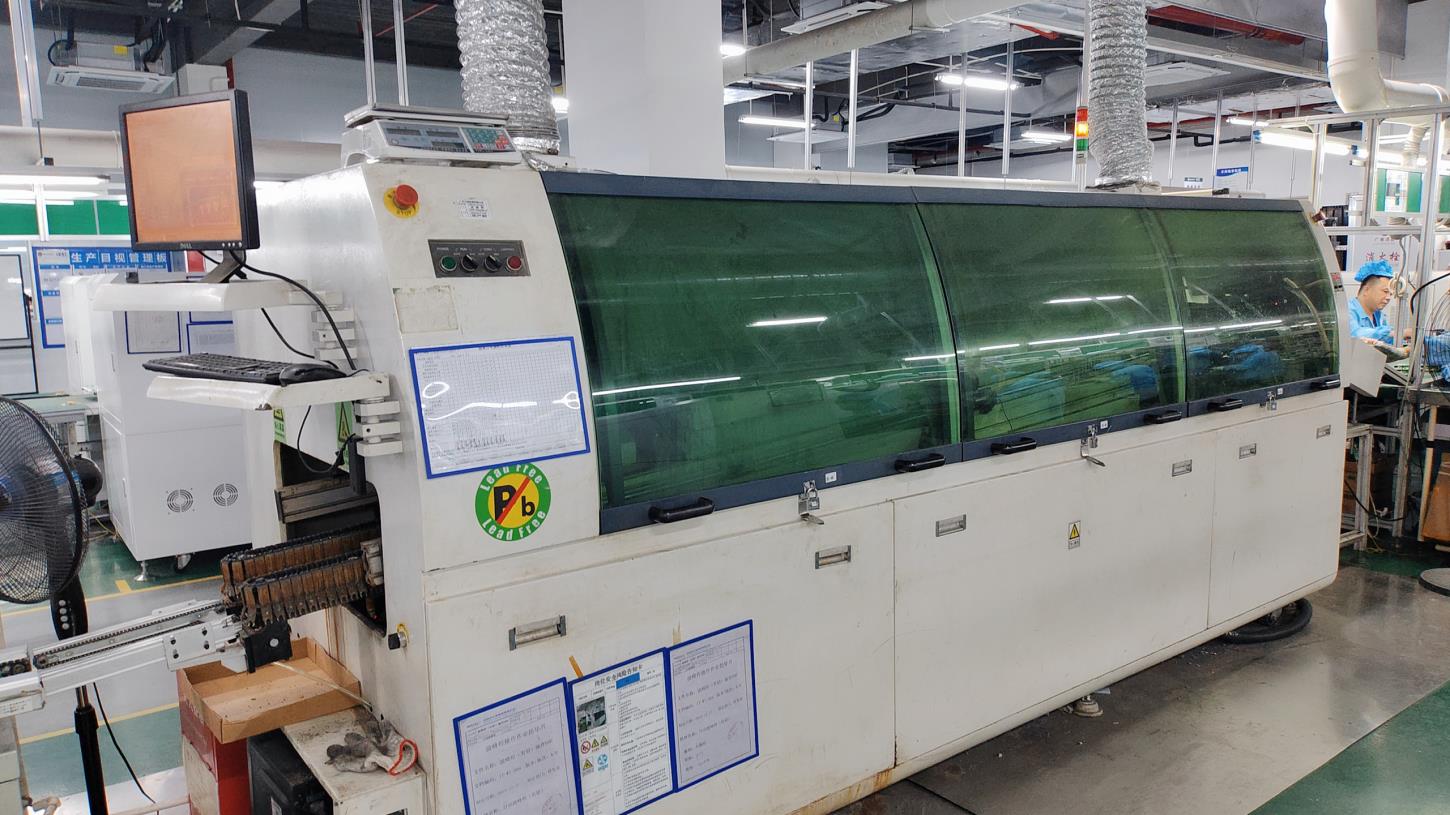
Our state-of-the-art production plant utilizes fully automated assembly lines, high-precision SMT technology, wave soldering machines, and rigorous thermal testing chambers. By automating the welding, assembling, testing, and packaging phases, we minimize human error and ensure that every single cell exported to Jakarta meets international standards (IEC 62619, CE, UN38.3). Our commitment to quality guarantees that our batteries operate safely under high humidity and elevated temperatures without capacity leakage.
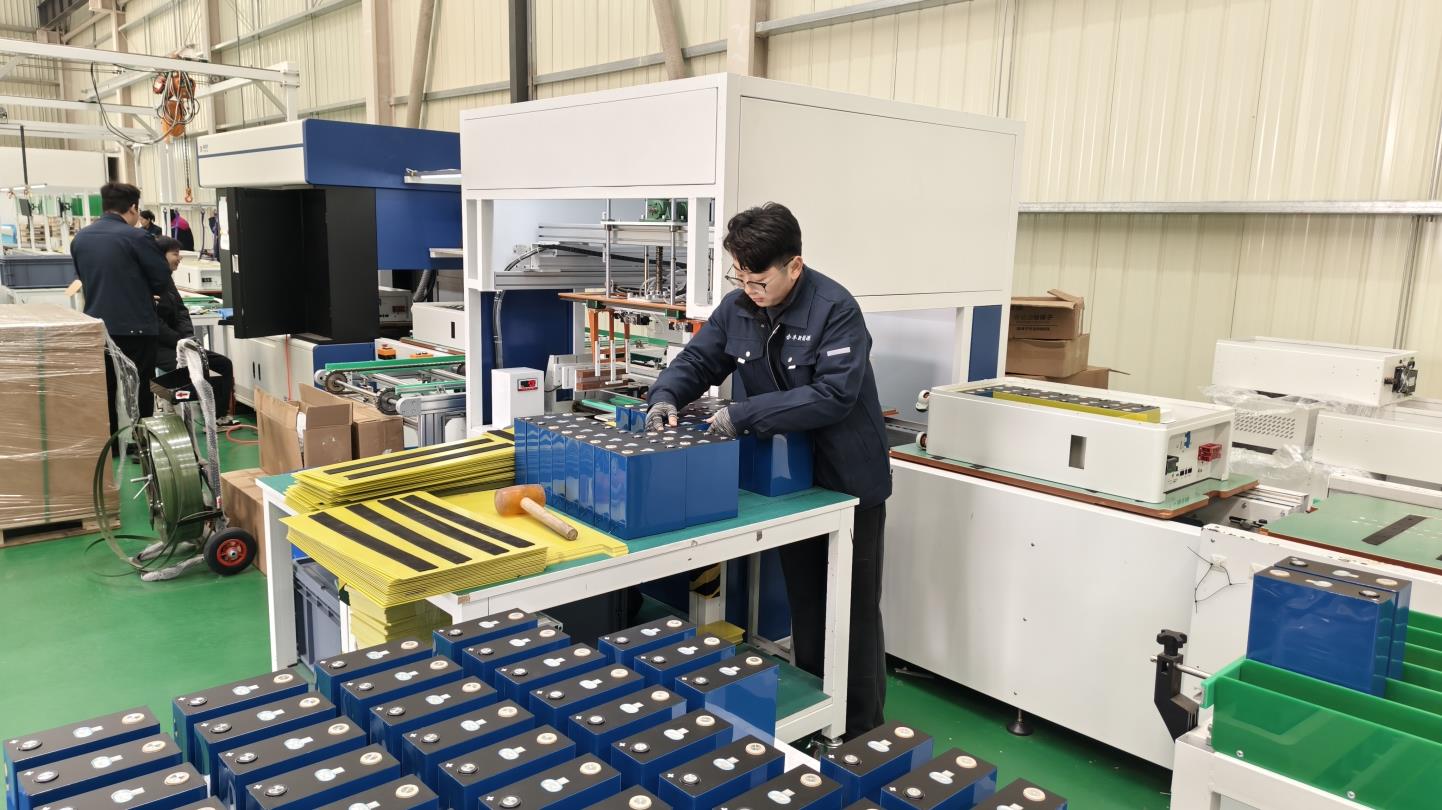
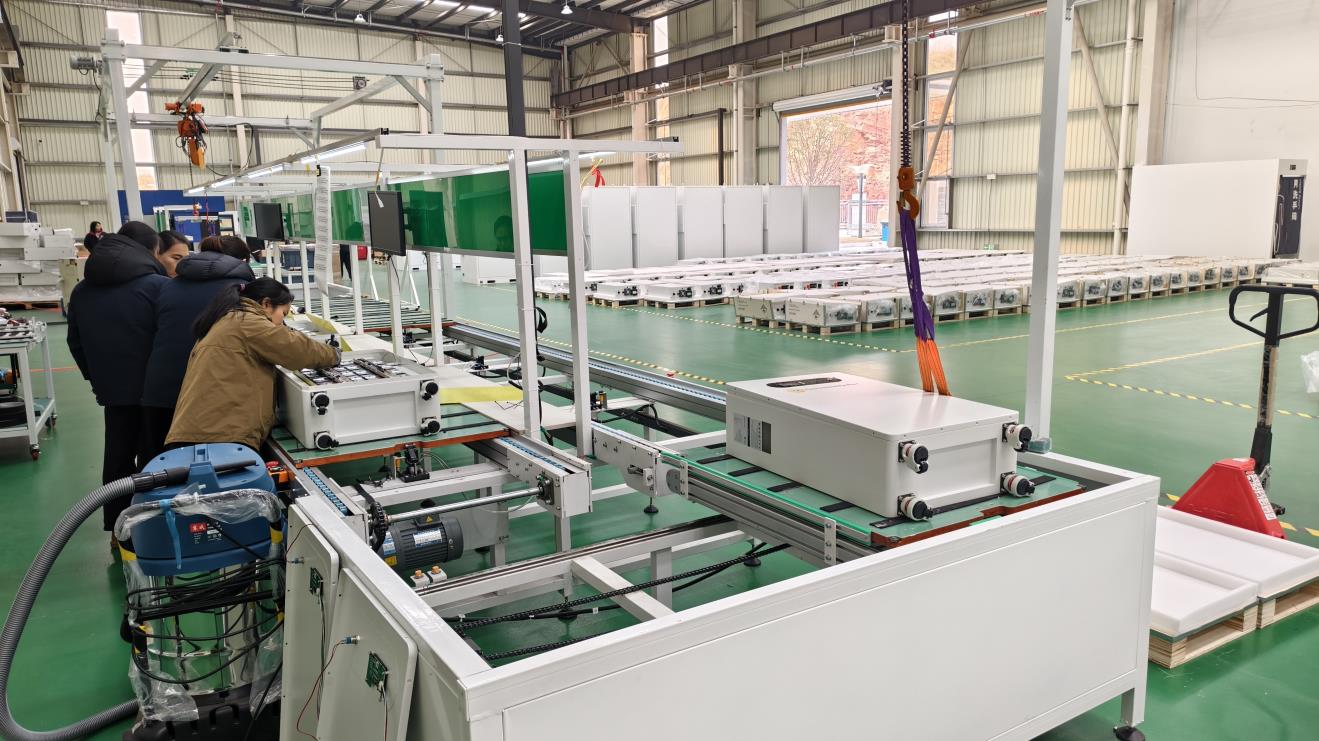
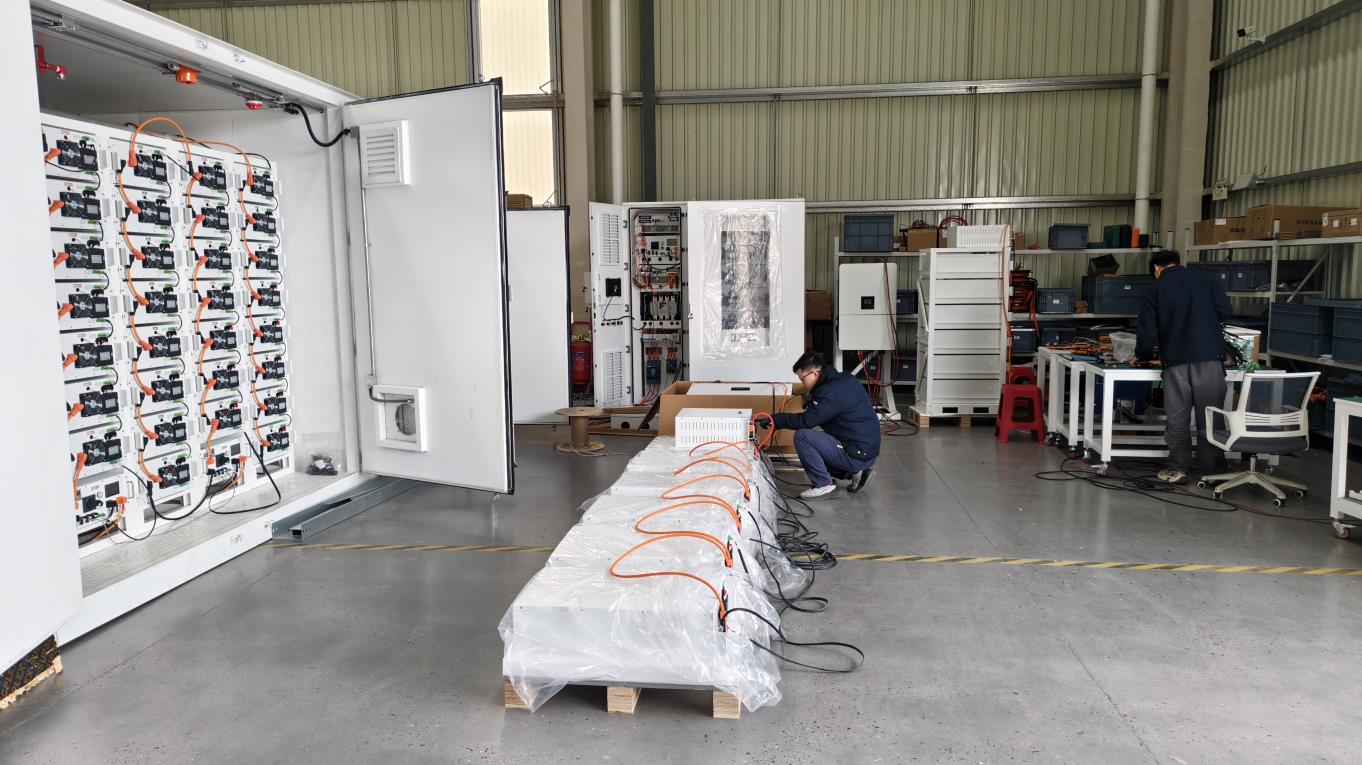
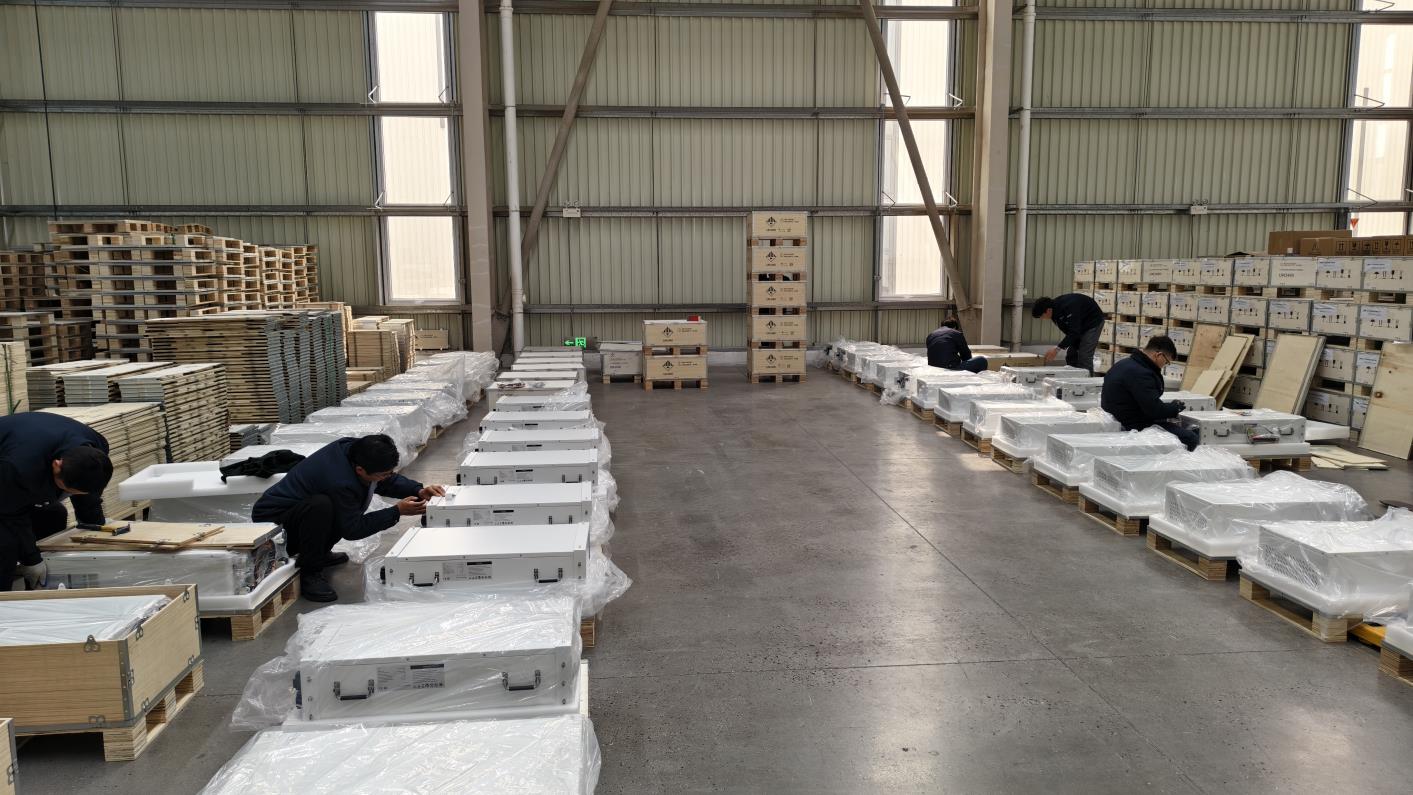
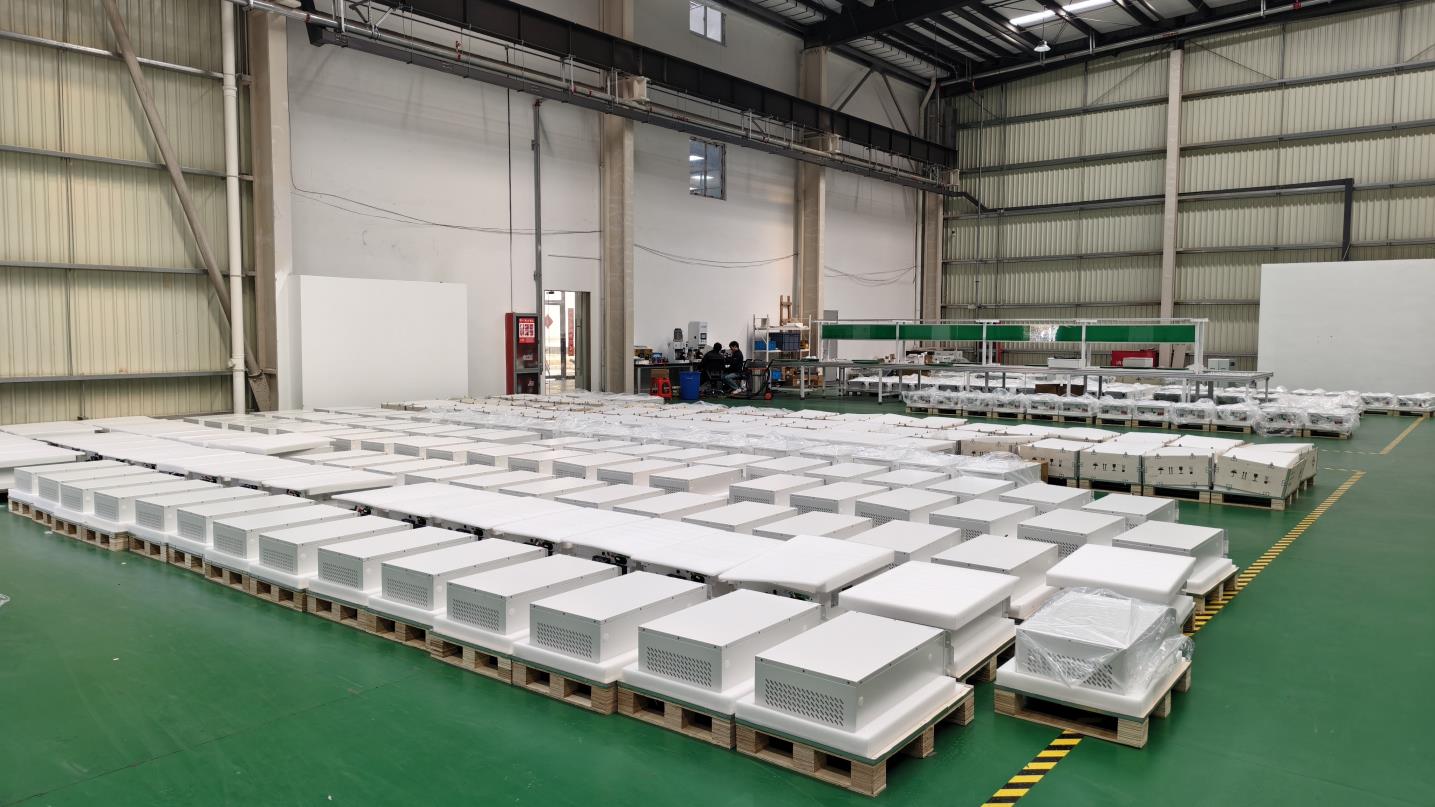
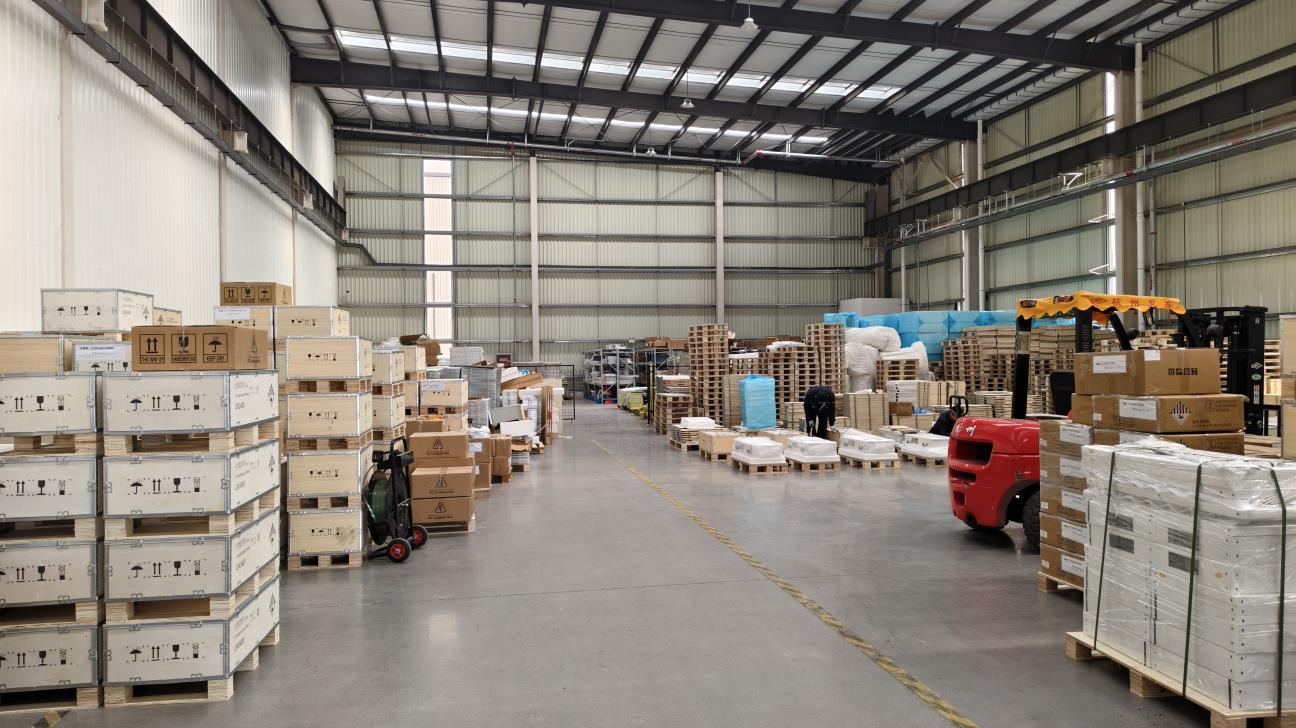
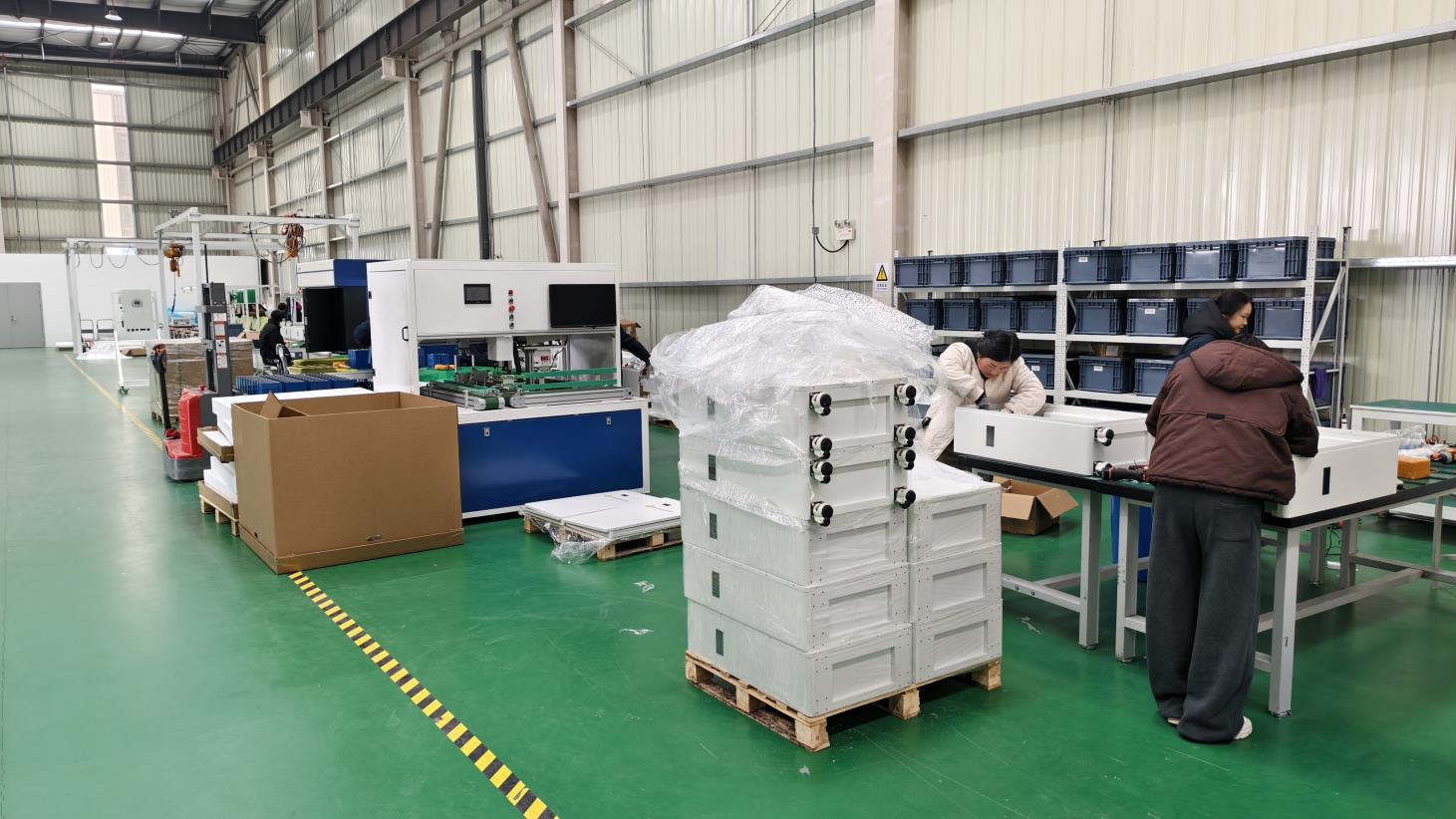
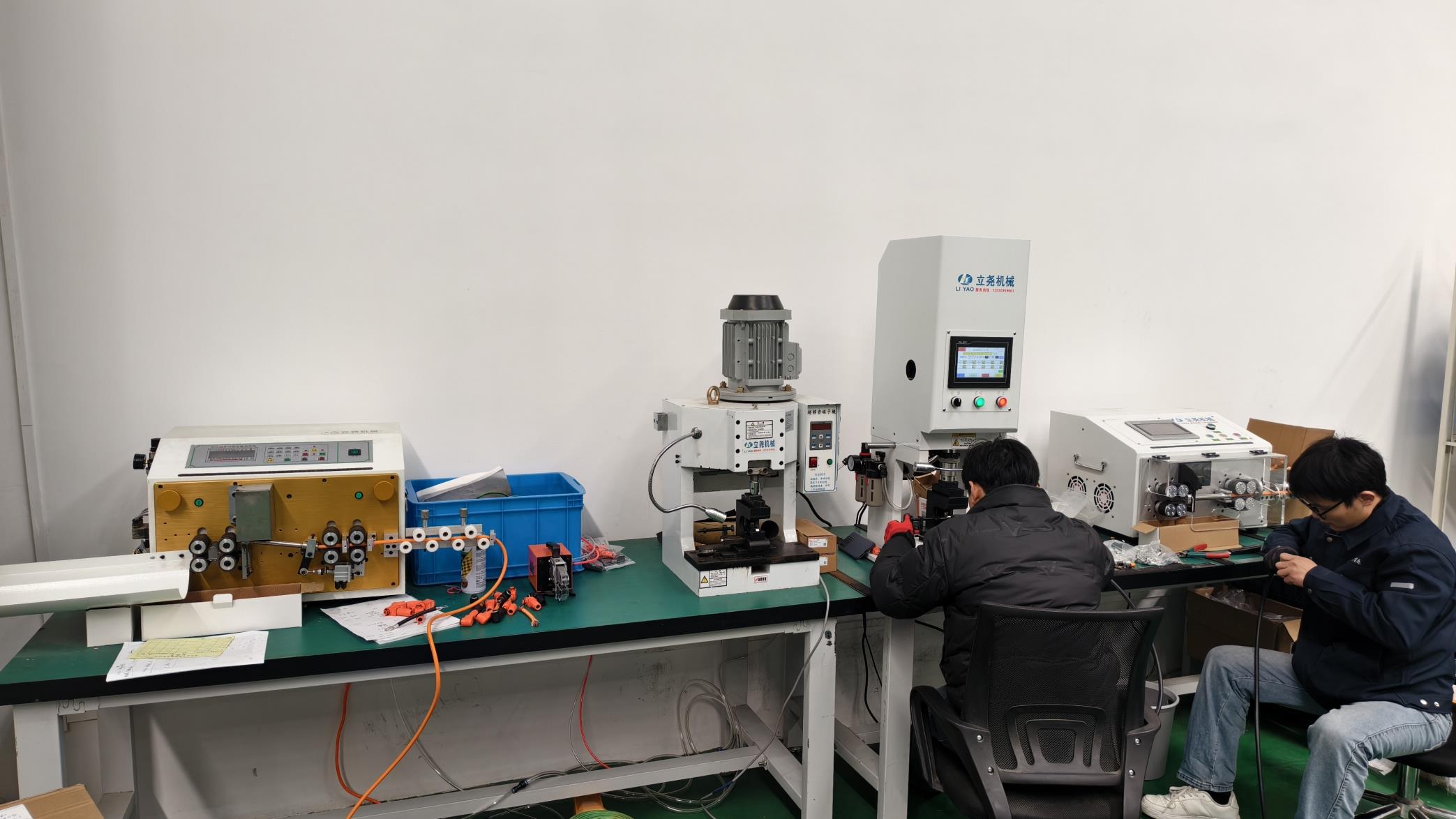
Commercial & industrial power units configured for seamless integration with commercial PV setups
Understanding localized battery deployments for critical B2B infrastructure projects
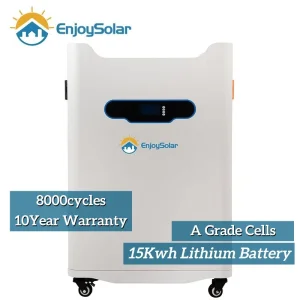
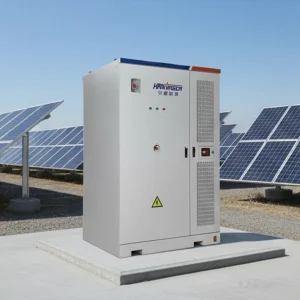
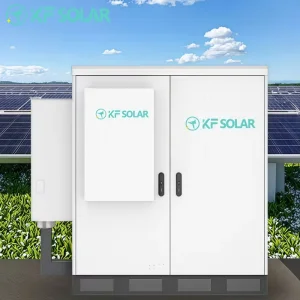
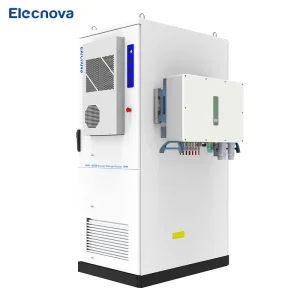
Industrial manufacturing plants in the peripheral zones of Jakarta experience strict industrial electricity tariffs from PLN, which feature high peak-demand charges. By integrating our modular 215kWh and 50kW scalable lithium storage systems, factory operators can perform peak-shaving—charging the battery banks during cheap off-peak night hours and discharging them when demand charges peak. This significantly reduces overall monthly operating expenditures (OPEX) while ensuring zero interruptions in production lines.
For cellular base stations (BTS) scattered across the Thousand Islands (Kepulauan Seribu) off the coast of Jakarta, grid connection is non-existent. These sites rely heavily on hybrid solar-diesel setups. Standard lead-acid batteries fail within 1-2 years due to deep discharge stress and salty air. Our 35-year design-life Nickel-Iron (Ni-Fe) cells and high-capacity LiFePO4 packs are custom-engineered to withstand marine environments, reducing maintenance visits and diesel fuel dependence by up to 70%.
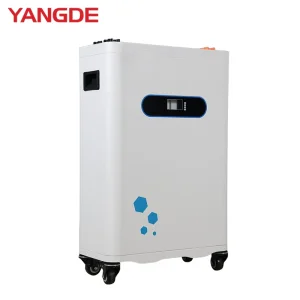
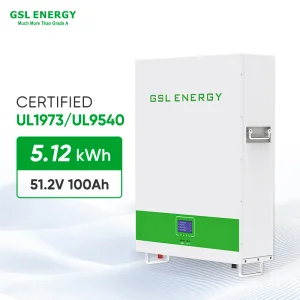
In Sudirman, Thamrin, and Kuningan, high-rise office towers and data centers house sensitive network infrastructure. A power voltage dip of just milliseconds can crash database operations. Our 48V Powerwall configurations and 12V Gel VRLA systems provide instant, microsecond-level UPS failover capabilities. Integrated with intelligent BMS boards, these systems communicate directly with building management software, issuing automatic warnings and dispatching energy systematically.
Jakarta’s low-lying geography makes it prone to flooding, requiring massive, continuous drainage pumps along the coastline. These public flood-control pumps must operate reliably during severe monsoons, which often trigger localized grid failures. Deploying our heavy-duty Gel and OpzS flooded tubular batteries ensures that critical safety valves and backup control panels remain energized under all environmental conditions.
Complete B2B product portfolio for engineering, procurement, and construction (EPC) partners in Indonesia
Seamless procurement channels from Anhui manufacturing hub directly to Tanjung Priok Port, Jakarta
For B2B buyers, EPC contractors, and project developers in Indonesia, importing solar batteries involves navigating strict regulatory and logistical pipelines. The Indonesian government implements TKDN (Tingkat Komponen Dalam Negeri) local content requirements for public utility energy projects. Understanding how to manage these thresholds while importing Tier-1 grade cells is essential to securing regulatory approval.
All battery products shipped by Aryam Energy to Indonesia comply with international safe transport guidelines (UN38.3). We coordinate standard maritime shipping routes from major ports in China (Ningbo/Shanghai) directly to the Port of Tanjung Priok in North Jakarta. Typical ocean freight transit times average between 10 to 14 days, and we provide comprehensive documentation—including MSDS, COA, custom commercial invoices, packing lists, and bill of lading—to ensure smooth customs clearance.
Engineering insights for engineers, buyers, and operations managers in Jakarta
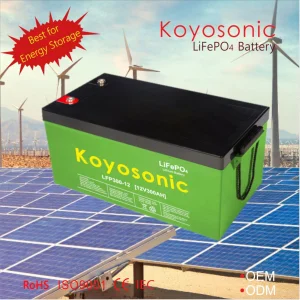
High ambient temperatures accelerate chemical reactions inside lithium cells, which can lead to capacity loss if not managed. To protect against this, our LiFePO4 batteries feature an active thermal-balancing BMS and heavy-duty, heat-dissipating aluminum-alloy enclosures. These design features keep internal operating temperatures stable, ensuring the cells achieve their rated 6,000+ cycle life (at 80% DoD) even in hot, humid tropical climates like Jakarta's.
While Gel batteries require a lower initial capital expenditure (CAPEX), their design life is typically 1,200 to 1,800 cycles. LiFePO4 batteries, on the other hand, support 5,000 to 8,000 cycles. Over the life of a commercial installation, lithium batteries yield a significantly lower LCOS (cost per kWh stored and discharged) because they require fewer replacements and zero active maintenance, making them the most cost-effective long-term solution.
Under the ASEAN-China Free Trade Agreement (ACFTA), batteries imported from China can qualify for zero or reduced import tariffs when accompanied by a valid Certificate of Origin (Form E). Aryam Energy provides completed Form E paperwork alongside all standard custom-clearing documents to help Indonesian buyers minimize local import costs.
Yes. Our integrated lithium battery systems use open communication protocols (including RS485, CAN, and Modbus) that are compatible with leading hybrid inverter brands on the market, such as Growatt, Deye, SMA, Victron, and GoodWe. We provide complete firmware mapping guides during the commissioning phase to ensure smooth integration.
Aryam Energy offers robust product warranties ranging from 3 to 10 years, depending on the model. In the unlikely event of a cell or BMS malfunction, we request system log files and error codes for diagnostics. If a component is verified as defective, replacement components or whole units are shipped directly from our factory to your site to minimize project downtime.
Partner with Anhui Aryam Energy Co., Ltd. for direct factory wholesale rates, customized capacities, and engineered energy storage solutions optimized for Indonesia's unique environment.
 Aryam Energy