Engineered for high efficiency, thermal resilience, and extended cycle life under unstable grid conditions
Analyzing grid integration barriers, harsh sub-zero winter temperatures, and decentralized storage requirements
The Democratic People's Republic of Korea (DPRK) presents a unique microgrid and off-grid paradigm. Due to historical structural dependencies on localized run-of-the-river hydro generation and aging thermal facilities, the country experiences significant power delivery challenges. The central transmission grid often suffers from voltage fluctuations, phase imbalances, and load shedding, particularly during the dry freezing winter months when river volumes decline.
Consequently, decentralized solar PV (photovoltaic) generation coupled with localized battery storage has transitioned from an auxiliary option to a mandatory infrastructural asset. Municipal projects in Pyongyang, logistics hubs in Sinuiju, and manufacturing facilities in Kaesong rely on standalone battery banks to secure process continuity, run light manufacturing lines, and maintain critical communication links.
North Korea experiences a temperate monsoonal climate characterized by extremely cold, dry winters. Temperatures regularly drop to -15°C to -25°C across Pyongan and Hamgyong provinces. Under these conditions, standard lithium-ion batteries suffer from accelerated capacity degradation, reduced charge acceptance, and the potential risk of lithium plating during low-temperature charging.
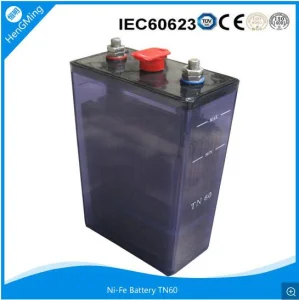
To address this issue, industrial clients prioritize batteries engineered with built-in thermal management systems, specialized low-temperature electrolyte additives (typically found in advanced Gel VRLA and tubular OPzS batteries), or highly robust chemical structures such as Nickel-Iron (Ni-Fe) cells. These cells can be fully discharged and cycled at sub-zero temperatures without losing structural integrity or risking thermal runaway.
How Anhui Aryam Energy Co., Ltd. delivers high-precision cell sorting, automated BMS SMT, and strict testing protocols
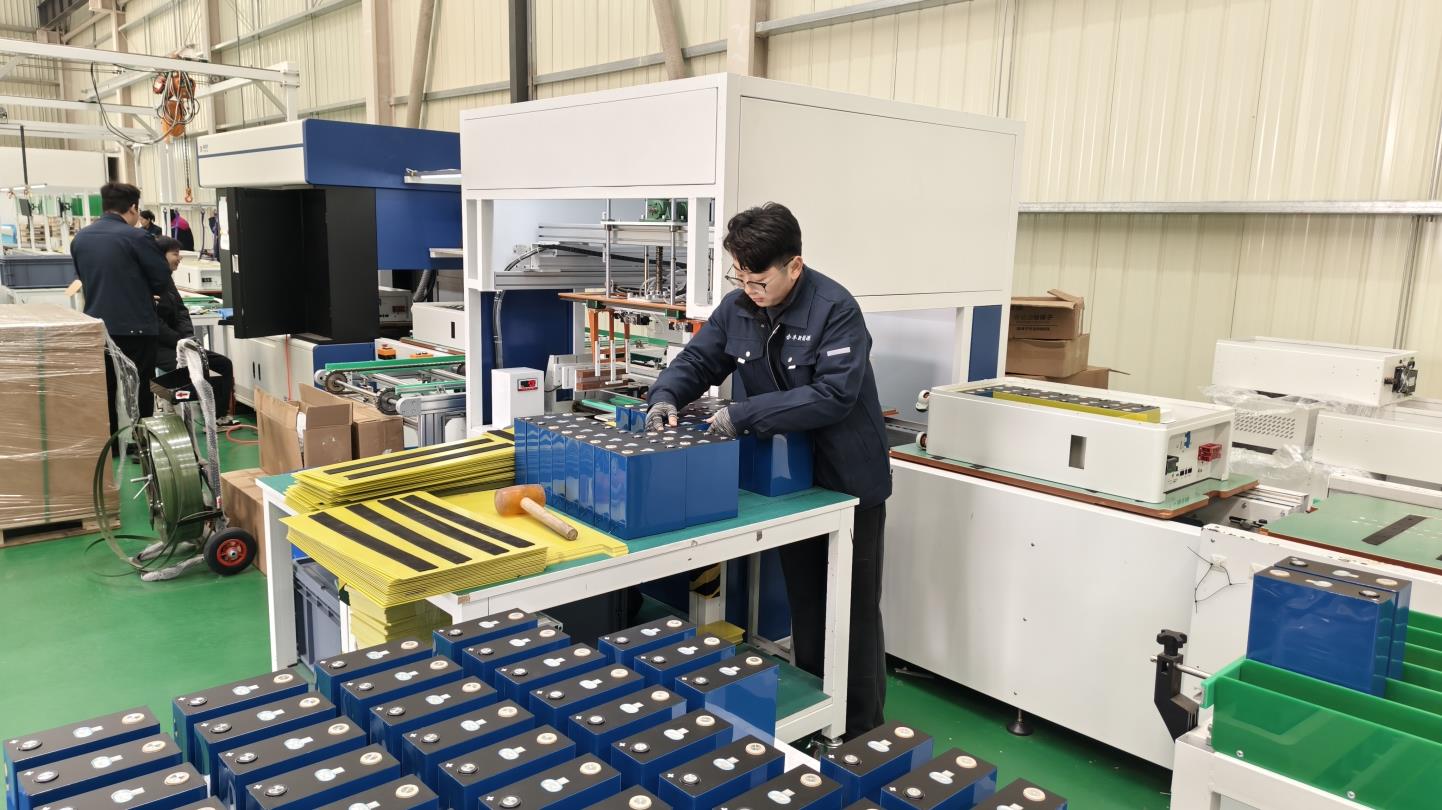
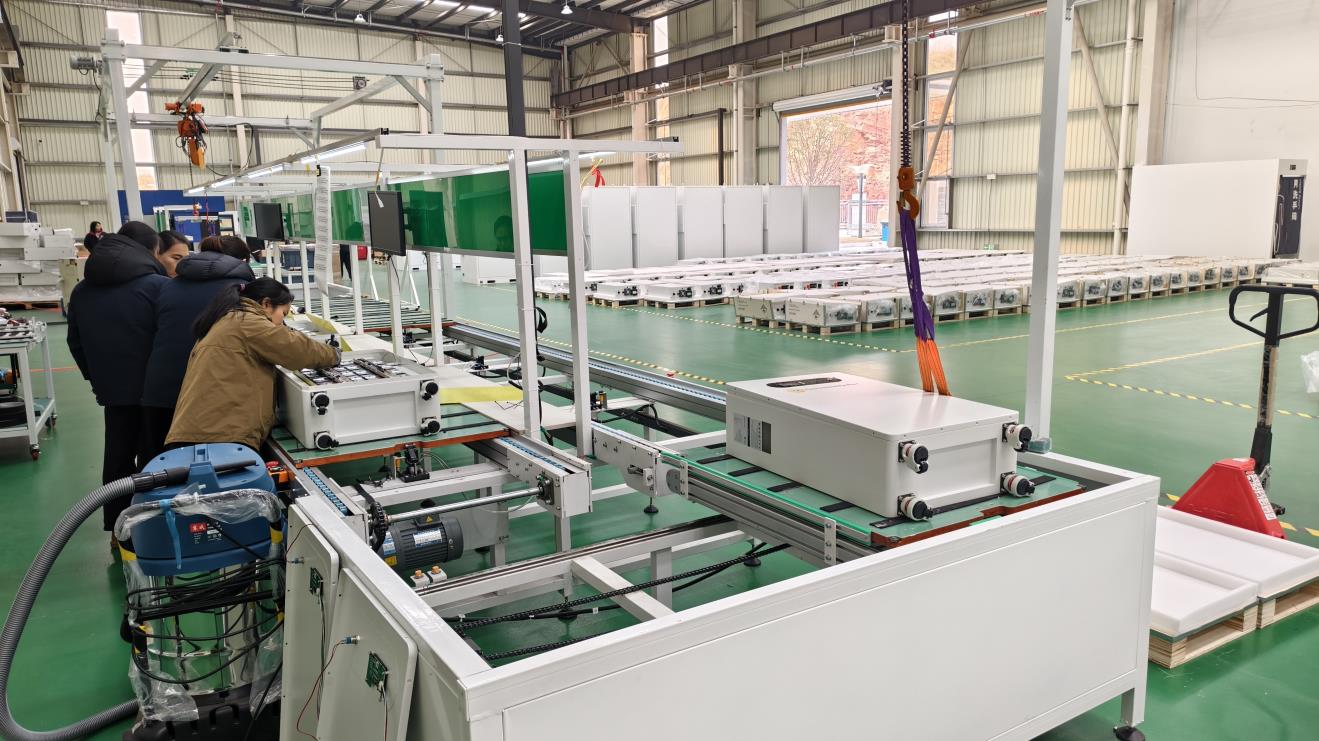
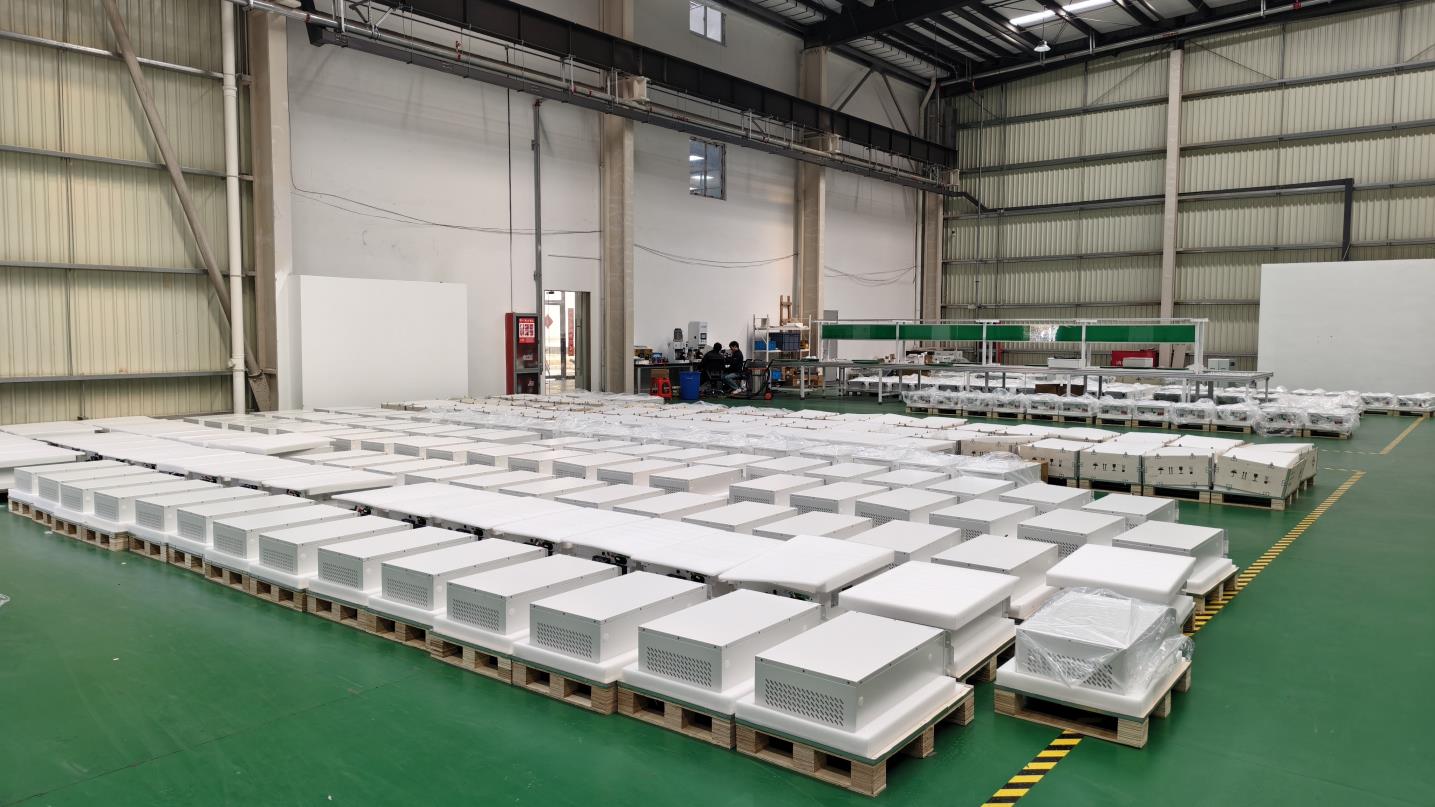
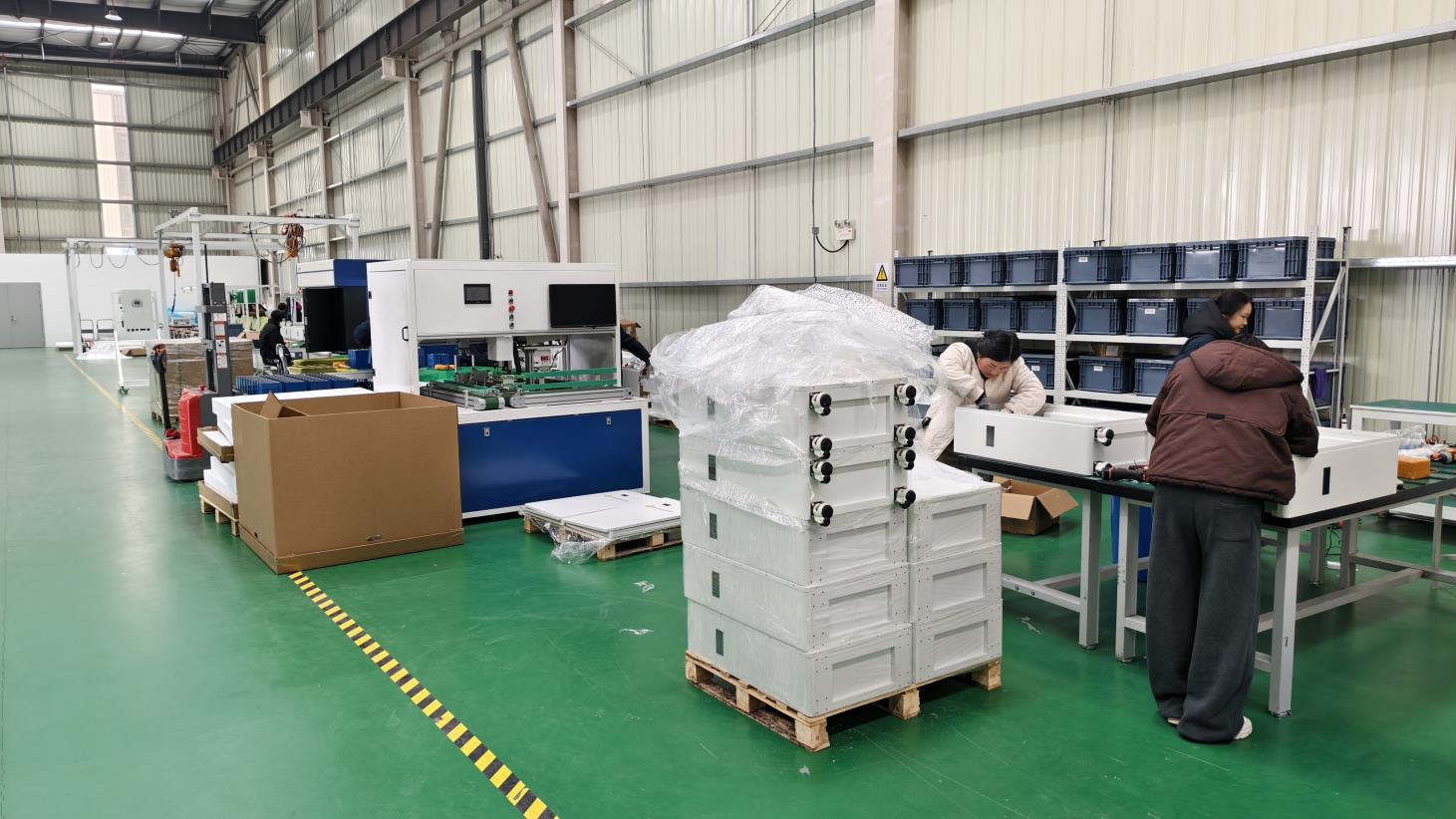
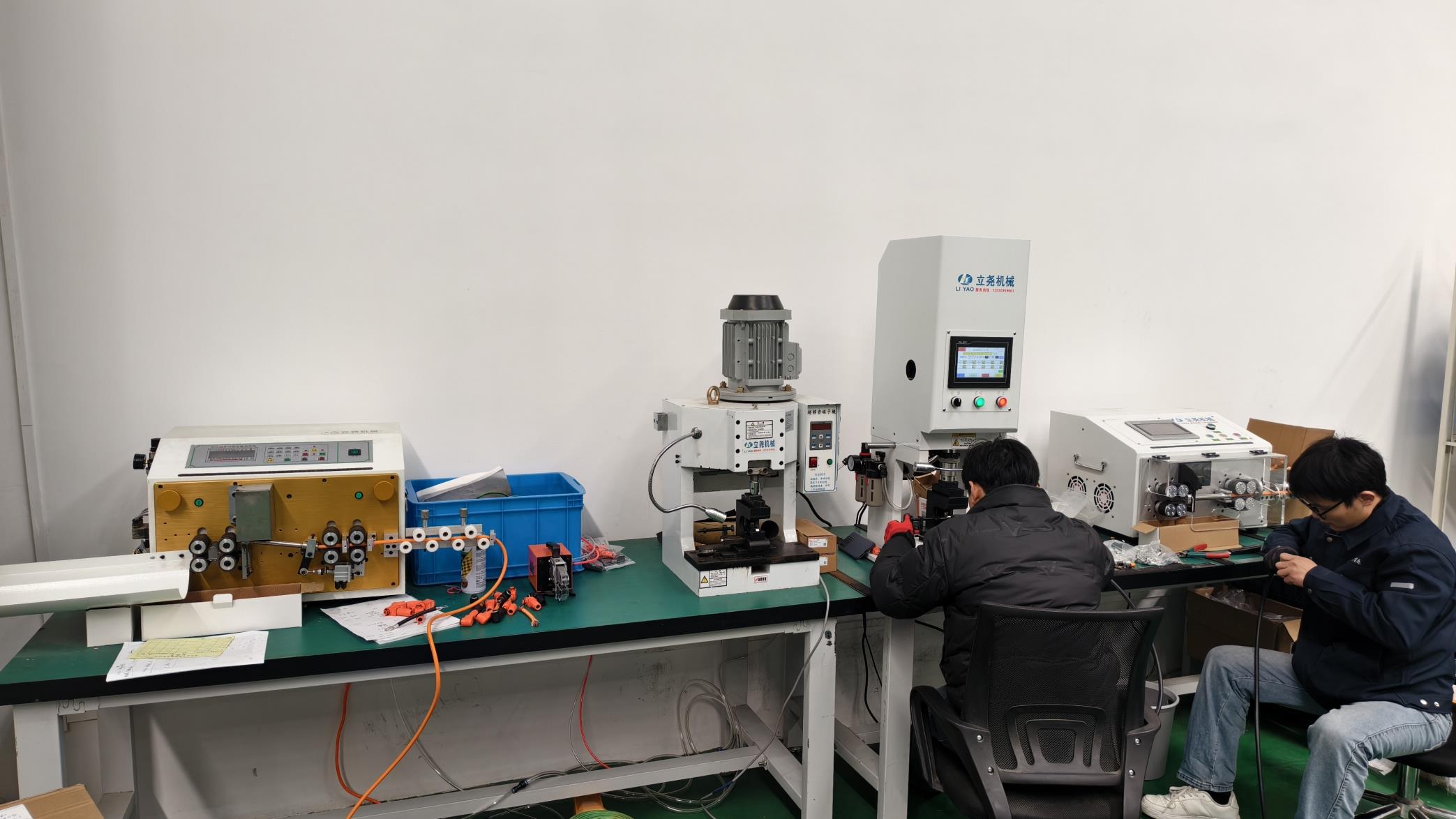
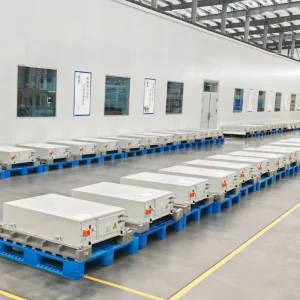
At Anhui Aryam Energy Co., Ltd., we bridge the gap between advanced Chinese manufacturing capacity and the precise operational requirements of industrial projects in emerging and remote regions. Our state-of-the-art Factory 4.0 integrates automated cell grading, high-speed SMT assembly for Battery Management Systems (BMS), laser terminal welding, and multi-cycle temperature-chamber testing to guarantee maximum longevity and reliability.
By maintaining strategic direct procurement channels with grade-A lithium raw material suppliers and high-purity lead smelting facilities, we secure cost stability and supply chain continuity. This enables us to export premium battery systems to demanding environments like North Korea, ensuring seamless compatibility with localized inverter networks and off-grid controller systems.
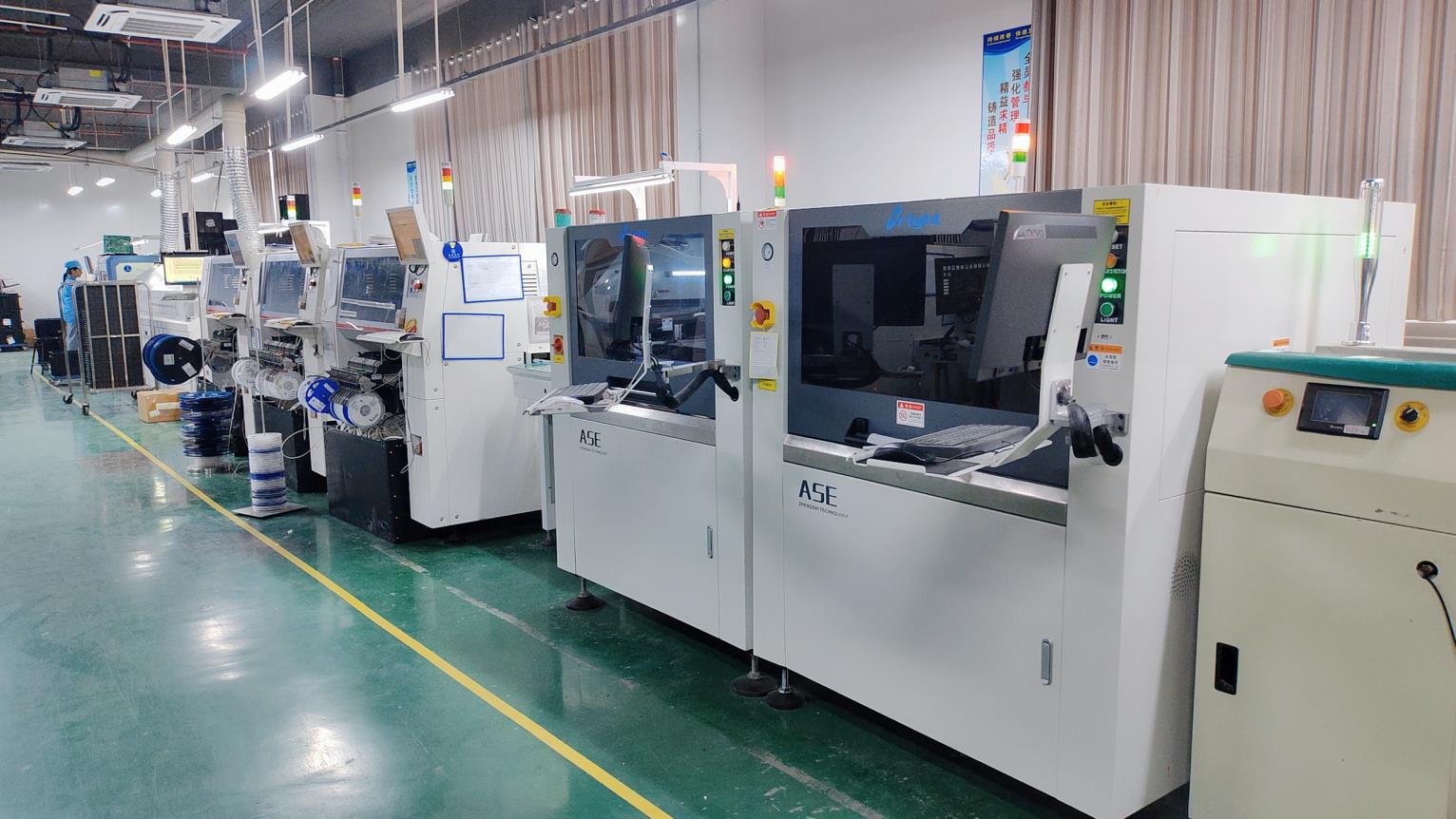
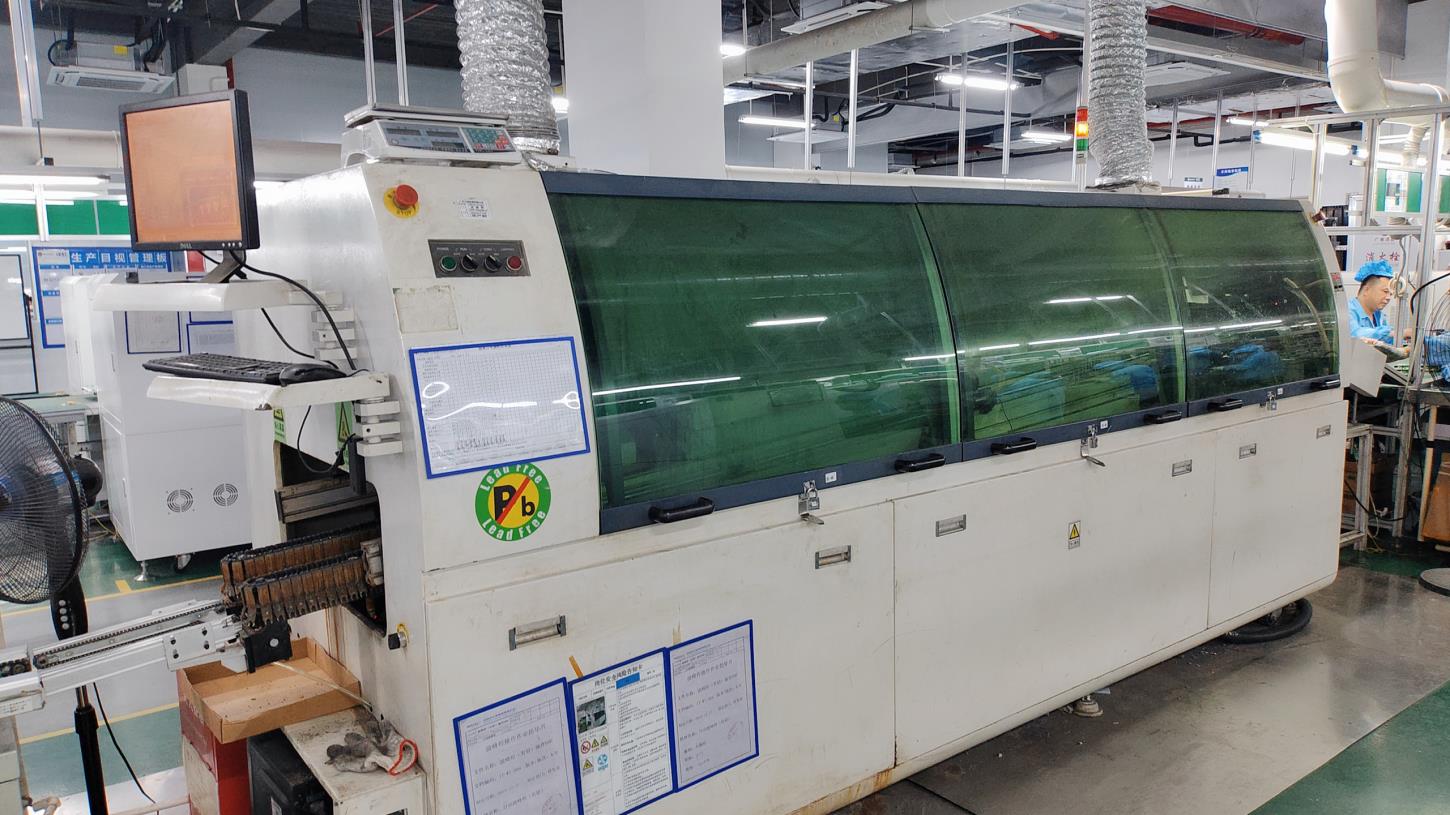
Empowering sustainable off-grid transitions with state-of-the-art power engineering
Modular architectures designed for scaling and complex deployment in extreme conditions
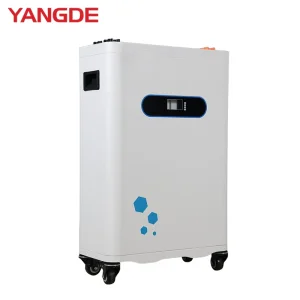
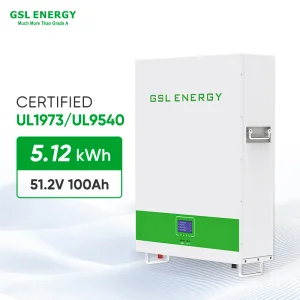
Bridging Chinese engineering capacity with complex geographic, agricultural, and industrial challenges
Mining is a key pillar of the DPRK economy, demanding non-stop pumping, ventilation, and lighting solutions to ensure underground safety and operational efficiency. Even short power cuts can flood tunnels or stall processing lines, leading to long delays and costly downtime.
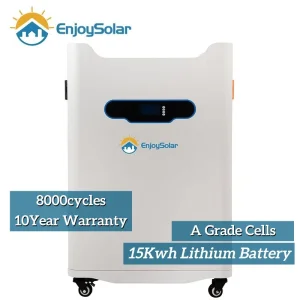
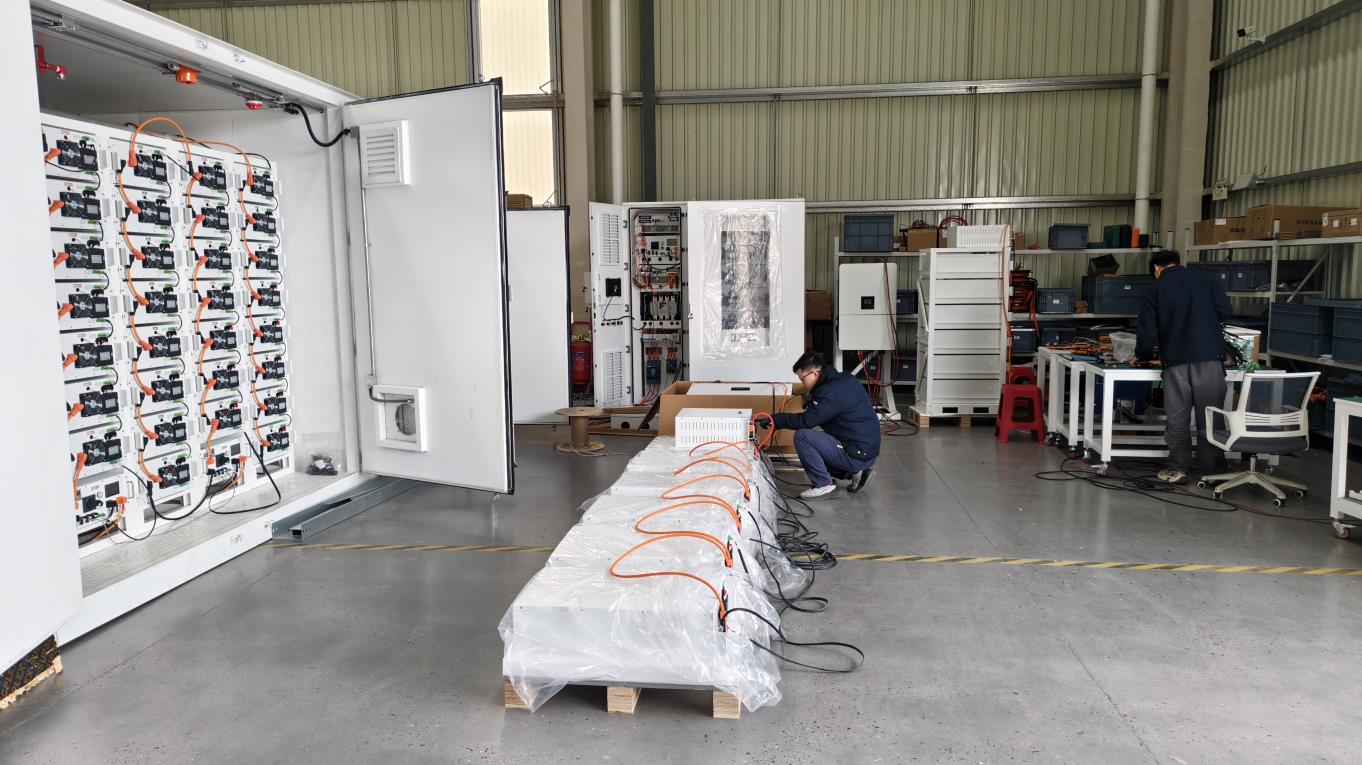
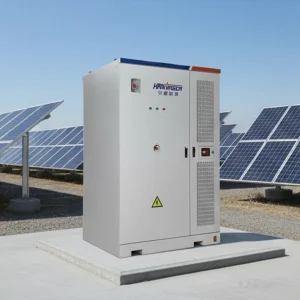
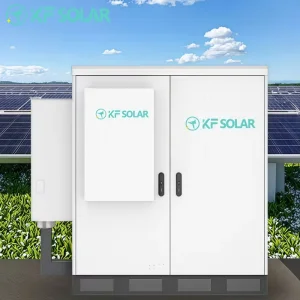
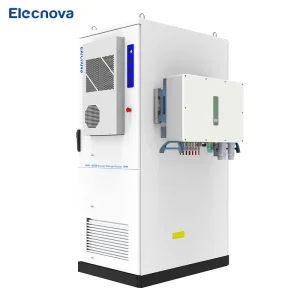
Our mega-scale 215kWh Industrial LiFePO4 Energy Storage Systems (BESS) are designed to deliver reliable grid stabilization and rapid power backup. Under peak loads, these systems discharge smoothly, safeguarding human life and heavy machinery in rugged conditions.
With short growing seasons and cold winters, greenhouse projects in North Korea rely on automated climate controls, warm lighting, and drip irrigation to extend production. Unstable local grids cannot guarantee the steady power these setups require.
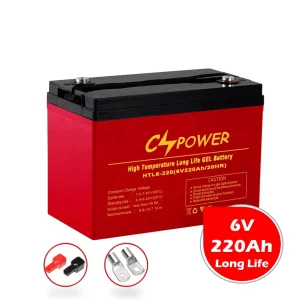
By integrating Deep Cycle Gel and Nickel-Iron battery banks, agricultural collectives store daytime solar energy to power night heating and watering cycles. This keeps food production stable year-round, regardless of local grid fluctuations.
Telecommunication networks in remote and mountainous regions of North Korea require consistent power to avoid dropping connections. Grid extensions to these remote peaks are often too expensive, and diesel generators are hard to maintain in isolation.
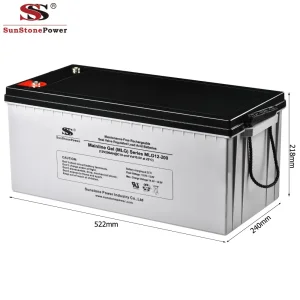
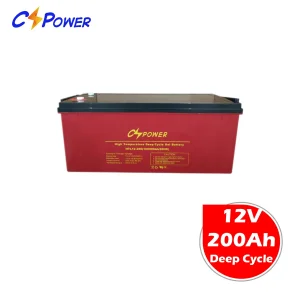
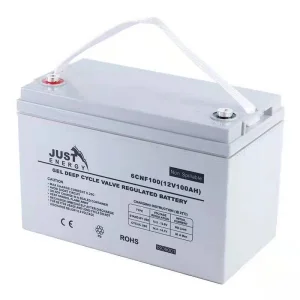
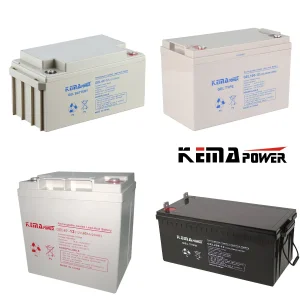
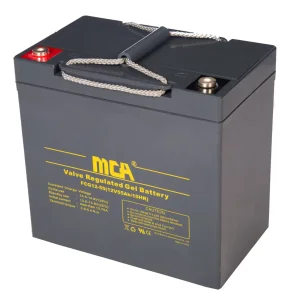
Our maintenance-free 12V 100Ah/200Ah Gel VRLA batteries provide reliable, unattended power for telecom relay towers. They are designed to withstand deep discharges and operate efficiently in freezing temperatures.
Export-oriented industries in Special Economic Zones need stable power to meet strict quality and delivery deadlines. Unpredicted voltage drops can damage machinery and sensitive components.
Deploying 50kW to 100kW modular, expandable battery banks helps factories smooth out power supply fluctuations and maintain reliable production output during grid variations.
Precision-engineered systems matching diverse voltage, capacity, and environmental requirements
Understanding Levelized Cost of Storage (LCOS), regulatory compliance, and cross-border logistics
When source-procuring battery technologies for remote regions, engineers evaluate the Levelized Cost of Storage (LCOS) rather than just upfront capital expenditure. LCOS calculates the total cost per stored kWh over the battery's operating lifetime, factoring in degradation rates and maintenance schedules.
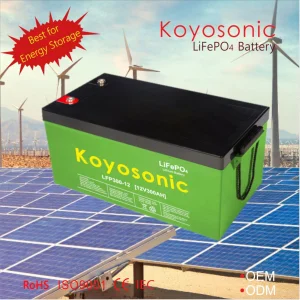
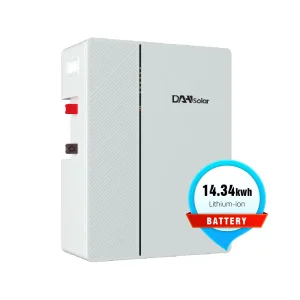
Our LiFePO4 modules deliver over 6,000 charge cycles at 80% Depth of Discharge (DoD), significantly lowering lifetime costs. For remote sites where logistics are challenging, our 35-year Ni-Fe batteries provide long-term reliability that minimizes ongoing operational expenses.
Reliable engineering is backed by verified standards. Our manufacturing lines meet international requirements, holding CE, IEC 61427 (Solar Energy Storage Systems), and IEC 60896 (Stationary Lead-Acid Batteries) certifications.
These certifications ensure that each exported battery meets global safety standards, facilitating smooth trade transitions and integration into sensitive regional grids.
Exporting industrial batteries to East Asian markets requires reliable freight logistics. Anhui Aryam Energy coordinates transport routes via Dalian ports and direct rail links through Dandong-Sinuiju to deliver products securely.
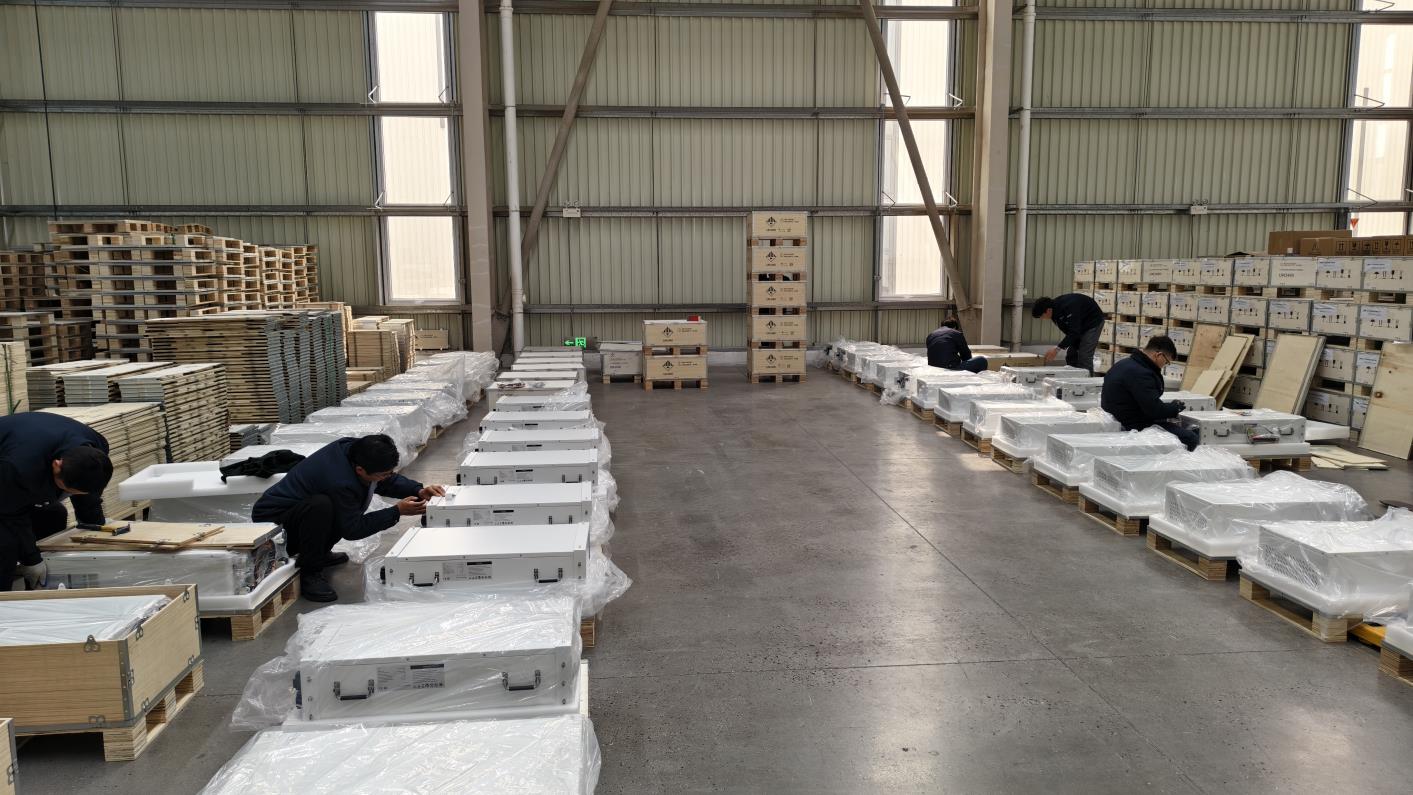
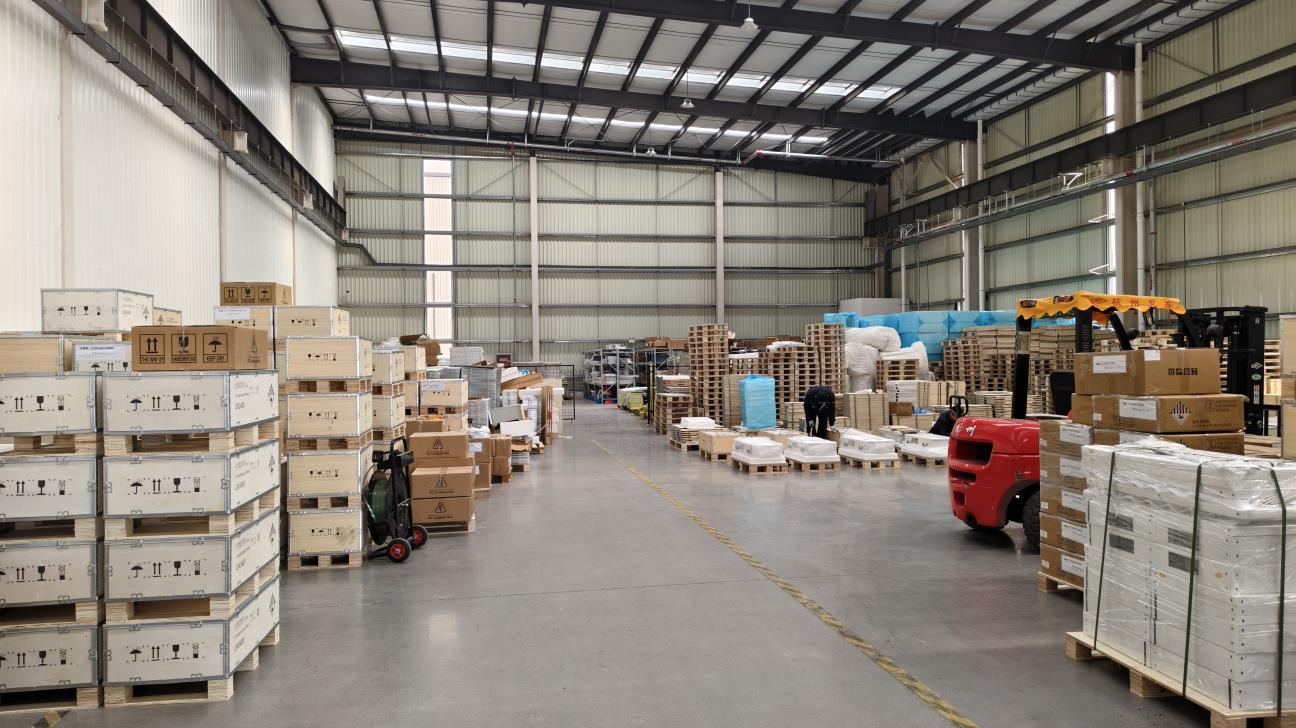
Every shipment features impact-resistant, weatherproof packaging designed to protect batteries from moisture and extreme temperatures during transit.
Addressing core technical questions from industrial buyers and project managers
For cold winters, we recommend Nickel-Iron (Ni-Fe) or custom Gel VRLA batteries with low-temperature electrolyte additives. Ni-Fe cells operate reliably down to -20°C and tolerate deep freezes without risk of structural damage. If LiFePO4 batteries are selected, we configure them with integrated BMS thermal heating blankets, which utilize solar power to preheat the cells to above 0°C before charging begins, preventing lithium plating.
Frequent grid surges can rapidly degrade standard batteries. Our systems feature high-specification BMS boards that monitor cell balancing, protect against overvoltage, and control charge-discharge rates. For areas with highly unstable power grids, our heavy-duty Gel and OPzS batteries offer thick tubular lead plates that resist grid fluctuations, delivering consistent performance over long lifecycles.
Yes, our lithium-ion and Gel battery packages are compatible with most major off-grid and hybrid inverters, including Growatt, Deye, SMA, and Victron. We offer pre-configured communication protocols (RS485, CAN, Modbus) within the BMS to ensure easy setup and accurate SOC (State of Charge) monitoring right out of the box.
We manage all aspects of export documentation, packaging compliance for hazardous materials (UN38.3 certification for lithium batteries), and logistics coordination. Shipping is typically organized via rail freight through Dandong or ocean routes from Dalian to Nampo, ensuring safe transit and compliance with international trade requirements.
Yes, we provide complete engineering design services for custom voltage (up to 800V DC) and megawatt-hour (MWh) capacities. Our technical team designs custom enclosures, thermal controls, and fire suppression systems to meet the specific requirements of heavy C&I projects, agricultural cooperatives, or telecom hubs.
Contact our team for detailed engineering consultations, custom battery layouts, and competitive direct-factory pricing for your project.
Send Inquiry Now Aryam Energy