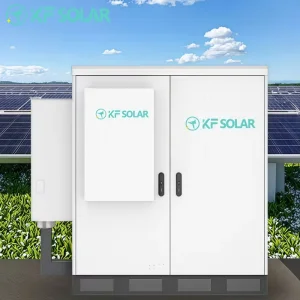
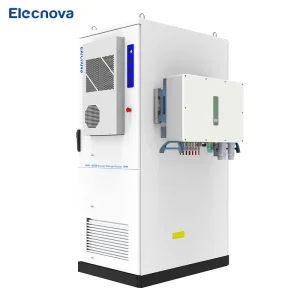
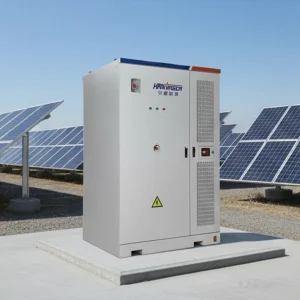
Engineered for Latin American climate profiles and grid interconnections, providing high reliability under variable loads.
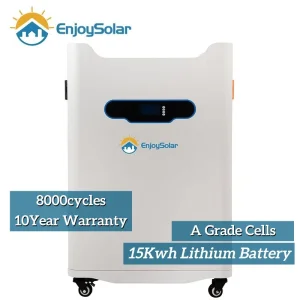
Uruguay has gained global recognition for its remarkable energy transition, successfully generating over 97% to 98% of its electricity from renewable sources (primarily wind, solar, biomass, and hydro). However, this heavy reliance on weather-dependent generation assets exposes the national grid, managed by UTE (Administración Nacional de Usinas y Trasmisiones Eléctricas), to significant supply volatility. To maintain system equilibrium, prevent transmission bottlenecks, and avoid reliance on backup fossil thermal generation during seasonal dry spells, battery energy storage systems (BESS) are essential.
For Uruguayan industrial complexes, agricultural facilities (estancias, dairies, and wineries), and distribution networks, solar batteries present a crucial path toward self-consumption and peak-demand cost minimization. By integrating modern energy storage with local solar photovoltaic arrays, buyers can offset high retail electricity tariffs and stabilize voltage levels in rural regions far from major cities like Montevideo, Canelones, and Salto.
Uruguay is increasingly adopting decentralized energy structures. The government's regulatory framework allows private businesses to utilize solar-plus-storage setups to bypass peak demand fees (known locally as potencia contratada charges) during UTE's peak rate hours (18:00 - 22:00). Utilizing dynamic, high-capacity lithium iron phosphate (LiFePO4) or maintenance-free deep cycle gel batteries is the most reliable strategy to secure uninterruptible power.
Selecting the optimal battery chemistry depends on the operational environment, ambient temperatures, cycling frequency, and the long-term capital expenditure profile of your Uruguayan project.
| Chemistry Type | Cycle Life (DoD) | Recommended Application | Temperature Range | Operational Advantages |
|---|---|---|---|---|
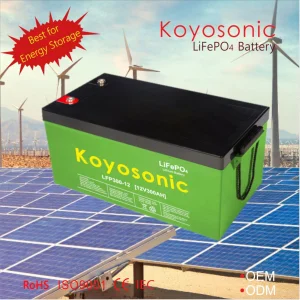
| Lithium Iron Phosphate (LiFePO4) | >6,000 Cycles @ 80% DoD | Commercial peak shaving, high-frequency residential usage | -10°C to 55°C | High energy density, built-in intelligent BMS, zero maintenance |
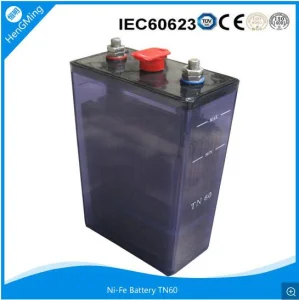
| Nickel-Iron (Ni-Fe) | >10,000 Cycles @ 80% DoD | Remote off-grid agricultural ranches, long-term investments | -20°C to 60°C | Ultra-rugged design, withstands overcharging/discharging, 35+ year lifespan |
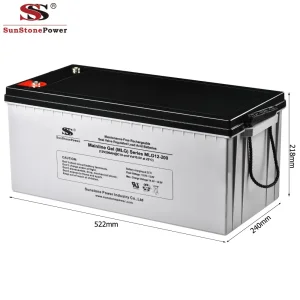
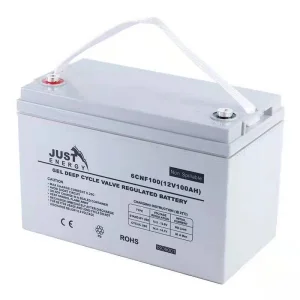
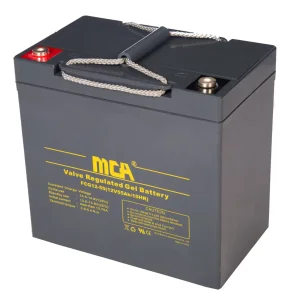
| Deep Cycle Gel VRLA | 1,500 Cycles @ 50% DoD | Wind-solar hybrid backup, rural off-grid telecommunications | -15°C to 45°C | Low upfront capital costs, maintenance-free, resilient against vibration |
| Opzs / Flooded Tubular Gel | >3,000 Cycles @ 60% DoD | Infrastructure utilities, high capacity base stations | -10°C to 40°C | Exceptional reliability, prolonged slow-discharge cycles |
For municipal grids and industrial installations, LiFePO4 is the modern industry standard due to its compatibility with hybrid smart inverters (e.g., Victron, Deye, SMA) and active communication interfaces. However, for remote agricultural operations (Estancias) in central and northern departments such as Tacuarembó or Rivera, where field maintenance is difficult to source, Nickel-Iron (Ni-Fe) and high-capacity Gel VRLA systems remain robust alternatives due to their resilience to extreme ambient conditions and basic maintenance requirements.
Anhui Aryam Energy Co., Ltd. is a premier developer and manufacturer of advanced renewable energy technologies. We specialize in engineering high-durability battery storage solutions for international markets, including Uruguay and the broader Latin American region.
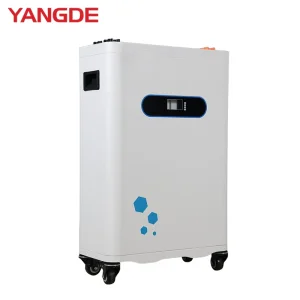
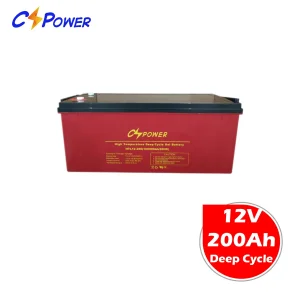
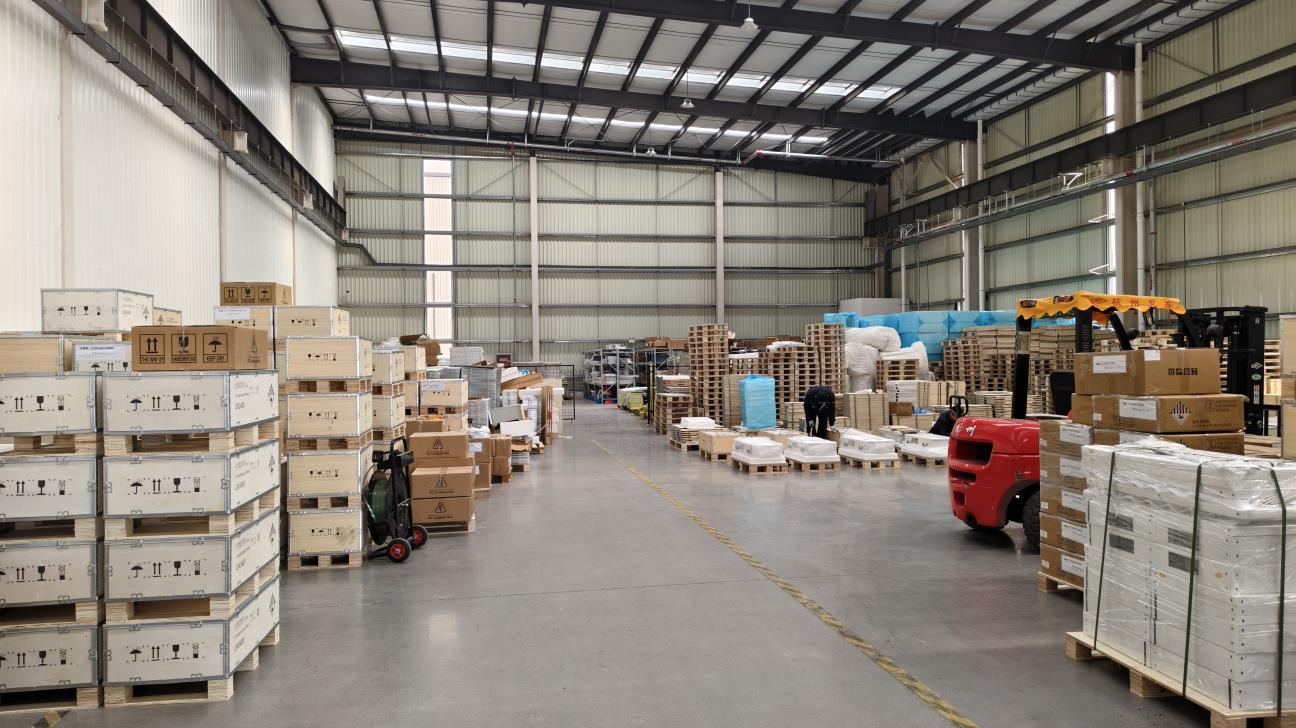
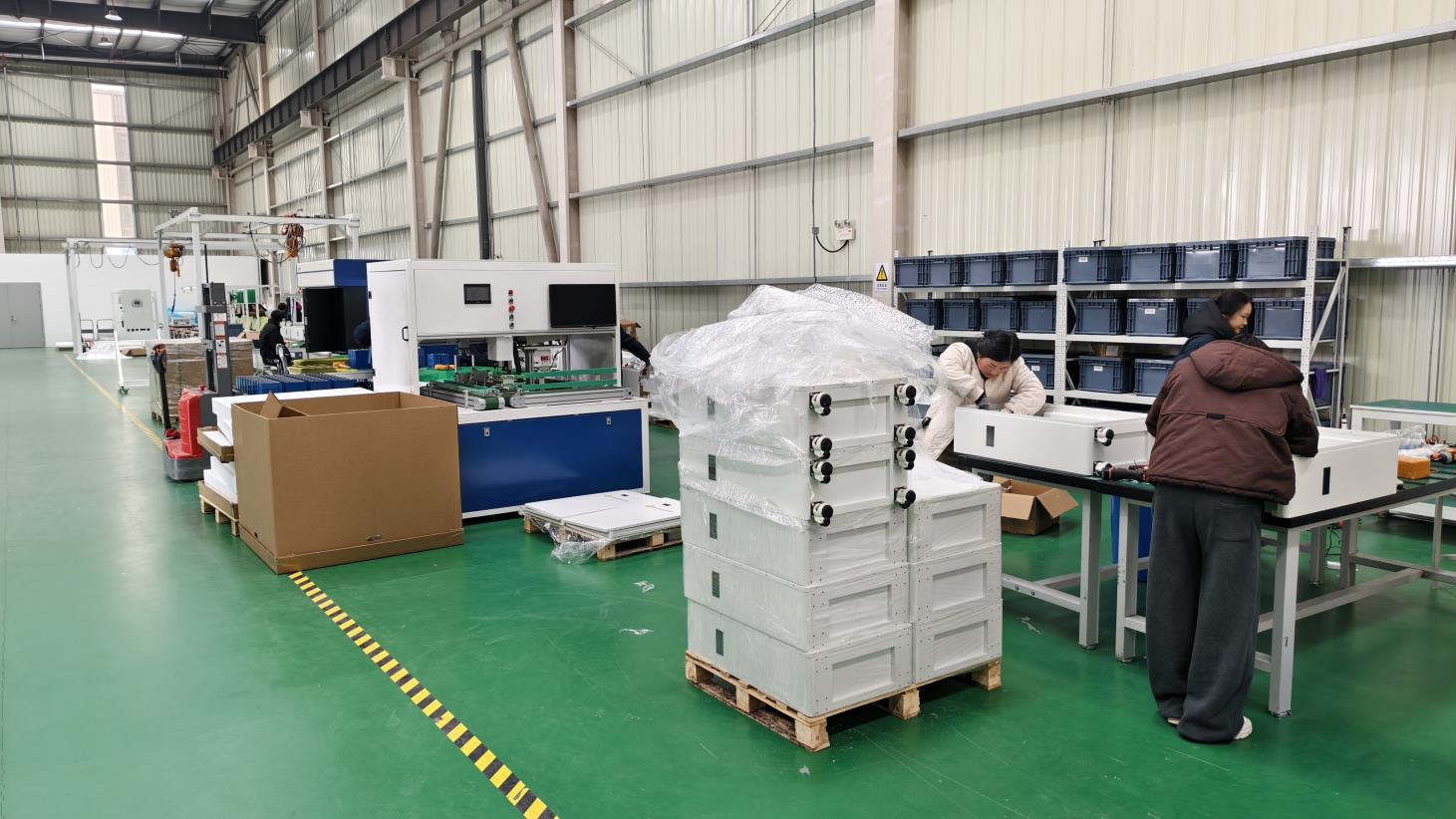
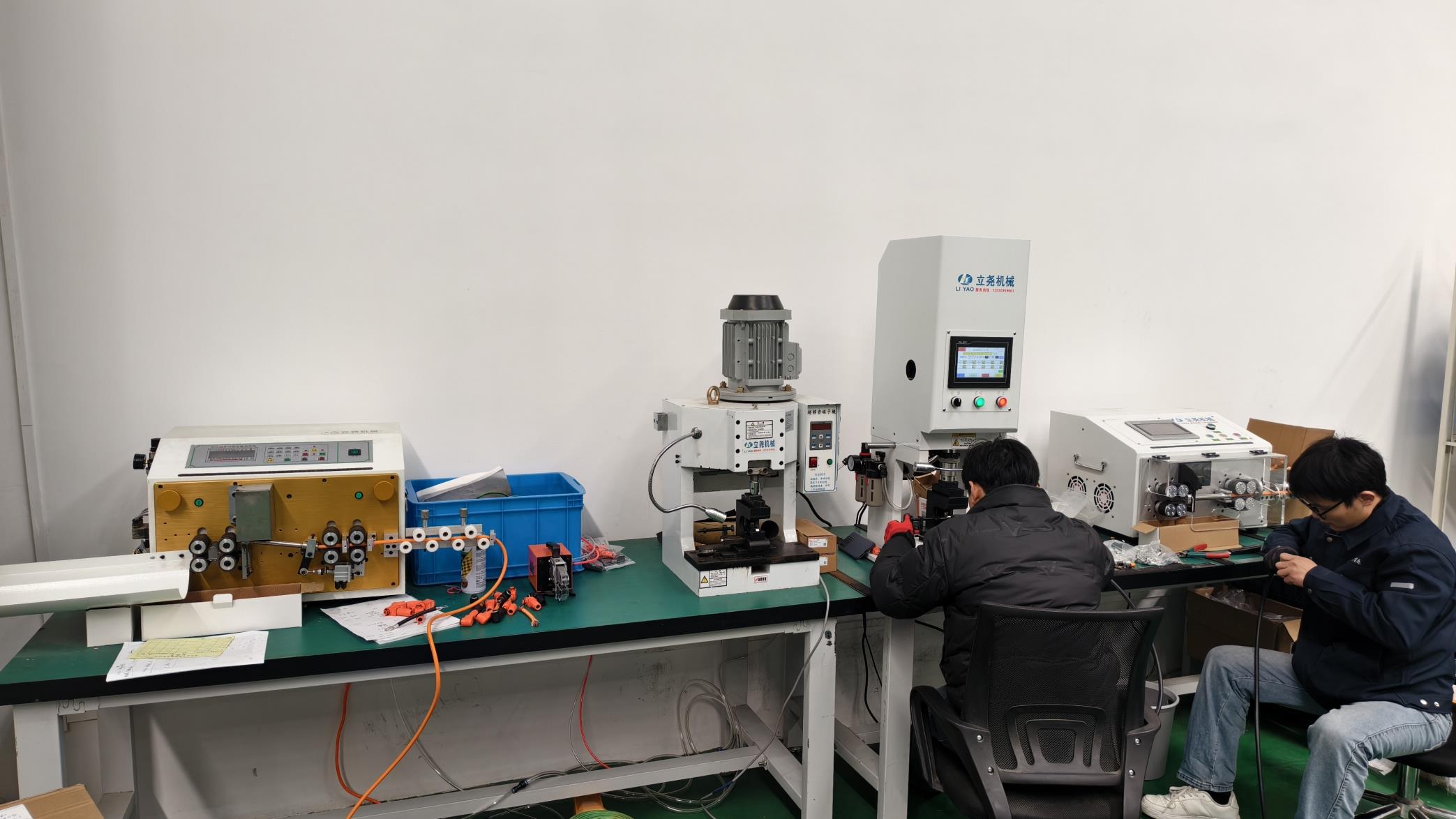
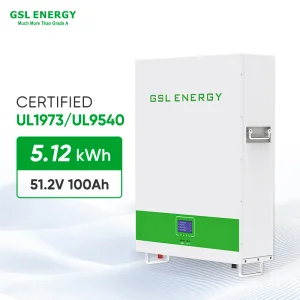
Leveraging automated manufacturing lines, stringent quality management protocols, and partnerships with Tier-1 raw material vendors, Aryam Energy ensures that every battery module delivers long-term performance and reliability. Our product catalog features intelligent high-voltage containerized energy systems, stackable wall-mounted LFP batteries, deep-cycle solar gel units, and long-life Ni-Fe systems.
Our global operations are backed by a dedicated R&D division focused on enhancing the energy efficiency and cycle life of our systems. We work closely with EPC contractors, local distributors, and industrial clients in over 100 countries to facilitate carbon reduction goals and optimize energy expenditures.
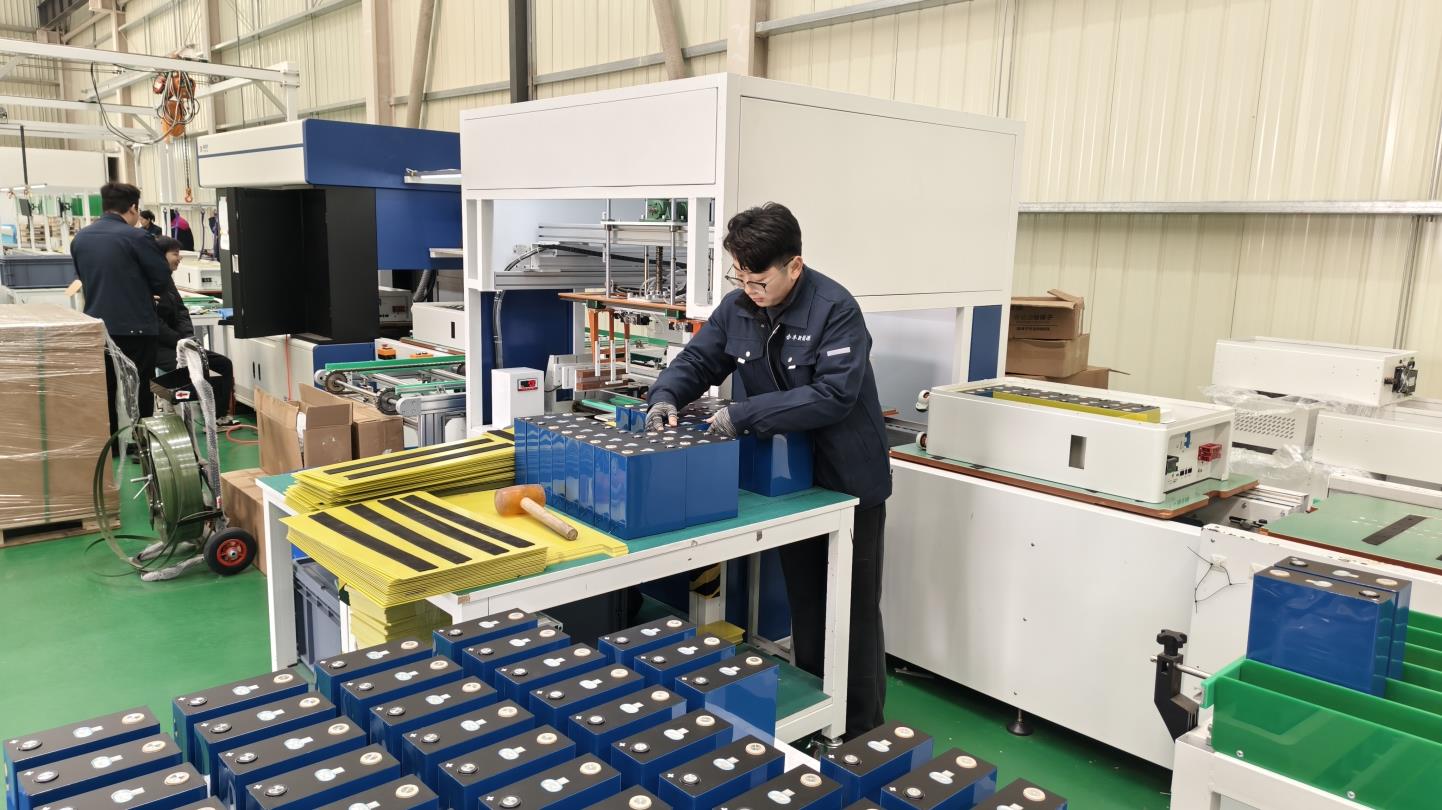
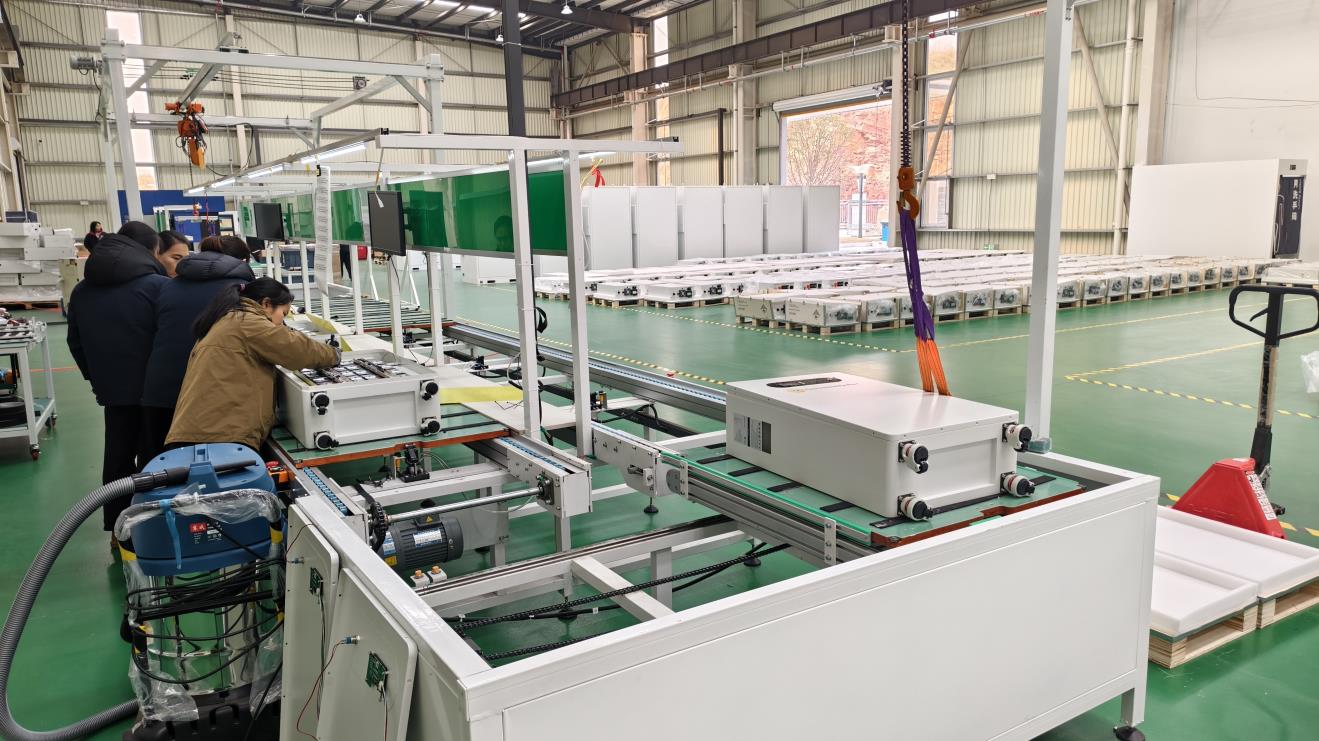
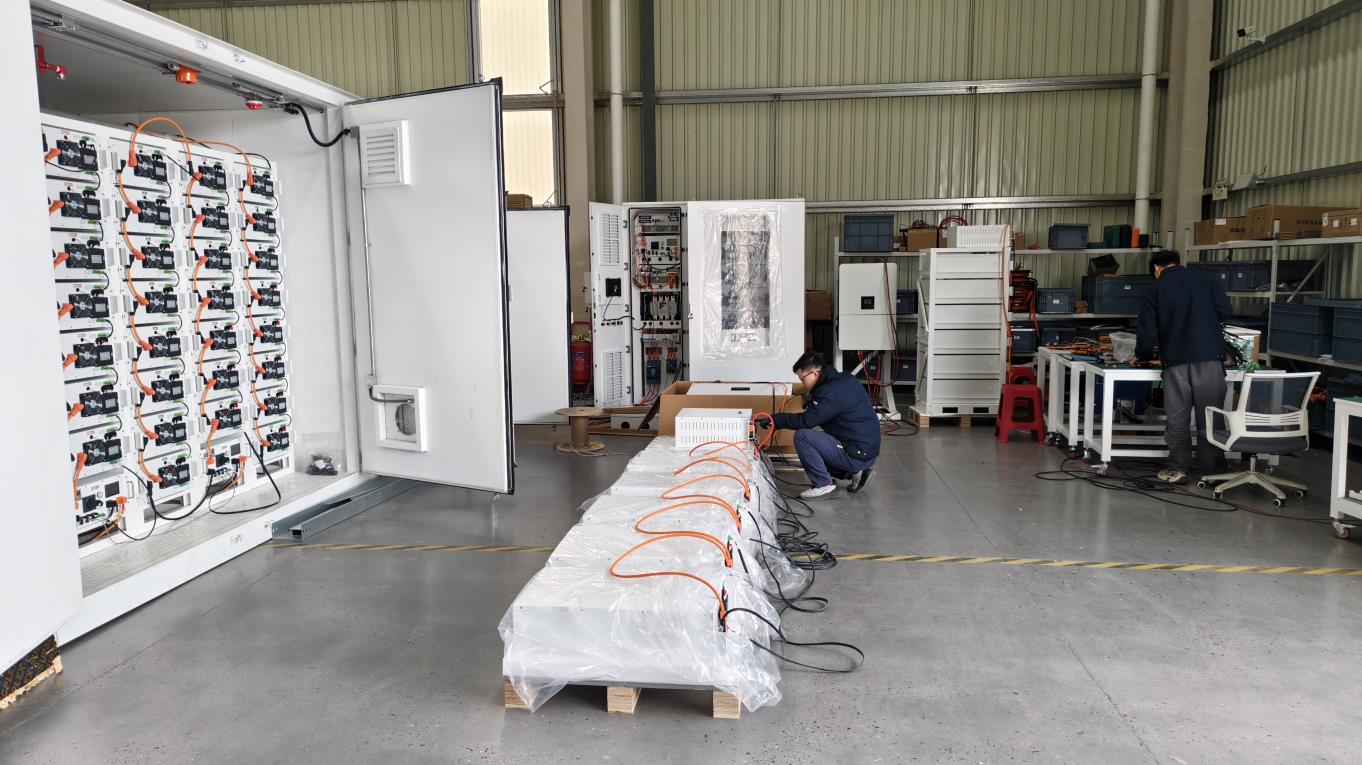
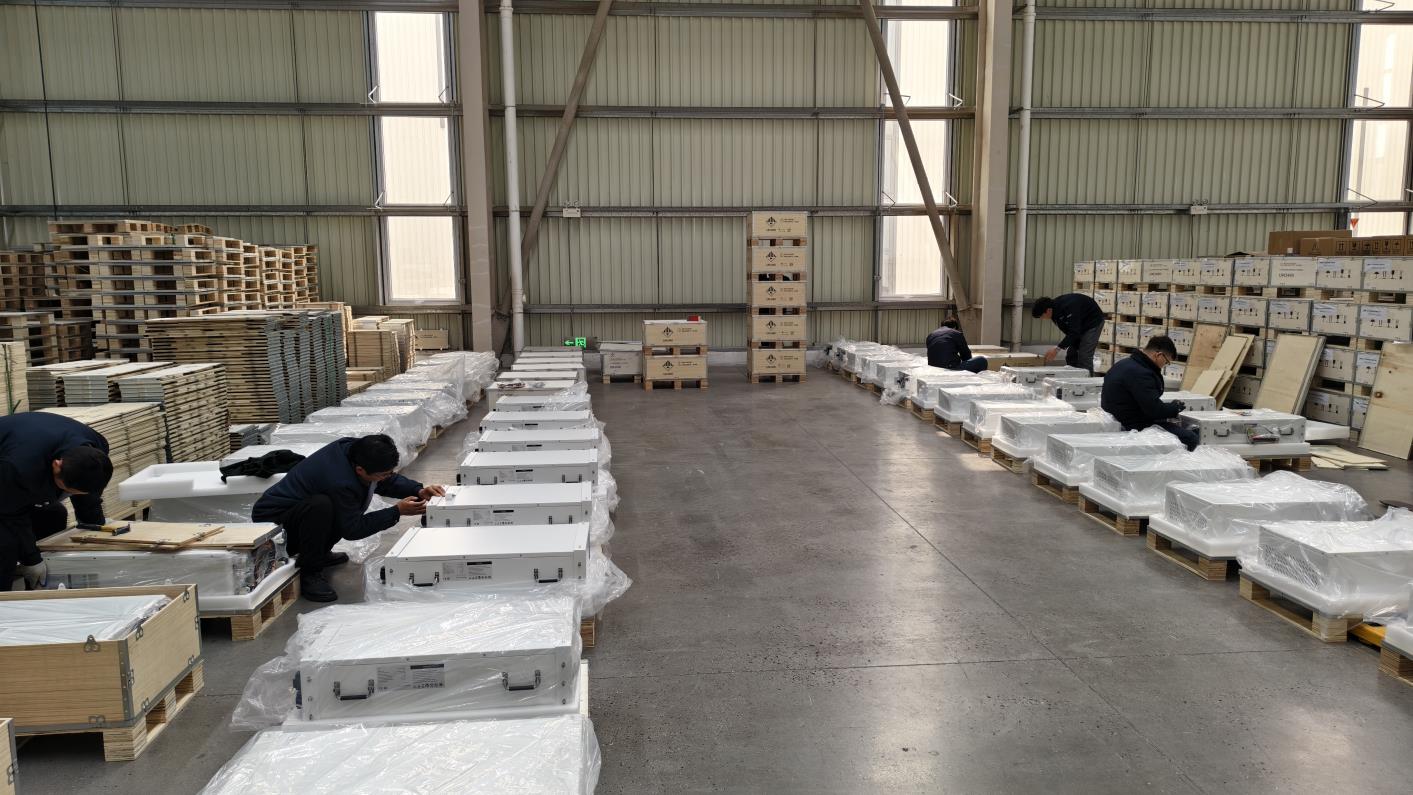
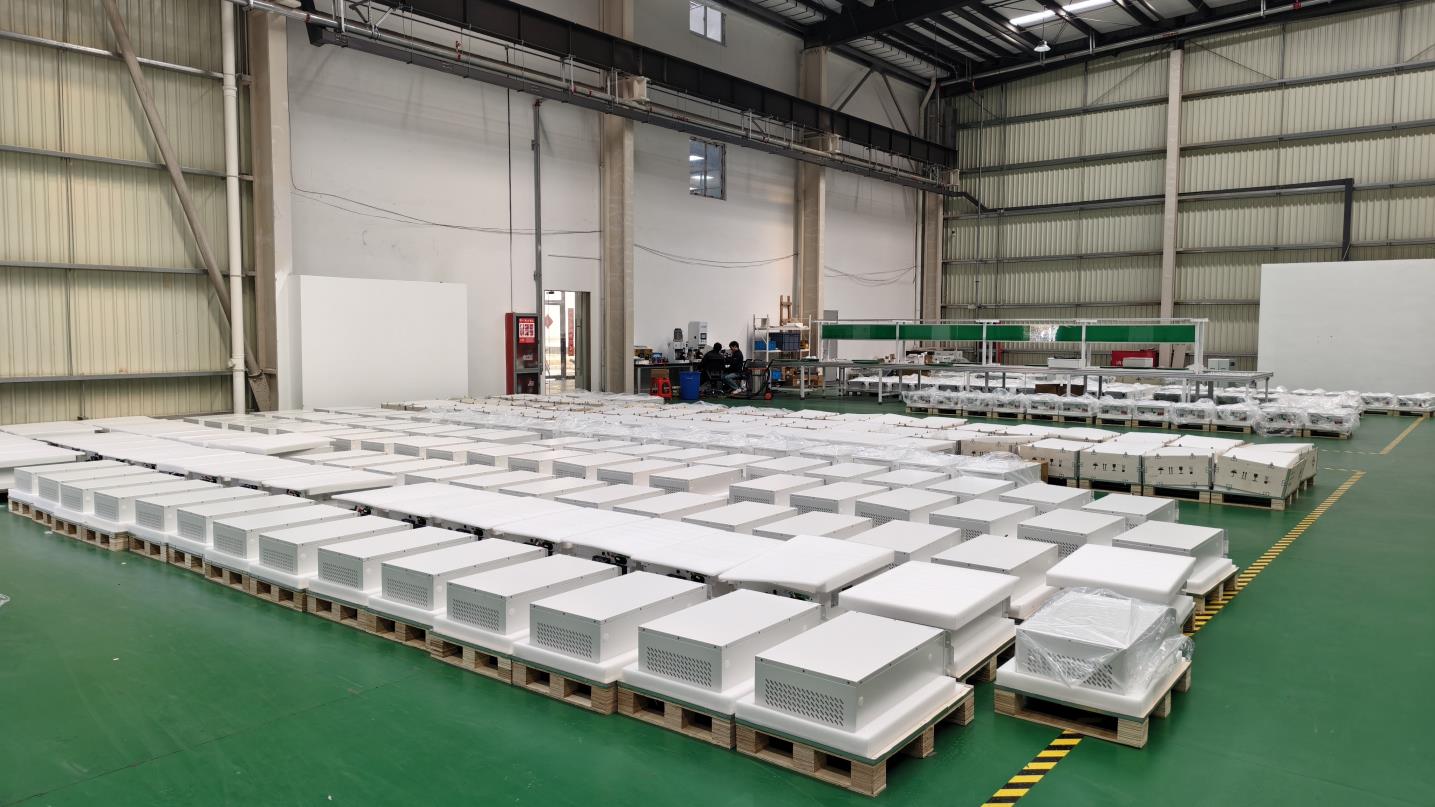
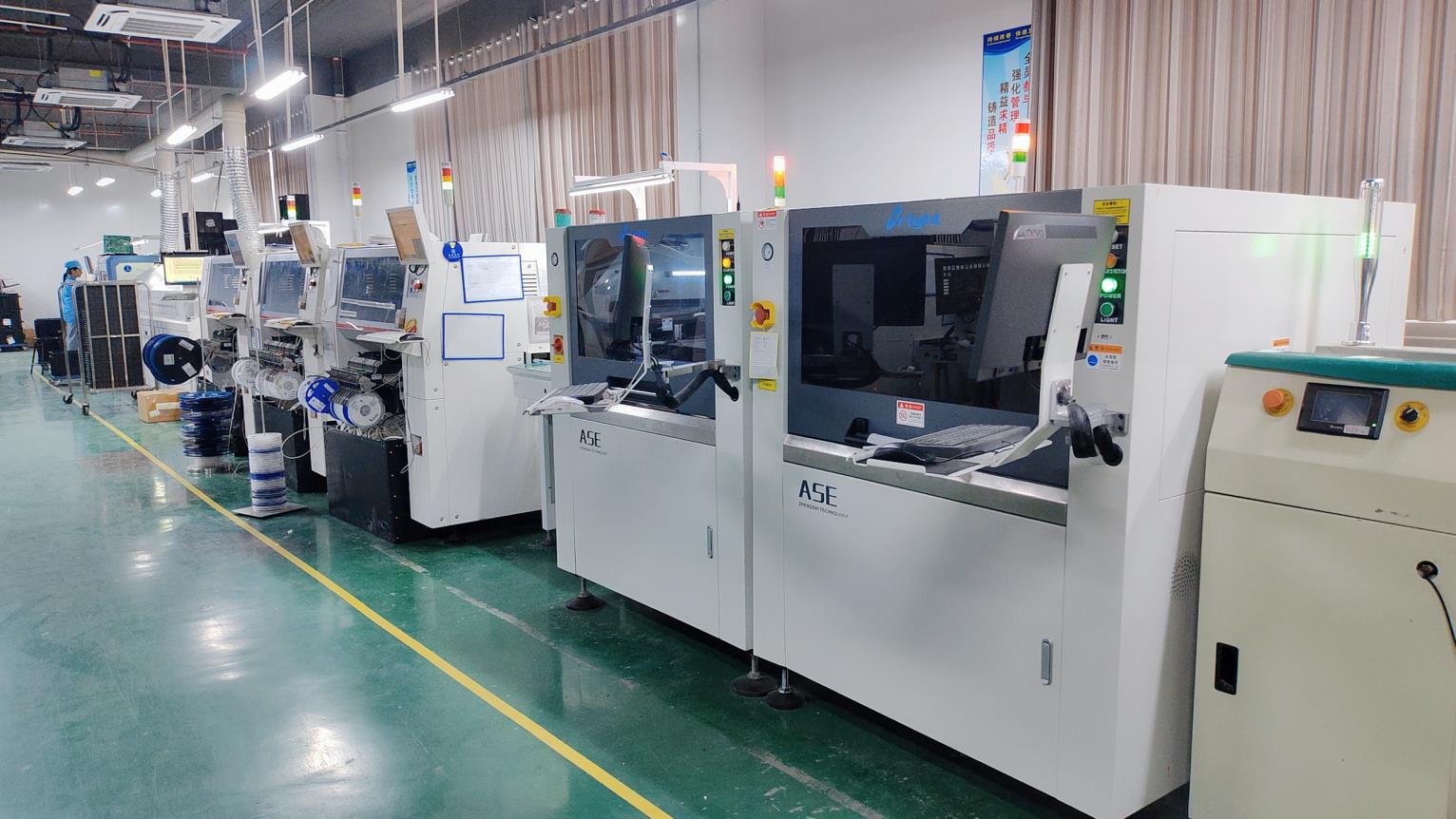
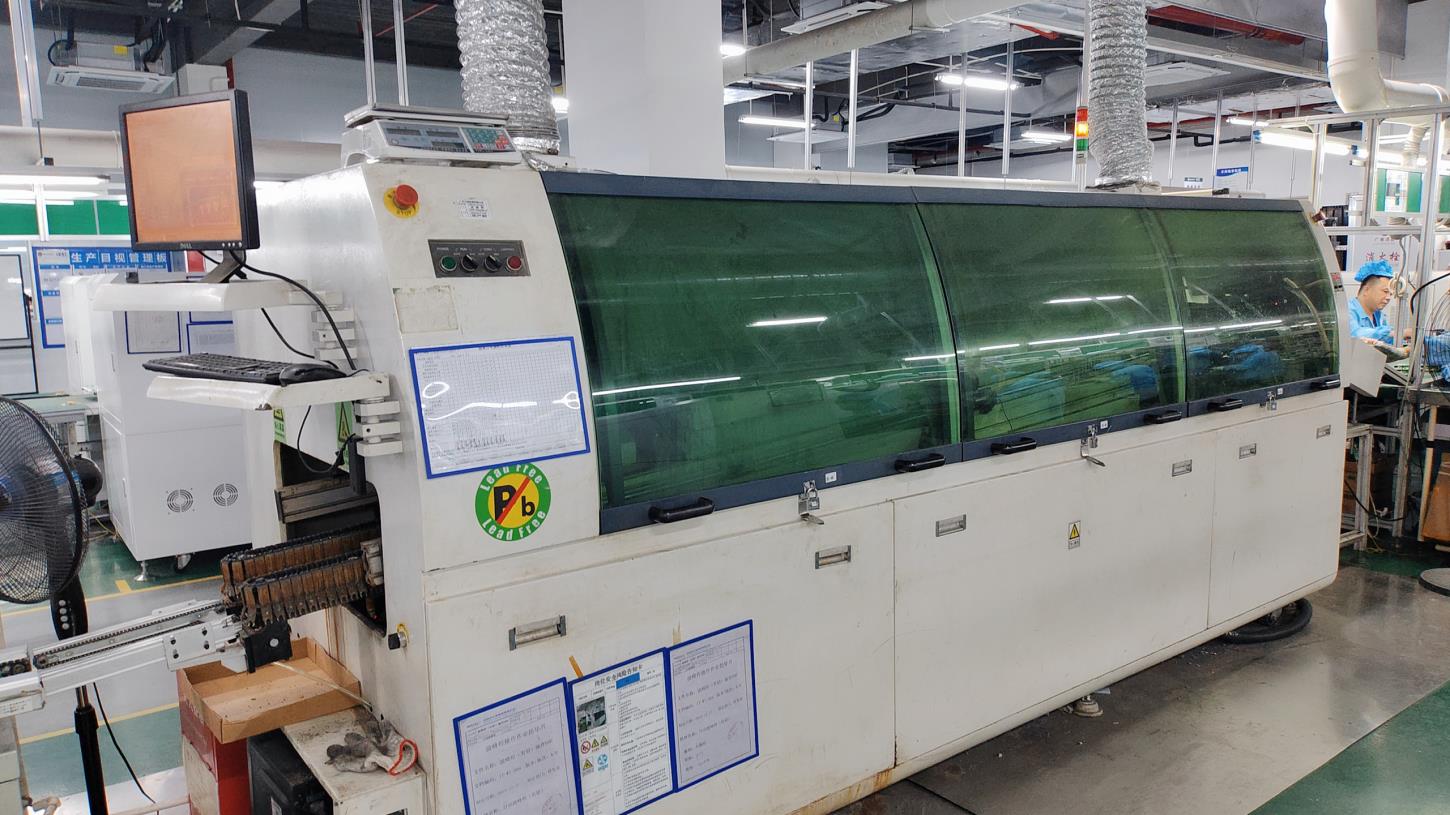
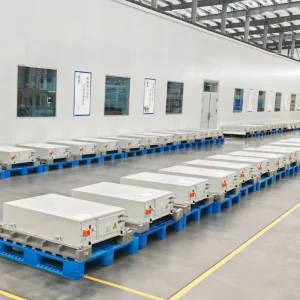
Our Factory 4.0 production base employs advanced automated assembly and diagnostic systems. By integrating surface-mount technology (SMT) for BMS manufacturing, automated laser-welding, and precise computerized aging and testing chambers, we eliminate quality defects before shipment. Every batch bound for the port of Montevideo undergoes comprehensive environmental testing to ensure resilience against maritime humidity and coastal ambient shifts.
In Uruguay, energy investment projects under the Investment Promotion Regime managed by COMAP (Comisión de Aplicación de la Ley de Inversiones) can receive significant tax exemptions, particularly on IRAE (Corporate Income Tax). Investing in solar photovoltaic infrastructure combined with industrial-grade lithium energy storage systems (BESS) qualifies for these incentives. This regulatory support lowers the payback period of commercial battery installations, turning energy storage into an active yield-generating asset for companies operating in the country.
Industrial operations situated outside urban zones, such as pulp mills, meat processing facilities (frigoríficos), and agricultural cooperatives in areas like Salto and Paysandú, require stable voltage inputs to keep heavy machinery running. Sudden voltage sags on UTE transmission lines can cause costly downtime.
Aryam Energy’s high-capacity battery solutions function as active grid-forming agents. These systems regulate local voltage parameters, suppress harmonics, and provide millisecond-level transitions during grid dropouts. Integrating modular commercial lithium-ion batteries into existing distribution boards ensures that critical industrial processes remain online during grid fluctuations.
Navigating Uruguayan importing rules requires compliance with strict safety and technical standards. Aryam Energy ensures all documentation and certifications are aligned for smooth import clearing.
All solar and battery products must comply with safety regulations monitored by the Unidad Reguladora de Servicios de Energía y Agua (URSEA). Our factory provides full testing logs, IEC 61427, and CE certification dossiers to expedite local engineering sign-offs.
As a member of MERCOSUR, Uruguay enforces the Arancel Externo Común (AEC). Under specific industrial promotion decrees, renewable energy equipment, including specialized lithium batteries, can qualify for tariff reductions. We assist our clients with the required documentation.
Batteries are classified as Class 9 Dangerous Goods. We manage hazardous materials logistics from Ningbo or Shanghai to the Port of Montevideo, ensuring complete adherence to IMDG maritime transport protocols.
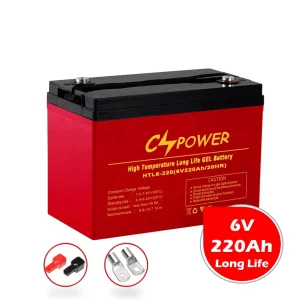
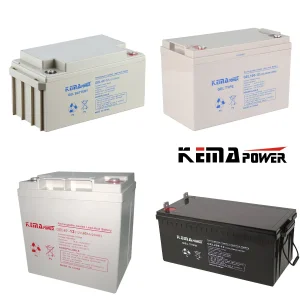
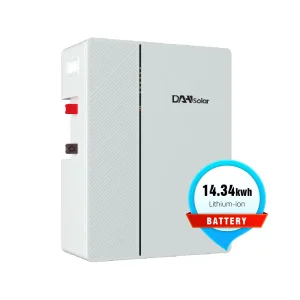
Explore our complete range of deep cycle batteries, industrial BESS, and modular lithium systems designed for integration with Uruguayan power infrastructure.
Find technical answers on grid-tied setup, logistics, chemical performance, and local standards compliance in Uruguay.
Under the current Uruguayan distributed generation framework, systems connected to the UTE grid must avoid reverse power surges that compromise grid stability. For this reason, hybrid smart inverters coupled with high-efficiency LiFePO4 packs must support zero-export profiles or limit generation injection within approved capacities. Our BMS units fully integrate with Deye, Victron, and SMA inverter protocols to support compliant zero-export settings.
LiFePO4 offers distinct advantages for commercial and industrial (C&I) applications: a cycle life exceeding 6,000 cycles at 80% Depth of Discharge, round-trip efficiency of 95%+, and high thermal stability. Lead-acid batteries generally suffer from degradation under deep cycling and have an efficiency of only 75-80%. For high-use applications, the total cost of ownership (TCO) of LFP systems is lower due to their minimal maintenance requirements and longer operational lifespan.
Nickel-Iron (Ni-Fe) batteries are well-suited for off-grid operations in inland Uruguay. They feature a physical lifespan of up to 35 years and are highly tolerant of electrical abuses, including overcharging, deep discharge, and short circuits. While their energy efficiency is lower (around 65-70%) compared to lithium systems, their durability makes them a reliable option for remote agricultural setups where replacement parts and maintenance services are difficult to access.
All export models bound for Uruguay are certified to meet major international technical standards, including IEC 61427 (Solar PV systems storage tests), IEC 62619 (Safety rules for industrial secondary lithium cells), UN38.3 (Safety for transportation), and CE certifications. These certification dossiers are designed to comply with technical evaluations by URSEA and municipal code authorities during site approvals.
Ocean freight shipments originating from Ningbo or Shanghai, China, to the port of Montevideo typically require a transit time of 35 to 45 days, depending on carrier routing and transshipment schedules. We compile all required documentation, including dangerous goods certificates, MSDS records, and bill of lading files, to facilitate smooth customs processing upon arrival in Uruguay.
Yes. Our integrated Battery Management System (BMS) includes built-in communication profiles for popular global inverter brands commonly installed in Uruguay, such as Deye, Victron Energy, SMA, Megarevo, and Growatt. We provide pre-programmed firmware setups via CAN and RS485 interfaces to enable plug-and-play installation.
Aryam Energy provides a 10-year warranty on selected lithium battery packs and a comprehensive factory guarantee across our gel and Ni-Fe ranges. In the event of a warranty claim, we perform remote diagnostics using BMS log files. If a component failure is confirmed, we ship replacement BMS modules, cell packs, or complete replacement units directly to the destination site.
Our solar Gel VRLA batteries are manufactured with specialized lead-calcium-tin grids and high-purity fumed silica gel, enabling reliable performance down to -15°C. This chemical stability is well-suited for winter conditions in inland Uruguayan departments, where temperatures can drop close to freezing. These gel systems maintain stable performance without freezing risk, unlike traditional flooded lead-acid batteries.
Get in touch with our engineering team for customized sizing, pricing, and freight estimates to Uruguay.
Send Inquiry Now Aryam Energy