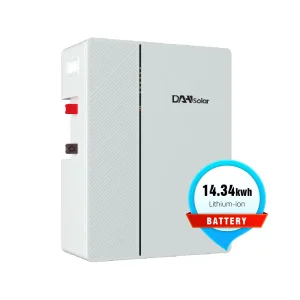
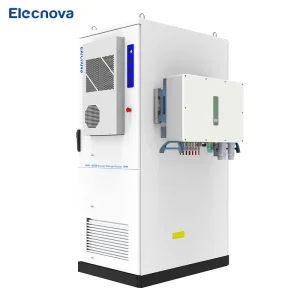
Explore our top-tier tier-1 equivalent energy storage configurations, designed to handle the rigorous Australian National Electricity Market (NEM) dynamics and local grid conditions.
The Australian continent represents one of the most dynamic energy storage markets globally. Driven by the aggressive decommissioning of coal-fired generation asset classes and high penetration of rooftop solar (distributed energy resources, or DERs), the Australian grid faces significant stability challenges. The National Electricity Market (NEM), spanning QLD, NSW, ACT, VIC, SA, and TAS, is subject to high wholesale price volatility, often generating negative pricing intervals during solar peak output, followed by extreme evening price peaks.
For commercial, industrial (C&I), and utility-scale stakeholders, this volatility represents both a systemic operational risk and a lucrative revenue generation stream through virtual power plant (VPP) participation, FCAS (Frequency Control Auxiliary Services) markets, and peak demand shaving. Implementing highly resilient energy storage systems (ESS) engineered with smart BMS controllers is no longer an optional luxury—it is a critical driver of operational profitability and site security.
Different industrial applications demand distinct electrochemical characteristics. Australia’s extreme environmental temperatures—ranging from sub-zero winter temperatures in Tasmania to ambient levels exceeding 45°C in Western Australia and Northern Territory—require distinct thermal profiles. Below, we examine the main chemical pathways utilized in our production matrix.
| Battery Chemistry | Design Life / Cycles | Thermal Window | Ideal Application | Australian Standard Status |
|---|---|---|---|---|
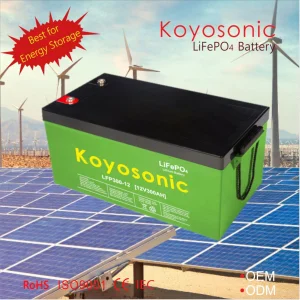
| Lithium Iron Phosphate (LiFePO4) | 6,000+ cycles @ 80% DoD | -20°C to +60°C | C&I, Microgrids, High-frequency cycling VPPs | AS/NZS 5139 Compliant, CEC Approved |
| Nickel Iron (Ni-Fe) | 35+ Years calendar life | -40°C to +60°C | Off-grid outback stations, remote telecommunications | Mechanical safety standard compliance |
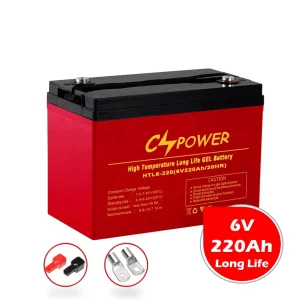
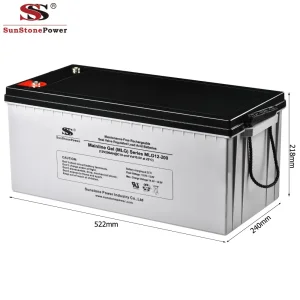
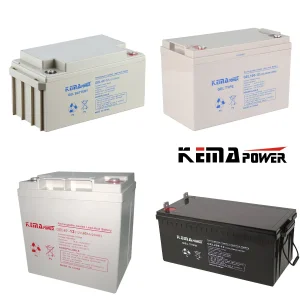
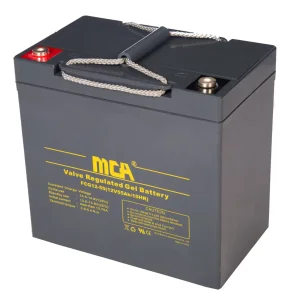
| Deep Cycle Tubular Gel / OPzS | 1,500 - 2,500 cycles | -15°C to +50°C | Telecommunications, Backup backup systems, Rural solar | Traditional installation compliance |
| General VRLA / AGM | 500 - 1,000 cycles | -15°C to +40°C | Emergency standby, short-duration backup power | Standard domestic approvals |
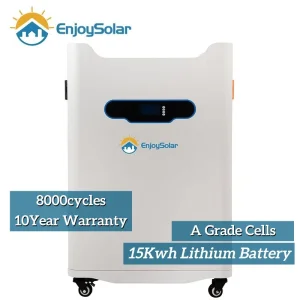
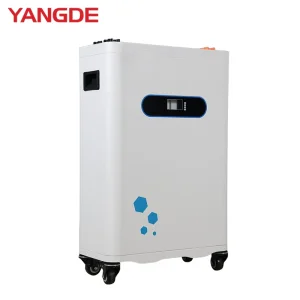
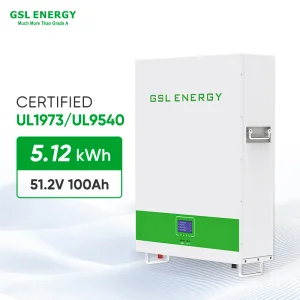
Lithium Iron Phosphate represents the gold standard for grid-tie interactions in Australia. Thanks to its structural stability and low risk of thermal runaway compared to NMC chemistries, LFP packs are highly favored by Australian installers and network operators (such as Ausgrid, Endeavour Energy, and Powercor). Our Enjoy Solar 10 Years Warranty LiFePO4 Battery Pack series incorporates advanced cell-level monitoring to protect against rapid degradation during hot Australian summers.
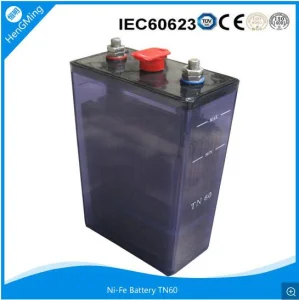
For remote agricultural sites, mining infrastructure, and outback applications where maintenance crews cannot quickly respond to failures, our 35-Year Life Nickel Iron Ni-Fe batteries offer unmatched chemical durability. Unlike lithium, they are highly tolerant to deep discharge overcharging and operate efficiently without complex cooling structures.
Our technology footprint extends beyond simple modular battery manufacturing. We provide fully integrated macro solutions engineered to meet the stringent grid connection rules set by the Australian Energy Market Operator (AEMO).
Equipped with high-speed CAN/RS485 communication protocols, our modular batteries integrate seamlessly with local VPP control platforms like Amber Electric or Reposit Power. This enables rapid response times (<100ms) to participate in grid frequency stabilization.
Many rural properties at the end of long distribution feeders experience frequent voltage sags and blackouts. By pairing our high-capacity modular storage units with solar arrays, regional businesses can completely isolate themselves during critical blackouts.
Commercial structures suffer from high demand charges during summer afternoons. Our thermal management systems maintain optimal operational parameters during extreme ambient conditions, keeping utility costs low.
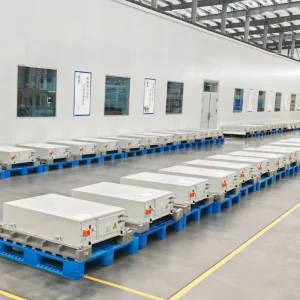
Anhui Aryam Energy Co., Ltd. operates a high-tech manufacturing plant optimized for high precision and efficiency. Under Strict Quality Management Systems (ISO 9001, ISO 14001, ISO 45001), our production processes are designed to produce reliable, high-yield, and cost-effective energy storage units.
By utilizing smart automation, we ensure that every cell and assembly meets our strict performance standards before shipment. This quality control is key to offering reliable product warranties for the demanding Australian market.
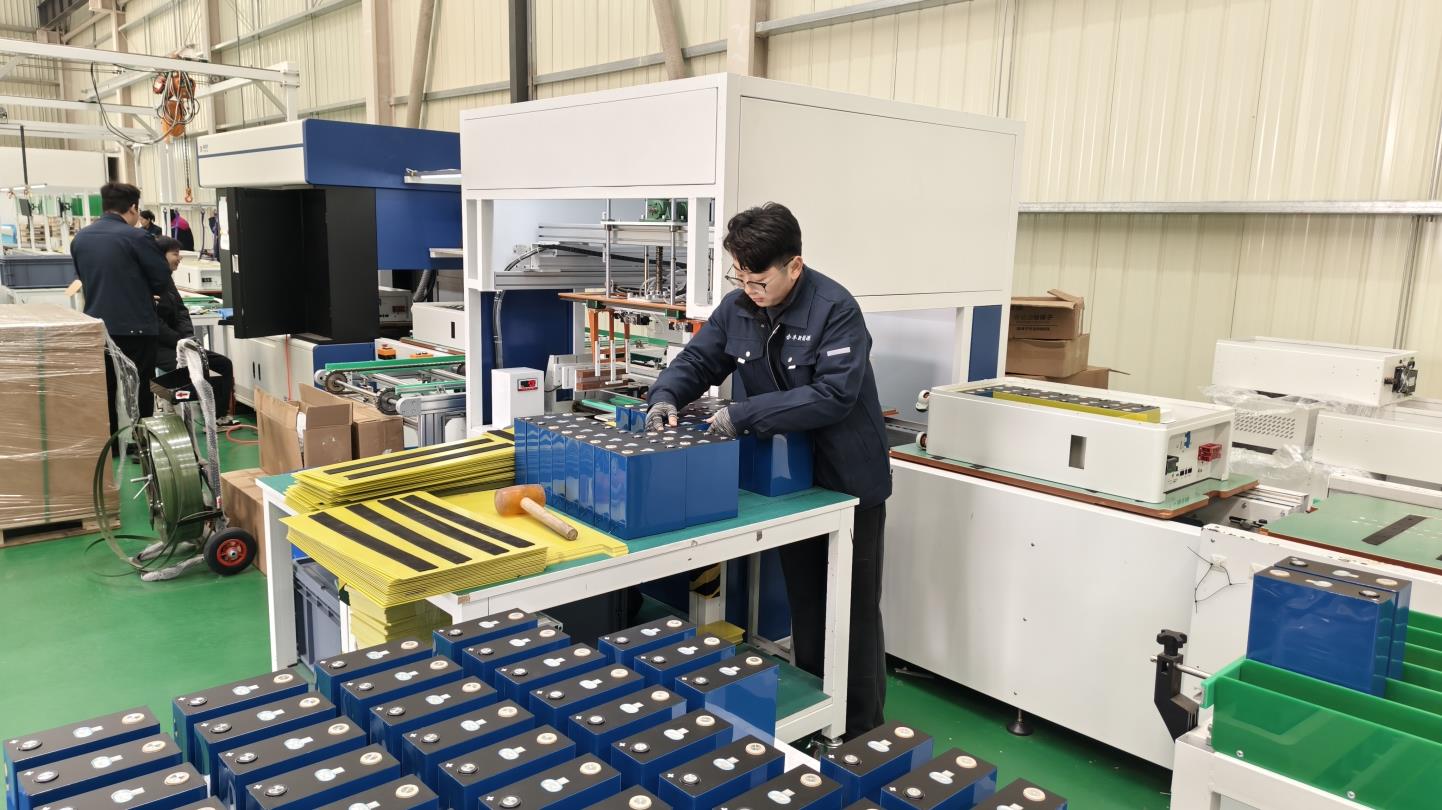
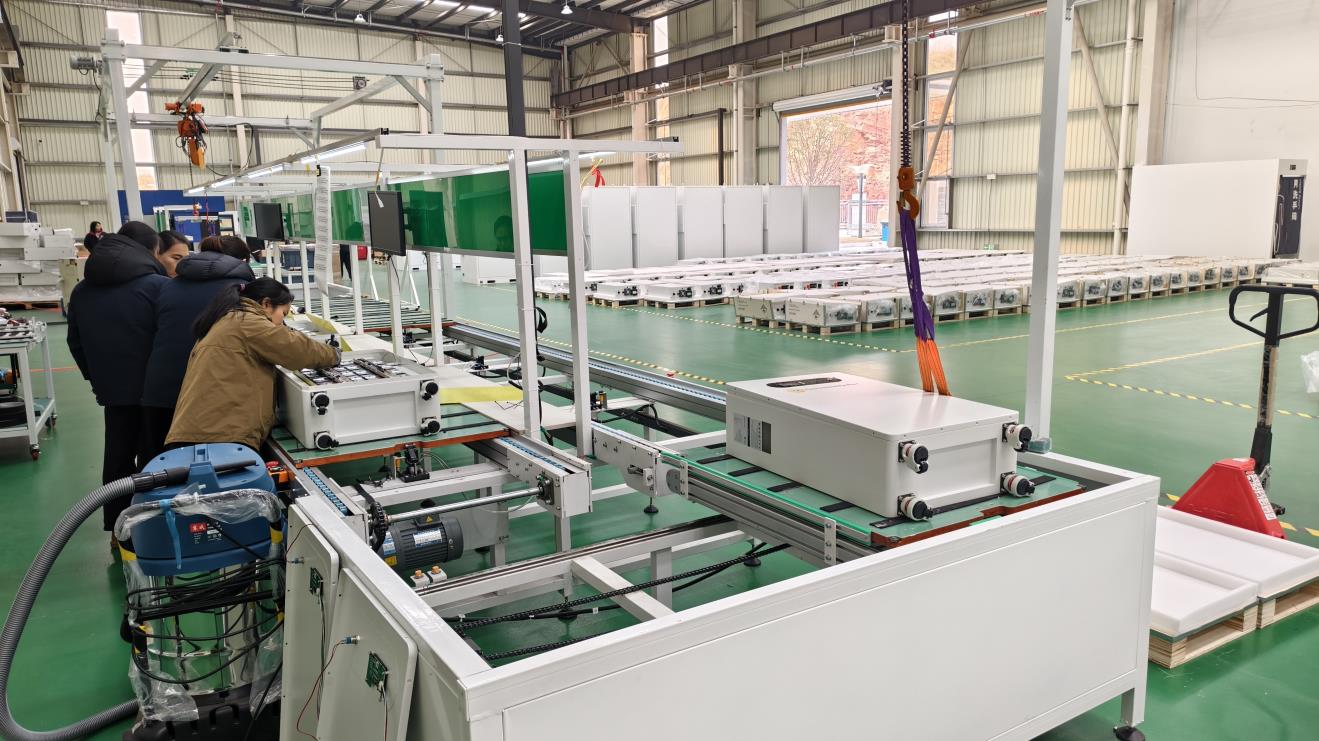
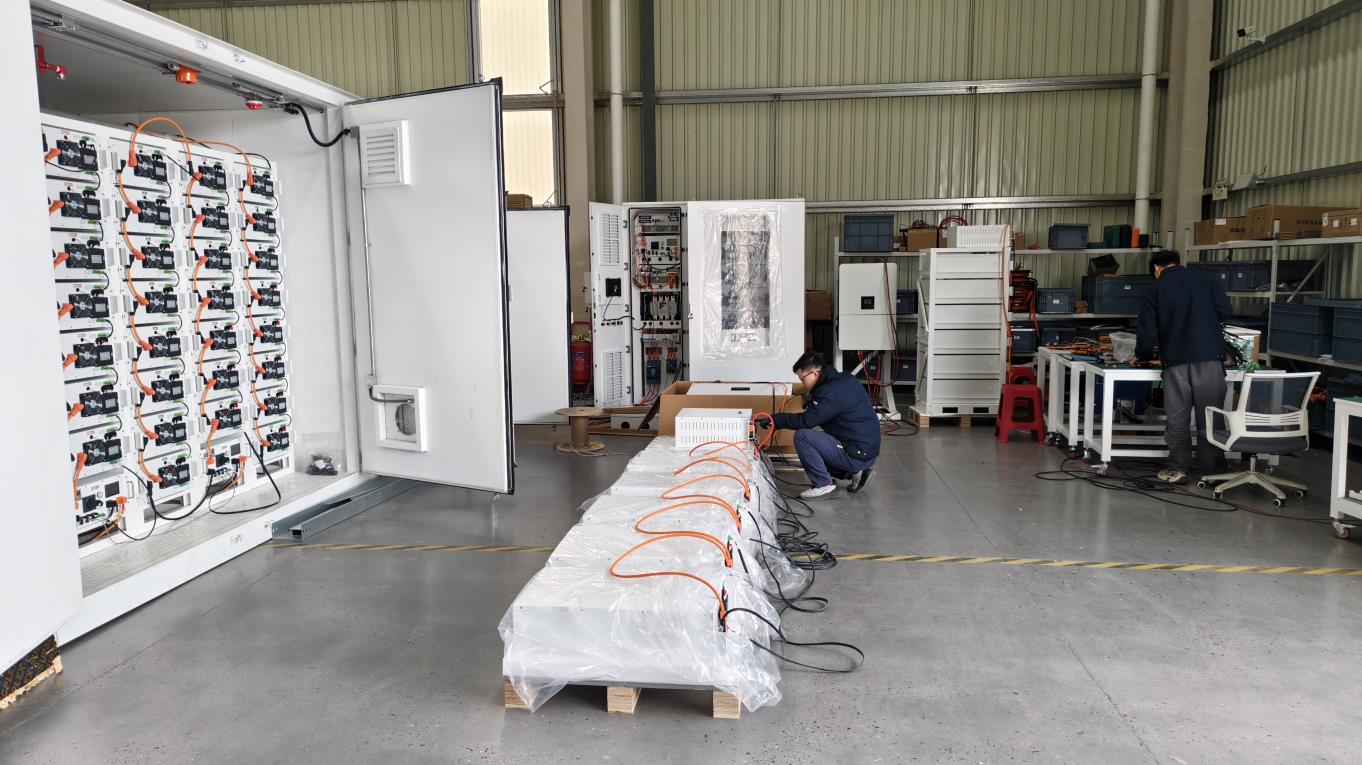
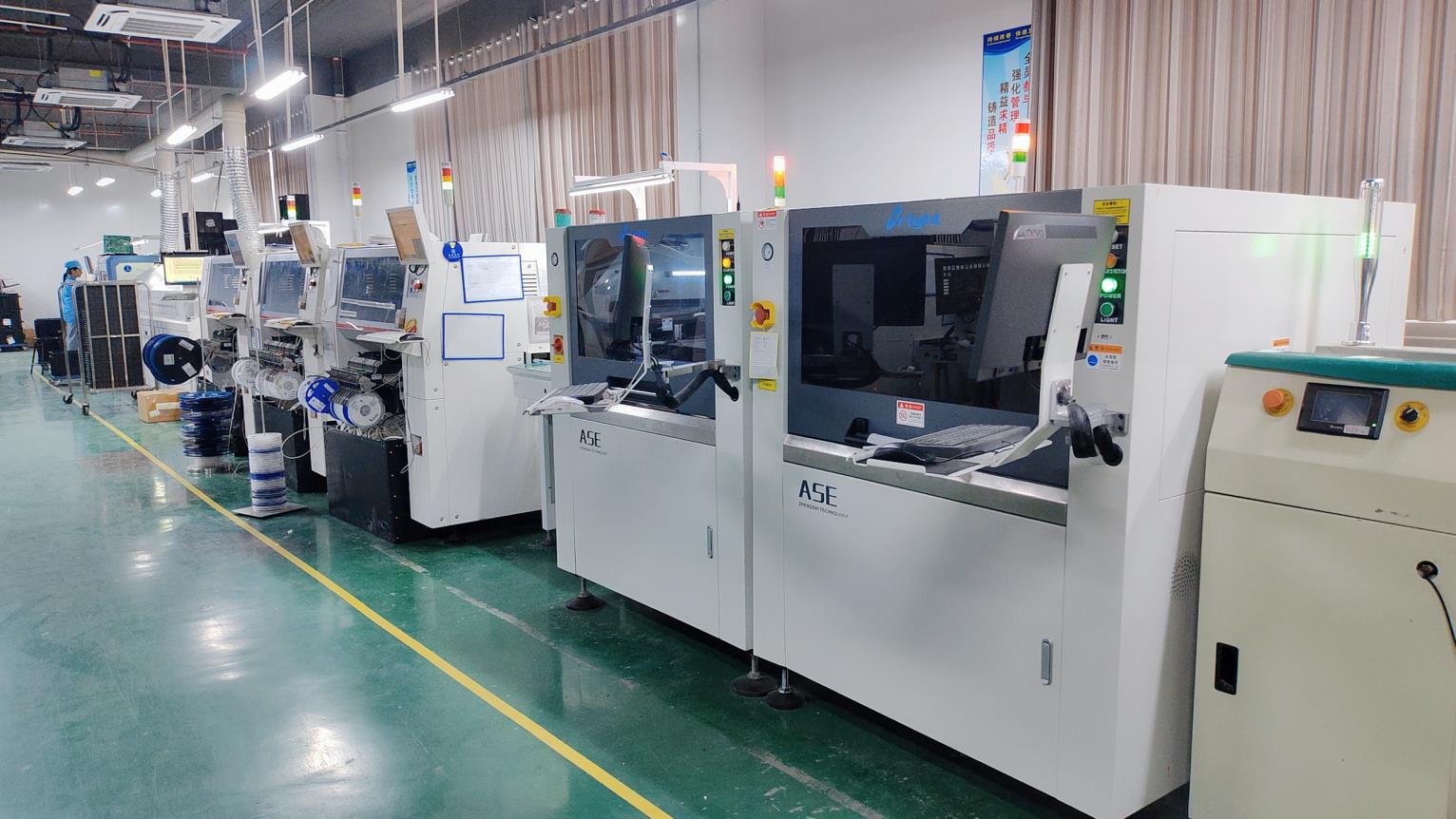
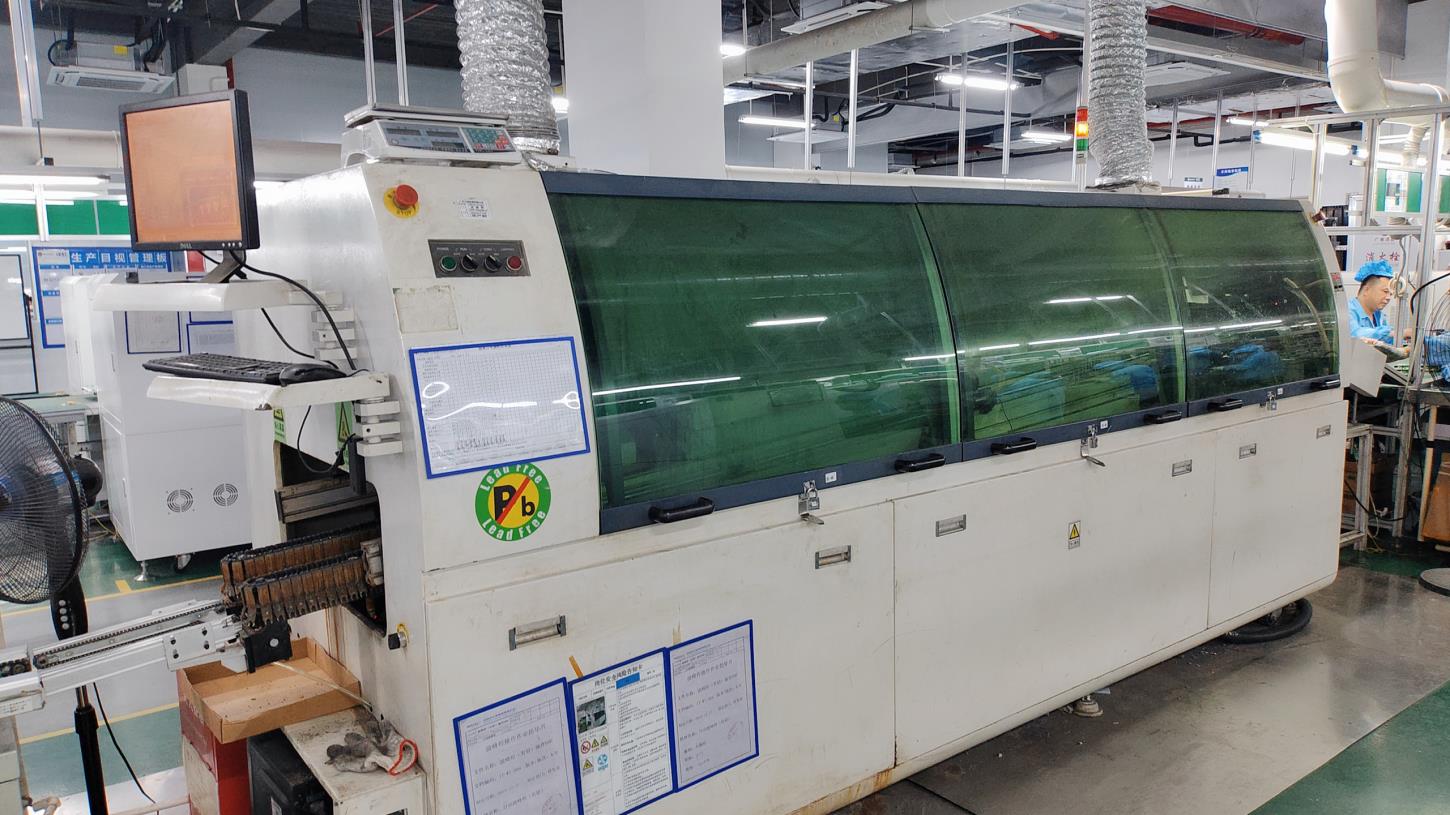
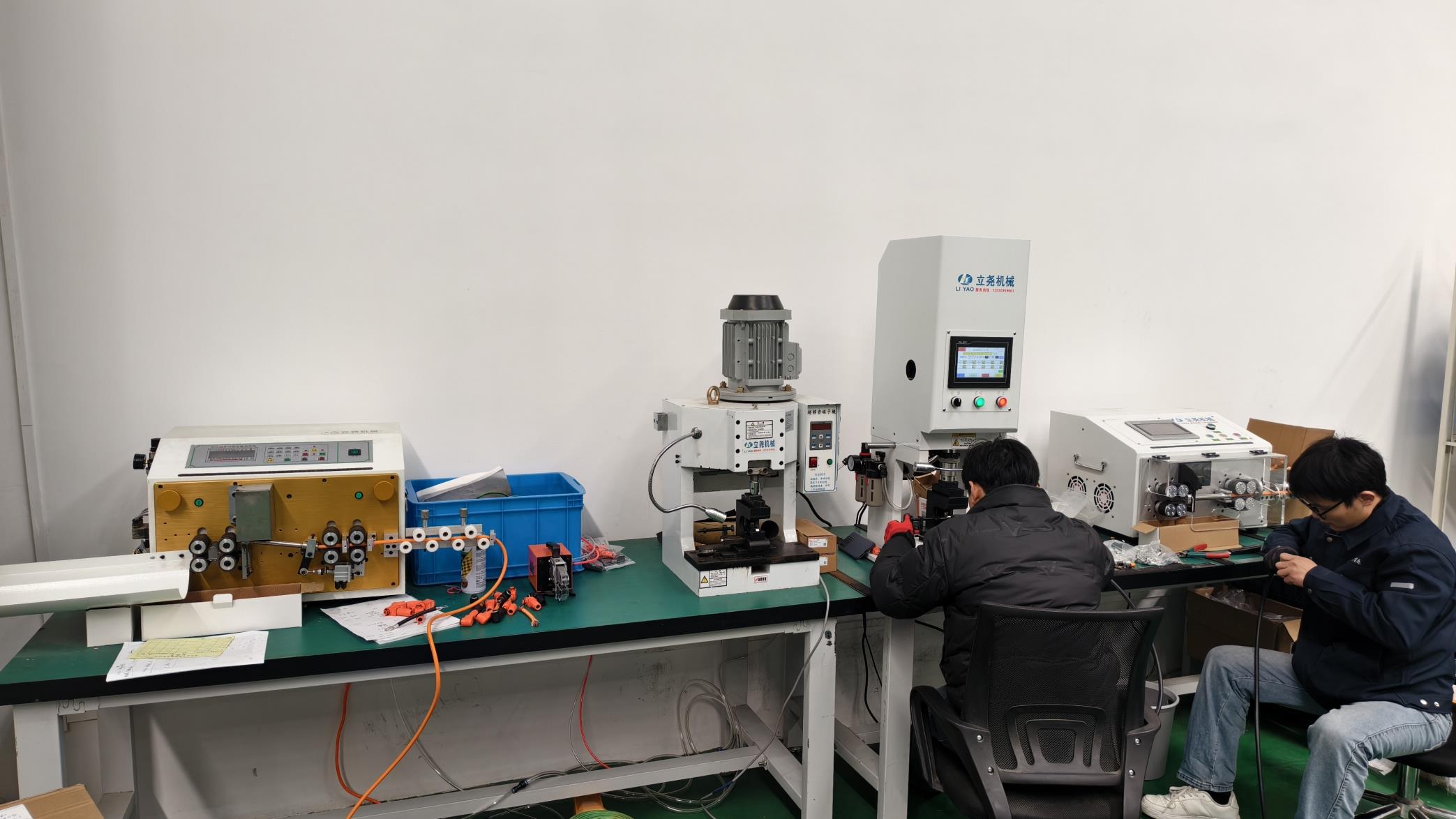
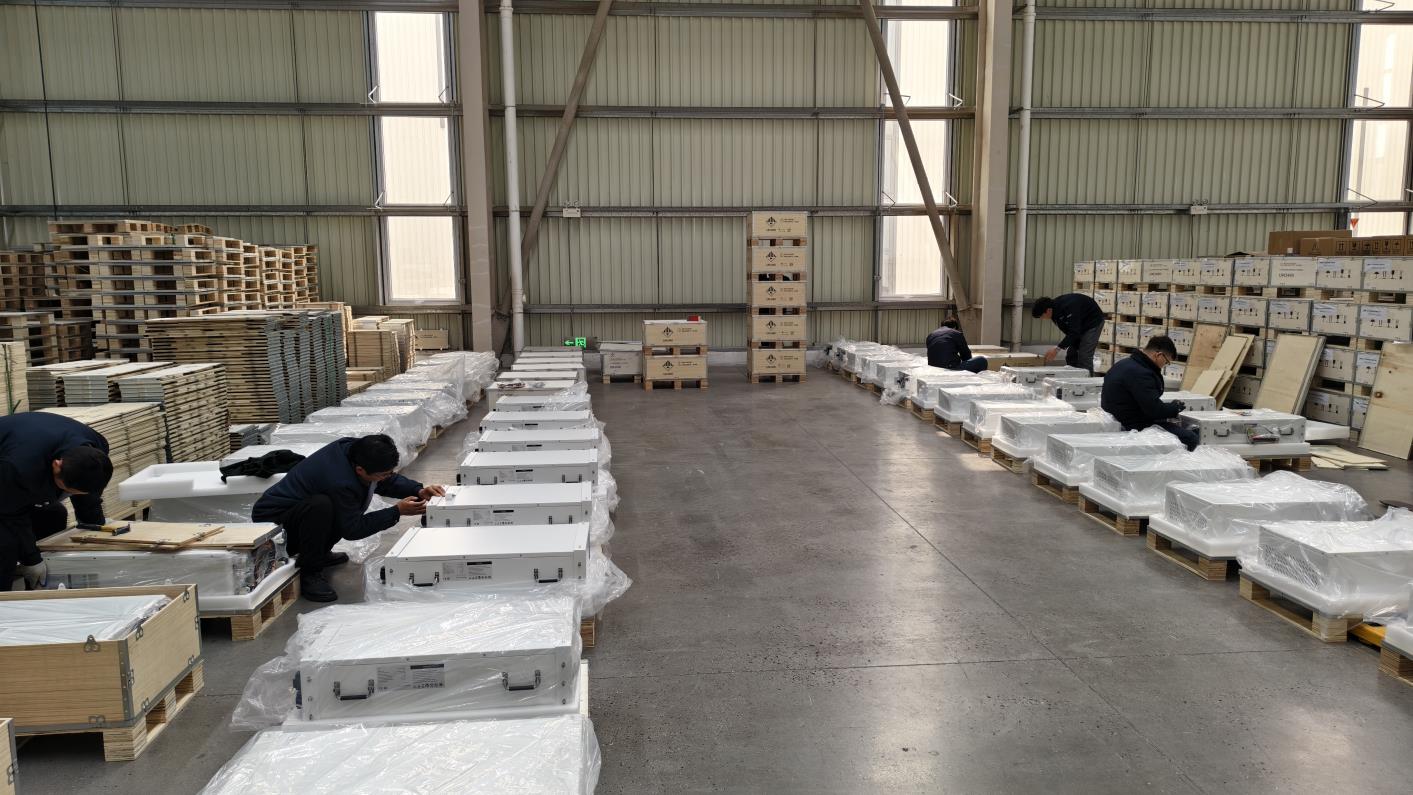
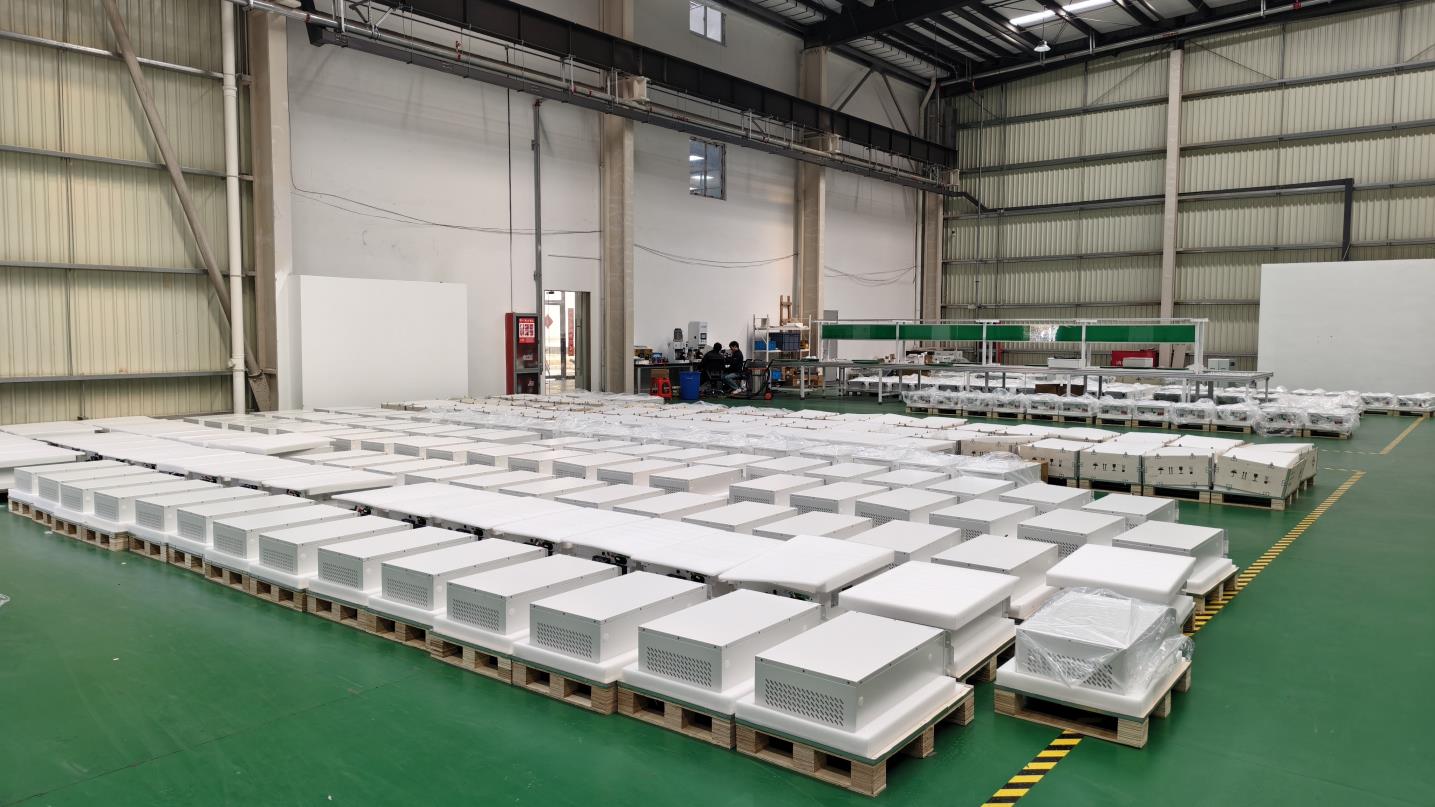
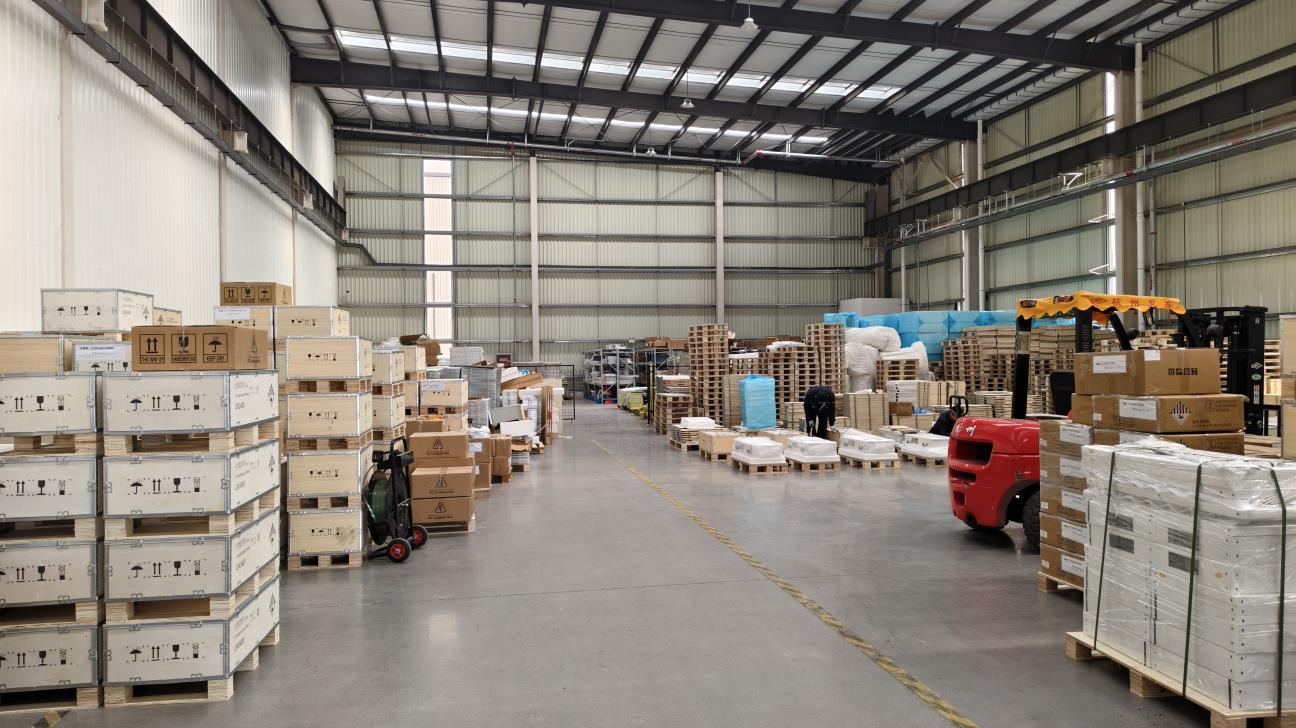
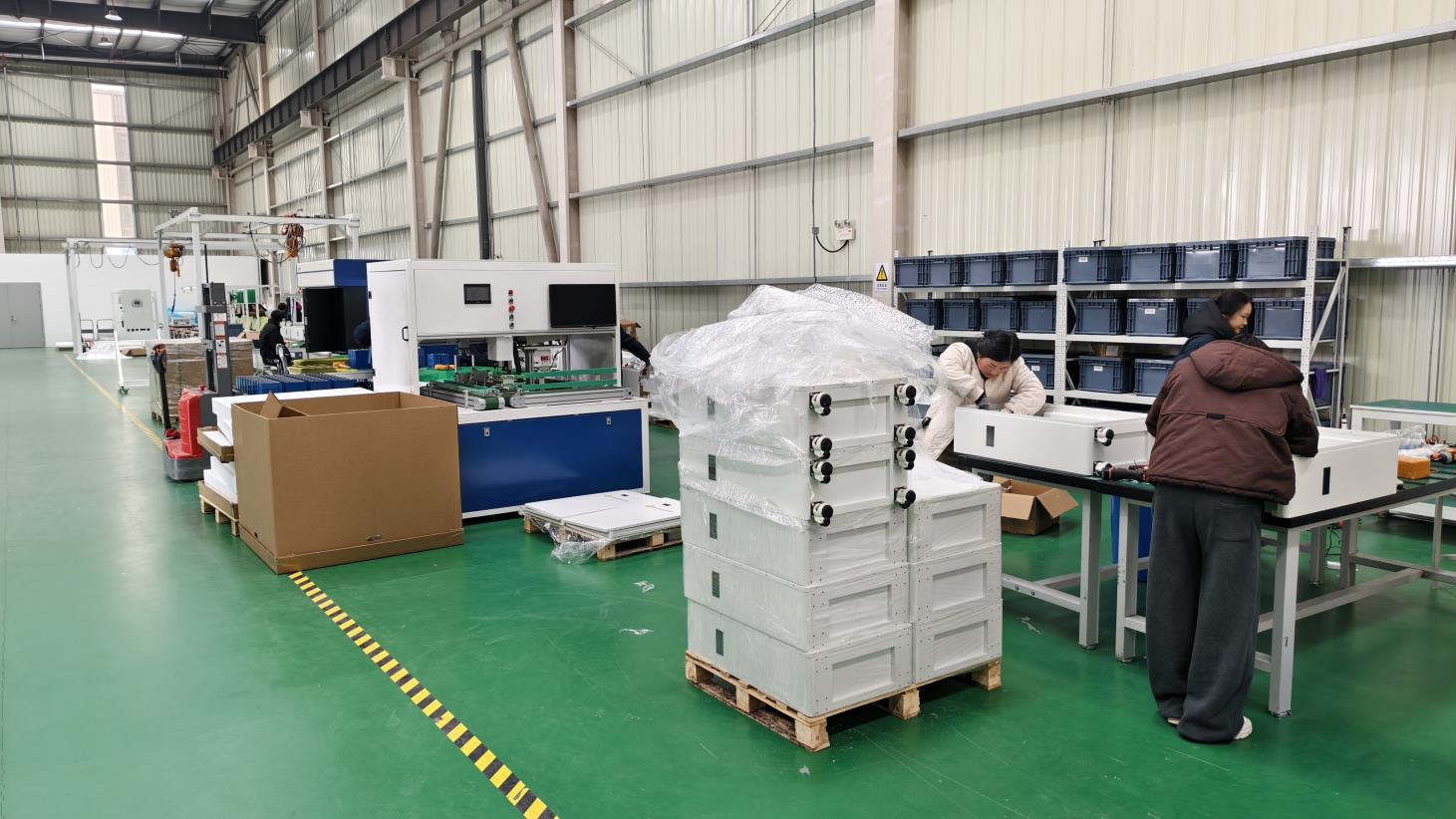
By managing critical manufacturing processes in-house—including PCB SMT placement, wave soldering, cell sorting, automated welding, and dynamic thermal cycle testing—we maintain close control over quality. This end-to-end integration reduces potential component failure rates and ensures consistent, reliable deliveries for Australian EPCs, commercial solar distributors, and developers.
Getting high-capacity batteries safely into Australia requires specialized logistics. Class 9 Dangerous Goods classification (UN3480 for lithium batteries) demands strict compliance with international maritime laws (IMDG) as well as the local regulations of receiving ports like Sydney, Melbourne, Brisbane, and Fremantle.
Our logistics division manages the entire documentation flow—including SDS certificates, UN38.3 test reports, and customs clearances. We partner with reliable shipping lines to minimize transit times from Shanghai and Ningbo ports to major Australian terminals.
Our engineering team works closely with Australian project managers. We assist with modbus mapping, hybrid inverter integration (including brands like SMA, Sungrow, Fronius, and Victron), and site commissioning support to help ensure smooth system deployments.
Choose from our specialized solar batteries, built to meet diverse capacity and chemistry requirements for commercial, industrial, and residential projects across Australia.
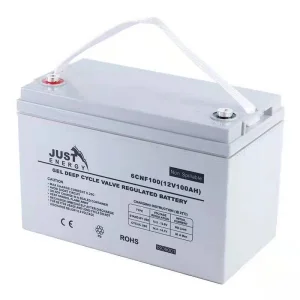
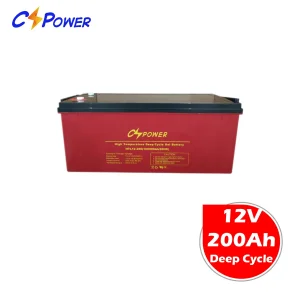
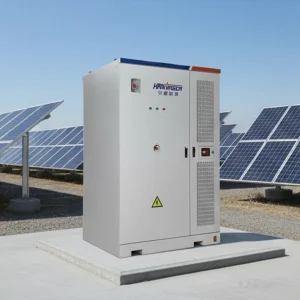
Expert advice on compliance, installation, and import parameters for Australian solar buyers and solar installers.
Whether you are an EPC contractor bidding on utility-scale systems, a regional battery distributor, or a C&I system integrator, we provide compliant, reliable, and cost-effective energy storage hardware.
 Aryam Energy