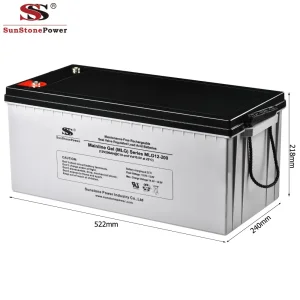
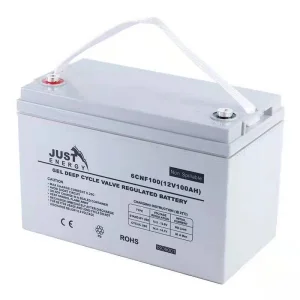
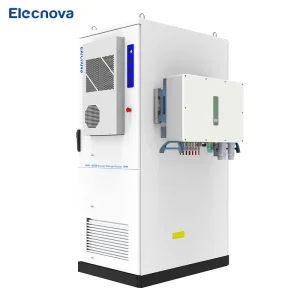
Our top-selected deep-cycle energy storage cells engineered for extreme cycling, grid outages, and high ambient temperatures.
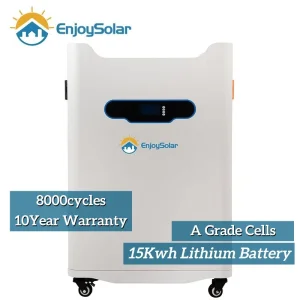
An in-depth analysis of Eskom's load shedding mechanics, peak-shaving needs, and why Battery Energy Storage Systems (BESS) represent the primary pillar of business continuity.
South Africa’s commercial, industrial, and agricultural sectors are navigating an unprecedented energy transition. The chronic supply deficits characterized by Eskom's load shedding schedules—often scaling up to Stage 6—have fundamentally transformed the economics of business operation in Gauteng, KwaZulu-Natal, the Western Cape, and beyond. In this climate of grid instability, relying solely on diesel generators is no longer economically viable due to volatile fuel costs and carbon emissions mandates. Consequently, Battery Energy Storage Systems (BESS) integrated with solar photovoltaic (PV) generation have transitioned from a sustainability luxury to a core operational necessity.
The implementation of modern energy storage systems in South Africa is not merely about surviving blackouts. It is about maximizing the levelized cost of energy (LCOE) and optimizing the return on investment (ROI) of localized microgrids. Businesses are scaling up their decentralized energy architectures to achieve grid independence. Under the latest National Energy Regulator of South Africa (NERSA) frameworks and the expansion of the Section 12B tax incentive, commercial players can deduct substantial portions of their renewable energy investments, driving a capital-expenditure surge into large-scale battery storage facilities.
For solar battery manufacturers and exporters serving South Africa, this macro-economic landscape demands a shift from generic consumer-grade hardware to ruggedized, grid-interactive, high-reliability battery technology. The demanding environmental parameters of Southern Africa—ranging from freezing winter nights in the Highveld to scorching summer days in the Northern Cape—place distinct thermal stresses on battery cells. This environment requires deep engineering expertise in cell chemistry, thermal management, and advanced Battery Management Systems (BMS).
Evaluating Lithium Iron Phosphate (LiFePO4), Deep-Cycle Gel/VRLA, and Nickel-Iron (Ni-Fe) systems for diverse deployment zones.
To design an optimal off-grid or hybrid energy system in South Africa, engineers must evaluate three distinct battery architectures based on cycle life, thermal threshold, maintenance overhead, and capital expenditure constraints.
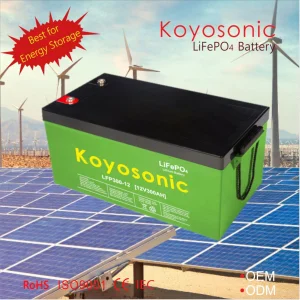
Lithium Iron Phosphate (LiFePO4) has emerged as the leading technology for urban commercial centers like Johannesburg, Cape Town, and Durban. With cell designs offering up to 6000 cycles at 80% Depth of Discharge (DoD), LiFePO4 packs boast exceptional energy density and a low levelized cost of storage (LCOS). The integration of intelligent BMS interfaces allows for seamless communication with leading hybrid inverters via CAN/RS485 protocols. LiFePO4 exhibits high thermal stability, lowering the risk of thermal runaway in high-temperature environments. It is ideal for rapid-charge cycles during short utility windows between loadshedding stages.
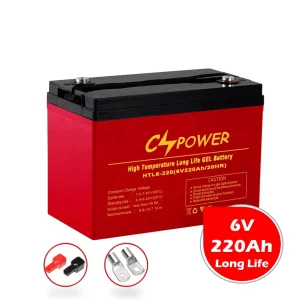
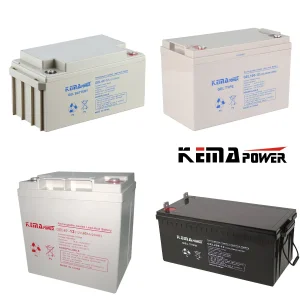
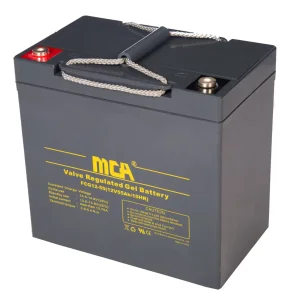
For rural municipalities, basic agricultural backup, and remote installations where capital budgets are constrained, Deep-Cycle Gel and Valve Regulated Lead-Acid (VRLA) batteries remain highly relevant. Engineered with thickened plates and special gelled electrolytes, these batteries offer robust performance under float-charge conditions. While they possess a lower cycle life compared to lithium, their tolerance for cold climates and their simplicity in charging regimes make them a reliable alternative where technical maintenance teams are unavailable.
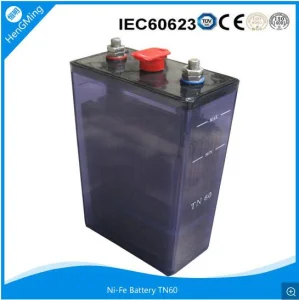
In the most demanding environments—such as remote off-grid mining camps, telecom towers in the Karoo, and deep agricultural outposts—Nickel-Iron (Ni-Fe) batteries offer unparalleled durability. Able to withstand deep discharges, overcharges, and wide temperature swings without damage, Ni-Fe chemistry can deliver an operational lifespan exceeding 35 years. The lack of lead or cadmium minimizes environmental recycling concerns, and their high tolerance for electrical abuse makes them virtually indestructible in areas with unstable grid fluctuations.
From heavy industry to off-grid rural farming, custom battery storage configurations solve distinct operational bottlenecks.
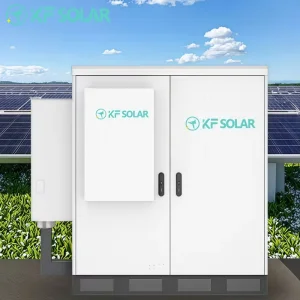
Providing high-power, multi-megawatt containerized BESS to support critical safety operations, ventilation, and microgrid stabilization in remote extraction operations across Limpopo and the North West.
Securing constant energy flows for agricultural packing facilities and cold-storage units in the Western Cape, protecting export-grade yields from sudden grid failures.
Deploying high-cycle, space-efficient 48V telecom lithium racks to power remote cellular towers, ensuring reliable uptime throughout extended power grid blackouts.
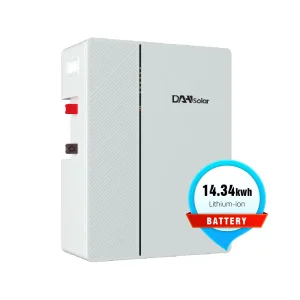
In addition to heavy industry, residential estates and commercial buildings in Johannesburg and Pretoria are increasingly adopting hybrid battery banks. By combining rooftop PV with smart lithium storage, these properties manage peak demand periods and shield themselves from localized municipal grid failures. Crucially, industrial designers rely on modular battery configurations that can easily scale as their energy needs grow, making modern modular battery packs highly attractive.
How Anhui Aryam Energy Co., Ltd. leverages state-of-the-art production automation, strict QA/QC testing, and materials sourcing to deliver international-standard energy products.
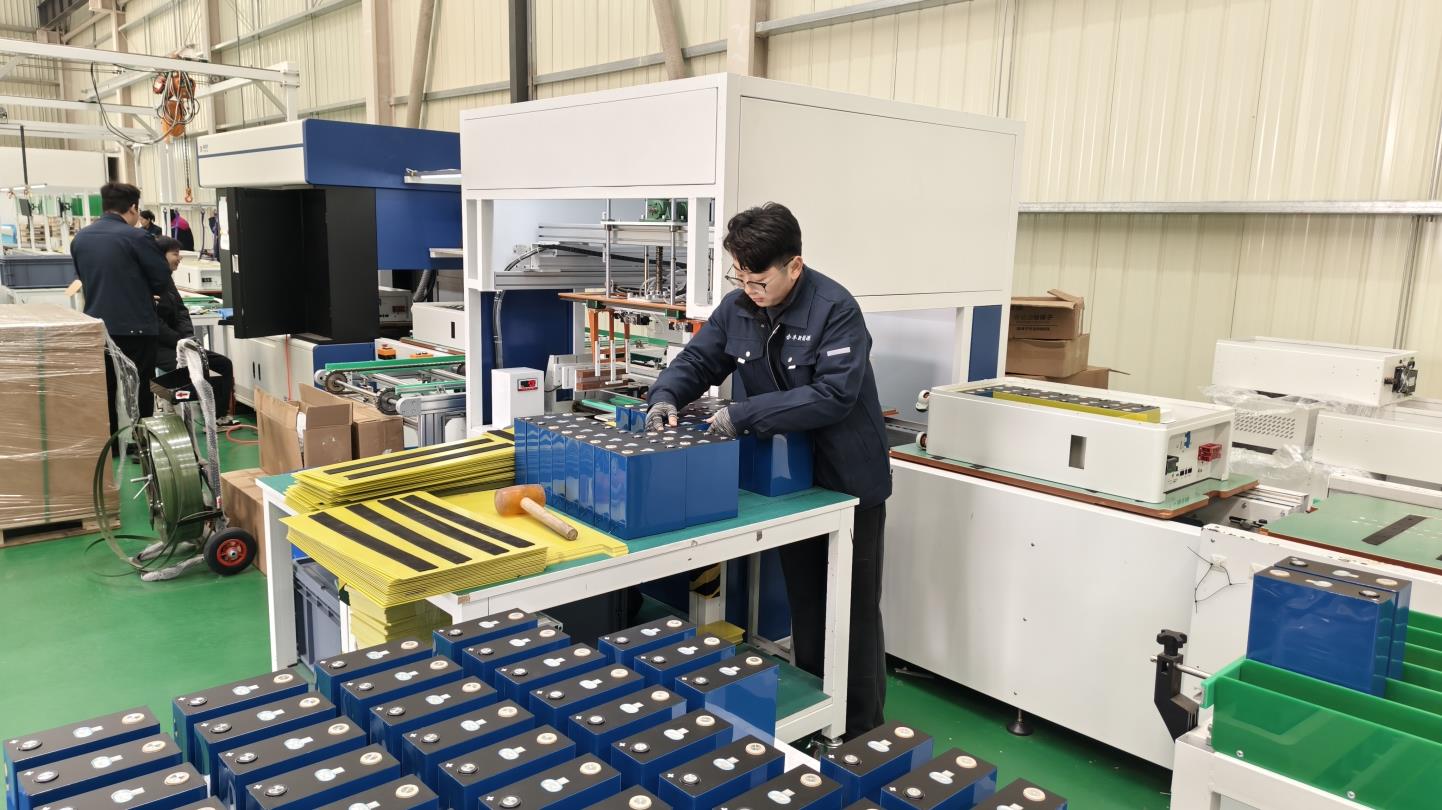
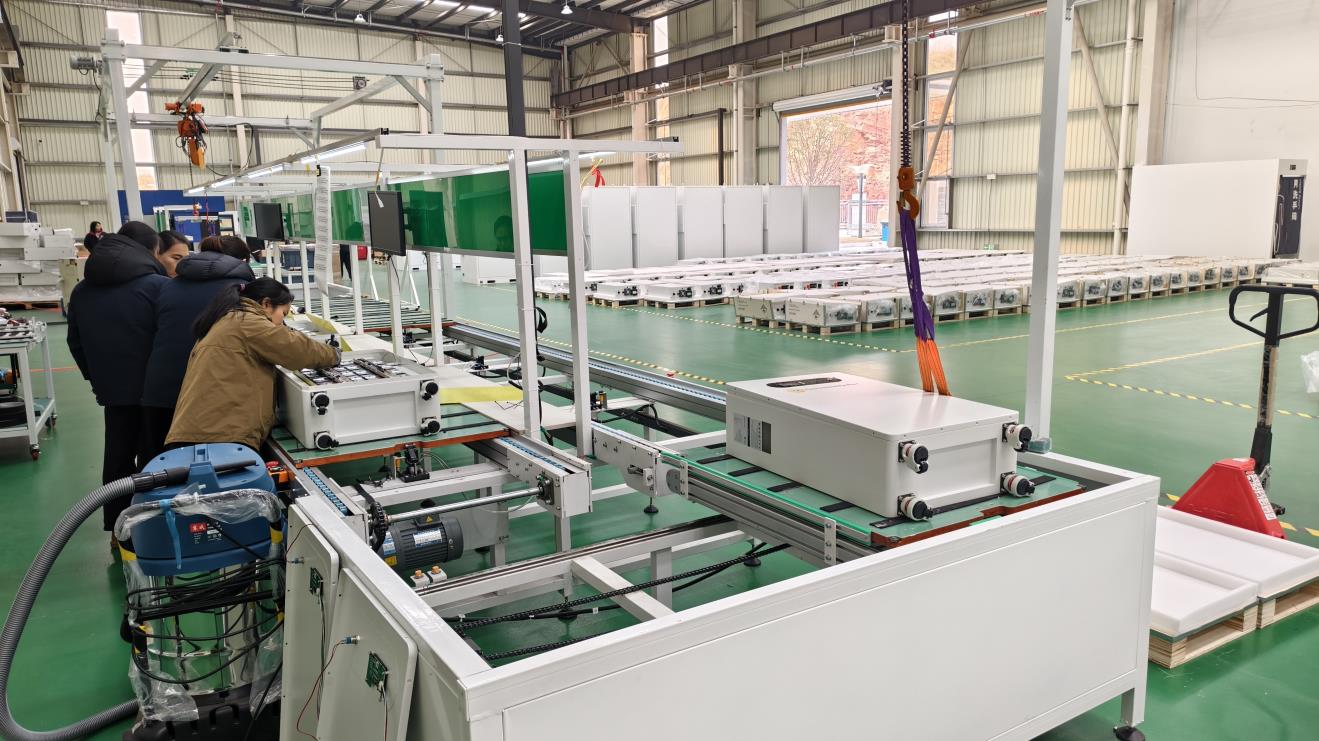
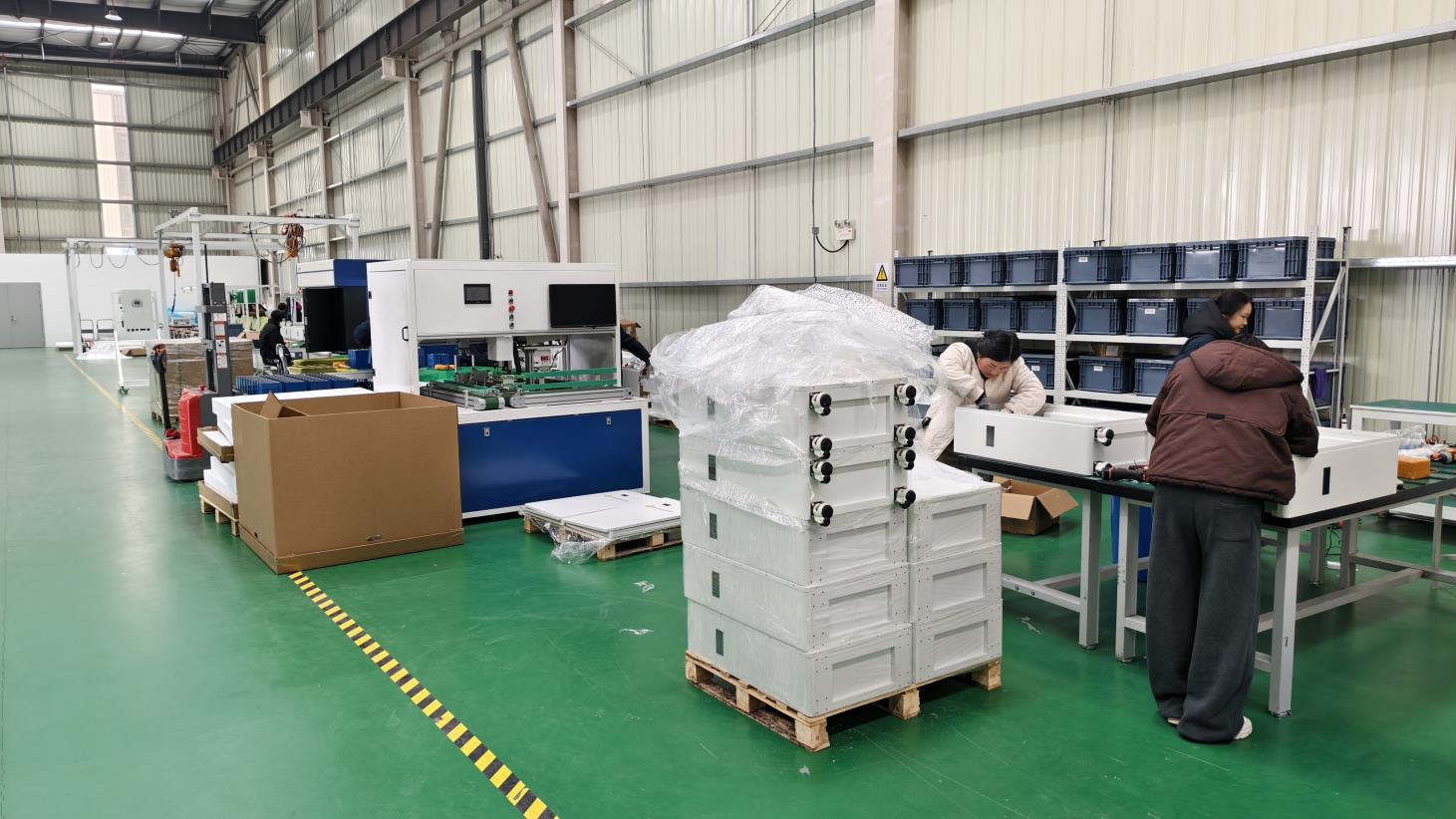
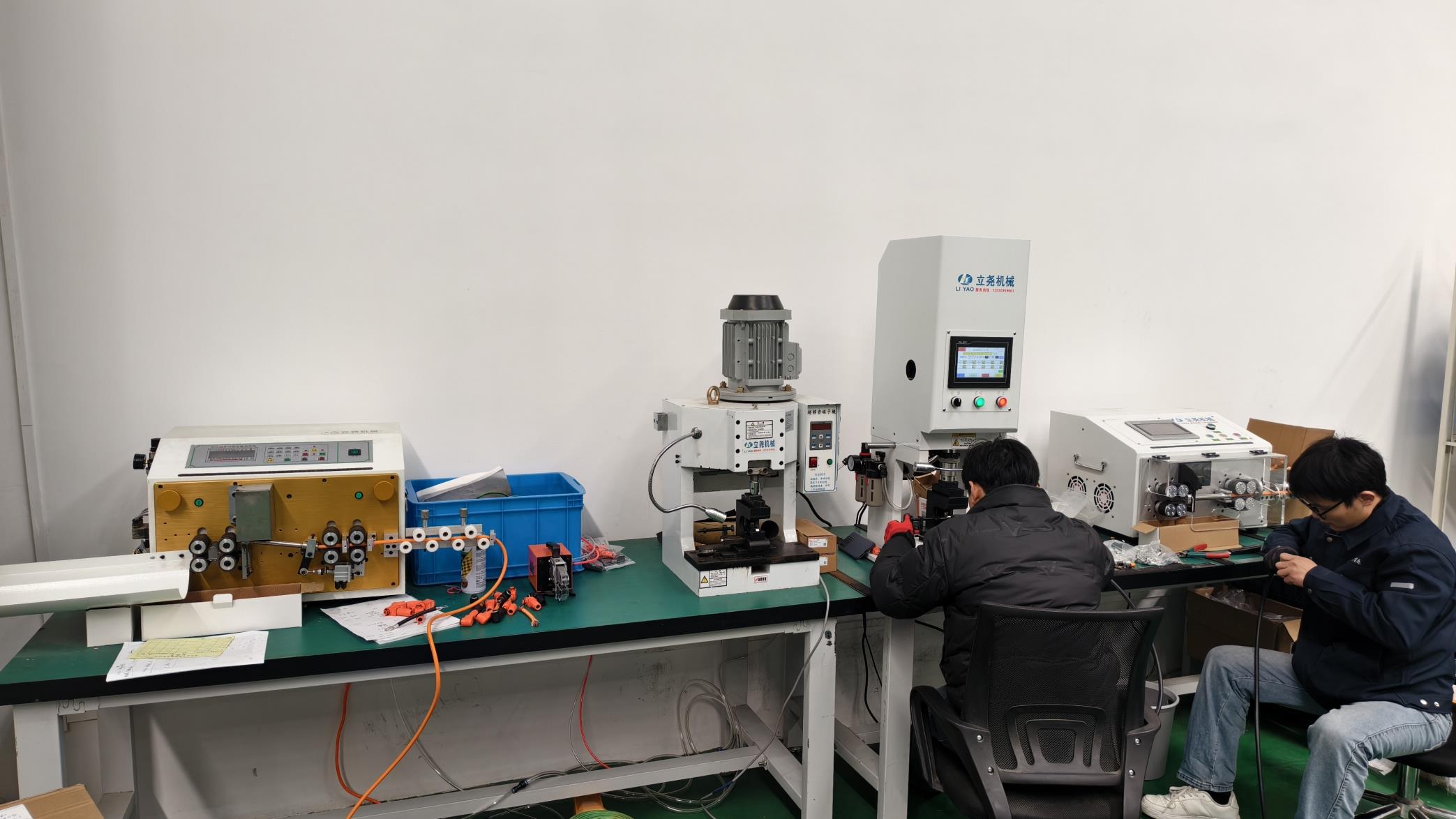
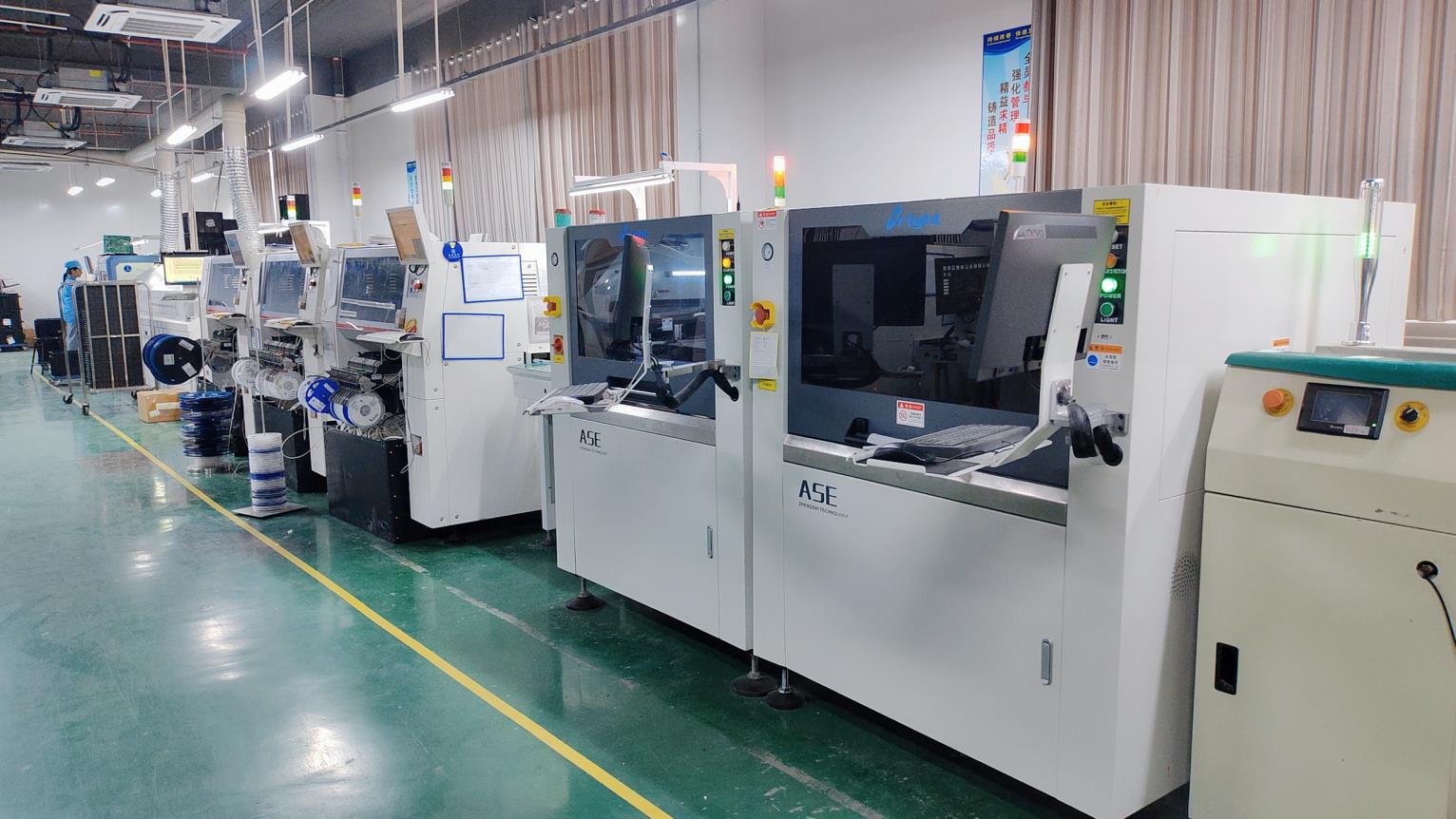
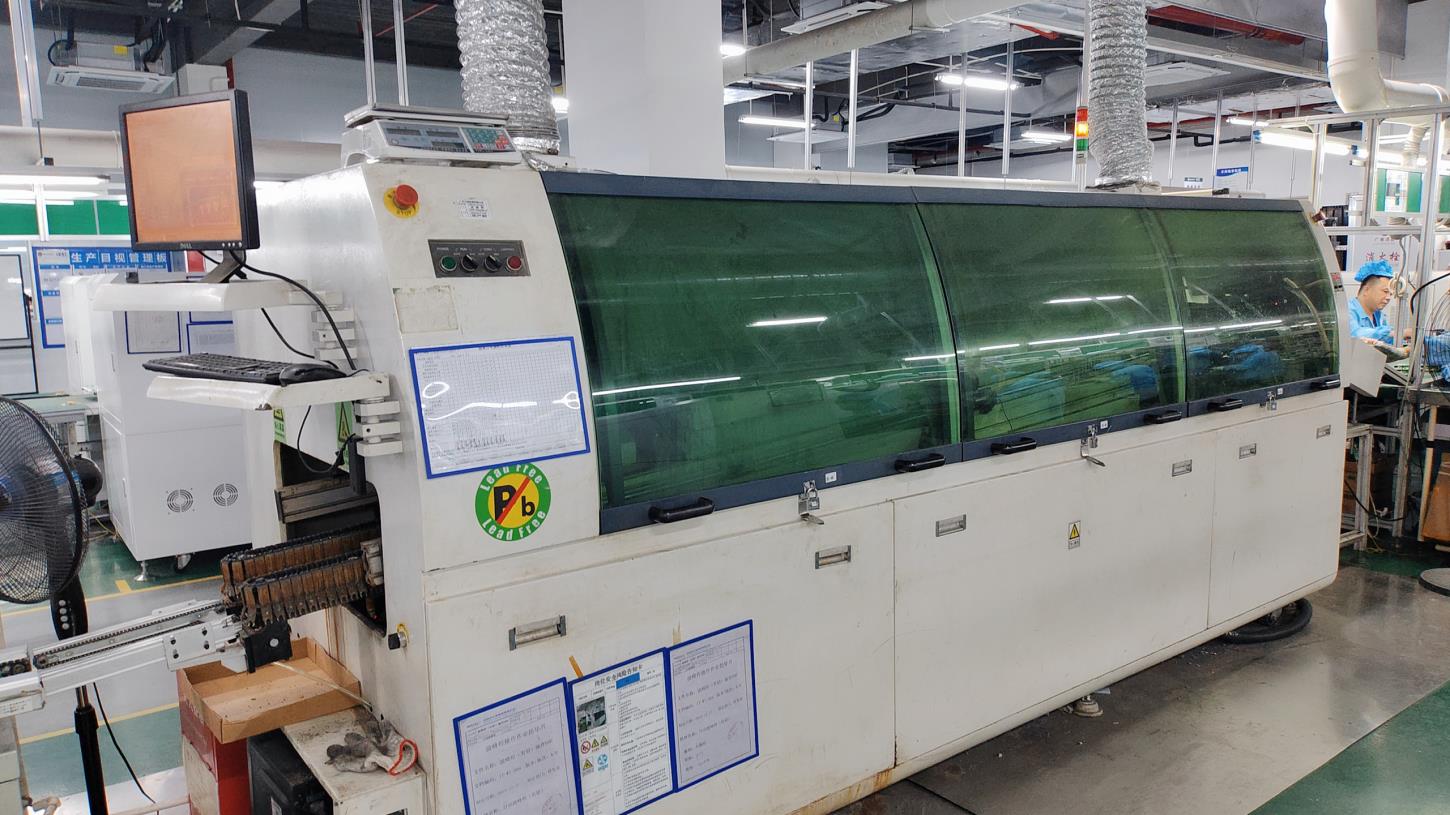
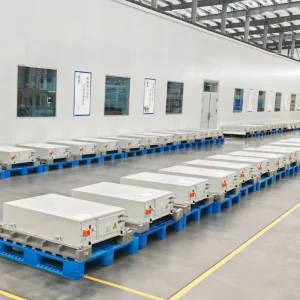
To meet the rising global demand for energy storage systems, especially in South Africa, Anhui Aryam Energy Co., Ltd. has established a advanced manufacturing facility centered on Factory 4.0 principles. Production precision directly impacts the safety and longevity of lithium-ion cells. Our manufacturing plant relies on automated assembly lines, high-precision SMT technology, wave soldering machines, and computerized testing bays to ensure every product meets rigorous quality benchmarks.
Our Quality Assurance process begins at the molecular level, sourcing only top-tier A-grade lithium iron phosphate cells. Cells are matched using computerized capacity and internal resistance graders to ensure balance throughout the lifecycle of the battery pack. Following assembly, packs undergo thermal cycling tests, load tests, and vibration simulation assays. These processes ensure our batteries comply with global safety standards, including CE, UN38.3, IEC 62619, and IEC 61427, before they are packed and shipped to our clients worldwide.
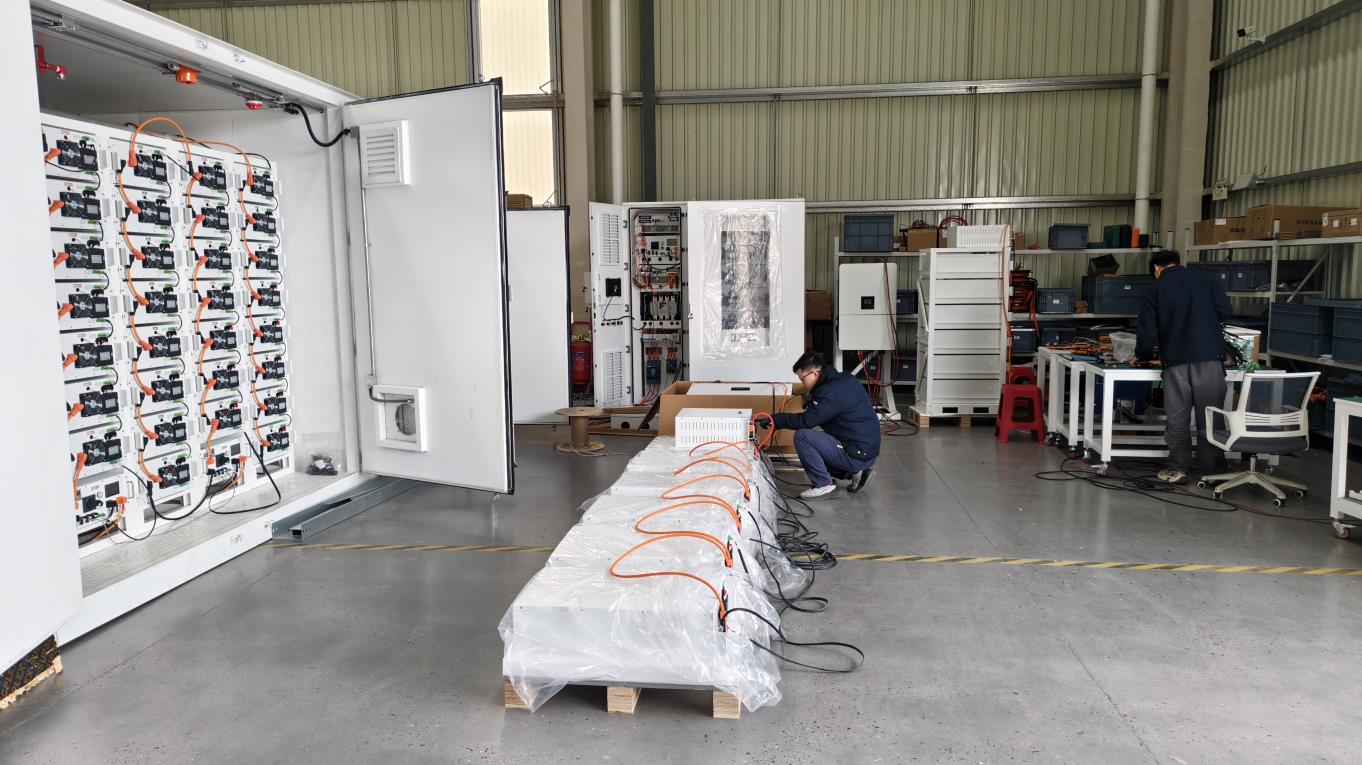
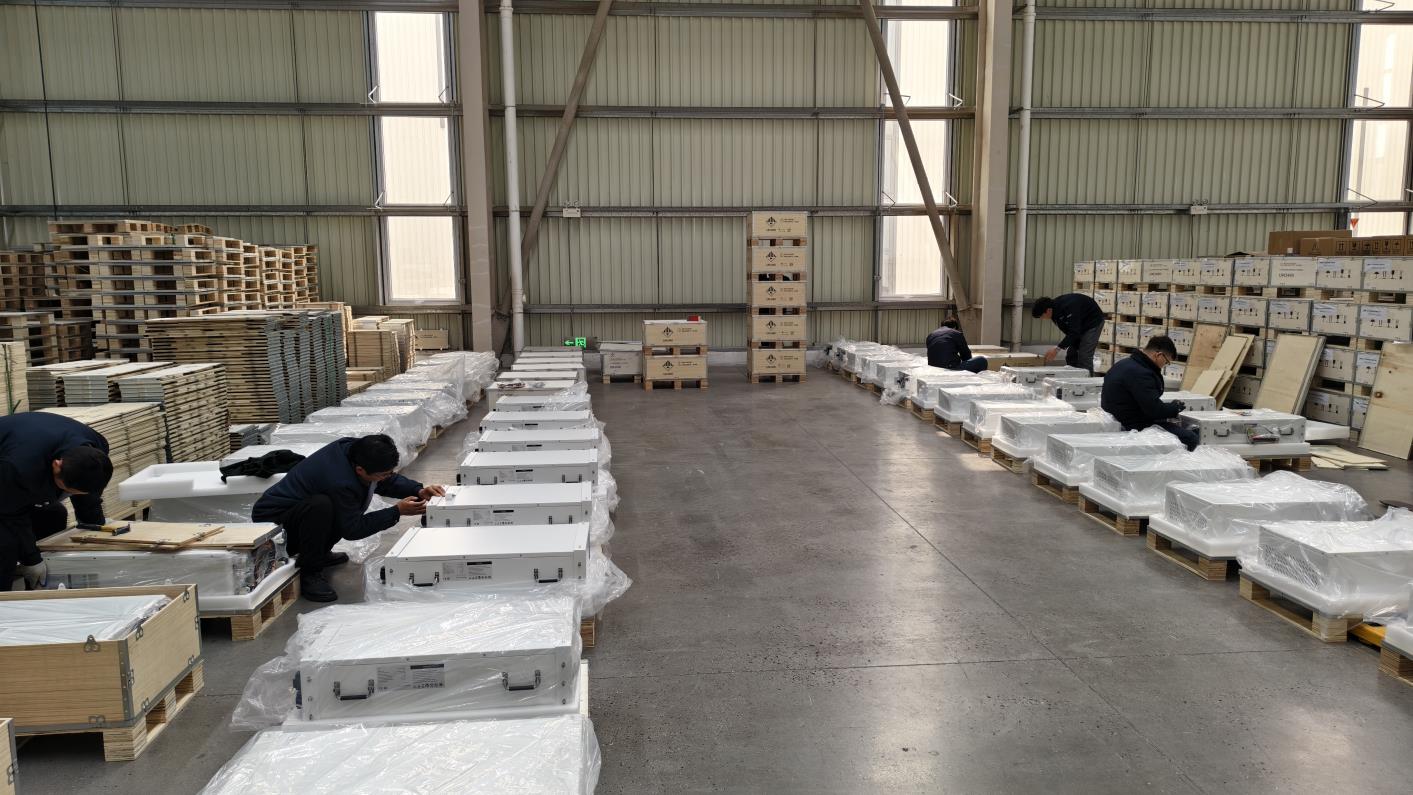
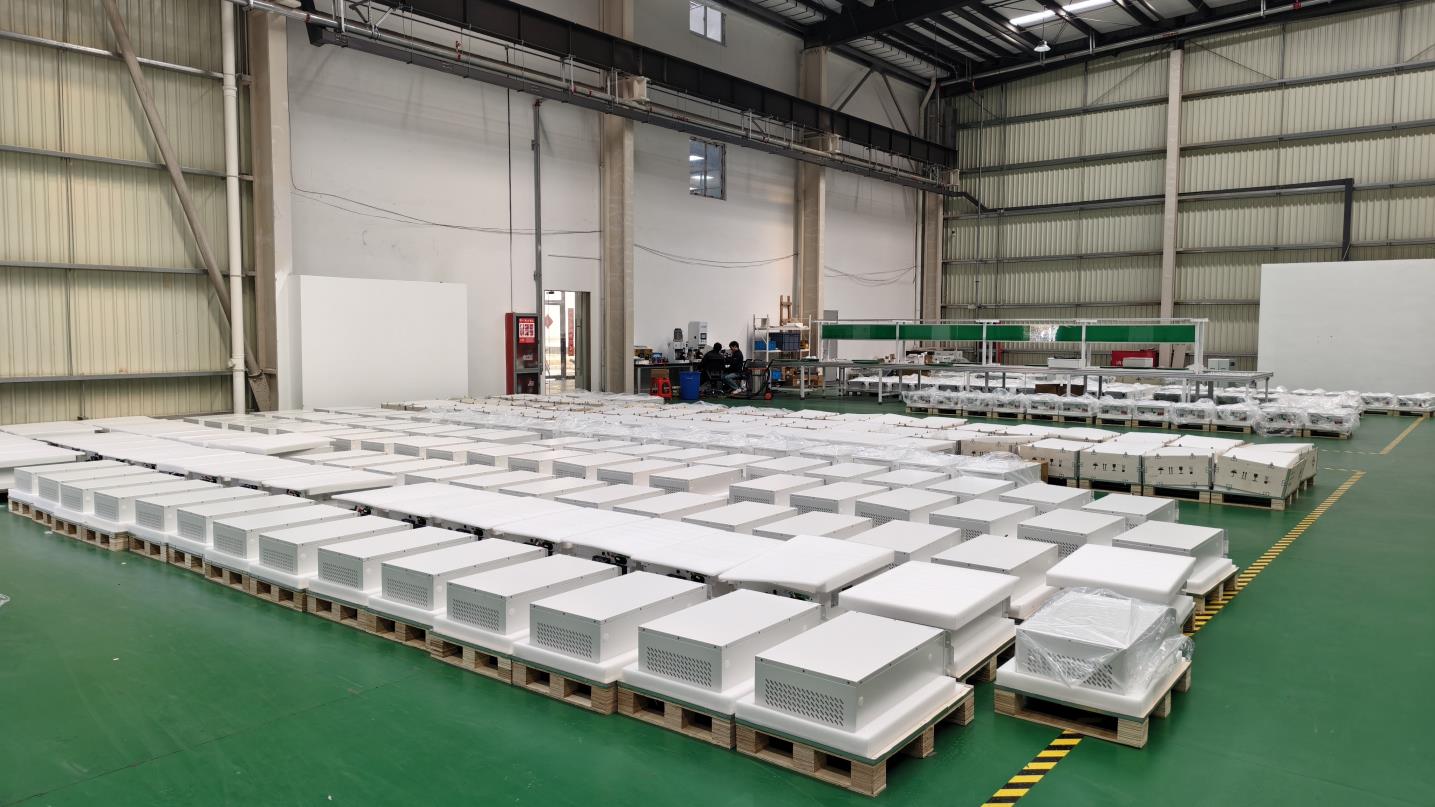
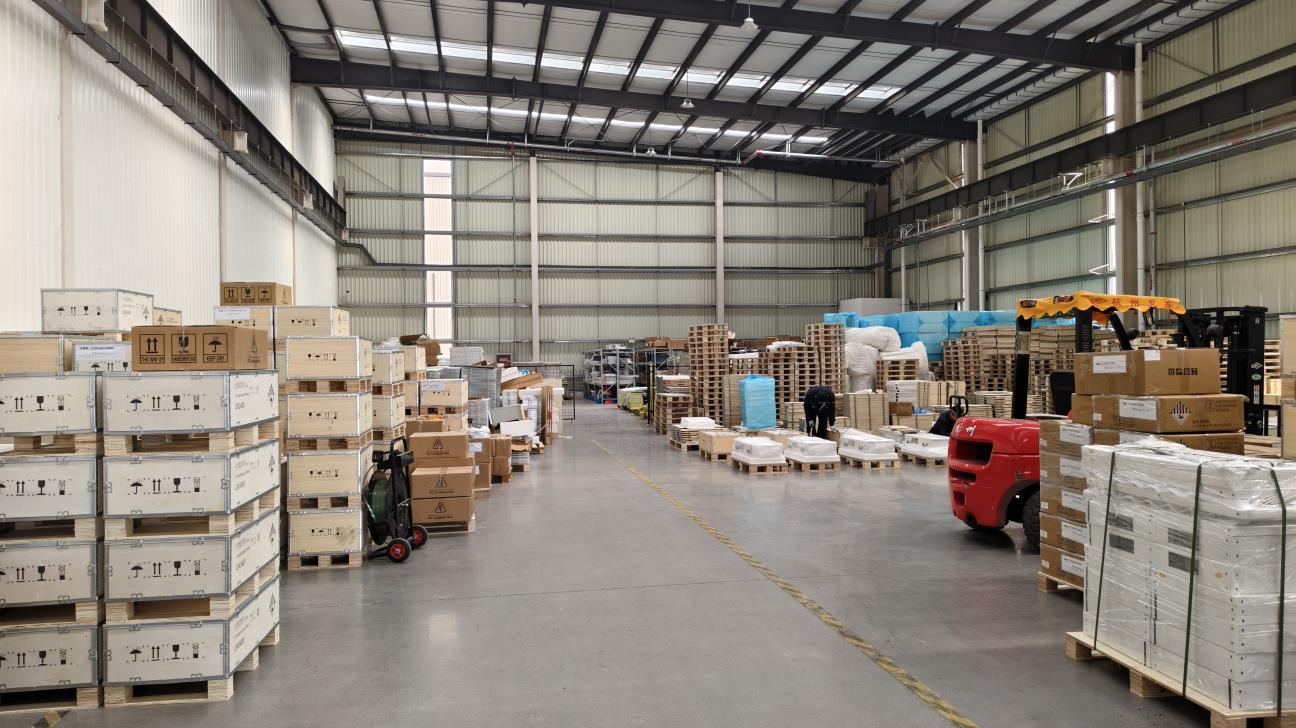
Empowering sustainable energy independence through engineered battery solutions and end-to-end integration support.
Anhui Aryam Energy Co., Ltd. is a global developer of advanced renewable energy solutions, specializing in reliable, efficient, and sustainable power systems for residential, commercial, industrial, and utility-scale projects. Through continuous technical innovation and a commitment to clean energy, Aryam Energy has built a reputation as a trusted partner in the transition toward low-carbon infrastructure.
The company focuses on the research, development, manufacturing, and integration of solar energy storage solutions, hybrid power systems, and intelligent microgrids. Combining engineering expertise with international quality management systems, Aryam Energy provides tailored energy storage solutions to markets facing grid instability or rising energy costs.
With an experienced R&D team and a strong portfolio of proprietary technologies, Aryam Energy continuously invests in efficiency and cycle life optimization. Our product portfolio—which includes solar inverters, lithium batteries, hybrid systems, and large-scale industrial BESS units—is engineered to meet international safety standards and has been successfully deployed in over 100 countries and regions across Africa, Asia, Europe, and Latin America.
Engineered for extreme reliability, industrial compatibility, and seamless integration with existing solar infrastructure.
Typically, transit times from our manufacturing facilities in China to Durban or Cape Town ports range from 24 to 30 days. Including customs clearance and local haulage, the average delivery window is 40 to 45 days. We handle export documentation, packing, and provide full tracking details.
Our lithium battery packs feature advanced BMS configurations that support communication protocols like CANbus, RS485, and Modbus. They are pre-configured to communicate seamlessly with popular hybrid inverters in South Africa, including Sunsynk, Deye, Victron Energy, Growatt, and Luxpower.
All our battery systems comply with international standards. Our lithium products carry CE, UN38.3, MSDS, and IEC 62619 certifications. Our lead-acid and gel series comply with IEC 61427 (Solar PV systems standard) and IEC 60896, ensuring safety and performance compliance for local commercial installations.
High temperatures can accelerate aging in chemical storage cells. Our lithium batteries are designed with passive cooling and active thermal management within the BMS, which regulates charging profiles at elevated temperatures. For environments exceeding 40°C, we recommend ventilated cabinets or air-cooled BESS containers to maintain the 10-year warranty parameters.
Yes. We provide complete OEM/ODM options, including customized voltage configurations (e.g., high-voltage battery racks up to 800V), integrated fire-suppression systems, and weatherized IP54/IP65 containers designed for harsh outdoor installations.
Talk directly with our project engineers to custom-design a resilient battery solution tailored for the South African energy landscape. Get a detailed quote and delivery schedule within 24 hours.
Send Inquiry Now Aryam Energy