Explore our top-tier components engineered for maximum yield, structural stability, and system-level interoperability.
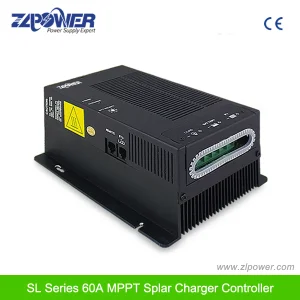
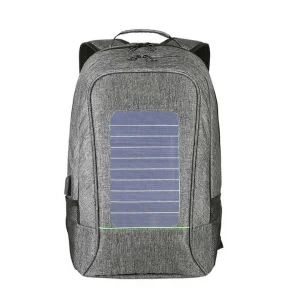
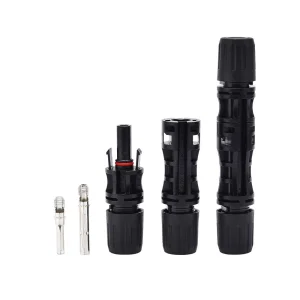
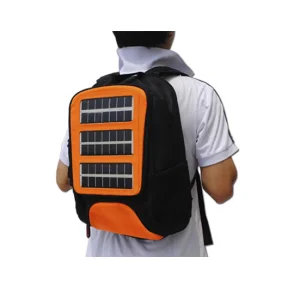
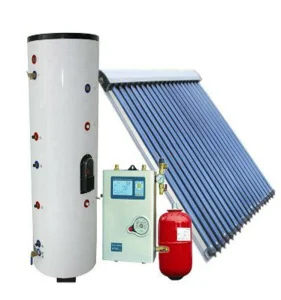
Analyzing the technical architecture, optimization vectors, and macro-economic factors driving global industrial renewable integration.
The global transition towards zero-carbon economies requires a fundamental re-evaluation of energy generation, distribution, and storage. Traditional solar installations, which rely on fragmented components from multiple manufacturers, often suffer from systematic inefficiencies, software communication mismatches, and complex maintenance cycles. As a leading China integrated solar solutions manufacturer, Anhui Aryam Energy Co., Ltd. addresses these challenges directly through comprehensive systems engineering.
By integrating photovoltaics (PV) with advanced energy storage systems (ESS) and smart power management controllers, modern microgrids achieve unprecedented reliability. Integrated solutions optimize the **Levelized Cost of Energy (LCOE)** by synchronizing generation and load characteristics in real time. This technical harmony minimizes conversion losses, improves battery round-trip efficiency (RTE), and guarantees grid code compliance across diverse municipal and industrial frameworks.
Our engineering philosophy centers on mitigating energy bottlenecks through:
• Systemic interoperability by design
• Advanced predictive thermal management
• Zero-tolerance quality assurance protocols
• End-to-end local field support and international certification compliance
Inside our state-of-the-art Chinese manufacturing hub, showing the precise processes from SMT placement to finished storage integration.
Anhui Aryam Energy Co., Ltd. operates a high-capacity, vertically integrated production facility designed to meet the rigorous demands of global distributors, EPC contractors, and municipal developers. Leveraging smart manufacturing algorithms and automated assembly configurations, we maintain strict quality control across every stage of the product lifecycle. Below is the verified physical progression of our manufacturing, testing, and logistics pipeline.
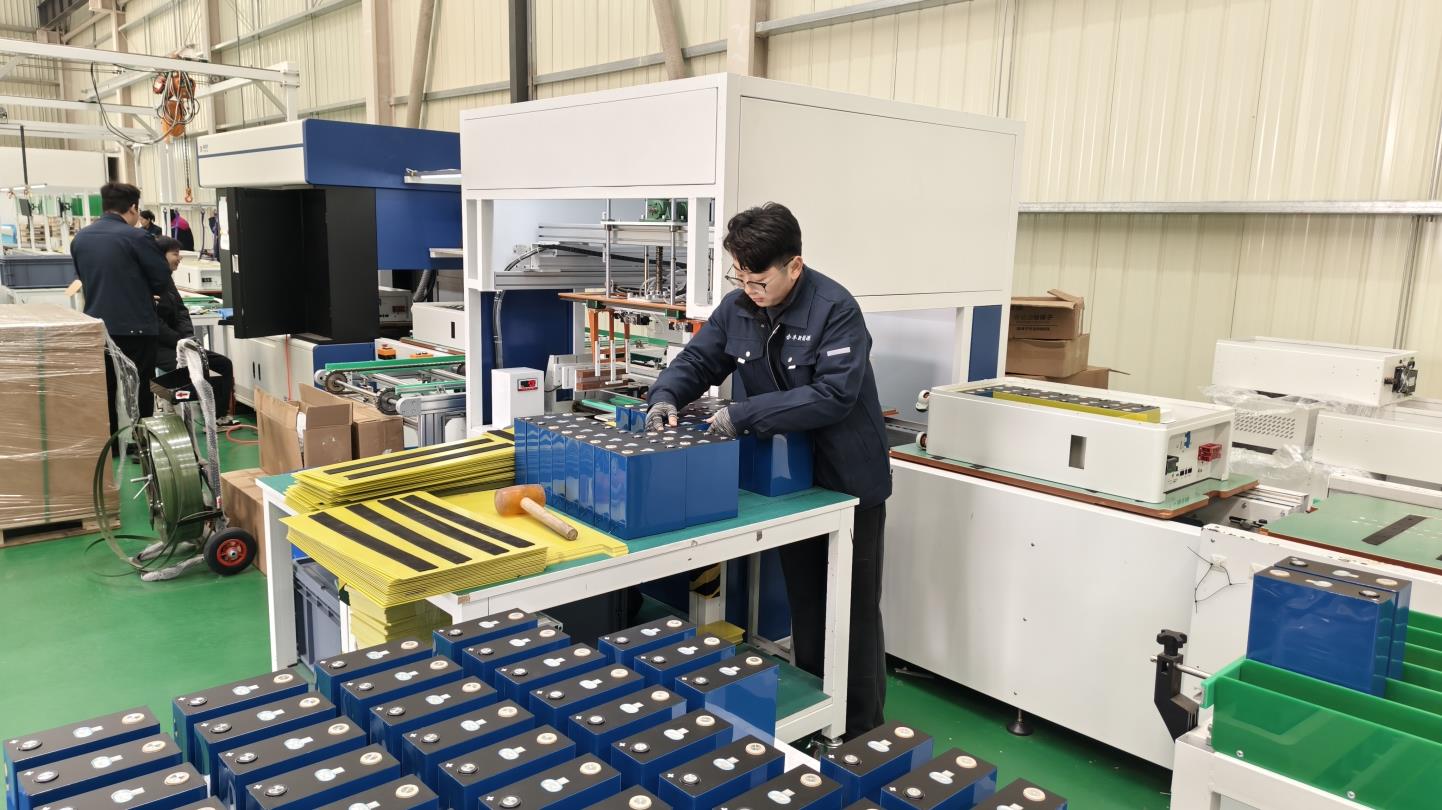
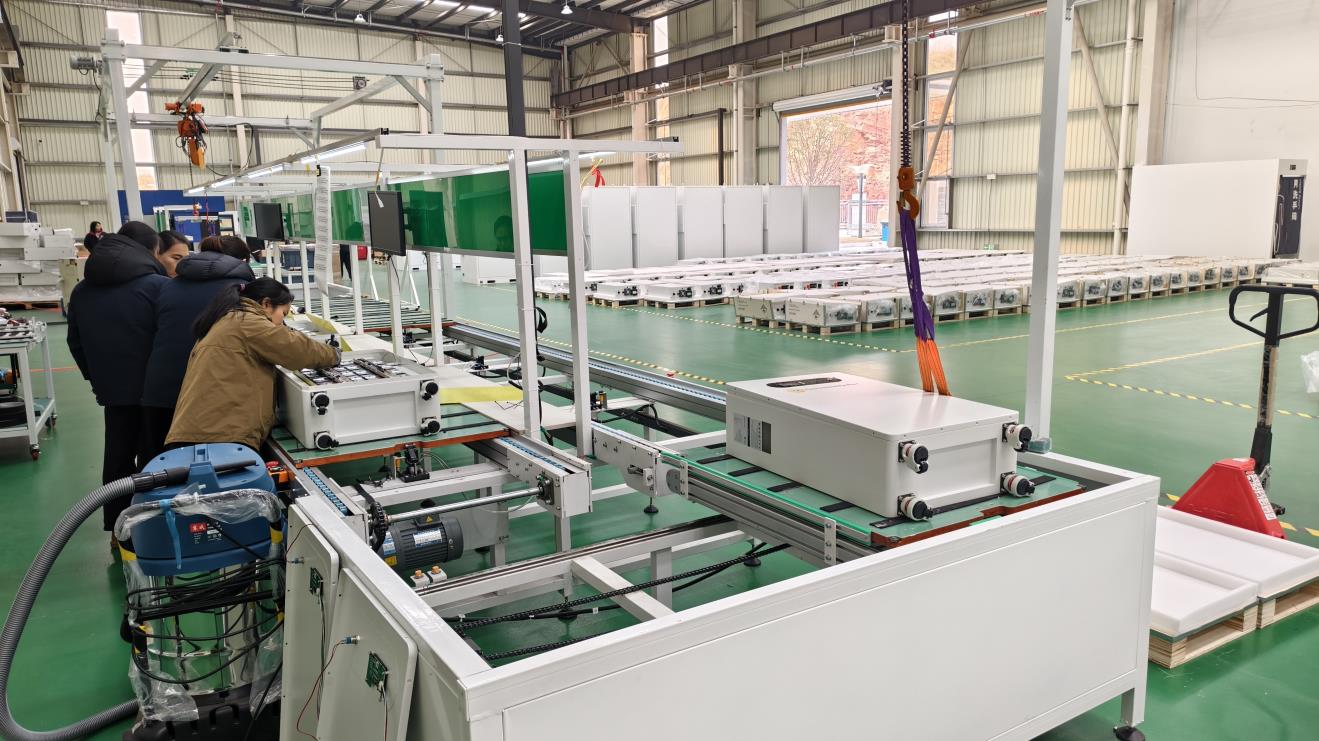
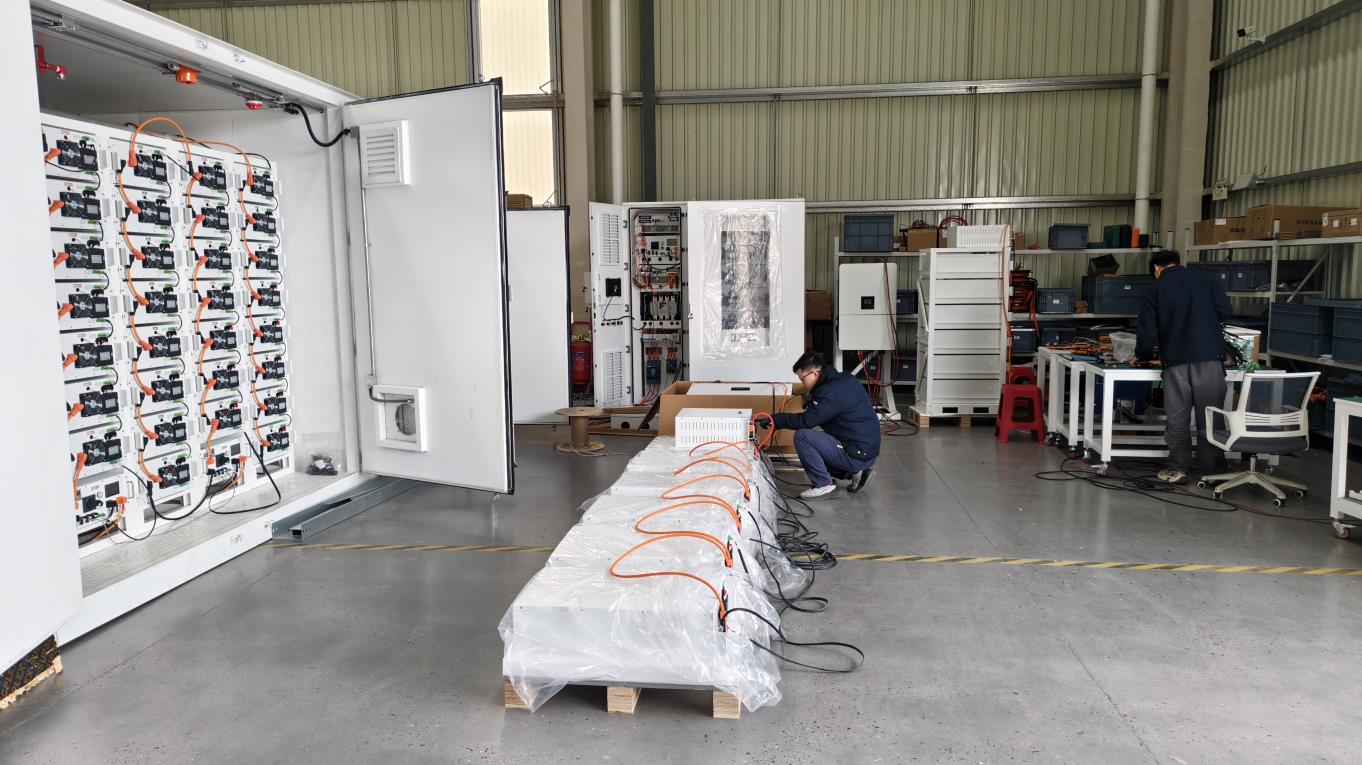
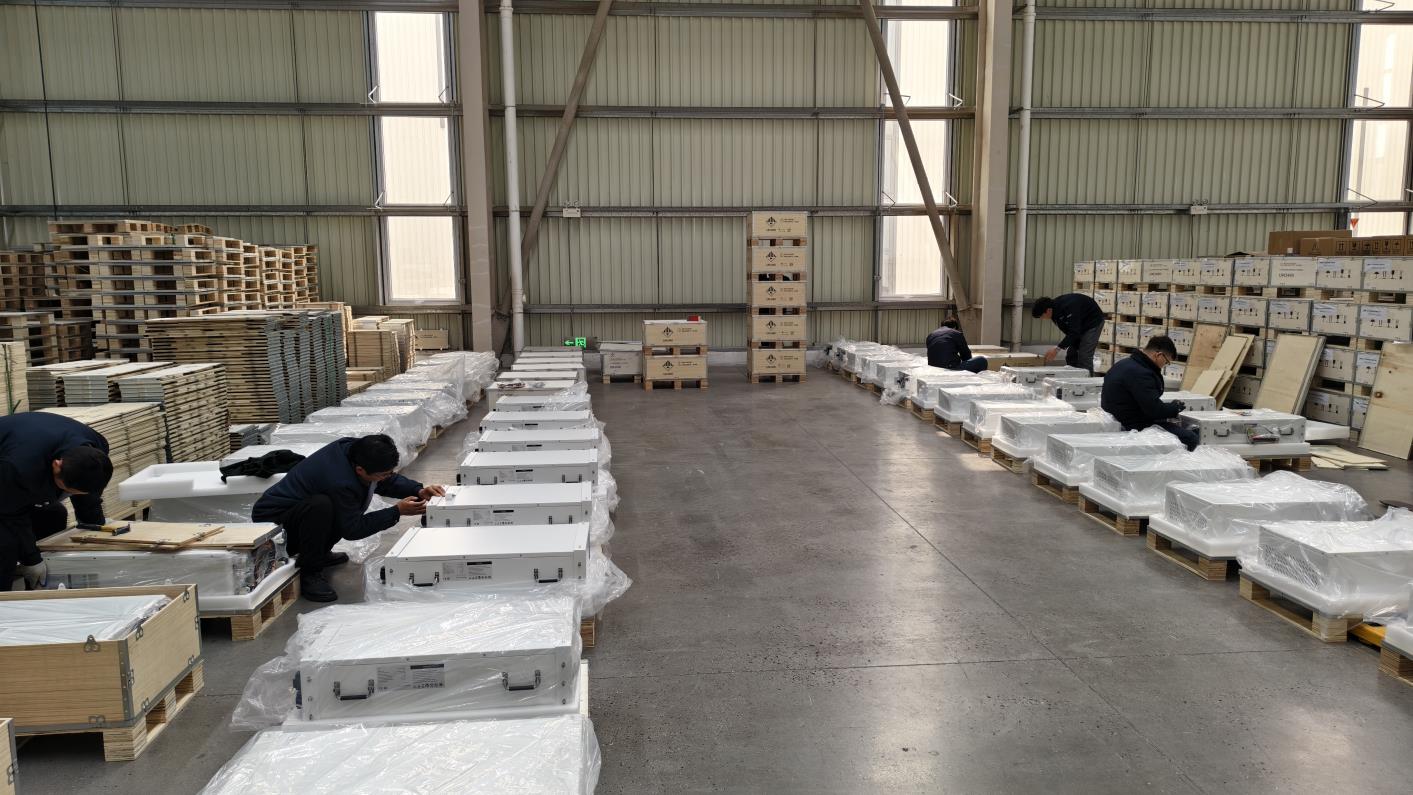
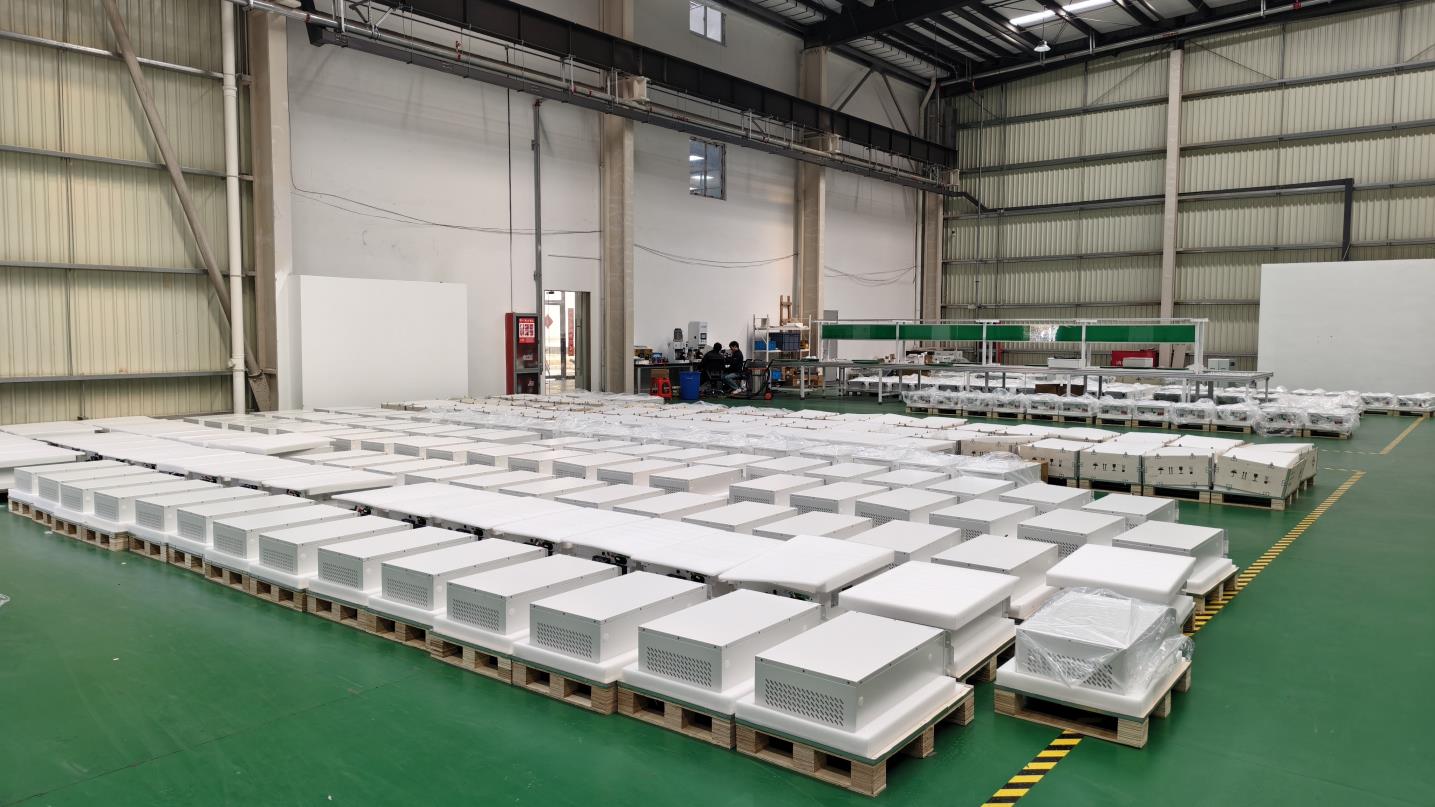
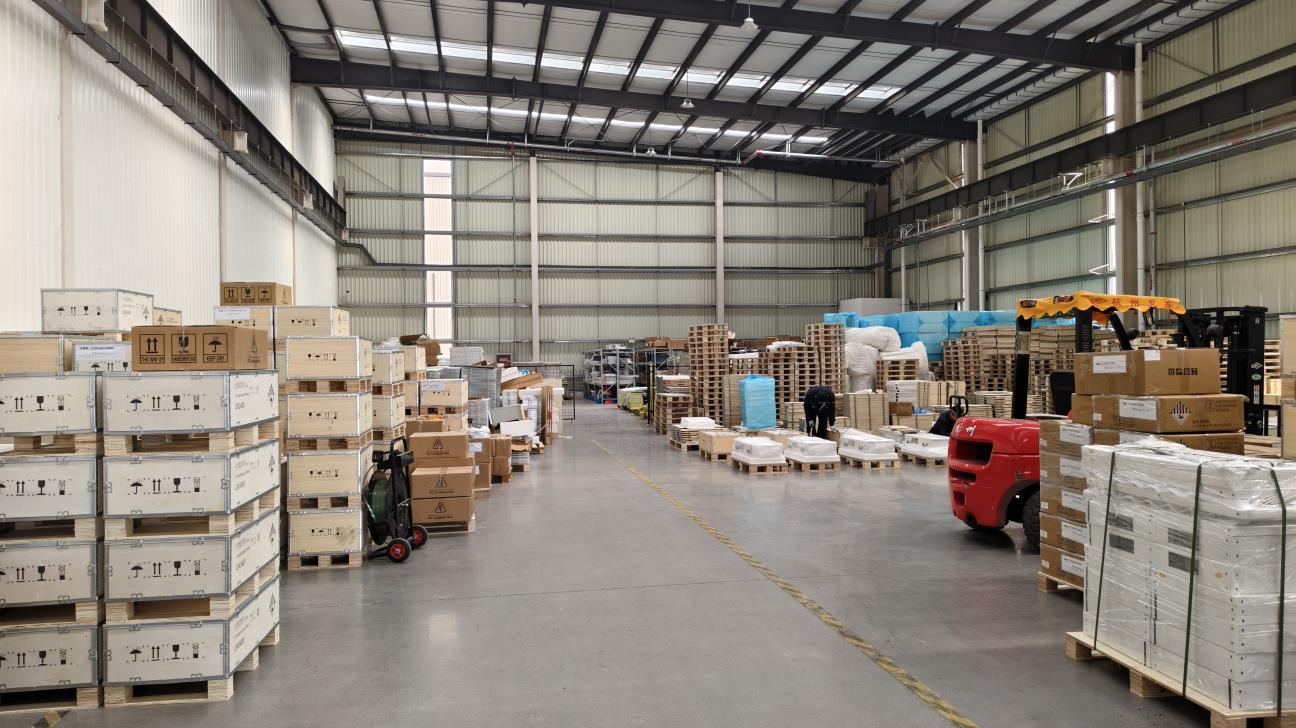
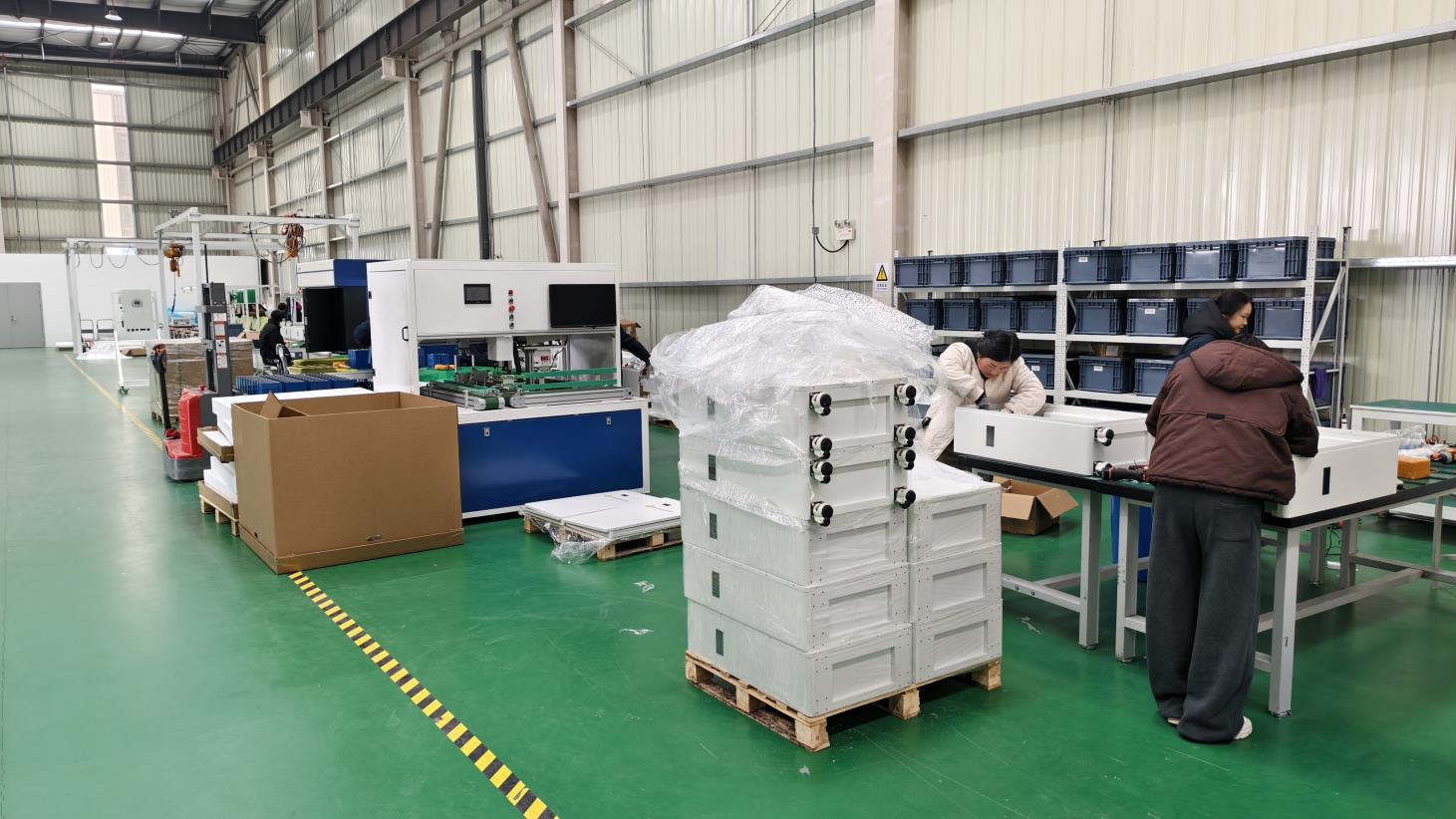
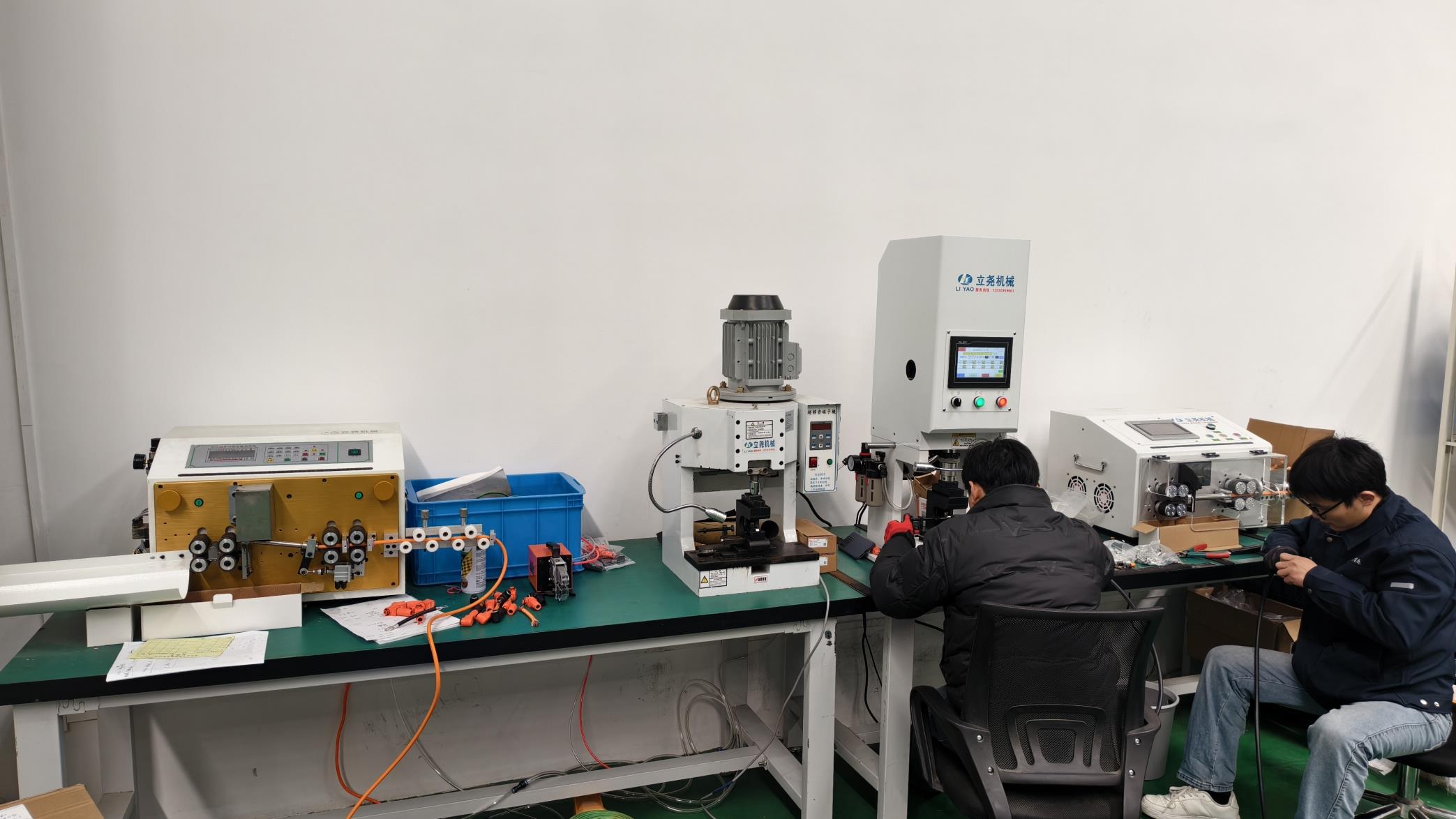
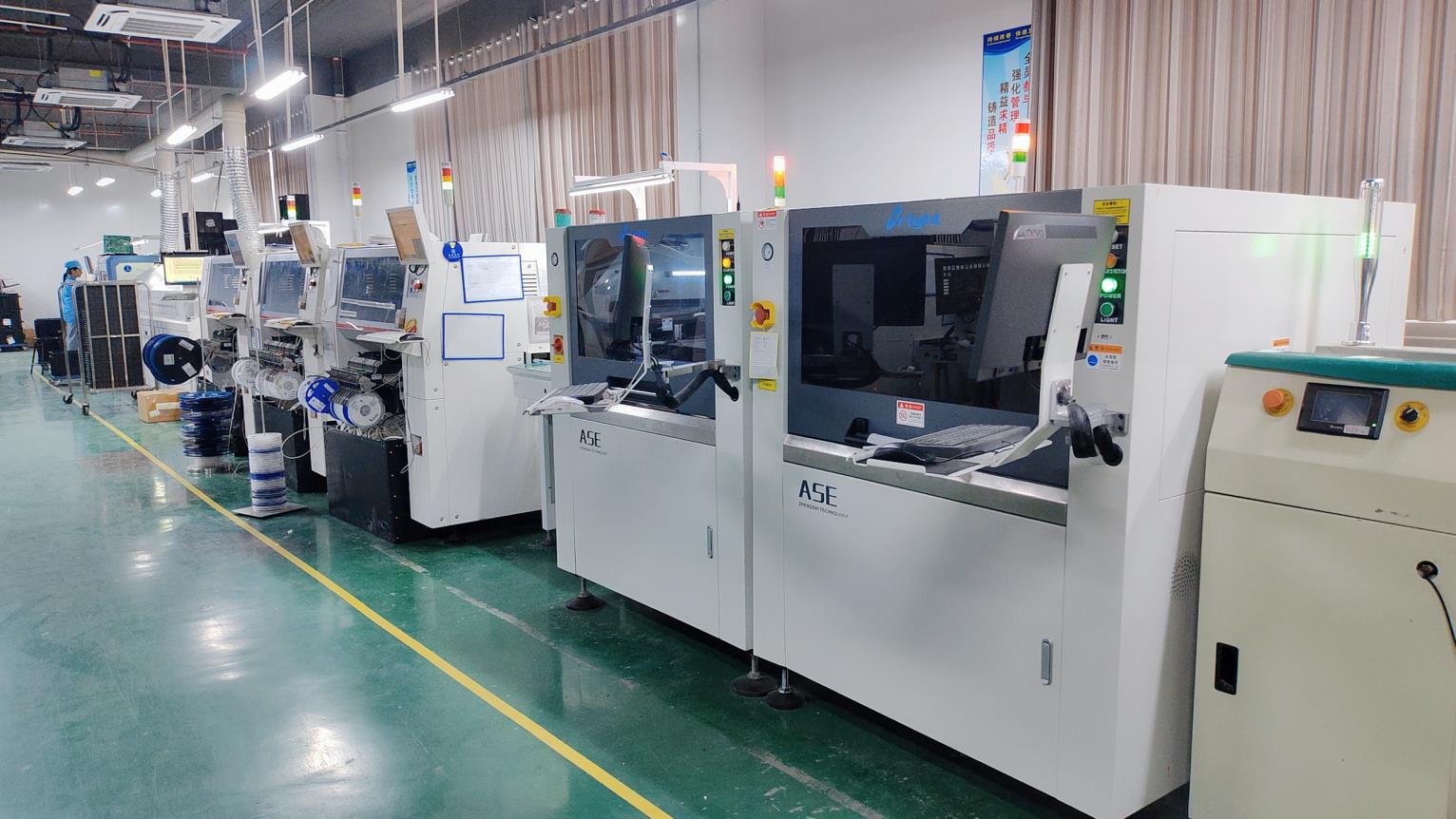
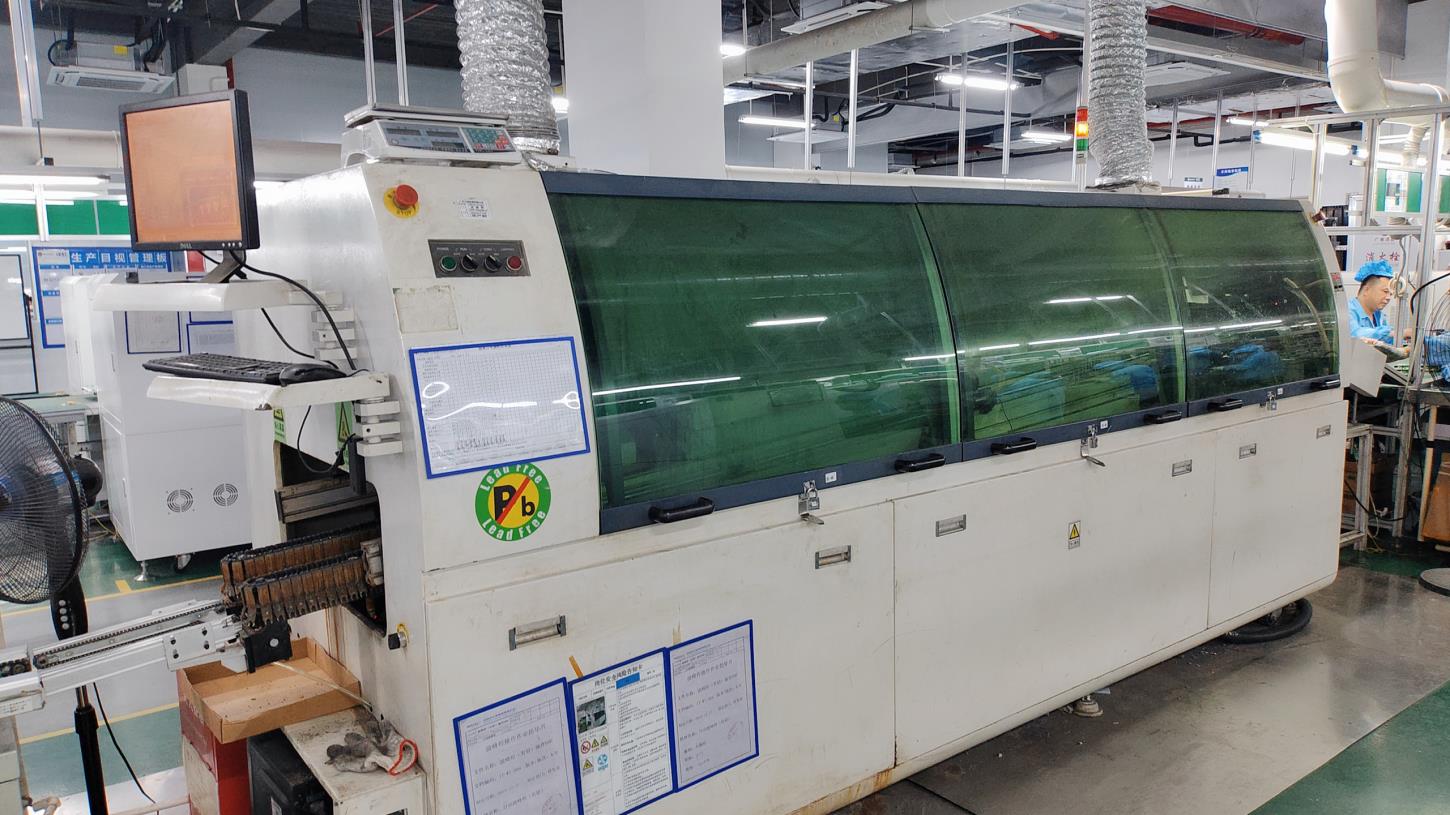
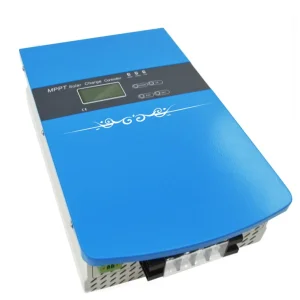
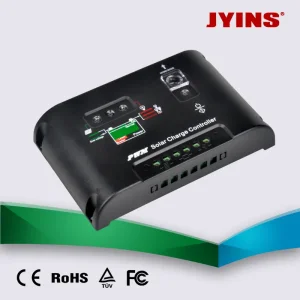
From high-speed Surface Mount Technology (SMT) lines that build intelligent charger boards, to wave soldering machines that ensure strong electrical joints under heat stress, each production stage is monitored. This high-efficiency manufacturing pipeline guarantees that every device, whether a 12V PWM charge controller or a heavy-duty rack-mounted lithium energy storage system, performs reliably in challenging environmental conditions.
Investigating regional growth patterns, regulatory frameworks, and operational strategies across key international markets.
In Europe, the implementation of the Carbon Border Adjustment Mechanism (CBAM) and high natural gas prices are forcing manufacturers to speed up decarbonization. Energy independence is now a business priority. Integrated PV-plus-storage microgrids allow factories to offset peak consumption, perform demand charges management, and guarantee operations even during grid imbalances.
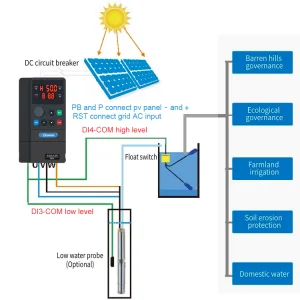
Across the Middle East and Africa, agricultural projects rely heavily on solar water pumping inverters. By replacing expensive and polluting diesel generators, our 2.2kW 3Hp MPPT solar pump inverters enable continuous irrigation using direct PV currents. This lowers operating costs and protects local food supplies from fuel logistics issues.
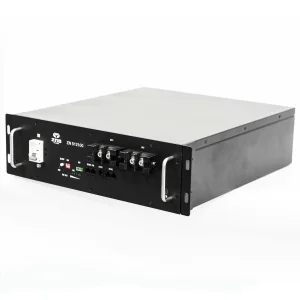
Grid instability, extreme weather events, and changing net-metering laws (like California's NEM 3.0) are driving the demand for behind-the-meter storage solutions. Companies are investing in modular, rack-mounted LiFePO4 battery arrays (such as the 51.2V 100Ah standard systems) to manage load shifting and provide reliable backup power when the grid fails.
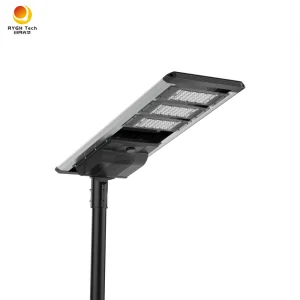
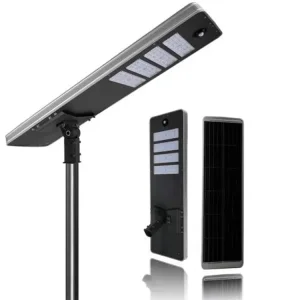
Archipelago nations and developing areas are deploying decentralized microgrids to power villages. All-in-one solar street lighting systems (such as our certified 80W integrated LED systems) play a key role in these projects. They provide public safety and connectivity without requiring expensive grid expansions.
How our components operate in harmony to solve localized industrial, commercial, and residential energy challenges.
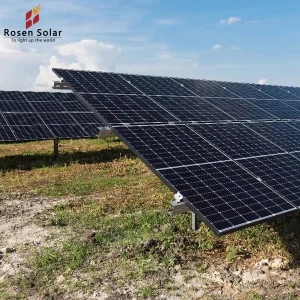
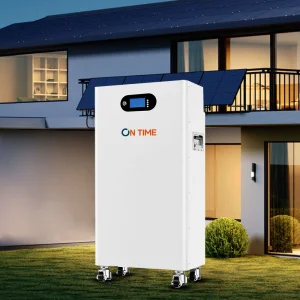
By pairing high-power Rosen TOPCon Mono Solar Panels (ranging from 450W to 1000W) with our 16kWh Home Energy Storage System, residential properties can achieve up to 90% energy self-sufficiency. Excess energy generated during the day is stored in LiFePO4 batteries rather than sent back to the grid at low rates. At night, the home runs on this stored power, reducing overall utility costs.
Commercial facilities experience demand spikes that trigger high utility charges. Integrating multiple rack-mounted 51.2V 100Ah battery units with smart MPPT charging systems allows businesses to discharge stored solar energy during peak demand hours. This reduces strain on the local grid and lowers monthly peak demand fees.
In regions lacking grid infrastructure, agricultural operations rely on reliable water supply. Our 2.2kW 3Hp solar water pump inverters feature advanced dynamic MPPT technology, adjusting output frequency in real-time to match solar intensity. This ensures the water pumps run smoothly even on cloudy days, without needing backup batteries.
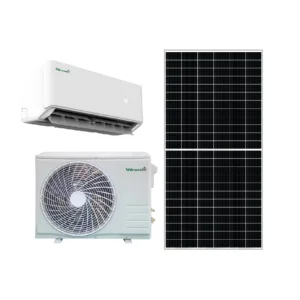
For municipal upgrades, our all-in-one solar LED streetlights and energy-efficient solar air conditioners offer a practical solution. These systems run entirely on clean energy, helping cities lower their operational emissions. Built-in IoT modules also allow municipal teams to monitor performance and schedule maintenance remotely.
How we maintain reliability, strict engineering standards, and international certifications for our global projects.
Exporting renewable energy hardware requires meeting local safety codes, environmental regulations, and grid connection standards. Anhui Aryam Energy Co., Ltd. ensures that our components undergo testing by third-party laboratories to simplify the integration process for developers and distributors.
Additionally, we work closely with engineering partners to provide localized technical support. This hands-on service reduces commissioning times, simplifies troubleshooting, and helps projects meet local building and energy grid regulations.
Looking ahead to the upcoming technologies shaping the future of industrial clean energy.
As solar technologies evolve, our R&D team works to improve system performance, integration, and user accessibility. Our ongoing development focuses on key areas:
Technical insights and answers to common queries regarding design, performance, and implementation.
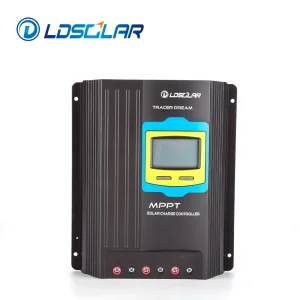
Review our additional range of specialized controllers, high-power modules, and sustainable climate appliances.
 Aryam Energy