In the current global energy paradigm, the transition from traditional rigid photovoltaic (PV) panels to flexible solar modules represents a significant shift in industrial and commercial strategy. For Tier-1 global enterprises, the procurement of flexible modules is no longer just about "green energy"—it's about structural feasibility and operational ROI.
Traditional silicon panels, while efficient, impose a weight load of 15-20kg/m², which many older industrial warehouses and curved architectural structures cannot support without expensive reinforcement. Flexible modules, weighing less than 4kg/m², offer a "Peel & Stick" solution that eliminates mounting hardware costs and reduces installation labor by up to 50%.
Perfect for lightweight roofs (TPO/EPDM) where traditional panels are prohibited due to weight constraints.
Extensively used in marine, RV, and transportation sectors due to their low profile and wind resistance.
Seamlessly integrates into Building Integrated Photovoltaics, turning glass facades and curved walls into power plants.
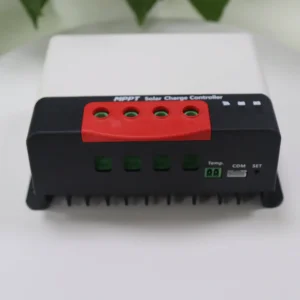
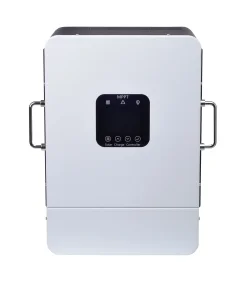
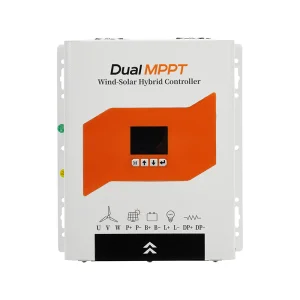
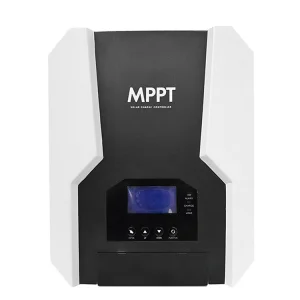
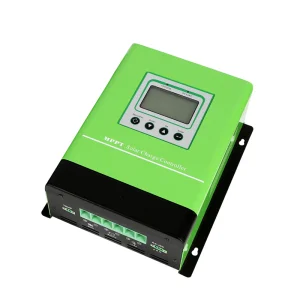
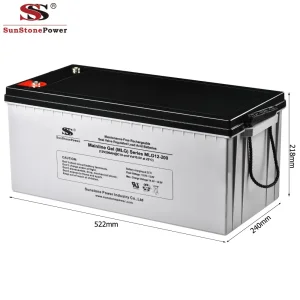
According to the 2024 Renewable Energy Outlook, the CAGR for flexible solar modules is projected at 14.2%. This growth is driven by the Decarbonization of Logistics and Smart City Infrastructure. Large-scale exporters are now prioritizing manufacturers who provide not just hardware, but integrated systems including lithium storage and smart MPPT controllers to ensure 24/7 energy independence.
The manufacturing landscape for flexible solar is bifurcated into two primary technical routes: Thin-Film (CIGS/CdTe) and Glass-Free Crystalline Silicon. While CIGS offers superior flexibility and low-light performance, modern glass-free crystalline modules (utilizing high-tech polymer encapsulation) have bridged the efficiency gap, reaching 22%+ conversion rates.
Focus on extreme flexibility and aesthetics. Lower efficiency but ideal for portable consumer electronics.
Current industry standard. Uses ETFE/PET materials to protect silicon cells, providing durability and 25-year lifespans.
The future frontier. Tandem cells combining silicon and perovskites on flexible substrates to exceed 30% efficiency.
Anhui Aryam Energy Co., Ltd. is a leading provider of advanced renewable energy solutions, dedicated to delivering reliable, efficient, and sustainable power systems for residential, commercial, industrial, and utility-scale applications worldwide. Through continuous innovation and a strong commitment to clean energy development, Aryam Energy has established itself as a trusted partner in the global transition toward a low-carbon future.
Our facility leverages cutting-edge engineering expertise and strict quality management standards. With a professional R&D team, we continuously invest in innovation to enhance system performance and long-term reliability. Our products are deployed across Asia, Africa, the Middle East, Europe, and Latin America, serving customers in more than 100 countries.
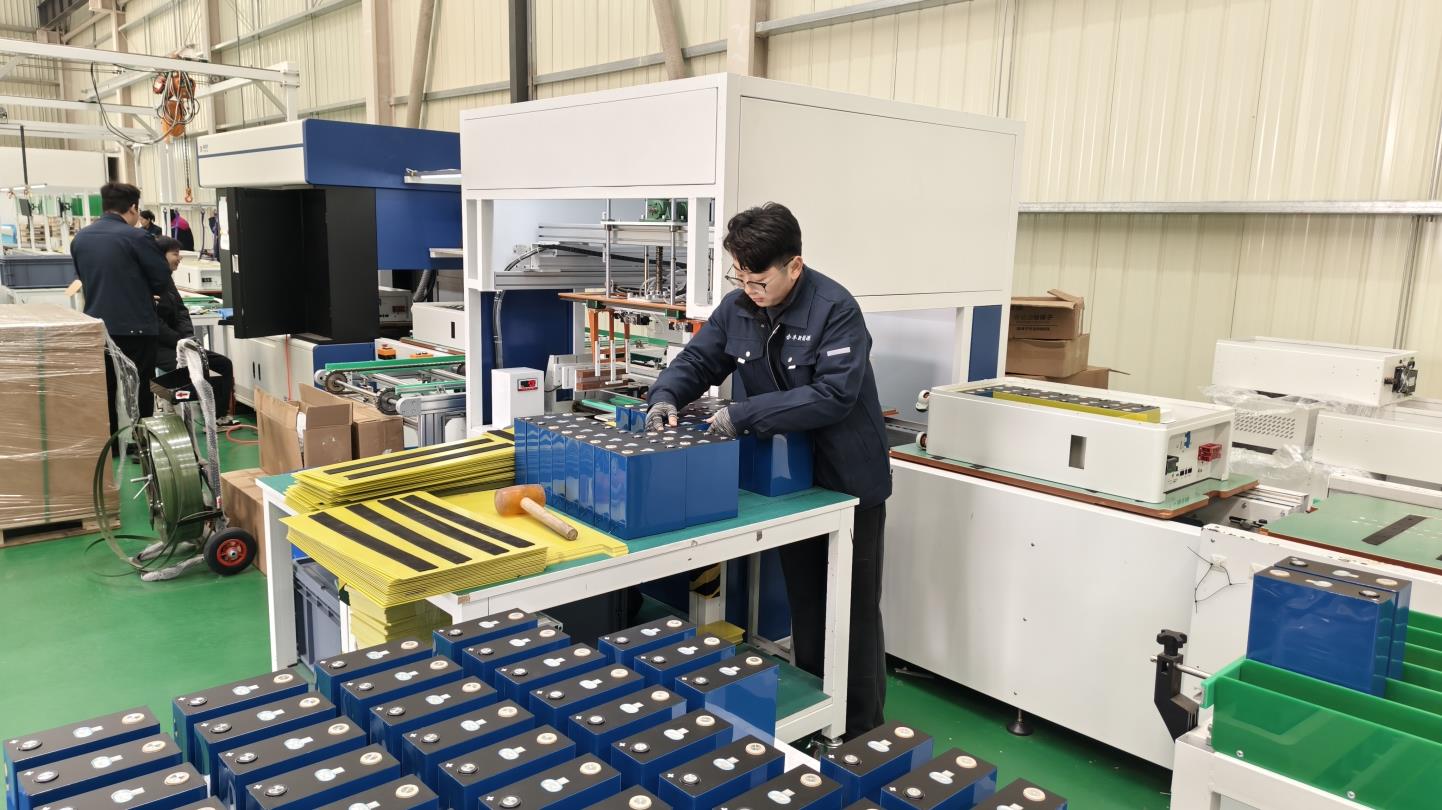 Precision Welding
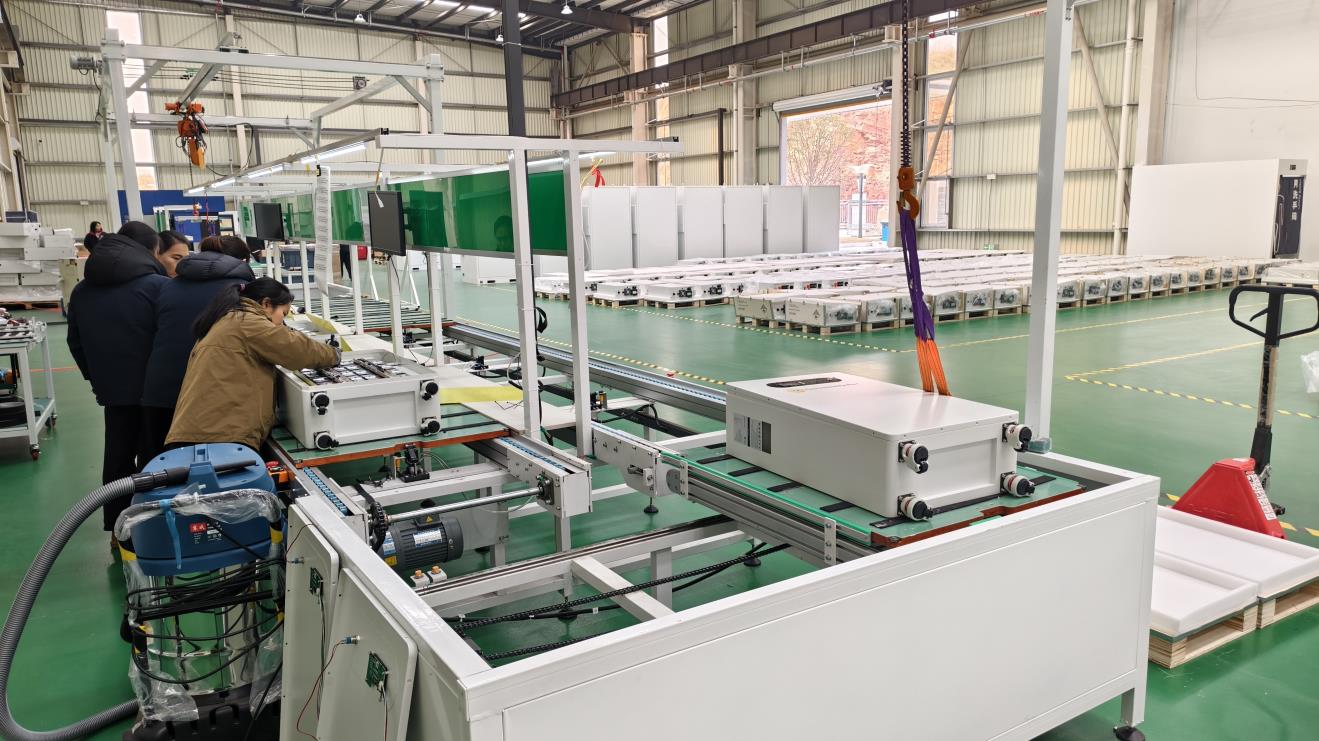 Expert Assembling
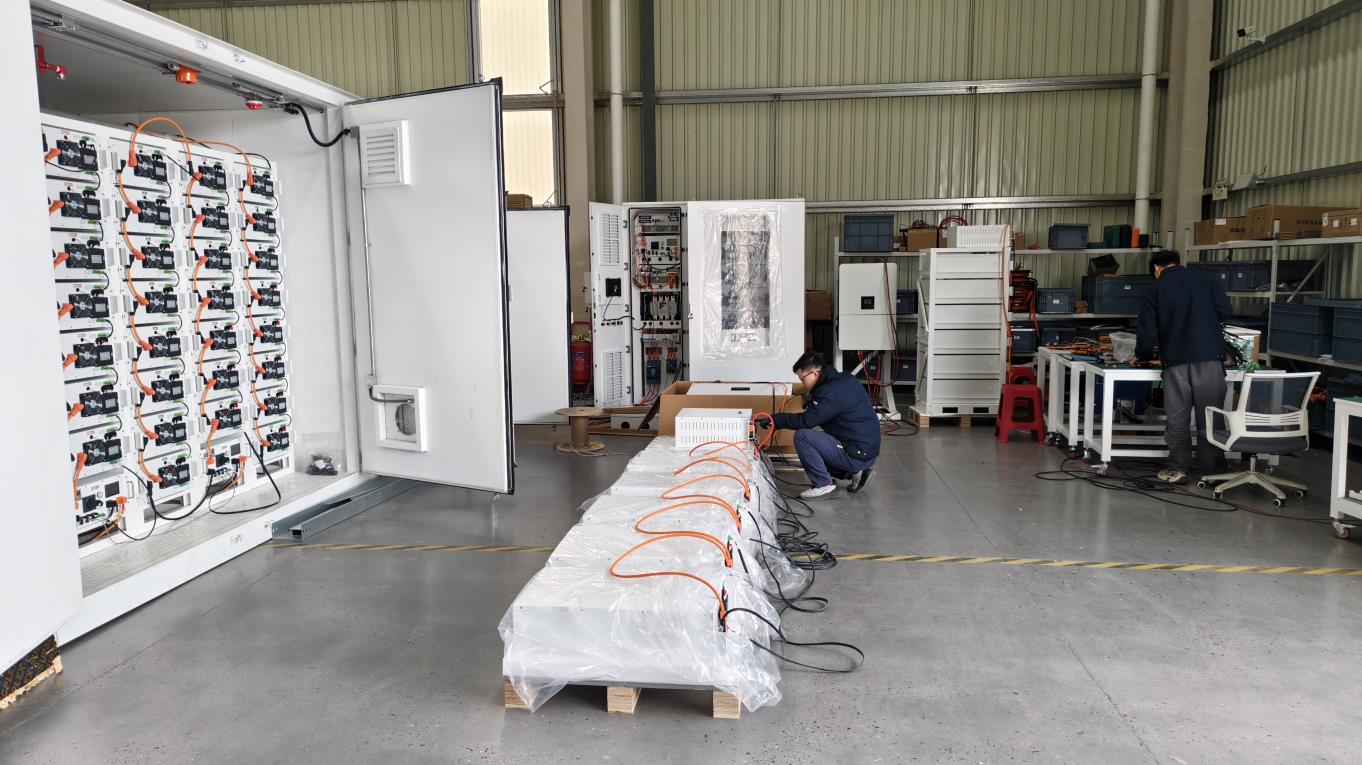 Rigorous Testing
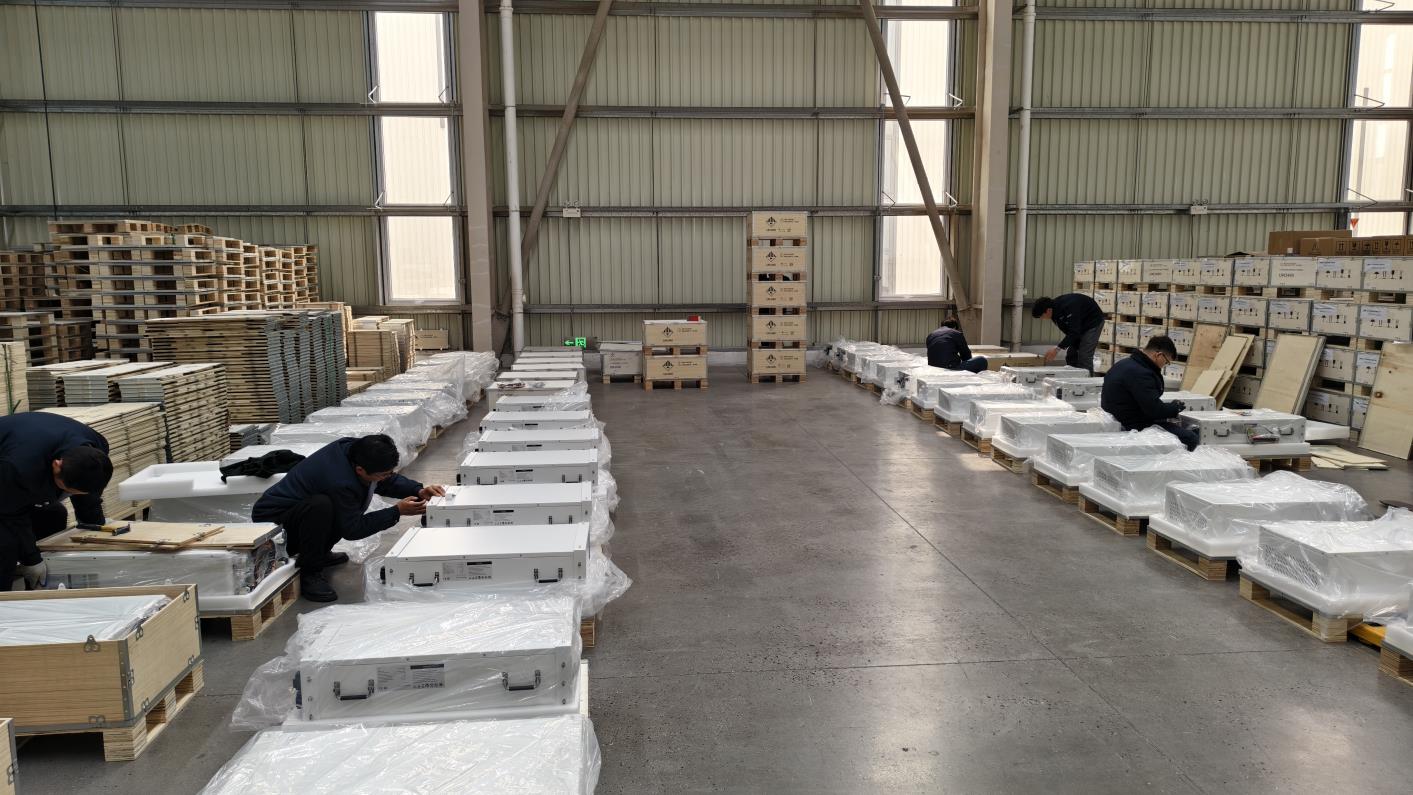 Secure Packing
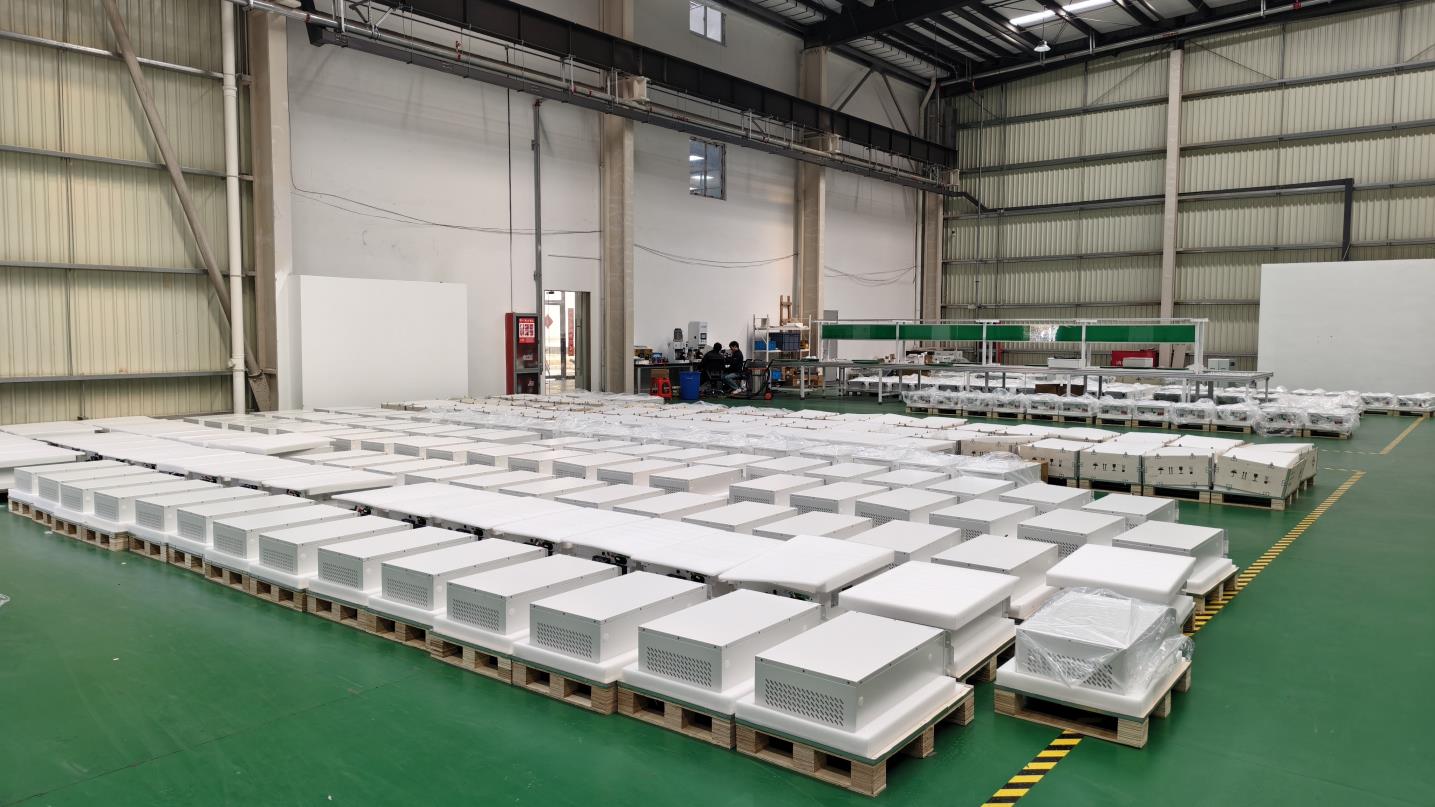 Quality Control
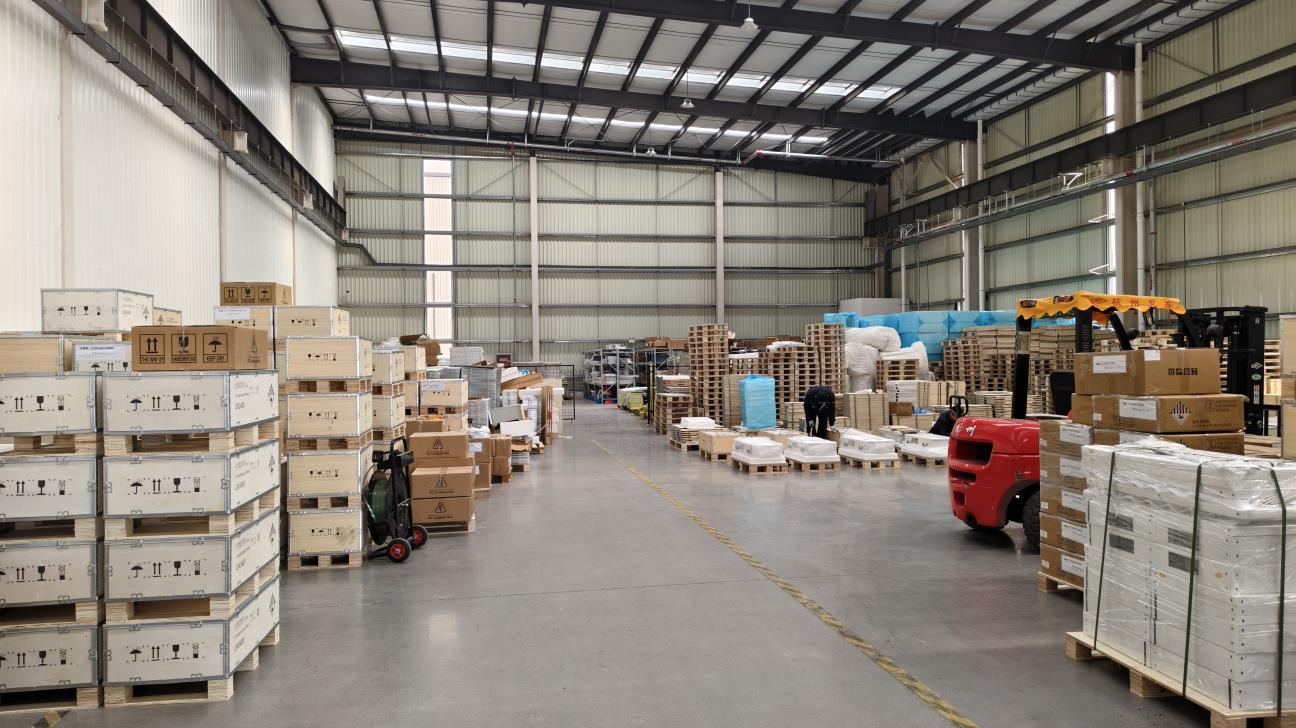 Global Logistics
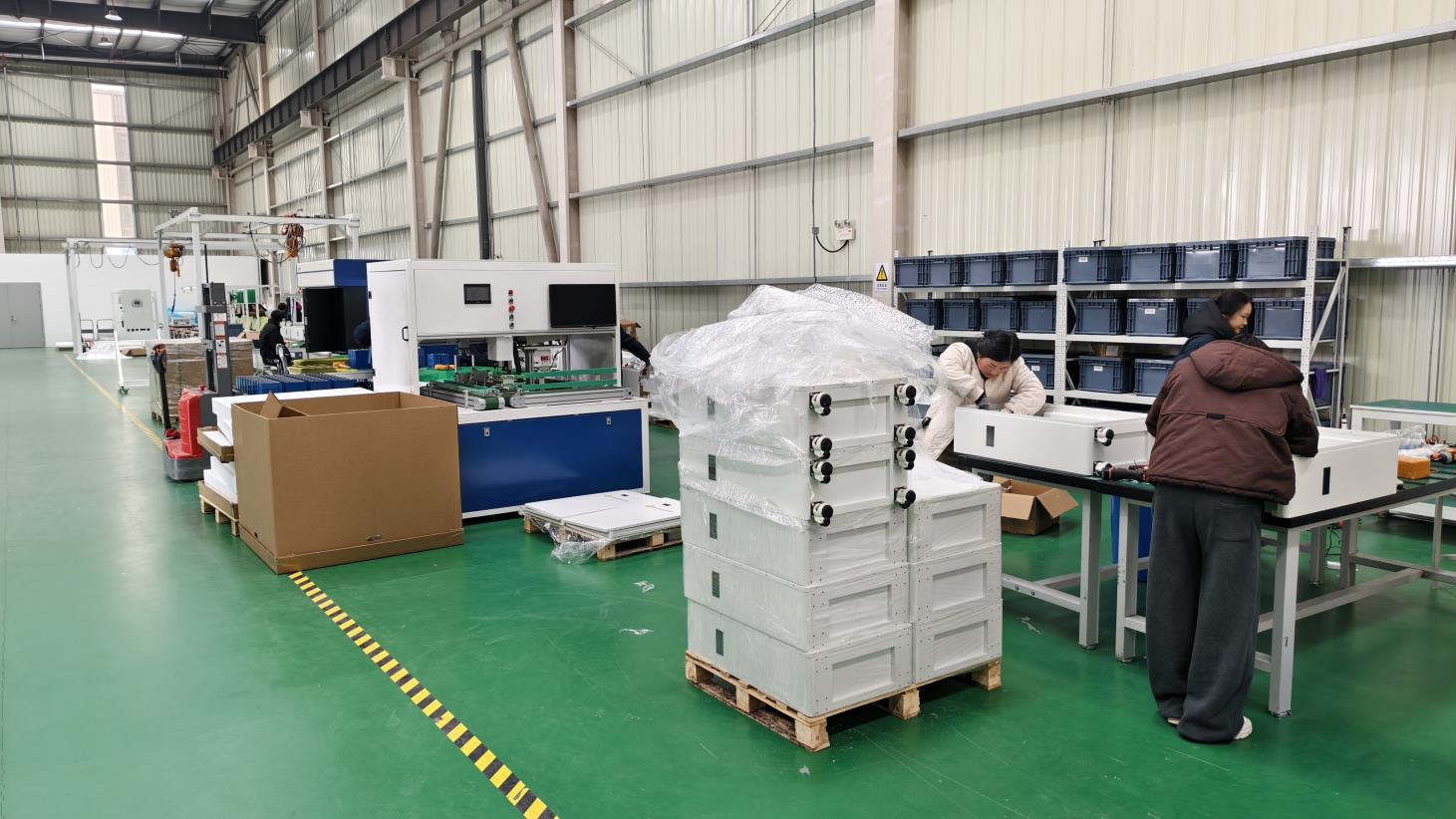 Smart Production
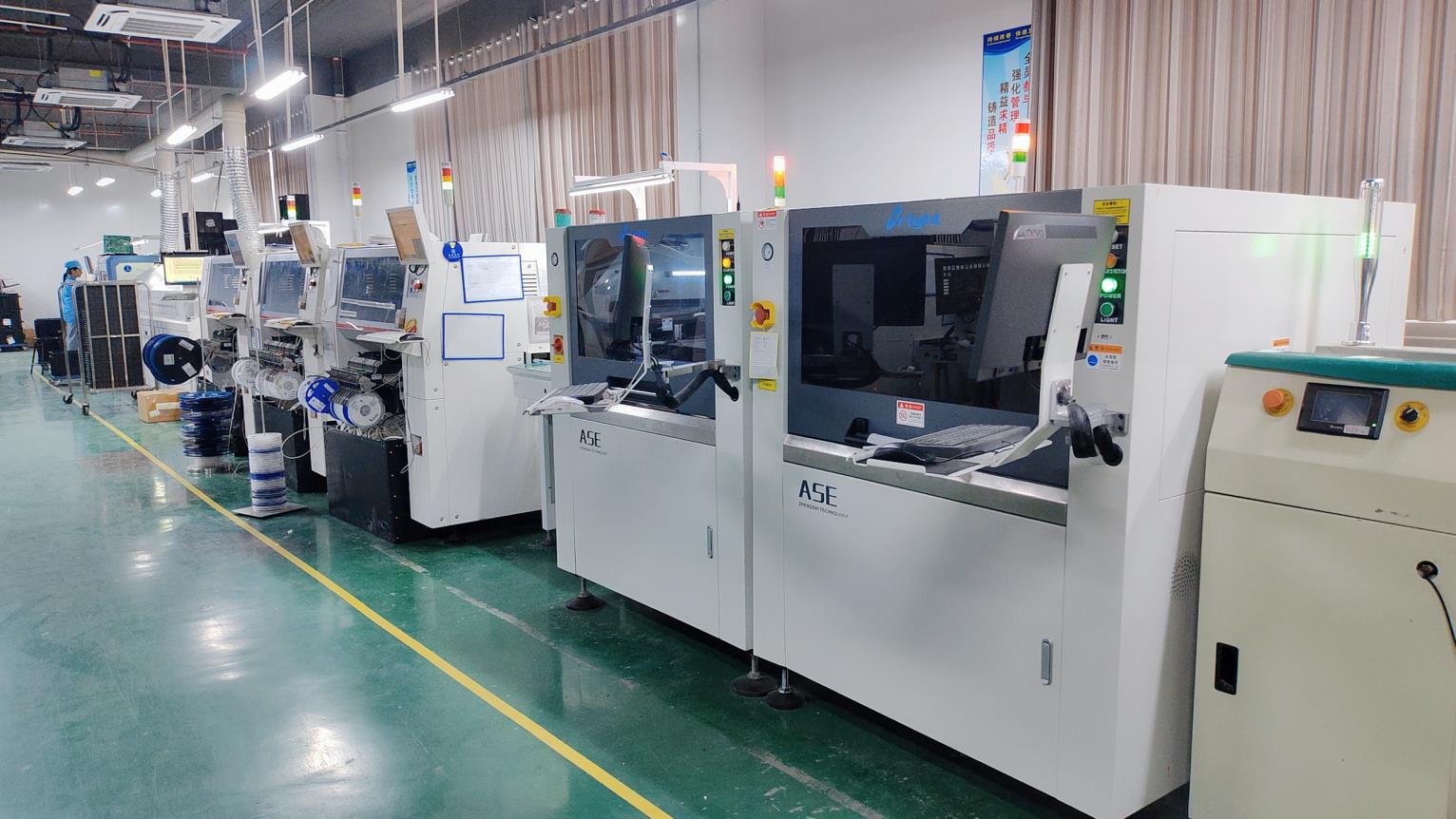 Advanced SMT Line
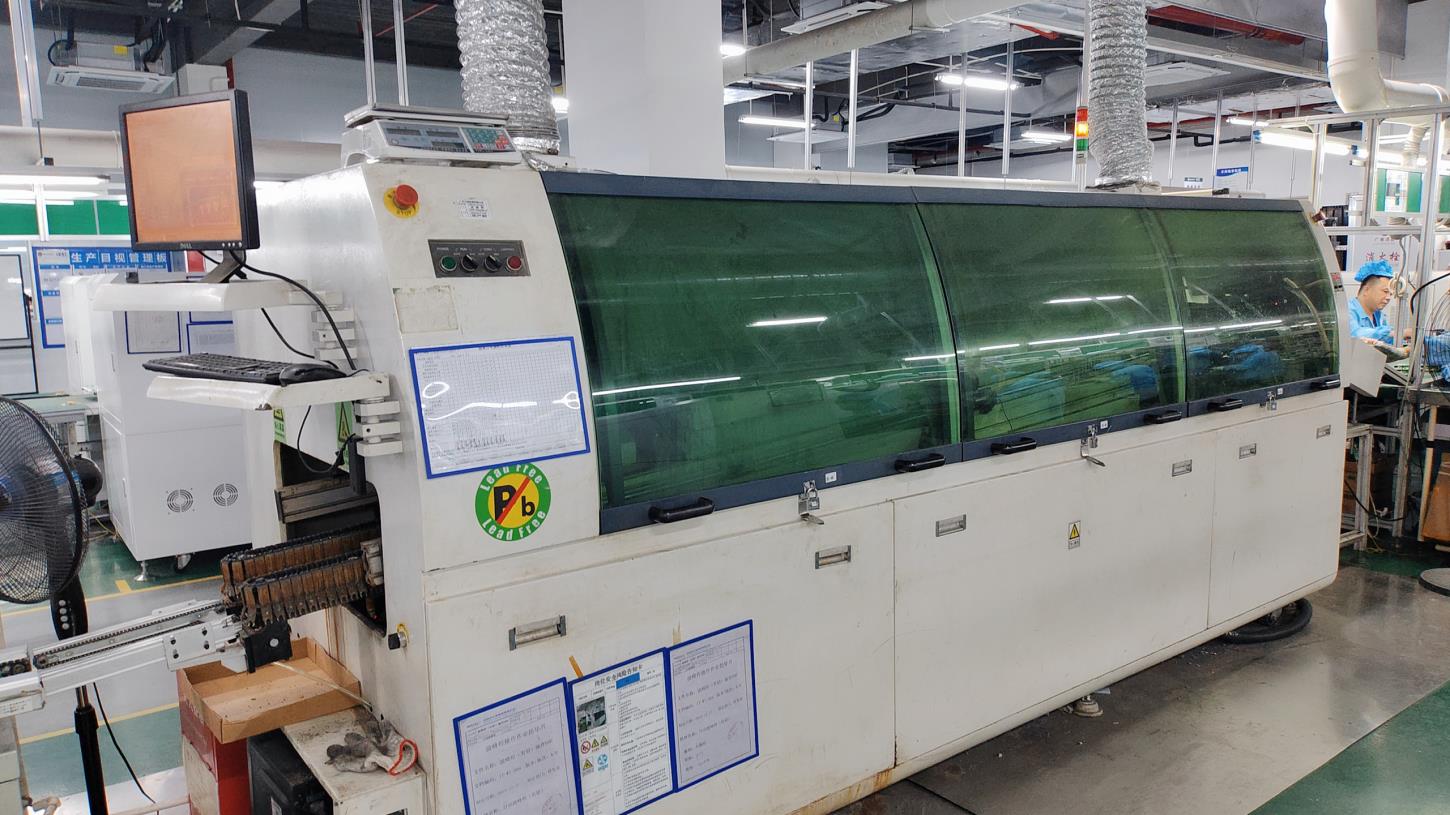
Automated Wave Soldering for High-Reliability Electronics
For international buyers, navigating local regulations (CE, UL, RoHS, IEC 61215) is critical. As a top exporter, we ensure that every flexible module meets the specific grid-tie or off-grid standards of the target region. Our local support network provides technical consultancy, O&M services, and warranty claims assistance in multiple languages.
Compliance with TUV, CE, and UL standards for seamless customs clearance and insurance eligibility.
On-site installation guidance and remote monitoring solutions via our smart cloud platform.
Tailored cell dimensions and voltage configurations for specialized industrial applications.
Modern flexible modules using ETFE encapsulation typically offer a lifespan of 20-25 years, comparable to traditional glass panels, with a power degradation rate of less than 0.7% per year.
Specific "semi-flexible" models designed for marine and RV use are engineered with reinforced substrates that allow for occasional foot traffic, though it is not recommended for high-frequency walking.
Flexible modules have a thin profile that allows for faster heat dissipation. However, for rooftop installations, leaving a small air gap (even 5-10mm) can significantly improve performance in tropical climates.
Most flexible panels have a self-cleaning ETFE surface. Regular rinsing with water is usually sufficient to maintain optimal efficiency.
 Aryam Energy