



In the global pursuit of carbon neutrality, the decarbonization of industrial process heat (IPH) and district heating networks has emerged as one of the most critical challenges of our time. While solar photovoltaics (PV) have revolutionized power grids worldwide, electricity accounts for only a fraction of total global energy consumption. The vast majority of global energy demand is thermal, utilized across chemical synthesis, agricultural drying, food pasteurization, metal processing, and district heating systems.
According to recent International Energy Agency (IEA) reports, heat represents nearly 50% of global final energy consumption and contributes over 40% of global carbon dioxide emissions. The integration of Custom OEM Solar Thermal Energy Systems addresses this structural disparity by capturing solar irradiance and transforming it directly into high-enthalpy thermal energy, thereby eliminating the conversion losses inherent in solar PV-to-electric-to-thermal cycles.
"Direct thermal solar conversion reaches thermodynamic efficiencies of 60% to 80%, compared to the 20% to 22% limit of modern commercial PV. By deploying custom solar thermal collector arrays integrated with advanced phase-change thermal storage, industrial facilities can achieve a Levelized Cost of Heat (LCOH) that is highly competitive with fossil fuel baseload sources."
The solar thermal landscape is currently undergoing a significant paradigm shift driven by material sciences and fluid dynamics. Traditional low-temperature flat-plate collectors are being replaced or augmented by advanced evacuated tube systems, Concentrating Solar Thermal (CST) technologies, parabolic trough collectors, and linear Fresnel systems. These next-generation collectors utilize selective absorber coatings and vacuum insulations to minimize convective heat losses, allowing operational fluid temperatures to exceed 150°C to 400°C.
Furthermore, the marriage of solar thermal systems with smart microgrids and IoT-driven tracking systems ensures maximum solar capture throughout the day. By dynamically adjusting the flow rate of the Heat Transfer Fluid (HTF) based on real-time solar irradiance and demand-side thermal profiles, modern systems operate at optimal thermal efficiency points, avoiding stagnation states while guaranteeing steady-state thermal outputs.
Procuring solar thermal energy systems at an industrial scale demands a high level of customization due to the unique load requirements, spatial configurations, and geographical constraints of each project. Commercial and Industrial (C&I) buyers do not purchase "off-the-shelf" products; instead, they require highly integrated, turn-key solutions that fit within existing heating loops, process steam architectures, or district energy grids.
For Engineering, Procurement, and Construction (EPC) firms, the priority is finding an OEM partner that can provide comprehensive engineering support, from initial transient system simulations (TRNSYS) to the delivery of custom-fabricated components. The procurement matrix for global enterprises typically centers on four key pillars:
Tailored flow distribution systems, customized manifold geometry, and low-pressure-drop architectures designed to minimize auxiliary pumping energy demands.
Compliance with global standards including Solar Keymark (Europe), SRCC (USA), and ISO 9806, ensuring resistance to wind load, snow loads, and seismic activities.
Pre-engineered heat-exchange skids and controller modules capable of communicating with industrial SCADA and Building Management Systems (BMS) via Modbus or BACnet.
As a premier OEM supplier, Anhui Aryam Energy Co., Ltd. addresses these demands by offering robust, tailormade engineering designs that integrate seamlessly into diverse industrial workflows. Whether dealing with solar water pumping, solar heating loops, or hybrid solar-wind charge integration, Aryam Energy provides custom solutions that enhance overall performance and optimize capital expenditure (CAPEX) for utility developers and corporate energy directors alike.
Anhui Aryam Energy Co., Ltd. is a leading provider of advanced renewable energy solutions, dedicated to delivering reliable, efficient, and sustainable power systems for residential, commercial, industrial, and utility-scale applications worldwide. Through continuous innovation and a strong commitment to clean energy development, Aryam Energy has established itself as a trusted partner in the global transition toward a low-carbon future.
The company specializes in the research, development, manufacturing, and integration of solar energy systems, energy storage solutions, hybrid power systems, and intelligent microgrid technologies. Leveraging cutting-edge engineering expertise and strict quality management standards, Aryam Energy provides comprehensive energy solutions tailored to diverse market needs, particularly in regions facing energy shortages, unstable grid infrastructure, or increasing demand for sustainable power generation.
With a professional R&D team and a growing portfolio of proprietary technologies, Aryam Energy continuously invests in innovation to enhance system performance, energy efficiency, and long-term reliability. Its products and solutions are designed to meet international standards and have been successfully deployed across Asia, Africa, the Middle East, Europe, and Latin America, serving customers in more than 100 countries and regions.
Aryam Energy's product portfolio includes solar inverters, energy storage systems, hybrid inverters, lithium battery solutions, solar water pumping systems, microgrid systems, and customized renewable energy projects. The company is committed to providing integrated energy solutions that maximize energy independence, reduce operational costs, and support environmental sustainability.
Driven by the vision of becoming a globally recognized clean energy technology leader, Aryam Energy actively collaborates with distributors, EPC contractors, government agencies, international organizations, and development partners to promote renewable energy adoption worldwide. Through its mission of "Empowering Sustainable Energy for a Better Future," the company strives to create long-term value for customers while contributing to global carbon reduction goals and sustainable social development.
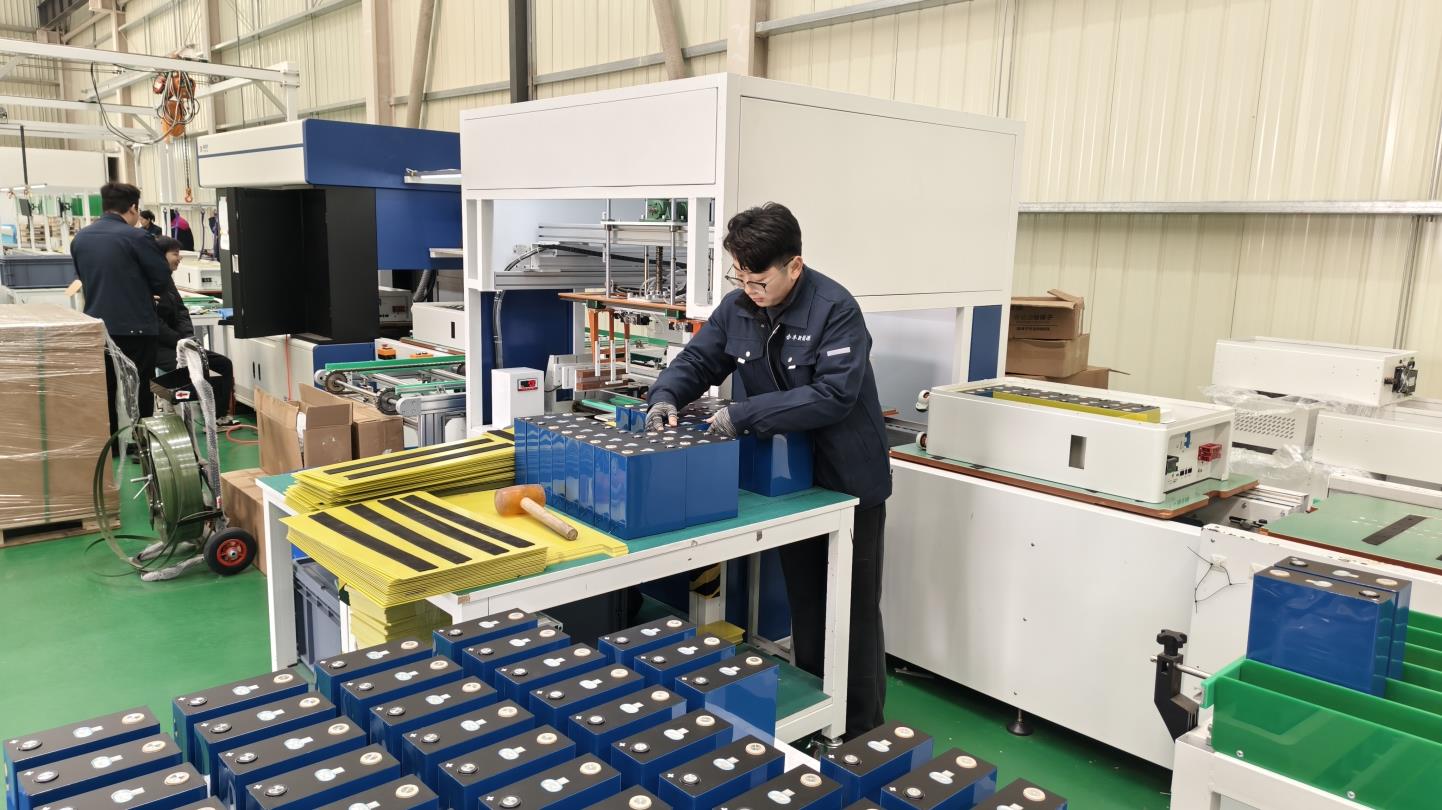
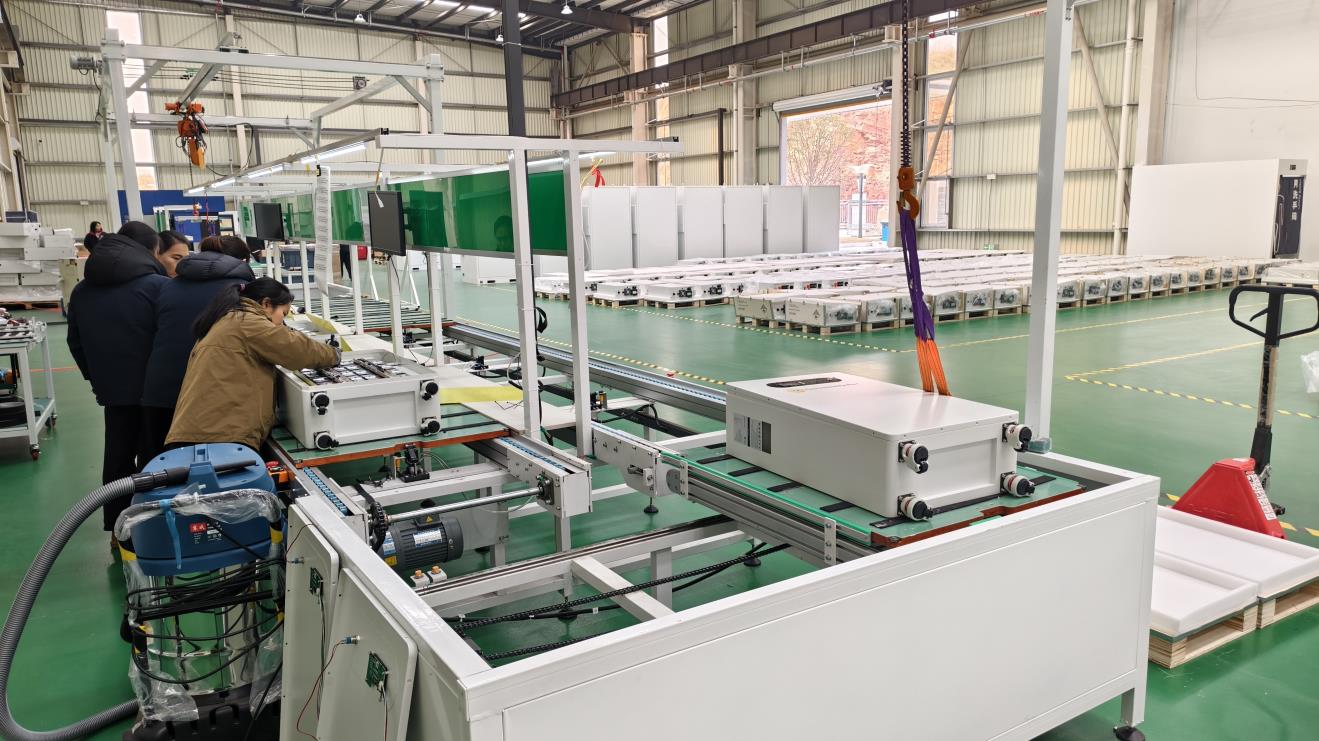
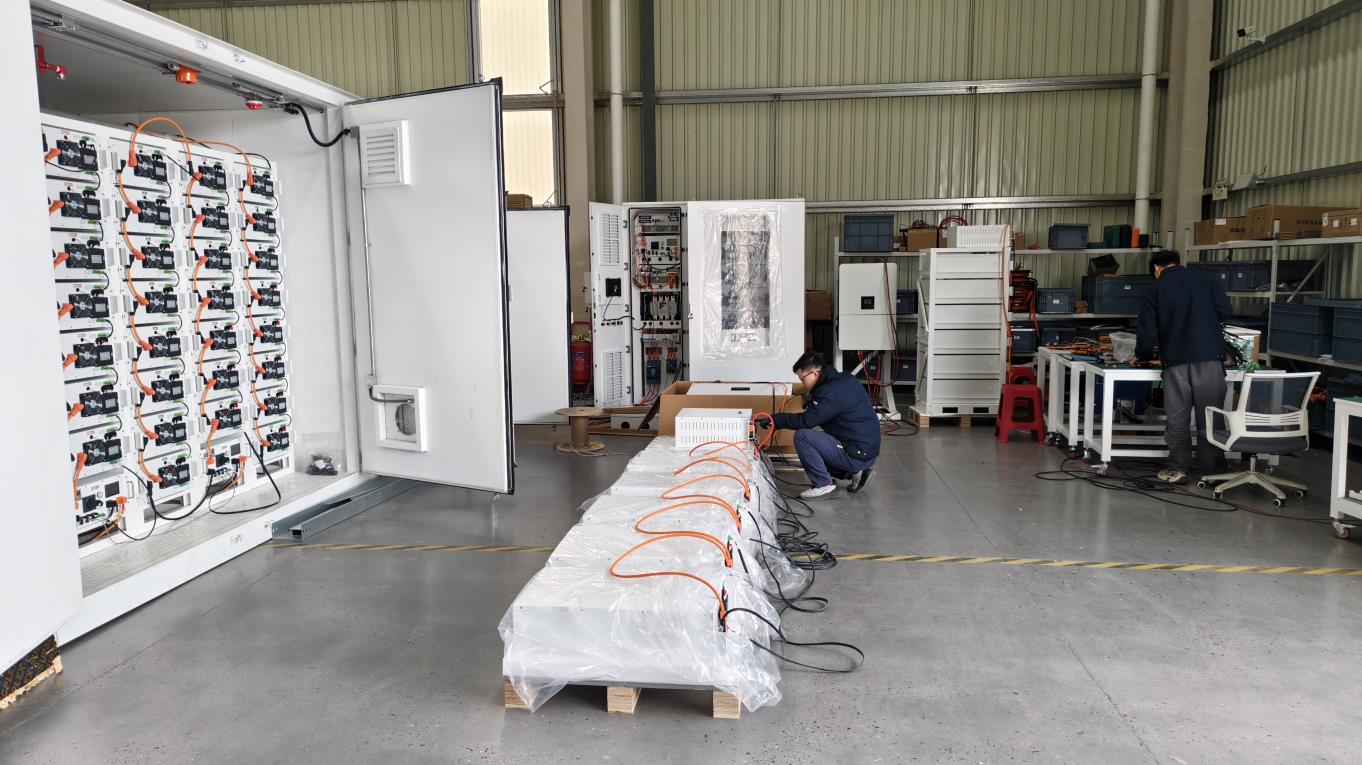
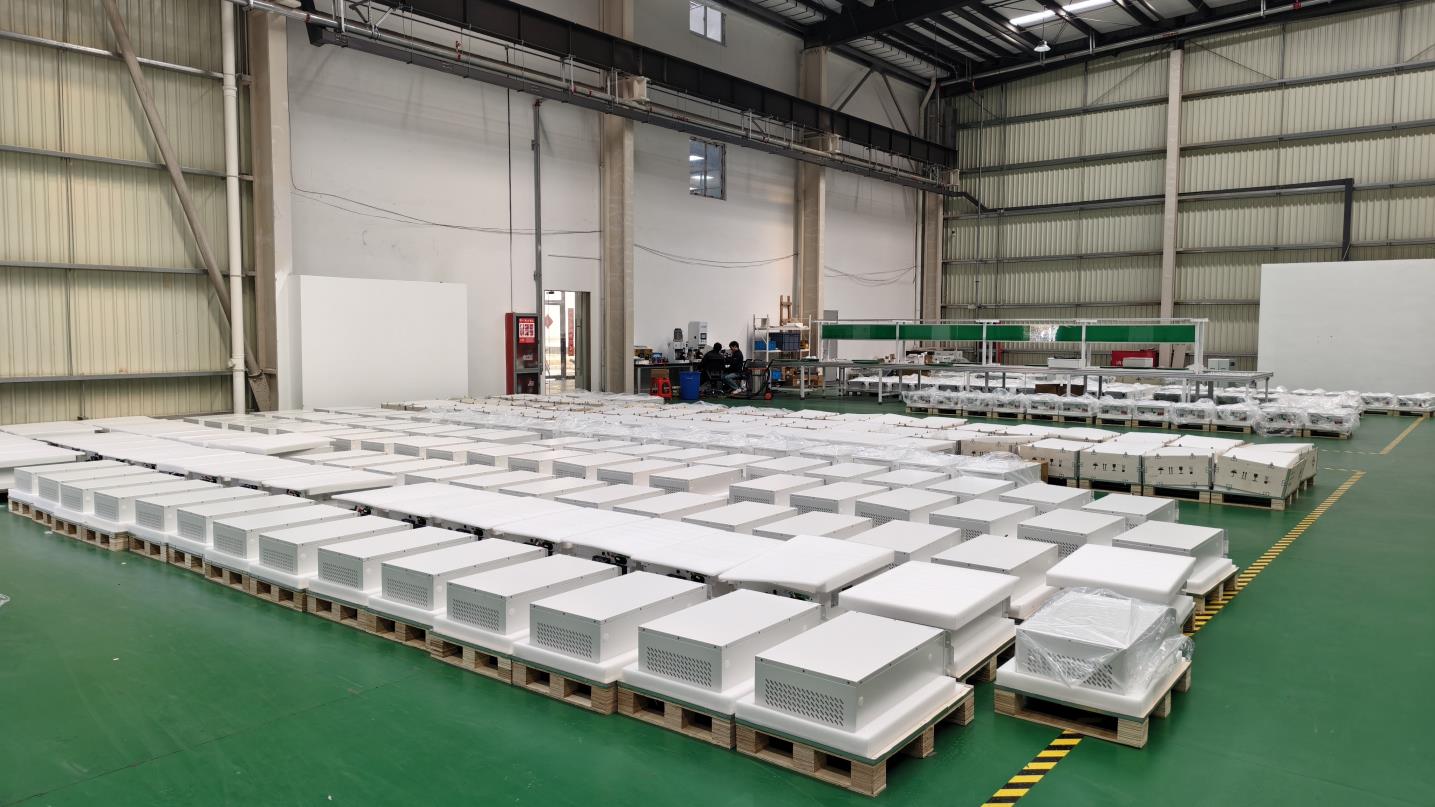
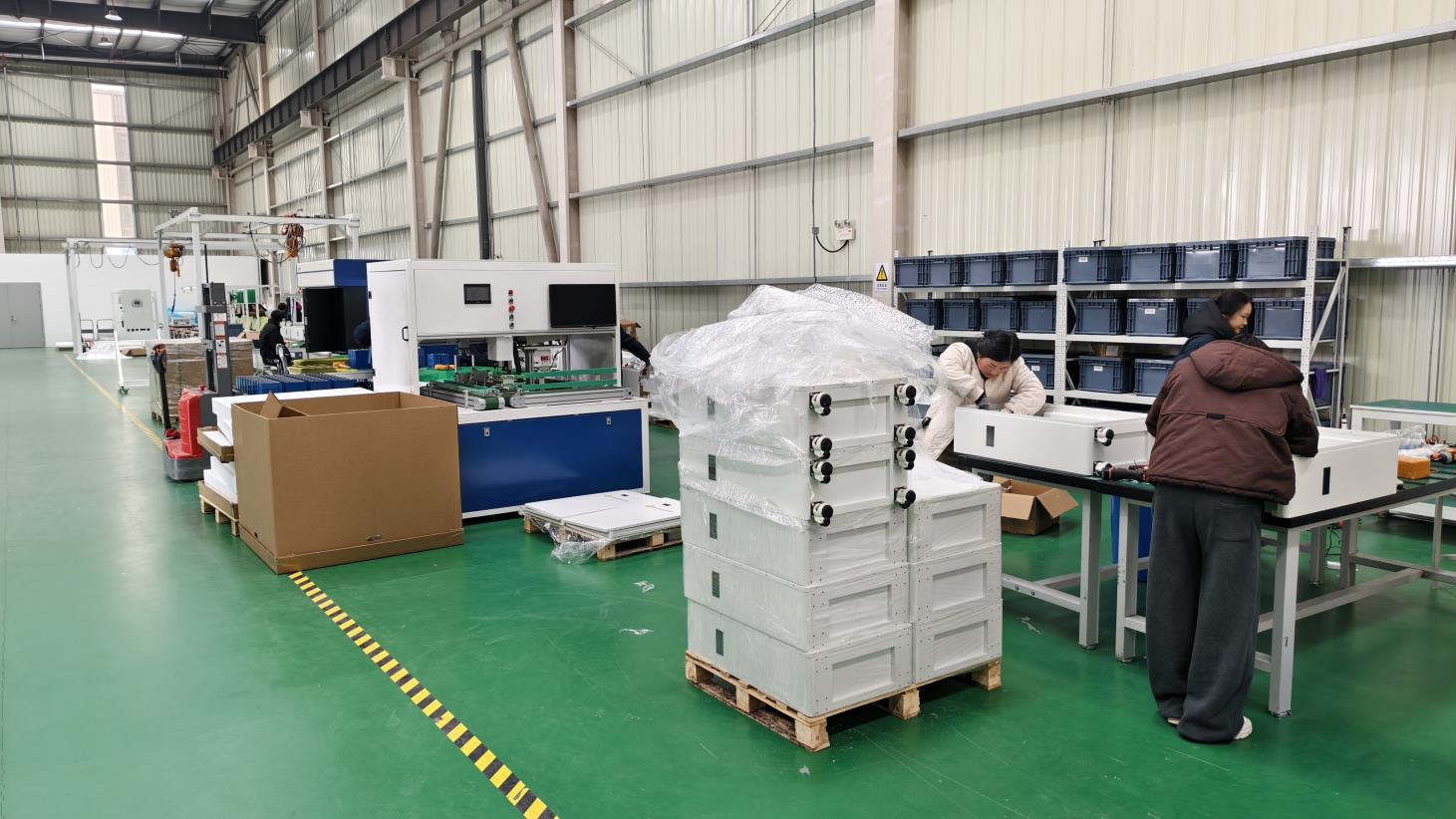
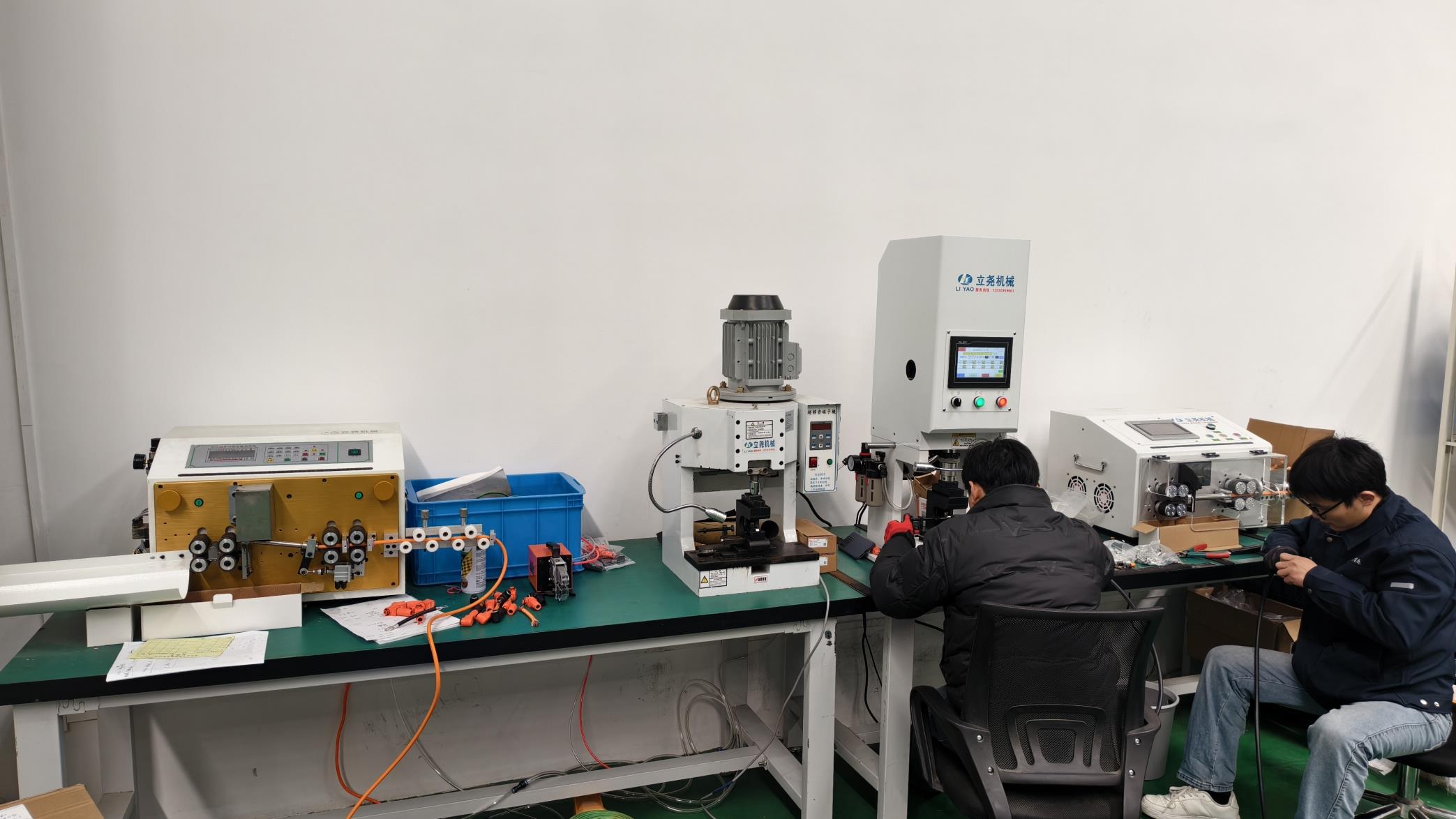
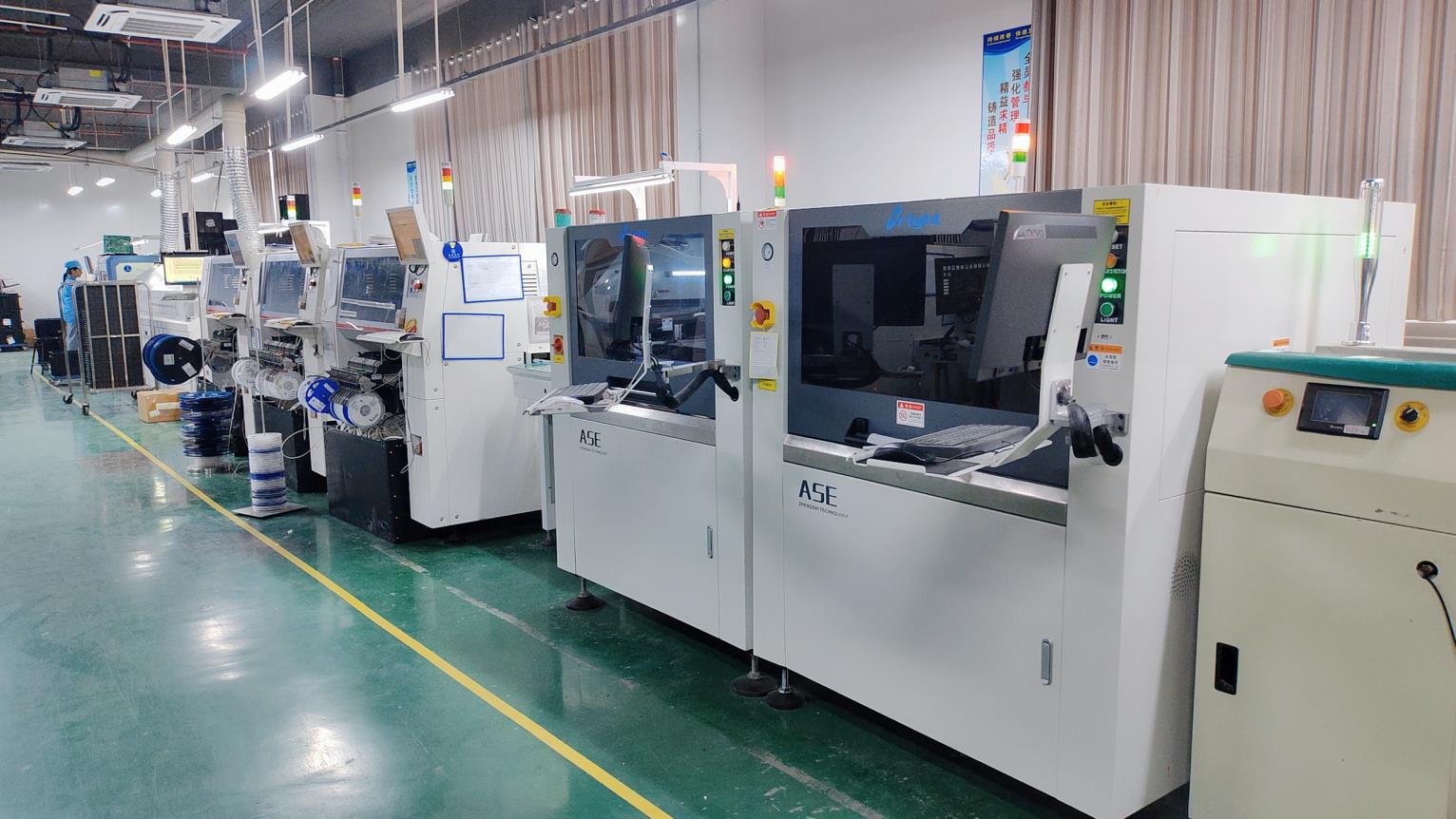
At the core of Aryam Energy's competitive advantage lies our state-of-the-art manufacturing facility, constructed and operated under Industry 4.0 paradigms. The manufacturing process integrates robotics, automated quality monitoring systems, and advanced metallurgical technologies to build solar thermal collectors and storage systems capable of withstanding extreme environmental stress.
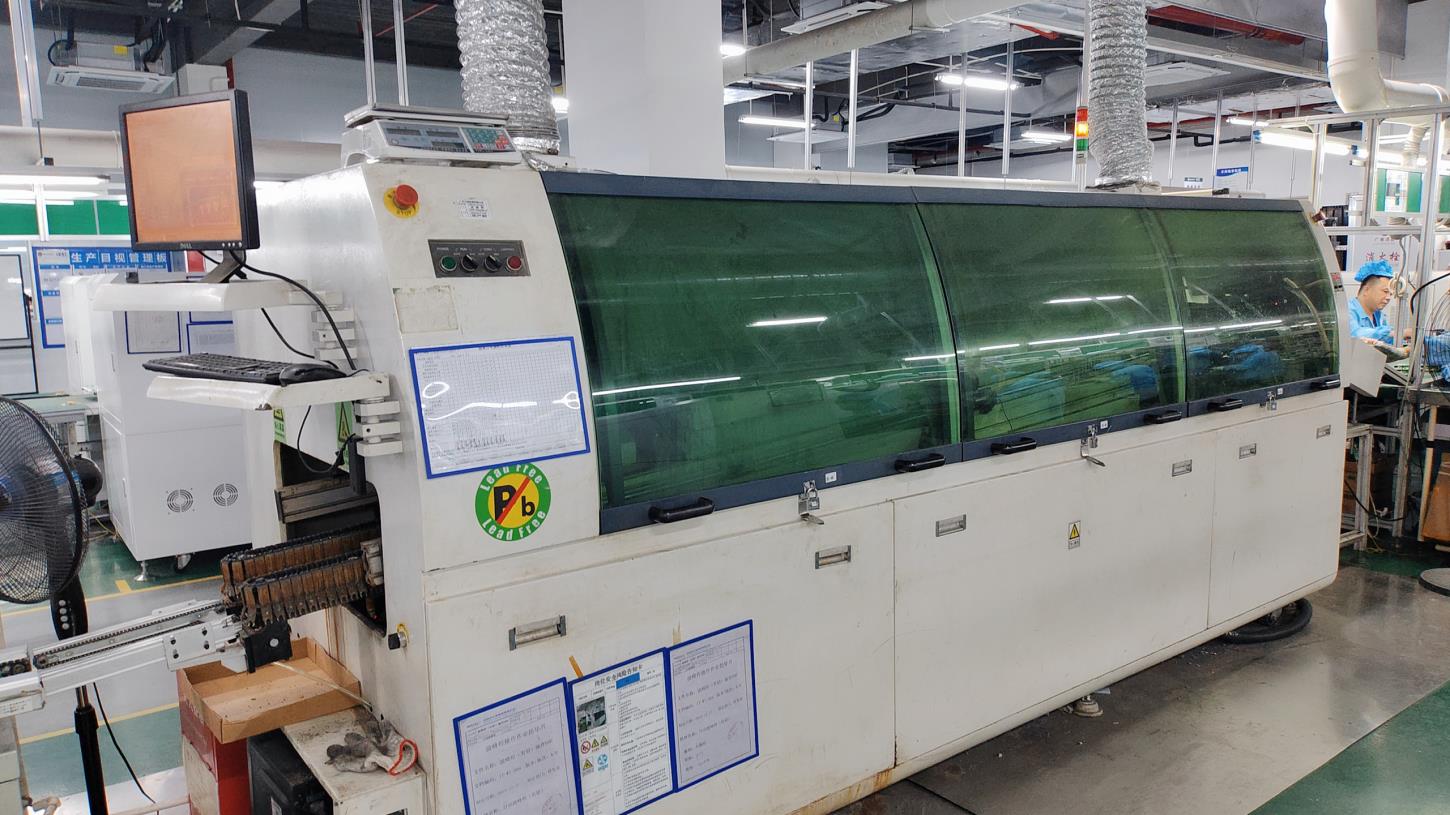
From high-vacuum electron-beam welding to fully automated Surface Mount Technology (SMT) and wave soldering lines for controller PCBs, every stage of production is tracked by an integrated Manufacturing Execution System (MES). This closed-loop quality system ensures 100% traceability and minimal tolerance deviations, guaranteeing the long-term reliability required for 25+ year project lifecycles.
State-of-the-art laser and wave welding systems join copper or aluminum absorber plates to riser tubes, eliminating thermal resistance at the contact interface.
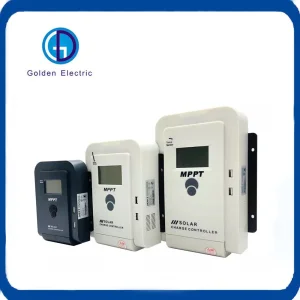
Proprietary microprocessors and charge controllers are assembled on high-speed SMT lines, followed by automated wave soldering and AOI (Automated Optical Inspection) to ensure defect-free control units.
Every single collector panel and storage tank is pressure-tested at up to 1.5 times the maximum operational pressure to verify seam integrity and leak resistance.
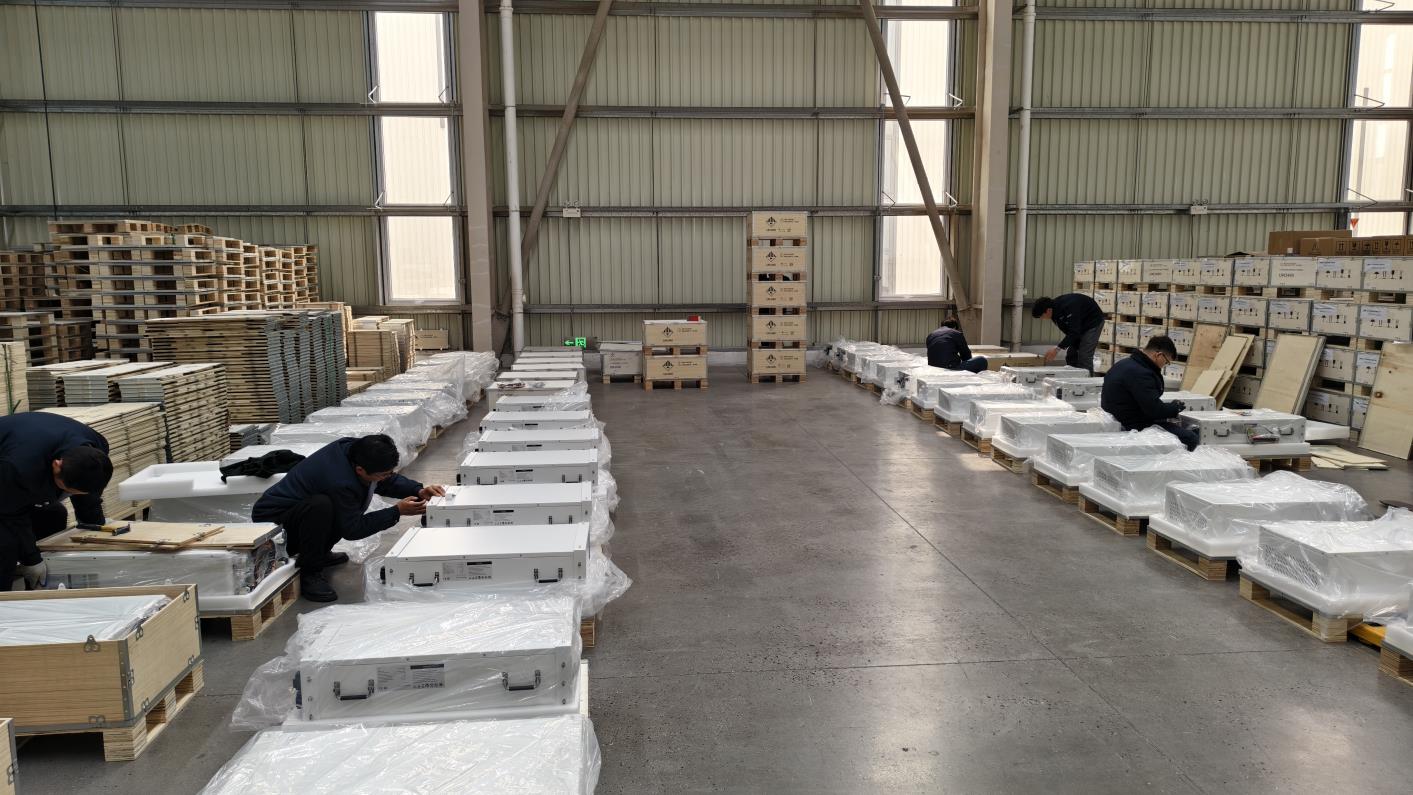
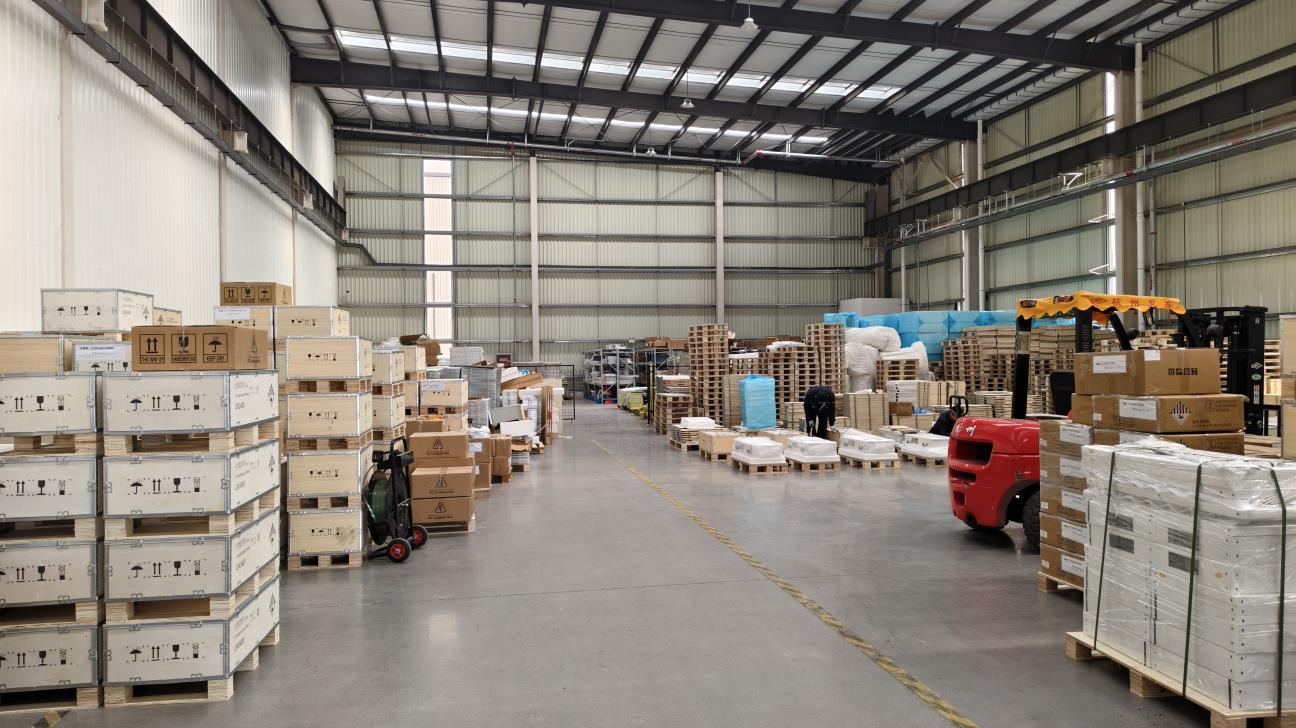
Finished goods are packed in heavy-duty, sea-worthy packaging designed to resist moisture and mechanical vibration, stored in climate-controlled logistics hubs for global dispatch.
Solar thermal energy is highly dependent on geographical conditions, local temperature fluctuations, and utility infrastructures. Designing a system for a mining facility in the Chilean Andes requires radically different engineering constraints compared to designing a municipal district heating grid in Denmark. Below are three specialized scenarios where Aryam Energy's custom engineering solves critical site conditions.
High-altitude regions offer high direct normal irradiance (DNI) but are plagued by sub-zero nighttime temperatures and dust storms. Aryam Energy deploys evacuated tube systems with integrated high-temperature heat pipes containing non-toxic, anti-freeze thermofluid. The vacuum space within the glass tubes provides insulation, ensuring the system continues to produce 80°C to 120°C heat even when ambient air temperatures drop to -15°C.
Food processing lines require constant, high-volume process steam. Aryam Energy designs pressurized solar thermal loops that preheat boiler feed water. By integrating custom parobolic collectors with high-pressure thermal buffers, we reduce natural gas consumption in boiler systems by up to 45%. This hybrid integration provides rapid payback periods while maintaining strict regulatory compliance for clean heat delivery in food-grade environments.
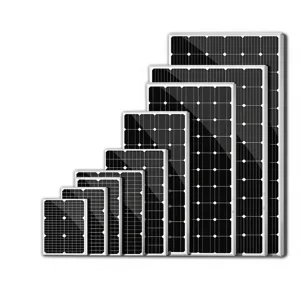
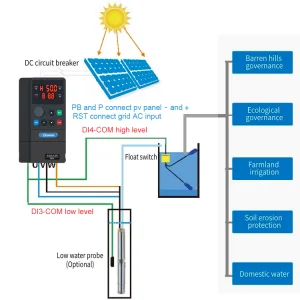
In rural areas lacking stable electricity, crop yield is highly vulnerable to water shortages. By coupling high-output monocrystalline photovoltaic panels with Aryam Energy's advanced 2.2kW 3Hp MPPT solar water pump inverters, agricultural enterprises can draw water directly from deep underground aquifers during peak sunlight hours. This self-contained microgrid eliminates the need for expensive diesel generators and fuel supply lines.
| System Class | HTF Operating Range | Peak Thermal Output | Target Industry Sector | Standard Certification |
|---|---|---|---|---|
| Low-Temp Glazed Flat Plate | 30°C - 80°C | 750 W/m² | Residential Hot Water / Pools | ISO 9806 / CE Standard |
| Evacuated Tube Heat Pipe | 50°C - 140°C | 820 W/m² | Commercial District Heating | Solar Keymark / SRCC High Efficiency |
| Linear Concentrating Loop | 100°C - 250°C | 950 W/m² | Industrial Process Steam / IPH | ASME / ISO 9001 Industrial |
| Hybrid Microgrid Solar Thermal | Adaptive Control | System Dependent | Off-Grid Commercial Farms | IEC 62109 / CE Smart Grid |
Review key engineering considerations, operation limits, and commercial terms regarding the procurement and customization of solar thermal installations.

 Aryam Energy