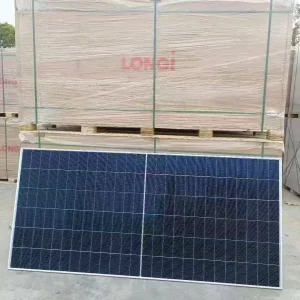
Explore our core engineering offerings tailored for off-grid, hybrid, and microgrid applications globally.
Anhui Aryam Energy Co., Ltd. is a leading provider of advanced renewable energy solutions, dedicated to delivering reliable, efficient, and sustainable power systems for residential, commercial, industrial, and utility-scale applications worldwide. Through continuous innovation and a strong commitment to clean energy development, Aryam Energy has established itself as a trusted partner in the global transition toward a low-carbon future.
The company specializes in the research, development, manufacturing, and integration of solar energy systems, energy storage solutions, hybrid power systems, and intelligent microgrid technologies. Leveraging cutting-edge engineering expertise and strict quality management standards, Aryam Energy provides comprehensive energy solutions tailored to diverse market needs, particularly in regions facing energy shortages, unstable grid infrastructure, or increasing demand for sustainable power generation.
"By integrating vertical manufacturing, direct raw materials sourcing, and deep industry knowledge, Aryam Energy guarantees unmatched cost-efficiencies and Tier-1 standard structural integrity on all PV deployment technologies."
With a professional R&D team and a growing portfolio of proprietary technologies, Aryam Energy continuously invests in innovation to enhance system performance, energy efficiency, and long-term reliability. Its products and solutions are designed to meet international standards and have been successfully deployed across Asia, Africa, the Middle East, Europe, and Latin America, serving customers in more than 100 countries and regions.
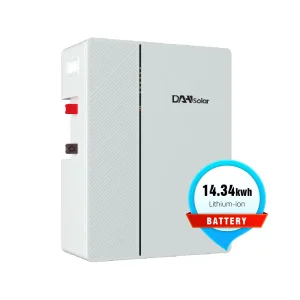
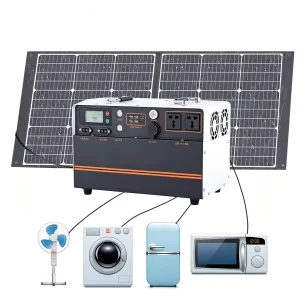
Aryam Energy's product portfolio includes solar inverters, energy storage systems, hybrid inverters, lithium battery solutions, solar water pumping systems, microgrid systems, and customized renewable energy projects. The company is committed to providing integrated energy solutions that maximize energy independence, reduce operational costs, and support environmental sustainability.
Driven by the vision of becoming a globally recognized clean energy technology leader, Aryam Energy actively collaborates with distributors, EPC contractors, government agencies, international organizations, and development partners to promote renewable energy adoption worldwide. Through its mission of "Empowering Sustainable Energy for a Better Future," the company strives to create long-term value for customers while contributing to global carbon reduction goals and sustainable social development.
Empirical evidence highlights a rapid structural transition in global clean energy adoption patterns.
Industrial landscapes are shifting away from centralized networks to localized, resilient systems. Grid defection is driven by severe weather risks and fluctuating peak tariff policies. By deploying robust off-grid and hybrid storage installations, factories reduce dependence on public power infrastructure and achieve near-zero carbon baselines.
Peak shaving and load shifting have moved from luxury practices to standard operating procedures. Utilizing high-capacity lithium iron phosphate (LiFePO4) storage, enterprises capture excess photovoltaic generation during peak insolation, discharging during high-rate periods to smooth electricity bills and protect heavy machinery from voltage drops.
Global protocols, including Europe's Carbon Border Adjustment Mechanism (CBAM) and strict Scope 1 & 2 reporting mandates, force global exporters to embed renewable generation into their primary processing nodes. Adapting early safeguards competitive margins and ensures access to green premium international markets.
The solar energy landscape is undergoing a technological shift, evolving from a simple generation hardware market into a highly sophisticated ecosystem defined by smart integration, optimized energy management algorithms, and high-performance physical chemistry.
N-Type TOPCon & HJT Hegemony: The solar industry is transitioning from standard P-type PERC cells to N-type TOPCon (Tunnel Oxide Passivated Contact) and Heterojunction (HJT) technologies. These offer lower degradation rates, superior temperature coefficients, and bifaciality ratings of up to 85%, directly boosting lifetime energy yields.
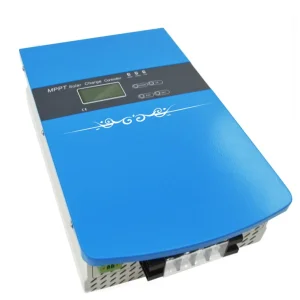
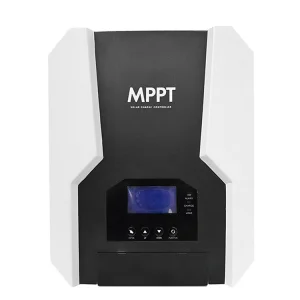
Deep System Integration: The separation of components is merging into unified plug-and-play packages. Contemporary installations demand modular hybrid systems, combining solar tracking controllers, high-efficiency MPPT units, and battery safety interfaces into unified cabinets. This lowers balance-of-system (BOS) costs and reduces construction timelines.
Our engineering division remains committed to a three-tier development framework:
We engineer customized installations to resolve unique structural, thermal, and geographical challenges across the globe.
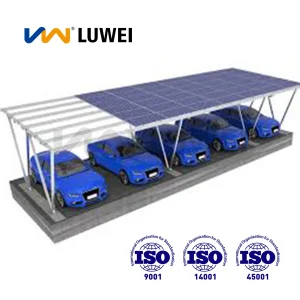
Turning parking infrastructure into clean power stations. Designed for corporate hubs and logistic bays, our 10kW and high-scale modular carports integrate lightweight structural brackets with wind-resistant anchoring systems. They provide dual utility: protecting fleets and feeding clean power into manufacturing lines.
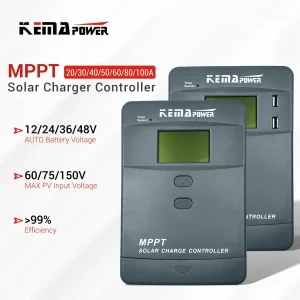
Serving remote mines, agricultural zones, and telecom stations. These environments demand reliable off-grid systems. By pairing 51.2V 280Ah wall-mounted batteries with smart MPPT controllers, we deliver continuous energy supply, eliminating the high costs and logistical challenges of diesel fuel transport.
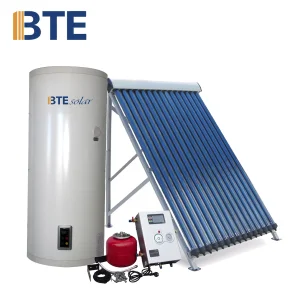
Optimized for colder regions like Northern and Eastern Europe. Evacuated tube systems with high-pressure heat pipes operate efficiently without direct water contact in the tubes. This prevents freezing and scale accumulation, ensuring a continuous supply of domestic and space heating in extreme conditions.
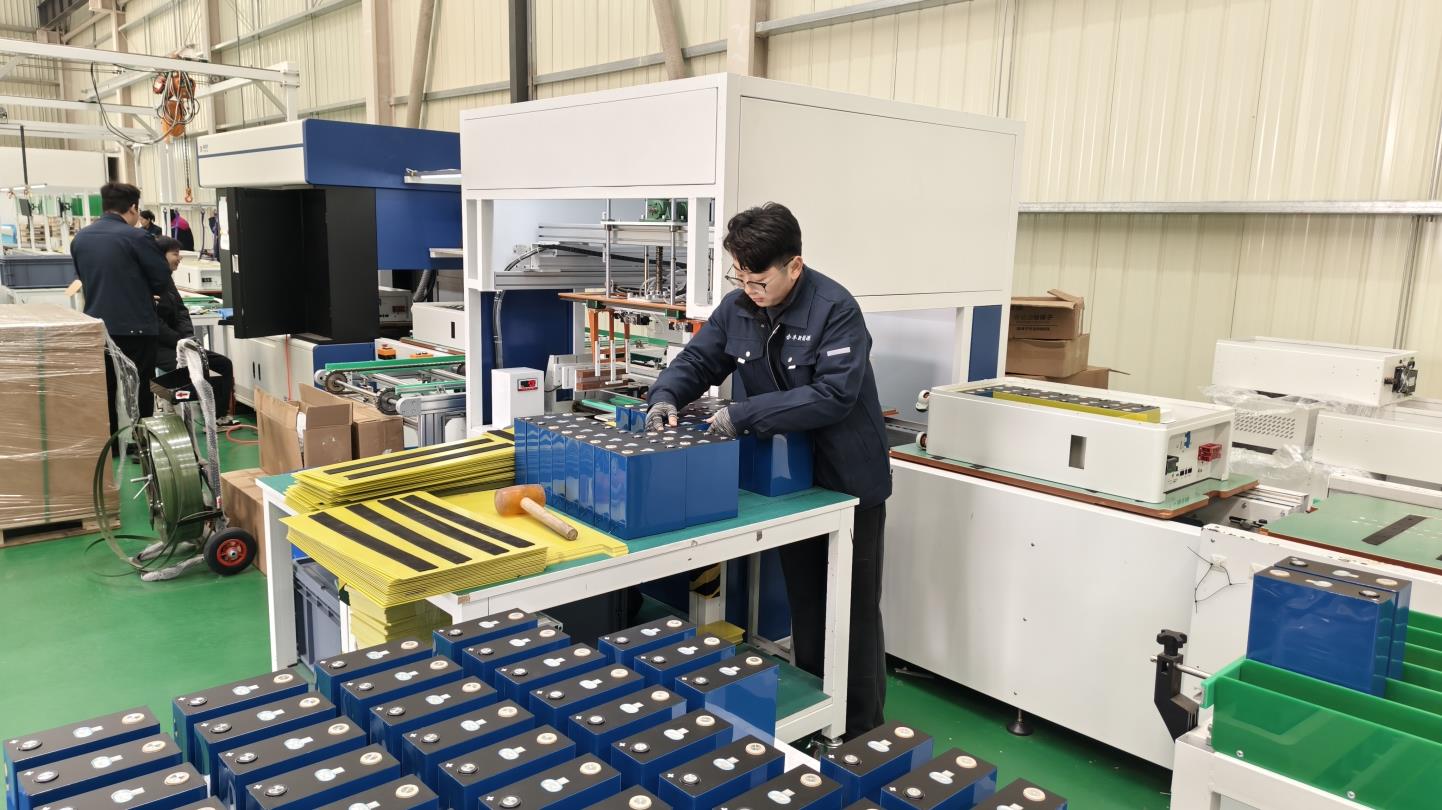
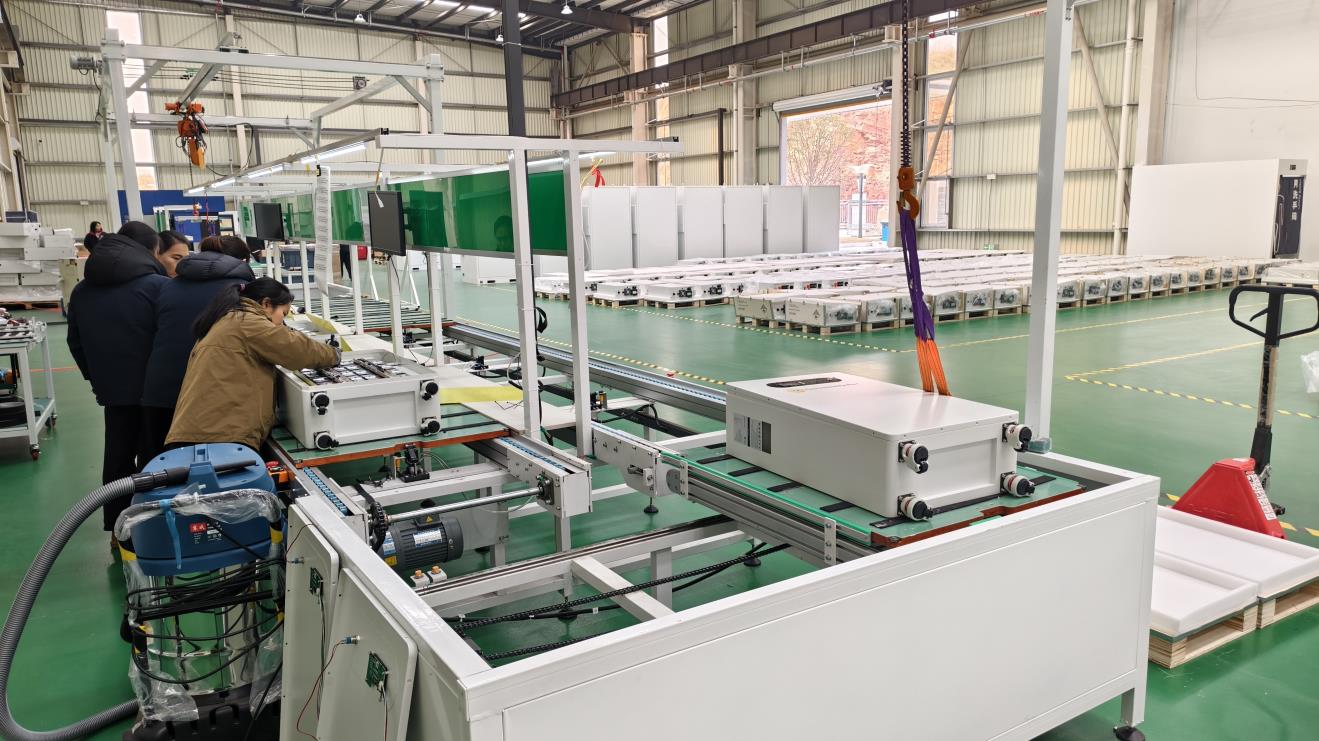
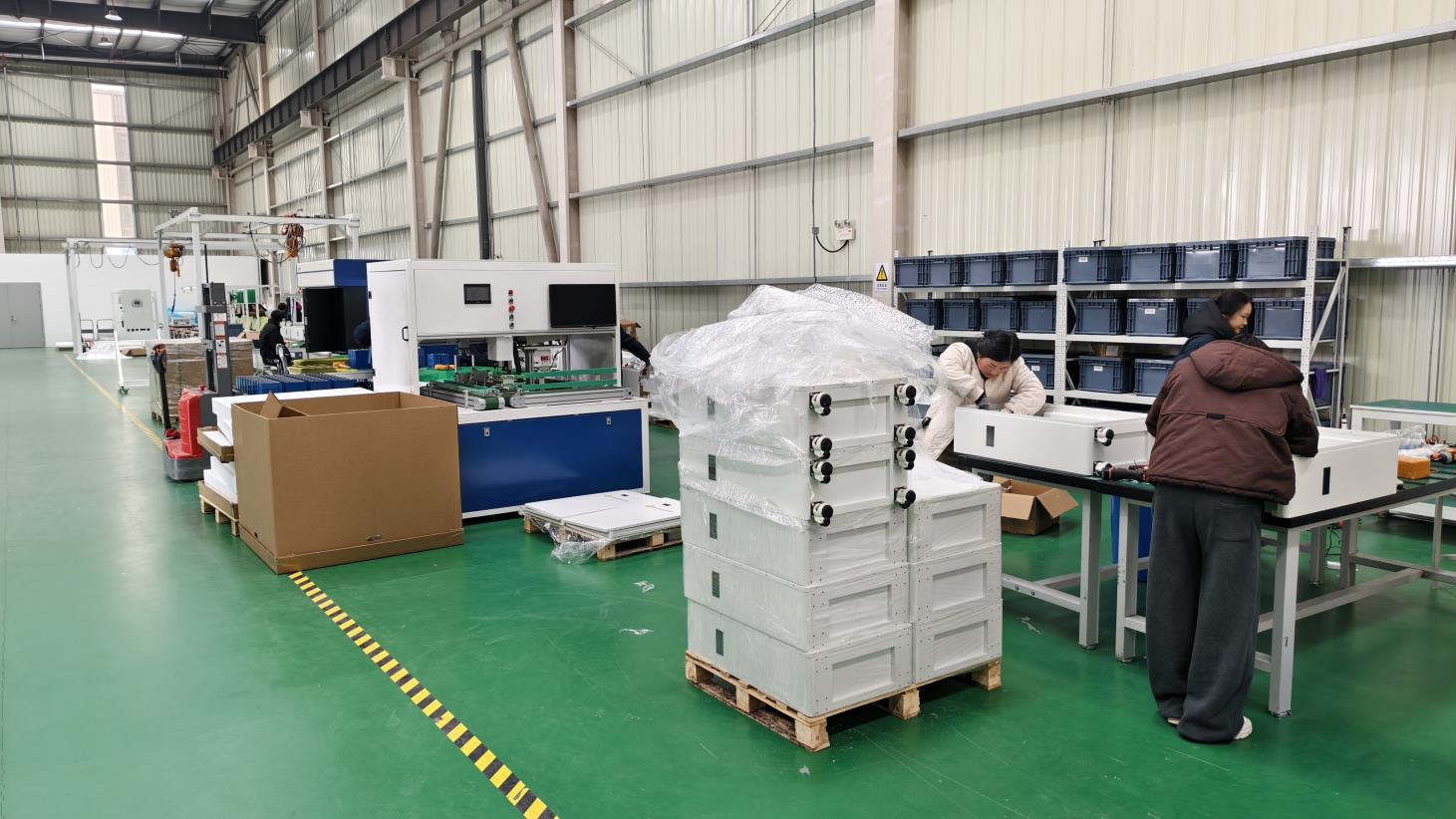
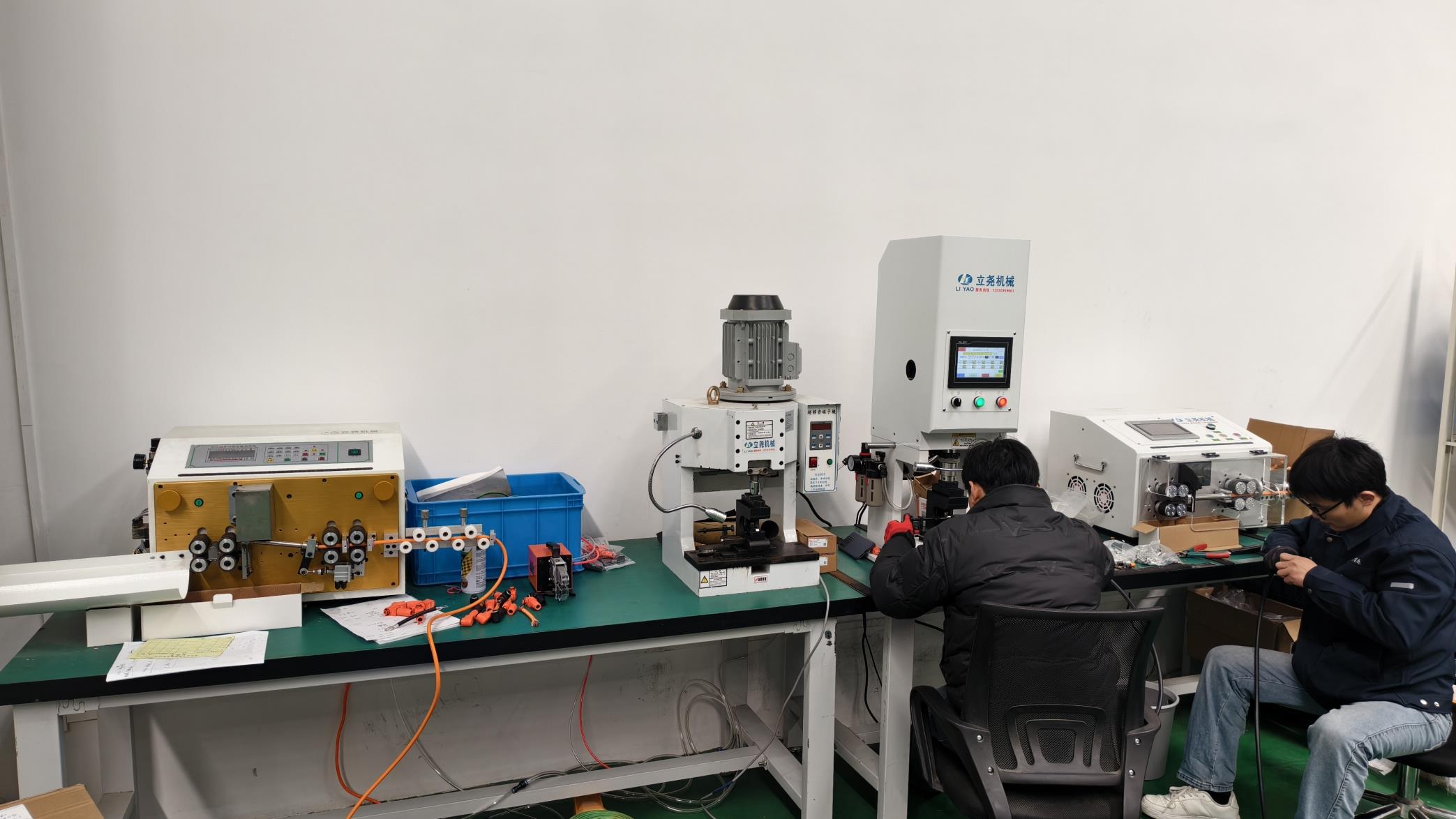
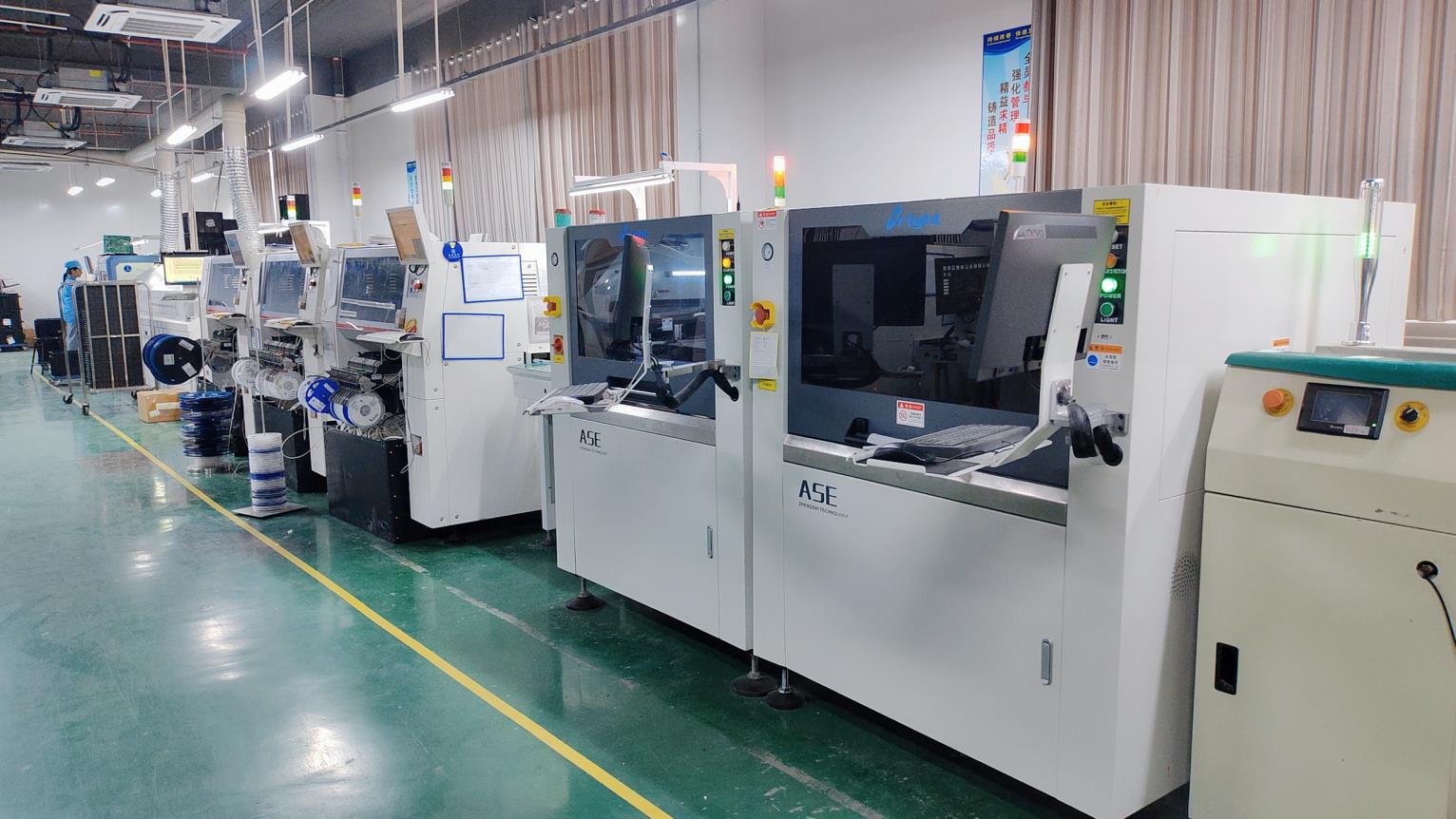
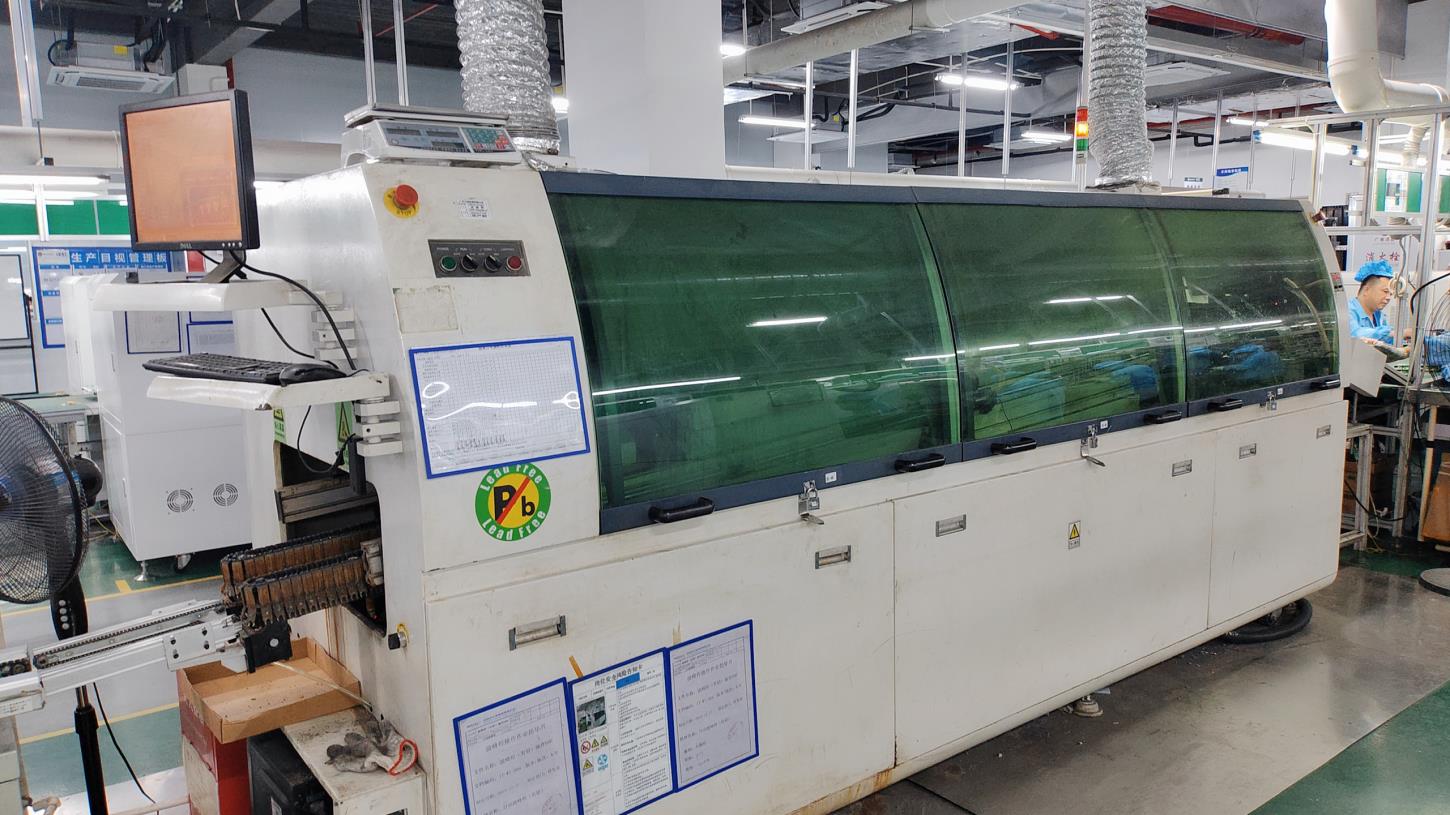
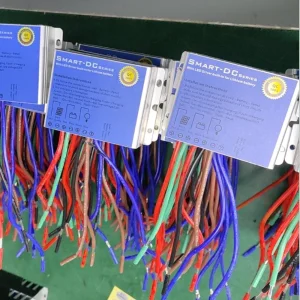
An inside look at our advanced manufacturing lines. Each station adheres to strict ISO and CE compliance standards, ensuring long-term field reliability.
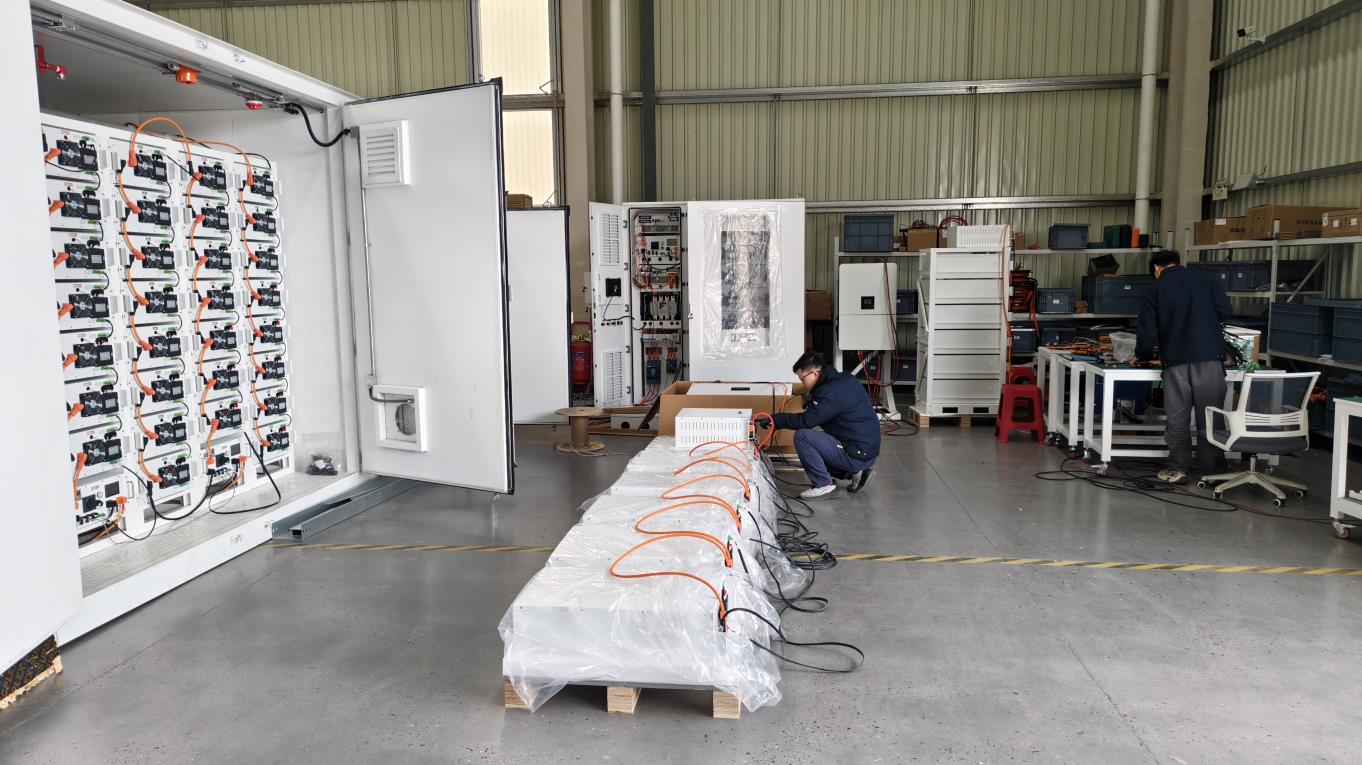
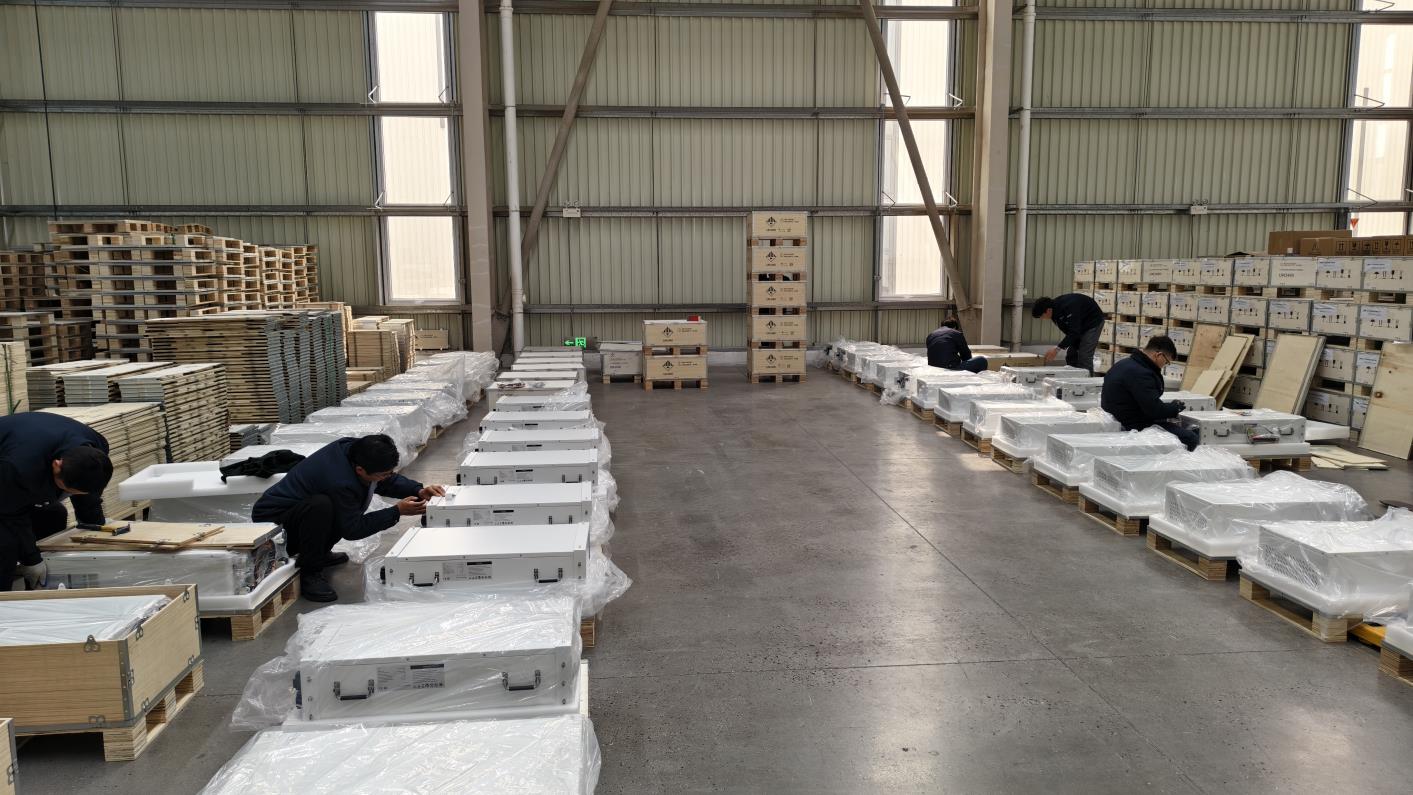
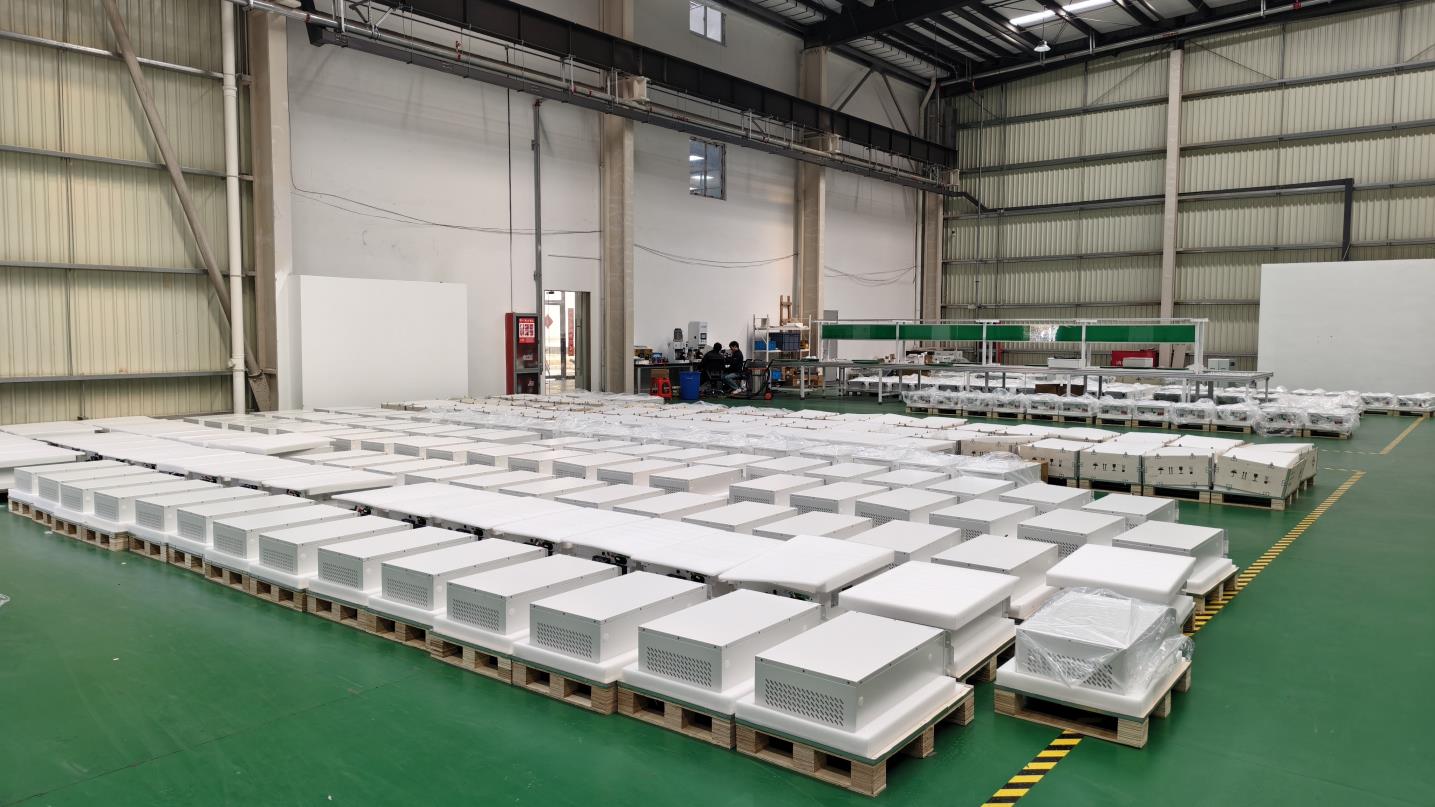
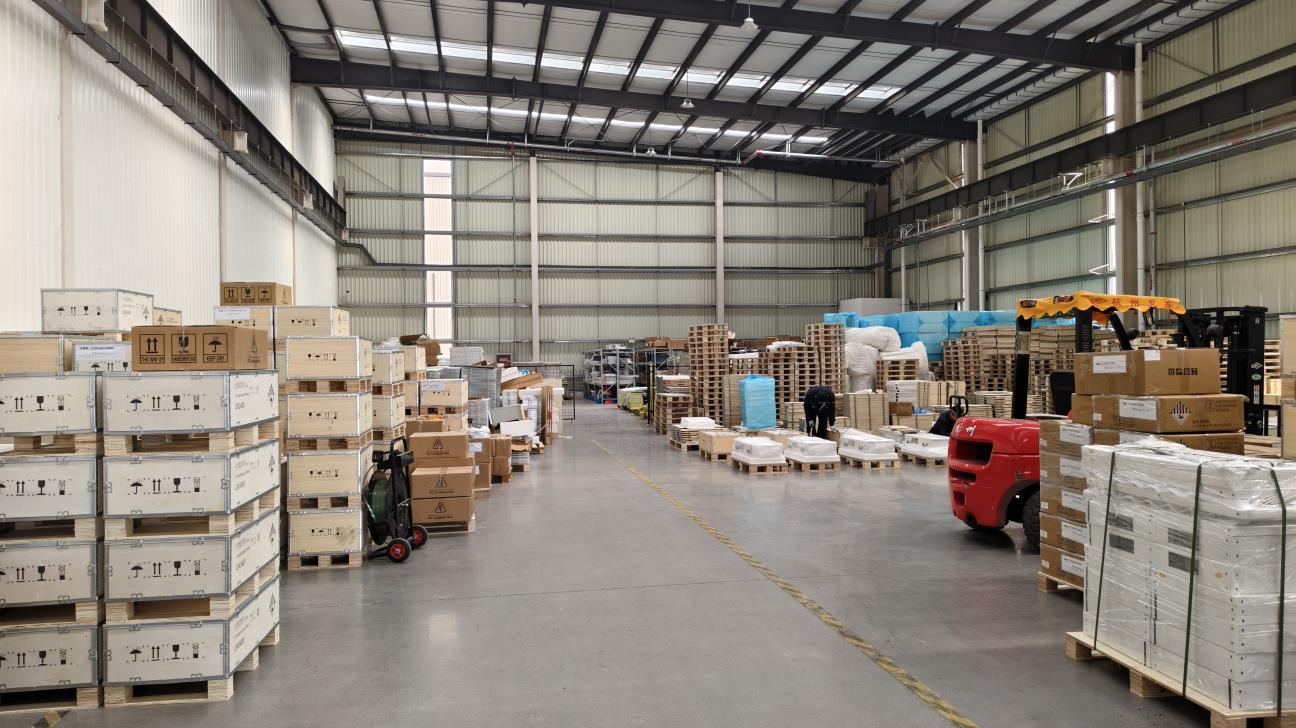
We provide comprehensive system designs engineered for long-term ROI and optimized energy conversion.
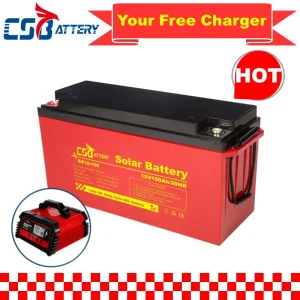
Our storage designs integrate Tier-1 LFP chemistry with multi-layered Battery Management Systems (BMS). Features include cell-level temperature monitoring, real-time voltage balancing, and over-current protection. These safety systems prevent thermal runaway, ensuring stable operation through thousands of charge-discharge cycles.
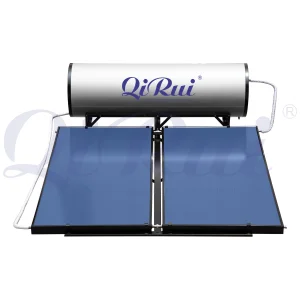
By splitting the collector plate from the pressurized storage tank, our solar-thermal systems optimize heat transfer while minimizing thermal loss. The use of enamel jacket tanks and heat pipe designs ensures consistent domestic hot water delivery, even in sub-zero climates, with minimal maintenance requirements.
Find answers to common technical, manufacturing, and operational questions about solar and energy storage systems.
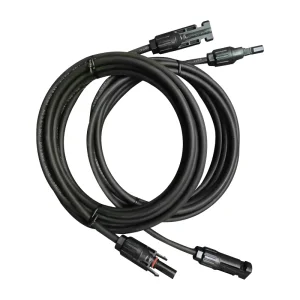
Explore our wide range of power regulation, connection, and solar generation hardware.
 Aryam Energy