The commercial and industrial (C&I) solar energy infrastructure within Boston, Massachusetts, operates under some of the most challenging structural and environmental parameters in North America. Navigating Boston's unique geography—defined by aggressive Nor'easters, heavy winter snow pack loads, and coastal salt spray corrosion—demands solar mounting structures that exceed basic industry standards. To ensure project longevity, local engineers and global procurement managers must secure advanced racking systems that integrate top-tier metallurgy with certified structural integrity.
According to MassDEP and the Massachusetts State Building Code (780 CMR), all commercial solar mounting structures must comply with strict ASCE 7-16 wind load calculations and localized snow-drifting factors. System design parameters in the Greater Boston area routinely dictate wind resistance tolerances up to 130 MPH and ground snow load ratings up to 50 PSF.
As local utility tariffs continue to motivate businesses to optimize rooftop footprint returns under the Solar Massachusetts Renewable Target (SMART) program, selecting a high-efficiency racking partner is paramount. High-performance aluminum extrusion frameworks and robust hot-dip galvanized steel systems offer the structural insurance necessary to secure long-term system finance and insurance underwriting.
Optimized for commercial flat roofs, industrial pitched structures, and local solar-permitted ground mount installations across Massachusetts.
Boston's microclimate requires advanced structural design considerations. Wind load pressures acting on solar arrays depend highly on local topography, mounting height, building envelope dimensions, and array configurations. In response, modern manufacturers use high-grade materials and rigorous structural modeling:
| Material / Parameter | Technical Specification | Boston Applicability & Design Function |
|---|---|---|
| Anodized Aluminum (AL6005-T5) | Tensile strength ≥ 260 MPa; Anodic film thickness ≥ 10 μm | Corrosion resistance against salt spray in maritime regions (Boston Harbor, Cape Cod). Highly robust yet lightweight for roofing loads. |
| Hot-Dip Galvanized Steel (HDG Q235B/Q355B) | Average zinc coating thickness ≥ 85 μm (ISO 1461) | Ground-mounted pile structures. Retains mechanical integrity under frost heave and wet, acidic soils typical of New England. |
| Wind Load Resilience | Engineered to handle up to 60 m/s (134 MPH) | Ensures compliance with ASCE 7-16 coastal building standards for high-wind risk areas in Eastern Massachusetts. |
| Snow Load Tolerance | Designed up to 1.6 KN/m² (approx. 33.4 PSF plus localized drift) | Eliminates rail deformation and structural collapse risk under heavy snow accumulation and ice loading cycles. |
Before delivery, structural components undergo Finite Element Analysis (FEA) testing using computer modeling tools. These simulations mimic multi-directional wind shear, structural load distribution, and mechanical fatigue over 25+ year life spans. To verify safety on low-slope flat roofs, wind tunnel testing determines the exact aerodynamic coefficients for ballasted systems, minimizing structural ballast weight without compromising roof safety.
Anhui Aryam Energy Co., Ltd. is a leading provider of advanced renewable energy solutions, dedicated to delivering reliable, efficient, and sustainable power systems for residential, commercial, industrial, and utility-scale applications worldwide. Through continuous innovation and a strong commitment to clean energy development, Aryam Energy has established itself as a trusted partner in the global transition toward a low-carbon future.
The company specializes in the research, development, manufacturing, and integration of solar energy systems, energy storage solutions, hybrid power systems, and intelligent microgrid technologies. Leveraging cutting-edge engineering expertise and strict quality management standards, Aryam Energy provides comprehensive energy solutions tailored to diverse market needs, particularly in regions facing energy shortages, unstable grid infrastructure, or increasing demand for sustainable power generation.
With a professional R&D team and a growing portfolio of proprietary technologies, Aryam Energy continuously invests in innovation to enhance system performance, energy efficiency, and long-term reliability. Its products and solutions are designed to meet international standards and have been successfully deployed across Asia, Africa, the Middle East, Europe, and Latin America, serving customers in more than 100 countries and regions.
Aryam Energy's product portfolio includes solar inverters, energy storage systems, hybrid inverters, lithium battery solutions, solar water pumping systems, microgrid systems, and customized renewable energy projects. The company is committed to providing integrated energy solutions that maximize energy independence, reduce operational costs, and support environmental sustainability.
Aryam Energy maintains state-of-the-art production lines designed to deliver structural and electrical components with zero-defect quality. Our ISO 9001-certified factory processes verify component mechanical properties, weld integrity, and assembly tolerances.
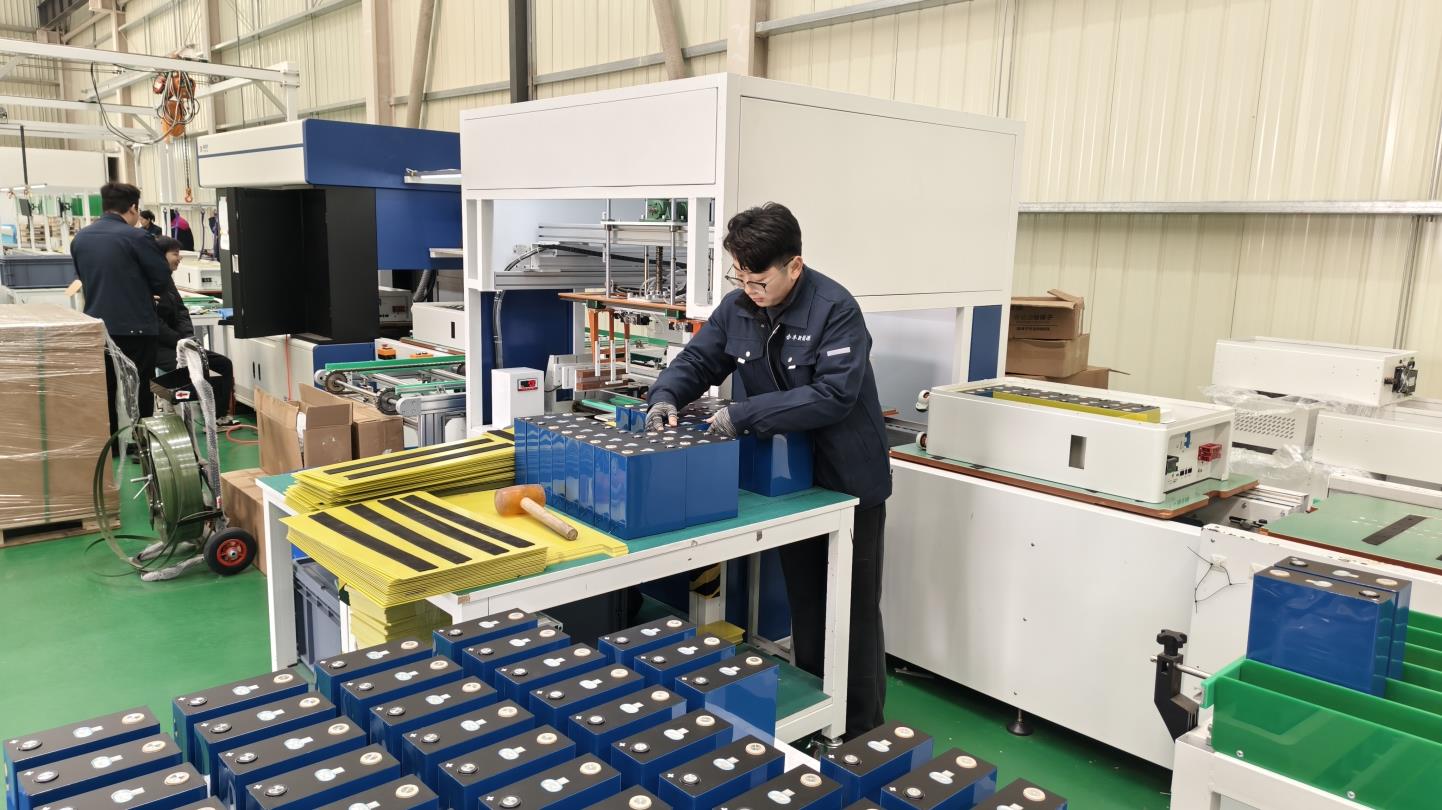
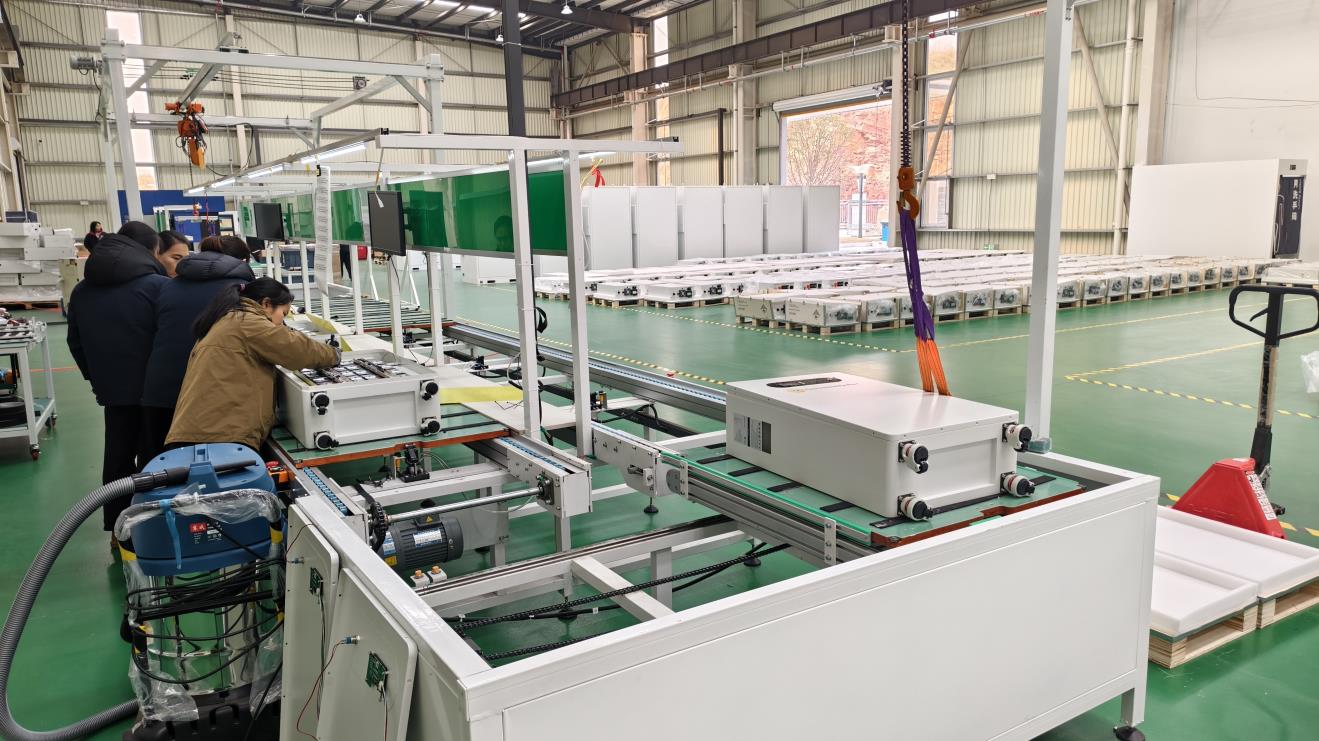
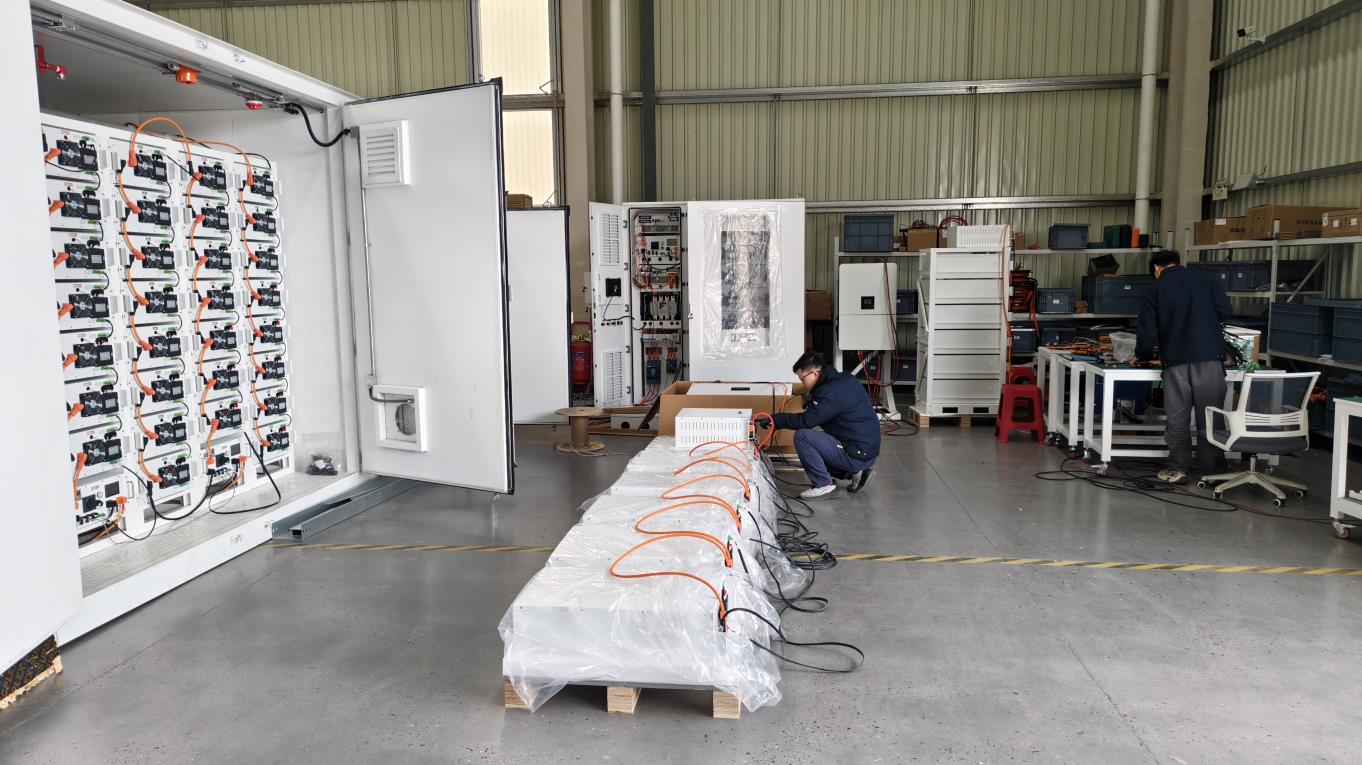
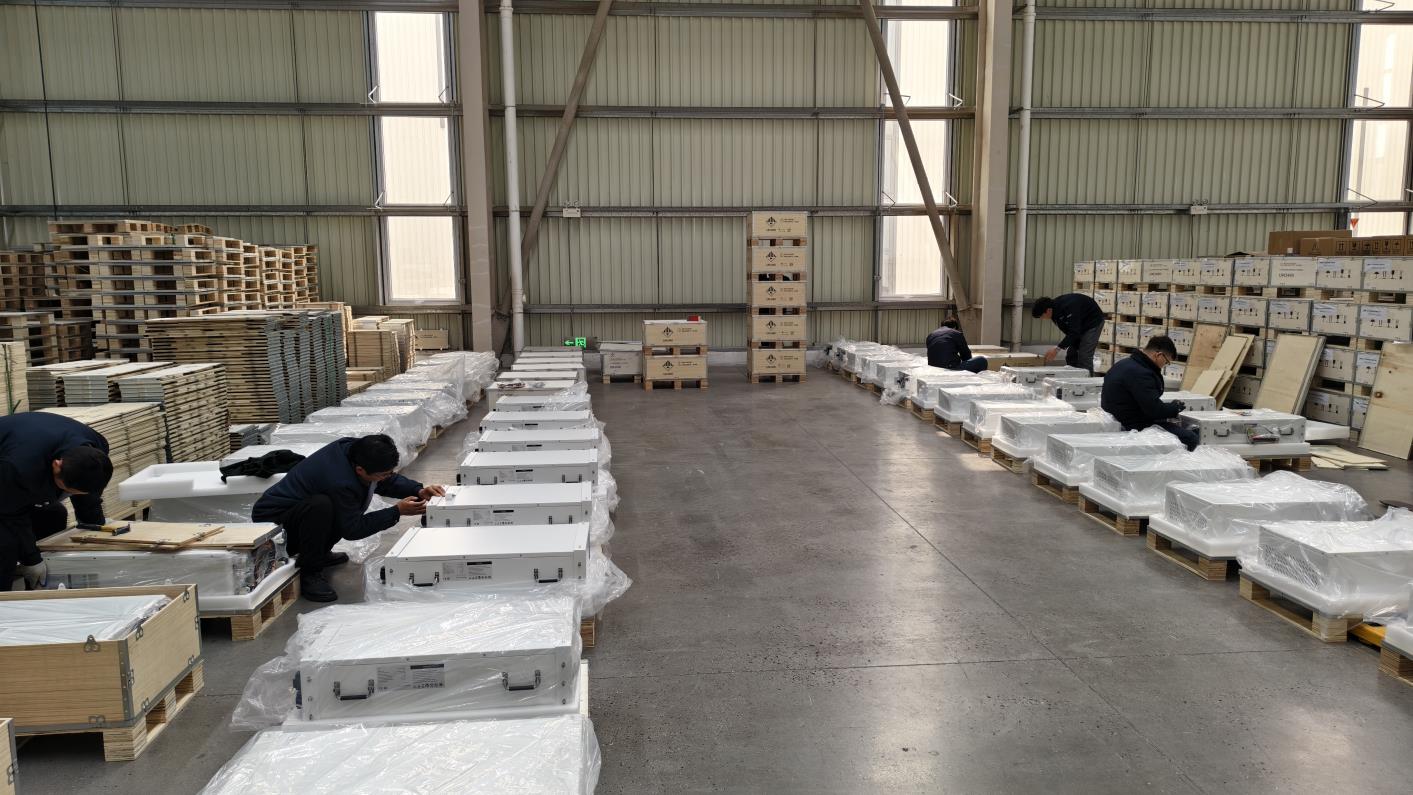
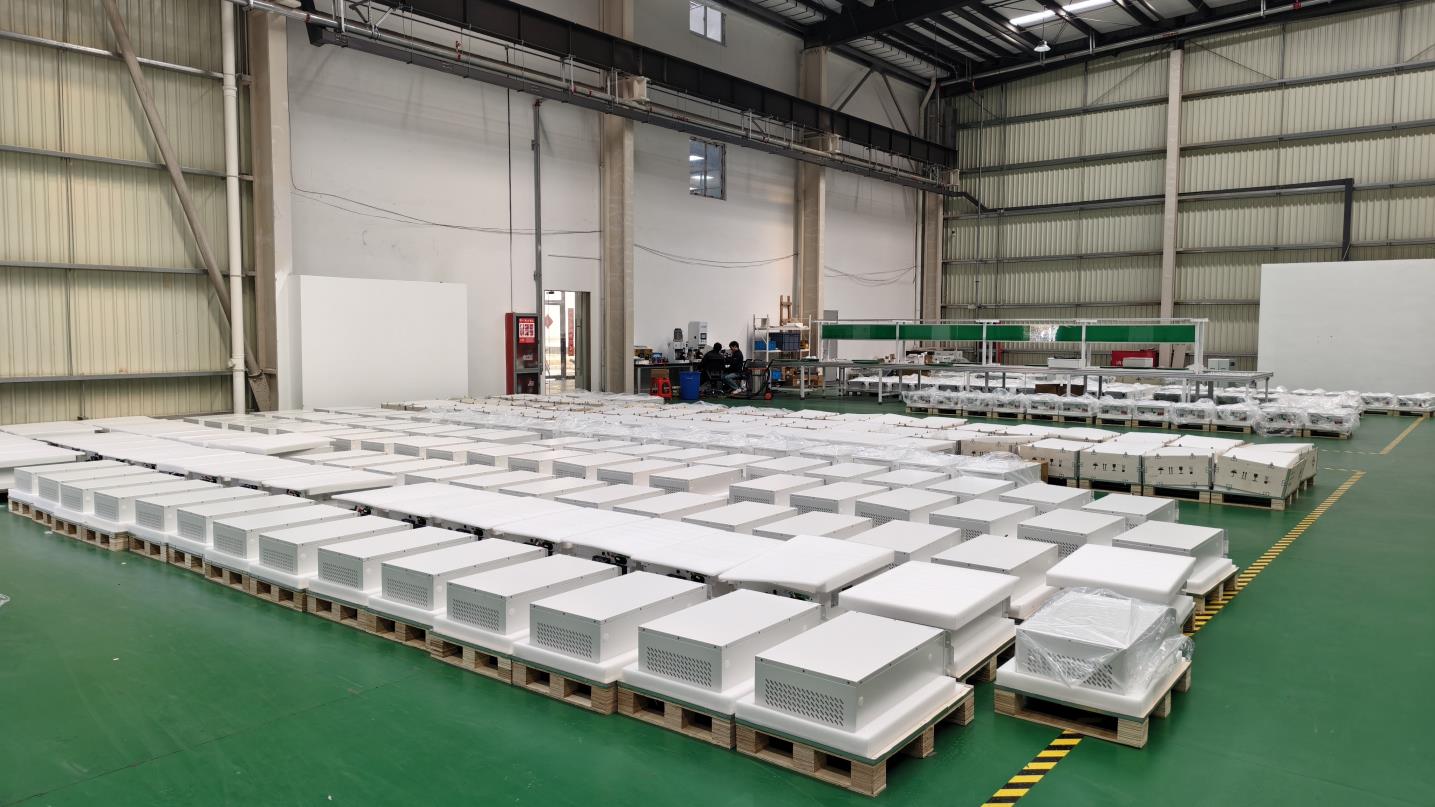
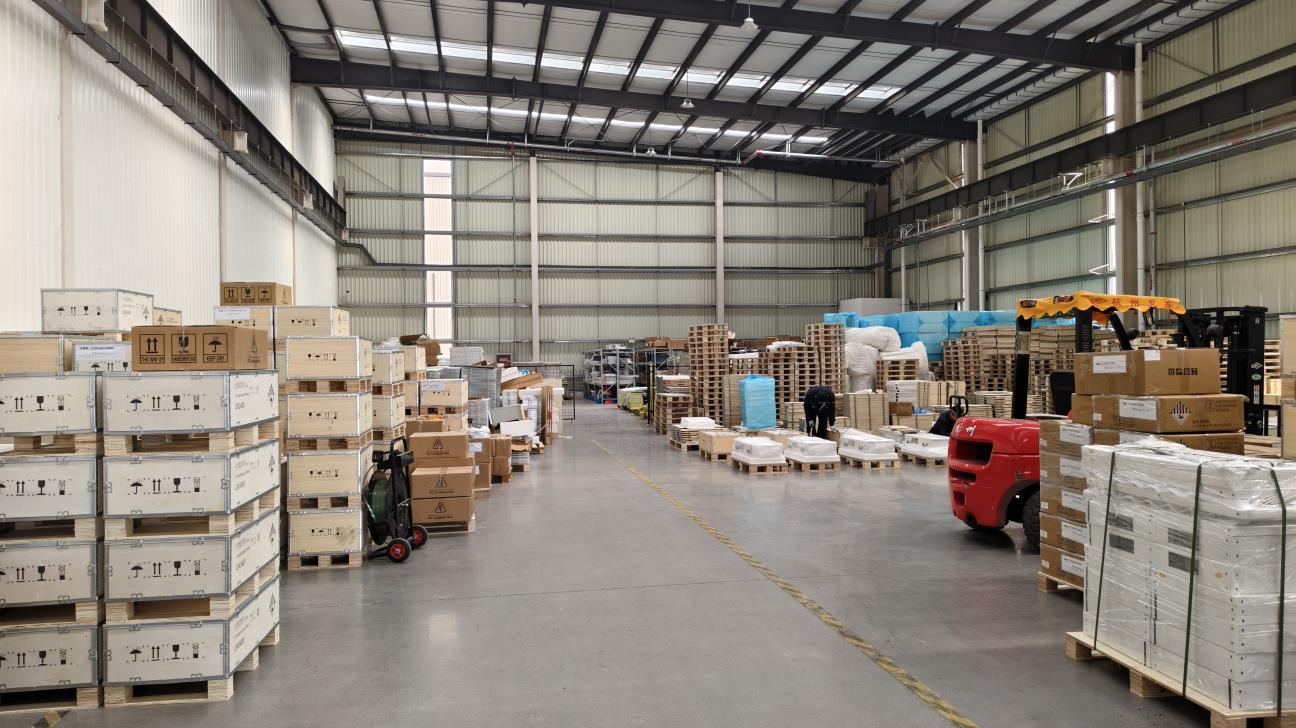
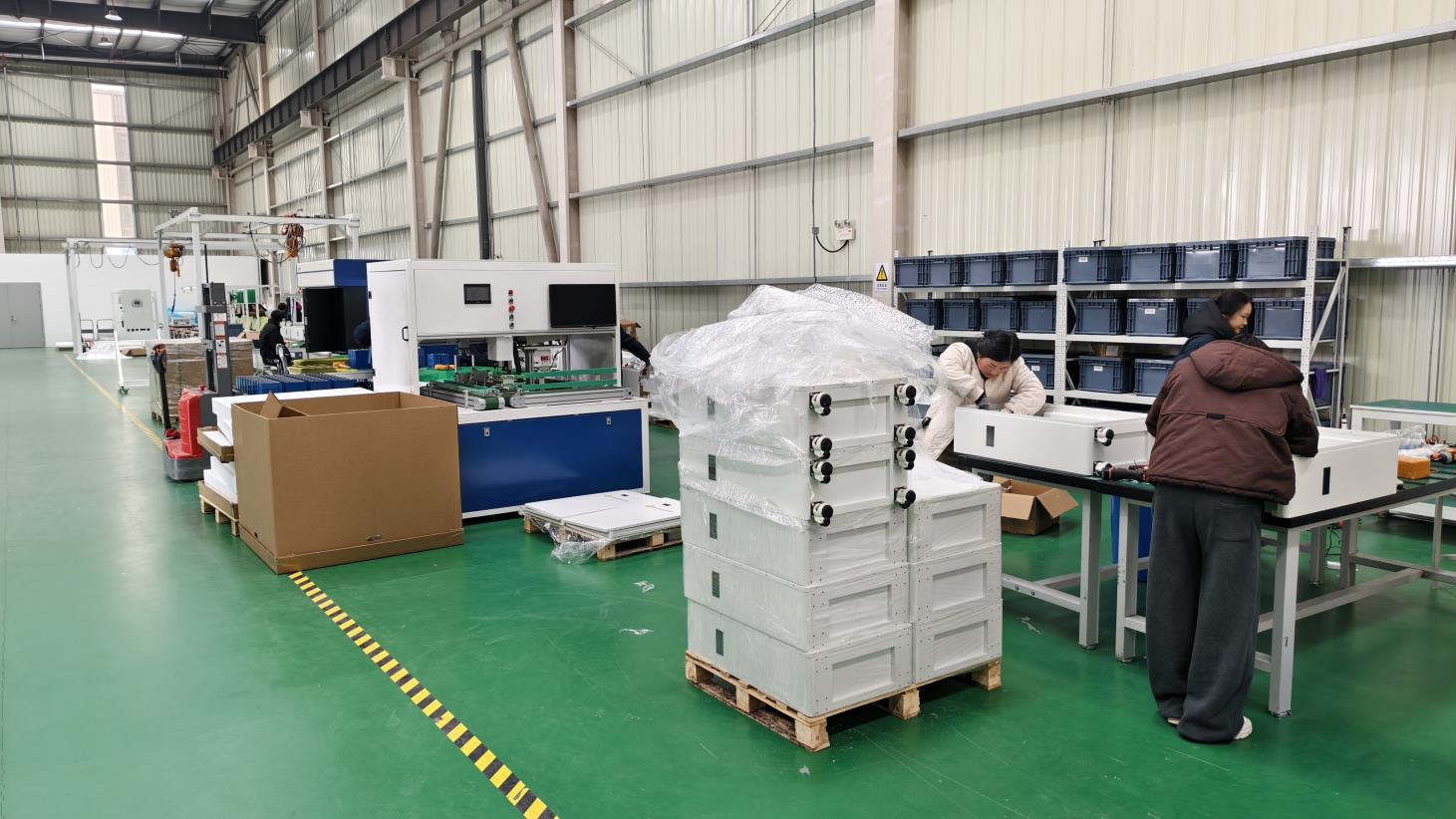
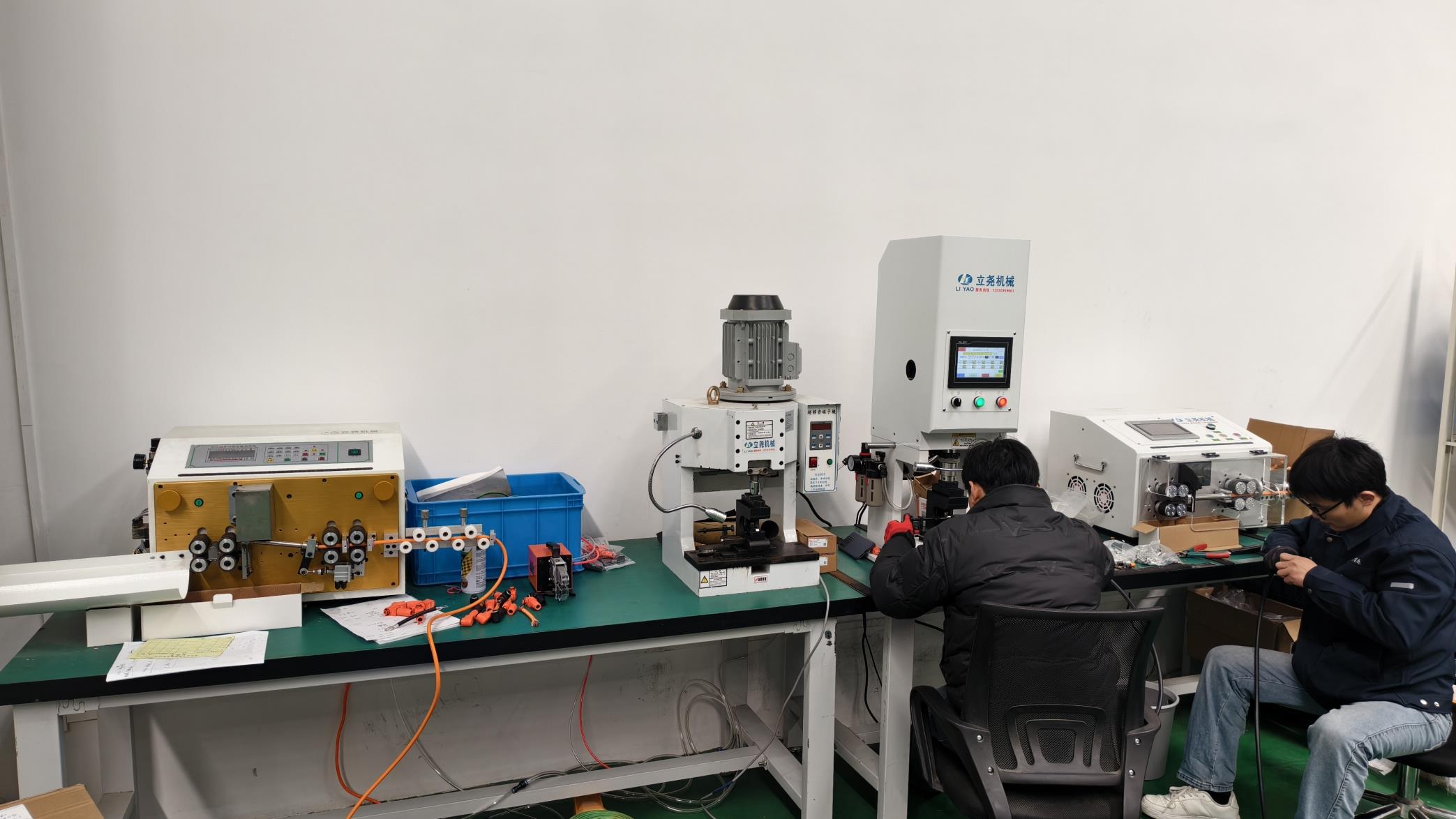
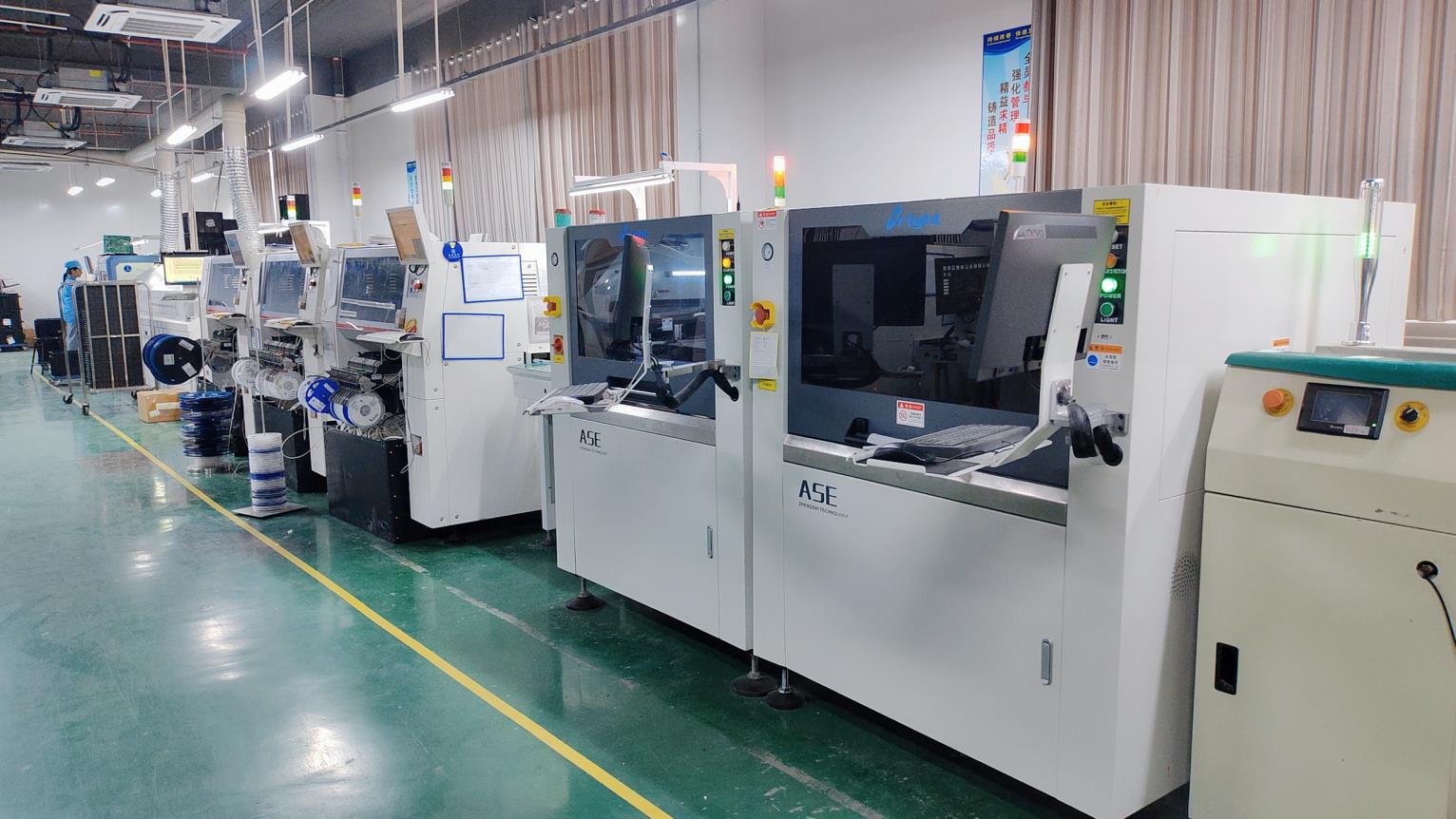
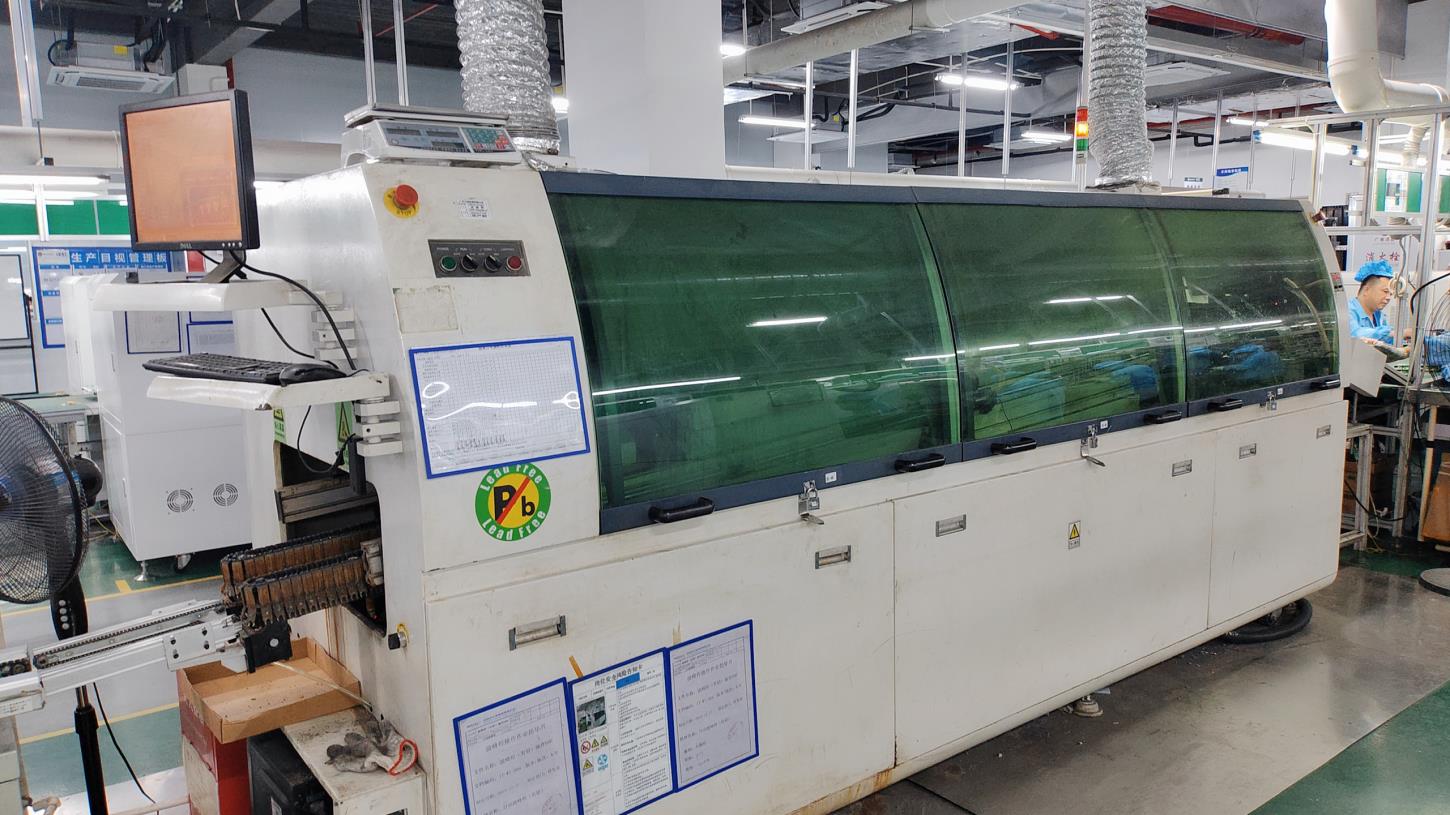
Procuring structural racking components directly from Anhui Aryam Energy's advanced Chinese manufacturing base offers local Massachusetts developers substantial financial and supply chain advantages. Our Factory 4.0 automation systems incorporate CNC extrusion presses, computerized cold-roll forming lines, and robotic arm welding units. These technologies ensure structural consistency, reduce fabrication tolerances to ±0.5mm, and lower manufacturing costs.
To address global supply chain risks and project delays in Boston Harbor, we maintain a raw material buffer of structural-grade steel and aluminum. In addition, our strategic transport arrangements with premium shipping lines ensure rapid container transit from Shanghai and Ningbo ports directly to the Port of Boston.
These robust structural arrays are engineered to meet UL 2703 standards, offering reliable bonding, grounding, and physical strength.
For deep-frost ground mount systems, agricultural PV integration, and smart energy storage, these systems round out Aryam Energy's design catalog.
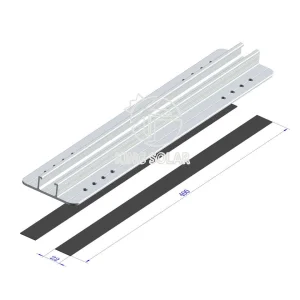
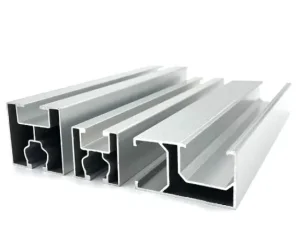
Aluminum Solar Panel Rails Quantity-Made Mounting System for Optimal Performance
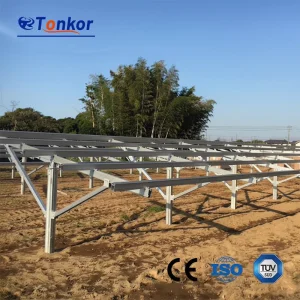
Aluminum Solar Ground Mounting System with Single-Pole PV Panel Support
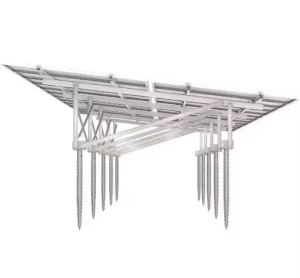
Economical Farm Solar Mounting System for Enhanced Agricultural Profitability
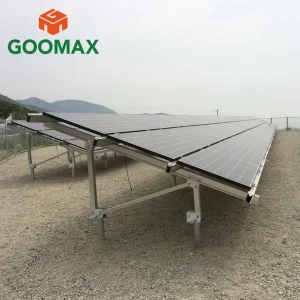
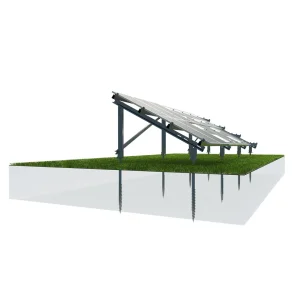
Durable Ground Screw Solar Mounting System for Easy Installation
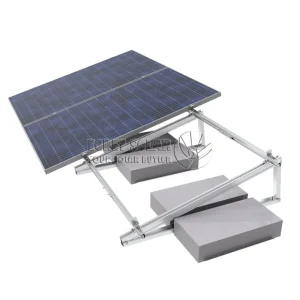
Easy Install Ballasted Mount Flat Roof Solar Mounting Systems
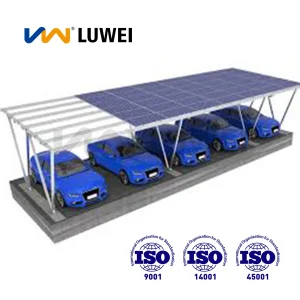
Lightweight Solar Panel Carport 10kw Kit Solar System Mounting Bracket
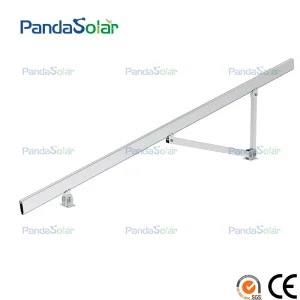
OEM Solar Bracket Aluminum Mounting System for Ground Solar Mount Manufacturer
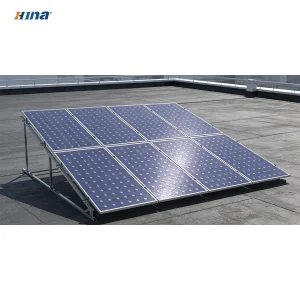
Tripod Flat Roof Solar Mounting Solar Panel Mount Energy PV System
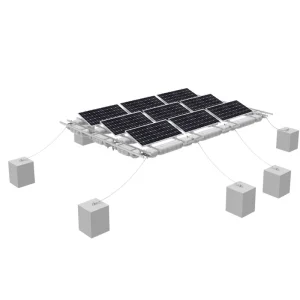
Floating Solar Panel Mount Power Plant System Solar Floating Pontoon System
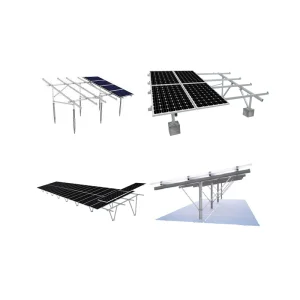
Ground Solar Mounting PV Racking Solar Pile Mount Structure System
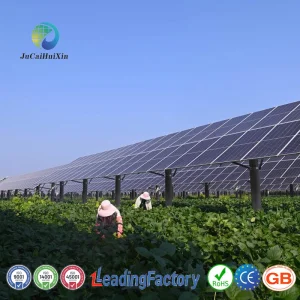
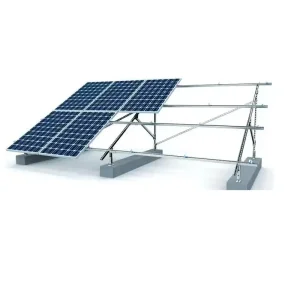
Hot-DIP Galvanized Double Column Solar Panel Mounting System
Every solar array installed in Boston must be constructed from components that meet rigorous safety standards. Structural certifications reassure engineering, procurement, and construction (EPC) contractors, as well as municipal inspectors, that the system is built to last.
Our manufacturing systems are built to comply with international standards:
Ensures electrical grounding and bonding integrity across the array, preventing ground faults and shielding the installation from electrical anomalies.
We trace our steel and aluminum melts directly to the refinery, verifying mechanical stress limits and yield points before manufacturing.
We collaborate with licensed structural engineers to provide calculation reports and stamp packages, expediting the local permitting process.
From initial site assessment and structural calculation to final manufacturing and delivery, we align our engineering steps with New England project timelines:
| Project Step | Technical Action & Parameters Checked | Project Deliverable & Timeframe |
|---|---|---|
| 1. Technical Review | Review roof layout, purlin spacing, ballast limits, and local wind/snow zones. | Initial layout drawing and ballast plan (3-5 days). |
| 2. Engineering Calculations | Run FEA analysis for structural optimization. Develop customized component bills of materials. | Stamping packages and structural calculation reports (7-10 days). |
| 3. Precision Manufacturing | Extrude AL6005-T5 and stamp galvanized parts using automated QC controls. | Completed production and quality-control reports (15-20 days). |
| 4. Export Packaging | Load components on specialized export pallets to prevent transport damage. | Standard containers ready for shipment (2-3 days). |
| 5. Port-to-Site Logistics | Ship containers directly to Boston or New York/New Jersey ports. | DDP/CIF delivery to site (approx. 30 days transit). |
Request customized engineering drawings, bill of materials calculations, and factory-direct pricing for your upcoming commercial installation.
Send Inquiry NowEssential engineering, compliance, and logistical questions answered for Boston-based solar developers and structural engineers.
Our engineering team uses wind tunnel testing data and computerized FEA modeling to verify every layout. We size our rails, clamps, and connections to resist local uplift pressures based on building height, exposure category (B or C), and wind zone criteria (typically 120-130 MPH in Eastern Massachusetts).
For projects within 5 miles of the coast, we recommend using anodized aluminum AL6005-T5 with a coating thickness of at least 10 μm, alongside marine-grade SUS304 stainless steel hardware. For ground-mounted structures, we apply heavy-duty hot-dip galvanized steel (zinc thickness ≥ 85 μm) to prevent corrosion from saline conditions.
Fabrication takes approximately 15 to 20 days at our ISO 9001 plant. Shipping from Ningbo or Shanghai port directly to the Port of Boston or Port of NY/NJ takes about 30 days. We recommend initiating design approvals and ordering 60 to 75 days before onsite racking installation begins.
Yes, we provide structural drawings and calculation packages. We collaborate with licensed structural engineers in the state of Massachusetts to review and stamp our designs, ensuring compliance with local municipal codes and permitting offices.
Our ballasted racking system uses aerodynamic wind deflectors to minimize wind uplift. This reducing the total concrete ballast block count needed, keeping roof load distributions within acceptable margins while maintaining compliance with local building structural codes.
 Aryam Energy