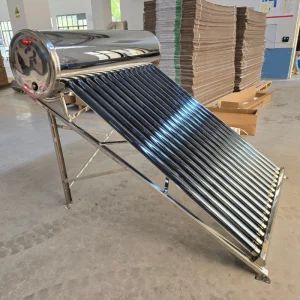
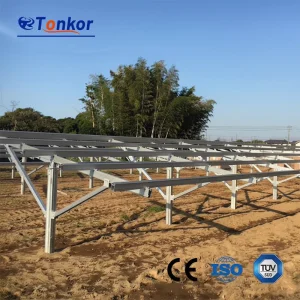
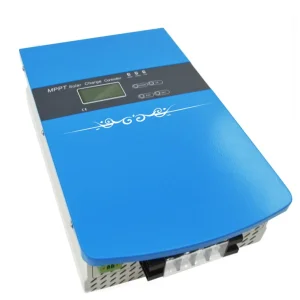
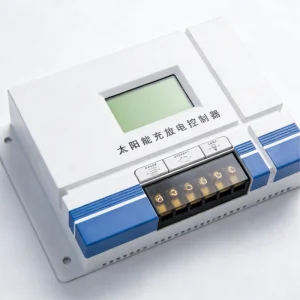
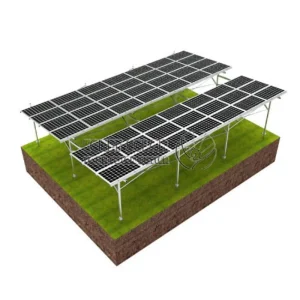
High-efficiency solar controllers, premium thermal collectors, deep-cycle storage, and structural mounting systems designed to meet rigorous performance parameters.
A Global Benchmark in Advanced Renewable Energy System Integration
Anhui Aryam Energy Co., Ltd. stands at the forefront of the global energy transition, functioning as a leading provider of high-grade renewable energy architectures. We specialize in research, development, custom manufacturing, and integration of solar thermal collectors, intelligent storage banks, microgrid controls, and custom-designed solar water-pumping utilities. Catering to utility-scale, commercial, and off-grid residential demands, Aryam Energy has cemented its reputation for delivering exceptionally robust, high-performance clean energy systems.
Our operation is underpinned by a strict commitment to low-carbon development, investing deeply in advanced materials technology and electrochemistry. From our deep-cycle nickel-iron configurations designed for decadal lifespans, to high-current Maximum Power Point Tracking (MPPT) architectures that capture maximum irradiance, our systems provide continuous, stable power grids in more than 100 countries and regions including Europe, Latin America, the Middle East, and Africa.
Engineered systems operating reliably under extreme climate parameters across the globe.
Decarbonizing high-temperature industrial heat and regional utility infrastructure with optimized thermal applications.
Modern industrial energy requirements are shifting heavily. Process heat represents roughly 74% of the total industrial energy demand, with a significant proportion relying on burning fossil fuels. This makes industrial process heat (IPH) one of the primary targets for global decarbonization. Solar thermal technology has transitioned from simple residential domestic hot water systems to multi-megawatt arrays producing high-pressure steam, space heating, and industrial absorption cooling.
Large-scale solar thermal collector fields connected directly to municipal networks, storing seasonal heat in thermal energy storage (TES) systems for zero-emission district warmth.
Replacing heavy oil and natural gas boilers in textile chemical processing, food pasteurization, and agricultural drying, using concentrated flat-plate and evacuated tube arrays.
Using thermal energy to power double-effect absorption chillers. This converts solar radiation directly into chilled air for commercial complexes and cold chains during high-insolation hours.
As standard solar photovoltaic (PV) generation faces localized grid curtailments and complex battery economics, integrating direct thermal conversion pathways offers significantly higher energetic conversion efficiencies (often exceeding 70% thermal efficiency compared to 20% electrical efficiency of PV). For OEM/ODM buyers, capitalizing on this efficiency gap requires deeply customized systems designed to match specific regional climates, load patterns, and fluid flow dynamics.
Pushing the operational limits of thermal solar engineering and solar charging systems.
The core of modern solar efficiency relies on thermodynamic and power electronic optimization. In solar thermal applications, minimizing convective and radiative thermal losses requires advanced coating methods, such as selectively absorbing magnetron sputtering layers, along with absolute vacuum seals in evacuated tubes.
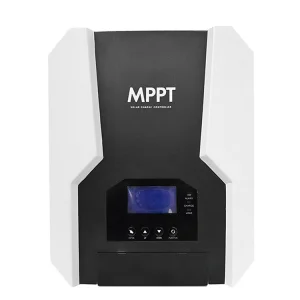
Simultaneously, hybrid configurations depend on sophisticated charging and power electronic management. Our high-efficiency MPPT solar charge controllers use advanced algorithms (such as Incremental Conductance and Perturb and Observe) to quickly locate the peak electrical output point. This ensures rapid system adaptation, even when solar panels are partially shaded by industrial structures.
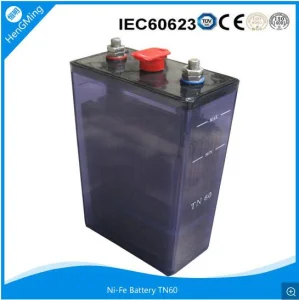
On the storage front, the resurgence of Nickel-Iron (Ni-Fe) deep-cycle batteries represents a significant breakthrough for remote installations. Offering operational lifespans exceeding 35 years and tolerating 100% Depth of Discharge (DoD) without cell degradation, these batteries eliminate the high risk of thermal runaway and structural collapse common in standard lithium or lead-acid setups in high ambient climates.
Why Anhui Aryam Energy represents the pinnacle of high-precision vertical integration and flexible manufacturing capacity.
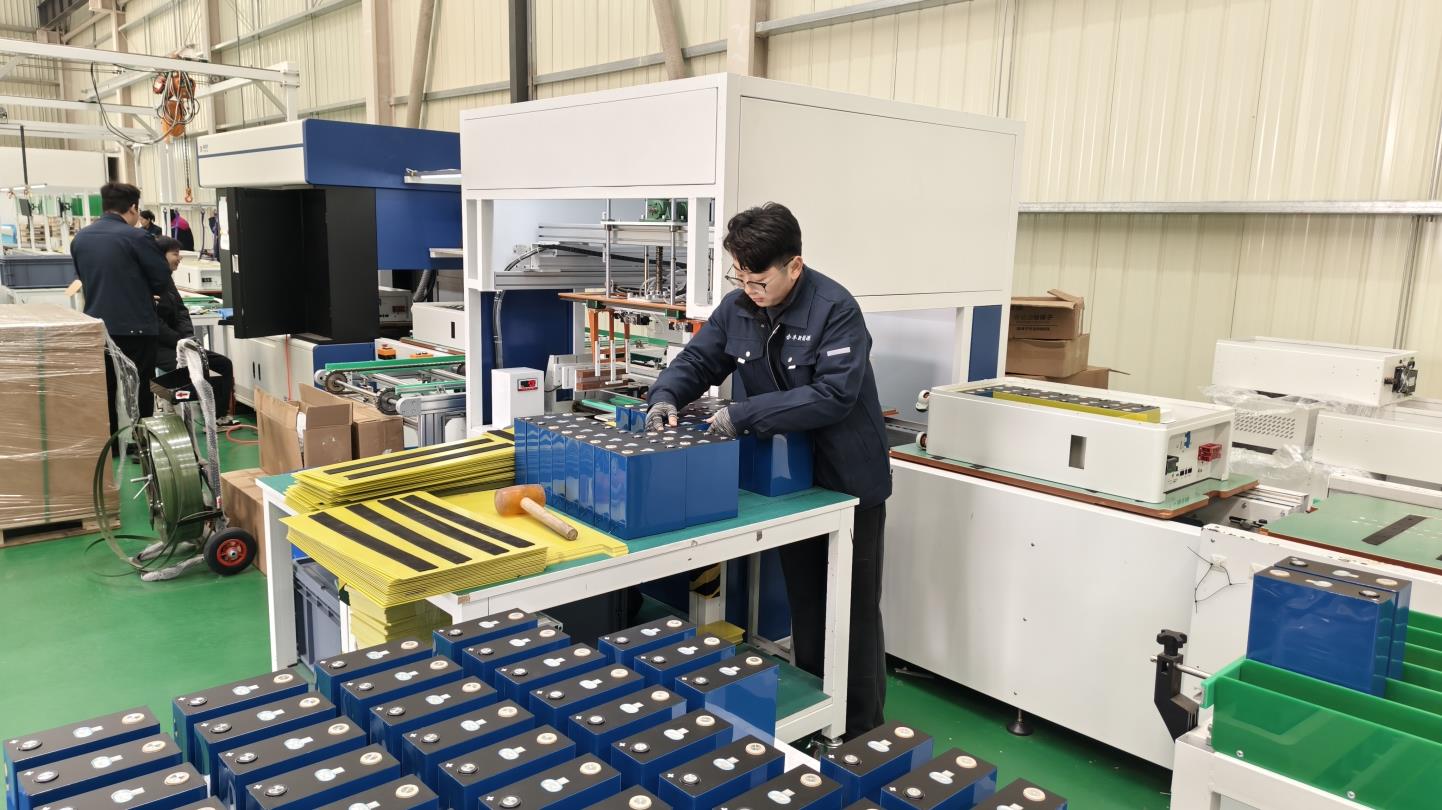
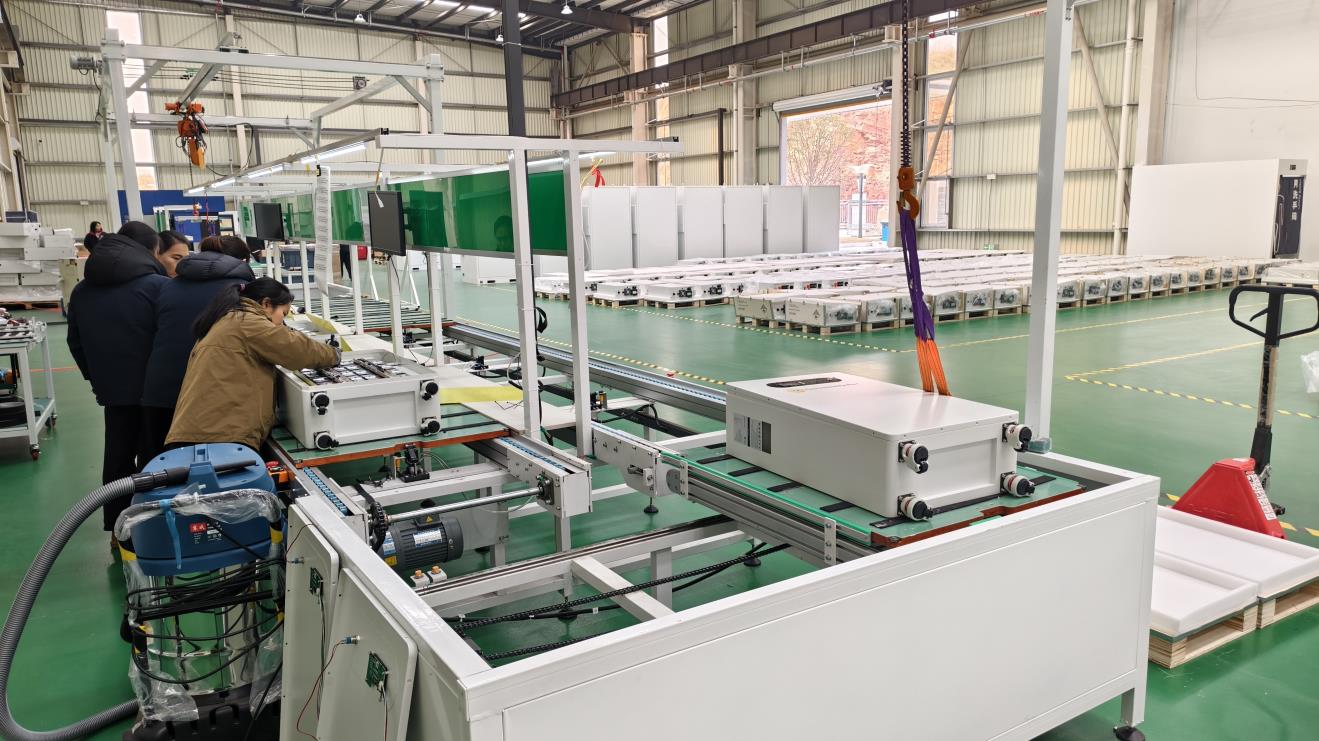
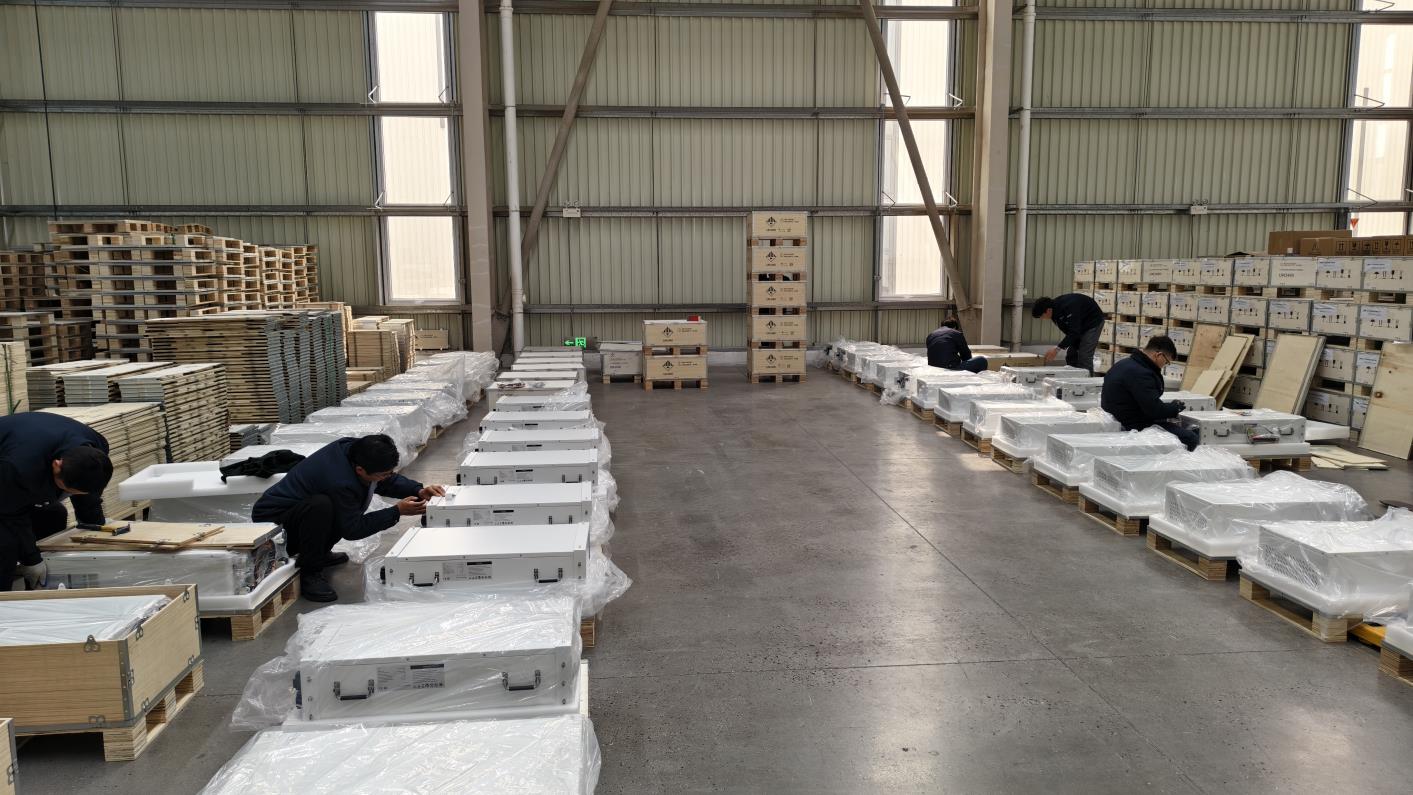
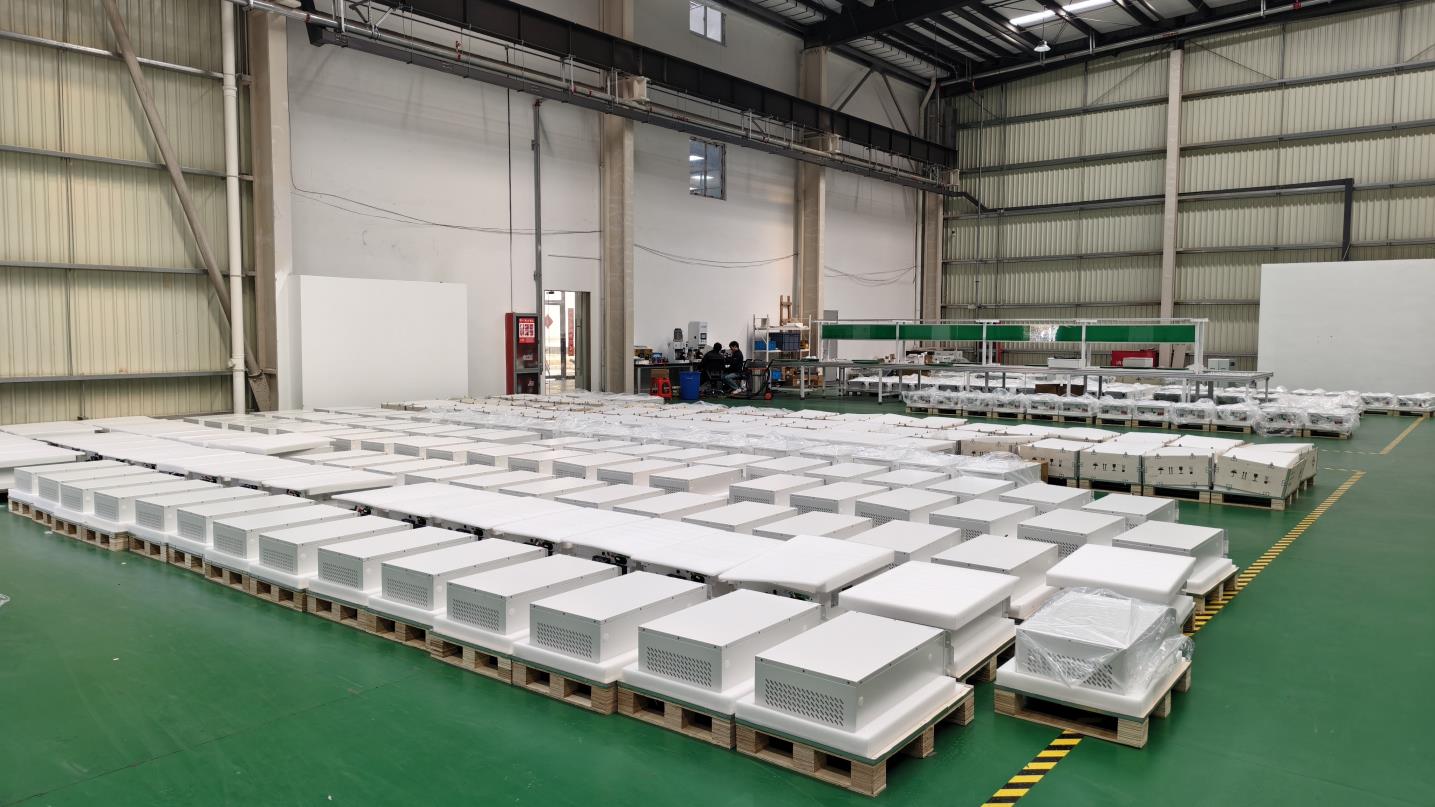
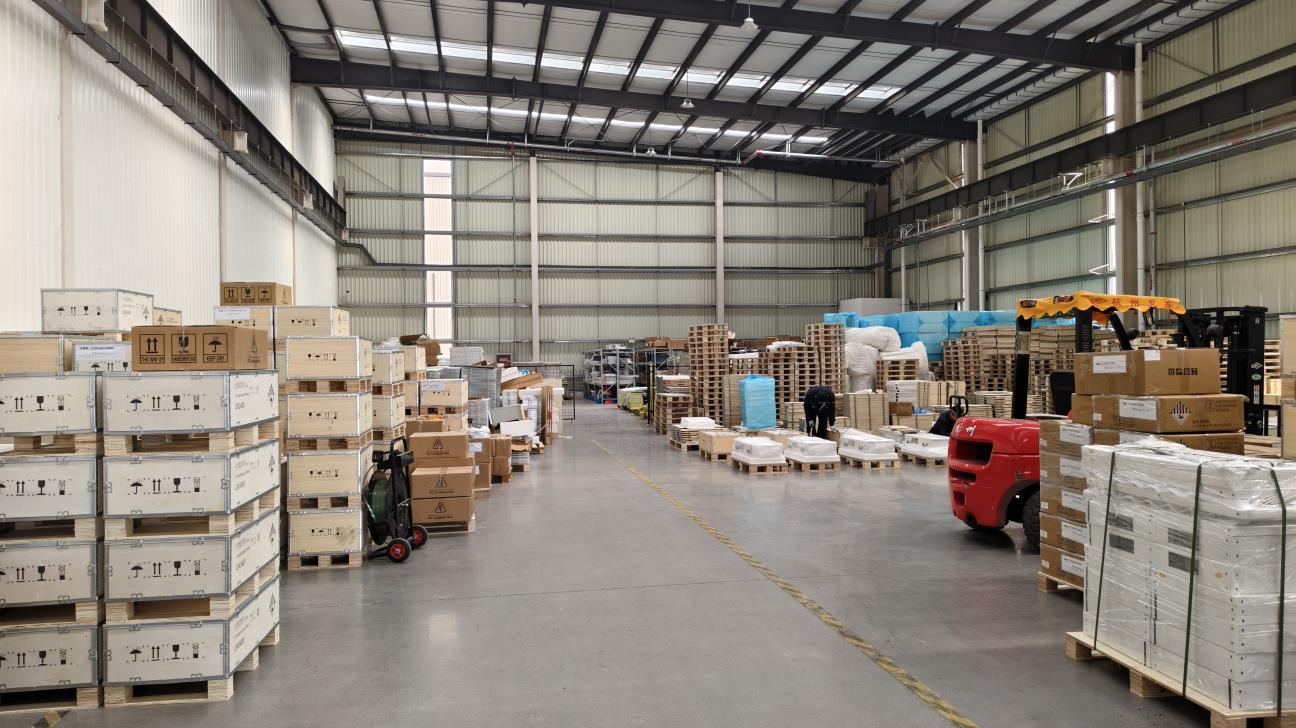
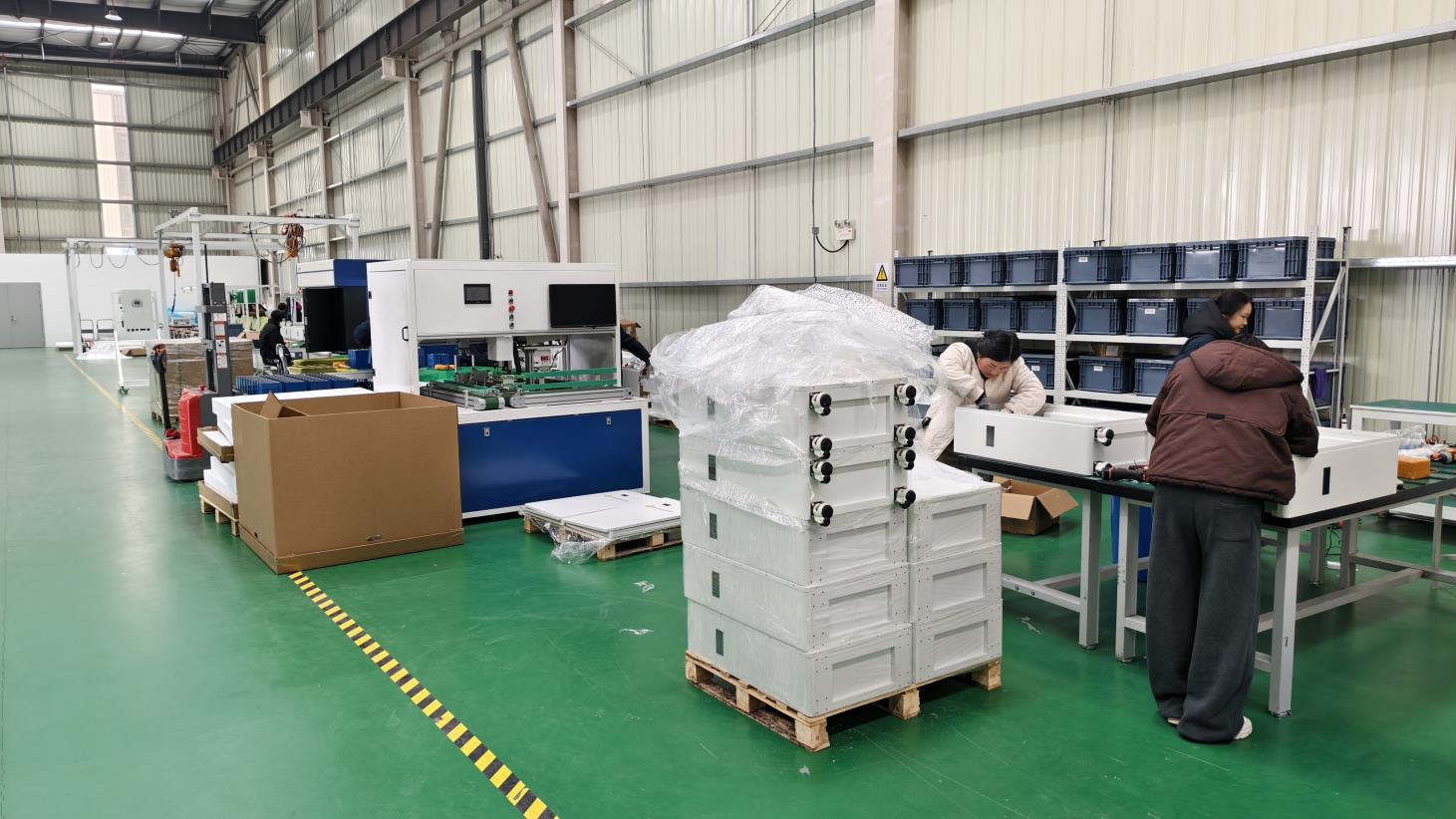
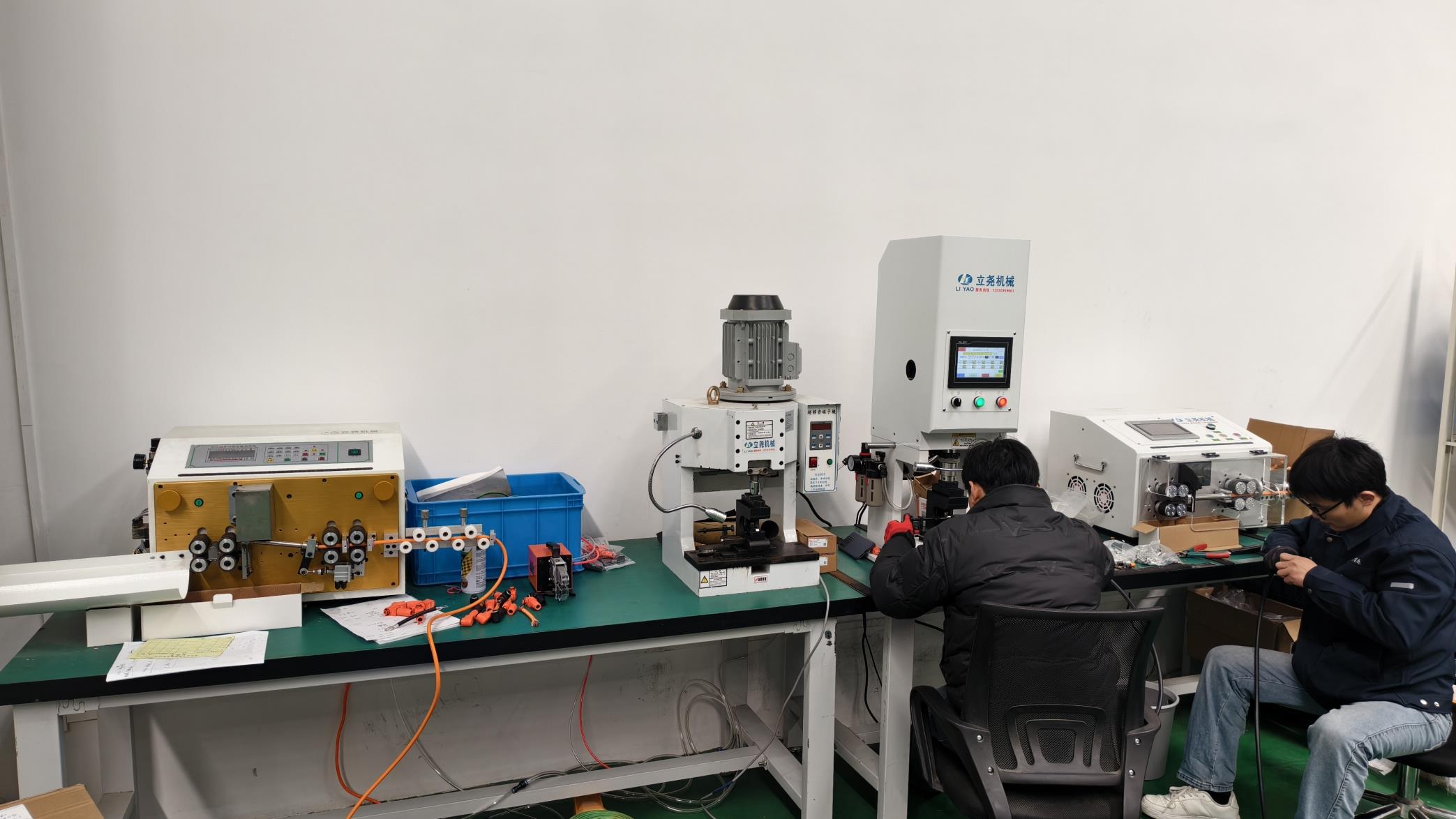
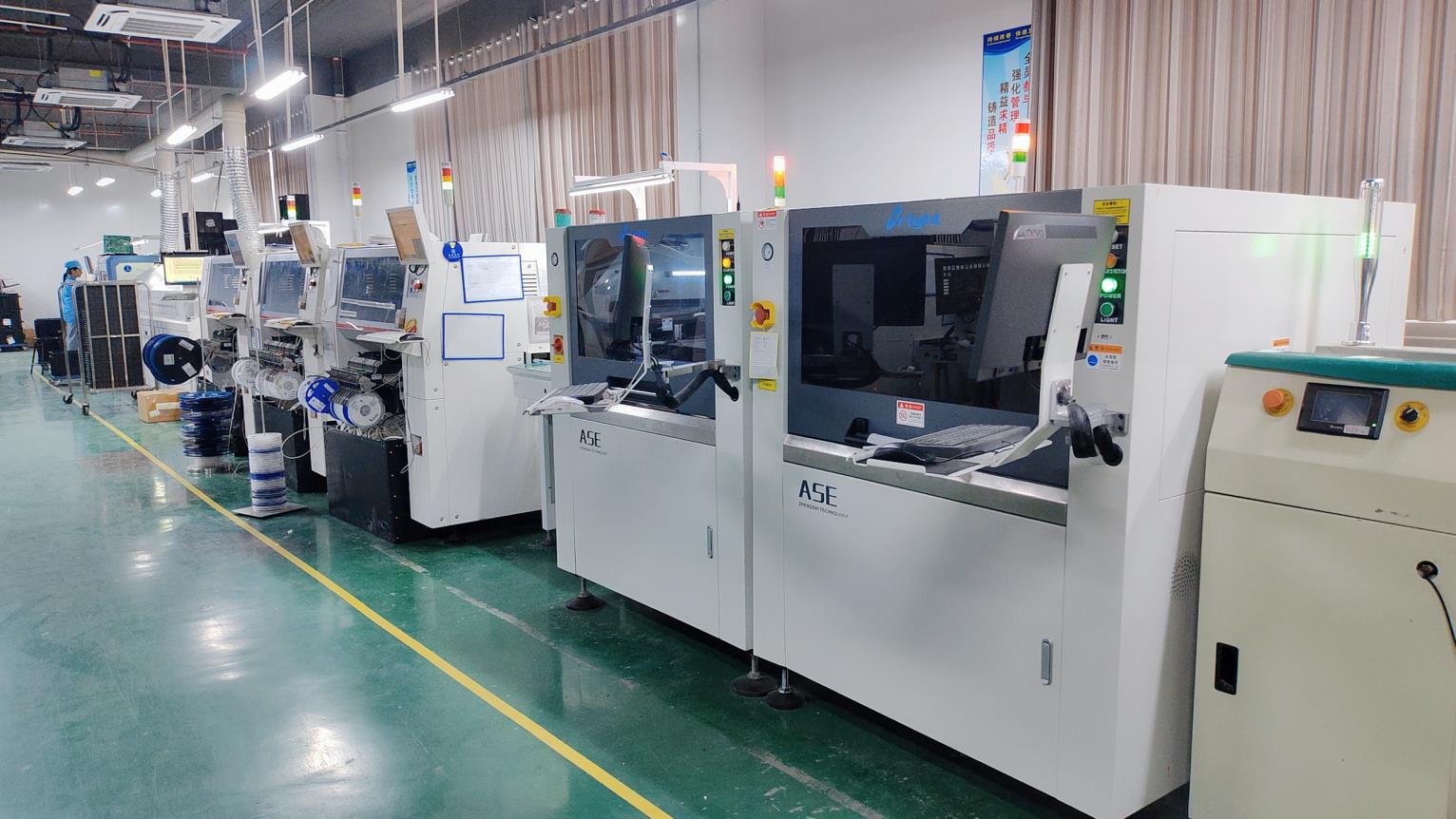
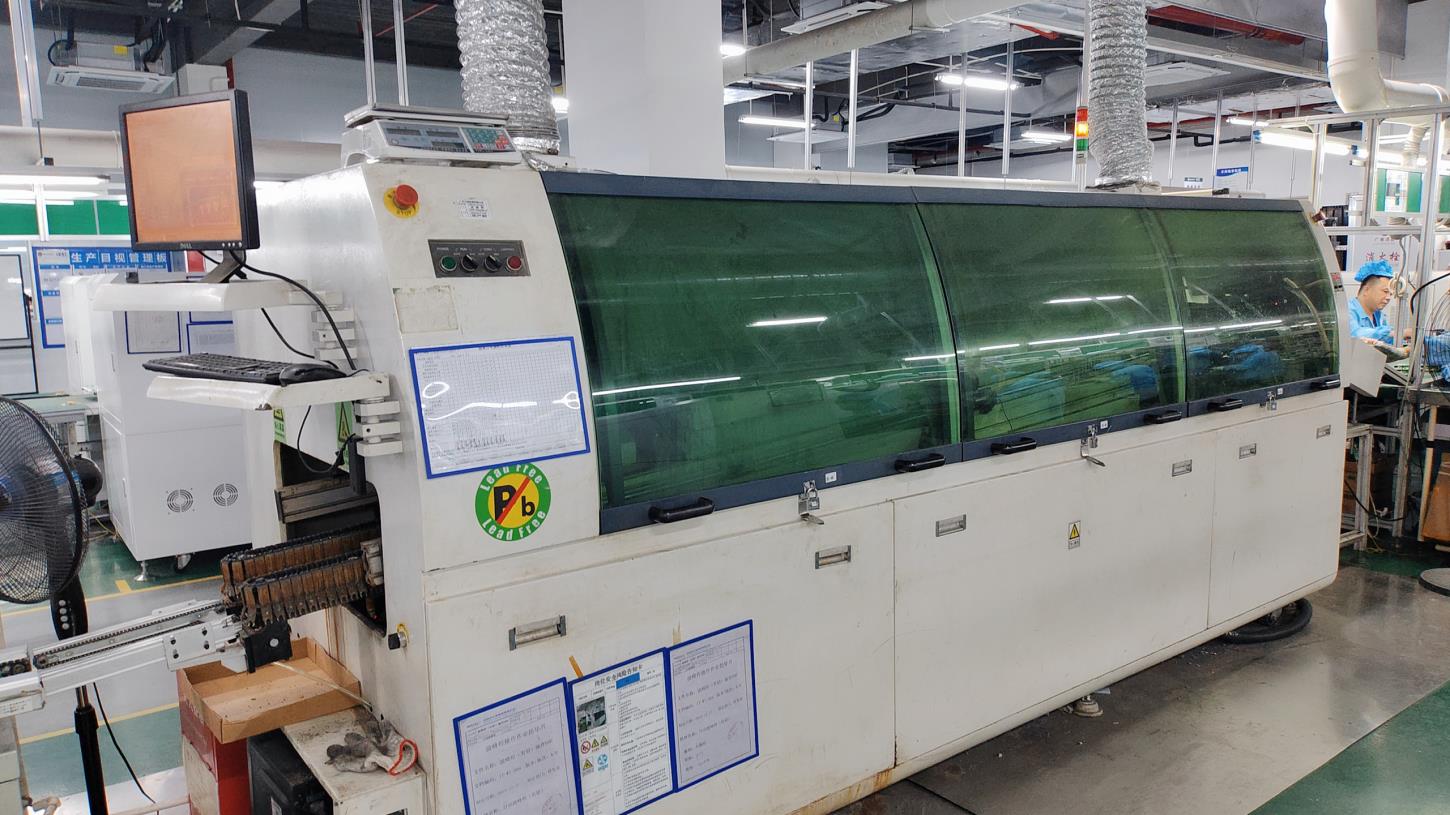
The modern supply chain for renewable energy components requires deep vertical integration and strict, systematic quality control. Operating from China’s industrial manufacturing hubs, Anhui Aryam Energy Co., Ltd. leverages a highly robust, fully integrated solar ecosystem. We control every stage of production—from raw high-strength aluminum extrusion for ground mounting supports to automated Surface Mount Technology (SMT) and automated wave soldering lines for intelligent microgrid charge controllers.
This localized supply chain integration allows us to offer unmatched OEM/ODM flexibility. We can rapidly customize structural mechanical parameters, thermal flow channels, control PCB designs, and system firmware to match the precise requirements of your local market. Additionally, it helps protect global clients from volatile shipping cycles and raw material shortages.
Adapting clean solar energy technologies to diverse global environments and distinct infrastructure challenges.
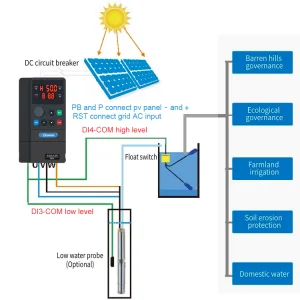
In arid zones, unstable electrical grids hinder crop cultivation. Our 2.2kW MPPT solar water pump inverters convert DC power directly from PV arrays into stable AC power. This drives deep agricultural bore pumps without requiring expensive diesel fuels or battery systems, providing reliable, continuous irrigation during peak daylight hours.
High energy costs and strict carbon laws make thermal storage essential in northern latitudes. Our complete home solar thermal systems collect radiant heat using selective absorber plates. They transfer this thermal energy into pressurized storage boilers, ensuring reliable domestic hot water and floor heating even during freezing winters.
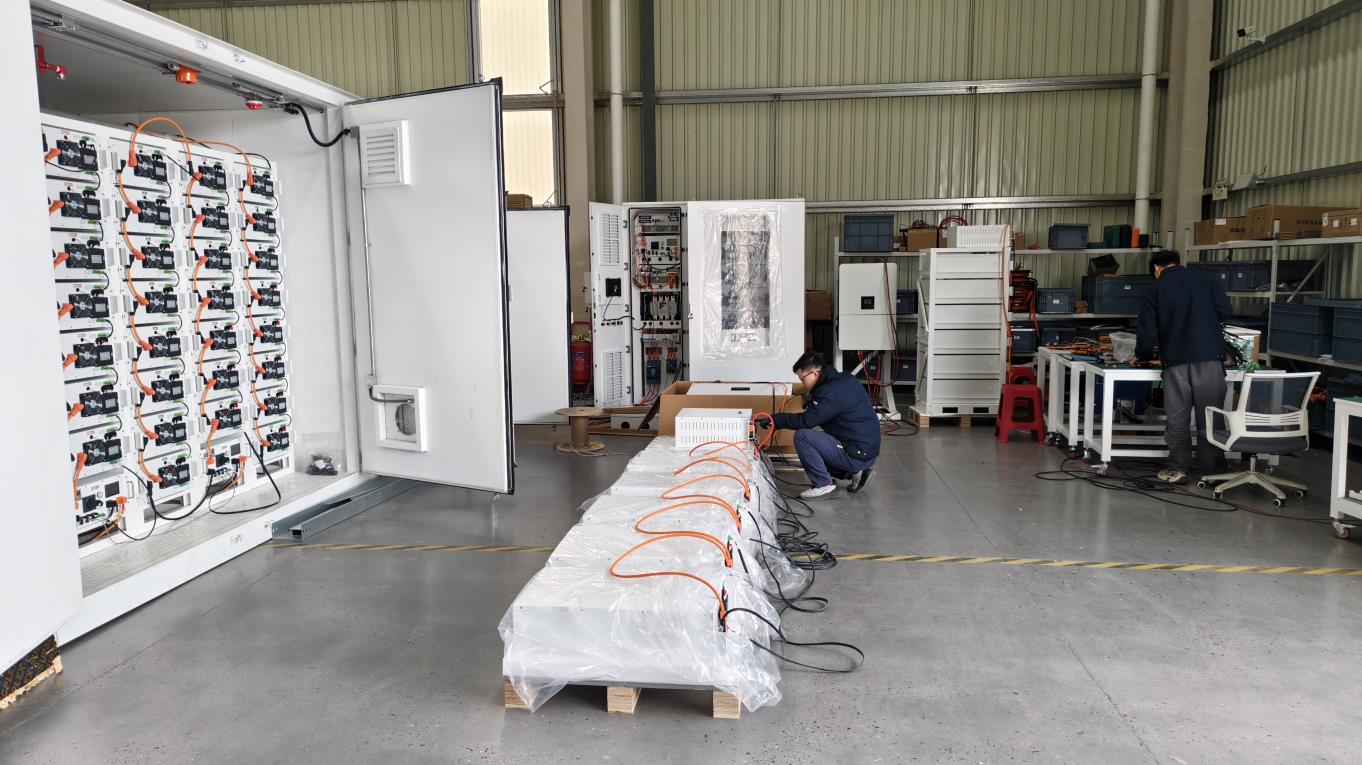
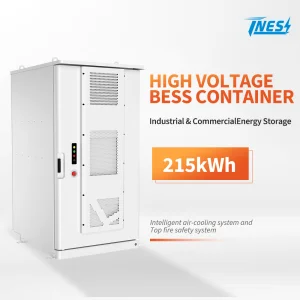
For off-grid sites facing extreme temperatures, our 215kWh commercial energy storage systems and Ni-Fe battery banks provide reliable peak-shaving and backup power. Unaffected by sub-zero cold or intense heat, these systems safeguard telecommunication networks and mining infrastructure without risking thermal runaway.
Aligning engineering, testing, and service with global regulatory requirements.
Navigating global compliance frameworks requires design foresight. Our entire product catalog is engineered to conform to strict international standards—including CE, RoHS, ISO 9001:2015, and TÜV. This helps our clients streamline local customs clearance, engineering approvals, and regional subsidy eligibility.
Beyond producing reliable equipment, we offer deep design and engineering support for our global partners. We supply full mechanical structural analysis for our mounting structures (capable of resisting high wind loads and corrosive marine environments), dynamic thermofluid analysis for piping networks, and electrical schematics for utility-scale microgrid approvals. This support minimizes project risks and shortens the commissioning timelines for EPC contractors and local developers.
Resolving core technical questions regarding system optimization, battery chemistry selection, and custom engineering.
Explore our high-performance power generation systems, storage solutions, and structural mount options for global export.

 Aryam Energy