
As global industrial frameworks aggressively shift toward net-zero targets, thermal energy remains one of the hardest segments to decarbonize. Process heat, space heating, and commercial hot water demand consume over 50% of the world's final energy output. In this landscape, Solar Evacuated Tube Technology represents the peak of thermal collection efficiency.
Unlike standard flat-plate collectors that suffer from high convective heat loss in cold or windy climates, evacuated tubes leverage the near-perfect insulation properties of a vacuum envelope. By suspending an absorber element within a sealed glass tube with a pressure below 10-3 Pa, convective and conductive thermal losses are virtually eliminated. This enables high-temperature performance (ranging from 80°C to 180°C), making them ideal for both standard domestic water heating and high-demand industrial processes.
Anhui Aryam Energy Co., Ltd. has established itself as a premier OEM/ODM manufacturer and exporter of these advanced vacuum tubes. By bridging high-performance borosilicate glass science with state-of-the-art selective sputtering coatings, we deliver solar thermal solutions designed to withstand extreme environments while maintaining optimal coefficient of performance (COP) in downstream thermal systems.
Modern solar thermal technology is not one-size-fits-all. The demands of local climate profiles, regional energy costs, and municipal codes require specialized OEM/ODM engineering configurations to guarantee the lowest levelized cost of heat (LCOH).
Requires high-efficiency heat-pipe models featuring low-freezing-point synthetic thermal transfer fluids. Our systems utilize dry-connection vacuum tubes to prevent water from entering the tube directly, eliminating the risk of frost bursting down to -40°C.
Coastal areas face severe corrosion from marine salt spray. We engineer our manifolds and frame structures with marine-grade SUS316 stainless steel or anodized AL6005-T5 aluminum, coupled with high-grade silicone seals to prevent galvanic oxidation.
Excessive solar irradiance can cause stagnation temperatures exceeding 250°C. Our ODM designs incorporate thermodynamic protection mechanisms and thermal pressure relief systems to safely manage high stagnation states without degrade in chemical stability.
Anhui Aryam Energy Co., Ltd. continuously refines its production lines to implement the latest technological enhancements. Below is the technical roadmap underpinning our current and next-generation evacuated tubes.
The efficiency of a solar collector relies heavily on the physical properties of the absorption layer. Standard solar tubes use basic aluminum-nitrogen (Al-N) coatings. Our current premium line features the Three-Target Cu/SS-ALN/Al coating. This advanced multi-layer stack optimized via physical vapor deposition (PVD) utilizes:
Over time, outgassing of the metal components inside the tube can degrade vacuum quality. To mitigate this, we integrate active Barium Getters at the bottom of each tube. This chemical agent actively absorbs trace helium, hydrogen, and nitrogen molecules that diffuse through the borosilicate glass over decades, ensuring the internal vacuum remains below the critical 5×10⁻³ Pa limit throughout its 25-year service life.
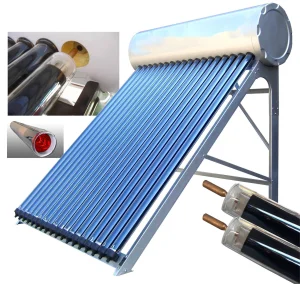
In our pressurized evacuated tube models, thermal energy is extracted via a phase-change copper heat pipe. Inside the heat pipe, a small volume of purified water/synthetic fluid evaporates at low temperatures (around 25°C to 30°C) due to the low internal pressure. The rising vapor transfers latent heat to the condenser block at the manifold before condensing and returning to the bottom via gravity. This phase-change process provides a thermal conductivity that is hundreds of times greater than solid copper.
In the event of a single tube breaking, the system continues to operate uninterrupted. Because no liquid enters the tube directly, there is no risk of system-wide fluid loss or leakage. This is a critical factor for utility-scale commercial hot water boiler systems.
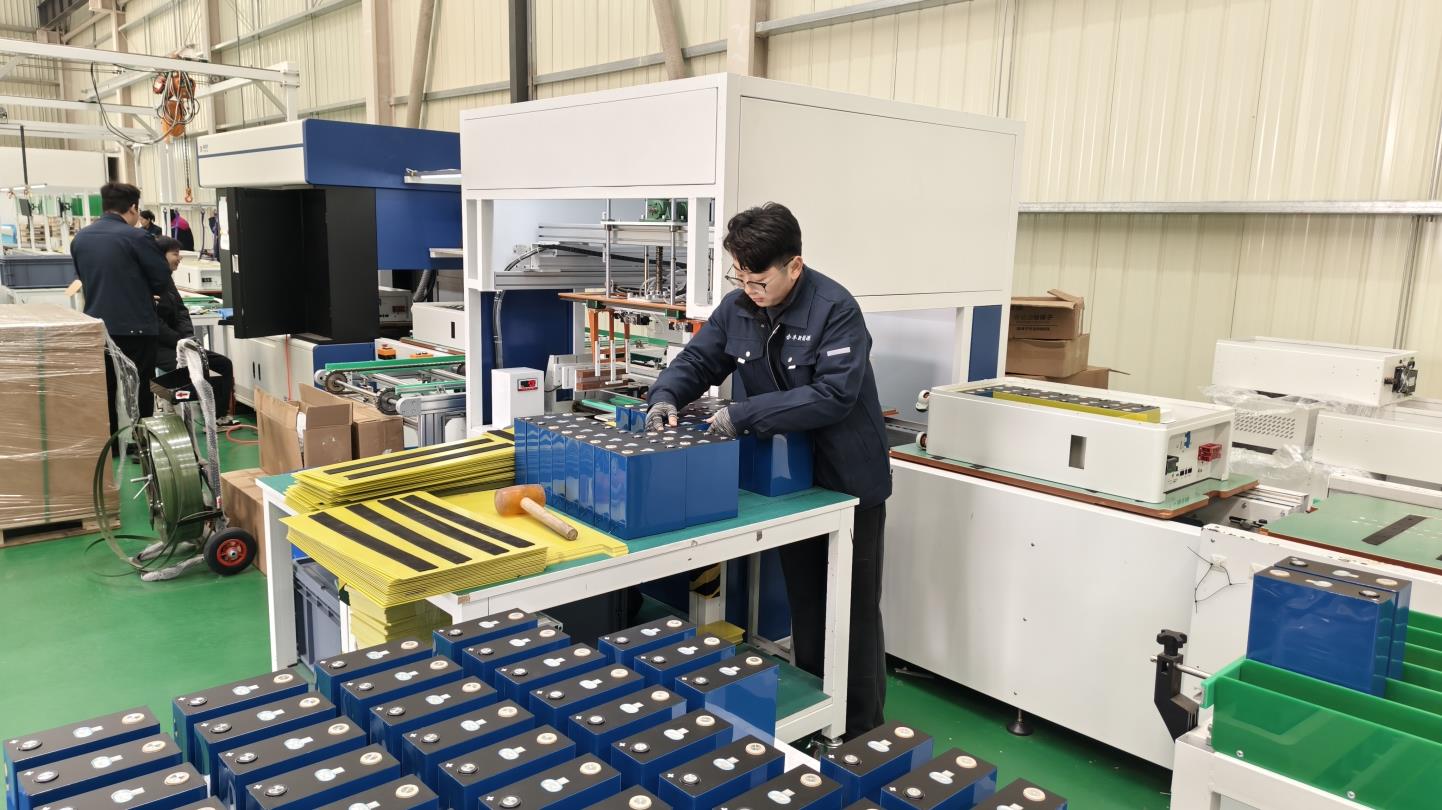
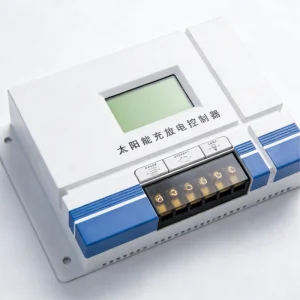
Anhui Aryam Energy Co., Ltd. operates advanced manufacturing systems characterized by high precision, automated assembly, and strict quality control verification. From component welding to complex SMT printed circuit board assembly for controllers, every step is strictly monitored.
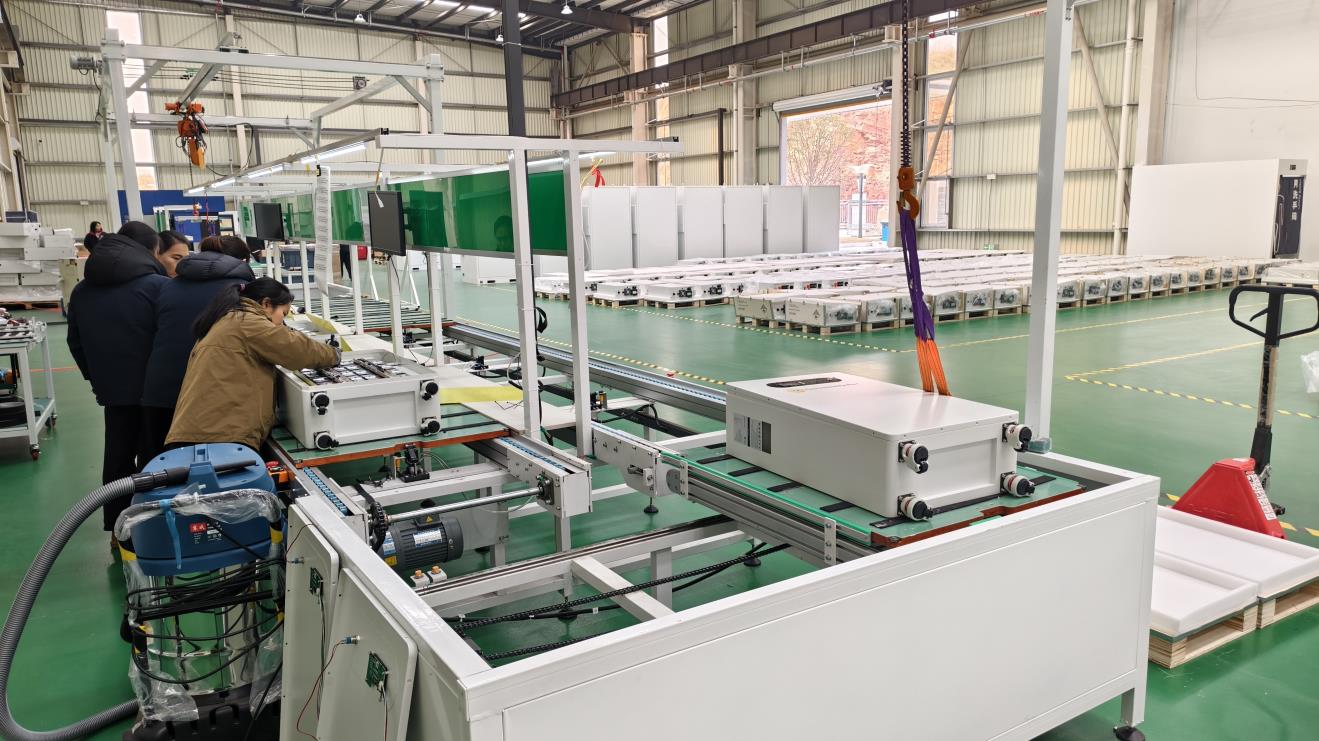
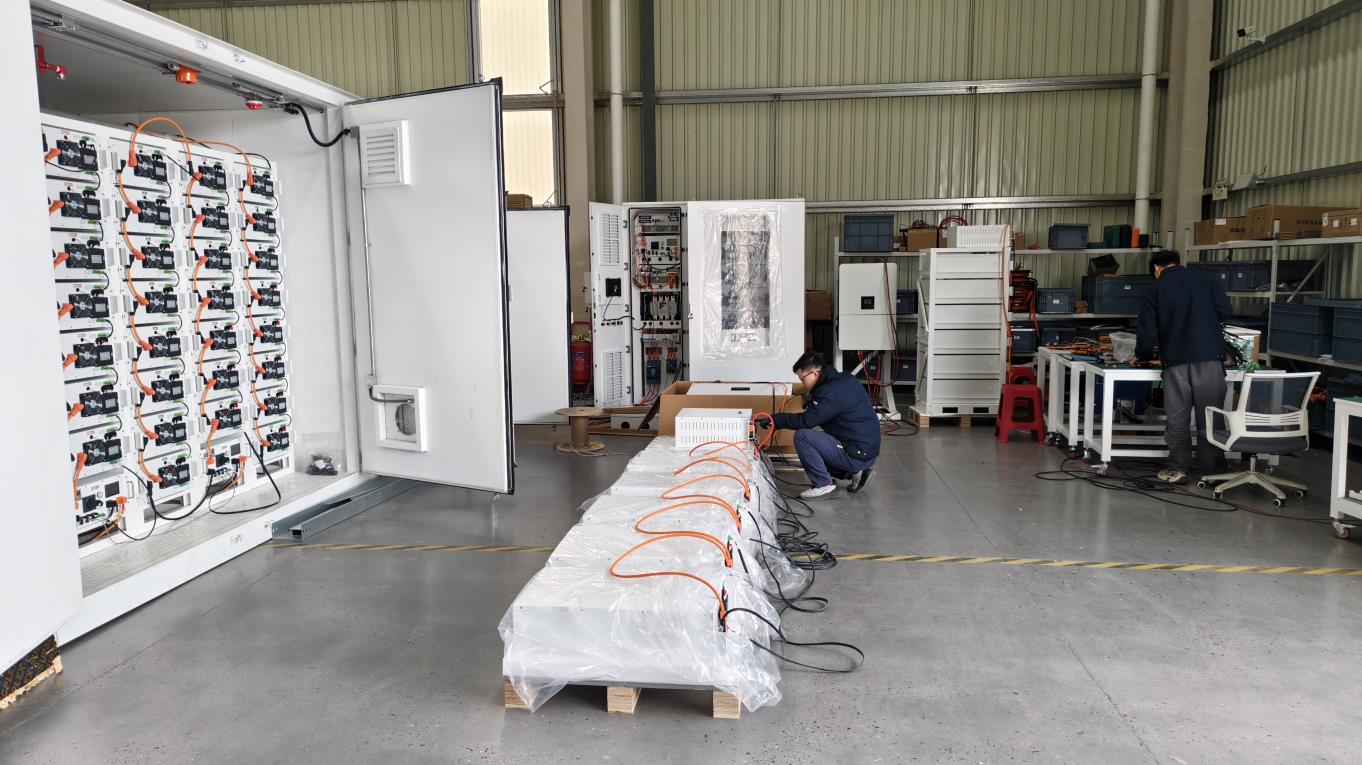
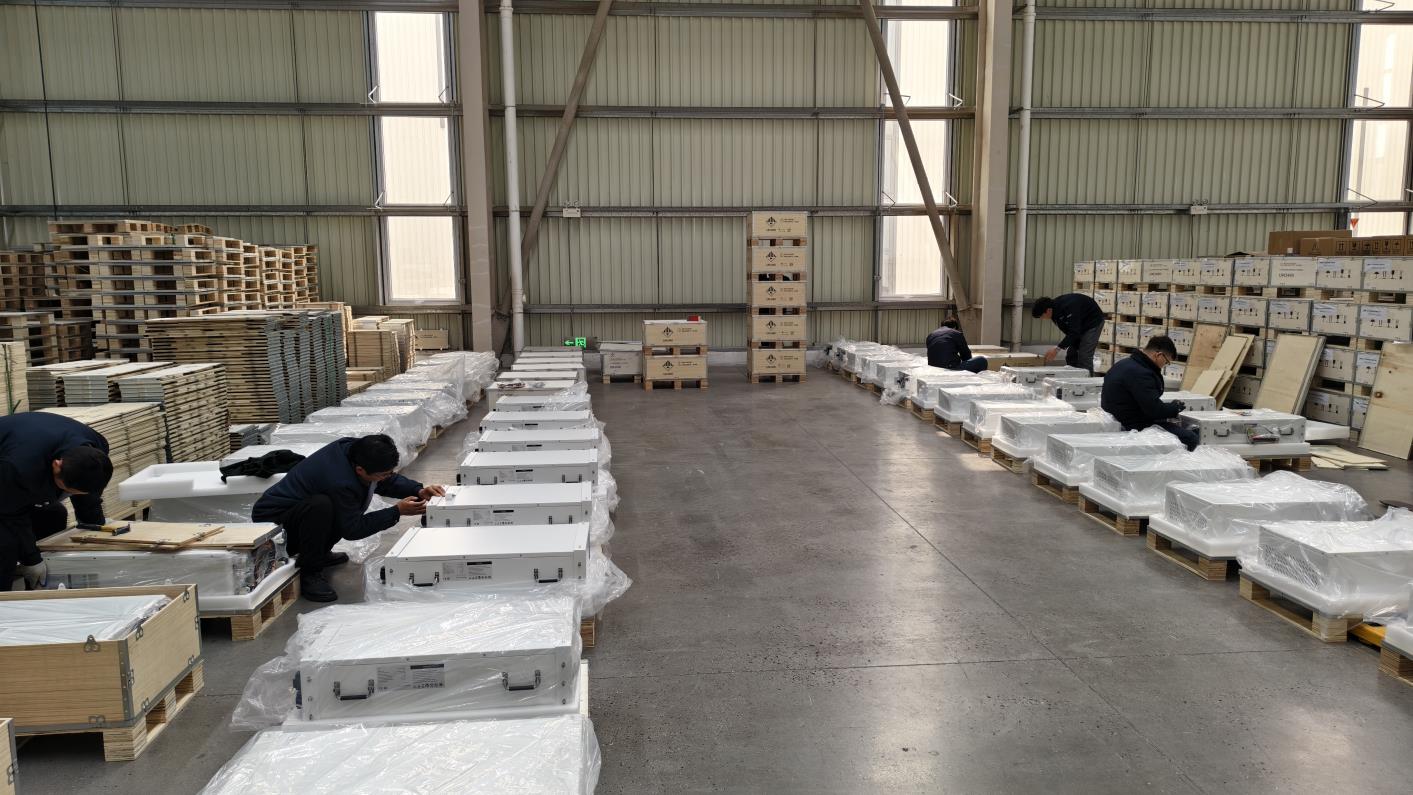
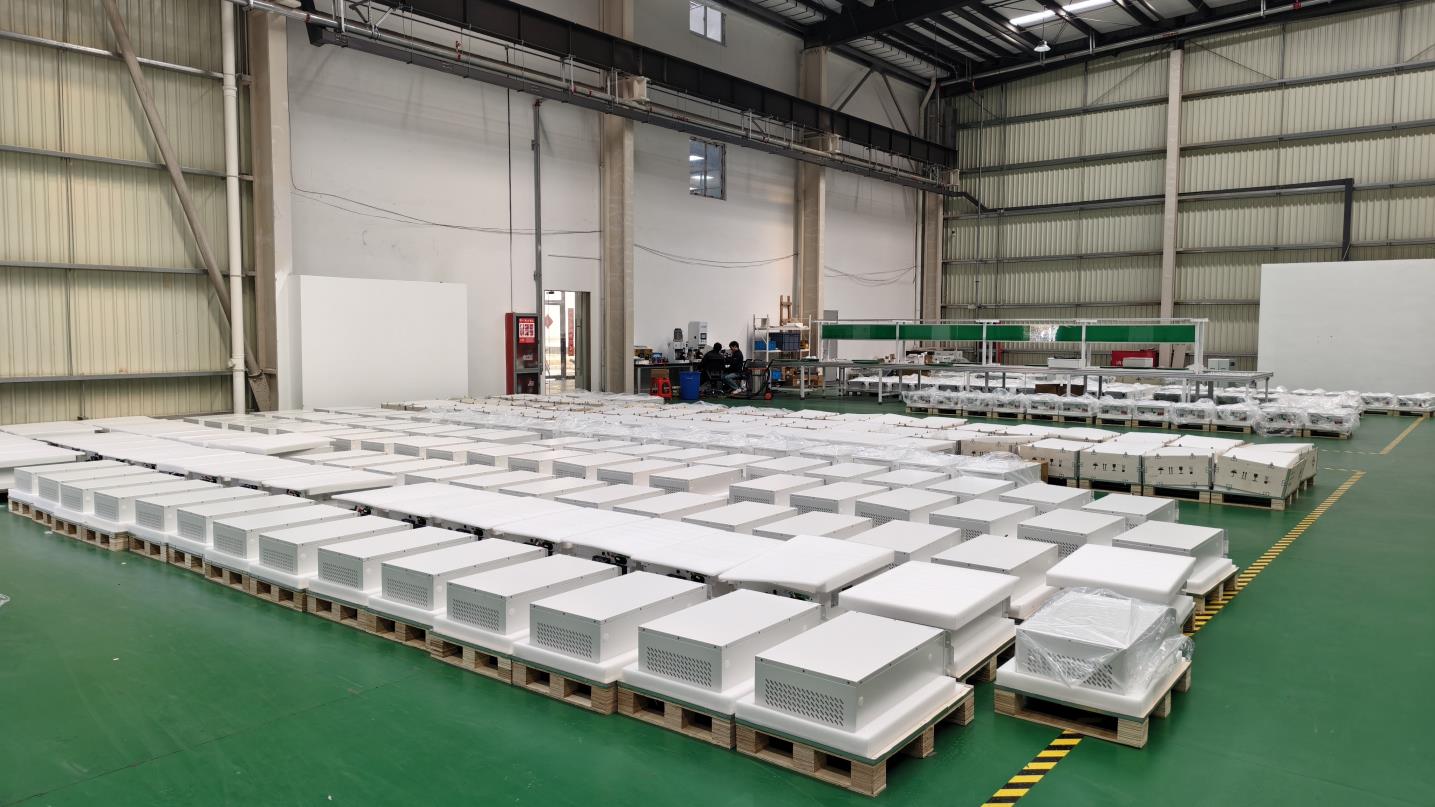
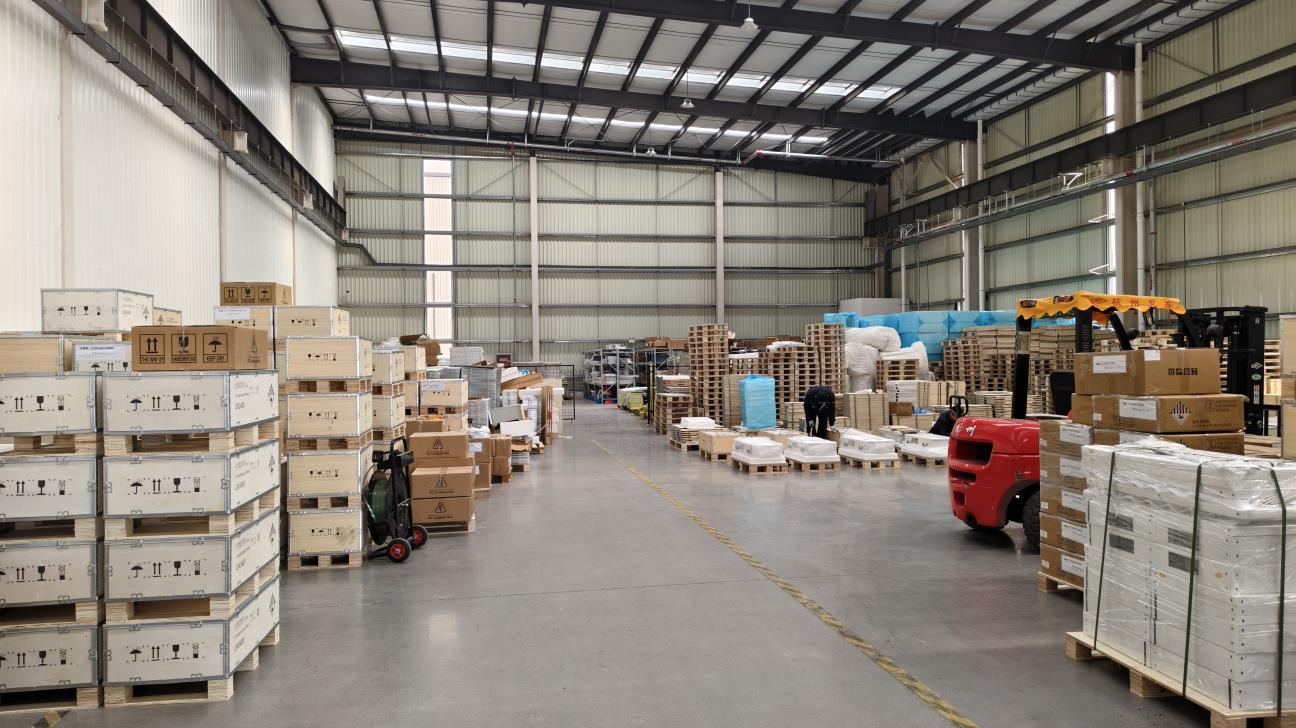
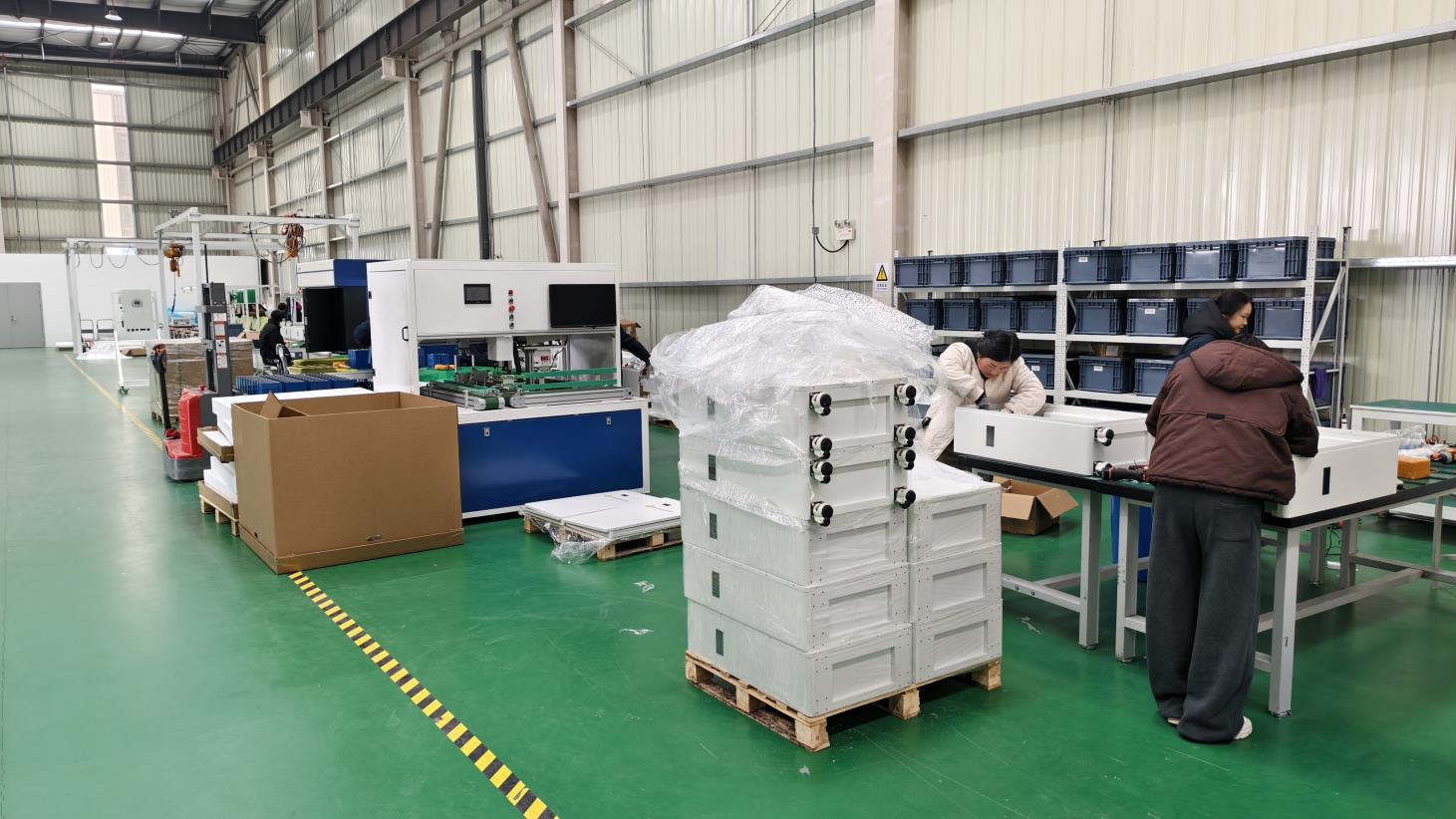
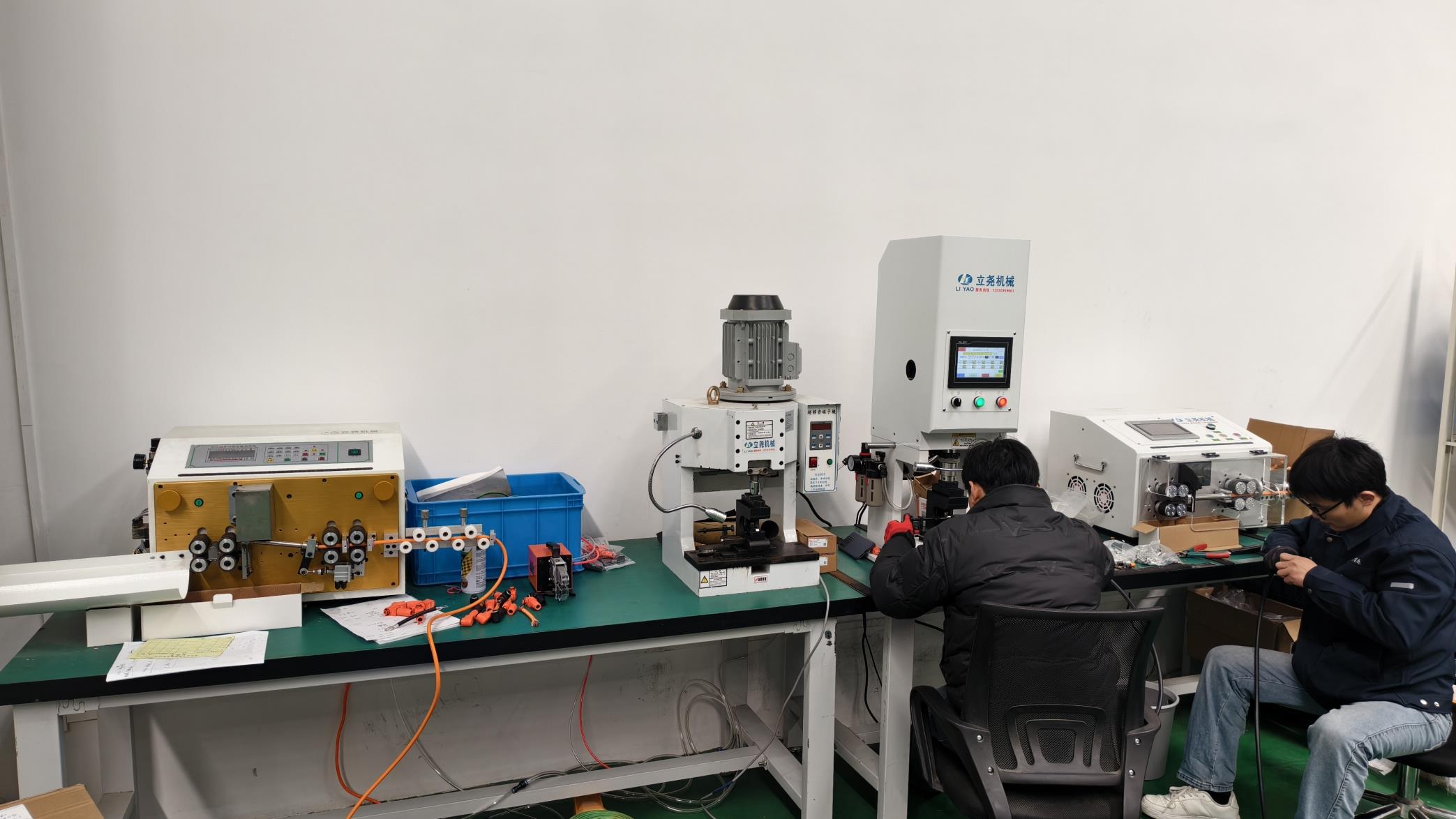
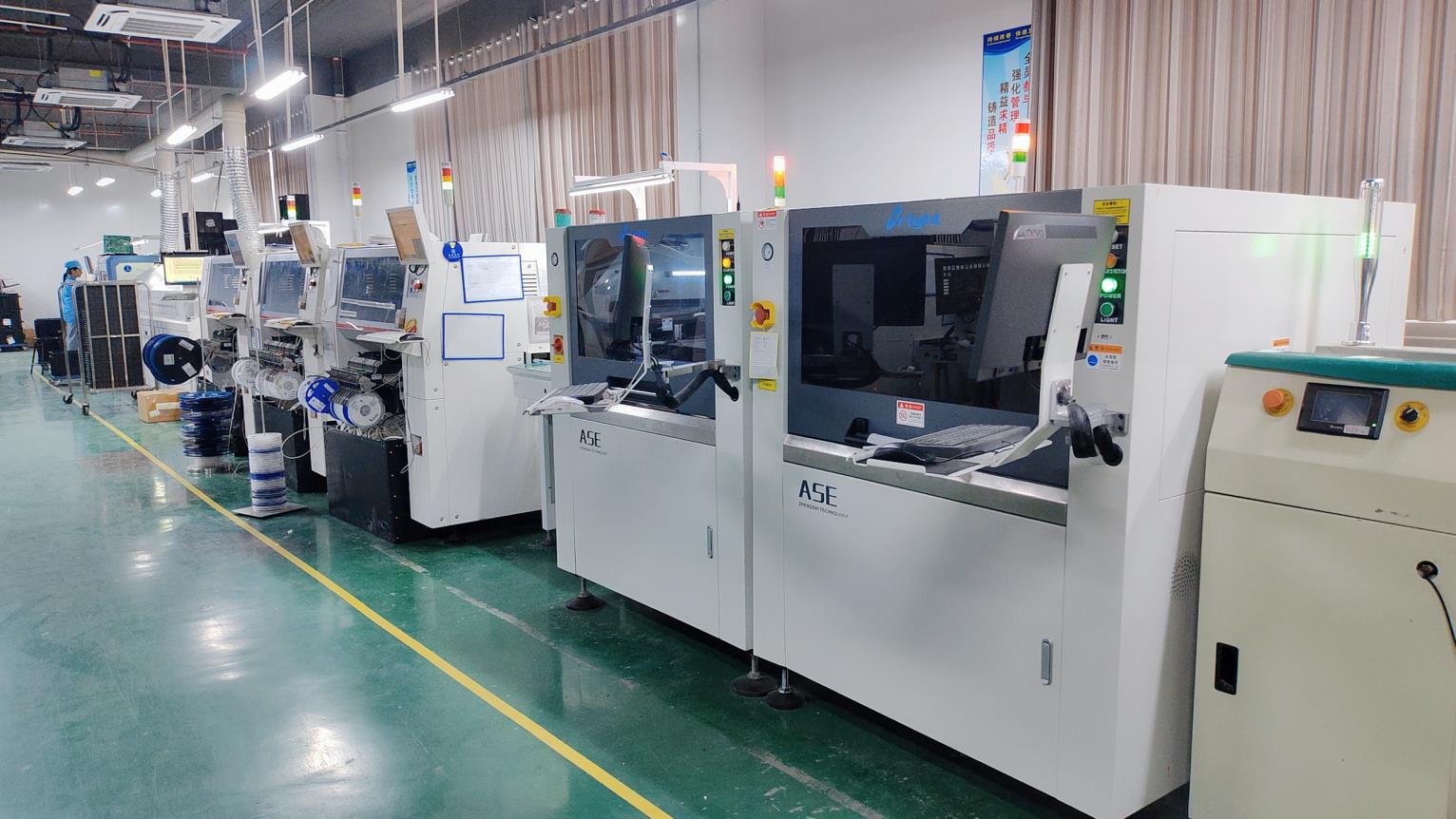
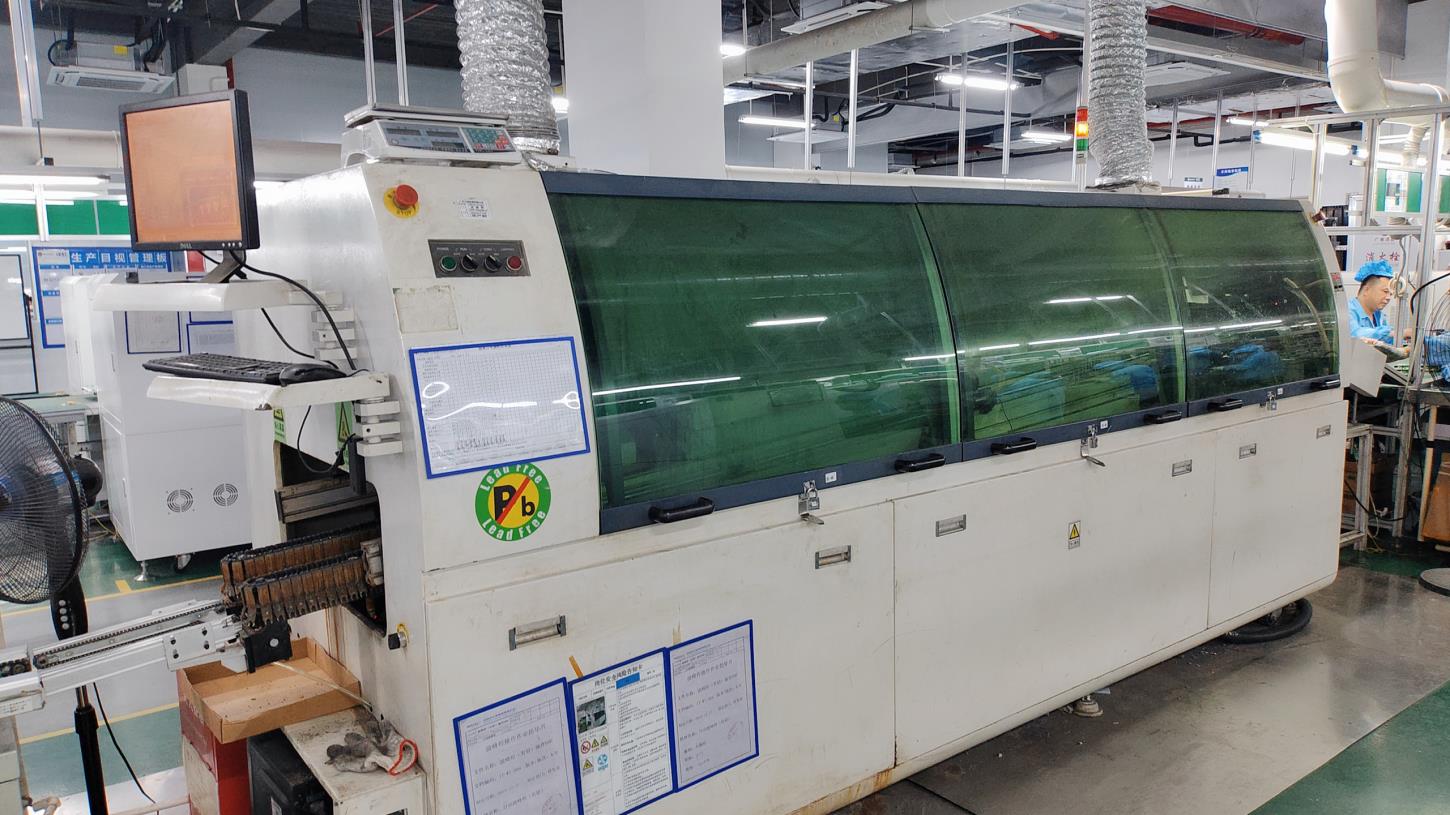
Our engineering capabilities extend beyond manufacturing components. We design and deliver comprehensive industrial-grade thermal systems that operate synergistically with existing facility infrastructure.
In industries such as food processing, pasteurization, paper pulping, textile dyeing, and chemical processing, heat demand is continuous and high. Our pressurized evacuated tube systems can easily heat pressurized water, glycol, or steam up to 150°C, providing a highly reliable pre-heating interface for industrial boilers. This reduction in primary boiler load dramatically cuts down coal, gas, or heavy oil consumption, reducing operational overhead and carbon taxation costs.
For municipal and suburban centralized heating plants, large arrays of solar evacuated tubes are connected in parallel to supply thermal energy to massive underground hot water buffer reservoirs. Due to their high insulation performance, these tubes maintain positive thermal output even on overcast days and in freezing winter temperatures, delivering stable baseload thermal energy to urban municipal utility networks.
An innovative application of high-temperature evacuated tubes is driving thermal absorption chillers (often lithium-bromide systems). During peak summer periods, when solar irradiance is at its maximum, cooling demands are also highest. Evacuated tube collectors supply the high-temperature driving energy (typically 85°C to 120°C) required by absorption chillers, producing chilled water for large commercial cooling systems without consuming high levels of electricity.
Hotels, hospitals, university dormitories, and public baths require vast amounts of domestic hot water daily. Integrating our commercial-scale solar water heating plants reduces energy bills by up to 80% compared to electric or gas boilers. Combined with customized electronic controllers, our systems manage flow rate, anti-freezing cycles, stagnation venting, and auxiliary heat integration autonomously.
Get answers to the most common engineering and logistical questions regarding solar evacuated tube sourcing, system integration, and global shipping.
Borosilicate Glass 3.3 features an extremely low coefficient of thermal expansion (about 3.3 × 10⁻⁶ K-1), which provides superior thermal shock resistance. It can handle sudden temperature differentials of up to 200°C without cracking (e.g., cold rain landing on a stagnating collector). It also has high mechanical resilience, allowing it to withstand impacts from hail up to 25mm in diameter, and possesses 92% optical transmittance for maximum solar spectrum penetration.
We integrate high-capacity barium-alloy ring getters at the bottom of the evacuated tubes. During manufacturing, after pulling the vacuum down to 10-4 Pa, we activate the getter using high-frequency induction heating. This flashes a thin film of barium onto the inner glass surface, which acts as an active chemical pump, absorbing any stray hydrogen, oxygen, nitrogen, or carbon monoxide molecules that slowly outgas or diffuse through the glass over decades. This process guarantees vacuum longevity for over 15 to 20 years.
We provide full ODM customization for the collector manifolds. This includes adjusting the number of tube ports (typically 10, 15, 20, 25, or 30 tubes), custom manifold pipe diameters (1 inch, 1.25 inch, or DN25/DN32 flanges) to manage pressure drops, insulation thickness and material selection (polyurethane foam or high-density rock wool), and color options for the outer casing. We also offer private labeling, laser-etching your company logo onto the manifold casing.
Heat pipe evacuated tubes use a dry connection, transferring thermal energy via a condenser bulb inserted into a dry pocket inside the manifold. This makes installation and maintenance extremely easy, as individual tubes can be swapped without draining the working fluid. U-pipe evacuated tubes, on the other hand, have the system fluid flowing directly through copper U-tubes inside the evacuated glass, which offers slightly higher heat transfer efficiency but makes maintenance more complex and increases system pressure drop.
We use customized, high-density molded expandable polystyrene (EPS) packaging inside double-walled corrugated export cartons to secure each glass tube individually. These cartons are then stacked onto heavy-duty heat-treated wooden pallets and wrapped with multi-layer high-tensile stretch film with corner protectors. For complete container loads, we construct internal bracing frameworks to prevent cargo shifting during sea transit, reducing transit damage rates to less than 0.5%.
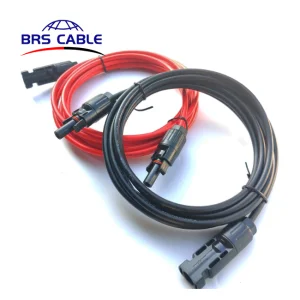
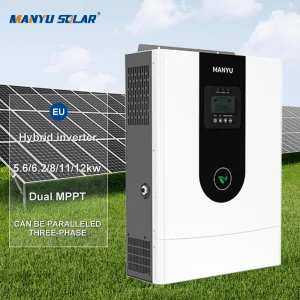
Our manufacturing facilities and products are compliant with key international standards. This includes CE and RoHS certifications for our solar controllers, charge controllers, and inverters, ensuring compliance with European environmental and safety directives. Our solar extension cables carry official TUV approvals for heavy-duty outdoor PV performance, and our thermal systems are designed and tested to meet rigorous performance guidelines for international distribution.
 Aryam Energy