Industrial-grade components optimized for high durability, maximum lumens-per-watt efficiency, and robust climate resistance.
The global transition to off-grid renewable infrastructure has accelerated from local, fragmented initiatives to integrated, multi-gigawatt macro projects. In municipal engineering, industrial development, and remote civil programs, outdoor solar lighting systems are no longer treated as secondary auxiliary items, but rather as critical components of intelligent infrastructure. The integration of high-efficiency photovoltaic modules, smart charge controllers, and advanced lithium iron phosphate (LiFePO4) storage systems has transformed municipal, industrial, and roadway designs.
Modern developers, EPC contractors, and city planners realize that off-grid systems reduce localized cable-trenching costs by up to 60%, avoid substantial transmission losses, and eliminate grid-interconnection bottleneck delays. As urban expansion accelerates across Latin America, Asia-Pacific, and Sub-Saharan Africa, customized OEM/ODM solar lighting systems act as reliable infrastructure backbones. Through custom engineering, manufacturers deliver products optimized for high wind loads, high-temperature operations, and severe coastal humidity, achieving low levelized costs of energy (LCOE) and maximum system uptime.
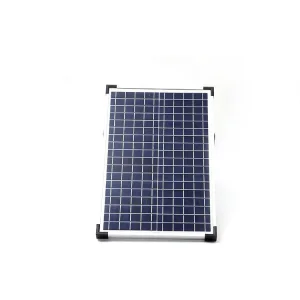
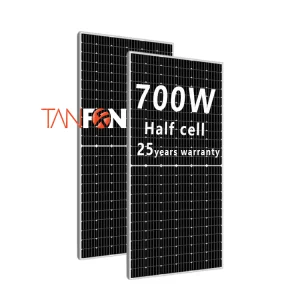
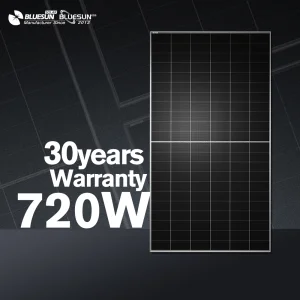
Integrating Bifacial HJT and advanced PERC solar cells enables up to 22.8% conversion efficiency, maximizing energy yield per unit area even under diffuse, overcast skylight conditions.
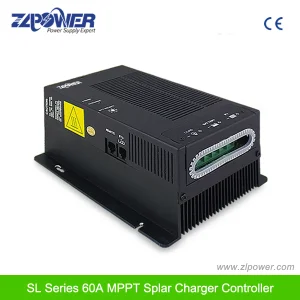
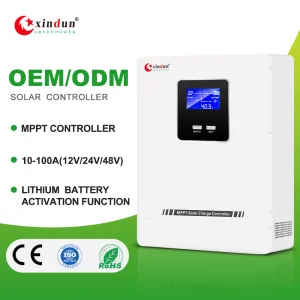
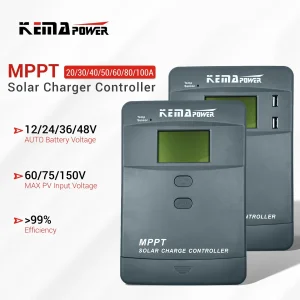
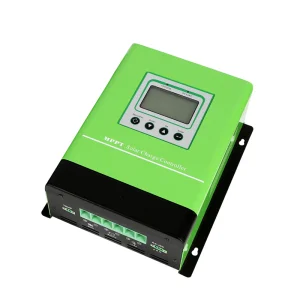
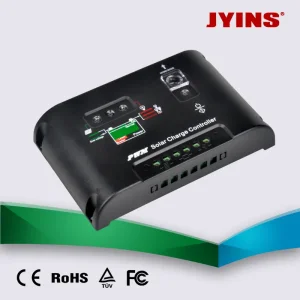
Advanced buck-boost MPPT control algorithms reach tracking efficiencies >99.5%, automatically adapting to complex shading patterns and seasonal variation.
Premium lithium iron phosphate (LiFePO4) chemistry delivers 4000+ deep discharge cycles at 80% DOD, boasting active battery management and high thermal runaway resistance.
The industrial solar lighting sector is undergoing three core shifts: intelligent connectivity (Smart IoT), high integration (All-in-One and All-in-Two topologies), and customized environmental engineering (OEM adaptation).
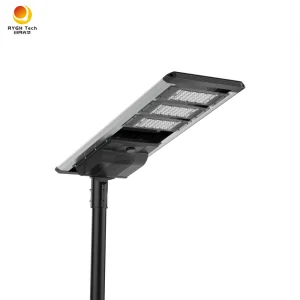
Historically, off-grid systems required high-maintenance lead-acid battery replacements and manual troubleshooting. Today, intelligent solar street lights integrate cellular (LTE-M, NB-IoT) and mesh-network (LoRaWAN, Zigbee) communications. Operators monitor charge rates, state of charge (SoC), operational status, and dimming profiles through unified telemetry dashboards. Hardware innovations like integrated monocrystalline bifacial panels capture scattered ambient light, raising yield in cold or snowy microclimates.
OEM engineering allows manufacturers to build specific solutions for unique challenges. For example, deep-coastal regions require saltwater-resistant aluminum casings with C5-M anti-corrosion coatings. High-dust desert environments rely on vertical panel mounts and self-cleaning surfaces to prevent dust buildup from blocking solar capture.
Solar lighting requires localized tuning based on regional weather patterns. Designing a uniform layout across different latitudes neglects the physics of solar insolation:
Our long-term engineering blueprint prioritizes maximizing power density and optimizing power electronics conversion. Key R&D fields include:
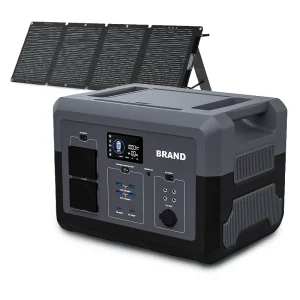
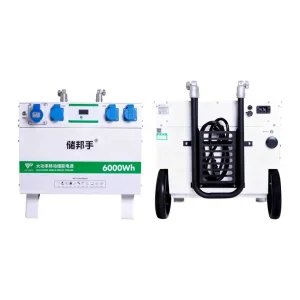
Providing custom solutions involves matching the electrical load, geographical location, and structural parameters to each project. For instance, municipal street lighting projects depend on detailed lux calculations to satisfy safety norms (like EN 13201). Meanwhile, industrial perimeter lighting requires high-power, reliable systems to maintain security coverage. In remote areas, modular systems power off-grid communities, integrating lighting, USB charging ports, and micro-inverter power hubs to support local development.
Leading provider of advanced renewable energy solutions, specializing in research, development, and manufacturing of custom solar lighting systems.
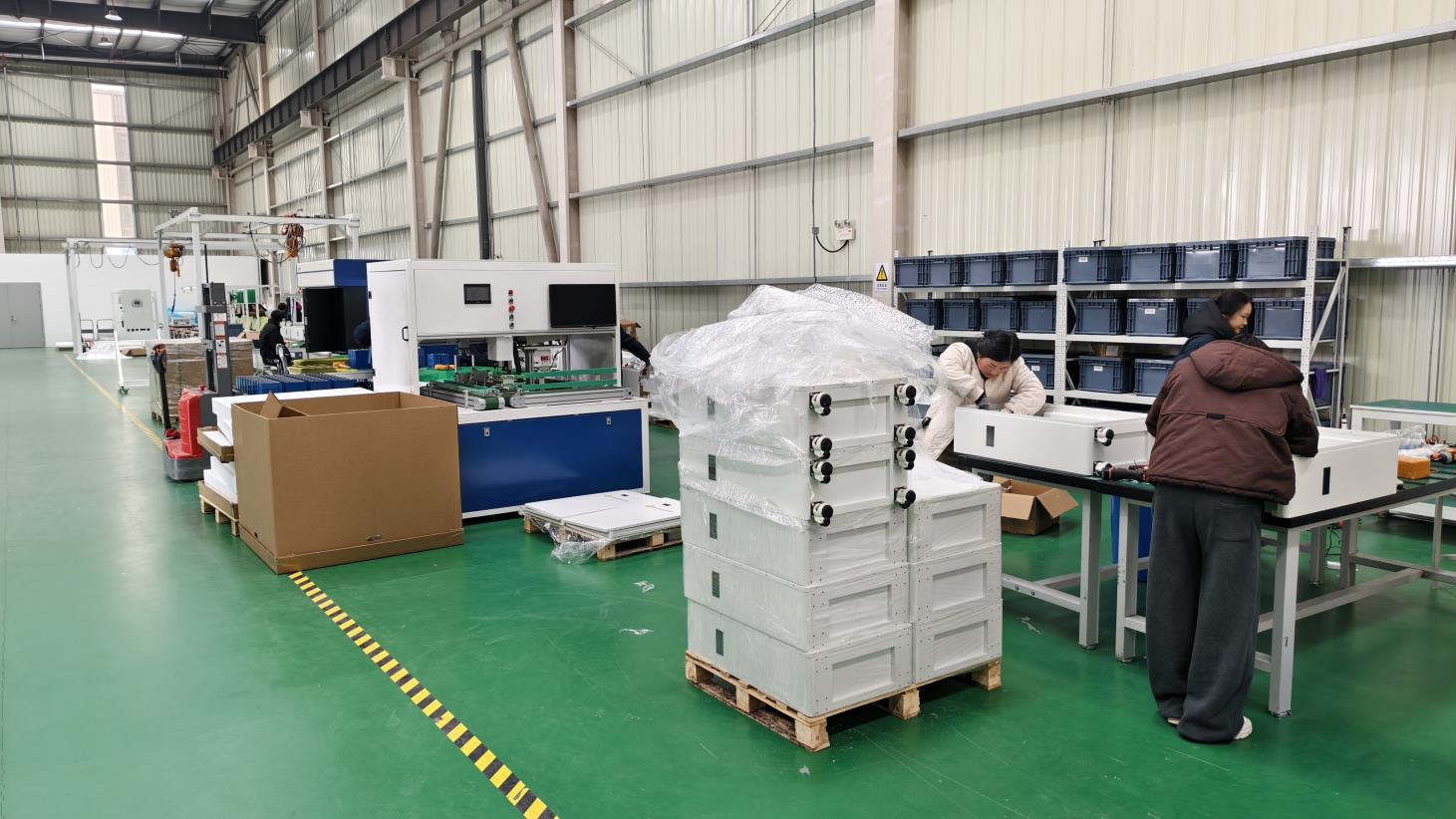
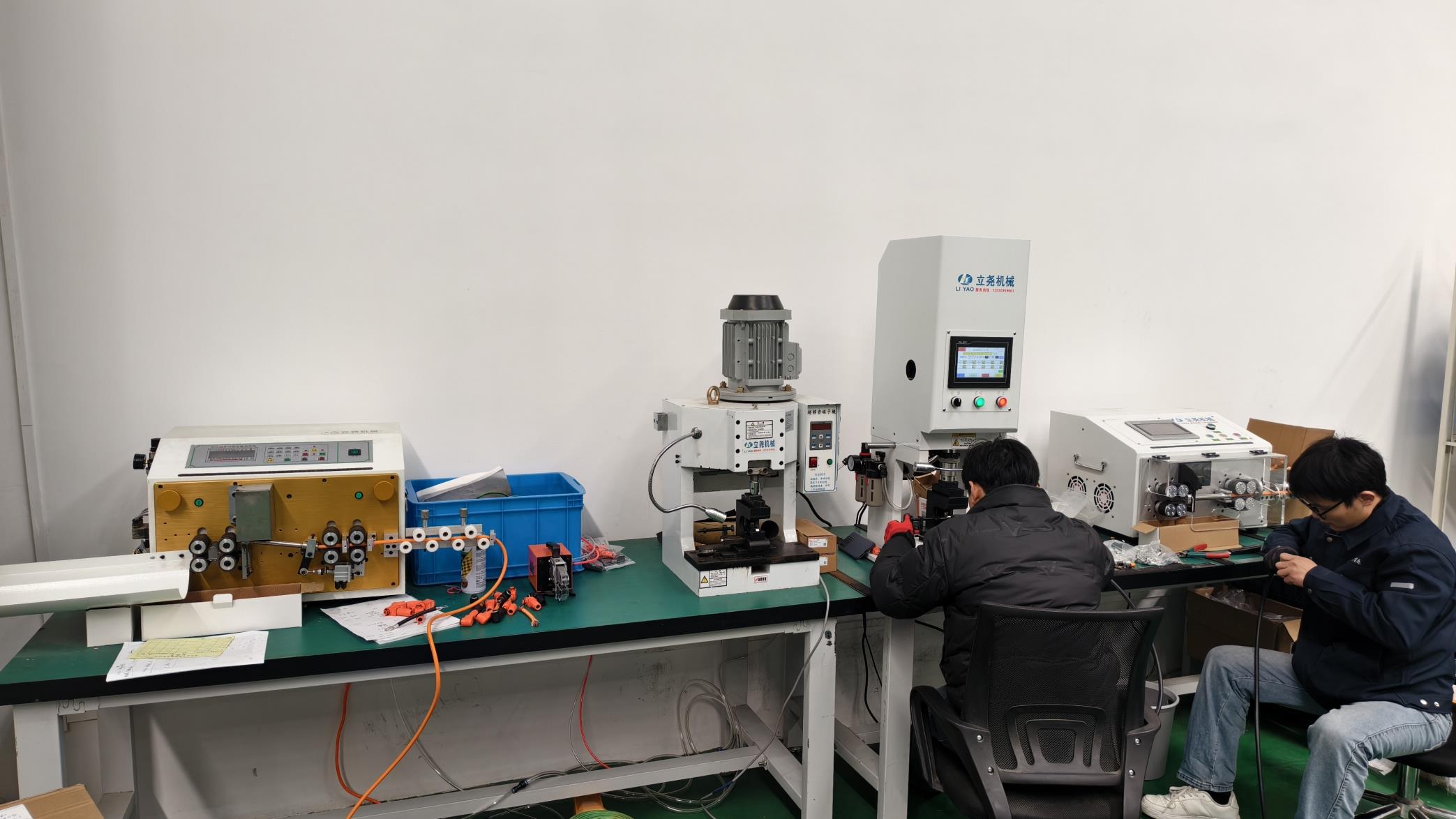
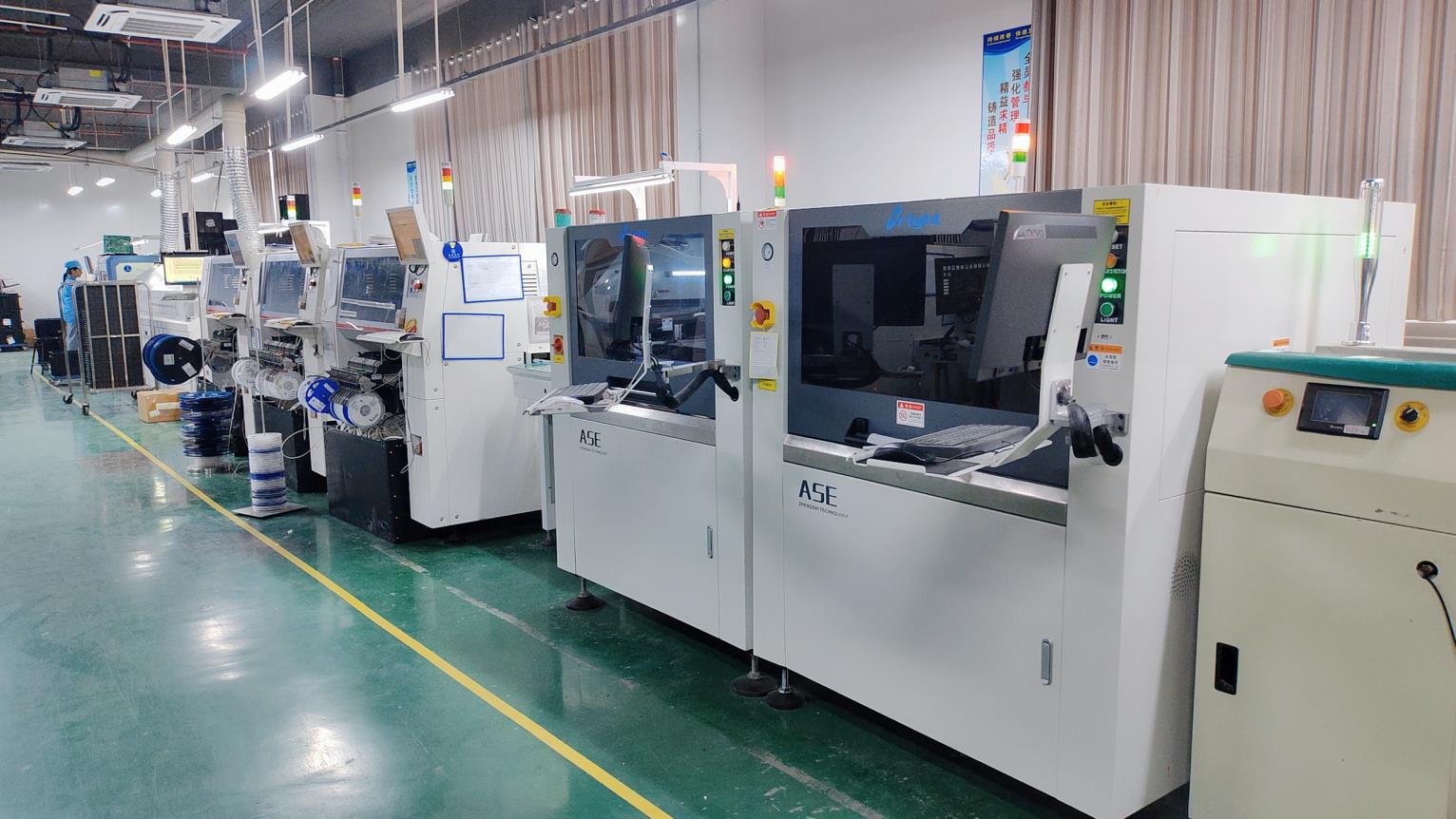
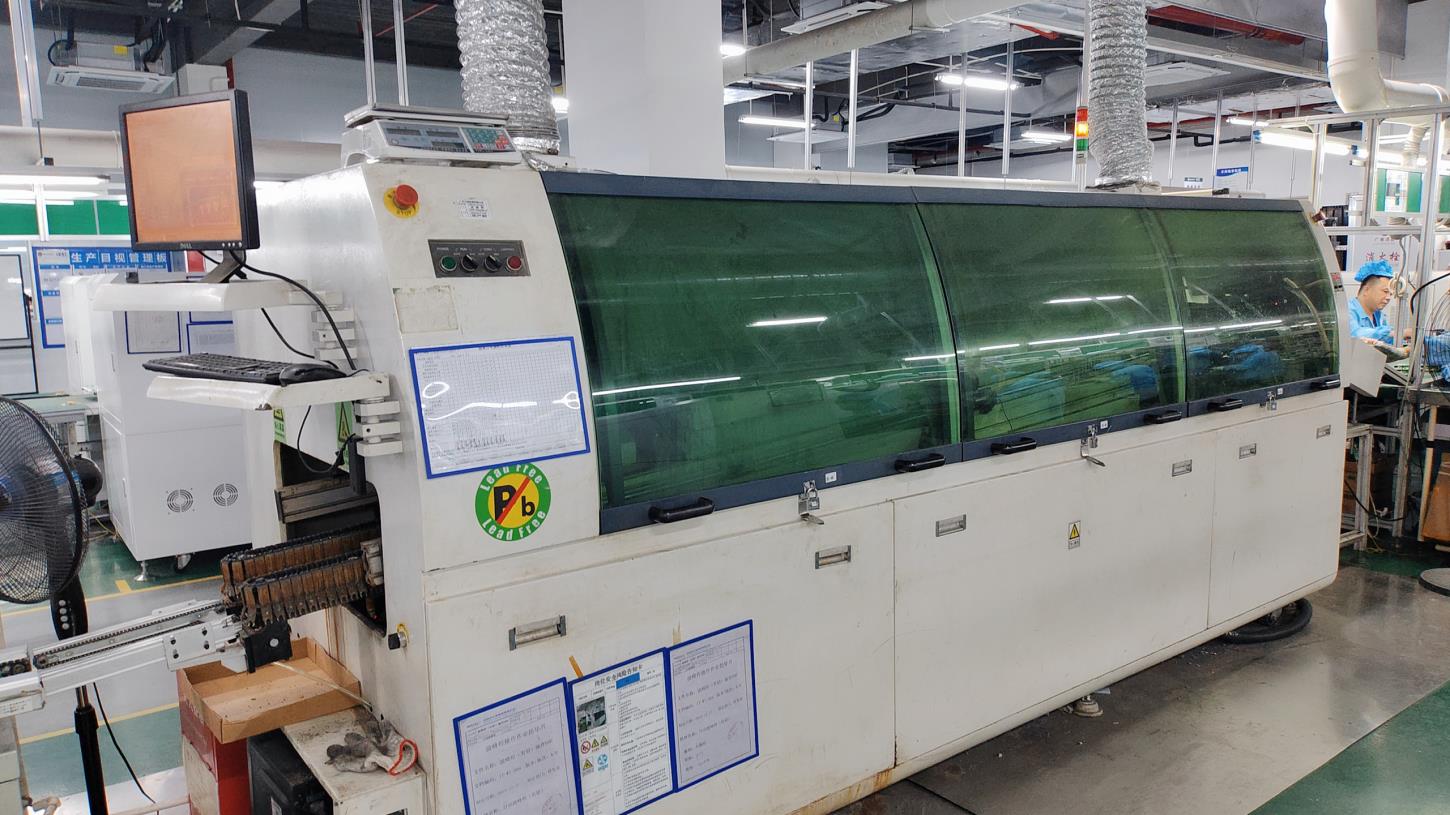
Anhui Aryam Energy Co., Ltd. is a leading provider of advanced renewable energy solutions, dedicated to delivering reliable, efficient, and sustainable power systems for residential, commercial, industrial, and utility-scale applications worldwide. Through continuous innovation and a strong commitment to clean energy development, Aryam Energy has established itself as a trusted partner in the global transition toward a low-carbon future.
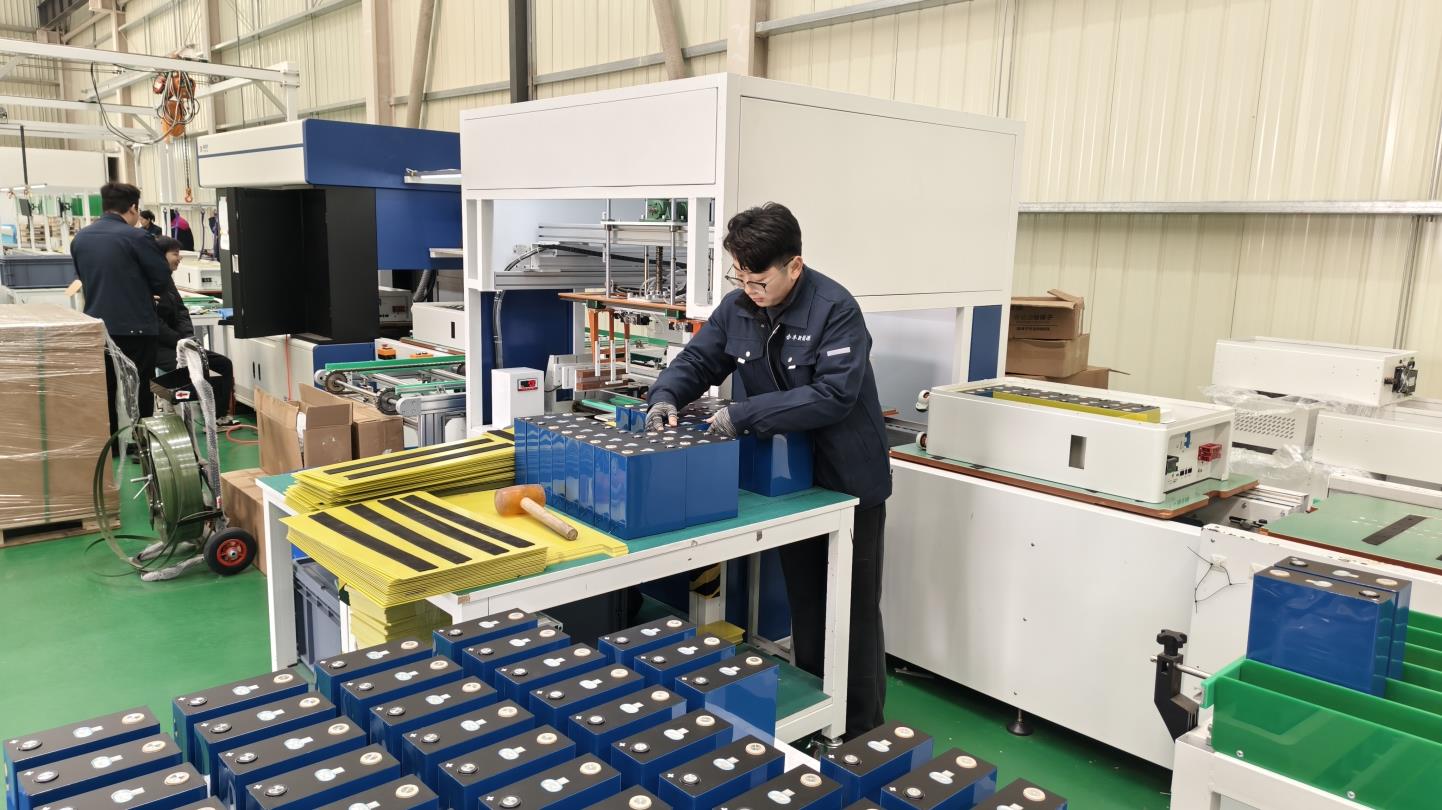
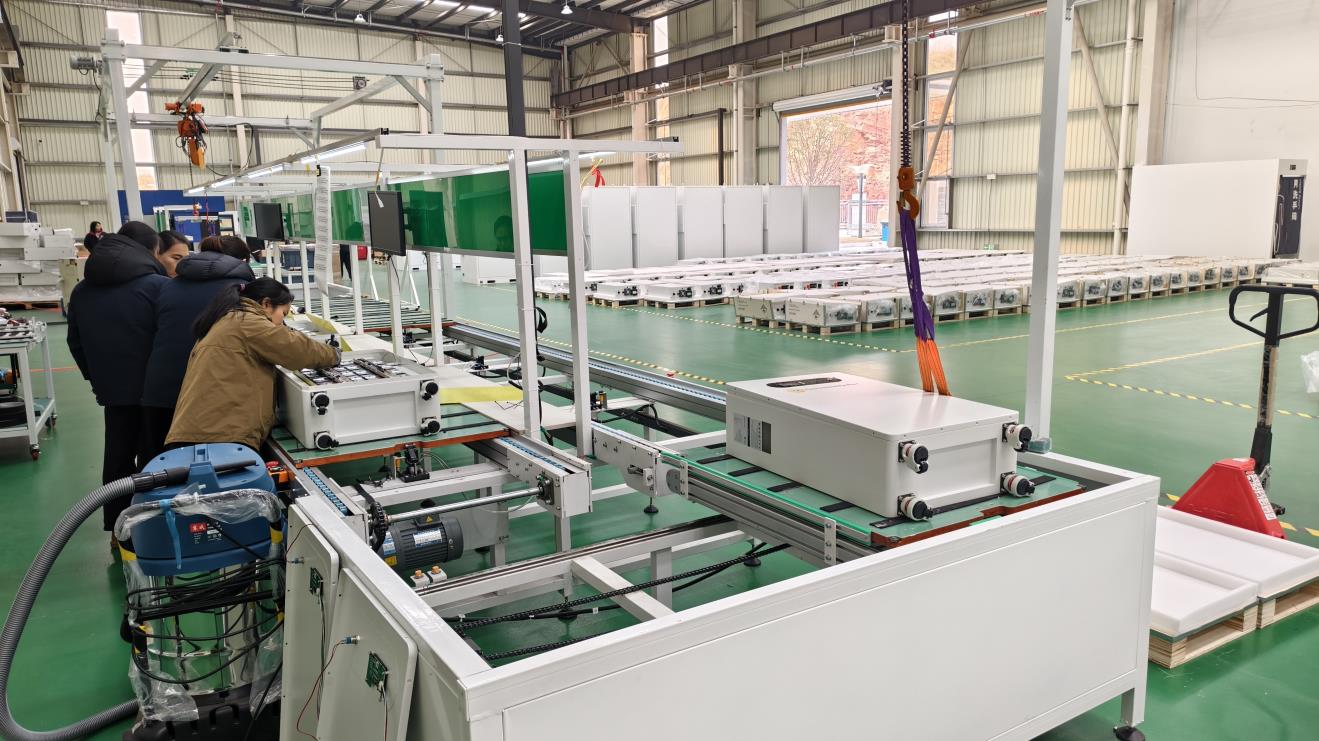
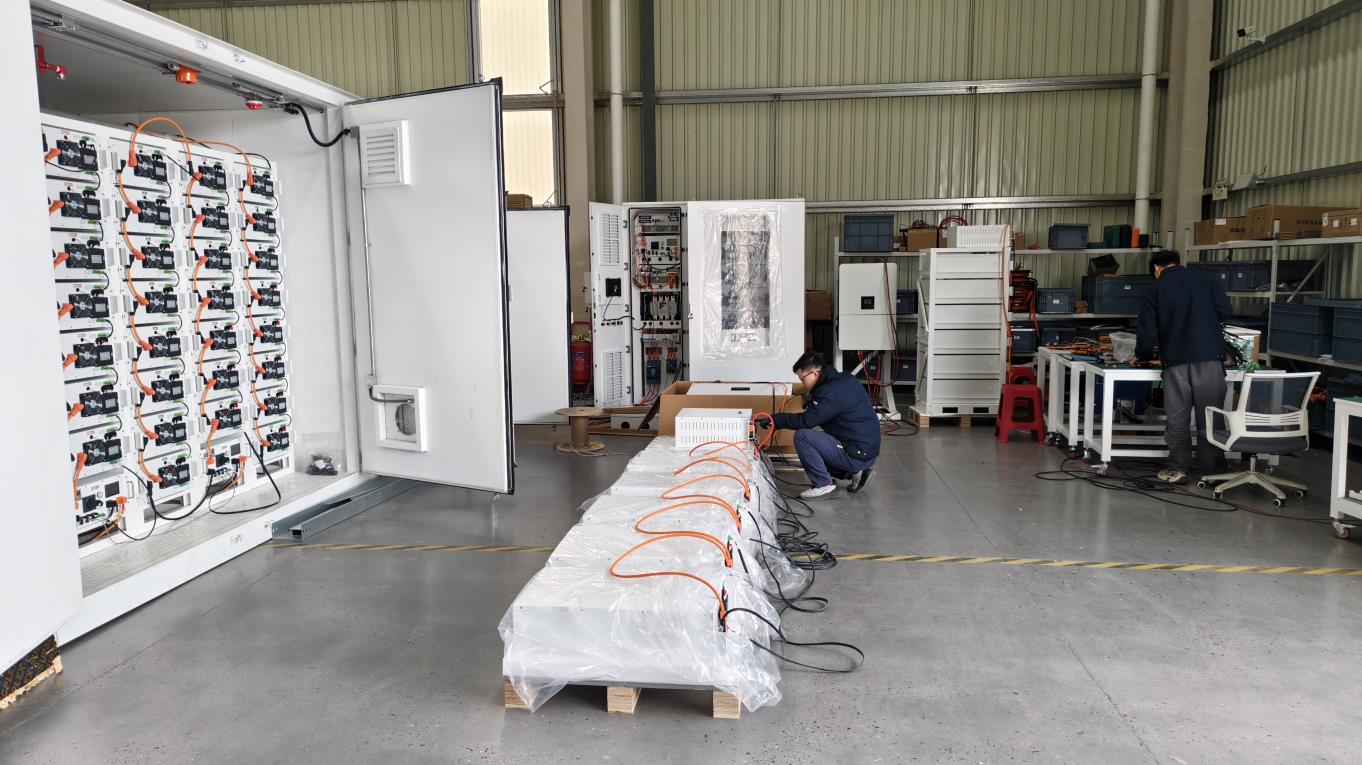
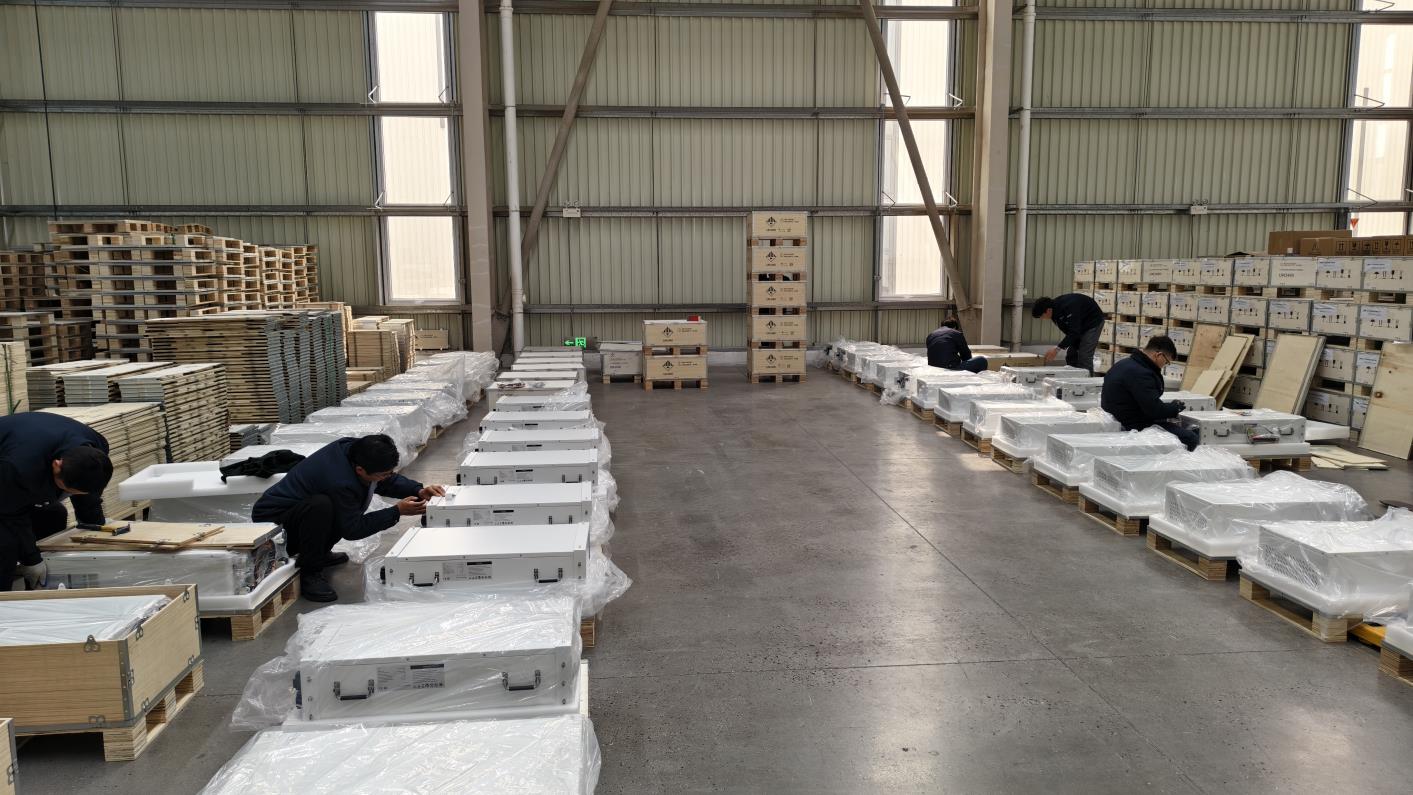
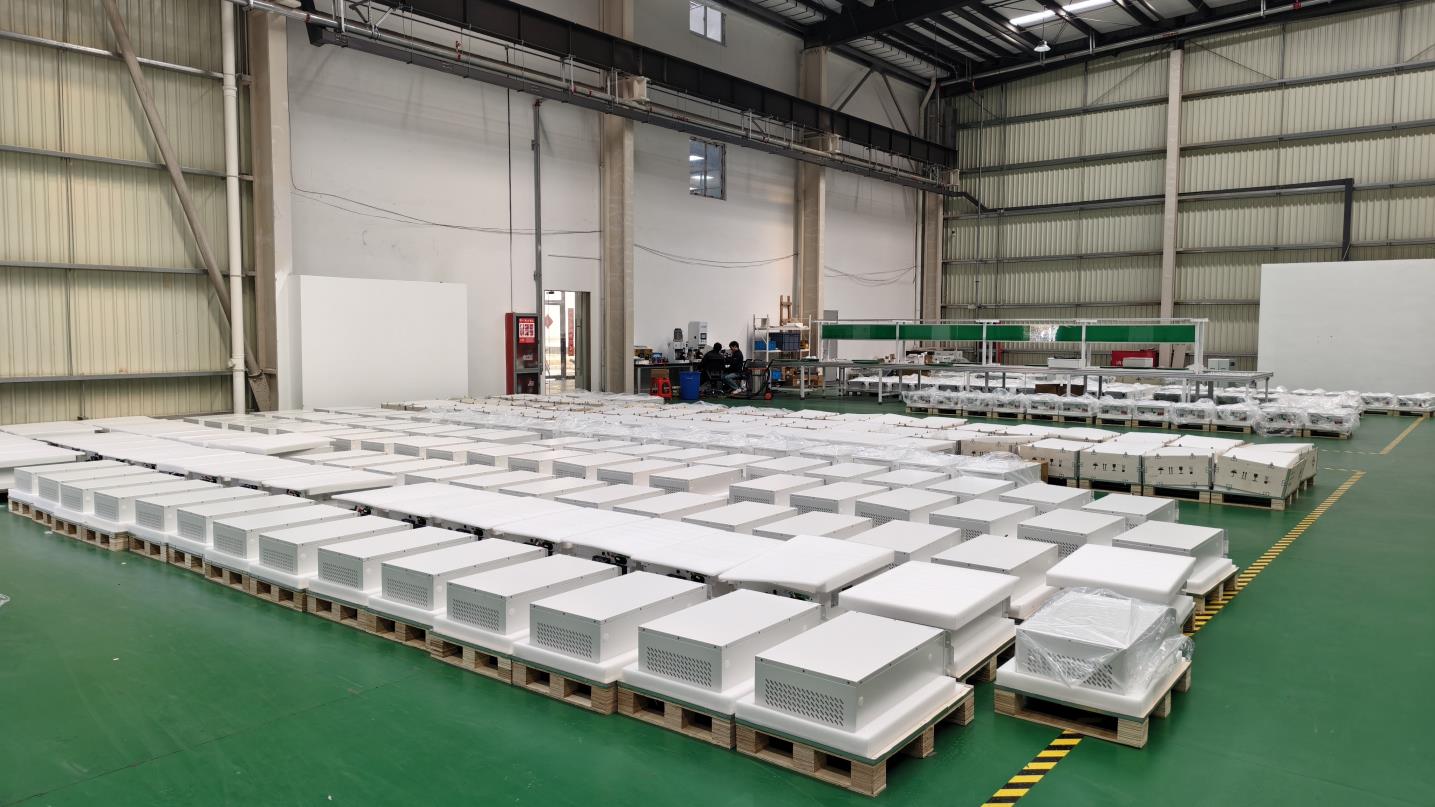
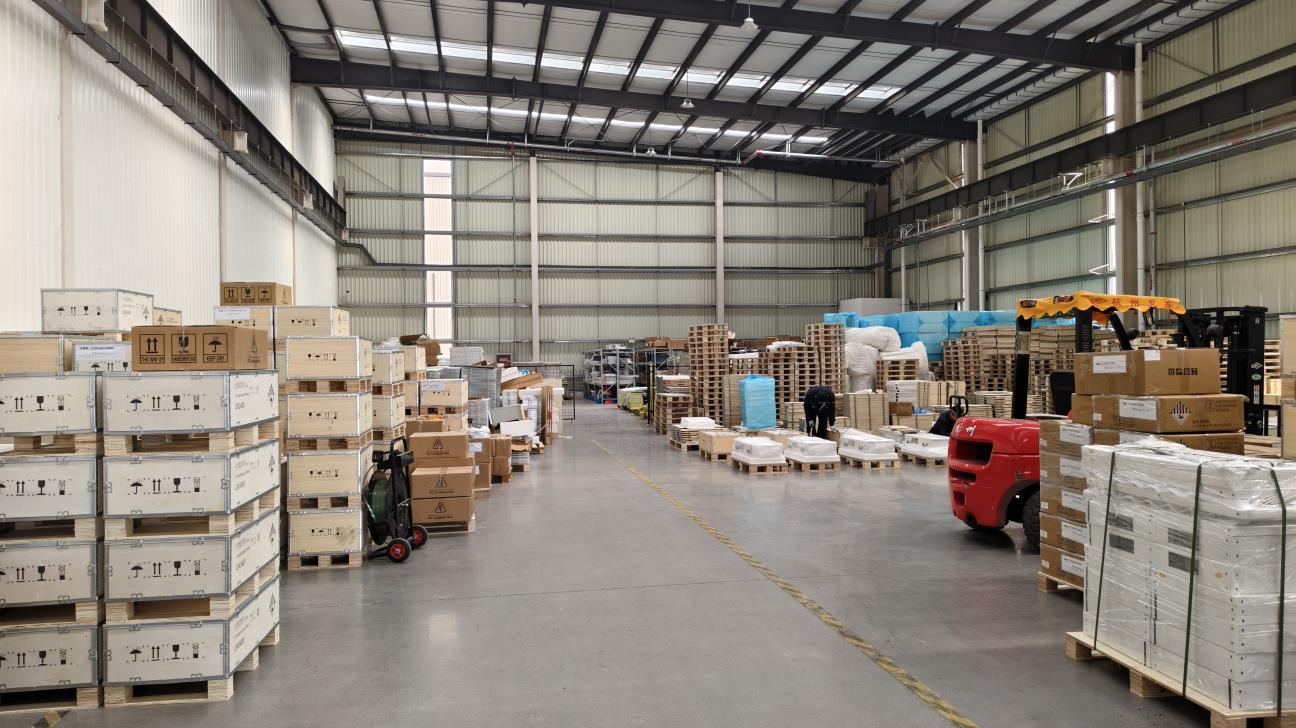
The company specializes in the research, development, manufacturing, and integration of solar energy systems, energy storage solutions, hybrid power systems, and intelligent microgrid technologies. Leveraging cutting-edge engineering expertise and strict quality management standards, Aryam Energy provides comprehensive energy solutions tailored to diverse market needs, particularly in regions facing energy shortages, unstable grid infrastructure, or increasing demand for sustainable power generation.
With a professional R&D team and a growing portfolio of proprietary technologies, Aryam Energy continuously invests in innovation to enhance system performance, energy efficiency, and long-term reliability. Its products and solutions are designed to meet international standards and have been successfully deployed across Asia, Africa, the Middle East, Europe, and Latin America, serving customers in more than 100 countries and regions.
Aryam Energy's product portfolio includes solar inverters, energy storage systems, hybrid inverters, lithium battery solutions, solar water pumping systems, microgrid systems, and customized renewable energy projects. The company is committed to providing integrated energy solutions that maximize energy independence, reduce operational costs, and support environmental sustainability.
Driven by the vision of becoming a globally recognized clean energy technology leader, Aryam Energy actively collaborates with distributors, EPC contractors, government agencies, international organizations, and development partners to promote renewable energy adoption worldwide. Through its mission of "Empowering Sustainable Energy for a Better Future," the company strives to create long-term value for customers while contributing to global carbon reduction goals and sustainable social development.
By combining technological innovation, product excellence, and customer-centric service, Anhui Aryam Energy Co., Ltd. continues to deliver smart, reliable, and environmentally responsible energy solutions that help build a greener and more sustainable world.
Expert technical insights to help engineers, contractors, and project managers optimize off-grid photovoltaic system designs.
Premium charge controllers, solar backpacks, and high-efficiency photovoltaic systems designed for professional and utility integration.
 Aryam Energy