Aryam Energy
1 / 5
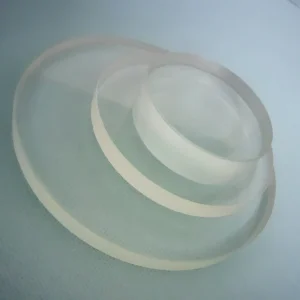
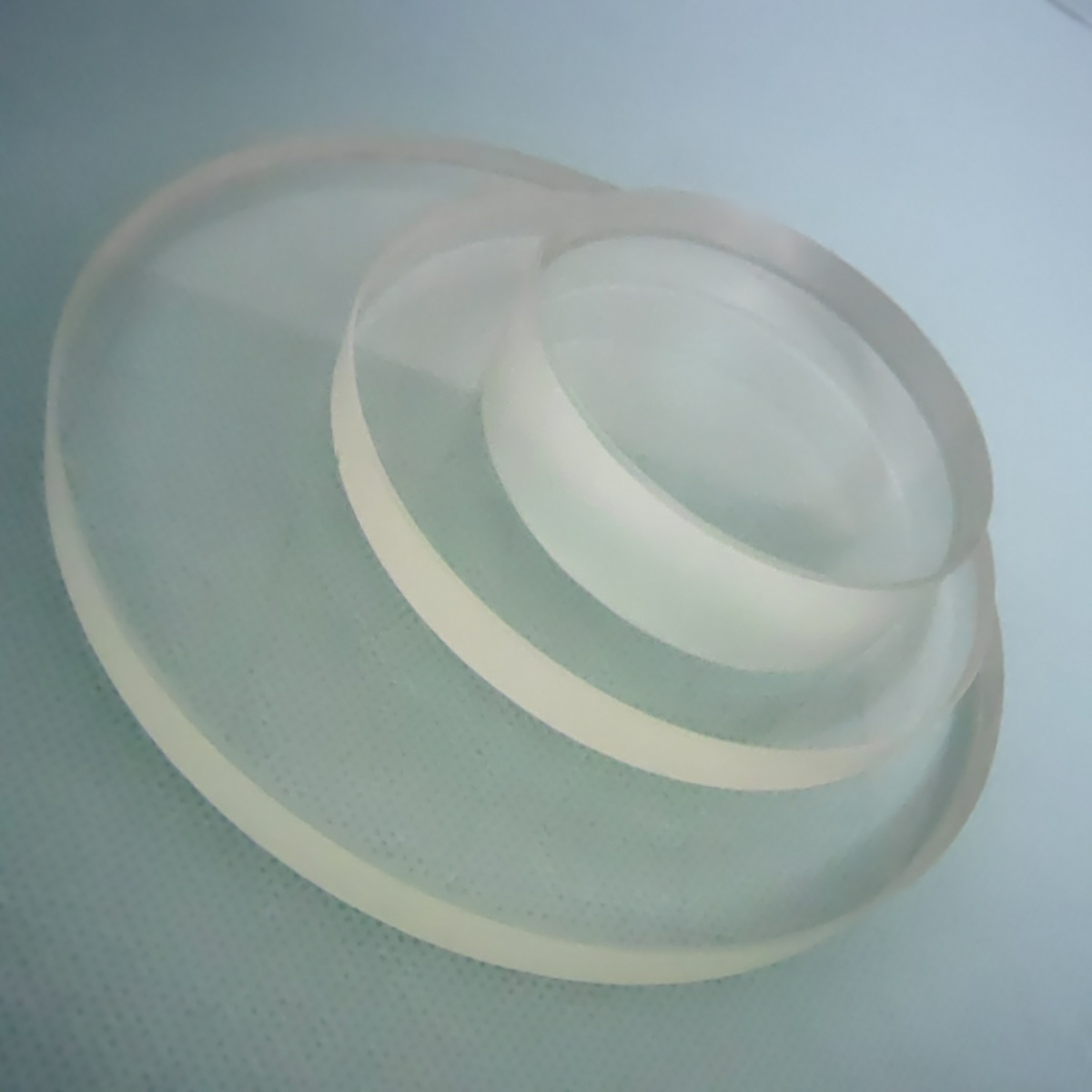
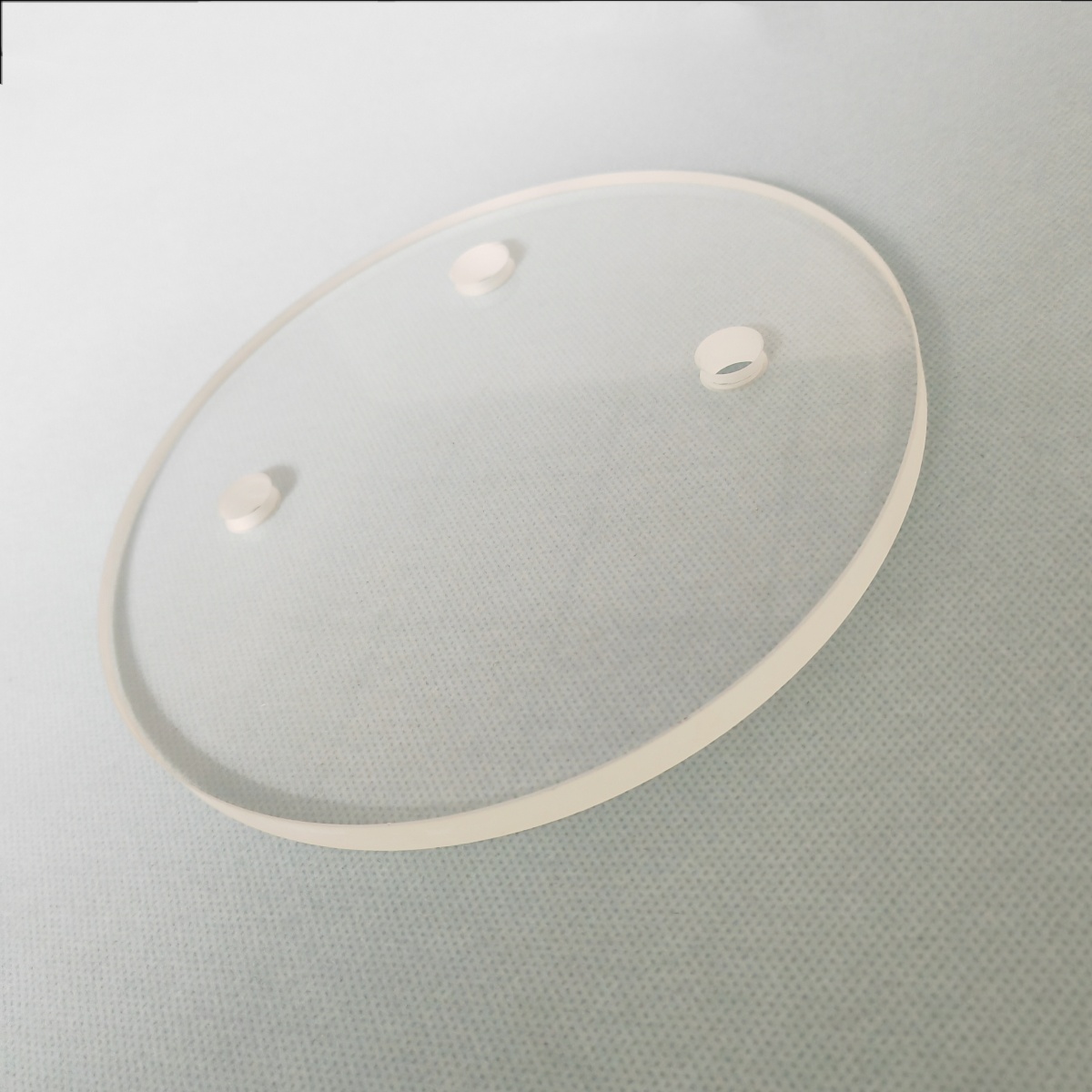
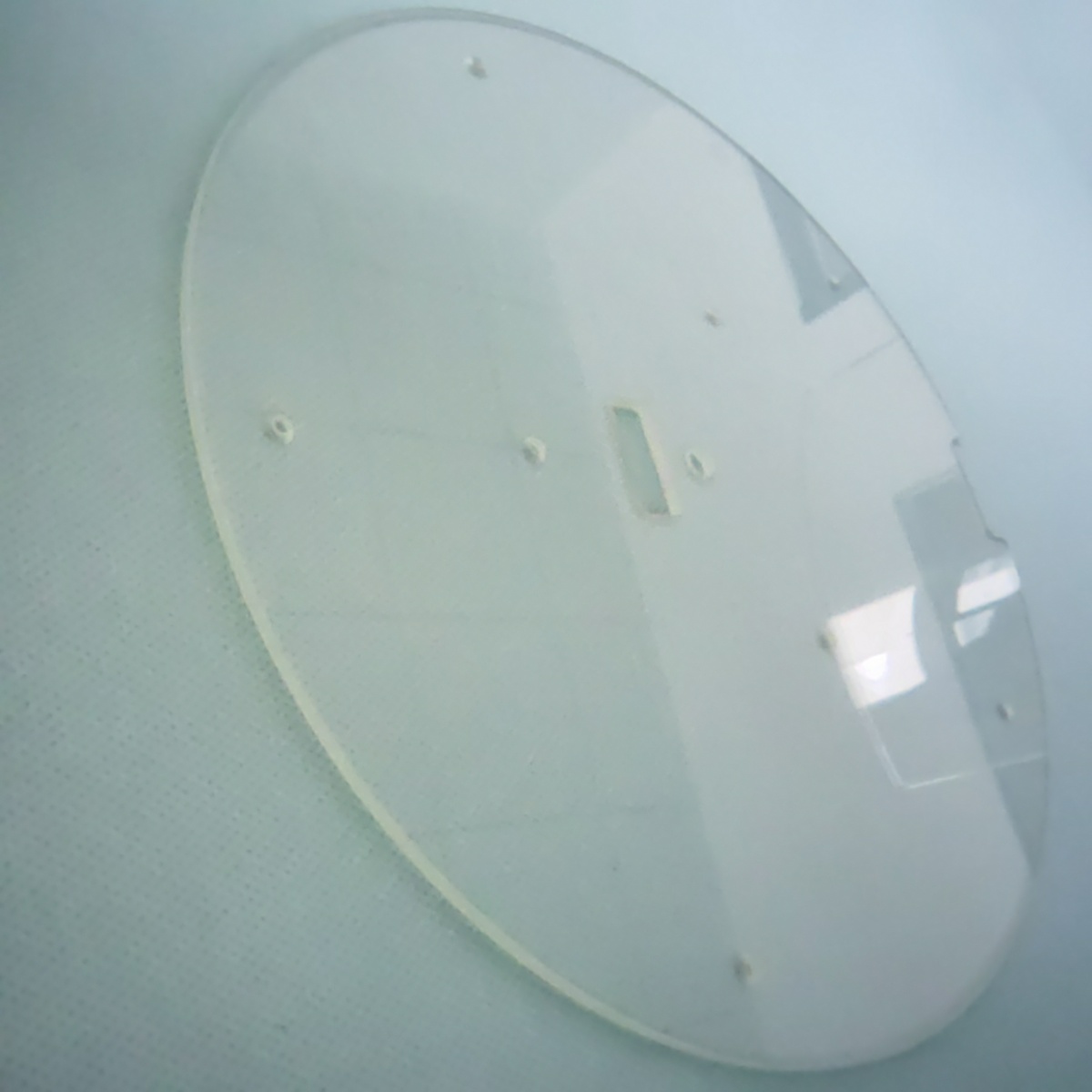
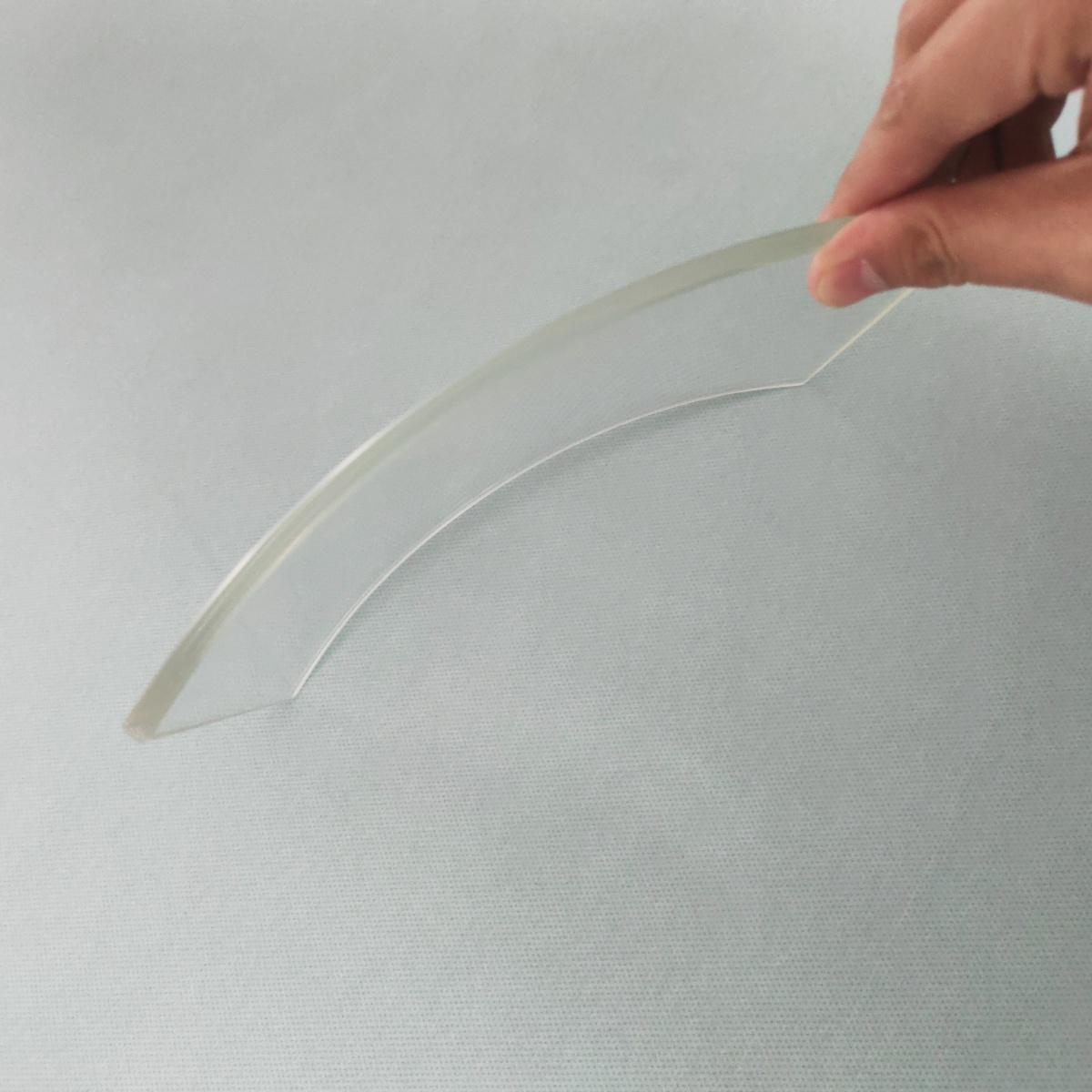
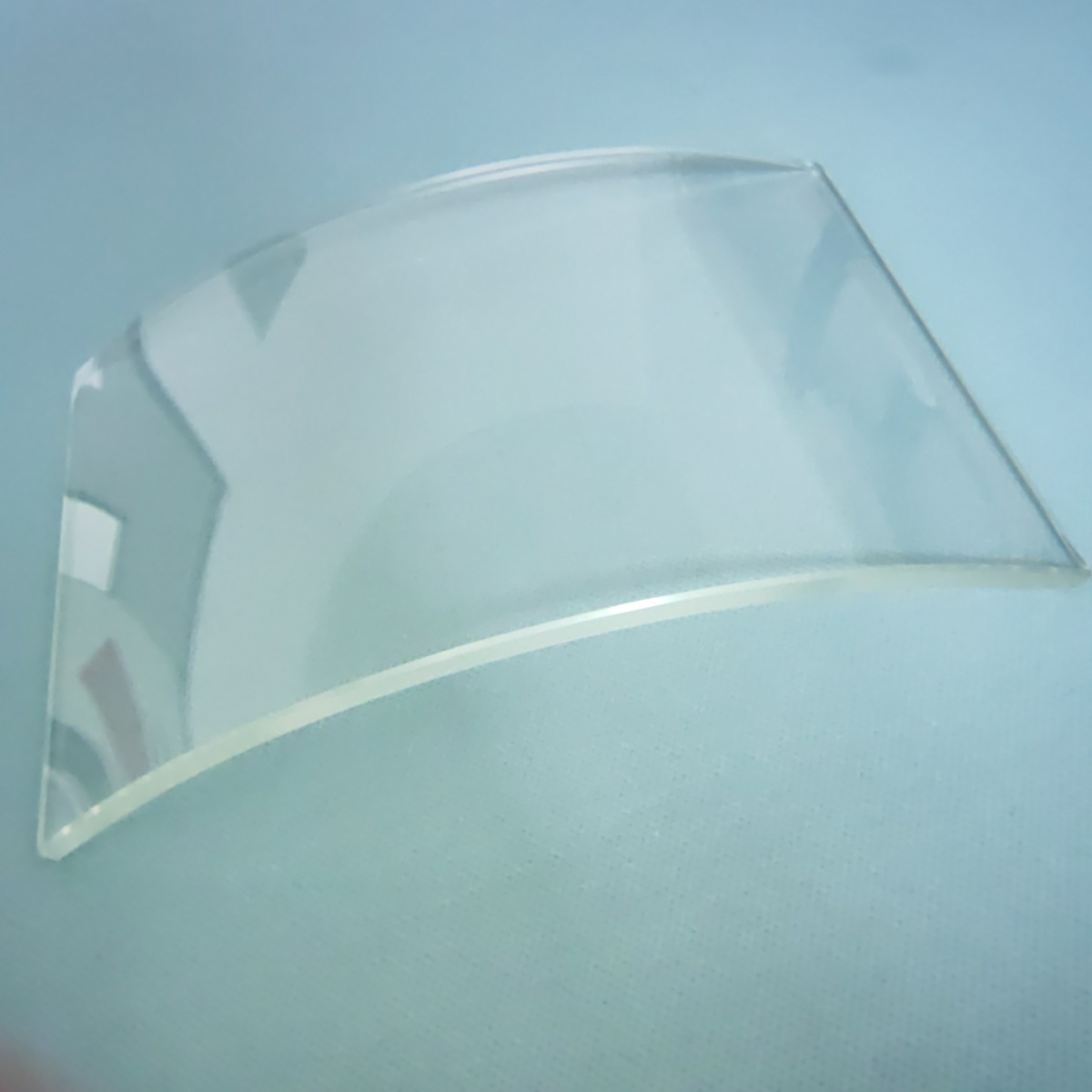
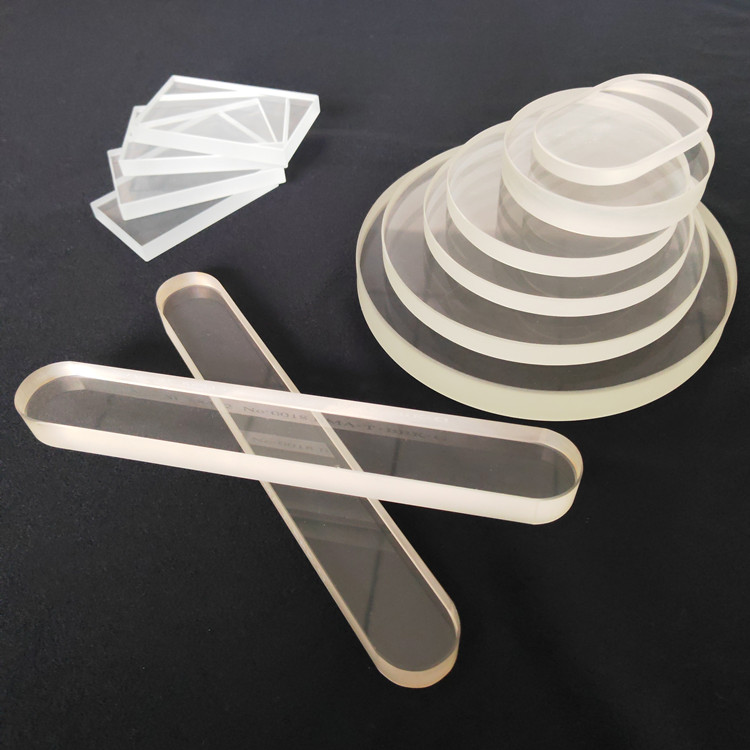
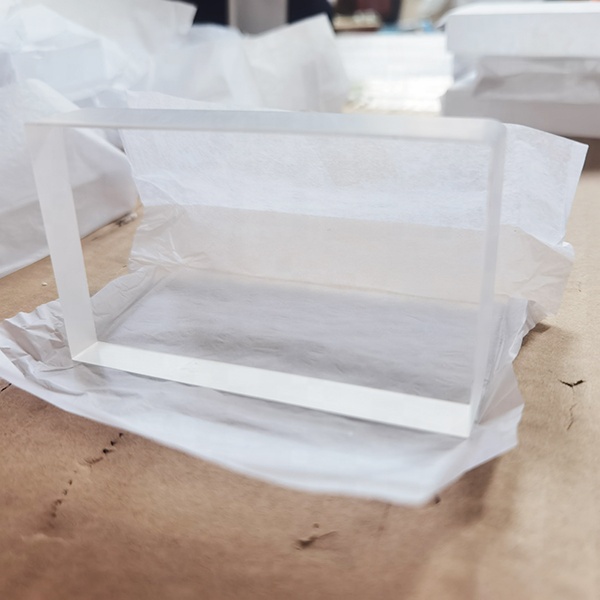
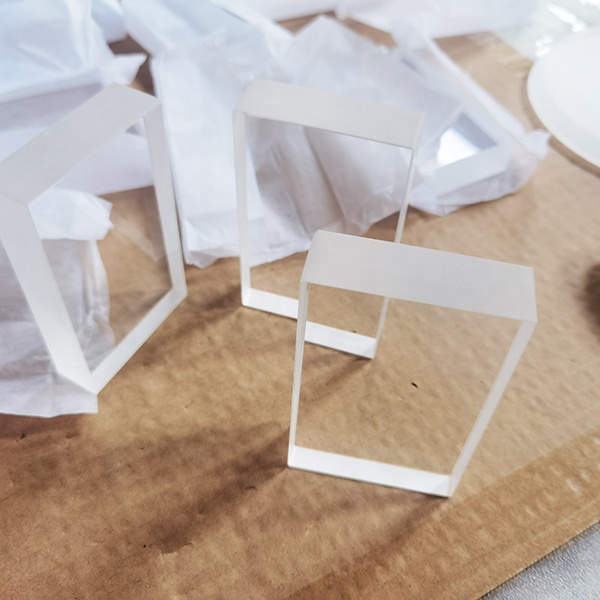
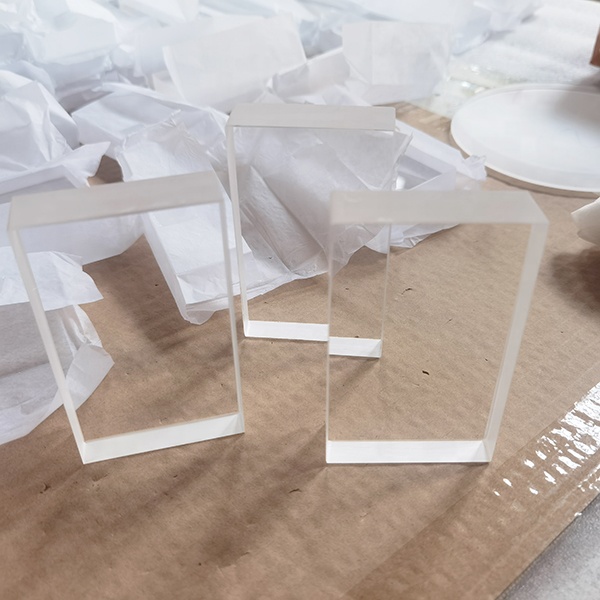
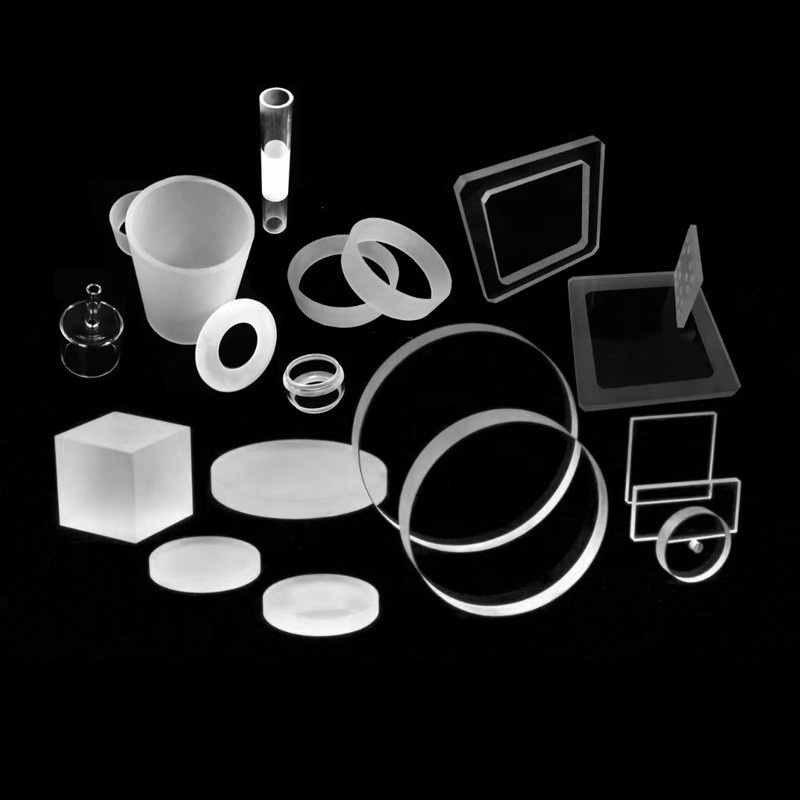
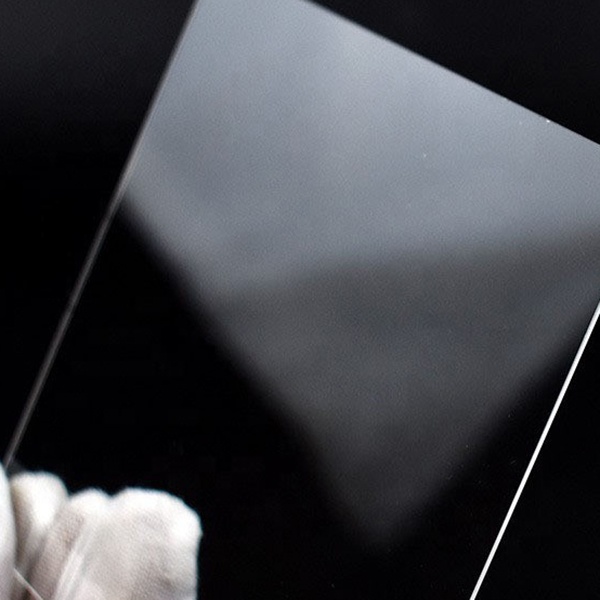
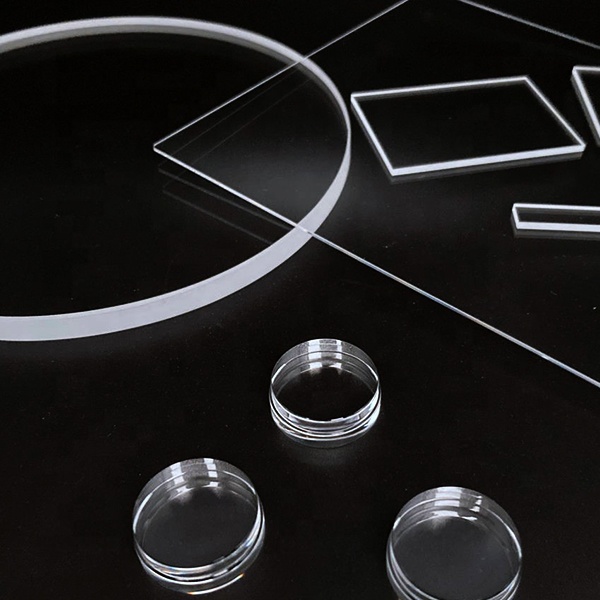
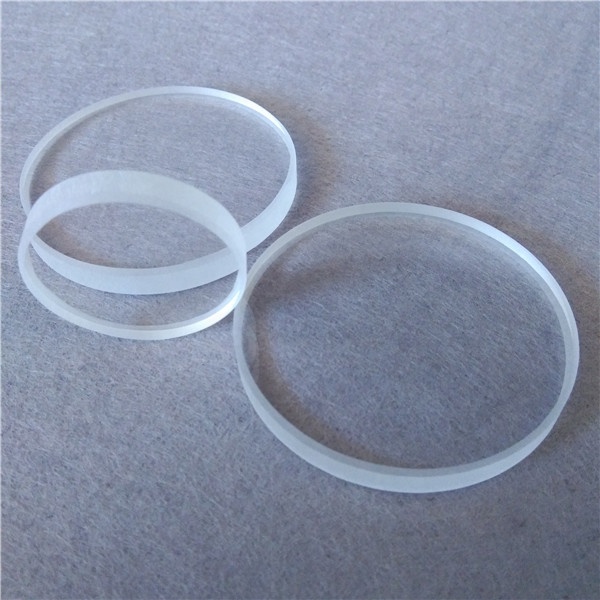
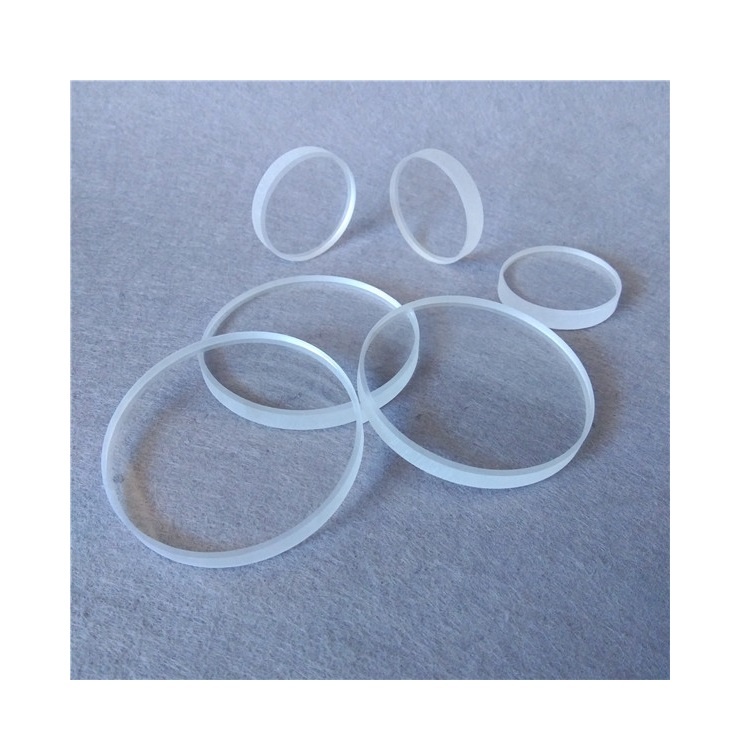
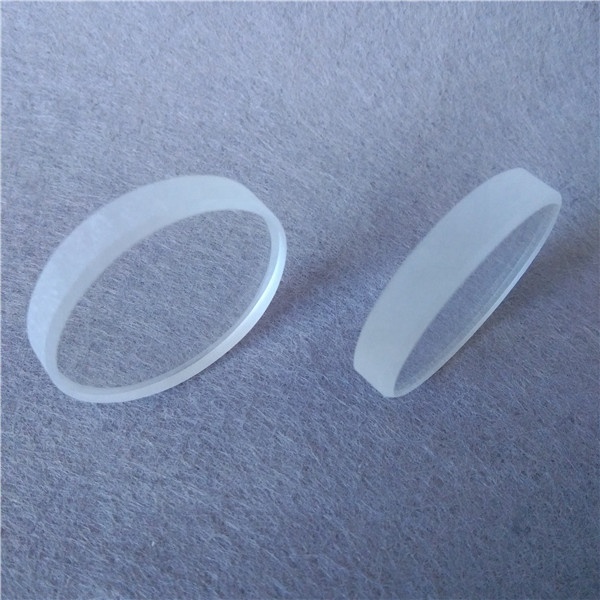
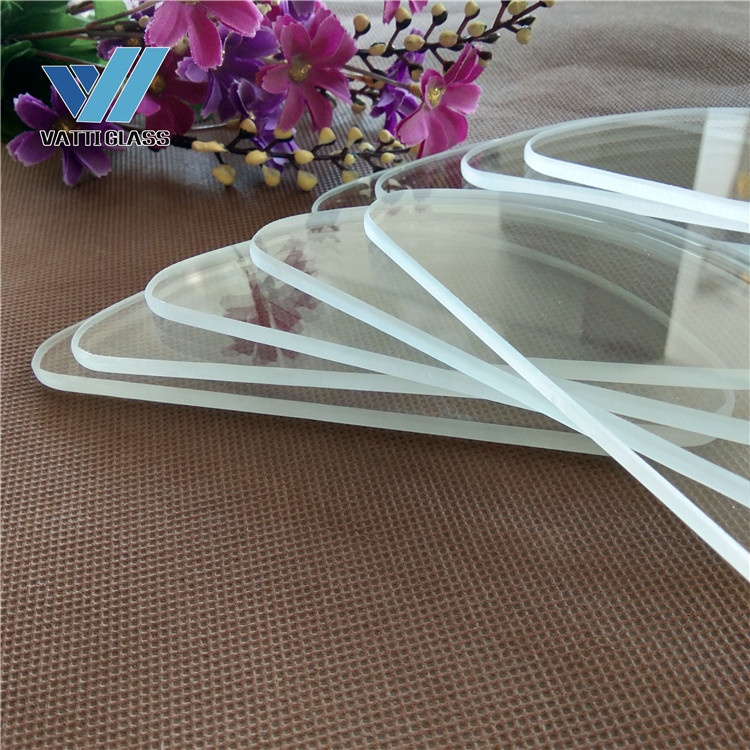
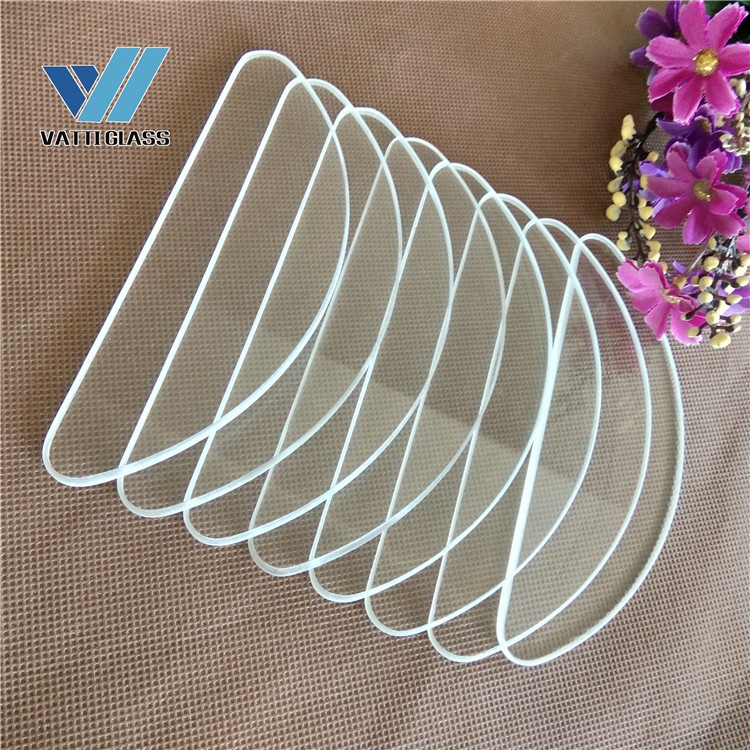
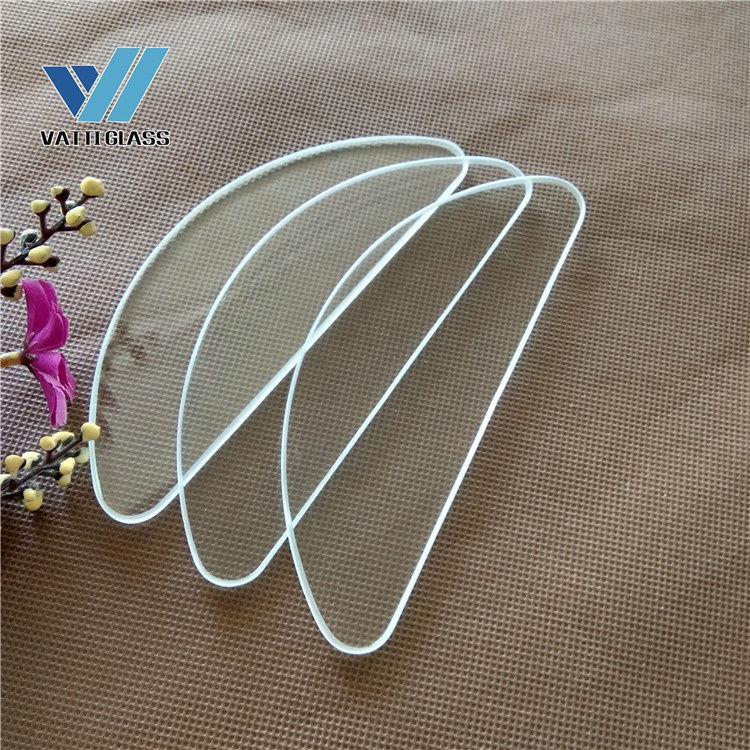
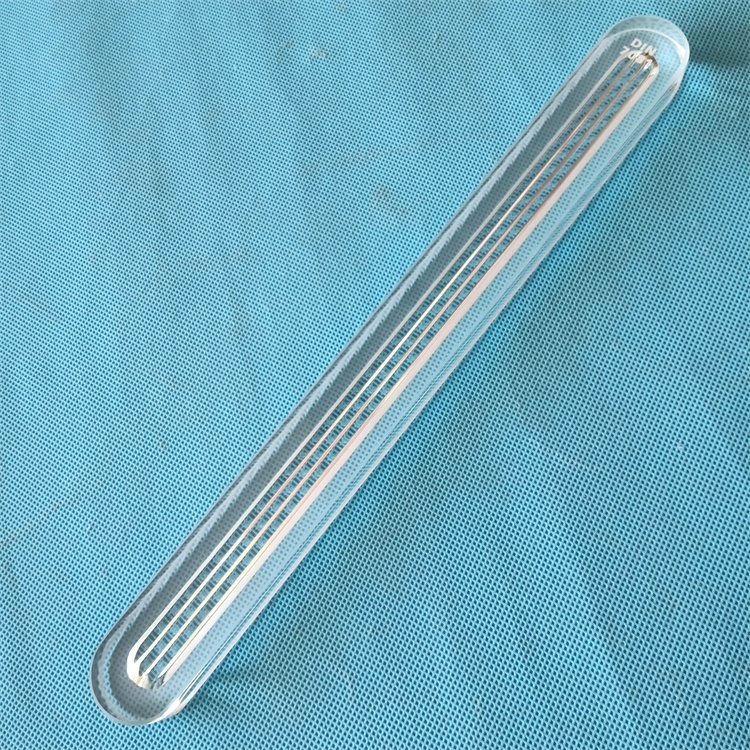
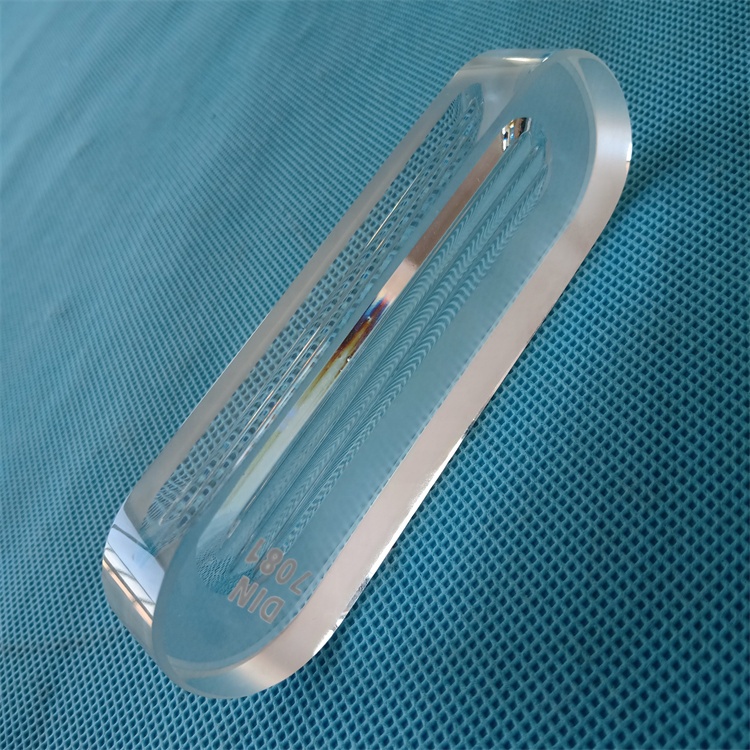
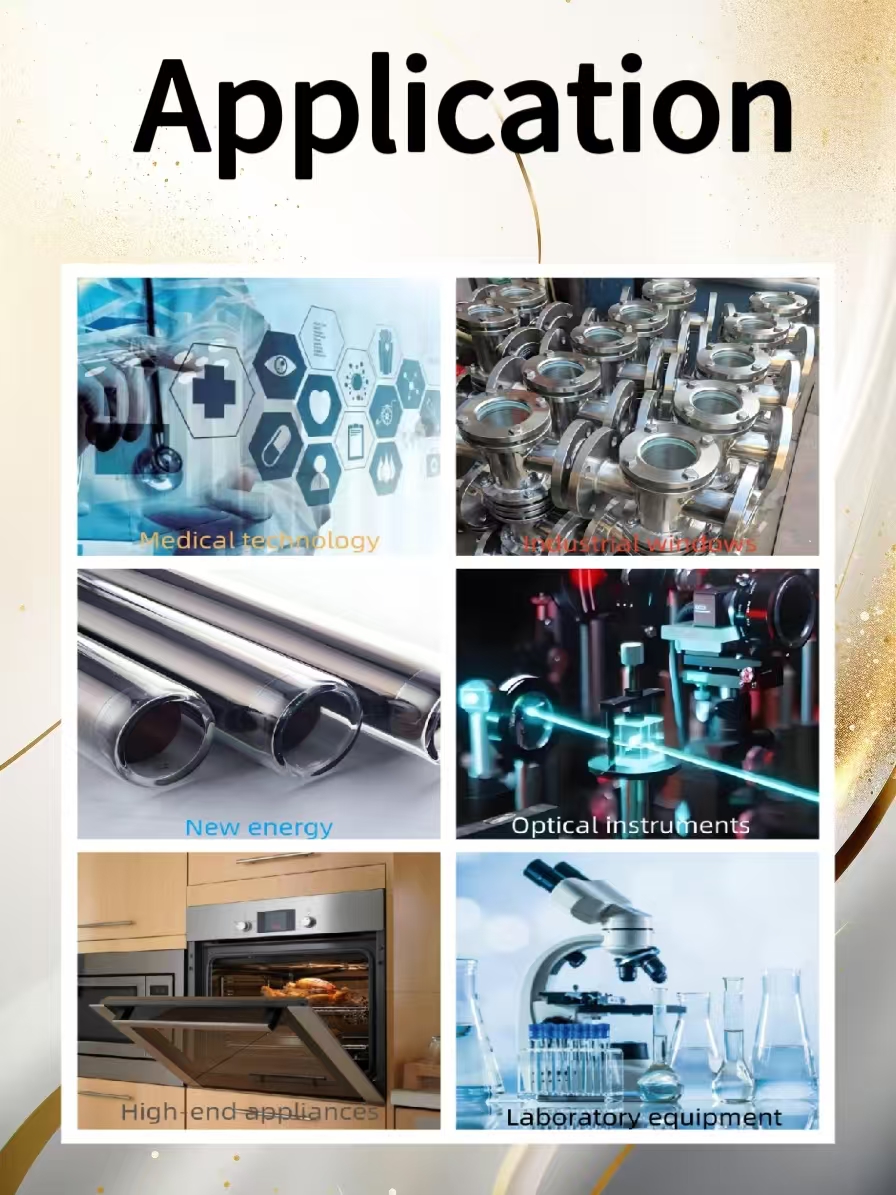
Borosilicate glass is a kind of high-temperature and thermal shock-resistant special glass, which is not easy to crack when exposed to sudden changes in cold and heat, and has strong corrosion resistance and high light transmittance, and its hardness is far higher than that of ordinary glass. Its excellent performance makes it the core material for laboratoryware, heat-resistant parts of high-end home appliances, precision optical instruments and industrial windows, and is widely used in medical equipment, solar technology and other fields. It is more resistant to extreme temperatures than ordinary glass, and has a lower cost than quartz glass, making it the preferred material for industry that takes into account both safety and practicality.
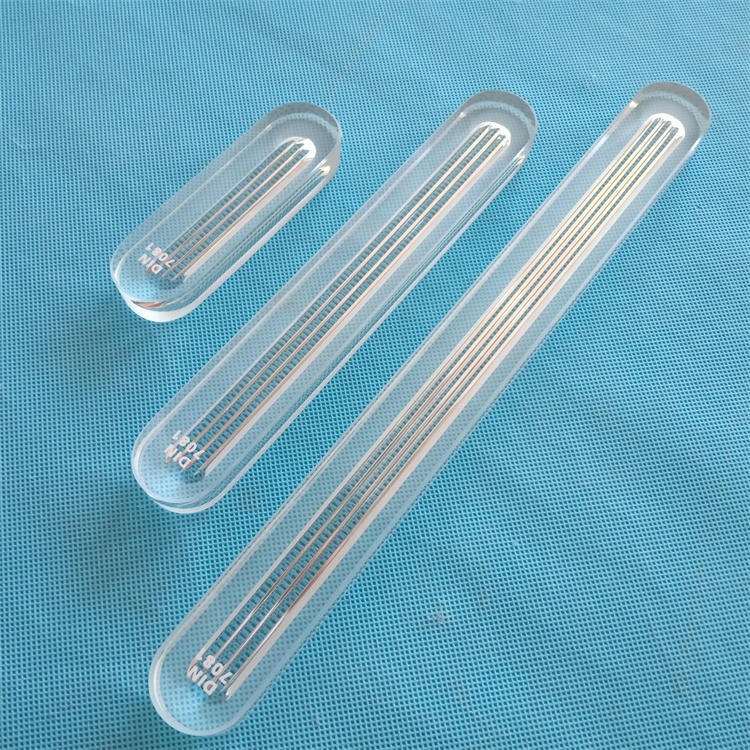

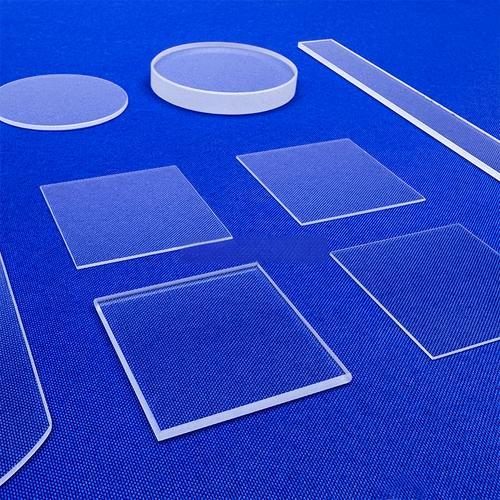

| Density | 2.23 ± 0.02g/cm³ | Modulus of rigidity | 3.1 × 10¹⁰Pa |
| Hardness | >7 | Young's modulus | 63KN/mm³ |
| Tensile strength | 4.8 × 10⁷Pa (N/M²) | Compressive strength | 1200kg/cm² |
| Bulk modulus | 93 × 10³ MPa | Poisson's ratio | 0.18 |
| Thermal expansion coefficient | (0-300℃) (3.3 ± 0.1) × 10⁻⁶K⁻¹ | Coefficient of thermal conductivity | 1.2W × (m × k)⁻¹ |
| Specific heat capacity | (20-100℃) 0.82kJ × (kg × k) | Light transmittance | 92% |
| The refractive index | Nd: 1.47384 | The wavelength | 435.8nm=1.481, 79.9nm=1.4772, 546.1nm=1.4732 |
| Softening point | 810 ± 10 ℃ | The resistivity 1gρ | 250℃ 8.0Ω × cm |
| Dielectric coefficient ε | 4.7 | Dielectric strength | 5 × 10⁷V/M |
| Dielectric loss factor | tanσ (MC 20℃) ≤ 38 × 10⁻⁴ | ||
| Resistance to cold and hot shock | 280℃ | Continuous working temperature | ≤ 550℃ |