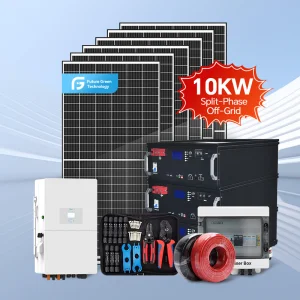
High-performance modules engineered to deliver maximum yield under India's demanding climatic and utility environments.
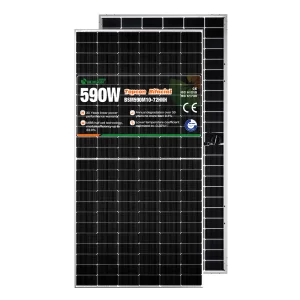

India's renewable energy targets are among the most ambitious globally, aiming to reach 500 GW of non-fossil fuel capacity by 2030, with solar power expected to contribute the lion's share. Within this massive energy transition, the Commercial and Industrial (C&I) sector has emerged as a primary catalyst. Facing rising grid tariffs, which range from INR 7.00 to INR 11.00 per kWh depending on the state, Indian corporations, industrial parks, and manufacturing clusters in states like Maharashtra, Tamil Nadu, Gujarat, and Karnataka are turning to on-site solar systems. By adopting solar energy, these companies can secure long-term operational savings of up to 40-60%.
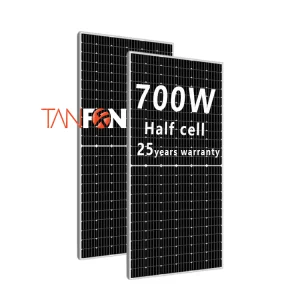
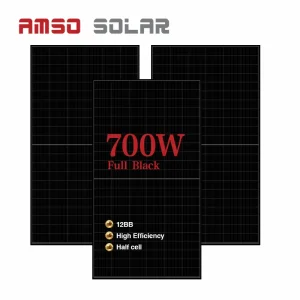
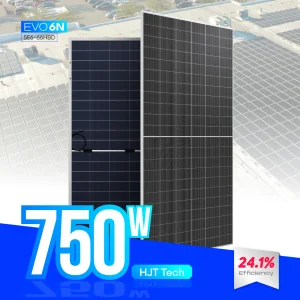
However, navigating the Indian solar sector requires a deep understanding of local regulatory frameworks, grid compliance standards, and climatic challenges. From net-metering caps set by various state electricity regulatory commissions (SERCs) to the complexities of cross-subsidy surcharges under open-access regulations, commercial buyers must carefully evaluate their system designs. Implementing higher wattage modules, such as 600W and 700W TOPCon or Heterojunction (HJT) panels, is crucial. These modules enable developers to maximize power output within restricted rooftop footprints, offsetting higher balance of system (BOS) and installation costs.
The Indian subcontinental climate is characterized by intense solar irradiance, but it is also prone to extreme ambient heat. Standard solar panels suffer from significant power degradation as operating temperatures rise. In places like Rajasthan, Gujarat, and parts of Central India, summer cell temperatures frequently exceed 65°C. Under these harsh conditions, traditional p-type PERC panels degrade quickly due to their higher negative temperature coefficient.
N-Type TOPCon (Tunnel Oxide Passivated Contact) and HJT (Heterojunction Technology) panels address this issue with superior temperature coefficients (typically -0.30%/°C to -0.26%/°C). By maintaining high performance at high temperatures, these N-type modules can deliver 3% to 5% more annual energy yield than conventional alternatives. Additionally, they have a lower degradation rate (less than 0.4% annually over 30 years compared to 0.55% for p-type), which translates to a significantly lower Levelized Cost of Energy (LCOE) for long-term power purchase agreements (PPAs).
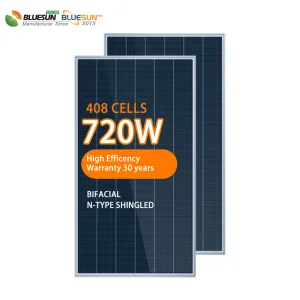
Bifacial modules capture reflected sunlight from the ground (albedo). In sandy or light-colored concrete rooftops across India, this provides up to 25% additional energy yield.
N-type phosphorus doping eliminates Light-Induced Degradation (LID) entirely, ensuring high initial output from day one of deployment.
Generates power earlier in the morning and later in the afternoon, maximizing grid feed-in and matching peak industrial demand curves.
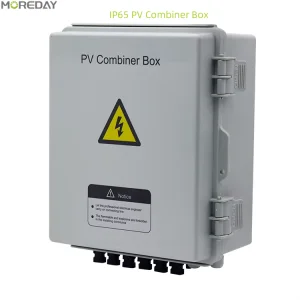
Essential components to ensure complete reliability, safety, and seamless integration with the local electrical grid.
Anhui Aryam Energy Co., Ltd. is a global leader in high-performance solar technology, specializing in the research, development, and distribution of state-of-the-art clean energy systems.
Anhui Aryam Energy Co., Ltd. is a leading provider of advanced renewable energy solutions, dedicated to delivering reliable, efficient, and sustainable power systems for residential, commercial, industrial, and utility-scale applications worldwide. Through continuous innovation and a strong commitment to clean energy development, Aryam Energy has established itself as a trusted partner in the global transition toward a low-carbon future.
The company specializes in the research, development, manufacturing, and integration of solar energy systems, energy storage solutions, hybrid power systems, and intelligent microgrid technologies. Leveraging cutting-edge engineering expertise and strict quality management standards, Aryam Energy provides comprehensive energy solutions tailored to diverse market needs, particularly in regions facing energy shortages, unstable grid infrastructure, or increasing demand for sustainable power generation.
With a professional R&D team and a growing portfolio of proprietary technologies, Aryam Energy continuously invests in innovation to enhance system performance, energy efficiency, and long-term reliability. Its products and solutions are designed to meet international standards and have been successfully deployed across Asia, Africa, the Middle East, Europe, and Latin America, serving customers in more than 100 countries and regions.
Aryam Energy's product portfolio includes solar inverters, energy storage systems, hybrid inverters, lithium battery solutions, solar water pumping systems, microgrid systems, and customized renewable energy projects. The company is committed to providing integrated energy solutions that maximize energy independence, reduce operational costs, and support environmental sustainability.
Driven by the vision of becoming a globally recognized clean energy technology leader, Aryam Energy actively collaborates with distributors, EPC contractors, government agencies, international organizations, and development partners to promote renewable energy adoption worldwide. Through its mission of "Empowering Sustainable Energy for a Better Future," the company strives to create long-term value for customers while contributing to global carbon reduction goals and sustainable social development.
By combining technological innovation, product excellence, and customer-centric service, Anhui Aryam Energy Co., Ltd. continues to deliver smart, reliable, and environmentally responsible energy solutions that help build a greener and more sustainable world.
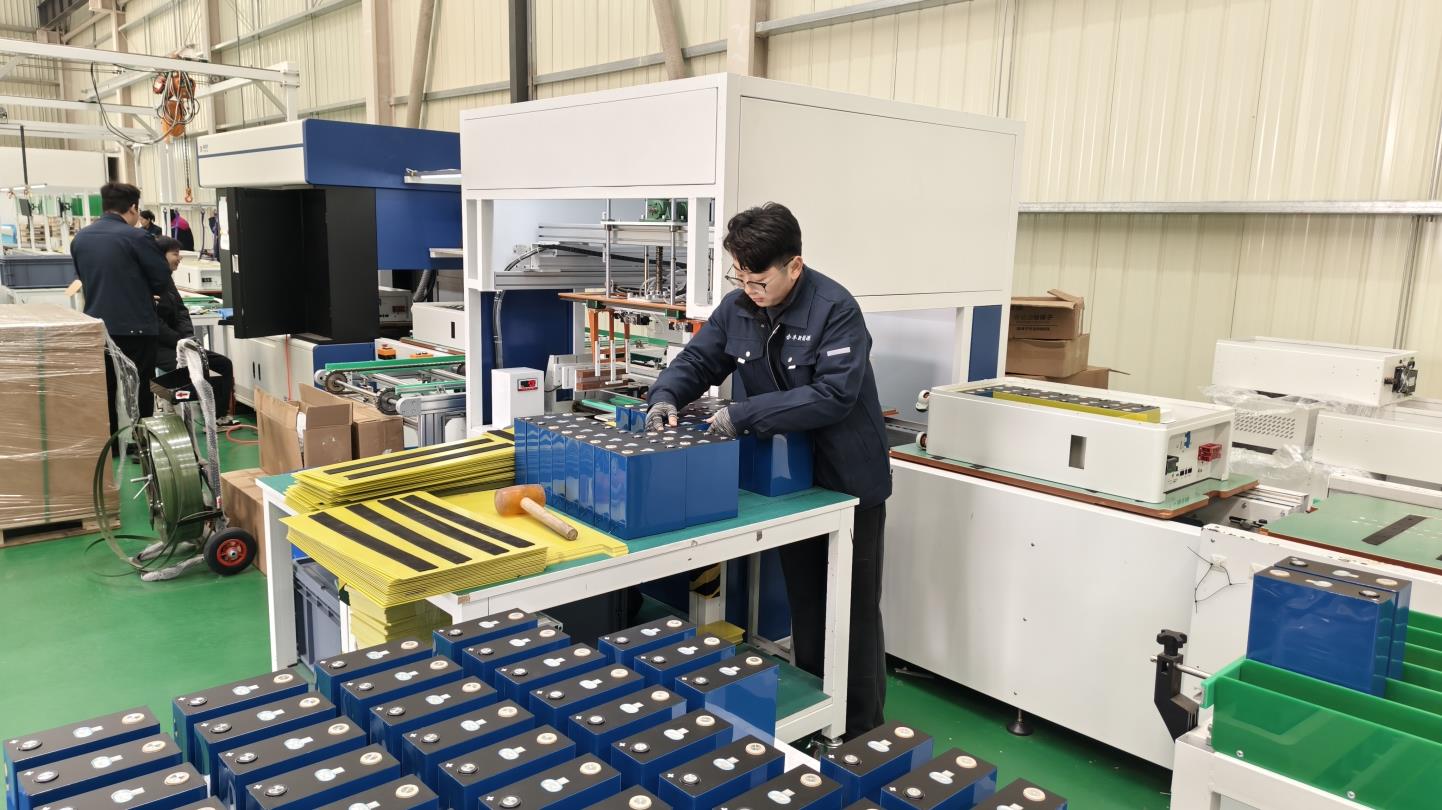
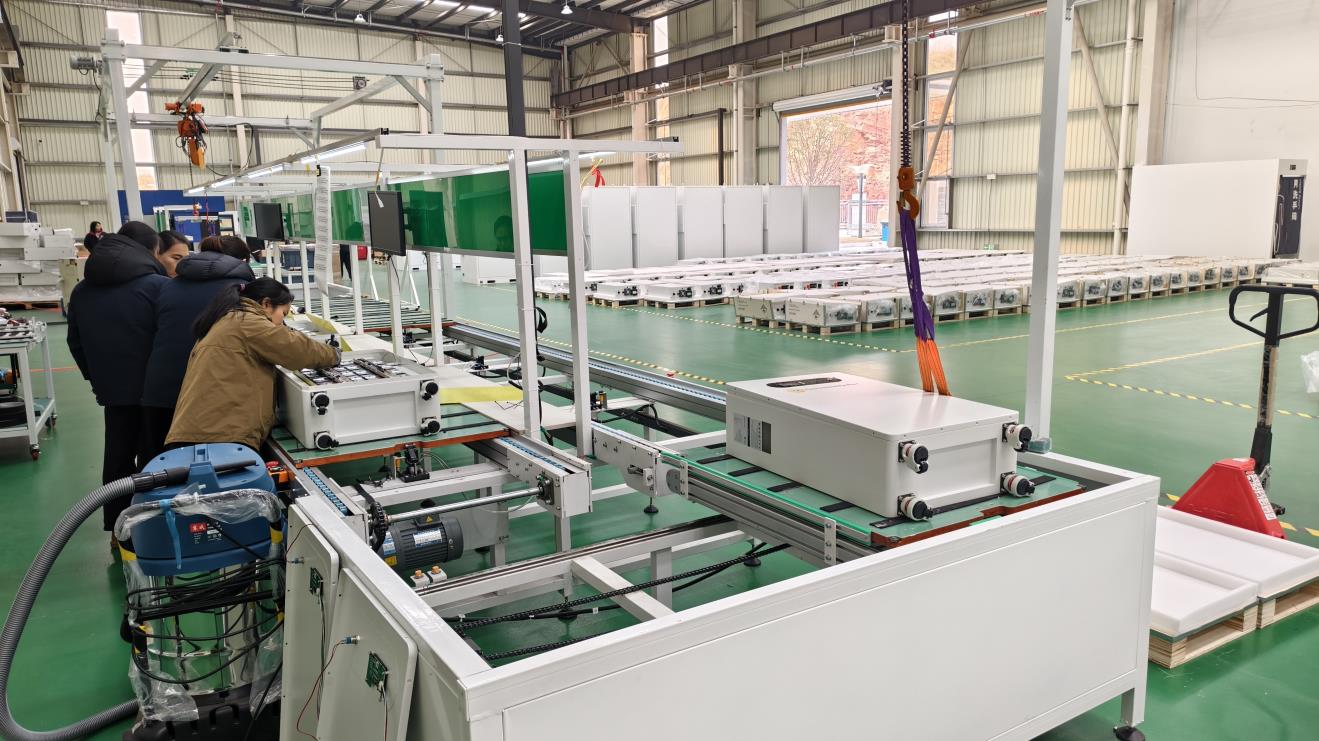
Every phase of our production cycle, from raw material sourcing to packaging, is managed to meet strict international standards.
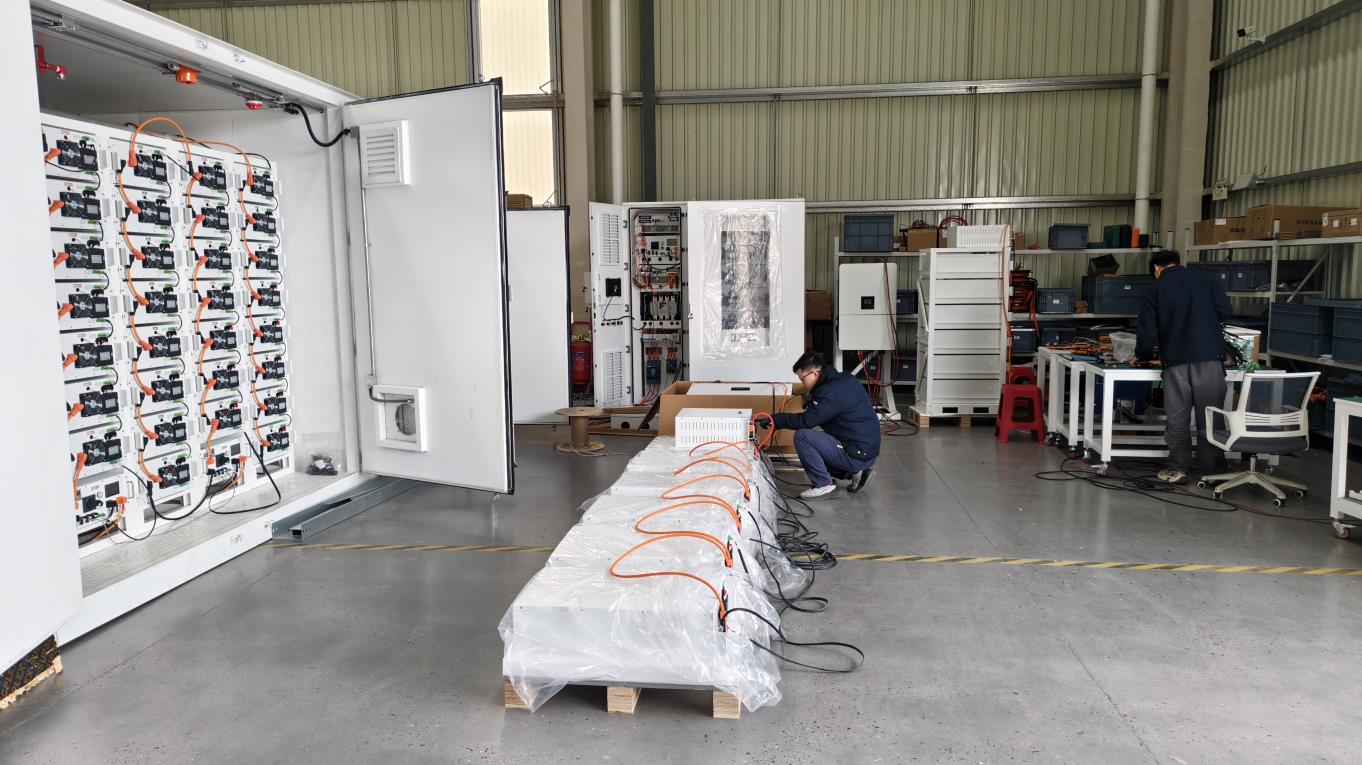
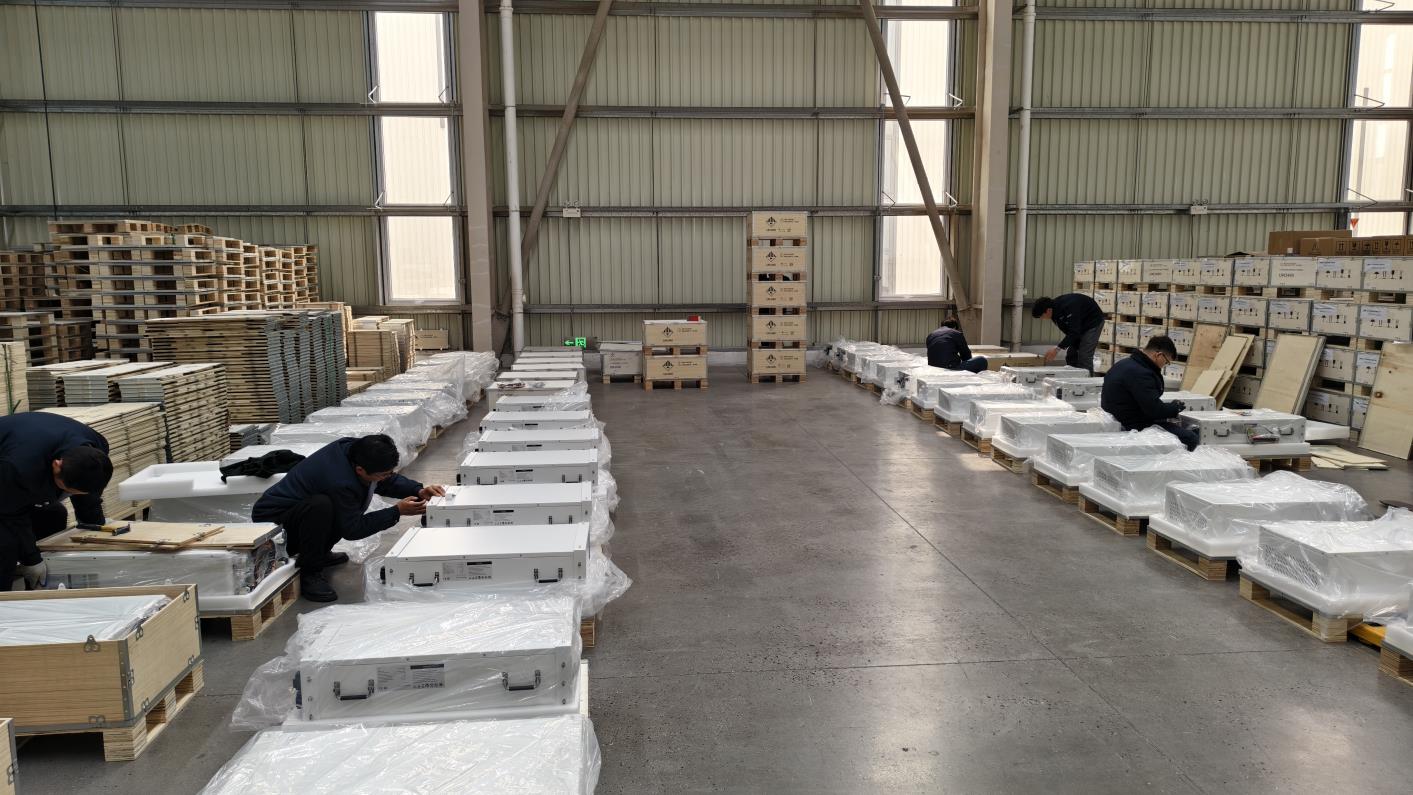
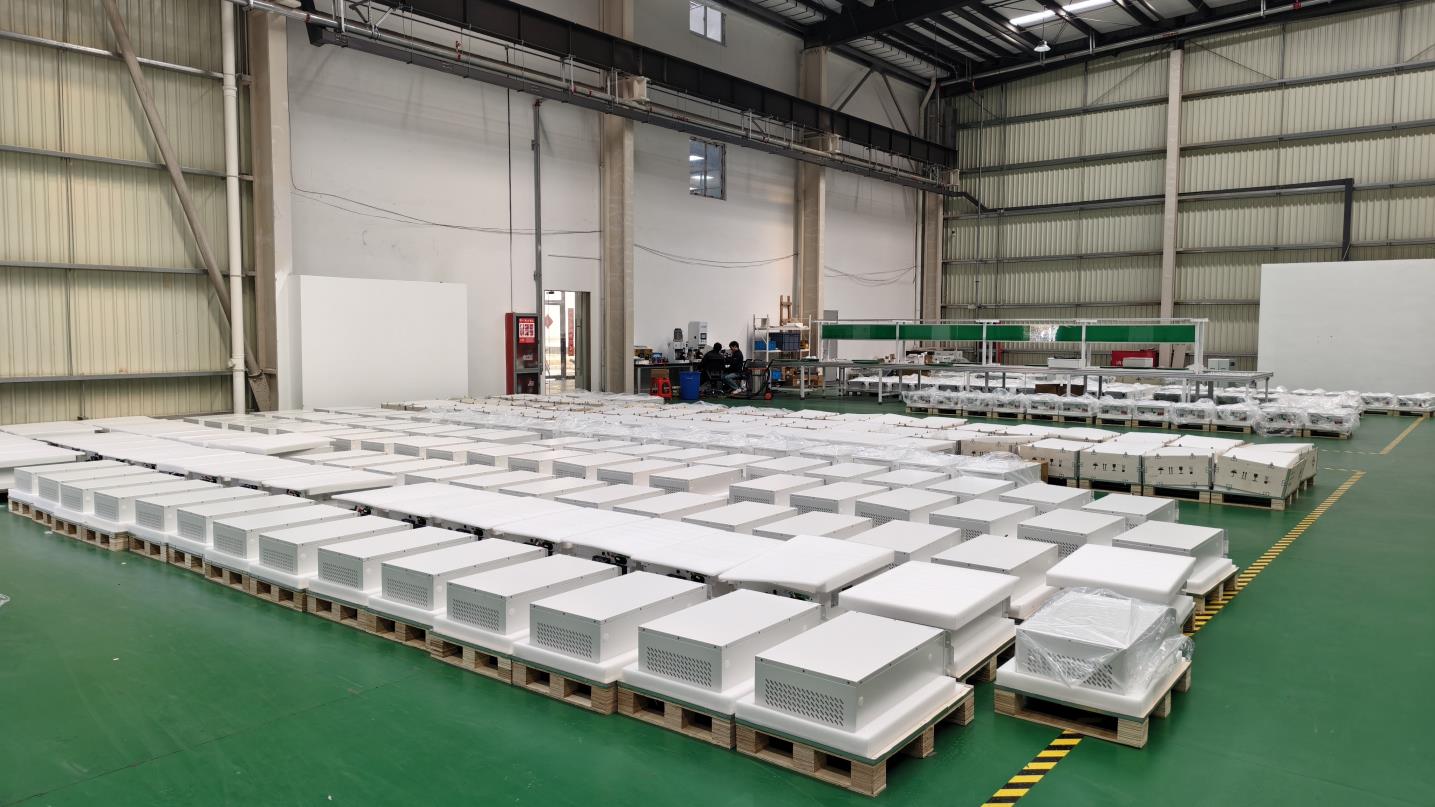
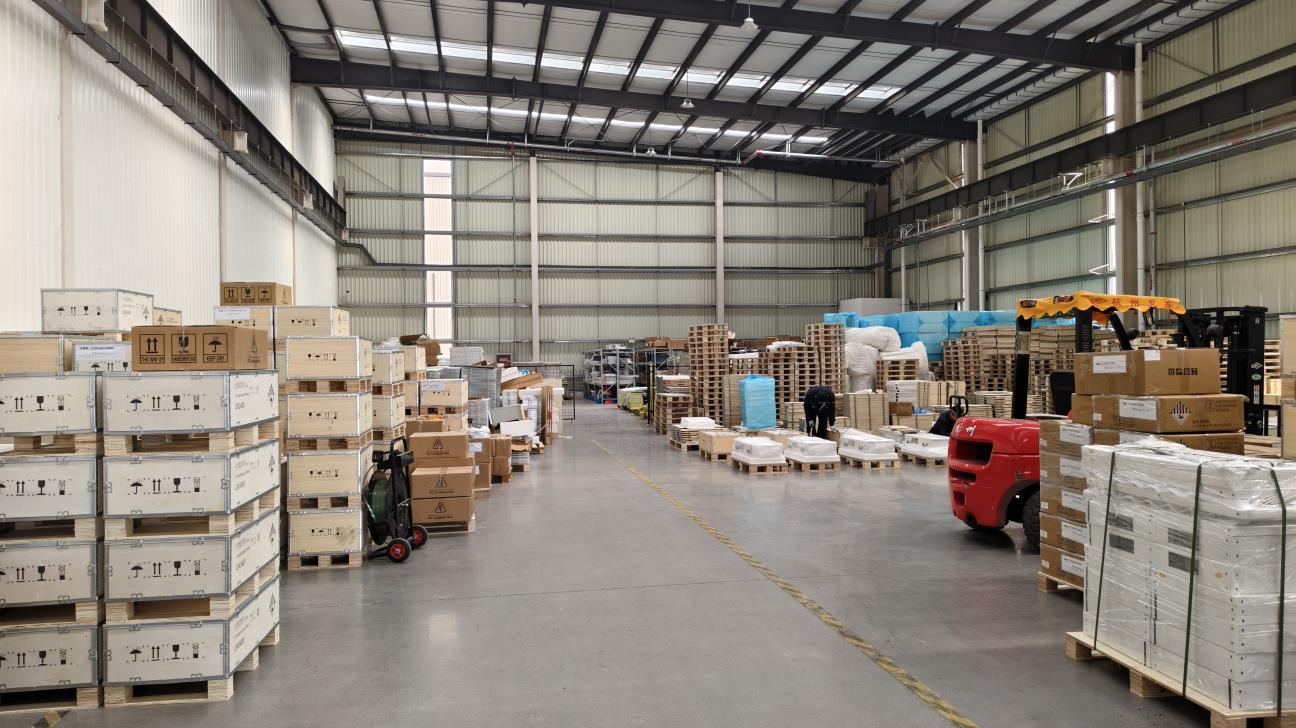
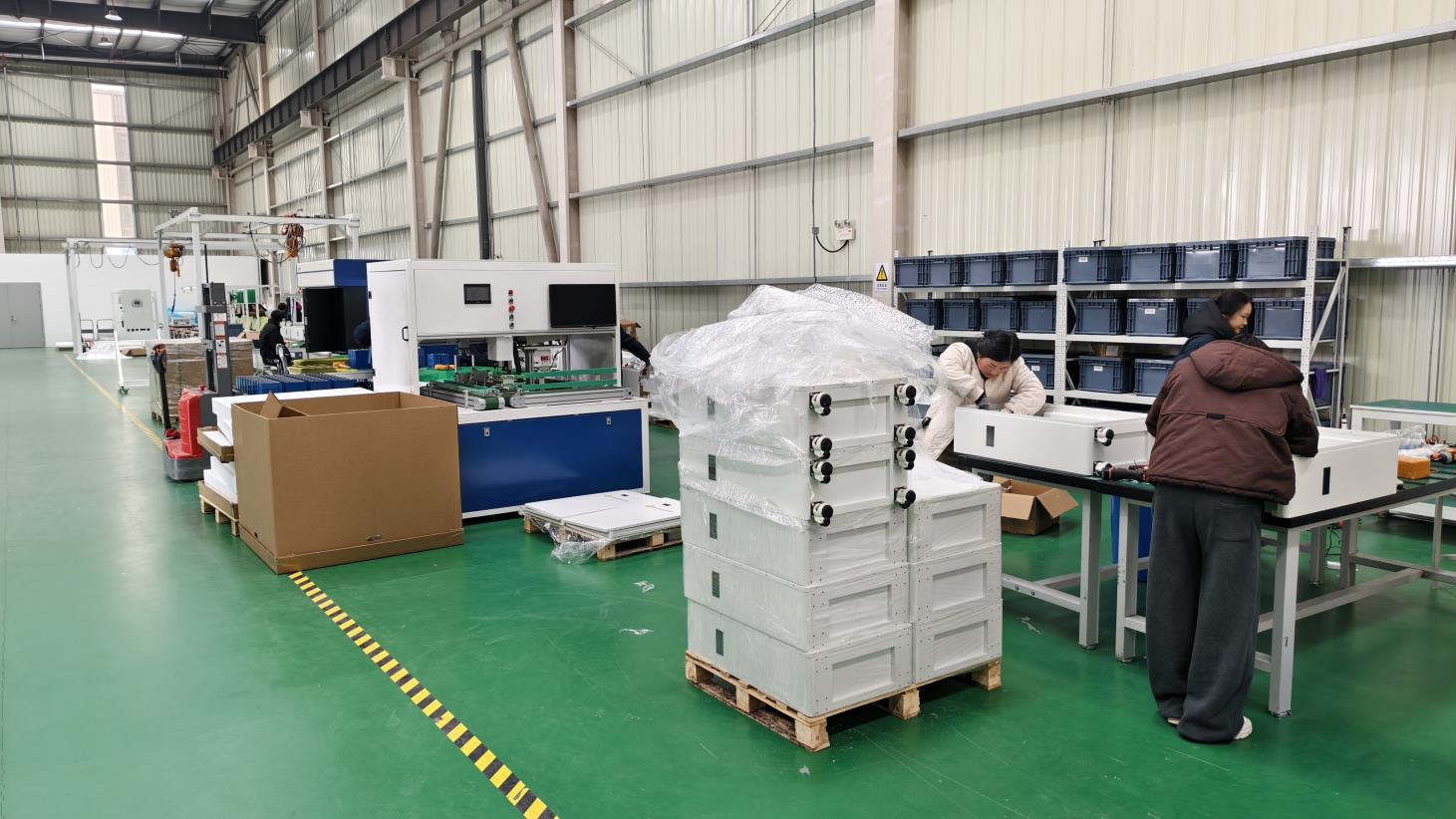
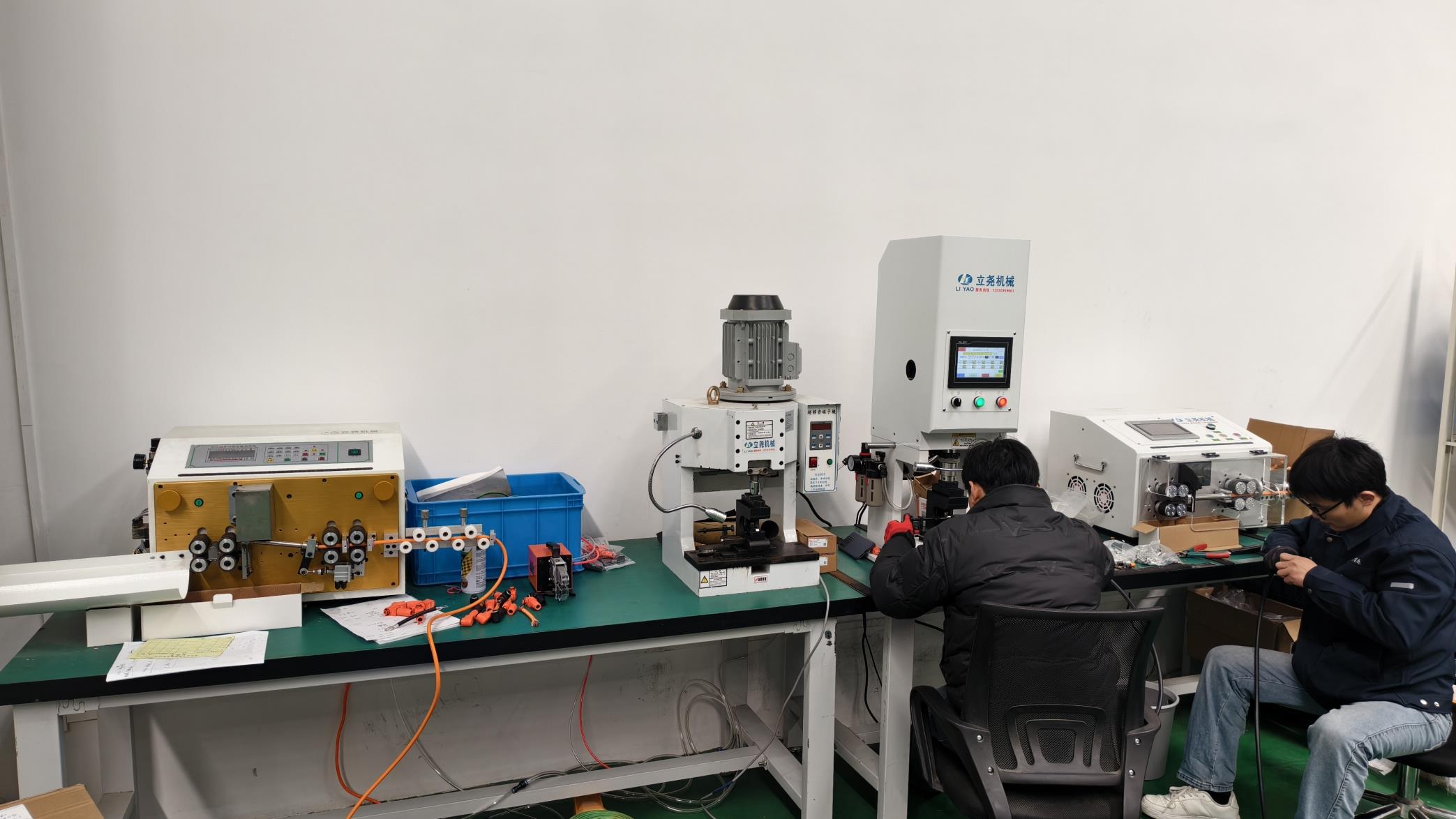
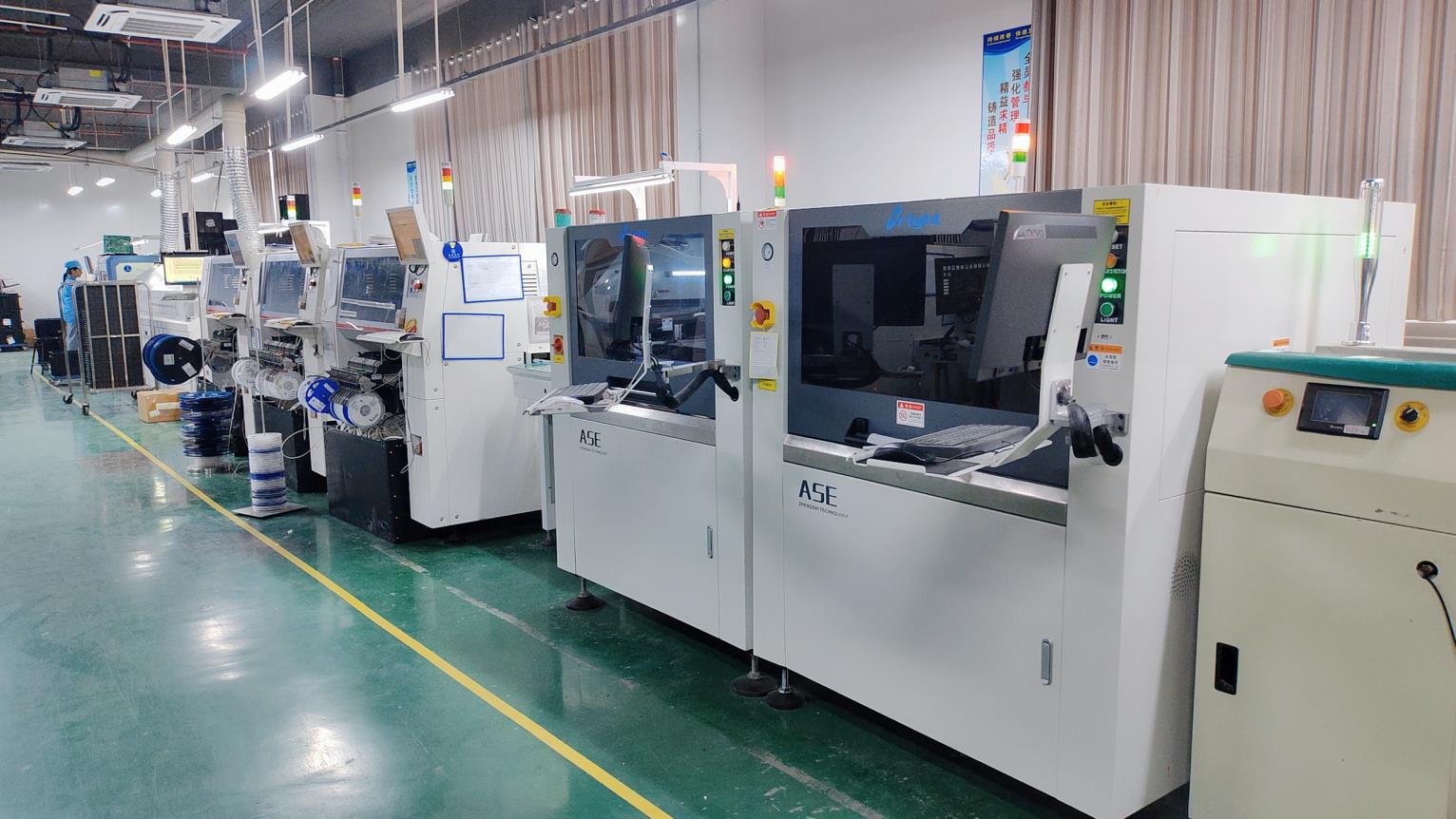
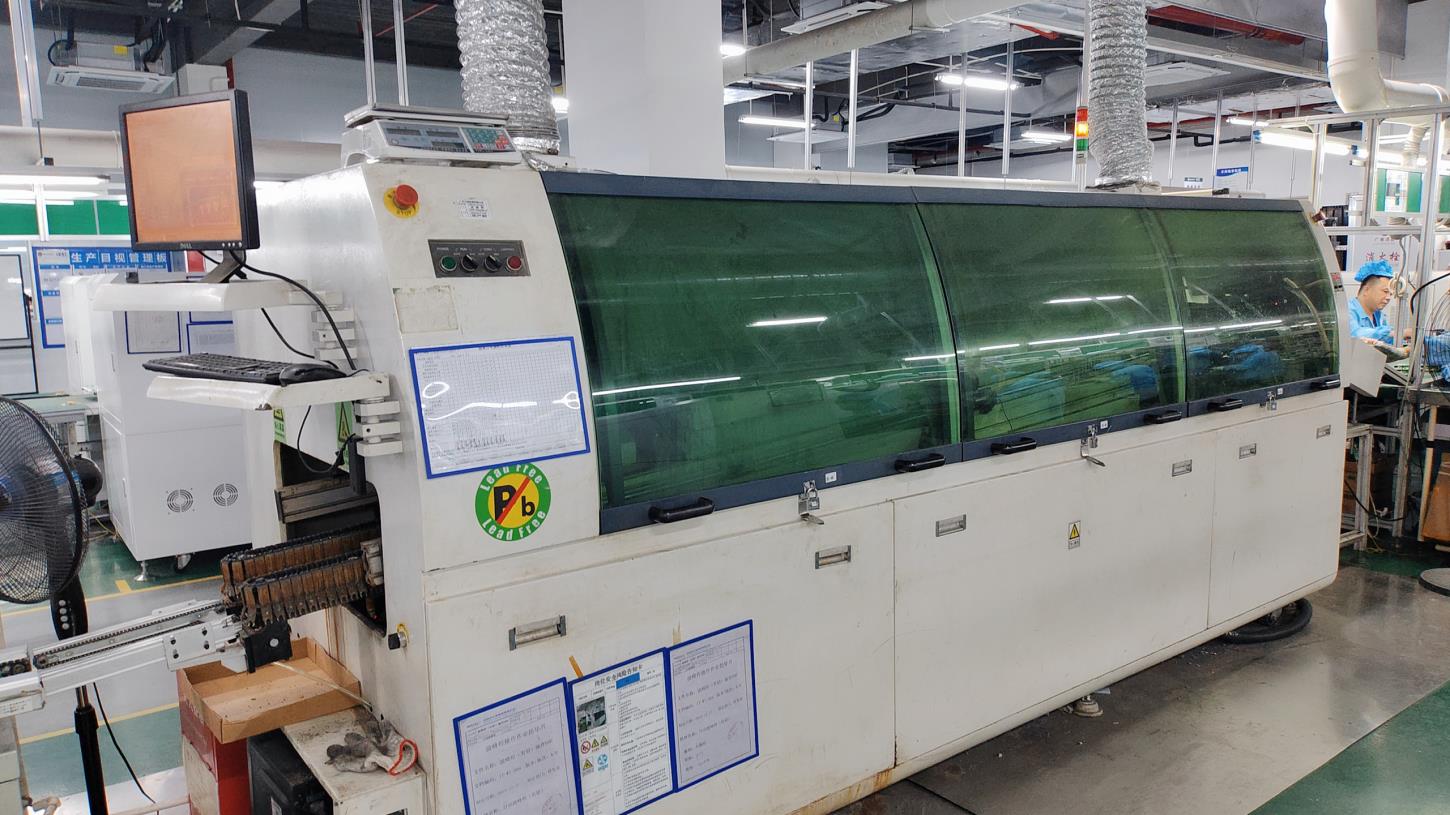
The regulatory framework for importing solar modules into India is strict. Compliance is crucial for developers seeking public tenders, state-subsidized projects, or grid connectivity. The Bureau of Indian Standards (BIS) requires foreign manufacturers to undergo rigorous testing at accredited labs before registering modules. These tests ensure safety, durability, and reliability under conditions of high voltage and thermal stress.
Additionally, the Ministry of New and Renewable Energy (MNRE) monitors quality through the Approved List of Models and Manufacturers (ALMM). This policy is designed to encourage domestic manufacturing, making it critical for foreign suppliers to form local joint ventures, establish customs clearances, and configure tax strategies. As a reliable partner, Aryam Energy works closely with local EPC companies and project developers to navigate Basic Customs Duty (BCD) requirements, providing transparent shipping documents and certificates.
Industrial buyers require more than high-performance equipment; they need a stable supply chain and end-to-end transparency. From initial engineering drawings and bill of materials (BOM) audits to container packaging and marine shipping tracking, every detail must be planned. When exporting to major Indian hubs like Nhava Sheva (Mumbai), Chennai, Mundra, or Tuticorin ports, shipping schedules and demurrage mitigation are key.
To meet these needs, we use heavy-duty shipping containers designed to handle maritime humidity and prevent mechanical stress during sea transit. We provide comprehensive quality inspection reports, EL (Electroluminescence) testing profiles before shipping, and flash test data sheets for every module. This ensures that the panels delivered to the project site match the precise electrical parameters of the system design.
Solar installations face localized environmental challenges across the Indian subcontinent:
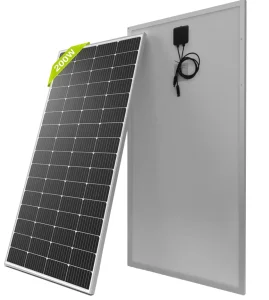
High-efficiency double-sided generation panels designed to reduce Levelized Cost of Energy (LCOE).
Key information on purchasing, shipping, certifications, and technical specifications for the Indian market.
 Aryam Energy