
Ethiopia stands at the threshold of a historical green transition. Backed by the National Electrification Program (NEP 2.0), the Ethiopian government aims to achieve 100% electricity access for all citizens by 2025. With grid-based extensions targeted at 65% of the population, the remaining 35% of energy access must be delivered via decentralized solar systems, solar microgrids, and off-grid configurations.
Geographically located within the Tropics, Ethiopia boasts extraordinary solar resource potential. The country experiences an average daily solar irradiance of 5.2 to 6.5 kWh/m²/day. This represents a robust climate profile for high-yield solar energy plants. However, the high-altitude environments (e.g., Addis Ababa at 2,300m above sea level) require advanced module engineering to combat high ultraviolet exposure, lower air densities, and specific temperature-coefficient shifts.
Furthermore, the expansion of the country's multi-million-dollar Commercial and Industrial (C&I) zones, such as Hawassa Industrial Park and Bole Lemi, requires highly reliable clean energy infrastructures. Businesses and factories operating within these hubs face substantial commercial losses during grid brownouts. Distributed rooftop systems, hybridized with advanced battery energy storage systems (BESS), represent a vital tool for private companies aiming to maintain high productivity.
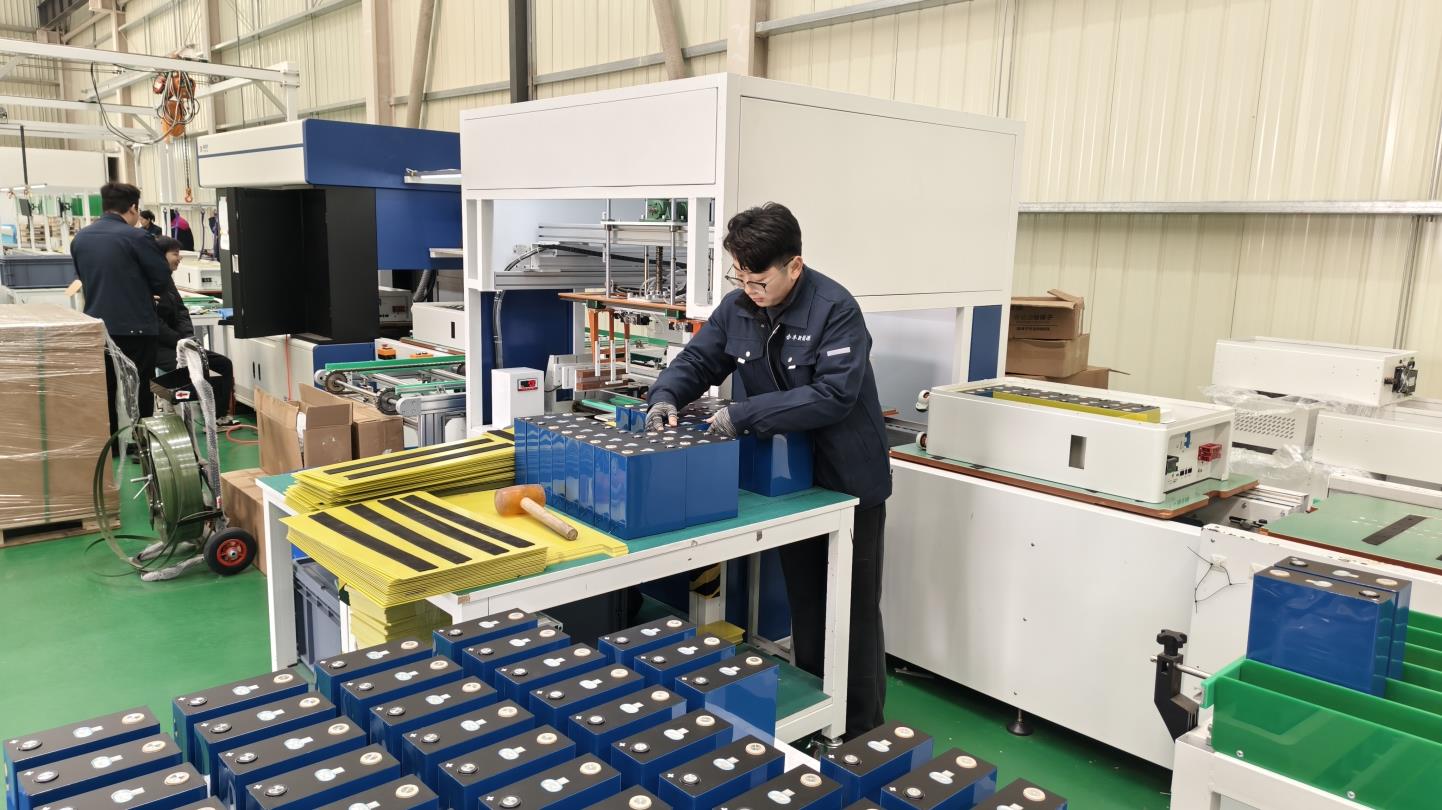
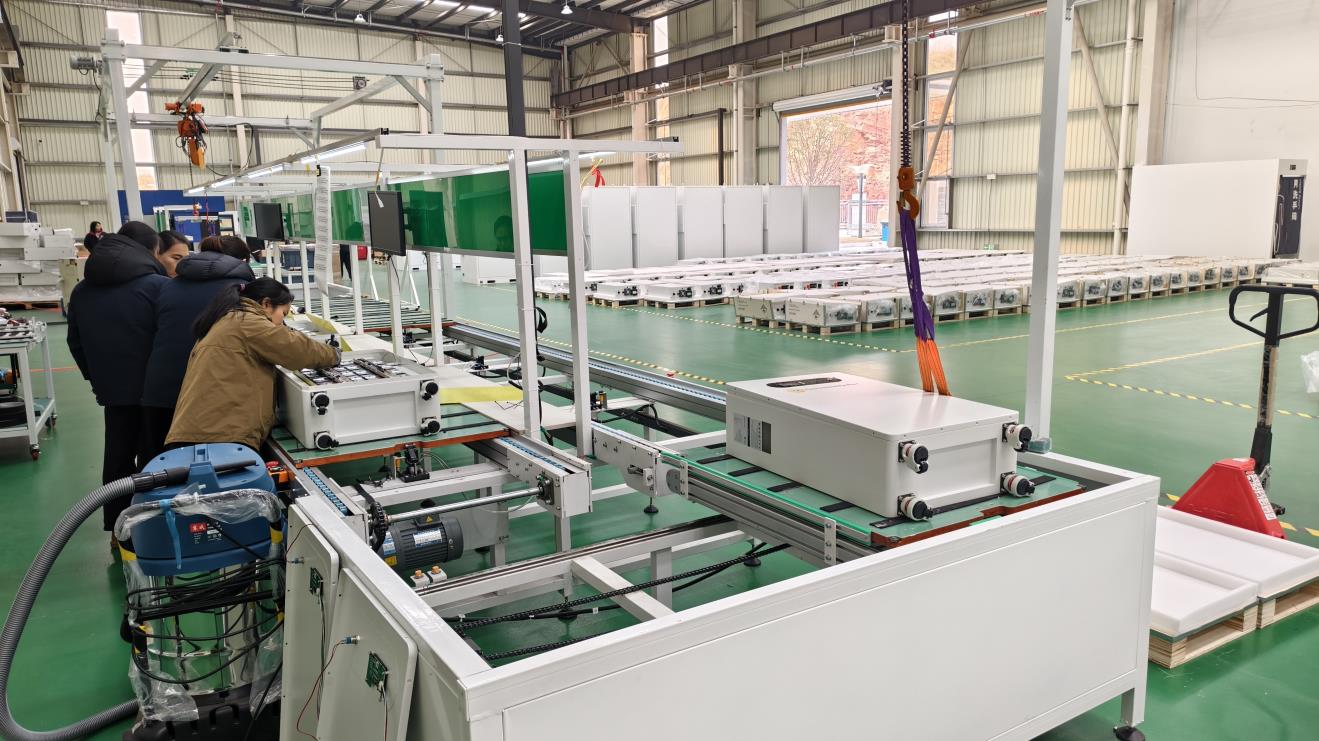
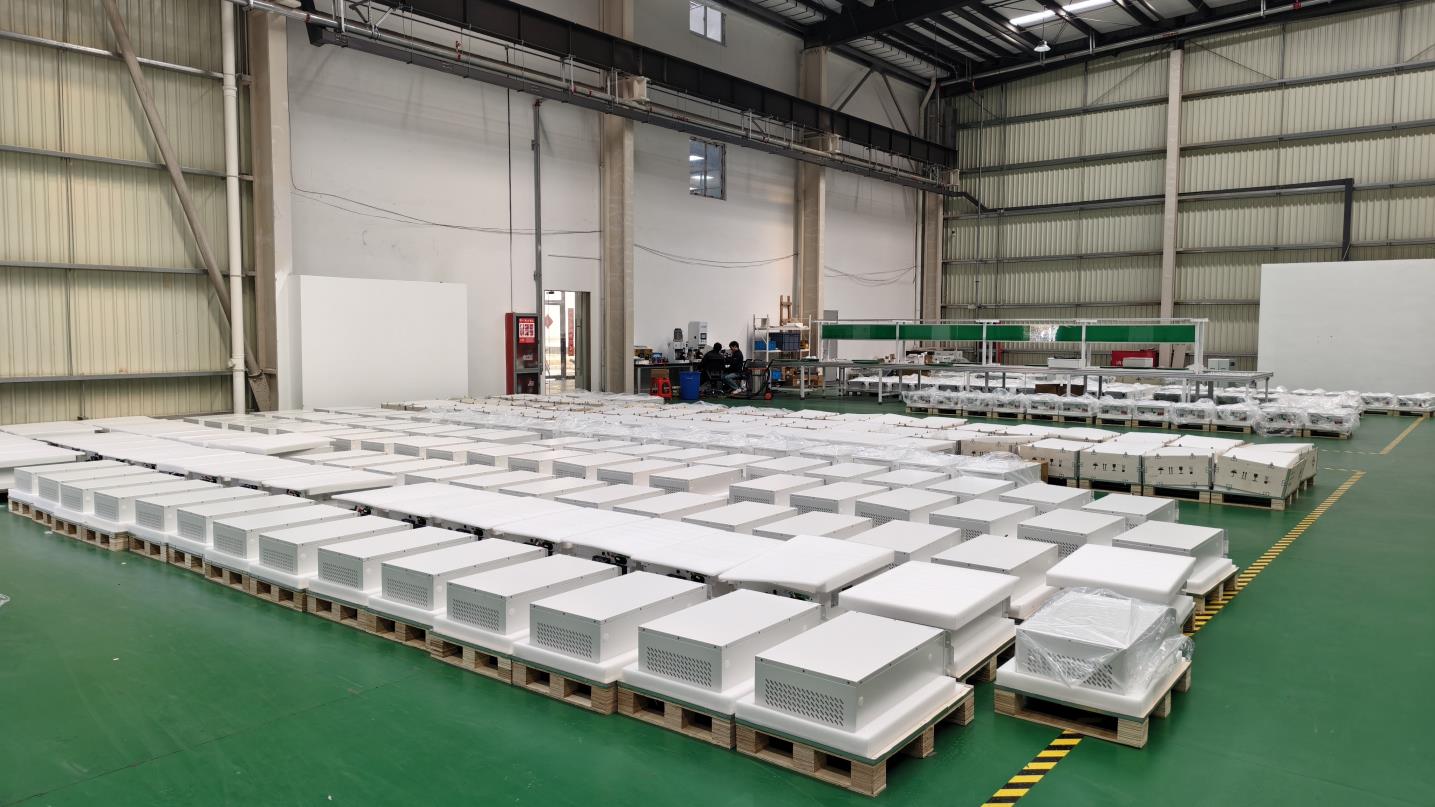
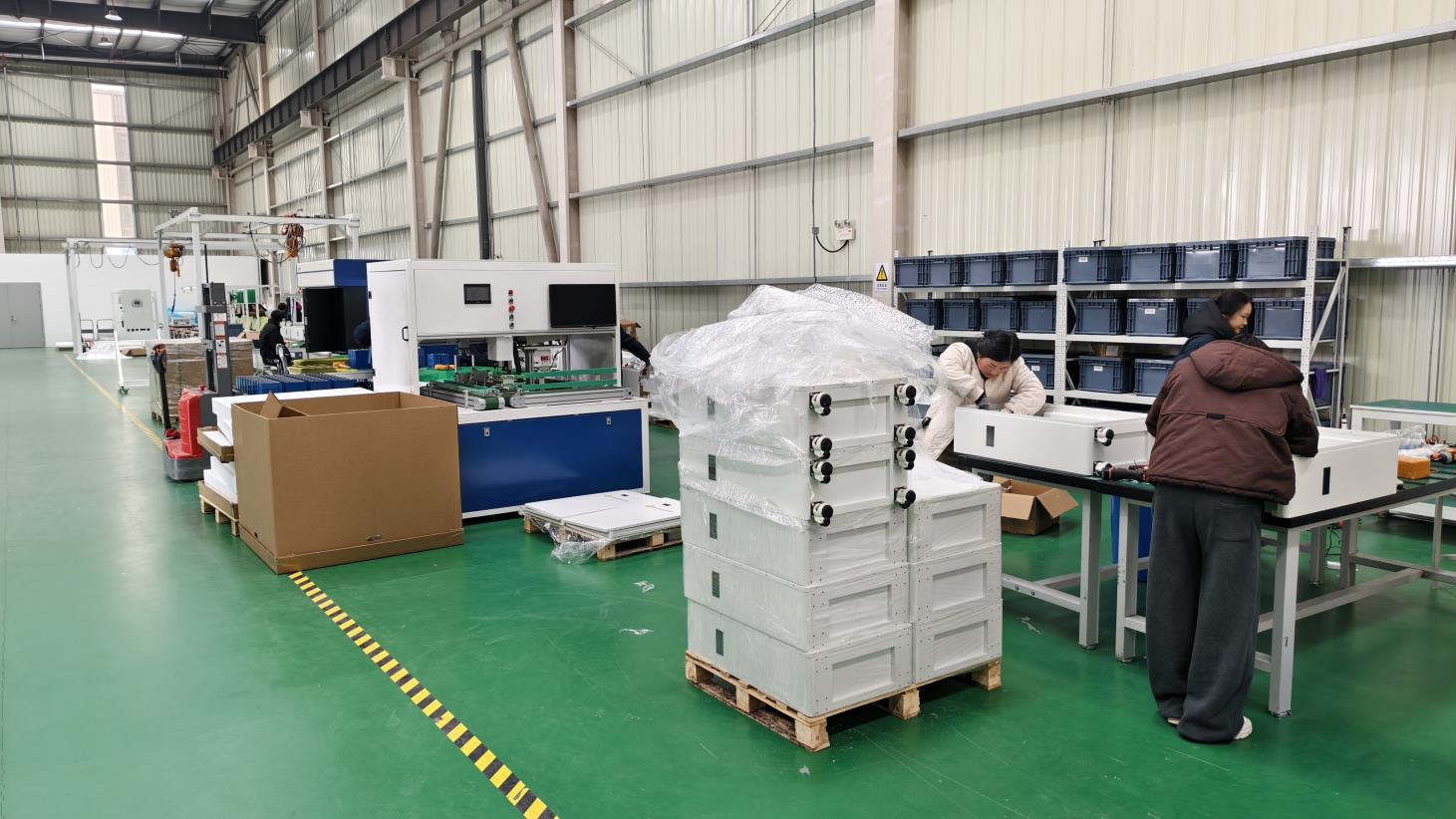
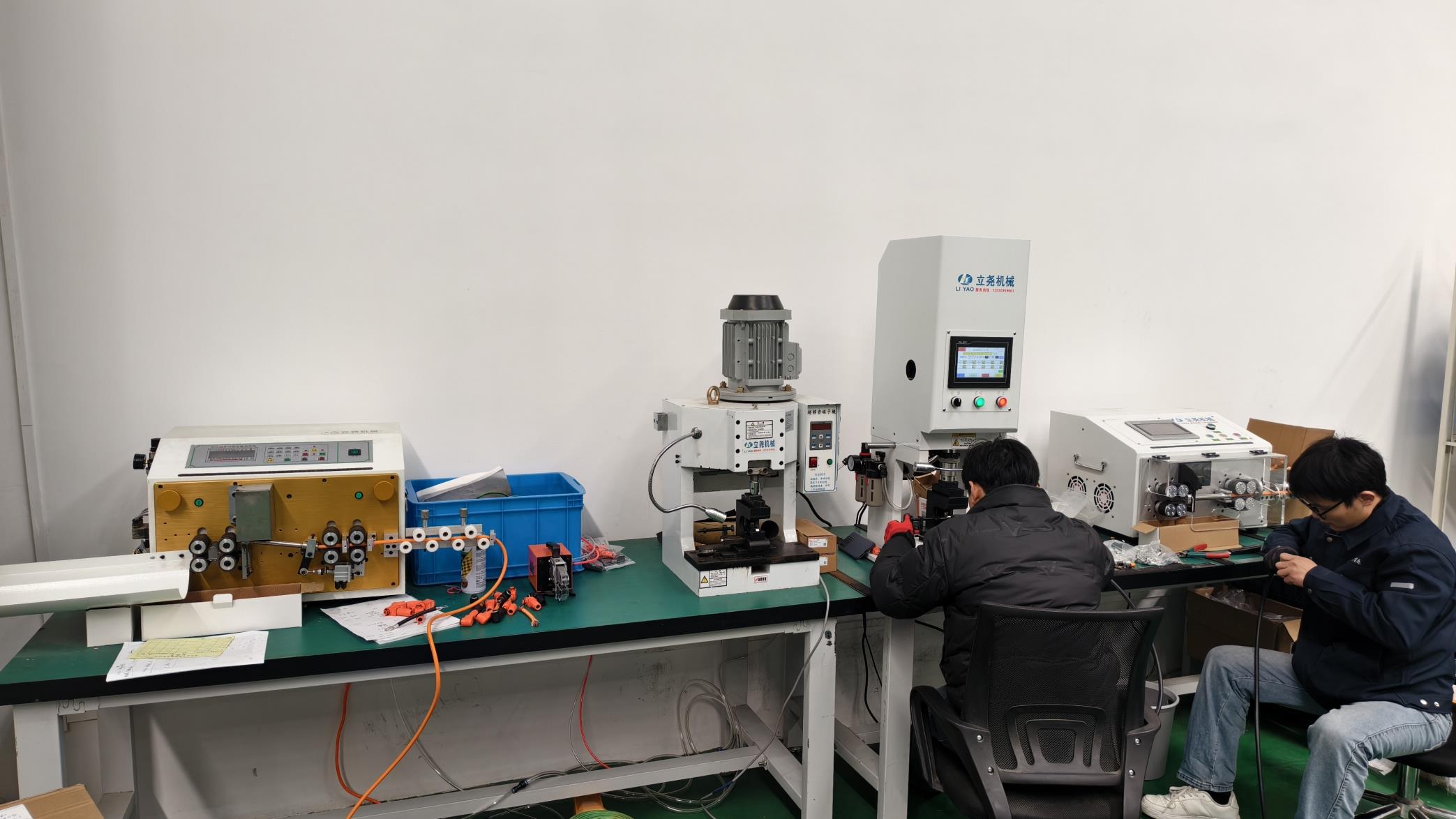
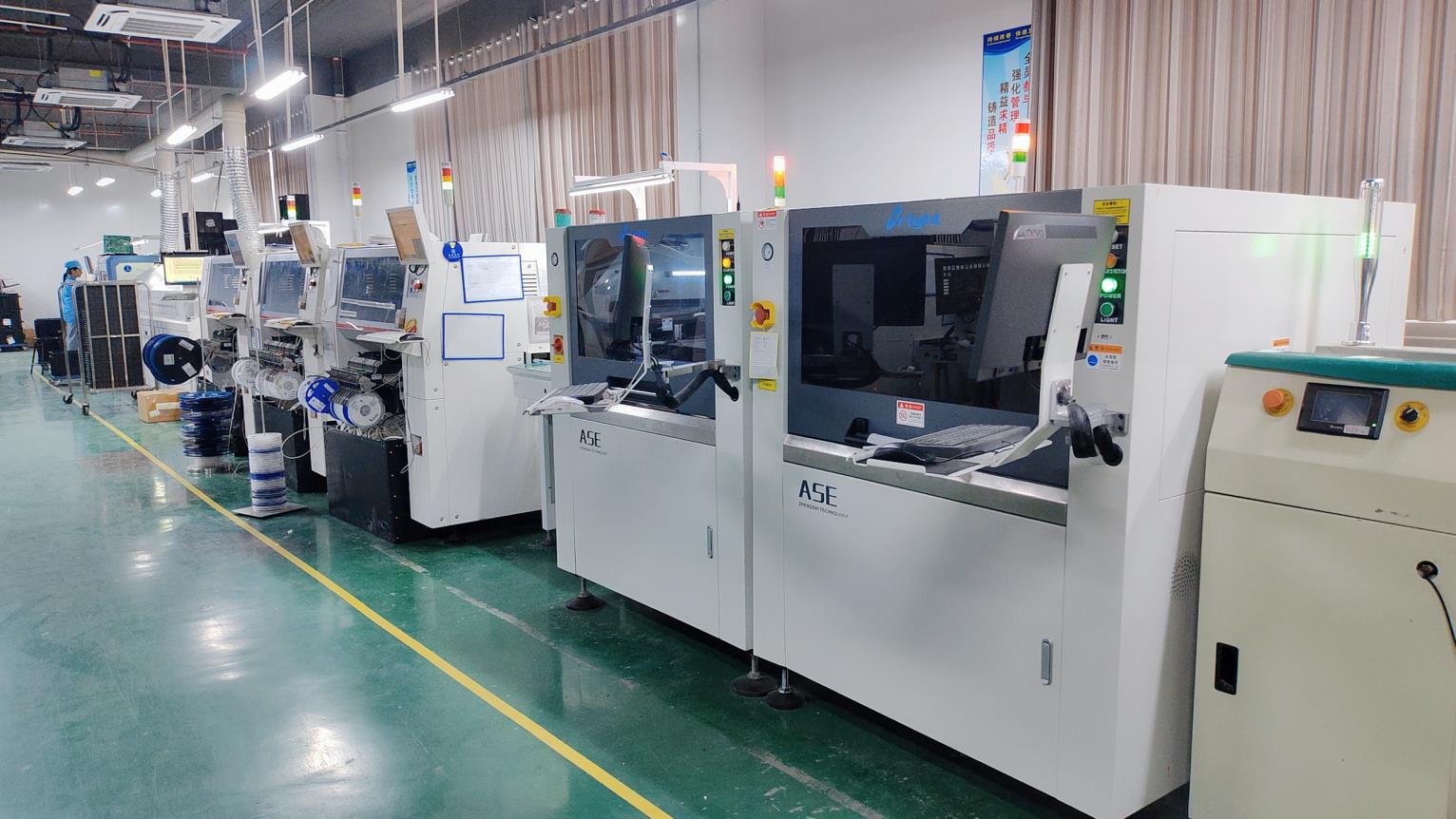
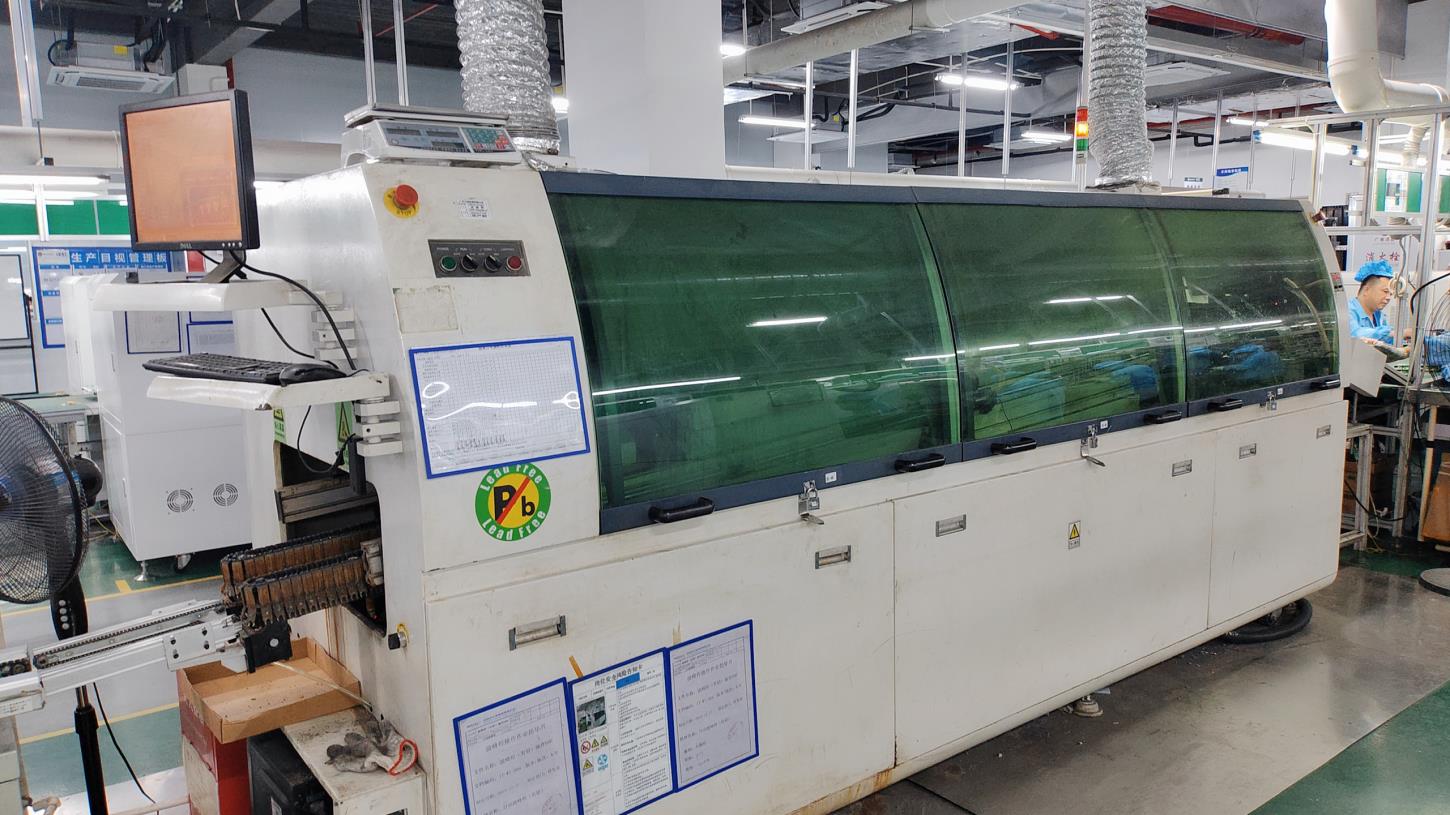
China’s solar manufacturing industry represents the pinnacle of vertical integration, global raw material sourcing, and automation density. At Anhui Aryam Energy Co., Ltd., we combine state-of-the-art Chinese supply chains with robust engineering. Our factory utilizes highly automated SMT (Surface Mount Technology) lines and high-precision wave soldering equipment to manufacture top-tier electronics, ensuring each system component functions reliably in extreme environments.
Our Quality Assurance (QA) workflow is meticulously designed. Each batch of solar cells is systematically cut, welded, laminated, and tested. Standard tests include two-pass Electroluminescence (EL) imaging to eliminate micro-cracks before lamination, high-intensity flash testing to measure structural parameters, and comprehensive insulation checks.
Standard P-type PERC panels degrade quickly in environments with high ultraviolet (UV) indices, such as the Ethiopian highlands. To solve this, Aryam Energy focuses on N-Type TOPCon (Tunnel Oxide Passivated Contact) and HJT (Heterojunction Technology) modules.
N-type silicon substrate is doped with phosphorus instead of boron, completely eliminating Light-Induced Degradation (LID). TOPCon modules achieve structural conversion efficiencies over 22.5%, allowing installations to generate maximum power with a minimal footprint. In areas experiencing dry seasons, high wind speeds, and dust-storms—such as regions near the Great Rift Valley—the chemical stability and thermal shock resistance of our borosilicate tempered glass covers ensure durability.
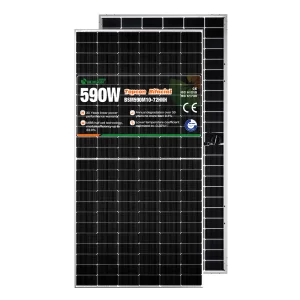
Additionally, our double-sided bifacial modules leverage the high albedo of the surrounding terrain (sandy soil, light dry grass) to capture reflected sunlight from the rear of the panel, generating up to 25% extra electricity compared to standard single-sided panels.
We manage every step of our manufacturing workflow, from SMT assembly to wave soldering, automatic cell welding, and vacuum sealing, ensuring compliance with international quality standards.
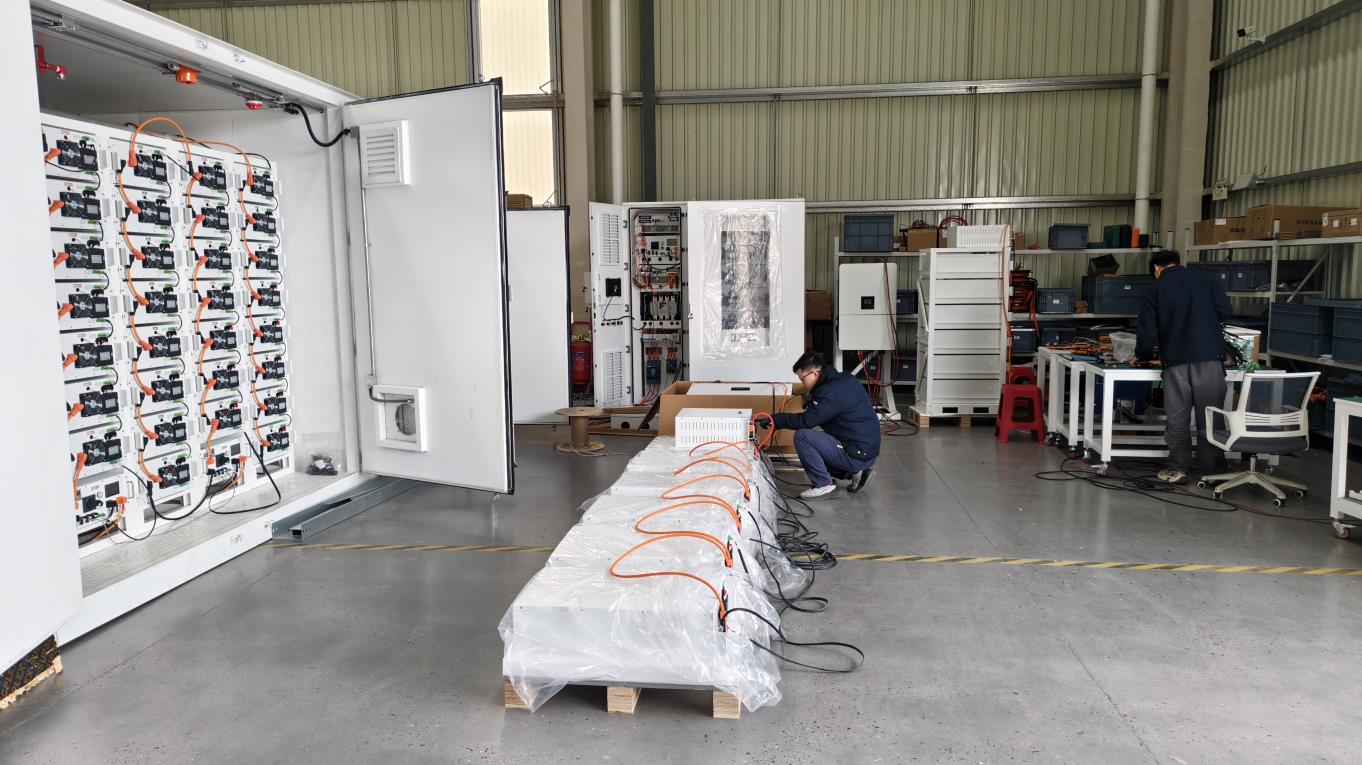
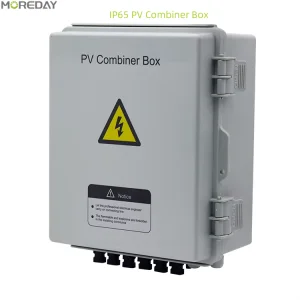
Telecom networks operating across remote Ethiopian regions rely heavily on diesel generation. Converting these towers to hybrid PV systems, configured with smart combiner boxes and lithium-ion batteries, reduces operating costs by up to 75% and ensures stable uptime.
In areas like the Great Rift Valley, agriculture depends on groundwater irrigation. Direct-drive DC solar pumping systems eliminate the need for costly diesel fuel and manual distribution, supporting year-round farming in arid communities.
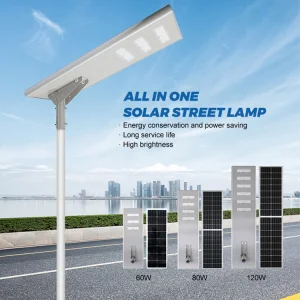
Self-contained solar street lighting solutions provide zero-cost operations for municipality roads, regional towns, and industrial parks, improving safety and reducing public grid demand.
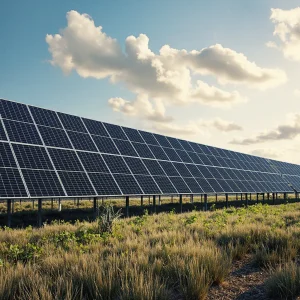
Developing large-scale solar projects in Ethiopia requires close collaboration between manufacturers, engineering groups (EPC contractors), and financing partners. At Aryam Energy, we provide utility-scale PV design packages utilizing high-efficiency monocrystalline cells, centralized multi-inverter layouts, and advanced SCADA systems to monitor plant metrics in real time.
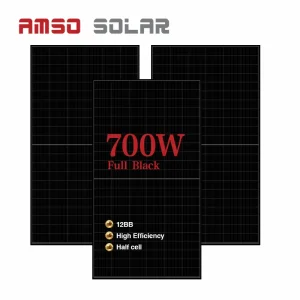
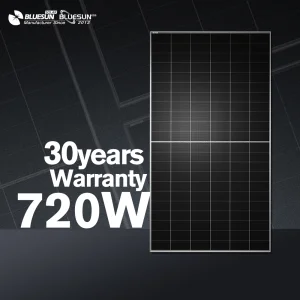
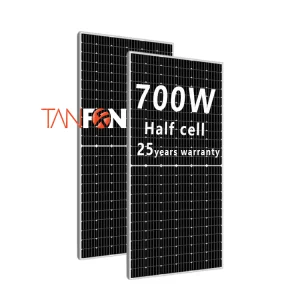
Our high-output modules (700W to 1000W) are designed to minimize installation costs (balance of system or BOS costs), lowering the Levelized Cost of Energy (LCOE) and optimizing return on investment for developers working with the Ethiopian Electric Power (EEP) utility.
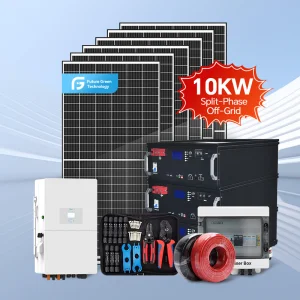
Decentralized solar microgrids are an ideal solution for remote villages and trading hubs far from the main grid. We deliver modular microgrid kits combining large PV arrays, hybrid energy storage systems, and advanced power management controllers. These systems supply reliable electricity to homes, local clinics, and small processing shops, stimulating economic growth.
Get in touch with Anhui Aryam Energy's design and engineering division for personalized system schematics, local logistics support, and pricing models.
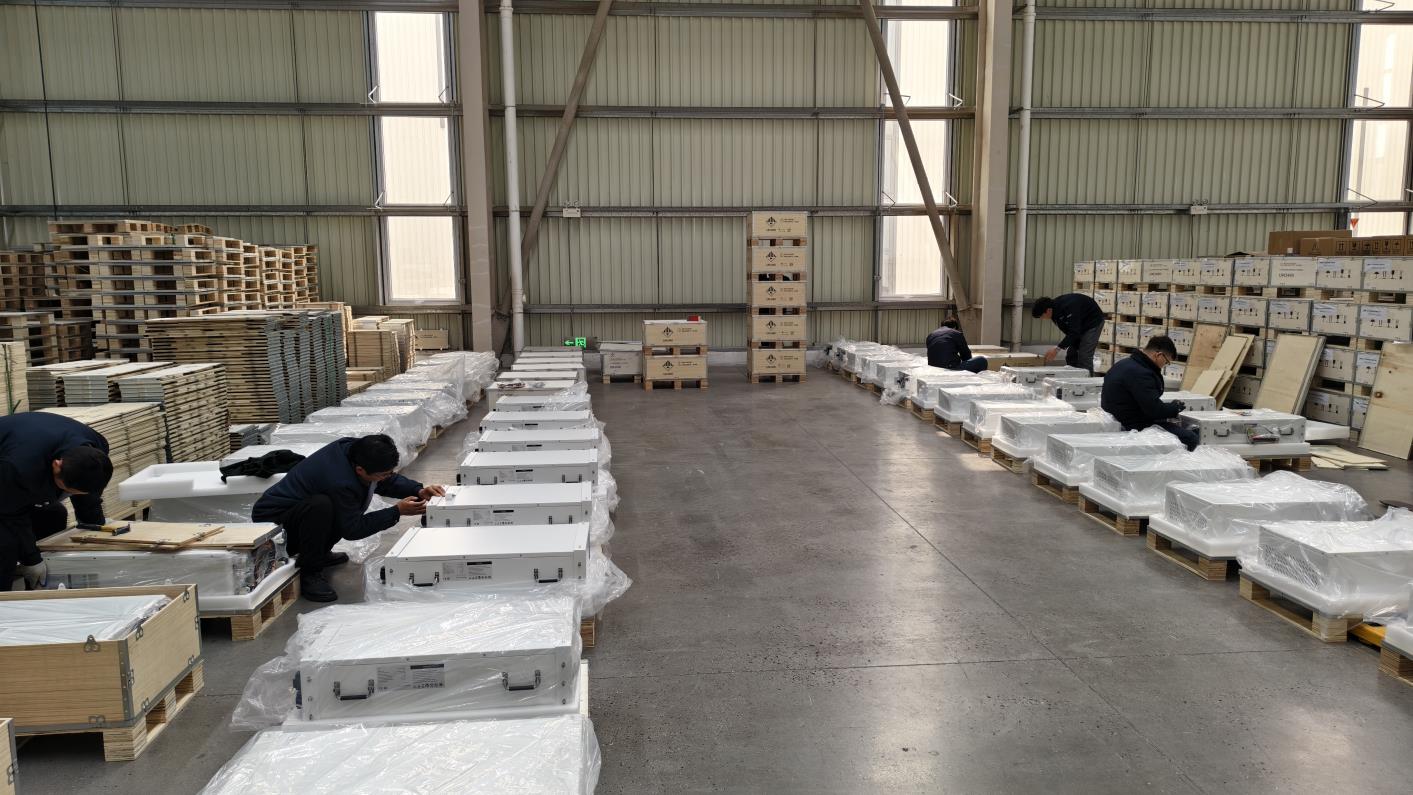
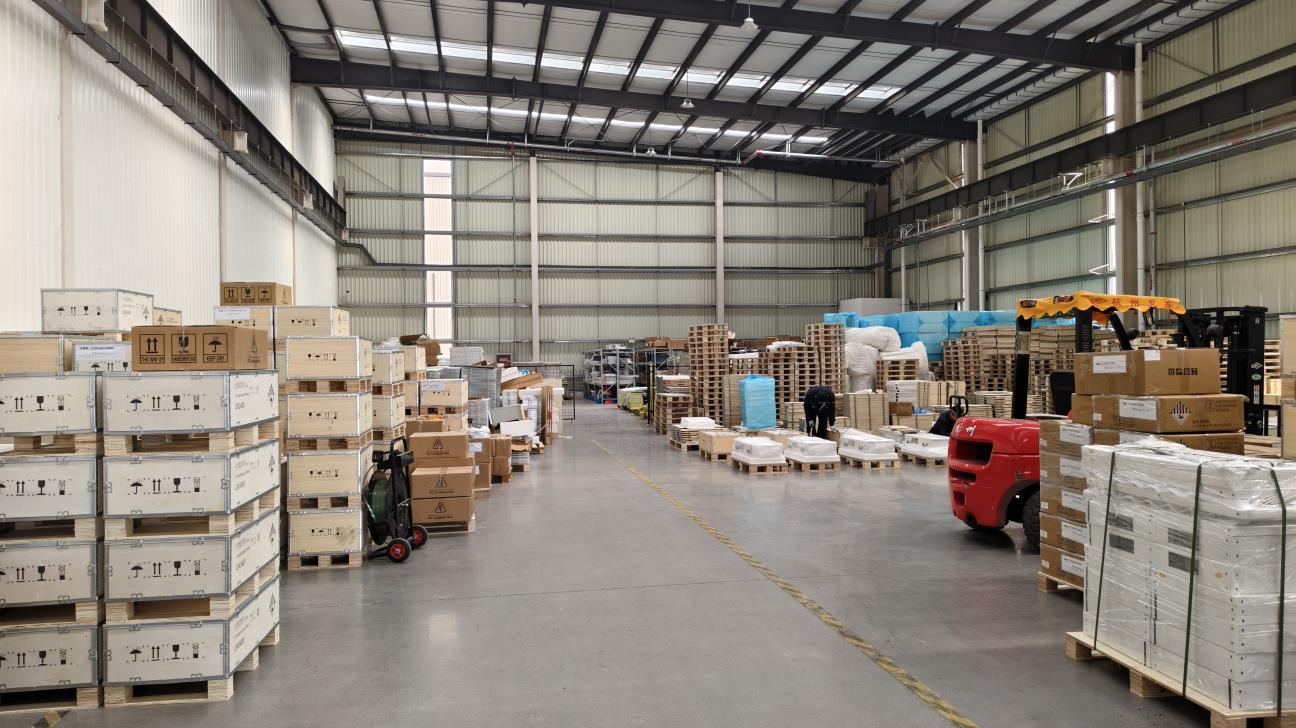
Send Inquiry NowImporting solar components into Ethiopia requires careful navigation of regional logistics routes and financial guidelines. Most sea freight originates from Chinese ports (such as Shanghai or Shenzhen) and routes directly to the Port of Djibouti.
From Djibouti, cargo is transported inland via the Ethio-Djibouti Railway or by truck corridor directly to dry ports like Modjo Dry Port, close to Addis Ababa. Standard transit times from China to Djibouti range between 20 and 30 days.
To ensure smooth customs clearance, importers should leverage the duty-free policies for renewable energy equipment enacted by the Ministry of Finance. All shipments must include comprehensive document packages, including Certificate of Origin, Detailed Packing Lists, Bills of Lading, and Quality Compliance Certificates (e.g., IEC 61215 and IEC 61730).
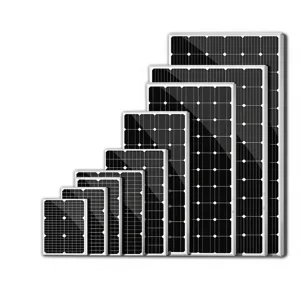
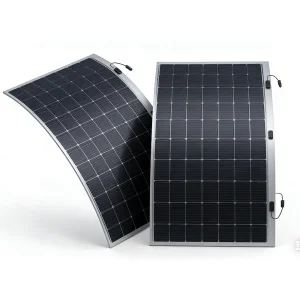
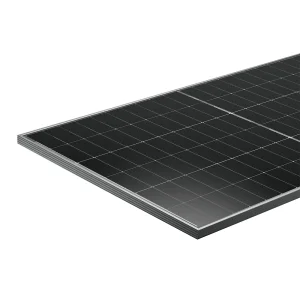
Browse our extensive range of high-efficiency solar modules, hybrid systems, and off-grid electronics designed to meet the demands of commercial, industrial, and residential applications.
 Aryam Energy