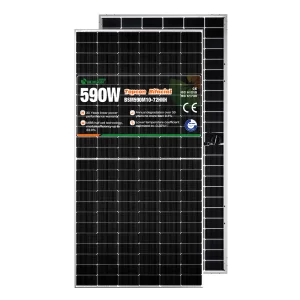
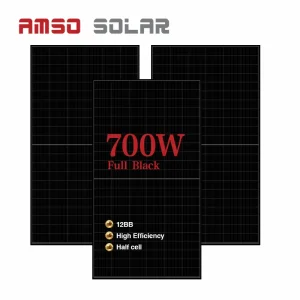
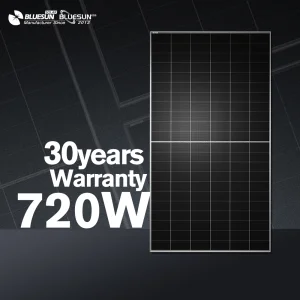
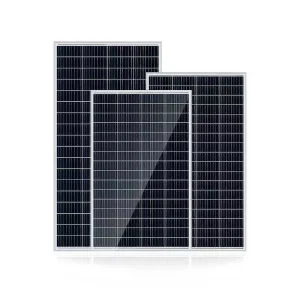
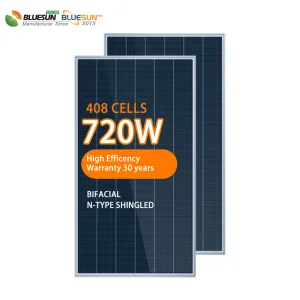
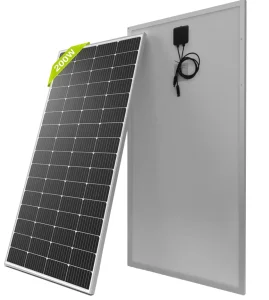
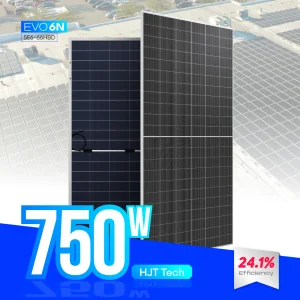
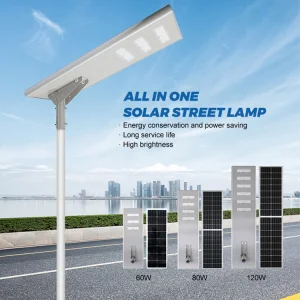
Explore our top-performing Tier-1 quality solar panels designed to deliver superior energy yield in the high-temperature environment of Qatar.
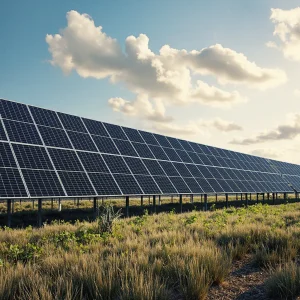
As part of the ambitious Qatar National Vision 2030, the state of Qatar has embarked on a systematic transition toward sustainable and clean energy. Doha, the economic powerhouse of the country, is witnessing a massive surge in the deployment of solar energy solutions. From commercial rooftop systems in the West Bay financial district to sprawling utility-scale plants in the surrounding arid plains, the demand for high-reliability solar modules is growing exponentially.
However, generating solar power in the Arabian Peninsula is not without serious challenges. The Doha market demands solar panels that can withstand some of the harshest climatic conditions on Earth. High ambient temperatures exceeding 50°C in the summer, severe dust accumulation (soiling), high relative humidity along the coast, and high ultraviolet (UV) radiation create an operating environment where standard PV modules quickly degrade. Selecting the right manufacturer and factory that understands these localized stress factors is critical for project developers, EPC contractors, and distributors operating in Qatar.
To ensure long-term ROI for solar assets in Doha, PV modules must possess advanced architectural features. Normal p-type PERC modules suffer from severe efficiency drops as cell temperatures climb. Anhui Aryam Energy has addressed this by focusing on advanced N-Type cell architectures, including TOPCon (Tunnel Oxide Passivated Contact) and HJT (Heterojunction Technology), which exhibit exceptional temperature coefficients and superior performance profiles.
Doha's summer peak sun-hours coincide with intense ambient heat. A typical solar panel's power output decreases as its temperature rises. While standard p-type modules have a temperature coefficient of -0.38%/°C, our N-Type TOPCon modules feature a coefficient of just -0.30%/°C, and HJT modules drop further to -0.26%/°C. This means our modules generate up to 4-8% more daily power in extreme summer heat compared to conventional panels.
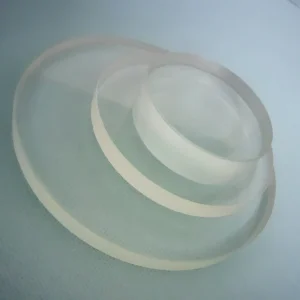
Fine desert sand in Qatar forms a thick layer of dust on modules, drastically reducing light transmission. Furthermore, the combination of coastal humidity and dust forms a hard cement-like crust. Our modules feature advanced anti-soiling, hydrophobic glass coatings that minimize dust adhesion and facilitate easy cleaning. For extreme projects, we deploy high thermal shock resistant borosilicate glass panels that resist sand abrasion over decades.
Qatar's desert sand has a high albedo (reflectivity) of approximately 30-35%. By using Bifacial Double-Glass Modules, the rear side of the panel absorbs this reflected light, boosting overall power generation by 10% to 25%. This makes double-sided modules the standard configuration for Doha’s commercial and utility projects.
The Qatar General Electricity & Water Corporation (Kahramaa) enforces strict grid connection regulations. Any solar system connected to the national grid must use components certified for local electrical safety, grid stability, and environmental durability. Anhui Aryam Energy manufactures modules in full compliance with IEC 61215, IEC 61730, and local Kahramaa criteria, ensuring seamless licensing and deployment in Doha.
Below is an engineering overview comparing different solar cell technologies under Middle Eastern operating conditions:
| Feature / Metric | P-Type PERC | N-Type TOPCon | N-Type HJT | |
|---|---|---|---|---|
| Typical Module Efficiency | 20.5% - 21.3% | 22.0% - 22.8% | 22.5% - 23.5% | |
| Temperature Coefficient (Pmax) | -0.35% / °C | -0.30% / °C | -0.26% / °C | |
| Bifaciality Factor | 70% ± 5% | 80% ± 5% | 85% ± 5% | |
| First Year Degradation | < 2.0% | < 1.0% | < 1.0% | |
| Annual Degradation (Yr 2-30) | 0.55% | 0.40% | 0.37% | |
| LID / LeTID Resistance | Moderate | Excellent (Immune) | Excellent (Immune) |
Anhui Aryam Energy Co., Ltd. bridges the gap between state-of-the-art Chinese manufacturing efficiencies and Doha's strict project requirements. By optimizing vertically integrated silicon ingot, wafer, cell, and module production lines in China, we deliver high-efficiency solar modules at competitive price points. Our supply chain features structured maritime shipping routes direct to Hamad Port, offering seamless customs clearance and minimized transit times for large-scale procurement.
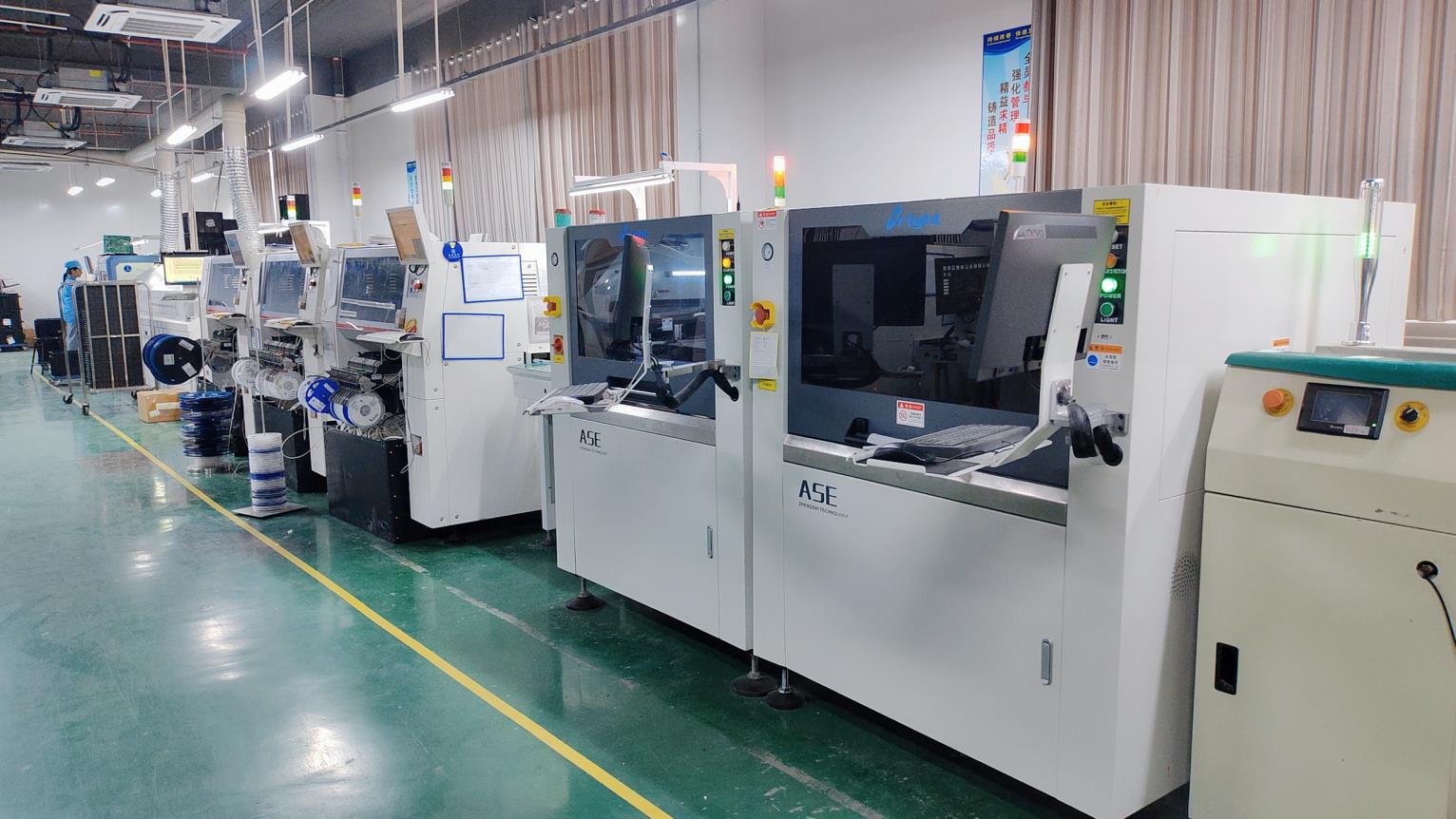
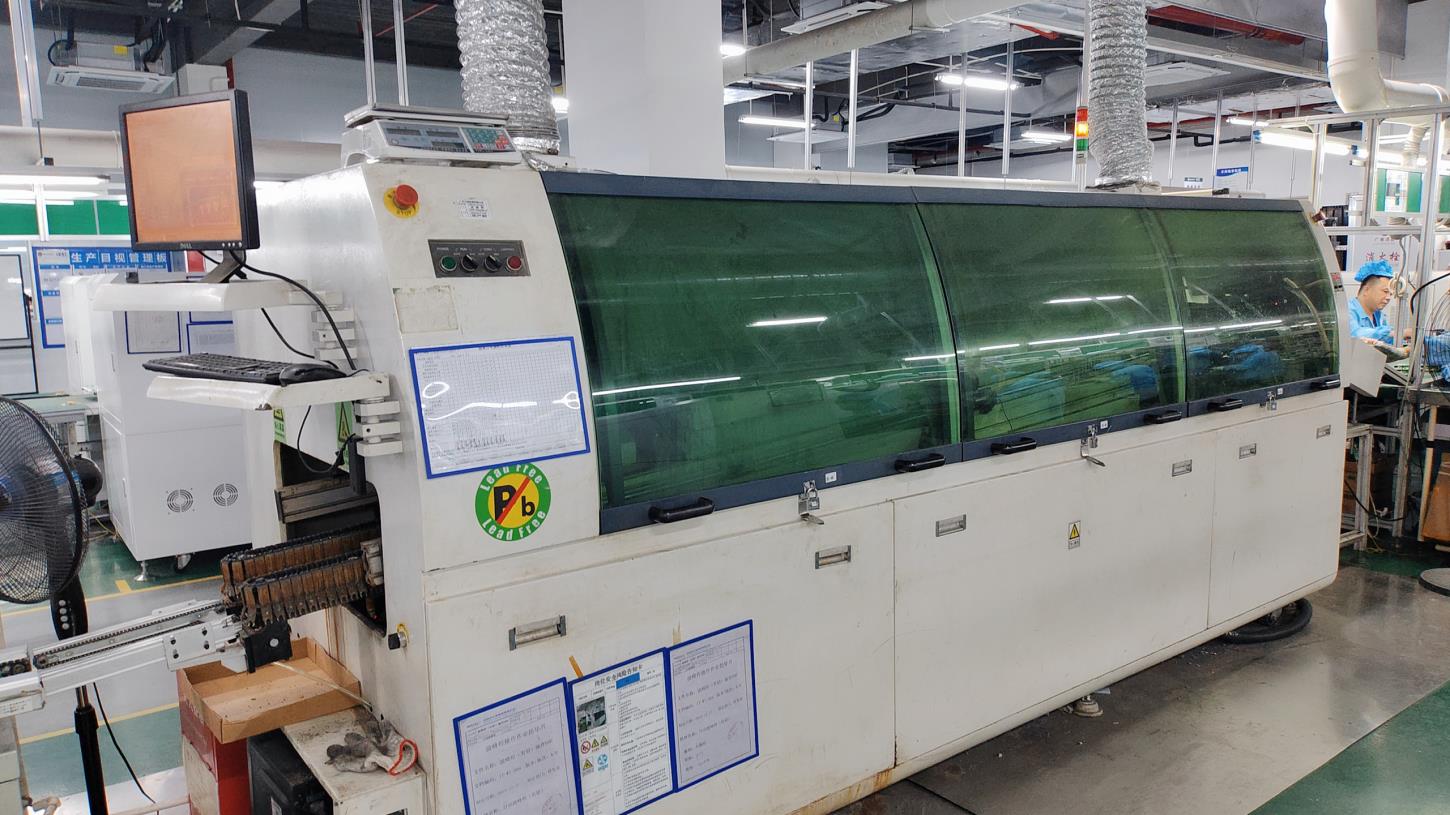
From SMT lines to wave soldering and advanced EL testing, explore the steps we take to ensure premium build quality for the Doha solar market.
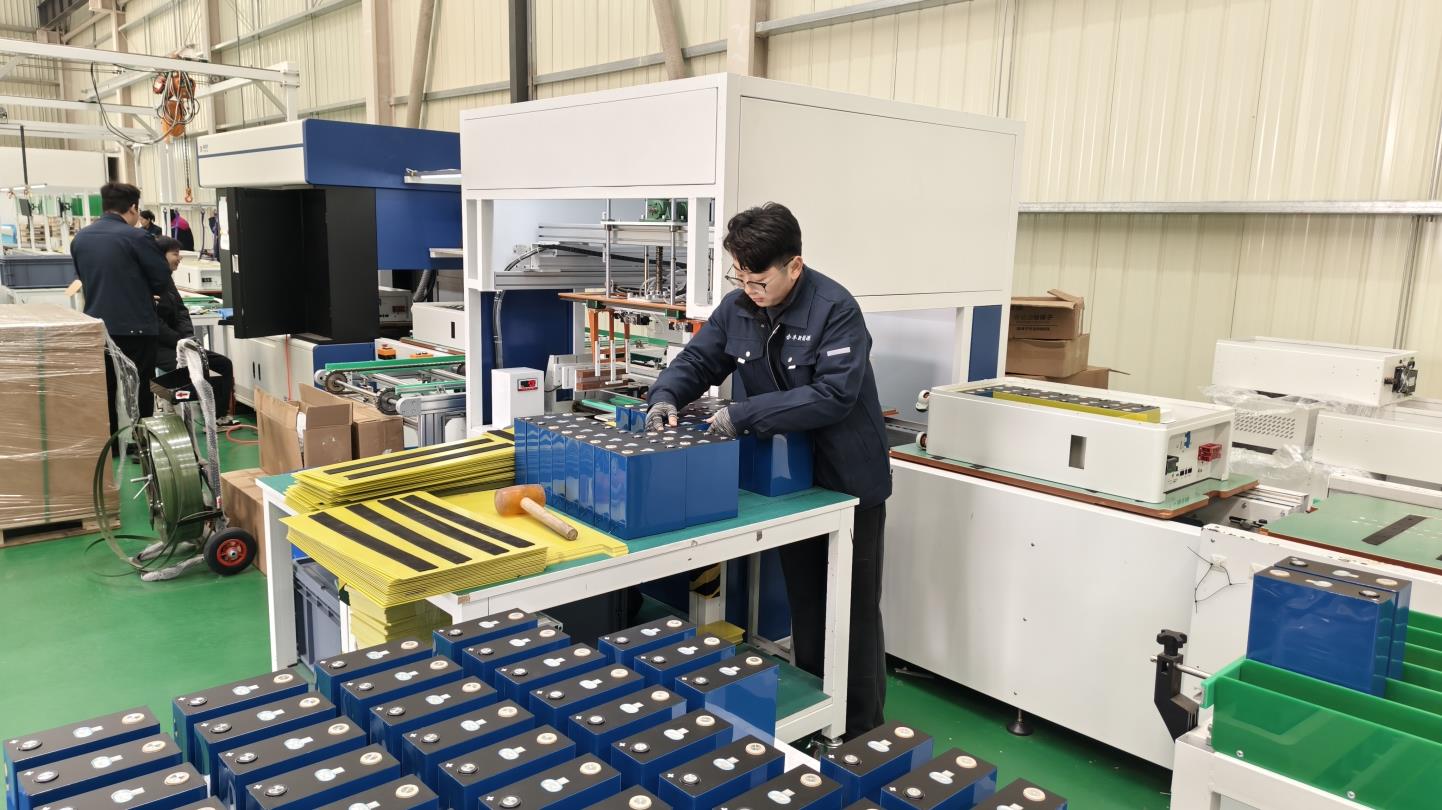
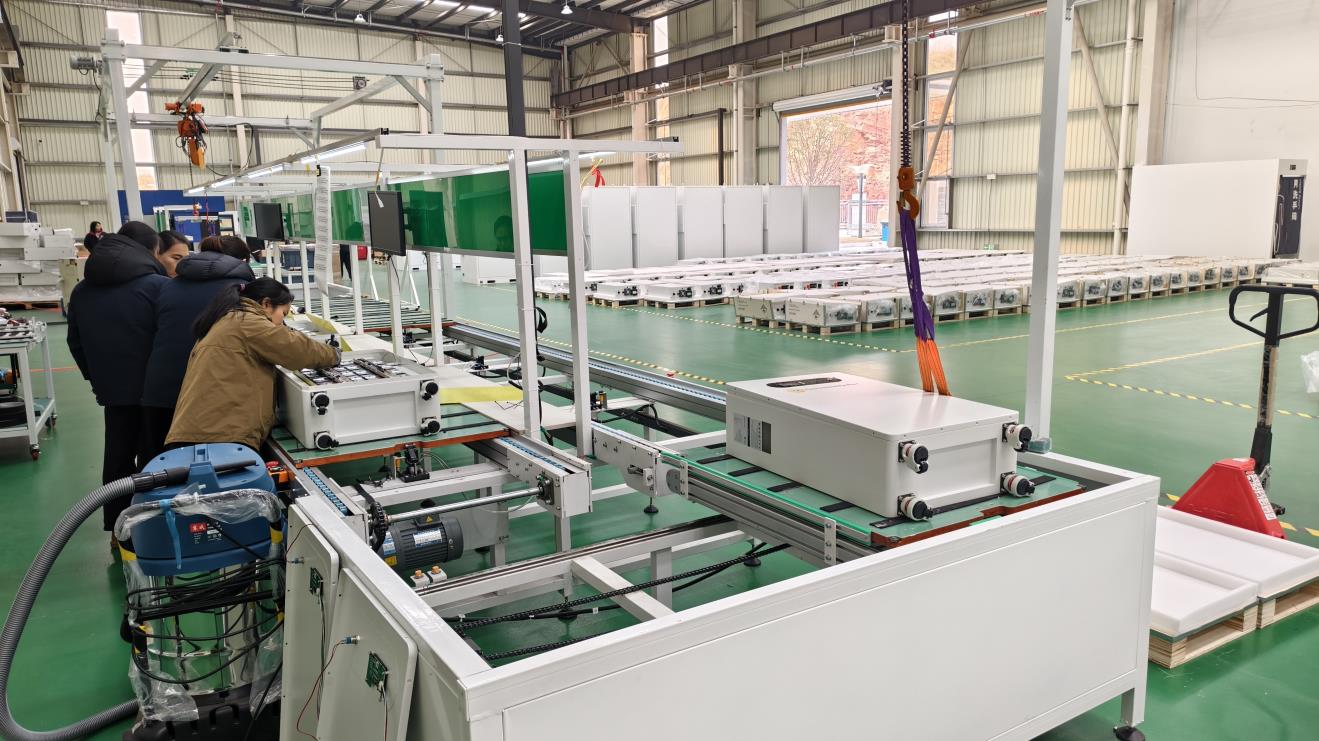
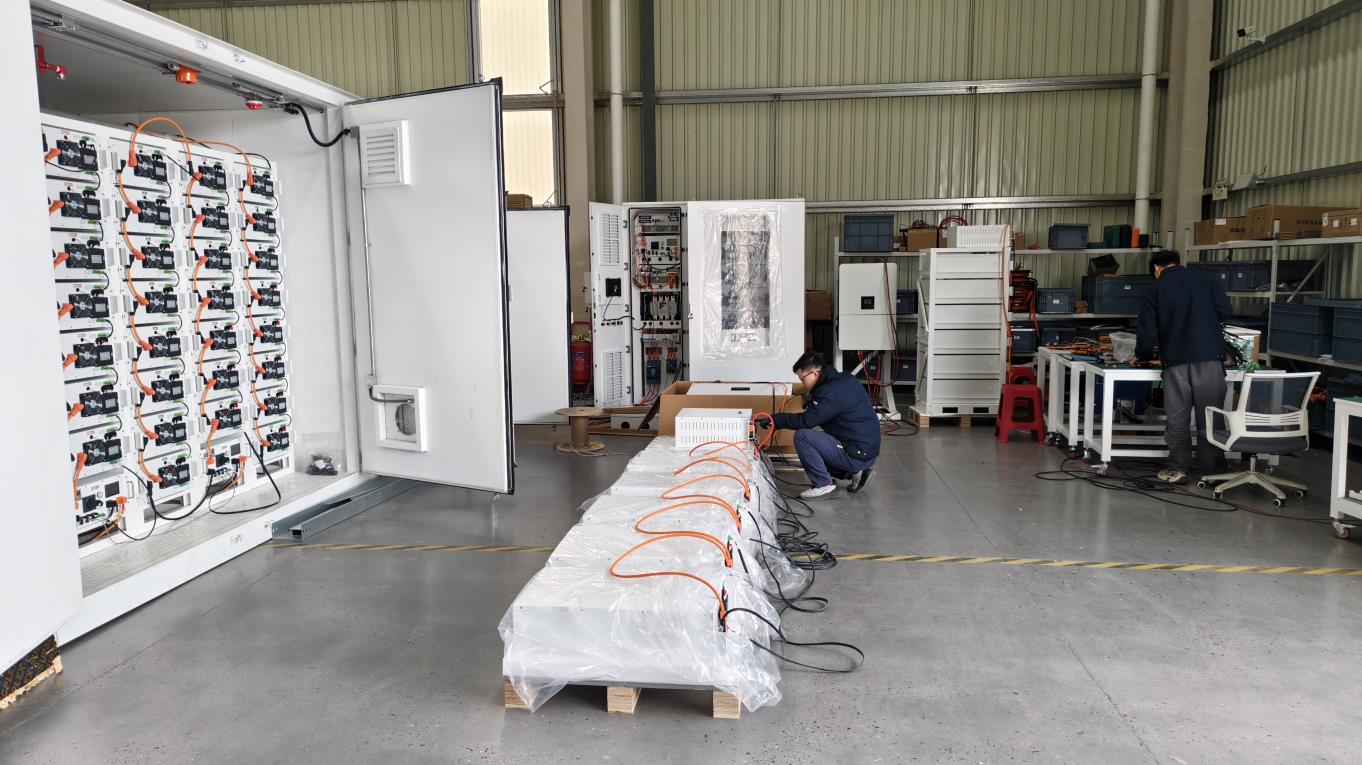
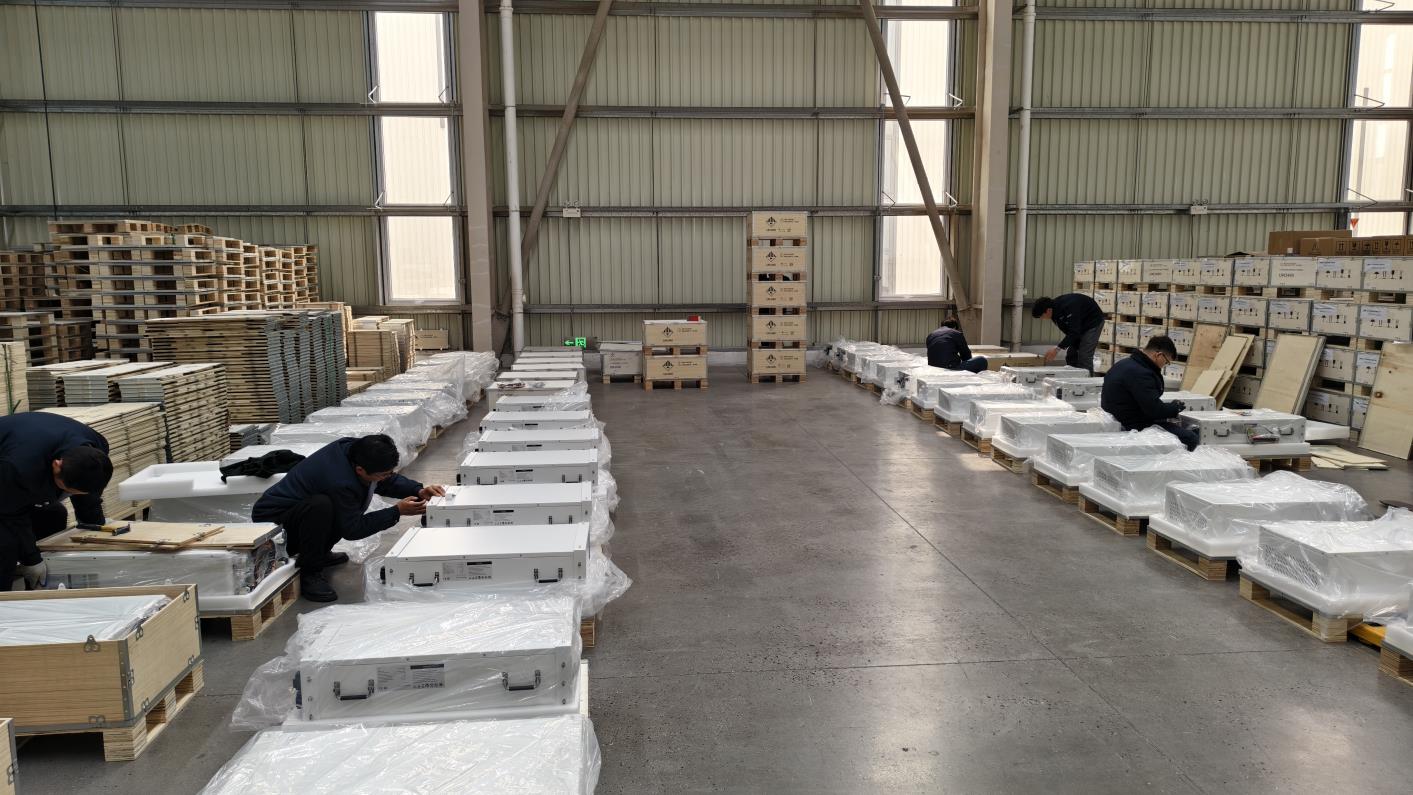
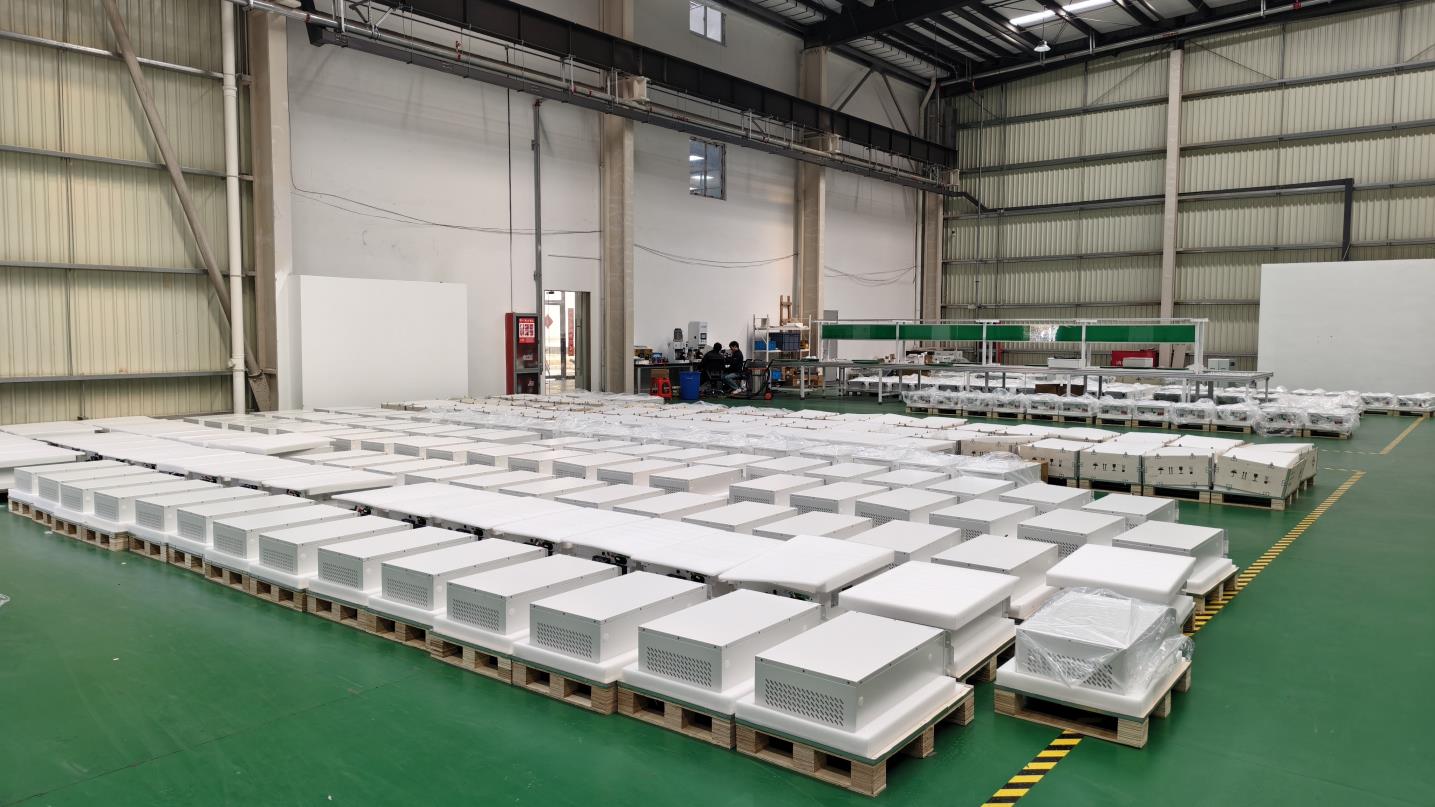
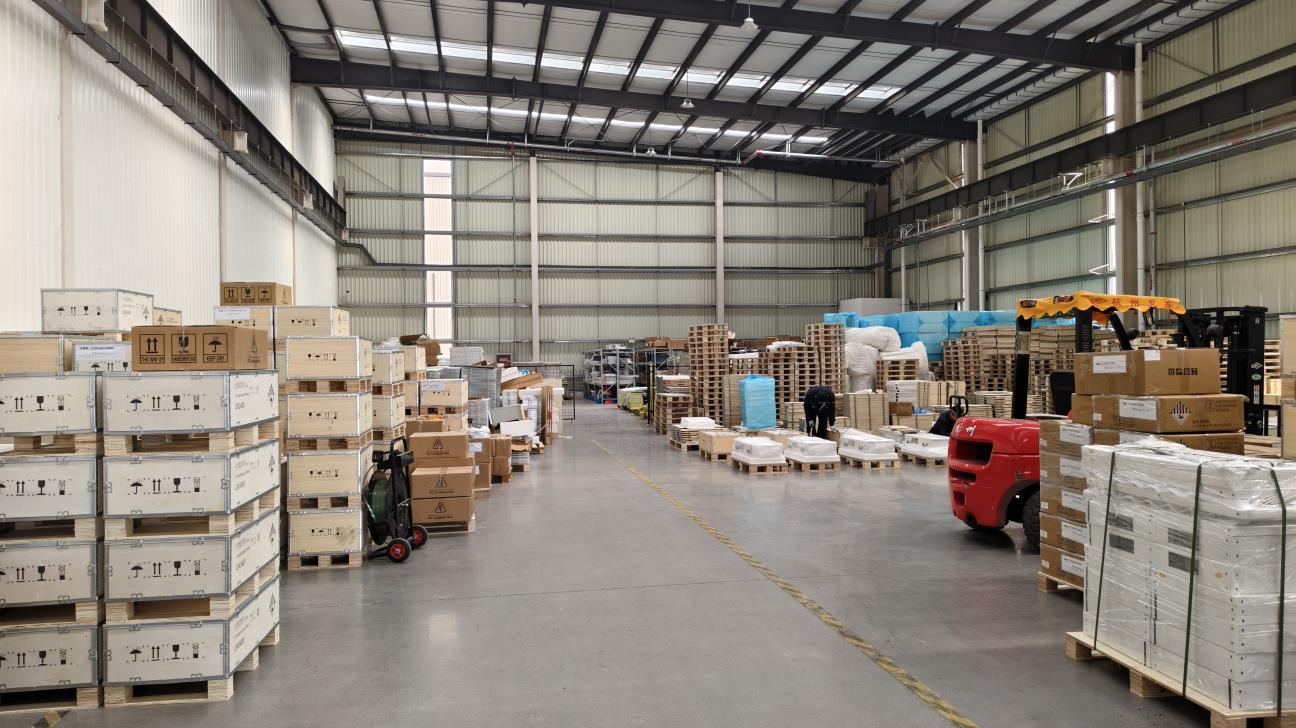
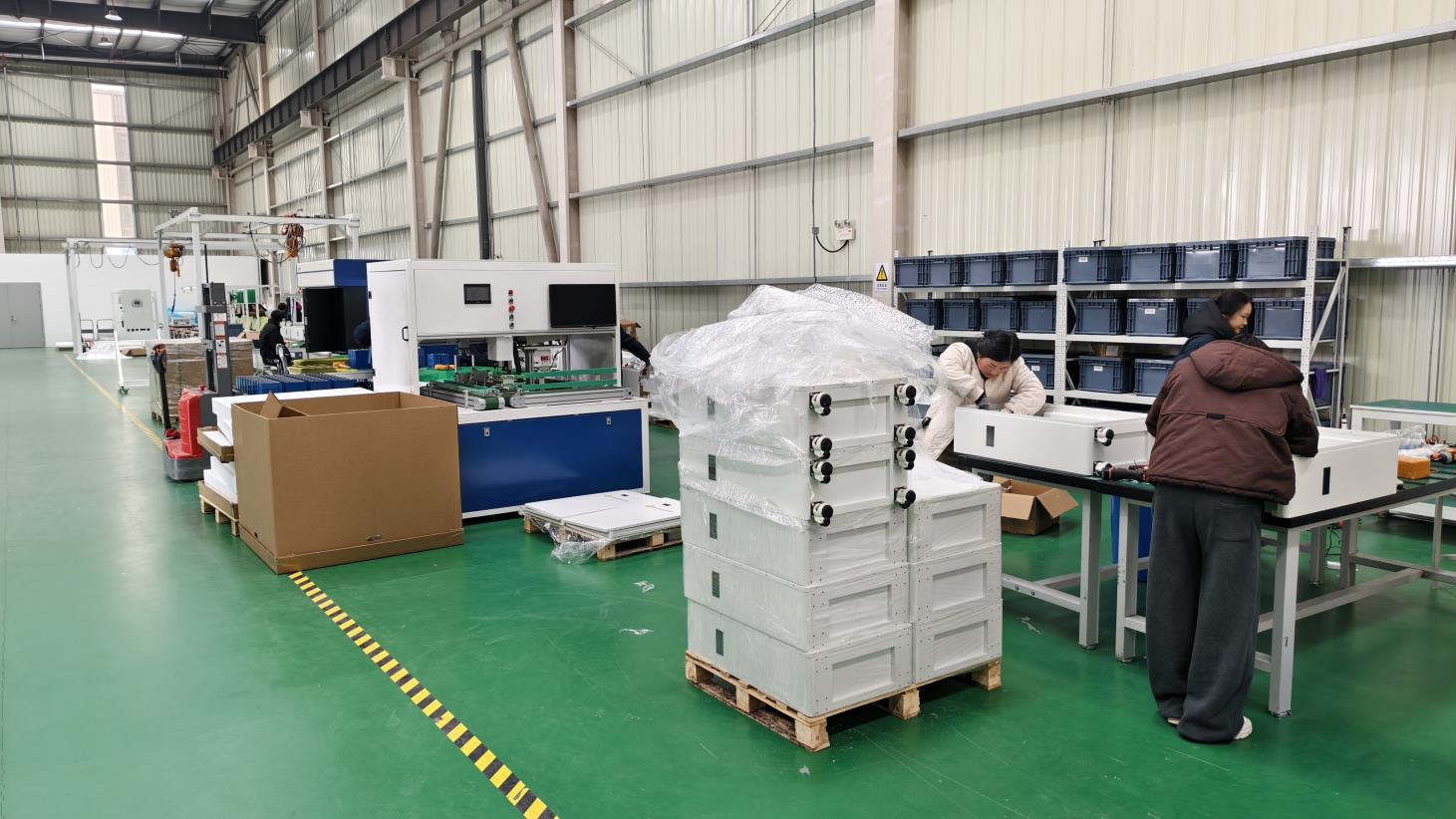
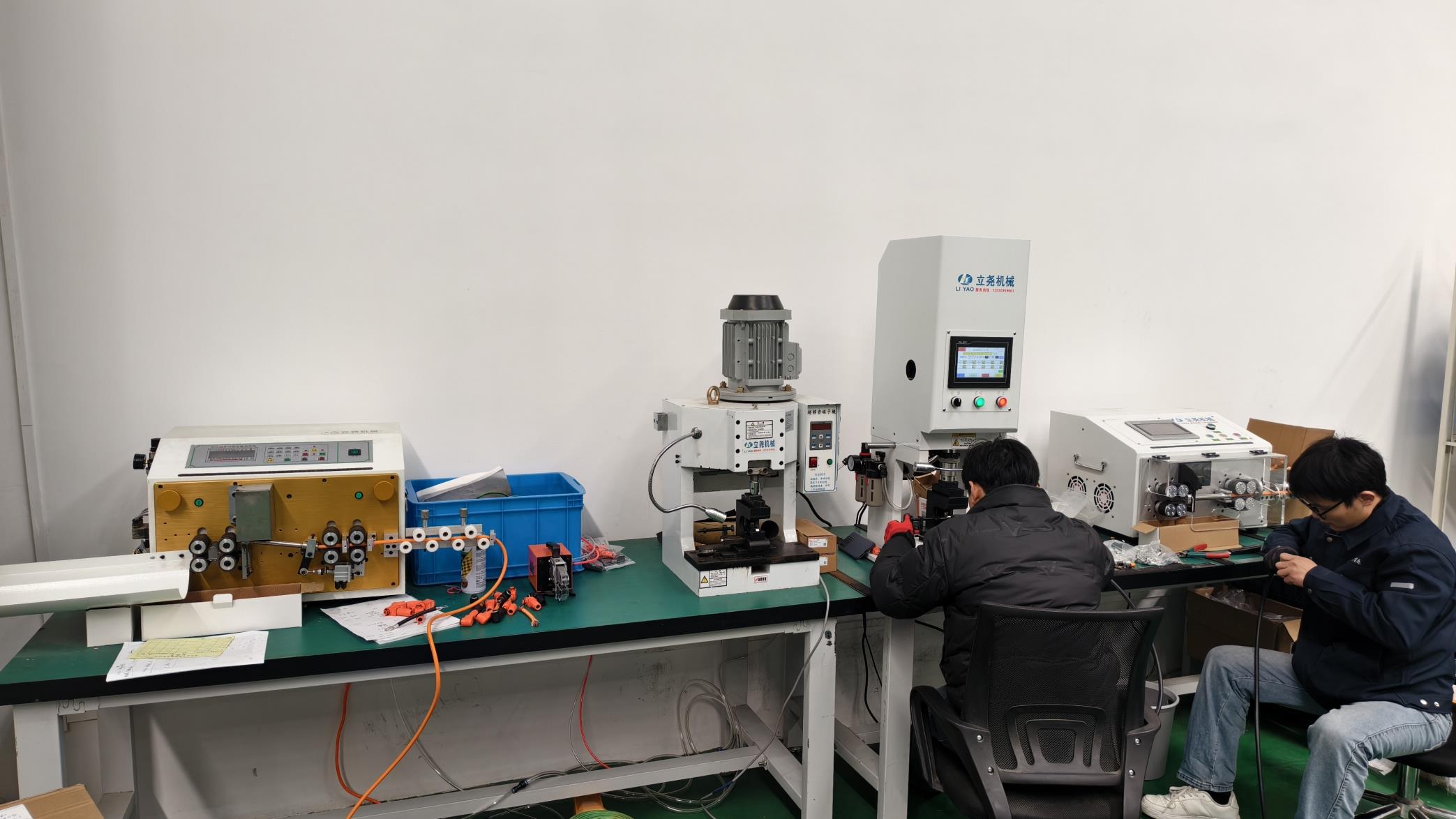
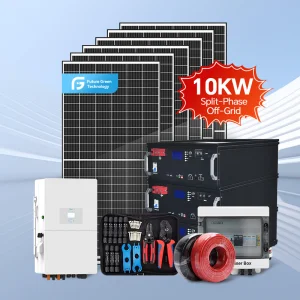
High-reliability modules, systems, and balance-of-system solutions customized for the Qatari market.
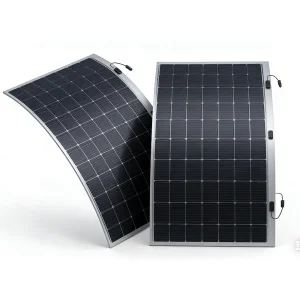
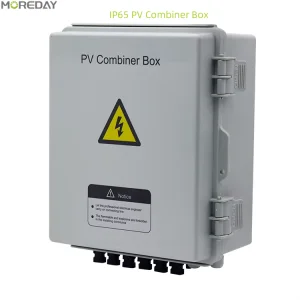
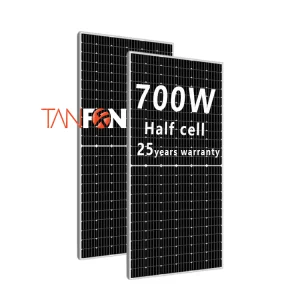
Designing a PV power plant in Doha requires careful consideration of structural and electrical interfaces. Industrial zones in Qatar, such as Mesaieed and Ras Laffan, present demanding conditions where chemical emissions, combined with salty marine air, speed up structural corrosion. Our factory addresses these environments using optimized engineering techniques.
Doha's coastal wind currents can create strong mechanical stress. Our modules are designed with 35mm to 40mm thick anodized aluminum frames, certified to withstand wind pressures up to 2400 Pa and snow/ice loads up to 5400 Pa. The anodization thickness is specified to exceed 15 microns to prevent oxidation from saline humidity.
High temperatures combined with high system voltages (up to 1500V DC) accelerate PID in subpar solar cells. Through our encapsulation process—using high-quality POE (Polyolefin Elastomer) films instead of standard EVA—our modules show outstanding PID resistance under extreme chamber tests (85°C and 85% relative humidity for 288 hours).
Sourcing from Anhui Aryam Energy provides commercial developers in Doha with distinct logistics advantages. We maintain dedicated shipping channels from Shanghai and Ningbo ports to Hamad Port. Our packaging conforms to rigid international shipping guidelines, preventing micro-cracks from transportation vibration.
Unlike standard domestic packing, our Doha-destined shipments utilize double-corrugated high-density pallets with anti-humidity desiccant layers. Every batch undergoes Pre-Shipment Inspection (PSI) including a final electro-luminescence (EL) test to guarantee zero micro-cracks before the containers are sealed.
Find engineering and commercial answers regarding solar energy deployment in Qatar.
Get in touch with our team of engineers to receive technical support, customized designs, and direct factory pricing for the Qatar market.
Send Inquiry Now Aryam Energy