
The Italian solar energy sector is currently undergoing a structural evolution, transitioning from subsidy-driven residential installations to market-driven Commercial & Industrial (C&I) and utility-scale projects. Guided by Italy's National Integrated Plan for Energy and Climate (PNIEC) and backed by the European Union's Recovery and Resilience Facility (PNRR), Italy has committed to achieving over 50 GW of cumulative solar photovoltaic capacity by 2030. This ambitious decarbonization target demands high-performance solar modules that can optimize limited land space and historic architectural environments.
Italy's geographical location offers some of the highest solar irradiance levels in Europe, particularly in southern regions like Sicily, Puglia, and Sardinia. However, grid congestion and complex administrative permitting (known locally as the *Autorizzazione Unica*) have historically created bottlenecks. To address these challenges, developers are shifting towards advanced N-Type technologies such as TOPCon and Heterojunction (HJT). These technologies offer lower temperature coefficients, enabling superior energy yields in hot Mediterranean climates where standard P-type modules suffer significant thermal degradation.
Sourcing premium hardware from an experienced manufacturer allows EPCs to deploy customized solutions for Italy's diverse terrain and strict zoning regulations:
"Integrating advanced solar technology with traditional Italian infrastructure requires high-efficiency bifacial designs. By leveraging reflection from ground surfaces (albedo effect), N-type Topcon and HJT modules deliver up to 30% additional power generation from the backside, making them highly cost-effective for southern Italian installations."
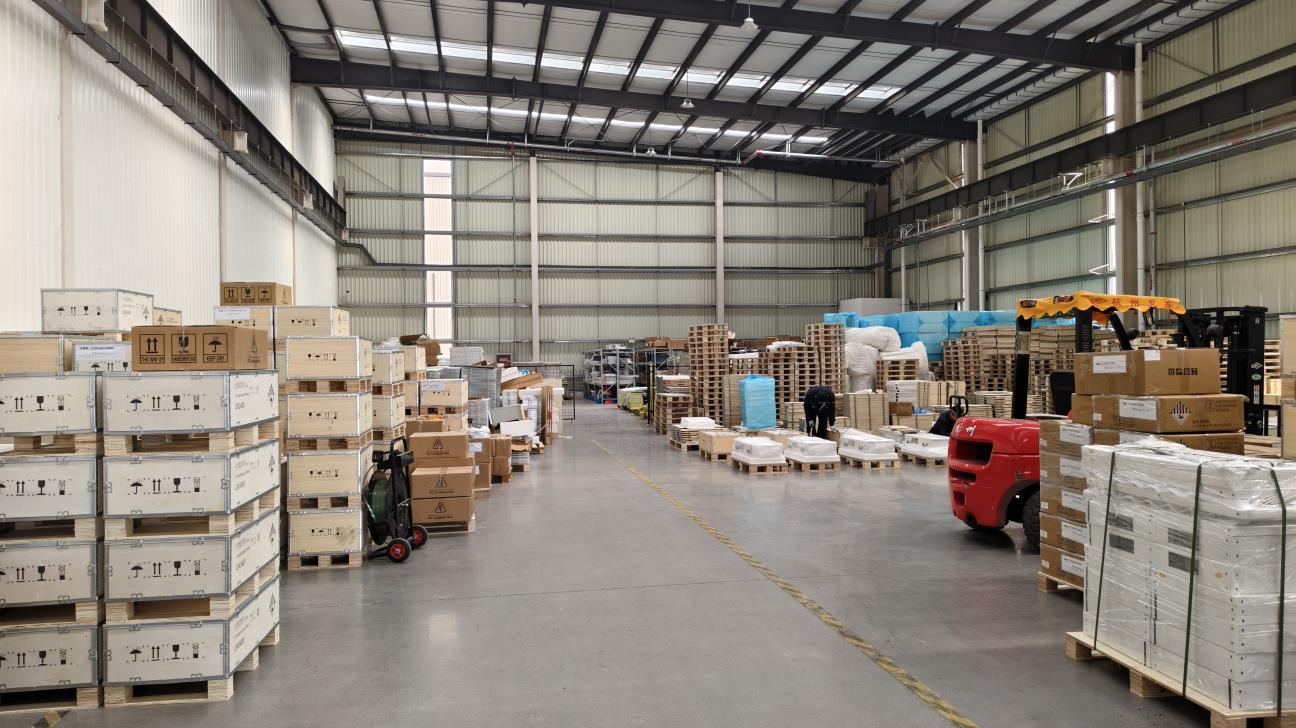
As European developers seek to satisfy rising local demand under tight PNRR deadlines, partnerships with leading Chinese manufacturers like Anhui Aryam Energy Co., Ltd. bridge the gap. By establishing robust supply chain routes and maintaining strategically positioned European warehouses, Chinese factories ensure a steady, cost-efficient stream of components.
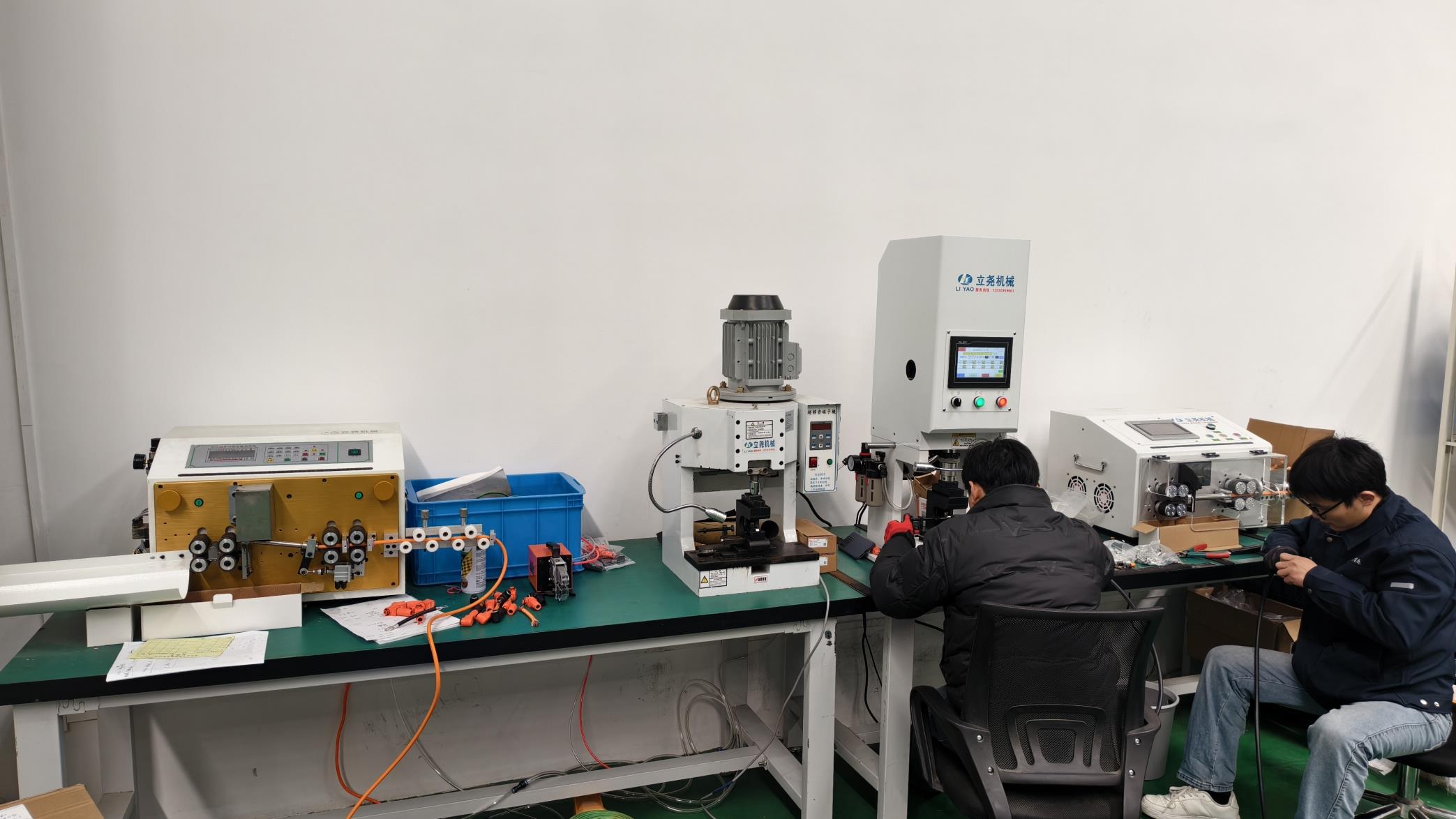
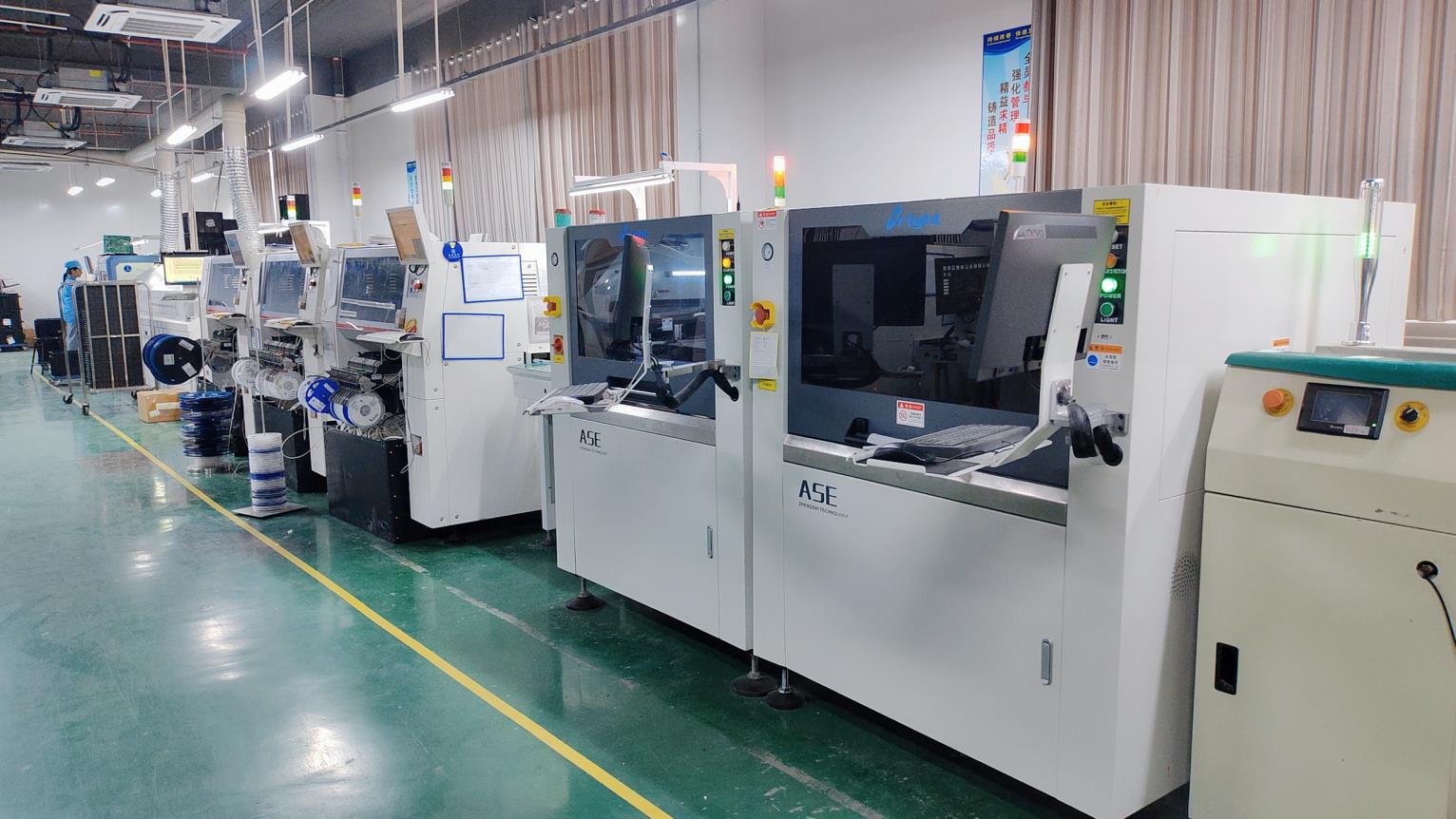
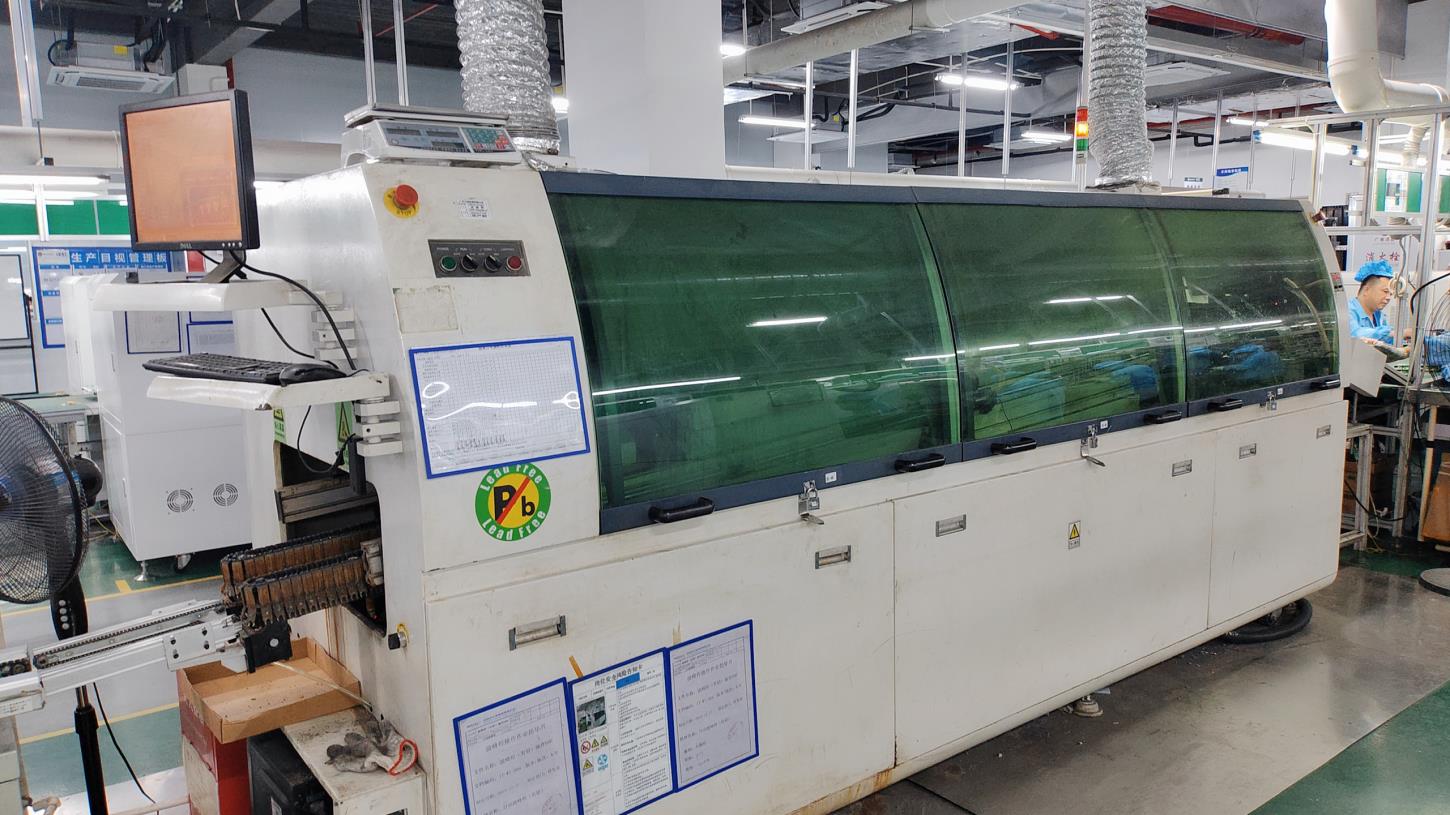
The competitive edge of Chinese solar manufacturing lies in deep vertical integration and continuous R&D investment. From silicon ingot crystallization and wafer slicing to advanced SMT assembly lines, Chinese factories maintain tight quality control protocols. This manufacturing efficiency translates into reliable performance, allowing European distributors to offer long-term product and linear power output warranties that satisfy strict European financial institution (bankability) criteria.
The global PV industry is rapidly moving away from legacy P-type PERC cells to N-type technologies. This transition is characterized by:
In Italy, grid connection is regulated by CEI 0-21 (for low voltage) and CEI 0-16 (for medium/high voltage). Large-scale C&I projects require comprehensive system layouts that go beyond the modules. This includes integrating smart Battery Energy Storage Systems (BESS) for peak-shaving, reactive power control, and active grid support.
Furthermore, selecting components with verified certifications—including fire safety class ratings (Classe di Reazione al Fuoco), resistance to mechanical loads (snow and wind load up to 5400 Pa), and chemical stability against salt mist (critical for coastal installations in Liguria or Sicily)—ensures long-term performance and lowers insurance premiums for the assets.
International EPCs and developers must adhere to strict Environmental, Social, and Governance (ESG) guidelines. Sourcing processes must document supply chain traceability, carbon footprint limits, and circular economy compliance, including end-of-life PV recycling under the WEEE Directive. Reliable manufacturers provide full transparency by documenting raw material sourcing, utilizing eco-friendly borosilicate glass, and maintaining ISO 9001, ISO 14001, and ISO 45001 certified manufacturing facilities.
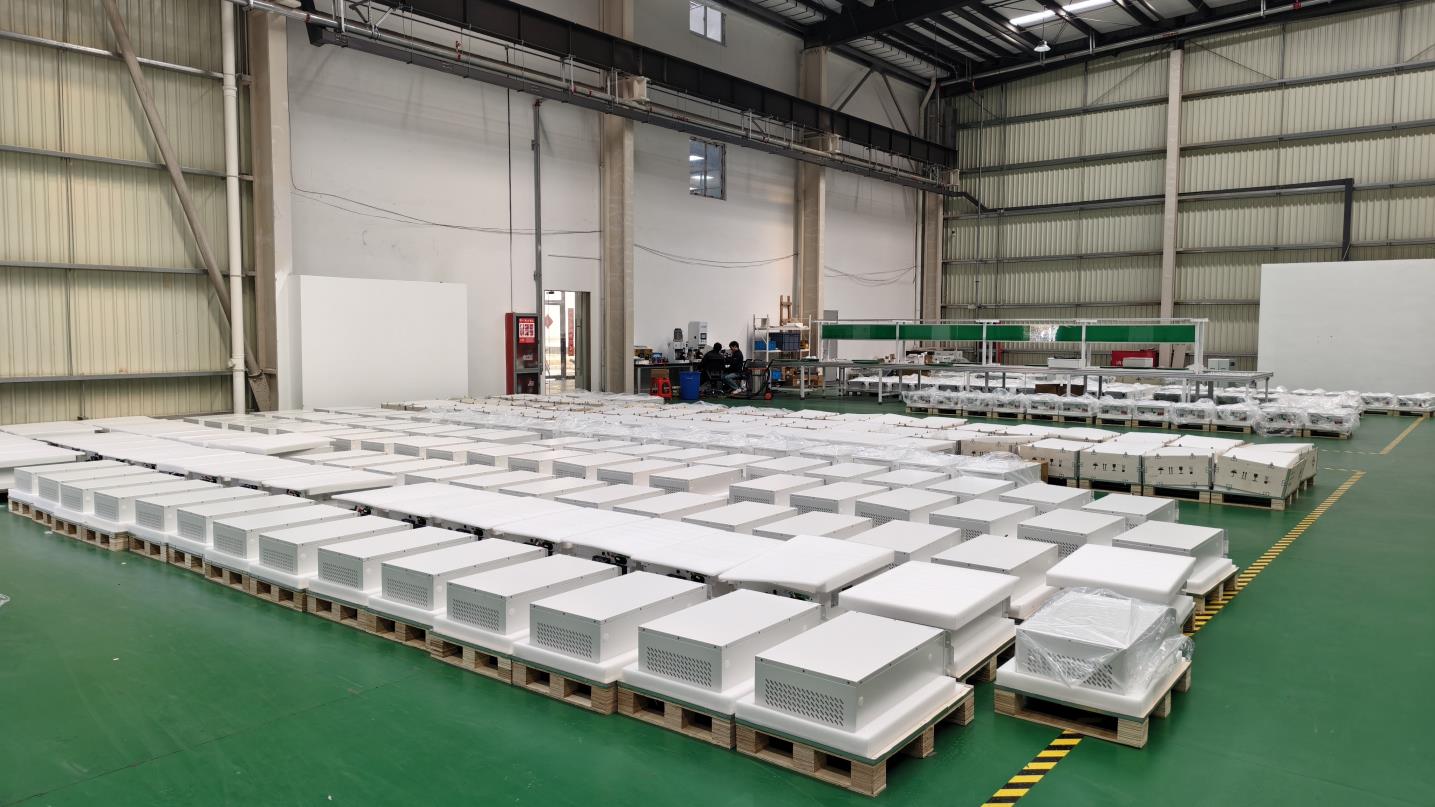
Anhui Aryam Energy Co., Ltd. is a leading provider of advanced renewable energy solutions, dedicated to delivering reliable, efficient, and sustainable power systems for residential, commercial, industrial, and utility-scale applications worldwide. Through continuous innovation and a strong commitment to clean energy development, Aryam Energy has established itself as a trusted partner in the global transition toward a low-carbon future.
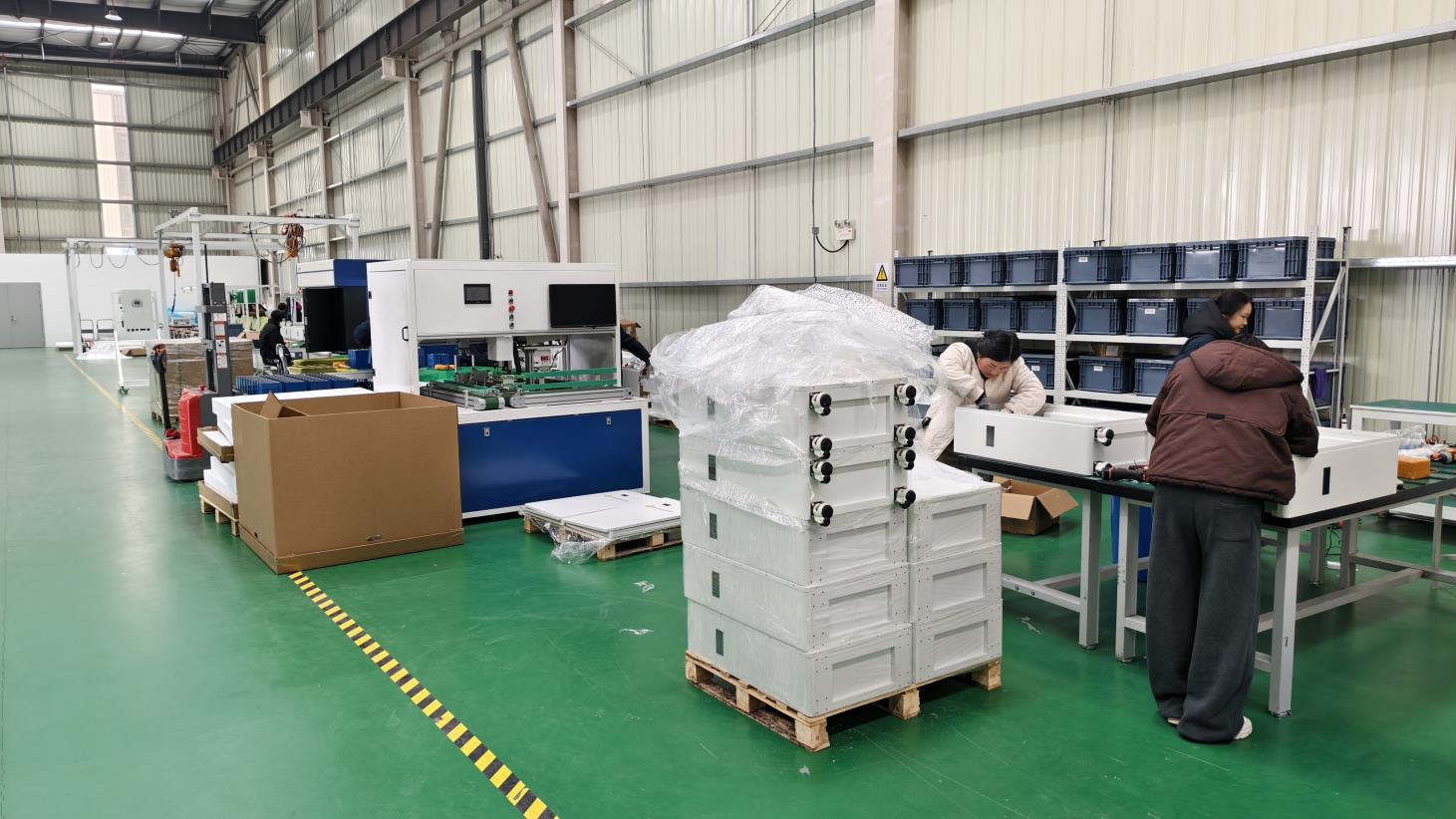
The company specializes in the research, development, manufacturing, and integration of solar energy systems, energy storage solutions, hybrid power systems, and intelligent microgrid technologies. Leveraging cutting-edge engineering expertise and strict quality management standards, Aryam Energy provides comprehensive energy solutions tailored to diverse market needs, particularly in regions facing energy shortages, unstable grid infrastructure, or increasing demand for sustainable power generation.
With a professional R&D team and a growing portfolio of proprietary technologies, Aryam Energy continuously invests in innovation to enhance system performance, energy efficiency, and long-term reliability. Its products and solutions are designed to meet international standards and have been successfully deployed across Asia, Africa, the Middle East, Europe, and Latin America, serving customers in more than 100 countries and regions.
Aryam Energy's product portfolio includes solar inverters, energy storage systems, hybrid inverters, lithium battery solutions, solar water pumping systems, microgrid systems, and customized renewable energy projects. The company is committed to providing integrated energy solutions that maximize energy independence, reduce operational costs, and support environmental sustainability.
Driven by the vision of becoming a globally recognized clean energy technology leader, Aryam Energy actively collaborates with distributors, EPC contractors, government agencies, international organizations, and development partners to promote renewable energy adoption worldwide. Through its mission of "Empowering Sustainable Energy for a Better Future," the company strives to create long-term value for customers while contributing to global carbon reduction goals and sustainable social development.
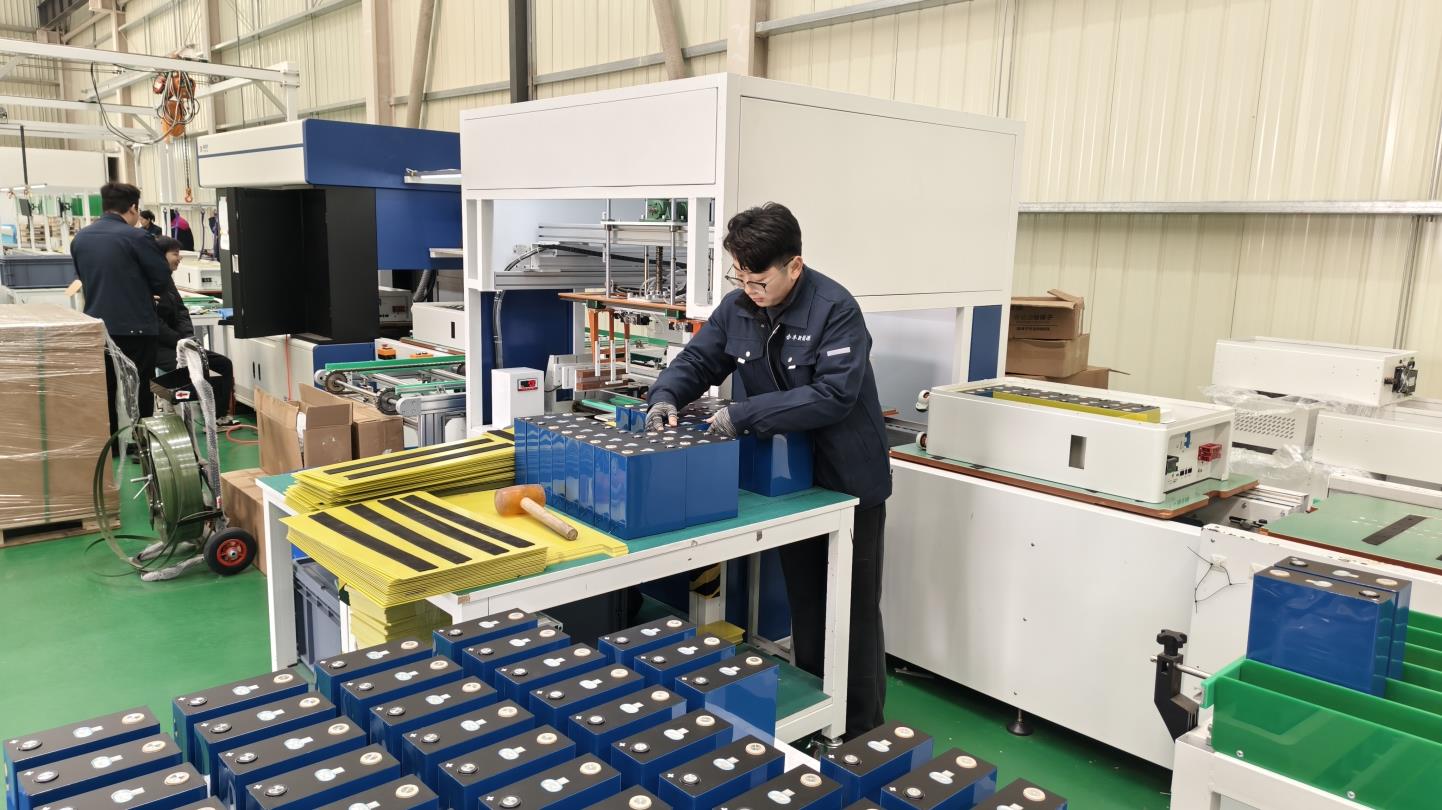
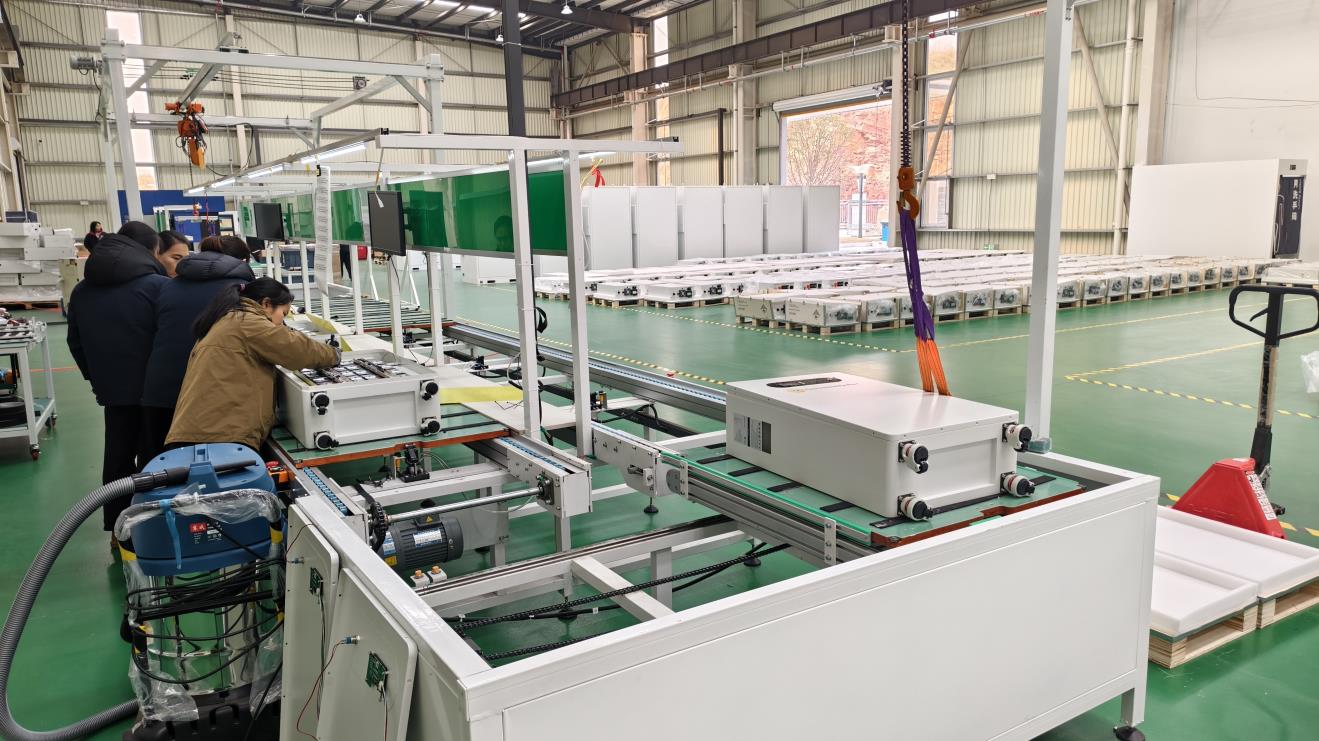
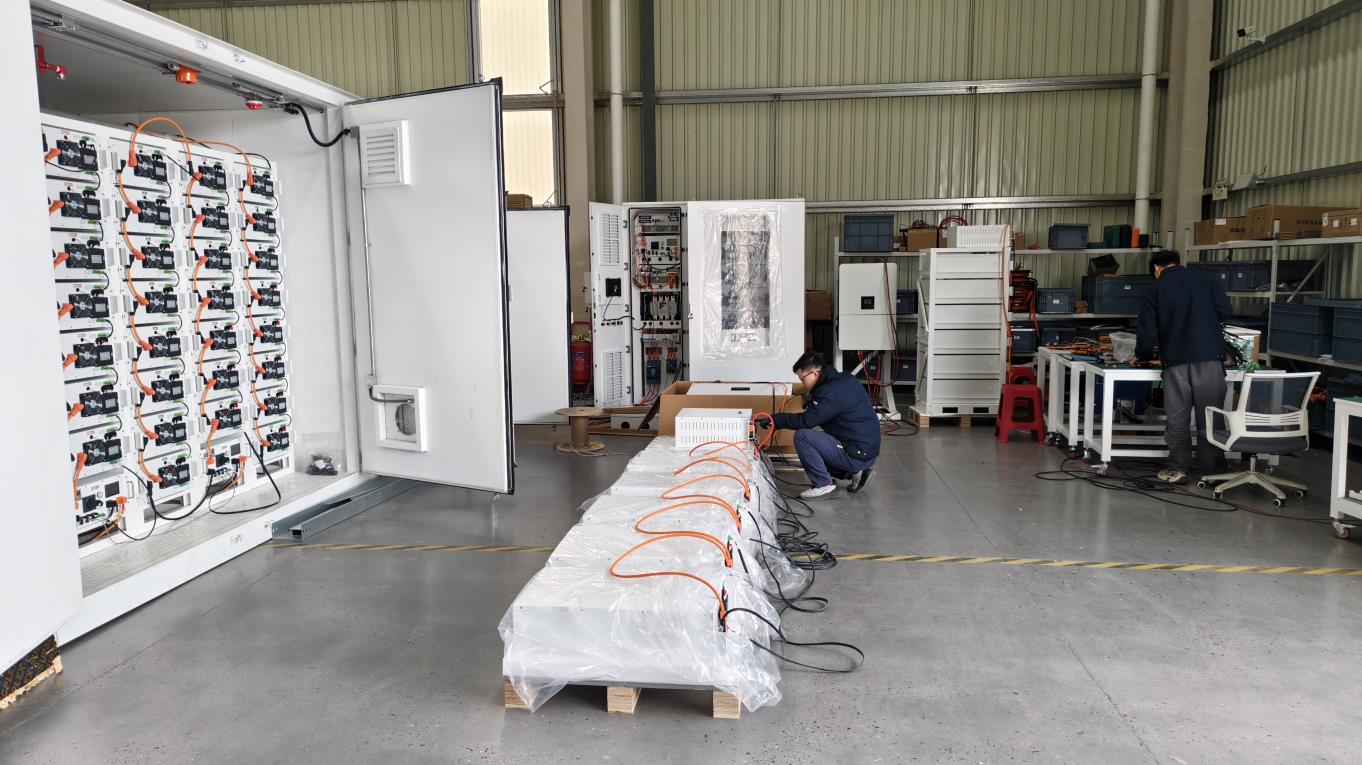
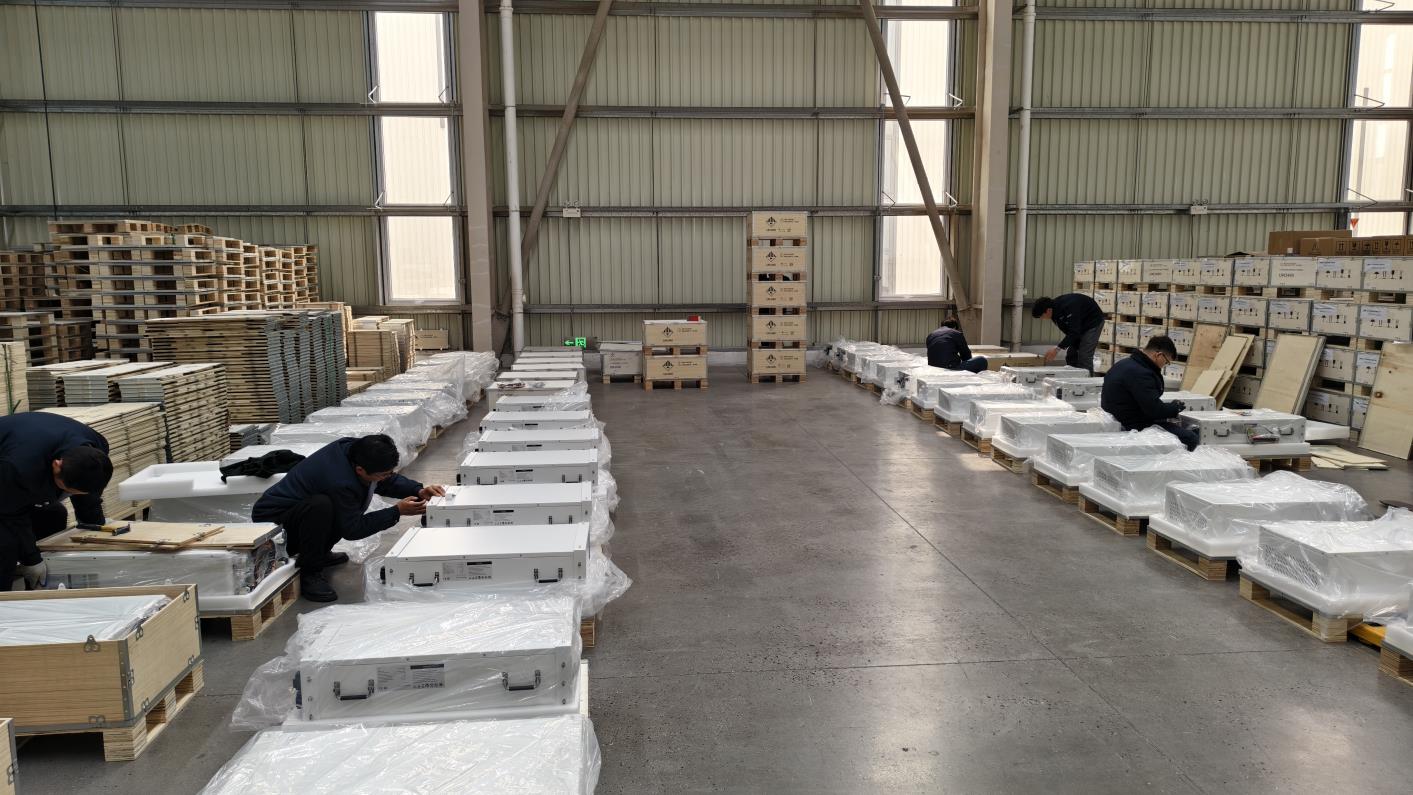
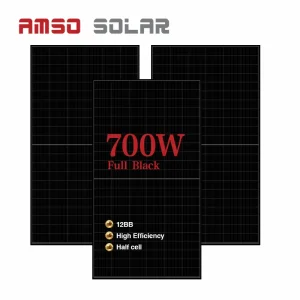
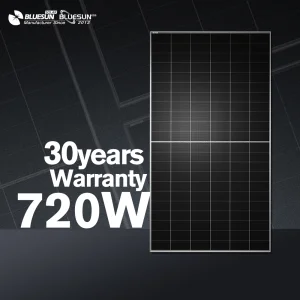
TOPCon (Tunnel Oxide Passivated Contact) panels are an evolution of P-type PERC, offering up to 22.5%+ efficiency at a highly competitive price point. HJT (Heterojunction Technology) panels combine crystalline silicon with amorphous silicon layers, offering a lower temperature coefficient (-0.26%/°C compared to TOPCon's -0.30%/°C). In very hot Mediterranean climates like southern Italy, HJT modules maintain higher power outputs during peak summer heat, resulting in slightly higher lifetime yields.
Yes, Aryam Energy has established partnerships and distribution nodes across Europe, keeping high-demand modules such as the N-type HJT and full-black panels stocked in European hubs. This enables us to fulfill orders with shortened lead times, bypass port delays, and mitigate shipping cost fluctuations for regional EPC contractors and installers in Italy.
For grid connection and building safety, modules must meet IEC 61215 and IEC 61730 standards, bear the CE mark, and comply with RoHS/WEEE. For C&I rooftops, Italian local authorities often require a Fire Class Reaction certificate (Classe di Reazione al Fuoco). Aryam Energy modules meet or exceed these requirements, qualifying for bank funding and local utility (GSE) grid access.
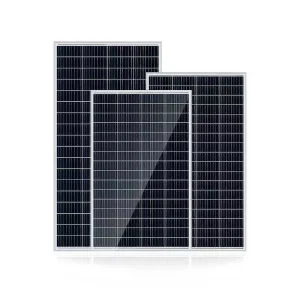
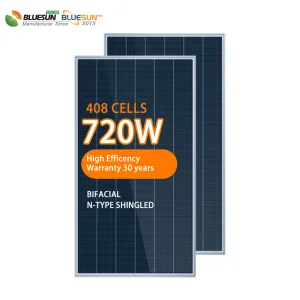
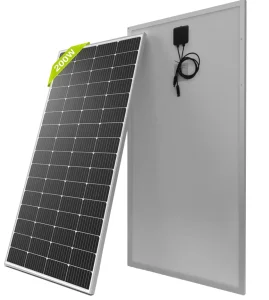
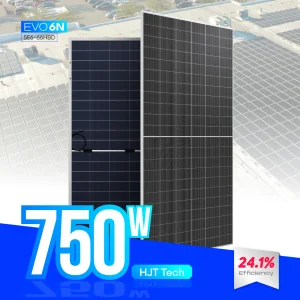
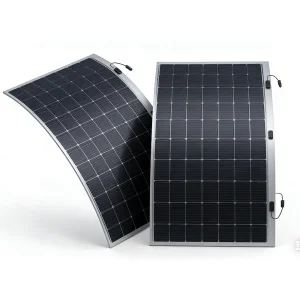
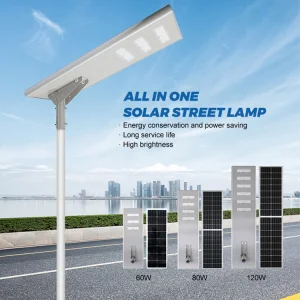
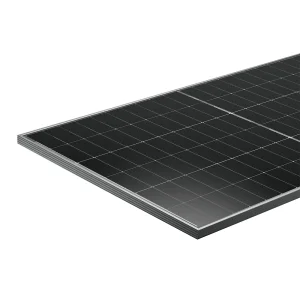
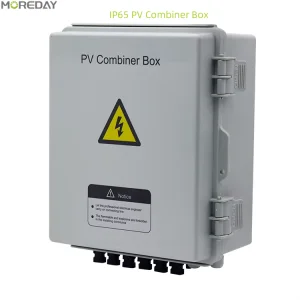
Partner with Anhui Aryam Energy to secure reliable Tier-1 quality PV modules, hybrid inverters, and lithium energy storage systems with direct European logistics integration.
Send Inquiry Now Aryam Energy