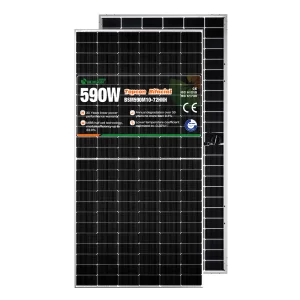
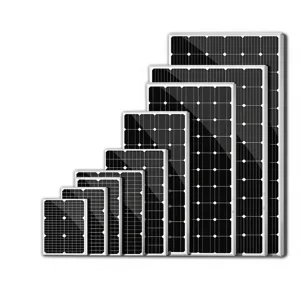
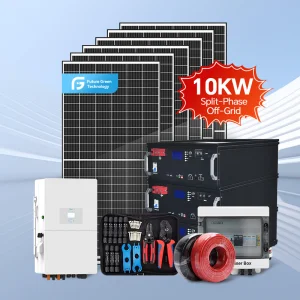
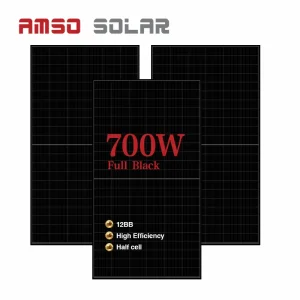
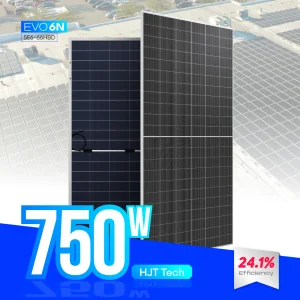
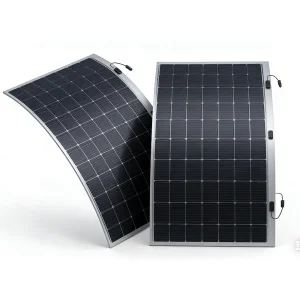
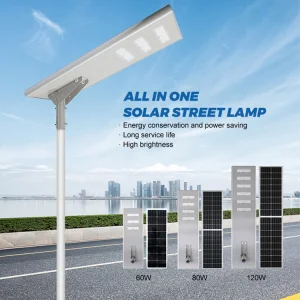
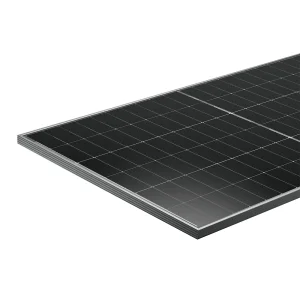
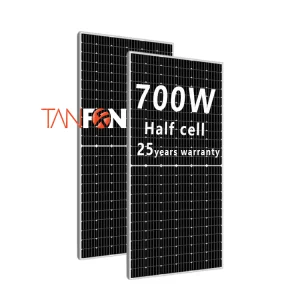
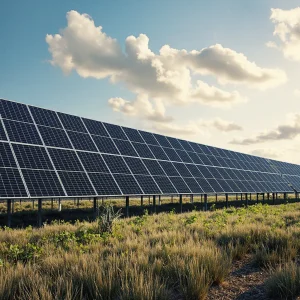
High-yield PV configurations engineered for residential, off-grid farmhouses, and industrial rooftops throughout Ireland.
An in-depth analysis of solar technology optimization, grid-compliance, and factory production protocols for the Irish commercial, industrial, and agricultural markets.
Ireland is undergoing an unprecedented energy transformation. Mandated by the national Climate Action Plan, which aims to achieve an ambitious target of 8GW of solar power installation by 2030, Irish industries are pivoting rapidly toward distributed generation. Historically dependent on imported fossil fuels and wind energy, the Irish grid requires a diversified generation profile to maintain system stability. Solar photovoltaic (PV) technology has emerged as the most viable, fast-deployable counter-cyclical complement to wind.
The Commercial and Industrial (C&I) sector, alongside Ireland's massive agricultural infrastructure, faces dual pressures: volatile electricity pricing from the wholesale Single Electricity Market (SEM) and strict Environmental, Social, and Governance (ESG) mandates. By deploying local solar arrays, businesses in logistics, dairy farming, pharmaceuticals, and manufacturing can lock in long-term levelized costs of energy (LCOE) far below utility tariffs. Furthermore, with the introduction of the SEAI (Sustainable Energy Authority of Ireland) Non-Domestic Microgeneration Scheme and the Clean Export Premium (CEP) tariff, exporters and factories can directly monetize excess generation, turning idle roof space into high-yield assets.
Contrary to common misconceptions, Ireland's temperate, maritime climate is highly suited for modern photovoltaic modules. Solar panels operate more efficiently at lower operating temperatures. The primary technical hurdle is not the lack of sun, but the ratio of diffuse solar radiation (cloudy conditions) to direct light. Advanced N-Type Topcon and Heterojunction (HJT) technologies leverage wide spectral response and exceptional low-light behavior to generate maximum kilowatt-hours (kWh) even under overcast Irish skies.
As a premier manufacturer and exporter, Anhui Aryam Energy Co., Ltd. addresses the global supply chain requirements of European EPCs (Engineering, Procurement, and Construction contractors). Shipping advanced PV components to key ports like Dublin, Cork, and Belfast requires rigorous adherence to European logistics and trade standards. Global manufacturers must navigate strict compliance guidelines, local grid integration mandates, and the rising demand for technical transparency.
Our global macro solutions revolve around mitigating supply-side risks for utility-scale and rooftop developers. This is achieved through:
Anhui Aryam Energy Co., Ltd. is a leading provider of advanced renewable energy solutions, dedicated to delivering reliable, efficient, and sustainable power systems for residential, commercial, industrial, and utility-scale applications worldwide. Through continuous innovation and a strong commitment to clean energy development, Aryam Energy has established itself as a trusted partner in the global transition toward a low-carbon future.
The company specializes in the research, development, manufacturing, and integration of solar energy systems, energy storage solutions, hybrid power systems, and intelligent microgrid technologies. Leveraging cutting-edge engineering expertise and strict quality management standards, Aryam Energy provides comprehensive energy solutions tailored to diverse market needs, particularly in regions facing energy shortages, unstable grid infrastructure, or increasing demand for sustainable power generation.
To maintain our E-E-A-T status as a premier global solar exporter, we operate a fully automated, state-of-the-art production facility. Our quality assurance pipeline ensures that every module leaving our assembly line is capable of withstanding the harsh environmental criteria of Ireland's maritime exposure (IEC 61701 Salt Mist Corrosion standard).
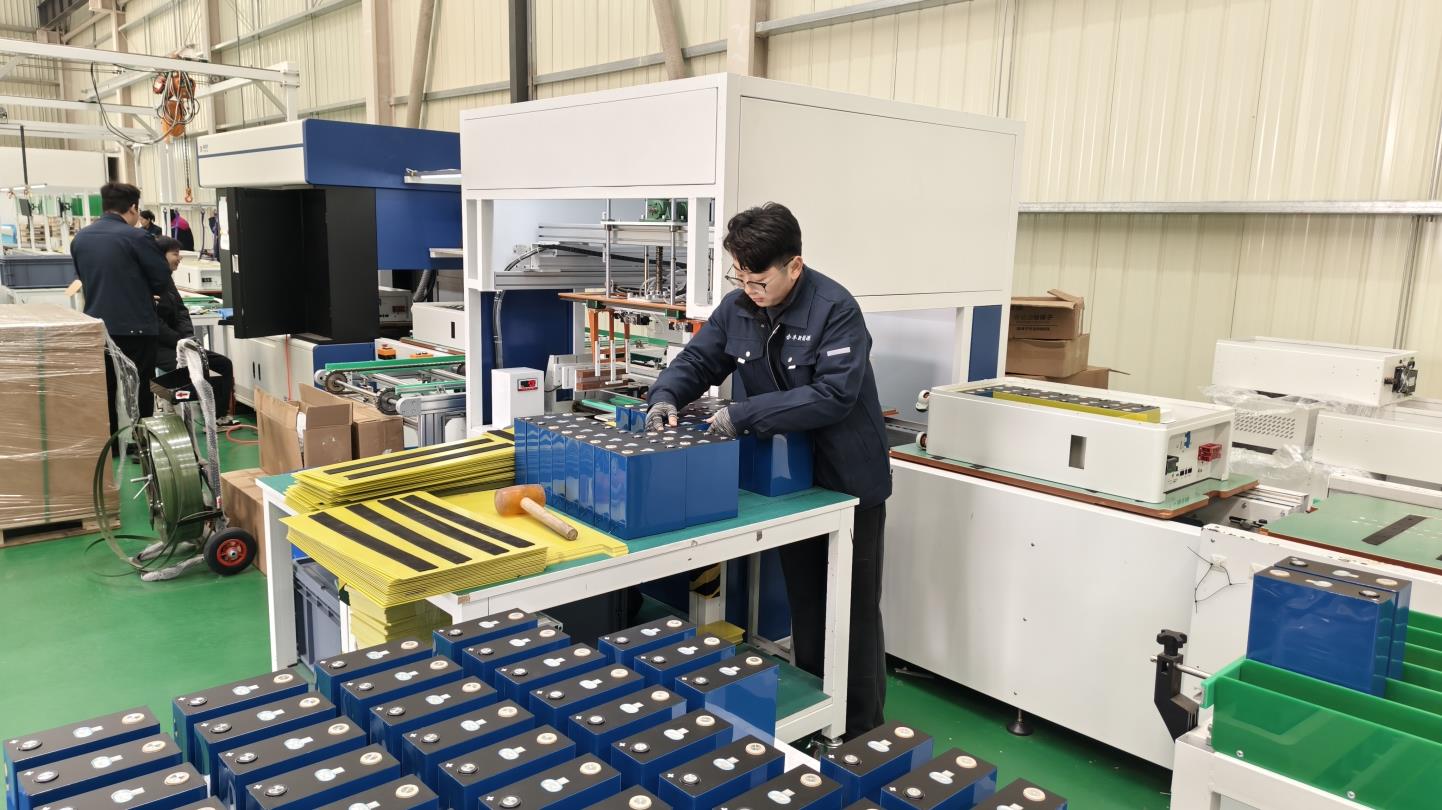
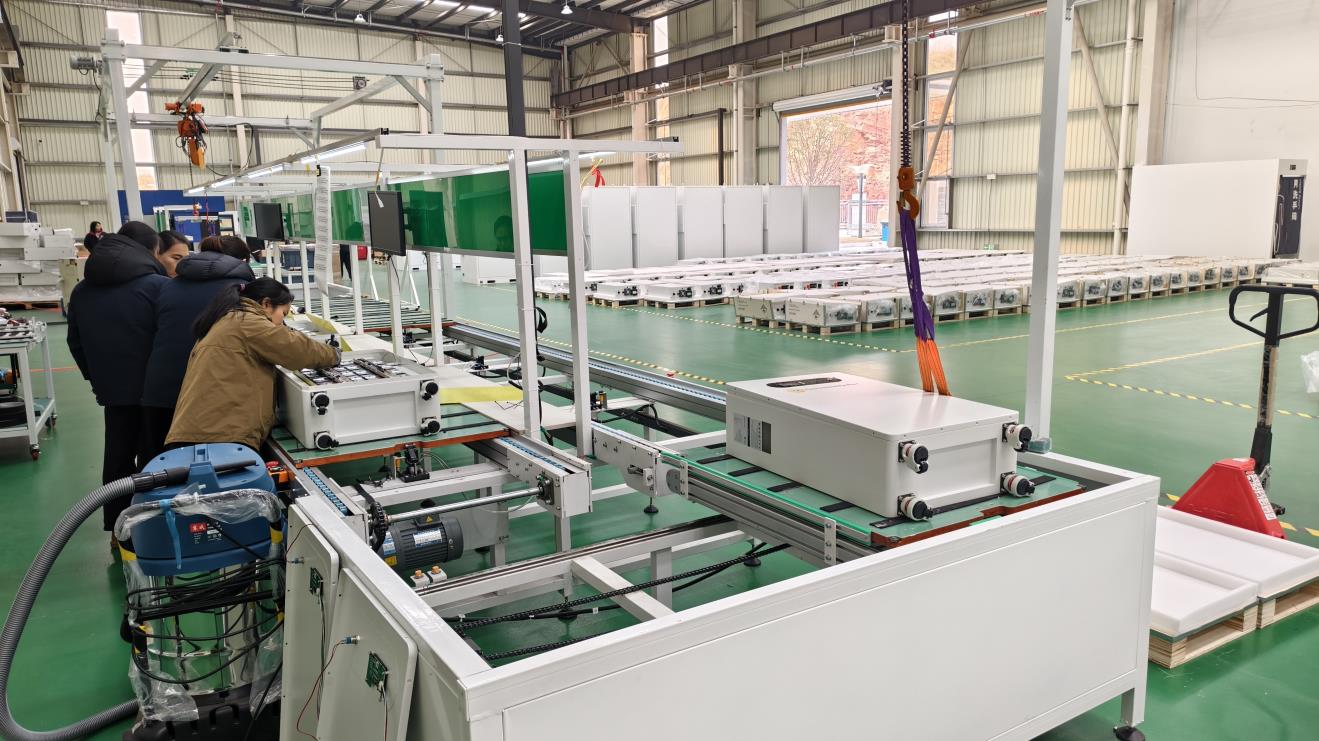
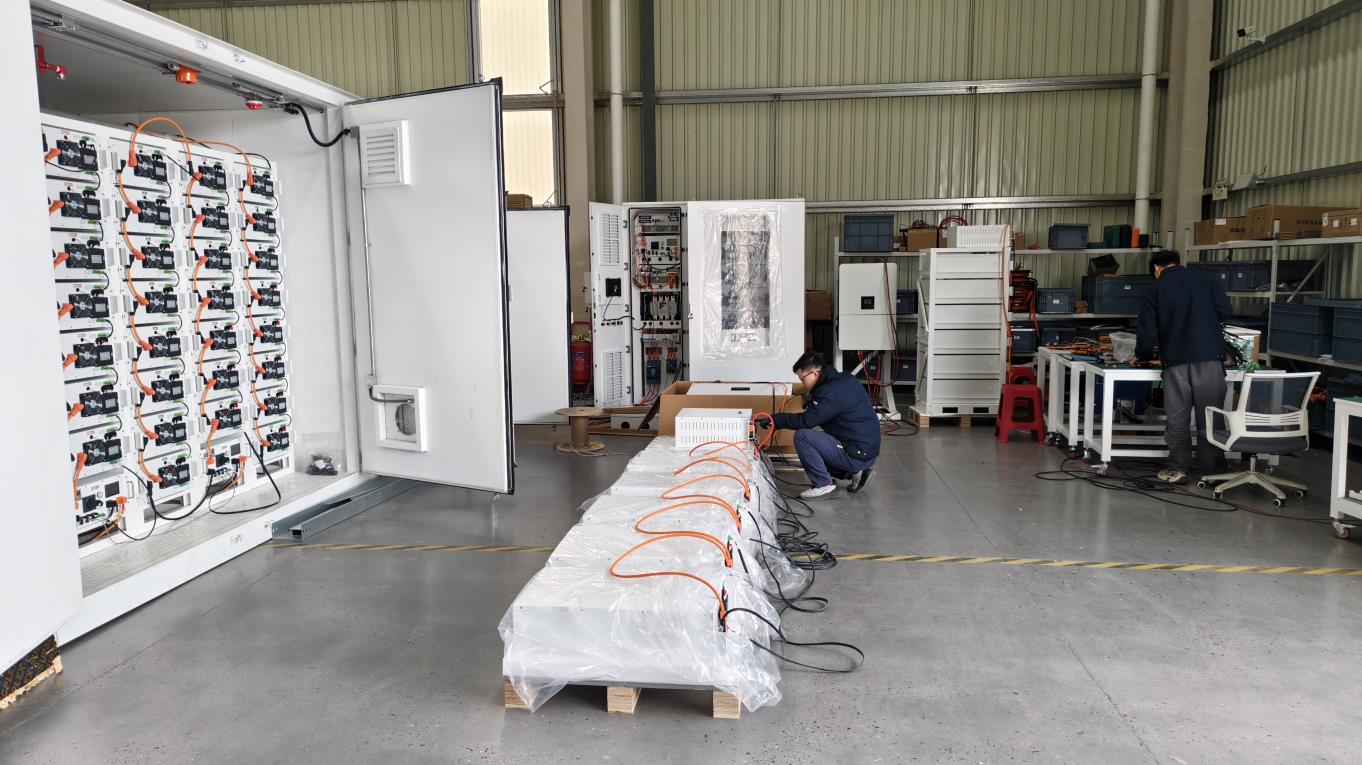
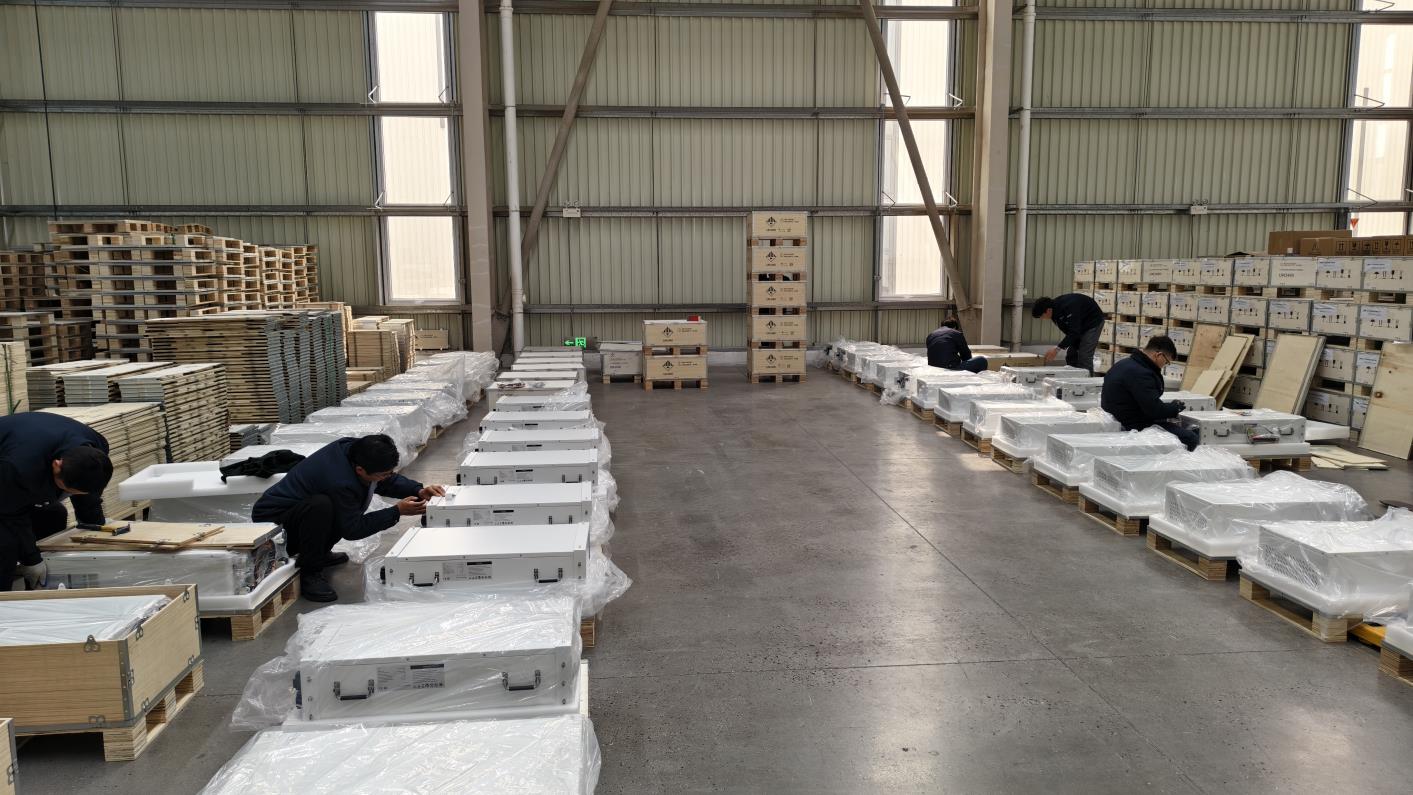
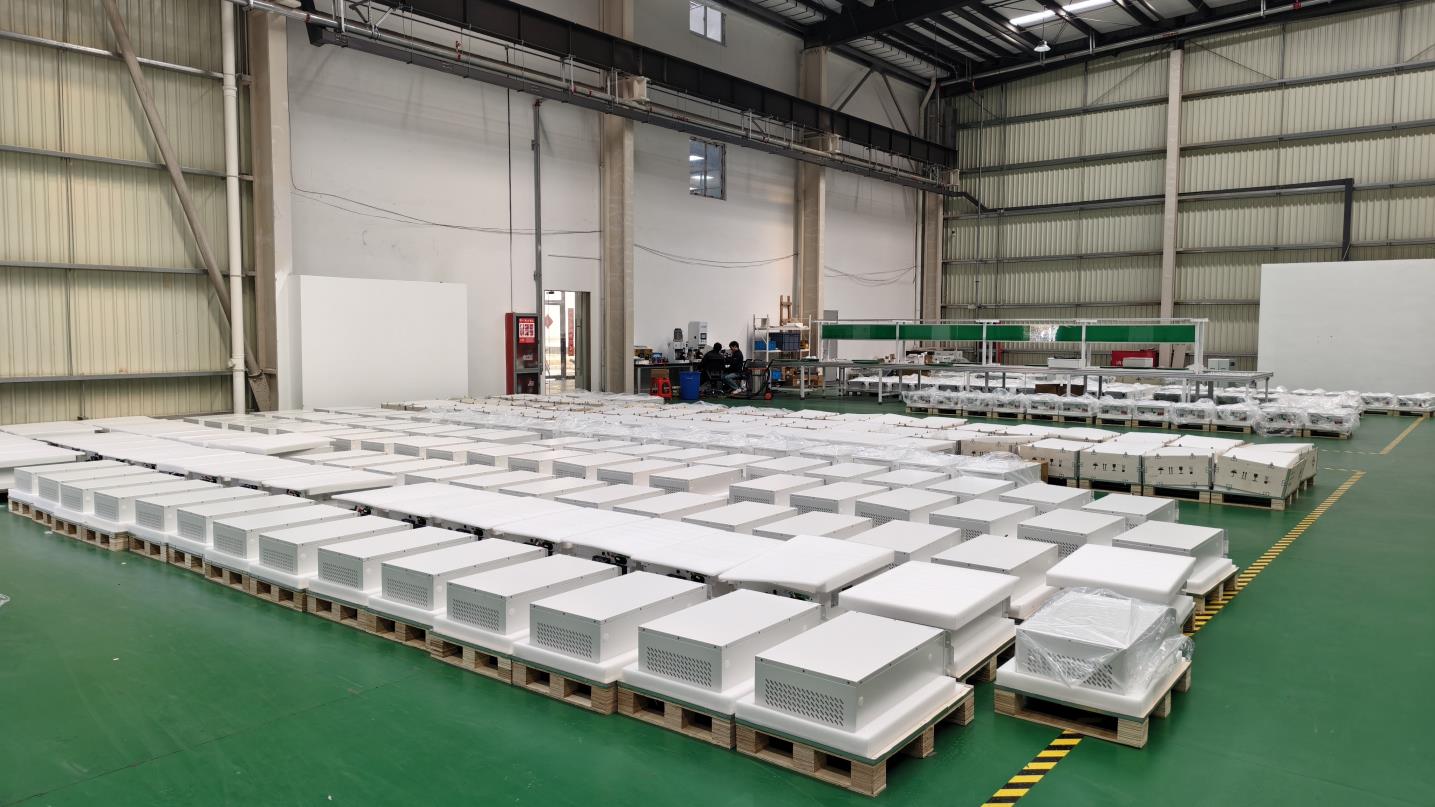
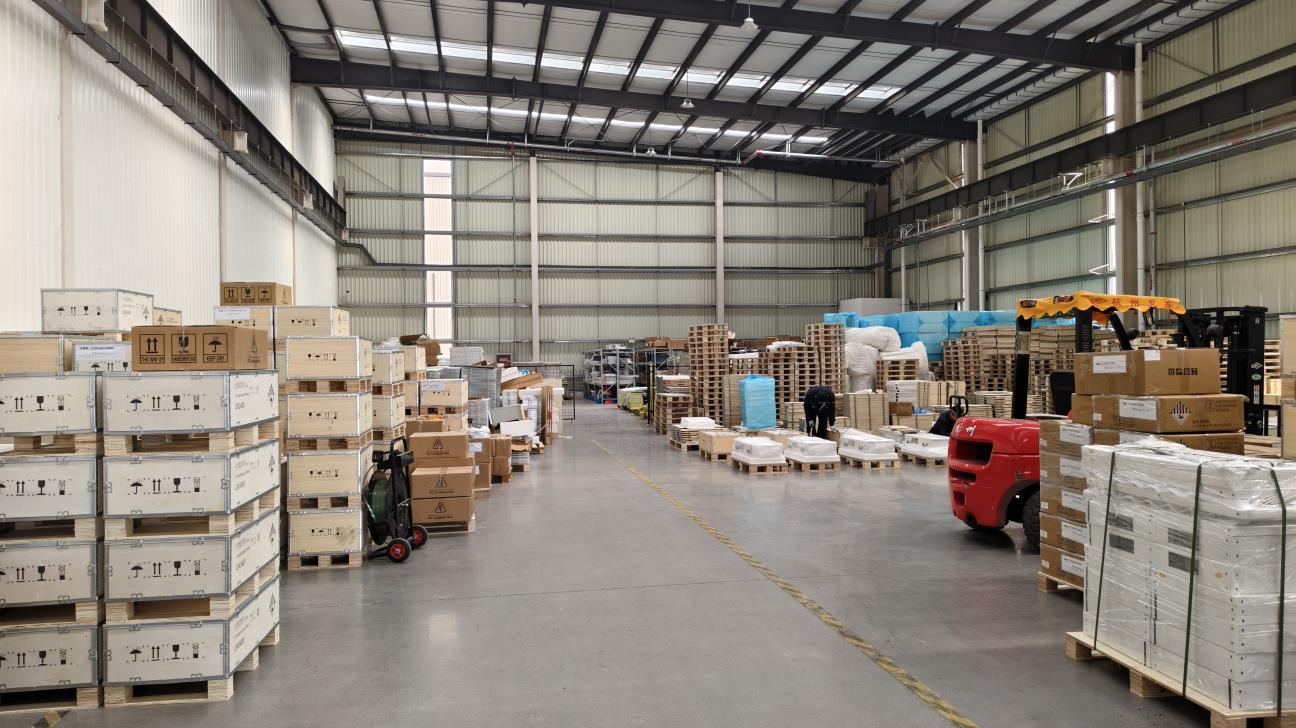
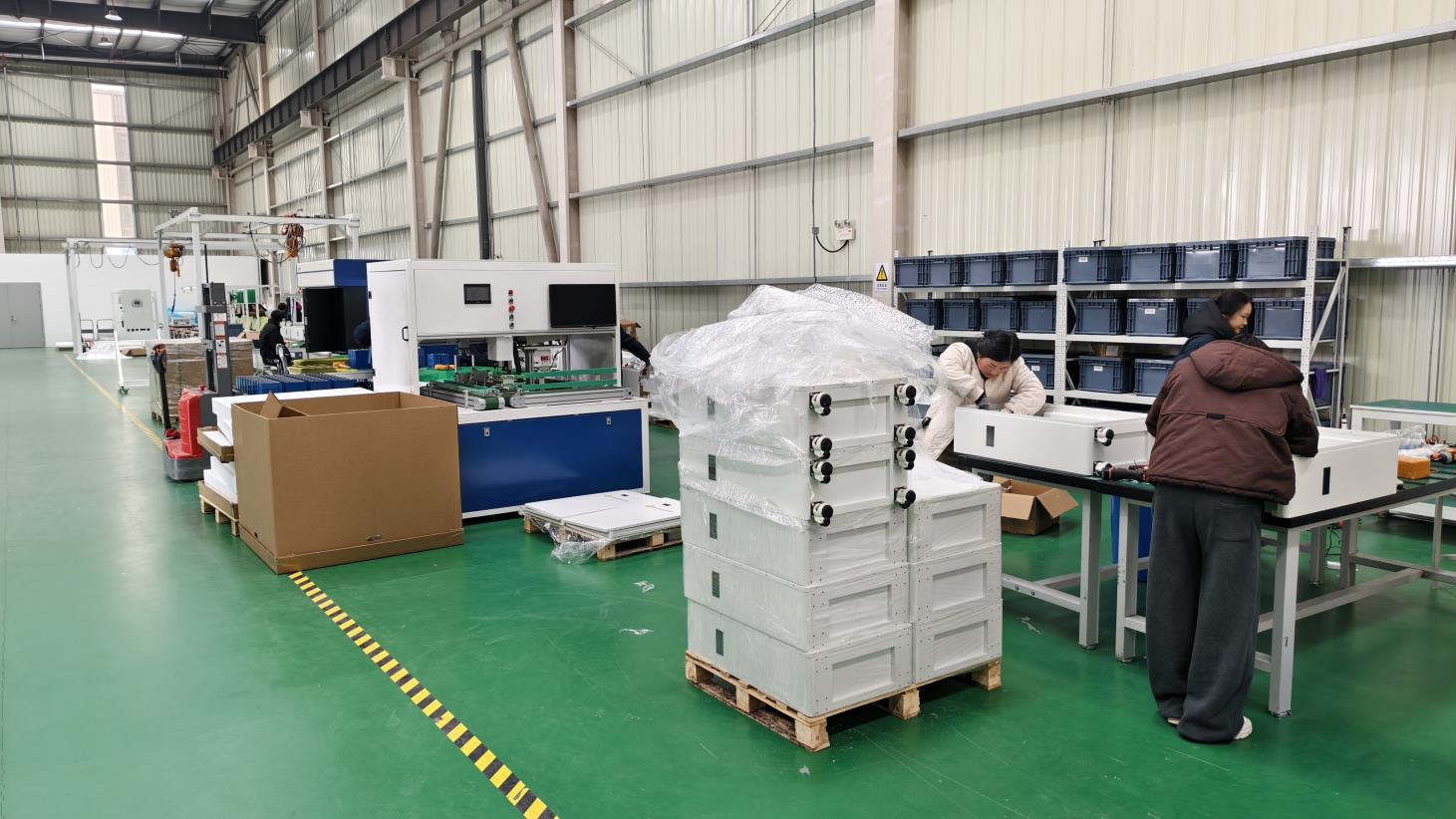
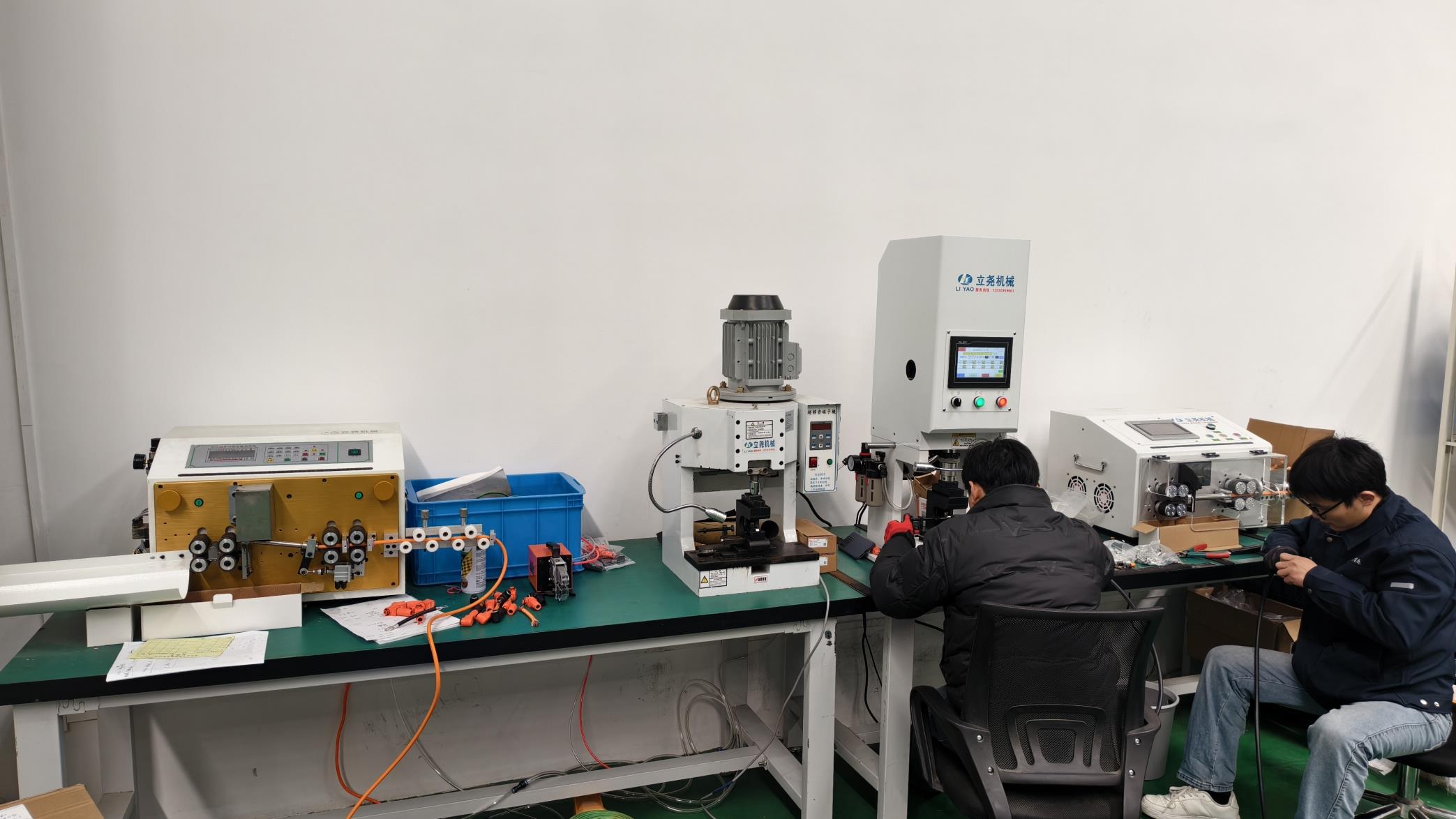
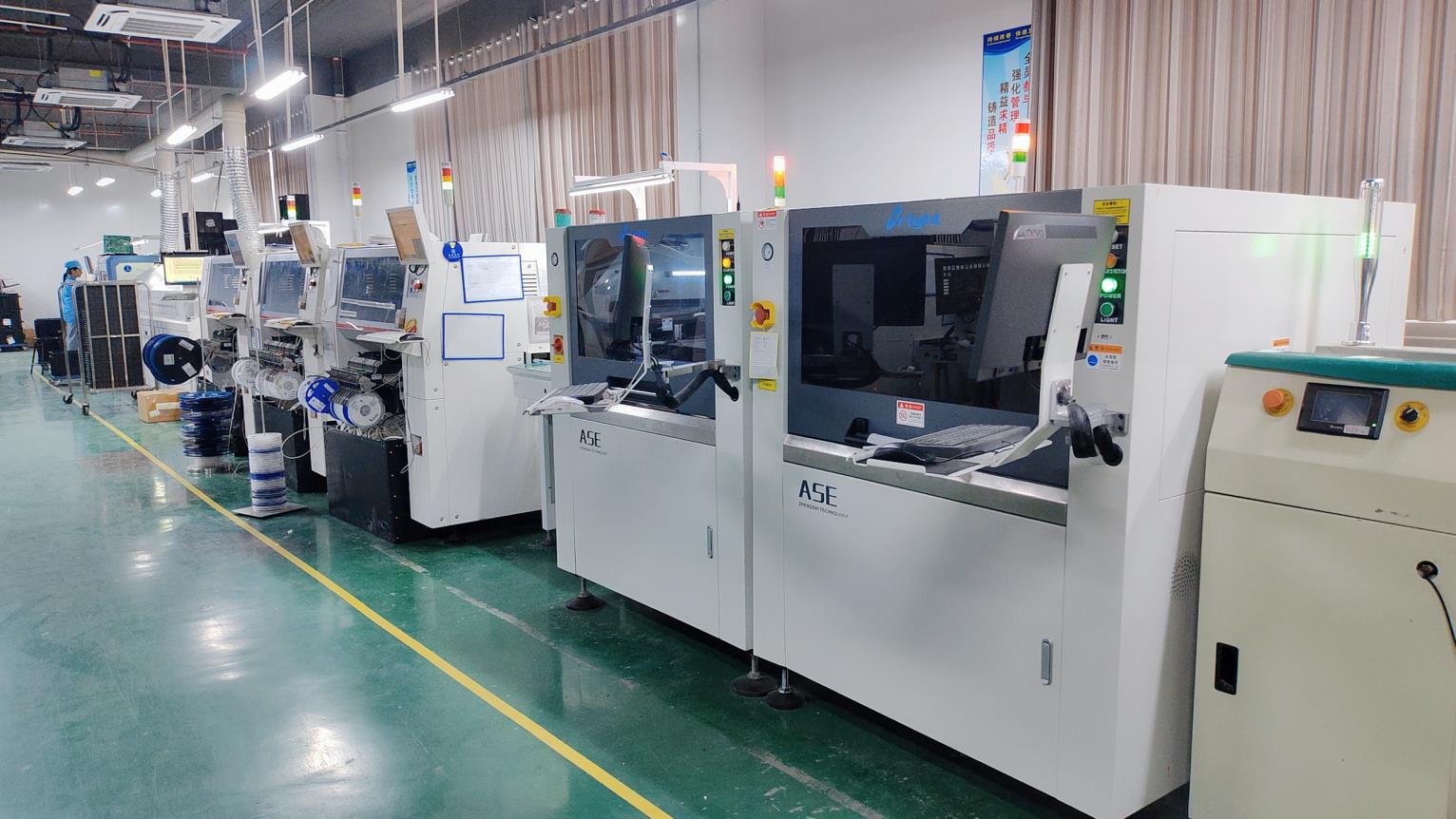
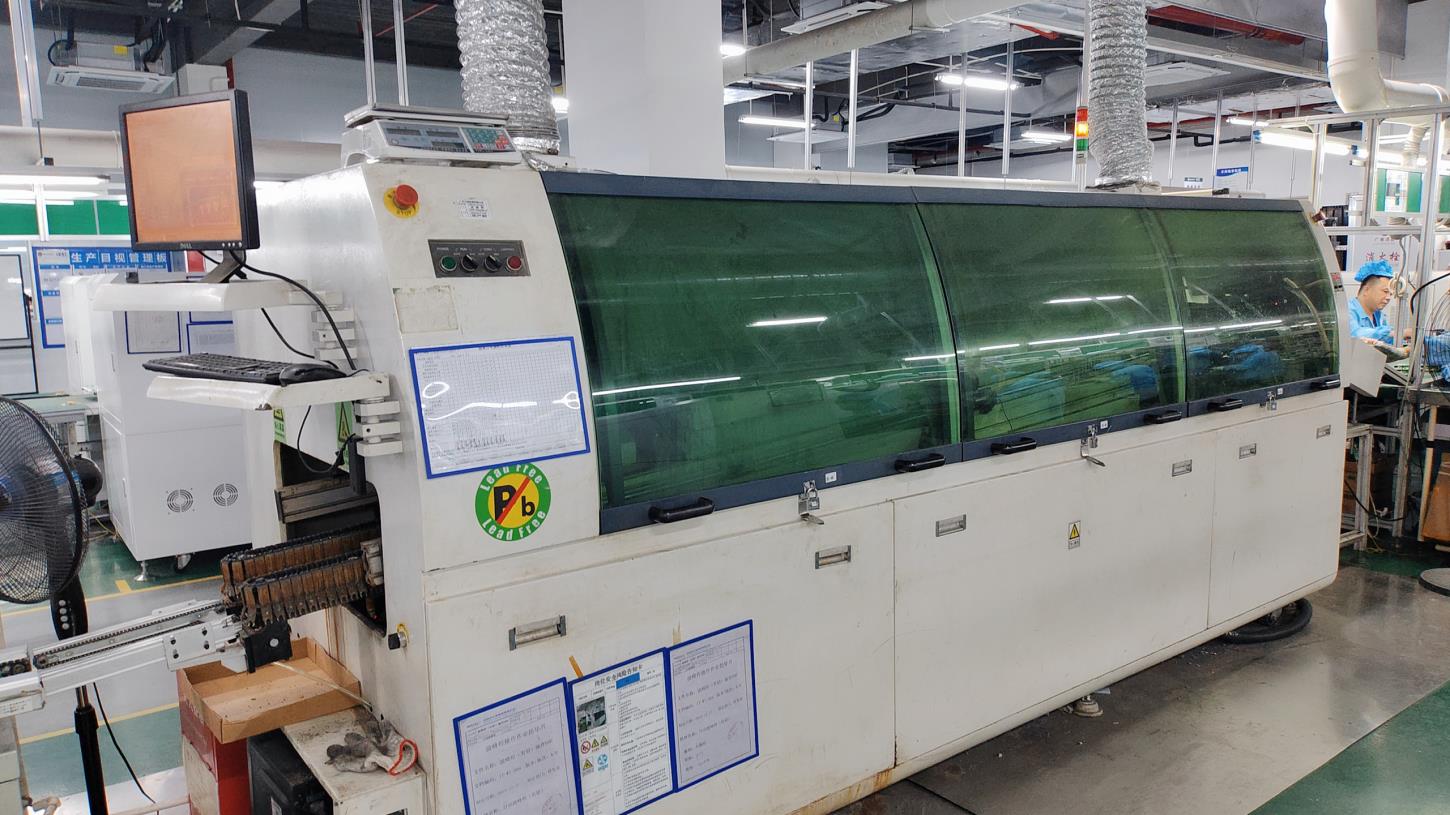
Beyond panel lamination, Aryam Energy maintains dedicated electronics production, including our SMT (Surface Mount Technology) lines and Wave Soldering machines. These operations are critical for assembling the proprietary PCB microprocessors used in our hybrid inverters, DC combiners, and battery management systems (BMS).
Integrating commercial or agricultural solar arrays into the Irish electricity network requires strict compliance with ESB Networks (Electricity Supply Board) regulatory frameworks. Developers must file application notifications based on connection sizes:
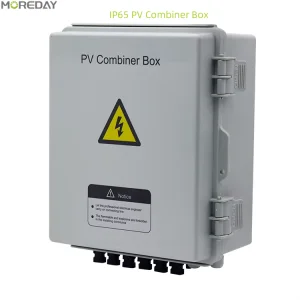
Our inverters and grid-protection components, such as the Moreday PV Junction Combiner Box with Lightning Arrester, are engineered to comply with the European EN 50549-1 standard (Requirements for generating plants to be connected in parallel with distribution networks). This guarantees fault-ride-through capability, reactive power regulation, and reliable decoupling settings (over/under voltage and frequency protection) mandated by Irish distribution system operators (DSO).
Ireland's unique geographic and economic sectors require highly targeted PV solutions rather than a "one-size-fits-all" approach. Here are the core applications where Aryam Energy systems deliver optimized performance:
The photovoltaic industry is rapidly transitioning from standard p-type passivated emitter and rear cell (PERC) architectures to advanced n-type substrates. Anhui Aryam Energy Co., Ltd. is leading this shift by heavily investing in Heterojunction (HJT) and Tunnel Oxide Passivated Contact (Topcon) technologies.
For Irish projects, our development roadmap prioritizes:
Explore our full line of solar cells, heavy-duty bifacial modules, off-grid kits, and electrical safety components certified for European markets.
 Aryam Energy