Explore our flagship solar power components, lithium battery storage systems, and energy management peripherals designed to drive next-generation water filtration architectures globally.
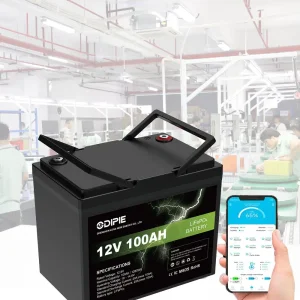
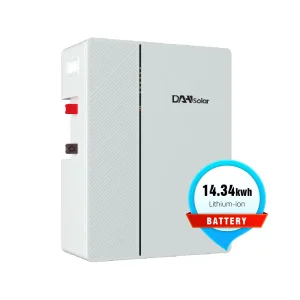


How photovoltaic and photothermal innovations are addressing clean water deficits through off-grid structural engineering.
The global intersection of water scarcity and clean energy transition has catalyzed a fundamental paradigm shift. Historically, off-grid water purification systems relied heavily on fossil-fueled diesel generators. Modern operations mandate zero-carbon, highly efficient alternatives. Integrating photovoltaic (PV) modules with advanced membrane filtration (such as Reverse Osmosis - RO, Ultrafiltration - UF, and Nanofiltration - NF) has emerged as the premier solution for sustainable, localized clean water supply.
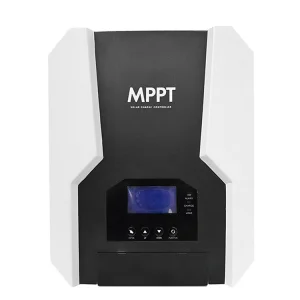
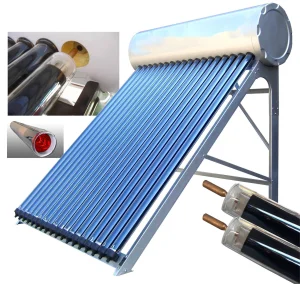
This structural change is driven by advancements in solar energy capture and storage. Utilizing multi-stage MPPT (Maximum Power Point Tracking) technology enables systems to run dynamically under varying irradiance profiles. Coupled with high-capacity Lithium Iron Phosphate (LiFePO4) storage chemistry, off-grid purification networks maintain operational integrity 24/7, even during severe seasonal transitions or prolonged weather irregularities. Solar energy powers high-pressure pumps while thermal collectors handle sterilization and direct solar distillation, representing a versatile approach to decentralized utility systems.
By bypassing heavy infrastructure layout requirements, decentralized solar water filtration systems achieve extremely low Levelized Cost of Water (LCOW), lowering capital expenditure payback periods to under three years for commercial and municipal scale operations.
Modern plants employ modular container designs. Standard configurations scale rapidly from 500 liters per hour (LPH) to over 50,000 LPH, accommodating rural townships, dynamic agricultural systems, and massive mining developments seamlessly.
Adhering to strict international standards (such as NSF/ANSI 58 and CE certification) guarantees that water output matches WHO potable standards, maintaining reliability even in high-salinity coastal areas.
Anhui Aryam Energy Co., Ltd. — Pioneering Clean Energy Systems & Global Decarbonization.
Anhui Aryam Energy Co., Ltd. is a leading provider of advanced renewable energy solutions, dedicated to delivering reliable, efficient, and sustainable power systems for residential, commercial, industrial, and utility-scale applications worldwide. Through continuous innovation and a strong commitment to clean energy development, Aryam Energy has established itself as a trusted partner in the global transition toward a low-carbon future.
The company specializes in the research, development, manufacturing, and integration of solar energy systems, energy storage solutions, hybrid power systems, and intelligent microgrid technologies. Leveraging cutting-edge engineering expertise and strict quality management standards, Aryam Energy provides comprehensive energy solutions tailored to diverse market needs, particularly in regions facing energy shortages, unstable grid infrastructure, or increasing demand for sustainable power generation.
With a professional R&D team and a growing portfolio of proprietary technologies, Aryam Energy continuously invests in innovation to enhance system performance, energy efficiency, and long-term reliability. Its products and solutions are designed to meet international standards and have been successfully deployed across Asia, Africa, the Middle East, Europe, and Latin America, serving customers in more than 100 countries and regions.
Aryam Energy's product portfolio includes solar inverters, energy storage systems, hybrid inverters, lithium battery solutions, solar water pumping systems, microgrid systems, and customized renewable energy projects. The company is committed to providing integrated energy solutions that maximize energy independence, reduce operational costs, and support environmental sustainability.
Driven by the vision of becoming a globally recognized clean energy technology leader, Aryam Energy actively collaborates with distributors, EPC contractors, government agencies, international organizations, and development partners to promote renewable energy adoption worldwide. Through its mission of "Empowering Sustainable Energy for a Better Future," the company strives to create long-term value for customers while contributing to global carbon reduction goals and sustainable social development.
By combining technological innovation, product excellence, and customer-centric service, Anhui Aryam Energy Co., Ltd. continues to deliver smart, reliable, and environmentally responsible energy solutions that help build a greener and more sustainable world.
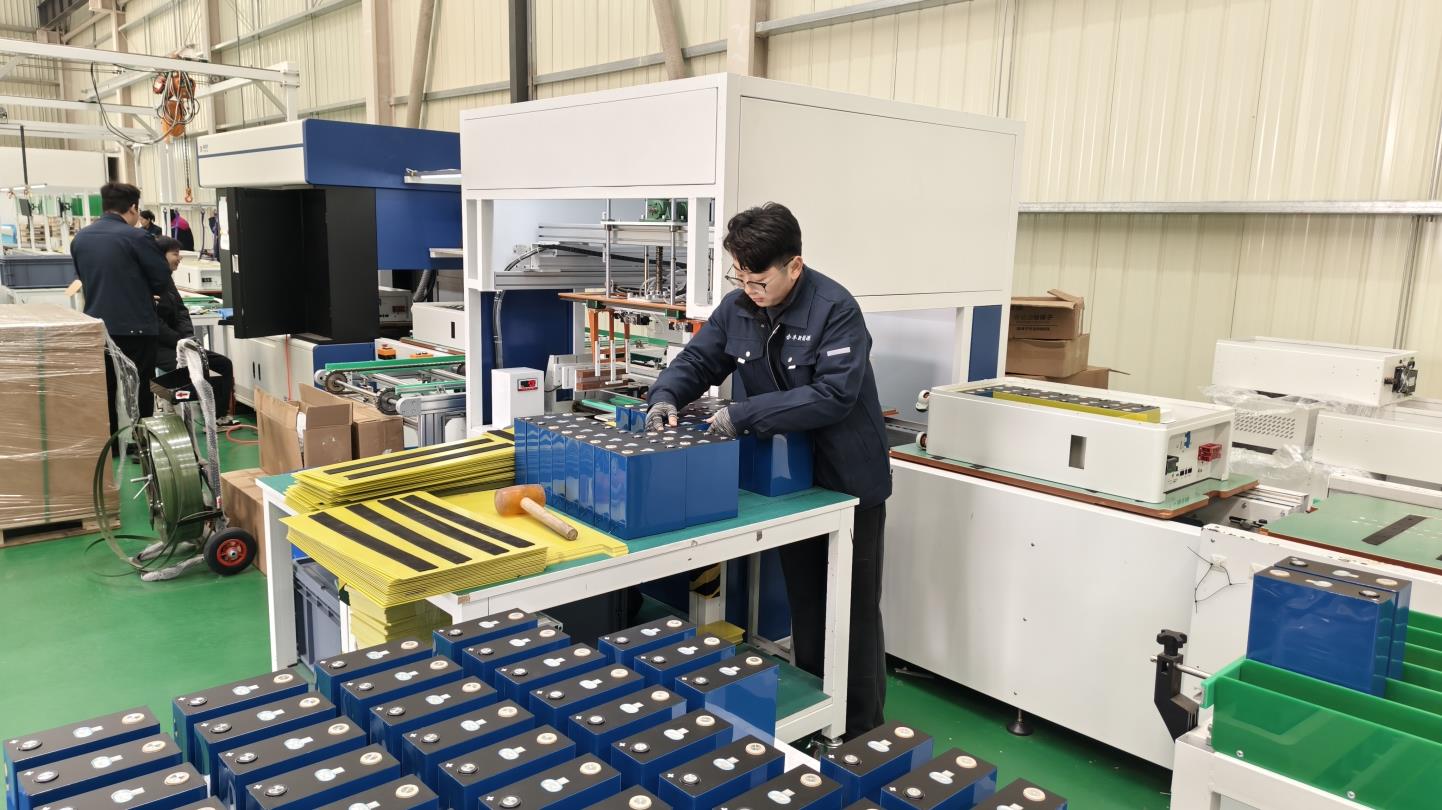
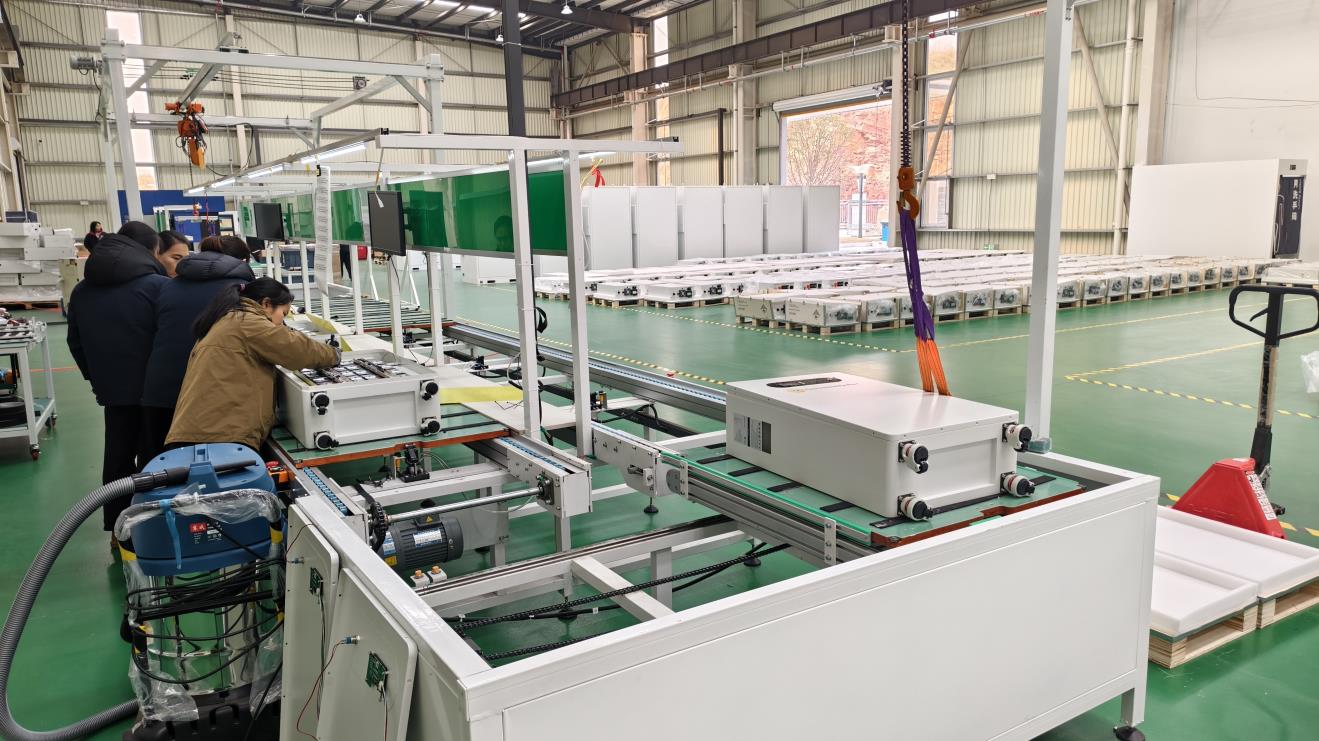
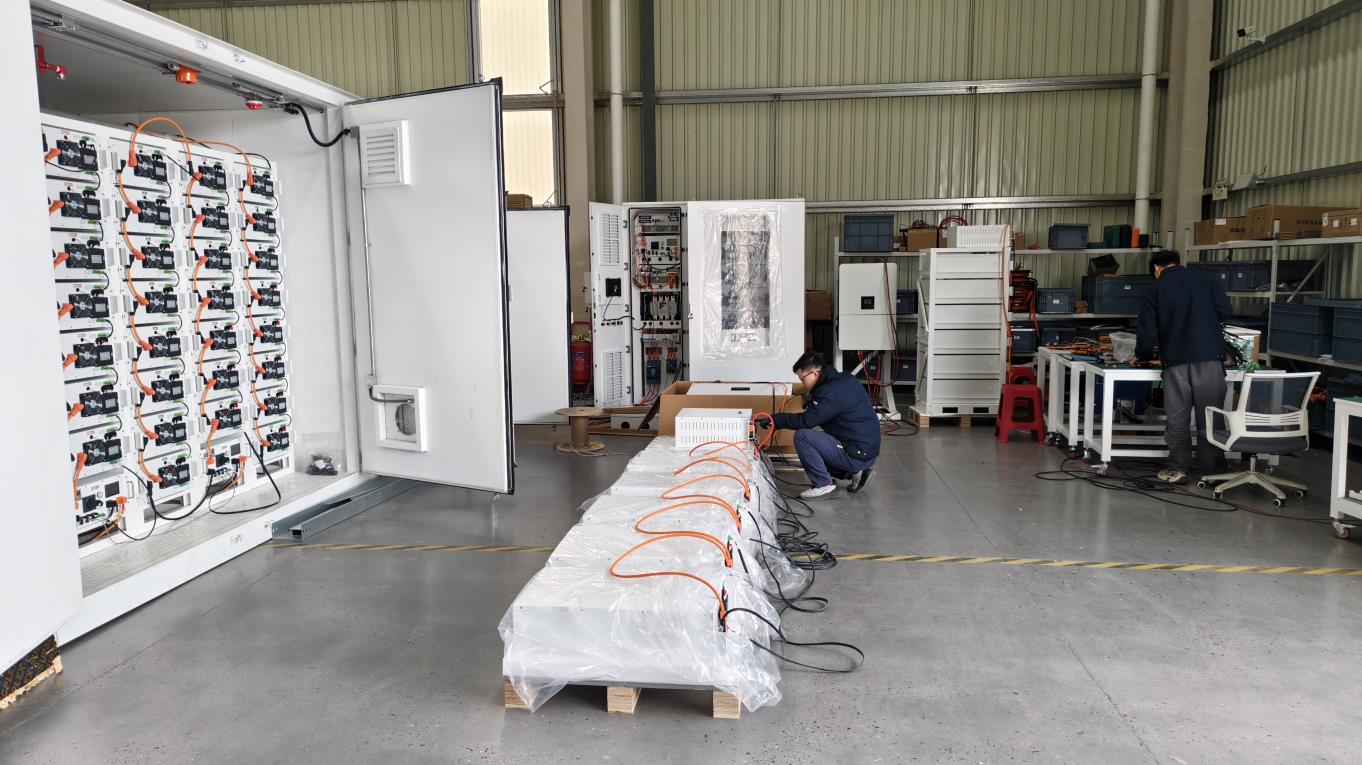
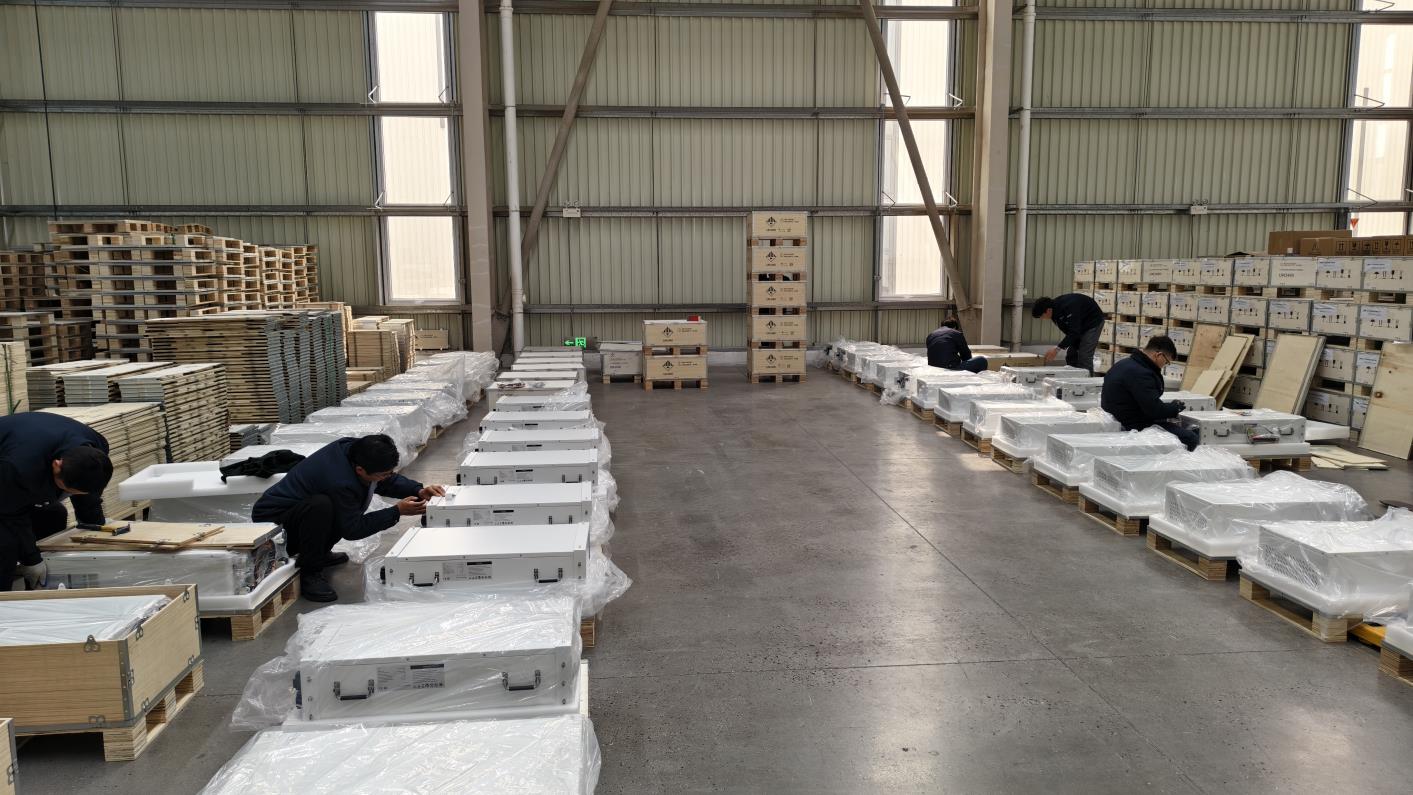
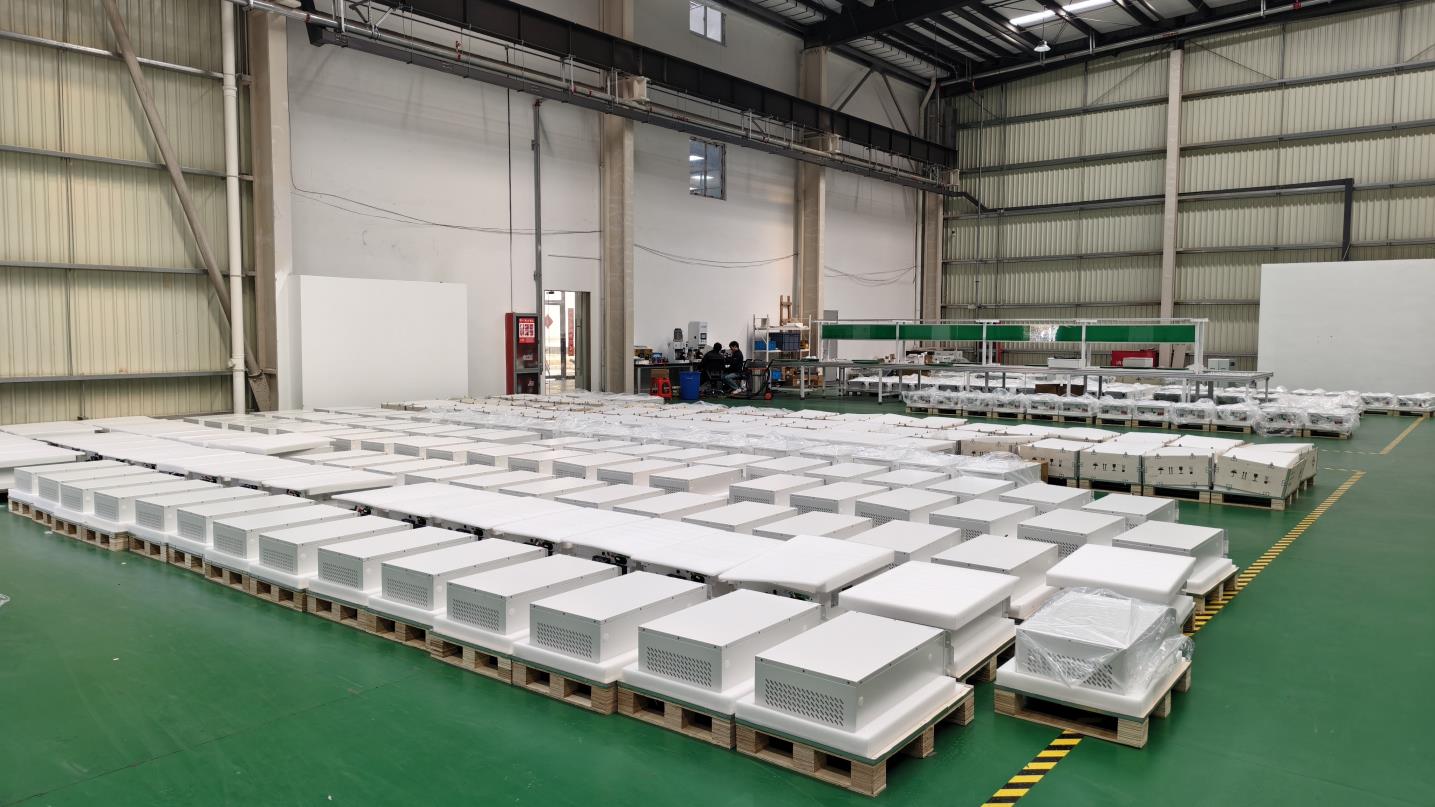
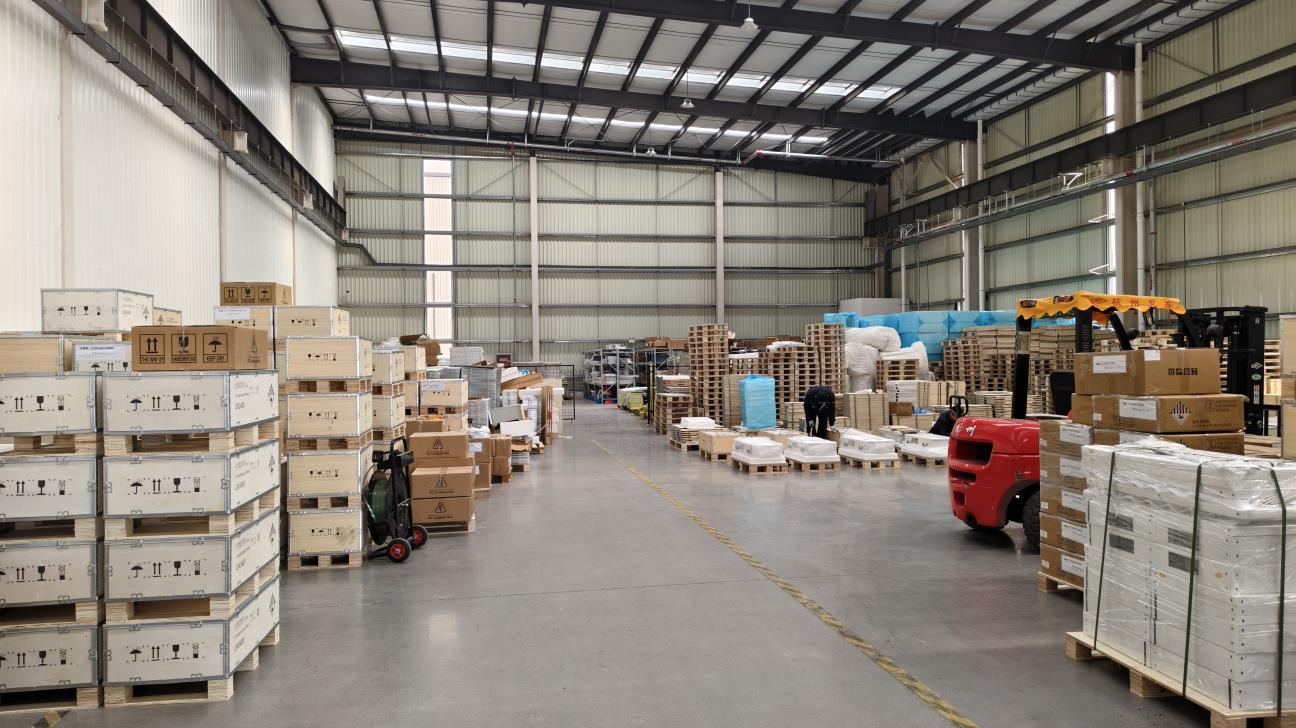
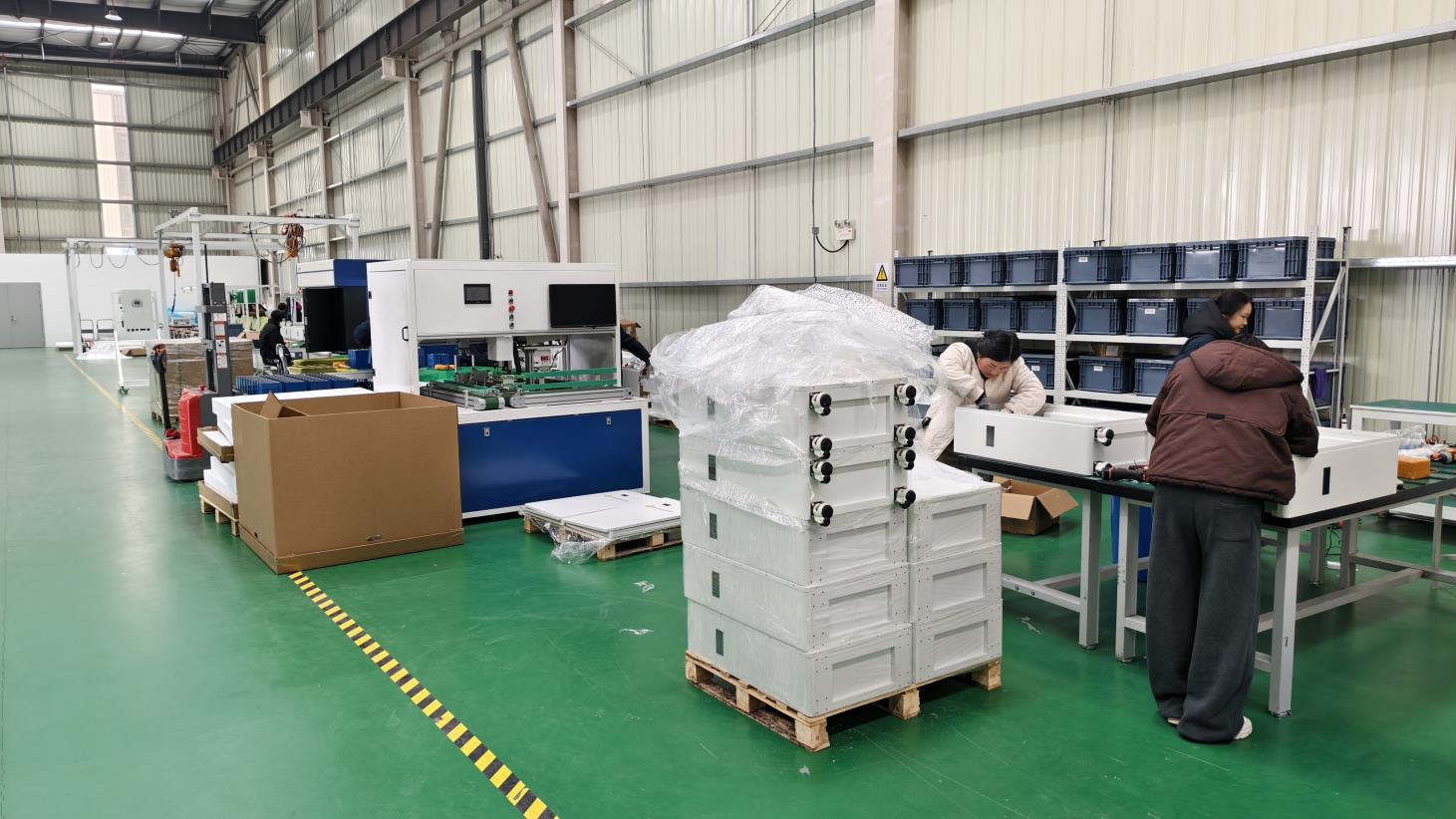
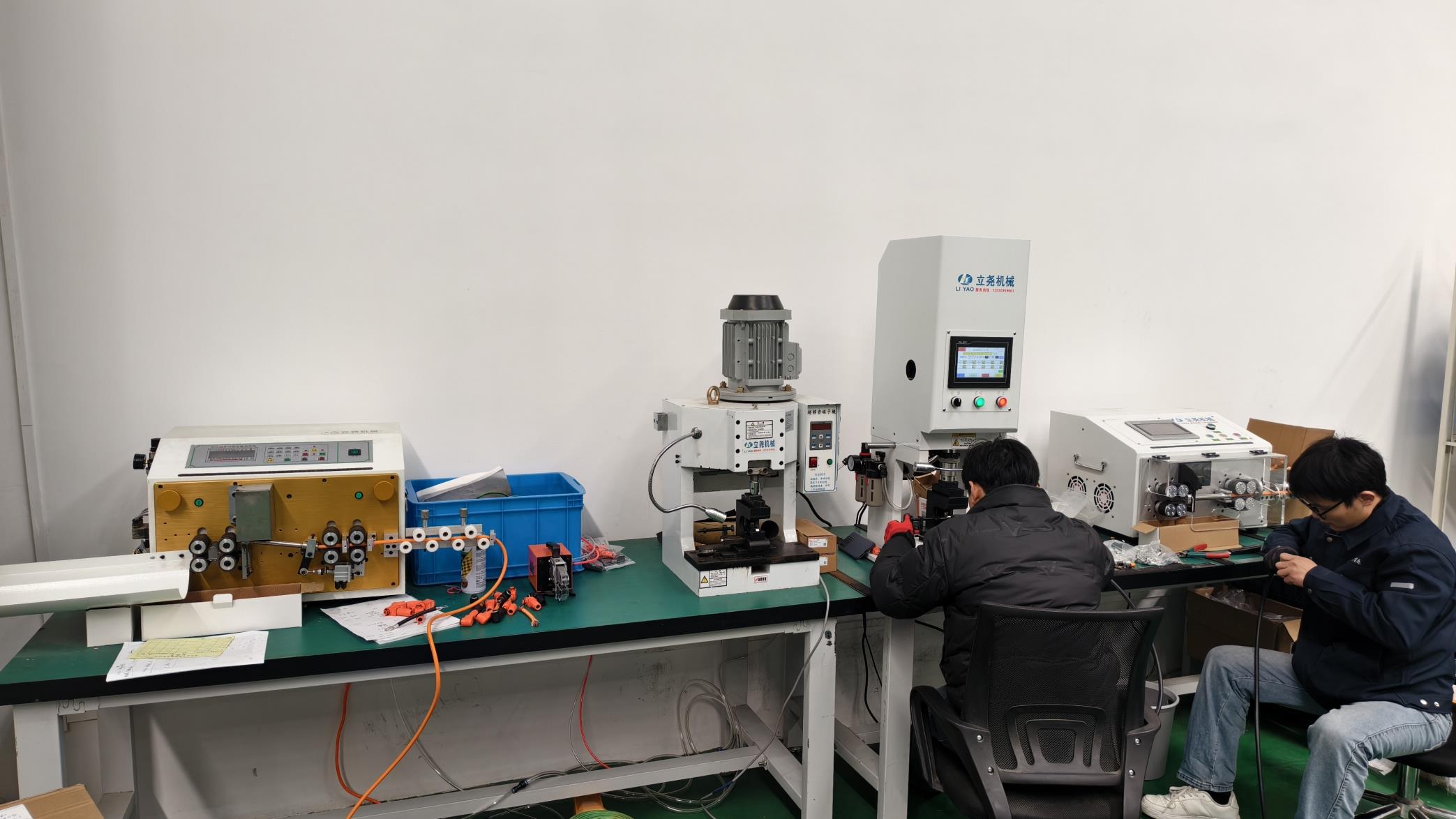
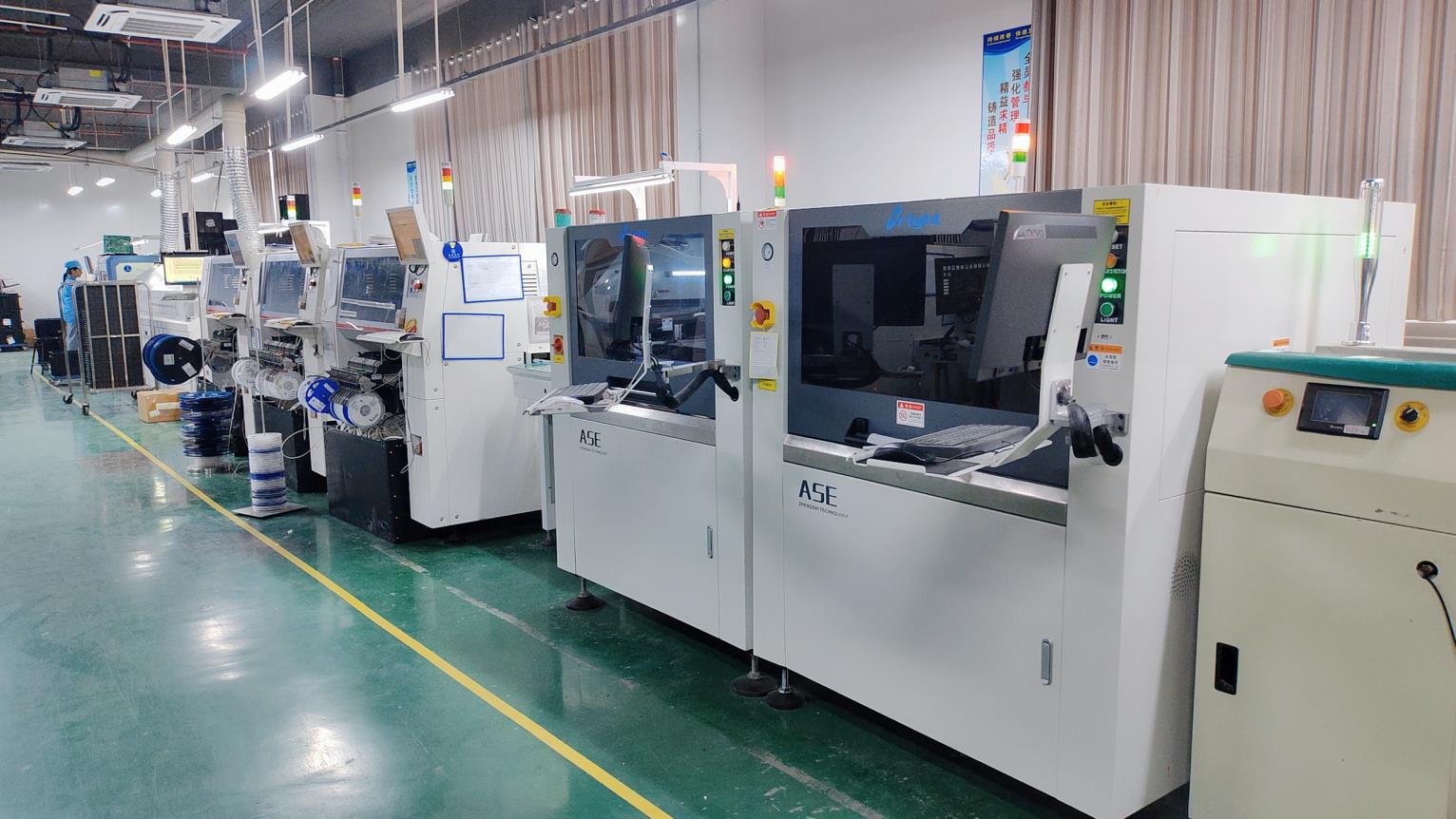
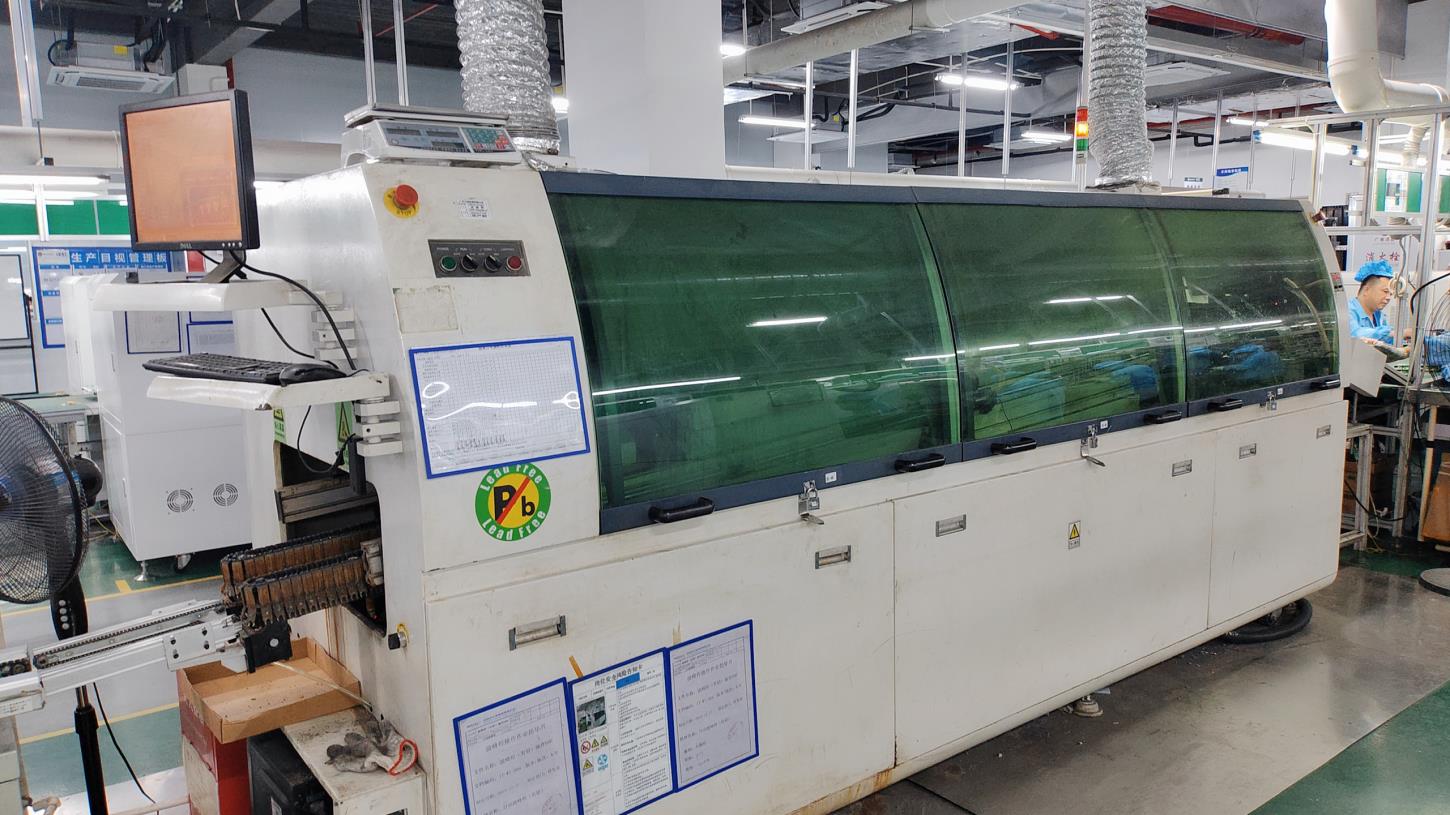
B2B procurement of solar-powered water filtration systems requires detailed technical evaluation. Buyers must consider parameters beyond standard pump capacity to ensure long-term ROI. Key criteria include daily output metrics under minimum solar irradiance levels, specific energy consumption per cubic meter of clean water generated, membrane backwash frequencies, and system robustness in challenging weather conditions.
Procuring organizations (including municipal utilities, military bases, agricultural collectives, and emergency response teams) look for turnkey configurations that integrate pre-filtration, primary carbon filtration, chemical-free UV-C sterilization, and high-pressure Reverse Osmosis. When sourcing systems for areas with brackish water or seawater intrusion, matching the anti-corrosion properties of the hardware (e.g., using Duplex 2205 or 316L Stainless Steel for all high-pressure piping) is essential to prevent early failure.
As the epicenter of global solar supply chains, China's Industry 4.0 factories provide unique cost and reliability advantages. Advanced automated manufacturing lines, high-speed Surface Mount Technology (SMT), and automatic wave soldering machines guarantee high-precision circuit board assembly for solar charge controllers and hybrid inverters. This vertical integration allows factories to manage quality controls tightly, from incoming wafer inspection to finished system load testing.
This automated ecosystem translates to significant advantages for global buyers:
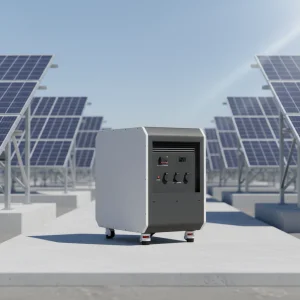
The applications for solar-driven filtration are highly diverse. In remote agricultural regions, MPPT-controlled pumping and integrated filtration systems turn high-salinity groundwater into clean water for crop irrigation, improving yield quality without relying on erratic utility grids. In disaster relief and municipal emergencies, portable solar generators and mobile trailer filtration units offer fast deployment, supplying clean water to affected communities within hours.
Commercial installations (including eco-resorts, mining complexes, and offshore aquaculture installations) use solar water filtration to lower utility expenses and meet sustainability goals. Generating pure drinking water from brackish lakes or ocean water helps these operations operate sustainably, minimizing their environmental impact on local ecosystems.
Authoritative technical answers to common queries regarding off-grid solar water treatment systems, sizing engineering, and power optimization.
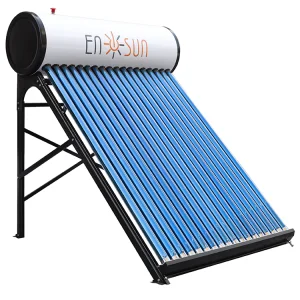
Complete your off-grid water treatment, thermal heating, or power distribution setups with these specialized auxiliary components.

 Aryam Energy