High-performance engineering designed for resilient power management, grid optimization, and industrial sustainability.


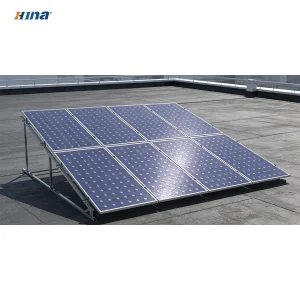
Executive Summary: As the global transition toward zero-carbon energy grids accelerates, the deployment of photovoltaic systems has evolved from basic component installation to sophisticated Solar Resource Management (SRM). In 2025, maximizing Levelized Cost of Energy (LCOE) requires highly integrated system topologies that combine PV generation, hybrid storage systems, smart thermal control, and IoT-driven telemetry. This whitepaper establishes the foundational benchmarks for evaluating the world’s leading Solar Resource Management factories, profiling industry leaders such as Anhui Aryam Energy Co., Ltd., and defining the critical parameters for industrial, commercial, and residential clean energy deployment.
In the context of the contemporary global energy landscape, Solar Resource Management (SRM) refers to the end-to-end orchestration of photovoltaic energy capture, storage, conversion, distribution, and thermal optimization. Historically, factories manufactured disparate elements—such as PV brackets, cells, and basic low-frequency inverters—independently. Today, the market demands vertically integrated hardware and software ecosystems capable of self-consumption optimization, grid-interaction, and multi-protocol smart energy management.
Industrial and commercial sectors represent over 60% of new solar investments worldwide. Rapid industrialization, combined with grid instability across Africa, parts of Latin America, and South Asia, has transformed solar setups from optional green investments into mission-critical infrastructure. This change requires factories to design and test products under stringent conditions to resist thermal load, maritime salt corrosion, and extreme voltage shifts.
When procurement managers and engineering, procurement, and construction (EPC) professionals evaluate potential factory partners, standard metrics like "price-per-watt" are no longer sufficient. Achieving true E-E-A-T (Experience, Expertise, Authoritativeness, and Trustworthiness) requires a deeper analytical framework:
| Evaluation Parameter | Technical Benchmark | Critical Industry Significance |
|---|---|---|
| 1. Conversion Efficiency | ≥ 96% for monocrystalline modules; ≥ 98.2% for MPPT controllers | Reduces structural footprint; maximizes ROI in low-light environments. |
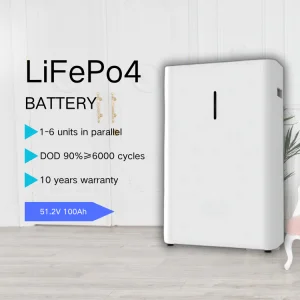
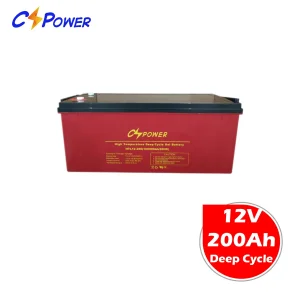
| 2. Battery Chemistry & Cycle Life | LiFePO4 (Lithium Iron Phosphate) ≥ 6,000 cycles at 80% DoD | Guarantees 10+ years of operational durability in deep discharge cycles. |
| 3. Thermal Runaway Mitigation | Active Aerosol Fire Suppression + Multi-point Temperature Telemetry | Prevents catastrophic damage in large C&I energy storage installations. |
| 4. Ingress Protection (IP Rating) | IP65 for outdoor electronic components; IP20/IP54 for batteries | Determines environmental survival in dust, moisture, and coastal environments. |
| 5. Inverter Parallel Scalability | Support for ≥ 6 units in parallel (three-phase synchronization) | Enables modular expansion from residential to commercial scale. |
| 6. Grid Compatibility | Universal On/Off-Grid hybrid compatibility (AC/DC coupling) | Allows seamless switching under grid-drop situations within milliseconds. |
| 7. Automated SMT & Wave Soldering | 100% AOI (Automated Optical Inspection) on PCB assemblies | Minimizes joint failures under thermal expansion cycles. |
| 8. Certification Rigor | IEC 61427, IEC 60896, CE, UN38.3, and local utility pre-approvals | Assures regulatory compliance and speeds up utility grid interconnection. |
| 9. Software & Cloud Integration | Modbus TCP/RTU, CAN Bus, Wi-Fi/GPRS cloud-based analytics | Enables remote predictive maintenance and virtual power plant (VPP) mapping. |
| 10. Supply Chain Verticality | In-house production of brackets, cables, batteries, and controllers | Reduces lead time, stabilizes quality, and minimizes component mismatch. |
Representing the peak of modern SRM factories, Anhui Aryam Energy Co., Ltd. is a leading provider of advanced renewable energy solutions, dedicated to delivering reliable, efficient, and sustainable power systems for residential, commercial, industrial, and utility-scale applications worldwide. Through continuous innovation and a strong commitment to clean energy development, Aryam Energy has established itself as a trusted partner in the global transition toward a low-carbon future.
The company specializes in the research, development, manufacturing, and integration of solar energy systems, energy storage solutions, hybrid power systems, and intelligent microgrid technologies. Leveraging cutting-edge engineering expertise and strict quality management standards, Aryam Energy provides comprehensive energy solutions tailored to diverse market needs, particularly in regions facing energy shortages, unstable grid infrastructure, or increasing demand for sustainable power generation.
With a professional R&D team and a growing portfolio of proprietary technologies, Aryam Energy continuously invests in innovation to enhance system performance, energy efficiency, and long-term reliability. Its products and solutions are designed to meet international standards and have been successfully deployed across Asia, Africa, the Middle East, Europe, and Latin America, serving customers in more than 100 countries and regions.
Aryam Energy's product portfolio includes solar inverters, energy storage systems, hybrid inverters, lithium battery solutions, solar water pumping systems, microgrid systems, and customized renewable energy projects. Driven by the vision of becoming a globally recognized clean energy technology leader, Aryam Energy actively collaborates with distributors, EPC contractors, government agencies, international organizations, and development partners to promote renewable energy adoption worldwide.
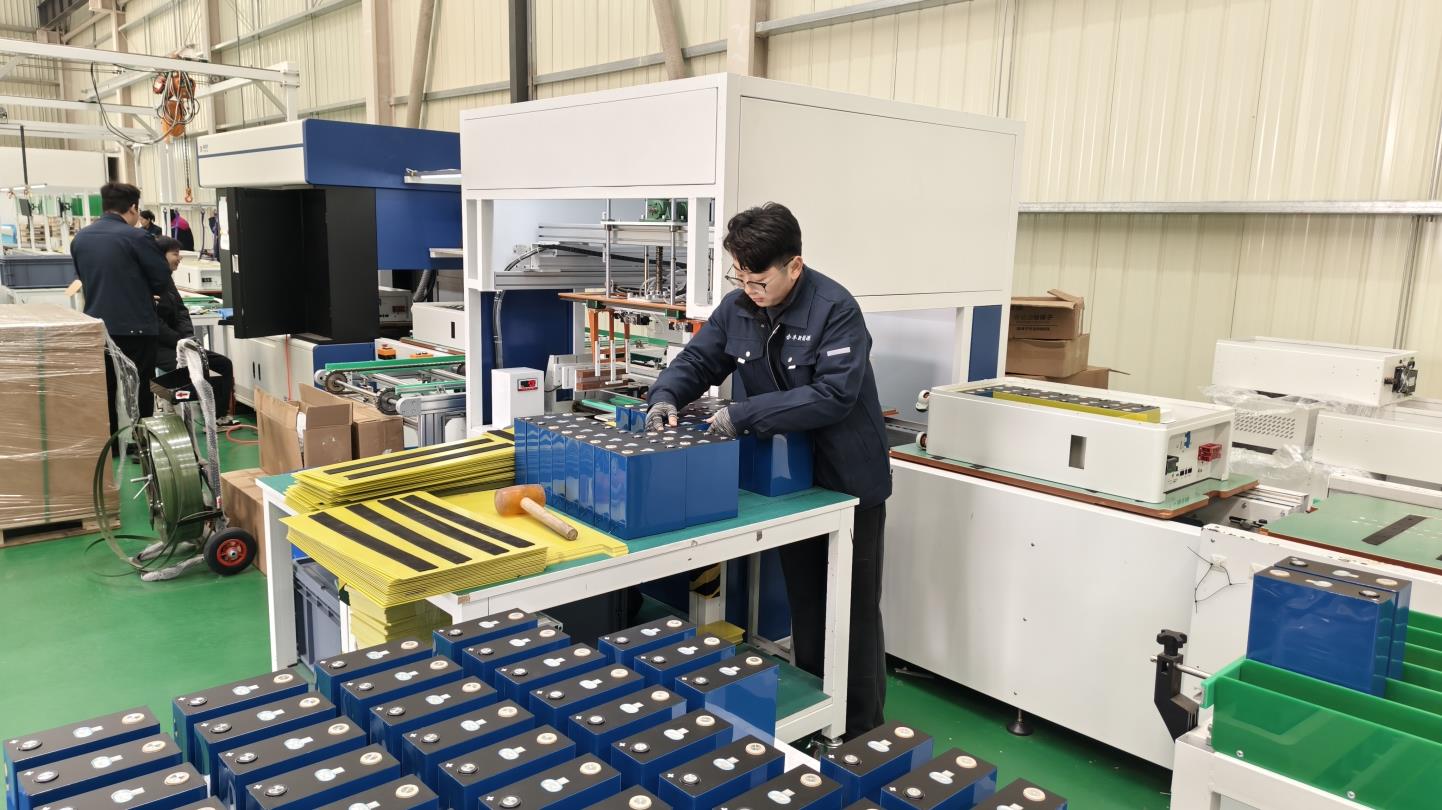
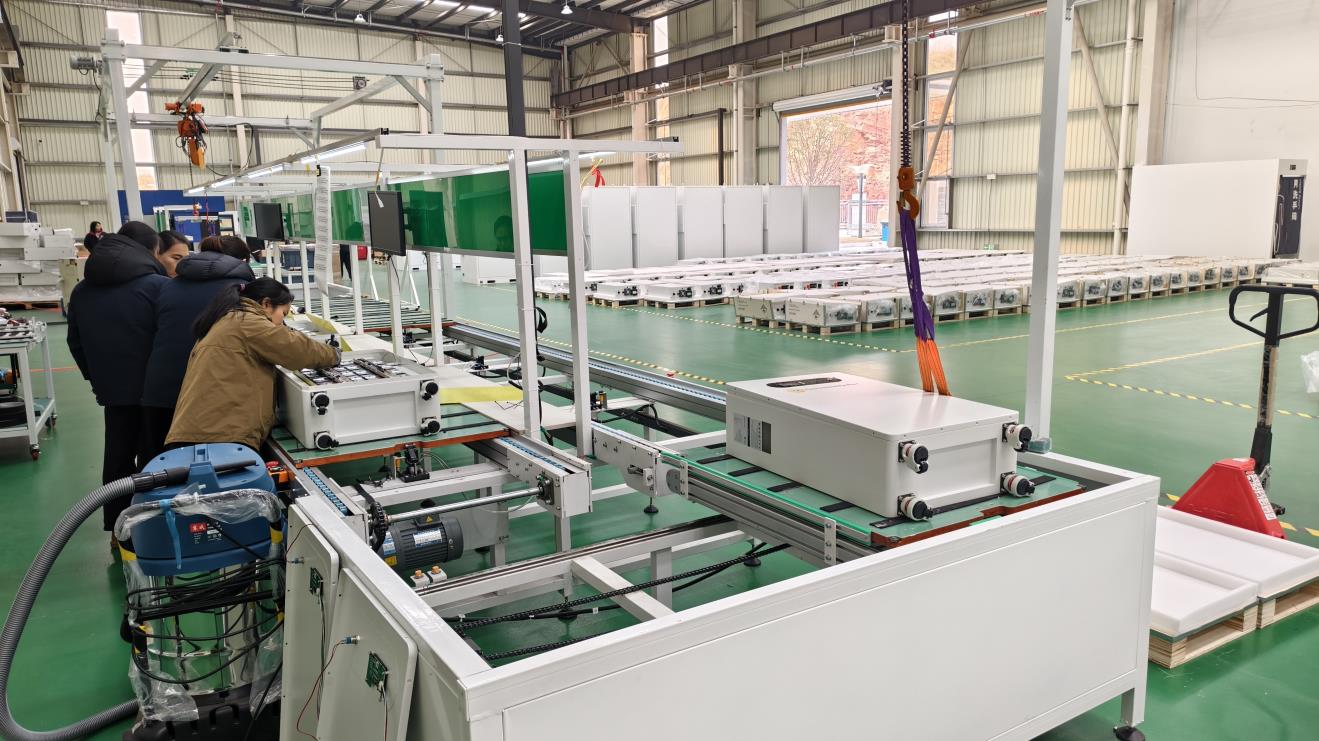
To maintain authoritative control over quality and delivery schedules, Aryam Energy operates a vertically integrated factory. This infrastructure includes highly automated SMT lines, wave soldering machines, assembly processes, and advanced testing setups that evaluate solar components under peak loads and harsh conditions.
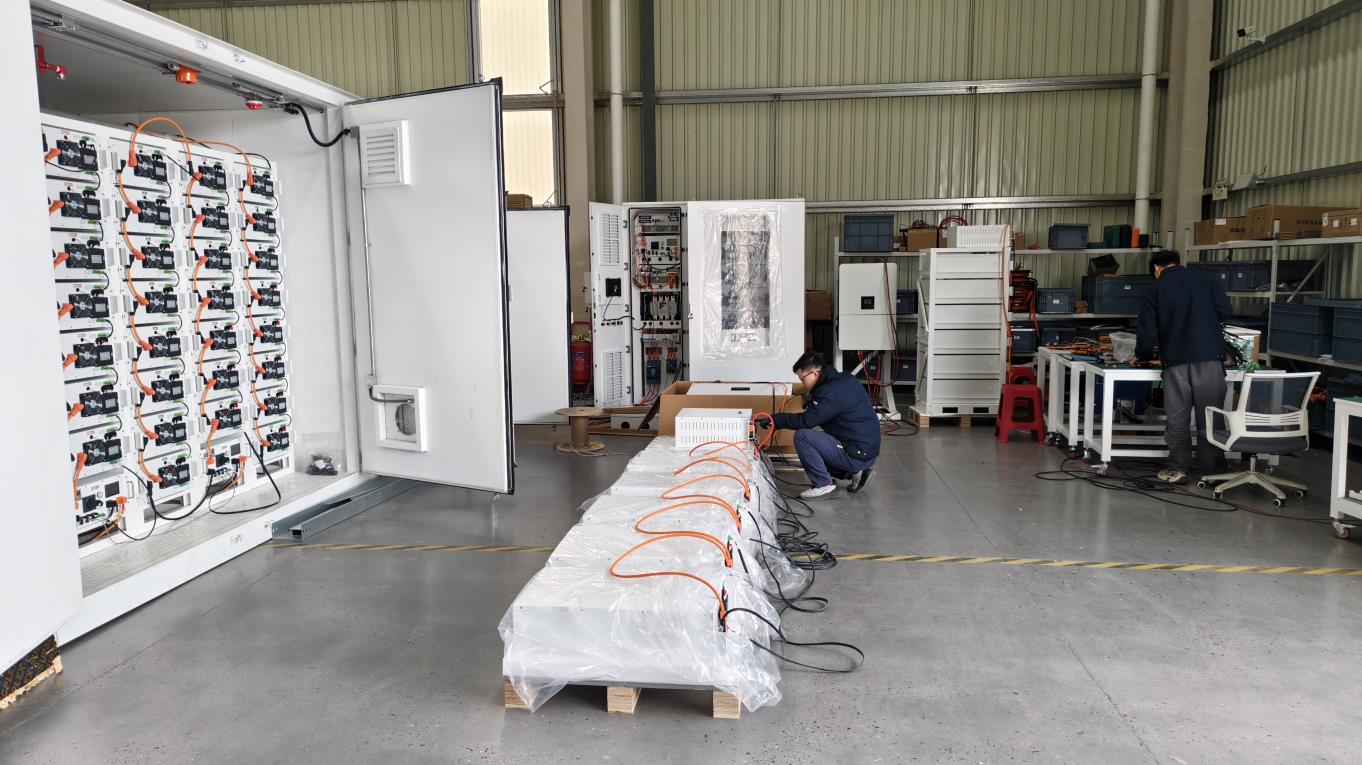
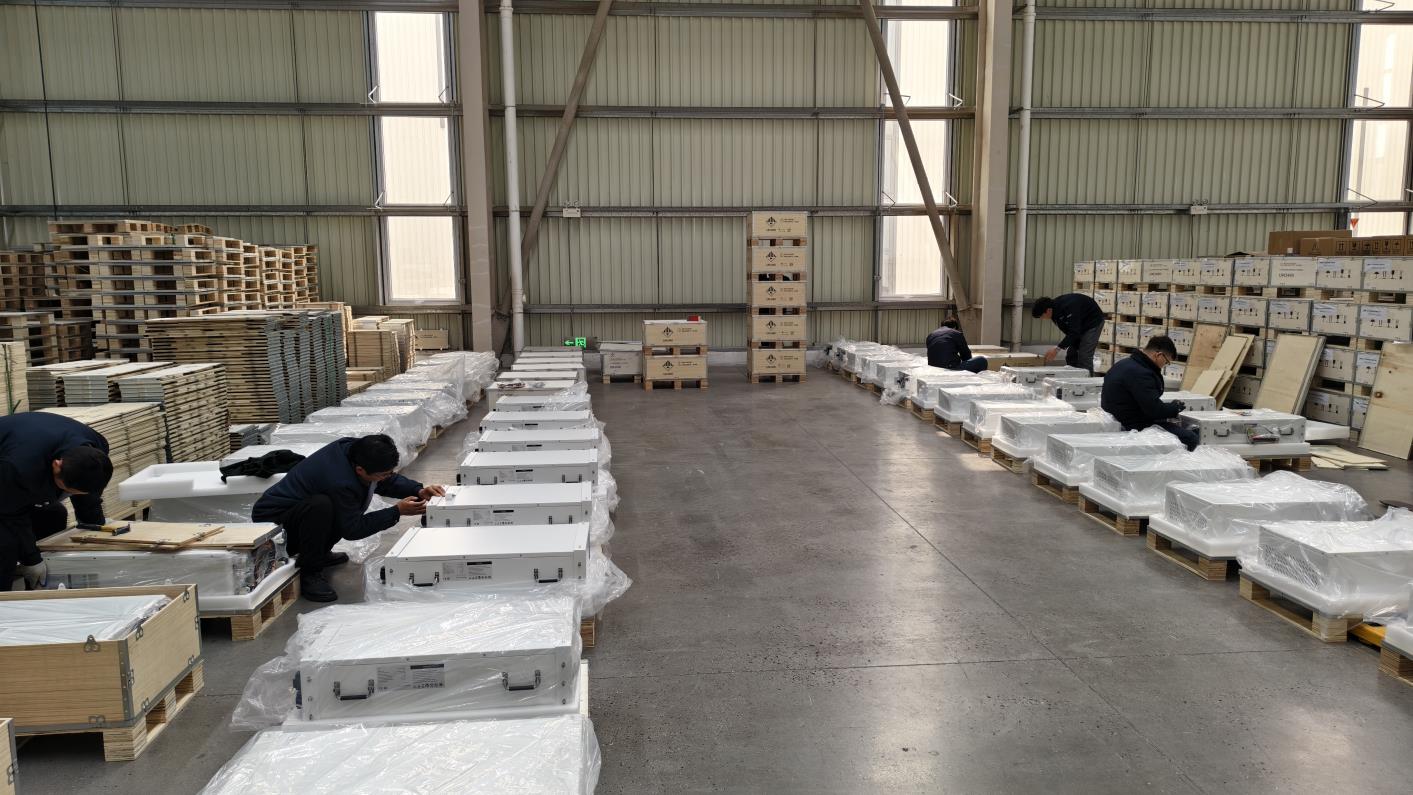
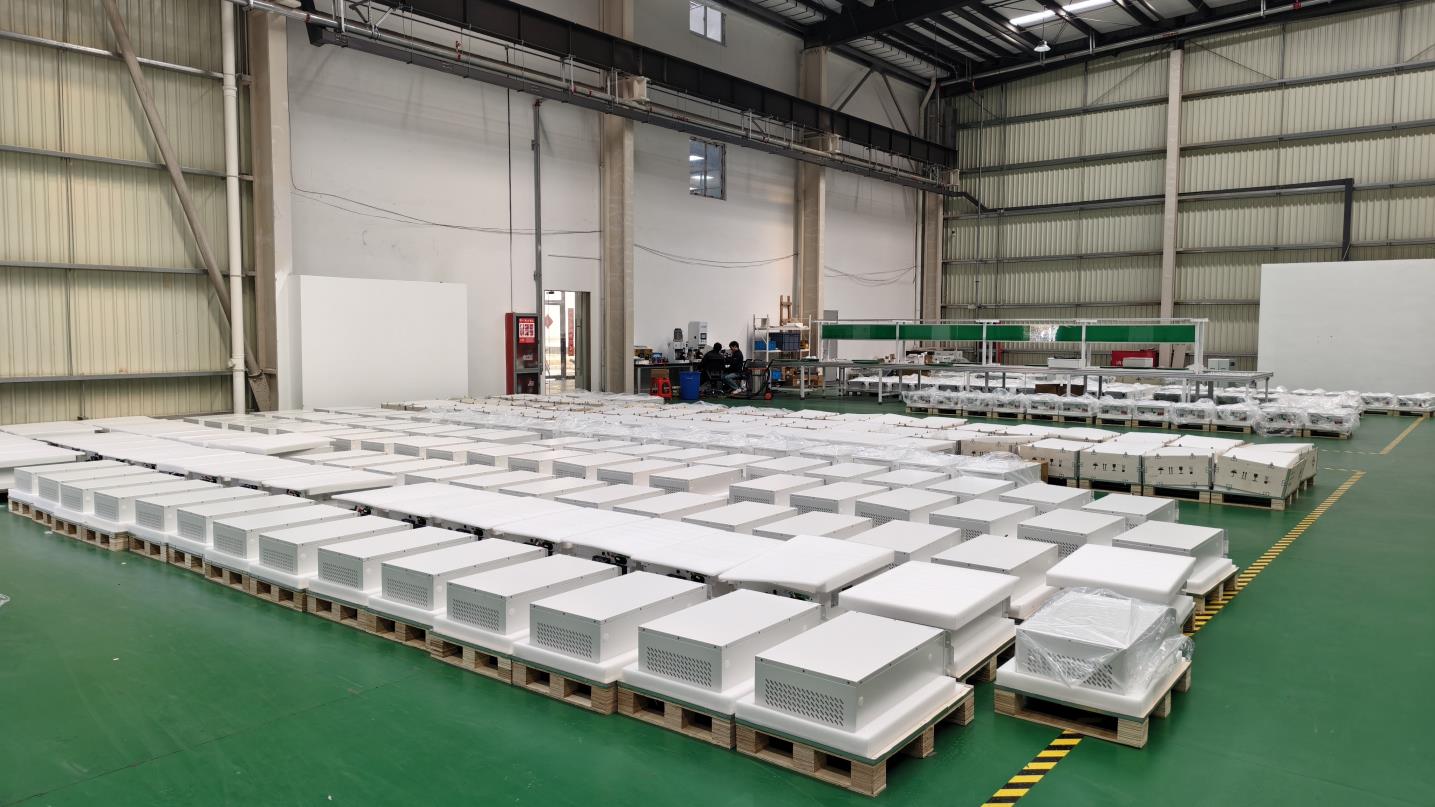
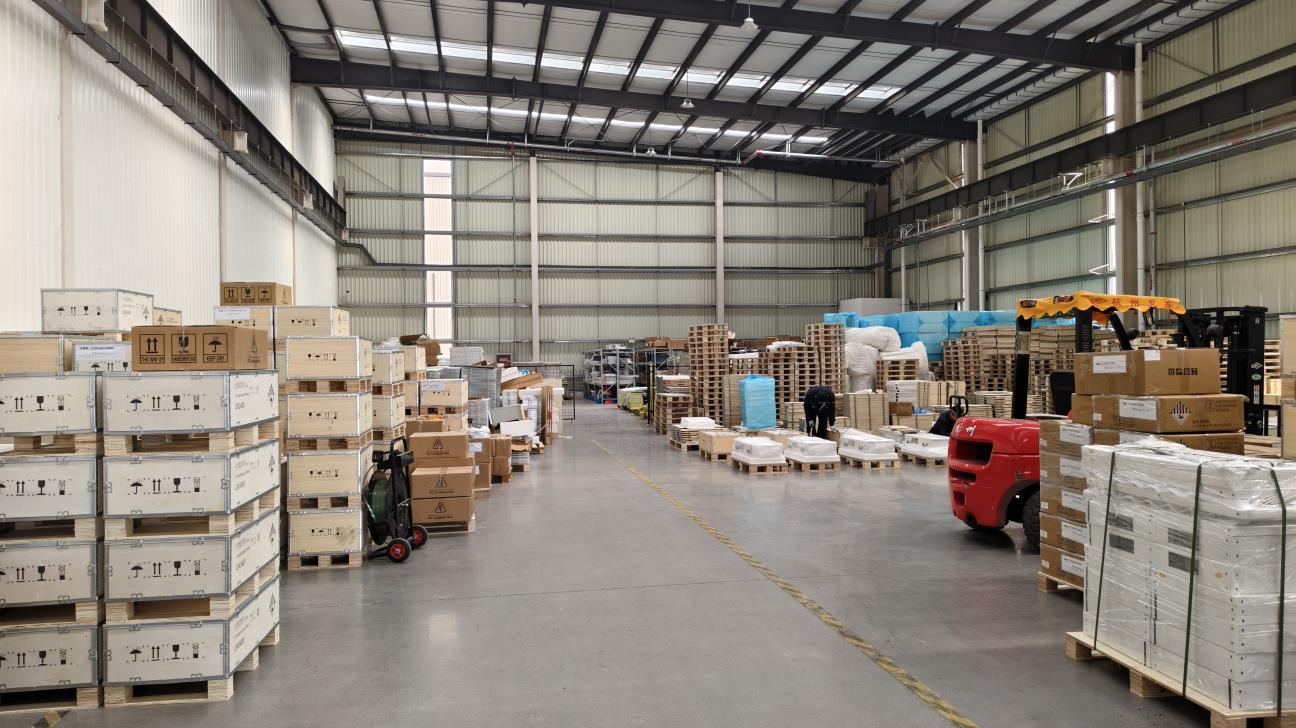
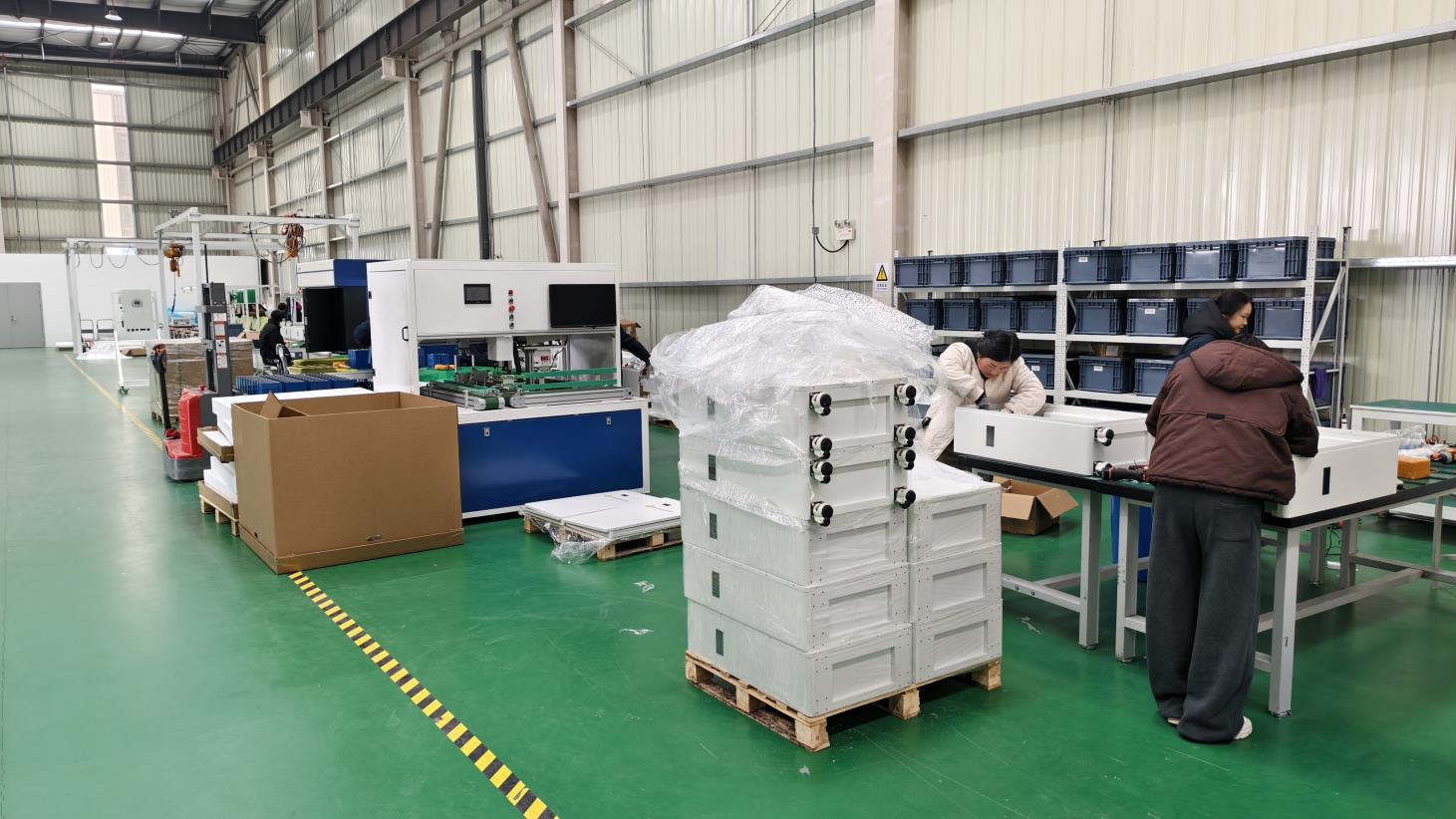
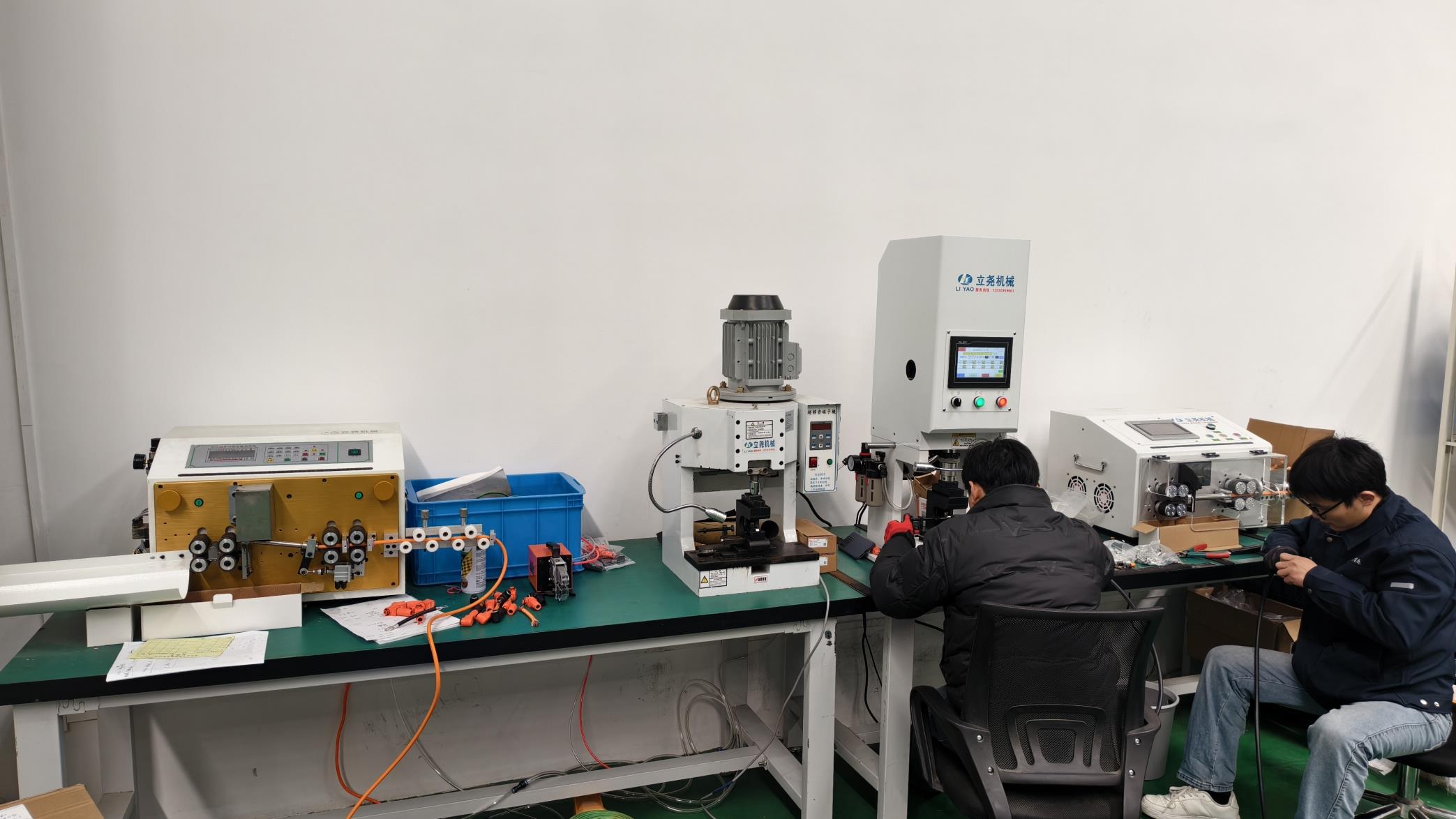
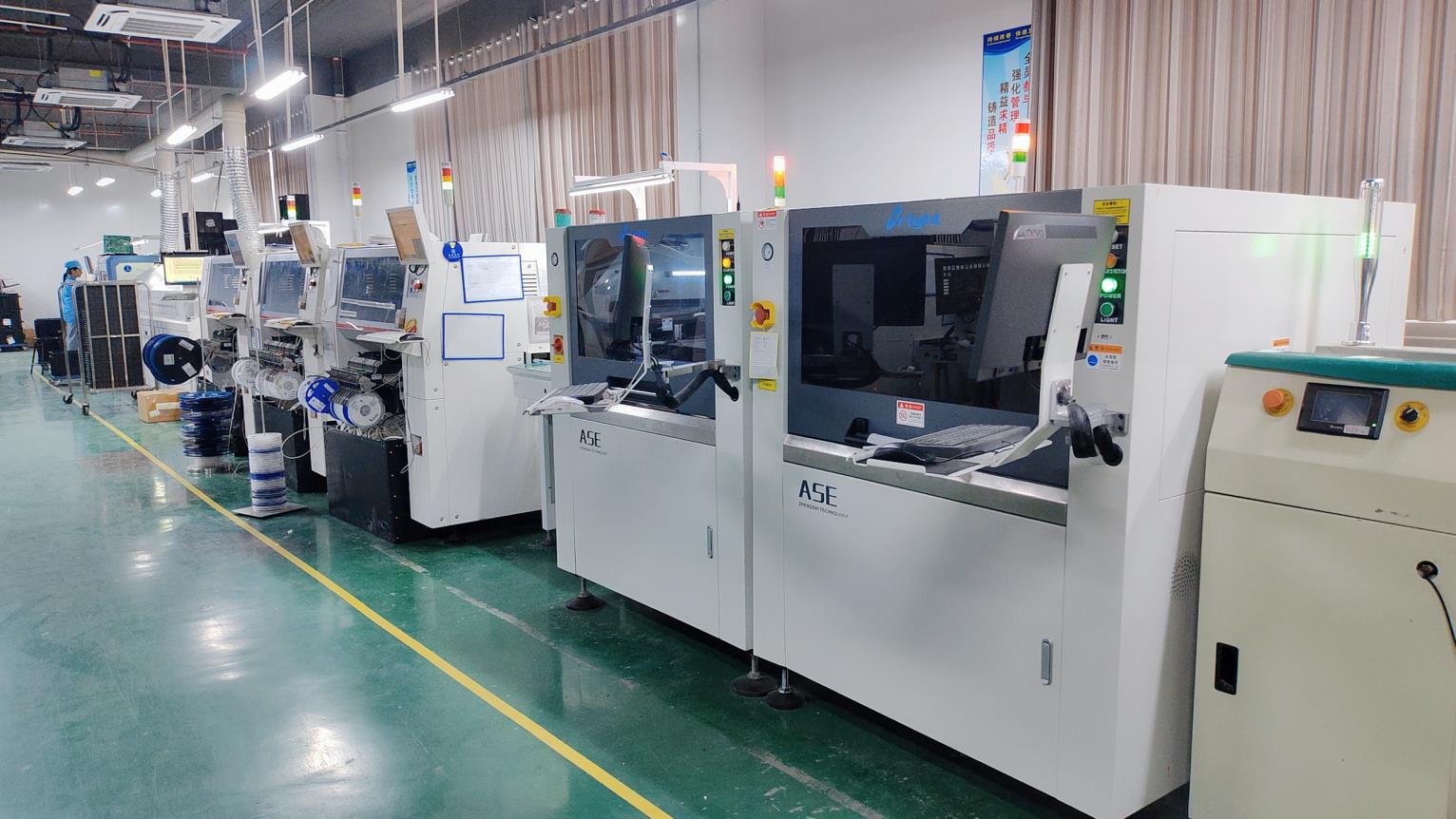
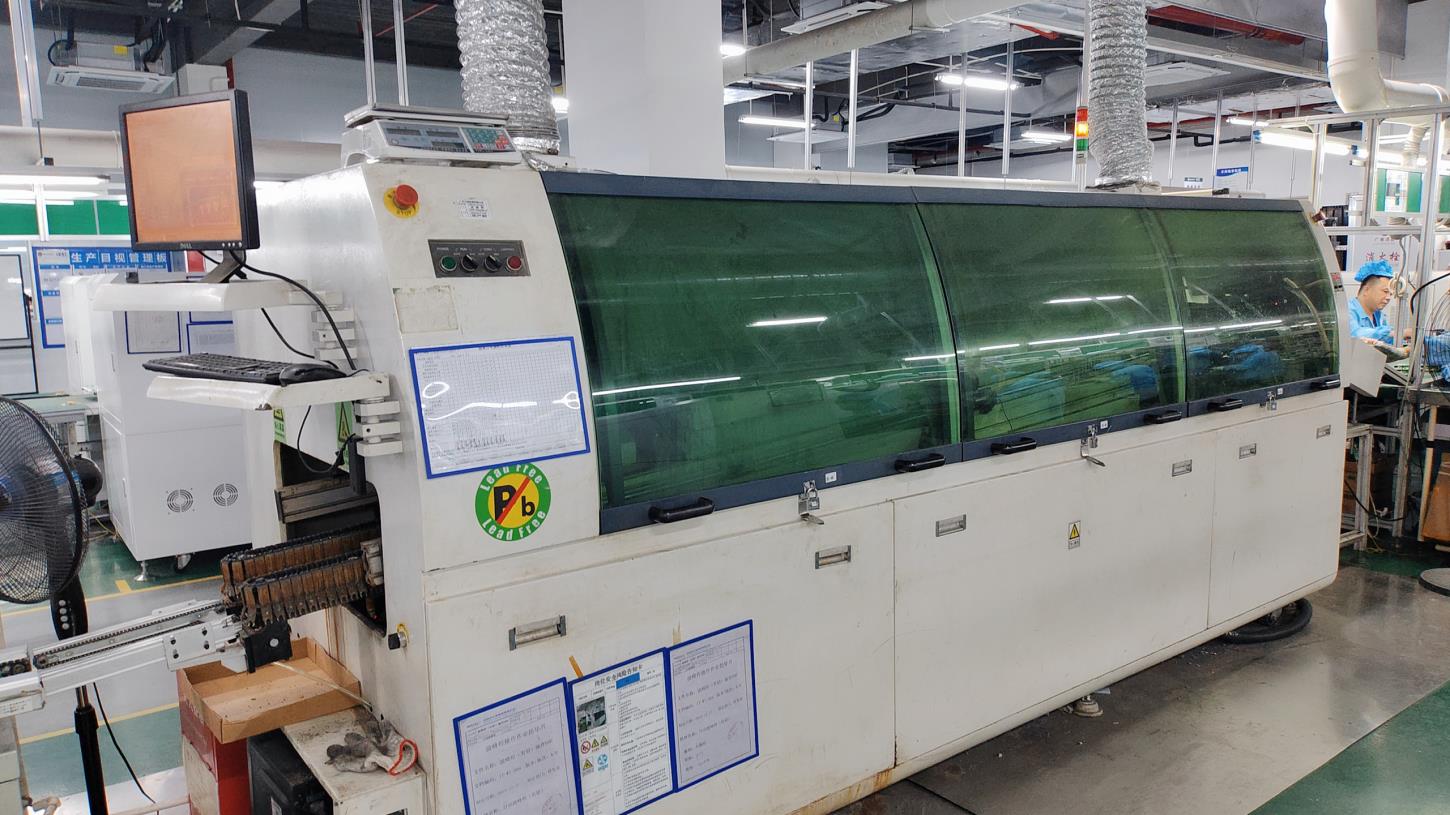
Understanding localized environments is vital when sourcing equipment from SRM factories. Solar hardware must adapt to different geographic, infrastructural, and regional requirements. Below, we examine the typical deployments of Solar Resource Management products:
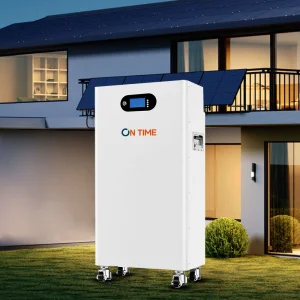
Common in Europe and North America, grid-tied architectures with backup capabilities are standard. The incorporation of a Tesla Powerwall alternative (20kWh wall-mounted) paired with a hybrid bidirectional inverter provides protection against power outages. The system stores energy during off-peak times and discharges it during peak pricing, reducing electricity bills.
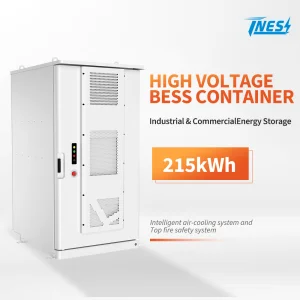
For remote extraction plants, processing facilities, and agricultural systems in Africa and Australia, the grid is either non-existent or unreliable. A high-voltage, air-cooled commercial energy storage unit (such as 215kWh configurations) functions as a microgrid anchor. It coordinates with auxiliary diesel generators to optimize fuel usage while maximizing solar self-consumption.
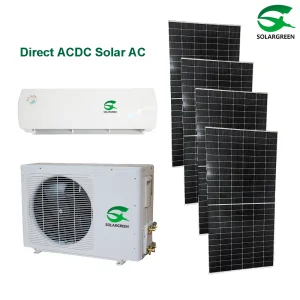
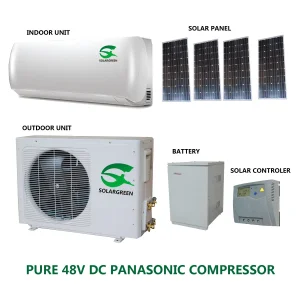
In developing regions, water security relies on solar pump controllers and hybrid cooling. Utilizing 100% off-grid solar-powered air conditioning in decentralized storage hubs ensures that agricultural products remain preserved. This setup runs directly off PV arrays during the day, bypassing the need for expensive battery setups.
The SRM landscape is progressing beyond standard photovoltaic silicon and basic lead-acid batteries. To maintain a competitive edge, leading factory research divisions are focusing on three main technological shifts:
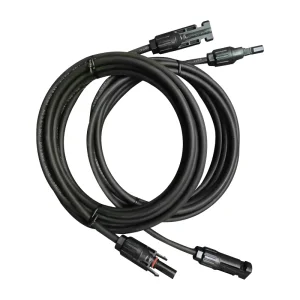
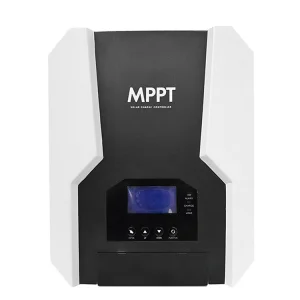
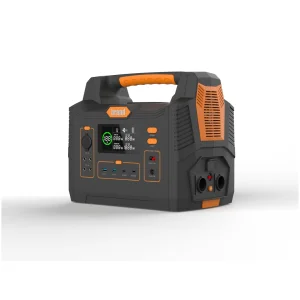
Engineered components designed to support large-scale microgrids, portable off-grid systems, and commercial solar projects.
 Aryam Energy