Anhui Aryam Energy Co., Ltd. is a leading provider of advanced renewable energy solutions, dedicated to delivering reliable, efficient, and sustainable power systems for residential, commercial, industrial, and utility-scale applications worldwide. Through continuous innovation and a strong commitment to clean energy development, Aryam Energy has established itself as a trusted partner in the global transition toward a low-carbon future.
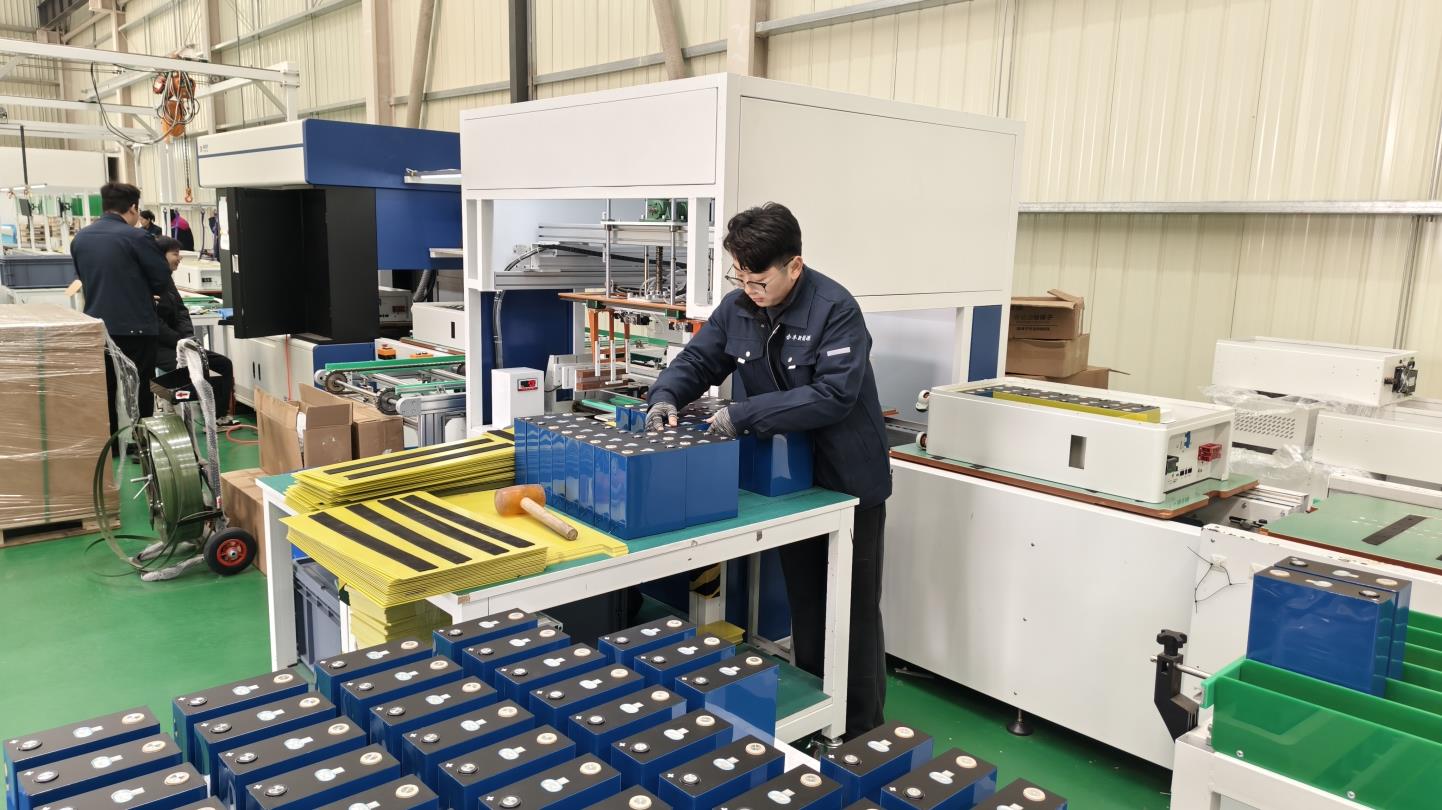
The company specializes in the research, development, manufacturing, and integration of solar energy systems, energy storage solutions, hybrid power systems, and intelligent microgrid technologies. Leveraging cutting-edge engineering expertise and strict quality management standards, Aryam Energy provides comprehensive energy solutions tailored to diverse market needs, particularly in regions facing energy shortages, unstable grid infrastructure, or increasing demand for sustainable power generation.
With a professional R&D team and a growing portfolio of proprietary technologies, Aryam Energy continuously invests in innovation to enhance system performance, energy efficiency, and long-term reliability. Its products and solutions are designed to meet international standards and have been successfully deployed across Asia, Africa, the Middle East, Europe, and Latin America, serving customers in more than 100 countries and regions.
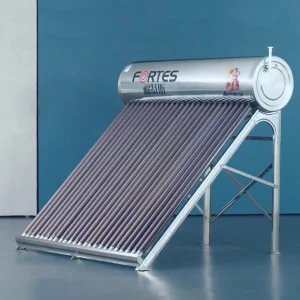
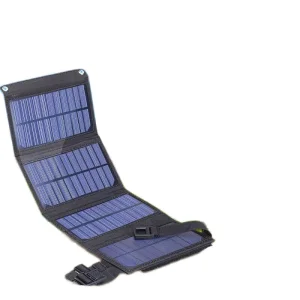
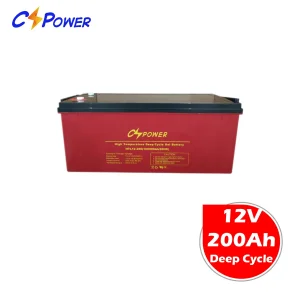
Aryam Energy's product portfolio includes solar inverters, energy storage systems, hybrid inverters, lithium battery solutions, solar water pumping systems, microgrid systems, and customized renewable energy projects. The company is committed to providing integrated energy solutions that maximize energy independence, reduce operational costs, and support environmental sustainability. Driven by the vision of becoming a globally recognized clean energy technology leader, Aryam Energy actively collaborates with distributors, EPC contractors, government agencies, international organizations, and development partners to promote renewable energy adoption worldwide.
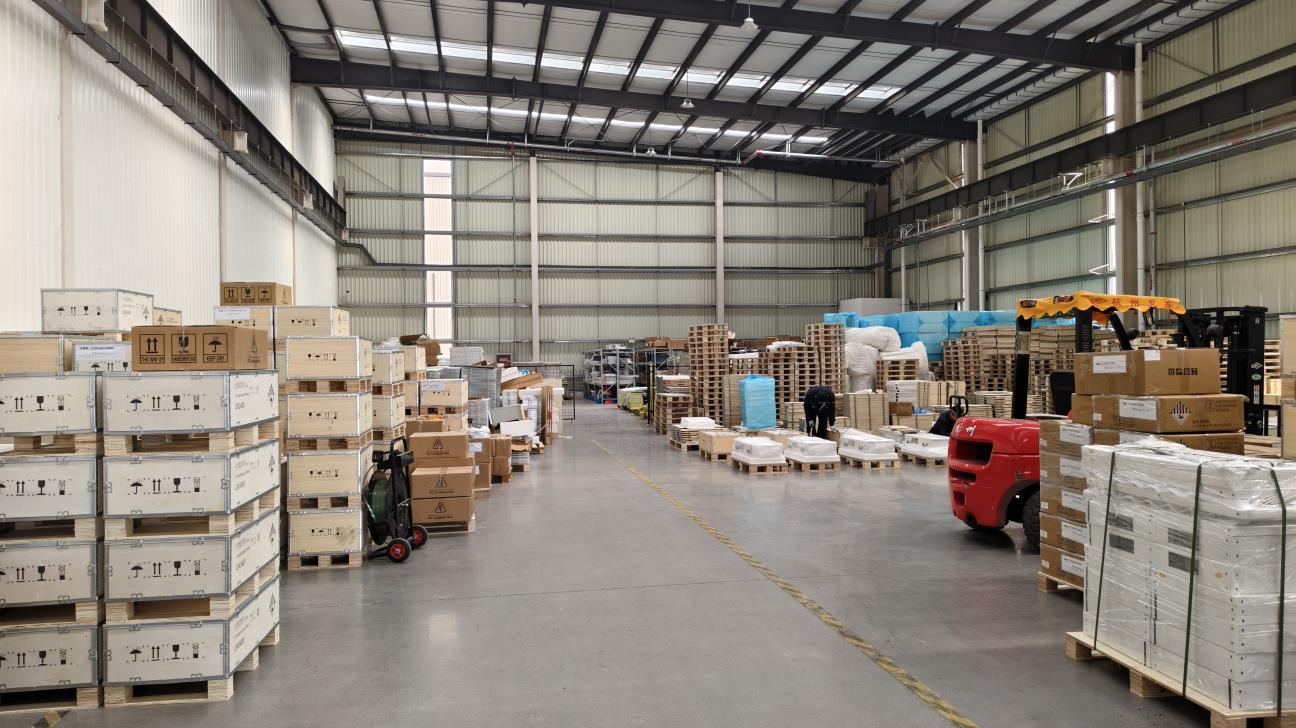
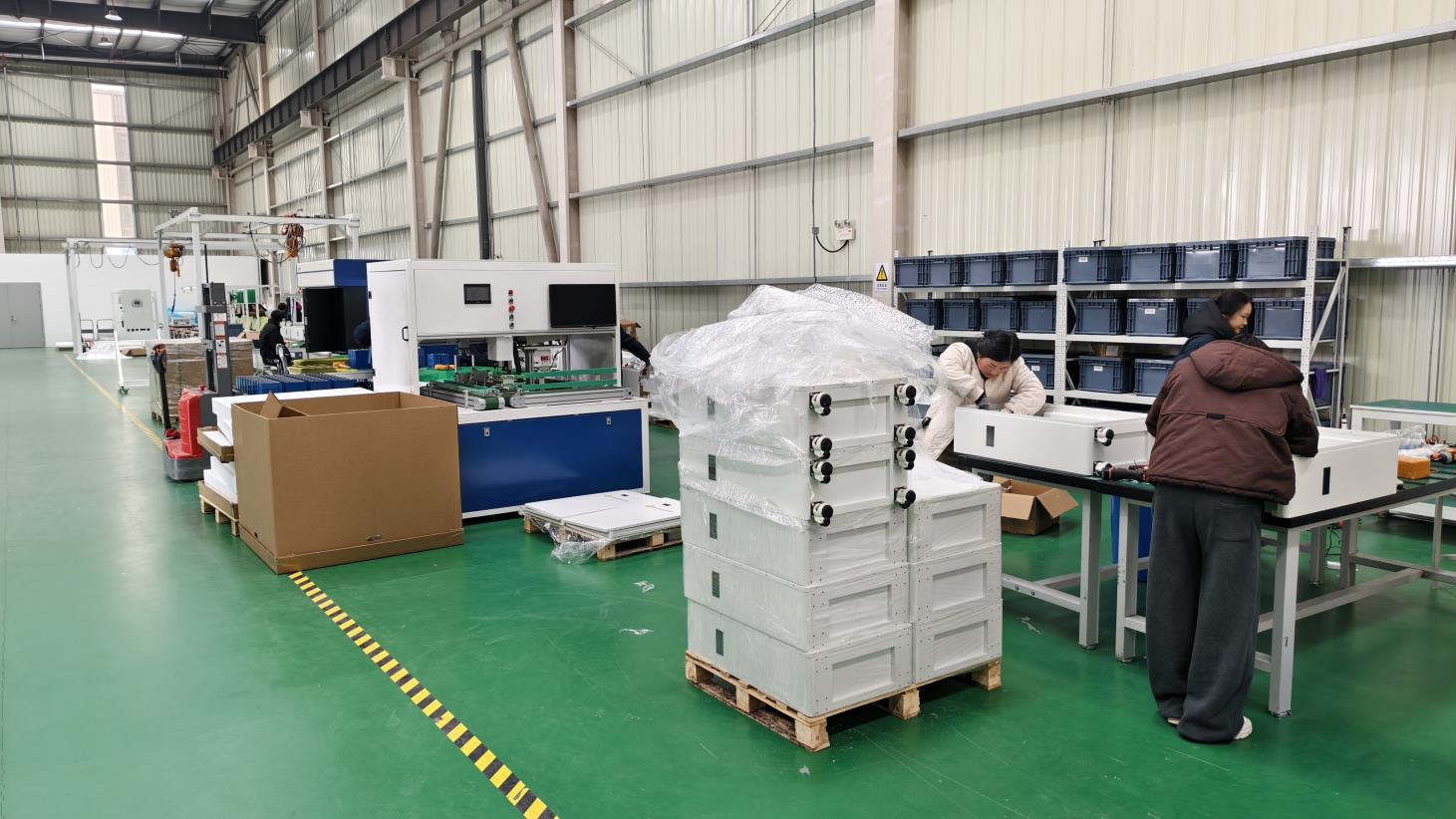
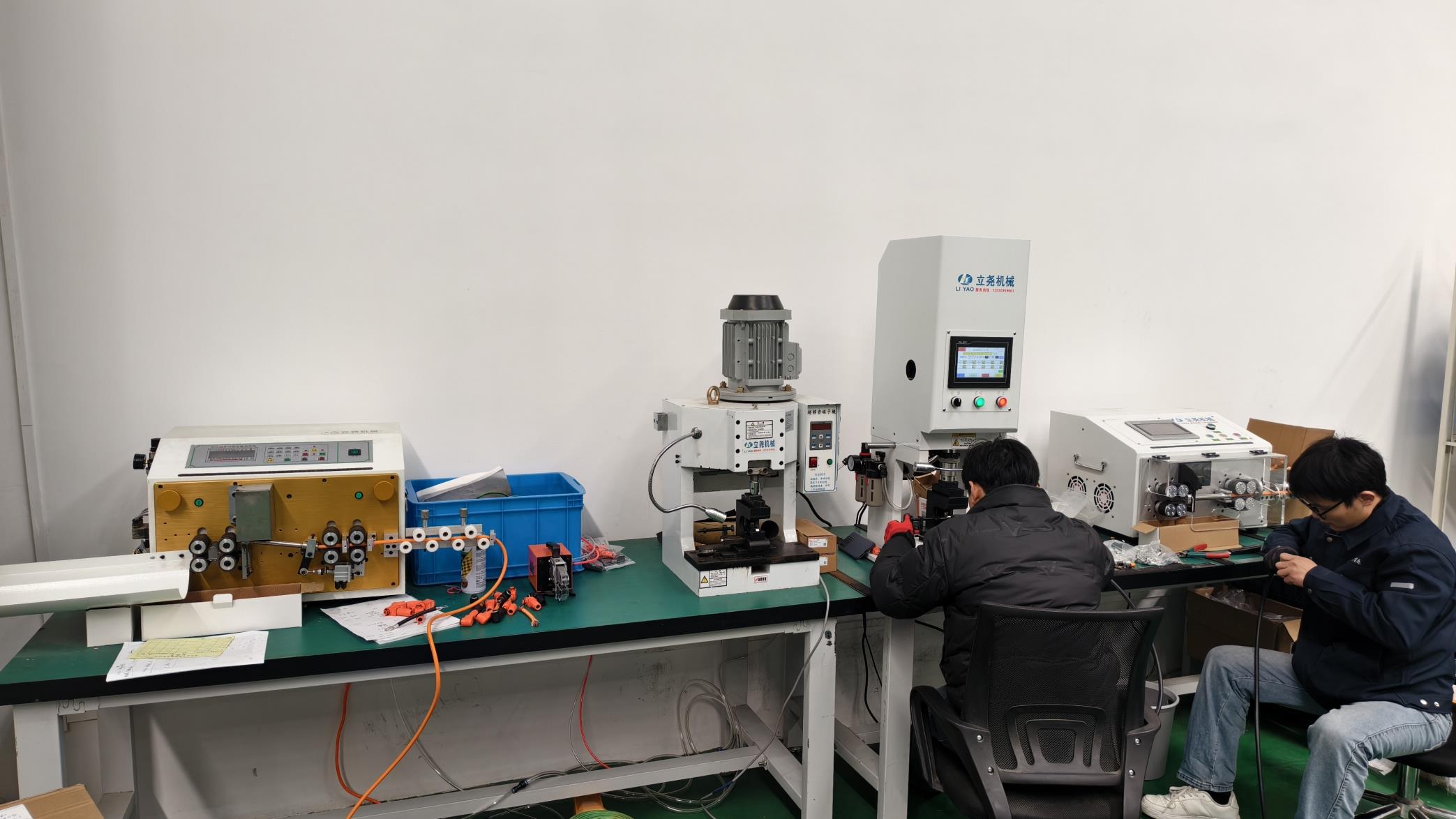
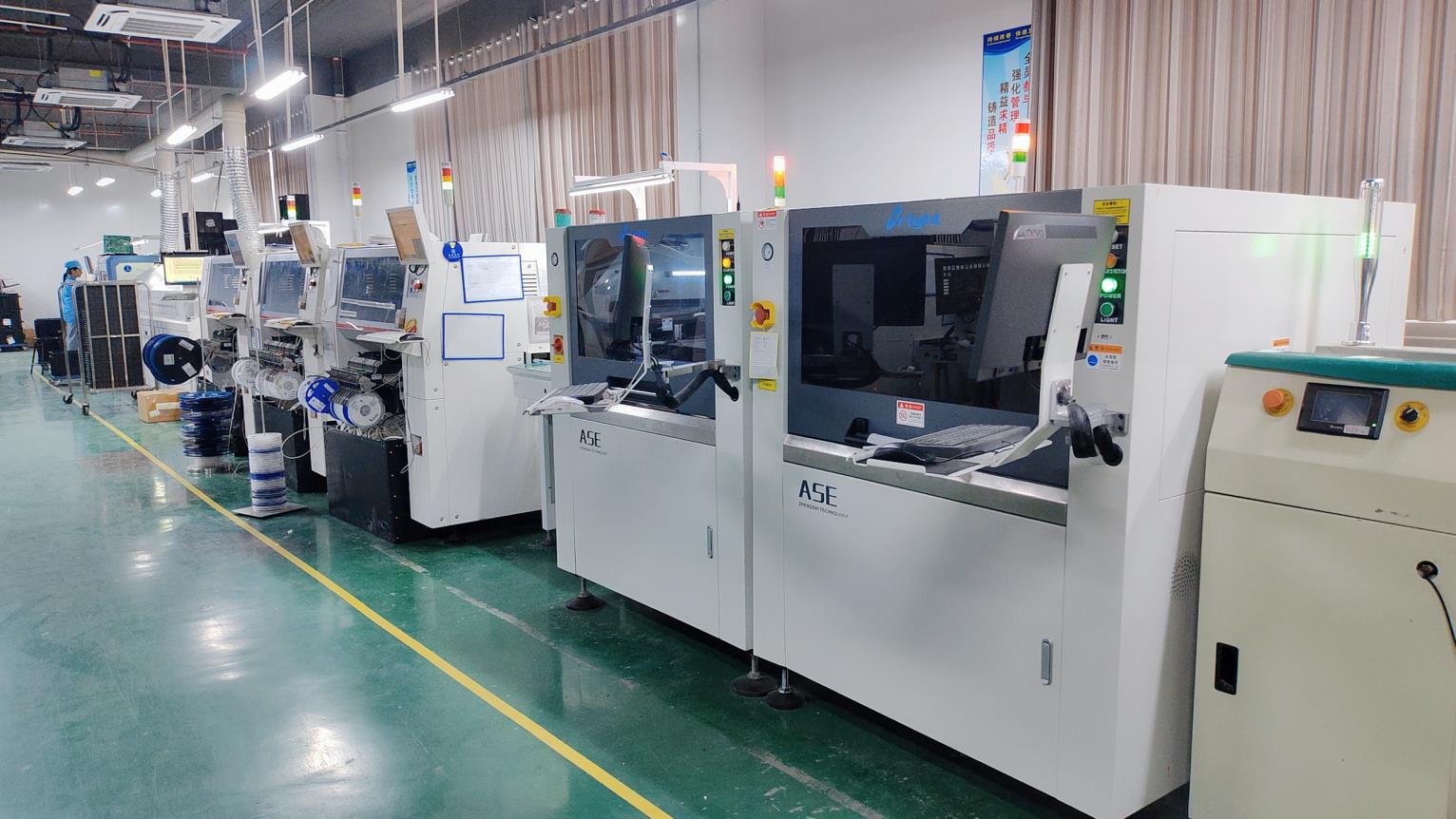
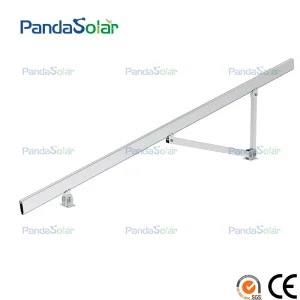
The structural stability of solar module stands is the literal foundation of any commercial or utility-scale solar project. As the PV industry transitions to larger wafer sizes (182mm and 210mm) and high-power bifacial modules (exceeding 600W+ and up to 1000W), traditional mounting brackets no longer suffice. Standard structural engineering parameters must now accommodate higher mechanical loads, increased torsional stress, and distinct aerodynamic challenges.
Aryam Energy offers sophisticated structural configurations tailored for these industry challenges:
Engineered for high wind and heavy snow regions, utilizing high-tensile structural steel (Q235B/Q355B) and heavy-duty hot-dip galvanization to ensure a 25+ year lifespan in aggressive environments.
Penetration-free ballasted configurations and light-weight AL6005-T5 aluminum systems designed specifically to respect building load-bearing restrictions while maintaining wind resistance.
Multi-functional structural frames designed to enable dual-use land efficiency, combining mechanical structural integrity with water drainage, wire routing channels, and aesthetic design.
The global demand for reliable solar mounting systems is expanding exponentially. Emerging markets across APAC, Latin America, and the Middle East are accelerating utility-scale installations, while European and North American markets focus on commercial energy resilience and strict regulatory compliance. Supply chain optimization, localized sourcing policies, and global export competence are the primary pillars of modern procurement strategies.
In regions like the European Union, the solar expansion requires alignment with Eurocode 3 (Steel structures) and Eurocode 9 (Aluminum structures). In North America, structural components must pass ASCE 7-16 wind and seismic load standards. Our global delivery model addresses these regional variations, providing custom engineering calculations that satisfy local planning offices and underwriting inspectors, streamlining the EPC project pipeline.
As a dedicated OEM and exporter, Aryam Energy ensures that structural designs are engineered from the ground up through Finite Element Analysis (FEA) and wind tunnel simulation testing. Solar module stands must survive diverse degradation factors: atmospheric humidity, soil salinity, seismic activity, and high-velocity wind loads.
Aluminum Alloys (AL 6005-T5 / AL 6005-T6): Used predominantly in rooftop mounting arrays and mid-scale ground mounts. These components undergo an anodization process resulting in film thicknesses exceeding 15 microns. This ensures a protective oxide barrier against highly corrosive C3 and C4 industrial or coastal atmospheres.
Hot-Dip Galvanized Carbon Steel (Q235B / Q355B): The backbone of heavy-duty utility-scale ground structures. The steel is processed in high-temperature zinc baths to achieve a minimum galvanization thickness of 80 to 120 microns. This self-healing coating layer provides sacrificial protection, preventing rust even when surface damage occurs during installation.
Zn-Al-Mg (Zinc-Aluminum-Magnesium) Coated Steel: The cutting-edge choice for harsh coastal, agricultural, and industrial settings. Zinc-Aluminum-Magnesium coatings offer up to five times the corrosion resistance of traditional galvanized steel, self-healing sheared edges, and reducing overall structure weight.
Exporting solar structures to over 100 countries requires comprehensive documentation and certified quality standards. Project bankability hinges on structural certifications. Insurers and financial institutions require testing evidence before financing utility-scale projects.
Our engineering processes comply with global manufacturing standards:
The next decade of solar energy generation demands highly intelligent, cost-efficient, and low-carbon mounting structures. As the industry advances, mounting racks are evolving from static components into smart, integrated subsystems:
Utilizing generative AI algorithms to dynamically calculate mechanical layouts based on historical microclimate data, local wind dynamics, and specialized soil bearing data. This minimizes steel over-engineering, saving up to 12% in raw material costs.
Integration of IoT-enabled single-axis and dual-axis trackers. These systems communicate with real-time weather stations, automatically stowing panels horizontally in heavy wind events (stow wind speeds up to 25m/s) to prevent wind-induced torsional flutter.
With Scope 3 emissions regulations tightening globally, Aryam Energy is piloting low-CO2 steel manufacturing processes and recycling 100% of internal aluminum scrap to lower the embedded carbon footprint of our mounting systems.
 Aryam Energy