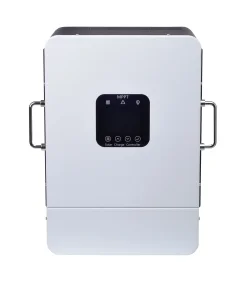
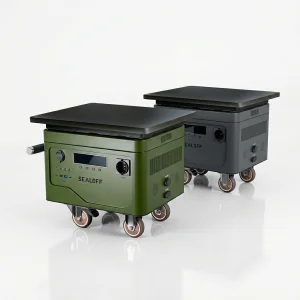
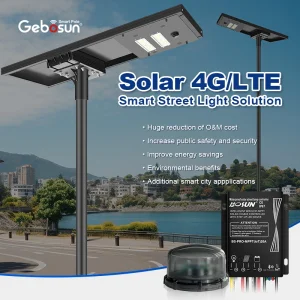
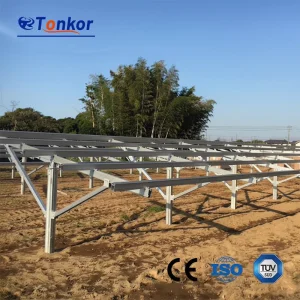
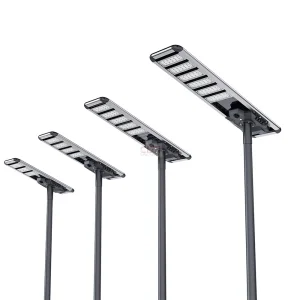
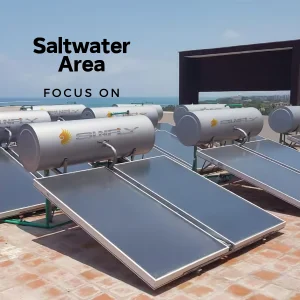
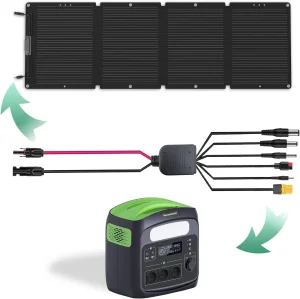
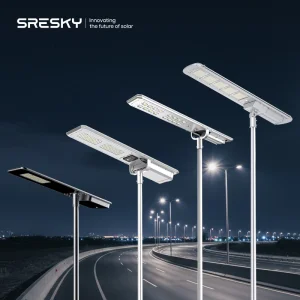
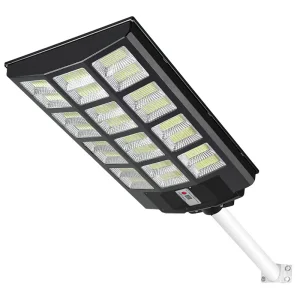
Explore our core selection of high-efficiency controllers, smart power stations, off-grid systems, and mounting configurations engineered for seamless grid-forming performance.
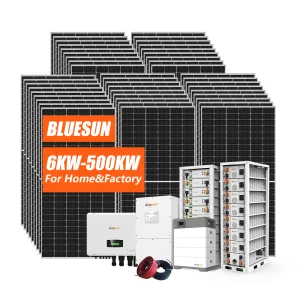
The global transition toward decentralized clean energy infrastructure has positioned Battery Energy Storage Systems (BESS) as the cornerstone of energy resilience. For global utility developers, Commercial & Industrial (C&I) enterprises, and high-volume wholesale distributors, sourcing reliable solar battery solutions is no longer merely a procurement task—it is a strategic alignment. The integration of Lithium Iron Phosphate (LiFePO4) chemistry, coupled with AI-driven Battery Management Systems (BMS), has revolutionized how grids, microgrids, and remote applications harvest and sustain power.
In this comprehensive whitepaper, we dissect the foundational advantages of Chinese solar battery manufacturing, explore the technological frameworks that define long-term reliability, and outline the macro-solutions necessary to bridge the gap between volatile solar generation and continuous load demand.
Achieving grid parity and commercial viability requires a deep understanding of Levelized Cost of Storage (LCOS). By analyzing factors such as calendar life, depth of discharge (DoD), round-trip efficiency (RTE), and integrated thermal management, international buyers can design systems that maximize ROI over a 10-to-15-year operational lifecycle.
Understanding the vectors driving the energy storage industry is vital for securing long-term operational viability.
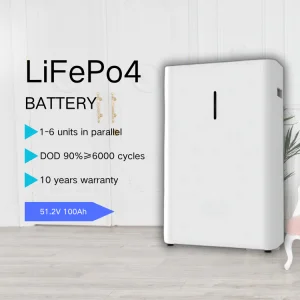
Lithium Iron Phosphate (LFP) has emerged as the dominant chemistry for stationary ESS. Boasting superior thermal runaway thresholds, high cycle durability (up to 6000+ cycles at 80% DoD), and zero cobalt dependency, LFP guarantees unparalleled safety and compliance profiles across strict regulatory zones.
Modern BESS installations rely heavily on cloud-connected Battery Management Systems. Real-time telemetry monitoring cell voltage impedance, state of health (SoH), and thermal profiles prevents runaway incidents while predictive diagnostics optimize load balancing and dispatch schedules.
Transitioning from traditional low-voltage (48V/51.2V) configurations to high-voltage (HV) systems (ranging from 400V to over 1000V DC) drastically reduces transmission current, minimizes I²R losses, and significantly slashes system cabling and installation expenditures.
Why do leading solar developers and EPC contractors establish strategic partnerships with Chinese manufacturers? The answer lies in the unmatched concentration of the raw material refining, cell manufacturing, and balance-of-system (BOS) industries. China manages over 70% of the world's lithium refining and produces over 80% of global LFP battery cells. Sourcing directly from leading industrial hubs like Anhui allows buyers to capture immense cost efficiencies, benefit from cutting-edge continuous R&D cycles, and secure customized packaging configurations.
Anhui Aryam Energy Co., Ltd. is a leading provider of advanced renewable energy solutions, dedicated to delivering reliable, efficient, and sustainable power systems for residential, commercial, industrial, and utility-scale applications worldwide. Through continuous innovation and a strong commitment to clean energy development, Aryam Energy has established itself as a trusted partner in the global transition toward a low-carbon future. The company specializes in the research, development, manufacturing, and integration of solar energy systems, energy storage solutions, hybrid power systems, and intelligent microgrid technologies. Leveraging cutting-edge engineering expertise and strict quality management standards, Aryam Energy provides comprehensive energy solutions tailored to diverse market needs, particularly in regions facing energy shortages, unstable grid infrastructure, or increasing demand for sustainable power generation.
With a professional R&D team and a growing portfolio of proprietary technologies, Aryam Energy continuously invests in innovation to enhance system performance, energy efficiency, and long-term reliability. Its products and solutions are designed to meet international standards and have been successfully deployed across Asia, Africa, the Middle East, Europe, and Latin America, serving customers in more than 100 countries and regions. The product portfolio includes solar inverters, energy storage systems, hybrid inverters, lithium battery solutions, solar water pumping systems, microgrid systems, and customized renewable energy projects. Aryam Energy actively collaborates with distributors, EPC contractors, government agencies, international organizations, and development partners to promote renewable energy adoption worldwide.
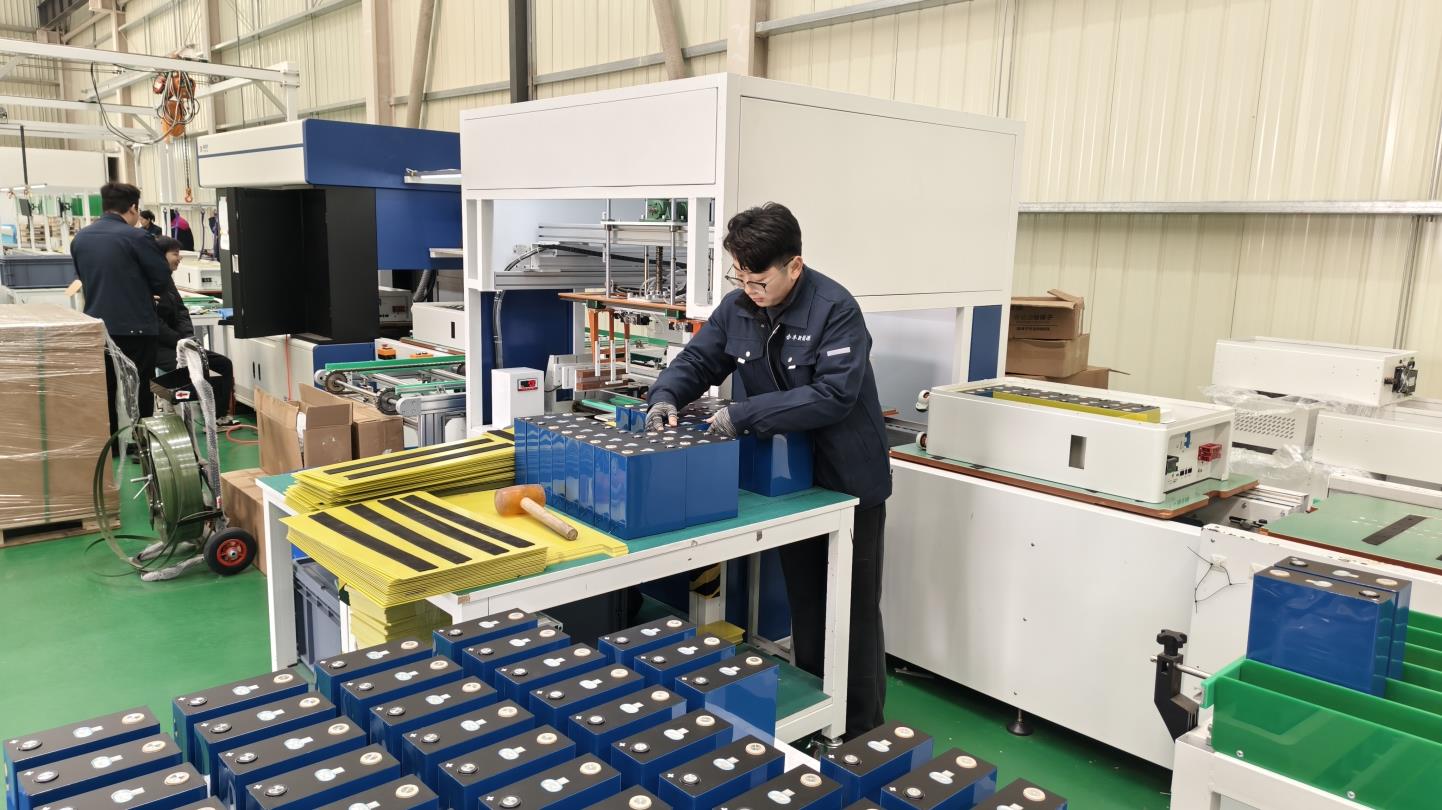
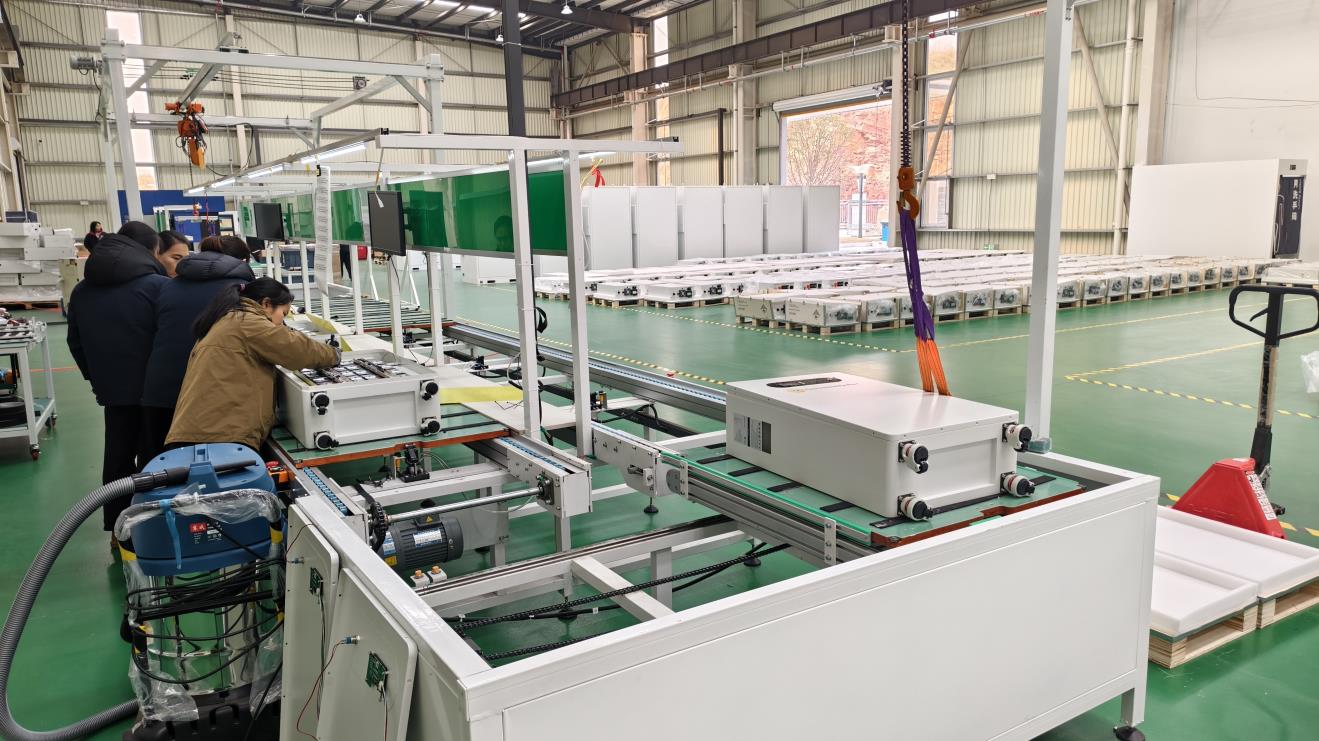
Our vertically integrated manufacturing facility utilizes state-of-the-art automated lines to ensure absolute structural and electrical integrity for every single component.
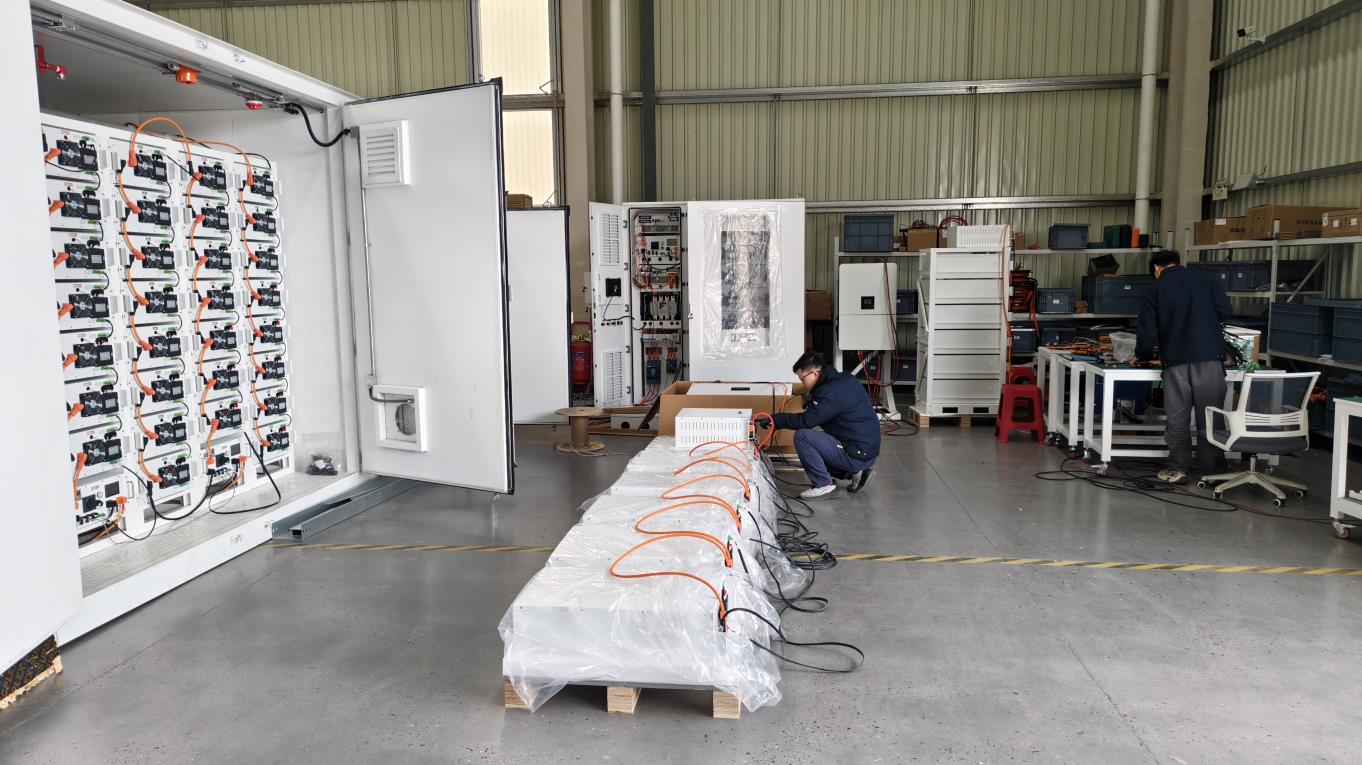
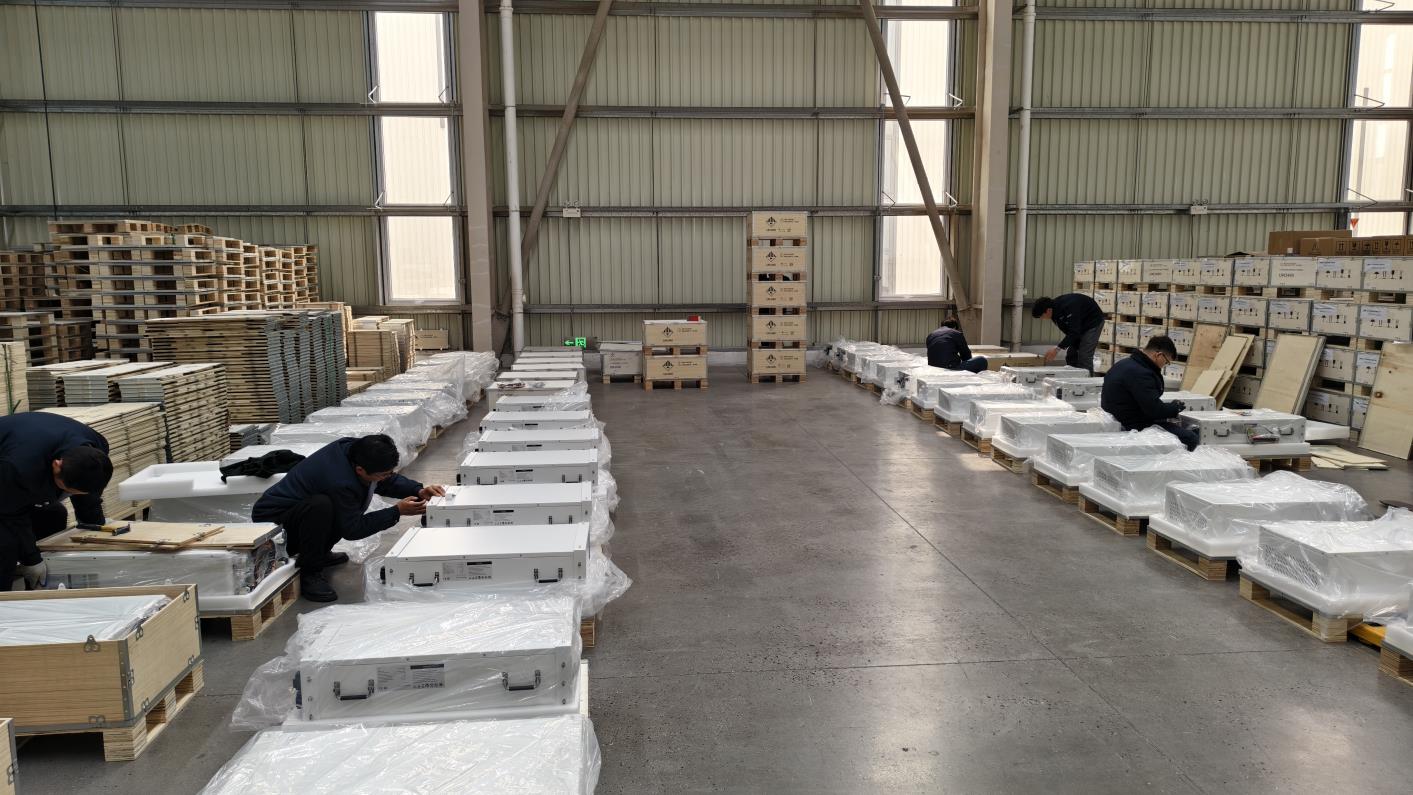
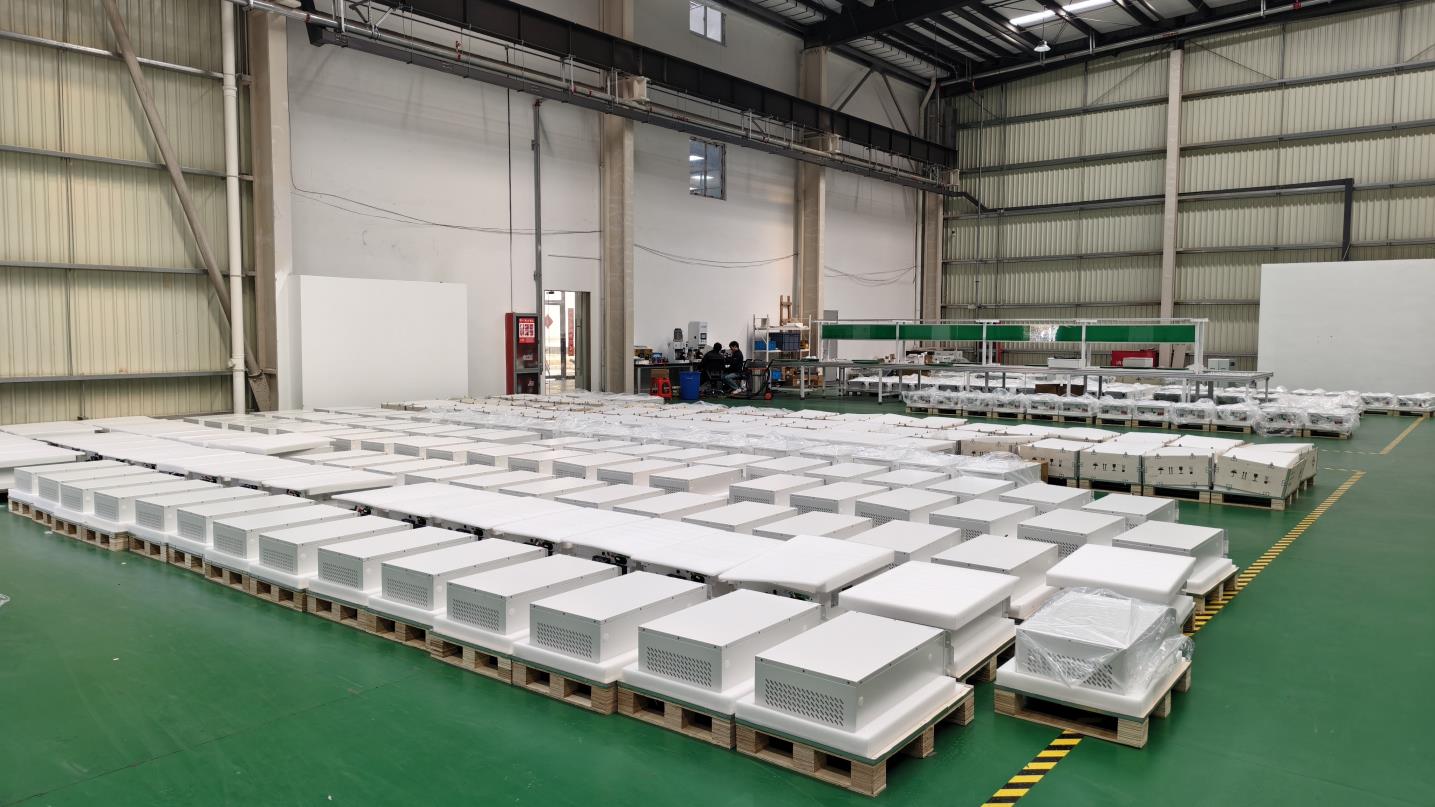
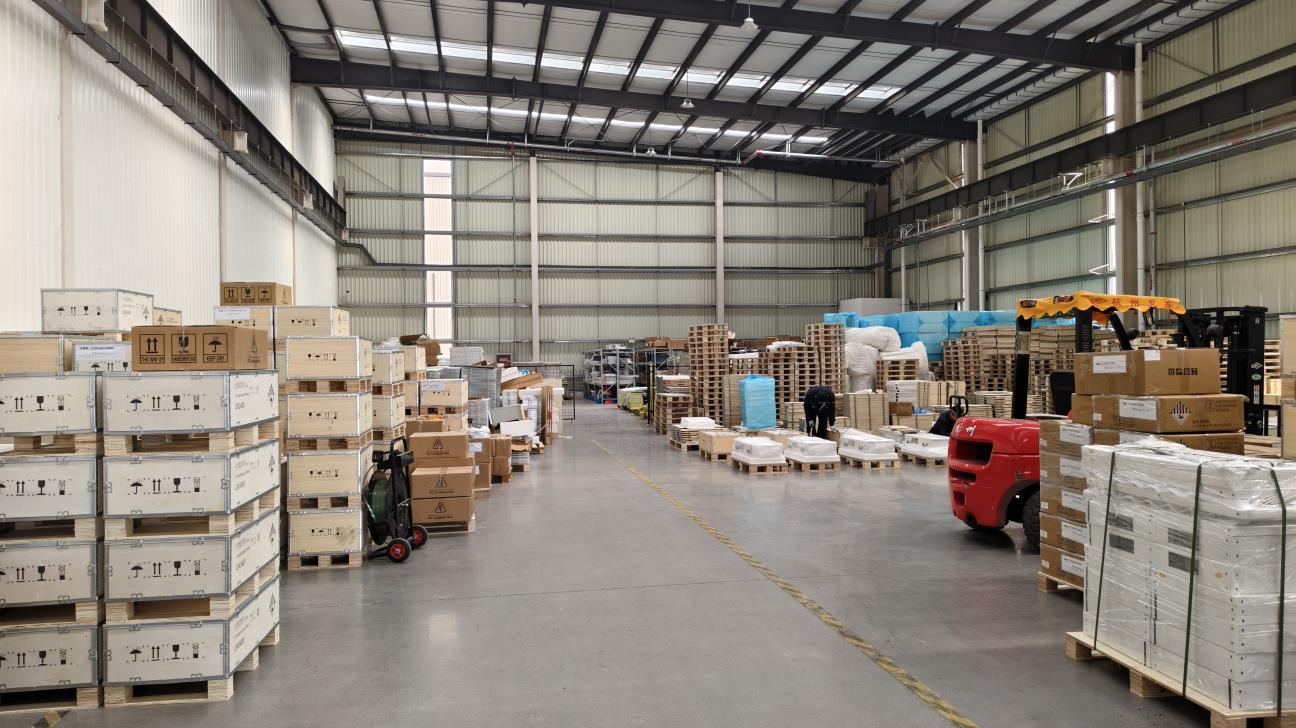
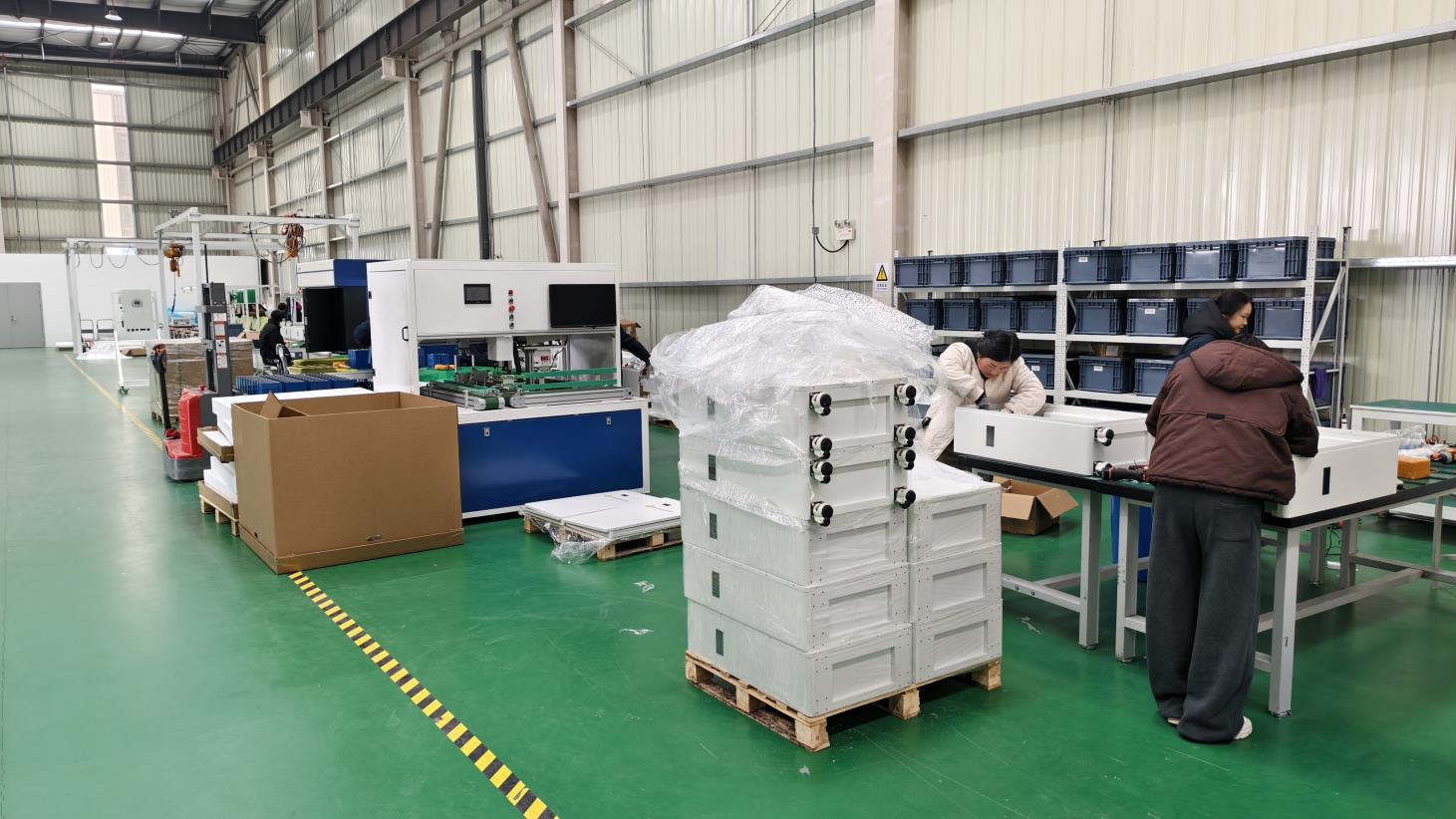
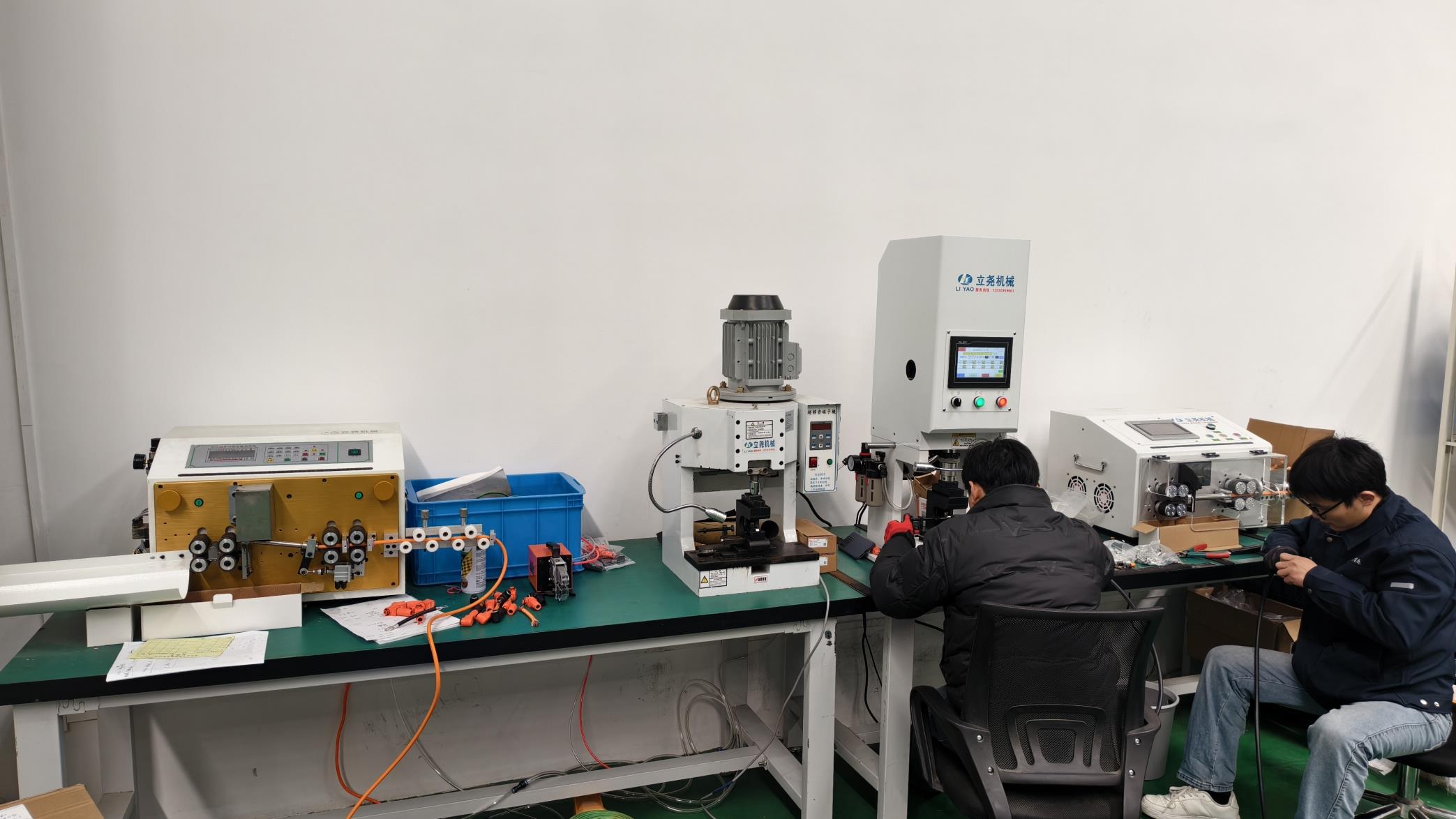
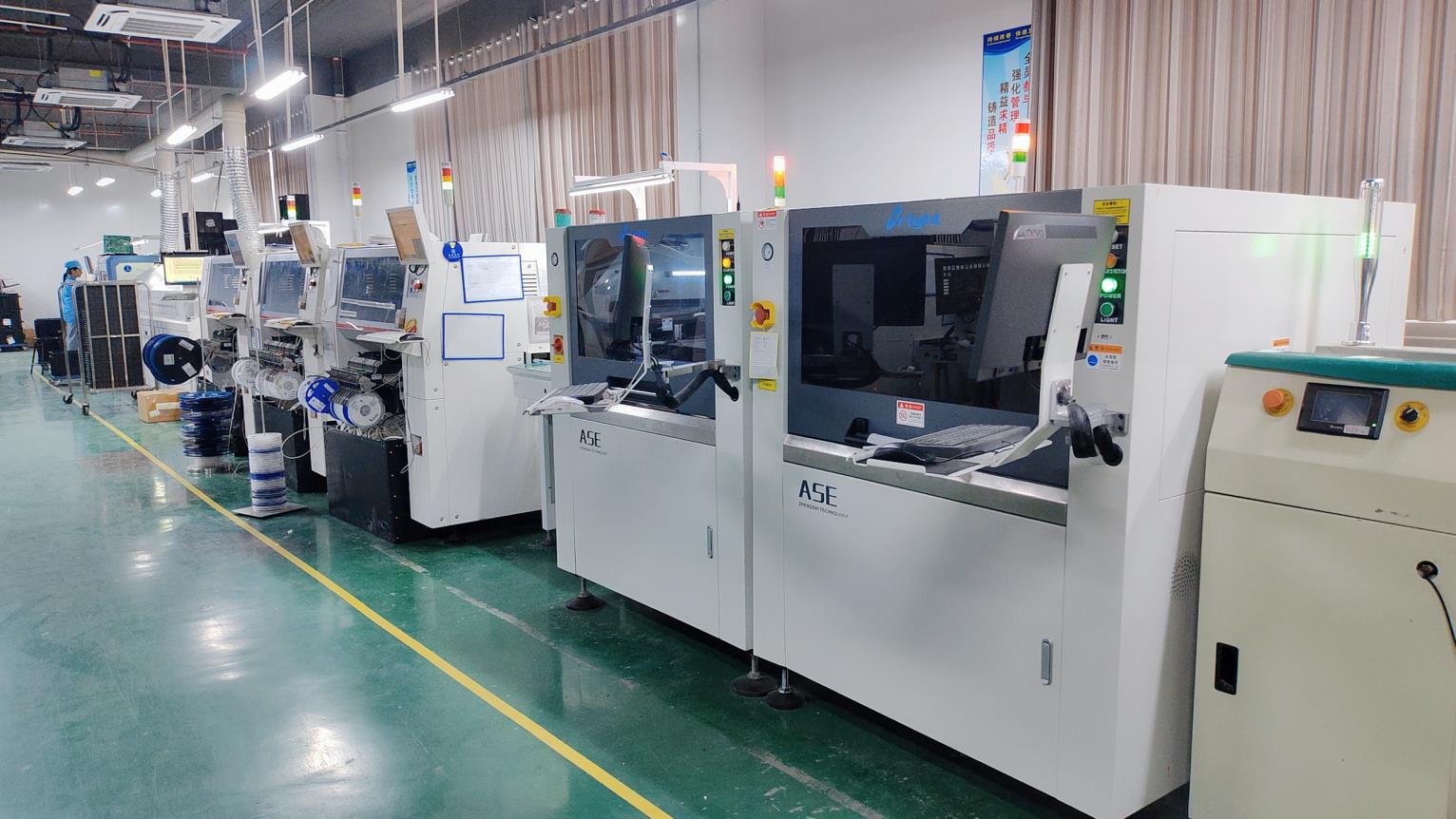
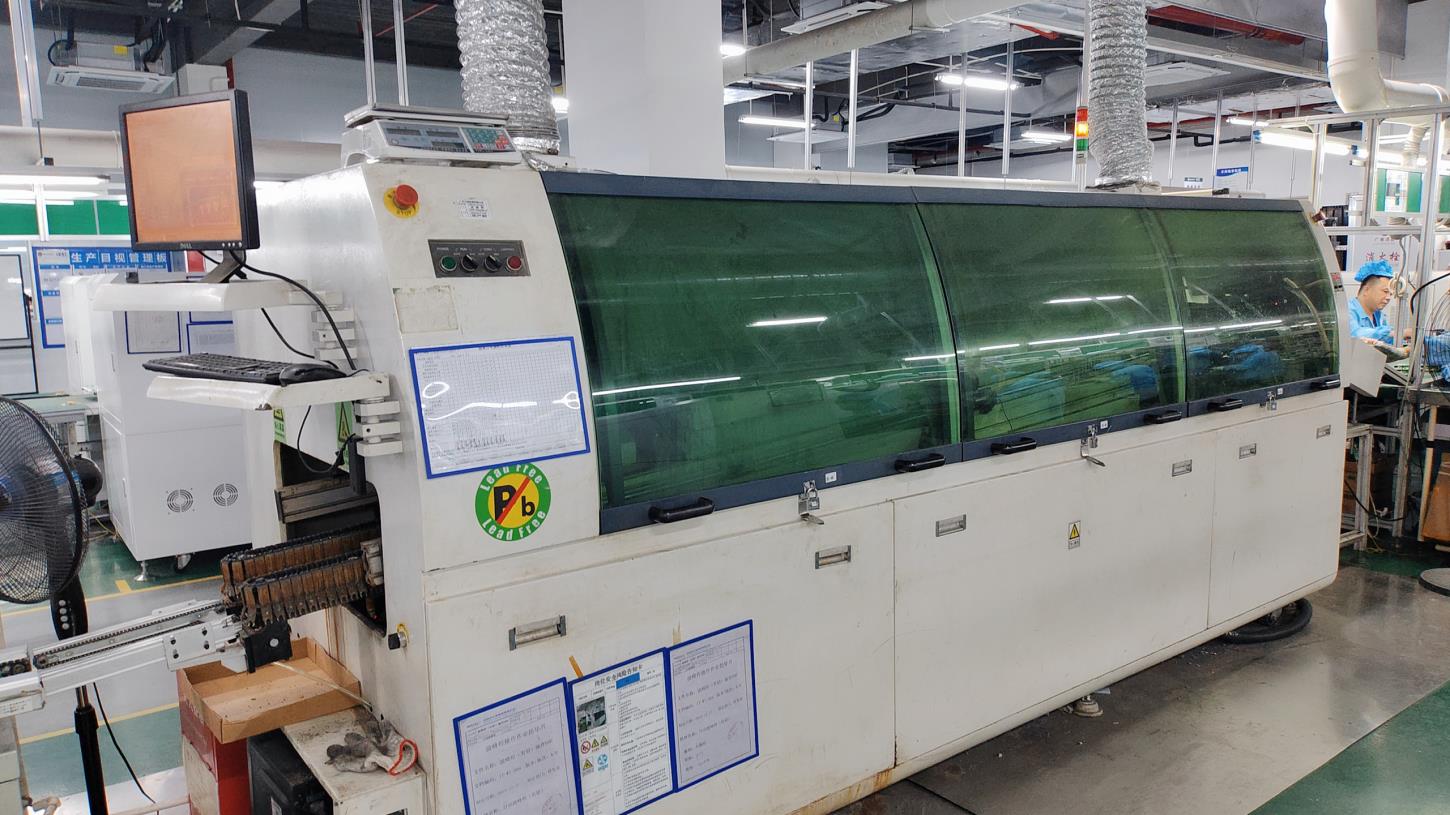
The applicability of energy storage is far-reaching, encompassing diverse geographic, climatic, and infrastructure constraints. Developing optimized energy profiles requires aligning specific technologies with local environments:
In mature economies, demand charges represent a massive portion of industrial utility bills. High-power battery systems, integrated with intelligent charge controllers and dynamic power management systems, store power during periods of low tariff rates and discharge it during peak demand windows. This minimizes peak charges while smoothing out irregular consumption patterns, ensuring high power quality for delicate industrial equipment.
Remote locations relying heavily on expensive diesel generators face volatile operating costs. Integrating utility-scale solar arrays with deep-cycle LiFePO4 batteries creates independent, self-healing microgrids. These systems perform active frequency and voltage stabilization (grid-forming capability), drastically decreasing generator run-time, extending diesel lifespans, and securing reliable 24/7 power delivery for critical municipal infrastructure.
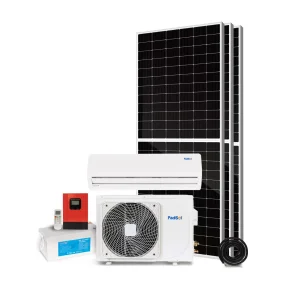
Across emerging and established residential zones alike, grid instability and volatile export tariffs (such as net metering rollbacks) make self-consumption highly lucrative. Modern modular wall-mounted or stackable energy systems—similar to the Tesla Powerwall alternatives—provide homeowners with complete control over their electrical environment. When paired with DC-inverter off-grid split air conditioners, these systems handle heavy dynamic loads without risking deep-discharge structural wear on the battery pack.
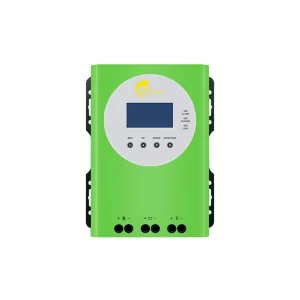
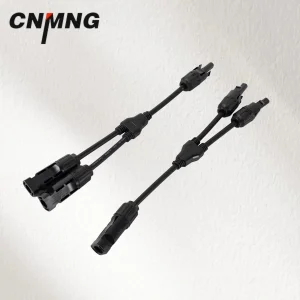
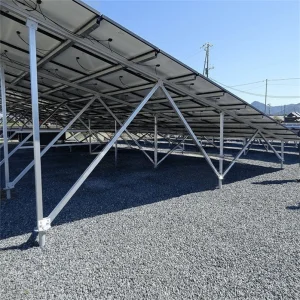
System failures often occur at the seams where components interface. Utilizing pre-tested and certified accessories, such as waterproof Y-type 3-way PV connectors, high-efficiency MPPT charge controllers, and customized mounting racks, prevents impedance spikes and moisture ingress—major causes of system output drop-off and safety concerns in harsh outdoor environments.
Procuring industrial or commercial-scale energy storage products requires strict adherence to international compliance frameworks. Anhui Aryam Energy Co., Ltd. builds and tests its arrays under rigorous quality assurance models, ensuring compliance with global certifications including CE, RoHS, RED, and IP66 / IP65 ratings.
Critical inquiries addressed by our senior technical engineering team regarding system design, lifetimes, and global logistics.
LiFePO4 provides a cycle life of 5000–6000 cycles at 80% Depth of Discharge (DoD), compared to only 500–800 cycles for premium deep-cycle AGM or gel batteries. Additionally, LFP boasts over 92% round-trip efficiency, maintains a flat discharge curve, and carries zero risk of thermal runaway or gas emissions, making it safe for indoor installations.
A hybrid system integrates grid power, solar input, and battery storage. Utilizing a hybrid inverter and high-speed MPPT controllers, the system monitors utility stability in milliseconds. In the event of grid fluctuations or failure, it switches to off-grid battery backup mode instantly (less than 10-20ms transfer time), keeping essential appliances running seamlessly.
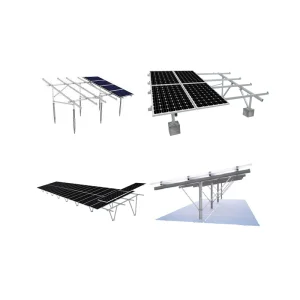
Anhui Aryam Energy provides comprehensive compliance backing. Our solar street lights, outdoor power stations, and custom battery systems carry CE, RoHS, and RED certifications. For structural installations, we supply engineering blueprints showing static wind-load calculations for our aluminum ground and roof mounting brackets.
Yes, our residential and commercial LFP battery cabinets support parallel scaling. For instance, the 51.2V 100Ah/20kWh configurations can be set up in parallel up to 6 units or more (depending on model) without needing external balancing hardware, allowing businesses to expand system capacity as energy demands grow.
Complete your renewable setup with our structural racking systems, thermal solutions, and heavy-duty cabling kits.
 Aryam Energy