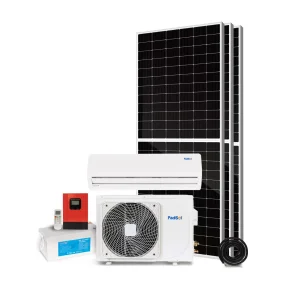
Engineered for absolute reliability under demanding industrial, commercial, and utility-scale operations.
As the world transitions from centralized fossil-fuel power plants to dynamic, decentralized energy systems, the role of Solar Power Distribution hardware has evolved from basic switching functionality to intelligent, edge-computed distribution nodes. Anhui Aryam Energy Co., Ltd. is at the forefront of this industrial revolution, delivering integrated systems that manage, optimize, and distribute renewable energy under highly volatile conditions.
Historically, solar installations focused almost exclusively on generation efficiency—maximizing the cell-level output of photovoltaic panels. However, in modern grid scenarios, the bottleneck lies within power distribution, stabilization, and bidirectional integration. Industrial microgrids, utility-scale storage matrices, and commercial installations now require highly integrated solutions that protect system components, minimize round-trip energy losses, and maintain grid code compliance (such as IEEE 1547 and EN 50549) automatically.
Aryam Energy's technological ecosystem addresses these challenges by merging high-voltage DC distribution topologies, smart battery energy storage systems (BESS), and intelligent loT monitoring. Through continuous R&D investment, we provide systemic answers to grid bottlenecks, high-frequency voltage fluctuations, and severe weather impacts, positioning our partners for long-term operational success and optimal Levelized Cost of Energy (LCOE).
Integrating megawatt-scale solar power into existing grids or off-grid remote operations demands specialized engineering that standard electrical systems cannot support. Aryam Energy designs robust, turnkey solutions tailored for major industrial and commercial applications:
Designed for manufacturing plants, data centers, and agricultural complexes. Our systems integrate PV modules, LiFePO4 battery banks, and backup diesel generators, managing load balancing dynamically through high-efficiency distribution nodes.
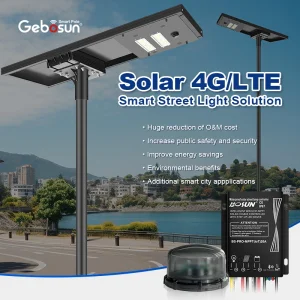
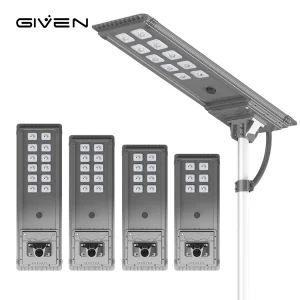
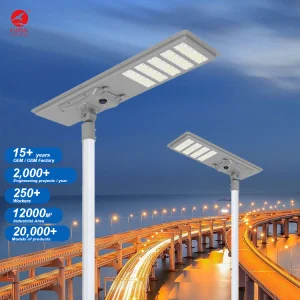
Deploying ultra-efficient solar distribution networks to power smart street lighting networks, municipal buildings, and public EV charging grids. Integrated IoT gateways (4G/LTE) allow centralized remote management and predictive maintenance scheduling.
For mining operations, telecommunications towers, and remote communities where utility grids are absent. Our heavy-duty DC-to-DC converters and off-grid split inverter topologies guarantee continuous power even under extreme thermal profiles.
"By controlling the power pathway from the solar junction point to the storage and conversion units, Aryam Energy minimizes electrical resistance, prevents impedance mismatches, and reduces Levelized Cost of Storage (LCOS) by up to 18% compared to fragmented component sourcing."
At our manufacturing center in China, we operate top-tier production environments. Quality assurance is integrated into every step of the process, ensuring compliance with strict global standards. Our factory utilizes SMT production, automated wave soldering, precision wire processing, and rigorous functional stress testing.
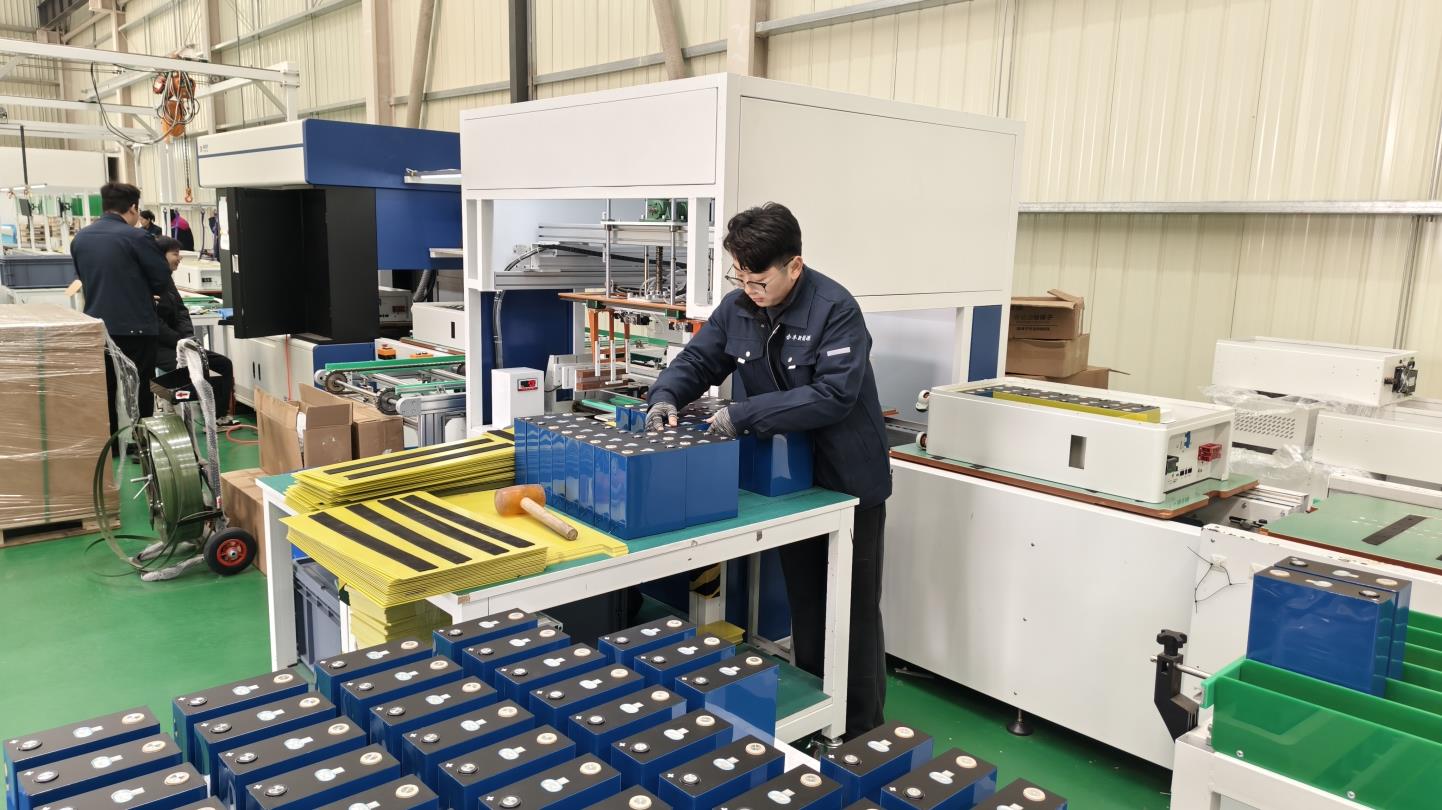
Precision Welding & Joining
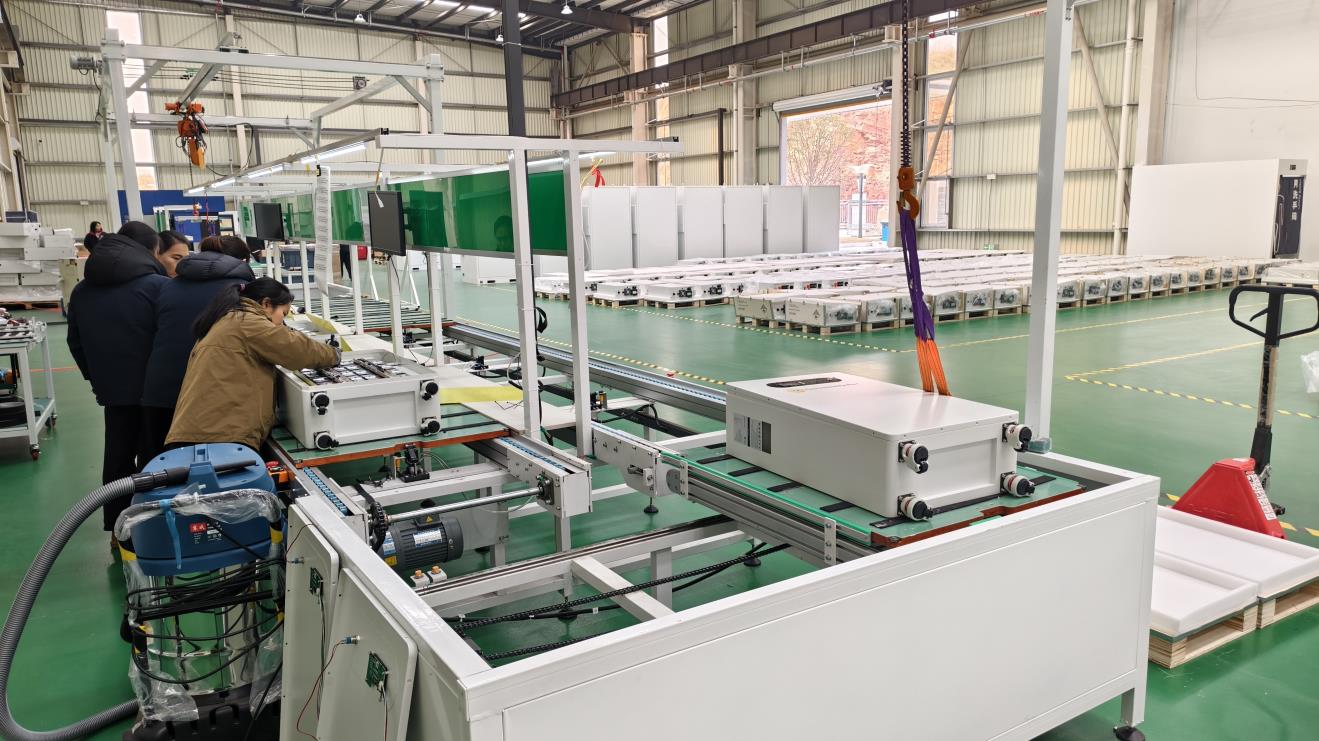
Sub-assembly Integration
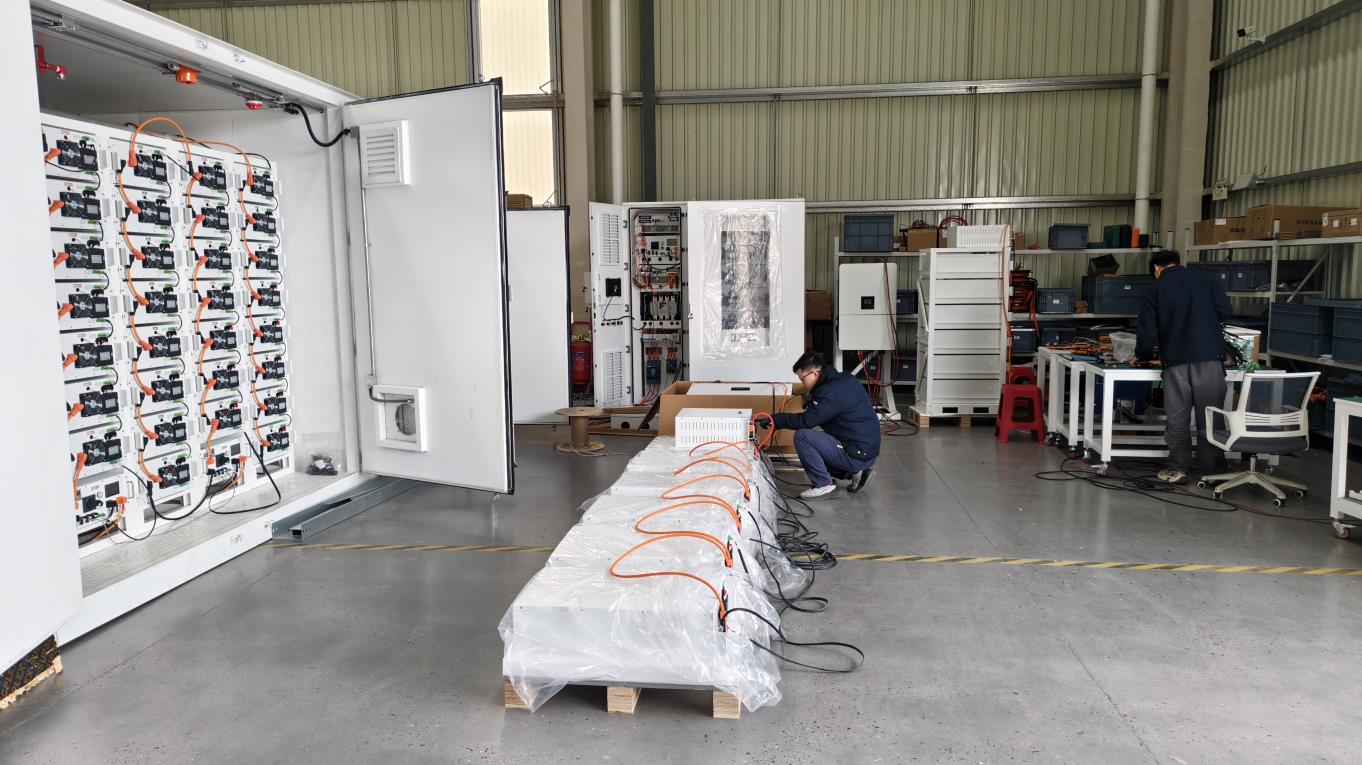
Rigorous Electrical Testing

Protective Industrial Packing
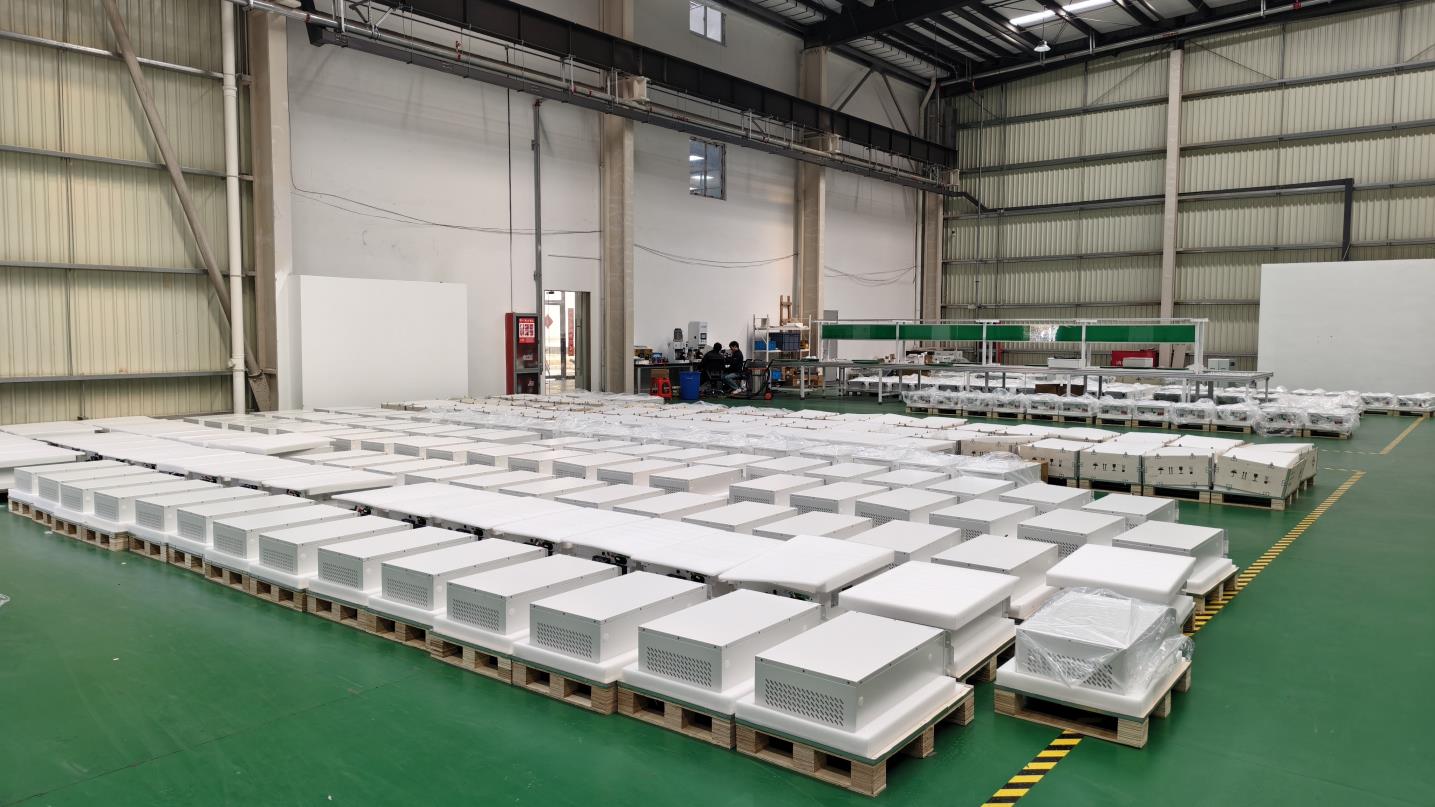
Completed QA Inspection
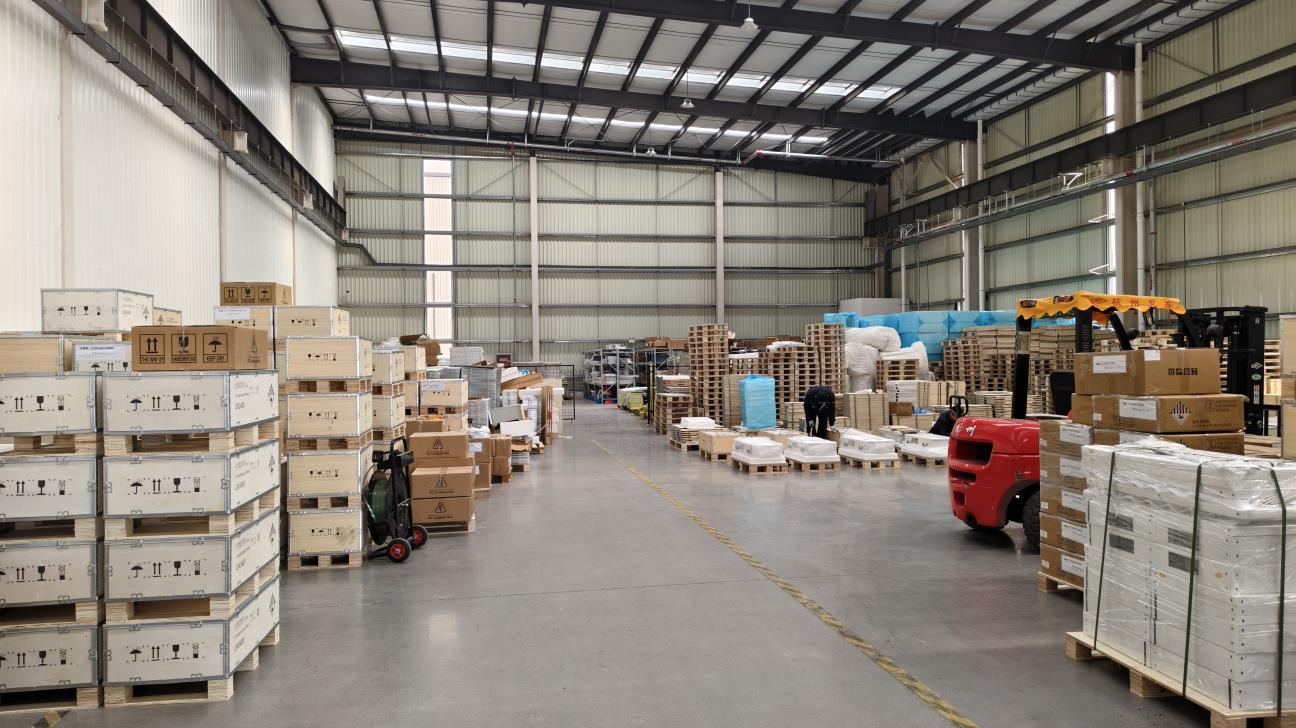
Logistics & Inventory Hub
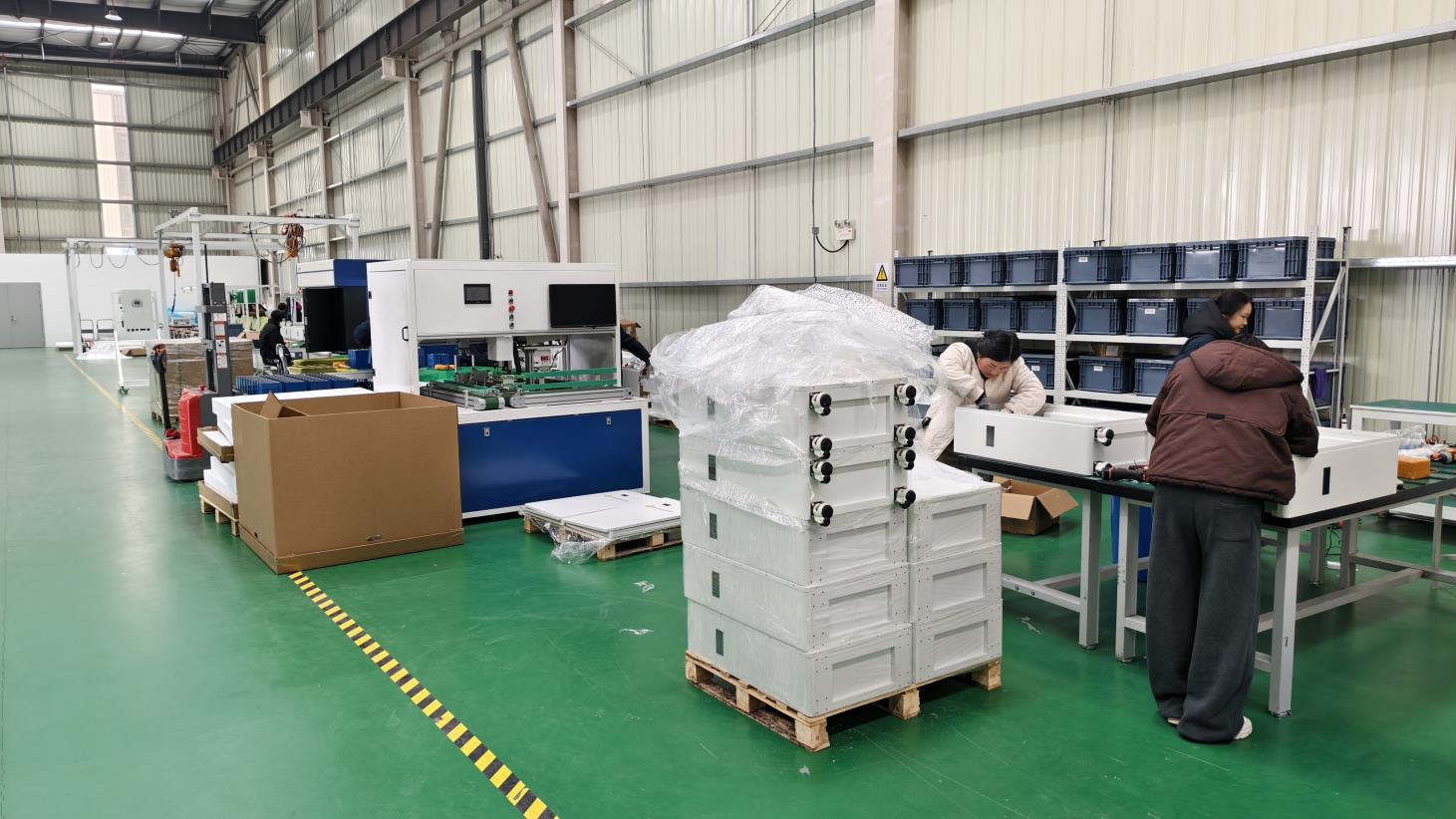
Optimized Assembly Line
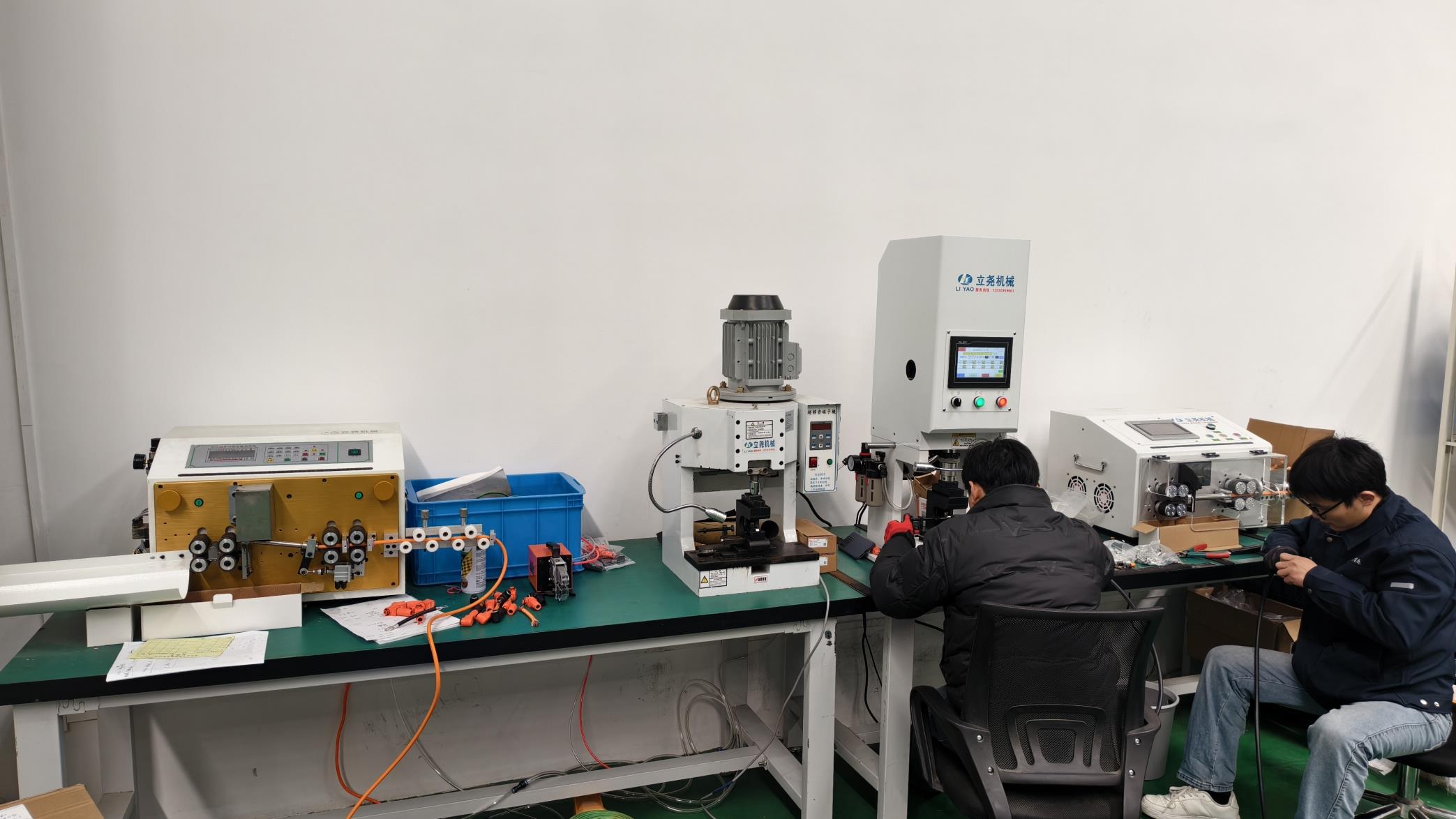
Automated Wire Processing
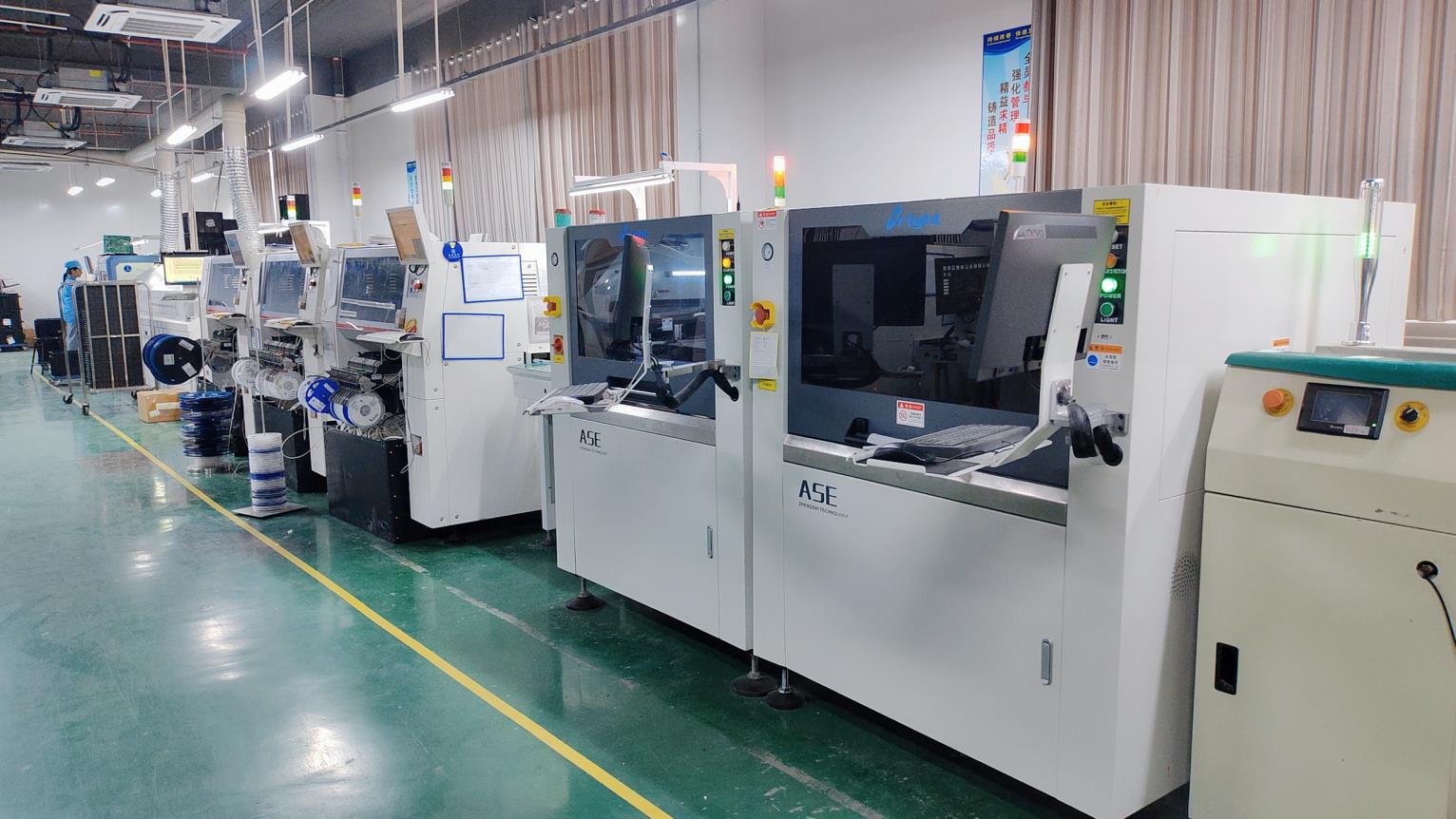
High-Speed SMT Placement
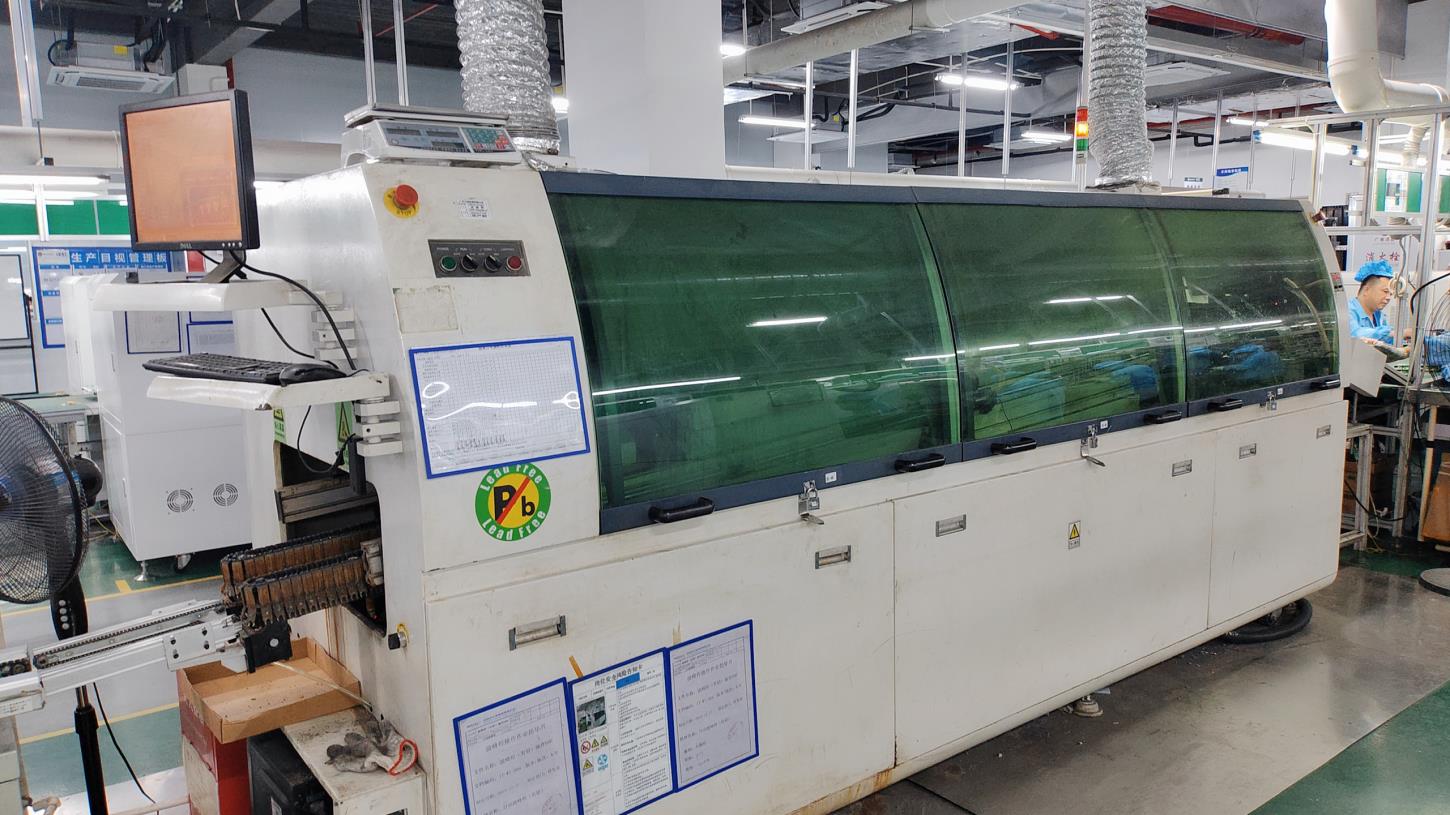
Automated Wave Soldering
Unlike assembly-only shops, Anhui Aryam Energy maintains absolute control over our entire supply chain. Our state-of-the-art SMT lines populate proprietary PCB boards designed by our internal engineering teams. Every critical junction point, transformer coil, and enclosure seal undergoes extensive environmental and physical testing to ensure it meets IP65/IP66 waterproof specifications and dynamic load tolerances before dispatch.
To fully appreciate the efficiency parameters of Aryam Energy systems, we must analyze the hardware and software layers that make up our product range:
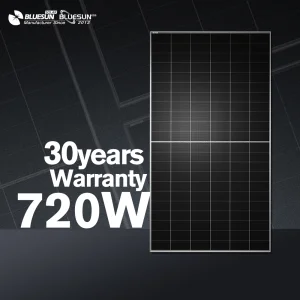
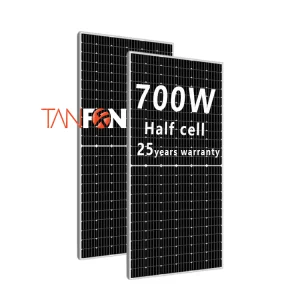
Our premium solar modules leverage advanced Heterojunction (HJT) technology. Unlike traditional PERC cells, HJT combines thin layers of amorphous silicon on crystalline silicon wafers. This composite design yields key physical performance benefits:
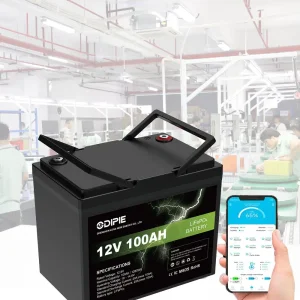
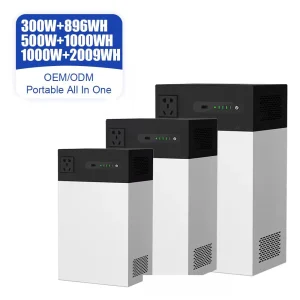
Modern solar distribution networks are only as stable as their storage systems. Our premium energy storage lines use Lithium Iron Phosphate (LiFePO4) chemistry, selected for its safety profile and long cycle life.
Our battery systems feature advanced, integrated Battery Management Systems (BMS). The BMS manages cell-balancing, monitors temperature to prevent thermal runaway, and communicates via CAN/RS485/Modbus protocols with centralized hybrid inverters. This design supports deep-cycle performance of over 6,000 charge cycles at 80% Depth of Discharge (DoD).
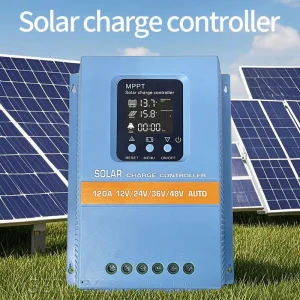
At the heart of DC distribution systems are our Maximum Power Point Tracking (MPPT) controllers. Operating at 99% conversion efficiency, these units utilize fast tracking algorithms to dynamically map the optimal current-voltage curve, even under partial shading conditions. This optimizes power transfer from high-voltage PV strings directly to battery banks.
Electrical regulations vary significantly by jurisdiction. Compliance is a core requirement for commercial projects. Anhui Aryam Energy certifies its product line for major global markets:
Beyond product delivery, Aryam Energy provides expert EPC (Engineering, Procurement, and Construction) consulting, field-commissioning supervision, and virtual engineering support to facilitate grid-connection approval processes.
As we look to the future, Aryam Energy's R&D is focused on three primary areas:
Answers to crucial engineering, installation, and procurement questions.
Heterojunction (HJT) panels provide a 15% to 25% increase in total energy generation over the system's life cycle. This gain is achieved through a lower temperature coefficient (-0.26%/°C vs. -0.35%/°C for PERC), a higher bifaciality factor (up to 90% vs. 70% for PERC), and the elimination of Light-Induced Degradation (LID), which maintains high output over decades of service.
Our smart solar lighting uses integrated 4G/LTE IoT controllers that communicate directly with a Central Management System (CMS) via secure APIs. Operators can monitor battery health, adjust dimming profiles remotely, receive automated maintenance alerts, and measure power consumption in real-time, reducing operating costs by up to 40% compared to non-connected solar streetlights.
Our LiFePO4 battery storage systems feature multi-layered safety mechanisms: chemical-level thermal stability, mechanical venting, and an integrated smart BMS. The BMS constantly monitors cell temperature, voltage, and current to protect against overcharging, over-discharging, external short circuits, and thermal runaways.
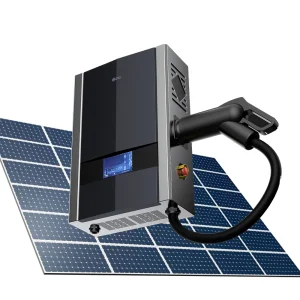
Yes. Our DC fast EV chargers support both grid-tied and hybrid/off-grid operations. When integrated with an appropriately sized PV array and LiFePO4 storage battery system, the charger uses excess DC solar energy directly, avoiding conversion losses to AC and back to DC, which maximizes overall system efficiency.
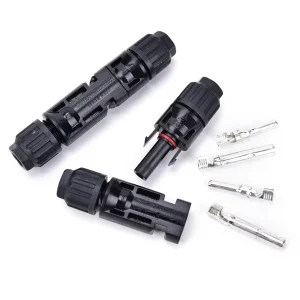
Industrial-grade components optimized for rapid field installation and long-term durability.
 Aryam Energy