High-efficiency, certified solar products engineered to meet demanding utility-scale and off-grid performance requirements.

Exploring the macroeconomic drivers, technical bottlenecks, and balance-of-system (BOS) optimizations within utility and industrial PV applications.
The global transition toward renewable energy is no longer driven solely by carbon reduction targets; it is fueled by the economics of grid-independent parity, resource security, and decentralized resilience. As the core components—namely PV cells and modules—experience rapid commoditization, the strategic focus has shifted significantly toward Balance of System (BOS) components and solar power accessories. These elements, including intelligent charge controllers, optimized mounting brackets, durable off-grid hybrid inverters, and high-density energy storage arrays, dictate the actual lifetime yield (LCOE) and the ultimate return on investment (ROI) for modern energy installations.
Historically, system failures in commercial & industrial (C&I) environments have rarely originated from the solar panels themselves. Rather, they stem from minor accessories: degradation of poorly structured mounting racks, failure of switching gear under thermal stress, sub-optimal algorithm tracking in charge controllers, or rapid degradation in low-quality energy storage units. In high-stakes operations such as remote telecommunication outposts, off-grid water pumping arrays, and local C&I mini-grids, choosing components built with high engineering standards is critical to preventing costly downtime and structural degradation.
Information Gain Insight: Modern solar projects require a holistic systems-engineering design. Shifting focus from raw module capacity to BOS optimization (such as high-precision MPPT algorithms, thermal-runaway mitigation in LiFePO4 cells, and corrosion-resistant mounting frames) can improve long-term system efficiency by up to 14.5% in extreme weather conditions.
Key design methodologies and advancements driving modern solar accessory production.
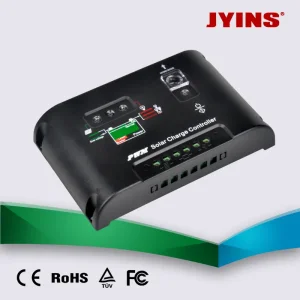
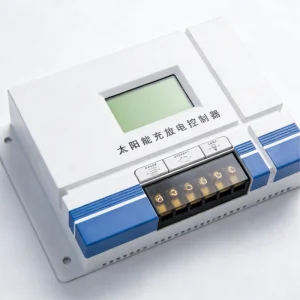
Advanced maximum power point tracking (MPPT) dynamically adjusts for real-time irradiance shifts, reaching tracking efficiencies over 99%. Crucial for agricultural water pumps and variable grid architectures.
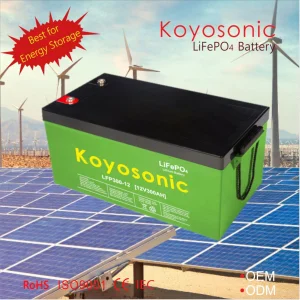
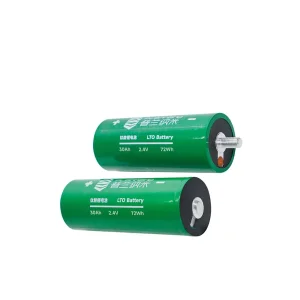
Utilizing high-safety chemistries like Lithium Iron Phosphate (LiFePO4) and Lithium Titanate (LTO) to ensure thermal stability, rapid charge-discharge capabilities, and over 15 years of operational life.
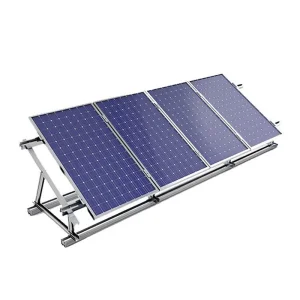
Engineered structural racking systems, using carbon steel and anodized aluminum coatings, designed to withstand high wind speeds (up to 60m/s) and severe salt-spray environments.
Solar deployment is rarely a one-size-fits-all endeavor. Environmental, regulatory, and mechanical factors demand specialized engineering adjustments across geographic regions:
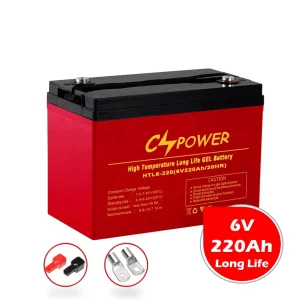
Operating in regions like the MENA belt requires high thermal tolerances. Solar accessories must be rated for continuous operations above 50°C. Standard solar chargers must incorporate multi-stage derating curves, and outdoor enclosures must utilize passive or liquid-cooled thermal systems. High-capacity gel and LTO (Lithium Titanate) batteries are often preferred here due to their exceptional resilience against thermal runaway compared to standard ternary lithium cells.
In high-humidity, high-salinity zones, galvanic corrosion is the primary failure vector. Mounting brackets and structural carports must feature thick hot-dip galvanization (minimum ISO 1461 standards) or premium grade aluminum alloys. Connectors and outdoor lighting components (such as integrated IP65/IP66 LED solar street lights) require marine-grade seals to prevent moisture ingress, which can corrode internal circuit boards.
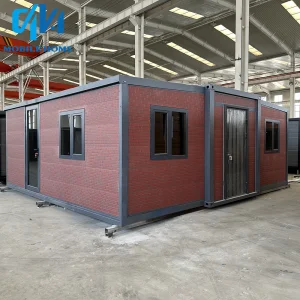
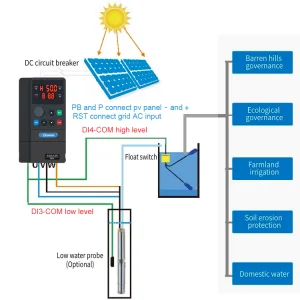
Remote agricultural pump integration demands reliable variable frequency drive (VFD) inverters that operate smoothly without battery buffers. Directly translating DC power from PV arrays to run AC water pumps lowers capital costs and simplifies maintenance. For residential microgrids, portable systems—such as expandable prefabricated homes with pre-installed PV configurations—enable rapid, plug-and-play energy security.
A globally recognized clean energy pioneer supplying reliable, smart, and integrated solar solutions.
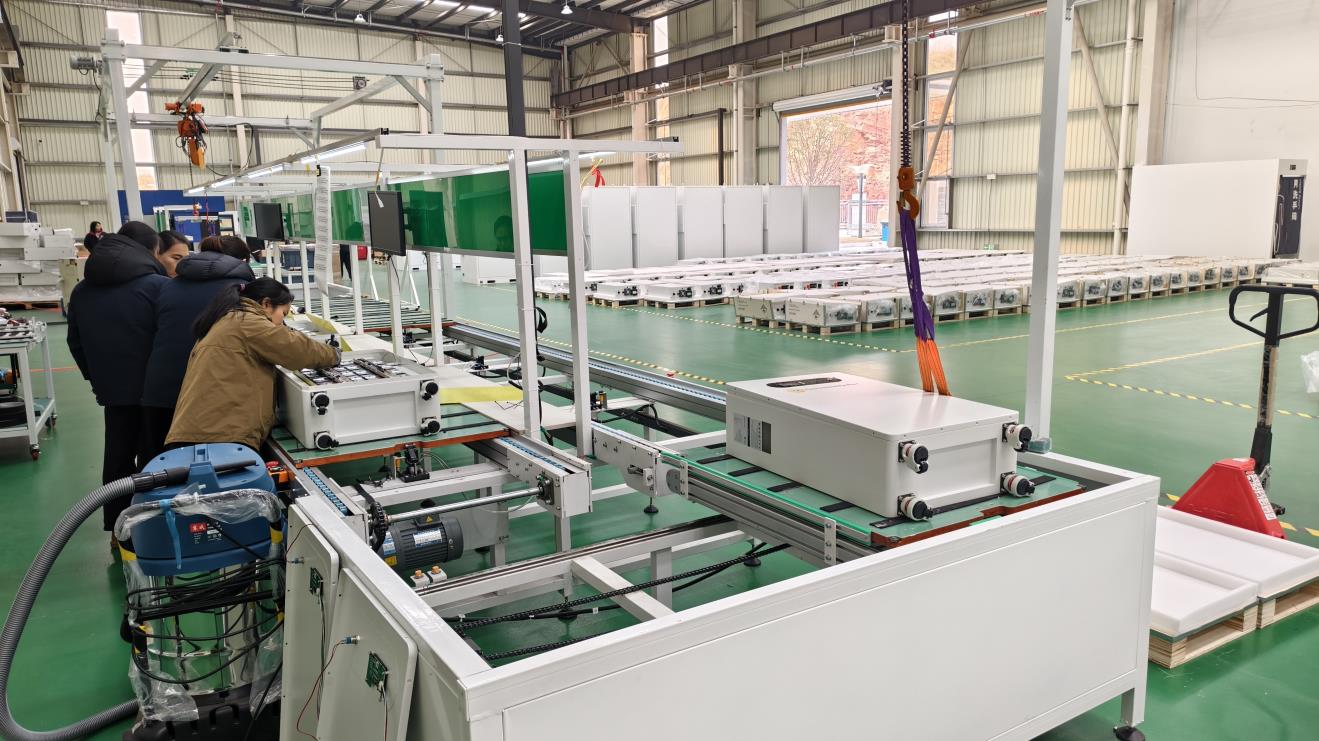
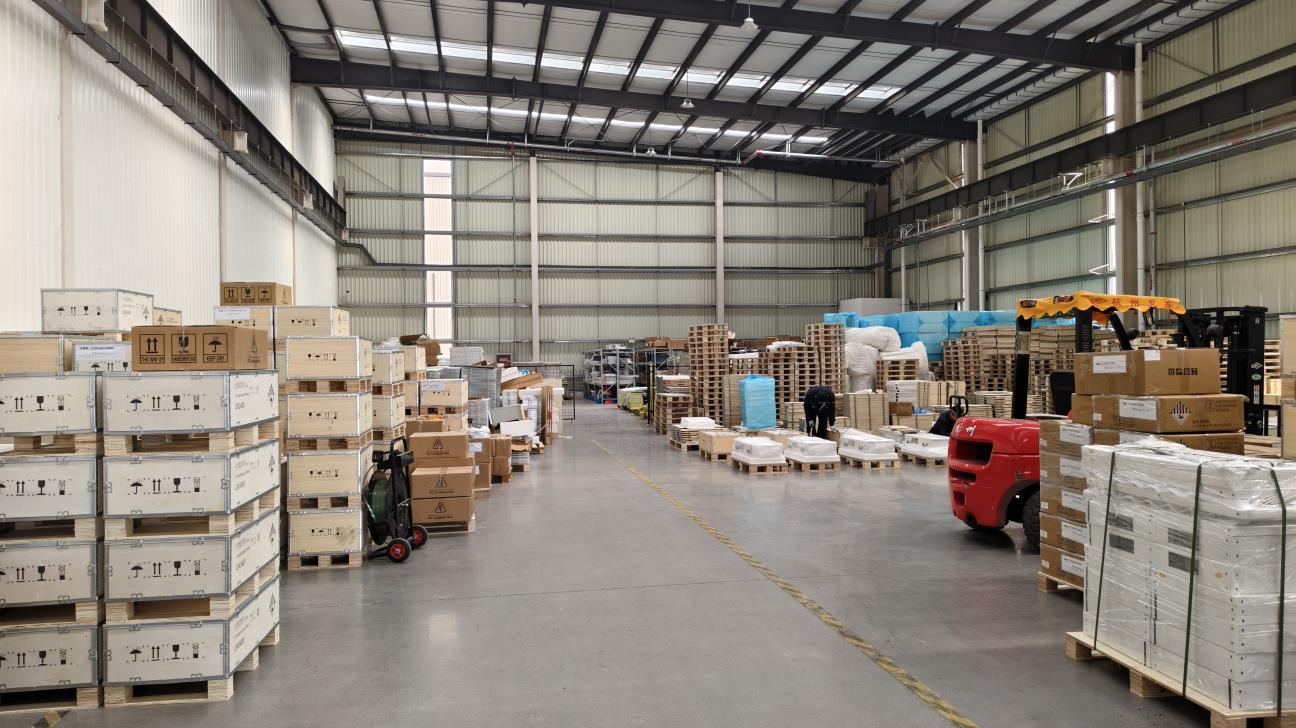
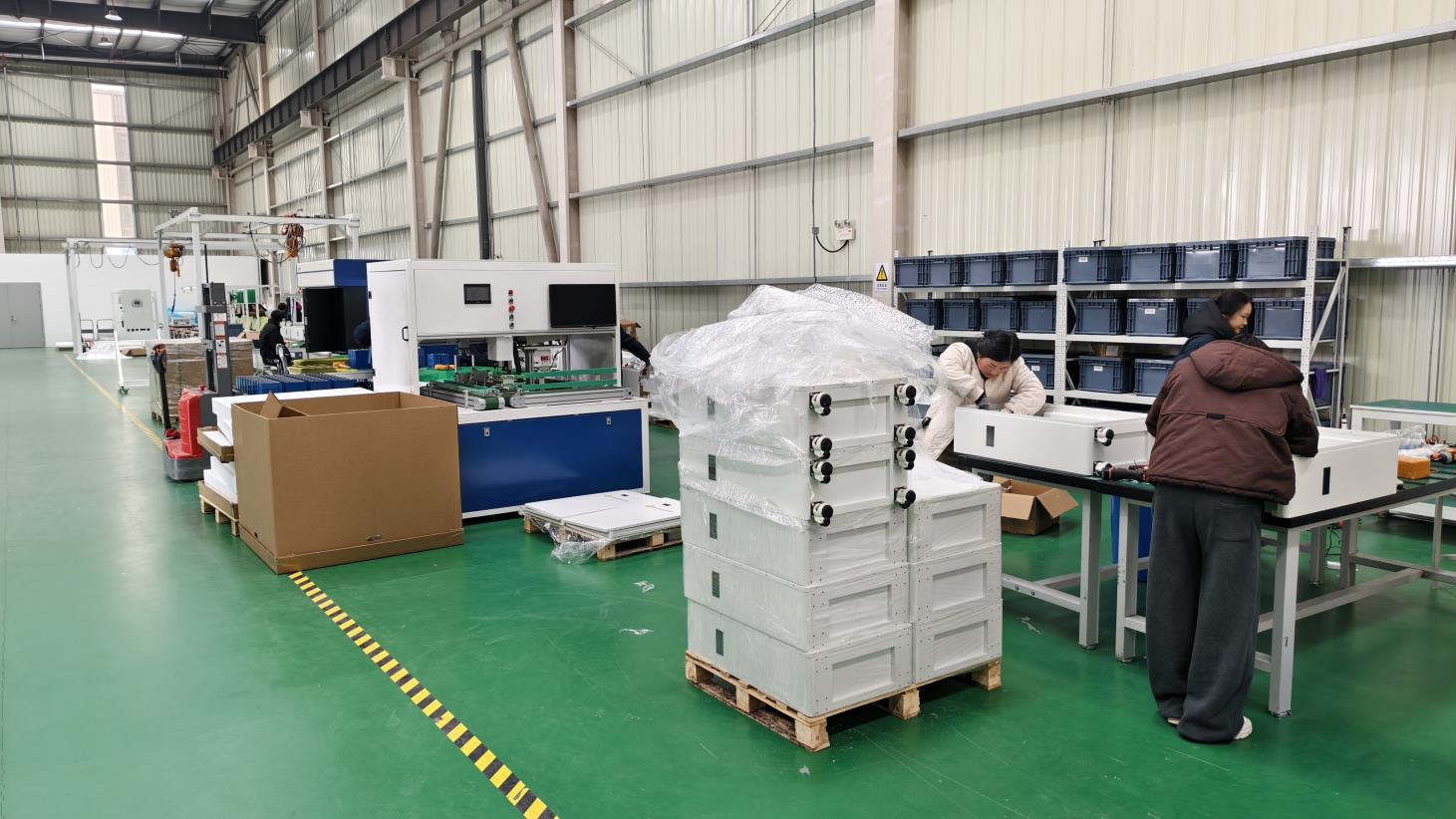
Anhui Aryam Energy Co., Ltd. is a leading provider of advanced renewable energy solutions, dedicated to delivering reliable, efficient, and sustainable power systems for residential, commercial, industrial, and utility-scale applications worldwide. Through continuous innovation and a strong commitment to clean energy development, Aryam Energy has established itself as a trusted partner in the global transition toward a low-carbon future.
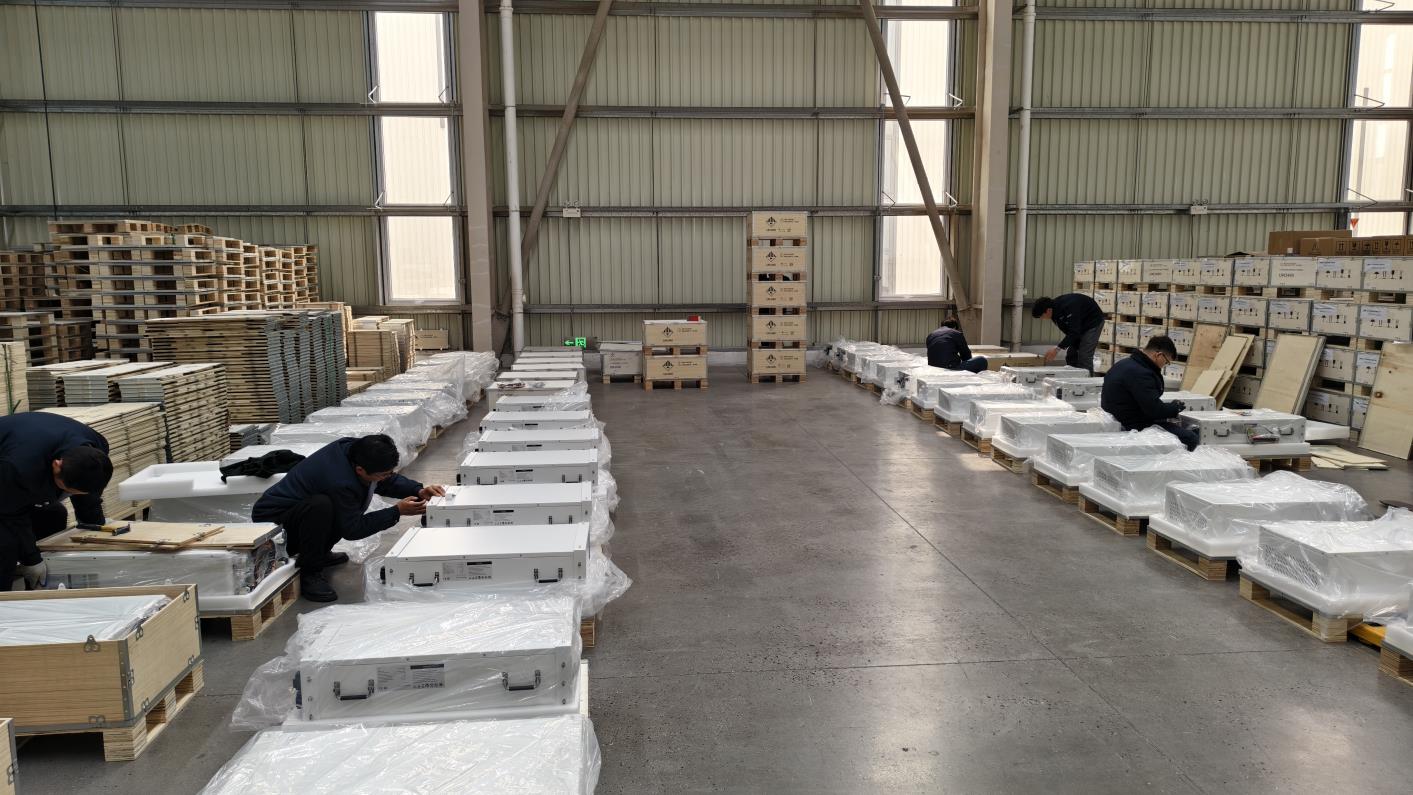
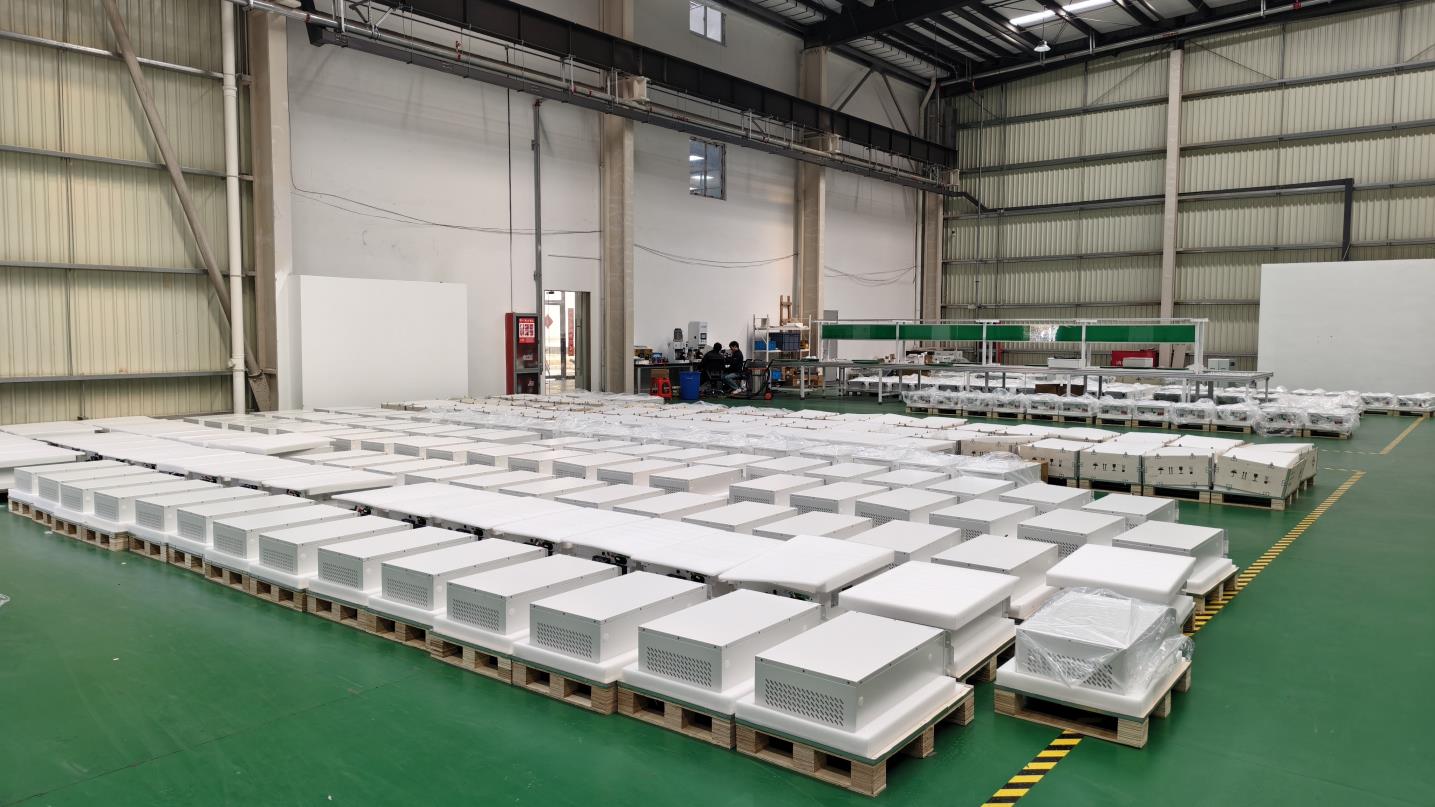
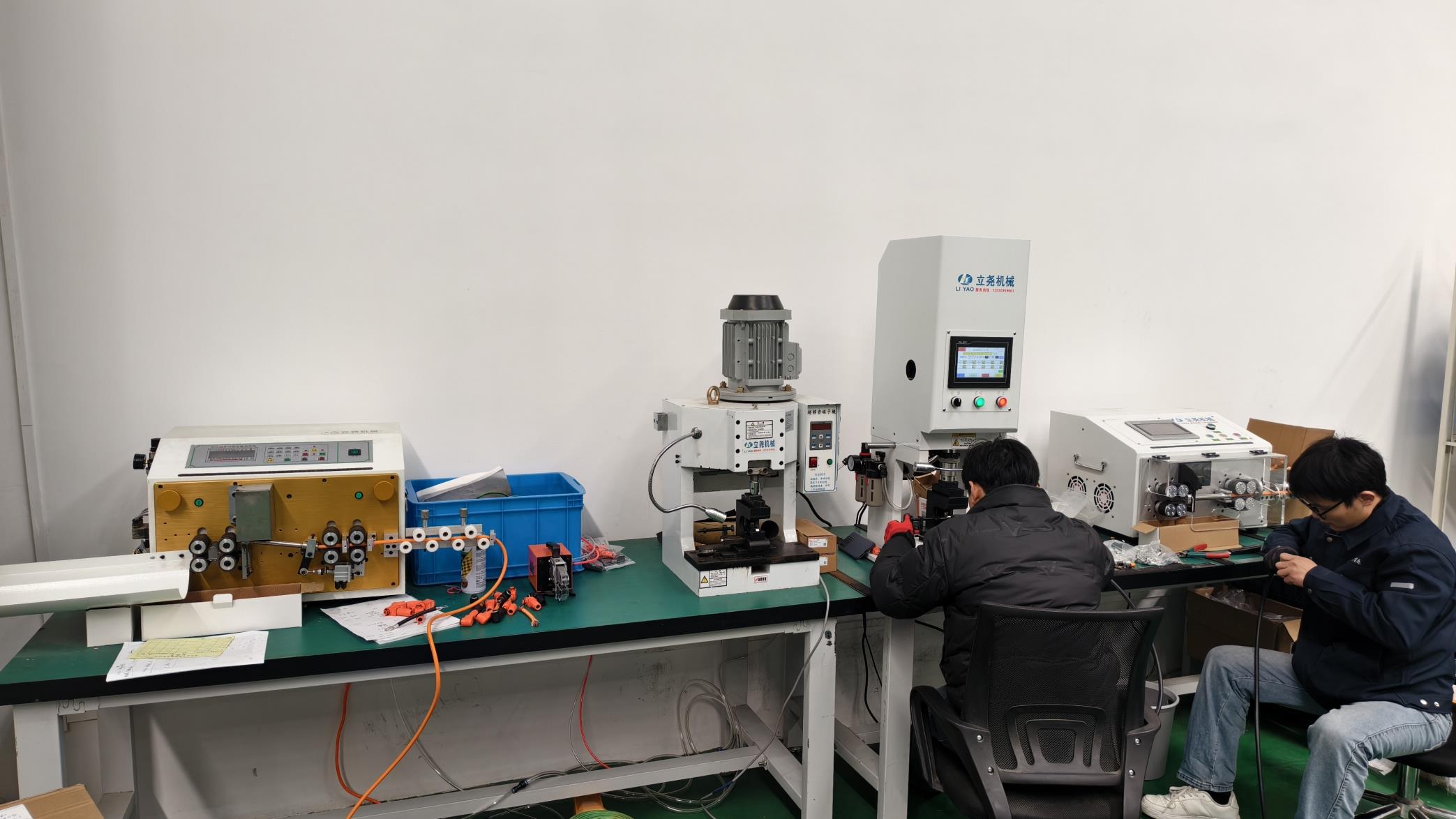
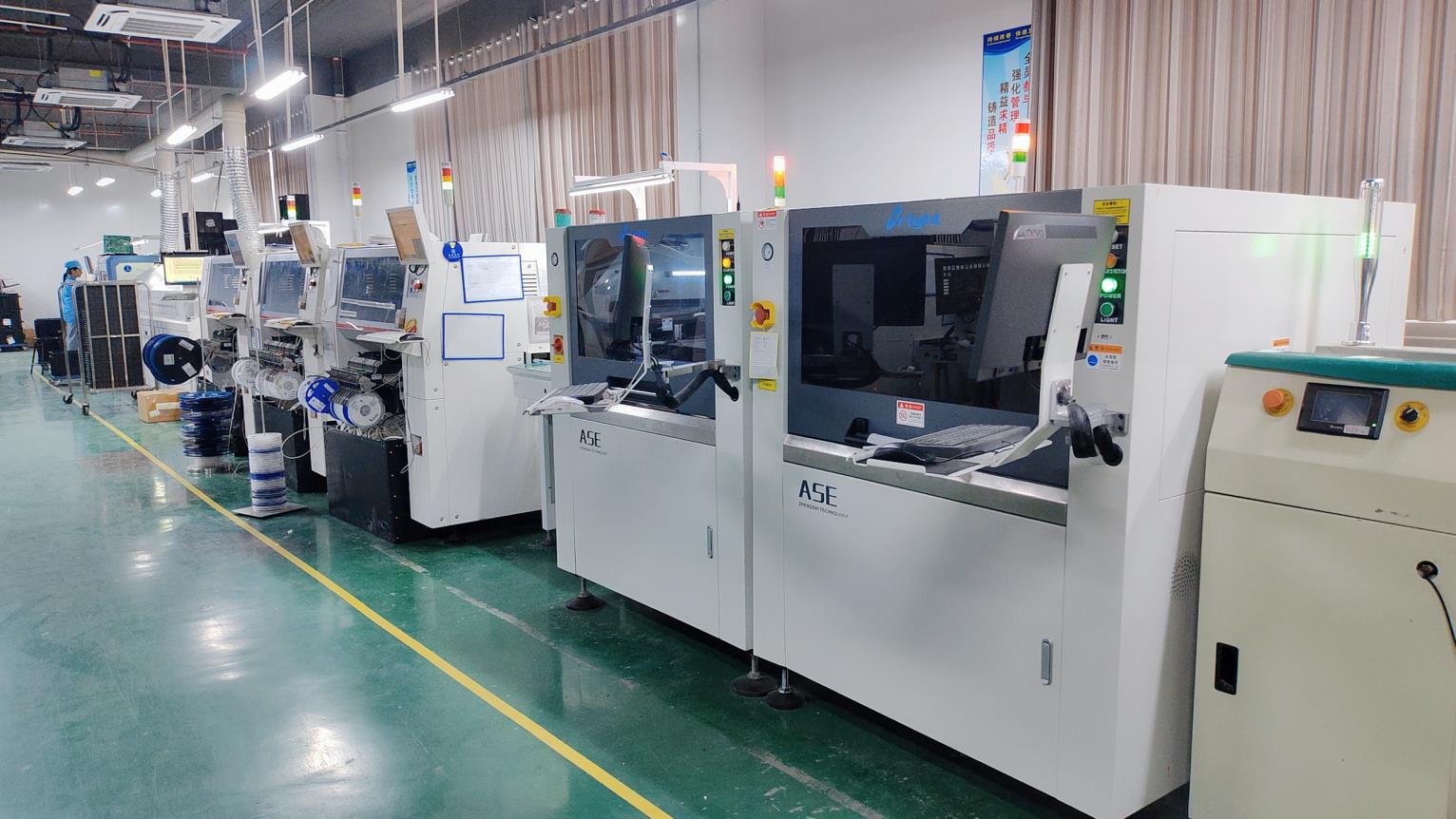
The company specializes in the research, development, manufacturing, and integration of solar energy systems, energy storage solutions, hybrid power systems, and intelligent microgrid technologies. Leveraging cutting-edge engineering expertise and strict quality management standards, Aryam Energy provides comprehensive energy solutions tailored to diverse market needs, particularly in regions facing energy shortages, unstable grid infrastructure, or increasing demand for sustainable power generation.
With a professional R&D team and a growing portfolio of proprietary technologies, Aryam Energy continuously invests in innovation to enhance system performance, energy efficiency, and long-term reliability. Its products and solutions are designed to meet international standards and have been successfully deployed across Asia, Africa, the Middle East, Europe, and Latin America, serving customers in more than 100 countries and regions.
Aryam Energy's product portfolio includes solar inverters, energy storage systems, hybrid inverters, lithium battery solutions, solar water pumping systems, microgrid systems, and customized renewable energy projects. The company is committed to providing integrated energy solutions that maximize energy independence, reduce operational costs, and support environmental sustainability.
Maximizing performance in commercial applications requires choosing the correct system architecture:
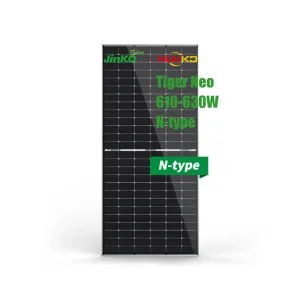
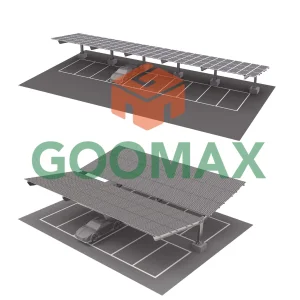
Unlocking unused space with solar parking structures requires durable engineering. Our structural carbon-steel carport systems protect vehicles while generating green energy. Combined with half-cut cell panels, these systems yield higher output per square meter and handle partial shading without major losses.
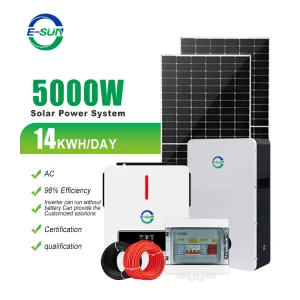
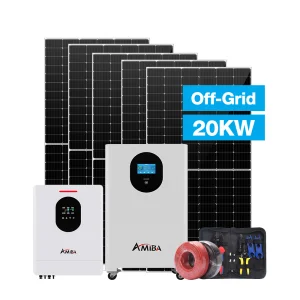
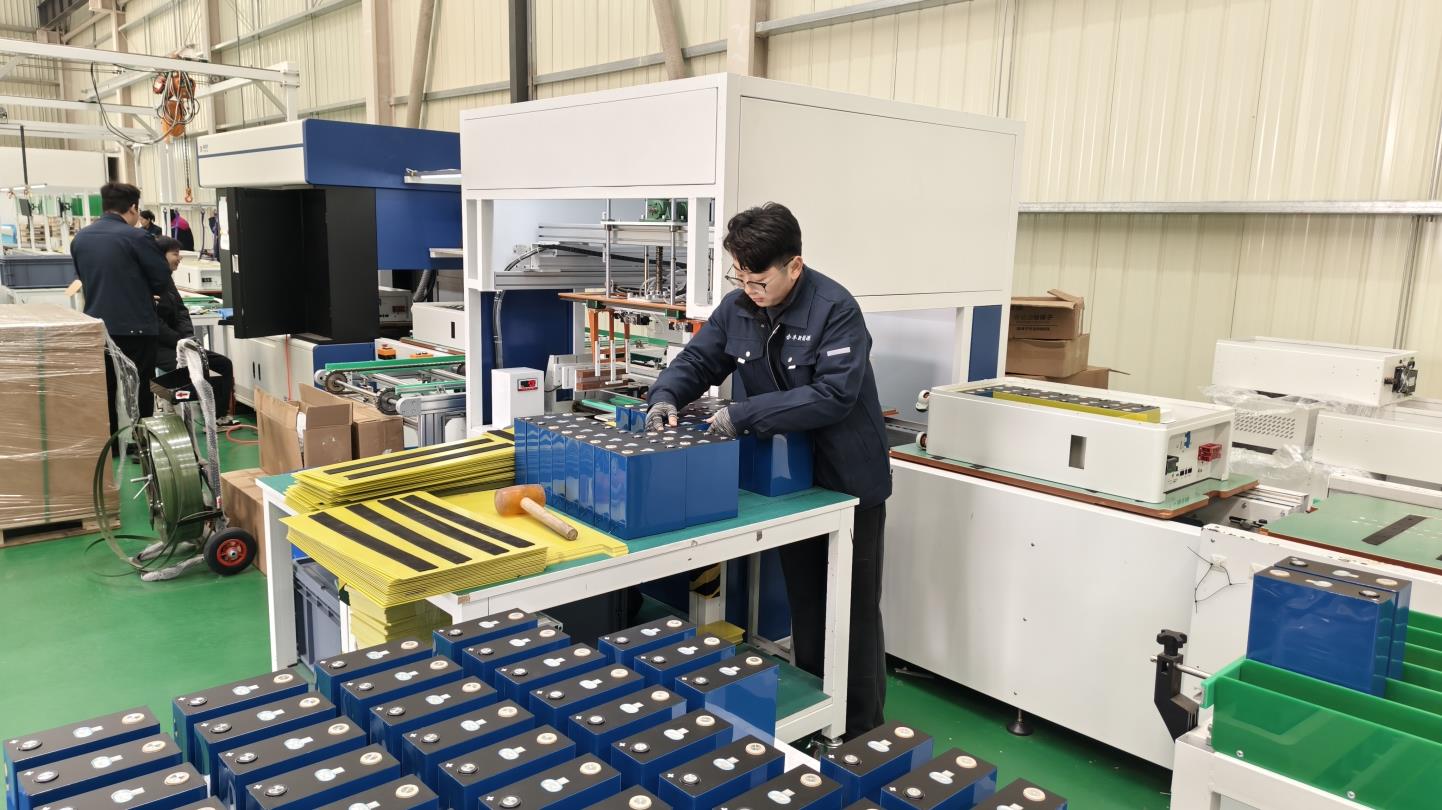
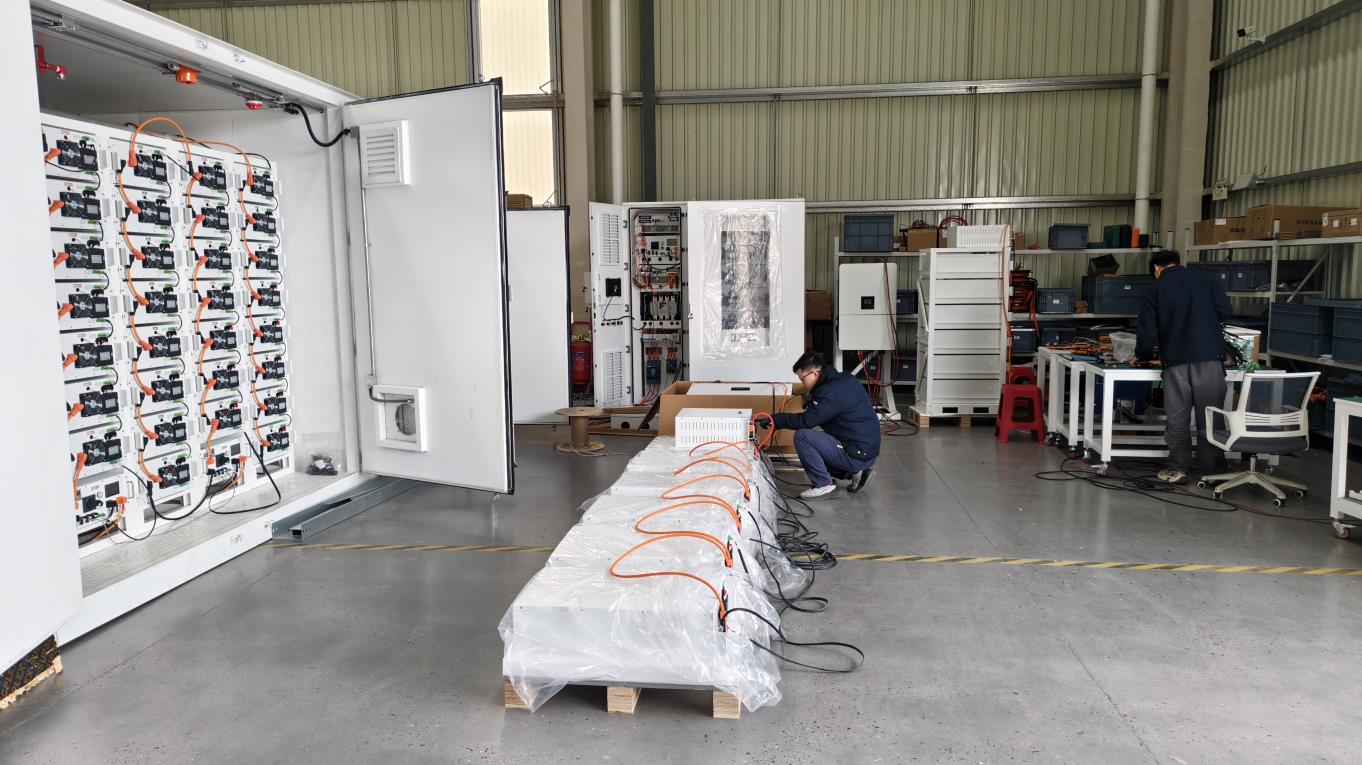
Combining heavy-duty energy storage (like Plannano Lithium Titanate batteries or High Capacity LiFePO4 packs) with an intelligent hybrid inverter creates a self-sustaining microgrid. These systems provide steady baseboard power for industrial workshops, medical centers, and agricultural operations in regions with unreliable grid access.
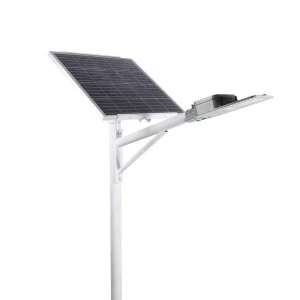
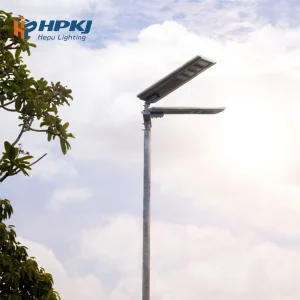
Modern municipalities are transitioning to smart, integrated solar streetlights. Combining the solar panel, LiFePO4 battery pack, and MPPT controller into a single IP65/IP66 housing simplifies installation and eliminates trenching costs, reducing local municipal energy expenses.
Answers to key engineering, integration, and procurement questions from industrial solar project managers.
LiFePO4 (Lithium Iron Phosphate) offers an excellent balance of energy density, safety, and cycle life (typically 4,000 to 6,000 cycles at 80% DOD), making it ideal for standard residential and commercial energy storage. LTO (Lithium Titanate), on the other hand, provides unmatched safety, extreme thermal performance (operating effectively from -30°C to 55°C), and a cycle life exceeding 20,000 cycles. LTO is preferred for mission-critical industrial applications, heavy duty cycling, and environments with extreme ambient temperatures.
Without a battery buffer, water pumps are vulnerable to motor stalls during sudden cloud cover or shifting sun angles. An MPPT pump inverter dynamically matches the electrical load of the pump motor with the maximum power output of the PV array. This prevents stalling, protects the motor windings from electrical wear, and maximizes daily water flow under variable sunlight conditions.
Half-cut panels split the cell matrix into two independent, parallel-connected halves. If the lower half of the panel is shaded, the upper half still produces power at 50% capacity. In contrast, standard full-cell panels may shut down completely under partial shade. Additionally, half-cut cells split the electrical current, reducing internal resistance and lowering the risk of hot-spots, which extends panel life.
To prevent galvanic corrosion (which occurs when dissimilar metals react in damp, salty air), we use hot-dip galvanized carbon steel and anodized aluminum (6005-T5) with stainless steel (SUS304) fasteners. Isolation washers are used to prevent direct contact between steel and aluminum, keeping the mounting structure stable and corrosion-free for a service life of over 25 years.
Yes. Our industrial-grade hybrid inverters feature auxiliary dry contact ports that can trigger external diesel generators. When the battery state of charge (SOC) drops below a set limit and PV power is unavailable, the inverter automatically starts the generator to maintain power, shutting it down once the batteries are recharged or solar generation resumes.
Heavy-duty hardware, mounting frames, and high-efficiency panels for commercial installations.
 Aryam Energy