
Anhui Aryam Energy Co., Ltd. is a leading provider of advanced renewable energy solutions, dedicated to delivering reliable, efficient, and sustainable power systems for residential, commercial, industrial, and utility-scale applications worldwide. Through continuous innovation and a strong commitment to clean energy development, Aryam Energy has established itself as a trusted partner in the global transition toward a low-carbon future.
The company specializes in the research, development, manufacturing, and integration of solar energy systems, energy storage solutions, hybrid power systems, and intelligent microgrid technologies. Leveraging cutting-edge engineering expertise and strict quality management standards, Aryam Energy provides comprehensive energy solutions tailored to diverse market needs, particularly in regions facing energy shortages, unstable grid infrastructure, or increasing demand for sustainable power generation.
With a professional R&D team and a growing portfolio of proprietary technologies, Aryam Energy continuously invests in innovation to enhance system performance, energy efficiency, and long-term reliability. Its products and solutions are designed to meet international standards and have been successfully deployed across Asia, Africa, the Middle East, Europe, and Latin America, serving customers in more than 100 countries and regions. Driven by the vision of becoming a globally recognized clean energy technology leader, Aryam Energy actively collaborates with distributors, EPC contractors, government agencies, and international organizations to promote renewable energy adoption worldwide.
Global Strategy Highlight: By combining technological innovation, product excellence, and customer-centric service, Anhui Aryam Energy Co., Ltd. continues to deliver smart, reliable, and environmentally responsible energy solutions that help build a greener and more sustainable world. Our core mission of "Empowering Sustainable Energy for a Better Future" fuels our relentless pursuit of highly optimized solar grid-tie inverter architectures.
Solar grid-tie inverters represent the intellectual core of any grid-interactive photovoltaic power station. Far beyond simple direct-current (DC) to alternating-current (AC) converters, contemporary grid-tie inverters are highly sophisticated digital control centers. Their primary objective is to maximize energy harvest via Maximum Power Point Tracking (MPPT) algorithms, synchronize output current to grid frequency with ultra-low Total Harmonic Distortion (THD), and execute complex grid-support strategies.
Under the hood, modern grid-tie platforms employ advanced topology pathways such as multi-level neutral point clamped (NPC) designs and high-frequency soft-switching techniques. The adoption of Wide Bandgap (WBG) semiconductors, particularly Silicon Carbide (SiC) and Gallium Nitride (GaN) field-effect transistors, has revolutionized power density metrics. These materials feature higher breakdown voltage thresholds, faster switching speeds, and significantly reduced thermal dissipation coefficients compared to traditional Silicon-based IGBTs. This architectural transition has pushed inverter conversion efficiency targets beyond 98.8%, minimizing energy losses in high-ambient operations.
Equipped with sophisticated dynamic algorithms, our inverters lock onto the true maximum power point within milliseconds, even in complex dynamic shading conditions. Tracking accuracy exceeds 99.9%.
Active support for Low-Voltage Ride-Through (LVRT) and Zero-Voltage Ride-Through (ZVRT) rules. The systems dynamically inject reactive power during voltage drops to protect local grid stability.
Leveraging redundant forced-air cooling or sealed liquid-cooling loops, our inverters guarantee full-power output without derating at temperatures scaling up to 50°C, under IP66 enclosures.
Maximum Conversion Efficiency
Exporting Countries Served
Cumulative Installed Capacity
Annual Operational Failure Rate
No two utility grids share identical characteristics. Environmental demands, legacy line infrastructures, and geographical topologies dictate distinct system behaviors for solar grid-tie inverters. Understanding this contextual variability is core to Aryam Energy's design philosophy:
In desert microclimates, grid-tie inverters face intense solar irradiance paired with ambient temperatures reaching 55°C. The central challenges are thermal derating and sand-dust ingress. Our engineering responses incorporate dual-chamber isolation, separating sensitive power electronics from external radiators. Highly optimized heat pipe systems paired with smart cooling blowers ensure maximum continuous operations. Furthermore, sand-prevention structures with high-grade IP66-sealed casings prevent granular penetration, preserving critical SMT components from micro-abrasion.
Tropical coastal developments expose components to persistent salt spray and high relative humidity. Under these conditions, standard printed circuit board assemblies (PCBAs) degrade quickly via galvanic corrosion. Aryam Energy utilizes triple-layered conformal coatings applied via automated precision spray machines. The external structural elements feature hot-dipped galvanized frameworks, anti-corrosive powder coatings, and marine-grade stainless steel hardware, guaranteeing a design lifecycle exceeding 25 years.
In emerging markets with limited grid stability, line voltage and frequency swings are common. Standard inverters may repeatedly disconnect under minor fluctuations, causing lost output. Aryam Energy inverters feature wide voltage-frequency windows and utilize adaptive impedance matching algorithms. They dynamically analyze localized grid resistance profiles, ensuring seamless power feed-in even during severe voltage drops without suffering unexpected shutdowns.
The global Commercial and Industrial (C&I) solar market is growing rapidly, driven by corporate decarbonization targets (ESG compliance) and rising utility power costs. Today’s C&I grid-tie systems must handle complex load configurations, support on-site consumption, and limit reverse power flow (zero-export limits) based on grid requirements. Modern configurations feature multi-MPPT designs that allow flexible solar arrays on asymmetric factory roofs. Integration with energy storage systems (ESS) is also crucial, enabling commercial entities to shift peak power demand, avoid peak-hour surcharges, and maintain backup power during outages.
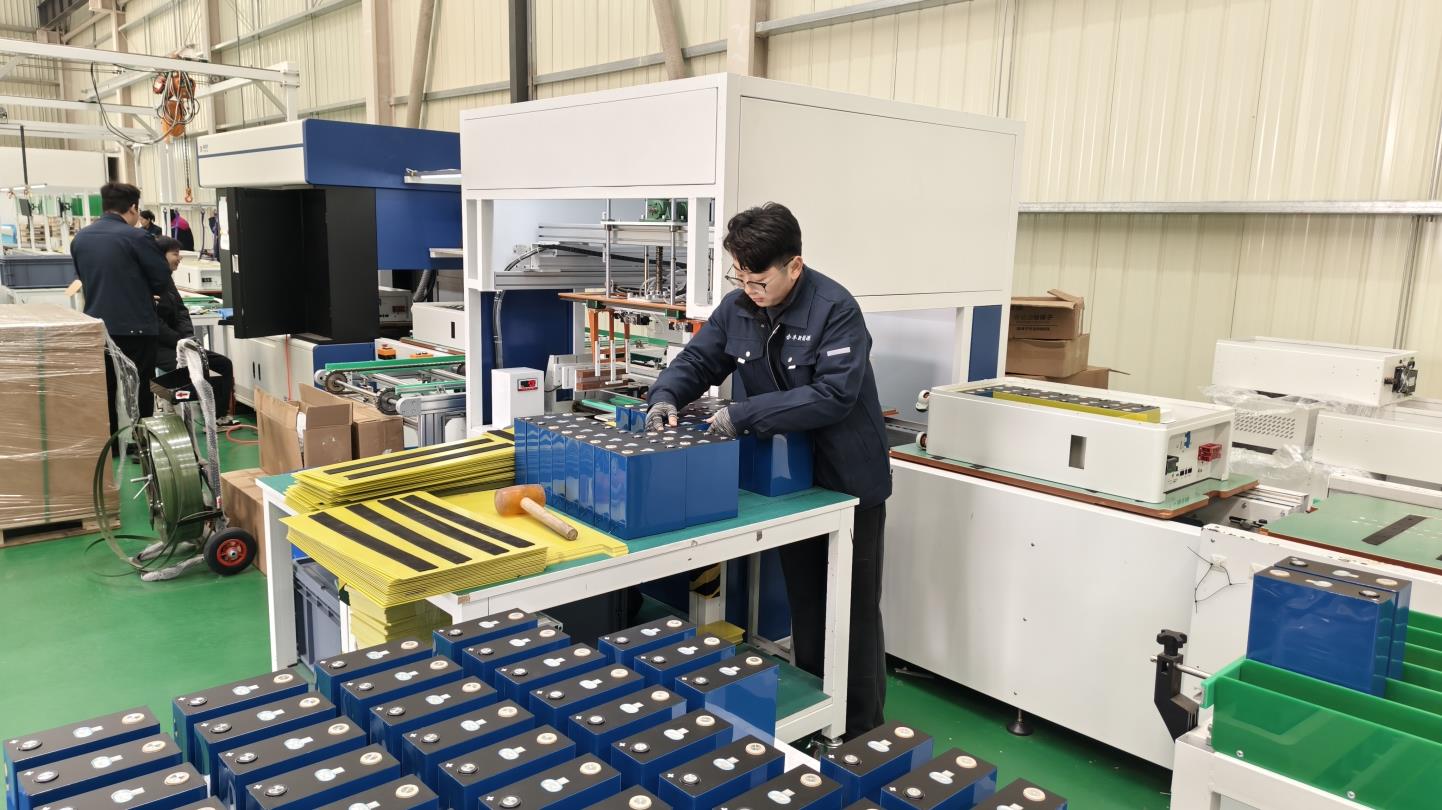
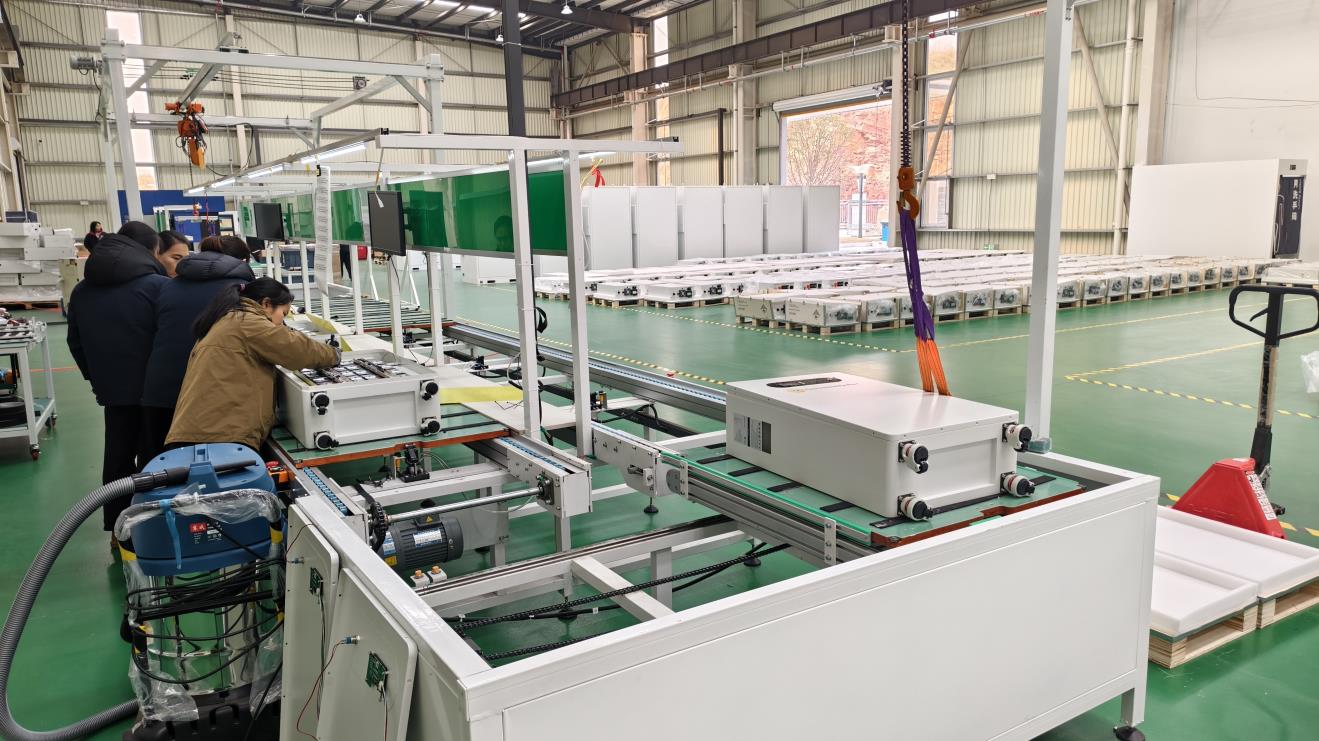
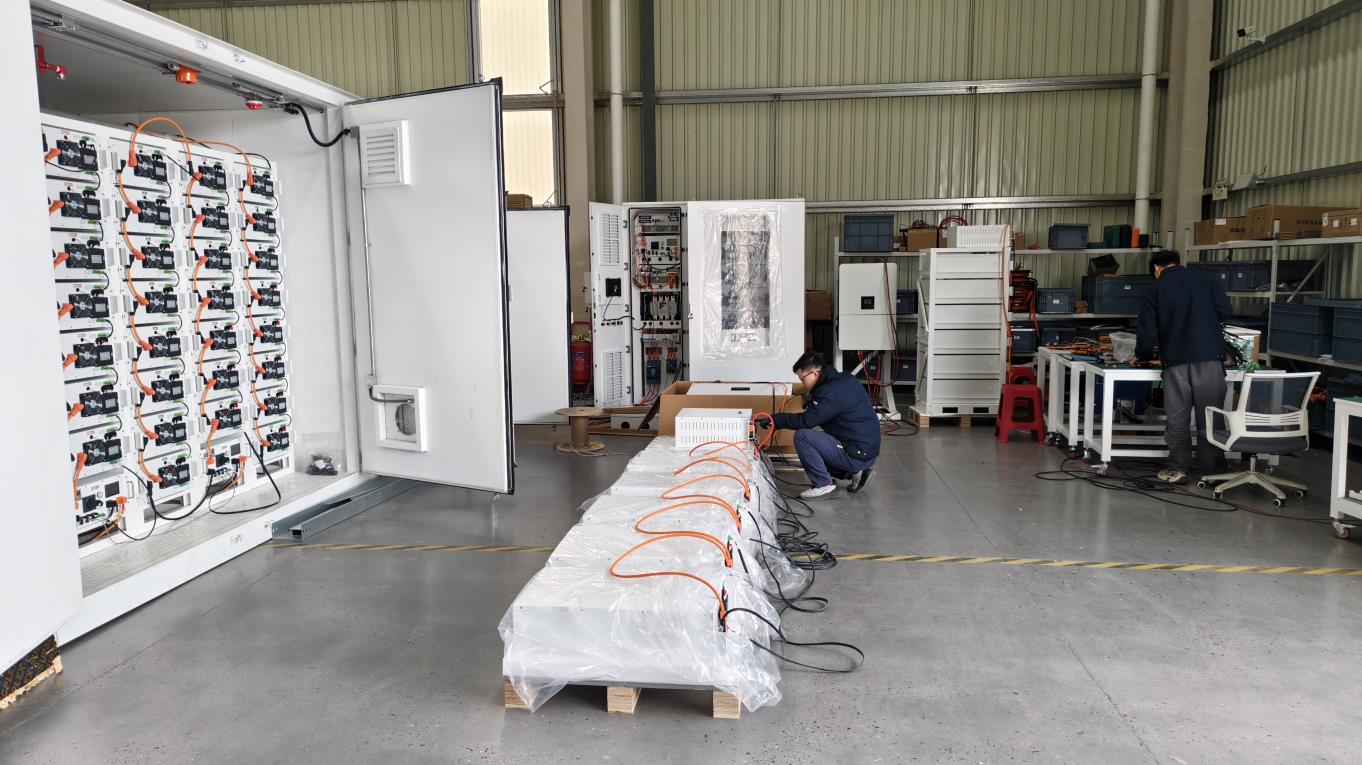
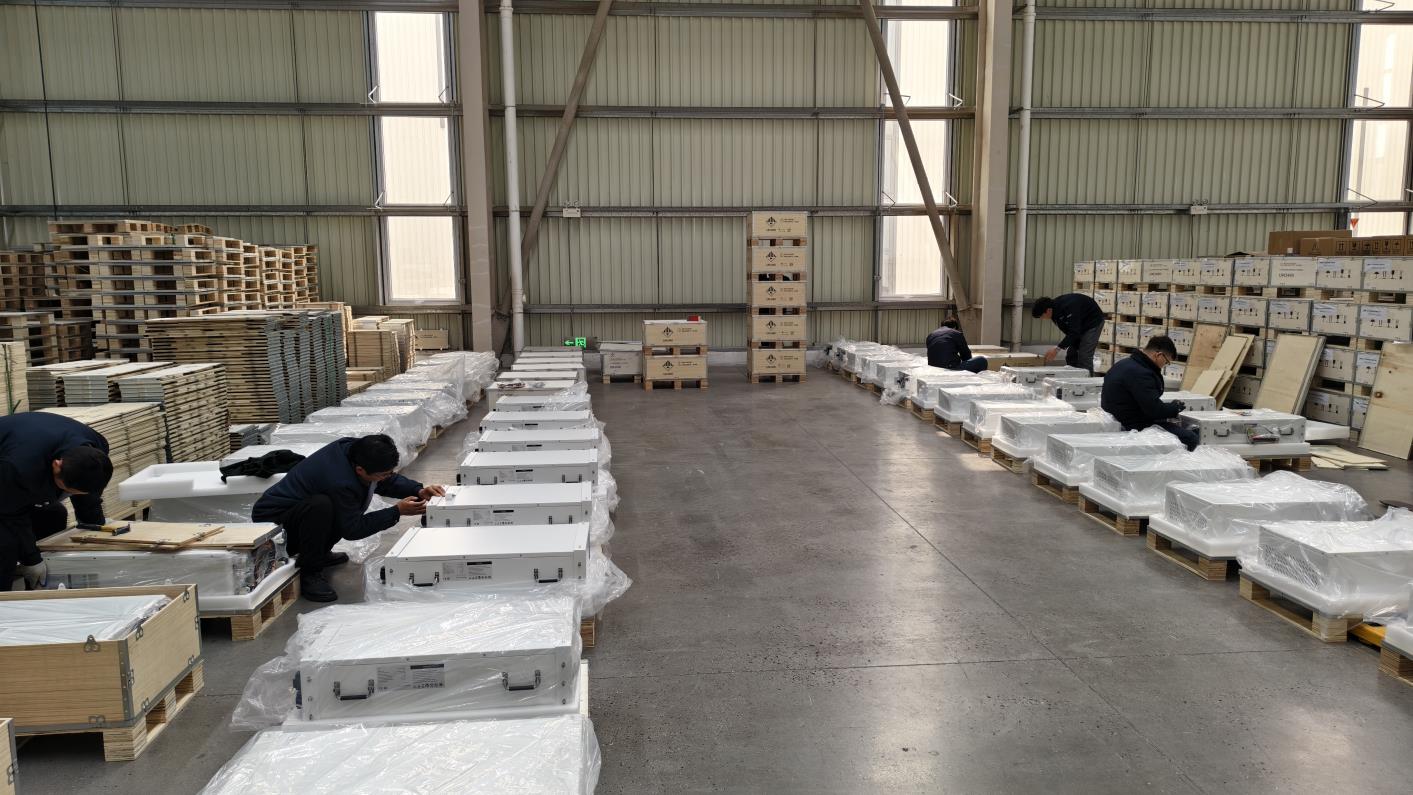
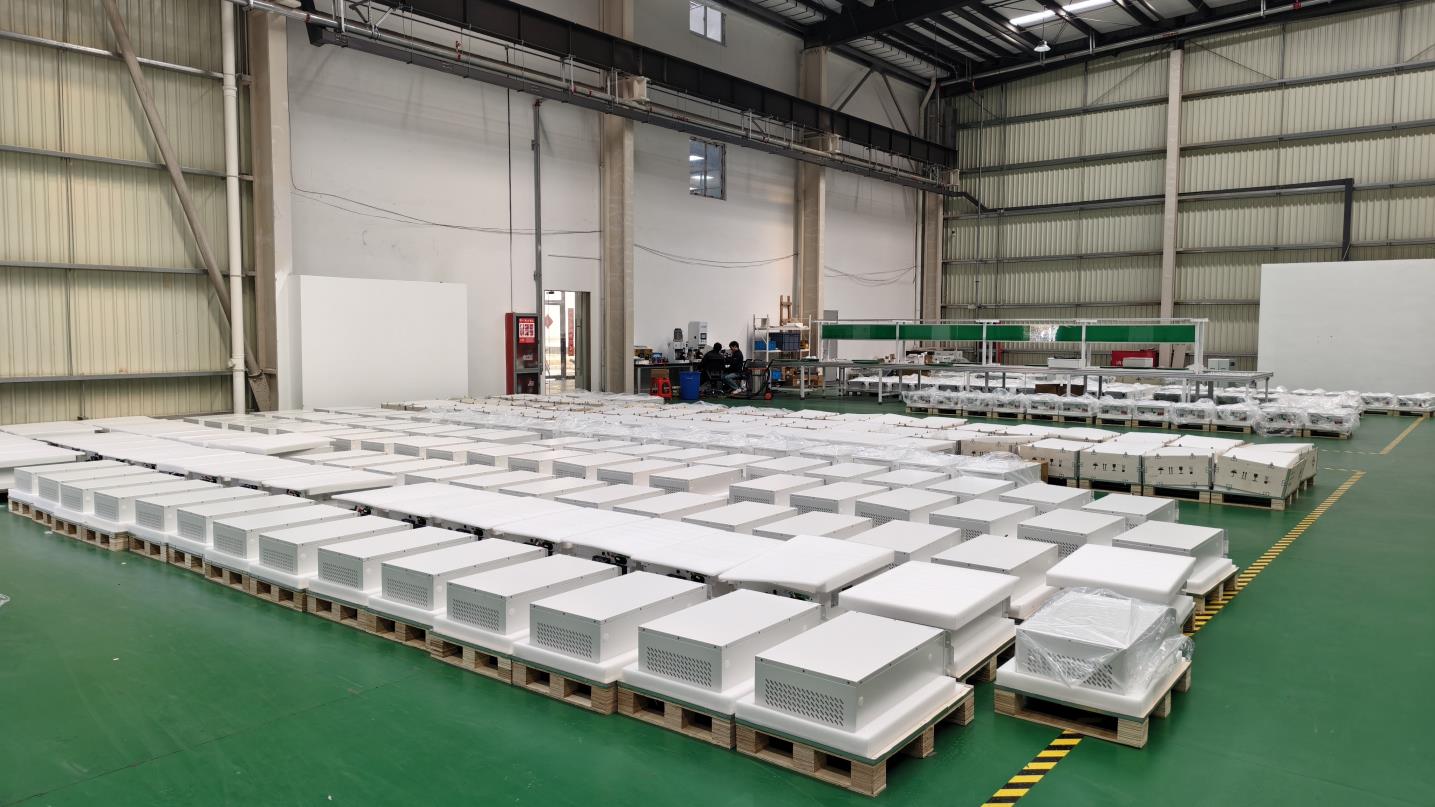
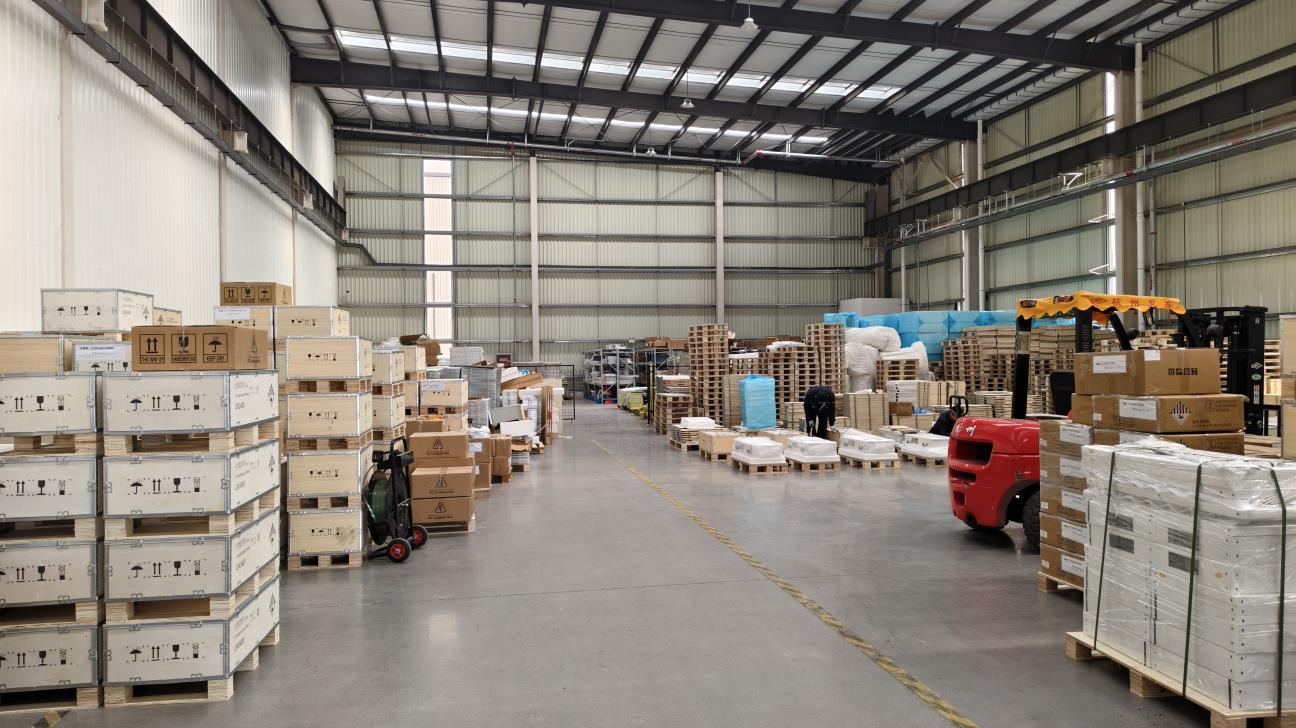
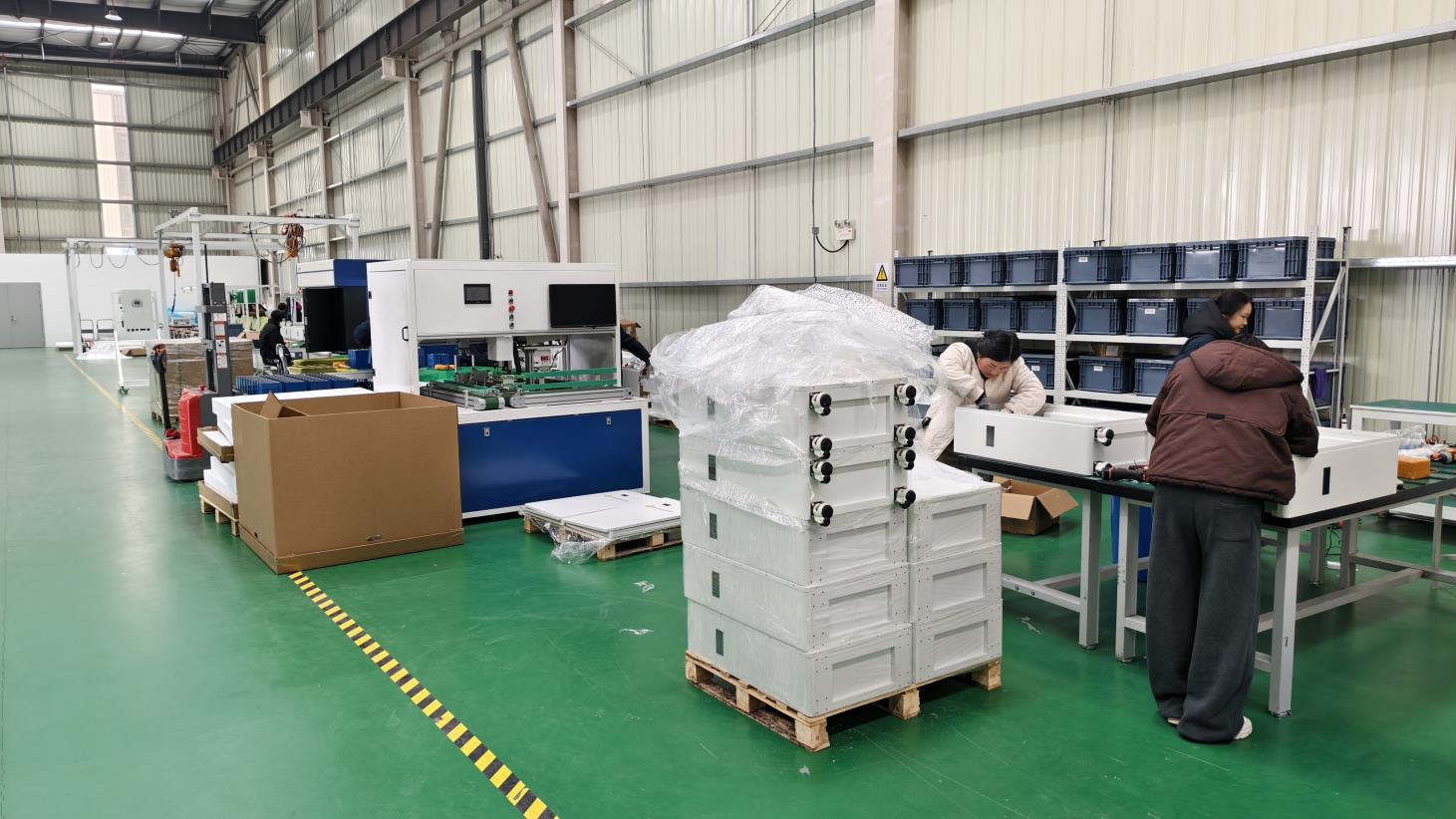
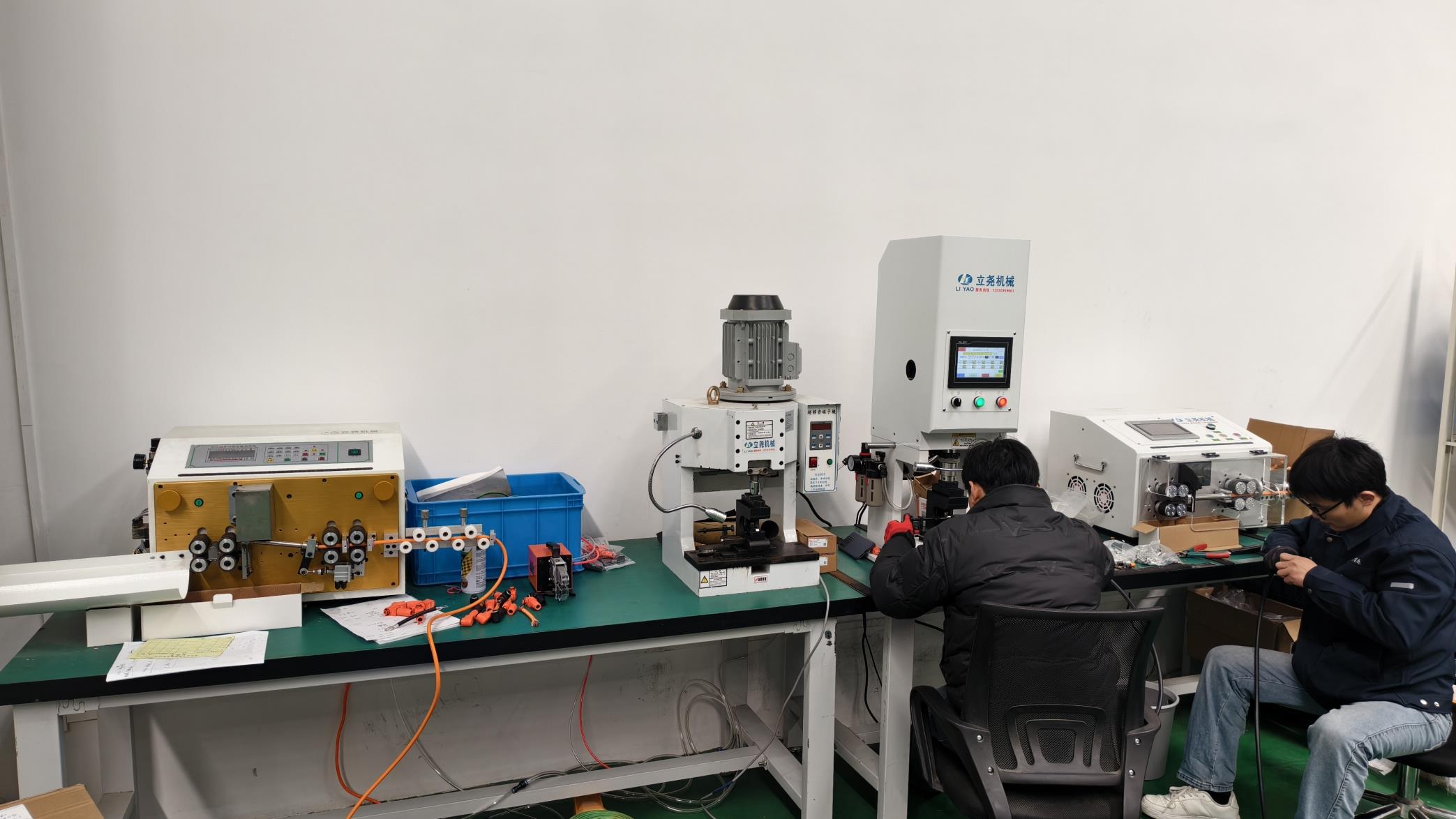
China's preeminence in the global PV sector is supported by robust industrial clusters, specialized raw material access, and advanced assembly automation. At Anhui Aryam Energy Co., Ltd., we combine this geographic advantage with strict internal quality controls. Our production system is vertically integrated, from raw PCBA fabrication to final performance testing. This setup allows us to quickly adapt to component shortages and maintain consistent lead times.
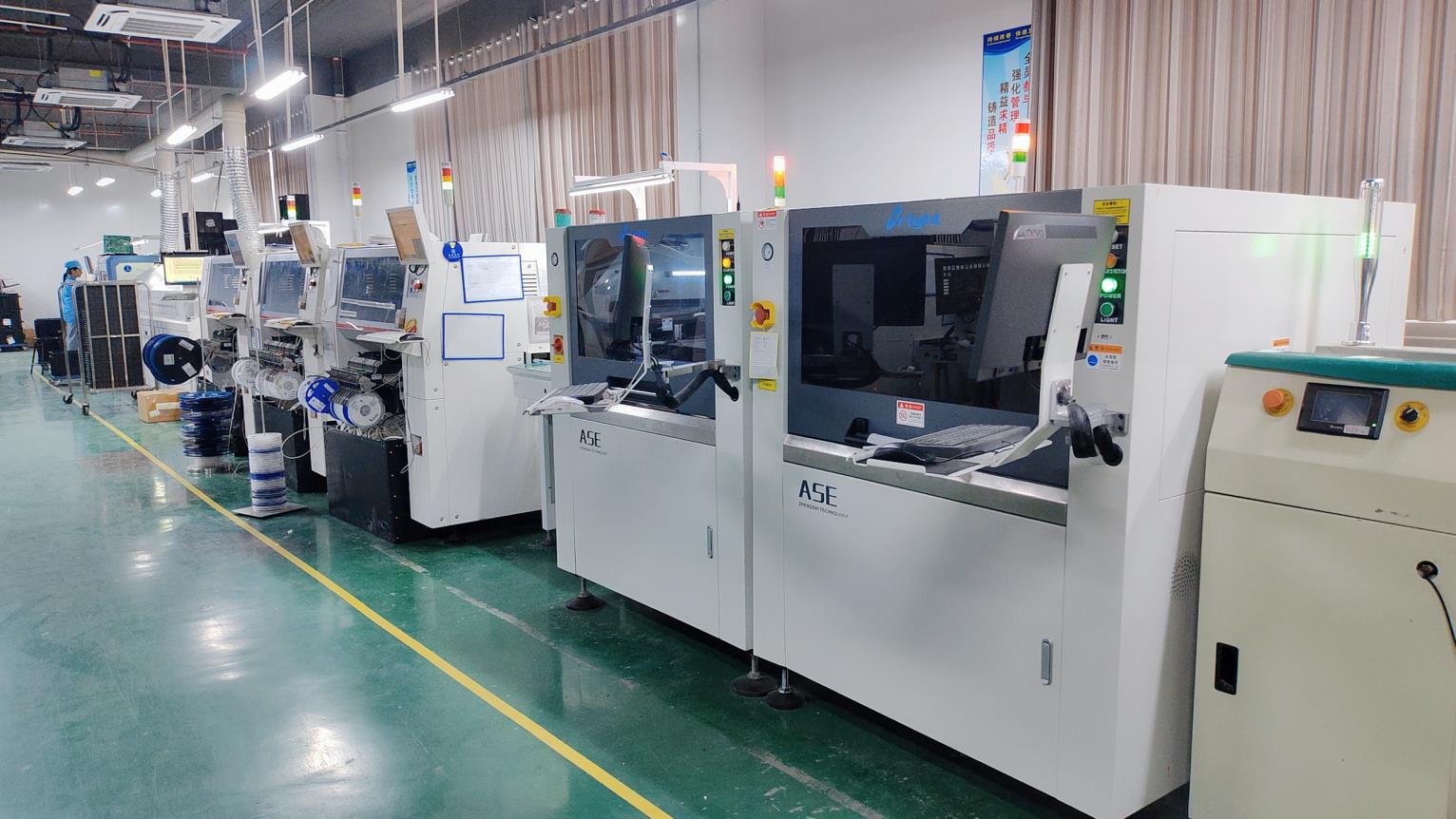
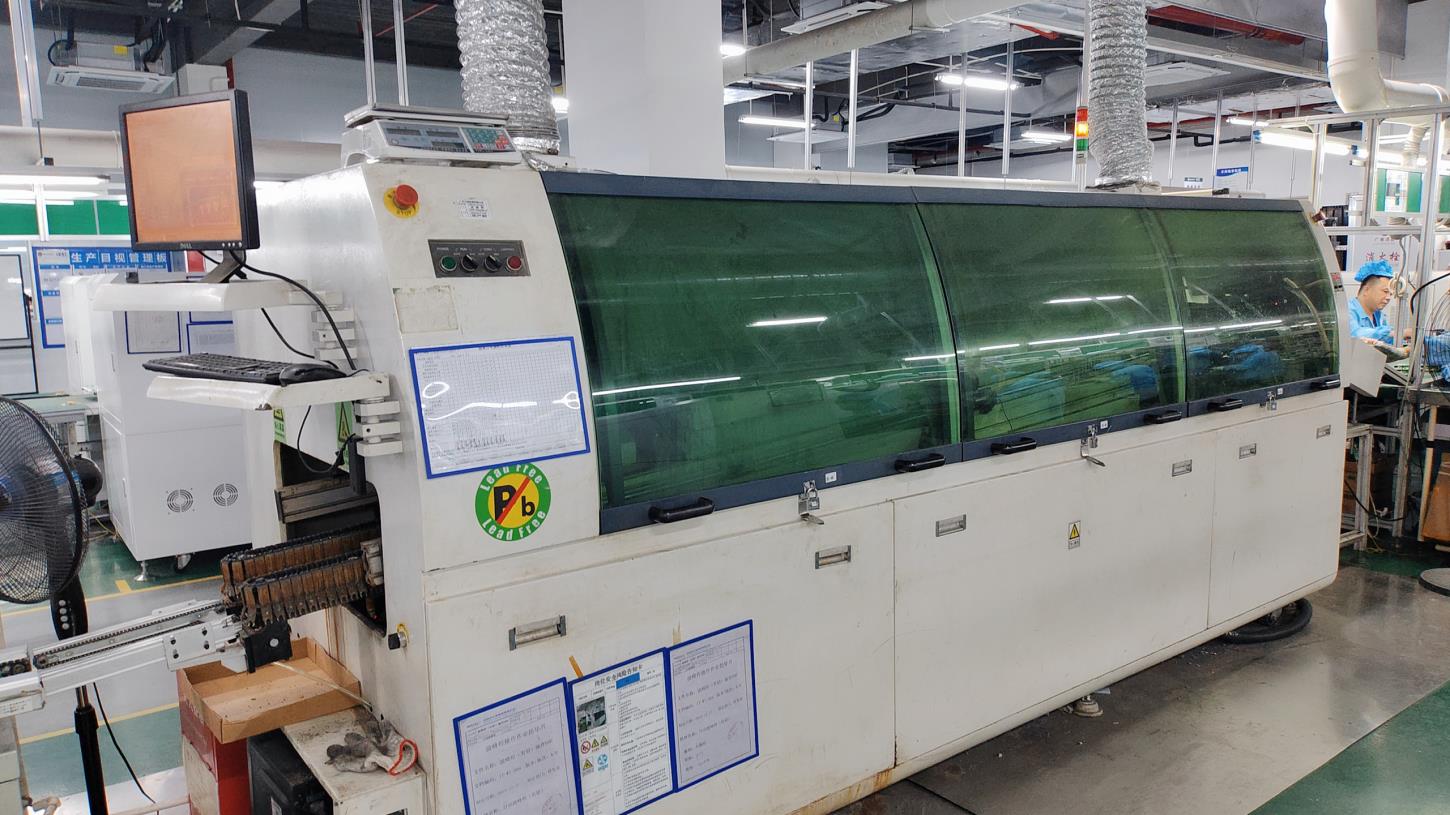
Our manufacturing facility utilizes high-speed SMT lines, automated wave soldering systems, and advanced aging chambers. Each inverter undergoes a rigorous multi-stage quality assurance process: automatic optical inspection (AOI) after component placement, X-ray solder integrity tests, and full-load thermal burn-in tests. By automating key assembly steps, we reduce human error, optimize production yields, and deliver cost-efficient, high-performance clean energy hardware.
As solar penetration grows, the role of grid-tie inverters is shifting from simple power converters to active grid controllers. Aryam Energy is focused on these key development areas:
By collecting string-level data points (voltage, current, insulation resistance, operating temperature), our systems use cloud analytics to detect panel anomalies, dust buildup, or cable issues. This lets operators schedule maintenance early, reducing downtime and optimizing energy production.
Traditional inverters rely on the grid to synchronize output. Modern networks require inverters to support grid stability. Our next-generation systems feature grid-forming algorithms, allowing them to regulate voltage and frequency during grid disturbances or operate in stable off-grid modes when needed.
To address solar intermittency, our systems support hybrid operations, offering direct plug-and-play connections to high-voltage energy storage systems. This lets operators transition easily from basic grid-tie configurations to full hybrid storage setups as energy requirements grow.
To operate reliably on international grids, PV hardware must comply with strict regional safety and connection standards. Anhui Aryam Energy products are certified to meet major global criteria, ensuring seamless grid integration and reliable operation:
| Region / Country | Applicable Standards & Certifications | Technical Target Focus |
|---|---|---|
| Europe (EU) | EN 50549-1/2, CE, VDE-AR-N 4105 | Low-voltage grid connection, anti-islanding protection. |
| North America | UL 1741 SB, IEEE 1547.1, FCC Part 15 | Smart inverter functions, rapid shutdown, electromagnetic compatibility. |
| Australia | AS/NZS 4777.2 | Grid stability control, volt-VAR and volt-watt response. |
| Global Utility | IEC 62109-1/-2, IEC 61727, IEC 62116 | Basic safety, high environmental protection, anti-islanding testing. |

 Aryam Energy