China Best Solar Desalination Systems Manufacturers & Factories

Empowering Off-Grid Clean Water and Sustainable Energy Security Across the Globe

100+
Countries Deployed
12+ Years
R&D Innovation
98%
Clean Water Purity
Zero
Carbon Operations

1. The Paradigm Shift: Solar Desalination in the Era of Global Water Stresses

As anthropogenic climate change accelerates, freshwater scarcity has escalated from a localized challenge to a structural threat affecting global economic stability. Traditional water desalination processes—most notably Multi-Stage Flash (MSF) and traditional grid-connected Reverse Osmosis (RO)—remain heavily reliant on fossil-fuel infrastructures. This dependency creates a destructive feedback loop, wherein the energy intensive water purification process fuels the very greenhouse gas emissions driving global desertification.

Solar Desalination Systems (SDS) represent the definitive technology-driven countermeasure to this cycle. By pairing high-performance solar photovoltaics (PV) or concentrated solar thermal energy with advanced membrane filtration architectures, modern systems deliver critical utility-scale and off-grid freshwater production with zero operational greenhouse gas emissions. The integration of advanced energy management algorithms, custom deep-cycle gel storage systems, and microgrid controls has revolutionized the viability of solar water treatment.

2. Technical Roadmap & Infrastructure Integration

Anhui Aryam Energy Co., Ltd. has developed a comprehensive technology roadmap that resolves the historic instability associated with off-grid PV architectures. While solar power is inherently intermittent, industrial water desalination requires consistent, high-pressure energy feedstocks to maintain system membrane integrity and prevent biofouling.

Our core architecture utilizes three integrated technological subsystems to ensure uninterrupted operation:

  • Intelligent Microgrid Controller: Dynamically matches the solar array power output curve with the variable-frequency drive (VFD) of high-pressure desalination pumps, minimizing battery reliance during high-irradiance windows.
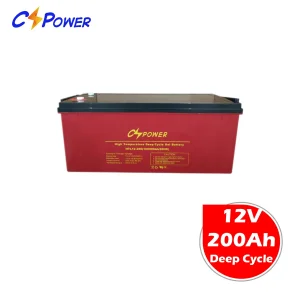
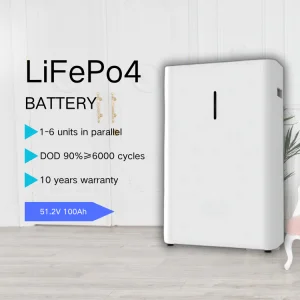
  • LFP & Advanced Deep-Cycle Gel Battery Storage: High-capacity batteries (such as our IEC-certified Cspower Deep Cycle Gel) manage voltage drops during intermittent cloud cover, preventing pressure drops that trigger costly system restarts.
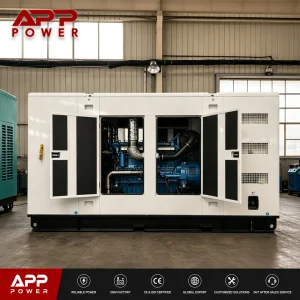
  • Hybrid Energy Fusion: In ultra-critical applications, the system pairs solar arrays with silent, low-emission backup diesel generators to ensure 100% operational continuity during prolonged zero-sunlight phases.

3. Global Procurement Trends & Core Macro Solutions

International EPC contractors, municipalities, and agricultural groups face complex purchasing decisions when sourcing solar water systems. Procurement directors must look beyond initial capital expenditure (CAPEX) to examine total cost of ownership (TCO) and levelized cost of water (LCOW).

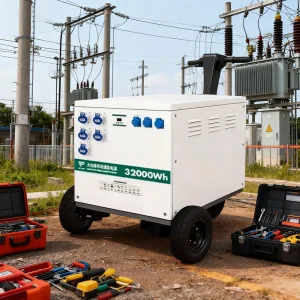
Anhui Aryam Energy addresses these criteria by providing fully integrated, modular systems. Rather than sourcing panels, charge controllers, pumps, and membranes from separate parties, Aryam Energy delivers prefabricated, skid-mounted containers tested at the factory level. This minimizes local engineering errors, slashes installation times by up to 60%, and ensures single-point warranty accountability.

Manufacturing Excellence & Production Flow

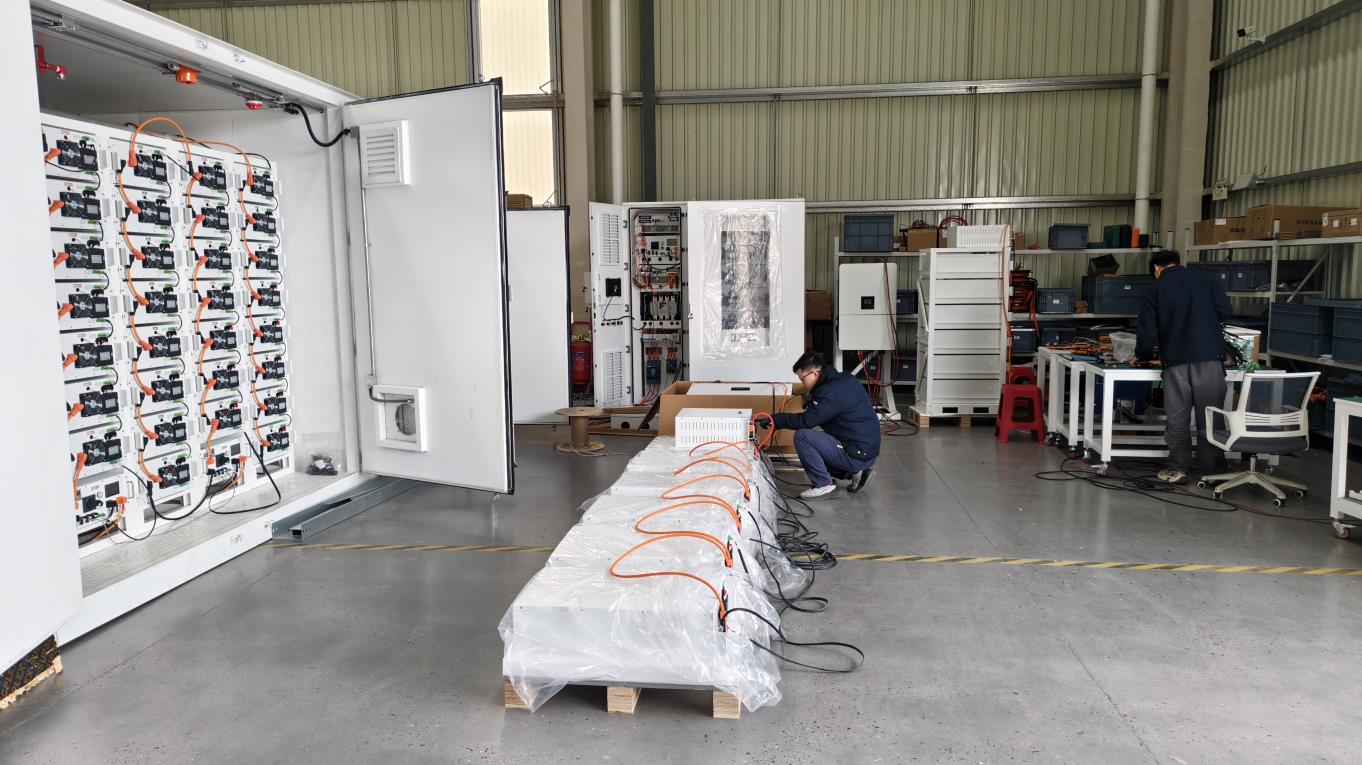
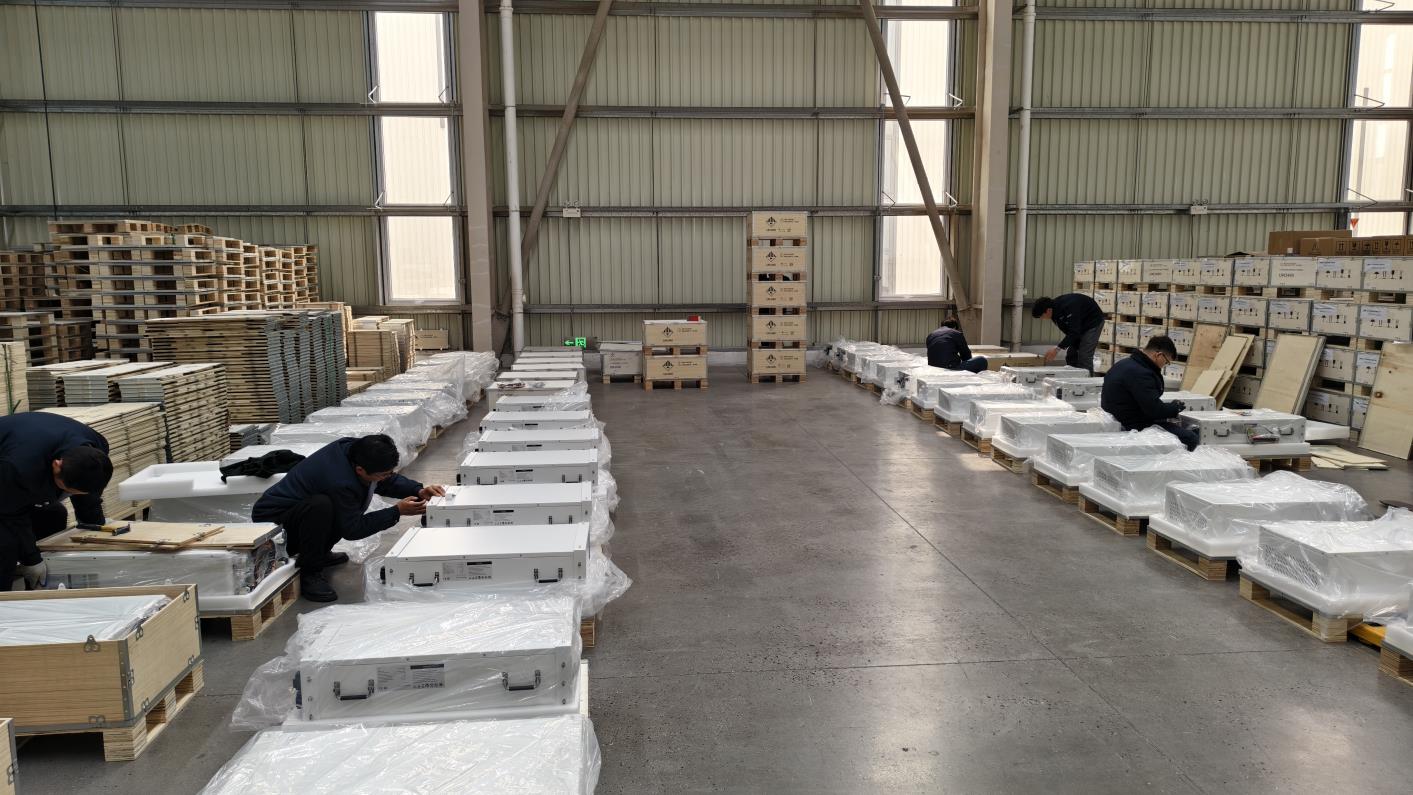
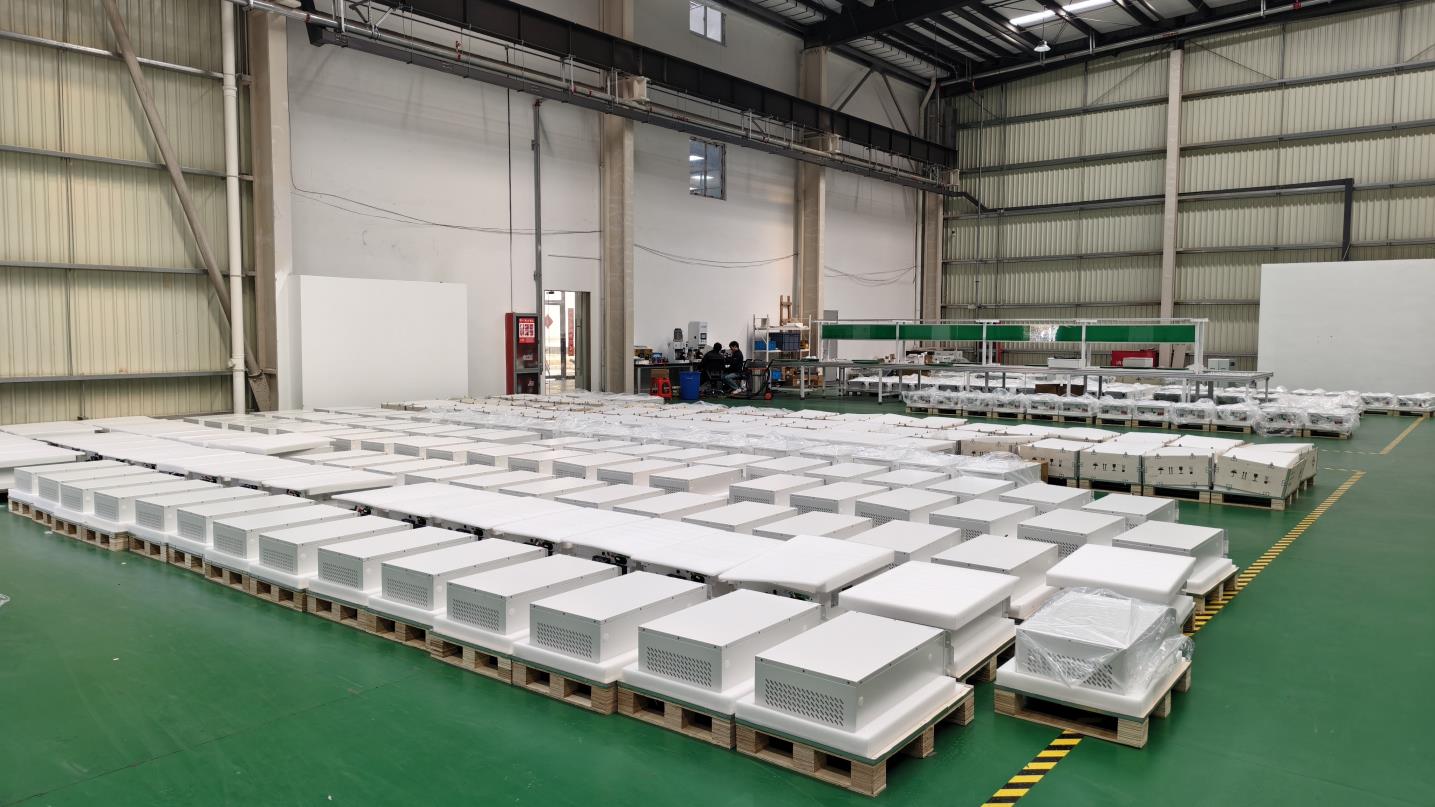
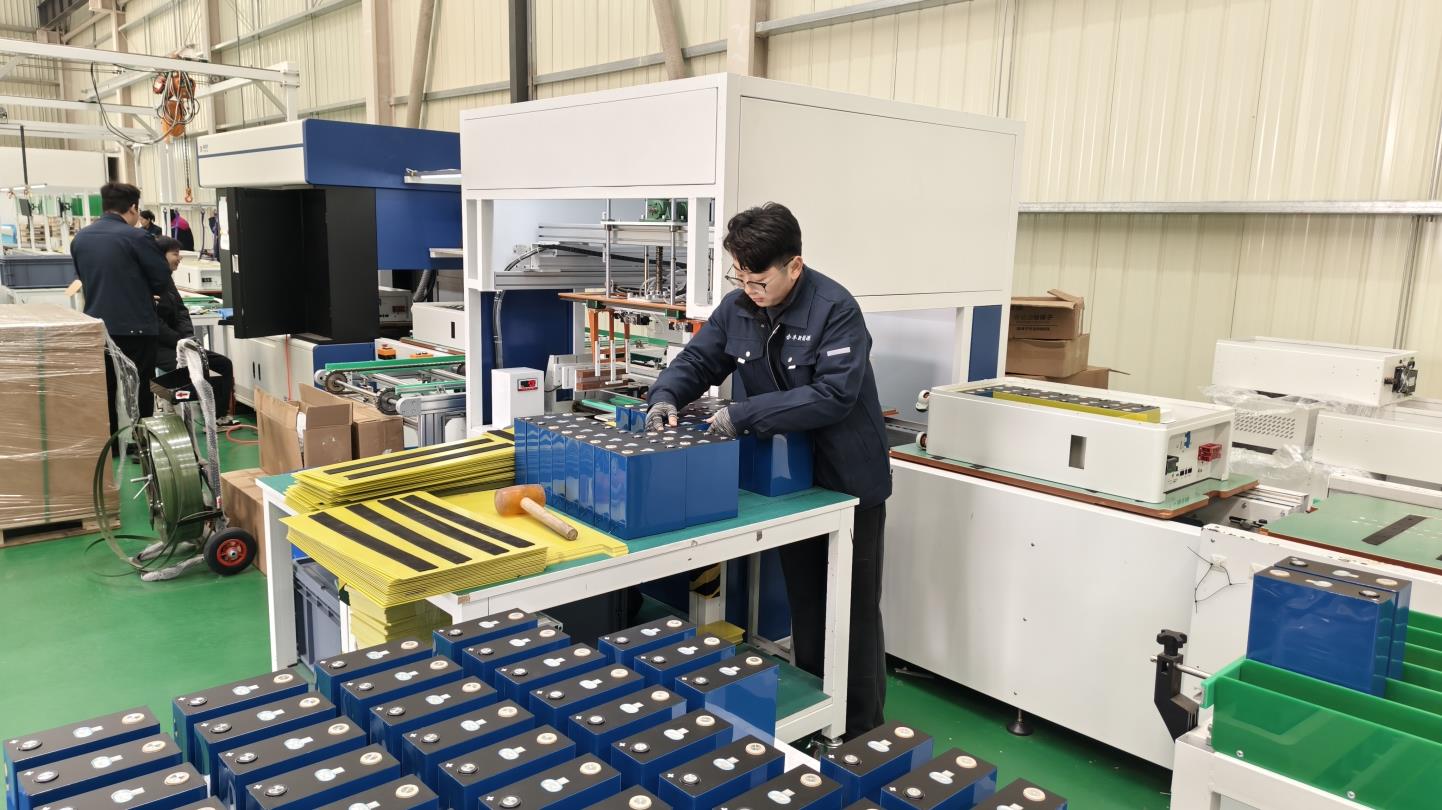
Anhui Aryam Energy Co., Ltd. operates a state-of-the-art facility utilizing modern industrial controls and rigorous quality testing protocols.
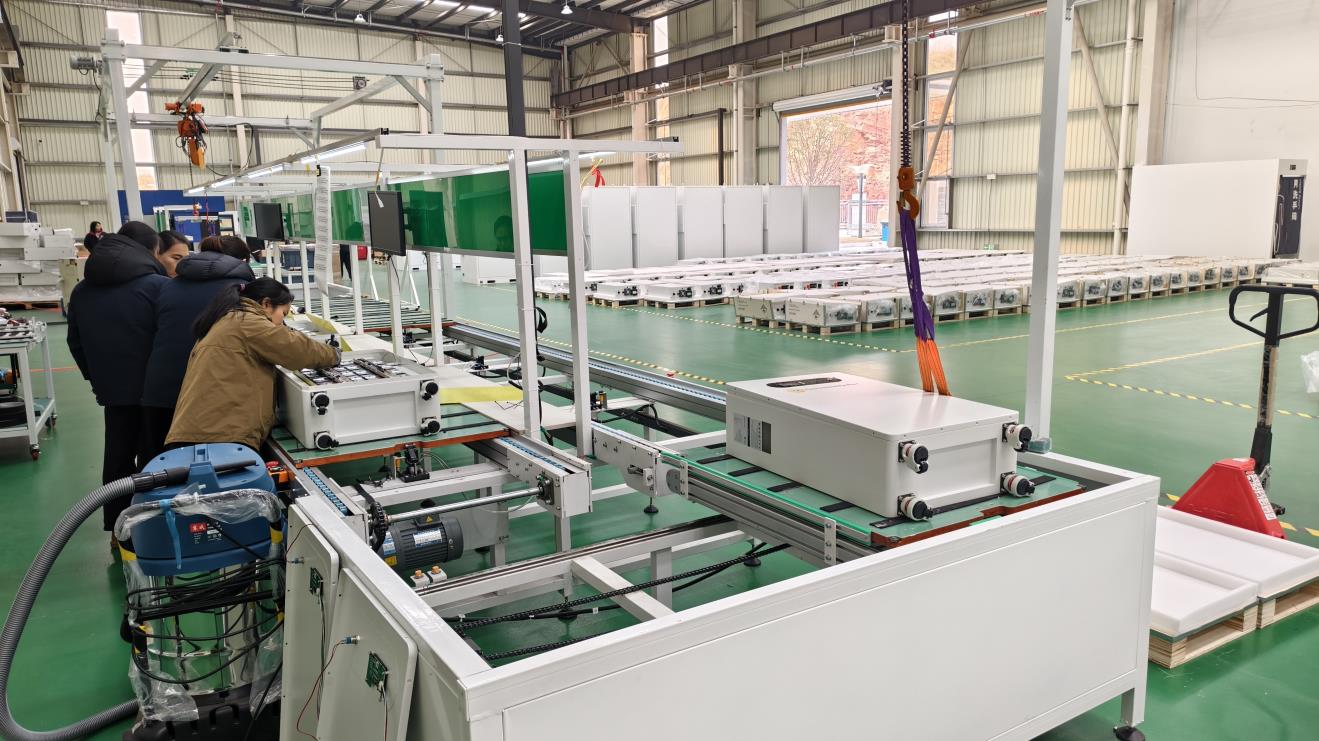
Welding Process
Welding
Assembling Process
Assembling
Testing Process
Testing
Packing Process
Packing
Finished Product
Finished Product
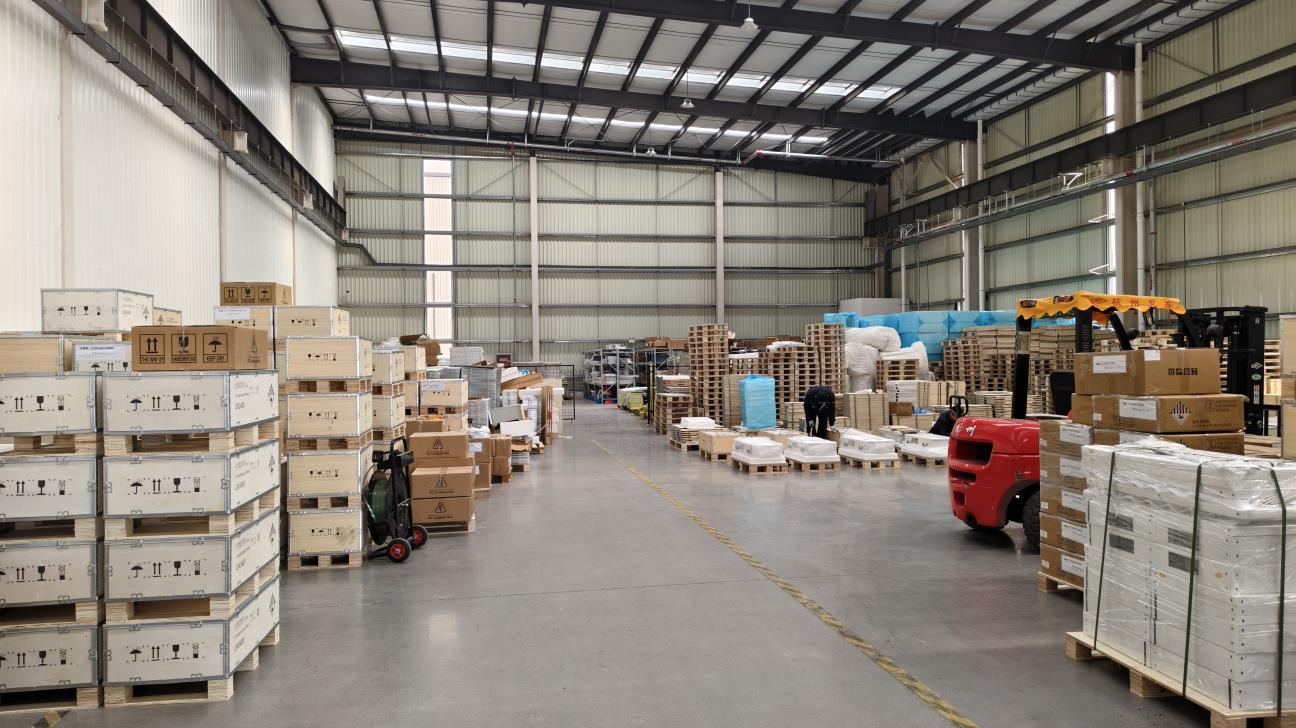
Warehouse Storage
Warehouse
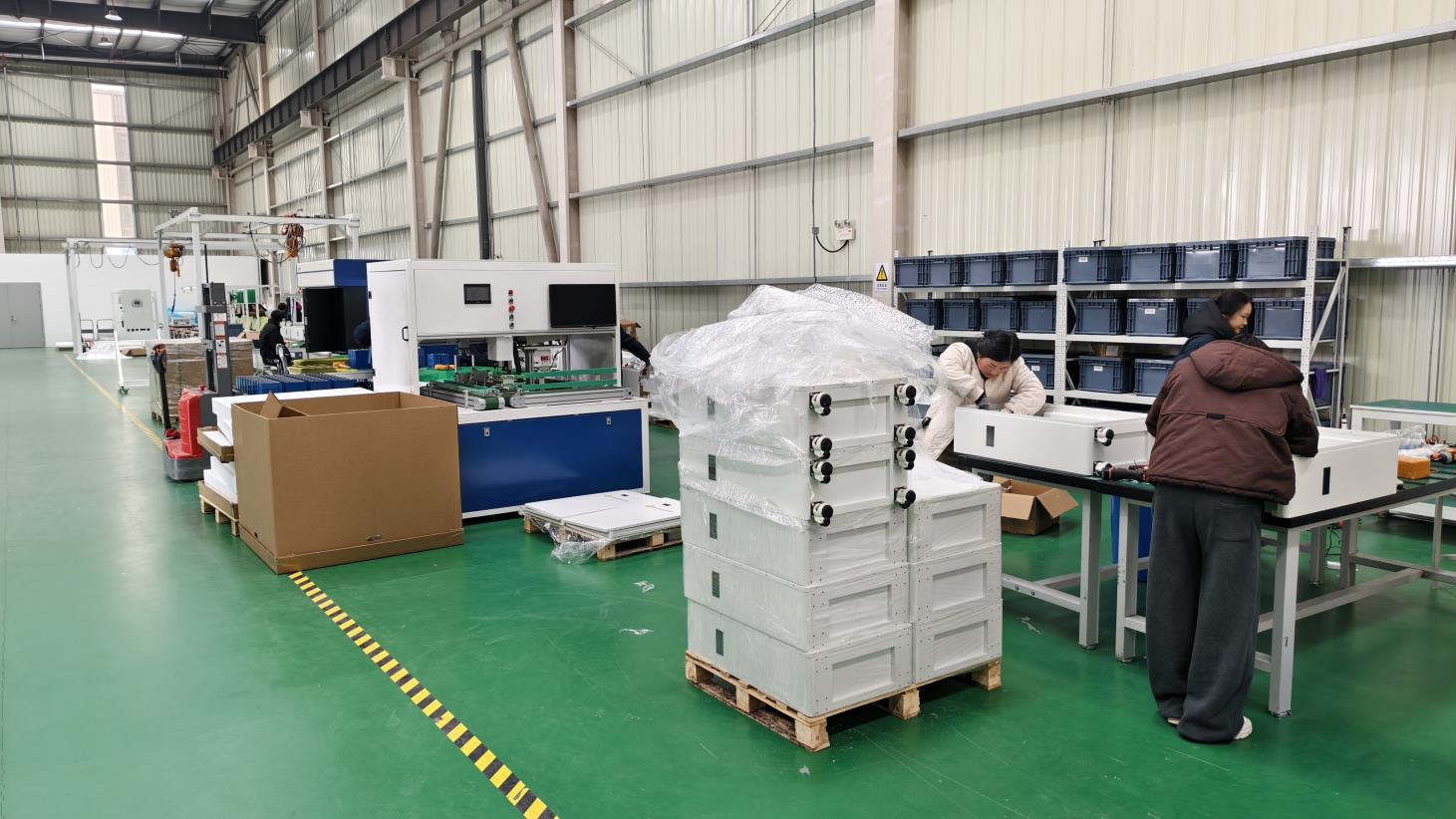
Assembly Line
Assembly Line
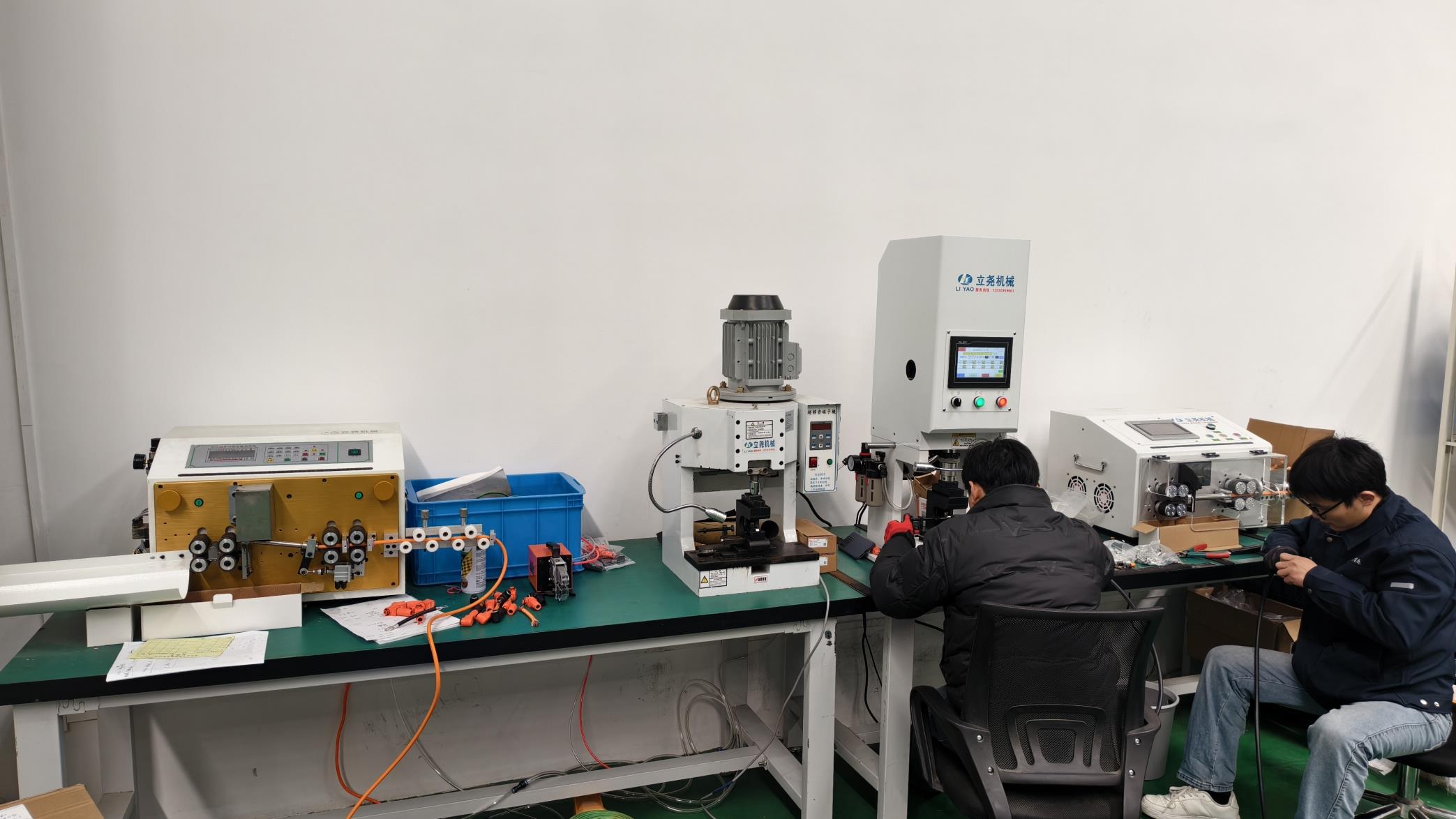
Wire Stripper Machine
Wire Stripper
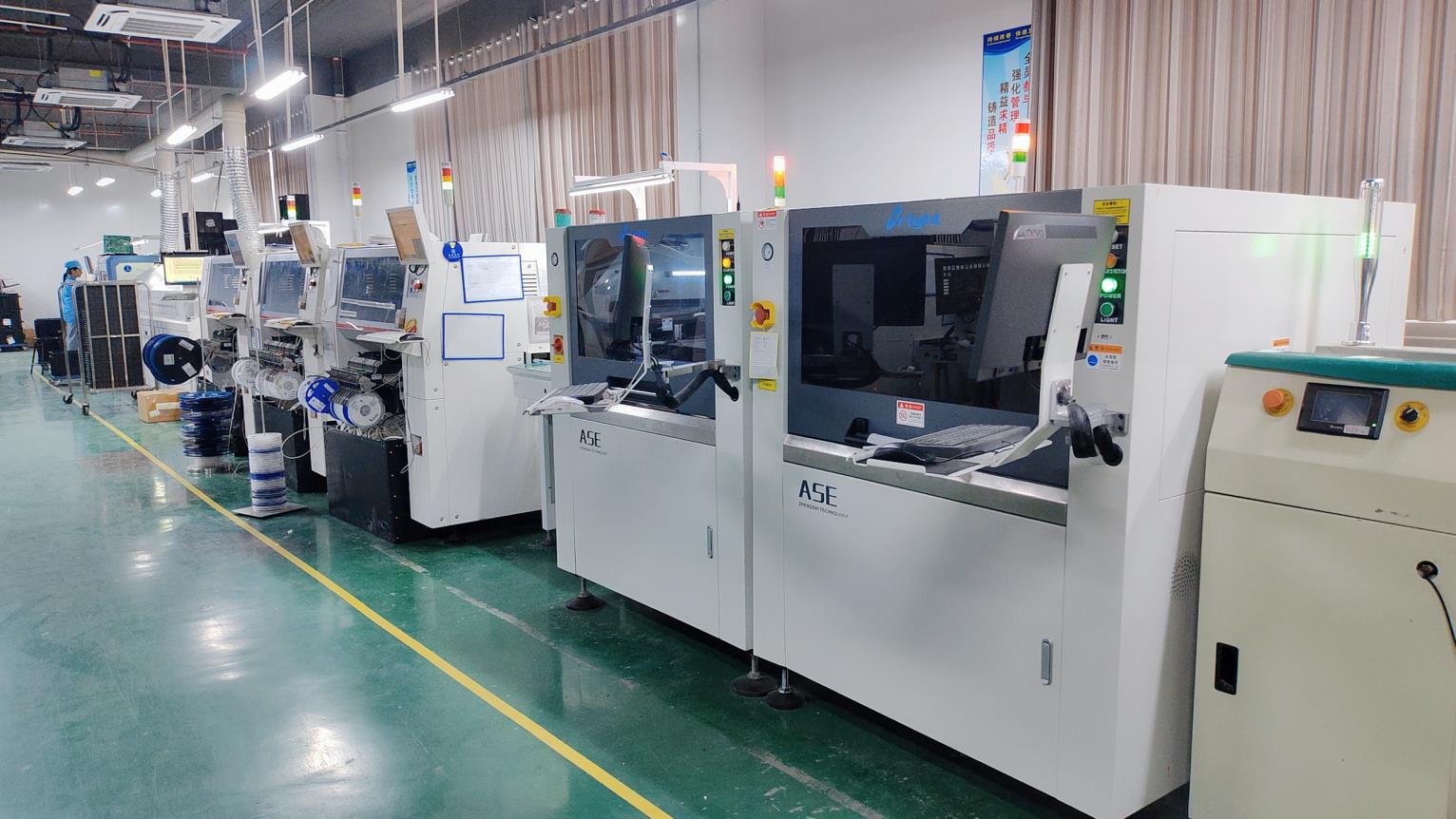
SMT Line
SMT Line
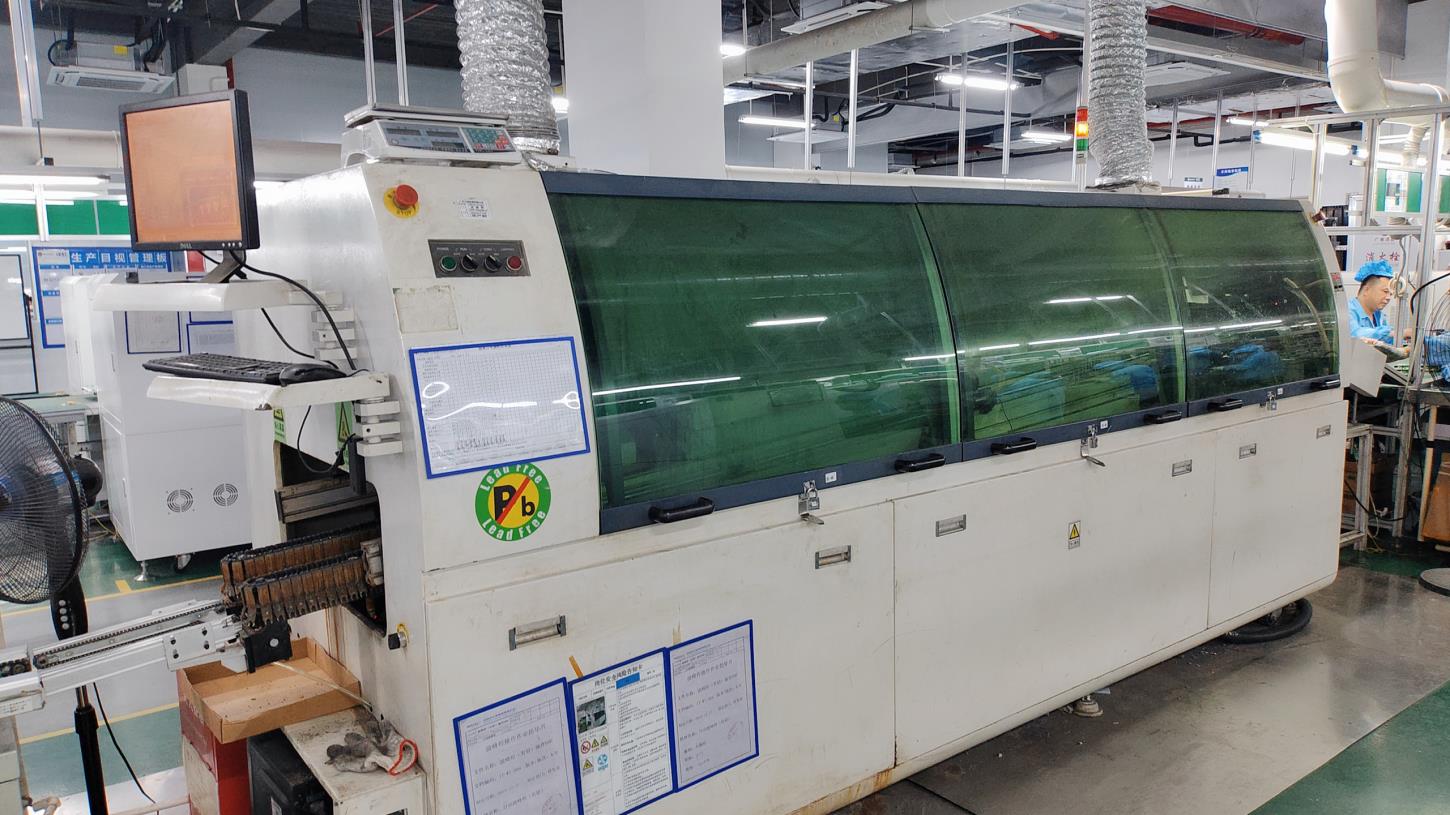
Wave Soldering Machine
Wave Soldering

4. Institutional Capabilities: Anhui Aryam Energy Co., Ltd.

Anhui Aryam Energy Co., Ltd. stands as a premier manufacturer, designer, and systems integrator of advanced renewable energy infrastructure. The company focuses heavily on the design, validation, and manufacturing of critical solar integration hardware. This includes high-conversion solar inverters, specialized energy storage batteries, off-grid water thermal solutions, and hybrid control panels.

By investing significantly in proprietary hardware engineering and advanced SMT (Surface Mount Technology) assembly lines, Aryam Energy controls the full lifecycle of system reliability. From initial automated board printing to final pressure and current testing, the factory ensures that every component deployed into remote environments resists harsh marine atmospheres, high temperatures, and severe relative humidity.

5. Localization, Regulatory Compliance, & Quality Engineering

Deploying high-technology water and power equipment in regions like the Middle East, North Africa, and Latin America requires meticulous alignment with regional regulations and site environments. Procurement entities must prioritize compliance with key global testing standards:

  • IEC 61427 & IEC 60896: These standards certify that battery chemistries can handle the daily deep-discharge cycles common in off-grid solar projects.
  • CE Mark: Assures conformity with European health, safety, and environmental protection standards.
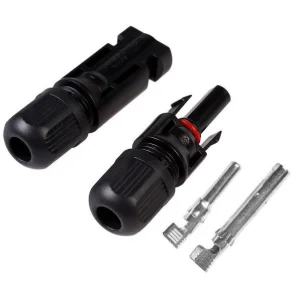
  • IP67 Protection: Outdoor wiring and connection infrastructure must use IP67 connectors to protect against salt mist corrosion, wind-blown sand, and heavy rains.

6. Solar Water & Microgrid Innovation Timeline

Phase 1: Basic Off-Grid Power Integration

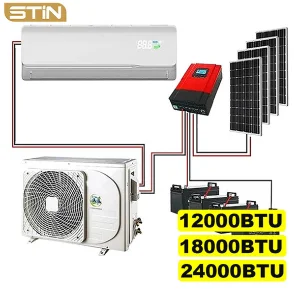
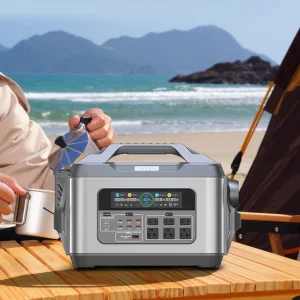
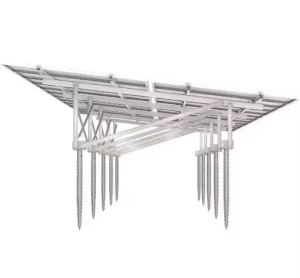
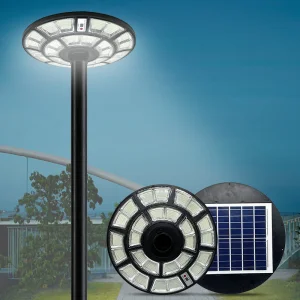
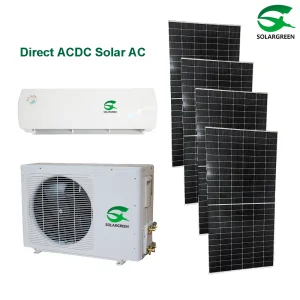
Deployment of standalone DC solar air conditioners, street lighting, and basic agricultural solar mounts to reduce localized carbon profiles.

Phase 2: Hybrid Energy Microgrids

Integration of low-frequency, pure sine wave hybrid inverters with advanced battery packs and intelligent generator backup modules to create stable, resilient energy grids.

Phase 3: High-Yield Solar Desalination & Clean Water Integration

Full deployment of dynamic load-matching technologies driving localized high-pressure reverse osmosis water purification and high-volume solar water heating.

Expert Q&A: Technical FAQ for Procurement Engineers

Expert insights regarding system design, operational longevity, cost optimization, and localized integration parameters.

Q1: How do solar-powered reverse osmosis (PV-RO) systems handle solar intermittency without destroying membranes?
Modern PV-RO systems mitigate solar fluctuations through two primary methodologies: variable frequency drives (VFD) and energy storage integration. The VFD adjusts the operating speed of the high-pressure pump to match available solar power, adjusting feed water flow rates in real-time. Additionally, combining the power inputs with an energy buffer (like a Gel or LFP battery pack) prevents system shutdowns during transient cloud cover, which otherwise could cause osmotic backflow and mechanical stress on the membrane layers.
Q2: What are the primary structural differences between Gel batteries and Lithium (LFP) batteries for solar water setups?
Gel batteries (certified to IEC 61427) offer outstanding tolerance to high ambient temperatures and have a low upfront capital cost (CAPEX), making them highly suitable for remote rural installations. Lithium Iron Phosphate (LFP) batteries (like the Tesla Powerwall Alternatives) provide significantly higher energy density, a much longer cycle life (up to 6000 cycles at 80% Depth of Discharge), and support faster charging times. The choice depends on the local temperature range, operational lifetime goals, and the client's CAPEX vs. OPEX priorities.
Q3: How does a hybrid silent generator system interface with solar arrays?
The hybrid system uses a smart inverter/controller setup. During peak sunlight, the solar array handles the water desalination and charges the battery bank. If solar generation drops below the minimum operational threshold and battery storage is depleted, the controller automatically starts the silent diesel generator. This maintains high-pressure water output while keeping fuel consumption low compared to traditional standalone generator operations.
Q4: What maintenance is required to prevent biofouling on reverse osmosis membranes?
Preventative maintenance includes automatic low-pressure flushing cycles with fresh water whenever the system shuts down. This removes concentrated brine from the membrane surfaces. Regular Chemical Clean-In-Place (CIP) procedures should be performed every 3 to 12 months depending on feed water quality. Using high-quality pre-filtration stages—such as sand filters, carbon filters, and micron cartridge filters—is also crucial to extend membrane life.
Q5: Why is IP67 cabling and connector certification critical for outdoor solar installations?
Outdoor solar systems are exposed to dust, heavy rain, and sometimes marine environments. An IP67-rated connector ensures complete protection against dust ingress and prevents water ingress even during temporary immersion. This level of protection prevents electrical faults, system downtime, and potential safety hazards like ground faults or short circuits.
Q6: How do solar water heaters integrate into larger hybrid hot water boiler systems?
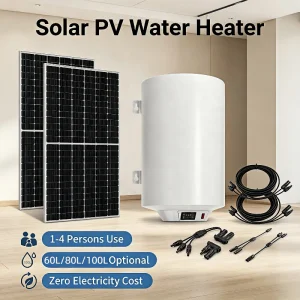
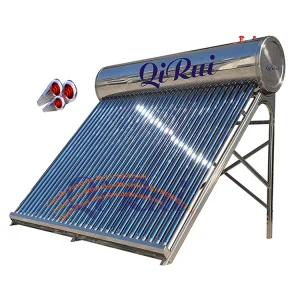
Solar water heaters (using evacuated tubes or flat plate collectors) act as the primary heating stage, preheating feed water before it enters the boiler. If the preheated water temperature meets requirements, the boiler remains idle. If supplementary heating is needed, the boiler activates to bridge the difference. This hybrid setup reduces boiler energy use by up to 60-90% depending on seasonal solar irradiance.
Q7: Can DC solar air conditioners run directly from solar panels without an inverter?
Yes, high-quality 100% DC solar air conditioners are designed to run directly on DC power from solar panels. The compressor and fan motors run on brushless DC (BLDC) technology. This bypasses the energy losses associated with converting DC to AC power, resulting in higher overall system efficiency compared to standard AC-powered units running off an inverter.
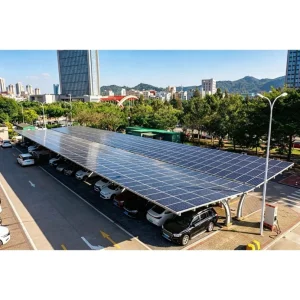
Q8: How does a modular solar carport mounting system benefit commercial and industrial sites?
Solar carports maximize land use efficiency by turning parking lots into clean energy generation zones. They shade vehicles from solar heat load while generating electricity that can power facilities, feed into the local grid, or charge electric vehicles. The modular structural design allows for rapid assembly, scaling, and easy configuration to fit various parking layouts.