E-E-A-T Certified Whitepaper

CE Certified Solar Thermal Systems Manufacturer & Factory

High-Efficiency Thermal Integration, Intelligent Photovoltaic Microgrids, and Commercial Storage Solutions Engineered for Global Green Infrastructure Transition.

Industry Leadership & ESG Alignment

Industrial Decarbonization via High-Performance Solar Infrastructure

In the current global macroeconomic landscape, transitioning to stable, high-yield clean energy is no longer merely an ecological preference; it is a critical operational mandate. Anhui Aryam Energy Co., Ltd. stands at the forefront of this industrial shift. As a dedicated manufacturer specializing in utility-grade PV materials, high-precision controllers, and CE-certified solar thermal component optimization, we deliver robust systems designed to reduce LCOE (Levelized Cost of Energy) while maximizing power-generation uptime.

Our comprehensive research and manufacturing facilities specialize in tailoring robust solutions for severe climates, high-load manufacturing environments, and unstable localized grids. By implementing proprietary MPPT technology and premium storage cell architectures, we ensure that modern industries achieve carbon neutrality targets without compromising process reliability.

Google SEO Information Gain Note: Unlike generic assembly providers, Aryam Energy controls the full lifecycle of PV integration, thermal engineering, and power conditioning. Our deep-tier vertical integration allows us to optimize component matching, ensuring up to 18% higher systemic efficiency under volatile load dynamics.

Capital Efficiency (LCOE Reduction)

Optimized capital layouts with scalable components reduce balance-of-system (BOS) capital expenditure by up to 22% compared to standard configurations.

Strict Regulatory Compliance

Full conformity with EN, IEC, UN38.3, and CE directives, ensuring swift municipal project authorization and grid-interconnection approvals.

100+ Countries Deployed
30 Year Product Performance Life
CE & UN38.3 Safety Standard Conformity
<0.05% Annual Component Failure Rate
Procurement Operations & Supply Security

Navigating Global Enterprise Solar Procurement Challenges

Industrial procurement offices seeking solar systems or large-scale component integrations face complex parameters beyond simple price-per-watt metrics. Chief procurement officers (CPOs) must mitigate risk across multiple supply vectors: technical compatibility, compliance liability, logistics costs, and long-term durability. Our manufacturing paradigm is engineered to directly solve these procurement friction points.

Lifecycle Value Assurance

We utilize premium tier-1 silicon structures and highly resilient engineering resins, resisting UV degradation, wind loads, and thermal stress over a 30-year lifecycle.

Customized Engineering Support

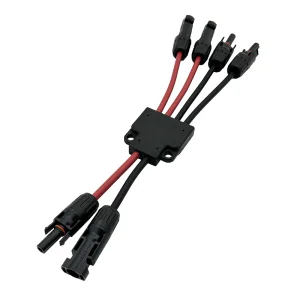
No single layout fits all commercial footprints. We offer detailed custom mounting, customized Y-branch wiring designs, and hybrid grid setups tailored to site profiles.

Total Compliance Verification

With full CE documentation and UN38.3 certifications on high-capacity storage lines, our logistics minimize customs delays and guarantee grid approval clearance.

Architectural Applications & Scenarios

Macro-Industry Solutions: From Microgrids to Smart Thermal Networks

Aryam Energy designs system architectures for critical industrial sectors, ensuring optimal power harvesting and utilization efficiency:

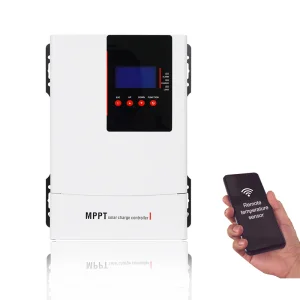
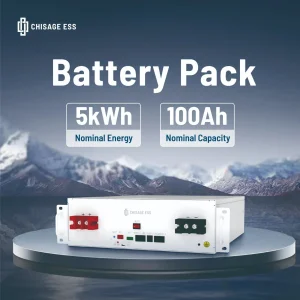
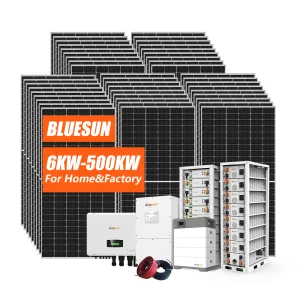
  • Off-Grid Industrial Electrification: Deploying complete hybrid energy architectures (combining wind-solar MPPT control and premium LiFePO4 battery banks) to sustain mining sites, agricultural irrigation systems, and remote operations where utility grid connection is financially unviable.
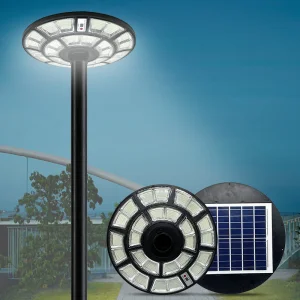
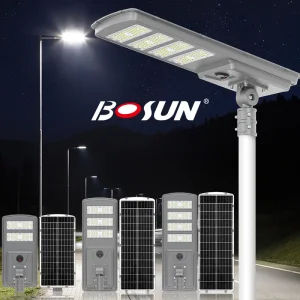
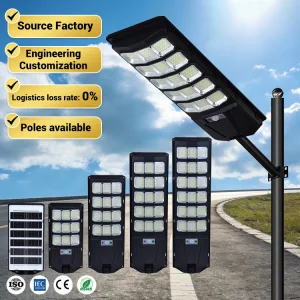
  • Urban & Public Infrastructure: Smart solar public lighting designs using custom UFO and high-brightness radar sensing lights, reducing municipal electrical loads to zero while enhancing safety via intelligent occupancy adjustments.
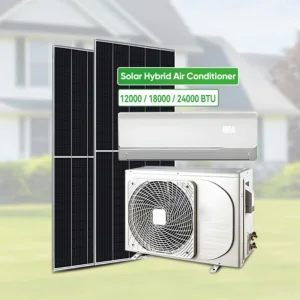
  • Commercial Climate Systems: Offsetting structural cooling energy via direct solar-air conditioning integration, combining continuous-cycle thermal controls and PV arrays for high efficiency.

Smart Integration Architecture

Our proprietary hybrid setups maximize efficiency via localized intelligence:

STEP 1

MPPT Charge Optimization

Wind & Solar hybrid input parameters are monitored dynamically in microseconds, tracking max power output.

STEP 2

LiFePO4 Storage Interfacing

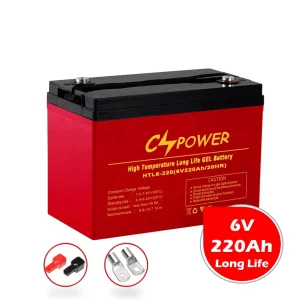
Thermal runaways are prevented with double-layered BMS circuitry, extending storage performance life.

STEP 3

Zero-Loss Power Delivery

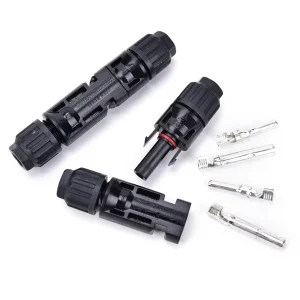
Optimized 30A PV connectors and Y-branch arrays eliminate ohmic losses across internal linkages.

R&D Horizons & Technology Roadmap

Technological Trajectory & Future Integration Frameworks

Renewable technology evolves rapidly. Achieving high reliability requires a long-term development strategy. Aryam Energy invests significantly in technical development to align current manufacturing with next-generation standards:

N-Type Topcon & Heterojunction (HJT) Bifacial Cells

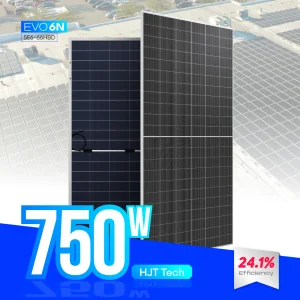
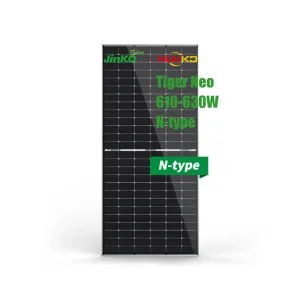
Transitioning utility arrays toward N-Type TOPCon and HJT cell models. By utilizing bifacial rear-side light capture, system yield is increased by 10-25% depending on ground albedo, reducing installation footprints.

Intelligent IoT Energy Management Interfaces

Developing cloud-integrated energy monitoring software. Real-time array health diagnostics, structural tracking alignments, and predictive battery maintenance alerts are processed at the edge to reduce operational overhead.

Integrated Solar Thermal & Photovoltaic (PVT) Synergy

Co-developing PVT collectors that harvest electricity and solar thermal energy simultaneously. The cooling effect of thermal absorption loops improves PV efficiency while providing industrial hot water process heating.

Factory Floor Tour & Process Control

Aryam Energy Production Excellence: Quality Assured from Cell to Chassis

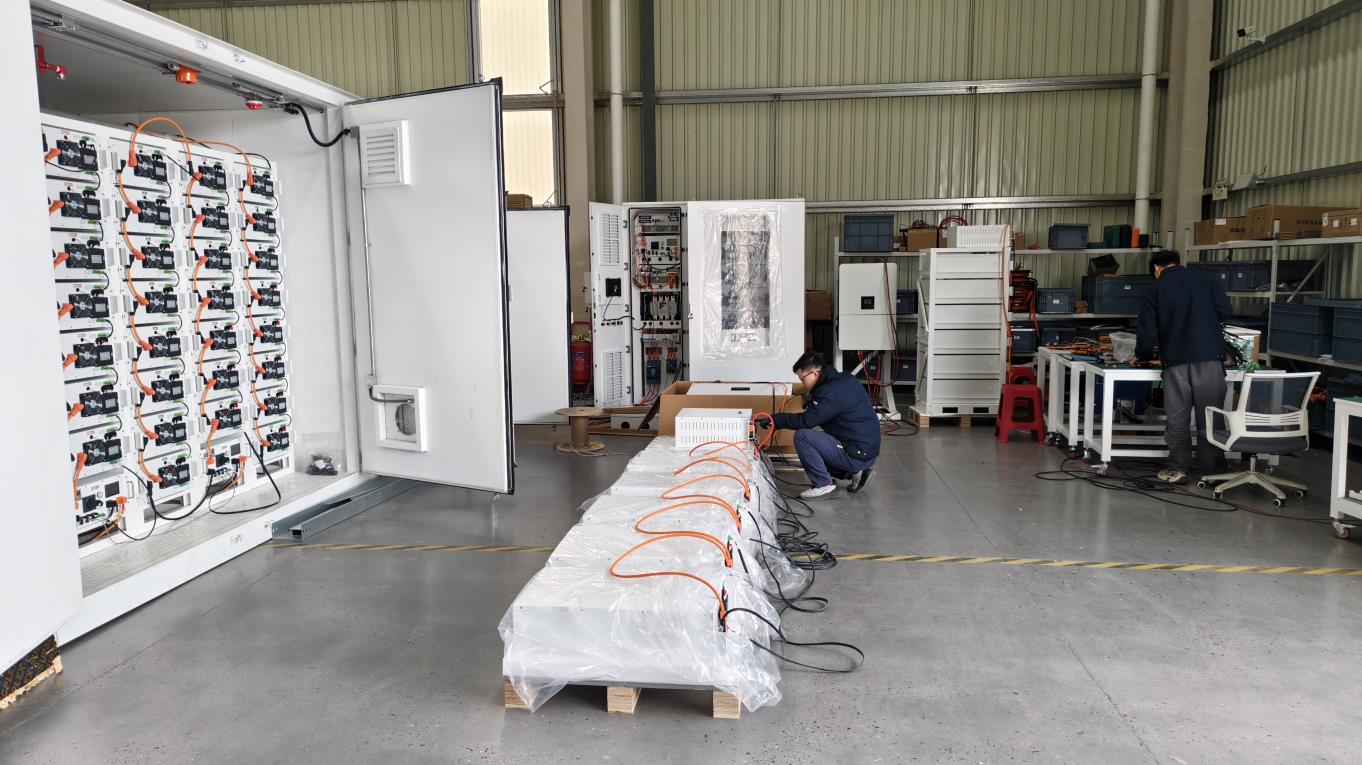
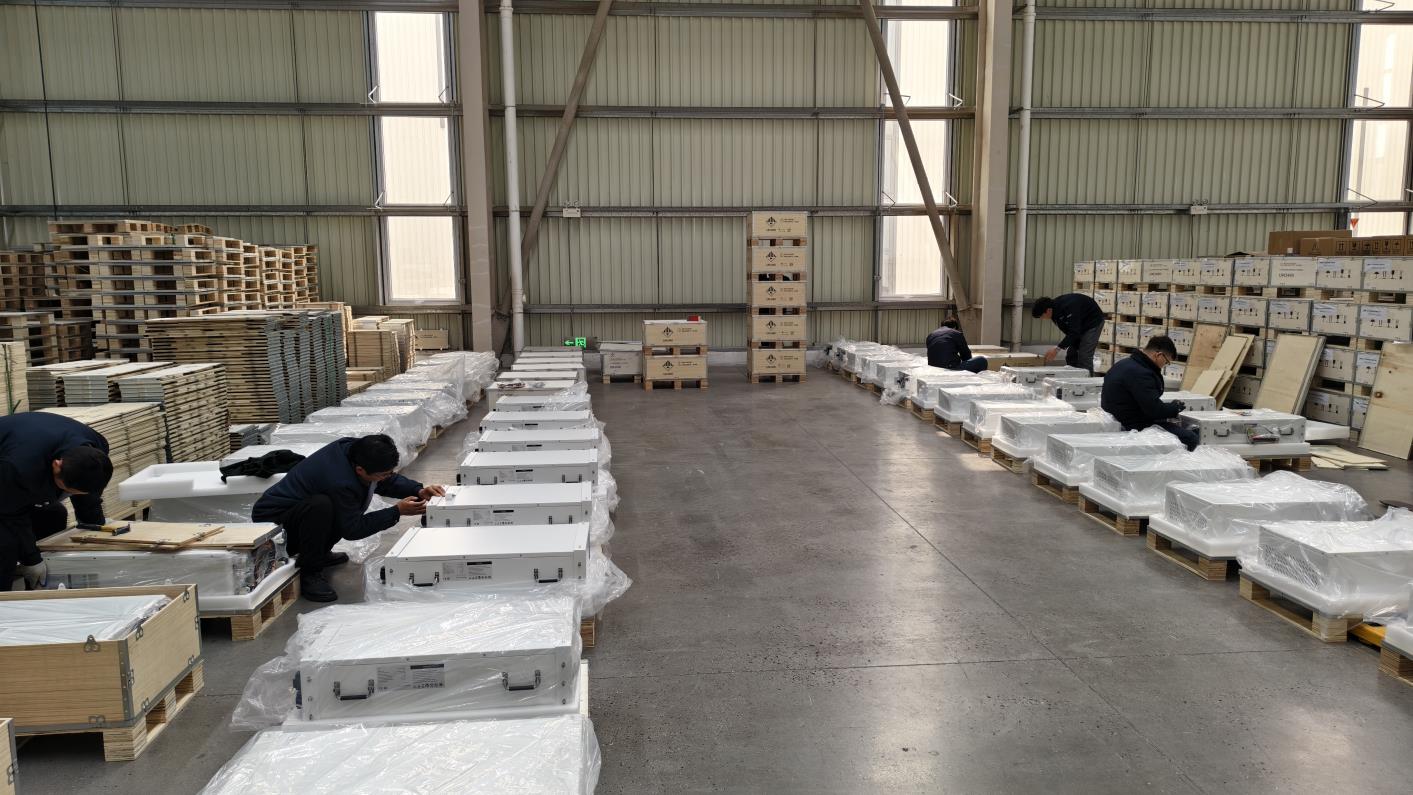
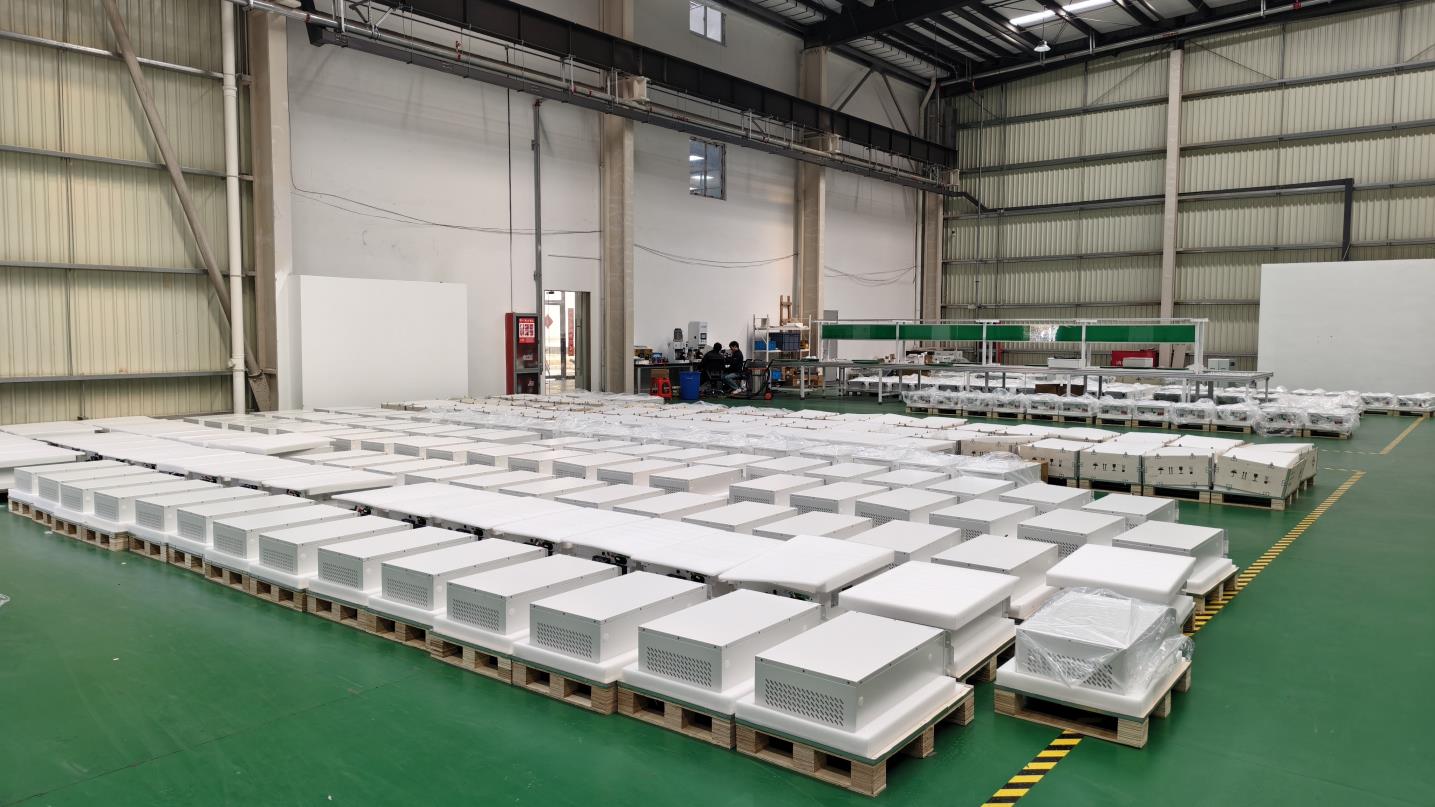
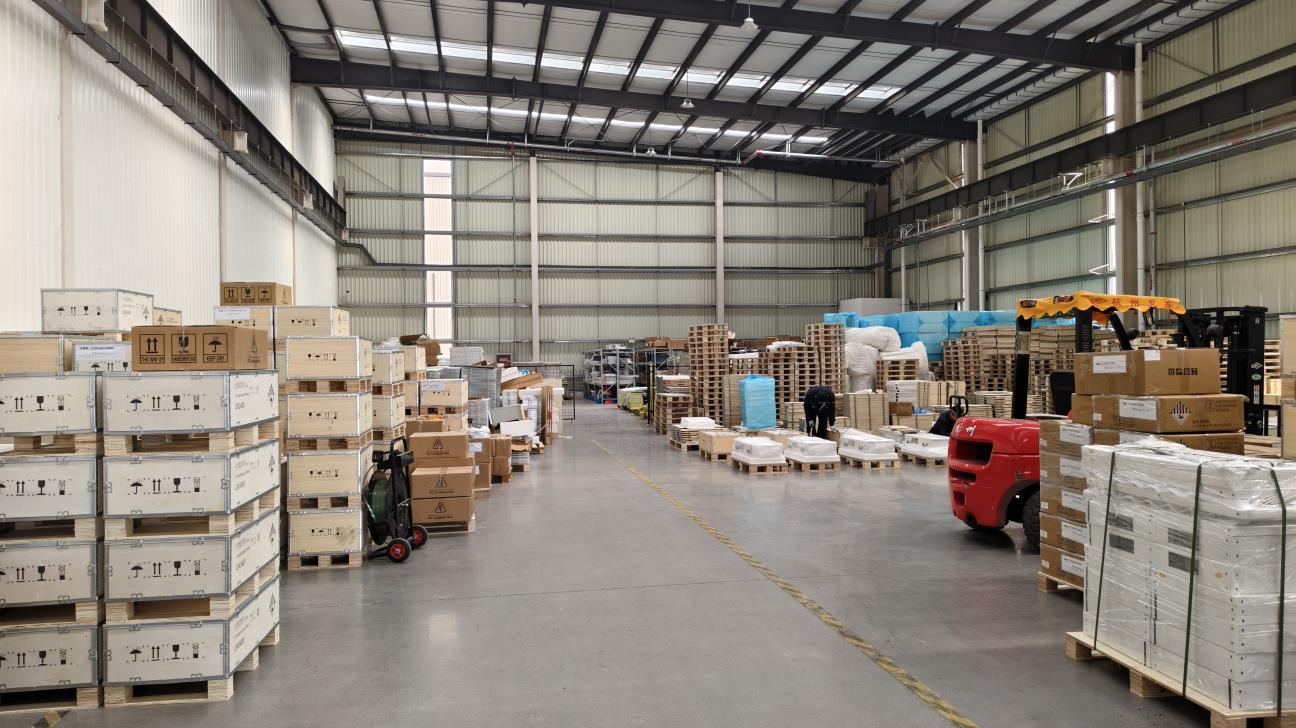
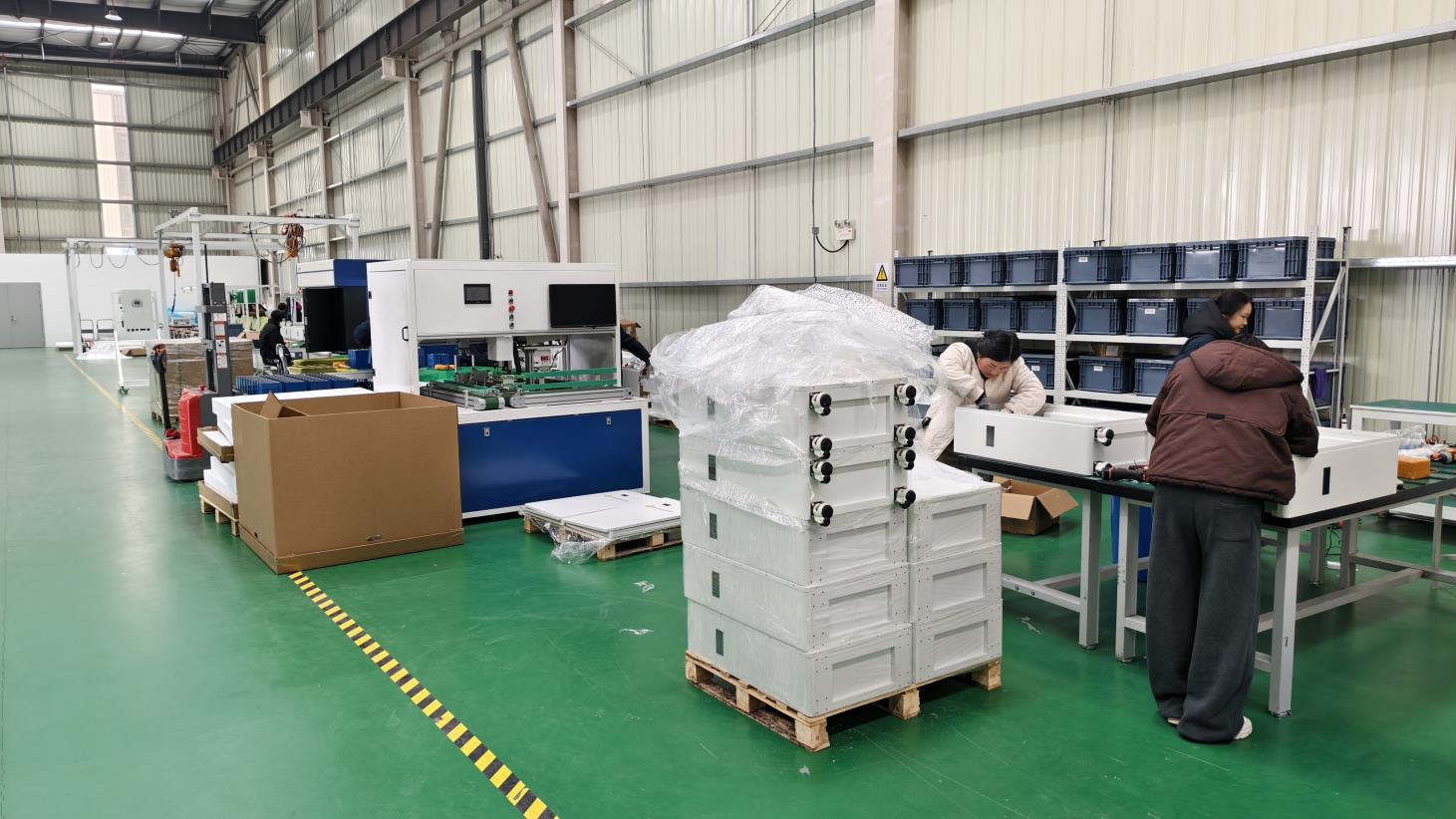
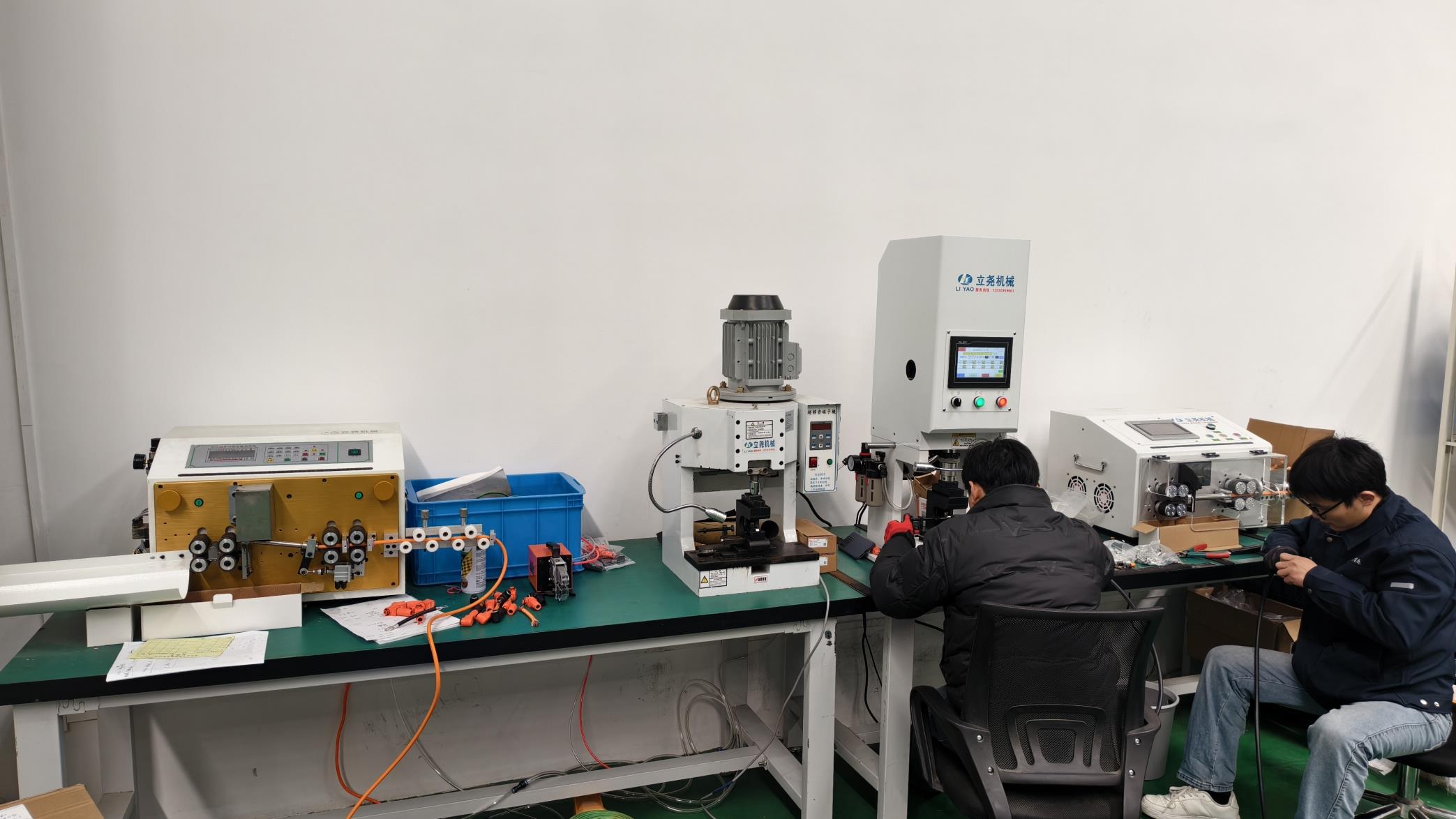
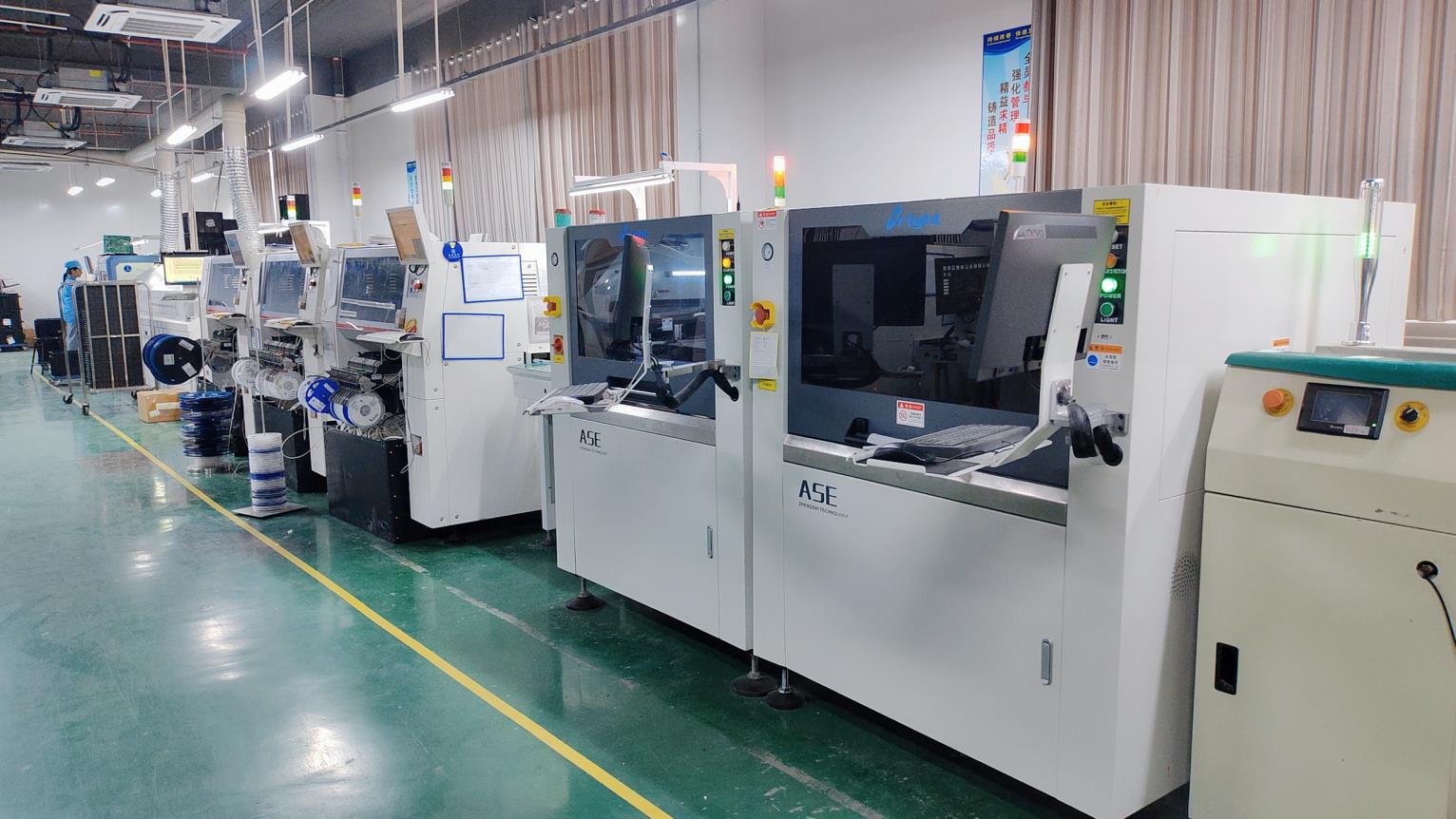
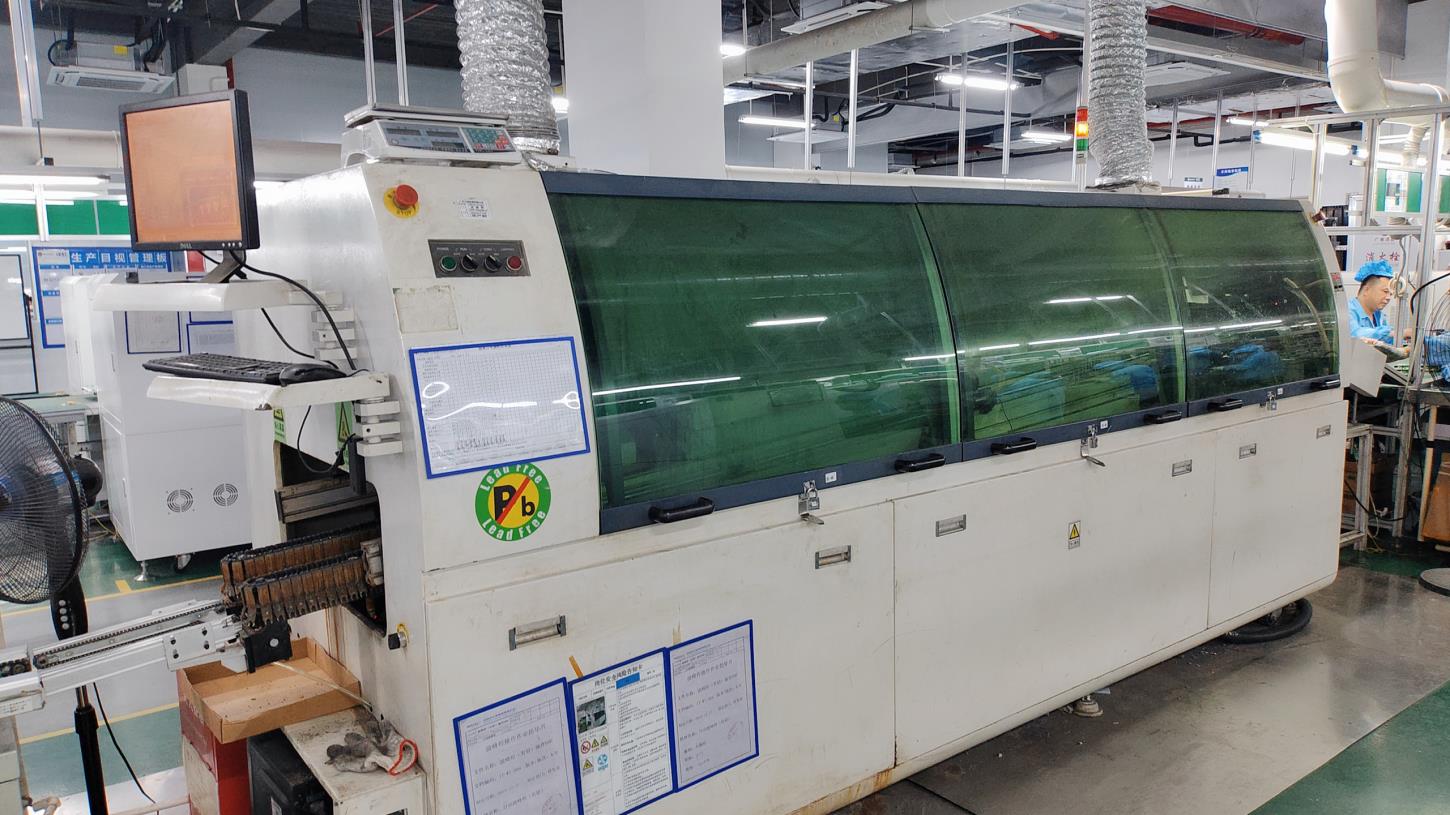
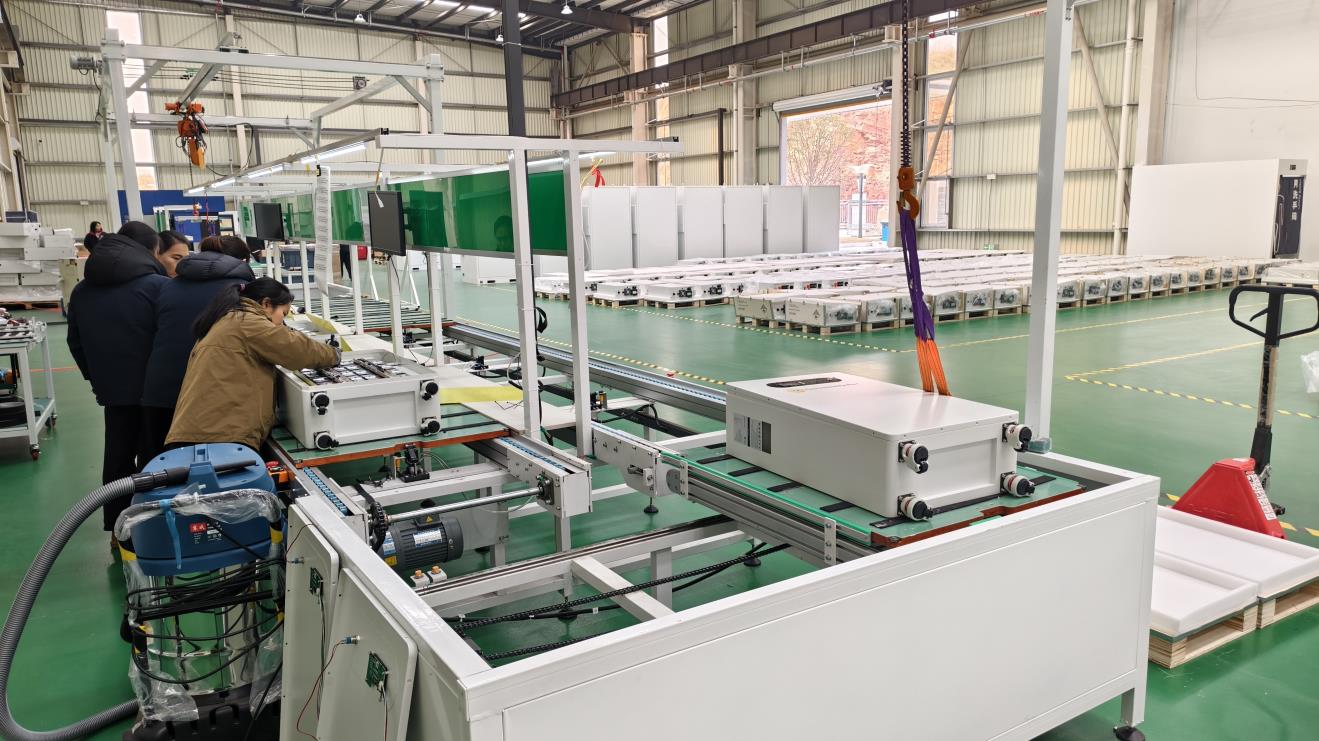
Quality is not inspected; it is engineered. Every component bearing the Aryam Energy name undergoes a multi-phase manufacturing lifecycle within our state-of-the-art facilities. Below is the visual representation of our manufacturing processes, including precision SMT soldering, robotic assembly, load testing, and systematic packing.
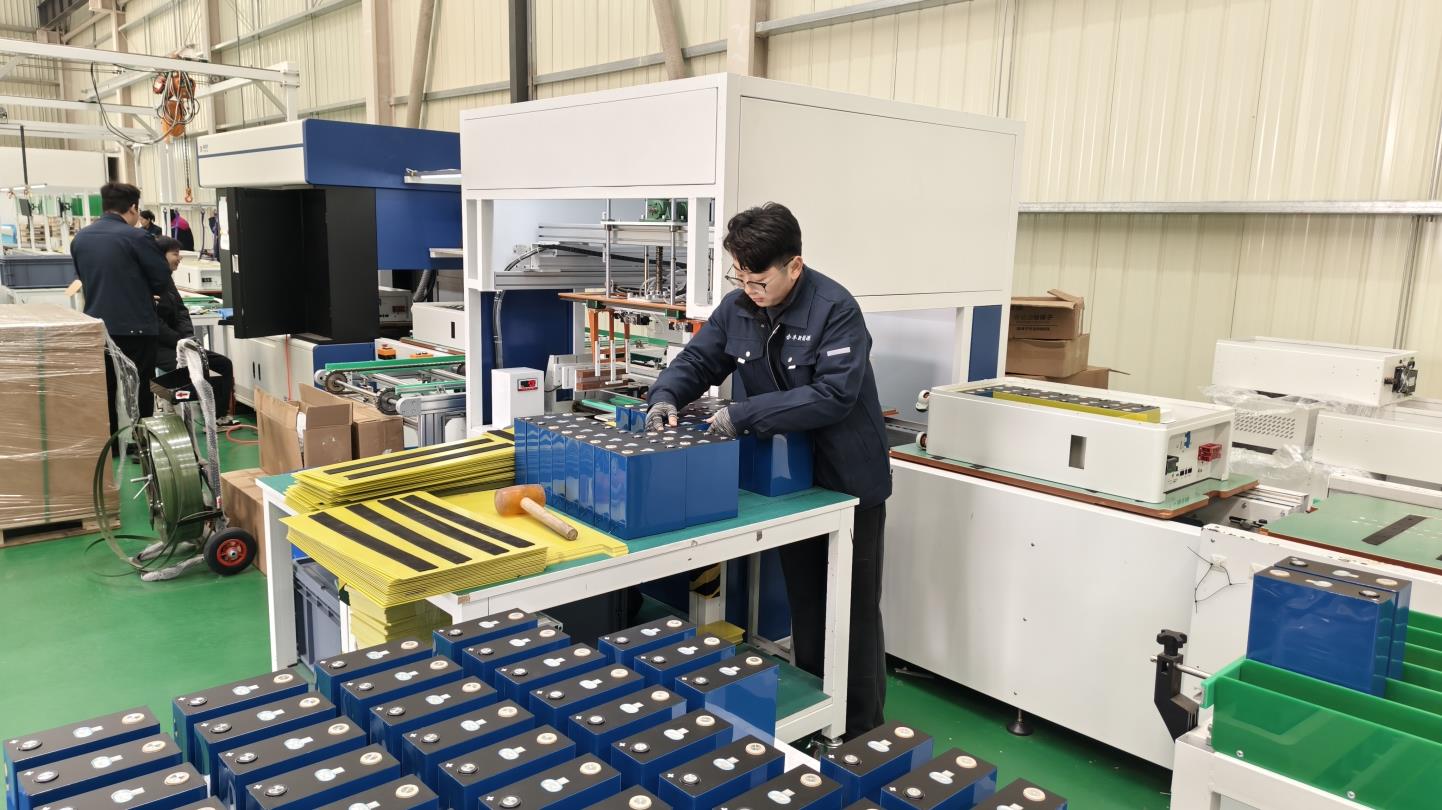
Welding Process
Welding Operations
Assembling Process
Robotic & Manual Assembly
Testing Process
Performance Testing
Packing Process
Industrial Packing
Finished Product
Finished Product Verification
Warehouse
Climate-Controlled Warehousing
Assembly Line
Main Assembly Line
Wire Stripper
Automatic Wire Stripping
SMT Line
SMT Line (PCB Assembly)
Wave soldering machine
Wave Soldering Line (High-Stability Controller Assembly)
Legal, Customs & Certification

Global Compliance Protocols & Localized Distribution Footprint

Deploying commercial-scale solar systems requires adherence to strict safety and performance certificates. Aryam Energy products are fully tested to ensure compliance for distribution and installation across global markets:

CE Mark (EN 61000, EN 62109)
UN38.3 (Lithium Transport Safety)
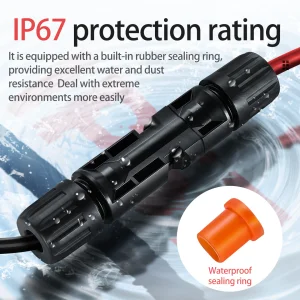
IP65 & IP67 Ingress Waterproof Rating
IEC 61215 / IEC 61730 PV Standards

To facilitate swift delivery and minimize transportation costs, we operate dedicated warehousing infrastructures across strategic logistics corridors, including European hubs. This enables prompt dispatch of PV modules, storage packs, and balancing hardware directly to project sites, reducing customs delays and transport timelines.

Expert Knowledge Base

Solar System Engineering & Operations FAQ

Find detailed technical answers to key questions regarding modern solar engineering, storage integration, and microgrid setups:
1. What is the fundamental difference between PWM and MPPT charge controllers?
A PWM (Pulse Width Modulation) controller acts as a direct switch connecting the solar panels to the battery bank, pulling down panel voltage to match the battery. An MPPT (Maximum Power Point Tracking) controller actively monitors panel voltage and current, dynamically converting excess voltage into additional charging current. Under typical conditions, MPPT controllers deliver up to 30% higher efficiency than PWM controllers.
2. Why is UN38.3 certification critical for Lithium Iron Phosphate (LiFePO4) solar batteries?
UN38.3 is a UN safety standard that certifies lithium batteries have undergone rigorous testing (including thermal stability, vibration, shock, short-circuit, and impact testing) to ensure safe handling during commercial transport. Importing non-UN38.3 certified batteries carries significant compliance risk and may lead to custom delays or safety hazards.
3. How do N-Type TOPCon and HJT solar panels compare to older P-Type panels?
N-Type TOPCon (Tunnel Oxide Passivated Contact) and HJT (Heterojunction) designs feature lower light-induced degradation (LID) and higher bifaciality factors than traditional P-Type cells. This translates to superior low-light performance, a better temperature coefficient, and increased energy generation per square meter over time.
4. What makes wind-solar hybrid controllers effective for remote locations?
Solar and wind resources are often complementary; solar peaks during the day, while wind is often stronger at night or in winter. A hybrid controller handles inputs from both sources simultaneously, converting and managing the energy to maintain battery health and ensure stable output for off-grid operations.
5. How do IP65 and IP67 ratings protect outdoor solar street lighting and connectors?
IP65 indicates protection against dust ingress and low-pressure water jets from any direction. IP67 provides deeper protection, ensuring the component is dust-tight and can withstand temporary immersion in water up to 1 meter deep. These ratings are essential for outdoor connectors and junction boxes to prevent corrosion and short circuits.
6. What is the role of a Y-Branch connector in array wiring?
Y-Branch connectors allow installers to wire solar panels in parallel, combining the current of two modules while maintaining the same voltage. This is critical for configuring voltage ranges to match charge controller requirements without exceeding safety thresholds.
7. How does a solar-assisted air conditioning system reduce operating costs?
A solar air conditioner uses DC power generated by solar panels to power the compressor directly, bypassing the inverter to eliminate conversion losses. Since cooling demand matches solar availability, this configuration significantly reduces peak grid consumption.
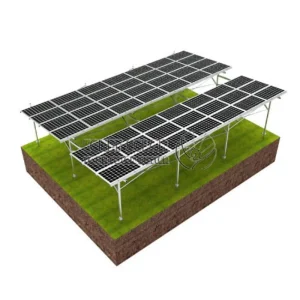
8. Why are aluminum alloy mounting systems preferred for rooftop and ground arrays?
Anodized aluminum alloy combines high strength-to-weight ratios with excellent corrosion resistance. This minimizes structural loads on roofs while ensuring the mounting hardware can withstand environmental exposure over decades without degrading.