Reliable components engineered for seamless integration into transit networks, distribution points, and mobile commercial ecosystems.
The global transport and logistics sector accounts for over 20% of global carbon dioxide (CO2) emissions. In response to stringent international regulatory frameworks—such as the European Union’s Carbon Border Adjustment Mechanism (CBAM), the Corporate Sustainability Due Diligence Directive (CSDDD), and the International Maritime Organization’s net-zero targets—global logistics operators must dramatically reduce Scope 1, Scope 2, and Scope 3 emissions. This macro-environmental shift has transformed renewable energy from a voluntary CSR target into a critical operational necessity.
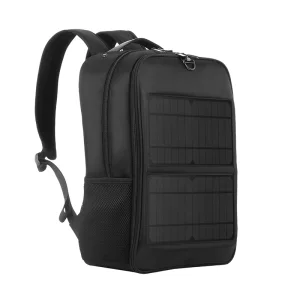
Solar freight solutions present a multi-faceted approach to this transition. By integrating solar photovoltaic (PV) modules, smart power electronics, and battery energy storage systems (BESS) directly into transportation vehicles, port terminals, logistics hubs, and dry docks, commercial operators can unlock deep carbon reductions and hedge against volatile grid electricity prices. The deployment is divided into two primary categories: stationary microgrids for freight hubs and mobile solar arrays integrated into transport units (refrigerated vehicles, maritime cargo containers, and support infrastructure).
In addition, Anhui Aryam Energy Co., Ltd. provides utility-scale energy storage solutions designed to balance the intermittent generation profiles of solar freight microgrids. Through peak shaving, load shifting, and reactive power control, our systems enhance the operational resilience of modern logistics hubs. By installing solar capacity alongside commercial-scale BESS, freight forwarders protect themselves against rolling blackouts and voltage fluctuations while generating predictable financial returns on initial capital investments.
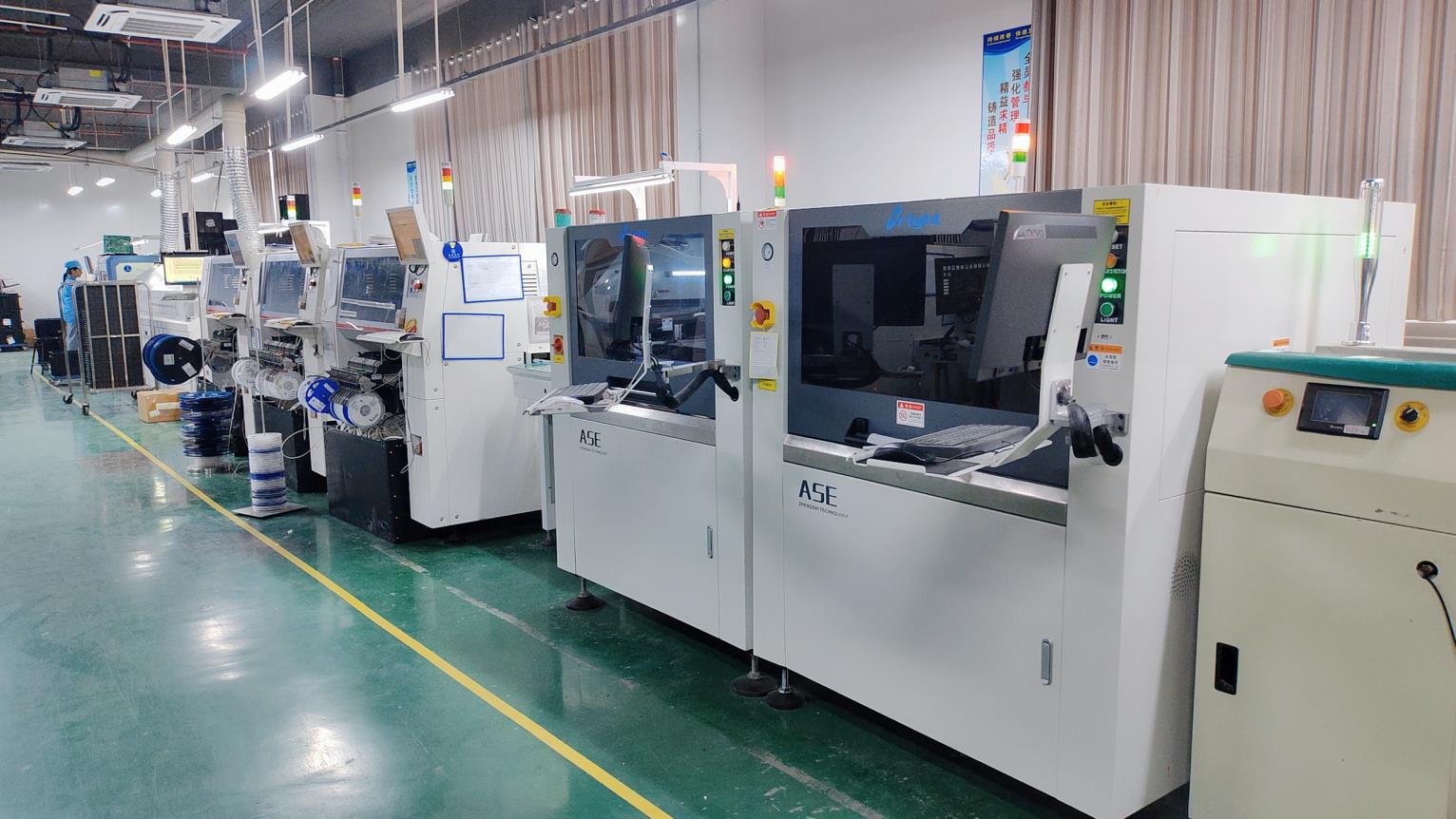
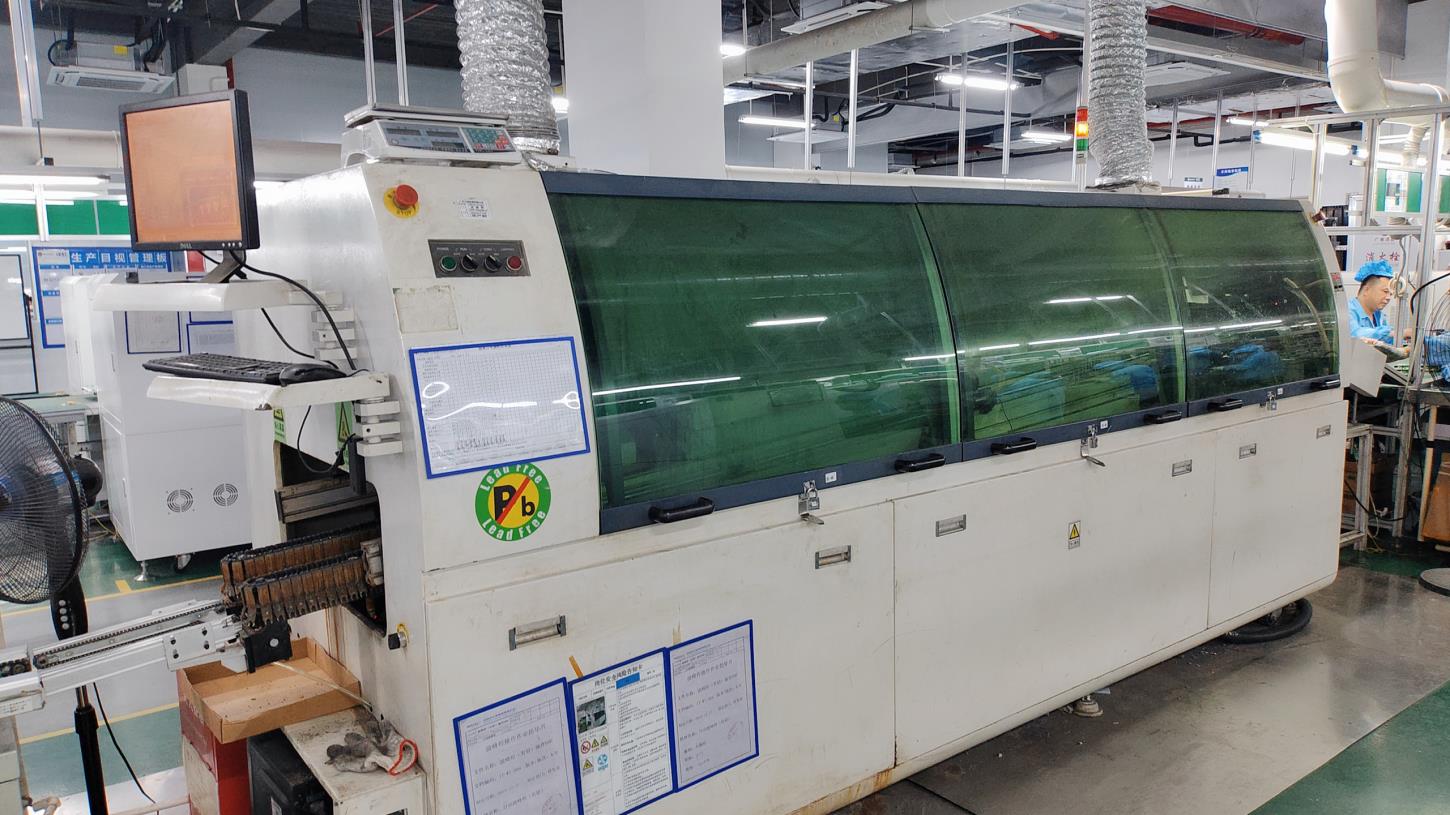
Anhui Aryam Energy Co., Ltd. operates a state-of-the-art facility utilizing automation, robotics, and comprehensive material-traceability protocols. Delivering reliable, CE-certified clean energy hardware requires rigorous manufacturing controls, ranging from surface-mount technology (SMT) on control board assemblies to structural metal welding and final electrical diagnostic testing under maximum thermal loads.
Our manufacturing workflow is carefully monitored through a centralized Manufacturing Execution System (MES), guaranteeing that every MPPT charge controller, lithium-ion energy storage system, and hybrid air conditioning module satisfies the strict performance limits required for transport environments. Vibrations on cargo ships, physical shocks during rail shunting, and extreme temperature cycling demand robust soldering and solid mechanical joints. The following step-by-step factory process represents our commitment to engineering excellence and compliance with international ISO 9001 and ISO 14001 standards.
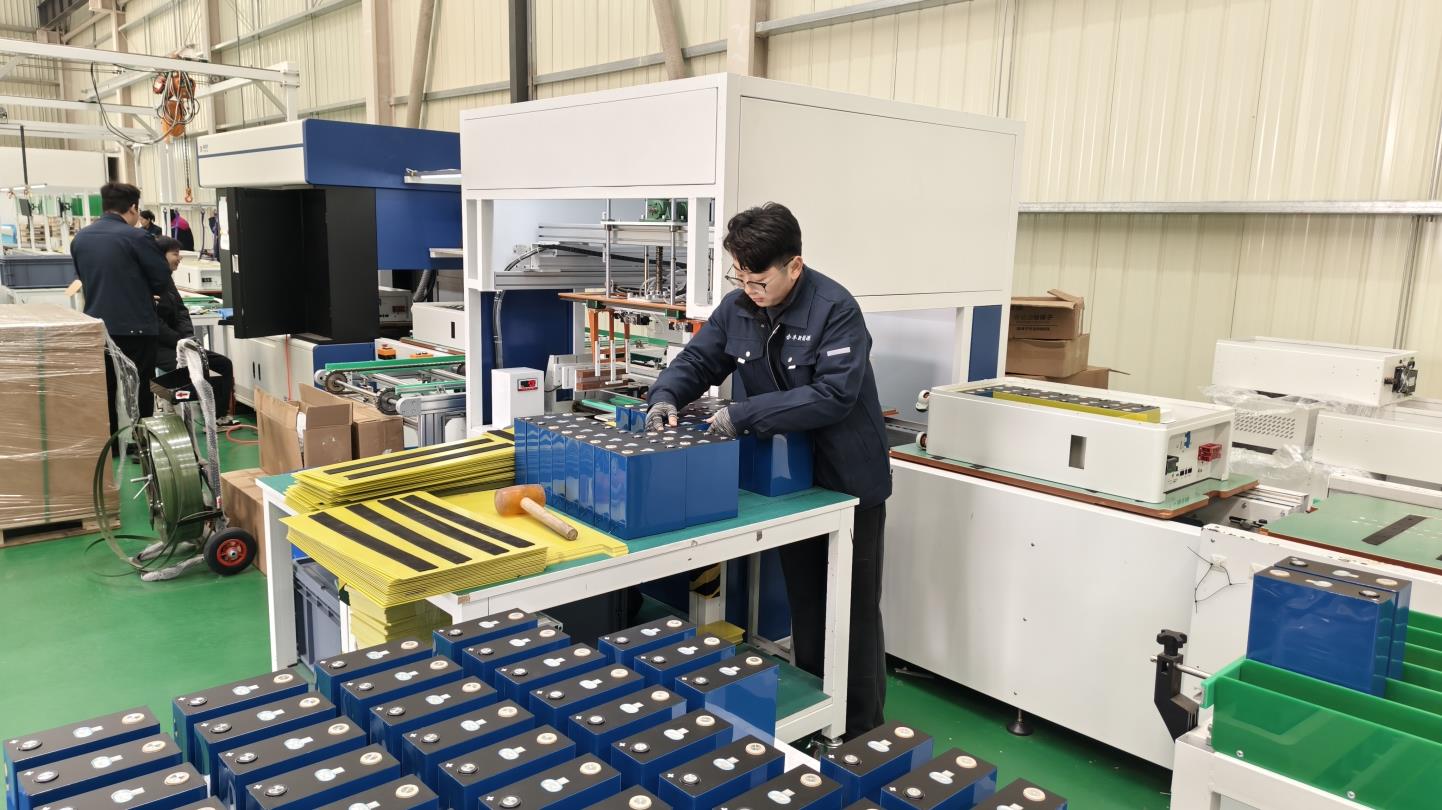
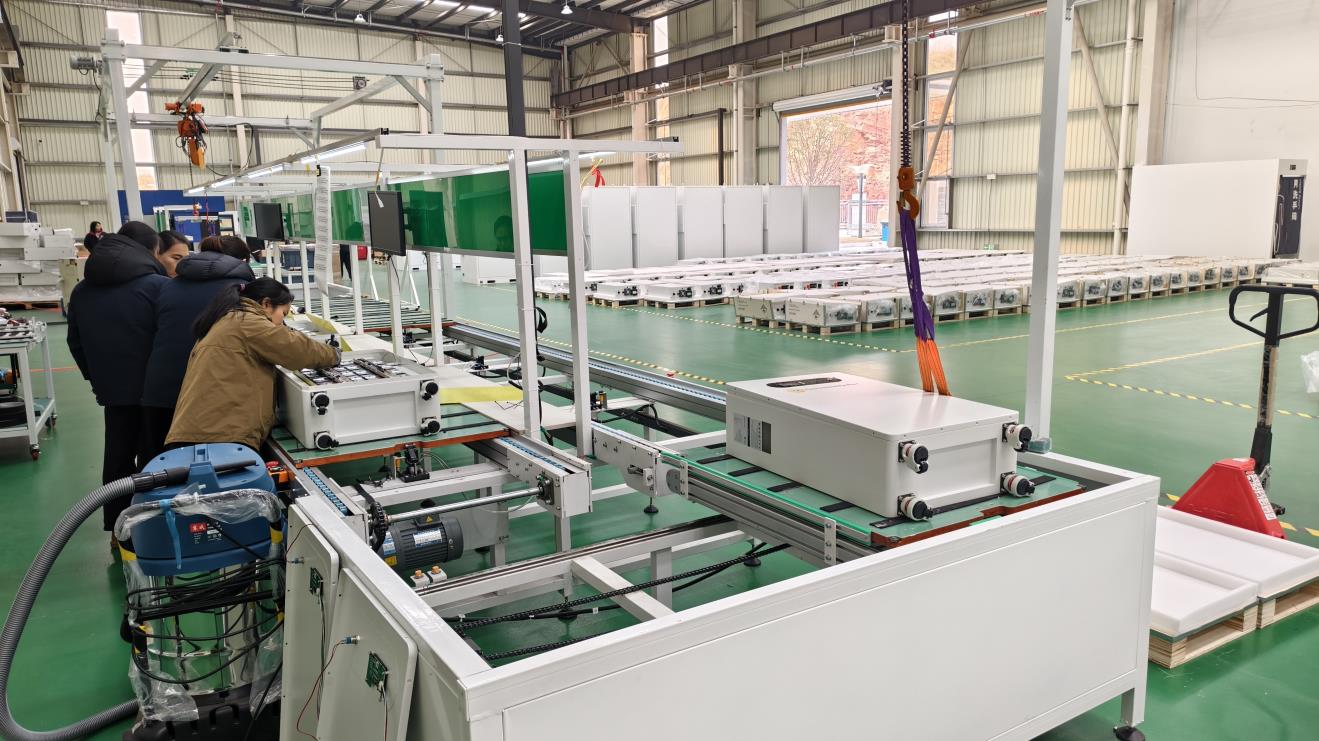
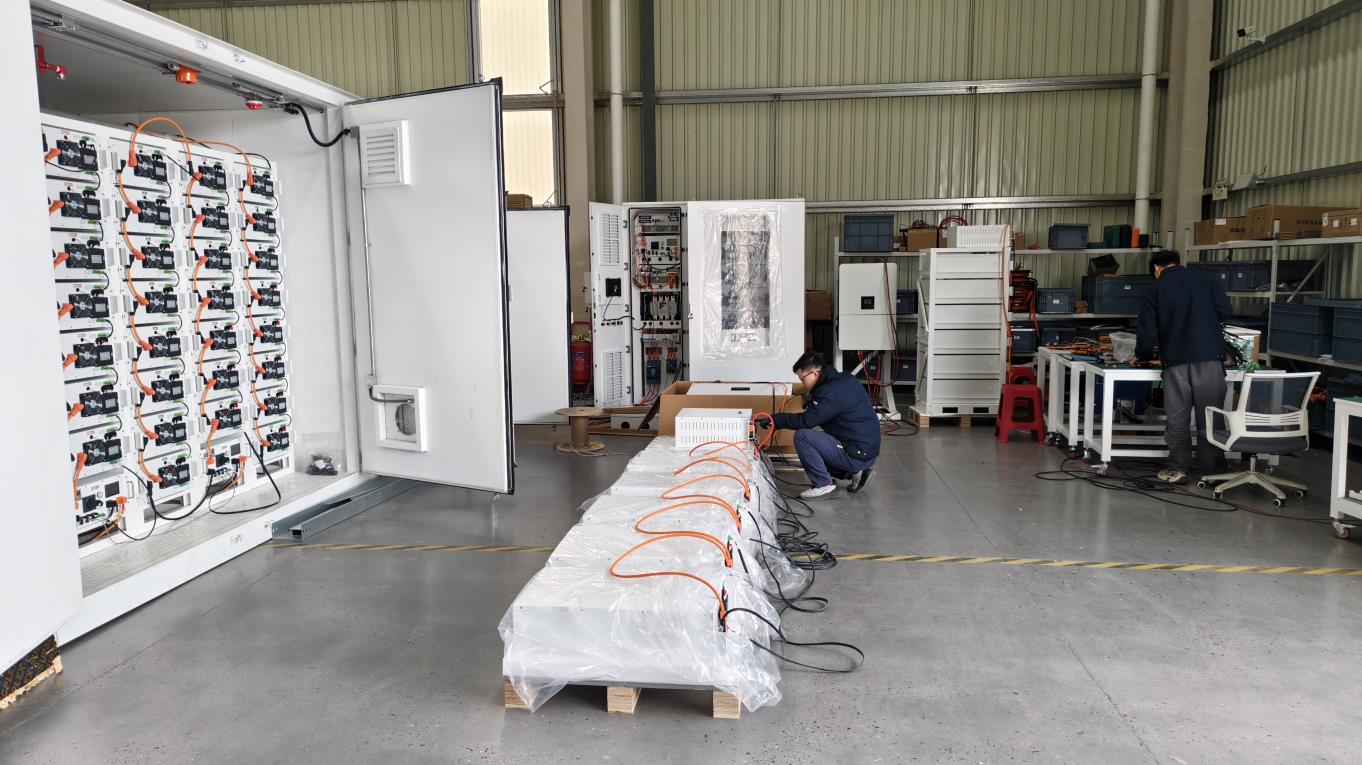
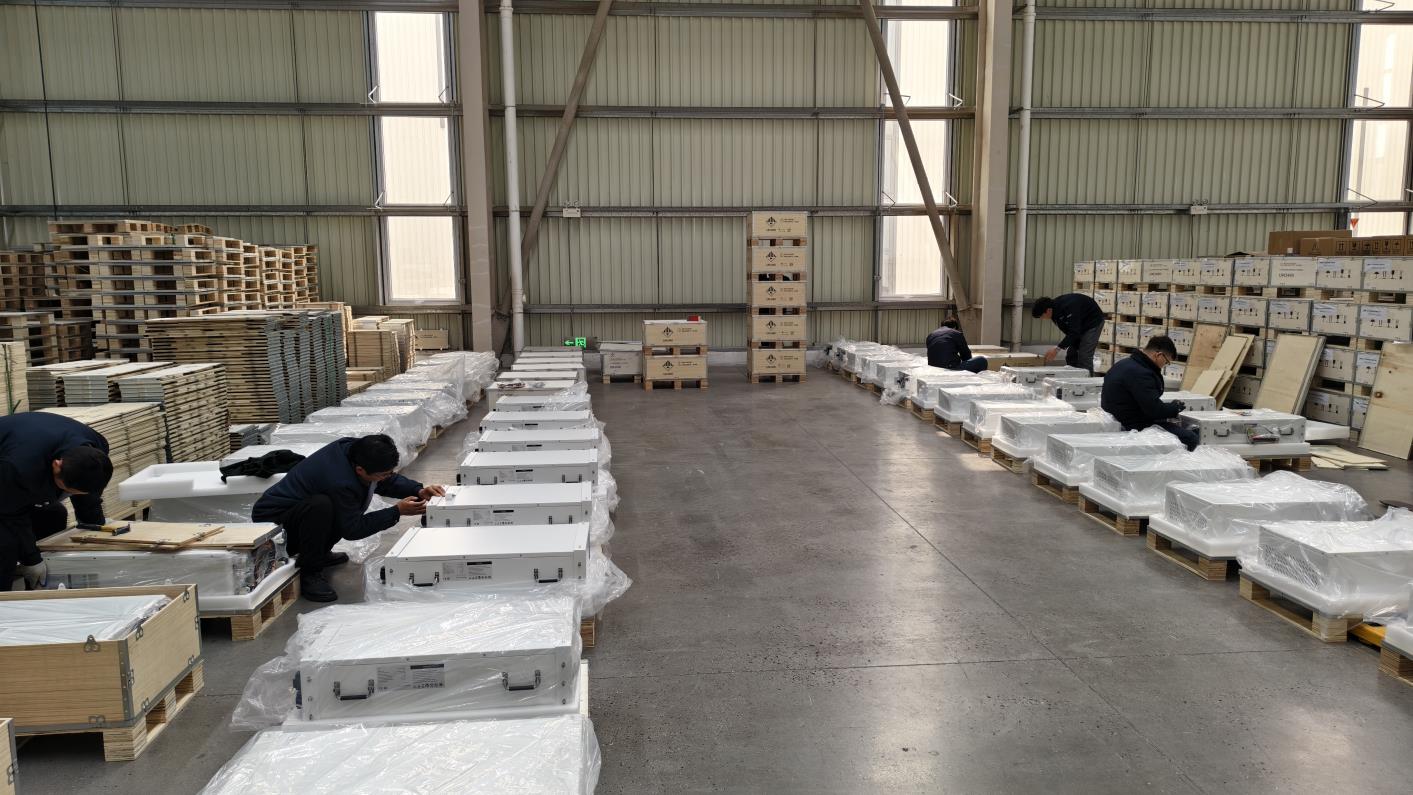
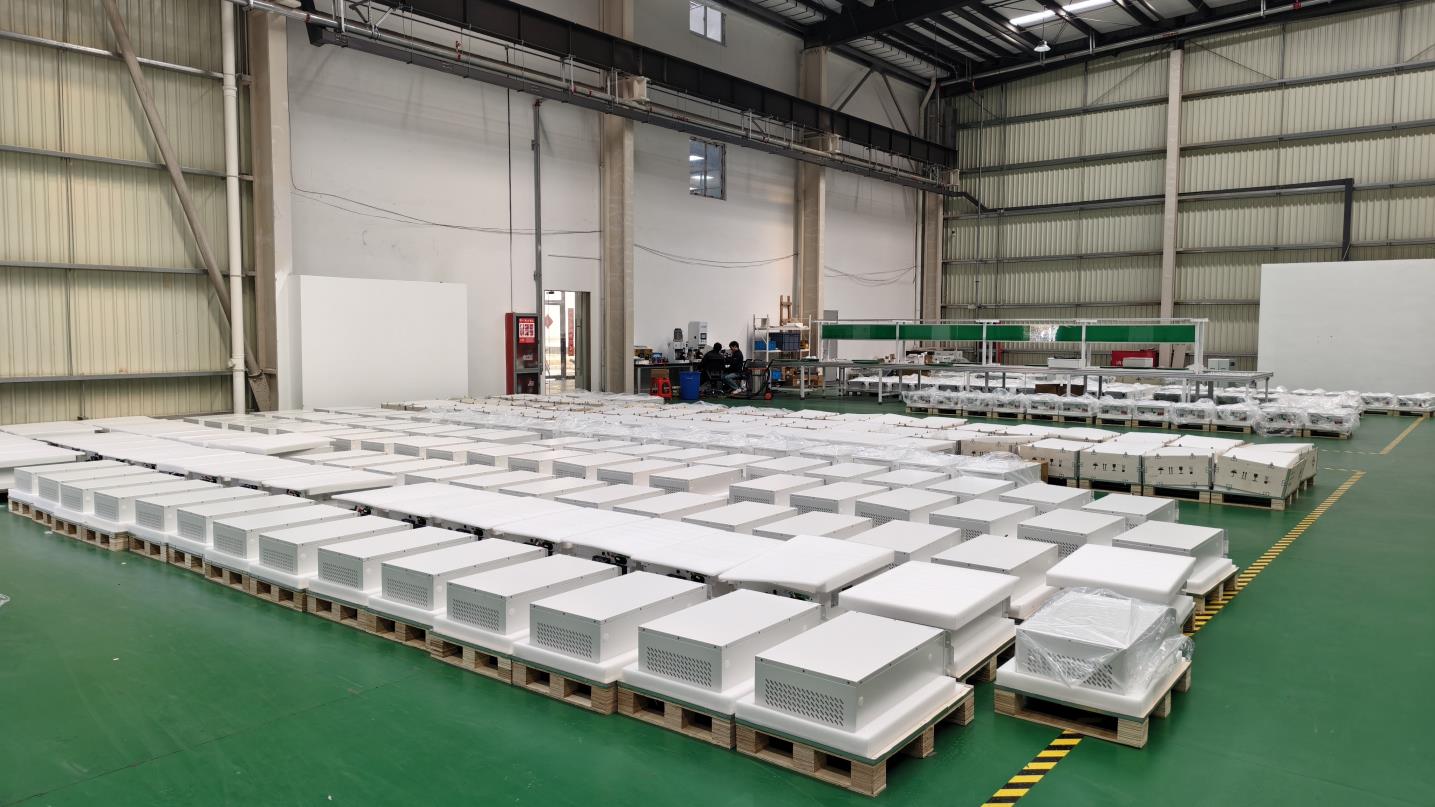
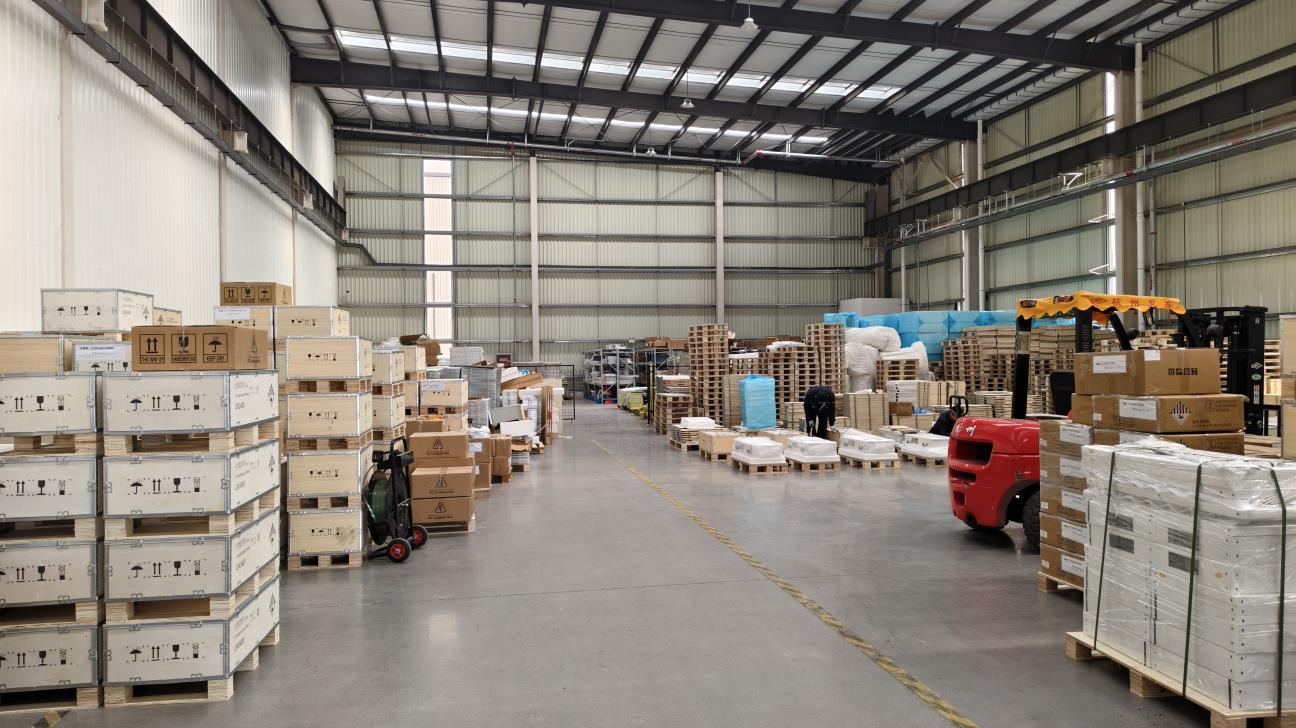
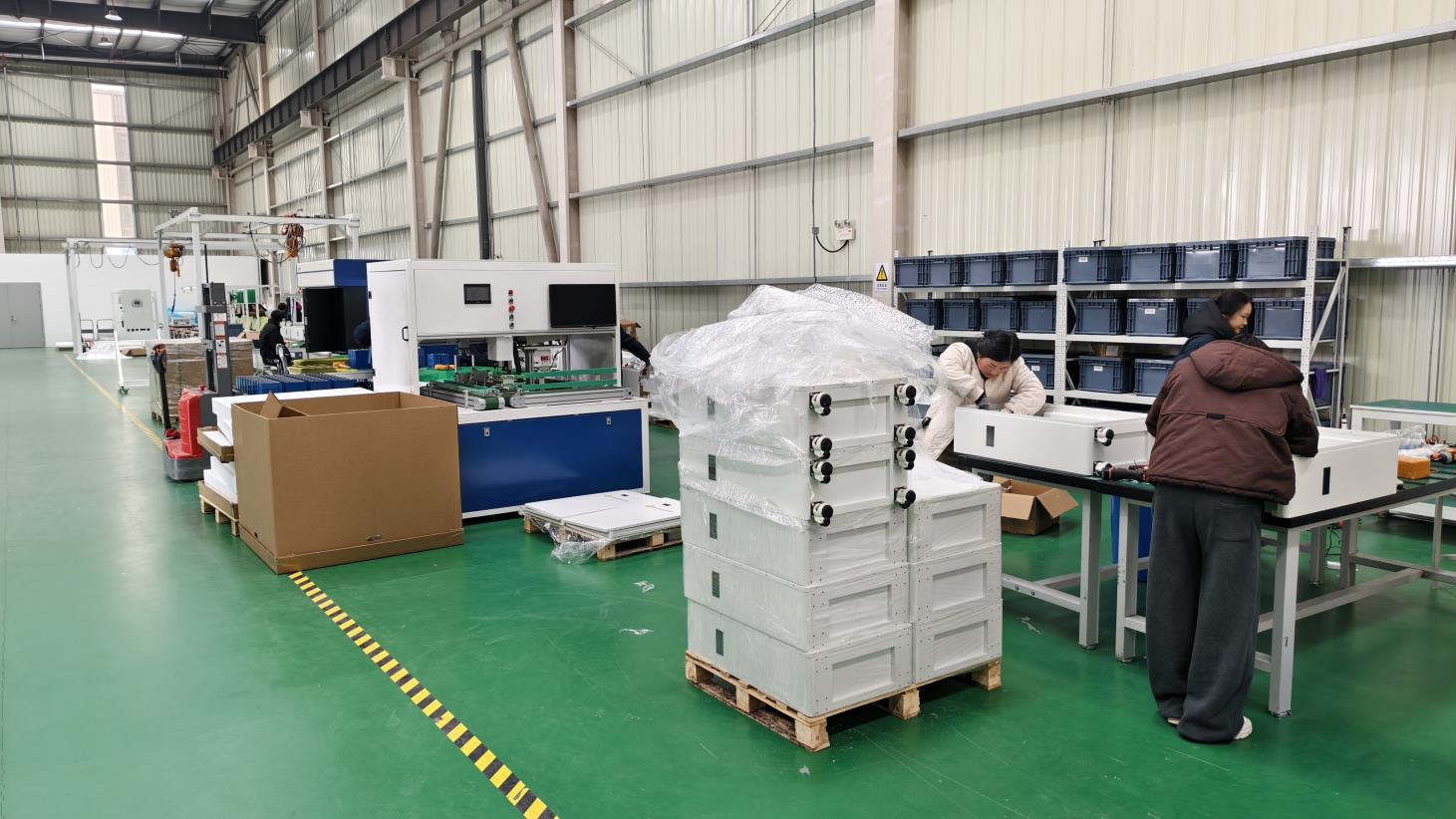
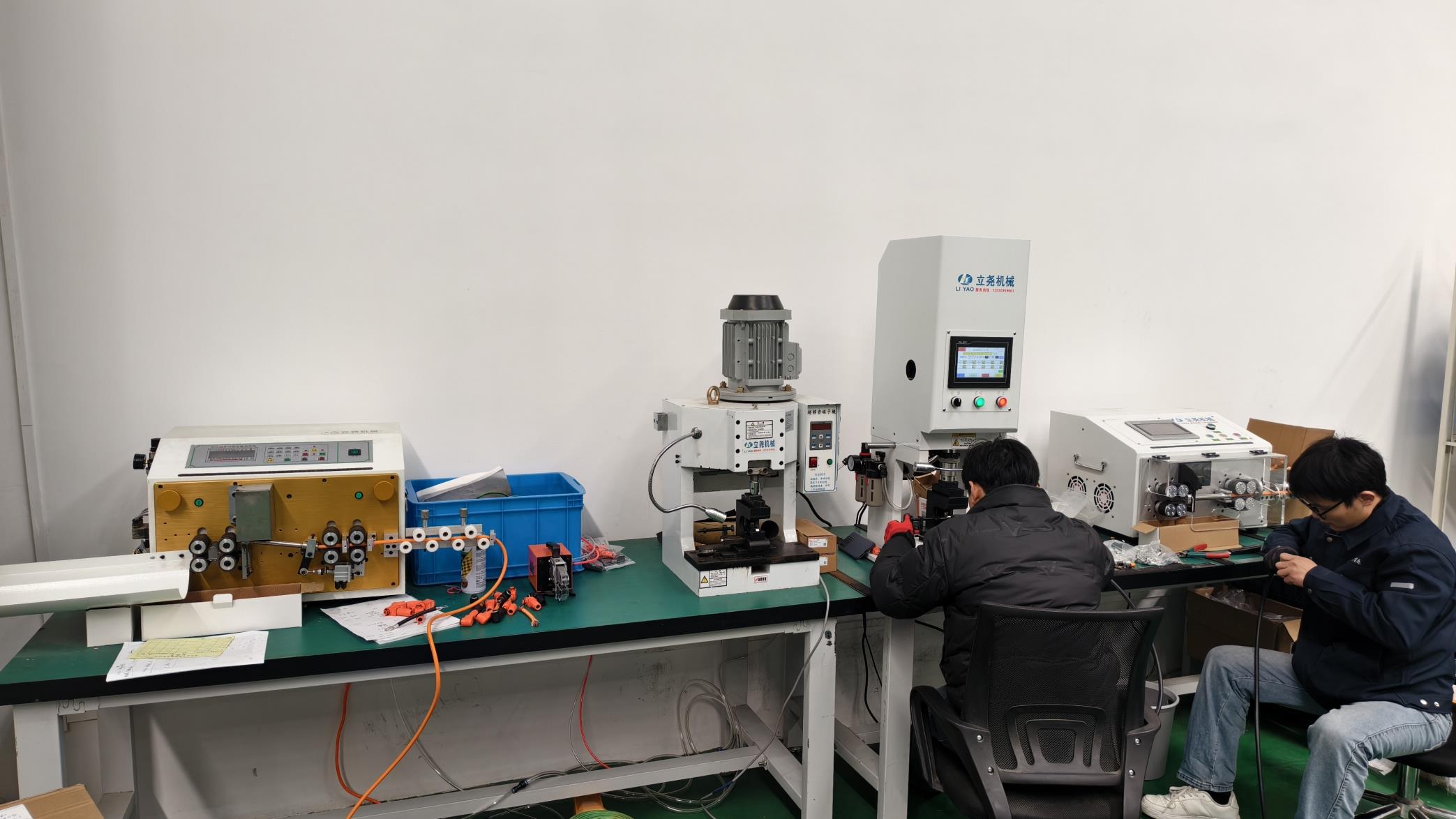
Freight and logistics operations subject solar energy equipment to environments that standard residential-grade systems cannot withstand. Road logistics present constant low-frequency vibrations; marine applications introduce corrosive, high-salinity air; and remote desert rail corridors subject components to extreme thermal fluctuations (-40°C to +85°C). Addressing these challenges demands rigorous material selection and advanced electrical architectures.
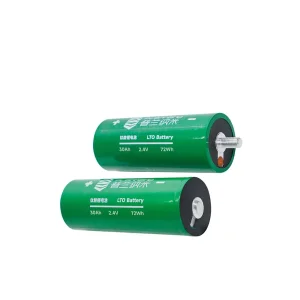
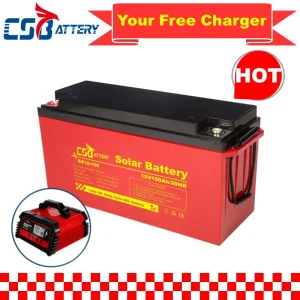
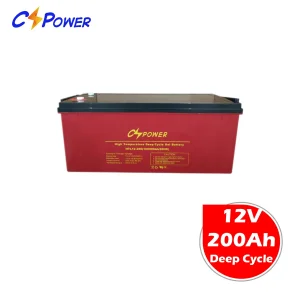
We supply two core storage pathways: Plannano Lithium Titanate (LTO) 2.4V cylindrical batteries and CSBattery Deep-Cycle HTL Gel options. LTO provides unmatched cycle life (exceeding 20,000 cycles at 80% DoD) and operates safely down to -30°C, making it ideal for high-vibration truck transport and cold-chain container tracking. Meanwhile, our High-Temperature HTL Gel series offers cost-effective, thermal-runaway-resistant energy storage for stationary distribution hubs in regions with weak grid connections.
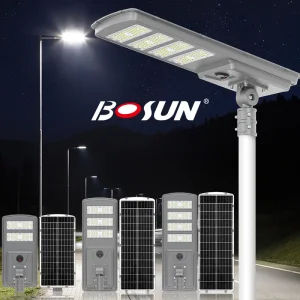
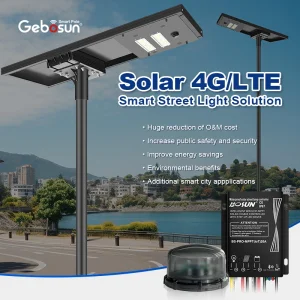
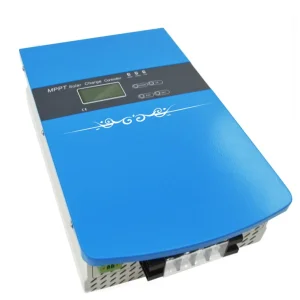
Our intelligent MPPT Charge Controllers (up to 120A and 96V configurations) utilize high-frequency buck-boost topologies to track the maximum power point of the PV array under partial shading. Integrated LED driver circuitry allows transport operators to directly power exterior warning indicators and security lighting from a single, IP65-sealed unit. This configuration reduces wiring weight, simplifies system design, and minimizes potential failure points.
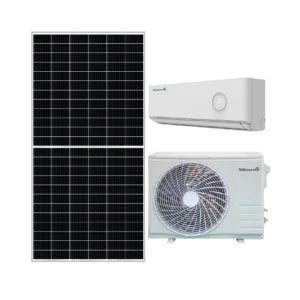
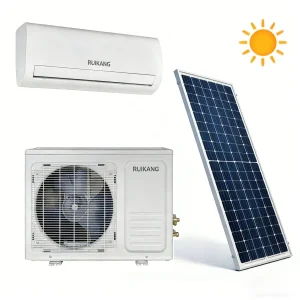
For high-value cargo containers and mobile dispatch offices, maintaining internal temperatures is critical. Our hybrid AC/DC solar air conditioning systems run directly on variable DC power supplied by PV modules, switching to grid or BESS AC power only when solar irradiation drops below a configured threshold. This dual-source optimization prevents inverter conversion losses and delivers consistent, automated climate control with Wi-Fi monitoring.
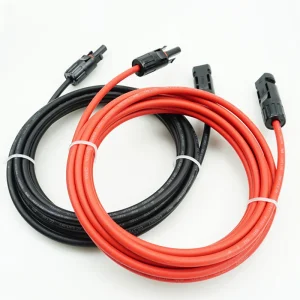
In international trade, cross-border operations require strict compliance with localized certifications. The CE mark is essential for entering European market corridors, signifying compliance with Low Voltage (LVD) Directive 2014/35/EU, Electromagnetic Compatibility (EMC) Directive 2014/30/EU, and RoHS Directive 2011/65/EU. At Aryam Energy, every product from our 1500V DC connectors to our 200Ah deep-cycle HTL gel batteries undergoes comprehensive third-party testing to achieve CE, IEC 61427 (solar storage), and IEC 60896 certification.
Beyond certifications, successful global deployment requires strong localized engineering and technical support. A solar-powered freight system in Northern Europe must be configured for low solar angles and freezing temperatures, requiring high-voltage series strings and high-efficiency mono-crystalline panels. Conversely, deployments in the Middle East and North Africa (MENA) region must withstand high temperatures and windborne sand, requiring IP65 waterproof street lighting, high-temperature HTL gel batteries, and robust dust-shedding mechanical enclosures.
Aryam Energy partners with local Engineering, Procurement, and Construction (EPC) firms and global freight forwarders to provide customized engineering layouts, installation oversight, and remote diagnostic services. Using IoT-enabled 4G/LTE smart hubs, we monitor battery state-of-charge (SoC), charging cycles, and environmental parameters in real-time. This predictive maintenance capability allows operators to address issues before they cause system failures, ensuring continuous, reliable power for global logistics networks.
As logistics networks continue to electrify, the integration of solar power is expanding beyond stationary roofs and auxiliary vehicle systems. Our research and development roadmap focuses on three key technological areas designed to improve efficiency and simplify installation across global supply chains:
Next-generation systems will also rely heavily on bidirectional charging and V2G (Vehicle-to-Grid) integration. Future solar freight hubs will not only charge electric delivery trucks using local solar power, but will also utilize parked truck fleets as a distributed battery system to stabilize the local grid during peak demand. This capability helps logistics companies turn parked vehicles into grid-stabilizing assets that generate additional revenue.
Simultaneously, we are embedding advanced Artificial Intelligence algorithms into our solar charge controllers and BMS (Battery Management Systems). By analyzing real-time weather forecasts, regional grid prices, and route-specific energy demands, the controller optimizes battery charging and discharging cycles. This prolongs battery life, reduces reliance on grid power during peak periods, and ensures backup power is always available for critical loads like cold-chain storage.
Answers to technical, regulatory, and design questions regarding clean energy integration in commercial logistics networks.
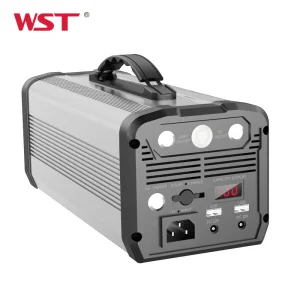
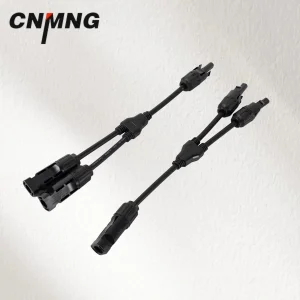
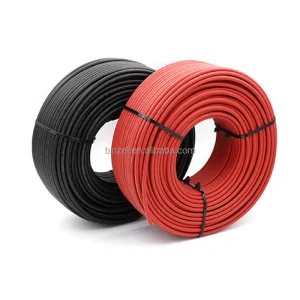
Premium batteries, solar generators, and precision wiring accessories optimized for high-vibration commercial installations.

 Aryam Energy