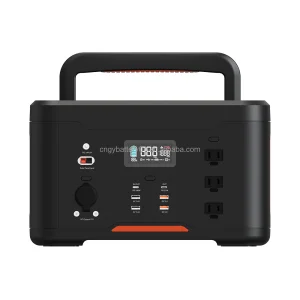
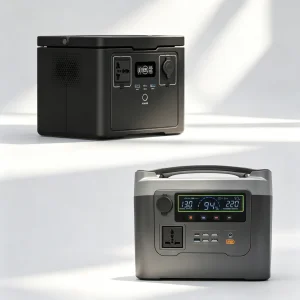
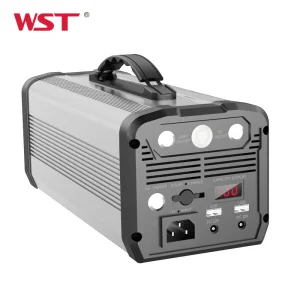
Engineered to comply with Japanese grid specifications and strict safety requirements for backup and outdoor applications.
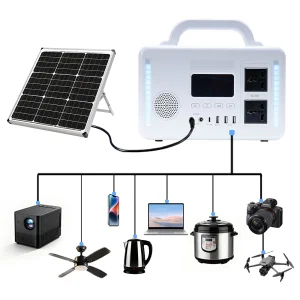
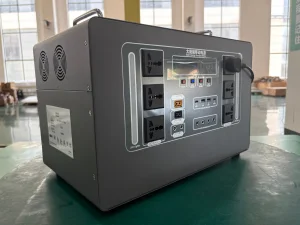
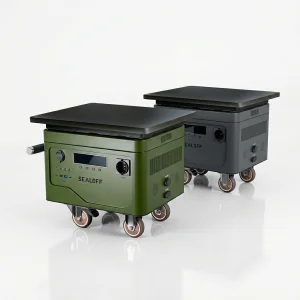
Understanding the specific challenges, strict regulations, and BCP requirements of the Japanese renewable market.
Japan’s commitment to achieving carbon neutrality by 2050 has sparked an unprecedented demand for decentralized clean energy systems. Following the historic shift from feed-in tariffs (FIT) to feed-in premiums (FIP), commercial and industrial (C&I) sectors across Japan are rapidly transitioning towards self-consumption energy models. The Japanese power grid, which is uniquely split between 50Hz in East Japan (Tokyo) and 60Hz in West Japan (Osaka), demands highly advanced power conditioning and conversion systems. This technical hurdle has made the choice of dual-frequency compatible solar generators paramount for national enterprises.
Furthermore, Japan’s geographical vulnerability to earthquakes, typhoons, and localized natural disasters has led the Ministry of Economy, Trade and Industry (METI) to issue strict mandates for Business Continuity Planning (BCP). Municipalities and private enterprises are now required to deploy robust off-grid backup systems. Solar generators equipped with industrial-grade lithium iron phosphate (LiFePO4) batteries have emerged as the gold standard, providing zero-emission emergency power that can operate indefinitely through solar replenishment.
Domestic Japanese manufacturers and factories operate under exceptionally tight space constraints. Consequently, there is an intense engineering focus on spatial efficiency, thermal management, and ultra-quiet operation. However, the high manufacturing costs in Japan have forced many EPC (Engineering, Procurement, and Construction) companies and B2B buyers to seek strategic manufacturing partnerships globally to balance premium reliability with financial viability.
Key shifting indicators of the global industrial solar and energy storage landscape.
Globally, the reliance on diesel generators is decreasing due to rising fuel costs, strict emissions regulations, and continuous maintenance needs. Industrial operators now choose hybrid solar generators which integrate MPPT (Maximum Power Point Tracking) controllers, high-density lithium-ion or LiFePO4 batteries, and heavy-duty inverters. This shift reduces the Levelized Cost of Energy (LCOE) and guarantees zero-emission operations.
International procurement agents maintain high safety expectations. Key global standards include UL (Underwriters Laboratories) certifications for battery packs and inverters, CE marking for Europe, UN38.3 compliance for lithium battery transport safety, and the Japanese METI PSE Circle and Diamond marks. Reliability, cell cycle lifespan (often requiring 3000 to 6000 cycles at 80% Depth of Discharge), and fast recharging capability (via high-voltage PV arrays) are the leading purchase criteria.
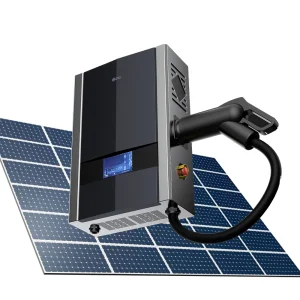
The convergence of solar power stations with electric vehicle charging infrastructure (using platforms such as OCPP) is reshaping municipal planning. B2B buyers look for integrated setups that can connect to local building microgrids, support vehicle-to-home (V2H) charging, and adjust to dynamic load balancing requirements automatically.
How advanced Chinese manufacturing hubs support Japan's demand for high-density, reliable off-grid energy storage.
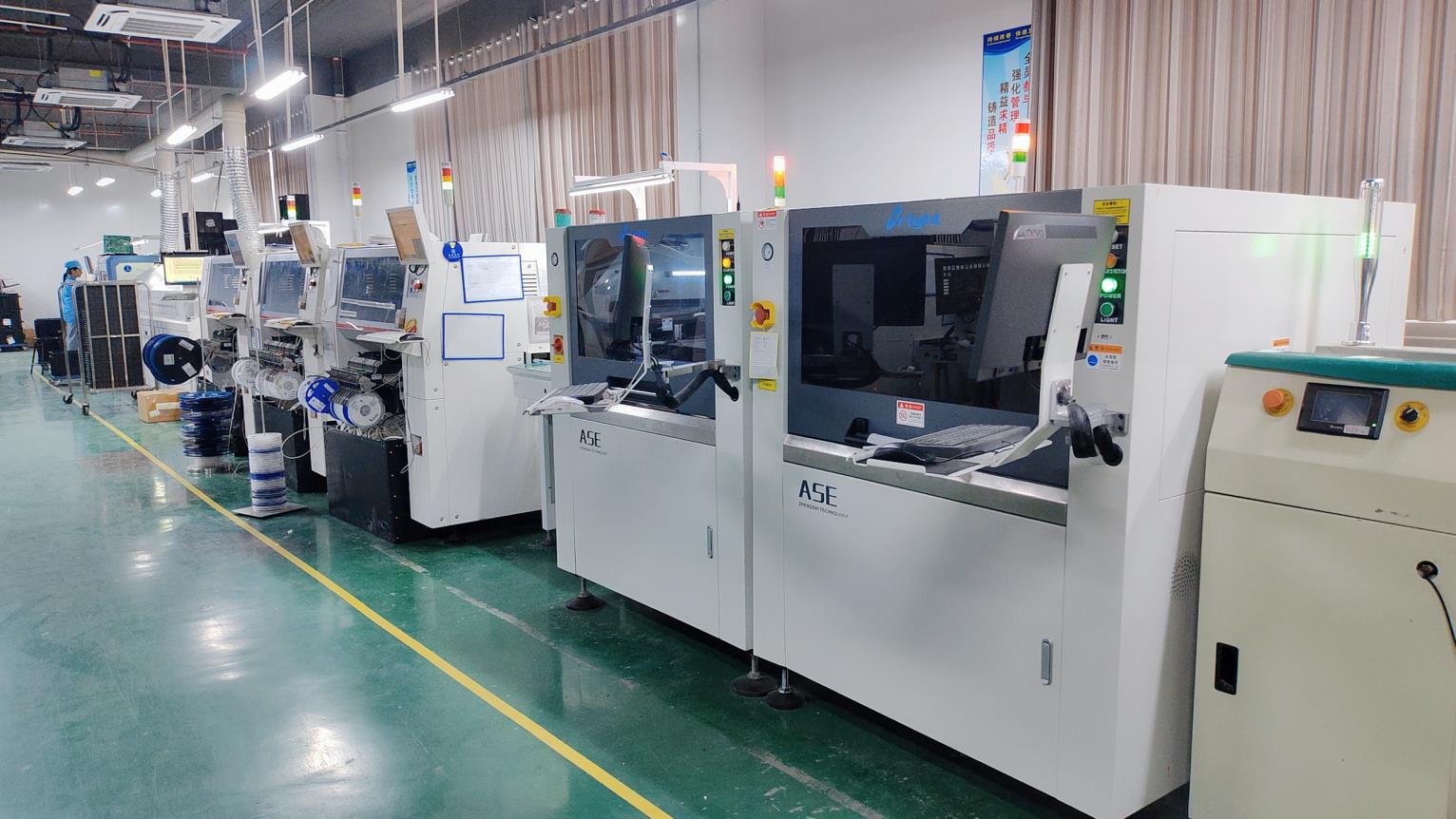
While Japan leads in clean energy research and premium battery technology, local Japanese manufacturing plants often face high overheads and limited supply chain flexibility. This is where the synergy between Anhui Aryam Energy Co., Ltd. and Japanese B2B distributors becomes highly effective. Our manufacturing center in Anhui utilizes China's advanced lithium battery supply chains, integrated semiconductor ecosystems, and streamlined SMT (Surface Mount Technology) automation to produce highly competitive power solutions.
This localized efficiency translates directly into faster delivery times, customization support for Japanese cabinet configurations, and lower procurement costs. By integrating Japanese engineering guidelines and safety standards into our manufacturing processes, we ensure that every solar generator delivers long-term durability and fits the specific energy needs of the Japanese market.
High-performance energy storage solutions tailored to Japan’s unique industrial and environmental needs.
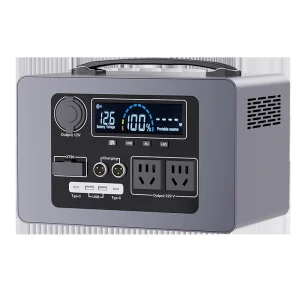
During natural disasters, our portable power stations supply quick, clean energy for communication devices, medical setups, and essential lighting in evacuation shelters. They run silently and require no chemical fuels, making them a safe choice for indoor operations.
In Japan’s rural areas, automated greenhouses and environmental sensors require continuous power. Off-grid solar generators supply reliable, self-renewing power to these remote monitors, saving on expensive grid connection costs.
Using large hybrid solar battery systems helps local enterprises store solar energy during peak generation periods. This stored power is discharged during peak demand times, reducing electricity bills and grid load charges.
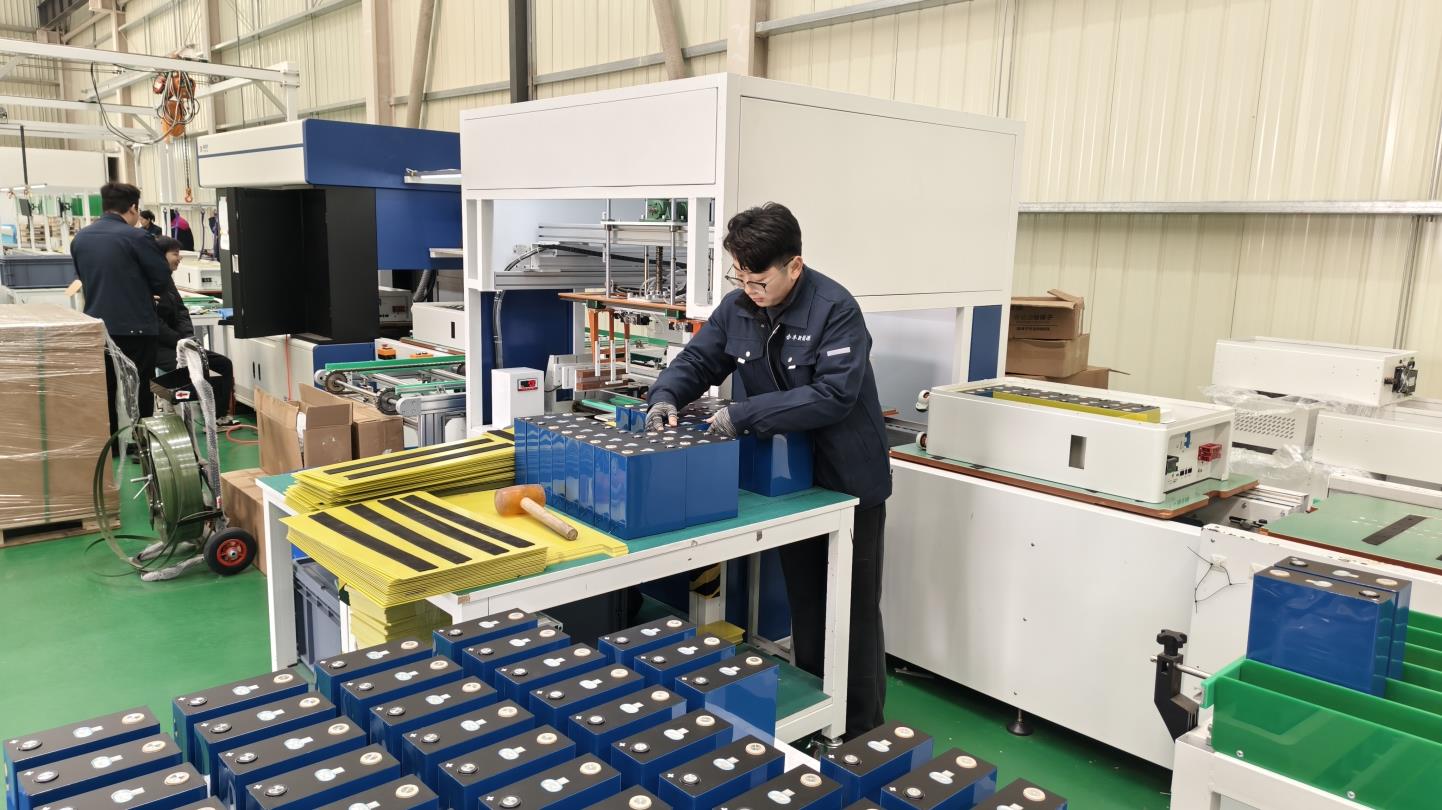
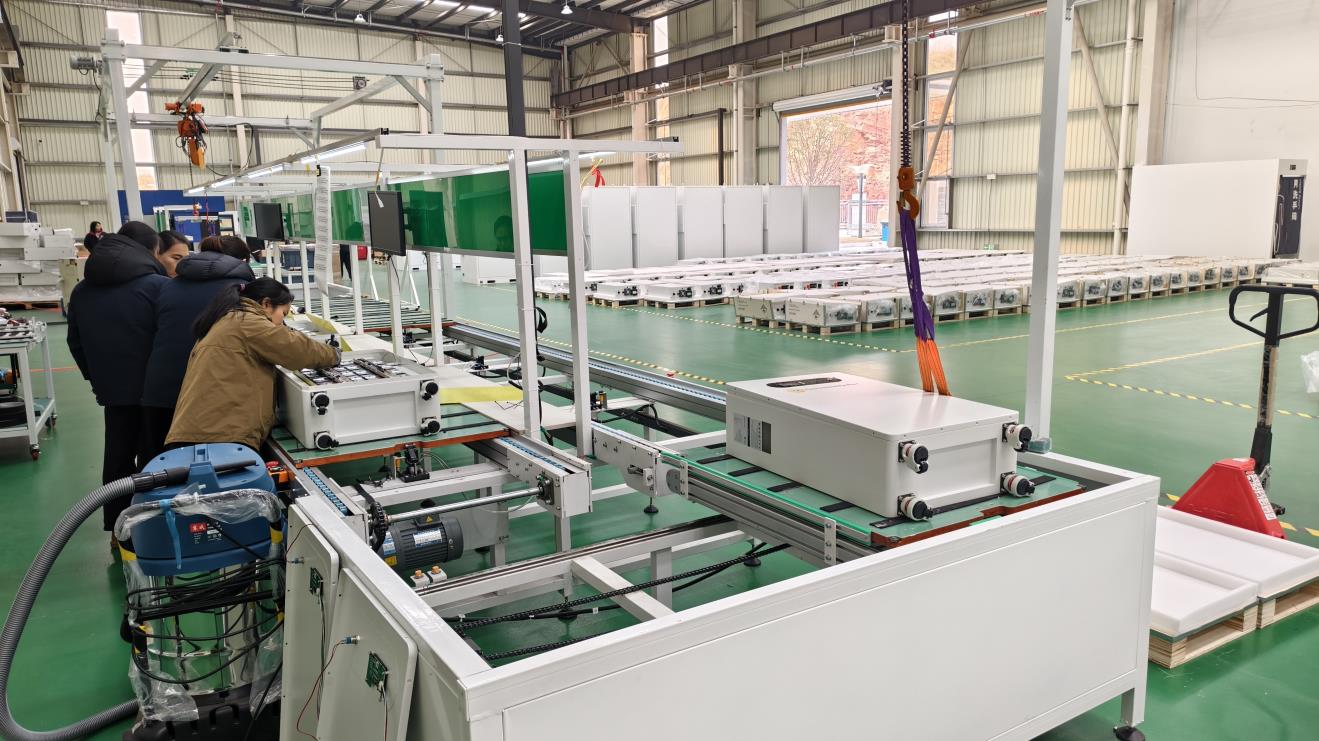
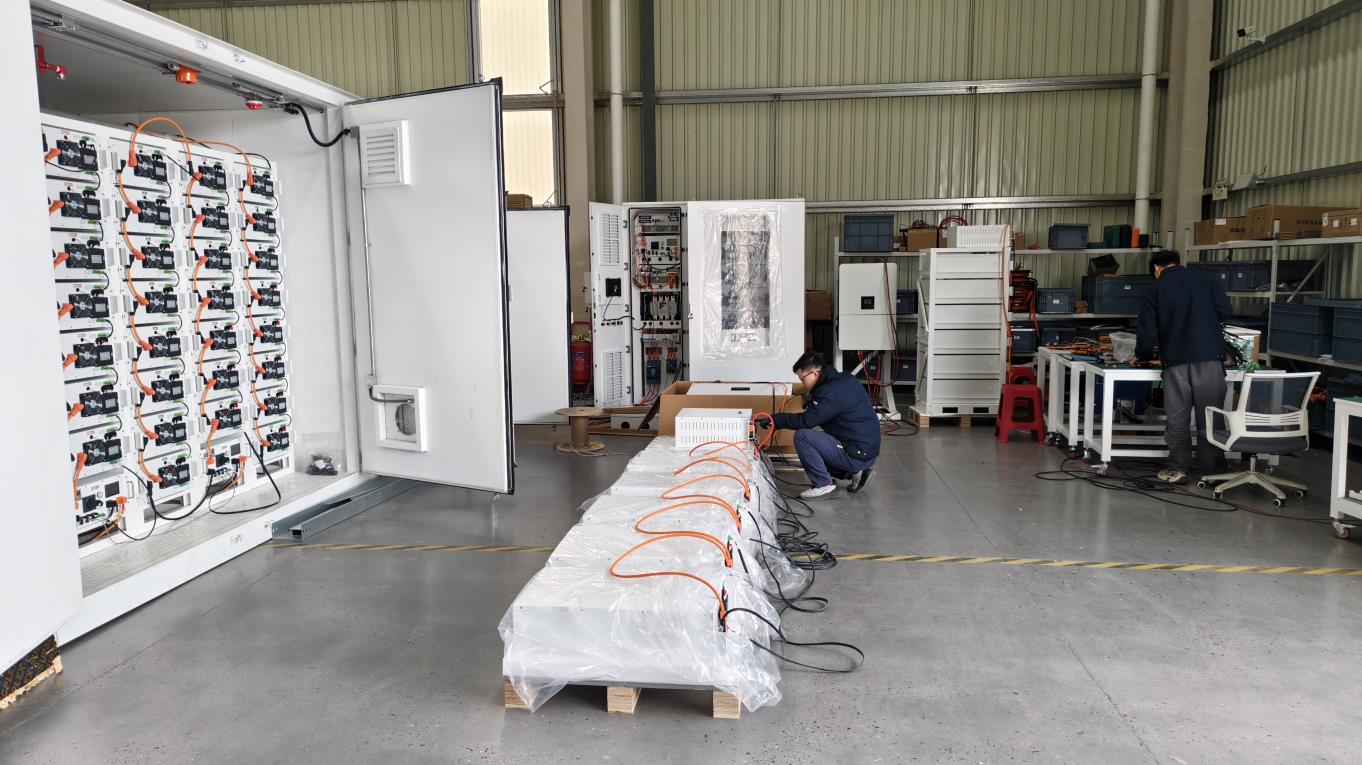
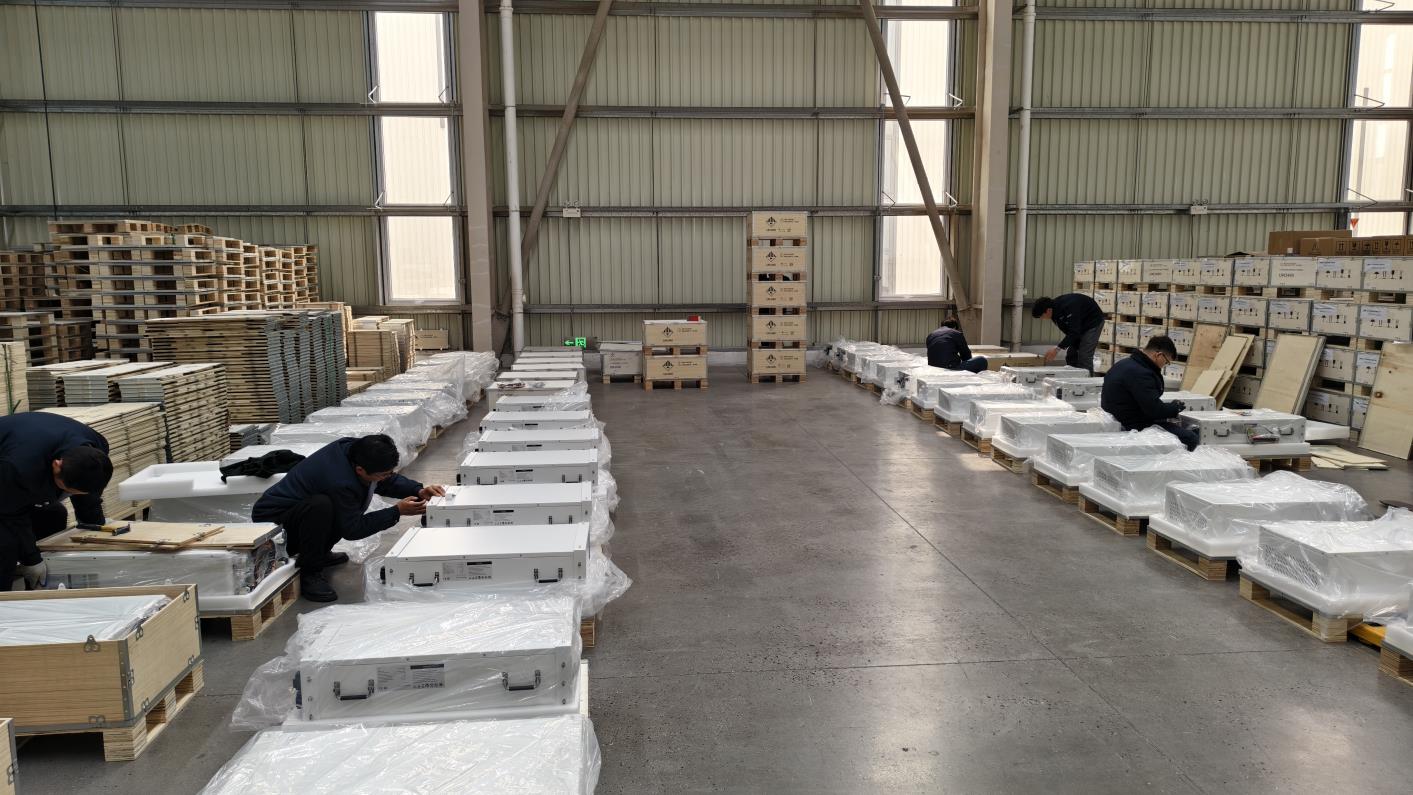
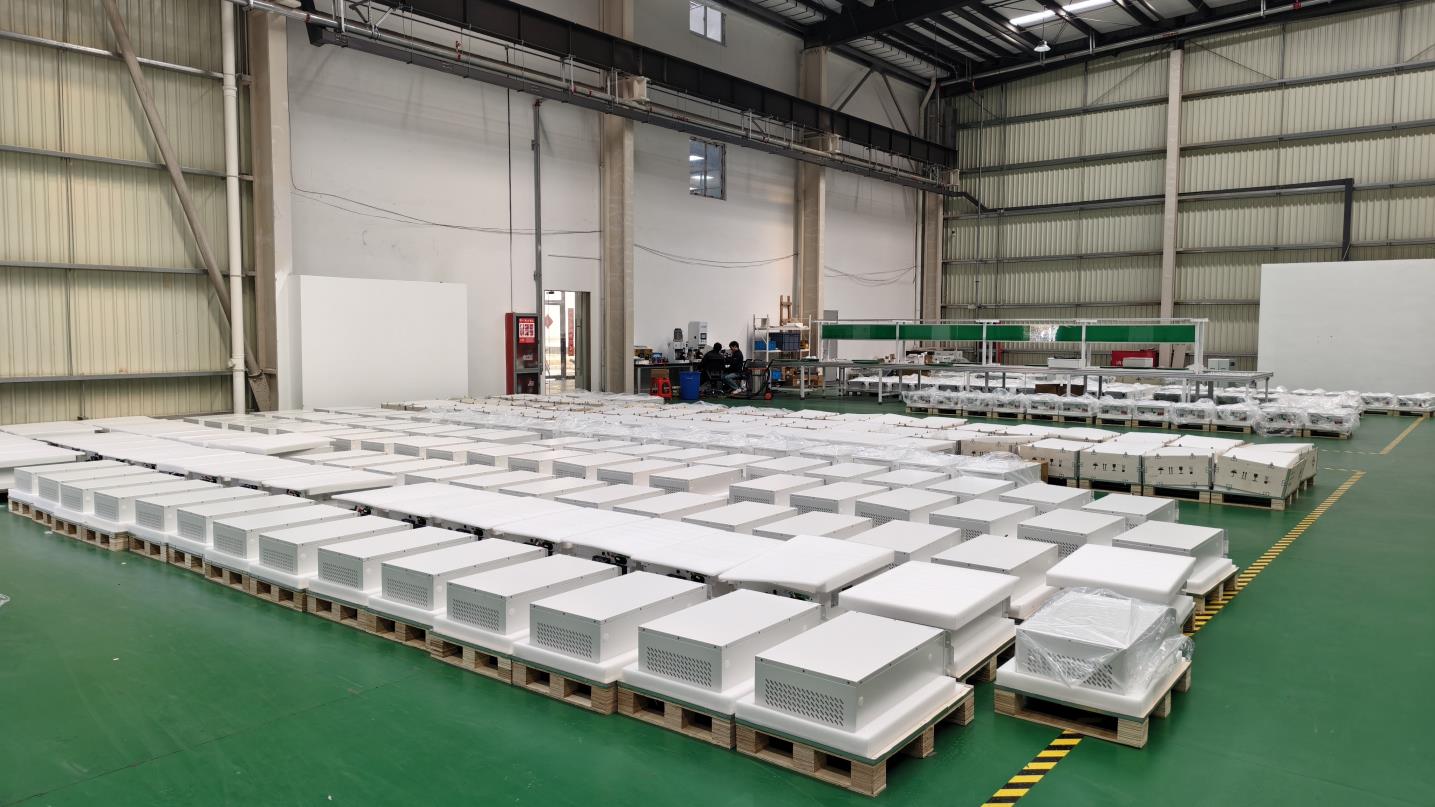
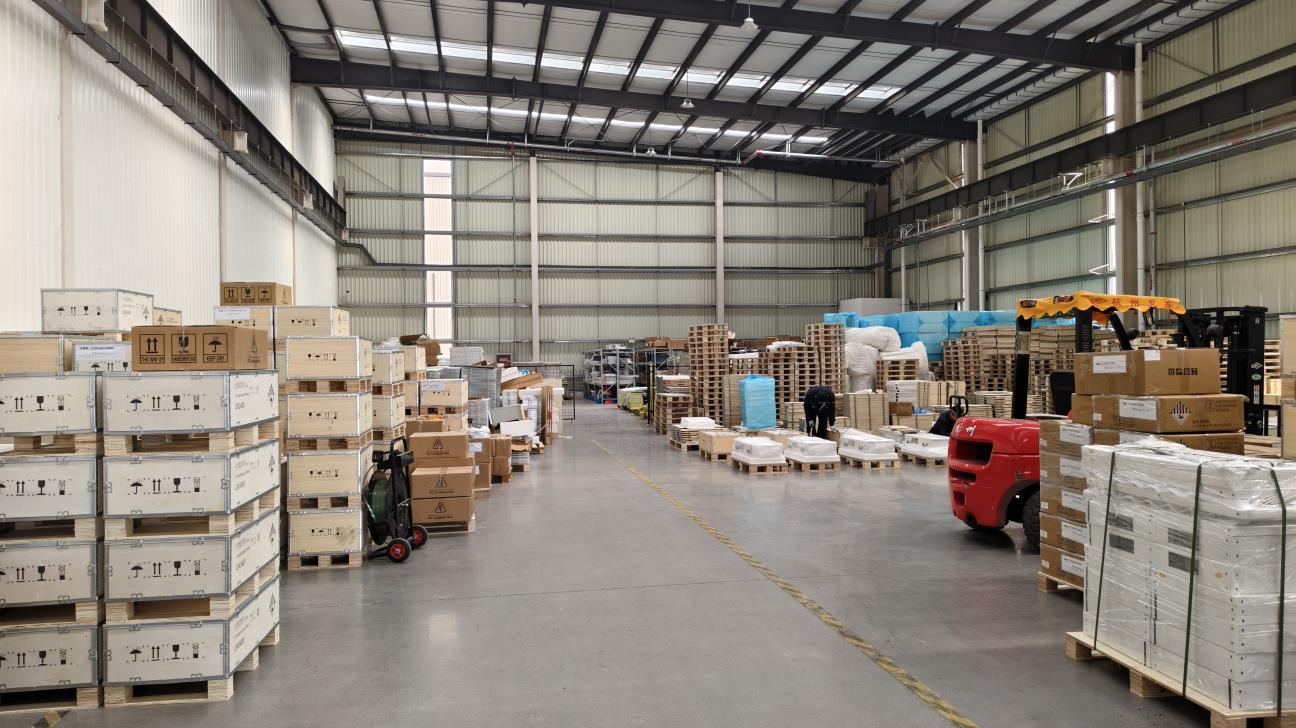
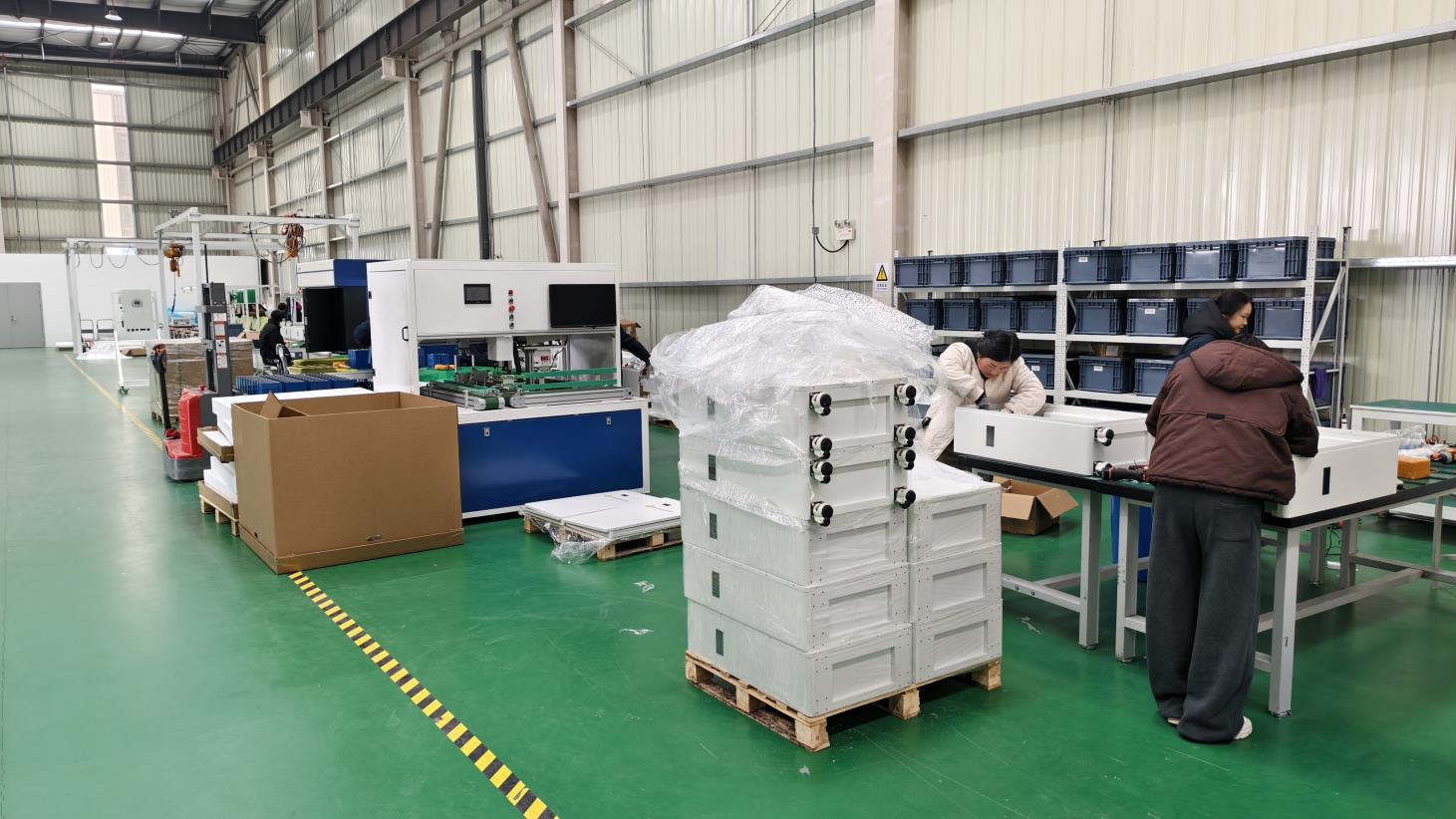
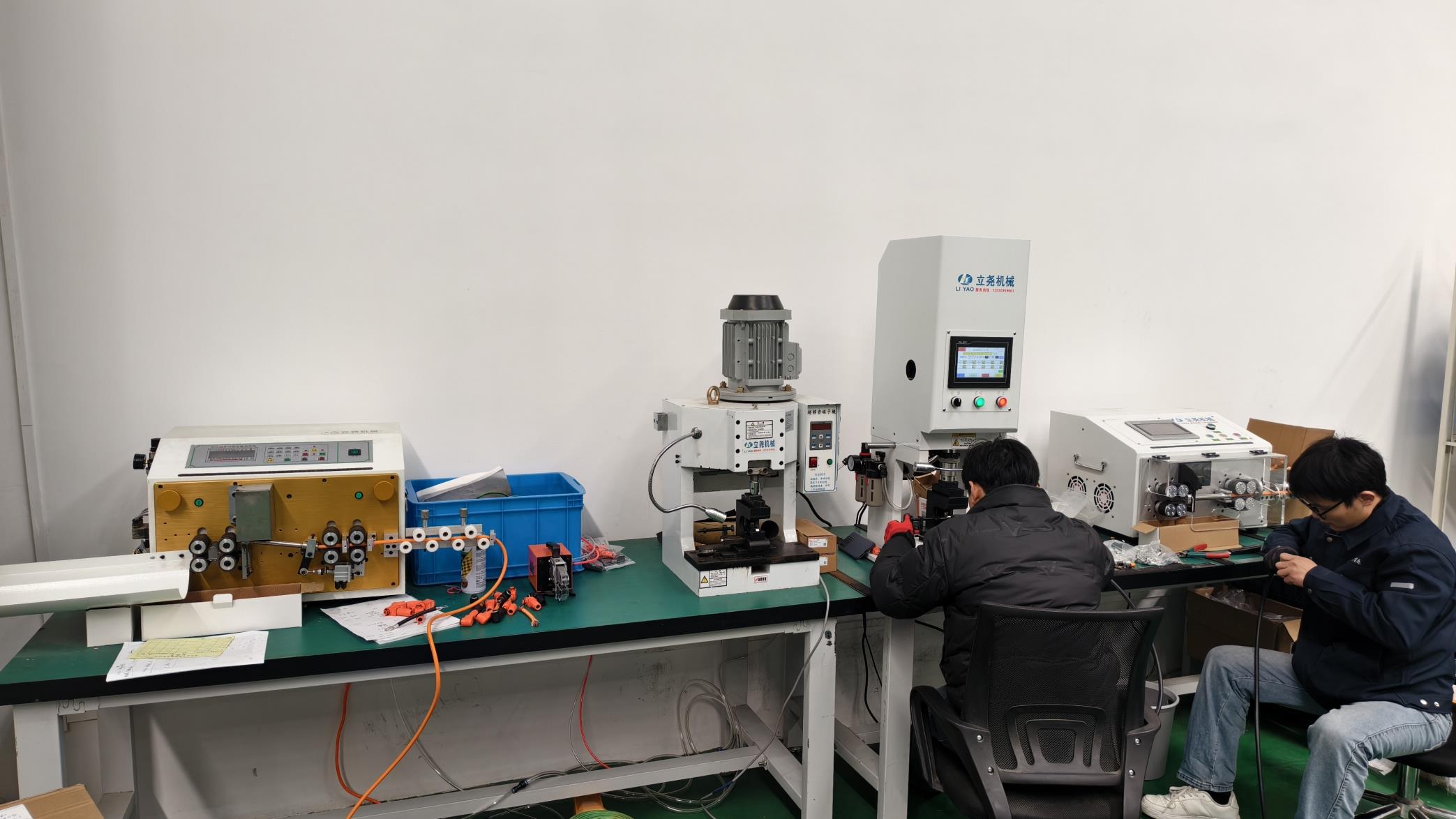
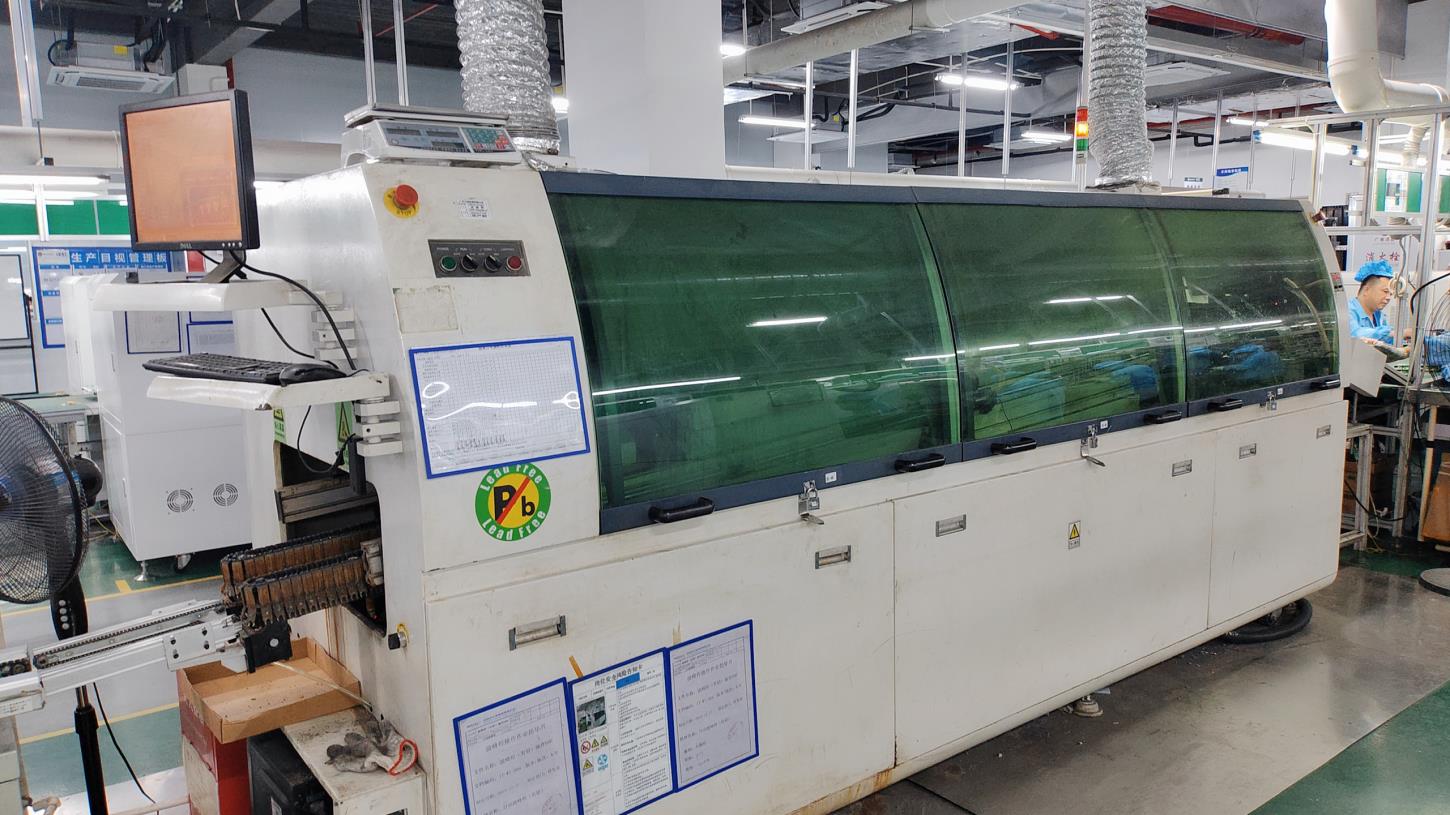
Go behind the scenes at our state-of-the-art production facility and assembly lines.
Anhui Aryam Energy Co., Ltd. is a leading provider of advanced renewable energy solutions, dedicated to delivering reliable, efficient, and sustainable power systems for residential, commercial, industrial, and utility-scale applications worldwide. Through continuous innovation and a strong commitment to clean energy development, Aryam Energy has established itself as a trusted partner in the global transition toward a low-carbon future.
The company specializes in the research, development, manufacturing, and integration of solar energy systems, energy storage solutions, hybrid power systems, and intelligent microgrid technologies. Leveraging cutting-edge engineering expertise and strict quality management standards, Aryam Energy provides comprehensive energy solutions tailored to diverse market needs, particularly in regions facing energy shortages, unstable grid infrastructure, or increasing demand for sustainable power generation.
With a professional R&D team and a growing portfolio of proprietary technologies, Aryam Energy continuously invests in innovation to enhance system performance, energy efficiency, and long-term reliability. Its products and solutions are designed to meet international standards and have been successfully deployed across Asia, Africa, the Middle East, Europe, and Latin America, serving customers in more than 100 countries and regions.
Aryam Energy's product portfolio includes solar inverters, energy storage systems, hybrid inverters, lithium battery solutions, solar water pumping systems, microgrid systems, and customized renewable energy projects. The company is committed to providing integrated energy solutions that maximize energy independence, reduce operational costs, and support environmental sustainability.
Addressing the technical and logistical inquiries of B2B procurement professionals in the solar energy market.
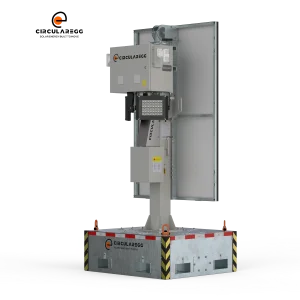
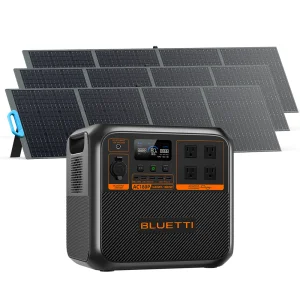
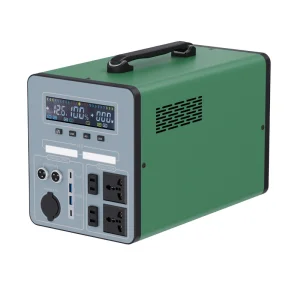
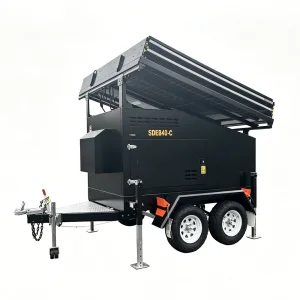
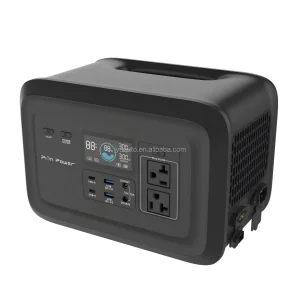
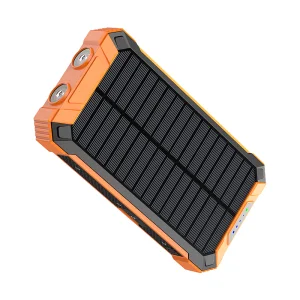
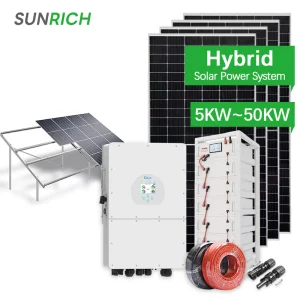
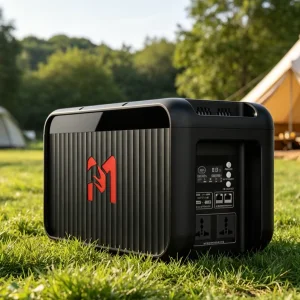
Select from our certified range of power stations, light towers, and hybrid off-grid systems.
 Aryam Energy