Aryam Energy
1 / 5
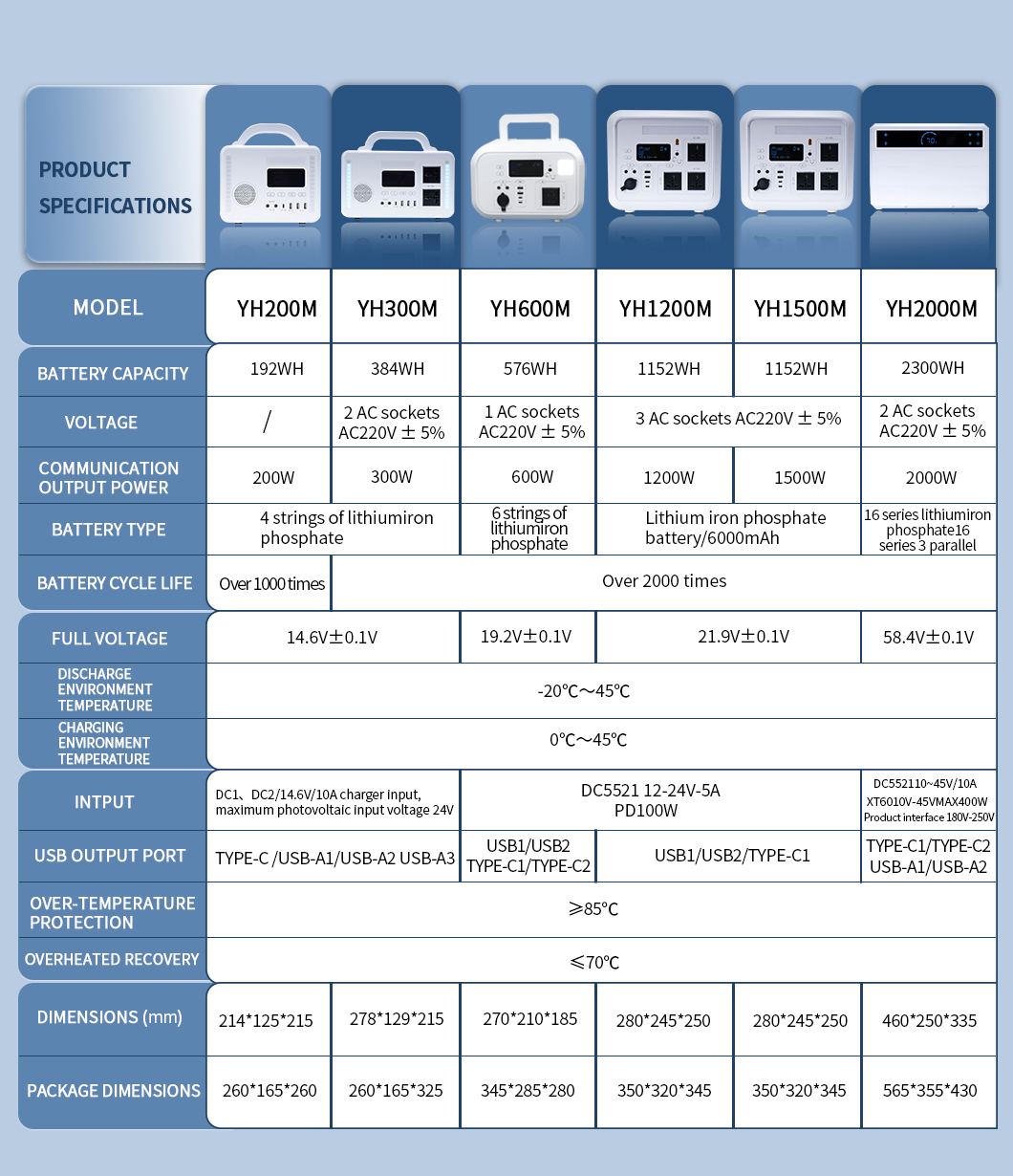
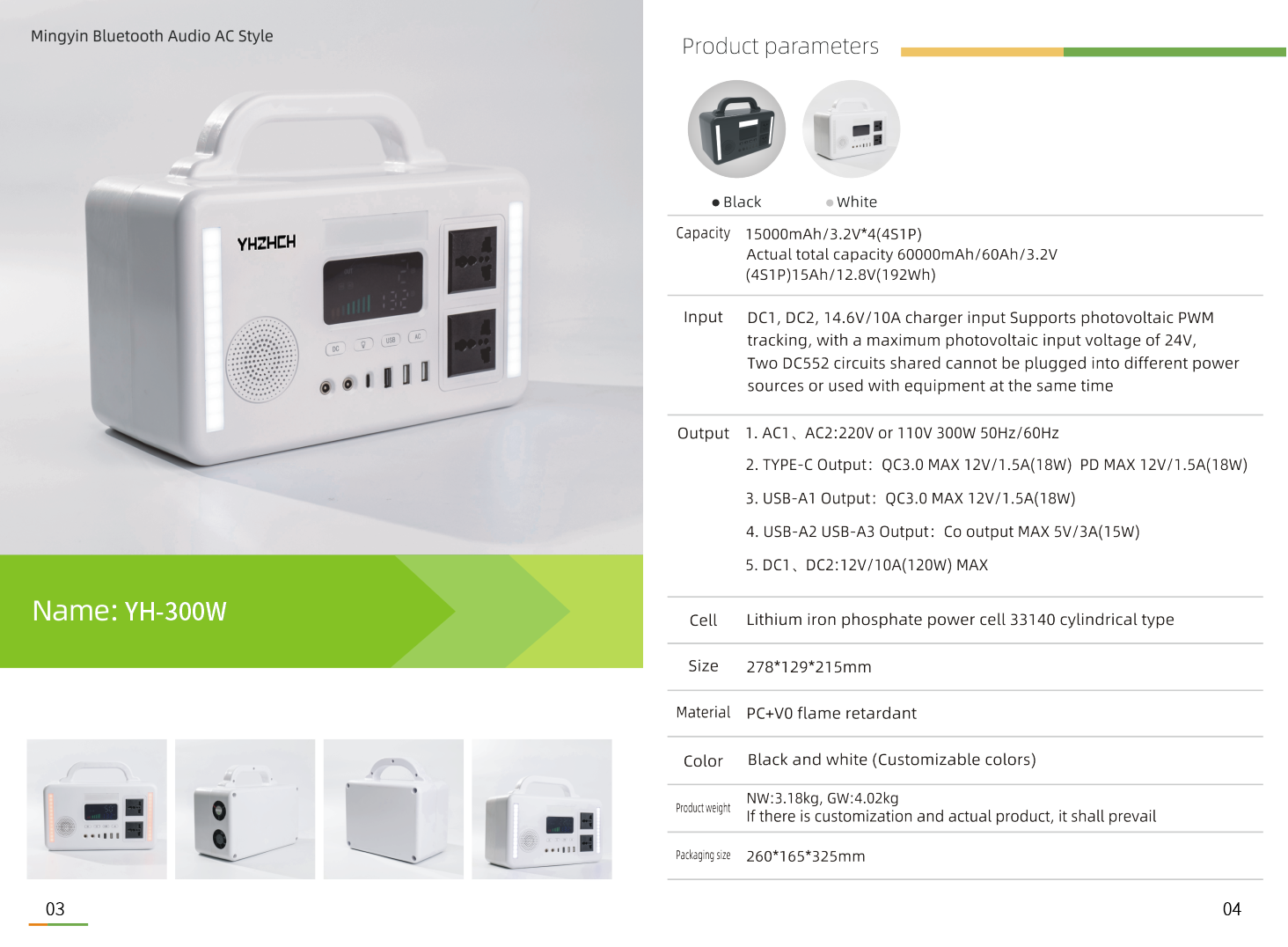
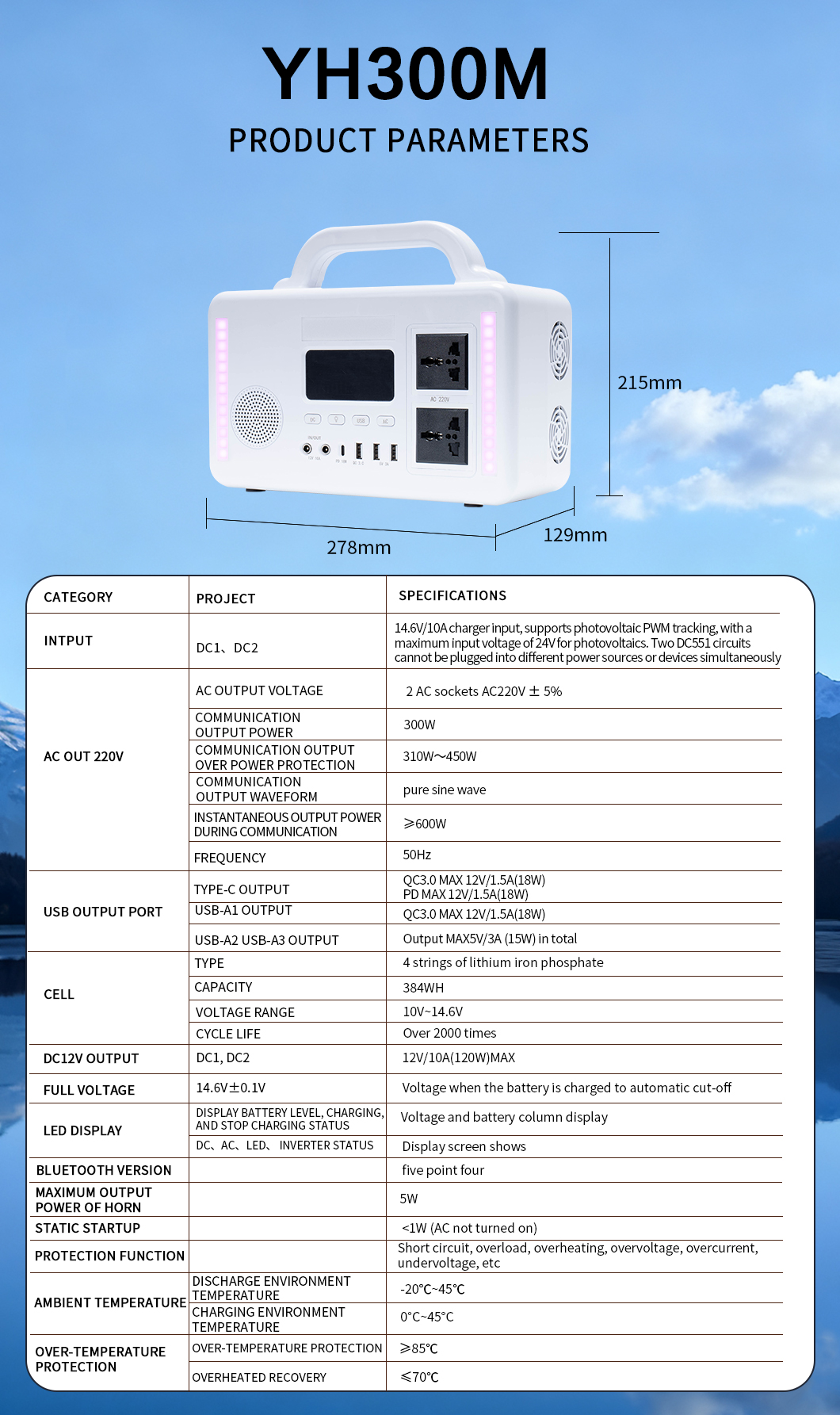
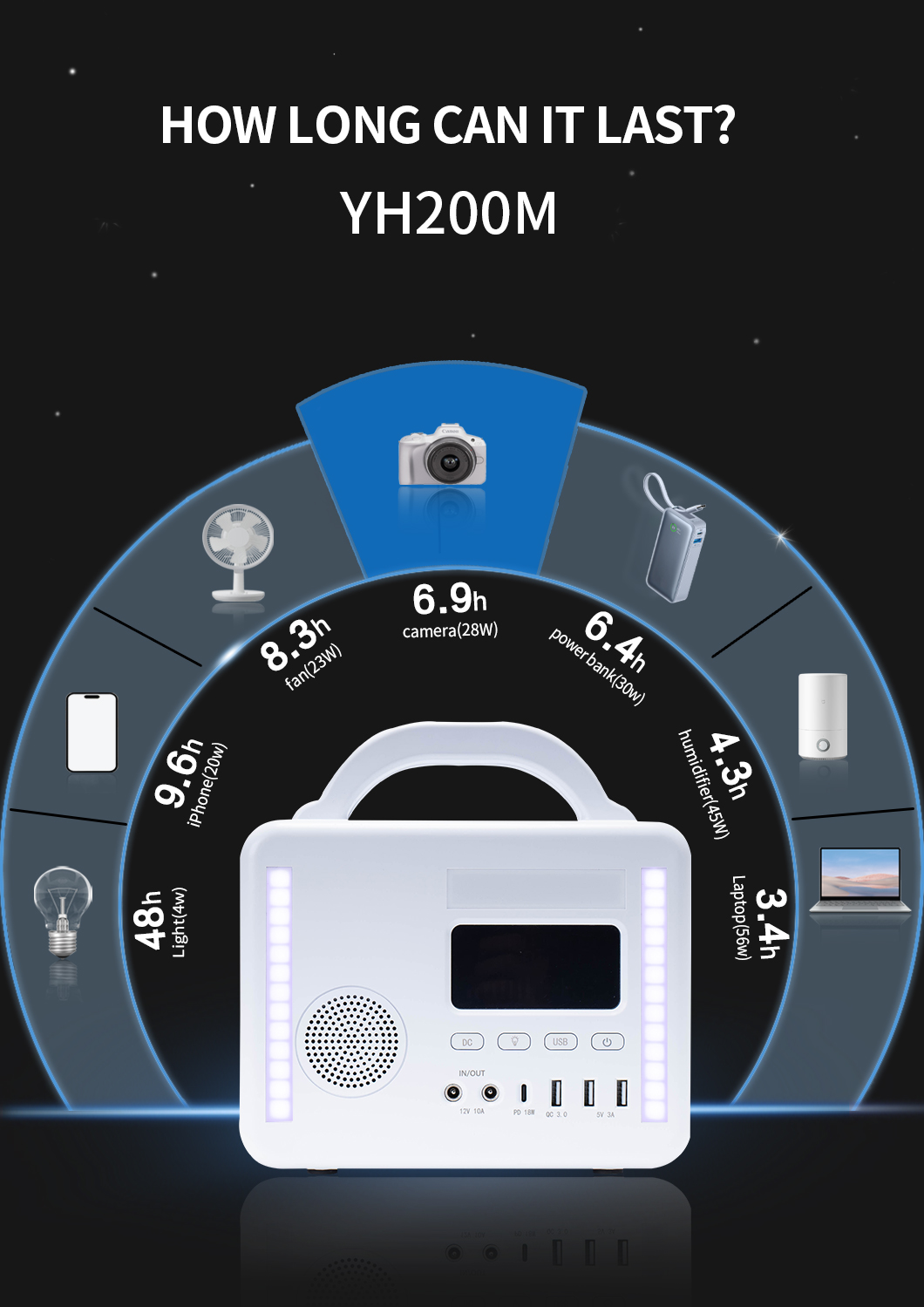
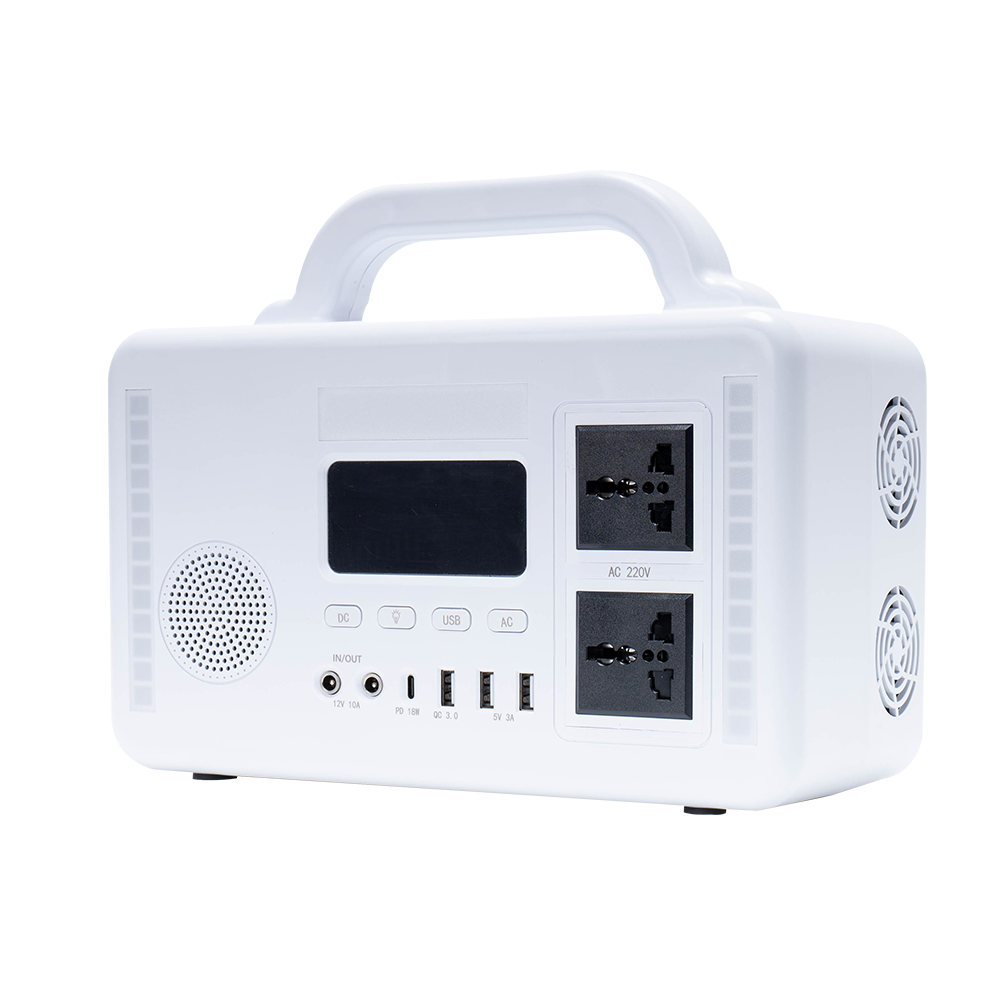
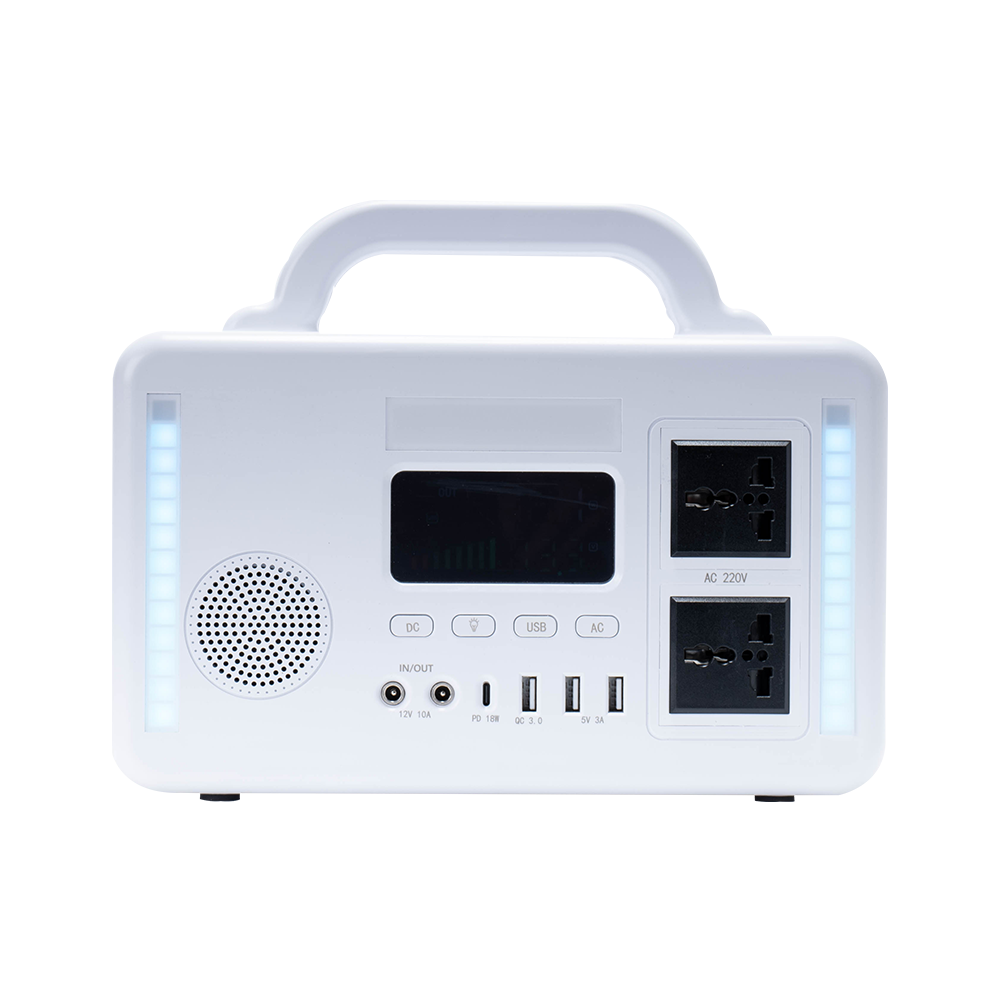
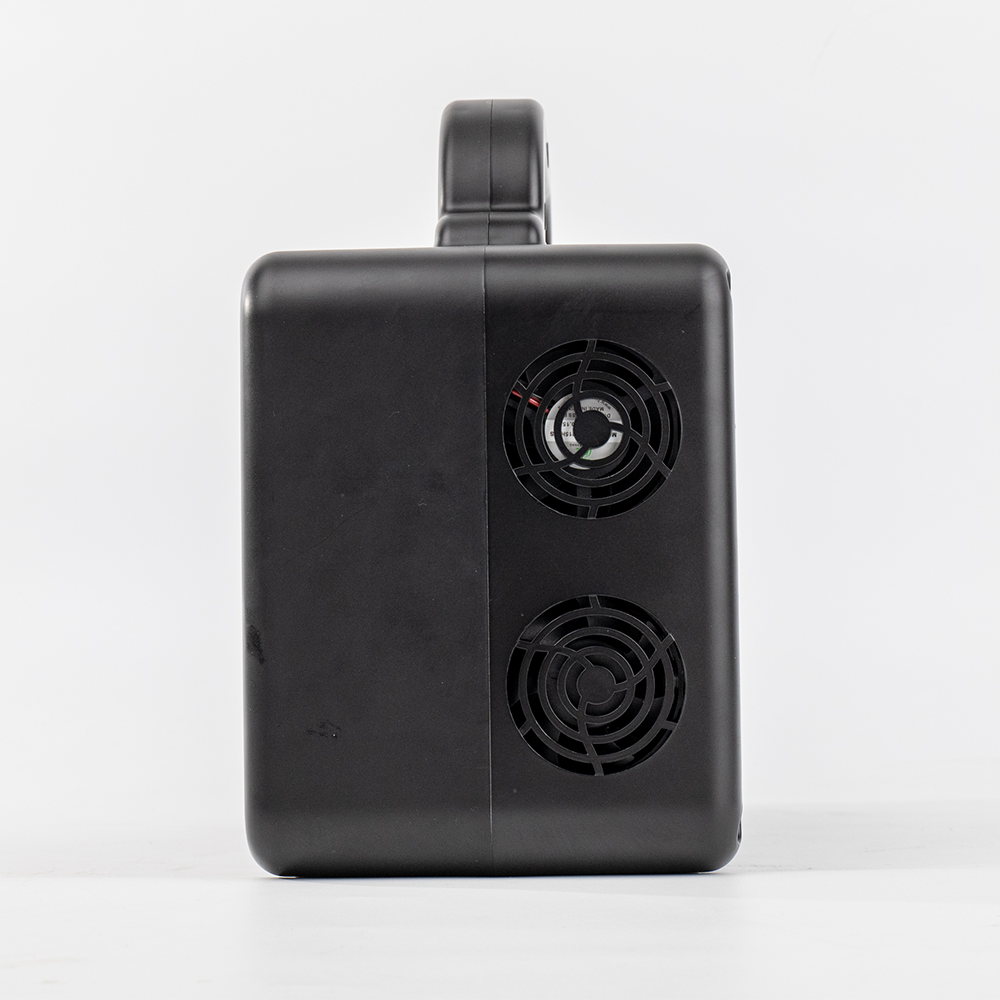
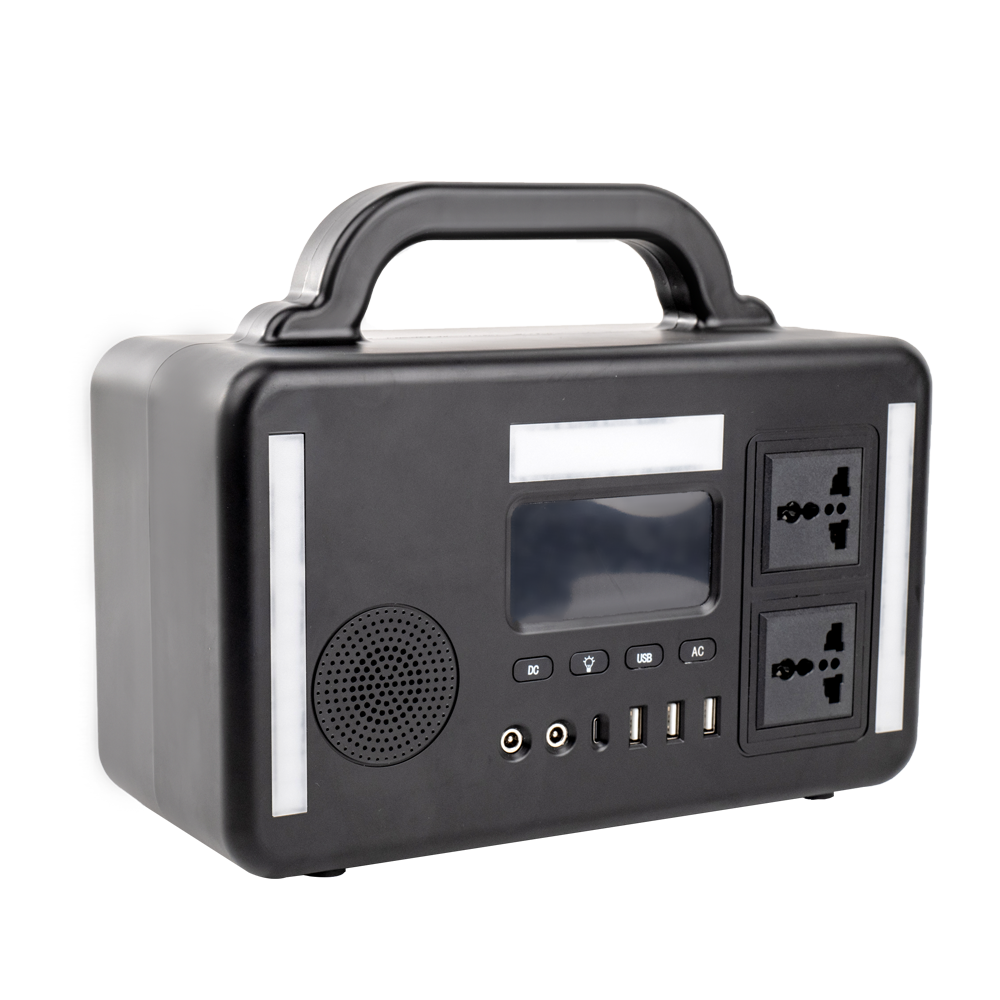
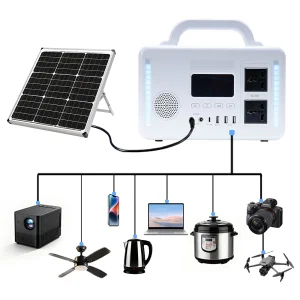
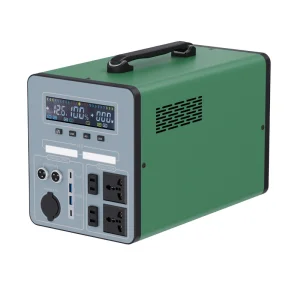
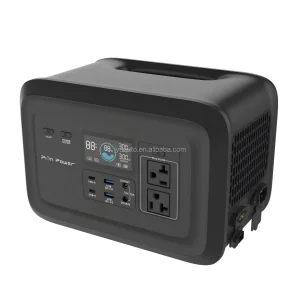
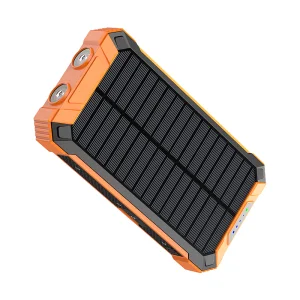
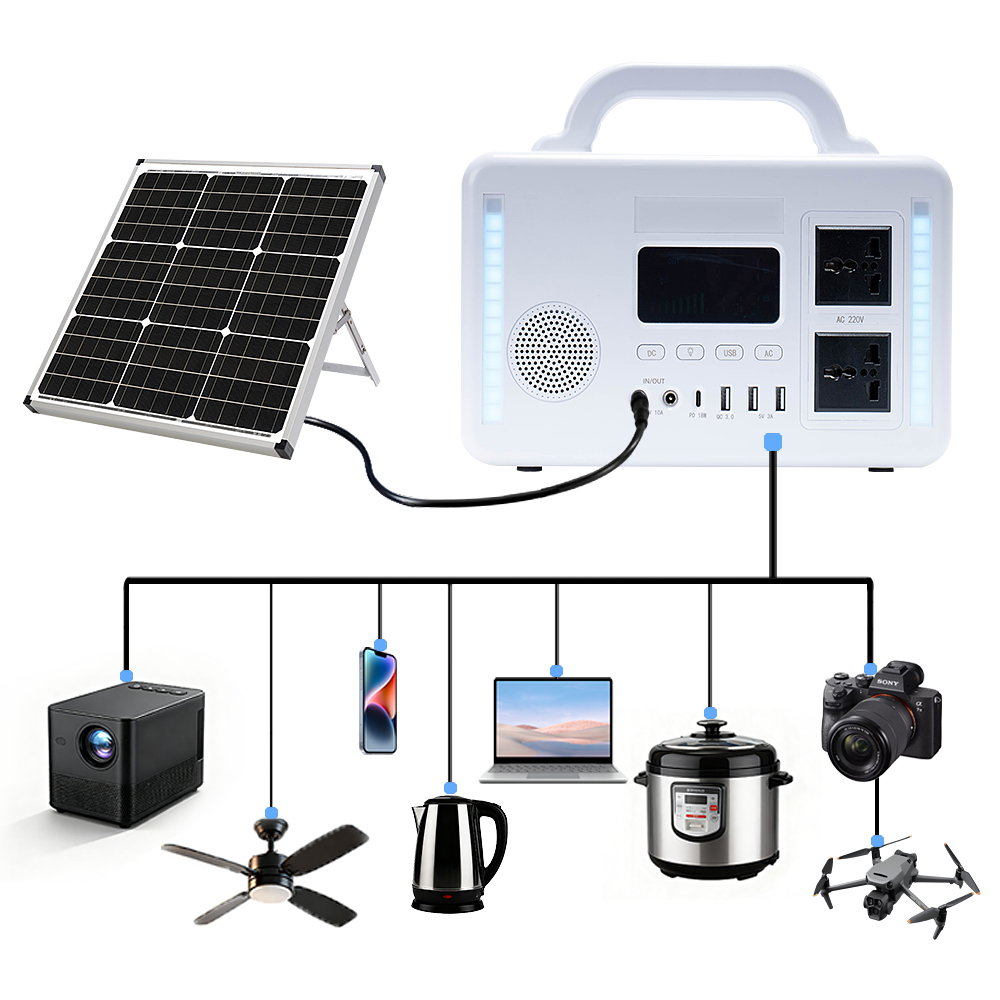
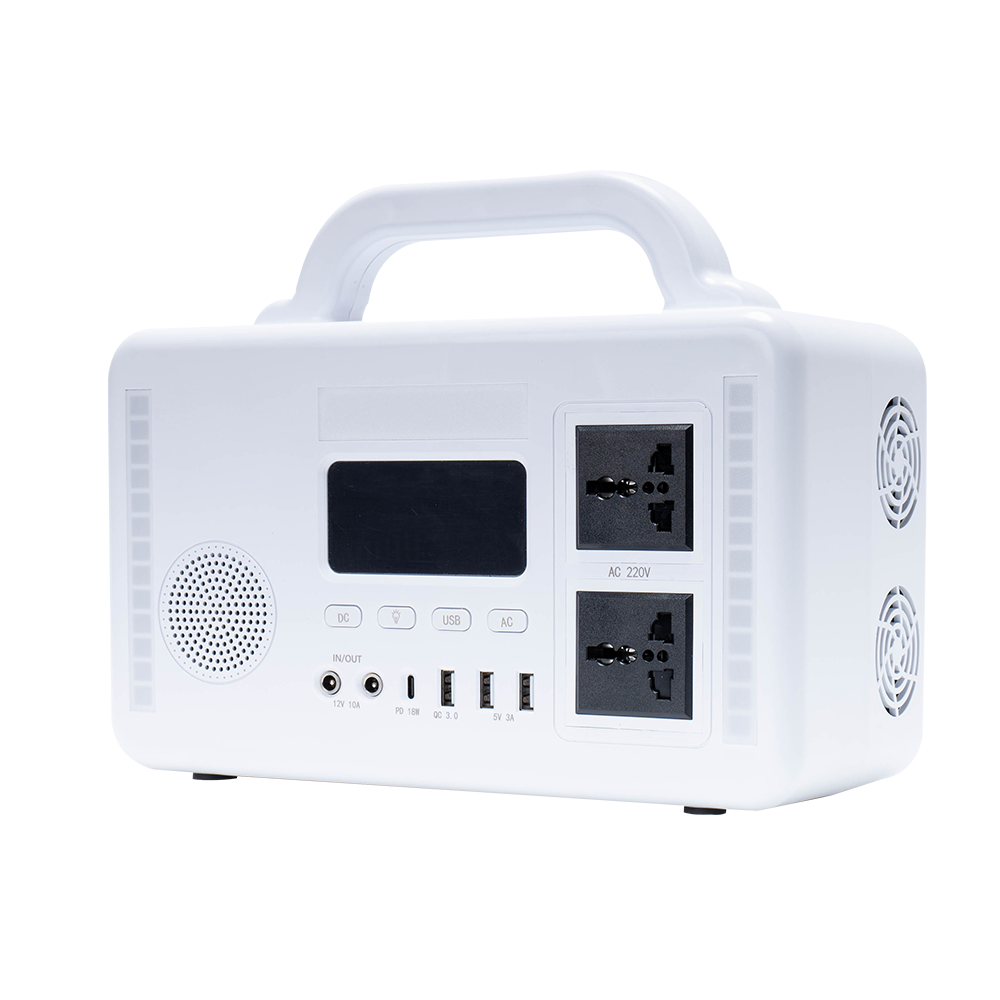
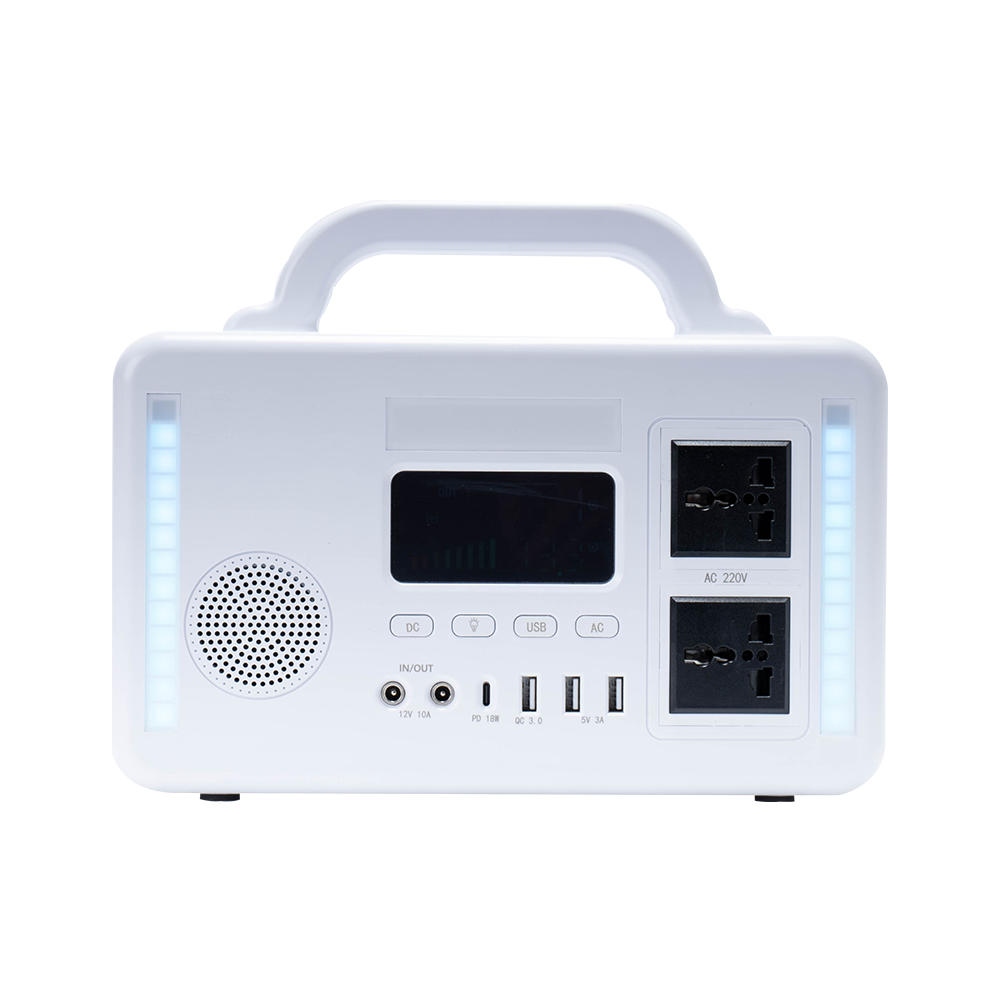
| Input | Support 14.6V/5A, 70W adapter; Photovoltaic solar 15V-24V 5A |
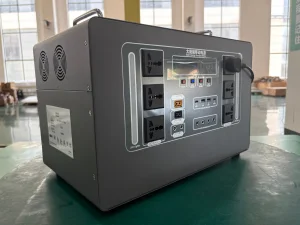
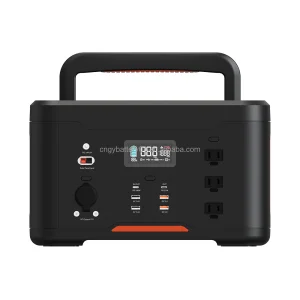
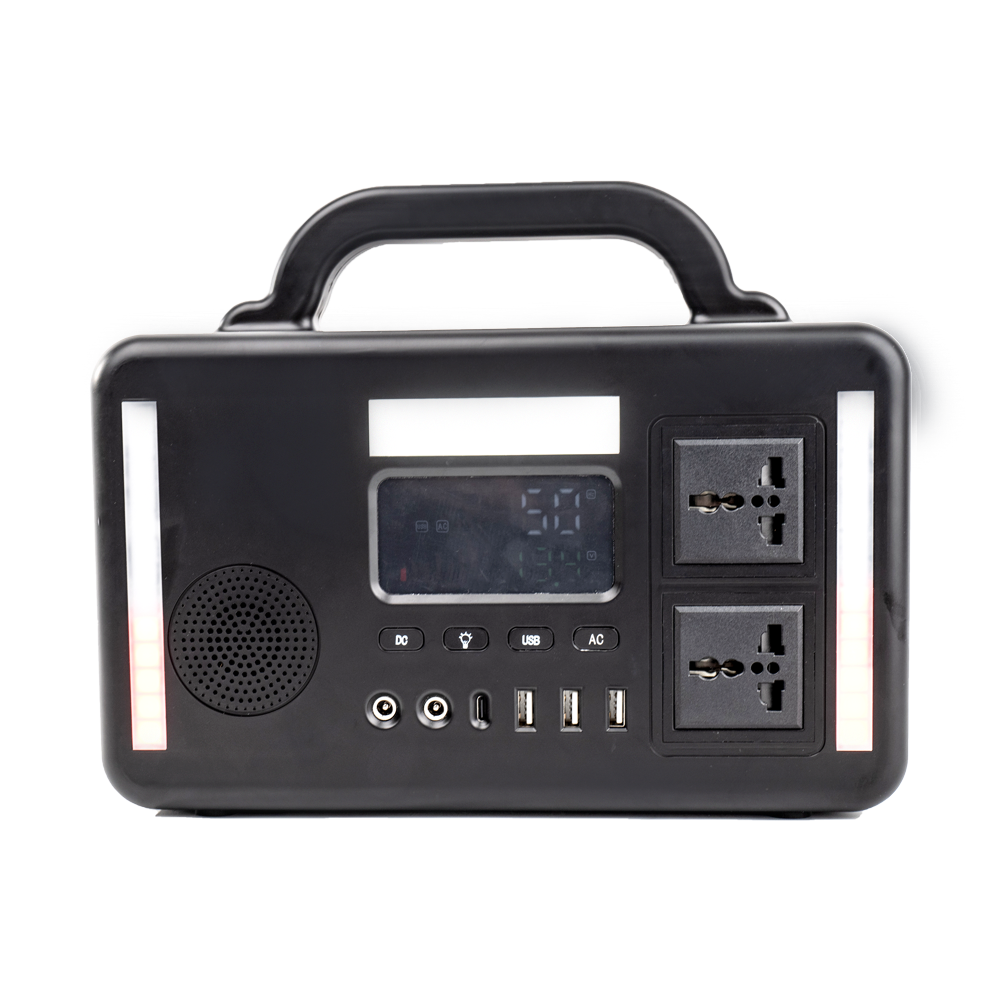
| Output | 2 x AC sockets AC220V±5%; TYPE-C output; USB-A1, USB-A2, USB-A3 |
| Output power | 300W |
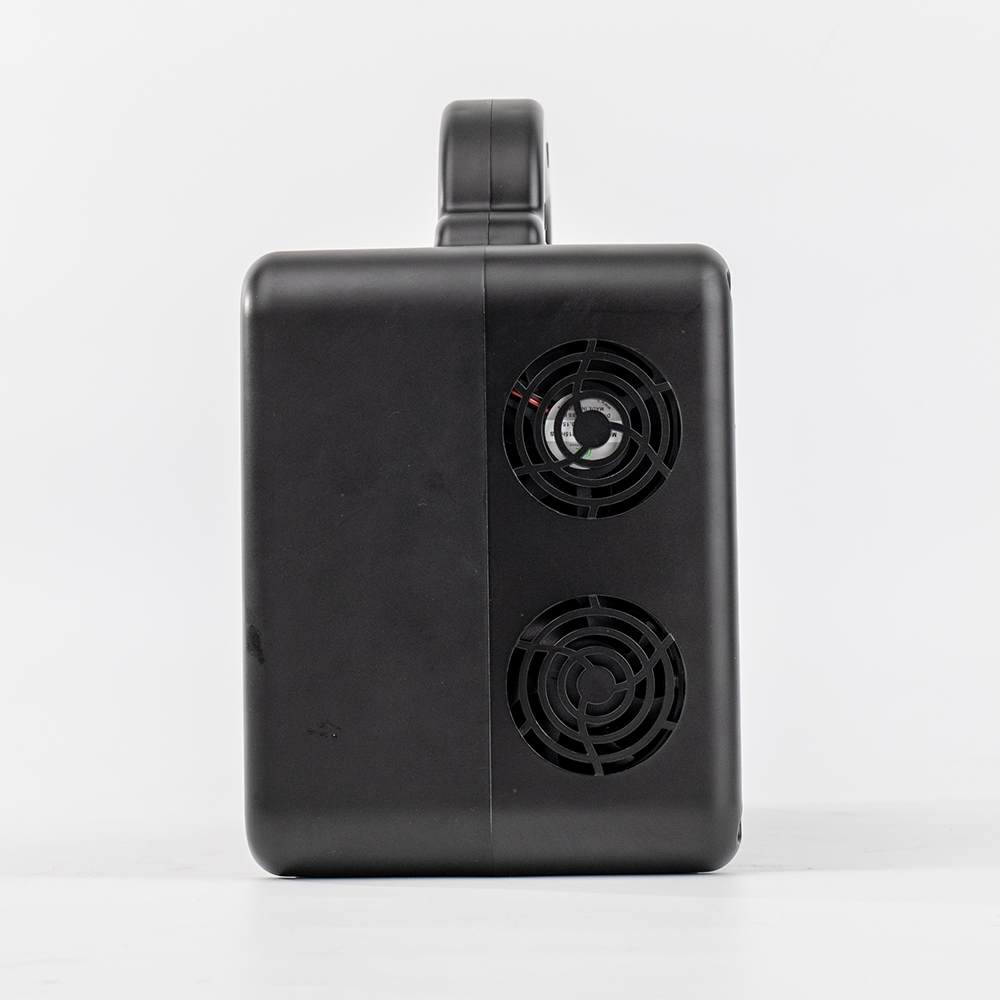
| Material | PC+V0 flame retardant |
| Battery cell | lithium iron phosphate 33140, 15AH/cell, 4S1P/192wh, 4S2P/384wh |
A surge protector only provides surge protection. In addition to providing surge protection, a UPS can also continuously regulate the input voltage and provide backup power when there is a power outage. It's quite common to plug a surge protector into a UPS, which can offer additional surge protection and increase the number of output sockets.
During a power outage, you need sufficient battery runtime to gracefully shut down the system or switch to a backup generator. You may also need to add an External Battery Module (EBM) option to extend the runtime.
In view of the need for future expansion, we recommend that you install a UPS with its used capacity maintained at around 75%. Besides, the battery capacity will gradually decrease over time; if the selected model is too large, it will leave hidden risks.
Nowadays, high-tech IT equipment and control devices are more sensitive to electrical interference, and they play a more important role in many business-critical functions than in the past. Therefore, power quality issues occur more frequently nowadays and cause more severe losses.
Many users don't realize that generators can't protect their equipment from power problems. You need a UPS to ensure that your equipment can still keep running before switching to the power supplied by the generator - it usually takes a few minutes to connect the generator and achieve stable power supply.
The UPS will switch the load to the bypass (for about a few minutes) until the overload situation is eliminated. If the overload situation persists, the UPS will shut down automatically.