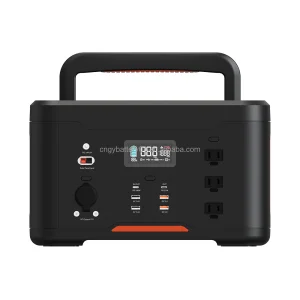
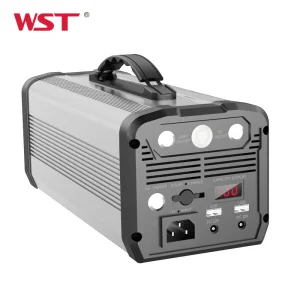
High-efficiency portable power stations engineered to withstand the extreme climate variations of Central Asia
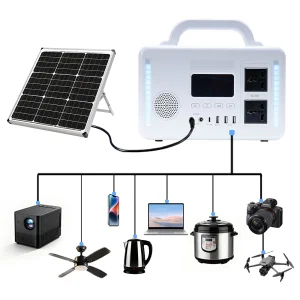
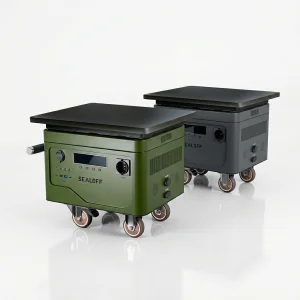
A Professional Whitepaper on Off-Grid Energy Security, Smart Microgrids, and E-E-A-T Certified Power Solutions
As Central Asia's most populous nation, Uzbekistan is undergoing a historic economic transformation. Propelled by industrialization, infrastructure modernization in Tashkent, Samarkand, and Bukhara, and agricultural reforms, the country is witnessing an unprecedented spike in electrical energy demand. Currently, the national grid depends heavily on thermal power plants fueled by natural gas. However, seasonal gas shortfalls, transmission line loss in remote regions, and peak winter load shedding present complex operational challenges for industrial factories, telecommunication infrastructure, and agricultural installations.
In response, the Government of Uzbekistan, guided by Presidential Decrees aiming to generate 25 GW of renewable energy by 2030, is actively promoting off-grid and decentralized solar solutions. For industrial entities, microgrids and commercial-scale solar generators are no longer merely green alternatives; they are critical infrastructure required to guarantee uninterrupted power supply (UPS) and protect valuable manufacturing equipment from voltage surges and grid dropouts.
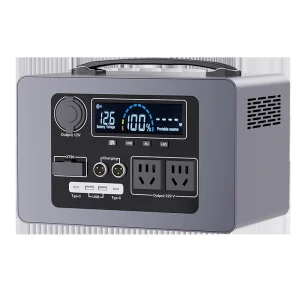
To transition effectively away from dependency on traditional fossil fuels, industrial stakeholders are adopting modular solar generator architectures. These units unify high-density Lithium Iron Phosphate (LiFePO4) battery packs, high-efficiency Maximum Power Point Tracking (MPPT) charge controllers, and advanced pure sine wave inverters into a single, weather-sealed casing.
Compared to older Nickel Manganese Cobalt (NMC) batteries, LiFePO4 cells are optimized for extreme Central Asian temperatures (frequently exceeding +45°C in the summer). They offer superior thermal runaway thresholds (up to 600°C), preventing safety hazards. Additionally, with a cycle life of over 6,000 charges at 80% Depth of Discharge (DoD), they represent a highly cost-efficient long-term investment, lowering the Levelized Cost of Storage (LCOS).
Agricultural Water Management (Fergana Valley & Khorezm): Agriculture represents a critical segment of the Uzbek economy. Farmers require constant irrigation systems to maintain cotton and fruit yields. Using high-capacity hybrid solar systems, remote water pumping stations operate independently of the national grid, utilizing pure sine wave inverters to manage the high inrush currents of inductive electric motors.
Telecommunications & Off-Grid Infrastructure (Kyzylkum Desert): Mobile operators expanding 4G and 5G base transceiver stations (BTS) across desolate expanses require autonomous power. Integrated solar generators with IP65 weather-proof enclosures protect the delicate telecom equipment against desert dust, temperature swings, and sudden grit storms.
Urban Energy Arbitrage (Tashkent Commercial Hubs): Modern business centers utilize hybrid solar generators for peak shaving. By storing solar energy during off-peak times and discharging it when utility prices peak, commercial enterprises significantly reduce operational expenditures.
Ensuring compliance with global quality and engineering benchmarks at Anhui Aryam Energy Co., Ltd.
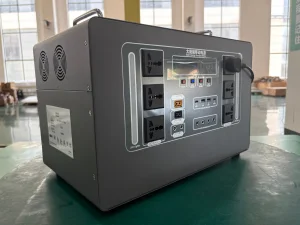
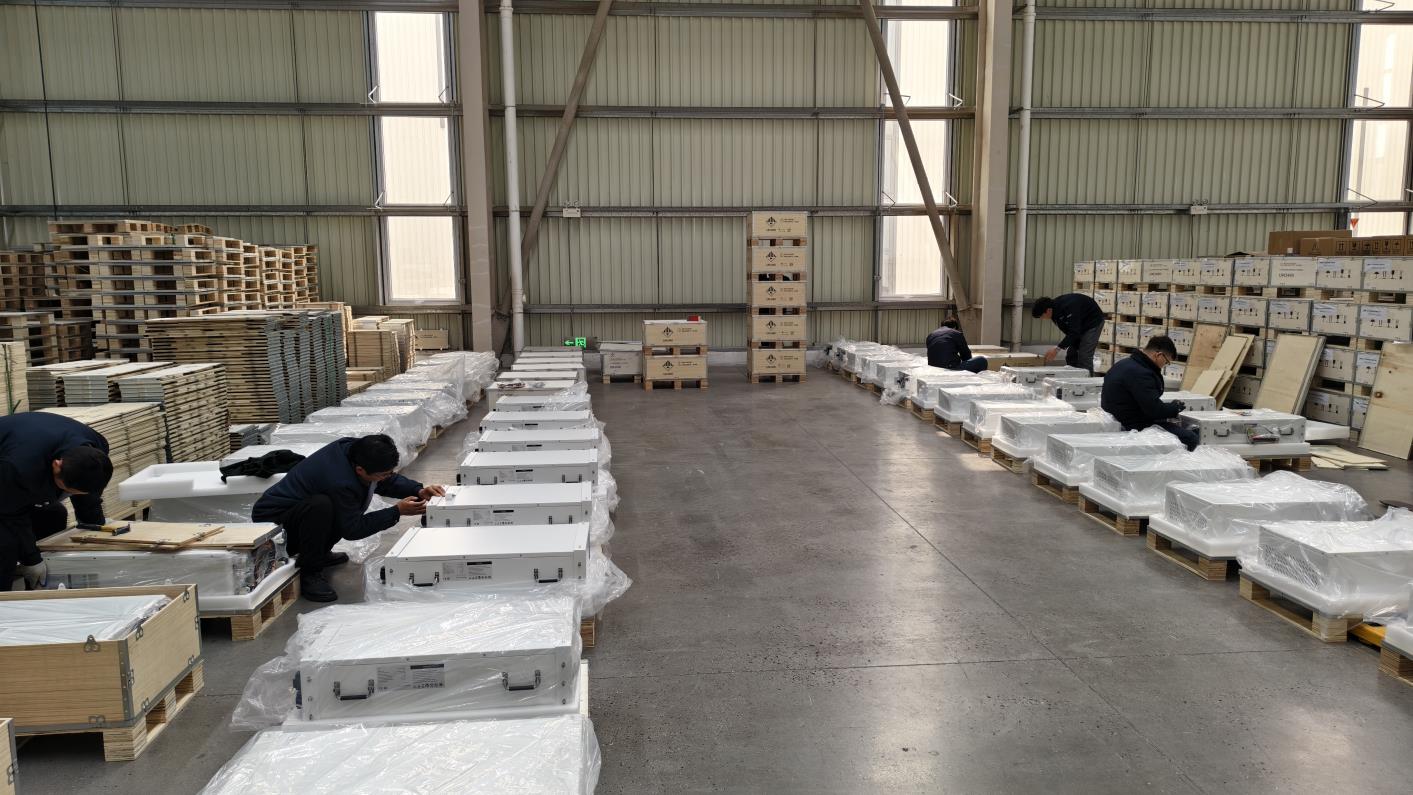
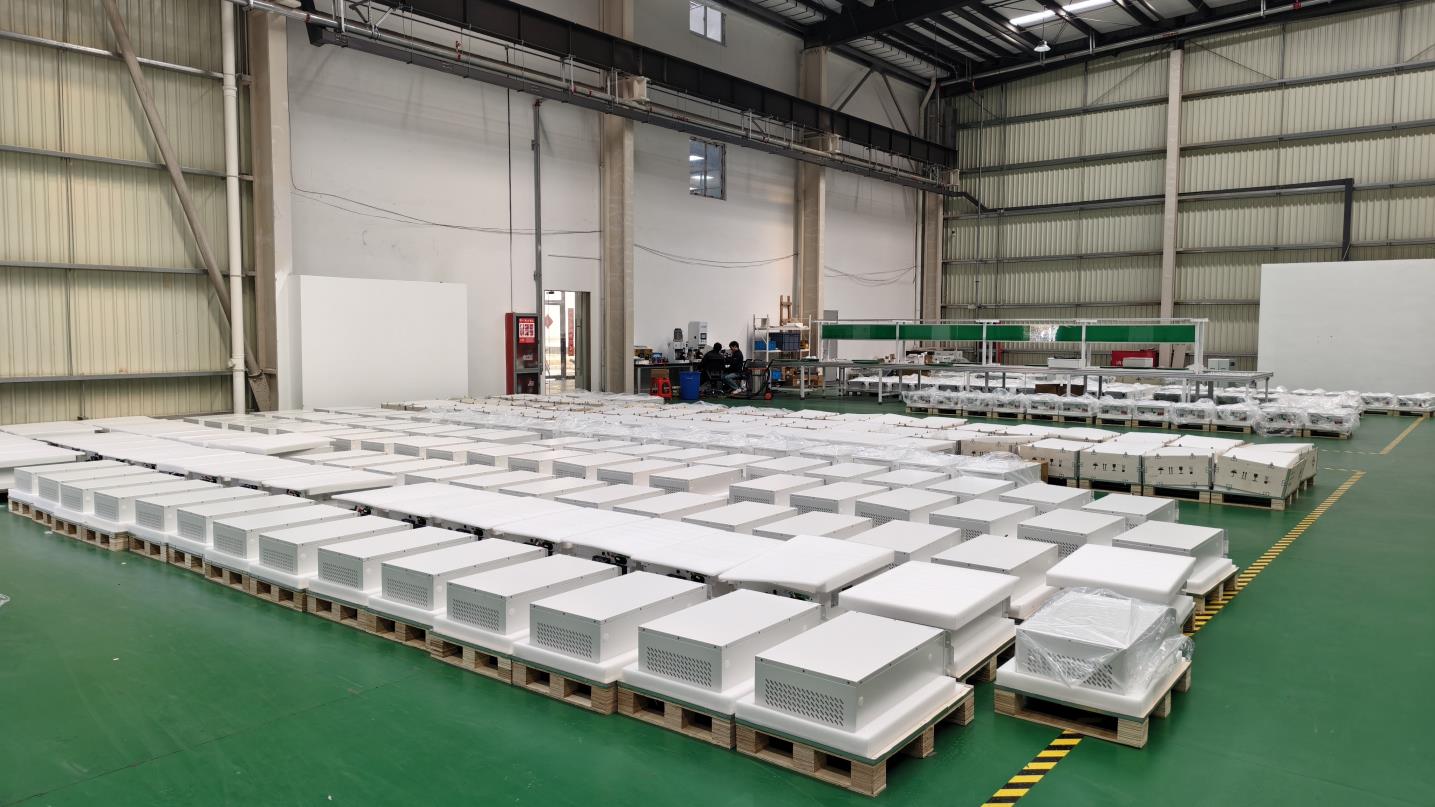
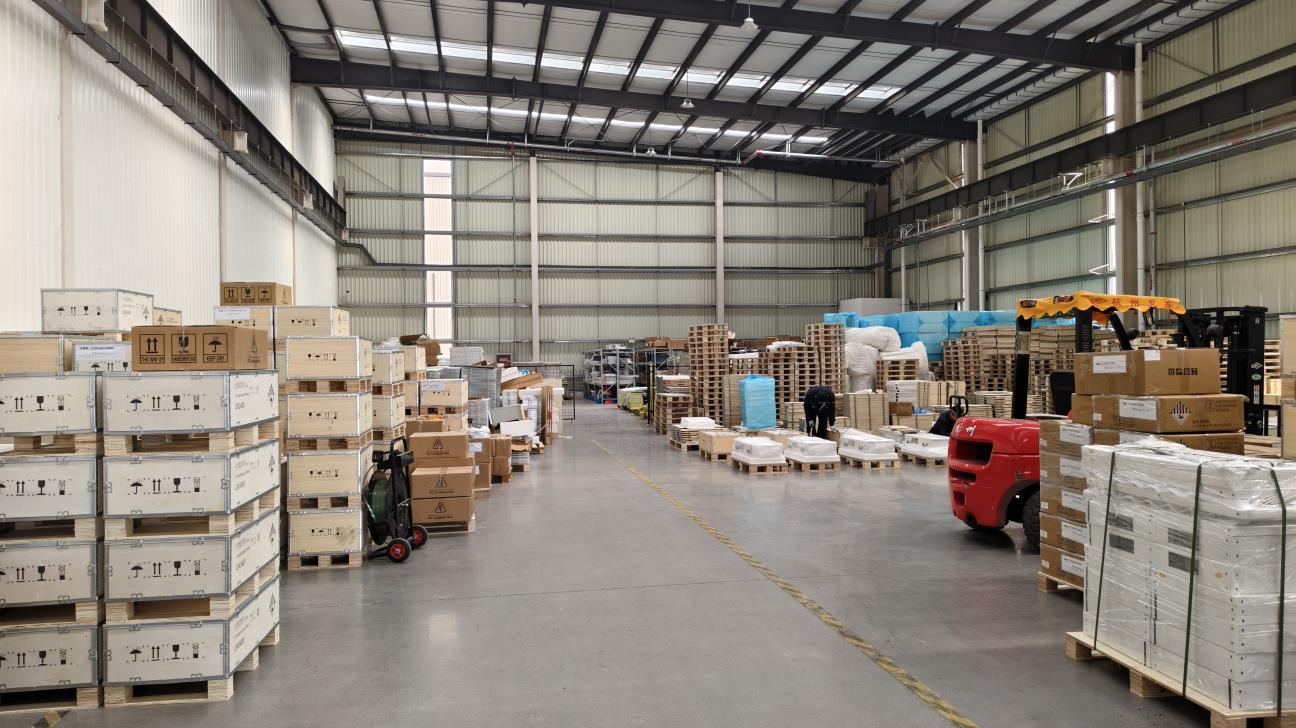
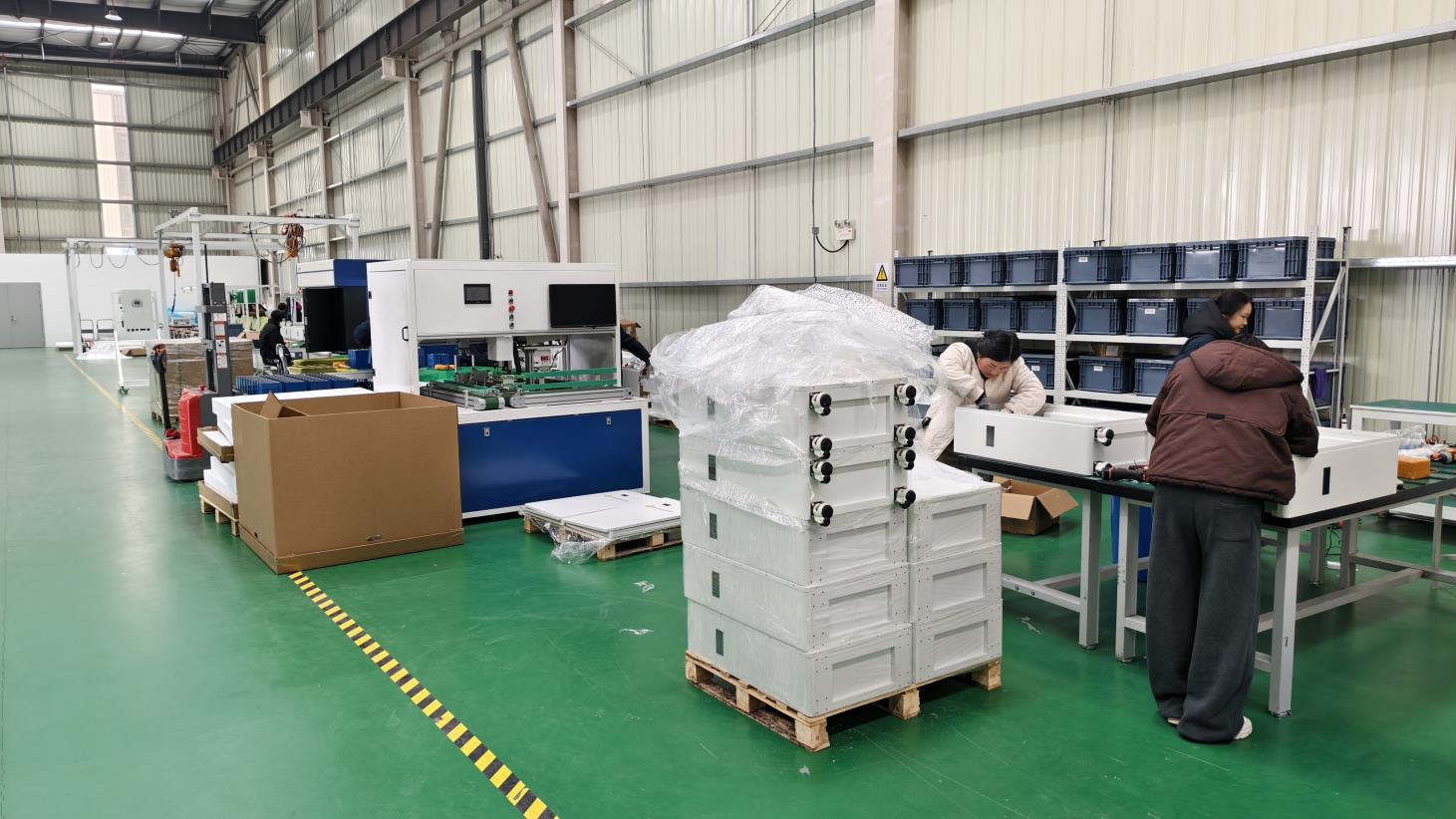
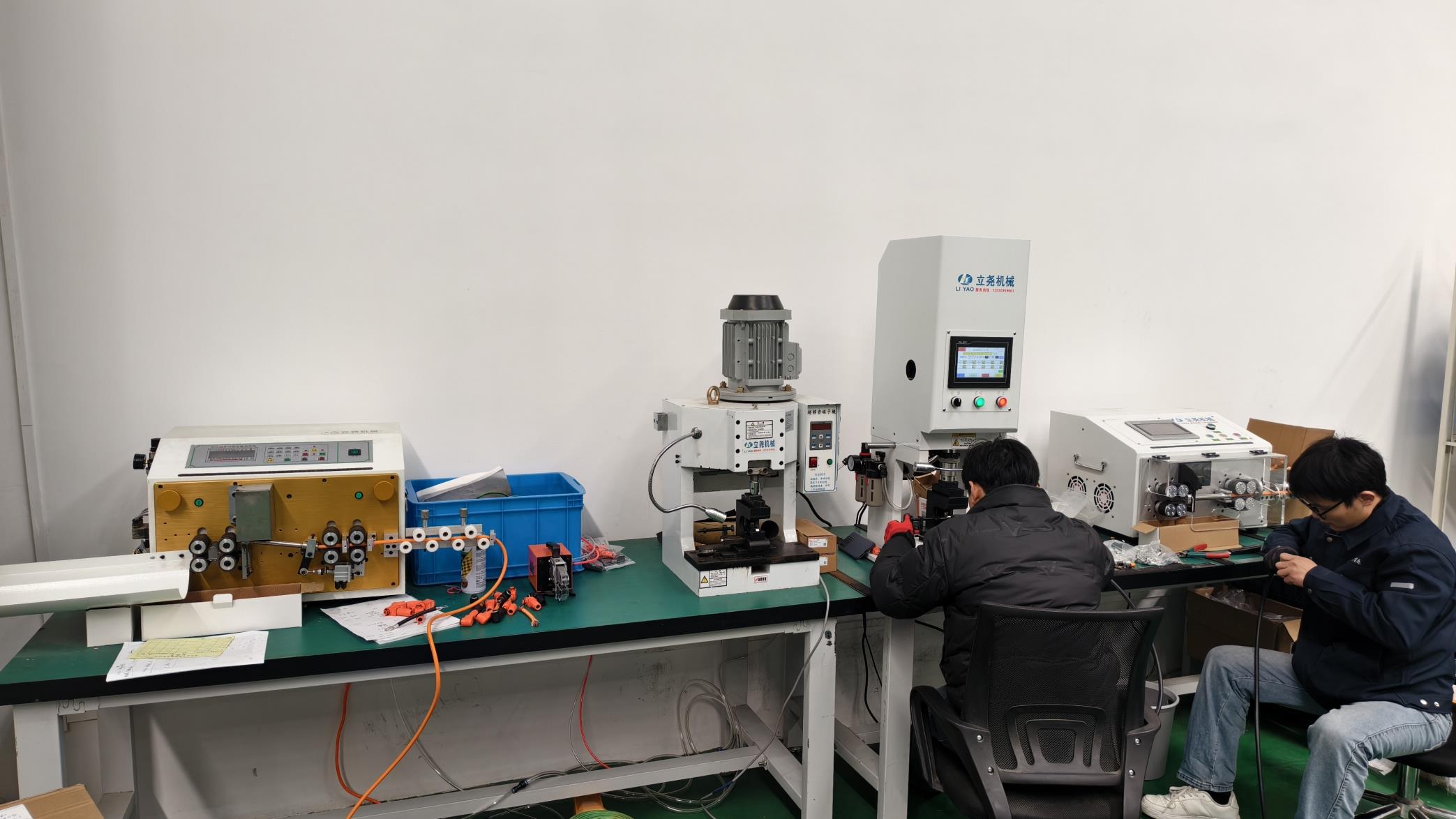
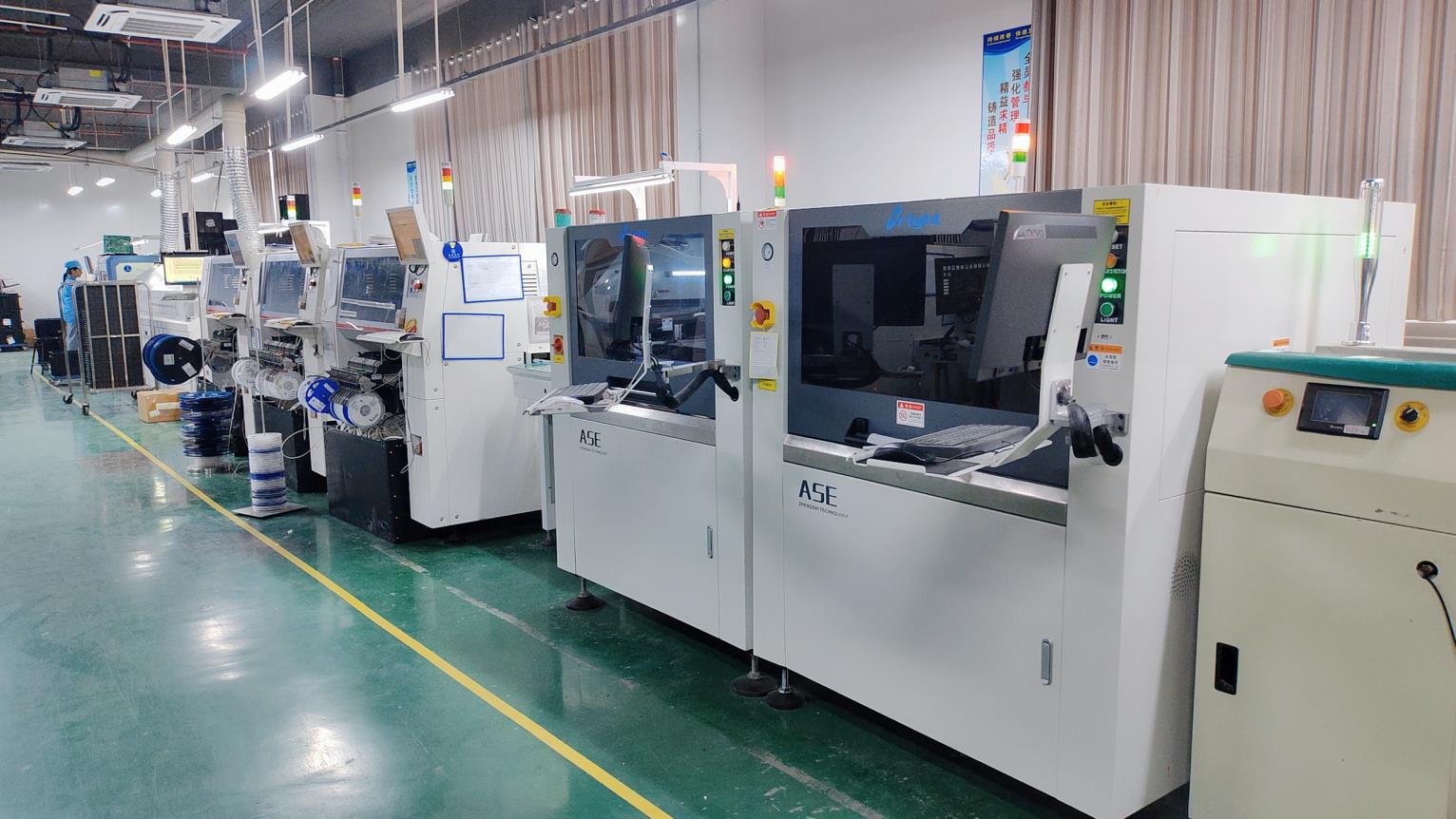
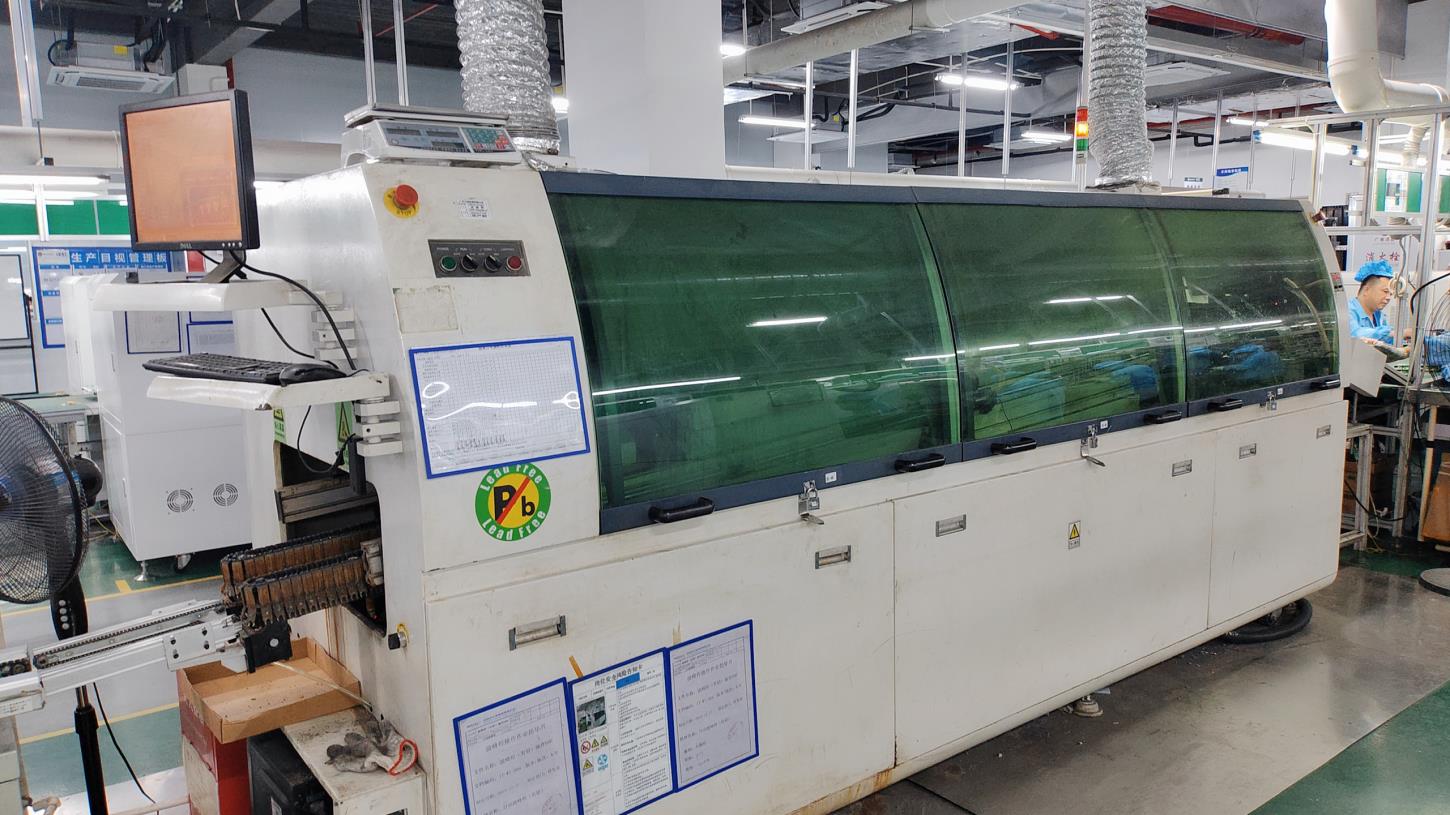
At Anhui Aryam Energy Co., Ltd., we control every stage of production to deliver solar generator hardware that meets the highest international certifications (including CE, RoHS, UN38.3, and ISO9001). Our manufacturing facility features high-precision machinery, dedicated SMT lines, automated wave soldering, and comprehensive testing chambers where each system is subjected to simulated thermal stresses to mimic real-world Central Asian environmental conditions.
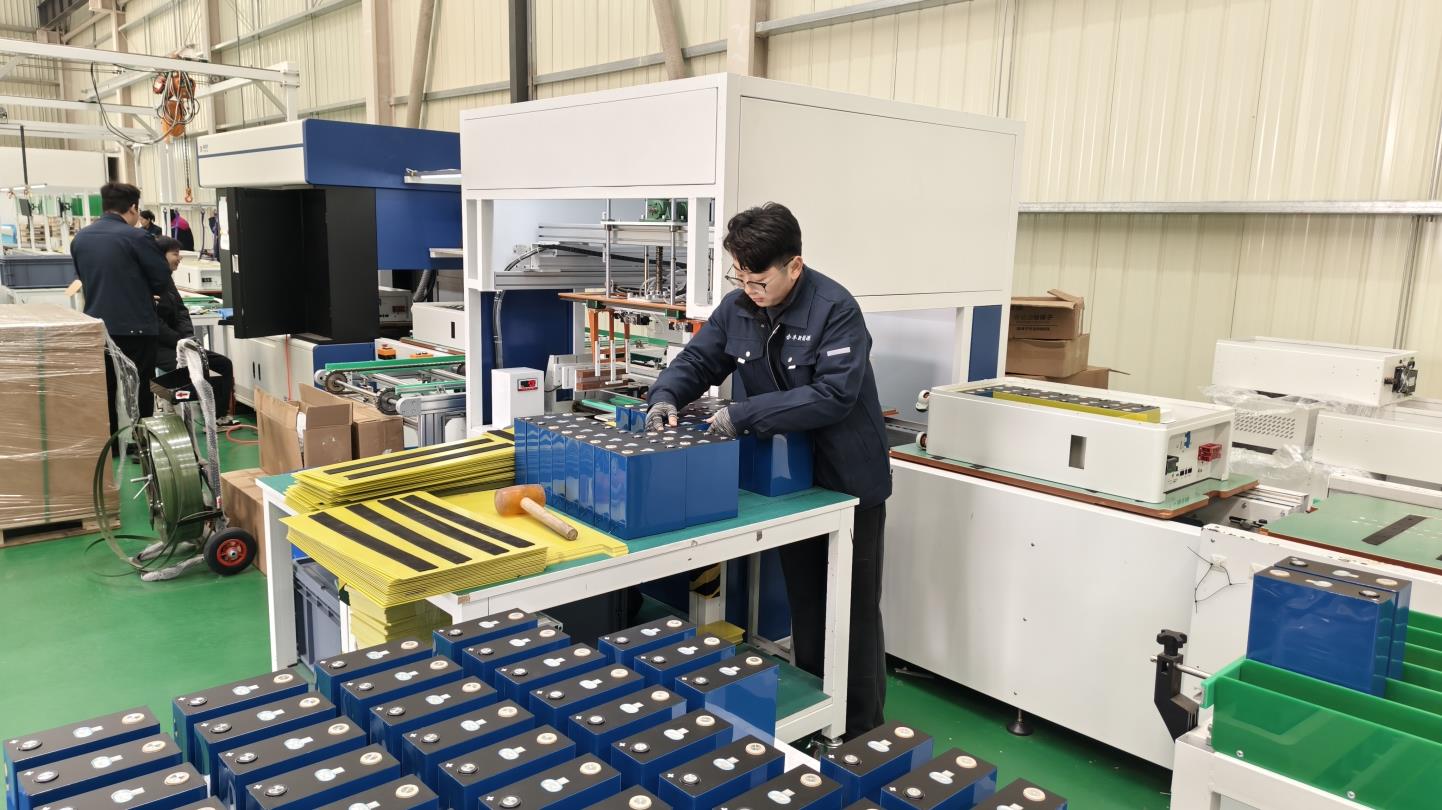
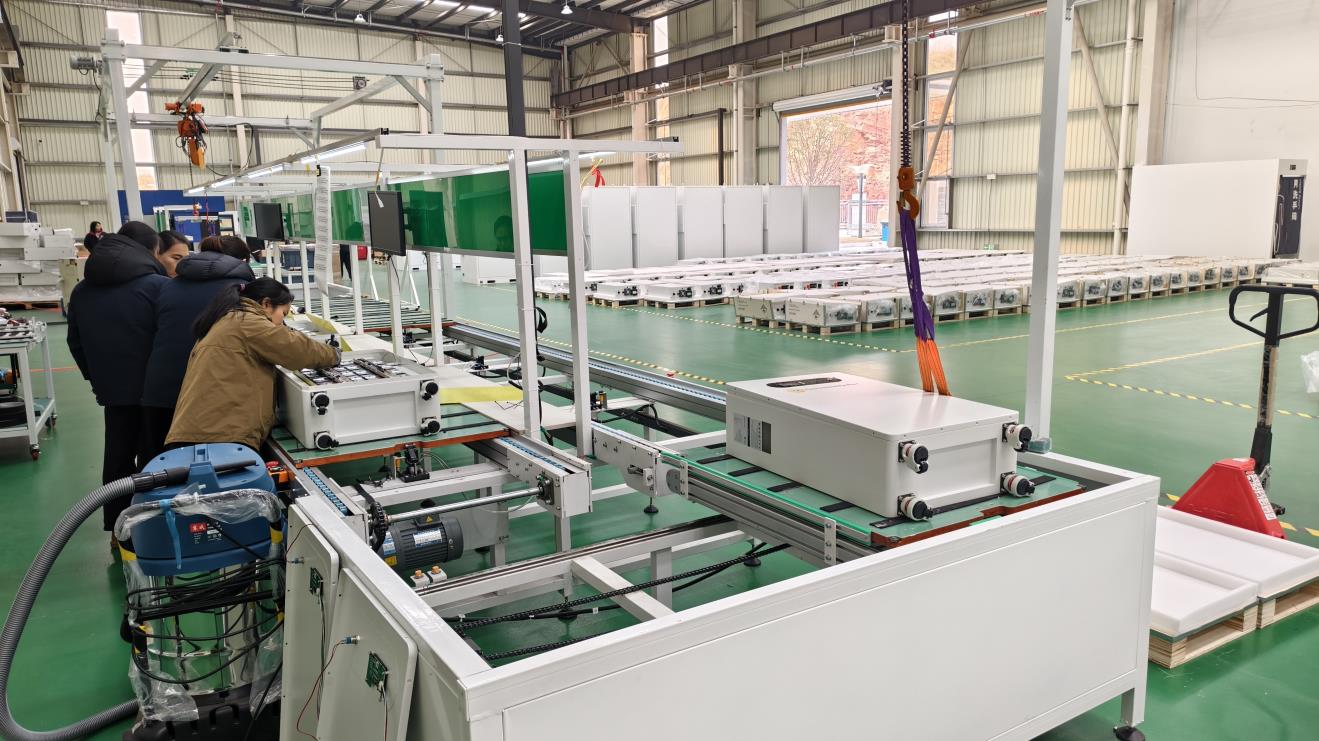
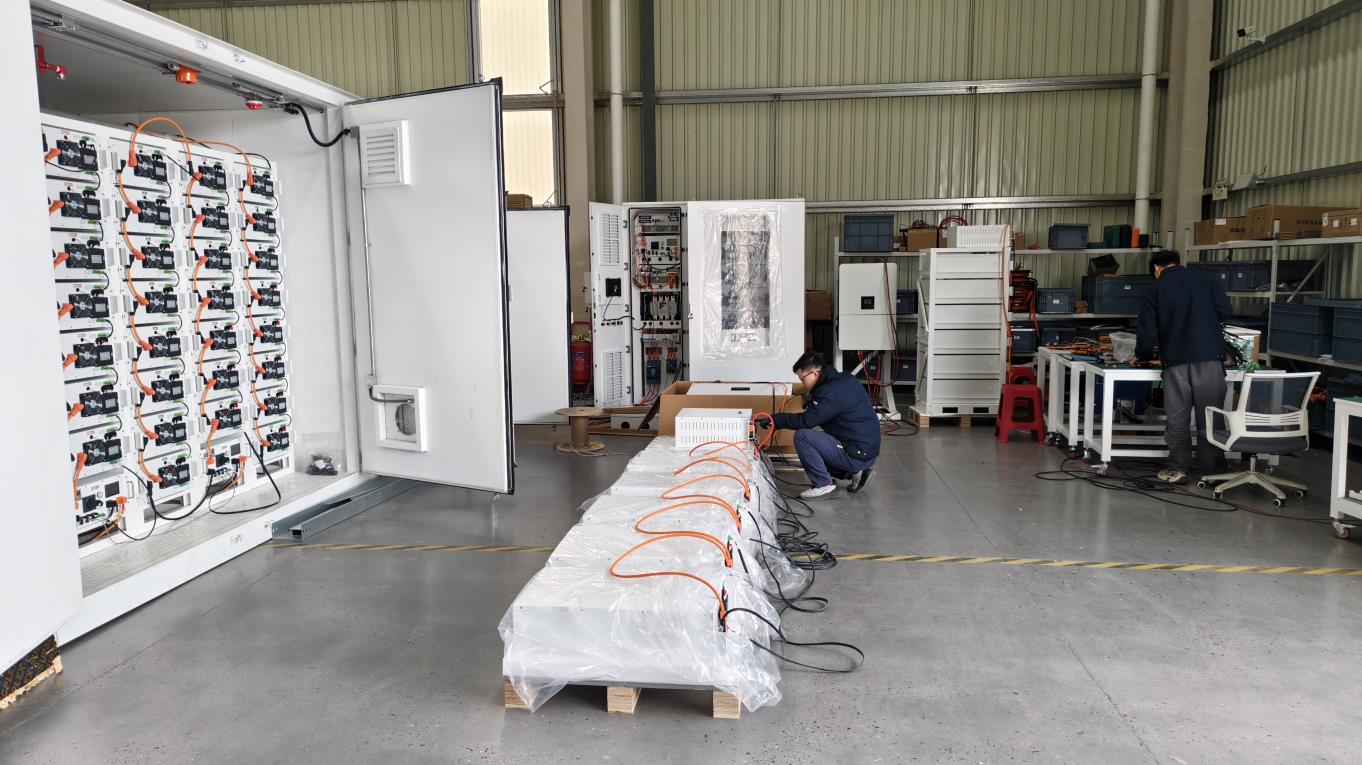
Continuous Innovation: Smart Integration and Central Asian Regional Customization
As we look toward the 2025–2030 horizon, the convergence of artificial intelligence with localized energy storage systems is transforming standard off-grid systems into intelligent virtual power plants (VPPs). Our R&D division at Anhui Aryam Energy is focused on three strategic technological improvements to ensure our exports remain the premium choice for the Central Asian market:
1. High-Voltage Architecture (HV Energy Storage): Transitioning residential and light commercial systems from traditional 48V configurations to high-voltage platforms (ranging from 120V to 400V DC). This innovation minimizes line losses, drastically reduces cable cross-section requirements, and boosts round-trip efficiency by up to 4%, lowering installation costs.
2. AI-Driven Battery Management Systems (BMS): Implementing advanced predictive thermal management algorithms. In areas like Uzbekistan where daily ambient temperatures can fluctuate by more than 25°C between day and night, AI BMS modules dynamically regulate thermal cooling cycles and charge speeds. This extends the service life of our premium LiFePO4 cells to 7,500 cycles.
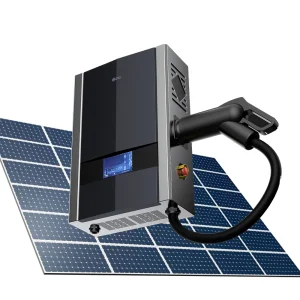
3. Bidirectional V2H (Vehicle-to-Home) & EV Fast Charging: Integrating bidirectional power pathways to support growing EV infrastructure in Tashkent. Our commercial solar generator series offers seamless integration with CCS Type 2 standards, turning electric vehicle fleets into mobile emergency battery banks.
Expert insights on importing, deploying, and operating solar generators in Central Asia
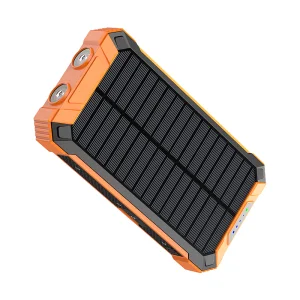
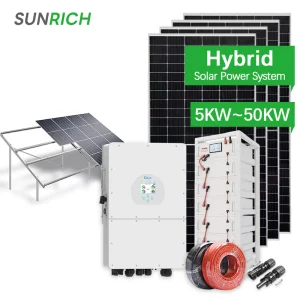
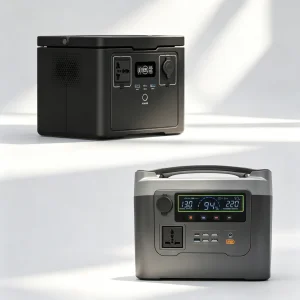
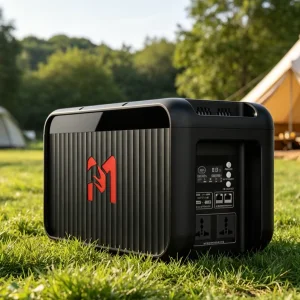
Comprehensive solar architectures for light applications, heavy industrial backup, and EV infrastructure in Uzbekistan
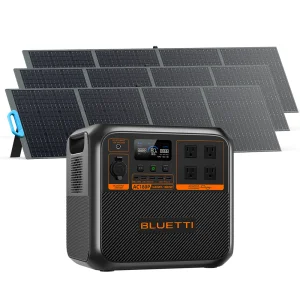
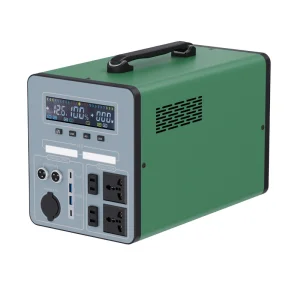
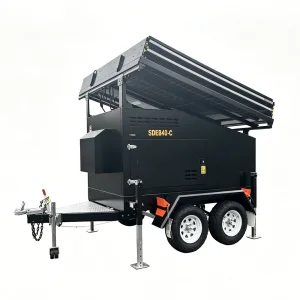
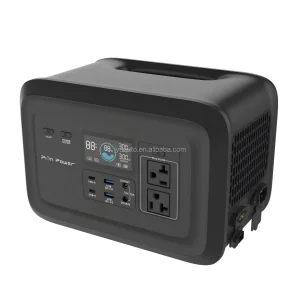
Ready to deploy solar generators, custom LFP systems, or commercial solar setups in Uzbekistan? Let our engineers build your blueprint.
Send Inquiry Now Aryam Energy