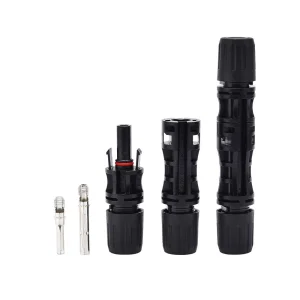
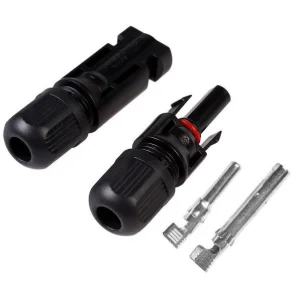
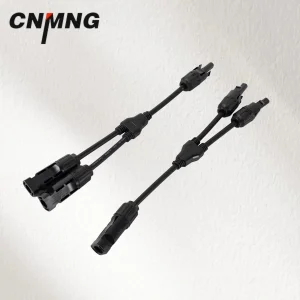
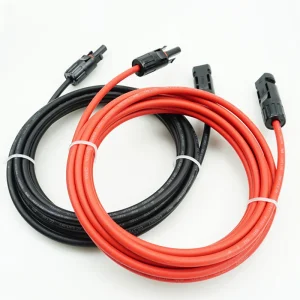
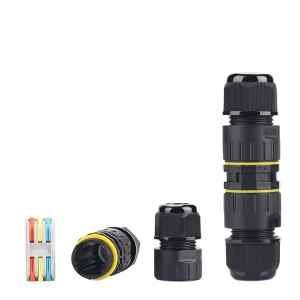
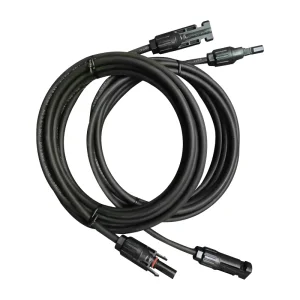
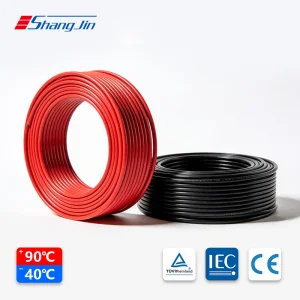
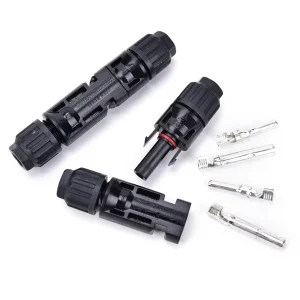
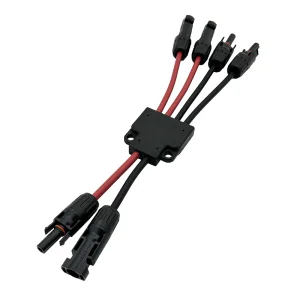
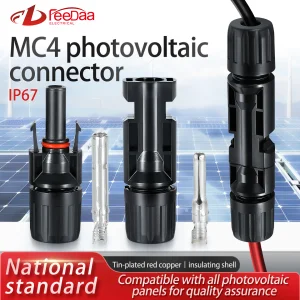
Engineered for high weather resistance, low contact resistance, and long-term durability in coastal microclimates.
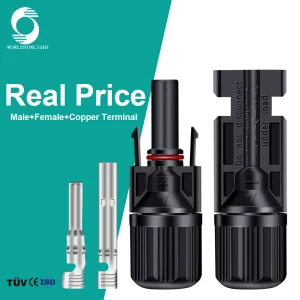
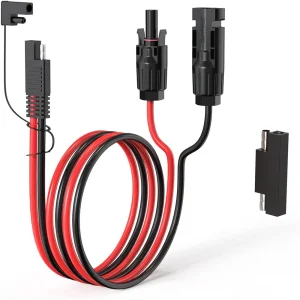
San Francisco and the broader Northern California area have established themselves as national leaders in renewable energy policies and localized smart grid integration. Driven by California's strict Title 24 Building Energy Efficiency Standards and aggressive net-metering structures, commercial real estate developers, local institutions, and utility operators are aggressively deploying distributed energy resources (DERs), utility-scale battery energy storage systems (BESS), and hybrid microgrids.
However, the coastal geography of the San Francisco Bay Area introduces severe challenges for outdoor electrical infrastructure. System designers and EPC contractors must account for high ambient salinity, dense marine fog, microclimates with dramatic humidity variations, and high UV indexes. Traditional wire connectors and cheap PVC-insulated wiring deteriorate rapidly under these conditions, leading to isolation faults, electrical leakage, and costly downtime.
To address these challenges, regional procurement protocols require specialized, heavy-duty tinned copper solar cables with cross-linked polyolefin (XLPO) double insulation, as well as IP68-rated waterproof connectors that can withstand persistent salt-fog corrosion without performance degradation.
As the transition to 1500V DC solar systems accelerates, the cost pressure on Balance of System (BOS) components increases. Chinese solar cable and connector manufacturing facilities offer unmatched economic and technical advantages.
Using next-generation electron-beam cross-linking (irradiation), our factories transform thermoplastic polyolefins into thermo-set compounds that do not melt, ensuring excellent short-circuit overload resistance up to 250°C.
From copper rod drawing and tin-plating to polymer synthesis, terminal pressing, and automated packaging, all processes are executed within one integrated industrial zone. This minimizes intermediate logistics costs and safeguards consistency.
Products conform to TUV Rheinland EN 50618, UL 4703, and CE certifications. Our quality management systems are ISO 9001, ISO 14001, and ISO 45001 accredited, guaranteeing complete bankability for international project financing.
Empowering sustainable energy transition globally with certified engineering excellence.
Anhui Aryam Energy Co., Ltd. is a leading provider of advanced renewable energy solutions, dedicated to delivering reliable, efficient, and sustainable power systems for residential, commercial, industrial, and utility-scale applications worldwide. Through continuous innovation and a strong commitment to clean energy development, Aryam Energy has established itself as a trusted partner in the global transition toward a low-carbon future.
The company specializes in the research, development, manufacturing, and integration of solar energy systems, energy storage solutions, hybrid power systems, and intelligent microgrid technologies. Leveraging cutting-edge engineering expertise and strict quality management standards, Aryam Energy provides comprehensive energy solutions tailored to diverse market needs, particularly in regions facing energy shortages, unstable grid infrastructure, or increasing demand for sustainable power generation.
With a professional R&D team and a growing portfolio of proprietary technologies, Aryam Energy continuously invests in innovation to enhance system performance, energy efficiency, and long-term reliability. Its products and solutions are designed to meet international standards and have been successfully deployed across Asia, Africa, the Middle East, Europe, and Latin America, serving customers in more than 100 countries and regions.
Aryam Energy's product portfolio includes solar inverters, energy storage systems, hybrid inverters, lithium battery solutions, solar water pumping systems, microgrid systems, and customized renewable energy projects. The company is committed to providing integrated energy solutions that maximize energy independence, reduce operational costs, and support environmental sustainability.
Driven by the vision of becoming a globally recognized clean energy technology leader, Aryam Energy actively collaborates with distributors, EPC contractors, government agencies, international organizations, and development partners to promote renewable energy adoption worldwide. Through its mission of "Empowering Sustainable Energy for a Better Future," the company strives to create long-term value for customers while contributing to global carbon reduction goals and sustainable social development.
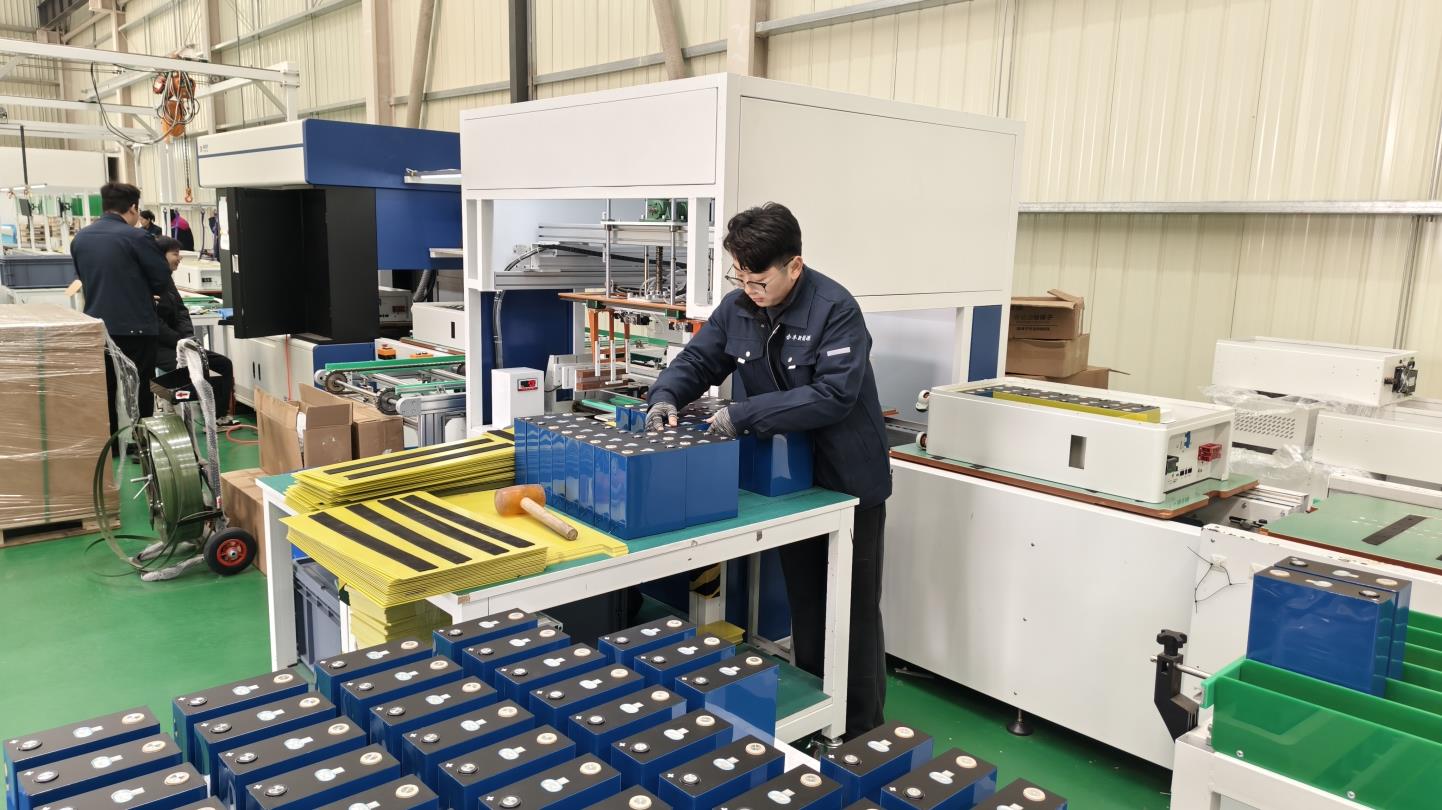
Our advanced manufacturing and research facility.
Step-by-step display of our modern manufacturing workflow, guaranteeing zero defects from raw materials to final shipment.
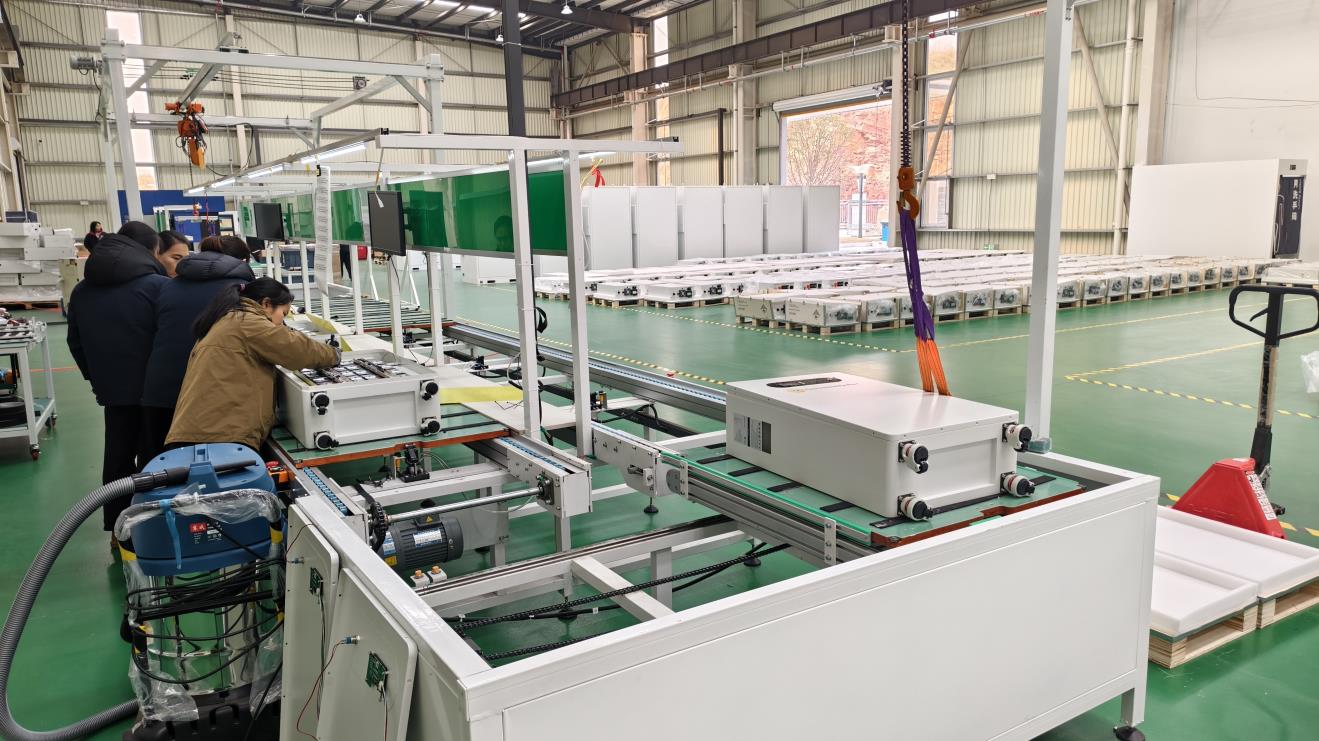
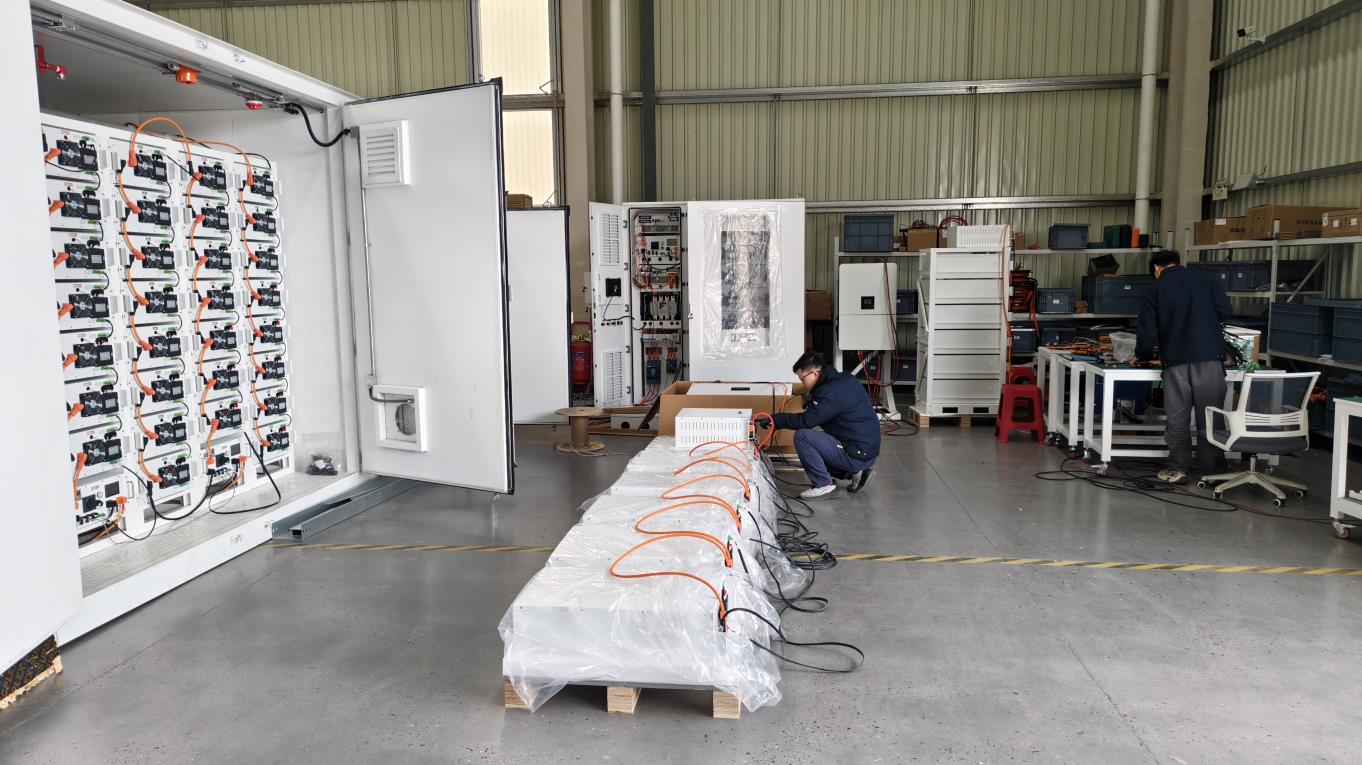
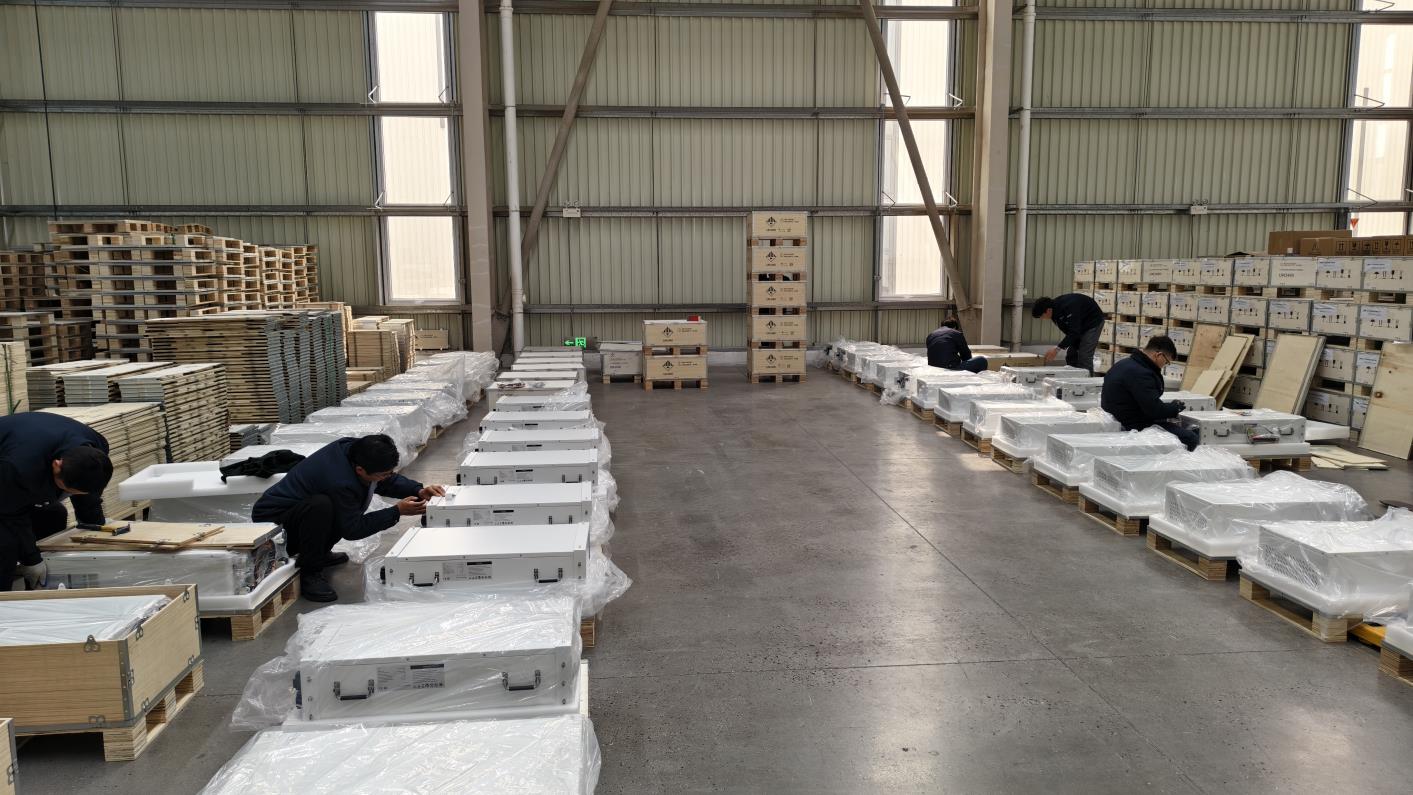
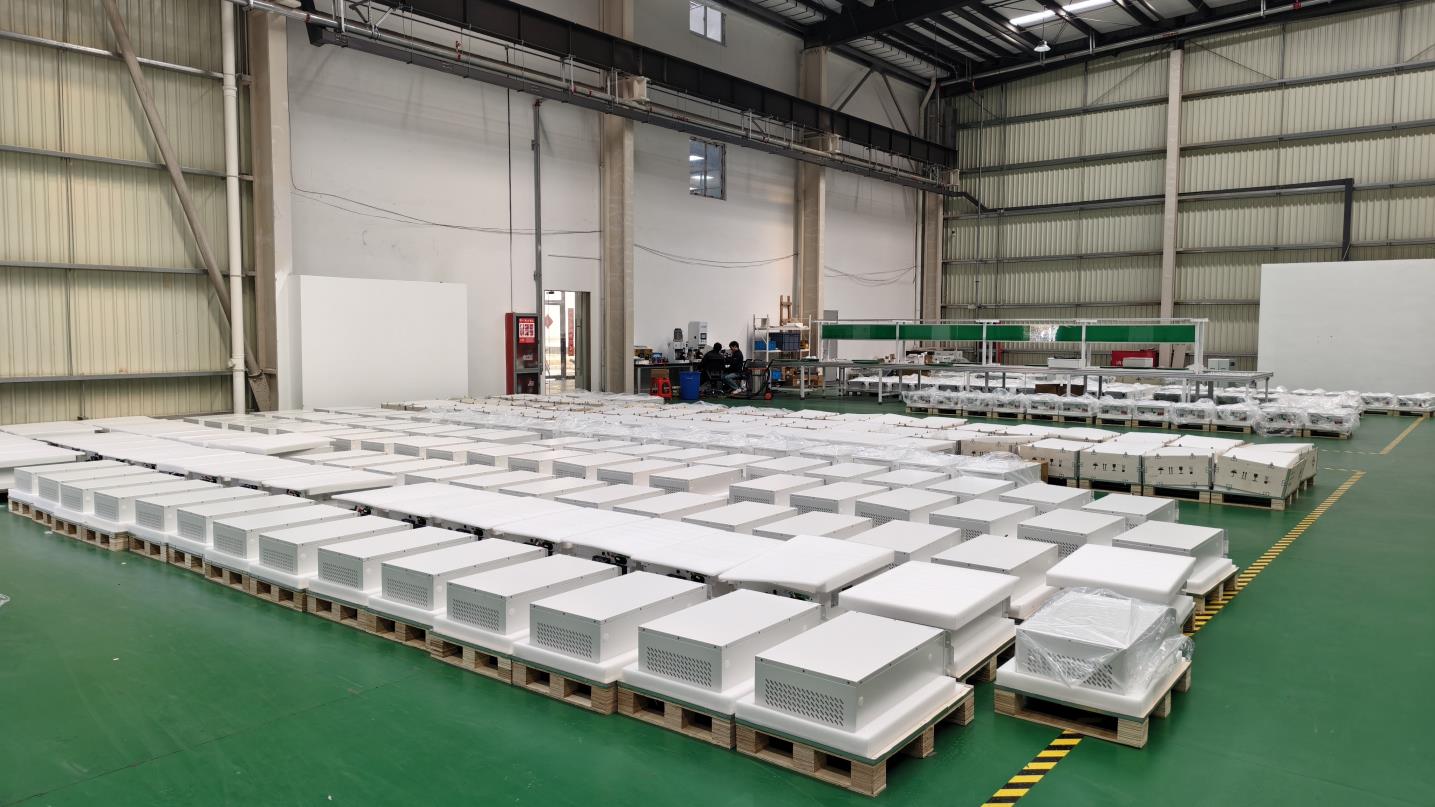
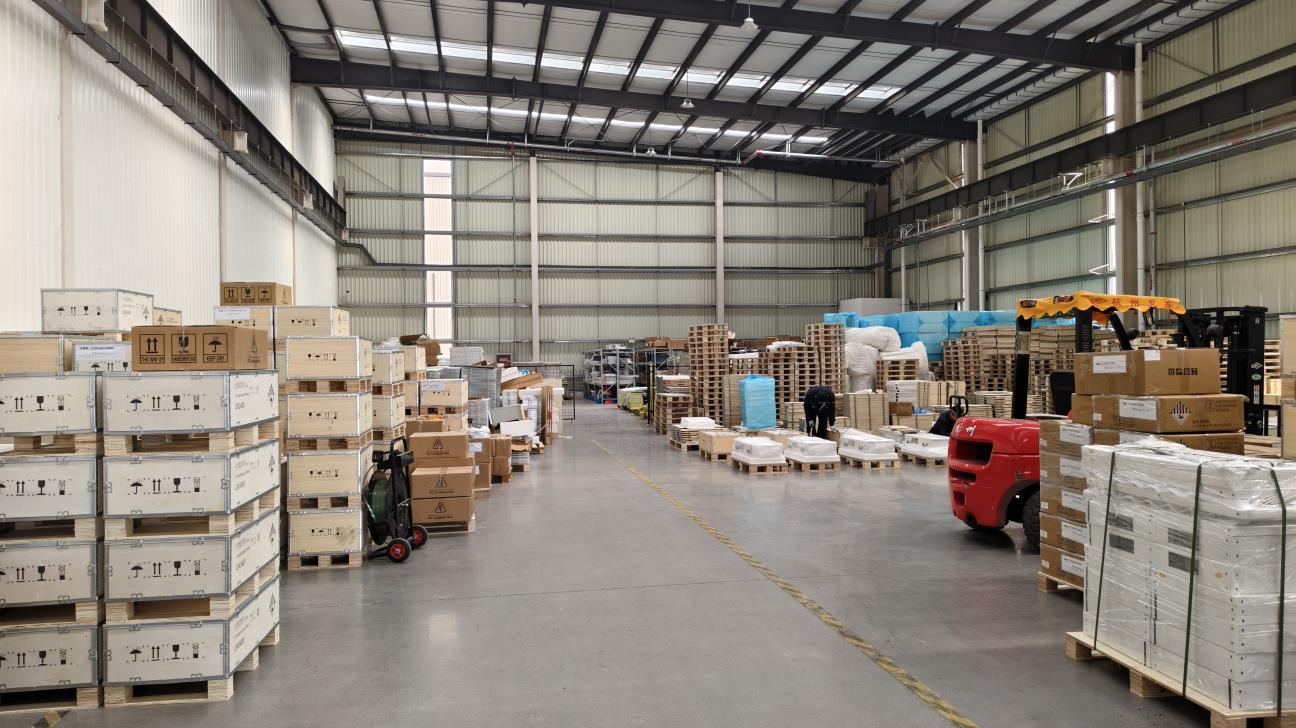
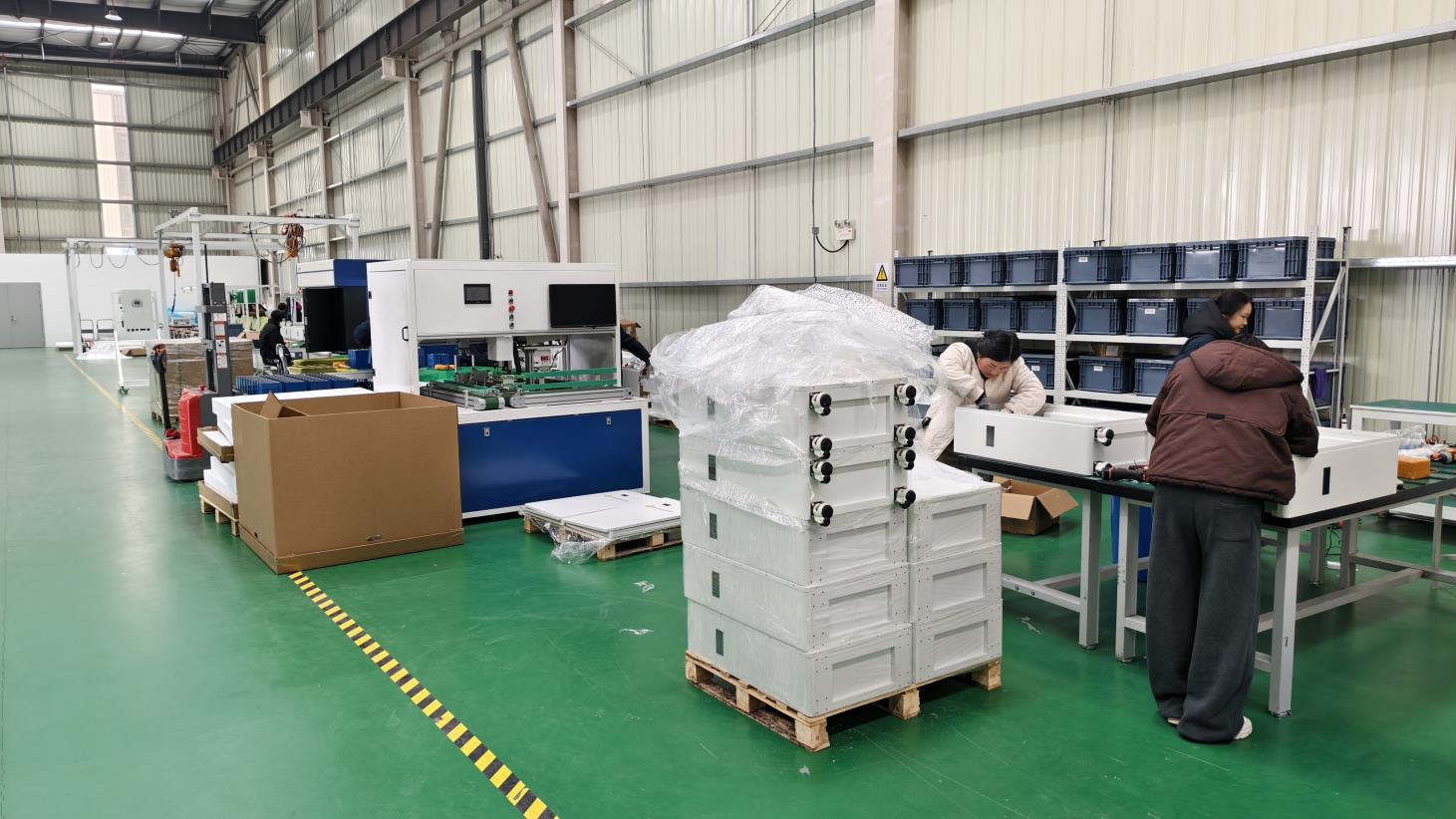
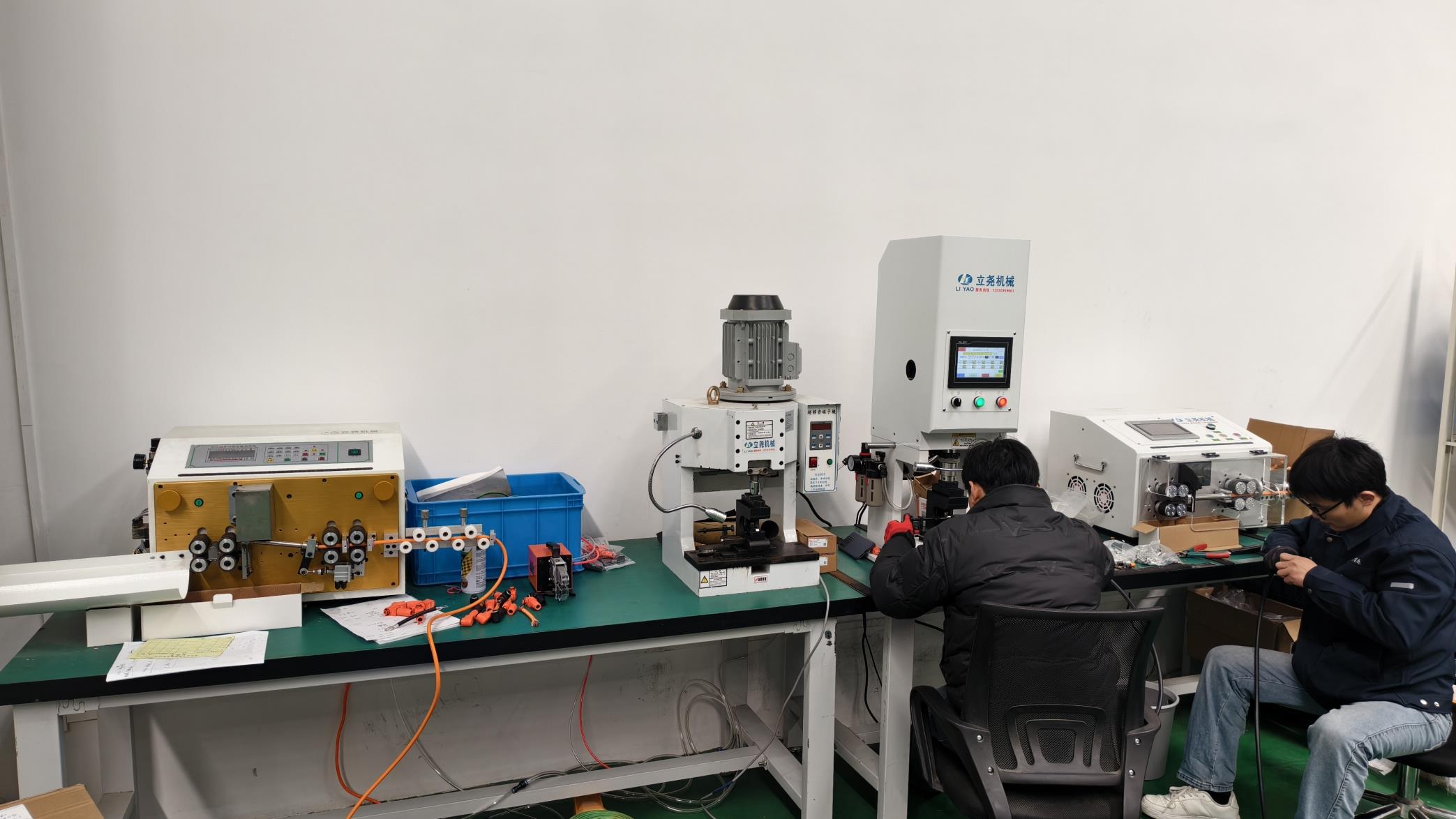
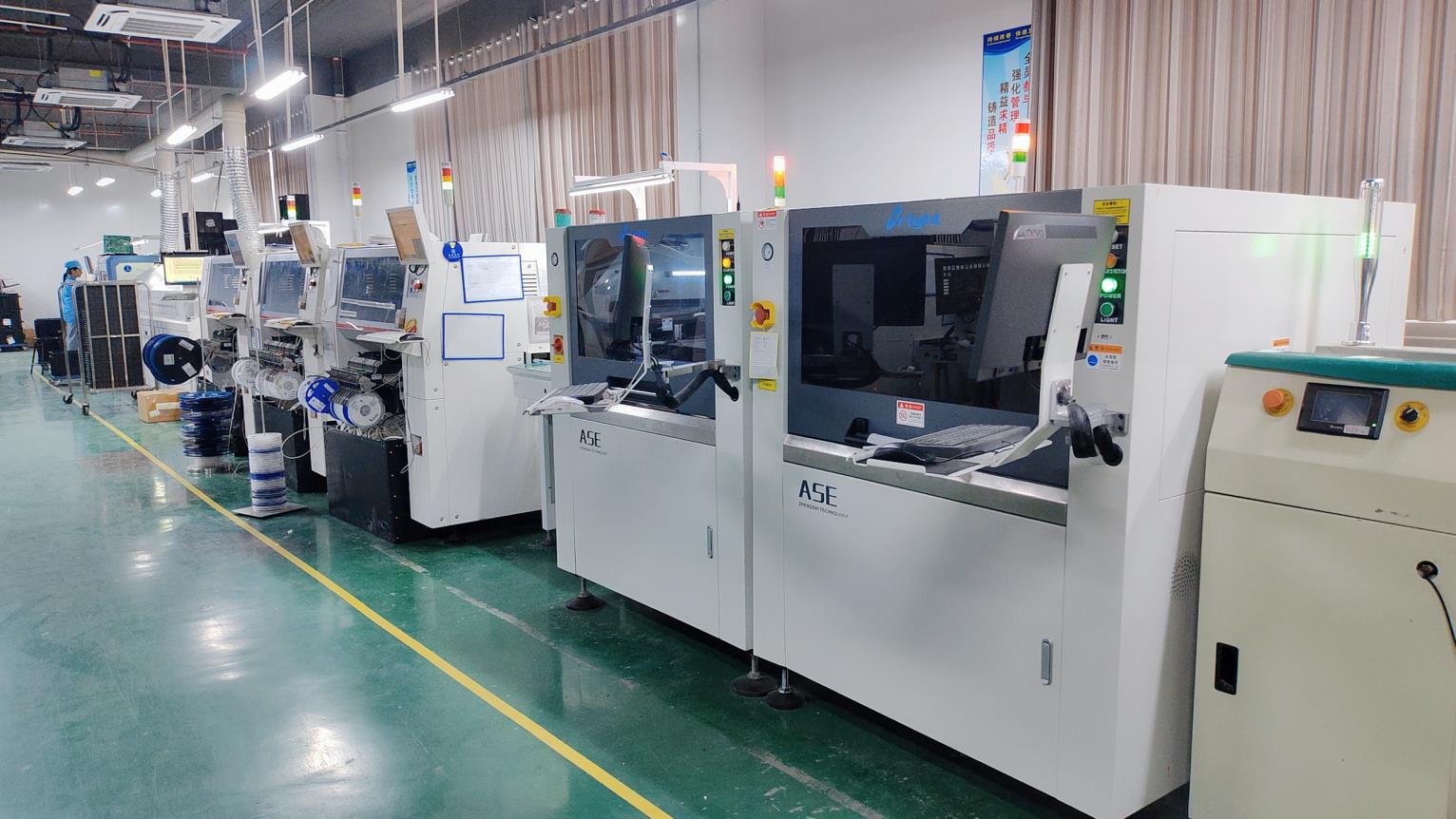
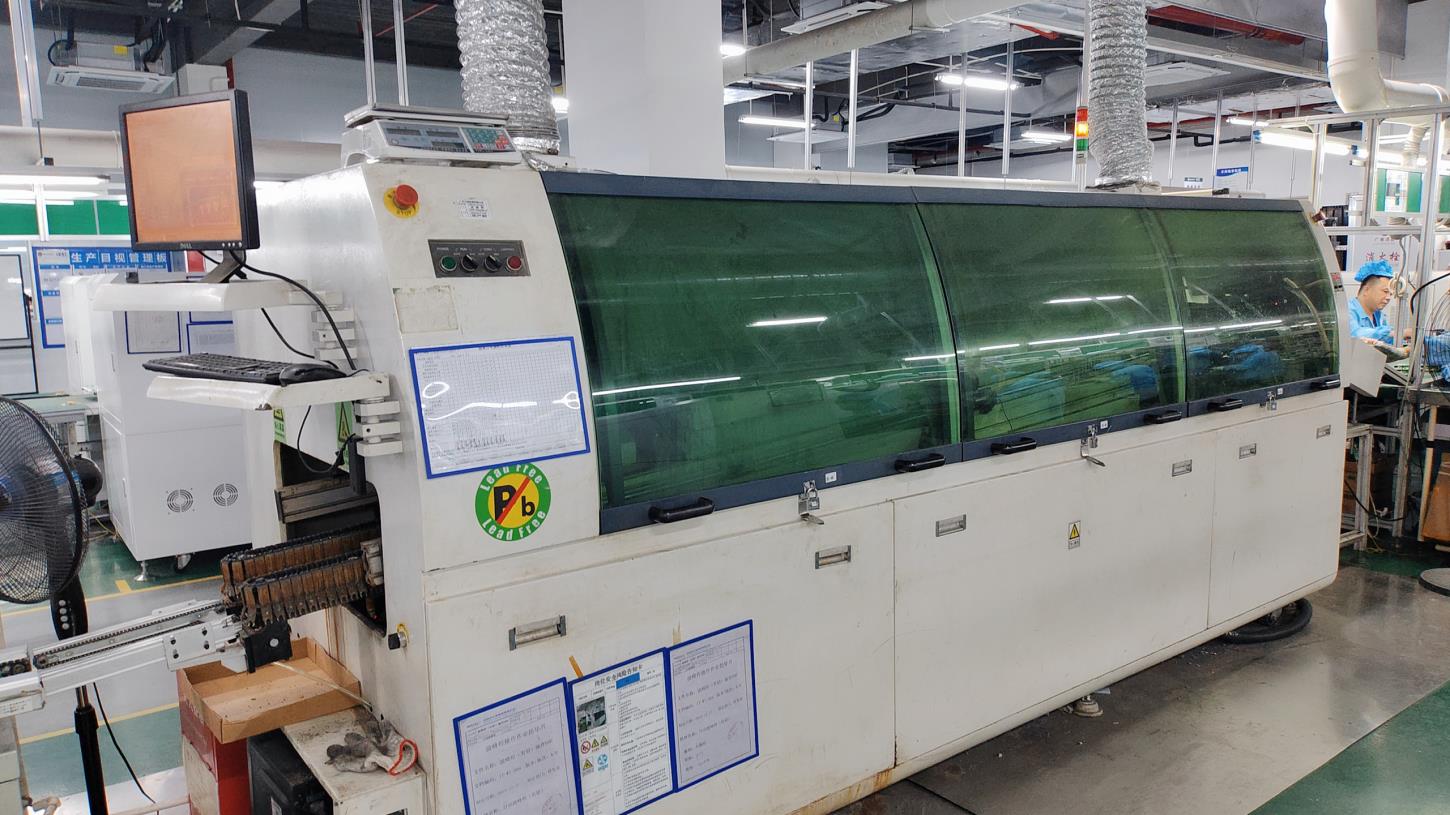
Our engineering team designs connectors and cables with the lowest contact resistance to minimize heat buildup and maximize electricity delivery. Below are the key characteristics of our 1000V and 1500V DC rated cables and connectors.
| Performance Characteristic | 1000V DC Series (Standard) | 1500V DC Series (Utility-Scale) | Test Methods & Standard |
|---|---|---|---|
| Conductor Material | Class 5 Flexible Tinned Copper | Class 5 Flexible Tinned Copper | IEC 60228 / EN 50618 |
| Insulation & Jacket Material | Irradiated Cross-Linked Polyolefin (XLPO) | Irradiated Cross-Linked Polyolefin (XLPO) | UL 4703 / TÜV 2PfG 1169 |
| Waterproof Classification | IP67 / Temporary submersion | IP68 / Continuous submersion | IEC 60529 / EN 60529 |
| Contact Resistance | < 0.5 mΩ | < 0.25 mΩ | IEC 60512-2-1 |
| Ambient Operating Temp. | -40°C to +85°C | -40°C to +90°C | EN 50618 |
| Flame Retardant Class | UL94-V0 | UL94-V0 | UL94 / IEC 60332-1-2 |
From decentralized building rooftops in San Francisco to centralized utility farms in California's Central Valley, solar component installations operate in challenging thermal and environmental environments. Anhui Aryam Energy Co., Ltd. provides customized connection systems tailored to diverse installation requirements:
Engineered for high resistance to sea mist, marine fog, and coastal humidity, our PV system connectors utilize heavy-duty sealing rings and corrosion-proof tinned copper elements to prevent ground leakage current and high-resistance faults.
By migrating from 1000V DC to 1500V DC architectures, global EPC contractors save up to 25% on cable length and combiner box requirements. Our 1500V certified line represents the industry-leading solution for minimizing system voltage drop.
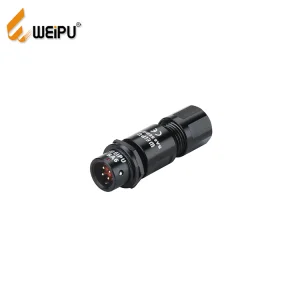
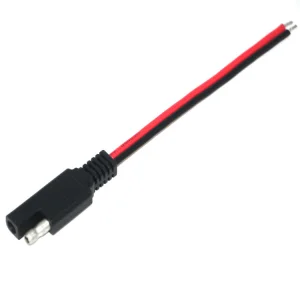
Battery Energy Storage Systems require heavy-duty, highly flexible wiring configurations. Our custom SAE bullet connectors, pigtail harnesses, and circular connectors ensure stable charge/discharge current throughput under high cycles.
Explore our fully certified product catalog, manufactured under rigorous quality controls to ensure high conversion efficiency and long lifetime.
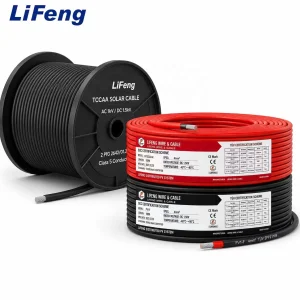
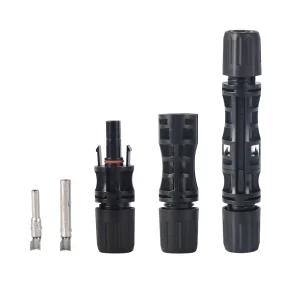
When engineering high-yield commercial solar systems or organizing mass-scale importing for local utility deployment, components selection determines overall uptime and investment ROI. Below is our procurement checklist for global buyers looking to import high-efficiency PV components:
Arc faults are the primary cause of solar installation fires. Choosing premium connectors featuring locking tabs and high-integrity locking collars ensures that cables cannot be disconnected while carrying load. Under high voltage load (1000V to 1500V DC), separating connectors creates a sustained plasma arc that can easily reach temperatures above 3000°C. Standard-compliant locking clips prevent this failure mode completely.
Typical cross-linked polyolefin (XLPO) jackets are designed to withstand 25+ years of intense environmental exposure. In coastal locations such as the San Francisco Peninsula, the concentration of atmospheric sodium chloride reacts with moisture to create a thin conductive liquid layer over cables. Standard PV cables feature dual-layer co-extrusion insulation to maximize insulation resistance under continuous damp heat testing conditions (85°C / 85% Relative Humidity for 1000 hours).
Importing large-scale container loads of cables requires coordinate logistic chains. Standard packaging must include heavy-duty wooden drums or high-impact plastic spools wrapping the wires to prevent deformation during sea freight. Working with experienced manufacturers ensures that customs clearance codes (HS Codes), material certifications, and testing laboratory reports are formatted correctly for smooth clearance through the Port of Oakland.
In California, all photovoltaic systems must comply with the National Electrical Code (NEC). Specifically, Article 690 outlines wiring methods. Standard installations require cables certified under UL 4703 (PV Wire), which dictates double-jacketed insulation and high flame-retardancy standards. For projects referencing European standards, EN 50618 (H1Z2Z2-K) is the corresponding benchmark.
Tinned copper has a thin layer of tin alloy deposited over the copper strands. This layer prevents oxidation and galvanic corrosion in high-salinity marine environments. Bare copper oxidizes rapidly when exposed to moisture and salt fog, forming non-conductive copper oxide, which increases contact resistance and introduces safety risks.
A 1500V DC system allows for longer cable runs (strings) connected to a single inverter or combiner box. This reduces the total number of parallel connections, reducing overall current flow and voltage drops. As a result, BOS (Balance of System) costs are reduced by up to 20%, but it requires cables and connectors designed and certified specifically for 1500V insulation levels.
A waterproof connector is graded by its Ingress Protection (IP) rating. IP67 connectors can withstand temporary immersion in water up to 1 meter for 30 minutes. IP68 rating designates continuous submersion tolerance at specified depths. For coastal regions subject to heavy rain, condensation, and fog, IP68 connectors with silicone O-ring seals provide the highest protection against moisture ingress.
All our export shipments are fully certified to meet UL 4703 and CE standards. We conduct routine factory testing including tensile strength, dielectric withstand, insulation resistance, and physical dimension checks on every production batch, ensuring complete compliance with municipal inspect regulations in California.
Get in touch with our engineering and export team today to request custom pricing, test reports, or sample kits for your next project.
 Aryam Energy