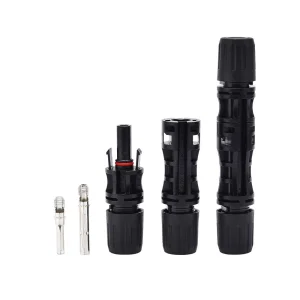
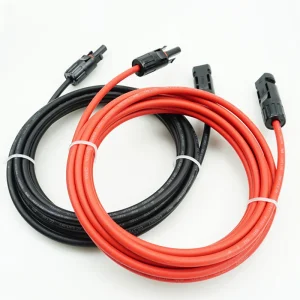
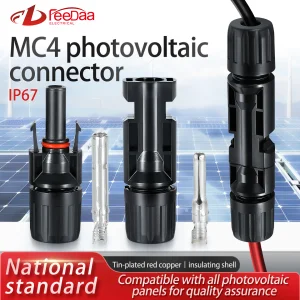
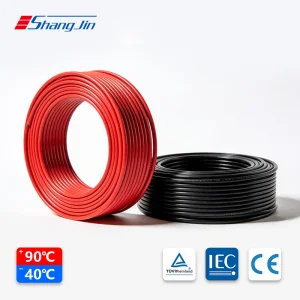
Engineered to minimize power attenuation and survive extreme thermal fluctuations from -40°C to +90°C.
Whitepaper: Decoding the Technical Challenges and Supply Chain Requirements of Central Asia's Solar Giant
Kazakhstan, situated at the heart of Eurasia, is aggressively transforming its energy profile. Traditionally reliant on coal-fired power plants in the Pavlodar and Karaganda regions, the nation is actively pivoting toward renewable sources. Under the strategic national plan "Kazakhstan 2050", the government has committed to producing 50% of its electricity from renewable and alternative sources by 2050. With massive solar irradiation potentials spanning the southern areas—averaging 2,200 to 3,000 hours of sunlight annually—monolithic multi-megawatt solar parks are rising across the Zhambyl, Almaty, and Kyzylorda regions.
However, the Kazakh steppe presents some of the most unforgiving environments for electrical systems on Earth. Cable configurations must withstand a thermal spectrum ranging from -40°C in harsh continental winters to over +45°C during high-summer heatwaves, with conductor operating temperatures reaching up to +120°C under load. This requires advanced material engineering—primarily Cross-linked Polyethylene (XLPE/XLPO) insulation and robust tinned copper conductors—to ensure a standard 25-year operational lifespan without mechanical or electrical breakdown.
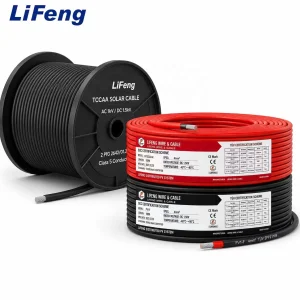
For project developers, engineering procurement companies (EPCs), and distributors in Kazakhstan, specifying solar cables and connectors is a matter of system survivability. Inferior polymers dry out, crack, and fail under extreme UV levels and windborne steppe dust. Our solar cables are certified to standard EN 50618 (H1Z2Z2-K) and IEC 62930, utilizing cross-linked low-smoke zero-halogen (LSZH) materials. The tinned copper core resists oxidative corrosion—crucial for industrial applications adjacent to saline lakes and heavy industrial zones in Ust-Kamenogorsk or Temirtau.
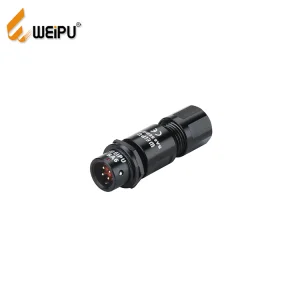
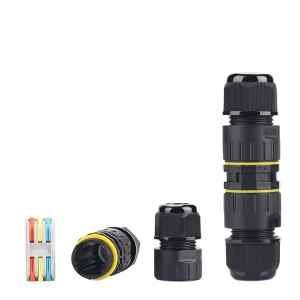
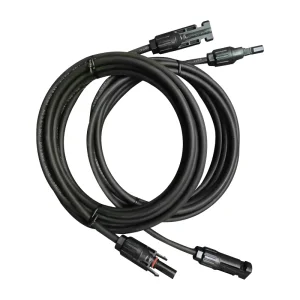
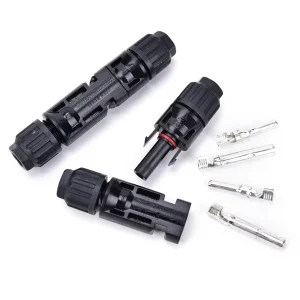
Specially optimized for quick-connection in heavy commercial & rural off-grid solar-storage installations.
The global PV supply chain requires precision, high volume capacity, and robust logistical corridors. Anhui Aryam Energy Co., Ltd. sits at the intersection of advanced manufacturing and fast-track transport networks. Leveraging the China-Europe Railway Express (Yuxinou / Chang'an routes), shipments from our factory gates reach the dry ports of Khorgos and Dostyk within days, ensuring rapid customs clearances directly into Almaty, Astana, and Karaganda. This geological proximity eliminates months of marine freight delay, giving regional EPCs an unmatched speed-to-market advantage.
By consolidating raw material procurement, drawing from premium grade-A copper cathodes, and executing inline quality inspections, we achieve massive cost-efficiencies. Our vertically integrated production model ensures that whether you are installing a decentralized commercial rooftop in Shymkent or a utility-scale 100MW array in Taraz, every millimeter of cable meets stringent international benchmarks without inflating capital expenditures (CAPEX).
Chinese solar component factories represent the gold standard of modern production automation. With advanced high-speed wire drawing, continuous co-extrusion cross-linking lines, and digital laser diameter monitoring, variation is kept below 0.01mm. This strict adherence to dimensional tolerances prevents connection mismatch, reducing the risk of DC arc faults—the leading cause of solar project fires.
Every production batch undergoes a battery of quality-assurance routines, including hot set tests (to check polymer cross-linking density), conductor resistance testing, flame retardancy validation, and high-pressure water immersion tests to verify IP67/IP68 ingress ratings.
Anhui Aryam Energy Co., Ltd. is a premier global innovator in photovoltaic distribution, storage systems, and specialized high-durability wiring systems.
Our company specializes in the research, development, manufacturing, and integration of solar energy systems, energy storage solutions, hybrid power systems, and intelligent microgrid technologies. Leveraging cutting-edge engineering expertise and strict quality management standards, Aryam Energy provides comprehensive energy solutions tailored to diverse market needs, particularly in regions facing energy shortages, unstable grid infrastructure, or increasing demand for sustainable power generation.
With a professional R&D team and a growing portfolio of proprietary technologies, Aryam Energy continuously invests in innovation to enhance system performance, energy efficiency, and long-term reliability. Its products and solutions are designed to meet international standards and have been successfully deployed across Asia, Africa, the Middle East, Europe, and Latin America, serving customers in more than 100 countries and regions.
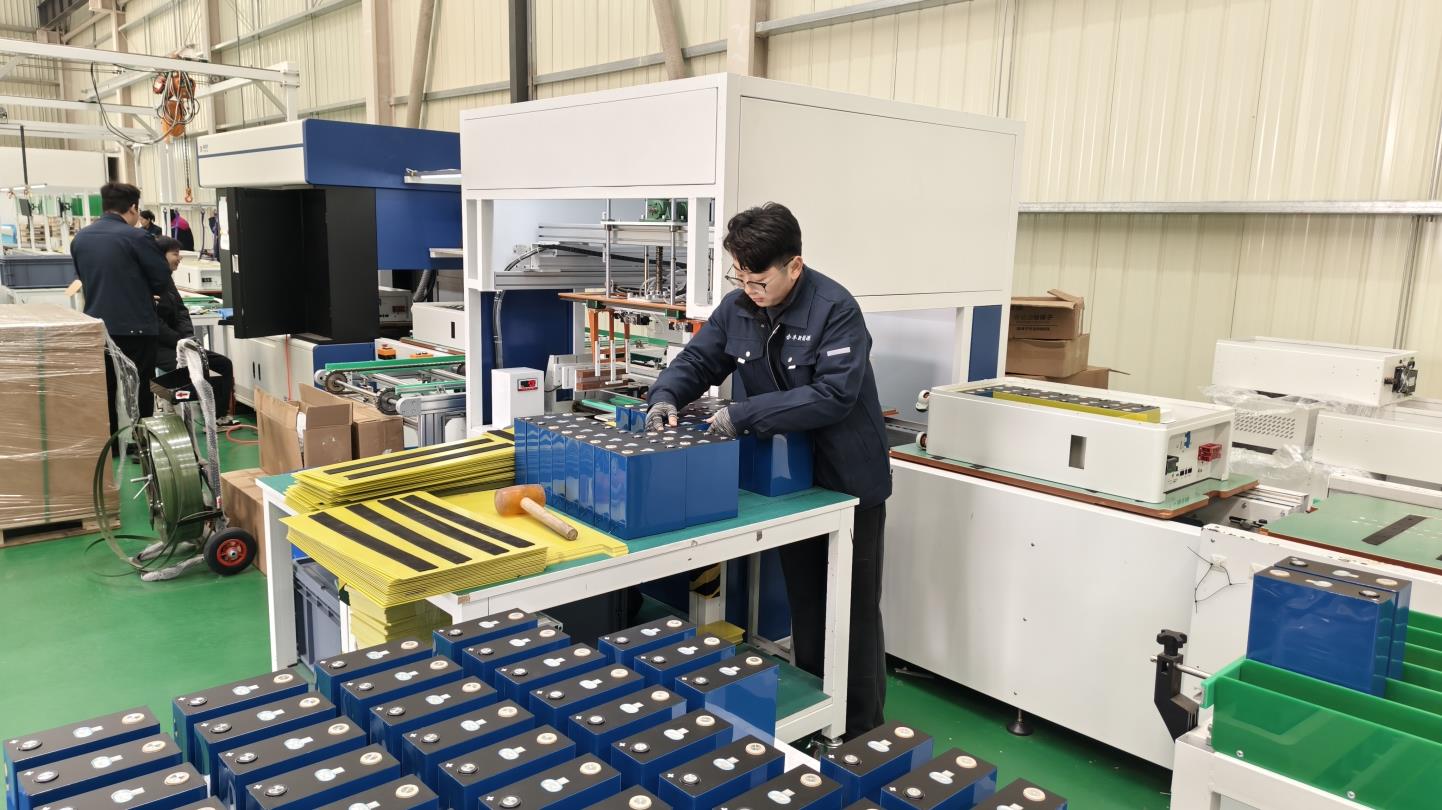
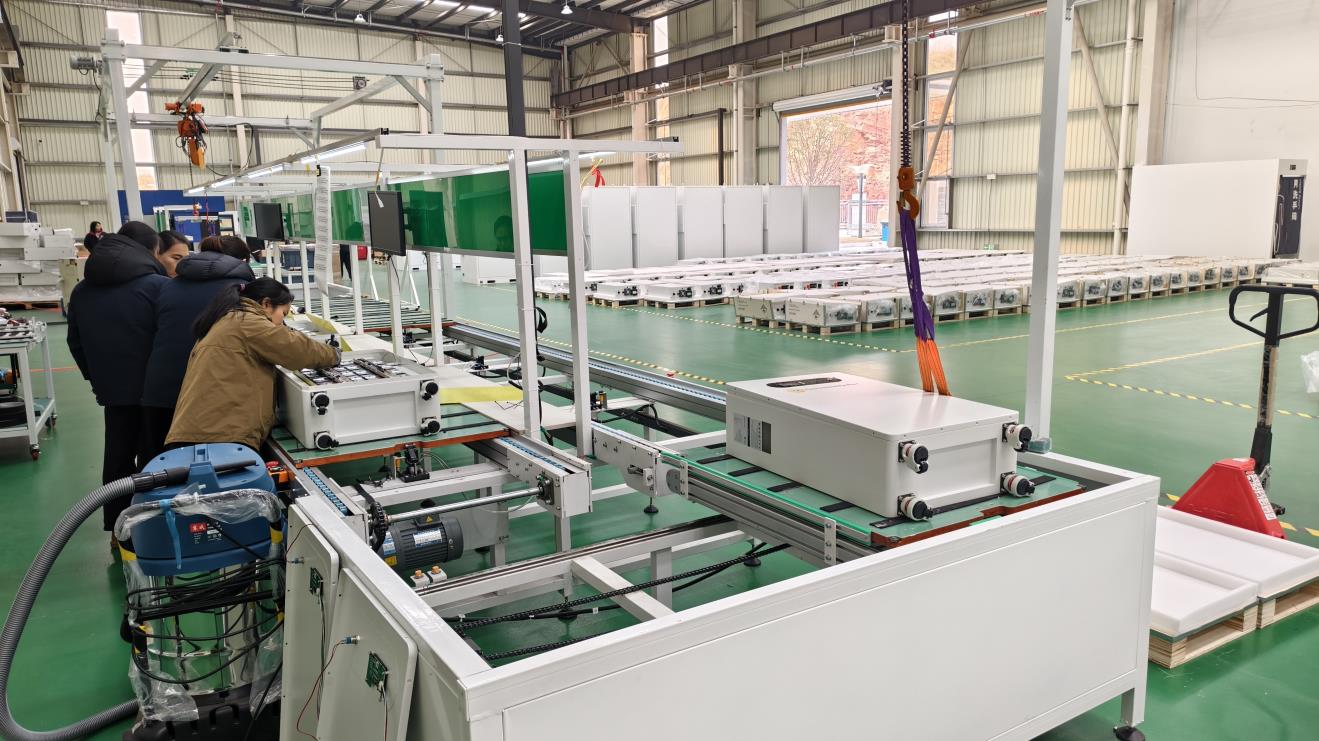
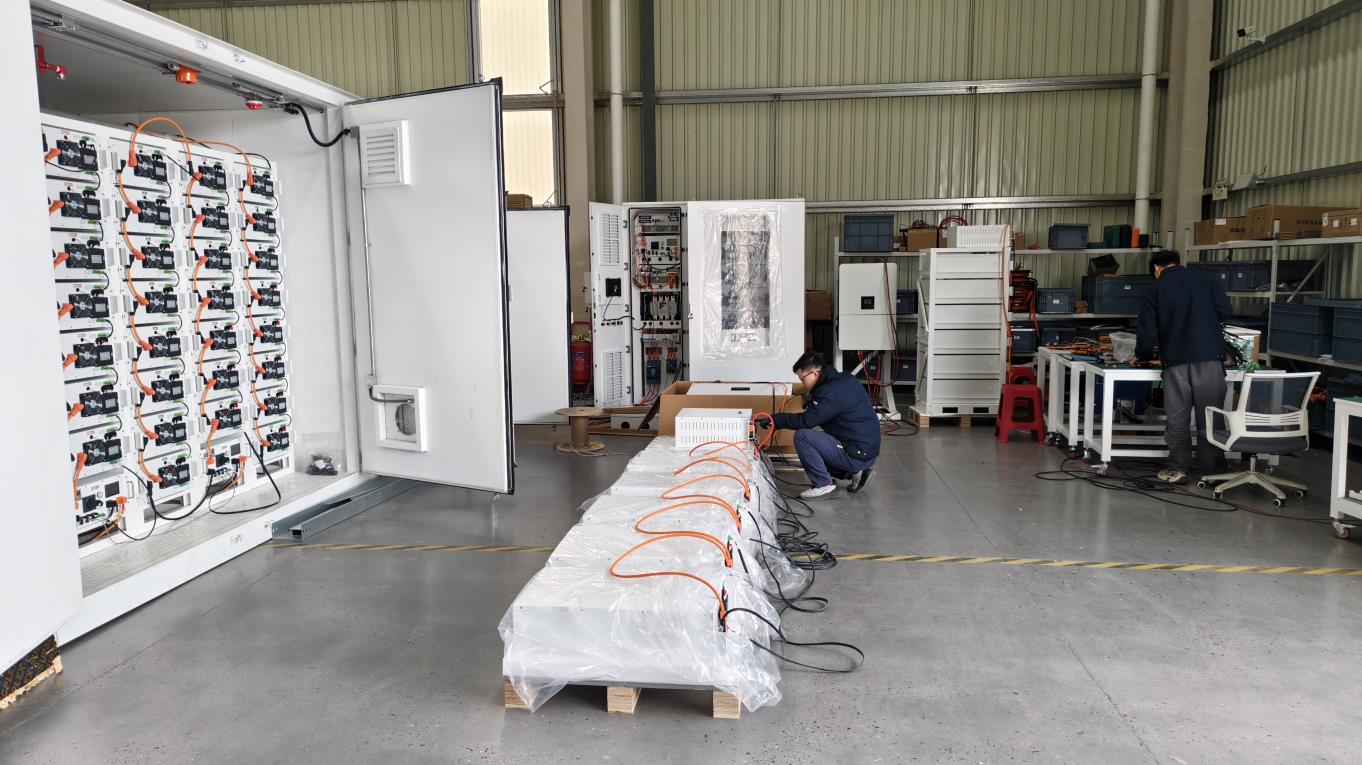
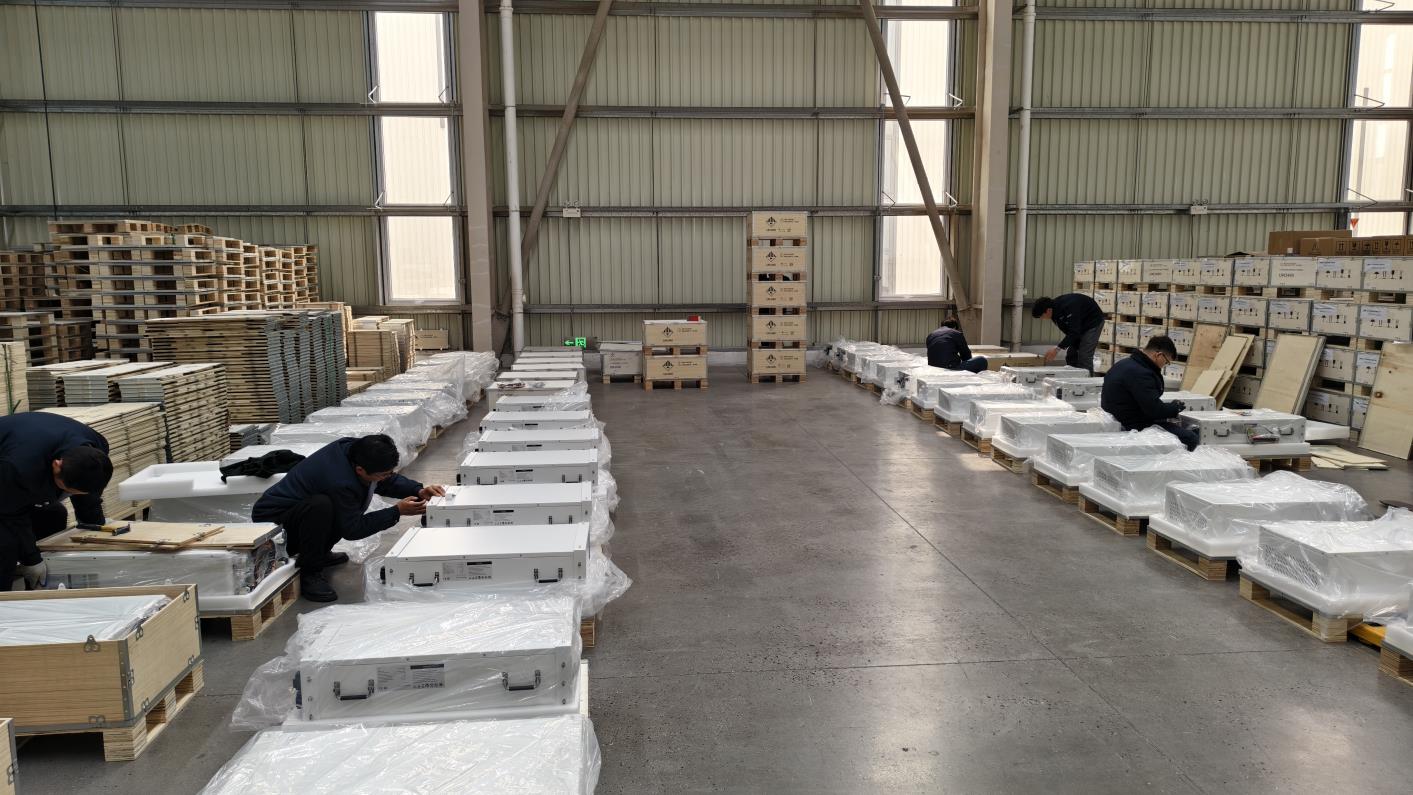
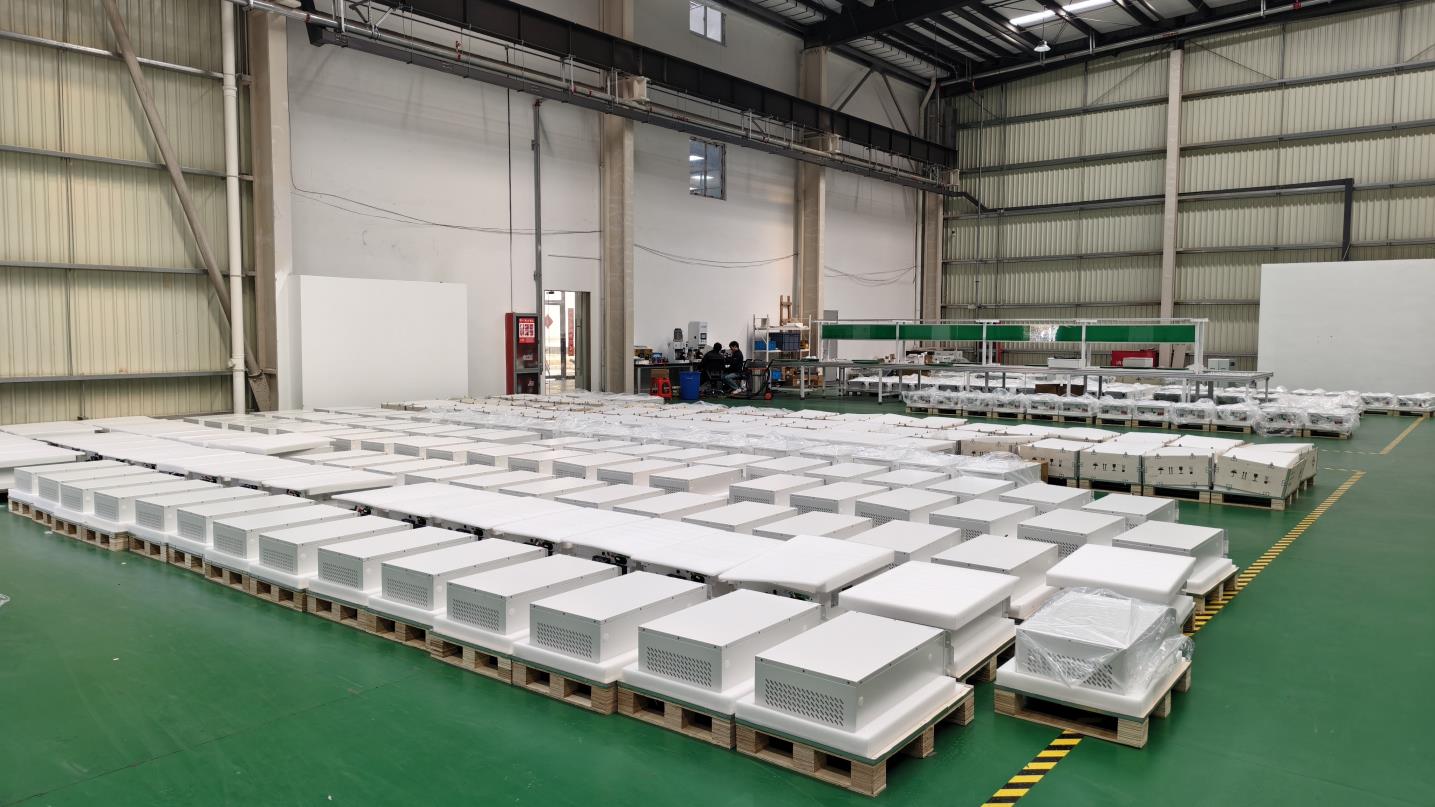
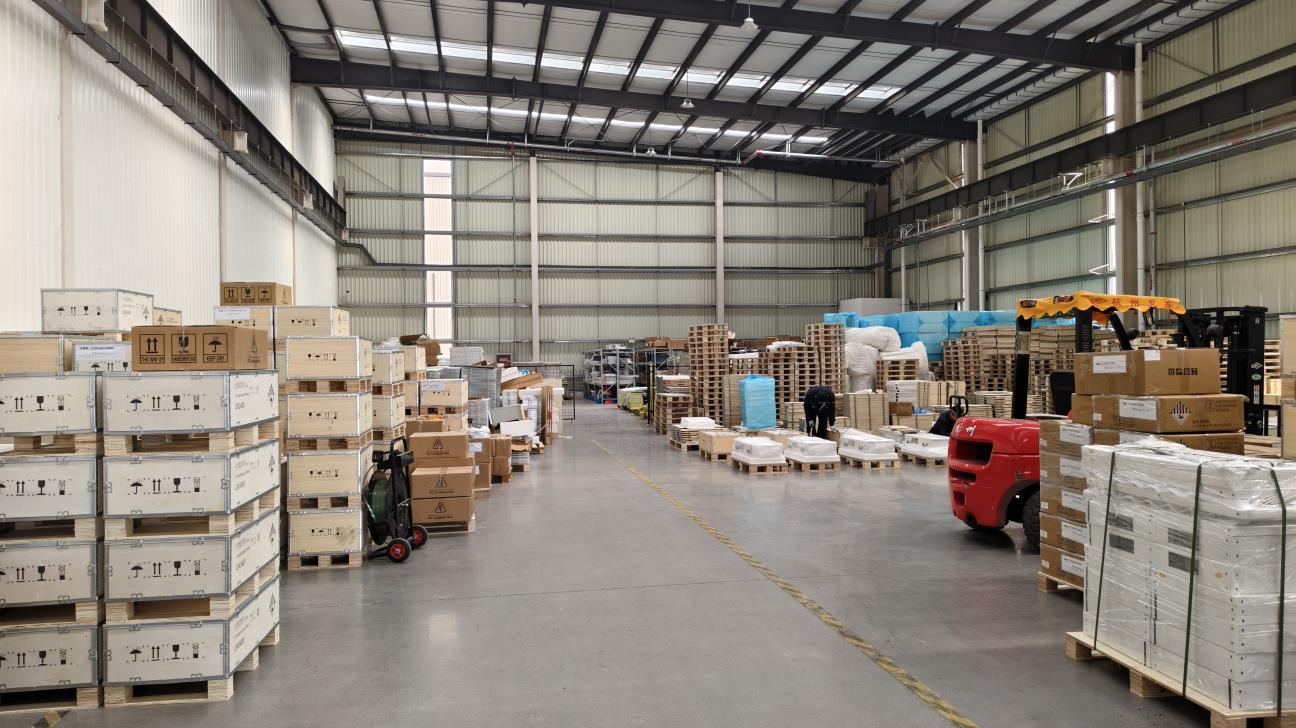
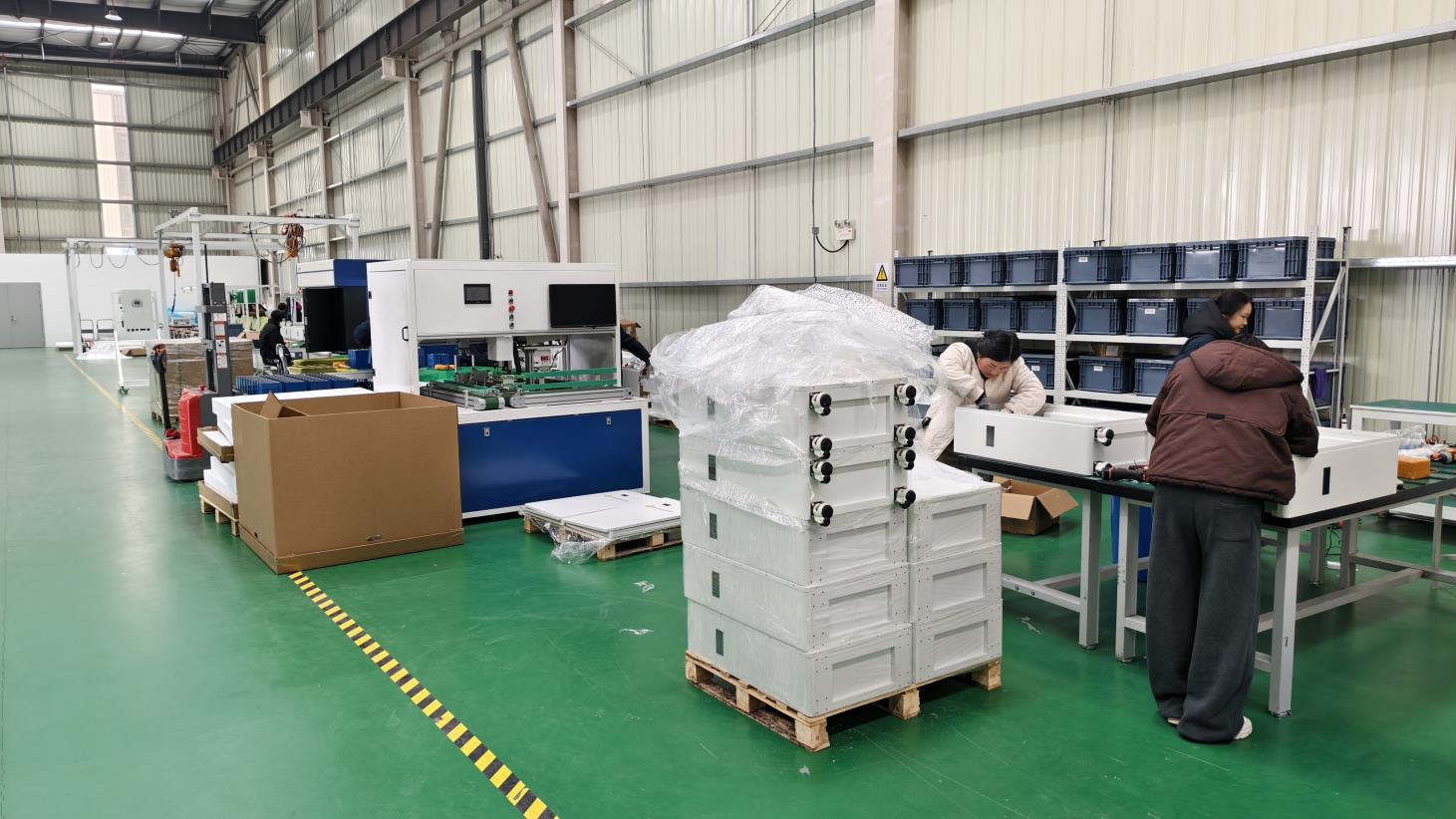
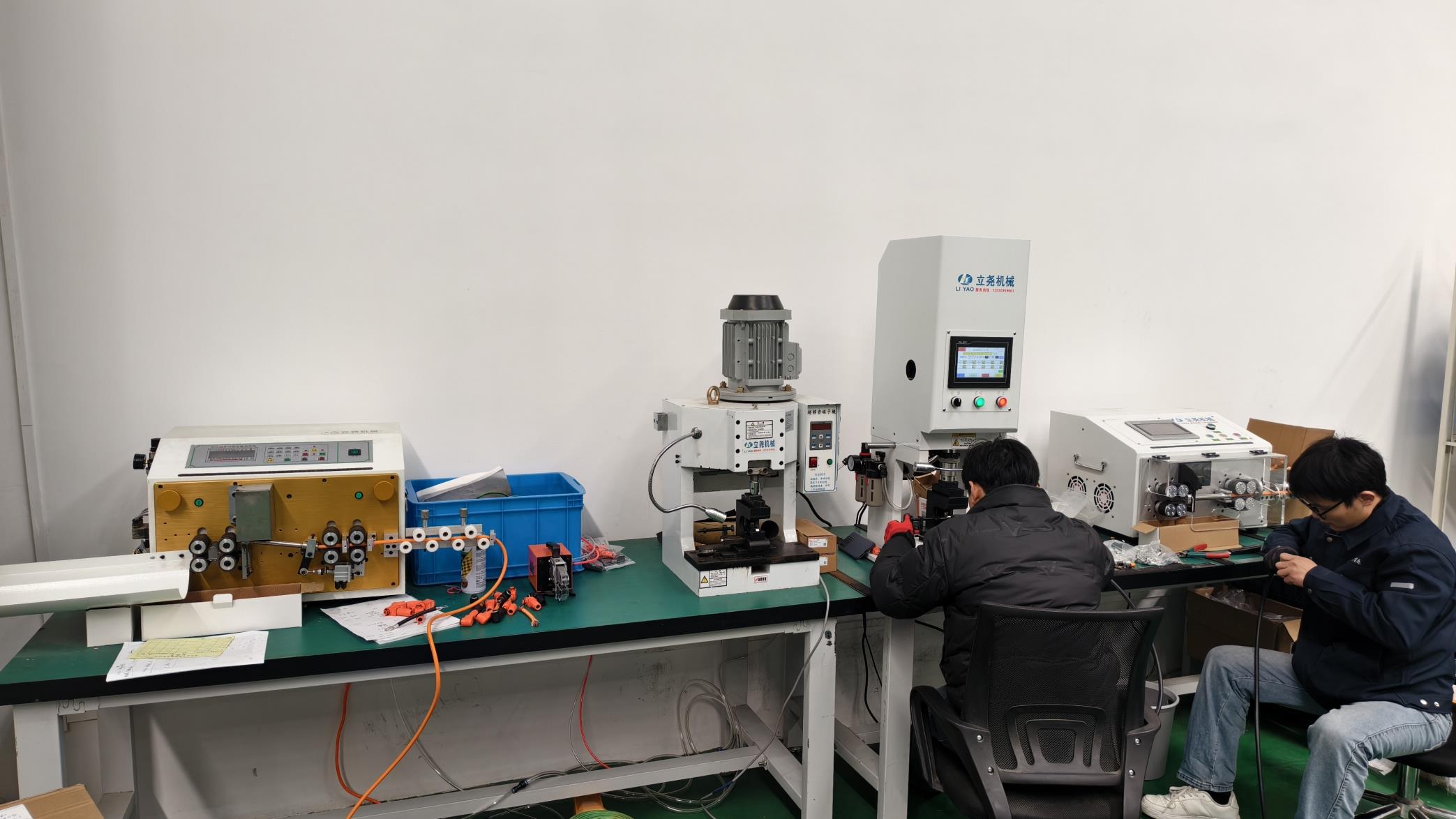
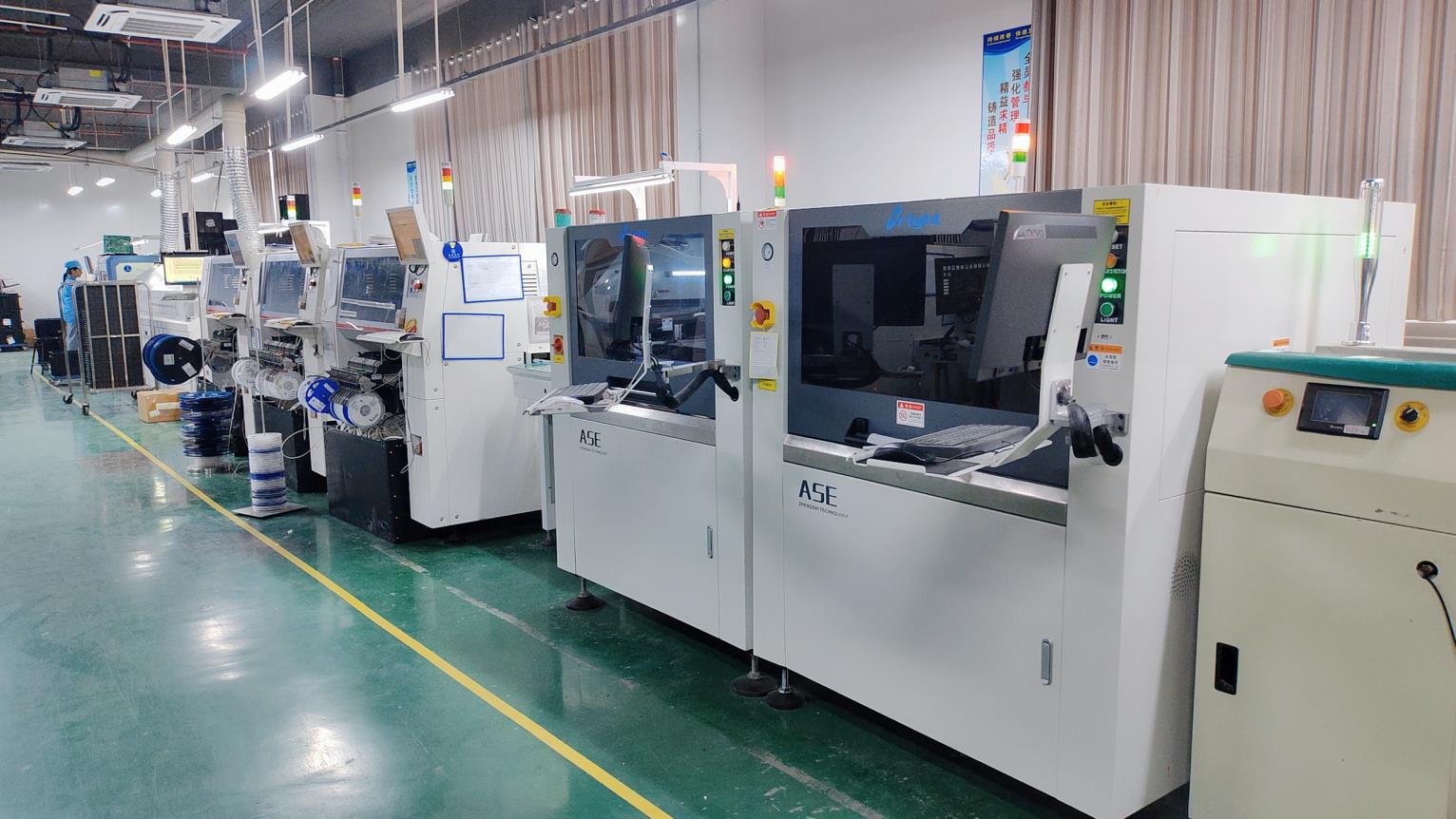
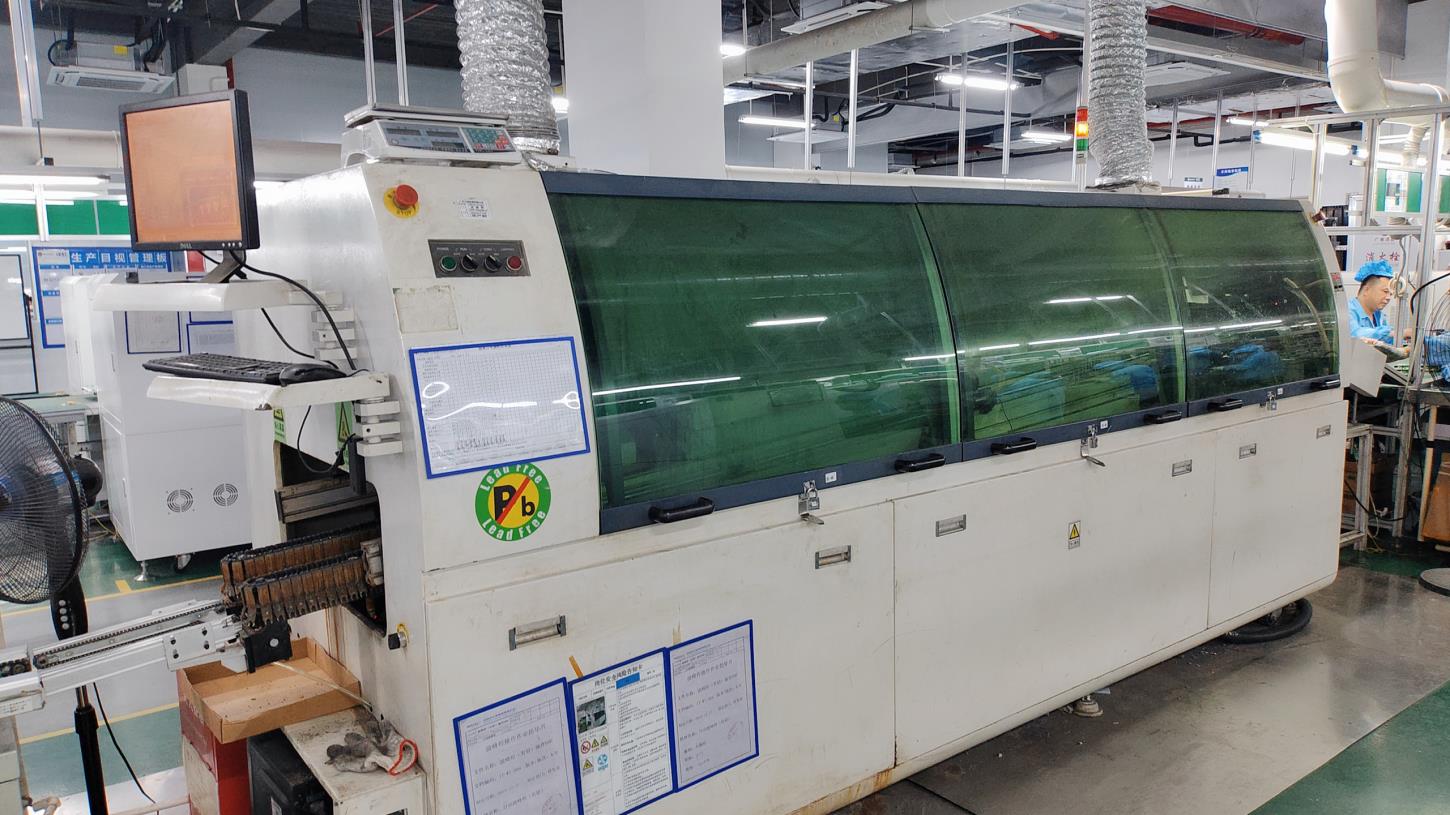
Tailoring cable configurations to commercial, industrial, and rural energy infrastructures across the Republic.
Vast arrays in regions like Zhambyl and Taraz require long runs of DC cables (1000V/1500V). Our UV-stabilized, low-degradation cross-linked cables prevent line losses over kilometers, maintaining plant output under intense direct solar exposure.
Industrial roofs require fire-retardant (LSZH) solar cables that adhere to strict urban construction safety regulations. Our products prevent toxic smoke emission in the rare event of electrical faulting on commercial developments.
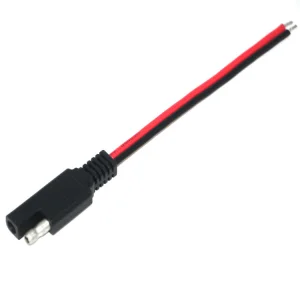
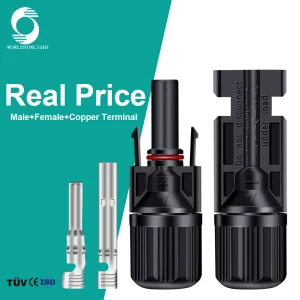
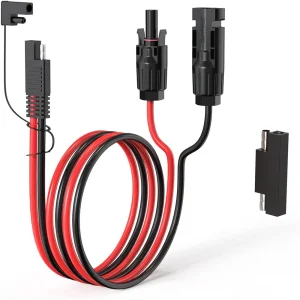
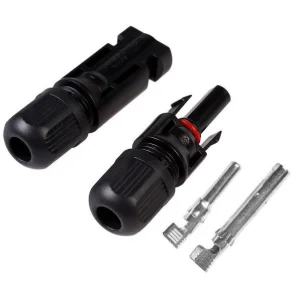
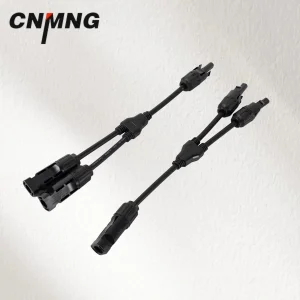
Far-flung pastoral operations and mineral extraction units rely on rugged, standalone hybrid PV systems. Heavy-gauge SAE and MC4 connector harnesses provide plug-and-play field connections with zero tool dependency.
As DC voltage thresholds step up from 1000V to 1500V globally to reduce system cost and wire diameters, demand has shifted towards high-specification insulation profiles. In Kazakhstan, this trend is coupled with strict supply diversification policies (Local Content requirements). Buyers look for components certified across both EU (TÜV) and regional standards to pass state audits. Additionally, with the rise of bifacial solar panels that harvest reflected steppe light, cables must run underneath mounting frameworks where they face mechanical abrasion from dynamic wind loads. Our double-insulated configurations are uniquely designed to resist surface friction and constant cable vibration.
Secure global-grade components directly from the factory floor. Available in customizable lengths, harness configurations, and packaging options.
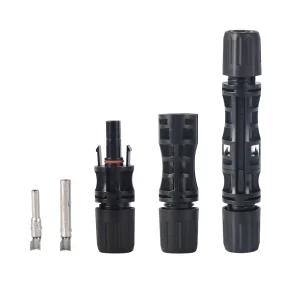
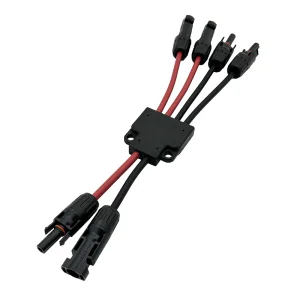
Crucial technical and logistical insights for engineers and procurement managers executing solar projects in Central Asia.
 Aryam Energy