Explore our highly specified DC connectivity solutions engineered to endure high UV radiation and extreme ambient heat profiles characteristic of desert solar arrays across Iraq.
Iraq is undergoing a major energy transition. Historically reliant on traditional fossil fuel power plants and import agreements, the Iraqi Ministry of Electricity and private industrial developers are aggressively pivoting to solar energy. Large-scale utility projects in Al-Muthanna, Basra, Karbala, and regional industrial projects around Baghdad demand robust electrical balance of systems (BOS). In these desert landscapes, solar cables and connectors act as the vital arteries of power systems, directly influencing efficiency and longevity.
However, the geographical and environmental realities of Iraq present unprecedented challenges. Solar installations are subjected to extreme ambient temperatures exceeding 50°C during the summer months, alongside intense, direct ultraviolet (UV) exposure. Sand and dust storms are frequent, depositing fine abrasive particles that can degrade standard rubber and PVC sheathing, compromising the dielectric insulation. When sand penetrates electrical interfaces, it increases contact resistance, culminating in localized heat buildup and catastrophic system failure. Consequently, selecting heavy-duty, highly rated solar cables and connectors is not merely a matter of project optimization—it is a critical safety and durability requirement.
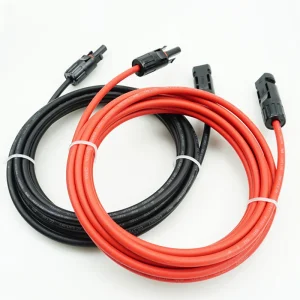
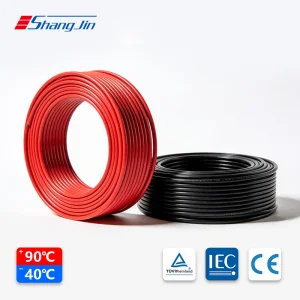
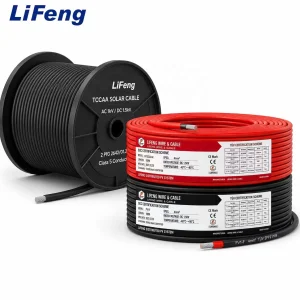
When deploying cables in solar fields situated in hot, dry regions like the Middle East, material choice is paramount. Standard PVC-insulated cables degrade quickly under high UV radiation and hot desert sands. Therefore, industrial-grade solar cables utilize Electron-Beam Cross-Linked Polyolefin (XLPO) for both insulation and outer sheathing. This cross-linked polymer structure provides superior resistance against UV rays, ozone, and thermal overload, enabling continuous operation at conductor temperatures up to 120°C.
Oxidation is a silent killer in electrical installations. Under high temperatures, copper reacts with atmospheric moisture and oxygen, forming copper oxide which acts as an insulator. Our PV cables utilize high-purity, Class 5 flexible tinned copper. The thin tin layer protects the underlying copper from oxidation, maintains low contact resistance, simplifies termination, and prevents galvanic corrosion when connected to terminals or alloy solar frames. This maintains high conductivity and system safety over a 25-year operational life.
Anhui Aryam Energy Co., Ltd. is a leading provider of advanced renewable energy solutions, dedicated to delivering reliable, efficient, and sustainable power systems for residential, commercial, industrial, and utility-scale applications worldwide. Through continuous innovation and a strong commitment to clean energy development, Aryam Energy has established itself as a trusted partner in the global transition toward a low-carbon future.
The company specializes in the research, development, manufacturing, and integration of solar energy systems, energy storage solutions, hybrid power systems, and intelligent microgrid technologies. Leveraging cutting-edge engineering expertise and strict quality management standards, Aryam Energy provides comprehensive energy solutions tailored to diverse market needs, particularly in regions facing energy shortages, unstable grid infrastructure, or increasing demand for sustainable power generation.
With a professional R&D team and a growing portfolio of proprietary technologies, Aryam Energy continuously invests in innovation to enhance system performance, energy efficiency, and long-term reliability. Its products and solutions are designed to meet international standards and have been successfully deployed across Asia, Africa, the Middle East, Europe, and Latin America, serving customers in more than 100 countries and regions.
Aryam Energy's product portfolio includes solar inverters, energy storage systems, hybrid inverters, lithium battery solutions, solar water pumping systems, microgrid systems, and customized renewable energy projects. The company is committed to providing integrated energy solutions that maximize energy independence, reduce operational costs, and support environmental sustainability.
Driven by the vision of becoming a globally recognized clean energy technology leader, Aryam Energy actively collaborates with distributors, EPC contractors, government agencies, international organizations, and development partners to promote renewable energy adoption worldwide. Through its mission of "Empowering Sustainable Energy for a Better Future," the company strives to create long-term value for customers while contributing to global carbon reduction goals and sustainable social development.
By combining technological innovation, product excellence, and customer-centric service, Anhui Aryam Energy Co., Ltd. continues to deliver smart, reliable, and environmentally responsible energy solutions that help build a greener and more sustainable world.
Large-scale solar arrays in Iraq—spanning from municipal PV installations in Basra to off-grid agricultural water pumping stations in the Nineveh plains—require robust components to prevent power loss. Standard solar designs lose efficiency over time due to grid drop, soil accumulation, and contact failures. Mitigating these losses requires optimization across three main areas:
In utility-scale projects, strings of panels are often situated hundreds of meters away from the central combiners and inverters. If the cross-sectional area of the solar cabling is undersized, resistance leads to substantial voltage drop and power loss. Designers must select larger cross-sections (e.g., 6mm² or 10mm² DC cables) rather than standard 4mm² wires. This minimizes losses, which is critical given that higher ambient temperatures naturally increase electrical resistance in metal conductors.
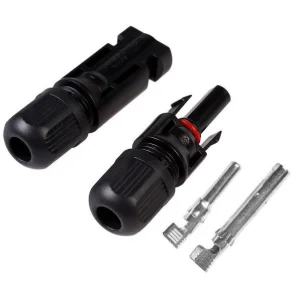
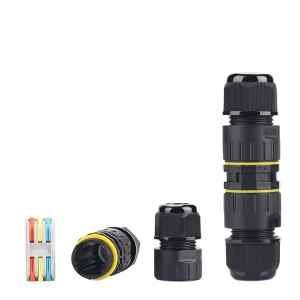
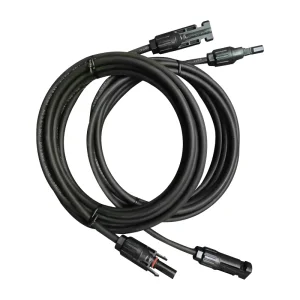
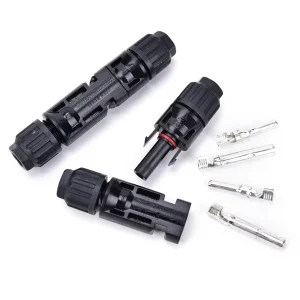
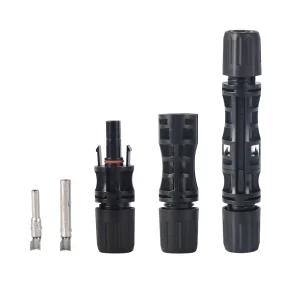
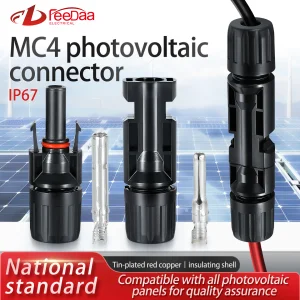
Standard MC4-compatible connectors rated at IP67 may keep out moisture during normal rains, but they can fail under the fine sand and dust storms common to Iraq's dry interior. Our range includes PV connectors certified to IP68 waterproof and dustproof standards. Designed with double-sealing rings and precision lock-jaw connections, they prevent micro-dust particles from entering the junction interface, helping prevent hot spots and electrical tracking.
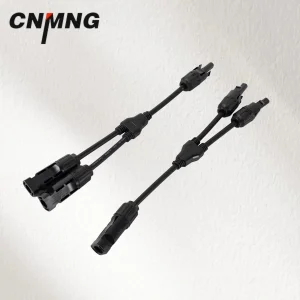
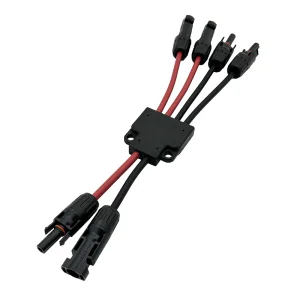
Modern PV installations are shifting from 1000V DC operating limits to 1500V DC architectures. This increase allows for longer string runs and fewer combiner boxes, lowering overall balance of system (BOS) costs. We supply 1500V DC rated solar cables and branch connectors specifically designed with thick XLPO insulation layers to safely manage elevated operating voltages.
To maintain long-term reliability in harsh environments, cables and connectors must meet international standards. When selecting a PV supplier, engineering firms and EPC contractors look for specific compliance certifications:
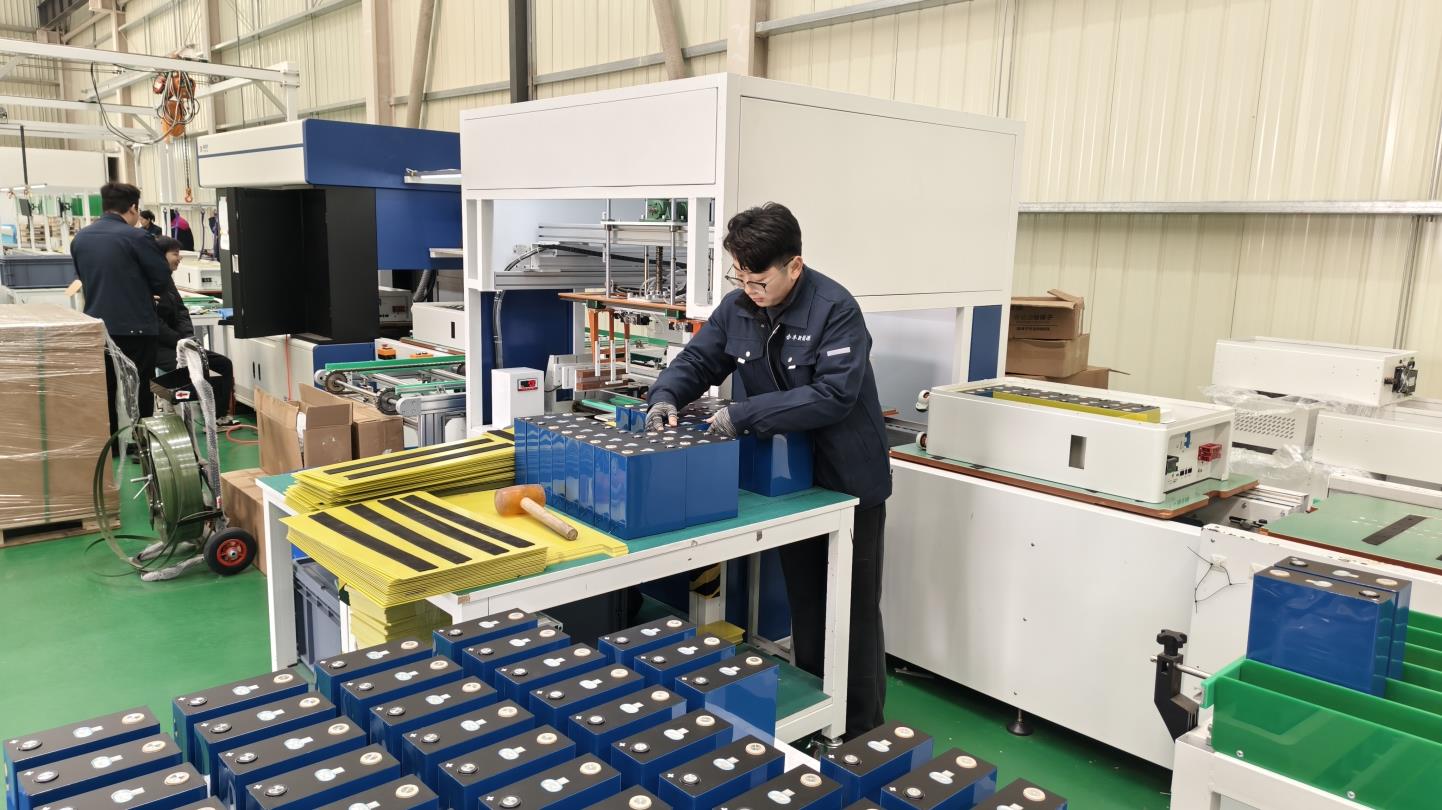
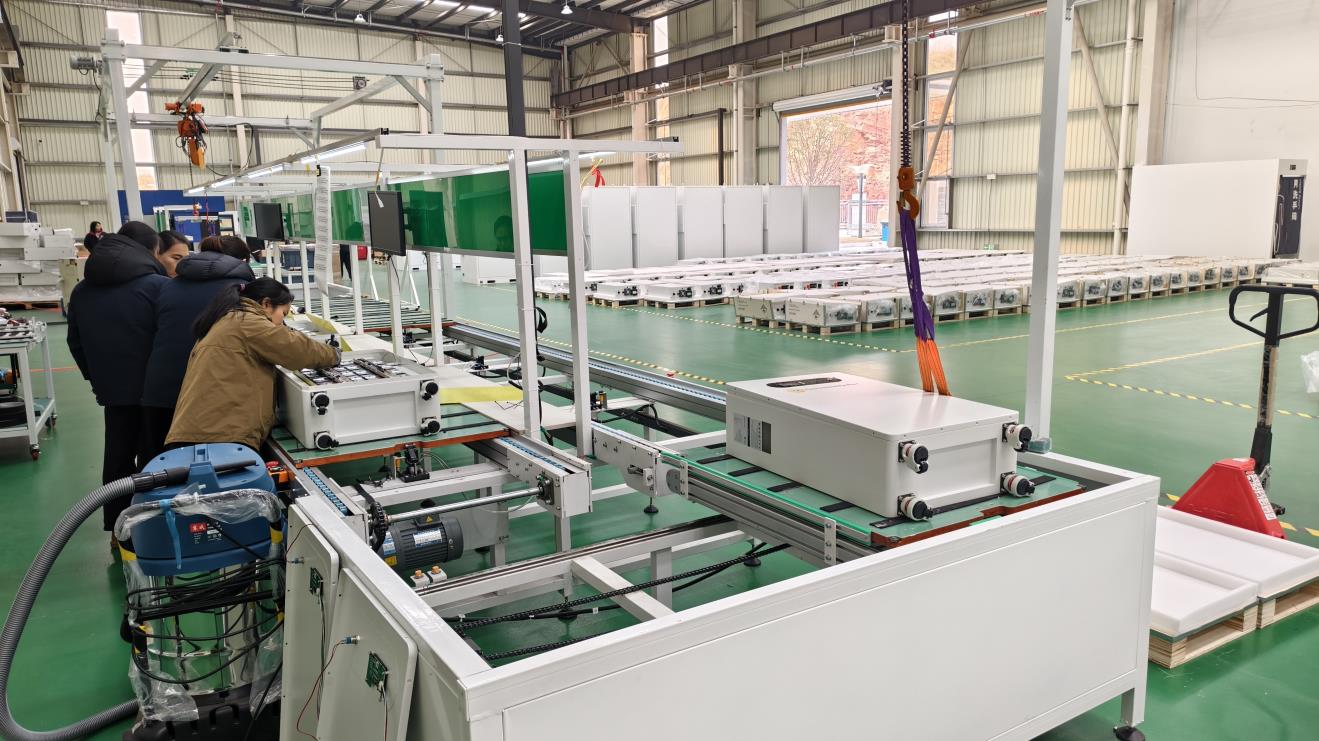
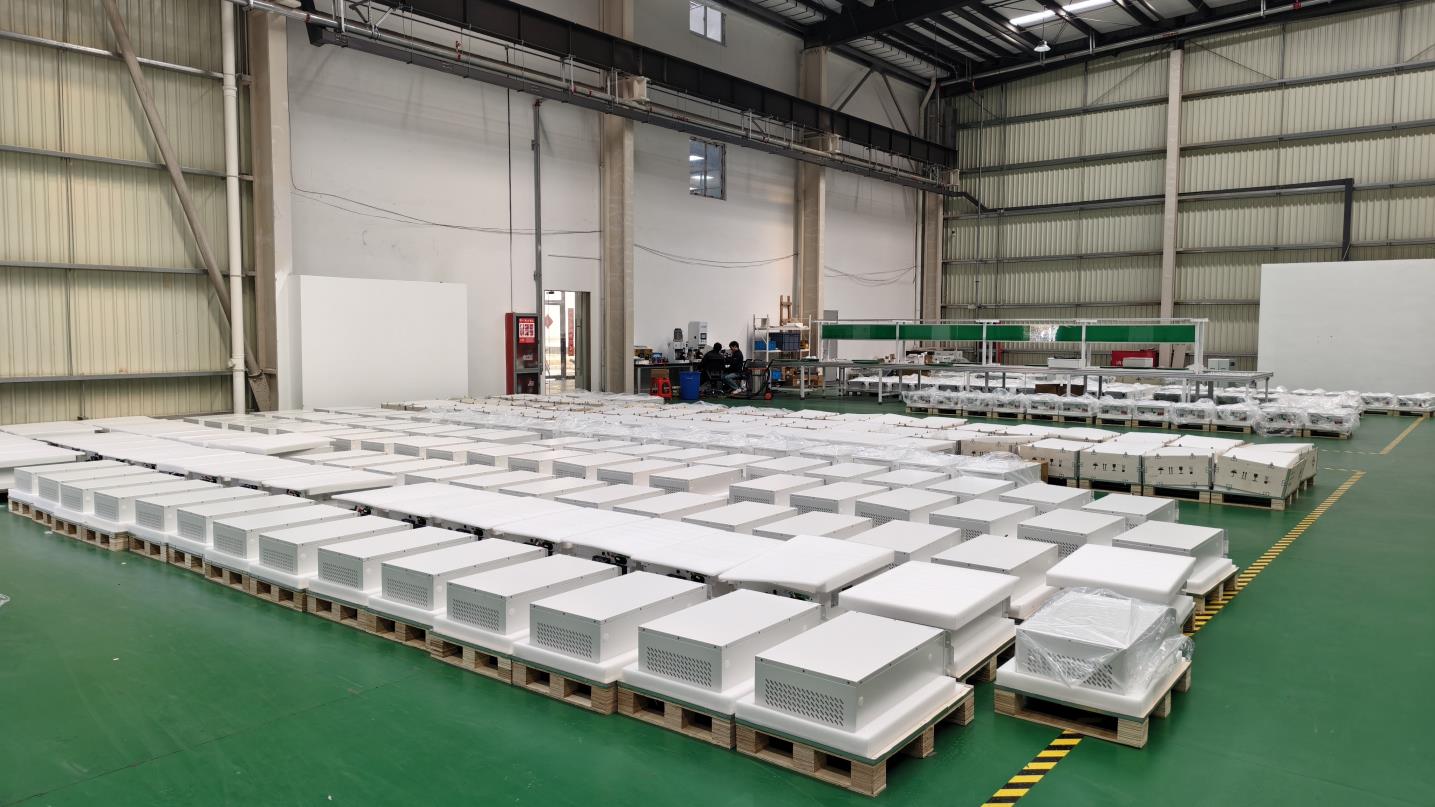
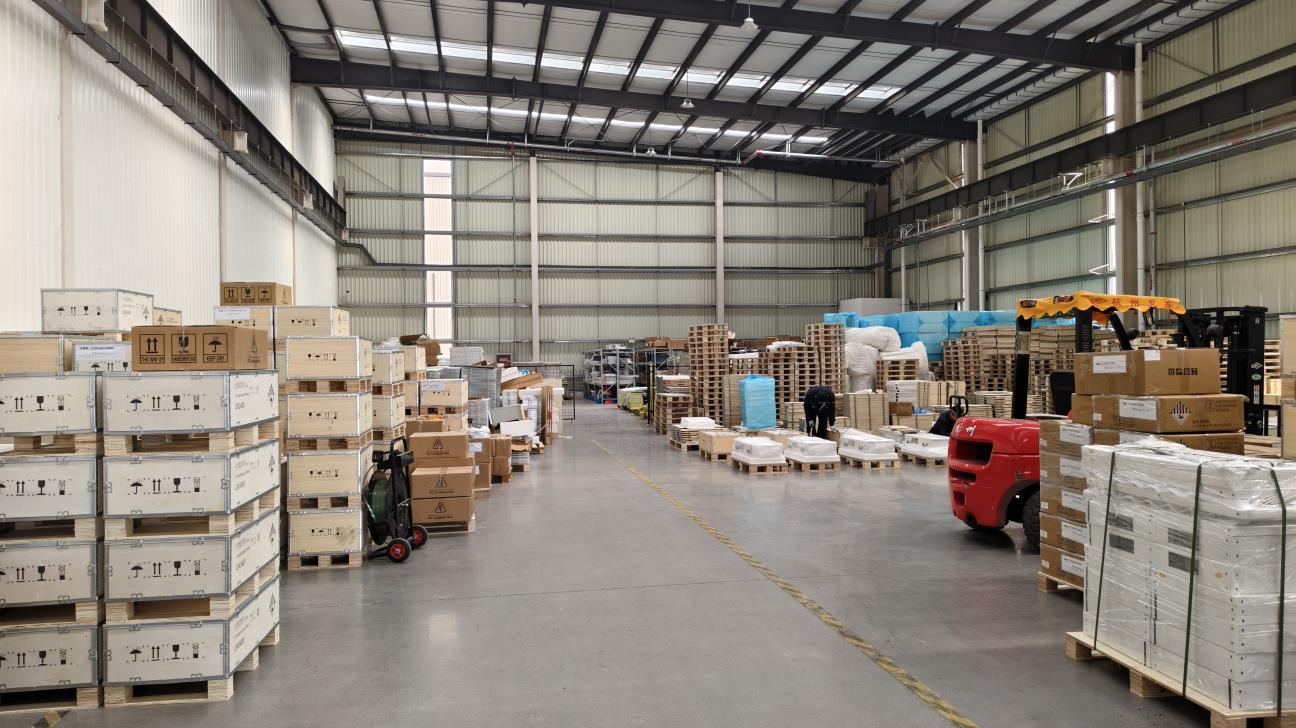
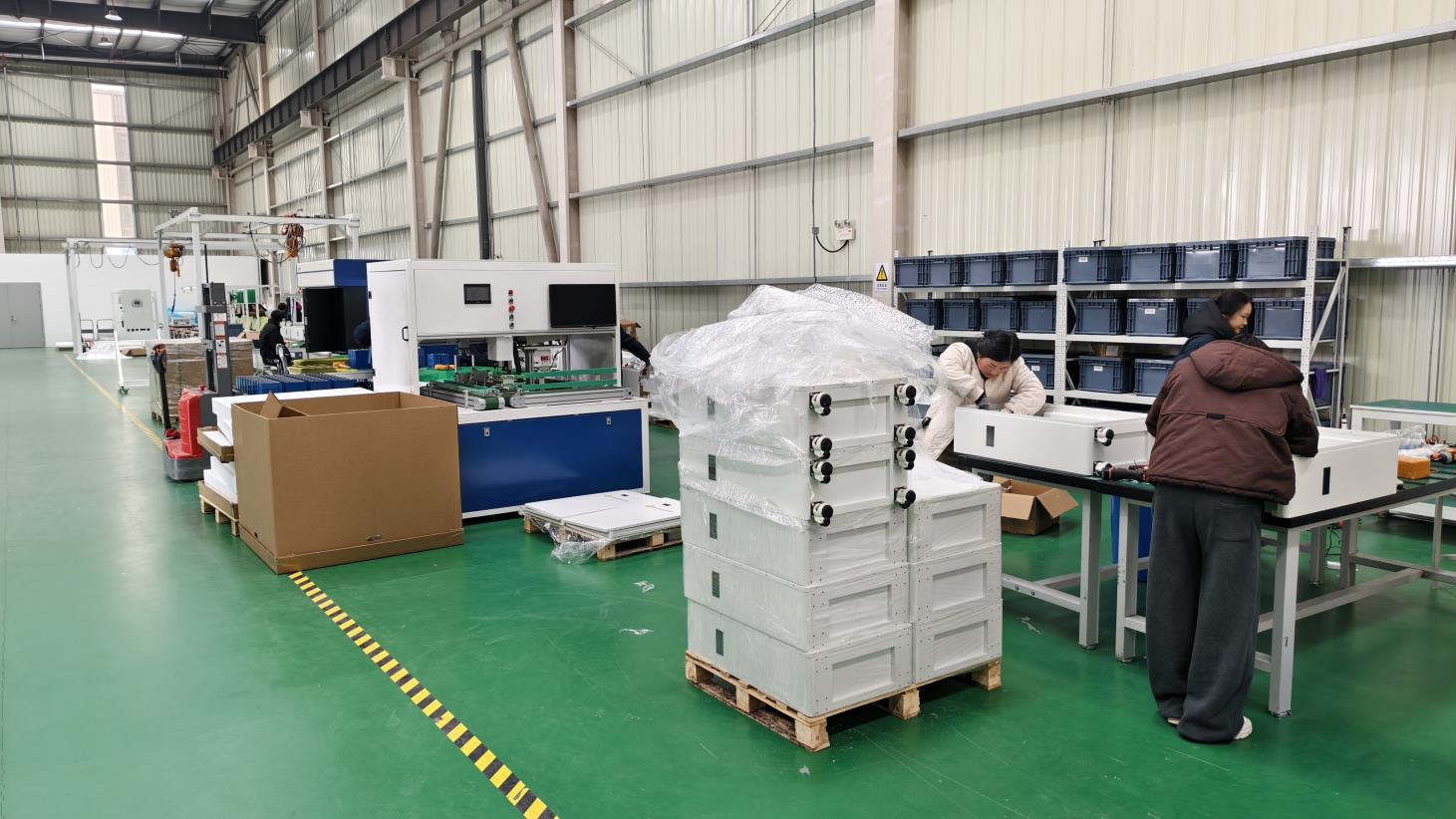
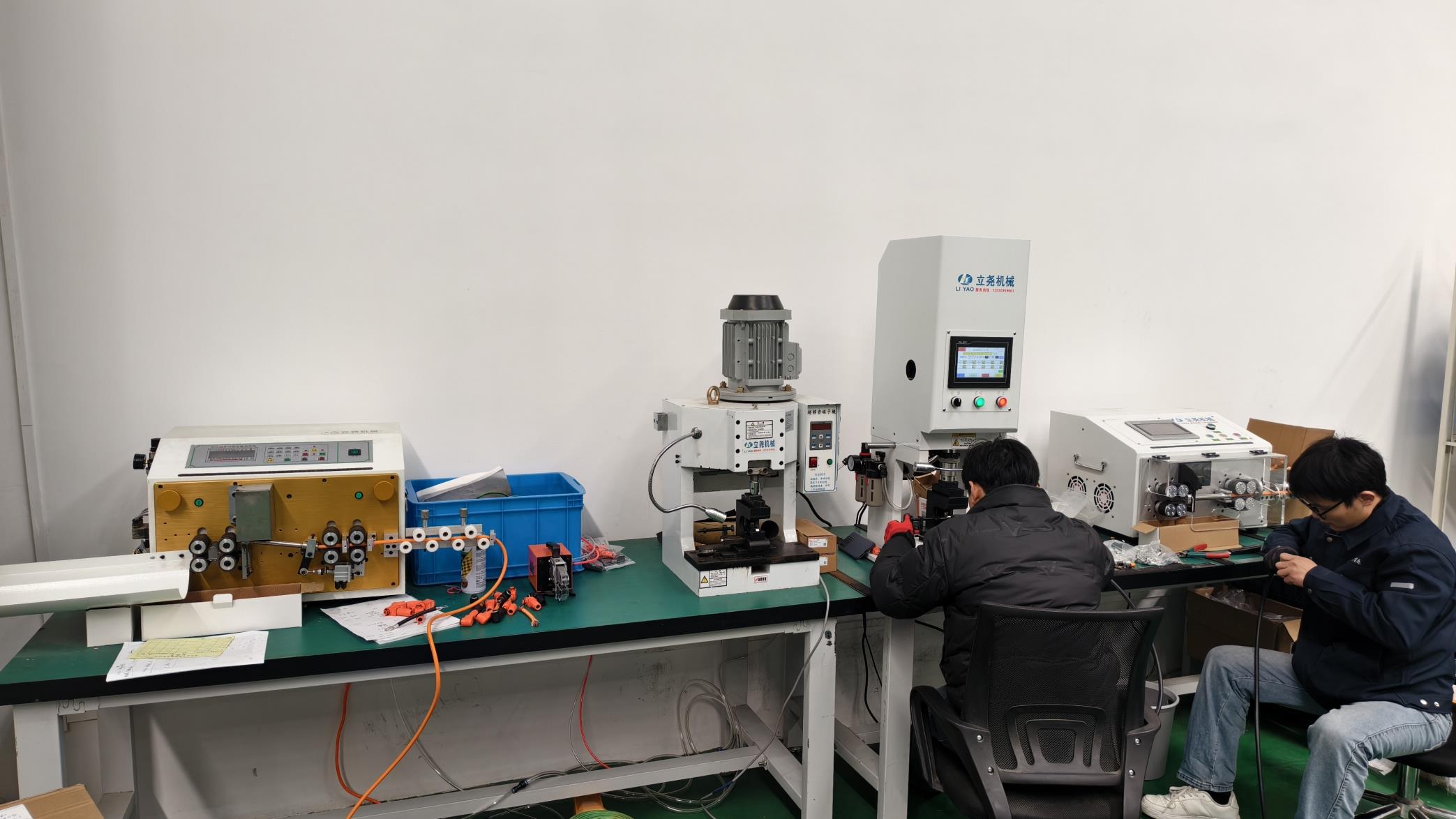
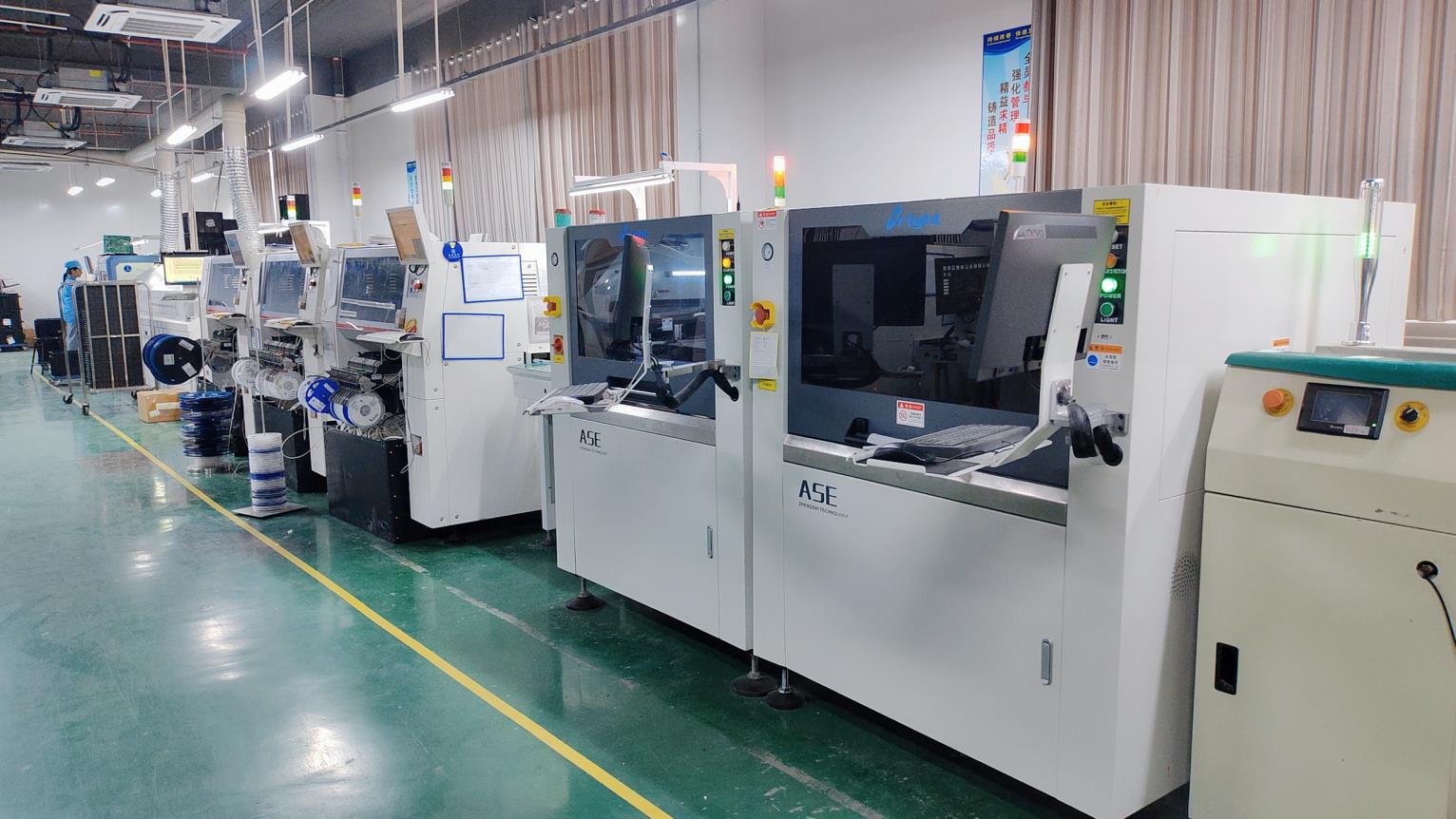
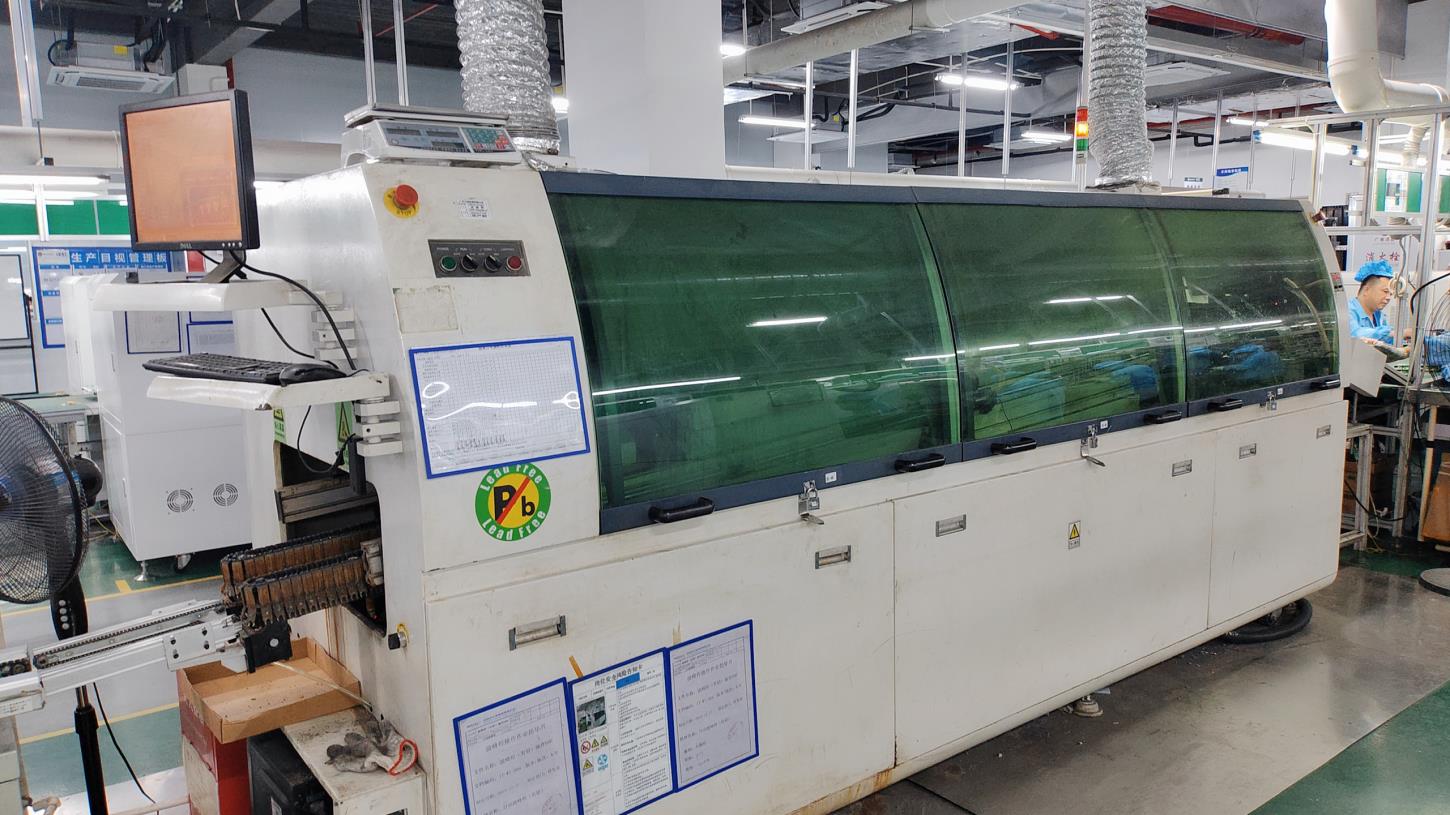
By utilizing automated production lines, wave soldering, and testing machines, we ensure each batch of cables and connectors meets these criteria.
Explore our complete range of certified components for residential distribution, commercial microgrids, and utility-scale solar farms.
Whether you are designing a utility-scale solar project in Al-Muthanna or distributing residential PV equipment across Iraq, our engineering team can provide technical advice, custom cabling configurations, and supply support.
Send Inquiry Now Aryam Energy