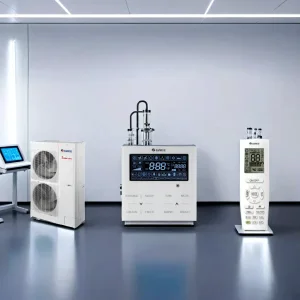
High-performance ACDC hybrid and off-grid models designed to optimize energy profiles across commercial and residential deployments in Colombia.
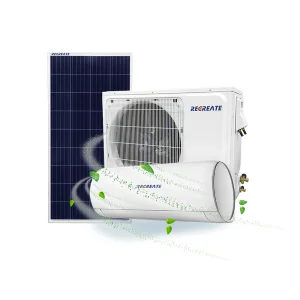
Colombia's geographic location renders it highly susceptible to volatile electricity costs and severe weather patterns such as El Niño. With utility tariffs surging across major industrial hubs like Barranquilla, Cartagena, Cali, and Medellín, businesses are actively searching for decentralized energy alternatives. High relative humidity in coastal areas and persistent solar radiation profiles ranging from 4.5 to over 6.0 kWh/m²/day—specifically in areas like the La Guajira peninsula—make solar-driven HVAC the logical path forward.
Traditional mechanical cooling represents between 40% and 60% of commercial buildings' aggregate electrical load in Colombia. Relying purely on the utility grid exposes commercial and industrial entities to high peak-demand charges and grid vulnerability. Implementing solar air conditioning systems directly mitigates this overhead, leveraging peak solar generation curves that align precisely with peak cooling demand hours.
Understanding the distinct advantages of hybrid and pure off-grid setups is essential for designing optimal commercial and residential cooling infrastructures.
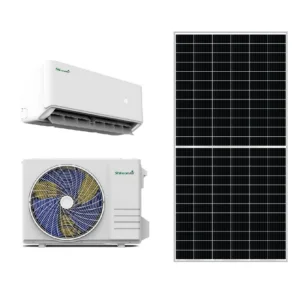
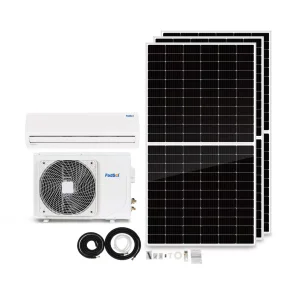
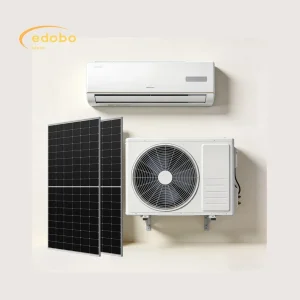
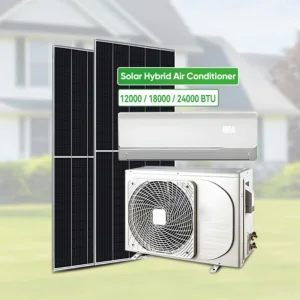
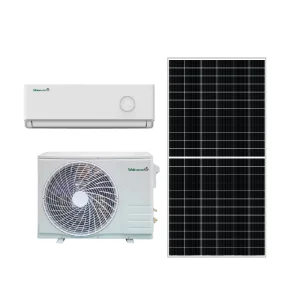
Our ACDC Hybrid technology operates seamlessly by blending solar power and grid utility energy in real-time. There is no need for battery storage or expensive inverters, making this option highly cost-efficient and practical for businesses with daytime operations.
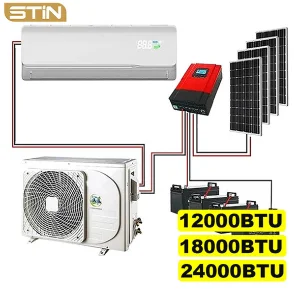
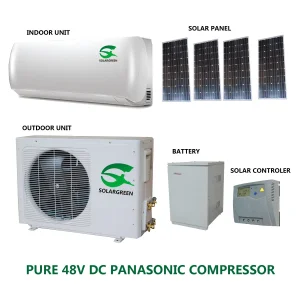
Designed specifically for isolated areas, telecom base stations, eco-lodges, and installations where utility grids are nonexistent or highly unstable. These systems operate strictly on a 48V DC power bus linked to solar PV and battery banks.
| Technical Characteristic | ACDC Hybrid Air Conditioners | 100% Off-Grid DC48V Systems |
|---|---|---|
| Primary Application | Daytime commercial offices, retail centers, schools | Remote telecommunication stations, eco-resorts, islands |
| Battery Requirement | None (Highly cost-optimized) | Required (DC battery bank, 48V Lead-Acid or LiFePO4) |
| Working Voltage Range | PV: 90V - 380V DC; AC: 208V - 240V AC | 42V - 58V DC (Standard 48V system) |
| Power Blending Efficiency | Dynamic allocation based on solar availability | 100% standalone solar solar/battery conversion |
From coastal resorts to industrial distribution centers, explore how Colombian enterprises deploy solar HVAC technology to slash operational overhead.
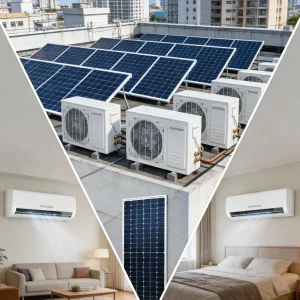
Hotels along the Caribbean coast (Santa Marta, San Andrés) face high tourist utility demands alongside high electricity rates. Implementing quiet, ultra-efficient ACDC hybrid split systems reduces carbon emissions and satisfies the demand for eco-friendly tourism.
Colombia's coffee, flower, and fruit cold chains in Antioquia and Valle del Cauca require precise humidity and temperature control. Solar dehumidifying units stabilize sensitive storage environments, minimizing agricultural loss while operating independently of remote grid failures.
Deployments in the Orinoquía and Amazonía regions lack stable power grids. 48V DC solar-powered air conditioners connect directly to telecommunication tower batteries, safeguarding signal repeaters and electronics from overheating without requiring active fuel logistics for generators.
As a trusted global clean energy developer, Anhui Aryam Energy Co., Ltd. integrates state-of-the-art Chinese supply chain efficiency with rigid quality assurance processes.
Anhui Aryam Energy Co., Ltd. is a leading provider of advanced renewable energy solutions, dedicated to delivering reliable, efficient, and sustainable power systems for residential, commercial, industrial, and utility-scale applications worldwide. Through continuous innovation and a strong commitment to clean energy development, Aryam Energy has established itself as a trusted partner in the global transition toward a low-carbon future.
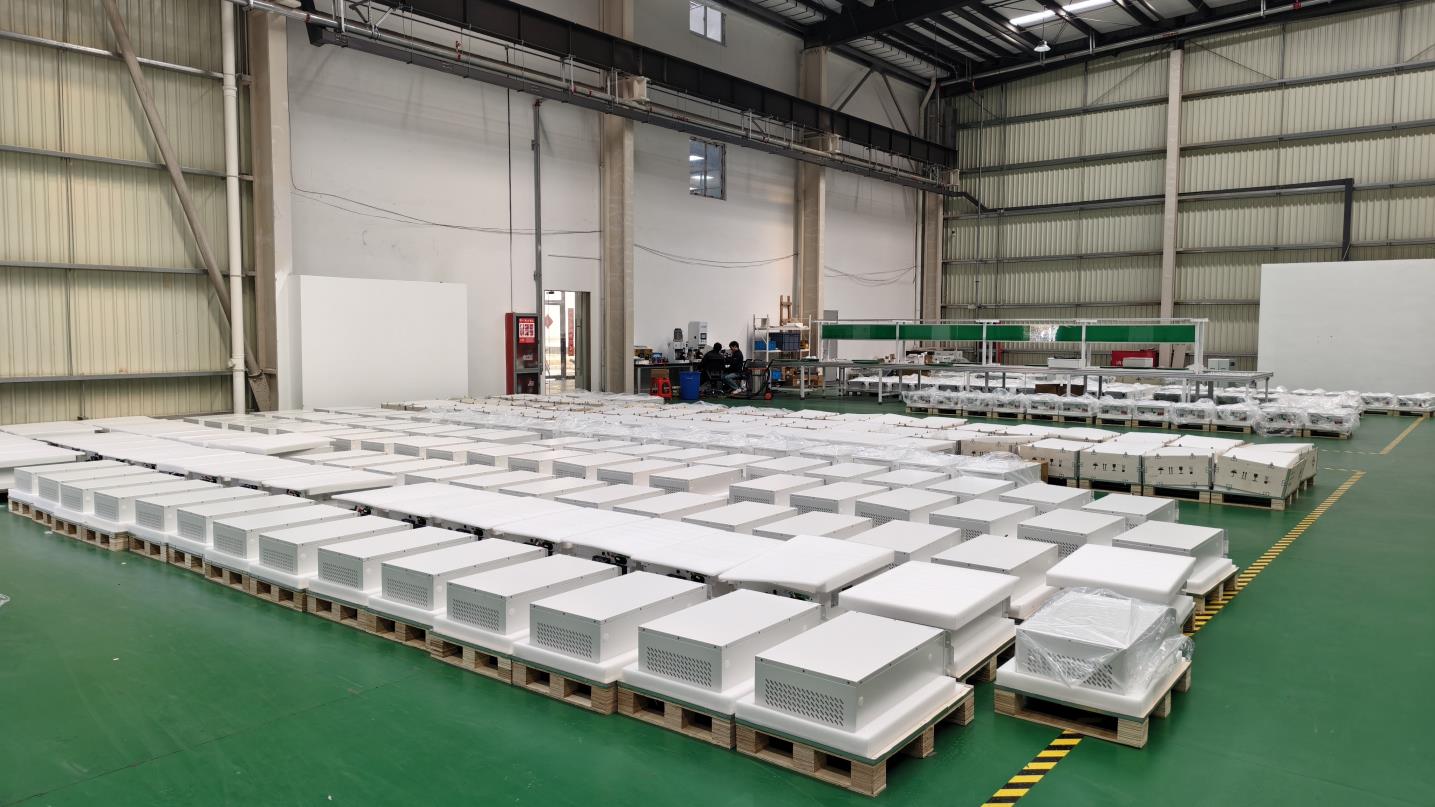
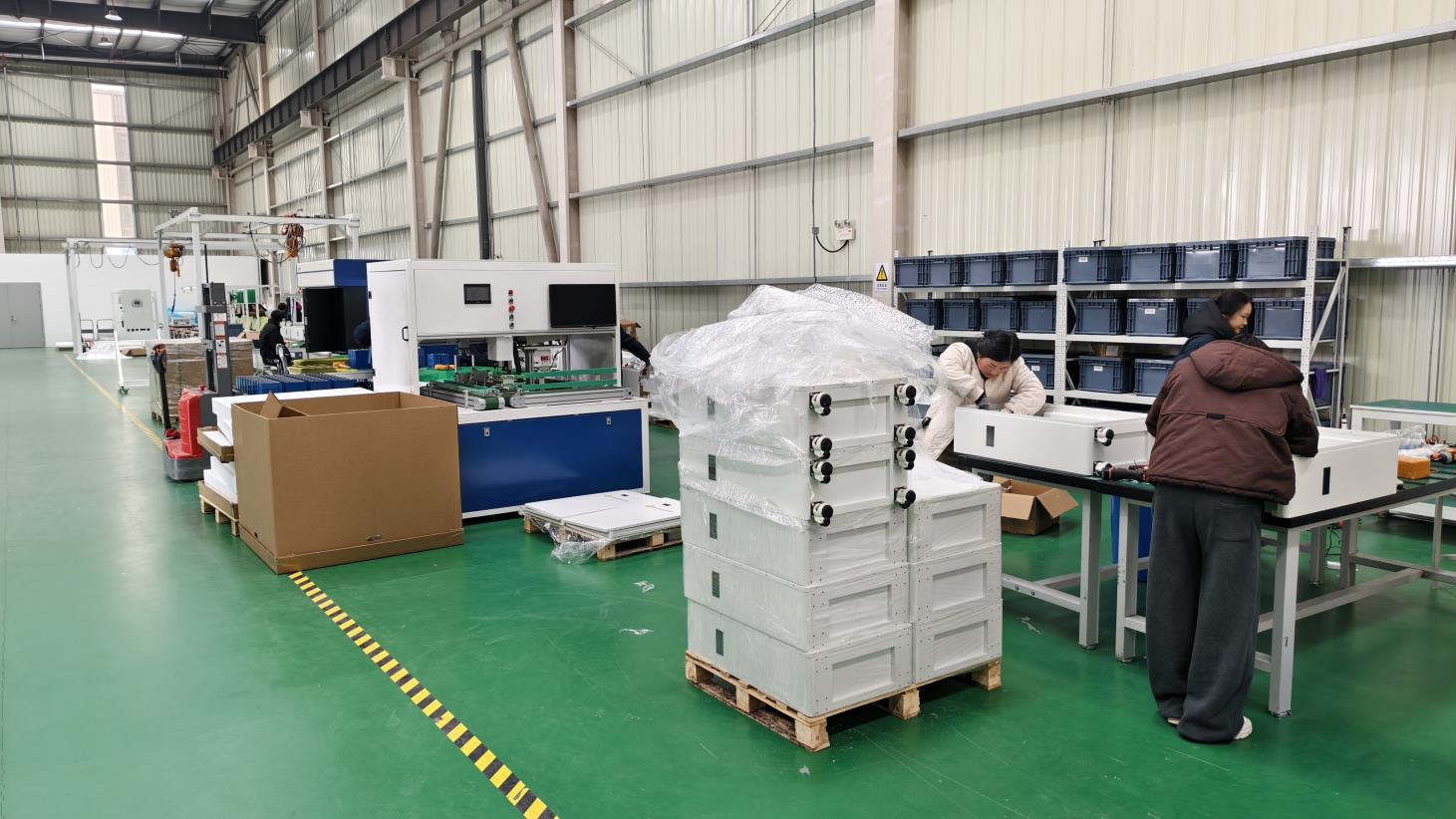
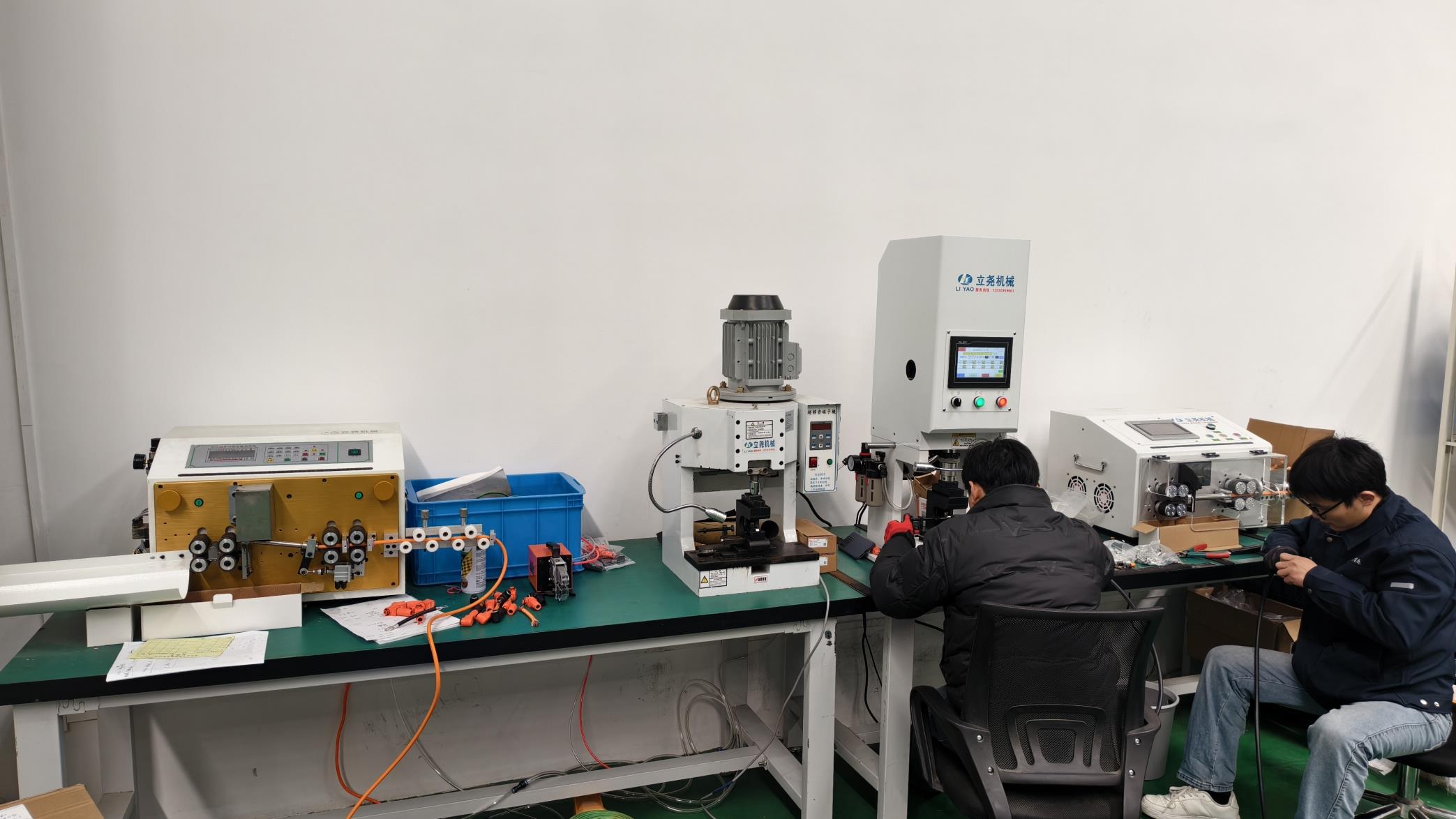
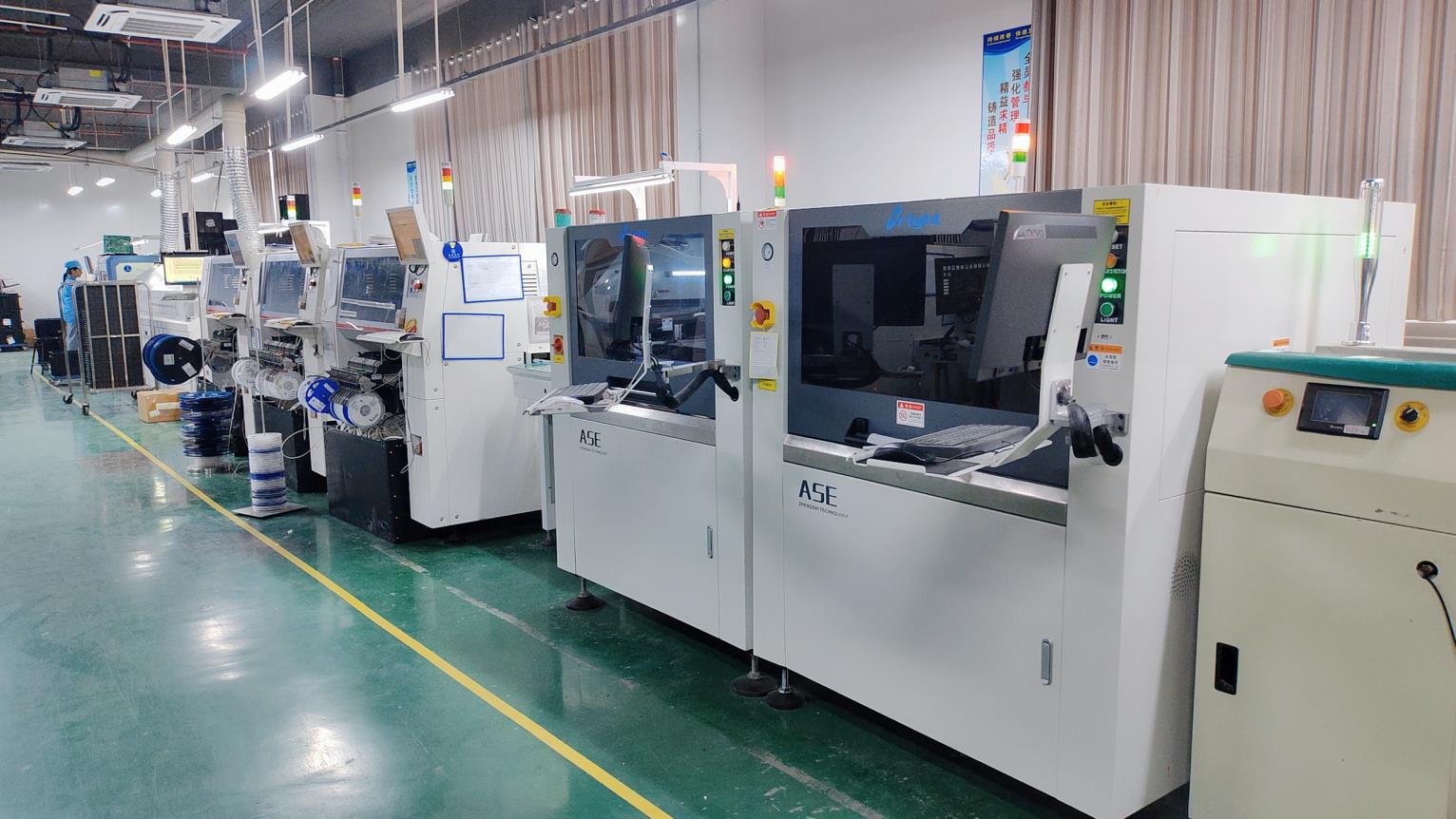
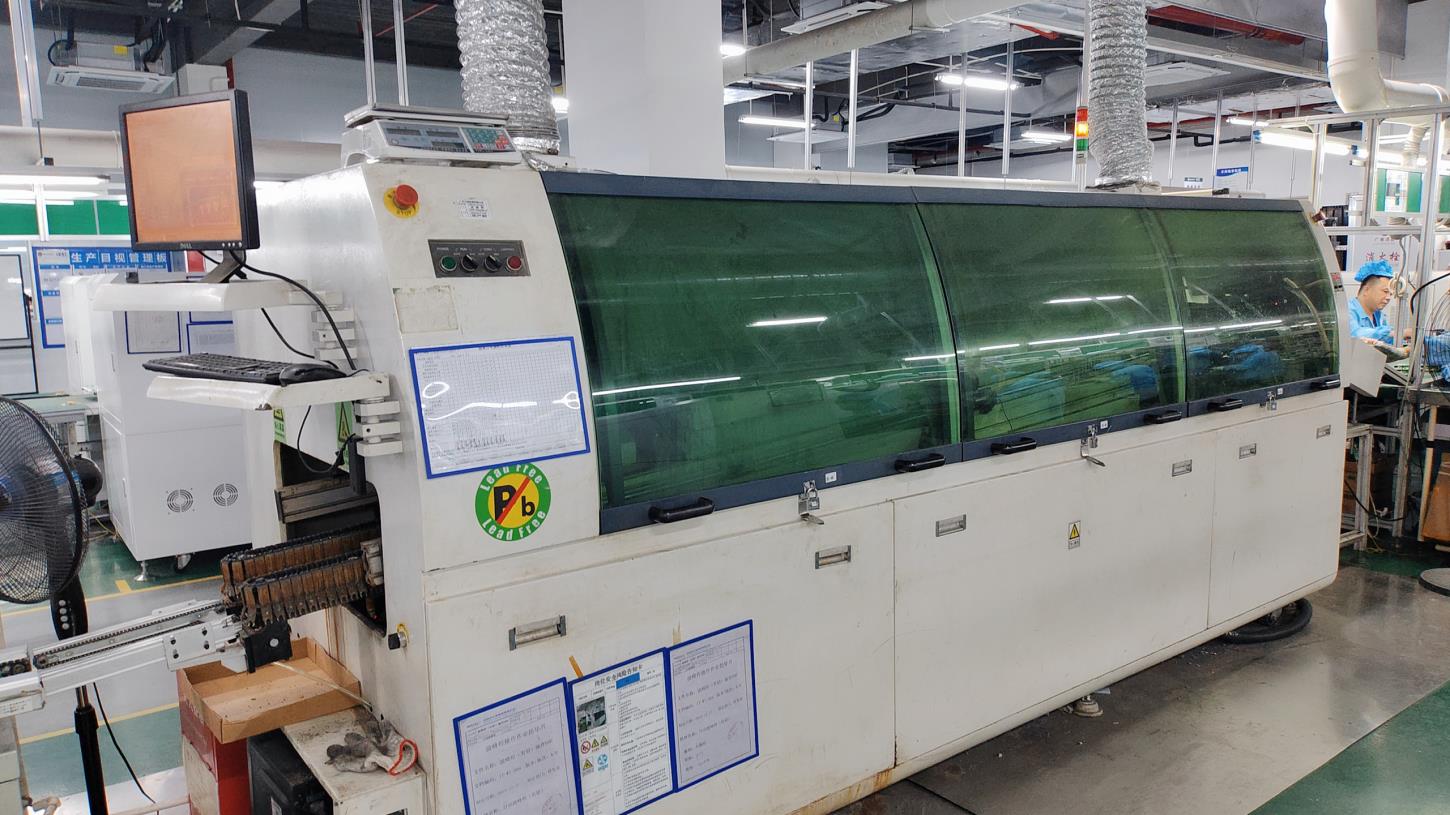
Our modern production facility utilizes advanced SMT (Surface Mount Technology) assembly lines and automated wave soldering systems to ensure long-term durability and performance under harsh environmental conditions. By managing key supply chain relationships with global leaders in compressor and semiconductor manufacturing, we maintain absolute quality control over our components, offering high reliability at competitive pricing.
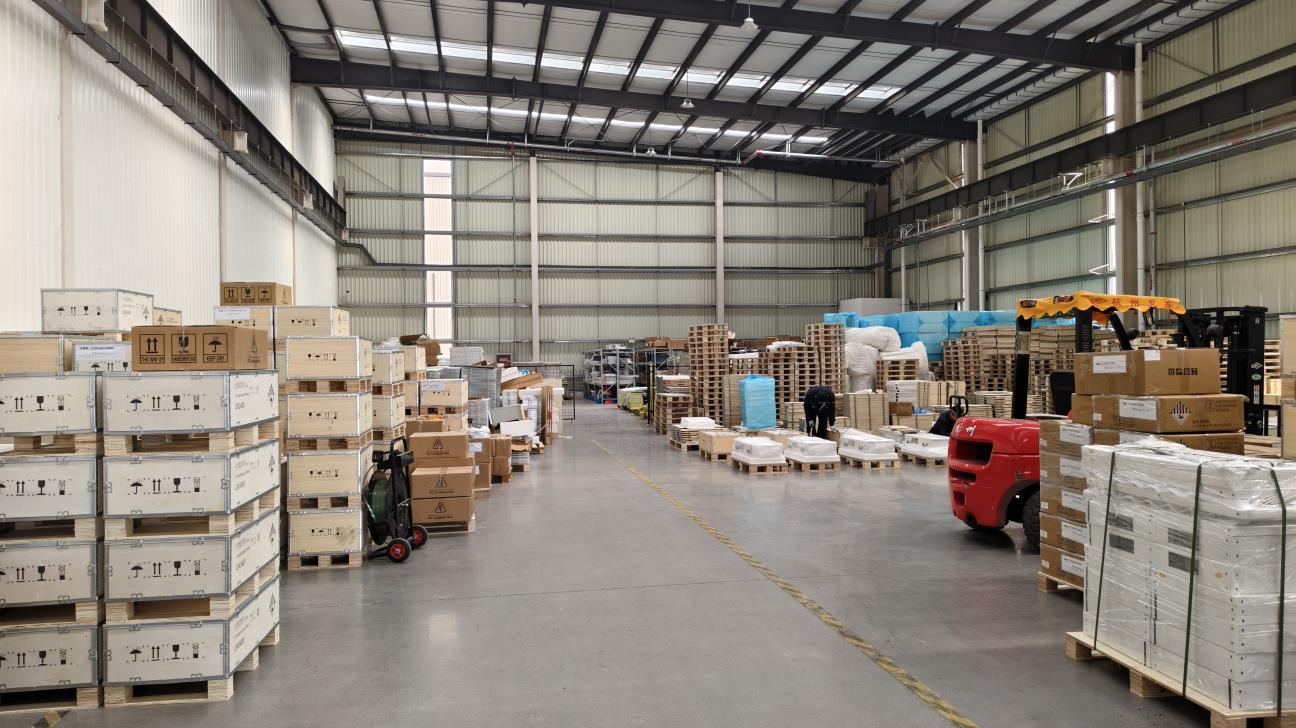
Each unit undergoes strict performance testing, simulation of tropical operating temperatures, dynamic load balancing, and insulation checks before packing. This rigorous attention to engineering detail ensures that our systems successfully operate across diverse climatic regions in more than 100 countries.
Our production cycle is highly vertically integrated, allowing us to rapidly customize systems for OEM/ODM configurations according to local requirements. Whether it's adding specialized anti-corrosion coatings for maritime installations in Cartagena or optimizing system voltages to align with local Colombian utility standards, our engineering team manages the design cycle directly from the manufacturing floor.
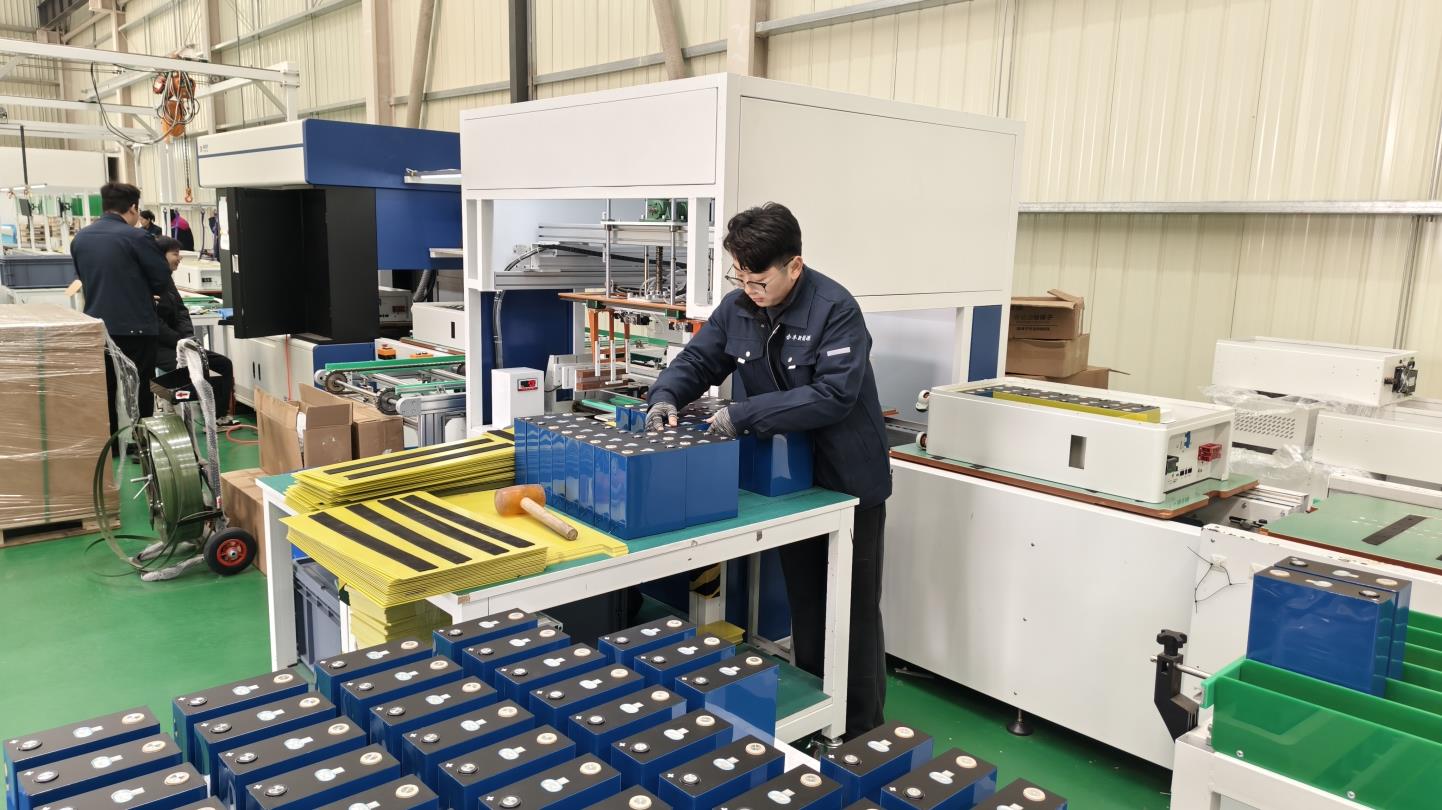
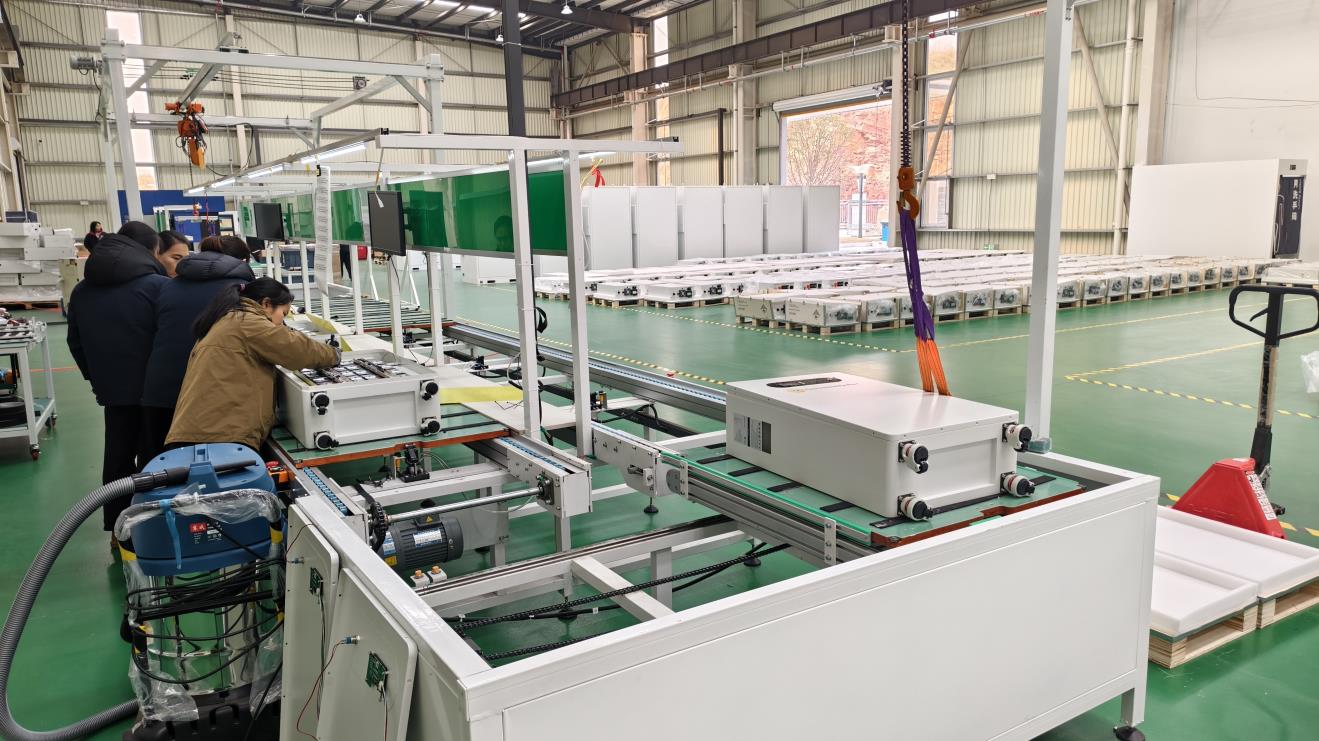
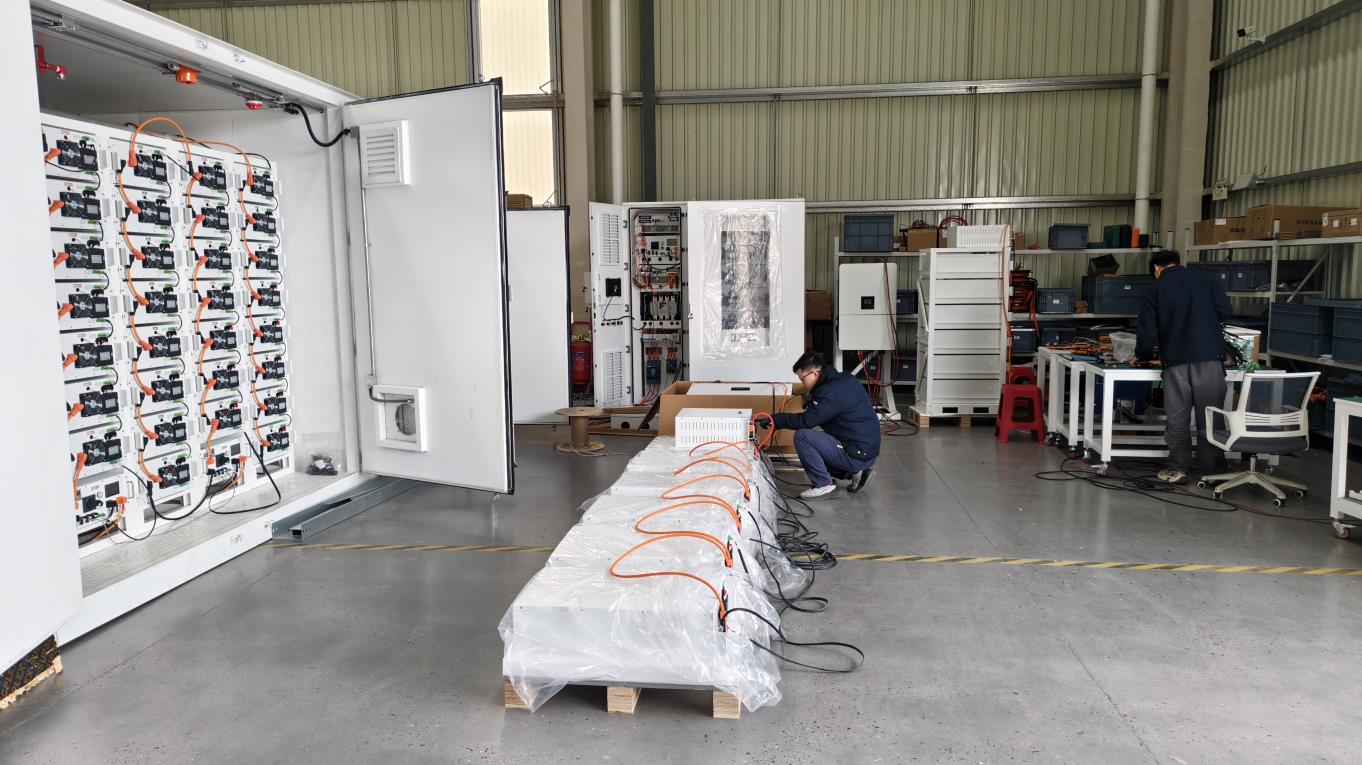
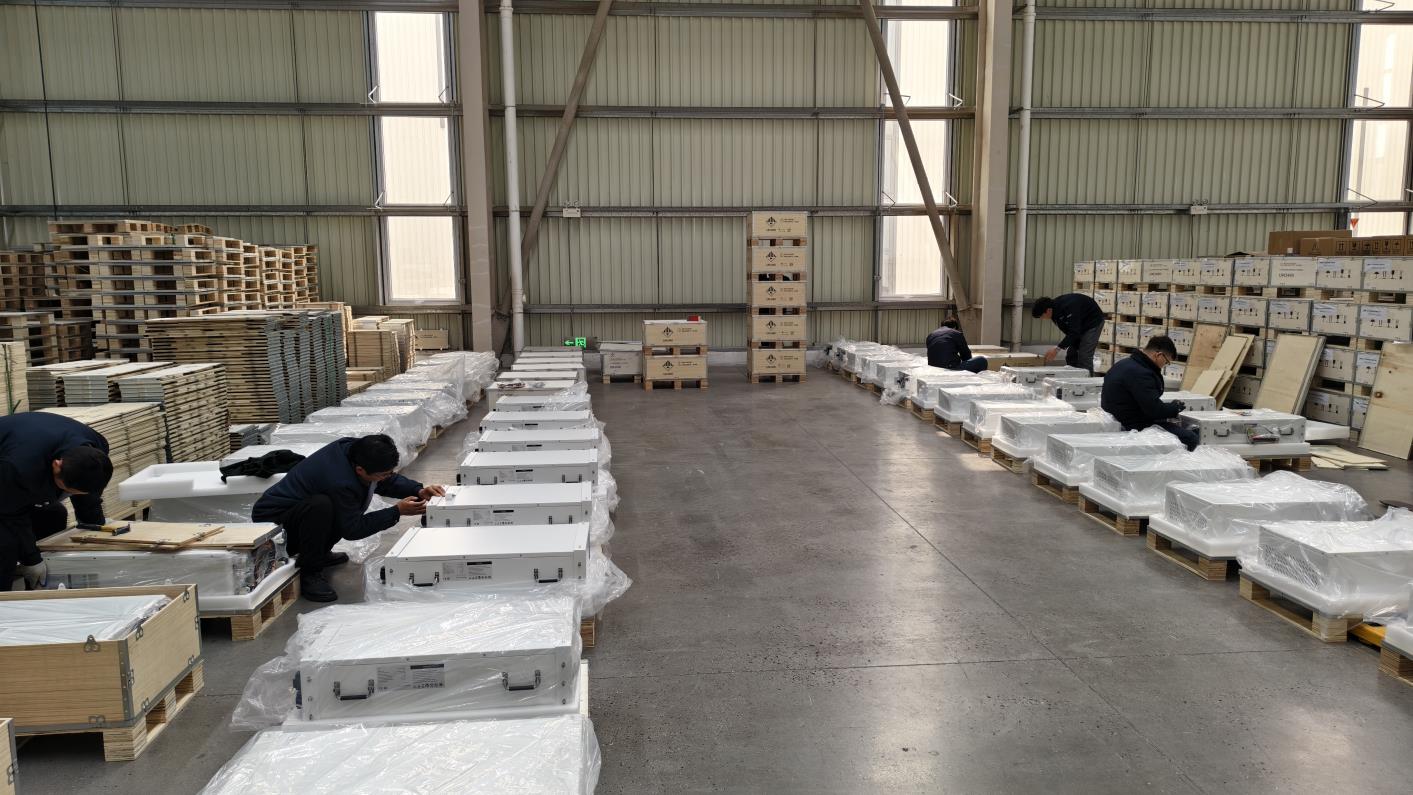
To sell and deploy electrical systems in Colombia, compliance with the **Reglamento Técnico de Instalaciones Eléctricas (RETIE)** is mandatory. RETIE outlines strict guidelines regarding safety, grounding systems, surge protection, and converter efficiency. Our solar air conditioning solutions are engineered to conform with RETIE benchmarks, facilitating smooth integration during building inspections and local electrical certifications.
In addition to safety compliance, our products help clients benefit from **UPME (Unidad de Planeación Minero Energética)** tax exemptions. By utilizing high-efficiency green energy equipment, Colombian commercial entities can qualify for tax relief under Ley 1715, improving project return on investment (ROI).
We work closely with local engineering partners and EPC contractors throughout Colombia to guarantee responsive after-sales support, technical consultations, and spare parts supply.
From small split systems for homes and offices to heavy-duty industrial configurations, explore our options below.
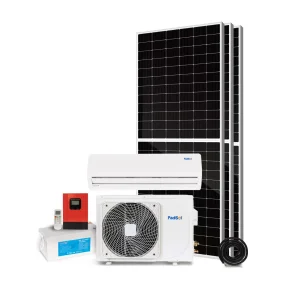
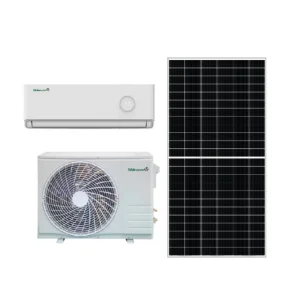
Innovative HVAC technologies are reshaping energy management, decarbonization, and building design across Colombia.
Modern HVAC systems are evolving beyond standalone units into active components of intelligent building microgrids. Integrating IoT and Wi-Fi management systems allows real-time monitoring of solar yield, battery state of charge (SoC), and current ambient thermal loads. Algorithms can adjust cooling cycles to align with peak solar generation, maximizing clean energy usage and lowering operating costs.
Regulatory frameworks globally, and increasingly in Latin America, are pushing for the transition away from high Global Warming Potential (GWP) gases. Our technology roadmap includes transitioning to advanced R32 and R290 (propane) refrigerants, which offer superior thermodynamic performance and lower emissions profiles to align with eco-certification standards.
By utilizing variable-frequency DC scroll compressors that accept direct PV power, our systems avoid the energy losses associated with converting DC solar energy to AC and back to DC. This direct-drive setup maximizes efficiency during sunny hours and improves system lifespan by reducing thermal stress on internal electrical components.
Looking ahead, integrating PCM thermal storage with solar HVAC configurations will allow systems to store excess cooling capacity generated during peak midday sun. This stored cooling can then be discharged during late afternoon peak tariff periods, optimizing thermal management without relying solely on chemical battery storage.
Clear, technical answers to common questions about implementing solar air conditioning systems in Colombia.
No, ACDC hybrid systems do not require batteries. They connect directly to solar panels and the local AC utility grid. The system dynamically blends power, prioritizing solar DC energy when available and drawing only the necessary supplemental energy from the utility grid during cloud cover or nighttime hours.
Our solar cooling systems are designed with high-quality electrical safety features, proper isolation paths, and ground connection configurations that align with RETIE safety regulations. This ensures straightforward installation approvals by certified local electrical inspectors in Colombia.
Under Ley 1715 (regulated by UPME), businesses can deduct up to 50% of the cost of their solar HVAC assets from their corporate income tax over a specified period. Additionally, these projects can qualify for VAT exclusions and customs tariff exemptions on imported green technology components.
R32 refrigerant offers higher heat transfer efficiency and lower pressure drops compared to traditional R410A. In hot climates, this allows the system to achieve higher cooling capacities with less energy, while also featuring a significantly lower Global Warming Potential (GWP).
Off-grid systems utilize an appropriately sized battery bank (48V Lead-Acid or LiFePO4). During periods of low solar irradiance or nighttime, the unit draws stored DC power directly from the batteries, ensuring continuous cooling for critical sites like remote telecom stations.
Yes. We supply units with anti-corrosion coatings (such as Golden Fin or Blue Fin treatments) on the condenser coils, alongside rugged cabinets designed to resist salt spray and high relative humidity typical of Colombian coastal regions.
Depending on local utility rates and solar availability, commercial installations typical achieve payback within 2 to 4 years. This payback period can be shortened when leveraging the tax incentives provided under Ley 1715.
Yes, Anhui Aryam Energy provides comprehensive OEM and ODM options. We can customize voltages, compressor specifications, brand labeling, and specialized chassis configurations to meet specific project guidelines.
Contact our engineering and design team today for a comprehensive feasibility study, RETIE compliance review, and custom project quotation for your Colombian operation.
 Aryam Energy